Discuss how modern technology and social media may cause further contempt issues for journalists.
Read the added file for more information.
SAMPLE ANSWER
Journalism and Contempt
We normally do not understand what contempt really is. Contempt, in legal terms, is the act of interfering with the advocated course of justice. In Australia, contempt is the deliberate attack on the status and dignity of the court systems (Phillip, 2010). Journalists in Australia are usually charged with contempt for the failure to reveal sources to their information at the court of law (Media Law Resource Center, 2013). I stand firm to argue that journalists should be charged in court with contempt. This is because it undermines the authority of the courts by endeavoring to influence participants in the proceedings, which can happen through publication or action such as physical threats to safety at extreme (Overbeck & Belmas, 2011). Failure to provide the requested information by the court is total disobedience. I would recommend that journalists should be charged with contempt if their publications tend to undermine public confidence in the administration of justice.
Several cases are evident showing certain journalists charged with contempt in Australia. Two Melbourne journalists, Gerald McManus and Michael Harvey, is one group charged with contempt in 2007 who apparently, had written an article for the Herald Sun Newspaper (Pracene, 2005). Subsequently, criminal charges were brought against Commonwealth Public Servant, who was alleged to be the source of information for the story. Both Gerald and McManus refused to give information as requested by the court, and were consequently fined $7000 each. Another case that confirms my stand on charging journalists with contempt is that of three Fairfax journalists in Supreme Court of New Wales (Riles, 2011). Justice Lucy McCallum ordered the journalist tool reveal identity of sources used to publish the story about a publication on defamation regarding a Chinese property developer, Helen Liu (Wijckmans, Tuytschaever & Vanderelst, 2006). The is a video in the you tube that show the article ‘Backpacker serial killings’ was fined $100000 for using the picture of Ivan Milat, who had been accused for slaying 7 hitchhikers as told by his brother Wally.
The next area I would like to discuss is use of Shield laws in Australia and its effectiveness. Shield laws are used in shielding journalists from revealing very sensitive data to the court that can lead to the prosecution of the source of the informant (Mandiberg, 2012). Shield laws can be said to be geared to protect the freedoms of the source of first-hand information. Shield laws, on the other hand, are used to relieve journalists from personal and professional harms. It is reported that period 2001-2002, two journalists in Australia committed suicide due to unknown reasons (Karmen, 2013). Experts in journalism argue that the cause of their death may be as a result of fear of prosecution as the article they had written was sensitive. The effectiveness of the Shield laws is to electrify the freedom of journalist to protect them from being blurred enjoying some services such as visa as it was done to McManus. This enables journalists protect and retain their reputations (Jones, 2010). The Journalists Privilege under the Shield laws provides that a judge will request information about the source of data after evaluating the likely damage to the informant and the ability of the news media to access sources of facts (Willingham, 2013). Another profound effectiveness of Shield laws is that it has enabled governments to be accountable. This is by protecting the journalist from corruption-full dockets of the government that reprimand the freedoms of these journalists (In Meyers, 2010). Accountability can also be felt by the ability of a country able to come down to the common problem and address it from the roots as portrayed by journalists (Zelezny, 2011). At most, transparency and democracy is reinstated to the overall system of justice because freedoms and rights are equivalently controlled and maintained.
The third and final issue I would like to address is how modern technology and social media may cause further contempt issues for journalists. With the emergence of new technology, we experience varied social media platforms where people of varied cultural settings expresses their views freely and confidently (Hunsicker, 2011). However, such information may trigger confusion and conflicts. Journalists have adopted a mechanism of getting information from these social media sites to write articles and publications. This is likely to cause more prosecution of journalists with contempt at courts (Elias, 2012). Most of social medial related information is usually fabricated, and if taken seriously, will lead to the prosecution of the journalist because it is very difficult to get the informant. This is provided by Shield law that argues that journalist must produce the source of the information if the court comes to the conclusion that it is necessary to have the source of data to make a sound judgment about the accused (Chadwick, 2013). Development of technology and social media will also see many journalists going to prison because of unintentional and intentional leak of vital information to wrong persons such as terrorist groups.
I would conclude by saying that journalists with contempt should be charge with if they refuse to provide information for proper operations of stated laws. Shield laws are there to protect both the journalist and the informants. In my views, improvement of technology and social media will increasingly place a heavy responsibility on professional journalists to maintain high standards of fact-checking, honesty and objectivity if considerations such as control are exhibited.
Chadwick, A. (2013). The hybrid media system: Politics and power. New York: New York University Press.
Elias, O. (2012). The development and effectiveness of international administrative law: On the occasion of the thirtieth anniversary of the World Bank Administrative Tribunal. Leiden: Martinus Nijhoff Publishers
Hunsicker, A. (2011). Behind the shield: Anti-riot operations guide. Boca Raton: Universal- Publishers
In Meyers, C. (2010). Journalism ethics: A philosophical approach. New York: Oxford University Press.
Jones, M. (2010). Bennett and Philp Lawyers, Client Update: Protecting Journalists’ confidential sources (shield laws).
Karmen, A. (2013). Crime victims: An introduction to victimology. Belmont, CA: Wadsworth, Cengage Learning.
Mandiberg, M. (2012). The social media reader. New York: New York University Press.
Media Law Resource Center. (2013). MLRC 50-state survey, 2013-14: Media privacy & related law. Annandale, N.S.W: Federation Press.
Overbeck, W., & Belmas, G. I. (2011). Major principles of media law. Belmont, Calif: Wadsworth.
Pracene, U. C. (2005). Journalists, shield laws and the first amendment: Is the fourth estate under attack?. New York, NY: Nova Science Publ.Sawer, M., Abjorensen, N., & Larkin, P. (2009). Australia: The state of democracy. Annandale, N.S.W: Federation Press.
This SLP assumes that you have a background in emergency management (mitigation, preparation, response and recovery), knowledge of the incident response system (ICS) from local to national level
Background:
1. You are the Principal the local Shining Star Elementary School. Your school contains 400 students and is part of a four-school cluster. Your cluster is part of a school district that contains over 100 schools from all levels.
2. You are the emergency manager for this county of over 300,000 people. Your position is to prepare the county for disasters in an area where the worst expected disaster is fire from storms or drought. Wind storms are the next worst expected disaster. Your county is surrounded by counties of equal or larger sizes in a larger city with a population of five million persons. Shining Star Elementary School is in your county.
3. You are the Mayor of a town within the county that contains the Shining Star Elementary School. The city police and fire department work for you.
4. You are the Chairman of the County Supervisors in the county that contains the Shining Star Elementary School. The county sheriff, fire department, health department, and county support offices work for you.
Scenario A:
1. A GROUP OF ARMED PERSONS HAS INVADED THE SHINING STAR ELEMENTARY SCHOOL!
2. THE PRINCIPAL HAS CALLED 911 FOR HELP.
And then Scenario B happens only 15 minutes later:
1.THE GROUP DEMANDS ACCESS TO THE MEDIA TO STATE THEIR DEMANDS
2. THE GROUP KILLS FIVE ELEMENTARY STUDENTS AND ONE TEACHER TO PROVE THEY ARE SERIOUS
For each of the four positions, explain what you would do and expect for each of the scenarios. Your actions for the initial scenario should be different from the second. Consider the following in each of your answers:
1. WHAT ASSETS DO YOU HAVE?
2. WHAT AGENCIES NEED TO BE INVOLVED?
3. WHO DO YOU NEED TO COORDINATE WITH?
4. WHAT ACTIONS CAN YOU TAKE?
Length: This SLP Assignment should be at least 4 pages not counting the title page and references.
References: At least two references should be included from academic sources listed below (e.g. peer-reviewed journal articles). Required readings are included. Quoted material should not exceed 10% of the total paper (since the focus of these assignments is critical thinking).
Organization: Subheadings should be used to organize your paper.
Progress made in implementation of management and mission functions, but more work remains. (2008), GAO-08-457T. Department of Homeland Security, Retrieved November 13, 2012, from: http://www.gao.gov/highlights/d08457thigh.pdf
SAMPLE ANSWER
Introduction
Domestic terrorism is the aggressive act of violence by the citizens of a particular country against their own countrymen. The violence can be perpetrated against the people or the infrastructure that serves the people of a particular nation. This act of terrorism is often conducted by the citizens of a particular state with the aim of promoting social or a political cause. The activities of domestic terrorist are wide and may involves related to cyber-crime, bank robbery, kidnapping, violent crimes, organized crime, among others (FBI, 2011).
The United States PATRIOTIC Act gives directions on how those responsible for security matters can track down terror suspects in order to disorganize their plots before they subject the people to unnecessary danger. In fighting domestic terrorism, the PATRIOTIC Act helps to protect civil liberties and provide common defense by weighing heavily on the civil liberties and matters of national security. According to McNeil (2012), this Act also explains that the American expectation of privacy is not unlimited since they enjoy a reasonable expectation of privacy. Therefore, anything one exposes to voluntary to the third party is not considered protected and each and every individual has the right to report any issues that appears to be amount to terrorism. However, this Act ensures that the security investigators have the necessary tools at their disposal to track and prosecute all acts of terrorism against the American citizens. Therefore, the PATRIOTIC Act is a reliable legislation for fighting domestic terrorism since it has passed the constitutional muster and controls all aspects of disagreements over the role of government and the actual abuse. Moreover, this Act empowers the government agencies to perform their duties diligently and encourages oversight to prevent them from abusing the powers that come with their authority (McNeill, 2011).
Scenario A
When terrorists invade such a large population of people, it is prudent to identify and implement best practices, policies, and procedures that ensure that the skills, experience and expertise of our security team are maximized and integrated with other security teams (D’Angelo, 2007). I request the school security team not to counter the terrorist until they receive support from external law enforcement agencies like the FBI, the police, and the CTU.
In combating domestic terrorism, we need some assets to help us track and prosecute the criminal. First of all, we need human capital to help in coordinating the various activities aimed at countering the terrorist. This will comprise of trained security personnel with the capabilities of dealing with the criminals. Secondly, we need proper IT infrastructure to help coordinate various activities of the security personnel. In addition, we need readily available finances to support the activities of the security personnel. The security team must be equipped with proper tools and equipments that can effectively be used to fight the terrorist (GAO, 2008).
In fighting terrorism, some government agencies must be involved since terrorism is a complicated act. The first agency that needs to be involved is the Counter Terrorism Unit (CTU) since they are heavily involved in domestic terrorism matters. We believe that the CTU will use their experience in handling terrorism matters to provide an emergency solution in accordance with our scenario. The next agency we will involve is the Federal Bureau of Investigations (FBI) The FBI will provide us with ideas as well as the human capital to help track and prosecute the terrorist. The FBI can also provide us with critical infrastructure and technology that can be used in our situation. The next agency that we need to consult is the multidisciplinary Joint Terrorism Task Forces (JTTF) so that they provide us with the necessary tools and equipments to help investigate the motive and the background of these terrorists. Since we are caught in an emergency situation, the JTTF will help to analyze and identify specific actions that will prevent the terrorist from causing more damage to the school. We also expect the JTTF members to support us with strategic change and innovation that will help us overcome any obstacle during the rescue operation. We will ensure that all the above agencies get access to our database in order to access the risk and possible rescue channels available in our institution.
Since fighting terrorism is a collaborative task, we need to involve the police in arresting and prosecuting the terrorist. The police will provide us with human capital and the necessary tools that are needed in our situation. In addition, the police will help us establish the law broken and help to prosecute the terrorist. We also need to coordinate with the health bodies so that they can take care of the persons who have been injured or killed during the terrorist attack.
Scenario B
When the terrorist demand access to the media, their demands should be accepted since defiance may result in more deaths. We will use the IT infrastructure at our disposal to ensure that they access the media. The information that will be circulated in the media will enable us to attract more sympathy from the general public leading to possible rescue operation. The information that will be aired by the terrorist through the media will also enable our collaborators and agencies involved to assess the real situation on the ground. We will need to coordinate with the media houses so that the terrorists stop their ruthless killings since their demands. Moreover, we will use all the communications assets at our disposal to ensure that necessary information is circulated to all relevant stakeholders. At this stage, we will be keen and ensure that we meet all the media demands and behave in accordance with their demands. By allowing the tourist access to the media, we will be saving more life since the relevant authority may decide to relent to their demands. Refusing to relent to the demands to the terrorist is very risky since they may decide to kill the remaining lives since most of these terrorists are very dangerous.
After providing the terrorist with the access to the media, we will try to launch negotiations with the terrorist to see if they agree to free the enslaved persons. Our argument points will be based on the basis that we are very cooperative and still willing meet their demands. If they refuse, we will urge the terrorist to release a portion of the captured persons, mostly the students, remain with the teachers to give them some leverage. This is because students are still young in age and such ruthless acts may negatively impact their psychology in the future. Meanwhile, as we are in the process of negotiating with the terrorist, we will be buying enough time for the national security agencies to reorganize themselves and possible launch their rescue operations. After some time, we believe the police, FBI, CTU, and JFFT, together with our local security team shall have come up with the rescue operation that they will launch against the terrorist and rescue the lives of both the students and their teachers.
Government Accountability Office. (2008). Progress made in implementation of management and mission functions, but more work remains, GAO-08-457T. Department of Homeland Security, Retrieved November 13, 2012, from: http://www.gao.gov/highlights/d08457thigh.pdf
We can write this or a similar paper for you! Simply fill the order form!
1. What are the limits of power of the FBI in pursuing surveillance of potential terrorists within and without the U.S.?
2. In your view, is the FBI adequately organized, staffed, and trained to perform the myriad of missions tasked?
3. Based on the readings and your research, what is the status of the USA Patriot Improvement and Reauthorization Act of 2011 and resultant action on the key divisive issues?
4. Explain the Department of Homeland Security’s role in combating domestic terrorism. What sub agencies are involved? What are their missions?
5. In your opinion, what vulnerabilities would a terrorist see based on your answers to the above four questions.
The following items will be assessed in particular:
1. Your understanding of the organization, roles and missions of the FBI and Department of Homeland security.
2. Your ability to express the controversies associated with these agencies attempting to perform their missions, obstacles in achieving success, and the impact of the Patriot Act.
3. In-text references to the modular background readings (APA formatting recommended) and a reference page. Outside background reading sources encouraged and expected.
Length: This Case Assignment should be at least 3 pages not counting the title page and references.
References: At least two references should be included from academic sources listed below. (e.g. peer-reviewed journal articles). Required readings are included. Quoted material should not exceed 10% of the total paper.
Organization: Subheadings should be used to organize your paper according to question.
Progress made in implementation of management and mission functions, but more work remains. (2008), GAO-08-457T. Department of Homeland Security, Retrieved November 13, 2012, from: http://www.gao.gov/highlights/d08457thigh.pdf
SAMPLE ANSWER
Domestic Terrorism Management
Q.1
The government agency known as Federal Bureau of Investigations belongs to the US Department of Justice. It functions as an internal intelligence and federal criminal investigative body. It is investigates crimes on the individuals in the US that are under the Major Crimes Act. Since its creation, FBI’s investigatory activities have been restricted by their guidelines to those within the constitutional limits, especially with respect to intrusion of privacy and unwarranted surveillance of U.S. Its major role in investigations in the US on terror threats is vested by the law and by presidential directives (Gorman, 2008). This includes the domestic roles to in conducting counter intelligence activities to meet foreign undercover work, in investigating international terrorists threats to the United States and intelligence attempts conducted against the United States.
The investigations of the FBI vary in many lengths. When they complete their investigations, the findings are forwarded to the office of the U. S Attorney within the local jurisdiction and to the sector of Justice in Washington, D. C. On receiving the information, they decide whether or not to proceed toward prosecution and handle any prosecutions that follows. Before a full investigation begins, there are certain factors that must be considered that the FBI guidelines requires. Some these factors includes: the probability that the harm would occur, the magnitude of the alleged harm and the danger to privacy and free expression imposed by a full investigation (Gorman, 2008). Under a probable cause standard to satisfy due process requirements, an agent must have reasonable belief that that a suspect has committed a crime or is likely to do so. The department must in general obtain a warrant act to conduct surveillance that would otherwise be an invasion of privacy, unless exigent circumstances exist to require commencement of search without a warrant (Juden, 2008). The general requirement for starting a police investigation depends on indication of criminal activity rather than a reasonable suspicion of criminal activity.
Q.2
In performing the many missions that are assigned to the FBI, I think it is adequately organized, staffed and trained to its assigned duties. The department has five functional branches. It also has the director’s office that handles most administrative offices. The executive assistance director manages each branch. An assistant director heads each branch of the divided offices and divisions. The divisions are further divided into sub-branches that are managed by the deputy assistant director. The office of the director is an important body in FBI and provides the finances and all the facilities management to the various staff departments including the five functional branches and other various field divisions. The 59 departments of the FBI at least have a special fighting unit in combating terrorism, for instance, the Special Weapons and Tactics team (SWAT). The department also has 56 offices in the countries major cities and it also holds over 400 occupant agencies across the US (Gorman, 2008). The FBI is all over the country with many departments, which makes it efficient to act upon any crime within the shortest time possible.
There well equipped laboratories help in fighting terrorism all over the world. Their labs serve for most DNA, physical, and biological work. The services that they conduct in their labs include Combined DNA Index System, Firearms and Tool marks, Computer Analysis and Response, Trace Evidence, DNA Analysis, Explosives, Forensic Audio, and Structural Design.
Many states, the international agencies and local authorities use the results that are gotten from the library freely. These activities make it possible for the FBI in pursuing surveillance of potential terrorist within and without the U. S. For one to employed with the FBI they must go through tests to prove they are clean and fit for the job. The applicant has to be an American citizens, must have a bachelor’s degree and with a clean record. All their workers need a Top Secret security clearance. The personnel management office conducts a series of background investigation conducted that one must pass to be an employee in the FBI departments that are located across the US. With such activities, the country is assured that they are being protected by the best and properly trained people who are aware of all the terrorist techniques.
Q.3
The Patriot Act is damaging to the basic individual freedoms that Americans have always valued. Itwas intended for the fight against terrorism after the September 11 attacks, but the measures stated in the Act generated massive debates over whether or not the Patriot Act reduces individual freedom (Juden, 2008). Considering the circumstances under which the law was voted, it is not surprising that the legislation was passed, but there are parts of the Act that require further analysis that will most likely show that it is endangering essential freedoms.
The USA Patriot Act weakens the fourth Amendment protection of all citizens, and not just suspected terrorists by authorizing warrantless searches and delayed notification. The Act also broadens sneak and peek searches, which is a search that occurs in the suspect’s absence and without his or her prior knowledge, and this enhances the power of prosecutors in court. The normal procedure for search warrants when executed is to leave a copy of the warrant if the place is unoccupied, and to do an inventory and return with the warrant.
Q.4
The Department of Homeland Security (DHS) is mainly responsible for ensuring that the United States is secure from terrorist attacks and any other disasters that may interrupt national security. It has focused on federal preparations to cover terrorism since the attack of the Sept. 11 terrorist attacks as they try to manage other responsibilities such as border security, emergency and custom management. Various federal agencies and offices were pulled together into newly established Homeland Security, which is now led by Tom Ridge. In its creation some agencies maintained their co-operate names and missions while others ceased to exist. The duties of those who did not collaborate were distributed among the new Department of Homeland Security (Martin, 2010). For instance, the US custom service, which was part of the Treasury Department, was split into US Customs and Boarder protection it has many different agencies that has different responsibilities.
There is the department of Directorate for Science and Technology that is responsible for protecting the citizens from any nuclear, chemical, and explosive attacks. It has all the technology needed to the federal officials that can detect any attempt of terrorist attacks using any explosives. The Domestic nuclear detection office develops high technology screening methods that can detect any nuclear weapon entering United States through the seaports or border crossing. There is the Federal Emergency Management agency that coordinates the government response to natural threats and fabricated disasters. The Office Infrastructure Protection agency helps in securing buildings and other structures across US and uses such technologies that can detect explosives the terrorists use. It also identifies locations and measuring their exposure to any attacks (Johnson, 2012). All these departments work hand in hand with the federal police and the cooperation of US citizens to fight terror attacks, hence, making it easier to realize any forms of terrorism that is in the United State. This has made it possible for the US to be safe from the terror attacks.
Q.5
I think, with the diverse departments that the FBI has all over the country, it has a great impact on the actions of terrorists. Their labs serve for most DNA, physical, and biological works. The services that they conduct in their labs include Combined DNA Index System, Firearms and Tool marks, Computer Analysis and Response, Trace Evidence, DNA Analysis, Explosives, Forensic Audio, and Structural Design (Martin, 2010). The results are shared with other states creating awareness of any act of terrorism. Other countries also provide them with information of crime and they are always aware of the activities of terrorists, making it impossible for them to perform any attacks. Through all these activities, they are able to identify any possibility of a crime and act upon it immediately.
References
Martin, C. Augustus. (2010). Essentials of Terrorism 2nd Ed + Issues in Terrorism and Homeland Security. Sage Pubns.
Johnson, N. (2012). Senate debates DHS’ role in regulating cybersecurity. Federal Times, 48(4), 7.
Juden, D. (2008). Police Practice: The Sikeston Department of Public Safety. FBI Law Enforcement Bulletin, 77(8), 10.
Gorman, S. (2008, April 2). Pentagon Uses FBI to Collect Data on People in the U.S. Wall Street Journal – Eastern Edition. p. A2.
We can write this or a similar paper for you! Simply fill the order form!
The Illegitimacy of Chaplains in German Army in WWII
The Illegitimacy of Chaplains in German Army in WWII
Order Instructions:
Discussing the legitimacy of the WWII German Chaplains.
1.First, you will argue the illegitimacy of the German Chaplains from a historical and biblical basis.
2.Second, you will argue the legitimacy of the German Chaplains from a historical and biblical basis.
NO PLAGARISM OR COPYING PLEASE
SAMPLE ANSWER
The Illegitimacy of Chaplains in German Army in WWII
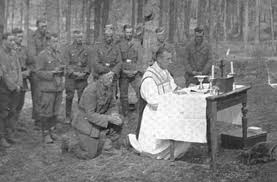
From a historical perspective, Chaplains in the German army served an illegitimate cause given the fact that they rendered their services to an army that became infamous for one of the most gruesome genocides in recent history. The traditional role of a Chaplain has always been to so to say ‘bless the cannons.’ What this means is that by working within the ranks of the German soldiers, they led their flock into believing that their work was sanctioned by God. This then served to tarnish the name of the Catholic church given that majority of them came from this Christian group.
From a Biblical point of view Chaplains in the German army is again illegitimized. This is because individuals in the Bible who served in roles tantamount to Chaplaincy served as the conscience of the army. This includes prophets like Samuel who ensured the soldiers adhered to their objective while maintaining a good moral standing. Evidence that emerged recently suggests that there were several incidents of murder of innocents and looting, activities that are obviously sinful and therefore condemned by scripture (Bergen, 2004).
Legitimacy of Christian Chaplains from a Historical and Biblical perspective
The fact that many of the soldiers in the Wehrmacht were serving away from home meant that it was necessary for them to continue being ministered to. Other than the distance factor the theater of war exposed them to many horrors that could have led anyone to have an acute spiritual crisis especially considering the fact that they had to come to terms with mortality first hand. As such it was essential for them to have someone minister to them, much in the same way prophets did in the Old Testament.
From a historical point of view they were very much legitimized with respect to the objective their government had. As much as it is unacceptable to many, the government was pushing a Nazi agenda and for this to work they needed to use all tools at their disposal. One of their most favored tools was propaganda. Having ‘men of the cloth’ among the ranks of soldiers helped to pacify their consciences and thus accomplish their objectives in the short run.
References
Bergen, Doris L. The Sword of the Lord: military chaplains from the first to the twenty-first century. Univ of Notre Dame Pr, 2004.
We can write this or a similar paper for you! Simply fill the order form!
First, illustrate the chaplains’ ministry Strengths and Opportunities while serving in the U.S military pluralistic environment.
2.Second, illustrate the chaplains’ ministry Weaknesses and Threats while serving in the U.S military pluralistic environment.
NO COPYING OR PLAGIARISM PLEASE
SAMPLE ANSWER
Military Chaplaincy in the United States
Strengths and Opportunities in the Military’s Plurialistic Environment
Strengths
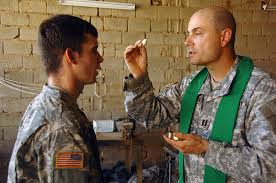
One of the key strengths of Chaplaincy in the Military’s pluralistic environment is the fact it has the full backing of the federal government in terms of funding as well as strong historical ties with the military. While Chaplaincy does not contribute to the tactical strength of the United States Military, the contributions that have been made by those who have served in this office remain an important factor. Funds provided by the federal government help to provide remuneration for those who serve as Chaplains (Bergen, 2004).
As far as opportunities go, it is known that a vast majority of the individuals who are employed by the military have some form of prior spiritual exposure mostly due to their families professing Christianity and other religious faiths. This means that the Chaplain’s services will mostly serve to compliment already existing beliefs.
Threats and Weaknesses of Chaplaincy
One key weakness of the Chaplaincy in the military’s pluralistic environment is the fact that the current and potential congregants are likely to identify with their specific denomination or religious faith. Majority of the Chaplains in the Military are sourced from evangelical churches and this means that their services will be best appreciated by military personnel with an evangelical background.
A key threat to Chaplaincy in the military’s pluralistic environment is the growing number and influence of individuals whose beliefs and lifestyles are on a collision course with the key values held by chaplains regardless of the religion they are sourced from. These groups continue to lobby against the existence of Chaplains by claiming that it is unconstitutional for such an office with strong religious connotations to be funded by the Federal government.
Reference
Bergen, Doris L. The Sword of the Lord: military chaplains from the first to the twenty-first century. Univ of Notre Dame Pr, 2004.
We can write this or a similar paper for you! Simply fill the order form!
Critical Infrastructure and Cyber Security in the US
Critical Infrastructure and Cyber Security in the US
Order Instructions:
The purpose of this session long project is to provide you with the opportunity to prepare a paper or report on Critical Infrastructure Protection (CIP) that is of particular interest to your community (Philadelphia), state (Pennsylvania), or the United States in general. The following information is essential in ensuring your success with this course component.
The project is to include at least the following information:
Length: This Case Assignment should be at least 10 pages not counting the title page and references.
References: A total of 10 reference (at least four references should be included from academic sources listed below). Quoted material should not exceed 10% of the total paper (since the focus of these assignments is critical thinking). Use your own words and build on the ideas of others. When material is copied verbatim from external sources, it MUST be enclosed in quotes. The references should be cited within the text and also listed at the end of the assignment in the References section (preferably in APA format).
Organization: Subheadings should be used to organize your paper.
The following items will be assessed in particular:
• Relevance (e.g. all content is connected)
• Precision (e.g. specific question is addressed. Statements, facts, and statistics are specific and accurate).
• Depth of discussion (e.g. present and integrate points that lead to deeper issues)
• Breadth (e.g. multiple perspectives and references, multiple issues and factors considered)
• Evidence (e.g. points are well-supported with facts, statistics and references)
• Logic (e.g. presented discussion makes sense, conclusions are logically supported by premises, statements, or factual information)
• Objectivity (e.g. avoid use of first person and subjective bias)
Critical Infrastructure and Cyber Security in the US
Introduction
As a matter of national safety, the aspect of critical infrastructure and cyber security happens to be a significant issue in the US. Critical infrastructure refers to any system, facility, or function that offers the foundation of national governance, security, reputation, economic vitality, and way of life. Whether virtual or physical CI systems are so significant to the US that there destruction can result into a debilitating effect on the nation’s security, national public safety or health and national economic security among others (O’Connor, 2010). Cyber systems and critical infrastructure (CI) always experience attacks on an industrial level. As a result, several businesses and organizations in the country are often affected negatively by such attacks. Attacks on critical infrastructure and cyber systems make organizations to suffer in terms of industrial surveillance and intellectual property theft, which lead to enormous losses to the economy of US. As such, identifying suitable methods that the local and state governments, private and public sectors and other agencies can employ in enhancing suitable critical infrastructure cyber security is vital in addressing the issues related to CI and cyber systems attacks. Some of the methods employed by these parties are information sharing and programs that are aimed at collecting information related to security.
Sharing of information has been noted as the principle method of ensuring the security of critical infrastructure and cyber systems. However, this process needs to be executed in a way that does not compromise or risk the safety or security of the source. Information sharing across the conventional boundaries of organizations is vital in ensuring the safety of both CI and cyber systems in the country (Brattberg, 2012). Information sharing happens to be a crucial component of the significant mission of the DHS (Department of Homeland Security), which is aimed at creating a shared situational awareness about malicious cyber operations (The National Cybersecurity and Communications Integration Center). As such, the DHS ensures that both the state and local law enforcement have access to information, which is critical for the protection of the nation’s CI. Besides, the DHS ensures that information is made confidential with the aim of ensuring that the sources are protected. This undertaking ensures that vital information continues to flow to authorities concerned with law enforcement.
Significance of Information Sharing in Relation to the Security of CI and Cyber Systems
Availing information to the law enforcement authorities helps in ensuring that these parties have a vital tool for safeguarding American citizens. Achieving this goal requires that the law enforcement agencies monitor the core areas that have been noted to be vulnerable to attacks from internal and external sources. Information sharing among the officers offers suitable mechanisms of identifying threat pictures, vulnerabilities, and their effect on the citizens. Moreover, it enhances the collection, reception and evaluation of risk-related or threat-related information.
Information sharing also provides a suitable platform on which the national and local governments alongside the private and local sector partners can establish efficient methods of safeguarding the CI and cyber systems. Furthermore, it ensures that the processes identifying, tracking, accessing and communicating of risk-related information are achieved in a single process. This strategy is significant in enhancing the safety of civil liberties and confidentiality of Americans and businesses.
Sharing of information provides a suitable mechanism through which the public can report suspicious events or activities to law enforcement agencies (Headayetullah, 2010). The DHS ensures that this goal is accomplished using awareness interventions, which are aimed at enriching the public or citizens with skills and knowledge on indicators of terrorism and violent crime. In addition, this department is involved in international and federal partnerships with the aim availing resources and information to the local and state enforcement authorities. One of the programs that are employed in gathering information from the public is the C3 (Critical Infrastructure Cyber Community Voluntary Program).
Critical Infrastructure Cyber Community Voluntary Program
The US relies on CI every day to provide water, energy, financial services, transportation and other capabilities that support the needs of the American people and their way of living. Over the years, advancements in technology have led to the evolvement of these capabilities, which has enhanced their running. With the increased dependence cyber-reliant systems, issues of vulnerabilities and threats have also increased.
Safeguarding the cyber security systems of the country’s CI happens to be matter of high concern for the national government. In relation to this, in February 2013, President Barrack Obama endorsed the executive order 13636, which was aimed at enhancing the critical infrastructure cyber security. In the same year, the president released the PPD-21 (Presidential Policy Directive), which was targeted at increasing the overall resilience of the nation’s CI (Harrop & Matterson, 2013) . One of the core elements of the executive order is the establishment of the cyber security model or the framework by the NIST (National Institute of Standards and Technology). This framework is meant to assist critical infrastructure organizations and sectors in managing and reducing their cyber threats.
Since there is a robust connection between physical security and cyber security, the DHS has established a partnership with the CI community with the aim of developing a voluntary intervention to encourage the application or use of the framework in strengthening critical infrastructure cyber security. The C3 program acts a coordination point or center within the Federal government for CI owners and operators who have interest in enhancing their cyber threat management activities. The C3 voluntary intervention has three objectives. This program aims at supporting the industry in enhancing its cyber resilience. Besides, the intervention focuses on increasing the use the framework and community’s awareness on this model. Lastly, the intervention aims at encouraging organizations to engage in the management of cyber security as a component of an all-hazards strategy to enterprise risk management.
In February 2014, the launch of the C3 voluntary program coincided with the release of the ultimate Framework (Vladimirovich, 2014). The first focus of this program is involvement with the SSAs (Sector Specific Agencies) and organizations by means of the Framework to establish a guideline on how to implement the Framework. The subsequent stages of the C3 voluntary intervention will widen the intervention’s coverage to every critical infrastructure and businesses or organizations of all sizes that have interest in using the Framework.
Activities of the C3 voluntary program
This intervention focuses on three principle activities.
Communications and Outreach
The C3 voluntary intervention acts as a center of contact and client relationship manager to help organizations or businesses with the use of the Framework. Besides, it provides guidance to interested sectors and organizations to the Department of Homeland security and other private and public sector resources (Vladimirovich, 2014). This guidance is provided with the aim of supporting the use of the framework for cybersecurity.
Feedback
The intervention promotes feedback from stakeholder businesses concerning their experiences with the help of its resources to execute the Framework (Vladimirovich, 2014). The programs operates with organizations to comprehend how these organizations use the Framework, and to obtain information on how the program and the Framework can be improved to serve organizations in a suitable way. Moreover, this intervention ensures that the feedback obtained from these organizations is availed to the NIST, to assist in guiding the establishment of the next edition of the Framework and related efforts.
Supporting Use
This program focuses on assisting stakeholders with the comprehension of the use of the Framework and other efforts that are associated with cyber risk management. Furthermore, it aims at supporting the establishment of sector-specific and general guidance for the implementation of the framework. The intervention also aims at working with the 16 sectors of critical infrastructure to establish a sector specific for using the framework in a suitable manner (Haynes, 2004). Some of these sectors include food, communications, healthcare, defense, information technology and argicluture.
Channels through which Organizations, Businesses, and the Public can engage in the Program
The C3 voluntary intervention interacts with organizations, businesses and the public through four channels. The program uses the regional DHS personnel from the CSA (Cyber Security Advisor) and PSA (Protective Security Advisor) programs in interacting with the target parties. These personnel engage in direct interaction with organizations or businesses in their regions concerning cybersecurity and CI protection. The second channel of interaction is the CIPAC (Critical Infrastructure Partnership Advisory Council) framework. This partnership takes into consideration the government, CI sector owners and operators (Geer, 2013). The partnership aims at ensuring the presence of a range of activities for the protection of the CI. The third channel is direct involvement with organizations, businesses and public. These parties may access the program’s website. The last interaction channel is the RFI (Request for Information) that offers a suitable platform on which the public can present their views on cybersecurity’s policies and solutions. Private and Public Sectors’ Best Practices for Safeguarding the CI and Cyber Systems
Guaranteeing the protection and resilience the country’s cyber and CI systems is a shared responsibility among various stakeholders or parties. Currently, both the private and public sectors are engaged in several methods of safeguarding the CI and cyber systems via partnerships. In relation to this, the IP (Infrastructure Protection) office is dedicated to strengthening and expanding CI across all regions in the U.S. The IP is accomplishing this goal by engaging in activities that strengthen personnel at the regional level. Moreover, the IP is engaged in strengthening of interventions and potentials to offer support to regional partnerships.
Financial Services ISAC (Information Sharing and Analysis Centers), which was established by security, banking and finance organizations in October 1999, happens to be among the organizations, which have been established to enhance the process of safeguarding the cyber systems and CI (Haynes, 2004). Both the public and private sectors are involved in the maintenance of databases to which their members are required to report information about security threats, vulnerabilities, events and solutions or opinions. This information in then evaluated by security experts who proceed to alert members depending on the urgency or seriousness of the matter. The information posted on the databases is kept private with the aim of protecting the sources.
Both the private and public sectors are associated with early or immediate notification of risks, sharing of anonymous or unspecified information and offering expertise on subject matter. Furthermore, these sectors contribute significantly to the provision of trending information and other benchmark date. The membership list is always kept private. These sectors also play a vital role in establishing standards that are used in initiating, executing and improving information security for cyber systems and CI. The benchmarks formed by these sectors address issues of security, reliability and safety in operations. Besides, the benchmarks help in addressing matters concerning the design of systems for securing cyber systems and CI. Some organizations have also established study groups, which are in charge of identifying and documenting vulnerabilities and threats. Furthermore, other private and public organizations are involved in the coordination and promotion of consensus-based standards. Private and Public Sectors’ Best Practices for Safeguarding Cyber Systems and CI
Sharing of information is considered critical for attaining secured cyber systems and CI. Information sharing enhances the continuous flow of vital data concerning threat-related matter. Both the private and public play a significant role in ensuring that this goal is accomplished. The information obtained from the members is made private with the aim of ensuring their safety.
In many situations, the two sectors make information inaccessible or unreachable even to the national government. Therefore, people are always motivated to offer information without fear. However, this undertaking may create problems to matters involving research. One of the problems associated with this approach is that researchers may lack substantial or adequate data concerning securities threat matters as this information is often hidden. On the other side, the two sectors should ensure that that their communication systems are safeguarded even in times of disaster. This is approach is vital in avoiding the disruption of such systems as it was seen in the case of the communication capabilities of public agencies, which were eroded by the Hurricane Katrina’s disaster (Miller, 2007).
Coordinating and promoting of consensus-based benchmarks is significant in minimizing duplication and overlap, which are always associated with benchmark-related efforts (Haynes, 2004). These benchmarks also ensure that entities adhere to policies and regulations concerning cyber systems and CI security. Thus, the practices adopted by the public and private sectors are vital in safeguarding the CI and cyber systems.
Role of the Local Government, State Government, and Private Sector in Securing Cyber Systems and CI
Many interventions have been established to aid in securing cyber systems and the CI. The local government has developed community-based interventions that enhance awareness creation to the community. Under these programs, individuals are equipped with adequate knowledge on the indicators of terrorism and crime violence, which may impact negatively on cyber systems and CI. Knowledge on indicators of crime/terrorism is an indispensable element of protecting information related to CI (A generic national framework for critical information infrastructure protection, 2007). The local government also ensures that people are offered feedback mechanisms through which they can submit crime and terrorism-related issues. These feedback systems offer a suitable platform on which vital information is shared.
The state government has developed various agencies that assist helps in enhancing the safety of cyber systems and CI. This undertaking is facilitated by the Department of Homeland Security. These agencies engage in robust partnerships with public and private sectors with the aim of enhancing the safety of cyber systems and CI. Moreover, the agencies help in developing appropriate methods of recognizing vulnerabilities and threats, and their remedies.
Private and public sectorsalso contribute significantly to enhancing the safety of cyber systems and CI (Brattberg, 2012). These sectors have developed databases on which members can post information or opinions on issues related to security threats, and offer solutions to such matters via their security experts. The information posted on the databases is given to law enforcement agencies and the state government to enable necessary or corrective measures to be adopted. Besides, the two sectors have guidelines, which can be employed in facilitating the process of safeguarding cyber systems and CI.
Other Methods of Enhancing Critical Infrastructure Cyber security
NIST has established a crucial framework that can be employment in enhancing critical infrastructure cyber security in several ways. This model offers owners of CI and other parties with voluntary guidance on suitable methods of protecting assets and information from cyber crimes or attacks. The framework is divided into three principle elements that include core, tiers and profiles. NIST’s model establishes best practices that always employed in CI industries and sectors.
The Core is divided into five functions that include protect, identify, respond, detect and recover. Taking into consideration the fact that these functions are often used together, they can be employed in helping organizations comprehend and transform their cyber security programs into efficient and functional system (Geer, 2013). The tires enable organizations to evaluate the extent at which their systems meet goals established in the NIST’s framework. Consequently, profiles assist organizations in attaining a higher state of cyber security sophistication.
NIST’s model for improving critical infrastructure cyber security was developed as response or reaction to the executive order 13636 (Haynes, 2004). The president assigned the NIST with the task of developing a set of methodologies, standards and processes, which align business, policy and technological strategies to address or handle cyber threats to CI. In relation to this, the DHS has identified 16 different sectors that include food, information technology, defense, agriculture and healthcare among others.
Labeling its framework as Version 1.0, the NIST acknowledges the fact that its model need to be dynamic to enable it match the ever evolving technology and needs of cyber security. In addition, NIST has developed a roadmap, which is aimed at advancing the critical infrastructure cyber security (Geer, 2013). This roadmap offers the future path for adjusting/updating and improving version 1.0. As it continues to create new editions of its model, NIST anticipate remaining at the core of collaboration between government agencies and industry to assist owners of CI in comprehending, executing and improving the model.
Just as in the case of the C3 voluntary intervention, NIST framework is voluntary (Haynes, 2004). Currently, the departments of commerce, homeland security, and treasury are involved reviewing methods and mechanisms of creating incentives, which will motivate organizations and businesses to execute the guidance.
Conclusion
In conclusion, the safety of critical infrastructure and cyber systems relies on the aspect of sharing information. This goal is accomplished through the establishment of a broad network, which takes into consideration the local government, state government, private, and public sectors, and agencies such as NIST. Besides, this network includes the American citizens who are allowed to post information databases that have been developed by the mentioned parties. Sharing of information is significant in ensuring that the security levels of CI and cyber systems are achieved in an efficient manner. However, it is vital to note that the shared information needs to be kept private to safeguard the interests of the sources.
Brattberg, E. (2012). Coordinating for Contingencies Taking Stock of Post-9/11 Homeland Security Reforms. Journal of Contingencies & Crisis Management, 20(2) 77-89
Geer, D. (2013). Resolved: The Internet Is No Place for Critical Infrastructure. Communications of the ACM, 56(6) 48-53.
Harrop, W & Matterson, A. (2013). Cyber Resilience: A Review of Critical National Infrastructure and Cyber Security Protection Measures Applied in the UK and USA. Journal of Business Continuity & Emergency Planning, 7(2) 149-162.
Haynes, W. (2004) Seeing Around Corners: Crafting the New Department of Homeland Security. Review of Policy Research, 21(3) 365-395
Headayetullah, M; Pradhan, G. (2010). Efficient and Secure Information Sharing for Security Personnels: A Role and Cooperation Based Approach. International Journal on Computer Science & Engineering, 2(3) 903-911
HLTH 8050 Week 9 Discussion
The Globalization of Health
Cell phones, video cameras, and other technologies are changing the way we live today. It is difficult to avoid the stories and images of poverty, human rights abuses, disasters, diseases, and other tragedies that plague people in rich and poor countries alike.
It is not just communications technology that is making the world a “smaller” place. Globalization is also exerting a powerful effect on the conditions in which people live and work, (i.e., the social determinants of health) and, thus, on health itself.
Discussion questions:
A brief summary on the effects of globalization on health in Russia.
Discuss one change in quality of life in post-transition Russia.
Also, explain one change in mortality in post-transition Russia.
Provide examples for both. Expand on your insights utilizing the Learning Resources.
Articles:
• Wilkinson, R., & Pickett, K. (2010). The spirit level: Why greater equality makes societies stronger. New York, NY: Bloomsbury Press.
o Chapter 13, “Dysfunctional Societies” (pp. 173–196)
• Averina, M., Nilssen, O., Brenn, T., Brox, J., Arkhipovsky, V. L., & Kalinin, A. G. (2005). Social and lifestyle determinants of depression, anxiety, sleeping disorders and self-evaluated quality of life in Russia: A population-based study in Arkhangelsk. Social Psychiatry and Psychiatric Epidemiology, 40(7), 511–518.
• Frieden, T. R. (2010). A framework for public health action: The health impact pyramid. American Journal of Public Health, 100(4), 590–595.
• Jones, C. P., Jones, C. Y., Perry, G. S., Barclay, G., & Jones, C. A. (2009). Addressing the social determinants of children’s health: A cliff analogy. Journal of Health Care for the Poor and Underserved, 20(Suppl. 4), 1–12.
• Perlman, F., & Bobak, M. (2008). Socioeconomic and behavioral determinants of mortality in post transition Russia: A prospective population study. Annals of Epidemiology, 18(2), 92–100.
Ray, R., Gornick, J. C., & Schmitt, J. (2010, July). Who cares? Assessing generosity and gender equality in parental leave policy designs in 21 countries. Journal of European Social Policy, 20(3), 196–216.
• Stuckler, D., King, L., & McKee, M. (2009). Mass privatization and the post-communist mortality crisis: A cross-national analysis. Lancet, 373(9661), 399–407.
• The PLoS Medicine Editors. (2010). Social relationships are key to health, and to health policy. PLoS Medicine, 7(8), 1–2.
• National Rural Health Mission. (2012). RSBY-Rashtriya Swasthya Bima Yojnab. Retrieved from http://www.rsby.gov.in/
Note: In the Search box, enter “China health outcomes” to locate various articles on this topic.
Please apply the Application Assignment Rubric when writing the Paper.
I. Paper should demonstrate an excellent understanding of all of the concepts and key points presented in the texts.
II. Paper provides significant detail including multiple relevant examples, evidence from the readings and other sources, and discerning ideas.
III. Paper should be well organized, uses scholarly tone, follows APA style, uses original writing and proper paraphrasing, contains very few or no writing and/or spelling errors, and is fully consistent with doctoral level writing style.
IV. Paper should be mostly consistent with doctoral level writing style.
SAMPLE ANSWER
The Globalization of Health
Globalization influences not only trade, finance, science, and environment, but also health and medical care. Communicable diseases like HIV, SARS, H1N1, and swine flu are some of the examples of the diseases that have spread globally. All these spread due to changes in the environment and lifestyle, which is a sufficient evidence that lifestyles are also rapidly changing. Some of the unhealthy ways of living include smoking and obesity. Other examples of globalization of health include international trade of health services, international movement of physicians and nurses, and movement of healthcare consumers (World Health Organization Western Pacific Region, 2009).
Globalization of health has directly affected the wellbeing of Russian population. From the onset, there are high rates of low mood and anxiousness among the Russian population. These health problems are as a result of poor nutrition due to low consumption of food and low payment of professionals. The depression is due to cigarette smoking and taking of alcohol in very large amounts. These health complications have greater influence on circulatory and gastrointestinal diseases (Averina et al., 2005). According to Frieden (2010), clinical interventions that need very small amount of interaction, day-to-day clinical care, health education, and counseling are some of the ways to sort out these health challenges.
The quality of life in post transition Russia has changed drastically. The people have developed poor eating habits. Most people depend on high levels of energy intake from fat. Consequently, this has resulted into increase in weight of individuals, hence, obesity in the older people. Health status of children is equally worrying, with most children having chronic malnutrition. This is also reflected in primary school going children whose health conditions are very poor. At birth, newborns develop disabilities and a high number of children are having physical complications. Poor quality of life is as a result of high poverty levels amongst the citizens. There is high inflation and decline in wages as a result of fluctuation in employment and income patterns (Wilkinson & Pickett, 2010). In order to address some of these challenges, Jones et al., (2009) give a summary of how to handle them. Perhaps, this problem could be solved by having improved health facilities and addressing both equity and factors that promote good health. Therefore, in order to realize low mortality rate post transition Russia ought to address the social determinants of health like empowering its citizens economically and also ensuring that there is equity. Equity involves improving the policies, practices, norms and values that control the distribution of resources. Furthermore, Jones et al., (2009) states that social determinants of health like poverty, automatically eliminate any health inequity.
There is a rise in mortality rate in post transition Russia due to income inequality, unemployment, labor turnover, migration, crime and divorce. These factors resulted into stress which is a major cause of death. Consequently, there was high death of men who were still very young and productive. Another factor that promoted increased death rate is huge increase the number of people and the amount of alcohol taken. The increased use of alcohol resulted into people killing themselves and some involving themselves in road accidents. The increased intake of alcohol is basically as a result of reduction in the amount of money used to buy the substance. According to Stuckler, King, & McKee (2009), the solution to high mortality rate is privatization of institutions especially in post Russian nation.
References
Averina, M., Nilssen, O., Brenn, T., Brox, J., Arkhipovsky, V. L., & Kalinin, A. G. (2005). Social and lifestyle determinants of depression, anxiety, sleeping disorders and self-evaluated quality of life in Russia: A population-based study in Arkhangelsk. Social Psychiatry and
Psychiatric Epidemiology, 40(7), 511–518.
Frieden, T. R. (2010). A framework for public health action: The health impact pyramid. American Journal of Public Health, 100(4), 590–595.
Jones, C. P., Jones, C. Y., Perry, G. S., Barclay, G., & Jones, C. A. (2009). Addressing the social determinants of children’s health: A cliff analogy. Journal of Health Care for the Poor and Underserved, 20(Suppl. 4), 1–12.
Stuckler, D., King, L., & McKee, M. (2009). Mass privatization and the post-communist mortality crisis: A cross-national analysis. Lancet, 373(9661), 399–407.
Wilkinson, R., & Pickett, K. (2010). The spirit level: Why greater equality makes societies stronger. New York, NY: Bloomsbury Press. o Chapter 13, “Dysfunctional Societies” (pp. 173–196).
The World Health Organization and European Union (EU) DETERMINE Consortium has acknowledged gaps in health equities within and between member countries. A variety of efforts are underway to help close those gaps.
Discussion questions:
A brief comparison of the health status of the two EU countries you selected with that of the U.S. Then, describe two efforts in those EU countries to reduce health inequities. Explain what lessons can be learned from the EU efforts you selected that can be implemented in the U.S. nationally or by individual states. Explain how the community you live in might adapt these interventions. Expand on your insights utilizing the Learning Resources.
Articles:
• Gele, A. A., & Harsløf, I. (2010). Types of social capital resources and self-rated health among the Norwegian adult population. International Journal for Equity in Health, 9, 8–16.
Retrieved from the Walden Library databases.
Please apply the Application Assignment Rubric when writing the Paper.
I. Paper should demonstrate an excellent understanding of all of the concepts and key points presented in the texts.
II. Paper provides significant detail including multiple relevant examples, evidence from the readings and other sources, and discerning ideas.
III. Paper should be well organized, uses scholarly tone, follows APA style, uses original writing and proper paraphrasing, contains very few or no writing and/or spelling errors, and is fully consistent with doctoral level writing style.
IV. Paper should be mostly consistent with doctoral level writing style.
SAMPLE ANSWER
Is the EU Closing the Gap on Health Inequities?
A comparison of the health status of Belgium and Germany – two EU member states – with that of the United States reveals that in Germany, the life expectancy for women is 83 years and ranks 15th worldwide, and that of men is 78 years and ranks 16th. Rate of infant mortality is 3.54 deaths for every 1,000 births and ranks 212 globally (NationMaster, 2014). In Belgium, the life expectancy at birth for women is 83 years and ranks 16th globally, and for men is 77 years, and ranks 25th worldwide. The rate of infant mortality is 4.33 deaths for every 1,000 live births (NationMaster, 2014). In USA, life expectancy for women is 81 years and ranks 33rd and for men is 76 years, ranking 30th worldwide. Infant mortality rate in America is 6.06 per 1,000 live births, ranks 179 globally (NationMaster, 2014). As illustrated in the health status statistics, Europeans in the selected EU countries have higher life expectancies than Americans and infant mortality is higher in the United States than in Belgium and Germany.
The two efforts in both Belgium and Germany to reduce health inequities are as follows: (i) the actions taken concerning healthcare access include the improvement of quality as well as accessibility of healthcare, and the focus is on affordability (Commission of the European Communities, 2007). Moreover, the governments of Germany and Belgium have taken actions to ensure emergency medical aid for everyone, and they provide increased reimbursement to vulnerable groups who include cancer patients and those with chronic illnesses. They also undertake initiatives that target the decrease in price of drugs; maximum bill for costs of healthcare; and improving proximity of healthcare services (Equity Action, 2013). Furthermore, there is cross-sector policy plan aimed at fighting poverty and guarantee the right to health. The plan encompasses 12 measures including measures to increase the use of the 3rd party payer system by the healthcare providers, and measures to increase hospital admission of poor people (Wevers et al., 2007).
(ii) Actions taken concerning prevention and health promotion include providing affordable, quality and durable housing for everyone, and stress management for persons living in poverty. They also include providing preventive health checks at school, and promotion of balanced and healthy nutrition in vulnerable groups and in the general population. There is also focus on occupational diseases and industrial accidents and in combating drug and alcohol use in working settings (Equity Action, 2013).
Lessons that Americans may learn from the EU efforts selected and that can be implemented in the United States by individual states or nationally are as follows: first, governments in the United States, be they state governments or the federal government, should establish a policy plan aimed at reducing poverty and guarantee every person’s right to health. This policy plan should include among others, measures to increase hospital admission for the poor Americans. Secondly, to reduce inequities in health, state governments in the U.S should provide increased reimbursement for groups that are vulnerable such as patients with chronic sicknesses. State governments should promote a balanced and healthy nutrition. Thirdly, stress management should be provided to poor people to reduce cases of suicide; preventive health checks be provided in American schools; and the federal government should ensure the availability of affordable, durable, and quality housing for all Americans. The federal government should also develop policies intended to reduce the price of medicines. The community that I live in might adapt these interventions by consuming more balanced and healthy nutrition; seeking durable and quality housing; and the poor in the community would get help to manage their stress. Community members would also be able to purchase medicines at affordable prices.
Wevers, S., Lehmann, F., Nurnberger, M., Reemann, H., Altgeld, T., Hommes, M., Luig, H., & Mielk, A. (2007). Strategies for Action to Tackle Health Inequalities in Germany. BGG, 50(4): 484-91
We can write this or a similar paper for you! Simply fill the order form!
As the week’s resources reveal, the Japanese experience demonstrates the importance of cultural issues, such as caring and sharing that profoundly influence health outcomes. Without considering culture, one cannot begin to explain why Japan is the world’s healthiest nation on most mortality indicators despite having a high proportion of men smoking and the highest rates of low-birth weight babies among rich nations.
Furthermore, health outcomes in Japan are significantly better than those in the U.S., even though the U.S. spends much more on health care. What can the U.S. learn from this country?
Discussion questions:
A brief analysis of how reconstruction after World War II contributed to Japan’s contemporary health status. Then, summarize one significant political feature and one legal feature of Japan’s contemporary health care system that contributes to Japan’s population health status. Offer two reasons (historical, political, legal, and/or cultural) for the disparity between the Japanese and American populations in health achievement. Finally, suggest two lessons other countries can learn from the Japanese experience to improve their own health status. Expand on your insights utilizing the Learning Resources.
Articles:
Bezruchka, S., Namekata, T., & Sistrom, M. G. (2008). Interplay of politics and law to promote health: Improving economic equality and health: The case of postwar Japan. American Journal of Public Health, 98(4), 589–594. Retrieved from the Walden Library databases.
Kawachi, I., Fujisawa, Y., & Takao, S. (2007). The health of Japanese—What can we learn from America? Japanese National Institute of Public Health, 56(2), 114–121. Retrieved from http://www.niph.go.jp/journal/data/56-2/200756020009.pdf
Please apply the Application Assignment Rubric when writing the Paper.
I. Paper should demonstrate an excellent understanding of all of the concepts and key points presented in the texts.
II. Paper provides significant detail including multiple relevant examples, evidence from the readings and other sources, and discerning ideas.
III. Paper should be well organized, uses scholarly tone, follows APA style, uses original writing and proper paraphrasing, contains very few or no writing and/or
spelling errors, and is fully consistent with doctoral level writing style.
IV. Paper should be mostly consistent with doctoral level writing style.
SAMPLE ANSWER
What America Can Learn from Japan
Japan is recognized all over the world for its exceptional accomplishments in the 2nd half of the 20th century in not only improving health status of the population, but also in developing a strong health system. Reconstruction following the Second World War contributed greatly Japan’s contemporary health status. In 1945, following the ending of WWII, the country confronted extensive damage. Japan’s surrender in 1945 was followed by 7 years of American occupation that aimed at restructuring Japan’s health care system as part of its objective to democratize the whole fabric of society. These endeavors had mixed outcomes. To address Japan’s health problems and to democratize the country, the American forces restructured the country’s health system and strengthened community health institutions, and this improved the control of infectious illnesses (Kawachi, Fujisawa & Takao, 2007). In the period after the war, Japan also continued to expand its social health insurance coverage to universal coverage, something that had been initiated in the prewar period. Early improvements in the longevity of the population of Japan without doubt came from the provision of essential needs such as shelter, sanitation, water, and food immediately following the war (Kondo, 2014).
One significant political feature of Japan’s contemporary health care system that contributes to the population health status of Japan is the postwar motives to expand social insurance; this came from political economy objectives that are atypical public health goals (Bezruchka, Namekata & Sistrom, 2008). The one significant legal feature of Japan’s contemporary healthcare system that contributes to Japan’s population health status are the health-related laws that were passed since the 1950s. The Japanese government, for instance, promoted preventive strategies like spreading the utilization of X-ray examinations. Treatment of tuberculosis became free in the year 1951 (Kawachi, Fujisawa & Takao, 2007).
The United States and Japan provide a remarkable contrast in their levels of health attainment. While presently, at 82.2 years on average and 86.4 years for women and 79.6 years for men, Japan has the highest life expectancy globally, the United States ranks 30th with life expectancy of 77.5 years (World Health Organization, 2014). The reasons for the disparity between the American and Japanese populations in health achievement are as follows: first is with regard to societal/cultural factors. This means that unlike Americans, people in Japan have strong social ties, have better attitudes towards sanitary behavior, have good diet, and there is small social disparities in Japan. The second reason for the disparity is the provision of universal care in Japan, as well as public health measures that have been put in place by the Japanese government (Kondo, 2014). Almost every Japanese citizen is covered without regard to any medical conditions that they might be having – predisposing conditions – or to their actuarial likelihood of dying because of disease. Premiums are based on a person’s ability to pay and their income (Okamoto, 2008).
Two lessons that other nations may learn from the experience of Japan to improving their health status are as follows: (i) Universal coverage with equity. In 1961, Japan’s attainment of universal health insurance coverage was rather early in the world, particularly taking into account its low per capita income at that time which was half of Britain. Japan also decreased inequities throughout the various insurance plans over time. It achieved this by mandating cross-subsidies across plans with dissimilar proportions of elders enrolled, and by making the rates of copayment uniform except for children and elders (Kawachi, Fujisawa & Takao, 2007). (ii) Service quality and cost containment: The country has been able to achieve universal coverage whilst still controlling costs and without significant trade-offs in the quality of service. Japan has achieved cost containment using the single nationwide fee system for reimbursement, together with a full health budget cap (Okamoto, 2008).
References
Bezruchka, S., Namekata, T., & Sistrom, M. G. (2008). Interplay of politics and law to promote health: Improving economic equality and health: The case of postwar Japan. American Journal of Public Health, 98(4), 589–594.
Retrieved from the Walden Library databases.
Kawachi, I., Fujisawa, Y., & Takao, S. (2007). The health of Japanese—What can we learn from America? Japanese National Institute of Public Health, 56(2), 114–121.
Kondo, N. (2014). What has Made Japan Healthy? – Contributions of local and government health policies JMAJ, 57 (1): 24-27
This paper is in two section and the writer must pay attention to the details of each section. In section A the writer will compose a 1.5 pages word document responding to the questions base on the instructions. At the end of those responses the writer is require to asked two questions also base on the instructions giving in that section. In SECTION B, the writer will create 13 slides, note that each slide cannot have more than 40 words in the slides, and must have at least 100 words speaker notes. In text citations are critical and proper APA must be use throughout the entire paper. The writer must clearly respond to all questions for the PPT.
SECTION A ( 2 pages minimum )
Transcultural nursing theory is also called the culture care theory. With this in mind, explain how you plan to incorporate the culture care theory in your presentation in section B below, and how the theory relates to your proposed policy change in your policy change proposal hear below.
Policy Change Proposal
The public policy problem is that section 2713 requires organizations to provide their workers with birth control as part of their insurance coverage. The public policy question is: should the federal government mandate that organizations can choose whether or not to provide contraceptive services to employees as part of their insurance coverage? The public policy resolution is an amendment to section 2713(a) (4) of PL 111-148 that would say: organizations – both for-profit and non-profit organizations – have the option of either offering their employees birth control as part of their insurance coverage or not to offer contraceptive services (Cauchi, 2014).
At the end of the paper, create two questions that allow your instructor to understand your PowerPoint presentation in section B below. Your Instructor will respond to your questions with another question using the Socratic teaching strategy. The questions and responses are designed to foster debate.
SECTION B (13 slides minimum)
This section will include a minimum of 13 slides excluding title and references slides. Speaker notes will also be included to elaborate on the point noted in the slides. The words cannot be more than 40 in the slides, and you must have at least 100 words in the speaker notes. In text citations are critical in the speaker notes. The writer must follow proper instructions as stated below.
Comparing International Healthcare Delivery Systems
Description
Each student will prepare a PowerPoint presentation, including detailed speaker notes in APA format, examining an international health system compared to the reformed U.S. health system. (You will be using Canada to compare with the U.S)
Directions:
Students will prepare the presentation using PowerPoint that will provide:
• a discussion of the country, culture, and governance structure compared to the U.S. structure
• the historical background of the development of the health system including a description of the health system type, cost analysis, and funding stream compared to the reformed U.S. system
• a discussion of systematic and financial health policy issues that would indicate success or failure driven by politics in each country
• a discussion of the health system’s performance including outcomes, and a comparative analysis of costs compared to the U.S. health system
The presentation will be professional and include:
• speaker notes that are detailed and cited with the most current information available and matching references on the reference slide no older then 2010
• slides that are cited and contain no more than 40 words per slide with matching references on the reference slide
• graphics that are cited with a matching reference on the reference slide
• written permission for graphics that hold a copyright
• a title page slide at the beginning and a reference slide at the end in APA format
• 15 slides counting the title slide and reference slide
Also take note that the references must be older than 2010 when the new healthcare reform was passed. Anything below that year will not be accepted.
The Staff of the Washington Post. (2010). Landmark: The inside story of America’s new health care law and what it mean for all of us. New Your, NY: Public Affair.
Healthcare institutions are environments where there are rich cultural diversities for the individuals that are receiving care and for the health professional providing this care as they possess varied cultural practices and properties. In a similar manner that cultural diversity is vital in almost all aspects of life, it is also crucial in health care practices. (Karabudak, Tas, & Basbakkal, 2013). Transcultural nursing is a vital component of healthcare provision today, and a formal area of practice that focuses on comparative care. It recognizes differences and similarities in cultural beliefs, values and patterns of life to provide care. This care is congruent with, meaningful, and beneficial to individuals of a particular culture (Karabudak, Tas, & Basbakkal, 2013).
Making international comparisons of healthcare systems has been a common practice. However, this has often been based on comparing the resources that different countries have in their healthcare systems. In most cases this has been on the basis of the OECD member countries national healthcare expenditures. These are measured as a fraction of the Gross Domestic Product (GDP) or a per capita basis for the countries (Irene & Peter, 2013). These support arguments that few/many resources are allocated in a certain country’s healthcare system compared to another. Effective patient care requires the consideration of factors that affect the patient directly and not parameters that affect the national governments. Therefore, given the knowledge of transcultural nursing the parameters used are more vital for patient care as they directly affect the patient and care provider compared to the GDP and per capita a commonly used. Therefore, for the international comparison in section B the parameters in transcultural nursing will be reviewed in the country overviews. These are, for example, religion, cultural and gender roles, and equality.
An individual’s milieu coincides with a person’s belief’s values and customs. Culture consists of the attitudes, norms, and traits of a particular group that are shared and hence guides an individual’s behaviors. The cultural components can bind an individual to a particular culture, but they do not label a patient. Each patient is unique and requires certain attention to their individual needs and characteristics (Coursen, 2011). The policy as it currently stands requires that all the organizations to provide their workers with birth control pills. However, referring to the transcultural theory every organization has its unique organizational culture. This implies that these organizations have different perceptions regarding the use of contraception and hence the use provision of insurance on the same.
For instance, Christians and Muslims perceive the use of contraception as a vice as per the religious standards. Therefore, not-for-profit and for-profit organizations that are based on Muslim and Christian values might find such a policy as going against their believes. The proposed policy is “organizations – both for-profit and non-profit organizations – have the option of either offering their employees birth control as part of their insurance coverage or not to offer contraceptive services.” The transcultural theory will be applied in this case to highlight the existence of different organizational structures hence different organizational practices. Therefore, any policy should take this into consideration in order to meet the needs of the different individuals it is supposed to govern. This implies that organizations should be provided with freedom on whether to decide to provide insurance on contraceptives or not.
Questions
What factors do you consider when introducing a comparative essay in healthcare systems of different countries?
What political and economic factors are essential when making international healthcare systems comparisons?
Irene, P., & Peter, S. (2013). Health system performance comparison: An agenda for policy, information and research: An agenda for policy, information and research (illustrated ed.). Maidenhead, United States of America: McGraw-Hill International.
Karabudak, S. S., Tas, F., & Basbakkal, Z. (2013). Giger and Davidhizar’s transcultural assessment model: A case study in Turkey. Health Science Journal, 342-345.
We can write this or a similar paper for you! Simply fill the order form!