




Literature Review of Diabetes Assignment

Literature Review of Diabetes

Literature Review of Diabetes

Order Instructions:

Write a paper in which you analyze and appraise each of the (15) articles identified in Topic 1. Pay particular attention to evidence that supports the problem, issue, or deficit, and your proposed solution.

Hint: The Topic 2 Readings provide appraisal questions that will assist you to efficiently and effectively analyze each article.

Refer to “Sample Format for Review of Literature,” “RefWorks,” and “Topic 2: Checklist.”

Prepare this assignment according to the APA guidelines found in the APA Style Guide, located in the Student Success Center. An abstract is not required.

You are required to submit this assignment to Turnitin. Refer to the directions in the Student Success Center. Only Word documents can be submitted to Turnitin.

SAMPLE ANSWER

Literature Review of Diabetes

Name:

Institution:

Date:

Review of Literature

American Diabetes Association. (2013). American Diabetes Association. Retrieved                        September 16, 2014, from American Diabetes Association Web site: http://www.diabetes.org/diabetes-basics/type-2/

This professional website provides basic information on type 2 diabetes to help provide a clear understanding of the condition.

American Diabetes Association. (2014, June 10). American Diabetes Association. Retrieved          September 16, 2014, from American Diabetes Association Web site:                             http://www.diabetes.org/diabetes-basics/statistics/

This is a professional website that provides statistical information extracted from the 2014 National Diabetes Statistics Report. The site provides information on the overall numbers, of diabetes and prediabetes, diabetes among the youth, diabetes prevalence by race/ethnicity, deaths, complications and co-morbidities, and the costs of diabetes. These are valuable background information for the study.

Cruz, M. L., Weigensberg, M. J., Huang, T. T., Ball, G., Shaibi, G. Q., & Goran, M. I. (2004).      The Metabolic Syndrome in Overweight Hispanic Youth and the Role of Insulin Sensitivity. J Clin Endocrinol Metab, 89, 108–113.

This article provides insight into metabolic syndrome among the overweight Hispanic youths, and the role insulin sensitivity (type 2 diabetes) plays in the development of chronic diseases in this population. The article provides evidence on the prevalence of various conditions in the sample population and the incidence of metabolic syndrome features. The results indicate a positive correlation between insulin sensitivity and HDL cholesterol and a negative correlation with triglycerides and systolic and diastolic BP. Sensitivity to insulin decreased as metabolic syndrome features increased. This indicates an increased risk to cardiovascular diseases among Hispanic youth with a history of Type 2 diabetes that is related to decreased insulin sensitivity. Hence, it is useful in highlighting the need to improve insulin resistance.

Freeborn, D. S., Roper, S. O., Dyches, T. T., & Mandleco, B. (2013). The Influence of an Insulin Pump Experience on Nursing Students’ Understanding of the Complexity of       Diabetes Management and Ways to Help Patients: A Qualitative Study. Journal of      Nursing Education and Practice, 3 (3), 52-60.

This article provides findings from a diabetes simulation experience among undergraduate students to provide an experience of how diabetes patients on using an insulin pump feel. Three prevalent themes were present that are the handling of issues on self-management, living with an insulin pump and appreciating individuals that live with diabetes. The article highlights the inconveniences of living with diabetes (dietary changes, monitoring blood glucose, and the insulin pump). The article is useful in provides insight into the life of a diabetic and the need to introduce changes in approaches for diabetes patients’ care.

Kaufman, K. (2010). A New Business Model for Hospitals: Recession and Reform are                  Changing Healthcare. Can Your Organization Adapt? Trustee, 63 (5), 14-18.

This article highlights the profound changes that are taking place in the healthcare industry and introducing a new business model in the industry and especially for hospital. This recession and legislation for reforms have changed what is considered the successful operations of hospitals and the need to adopt the changes.

Keogh, K. M., Smith, S. M., White, P., McGilloway, S., Kelly, A., Gibney, J., et al. (2011).Psychological Family Intervention for Poorly Controlled type 2 diabetes. Am J Manag  Care, 17 (2), 105-113.

This article provides an evaluation of the effectiveness of a family-based psychological intervention in improving the outcomes that are related to diabetes among patients with poorly controlled type 2 diabetes. The intervention is effective for individuals with the poorest control at baseline and effective in changing the beliefs, psychological well-being, family support, diet, and exercise hence the effectiveness and need to employ a component that is family-based in the management of diabetes.

Levin, J. S., Glass, T. A., Kushi, L. H., Schuck, J. R., Steele, L., & Jonas, W. B. (1997). Quantitative methods in research on complementary and alternative medicine. A methodological manifesto. NIH Office of Alternative Medicine. Med Care, 35 (11),      1079-1094.

This is Quantitative Methods Working Group’s deliberations summary. The group was convened by the NIH institutes to support the NIH office of Alternative Medicine. The group was identified methods of study design and analysis of data that was applicable to research on complementary and alternative medicine. They came up with “methodological manifesto” containing seven guidelines for alternative medicine research emphasizing the robustness of the existing methods of research and analytic procedures. The methodologies and analytic procedures can address questions related to alternative medicine for therapeutic efficacy in clinical research on efficacy to basic science hence its applicability in diabetes.

Li, R., Bilik, D., Brown, M. B., Zhang, P., Ettner, S. L., Ackermann, R. T., et al. (2013). Medical Costs Associated With Type 2 Diabetes Complications and Comorbidities. Am J Manag Care , 19 (5), 421-430.

The article gives estimations of the medical costs that are directly linked to type 2 diabetes and the complications and comorbidities associated with the condition among managed care patients in the United States. The estimations indicated an increased cost in diabetes treatment among patients with complications and comorbidities hence highlighting the importance of considering the costs when determining the most appropriate treatment for diabetes patients.

Lin, C.-L., & Jueng, R.-N. (2009). Applying Orem’s Theory to the Care of a Hypertension Patient Undertaking Self Care. Tzu Chi Nursing Journal, 8 (5), 102-110.

This article presents a case report providing a description of the application of Orem’s Self-Care Theory and intervention management to the care of a patient with hypertension. The results highlighted that the patient had a deficit in knowledge, little control of alcohol consumption, anxiety, and fear. It involved creation of individualized brochures of health education to enhance knowledge of the condition, creation of a day-to-day report of consuming alcohol and provision of mental support to enhance the knowledge and ability of the patient in controlling their condition. Therefore, it is possible to make patients aware of their diabetic condition hence promote self-management and self-care.

Martin, M. A., Swider, S. M., Olinger, T., Avery, E., Lynas, C. M., Carlson, K., et al. (2011). Recruitment of Mexican American Adults for an Intensive Diabetes Intervention Trial. Ethn Dis, 21 (1), 7-12.

This is a study focused on the efforts to recruit Mexican American adults self-management intervention community health worker trial testing. The outcome measures were screening and randomization. The results indicated that recruitment that was done through an insurer produced a single randomized participant and when the criteria for eligibility was expanded the randomized patients increased by 53%. Recruiting a large pool of patients through community partnerships and incorporation of community members in the process is difficult even when there are strong community ties. Therefore, the barriers to recruitment in the community-based interventions in care should consider all the barriers before initiation to promote positive outcomes.

Meloni, A. R., DeYoung, M. B., Han, J., Best, J. H., & Grimm, M. (2013). Treatment of  Patients with Type 2 Diabetes with Exenatide once Weekly versus Oral Glucose-lowering Medications or Insulin Glargine: Achievement of Glycemic and Cardiovascular Goals. Cardiovascular Diabetology, 12 (48), 2-14.

This article presents a retrospective analysis’ findings that calculated the ABI of using exenatide once per week against medication that lowered glucose levels or insulin glarine to attain the goals recommended by ADA. In addition, the Number Needed to Treat in order to attain the goals was also calculated for therapies effectiveness comparison. ABIs were significant with exenatide over all the glucose lower medications for at least a single HbA1c glycemic goal. Exenatide was favored over sitagliptin and insulin glarine to achieve the composite goals. Exenatide assisted more patients compared to sitagliptin, pioglitazone, or insulin glarine hence need to consider other medication apart from glucose lowering medication in the management of diabetes.

Sabo, B. (2011). Reflecting on the Concept of Compassion Fatigue. OJIN: The Online Journal of     Issues in Nursing, 16 (1). Manuscript 1.

This article provides insight into compassion fatigue and its causes. It provides case studies to highlight its impact on nurses and the need to avoid compassion fatigue to promote the health and well-being of the caregiver and consequently that of the patient.

Saks, M. (1995). Professions and the Public Interest : Medical Power, Altruism and                        Aternative Medicine. London; New York, United States of America: Routledge.

This article provides insight on the influence of professions on the public life and provides a method for analysing professional groups in society. The article on the case study indicates the need to explore the emotional components of diabetes and developed models of coping with the condition.

Wahbeh, H., Elsas, S. M., & Oken, B. S. (2008). Mind–body interventions. Neurology, 70 (24), 2321-2328.

This is an overview of the clinical interventions of the mind and body and their neurological applications. Different mind and body approaches are defined, and their application and this highlights the possibility of applying such therapies in the treatment of diabetes as alternative care approaches.

Wong, C. A., Cummings, G. G., & Ducharme, L. (2013). The Relationship between Nursing         Leadership and Patient Outcomes: A Systematic Review Update. J Nurs Manag, 21 (5), 709-724.

The article provides a review of studies examining the relationship that exists between practices of nurse leadership and the patient outcomes. The results indicate a positive correlation between positive relational and transformational approach to leadership and increased patient satisfaction, lower mortality, medication errors, and restraint use and infections acquired from the hospital. Hence, such leadership approaches should be applied to promote better treatment outcomes among diabetes patients

References

American Diabetes Association. (2013). American Diabetes Association. Retrieved September 16, 2014, from American Diabetes Association Web site: http://www.diabetes.org/diabetes-basics/type-2/

American Diabetes Association. (2014, June 10). American Diabetes Association. Retrieved          Septemebr 16, 2014, from American Diabetes Association Web site:                             http://www.diabetes.org/diabetes-basics/statistics/

Cruz, M. L., Weigensberg, M. J., Huang, T. T., Ball, G., Shaibi, G. Q., & Goran, M. I. (2004). The Metabolic Syndrome in Overweight Hispanic Youth and the Role of Insulin Sensitivity. J Clin Endocrinol Metab, 89, 108–113.

Freeborn, D. S., Roper, S. O., Dyches, T. T., & Mandleco, B. (2013). The Influence of an Insulin Pump Experience on Nursing Students’ Understanding of the Complexity of Diabetes Management and Ways to Help Patients: A Qualitative Study. Journal of Nursing Education and Practice, 3 (3), 52-60.

Kaufman, K. (2010). A New Business Model for Hospitals: Recession and Reform are Changing Healthcare. Can Your Organization Adapt? Trustee, 63 (5), 14-18.

Keogh, K. M., Smith, S. M., White, P., McGilloway, S., Kelly, A., Gibney, J., et al. (2011). Psychological Family Intervention for Poorly Controlled type 2 diabetes. Am J Manag Care, 17 (2), 105-113.

Levin, J. S., Glass, T. A., Kushi, L. H., Schuck, J. R., Steele, L., & Jonas, W. B. (1997). Quantitative methods in research on complementary and alternative medicine. A methodological manifesto. NIH Office of Alternative Medicine. Med Care, 35 (11), 1079-1094.

Li, R., Bilik, D., Brown, M. B., Zhang, P., Ettner, S. L., Ackermann, R. T., et al. (2013). Medical Costs Associated With Type 2 Diabetes Complications

See more at:  http://www.ajmc.com/publications/issue/2013/2013-1-vol19-n5/Medical-Costs-Associated-With-Type-2-Diabetes-Complications-and-Comorbidities Comorbidities. Am J Manag Care, 19 (5), 421-430.

Lin, C.-L., & Jueng, R.-N. (2009). Applying Orem’s Theory to the Care of a Hypertension Patient Undertaking Self Care. Tzu Chi Nursing Journal, 8 (5), 102-110.

Martin, M. A., Swider, S. M., Olinger, T., Avery, E., Lynas, C. M., Carlson, K., et al. (2011). Recruitment of Mexican American Adults for an Intensive Diabetes Intervention Trial. Ethn Dis, 21 (1), 7-12.

Meloni, A. R., DeYoung, M. B., Han, J., Best, J. H., & Grimm, M. (2013). Treatment of Patients with Type 2 Diabetes with Exenatide once Weekly versus Oral Glucose-lowering Medications or Insulin Glargine: Achievement of Glycemic and  Cardiovascular Goals. Cardiovascular Diabetology, 12 (48), 2-14.

Sabo, B. (2011). Reflecting on the Concept of Compassion Fatigue. OJIN: The Online Journal of Issues in Nursing, 16 (1).

Saks, M. (1995). Professions and the Public Interest : Medical Power, Altruism and Aternative Medicine. London; New York, United States of America: Routledge.

Wahbeh, H., Elsas, S. M., & Oken, B. S. (2008). Mind–body interventions. Neurology, 70  (24), 2321-2328.

Wong, C. A., Cummings, G. G., & Ducharme, L. (2013). The Relationship between Nursing Leadership and Patient Outcomes: A Systematic Review Update. J Nurs Manag, 21 (5), 709-724.

We can write this or a similar paper for you! Simply fill the order form!

Four Themes of Feral Experimental

Four Themes of Feral Experimental

Four Themes of Feral Experimental

Order Instructions:

Assessment Brief: Prepare a 10-minute audiovisual presentation of a selected design or designer within the thematic of Assessment Task 1. Hand in a 1,000-word summary supplemented with visual supports from the audiovisual presentation.

this is a case study and need 10-minute audiovisual presentation (PowerPoint)
1,000-word summary supplemented with visual supports from the audiovisual presentation

SAMPLE ANSWER

Four Themes of Feral Experimental

The Feral Experimental Exhibition explains four major themes with different designers. It describes the theme and its designs, its impact to others and to the designer, and the broader issues that are addressed through the design. These are: the speculative design, participatory design, interaction design, and the co-design.

The speculative design process does not necessary design specifically a problem to be solved (Galeffi, 2009). It instead establishes a starting point that is provocative from which the design process may emerge. An example of this from the Feral experiment is the, ‘Avena+ Test Bed: Agricultural Printing and Altered Landscapes’. This is a speculative design that investigates the opportunity of agricultural printing.

Participatory design was originally known as the Cooperative design (Co-design) (Karakas, 2011). This design attempts to actively involve stakeholders in their design process so as to make the results usable. The stakeholders in this case may be the employees, citizens, customers, partners and the end users (Steen, 2013). An example of this design from the feral Experiment Exhibition is the ‘Design-Anthropological Innovation Model (DAIM)’. This model investigated how users are driven to recycling services and waste disposals.

Interaction Design, just like the other fields of design, has an interest in form but it focuses mainly on behavior. It designs systems, services, interactive digital products and environments (Karakas, 2011). It actually shapes the digital environment for people’s use. An example of this from the Feral Experiment exhibition is ‘Circus Oz Living Archive’. This design celebrates rehearsals, performances and adverts of the Circus Oz.

Exploratory Experimental Design is a type of design that is conducted on a research problem when there is no reference to any earlier studies that was conducted. Its main focus is to gain insights and familiarize in case of future investigations. An example from the Feral Experimental is, ‘If We Meet Again’. This is a film that is screened on two different screens that explores the narratives and fantasies about the interactions with the design.

The Kindred Spirits

Kindred Spirits is a fictions co-design research project developed together with the people of the drug rehabilitation clinic in Netherlands called the Mistral in The Hague (Matisoff & Edwards, 2014). It was designed by Susana CamaraLeret.  It became part of the G-Motiv which was a large scale research project funded by the government in the Creative Industry Scientific Research Program (CRISP). This project gives a clear view of an imaginary clinical setting resided by the hybrid companion creatures that shows their habitual behavior. Kindred Spirits however is a term that explains someone who shares the attitudes, features, beliefs and feelings only with oneself.

Kindred spirits had two series: a crustacean with claws and a trumpet-like creature. Listening to the crustacean is quite relaxing since it induces alpha brainwaves from its released frequencies. This brainwaves helps in relaxing the brain. The trumpet-like creature, on the other hand, lies and listens to conversations. It has a high sense of smell and it is also full of nerve endings in the tail. The smell releases mood that blocks the olfactory receptors thus influences mood and makes one to talk.

Designer’s Argument about Kindred Spirits

Susana Camara Leret describes the 3D printed creatures of the kindred Spirits as companion creatures. These species can be introduced to the ecosystem of the clinic and perform the acquired obsessions, compulsions and behaviors on the Mistral clients’ behalf. These creatures as described by Camara Leret, could be a beneficial influence to the health centers alienating environment. For example, at Mistral in The Hague, residents spend most of their time at the living room (Young, DeLorenzi& Cunningham, 2011). A patient then says that the noise that comes from there at times may be too loud such that one could not hear his or her own mind. The first Kindred Spirit was inspired by the patient’s comment. This was a crustacean that had claws functioning like earphones (Matisoff & Edwards, 2014). These earphones transmitted frequency that induced ones meditative state of mind. The comment of Berend Hofman also inspired the co-creation of the trumpet like creature.

Technology claims human as its own. Susana Camara Leret question what happens about this. She however evolves into digital extensions of people with acquired obsessions. This informs about the interactions and designs our own evolution.

Others Argument about Kindred Spirits

Clients share their stories evoked about the Smell memory kit and the smell exercises is now included with the mistral in their patient intake procedure because of how their new residents reflected on how to change their behavior.

Issues Addressed through the Design

Kindred spirits is an interaction between the ordinary and the fantastic needs. This project balances the actual needs and the imagined desires. It also builds on experiences in order to encourage the contemplation of alternatives in future. This design engages participants in the change of behavior especially in the addiction therapy context. It mainly addresses young drug addicts.

Lessons Learnt from the Kindred Spirits Design

Kindred Spirits is a piece of memory. It relaxes the mind and makes one able to talk by influencing mood. It contributes in the understanding and the creation of strategic roles for designers in several ways. First, designers have to play a role in solving complex problems. This is where the design comes in. It allows them to have capable skills to create solutions. Secondly, a creative economy will be more competitive if people can know the importance of the strategic role design. Designers will benefits from this and the society will be more flexible. Aside from that, the strategic designers have to create new perspectives with a new medium. They have to design kits related to their smelling capabilities just like the smell memory kit. This kit opened doors to engaging with tentative results that brings more about the future that was not previously imagined. This design contributes more to strategic designers in many ways.

This design looks specifically to young drug addicts and how smelling can aid in their treatment. It explains how smelling helps in storytelling and especially about their past experiences.

References

Galeffi, A 2009, ‘Biographical and Cataloguing Common Ground: Panizzi and Lubetzky, Kindred Spirits Separated by a Century’, Library & Information History, 25, 4, pp. 227-246.

Karakas, F 2011, ‘Positive Management Education: Creating Creative Minds, Passionate Hearts, and Kindred Spirits’, Journal Of Management Education, 35, 2, pp. 198-226.

Matisoff, D, & Edwards, J 2014, ‘Kindred spirits or intergovernmental competition? The innovation and diffusion of energy policies in the American states (1990–2008)’, Environmental Politics, 23, 5, pp. 795-817.

Steen, M, Arendsen, J, Cremers, A, De Jong, A, De Jong, J, & De Koning, N 2013, ‘Using interactive model simulations in co-design: An experiment in urban design’, Codesign, 9, 1, pp. 2-16.

Young, M, DeLorenzi, L, & Cunningham, L 2011, ‘Using Meditation in Addiction Counseling‘, Journal Of Addictions & Offender Counseling, 32, 1/2, pp. 58-71.

We can write this or a similar paper for you! Simply fill the order form!

Income tax Research Paper Available

Income tax
Income tax

Income tax

Order Instructions:

Part A
James Cookie is a ship’s officer employed by Sails International Inc, a company incorporated in Bermuda that owns cruise boats and operates passenger cruises in the Pacific Ocean.
James owns a house in Sydney which was formerly his family home but his estranged wife and children now live in Singapore. James rents the house to his cousin and family. The house is let fully furnished; the furniture belongs to James. Whenever he is in Sydney, James stays in the house and has his own room in which are stored his personal belongings. In the current income year James spent 80 days in the house. The remainder of the time was spent on a cruise ship except for 20 days spent visiting his children in Singapore.
The ship on which James serves visits a variety of ports, mainly in the South Pacific. James’s employment contract was negotiated and signed in Hong Kong.
Required 1: For Taxation purposes, is James a resident of Australia? What is the source of his salary from Sails International? Required 2: If James sold his house, would he be entitled to the main residence exemption in Subdiv 118-B?

Part B
On 1 July 2012 Lee commenced business as an architect. He operated as a sole proprietor from a converted garage at the rear of his residence. Much of his work consisted of preparing building designs and specifications for local council building permits but he quickly gained a reputation for quality drawings prepared within tight timeframes. By the end of 2012/13 he had a small client base of local builders and private referrals and billings (fees) of $75,000.
During the year Lee submitted a design as part of a national competition for the Citadel, the centrepiece of an urban redevelopment. His visionary design and revolutionary use of local materials left the judging panel speechless with admiration and, to national acclaim, he was awarded the prize and commissioned to build the structure. Immediately he borrowed $1 million, rented premises on Main Terrace, acquired state of the art equipment and employed six draughtsmen and two administrative staff. During 2013/14 his billings were $1.75 million.
Required Should Lee return on a cash or accrual basis in 2012/13 and 2013/14?
You must refer to appropriate case law. Your answer must include (but should not be limited to) a discussion of the following: • What factors affect the choice of a cash or accrual basis? • Does Lee have a choice of the basis he adopts? • Does the Commissioner of Taxation have a right to insist on a particular basis? • Should Lee’s basis be the same in both years?

SAMPLE ANSWER

Part A.

Introduction

  1. Income tax is generally payable annually by residents or non residents who are receiving income in Australia provided the income was derived, earned or accrued while living in Australia. The returns earned from a business operated partly in or out of the country i.e. Australia are considered to have accrued in totality from Australia. All the income earned from investments, sale of personal property or any other income is subject to taxation. (Renton, 2005)

The residents of Australia are basically taxed on their global income and from all sources but temporary residents mostly have their income from foreign exempted. Foreign residents are basically taxed on the income whose source is n Australia for example on the income they have earned while working in Australia. The residents of Australia pay lower rates of taxes than their foreign counterparts. (Centrelink website, 2013)

For tax purposes one is considered an Australian resident  if one has lived in Australia entirely or has come to live in Australia permanently or if one is an Australian but travelling abroad temporarily and has not built or bought a permanent home in a different country or out of Australia. The other situations refer to students who have travelled to Australia to study for more than six months continuously or if a foreigner has been working in Australia continuously for more six months or even more and mostly living and working in the same place or one has been living in Australia for at least more than half of the financial year unless a person has an oversees home and does not intend or plan to live in Australia. The income tax assessment ruling IT 2650 of permanent place determination which is also related to case IT 2607 under the ATO ID 200/179 puts more emphasis on the place of resident.

It defines a resident as a person who is domiciled in Australia unless the commissioner is convinced and satisfied that the permanent place is not Australia as was illustrated in the case of Henderson v Henderson (1965) 1 All E.R.179.

James Cookie works for a foreign company that has been registered in Bermuda that owns and operates passenger cruises across the Pacific Ocean. He owns a house that he inherited from his parents in Sydney, Australia. By virtue of his inheritance and parentage he is an Australian citizen. But he has rented the family house to his relatives who live in the house but the furniture and one of the rooms belongs to him. In the current year he spent only eighty days in the house while most of the other days he was away. For tax purposes he will be considered as a resident as he has no other permanent home even though the company he works for is foreign based. All his income will be subjected to taxation in Australia together with the rent that he receives from his inherited house that he rents for his relatives. If the salary is taxed by the Bermuda tax authorities then he has to apply to be considered for tax reduction if there are tax treaties under the Australian Treaty Series agreements between the two countries. Australia has tax agreements with close to forty countries globally. If an Australian resident receives income or any kind of benefits from these countries, he can apply for a reduction in his withholding tax or alternatively to be exempted from the payment of tax in these other countries. These can be achieved by supplying the Australian tax office with a tax relief form and or a certificate of the status of residency.

The determination of the permanent place of abode is important. The taxpayer’s permanent, fixed and also habitual place of residence or abode is his home. James home is in Australia and he has no other permanent home. As in the case of F.C. of T v Jenkins (1982) ATC 4098, a permanent abode connotes an enduring relationship that develops as an attachment to a particular place of abode. The residency will determine his tax liability and not the length of stay in Australia for a particular year.

The tax liability is usually determined annually and a person must have a place of permanent residence. James will be taxed by the Australian authorities because his place of abode is in Australia not withstanding that his earnings are from a different country and he hardly lives in Australia. James intentions are to return to Australia eventually at the end of the transitory stay abroad qualifies him to be an Australian resident for tax purposes.

However, if James had been working and living in Bermuda, he would be considered a non resident for tax purposes but his income from the inherited properties that he has rented to his relatives would still be subjected to taxation in Australia as in the case of  F.C of T V Applegate  (1979) ATC 4307.

The source of his income is from Bermuda and its subject to taxation in that country if he resides their or has some residence in that country.

The circumstances are similar to the case of ATO ID 2005/249 where the taxpayer was present in Australia for less than 183 days. The decision under section 6-5 of the income Tax assessment Act of the year 1997 (ITAA 1997) was that he was not obliged to pay any taxes as he was a non resident.

  1. If James sold his house in Australia then he would be a non resident for tax purposes and he would not be entitled to the main residence exemption in Subdivision 118-B. (ATO, 2005) The case of ABB Australia Pty Ltd V FC of T (2007) ATC 4765 illustrates the withholding of tax by a non resident company which was also a shareholder of resident, the ABB of Australia who was also the applicant. The facts are also similar to the case of Federal Commissioner of Taxation v French (1957) 98 CLR 398. The case emphasized that the exertion of an employee must be at the place where the exertion took place and it’s the source of the earnings where the operations of a business take place. For this case it’s Bermuda.

Part B

  1. Lee should make his returns based on the cash basis for the year 2012/13 and 2013/14.

Taxes collected or even paid can either be reported as cash or accrual to the Australian Tax Office. The major difference between the two is determined or connected with the liability of recording the tax implications and payments.

When receipt of income is reported in cash basis then no taxes will be payable to ATO until all the amounts have been collected from the customers. One will also not be allowed to claim any tax benefits or claims that have been charged by the suppliers until one pays the suppliers. The reported amounts will actually represent 1/11th of the monies paid or even received during the financial or tax period.

Accrual based payments is when the tax liability is recognized when the invoice is received and one has legal obligation to pay all the suppliers and also to receive the payment after supplying goods to the customers.

For example, in cash basis, one is liable to pay the tax after receiving payments from the debtor. If one sells a TV set for ten thousand dollars on credit and the tax is 1000 dollars, the tax will be paid when the client pays for the TV set regardless whether it takes six months or one year. If he doesn’t pay for the TV set then the GST on the TV set will not be paid. The accounting system is based on the receipt system.

On accrual basis is the opposite, one is obliged to make the payments once the invoice has been raised regardless whether the client has paid for the TV set or not also one can claim the GST from the suppliers even if he has not paid them. The accounting system is based on the earnings method.

The factor that may determine is basically the nature of the trade or industry involved. The service industry bases most of their payments on the cash basis especially such fields as engineering and architecture whose payments are materially large and are paid in phases. It’s not practical to use the accrual basis of making the tax payments. Lee may have a choice on what basis to use but the accrual basis is basically not practical. If the money to support his operations have been borrowed it’s not possible for him to pay the tax when he has not received the payments.

The commissioner has a right to insist on the mode of tax payments if the systems as companies in the fast moving consumer goods industry have no reason to use the cash basis as most of their products are paid on delivery or on scheduled periods that can be synchronized to allow the accrual basis to operate effectively. Under sec 29-45 of the Australian GST Act, provides that a person can apply to the commissioner for authority to use the cash basis only after some requirements under the act have been met. The case of Lee is applicable as first, the nature and size of his business cannot allow him to use the accrual basis. He actually had to borrow some money from the bank to facilitate his operations as he is anticipating to be paid in future and as such there is no way he can make the tax payments before he has been paid his monies.. The tax is also on the higher side he cannot afford to make the payment before he has been paid for the work done. The nature of the accounting system applicable is also different.

Lee has little choice on the basis of accounting procedure to adopt unless he applies to the commissioner for approval while also outlining the appropriateness and the need for the change. The commissioner may also find it appropriate to allow him to use the cash basis. The case of ABB Australia Pty Ltd V FC of T (2007) ATC 4765 illustrates the withholding of tax by a non resident company which was also a shareholder of resident, the ABB of Australia who was also the applicant. The commissioner, submitted that for the purposes of identifying the right accounting basis, a company has to be classified as a trading company as in the case of Carapark Holdings Ltd v Commissioner of taxation (1966) 115 CLR 653 and Broken Hill Pty Co. Ltd v Federal Commissioner of Taxation (1999) 99 ATC 5193. A company such as the ABB Zurich that had over 1000 subsidiaries was actually a prima facie type accruals basis taxpayer as the nature of its trading activities are solely conducted for the major purpose of earning dividends which is the major objective of the company. The commissioner contended that the basis of making taxation returns must be the actual appropriateness of business operations and the mode of receiving the income.

The consistency of the accounting method adopted should be upheld until it’s no longer applicable or appropriate. These may occur when the tax payer’s business circumstances reflect that the cash method of accounting is more appropriate for determination of income tax. It may occur mostly because of business expansion or change in the operations or nature of the business.

In the case of FCT v Dunn, Davies J, mentioned that it was the appropriateness of the circumstances of the business operations and how the books and records are maintained that determines the relevant accounting practice to be adopted. The same case applied when Dixon J, in the case of Carden’s case, said that the considerations of each case are important as the nature of the profession or trade have to be considered as to the mode of accounting method to be adopted. The earnings method or the accruals basis largely applies where circumstances are not clear and also where there are conflicting indicators as to the method of accounting to be adopted subject to subsections 6-5(1) to (3) of the ITAA of the year 1997. The weight that should apply to the method of accounting largely depends on the course, appropriateness and the relevance of the specific case as illustrated by the case of Broken Hill Pty Co. Ltd v Federal Commissioner of Taxation (1999) 99 ATC 5193.

The commercial and also the general accounting principles, guidelines and practices that are maintained by companies require all companies to adopt the accrual or the earnings method of accounting or book keeping.

For example, Keith who is a plumber is normally contracted to perform repair broken pipes and drainages in personal homes while at times he has to purchase some materials. He accounts for his income from his business on receipt or cash basis. The material he purchases are not directly bought from his income and does not affect his work so much as his work is mostly from his services and not from the resale of materials. The method of cash basis suits his nature of work. For tax purposes, it’s substantially correct as it reflects the nature of Keith’s business income.

In ATO ID 2014/1 changing from cash basis to accrual basis accounting, the relevant sections of the case where the taxpayers business had grown and it was imperative for him to change the nature of the accounting method as in the case of  Arthur Murray (1965) 14 ATD 98.

References

ATO (2005) Guide to Capital Gains Tax, Australian Taxation Office, publication NAT 4151-6.2005

Centrelink website (2013) Centrelink.gov.au. 2013-08-09. Retrieved 2013-11-15.

Renton, N.E. (2005) Income Tax and Investment, 2nd edition, 2005, ISBN 0-7314-0221-9

ABB Australia Pty Ltd V FC of T (2007) ATC 4765

Carapark Holdings Ltd v Commissioner of taxation (1966) 115 CLR 653

Broken Hill Pty Co. Ltd v Federal Commissioner of Taxation (1999) 99 ATC 5193

Carden’s case; Brent’s case, Dunn’s case; Arthur Murray (NSW) Pty Ltd v FC of T (1965) 114 CLR 314; (1965) 39 ALJR 262; (1965) 14 ATD 98 (Arthur Murray)

We can write this or a similar paper for you! Simply fill the order form!
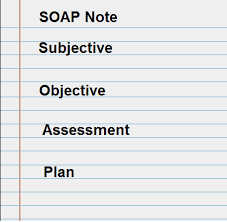
A Comprehensive Soap Note for an STI HPV Infection

A Comprehensive Soap Note for an STI HPV Infection Order Instructions: Purpose: To explain what each section of the SOAP note should include. Remember that Nurse Practitioners treat patients in a holistic manner and your SOAP note should reflect that premise.


A Comprehensive Soap Note for an STI HPV Infection

SUBJECTIVE DATA: What the patient tells you but organized by you in a logical fashion
Chief Complaint (CC):


1. Location
2. Quality
3. Quantity or severity
4. Timing, including onset, duration, and frequency
5. The setting in which it occurs
6. Factors that have aggravated or relieved the symptom
7. Associated manifestations
Medications: list each one by name with dosage and frequency
Allergies: include specific reactions to medications, foods, insects, environmental
Past Medical History (PMH): Illnesses, hospitalizations, risky sexual behaviors. Include childhood illnesses
Past Surgical History (PSH): Dates, indications, and types of operations
OB/GYN History: (if applicable) Obstetric history, menstrual history, methods of contraception and sexual function
Personal/Social History: Tobacco use, Alcohol use, Drug use. Patient’s interests, ADL’s IADL’s if applicable. Exercise, eating habits
Immunizations: Last Tdp, Flu, pneumonia, etc.
Family History: Parents, Grandparents, siblings, children
Review of Systems: Go Head to toe. Cover each system that covers the Chief Complaint, History of Present Illness and History (this includes the systems that address any previous diagnoses). YOU DO NOT NEED TO DO THEM ALL UNLESS YOU ARE DOING a TOTAL H&P. Remember, this is what the patient tells you.
General: any recent weight changes, weakness, fatigue, or fever
Skin: rashes, lumps, sores, itching, dryness, changes, etc.
HEENT:
Neck:
Breasts:
Respiratory:
Cardiovascular:
Gastrointestinal:
Peripheral vascular:
Urinary:
Genital:
Musculoskeletal:
Psychiatric:
Neurological:
Hematologic:
Endocrine:

OBJECTIVE DATA: This is what you see, hear, feel when doing your physical exam. Again, you go head to toe and you only need to examine the systems that are pertinent to the CC, HPI, and History unless you are doing a total H&P. Do not use WNL or normal. You must describe what you see.
Here is where the vital signs go. Include ht and wt and BMI
General: General state of health, posture, motor activity and gait. Dress, grooming, hygiene. Odors of body or breath. Facial expression, manner, affect and reactions to people and things. Level of conscience.
SKIN:
HEENT:
Neck:
Chest/Lungs: ALWAYS INCLUDE IN YOUR PE
Heart/Peripheral Vascular: ALWAYS INCLUDE THE HEART IN YOUR PE
Abdomen:
Genital:
Musculoskeletal:
Neurological:

ASSESSMENT: Need to list your priority diagnosis(es) first. For each priority diagnosis, list at least 3 differential diagnoses. Support your selection with evidence.
Example: Migraine headache (tension headache, cluster headache, brain tumor)
Hypertension (renal disease, stress, renal artery stenosis)
For holistic care you need to include previous diagnoses and indicate whether these are controlled or not controlled and remember to include that in your treatment plan.
What evidence or guidelines did you use to support your diagnoses?
PLAN: Treatment plan. Labs, x-rays, etc. Include both pharmacological and non-pharmacological strategies. Include alternative therapies. When do they need to follow-up? Any referrals? Consultations?
Health Promotion: What does the patient/ family need to do to promote their health? Exercise, healthy diet, safety, etc.
Disease Prevention: For the patient’s age, what needs to be done to detect disease early…fasting lipid profile, mammography, colonoscopy, immunizations, etc.
What evidence did you use to support your treatment plan?
REFLECTION: What did you learn from this experience? What would you do differently? Do you agree with your preceptor based on the evidence? Really think about what you are doing in clinical.

A Comprehensive Soap Note for an STI HPV Infection Sample Answer

 A Comprehensive Soap Note for an STI (HPV Infection)

S: Subjective Information

Chief Complaint (CC): “I have small bumps on my genital area.”

History of Present Illness (HPI): Ms. Z is a 21-year-old white American woman who is a sexual worker present with complaints of the presence of small bumps that developed on her genital area since she began doing her current job six months ago. She describes the bumps her genital area as being flat-topped and darker than her normal skin tone. She also describes her vaginal discharge as foul smelling and occurs during sexual intercourse and complains of an aching pelvis and experiencing some abdominal pains. She further presents with similar bumps on her feet and nails that are causing irritation. The aggravating factor was sexual intercourse with no relieving factor. She has a normal menstrual cycle with no signs of infection or disease had last being on August 20th 2014, and the age of onset was 12 years. She has multiple sexual partners and one regular partner with similar bumps. She uses the birth control pills Drospirenone and Estradiol and never uses a condom. Her Pap test taken three months ago was inconclusive. She has a previous medical admission and surgical history with unknown allergies to medicine and no childhood illness.

Medications: Bath control pills Drospirenone and Estradiol 1 daily tablet PO.

Allergies: Uknown allergies to medications, foods, insects and environment.

Past Medical History (PMH): no history of an STI, admitted for alcohol poisoning for three days in March 2013, admitted for ecstasy overdose in June 2013, admitted for starvation and fed through a tube in January 2014.

Past Surgical History (PSH):  Intentional Termination of Pregnancy
(ITOP) in March 2013.

OB/GYN History:

Obstetric History: GO, TO, AO and LO. Regular menstrual period that is on time and lasts for four days and the contraception method is the birth control pill Drospirenone and Estradiol, and she is extremely sexually active.

Menstrual History: Menarche occurred at 12 years old and her last period was on August 20th 2014, and her period is regular lasting for four days. The results of her last Pap test 3 months ago were unknown.

Contraception Method: Bath control pills Drospirenone and Estradiol 1 daily tablet PO.

Personal/Social History: she is single with no children and is a commercial sex worker at a local club. She takes at least “at least six bottles of alcohol, smokes a packet of cigarettes and occasionally takes ecstasy. She rarely and has a single regular sexual partner and multiple daily and lifetime partners.  She has developed a low self-esteem after the attempted rape that occurred on her 20th birthday, and she ran away from home not reporting the case to the authorities or informing the mother. She never uses a condom despite knowing the risks and has no known hobbies.

Family History: mother whose age is unknown and today she is an alcoholic and living in a shelter for the homeless.”

Review of Systems:

General: Significant changed in appetite, fatigue and weakness with a considerable weight loss.

Gastrointestinal: she experiences abdominal pains.

Genital: She reported a foul smelling vaginal discharge with no itching or burning sensation.

Psychiatric: She admits having developed depression since the attempted rape incidence

O: Objective Information

Vital Signs: BP 96/74, P 76, R 12, T 37.50 C and W 100 lbs.

General: Ms. Z is a 21-year-old woman but appears five years older than her age. She is constantly biting her nails and unsettled displaying anxiety. She looks weak and frail with a bony framework. She is well kempt, but her face seems to be having traces of makeup that was left indicating she did not take a bath. She occasionally smiles with a strong perfume. She is eloquent in English and does not speak much although she was cooperative in answering the questions.

SKIN: Pale with no rushes.

HEENT:  her eyes are sagged with equal round pupils and accommodation. She has normal hair distribution and normal oral mucosa and all the teeth.

Pelvic Exam:  The external genitalia had a triangular escutcheon with multiple flesh-colored lesions (>0.5 cm) in the perineal area. There was no hymen and with a piercing at the clitoris and another just above the rectocele area. There was a thick, foul-smelling yellow discharge with small masses of warts with signs of inflammation. There was right adnexal cervical tenderness and severe cervical motion tenderness. The uterus was large, smooth and mobile.

Neurological:  She is alert, conscious of the time and place, and responds appropriately.

A: Assessment

  1. Human Papillomavirus (HPV) infection. This is a small, double-stranded virus that mostly that affects the epithelial cells of the skin (Ramírez-Fort, Khan, Rady, & Tyring, 2013). This is the most likely condition as it affects the cutaneous epithelium and result into skin warts that are categorized with their epidemiological association with cervical cancer. Infection with low-risk HPV results into benign or low-grade abnormalities of the cervical cell, genital warts, and papillomas of the larynx. The high-risk HPV results into lesions that can turn into a tumor in undetected and untreated. It is passed through skin contact especially during sexual intercourse, but intercourse does not always have to be involved (Ramírez-Fort, Khan, Rady, & Tyring, 2013). The treatments include includes Podofilox 0.5% gel or solution, Imiquimod 5% cream, or Sinecatechins 15% ointment. Therapy that is provider-administered includes cryotherapy with liquid nitrogen or cryoprobe, podophyllin resin 10% – 25% in compound tincture of benzoin, or Trichloroacetic acid (TCA) or bichloroacetic acid (BCA) 80% – 90% (CDC, 2012)
  2. Herpes Simplex Virus (HSV). This virus is part of the alpha herpes virus subfamily of the herpes viruses and is of two types HSV – 1 and HSV – 2 (Karasneh & Shukla, 2011). It is a double-stranded DNA virus forming part of the alpha herpesviridae subfamily of viruses and distinguished using their antigenic differences in their protein envelope (Azwa & Barton, 2009). This is the second likely condition as its spread through sexual intercourse and especially where there is no condom use. The infection results into the development of lesions in the perennial area of the genitals (Azwa & Barton, 2009). This is treated with antiretroviral drugs such as acyclovir, famciclovir, and valacylovir oral or topical drugs. Alternative care is also effective that is dietary supplements, and these are, for example, L-lysine, aloe Vera, eleuthro, and Echinacea (Levitsky et al., 2008).
  3. Yeast Infection. Yeast is fungi that live in small colonies in the vagina, and an infection occurs when the yeast cell colonies increase in the vagina (Kaufmann, 2000). This is the least likely because it is not an acute condition and does not require sexual intercourse to develop. The warts are also not serious as they do not easily spread, and their treatment and side effects are not as serious as in HPV and HSV (Kaufmann, 2000). Treatment is often effective unless the infection is recurrent and often involves maintenance of proper hygiene. Pharmacological treatment involves the use of an antifungal cream, tablets, suppository, or ointment. A single flucunazole oral tablet dose is also effective. Azole medication is effective for long-term treatment and taken for seven to fourteen days (Mayo Clinic, 2014).

P: Plan

Diagnostics:

Pap Test/Pap Smear/Culture (HPV): Also known as a pap smear and investigates abnormal changes in the cervical cells. Cells to be used as samples are removed from the cervix, and they are cultured and observed through a microscope in the presence or absence of genital warts (Coutlée, Rouleau, Ferenczy, & Franco, 2005).

Antigen detection test (HSV): Fresh sore cells are scraped off they are then smeared on a microscope slide to find antigen markers on the cells found on the surface that are infected with the virus (Shulman et al., 2012).

Fungal Smear (Yeast infection): The superficial cells are obtained and cultured to isolate the yeast infection (Elin, Whitis, & Snyder, 2000).

Medication: Podofilox 0.5% gel.

Provider-administered: Cryotherapy with Trichloroacetic acid (TCA) 80% – 90% (CDC, 2012).

Health promotion: She should also continue with a special protein and carbohydrate diet for the next six months, urinate and wipe properly after sexual intercourse, wear panty liners, avoid douching both in general and during treatment. Continue with regular morning run and the ortho tricycle for the next on yea and avoid intercourse with the infected regular partner and reduce sexual activity.

Referral to a counselor would be necessary to provide therapy to deal with the trauma, maintain proper hygiene, and from the attempted rape including the need for a lifestyle change and a nutritionist for proper diet and nutrition.

Return in case of recurrence and persistence of symptoms

Disease Prevention: Regular pap tests

Pharmacological therapy employed the Centre for Disease Control and Prevention guidelines on Genital warts and the Canadian Consensus Guidelines on Human Papillomavirus. The non-pharmacological guidelines were from the American Psychological ACNP and Promotion Dietary Guidelines for Americans.

Reflection

The process of diagnosis and determining the appropriate treatment for patients is rigorous and requires a careful consideration of all symptoms the patient is presenting because certain disease may have similar symptoms. For the diagnostic process, I would place more emphasis on the psychological factors of the patient as they seem to be the underlying factors for the patient’s behaviors that are putting her at risk. I would also inquire of the client can change her job as it is the greatest risk factor. The regular partner should also seek medical intervention. The evidence provided is in line with HPV and its treatment guidelines by the various bodies hence I agree with the instructor.

A Comprehensive Soap Note for an STI HPV Infection References

Azwa, A., & Barton, S. E. (2009). Aspects of Herpes Simplex Virus: A Clinical Review. J Fam Plann Reprod Health Care, 35 (4), 237–242.

CDC. (February 8, 2012). Centers for Disease Control and Prevention. Retrieved September        14, 2014 from Centers for Disease Control and Prevention Web site:                          http://www.cdc.gov/std/treatment/2010/genital-warts.htm

Coutlée, F., Rouleau, D., Ferenczy, A., & Franco, E. (March/Aprl 2005). The Laboratory  Diagnosis of Genital Human Papillomavirus Infections. Can J Infect Dis Med  Microbiol, 83-91.

Elin, R. J., Whitis, J., & Snyder, J. (2000). Infectious Disease Diagnosis From a Peripheral Blood Smear. Laboratory Medicine, 31 (6), 324-328.

Karasneh, G. A., & Shukla, D. (2011). Herpes Simplex Virus Infects most Cell Types In   vitro: Clues to its Success. Virology Journal, 8 (481), 1-11.

Kaufmann, D. A. (2000). The Fungus Link: An Introduction to Fungal Disease Including the Initial Phase Diet (2nd ed., Vol. 1). (B. T. Hunt, ed.) MediaTrition.

Levitsky, J., Duddempudi, A. T., Lakeman, F. D., Whitley, R. J., Luby, J. P., Lee, W. M., et        al. (2008). Detection and Diagnosis of Herpes Simplex Virus Infection in Adults with Acute Liver Failure. Liver Transpl, 14, 1498-1504.

Mayo Clinic. (2014). Mayo Clinic. Imenukuliwa September 17, 2014 kutoka Mayo Clinic  Web site: http://www.mayoclinic.org/diseases-conditions/yeast-infection/basics/treatment/con-20035129

Ramírez-Fort, M. K., Khan, F., Rady, P. L., & Tyring, S. K. (eds.). (2013). Human Papillomavirus: Bench to Bedside. Basel, Switzerland: Karger Medical and Scientific Publishers.

Shulman, S. T., Bisno, A. L., Clegg, H. W., Gerber, M. A., Kaplan, E. L., Lee, G., et al.                (September 9, 2012). Clinical Practice Guideline for the Diagnosis and Management     of Group A Streptococcal Pharyngitis: 2012 Update by the Infectious Diseases  Society of America. Clinical Infectious Diseases , 1-19.

We can write this or a similar paper for you! Simply fill the order form!

Internet information privacy Essay Paper

Internet information privacy

Internet information privacy

Order Instructions:

We live in a world where the internet plays a pinnacle role in our day to day lives. Discuss how the internet has caused an ethical debate on our information privacy.

SAMPLE ANSWER

Internet information privacy

Internet has become a common feature that affects every individual in the world in one way or the other. The use of internet services has been utilized in several activities ranging from the commercial to non-commercial activities. According to the Google report released in October 2012, more than 2.5 million people are online in every minute (Chung & Paynter, 2002). This is a remarkably high number of internet utilizers’ compared to the early years that the internet was introduced. The ranges of activities that are conducted online have also increased greatly. The internet has basically been utilized in the sharing and transferring of information between individuals all over the world who are set apart geographically. The increased numeracy of the internet users has led to the use of the internet services unethically (Chung & Paynter, 2002). Other people have utilized the internet for criminal gain. There are several websites that the individuals are asked to enter their details before they start using the services of those websites. The privacy and security of personal information is very questionable when conducting transactions and communications online. This paper focuses to address the degree of information privacy over the internet. The information security threats especially in money transactions have led to lack of trust among internet users especially in the commercial sector (Domingo, 1999). Businesses are faced with a very great challenge of securing customers information or users of their websites confidential information. Hackers have been recorded in the recent past as being responsible for accessing user’s information and using it for malicious purposes. Needless to say there is a dire need for websites and internet users to protect and keep their information private to avoid so many inconveniences.

Beckett (2004) identified the advantages of utilizing internet as a means of information transfer than any other media as follows; the internet is global, the use of internet in the transfer and exchange of information and data is not limited by geography. People who are utilizing the internet can be able to send and receive data or information from one point to another irrespective of the distance and geographical barriers between them.

The internet information exchange is very interactive. Human relation with the machines is very interactive and people are able to exchange information over the internet without any much difficult. just like in human-human interaction the machines once they are able to connect to the internet then the individuals can use their machines either phones, computers or any other digital device that is internet enabled to communicate with each other effectively.

Several websites have enabled the use of dialog in the communication. Skype recorded 12% of internet use according to the Google report 2012. The softwares that are used in this website are able to enable dialog between the individuals that are communication online. Video conferencing are some of the other services that are provided over the internet which have enabled live dialogues between individuals who are geographically set apart from each other. Organization conducting transactions online are able to reach and negotiate with the customers online and this leads to better customer relations.

One of the most outstanding advantages of utilizing the internet is that information transfer is almost instantaneous. When transferring information over the internet as long as the sender and receiver are available online then the transfer of the message is very fast irrespective of the distance between the users.

The cost of communication is also very minimal over the internet. Unlike communication over other media, the internet provides the cheapest type of communication that can be utilized by individuals to carry out communication. However, the cost varies depending on the gadget that is used in accessing the information. The size of screen used to display the information matters a lot and corresponds to the cost that is used in accessing the internet. For instance, large screen uses large amount of data in displaying the information over the Google search engine.

Yeshwantrao & Jadhav (2014) argue that huge numbers of internet attacks happening nowadays are focused on the exploitation of individuals, financial organizations and institutions in order to earn money. This has seen several institutions that are poorly protected loss millions of money over the internet transactions. according to the two one of the most serious threats to the internet is the presence of large number of infected computers in which either the owners are unaware of their computer infections or they are aware of it but do not know how to deal with those threats to get them out of their computers.

Yeshwantrao & Jadhav (2014) Botnets are the most dangerous threats to the internet security. The botnet problem is very global in nature. The authors have defined a botnet as a network of computers that are infected with malicious programs that allows cybercriminals to control the infected machines remotely without the knowledge of the users. Other authors refer a botnet as a zombie network. Zombie network is a network of infected computers (zombies) that allows cybercriminals to control the infected machines remotely without the owner’s knowledge (Ahmad, 2009).

Botnet refer to the computer networks using the distributed computing software by the botnet controller giving instructions directly to the small number of machines that are infected within the network. These smaller machines take the responsibility of passing the instructions to other computers in the same networks usually through the Internet Relay Chat. In this order the instructions are passed in a hierarchical order just like in administration in an organization. We have the botnet master which is the point of origin of all the instructions; this is like the CEO of an organization. Then we have the small machines, just like the supervisors in an organization they take the instructions from the CEO. Then the computers (zombies) are the ones on the ground to perform the tasks.

Bots enter into a person’s computer in many ways. One of the ways that they enter is through searching along the network for those computers that are highly vulnerable and unprotected computers to infect them. When they find any machine along the network that is unprotected they quickly infect the machine and report back to the bot master that they have infected a specific machine along the network. After reporting to the master then they have to keep hidden until they are instructed to perform a specific function by their master. The image below adopted from Yeshwantrao & Jadhav (2014, p.123) shows the working of a botnet using DDoS attack.

After understanding the working of a botnet we need to understand how the botnet attack threatens the privacy and security of information over the internet.

Distributed Denial-of-Service (DDoS) attack on a network basically causes the loss of service provision to the computer users. This entails loss of internet connectivity when actually the internet is stable and should be available to the computer. To launch a DDoS attack using Botnet has several advantages that include multiplying impact of the attack without the requirement of any IP address spoofing. Attackers have spent a lot of time and effort on improving such attacks.

Spamming is also another information security threat. A spam is basically a range of messages that are similar to each other that are sent to a series of receivers who have actually not requested for them services of the emails or who have not subscribed to receive the emails that are sent to them. A person involved in spamming is called a spammer. Blogs, forums, social networking sites and any other form of online sharing are very vulnerable to this type of attacks. Individuals should be very careful on the type of messages that they receive in their inboxes on either facebook or the emails. In addition, commenting and sending messages anyhow without understanding the intention of the message receiver can also be vulnerable to these attacks. Some of them are designed in such a way that the moment you respond to the emails or messages then an automated software crates rubbish posts with links that are usually unnecessary and unwanted. Spamming has advanced and nowadays it has gone over to undesirable adverts on wireless devices such as phones.

Phishing and Identity Theft (ID Theft) is an information security threat. The term phishing relates to the term fishing. Fraudsters and attackers behave like fishermen. They send out a lot of deceptive messages over emails (the bait) to mostly random addresses over the internet. These emails are very deceptive in nature and they appear very promising in terms of finances. For instance, they can come in form of engaging in a competition, which the email receiver never participated in the real sense. At the end, they deceive the receivers to reveal their personal information in terms of things like the social security number, financial account details and other identity information.

Ahmad (2009) classifies phishing into three types. The first one is bonk- an attack on the Microsoft TCP/IP that can crash the attacked computer because it hinders data communication in the stacks of the computer. The second one is the RDS shell- this is a method of exploiting the Remote Data Services components of the Microsoft Data Access Components that lets remote attackers run commands with system privileges. The third one is Win Nuke- an exploit that can cause NetBIOS to crash older Windows computers.

A malware is a malicious software designed d to cause damage to the computer without the owners prior consent. Viruses and worms are the mostly used malwares. According to Ahmad (2009), a computer virus is a program written to alter the way the computer operates without the permission of the user. a worm on the other hand are viruses that replicates and executes themselves spreading all the computer causing damage to the way the computer functions.

`Another form of attack is installing of advertisement add-ons and browser helper objects (BHO’s).In advertising, the Botnets are used to spread new bots through the use of adwares (used in placing adverts on the internet).this one normally becomes very easy as all bots can implement mechanisms to download and execute a file through HTTP or FTP. Some bots may cat as HTTP or FTP servers for malware. Fake websites are set up through which companies p[lace adverts by signing up and registering for what they believe is true advertising of their products. with the help of a botnet automatic clicks can be enabled which are meant to deceive the company that there are a thousands of people who clicked to view their products when in the real sense nobody clicked.

Sniffing Traffic (Traffic Monitoring) is a very sensitive botnet attack. Bots can also be used as a packet data top watch for certain specific information that is used by individuals over the internet. This information entails the passwords and log in details that individuals use in logging in to specific sites. When the attackers get this information then they can use it to log in to the site and get access to other useful information. In this case, the individual assumes the responsibility of the original owner of the details. Then they can alter the details for their own personal gain.

Attacking IRC Chat Networks is a security threat. The victim network is flooded by service requests from thousands of bots or by thousands of channel-joins by bots. In this way, the victim IRC network is brought down similar to a DDoS attack.

Recently mobile Botnets was brought in notice as viruses, worms, Trojans, spyware and adware targeting the mobile platform. Mobile phones seem overtake desktop and laptop computers as the preferred way of connecting to the internet. Android Botnets (such as Spam Soldier) have now been discovered. Spam Soldier Botnet steals money by sending an SMS to selected numbers without the Android user knowledge. The malware spreads by sending SMSs from the infected device to other mobile phones, attracting the user to install the malware. Android Botnets can be used for identical attacks that personal computer based. Botnets have been used, such as DDoS attacks, identity theft, etc.  The surface area of devices is thus rapidly growing, making Botnets a much greater threat – along with the complementary increase in the threat of malware, DDoS, identity theft, phishing

Al-Fadhli (2008) recommends the actions that should be taken by the network administrators in order to prevent the attack by bots. The first one is the usage of the Intrusion Preventive Systems. These are systems which are designed to monitor network activities in order to detect undesirable activities in real time with the task to block them from acting. Undesirable activities include activities that usually come in form of malicious inputs to target application or computer in order to gain control of the machine. General awareness of the security threats for all online users is very important .Set the operating system to download and install security patches automatically and the activation of antivirus software. Use firewall to prevent the system from attacks while online. Downloading software from websites, that one knows and which have good reputation in the software market. Use antivirus, antispyware and anti-Trojan tools and regularly update them. Use CAPTCHA texts as tests against websites that are not genuine.

In detecting botnet the following should be used to detect the botnet attack. Signature-based Detection:  this technique entails identifying the Botnet commands and storing them on the computer so that when the system comes into the commands which are similar to the one stored it gives an alert. Anomaly-based Detection: in this method it requires observation of the system for unexpected behaviors of the system. This includes traffic jams that are unnecessary and an abnormal behavior of the computer system. DNS-based Detection: DNS-based Botnet detection based on the DNS information because bots normally begin connections at the with the C&C server to get commands. Data mining-based Detection: Data mining aims at detecting patterns of data in order to discover regularities and irregularities in large packets of data.

In responding to botnet attacks the following can be applied; The user should disconnect from both the internet and any other local network connections immediately they discover a virus infection. Secondly scan the entire computer system with fully updated anti-virus software and anti-spyware. Inform appropriate organization or institution if the user had stored some confidential information on the system. This includes banking details. Change passwords and other usernames with immediate effect. Network administrators should isolate the attacked machine from the network. Report unauthorized access actions to the authorities.

From the discussion above network information security is indeed a threat to internet users. Information security is everybody’s responsibility as long as they are utilizing a network and accessing the internet. In order to ensure that the organization takes care of its information it is necessary to educate the internet users on the various security threats that come with internet transactions.

 Appendix

How to use usage of the Intrusion Preventive Systems in botnet prevention

 References

Ahmad, A., 2009. Type of security threats and its prevention. Ateeq Ahmad, International Journal Computer Technology & Applications vol. 3(2), 750-752. Northern Border University: Saudi Arabia.

Al-Fadhli, M., 2008. internet and privacy. Information Systems and Information Society, research training programme, 2007-2008.The university of Sheffield.

Beckett, R., 2004.  Communication ethics and the internet: intercultural and localizing influencers. International Journal of Information Ethics, Vol. 2 (11/2004). Communication Ethics Limited: United Kingdom

Chung, W. & Paynter, J. 2002. Privacy Issues on the Internet. Proceedings of the 35th Hawaii International Conference on System Sciences – 2002. The University of Auckland: New Zealand

Domingo R. Tan, 1999.  Personal Privacy in the Information Age: Comparison of Internet Data Protection Regulations in the United States and European Union, 21 Loy. L.A. Int’l & Comp. L. Rev. 661 (1999). Available at: http://digitalcommons.lmu.edu/ilr/vol21/iss4/5

Yeshwantrao, S. &  Jadhav, J. 2014. Threats of Botnet to internet security and respective defense strategies. International Journal of Emerging Technology and Advanced Engineering l, Volume 4, Issue 1, January 2014.

 We can write this or a similar paper for you! Simply fill the order form!

Sample Interview Questions for Nurses

Sample Interview Questions for Nurses

Sample Interview Questions for Nurses

1. Tell me about yourself.

2. What led to your interest in nursing?

3. Describe a challenging problem you faced on one of your clinical rotations. How did you solve the problem?

4. When you are experiencing a stressful work situation, how do you relax?

5. Give a specific example of a time when you knew you did a good job as a nurse.

6. Have you ever been burned out? When? What did you do about it?

7. How would you respond if asked by the nurse manager to do some of the menial tasks for patients that are normally not your responsibility?

8. How do you relax when faced with stressful work situations?

9. How would you respond if, in a rude and haughty tone, a doctor questioned your work, which you knew to be top-notch and absolutely accurate?

10. Do you think you will be a career nurse or eventually look for another profession? Why?

11. Why did you decide to become a nurse rather than a doctor?

12. Describe a situation in which you found yourself working with someone who was very sensitive and thin-skinned?

13. Can you describe a situation connected with nursing that mad you angry?

14. We have all tried different ways of showing consideration for others. What are some things that you have done in this respect?

15. What are some ways that you feel that nursing can become more professional?

16. If you were told that the nursing field was closed and that you could not become a nurse, what would you do?

17. What types of colleague do you least like to work with every day?

18. What type of nursing tasks do you find most objectionable?

19. Describe a situation connected with nursing that you experienced in the last year that made you angry.

20. How many years do you plan to stay with this hospital?

21. How do you go about making a decision?

22. What is your description of a good nurse?

23. What challenges did you have at your last job that you feel could prepare you for this job?
24. Which shift do would you prefer?
25. What attracts you to work at the VA Hospital?
26. What advice would you give your younger self as a new nurse?
27. What kind of personality characteristics would you like in a preceptor?
28. Are there any questions that you have for me?

SAMPLE ANSWER

Interview Question

  1. Tell me about yourself.My name is Alex Peters. I come from Florida. I am a graduate in Nursing.
    2. What led to your interest in nursing?I developed interest in nursing at a tender age. My father was a doctor and when I visited the hospital he used to work, I developed an interest to be a nurse. I loved the attire the medics wore.
  2. Describe a challenging problem you faced on one of your clinical rotations. How did you solve the problem?
    One of the problems I faced was addressing a complaint from a patient. The patient complained that the medicines prescribes were not the right ones. I solved the problem by engaging the patient. I was apologetic and assured the client that this was not going to happen again. I told her the reasons that might have caused the same and assured her of immediate action for those responsible.4. When you are experiencing a stressful work situation, how do you relax?

I normally, like going at a quiet place just to relax. I also listen to inspiring songs.

5. Give a specific example of a time when you knew you did a good job as a nurse.

The time I knew, I had done a good job as a nurse, was when the hospital management recognized me as the hardworking nurse. I was given a trophy and a certificate for my dedication to my work.

  1. Have you ever been burned out? When? What did you do about it?It was not a burn but rather a suspension. Part of my team members failed to execute their duties leading to the suspension of the entire team. This happened in my first year of employment. I write a letter citing that I was not part of those involved and therefore I was a sacrificial lamb.
  2. How would you respond if asked by the nurse manager to do some of the menial tasks for patients that are normally not your responsibility?I will have to comply and assist because I respect the manager as my leaders as well as I champion the spirit of teamwork.
    8. How do you relax when faced with stressful work situations?I relax by staying in a siren environment listening to music.
  3. How would you respond if, in a rude and haughty tone, a doctor questioned your work, which you knew to be top-notch and absolutely accurate?I will calm down and ask to give him an explanation on the same. I believe he will understand me once I have explained the situation to him.10. Do you think you will be a career nurse or eventually look for another profession? Why?I believe I will be a career nurse because this is my passion. I am focused on this career for the rest of my life
  4. Why did you decide to become a nurse rather than a doctor?I decided to become a nurse because, it was my passion.
    12. Describe a situation in which you found yourself working with someone who was very sensitive and thin-skinned?I have worked with very sensitive and thin-skinned persons on various occasions. For me, I did not find anything-strange working with such people, as I believe that every situation and individuals are unique in their own way and I must execute my responsibility with professionalism.13. Can you describe a situation connected with nursing that made you angry?

    I was made angry by a patient who refused to take her medication as prescribed.

  5. We have all tried different ways of showing consideration for others. What are some things that you have done in this respect?I value and appreciate other people I work with and those I come across. I have done various things to show consideration for others such as standing in for my fellow colleagues at work when they are sick or attending to other issues, I have as well helped to promote healthy living among the elderly in my community

15. What are some ways that you feel that nursing can become more professional?

Nursing can become professional by continuing their education to higher levels and embracing codes of ethics in their practice (Philip & Kalisch, 2003). They also need to be devoted to their duties of impacting positively on the care they render.

16. If you were told that the nursing field was closed and that you could not become a nurse, what would you do?

I do believe that nurses are still required and therefore, opportunities are there. However, in case the field was closed, I would pursue a health related career because I have a strong affinity and passion in the area of healthcare.

  1. What types of colleague do you least like to work with every day?I do not like working with lazy colleagues18. What type of nursing tasks do you find most objectionable?

Diagnosing and prescribing medication

19. Describe a situation connected with nursing that you experienced in the last year that made you angry.

I was made angry by a patient who failed to observe his dosage. This negligence made the health of the patient to deteriorate.

20. How many years do you plan to stay with this hospital?

I want to stay here so long as I add value to the patients and the hospital. My aspiration is to stay here not less than five years.

21. How do you go about making a decision?

I first take time to understand a situation from different perspectives before I make a decision.

22. What is your description of a good nurse?

A good nurse is someone that understands his or her responsibilities of providing care to the patients

  1. What challenges did you have at your last job that you feel could prepare you for this job?

One challenge is dealing with upset/angry client

24. Which shift do would you prefer?

I prefer daytime shift

25. What attracts you to work at the VA Hospital?

The conducive working environment

26. What advice would you give your younger self as a new nurse?

To always aspire to give the best in whatever I do. As a younger new nurse, I need to always be determined to impact positively on nursing profession

  1. What kind of personality characteristics would you like in a preceptor?

Intelligent, respectful, hardworking and creativity

28. Are there any questions that you have for me?

Yes, as a professional and an experienced nurse, what challenges have you encountered and what do you think that nurses can improve to provide quality healthcare?

We can write this or a similar paper for you! Simply fill the order form!

Effects of Computer Technology Essay

Effects of Computer Technology

Effects of Computer Technology

Order Instructions:

This is a discussion essay .it must use formal academic language and conventions, write in full sentences in logical paragraphs, and in the Discussion Essay format as outlined in your study guide.

You will need a minimum of 5 sources in your Reference .You must have in-text referencing and a Reference list using correct formatting for database resources, which are explained in the Referencing Style Guide.
DO NOT USE ANY FOREIGN LANGUAGE INTERNET SITES or Wikipedia, ehow, or answers.

SAMPLE ANSWER

Effects of Computer Technology

Computer technology happens to be a significant part of the modern lifestyle as it drives various aspect or dimensions in the society. Currently, many social and economic aspects depend on computer technology for their success. Computer technology has become a principle factor that drives the economies of nations across the world. Various industrial processes rely on computer technology for their successful operation (Rivard, 2012). Besides, computer technology has dominated work places as many activities that are performed in such places are computer-related. Governments have also been noted to depend on computer technology to execute their political operations, maintain the safety of their citizens and interact with other countries. As such, computer technology happens to be a significant element in the modern lifestyle. However, despite having several benefits, computer technology has also been associated with other disadvantages, which have impacted people’s lives in a negative way. Some of these disadvantages include poor personal lifestyles, unethical behavior among youths and some adults, break-ups and separations, health problems and new forms of crime.

Computer technology has had a significant effect on the personal lifestyle of individuals, especially the younger generation. In the present time, the younger generation prefers communicating to each other or to other people via computer to communicating physically with these individuals. Many young people are attracted to events that are considered fashionable or trendy as in the case of computer technology (Balog et al, 2013). Thus, the use of conventional mechanisms of communication has been overshadowed with the emergence of new technologies of communication. For instance, the emergence of social networks has attracted many young individuals who use these sites in creating new relationships and connecting with people from different parts of the world. Taking this aspect into consideration, many youths have been noted to be addicted to social networks in that they spend much of their time chatting with their friends and making new relationships. As a result, the social lives of these youths have been adversely affected. One of the major effects of social networking is that it affects the social skills of an individual. In relation this, most of the young individuals that are addicted to communicating with people or friend on the social sites experience problems relating with people physically. This problem arises from the fact that most of these youths are used to interacting with their colleagues via virtual means such as the internet. Research has revealed that majority of the youth prefer to communicating via the internet with individuals at far distances to communicating physically with individuals close to them (Balog et al, 2013).

In this manner, computer technology has contributed significantly to the disruption of social ties as it does not promote the formation of relationships among individuals who are close to each other. On the other side, the emergence of social networks, which are products of computer technology, has helped in hastening the process of making relationships in relation to the conventional method that was based on physical interaction. The presence of the internet and social sites has provided a suitable platform on which people can develop relationships with people from various backgrounds. Social networks such as Facebook have pages or groups, which individuals can join share with members of such groups. Once a person has joined a group he or she becomes a family or friends with persons from such a group. As such, computer technology has helped in shortening the time required for people to form relationships. Thus, it is clear that the unions that are formed via computer technology are not as strong, and can be broken easily at any moment. In addition, such unions lack a sense of closeness as they are formed between individuals who know little about each other, and have never met physically (Balog et al, 2013). In relation to the aspect of social skills, despite computer technology contributing to the diminishing of social skills of individuals via social networks, it also contributes to the development of such skills as the internet contain adequate information on how people can develop appropriate social skills. Therefore, a person can use the information obtained from the internet in developing or strengthening his or her social skills. In contrast, the information that one has acquired theoretically has been noted to be less effective in relation to the information that an individual has acquired practically. As such, the information that is contained in the internet cannot be effective in the creation of social skills. People can manage to develop appropriate social skills when they interact with one another physically, which is not facilitated by computer technology.

Computer technology has also contributed to the development of bad behavior among many youths and adults. The internet acts a site where information can be posted and retrieved. As a result, many people often go the internet to find information, which can helps in accomplishing certain tasks in their lives (Dey et al, 2012). On the contrary, many individuals with malicious intentions have opted to use the internet an avenue of spreading ill behaviors. For instance, people have been noted to pornographic images and videos on the internet. Such videos and images can be accessed by the youths who visit these sites, thereby making them develop ill manners. In relation to this, the youth may be tempted to practice what they view on the internet (Dey et al, 2012). Many instances of sexual harassments among the youth or even adults have been associated with the internet. These youths often interact with individuals from various backgrounds when they join social networks. As such, being that these youths are vulnerable, they may be influenced by other individuals to practice certain behaviors that may not be considered appropriate.

Moreover, the internet has also contributed to issues of violence and poor dressing habits in the society. Being that many youths often tend to embrace events that are considered fashionable, they always tend to imitate anything that they encounter in their life. For example, the aspect of sagging or pulling the trouser slightly below the waste has been noted to be common among many youths. Such forms of dressing are not considered appropriate in the society as they demonstrate lack of manner or upright behaviors. The internet, which is associated with computer technology, has been associated with the spreading of such behaviors among the youth. Furthermore, it is a pity that some adults embrace such forms of dressing, which are considered unethical. As such, computer technology has contributed to the development of a new generation, which tends to embrace issues that are termed inappropriate in the society.

On the other side, computer technology has also contributed to the promotion of dressing habits that are considered appropriate. Events from fashion shows that are often posted on the internet have helped in updating many people on the suitable forms of dressings. Besides, the internet has sites people can access information on the suitable dressing codes. Many people that have been interviewed on the suitable means of developing good dressing habits have pointed out the internet an appropriate avenue, which can be exploited to help in instilling suitable dressing habits in individuals. In addition, computer technology has contributed to the eradication of violence in the society as seen in the peace conventions or concerts that are posted on the internet (Dey et al, 2012). These conventions and concerts have been vital in emphasizing the significance of peace and harms that are brought by violence. As a result, many people have managed to experience a transformation of attitude and character from negative to positive in relation to being violet.

Some cases of health problems and family break ups or separations have are associated with computer technology. It has been proven that a greater percentage of individuals that handle computers activities often spend much time sitting. As such, this habit always makes these individuals to lose touch with the reality of life in relation to social activities and social skills. Being that physical activities contribute to the development of good health, individuals that are not involved in physical activities are always vulnerable to chronic illnesses such as diabetes and high blood pretension. Research has shown that chronic illnesses such as diabetes and high blood pressure are linked to occupational activities that involves much time of sitting such as use of computers in handling operations (Diedericks, 2014). In relation to this, more time of sitting without being involved in physical activities leads to the packing of weight, which is associated with the development of obese that leads to chronic illnesses such as diabetes.

On the contrary, computer technology has also contributed to the reduction of cases of chronic illnesses in several ways. New techniques of handling or regulating chronic diseases have been developed as a result of computer technology. These technologies have helped in determining the level or state of these illnesses in individuals, which has helped in developing suitable ways of regulating such illnesses. These technologies also help in the detection of the onset of such conditions, which has helped in preventing them from developing further. Furthermore, the presence of entertainment activities such as music and sports that can be accessed via computer technology help in reducing stress, which is associated with the development of chronic illnesses.  Computer technology has also contributed to separations or breaks-ups of many families. When people spend much time on their computers, they often fail to attend to their responsibilities. Such people often face problems having enough time to interact with their spouses or partners (Diedericks, 2014). As a result, these individuals usually end up being separated from their loved one who may develop a feeling of being ignored or not appreciated.

In contrast, computer technology has helped in the development of marital relationships. The presence of dating sites has helped many individuals find spouses and partner to who they have ended up being married. Besides, computer technology has assisted in maintaining relationships event when partners are far from each other. People can use technologies such as mobile phones and the internet to connect to their partners in different regions. The internet also has social sites where people can discuss issues concerning their marriages and how to build or strengthen their marriages. In this manner, computer technology has assisted in building and maintaining marital relationships.

In conclusion, computer technology has impacted human life both negatively and positively. Computer technology has led to the emergence of poor personal lifestyles among youths and some adults, health problems and separations. On the other hand, computer technology has helped in forming relationships, detection and regulation of chronic illnesses and eradication of violence. As such, computer technology has been accompanied by harms and benefits, which affect the society in different ways.

References

Balog et al. (2013). A Multidimensional Model for the Exploration of Negative Effects of Social Networking Websites as Perceived by Students. Journal of Baltic Science Education, 12(3) 378-388

Dey et al. (2014). Quality Competition and Market Segmentation in the Security Software Market. MIS Quarterly, 38(589

Dey et al. (2012). Hacker Behavior, Network Effects, and the Security Software Market. Journal of Management Information Systems, 29(2) 77-108

Diedericks E. (2014). Flourishing Information Technology Professionals: Effects on Individual and Organizational Outcomes. South African Journal of Business Management, 45(1) 27-41.

Rivard, S. (2012). Information Technology Implementers’ Responses to User Resistance: Nature and Effects. MIS Quarterly, 36(3) 757-897.

We can write this or a similar paper for you! Simply fill the order form!
Kant’s Epistemology Research Paper

Kant's Epistemology
Kant’s Epistemology

Kant’s Epistemology

Order Instructions:

What was Kant’s new way of understanding the relation of the objects of knowledge to the mind? Why does he compare his epistemology to the Copernican revolution? How is his view both similar to and different from rationalism on the one hand and empiricism on the other? Be sure to include in your response a definition of epistemology and at least a brief explanation of rationalism and empiricism. For our purposes, “explain” means to state the theory and to describe the important features of the theory in a manner that an intelligent but uninformed reader would understand. For our purposes, “evaluate” means (1) to determine whether or not the theory rests on a sound or cogent argument, and to (2) determine the overall plausibility of the theory or strategy. In this context, “plausibility” refers to the strengths and weaknesses of the theory or strategy).

SAMPLE ANSWER

Kant’s Epistemology

Emanuel Kant, who was born in 22 April 1724, and died in 12 February 1804, was a renowned German philosopher from Königsberg in Prussia (today, Kaliningrad, Russia) who researched, lectured, and wrote on philosophy and anthropology during the Enlightenment towards the last periods of 18th century (James and Stuart 322)

In the history of western philosophy, Immanuel Kant is recognized as a very influential philosopher, with his contributions to epistemology, metaphysics, aesthetics and metaphysics, impacting virtually all the philosophical movements that came after him. The bulk of his work actually tries to address the question, “What can we know?”, whose answer, if presented in the simplest manner, is that the knowledge of human beings is constrained to the science of the natural, empirical world, and mathematics. According to his argument, the main reason as to why the limitations present themselves in the ways of knowledge is because the human mind plays a very critical role in constitution of the features gained from experience, hence, the mind’s access is usually only limited to the empirical realm of time and space (Edmund 122).

In CPR, the mind is discussed by Kant mainly in connection with his major projects, rather than in its own right, as such, rendering the effort quite scattered and sketchy. He puts forward seven major discussions with respect to the mind in both the two editions of the CPR: Transcendental Aesthetic and Metaphysics Deduction. His discussions of the mind and its relation to the objects of knowledge may be presented in two key stages, as outlined below.

Transcendental Aesthetic

In this stage, his argument is on what space and time should really be like, and the manner in which we as humans should handle them in case our minds are really to have the temporal properties and necessary conditions that it has. To him, the conditions of experienced are very necessary to help understand the ways in which the mind relates to the surrounding.

The Critique of Pure Reason, which is Kant’s major work, was aimed at uniting reason with experience so that he could transcend the obvious failures of metaphysics and ancient philosophy. He hoped to end an age of speculation where objects outside experience were used to support what he saw as futile theories, while opposing the negative and discouraging thoughts of Berkeley and Hume. As regards this, he stated that everything that exists, which circumvents the universality of humans, should only be believed through utmost faith, and anyone who objects to that common ideology should be shunned (James and Stuart 367).

Kant proposed a “Copernican Revolution-in-reverse”, saying that although it has been widely assumed that human cognition must be in tandem with certain objects, we must try to continue with the study and practice of metaphysics unabated, by forfeiting the conformance between humans and objects (Jürgen 412).

Kant, in relation to this, argues that it possible to have “synthetic a priori knowledge” – the categories are not known through experience but they are nevertheless not analytically true. In fact, we need some experiences before we can even know that we have these categories, but the categories must be innate. The categories include: Categories of quantity, encompassing plurality, unity, and totality; Categories of quality, such as negation, reality, and limitation; Categories of relation, with such aspects as causality/ dependence, substance/ accident, and community/ interaction.

One way Kant argues for the necessity of categories is in his discussion of causality. Remember, Hume argues that we have no sense of impression, which could correspond to our idea of causation. Well, Kant agrees, but whereas Hume says that this is a confused idea, which we should ditch, Kant argues that causation is one of the essential a priori categories that make our experiences possible.

Kant explains that sometimes the order in which our experiences occur is significant and sometimes it is not. For example, I might enter my house from the front door and have a series of perceptions, e.g. bathroom followed by (as I walk down the hall) lounge followed by kitchen. On another occasion, I enter through the back door, and perceive kitchen followed by lounge followed by bathroom. The order of my perceptions does not matter here – my understanding of the house has not changed, and neither has the house.

In other fields such as ethics, aesthetics, religion, law, history, and astronomy, notable works of Kant can still be traced. Just to mention a few, the Critique of Practical Reason, the Critique of Judgment, and the Metaphysics of Morals are among some of his works published under the above banners (Jonathan 13). The main aim of the renowned philosopher was to solve the ensuing dispute between rationalist and empirical approaches. As it were, the empirical approach postulated that virtually all knowledge that humans have is a result of experience, while rationalist ideology posits that innate ideas and human reason are naturally existing. To support his point of view, he reiterated that experience is a product of pure reason, and that the use of reason without integrating the aspect of experience is completely delusional. These philosophical viewpoints formed the basis of Kant’s arguments.

Owing to the practicality and renowned nature of Kant’s philosophies, many German thinkers were influenced. The great philosopher succeeded in creating a new paradigm in the world of philosophers, by adopting a discussion that transcended the friction between empirical and rationalist approaches (Edmund 123). As regards the argument on the plausibility of the theory, it can be argued that Kant’s philosophy is valid, as it is based on reliable arguments and viewpoints. Though various critics have addressed multiple issues with the theory of Emmanuel Kant, it remains a n undisputed fact that its strengths outweigh its weaknesses, thus, qualifying it as a perfectly plausible argument. Perhaps, this is the reason why his work has remained monumental in the field of philosophy, and continues to inspire many a people.

Works Cited

Edmund, Gettier. Is Justified True Belief Knowledge? Analysis 23. P.121-123. 1963. Print.

James and Stuart, Rachel. The Elements of Moral Philosophy. New York. 2010. Print.

Jürgen, Habermas. Knowledge and Human Interest. Polity Press, Basil Blackwell, Oxford. 1987. Print.

Jonathan, Dancy. Introduction to Contemporary Epistemology. Blackwell Publishers, UK. 2001. Print.

We can write this or a similar paper for you! Simply fill the order form!

How APTA is transforming society

How APTA is transforming society

How APTA is transforming society by optimizing movement to improve the human experience

Order Instructions:

APTA’s vision for physical therapy is “transforming society by optimizing movement to improve the human experience”. How will you embody this vision as a future physical therapist?

The essay is limited 4500 characters (approximately 1 page) with spaces.


SAMPLE ANSWER

How APTA is transforming society

The American Physical Therapy Association (APTA), in 2000, adopted a vision statement for its profession in physical therapy. This vision is ‘transforming society by optimizing movement to improve the human experience’ (Hayhurst, 2014). The Association however has a strategic plan to help its members achieve their vision. As a future physical therapist, I would come up with my own principles that will guide me in achieving this vision. The principles would clearly demonstrate how the society in general would look after the vision of transforming society has been achieved.

Despite the fact that the American physical Therapy Association is adopted a vision for its future physical therapists, it also has a great impact to the society at large. It inspires people in the society to come together as a community to create important systems that may optimize movements and great functions for all people. All people that contribute and participate in the society move from one place to another to gain more experience. It is said to be a means of a most favorable way of living and excellence of life. This applies to any individual that extends beyond health to his or her ability to participate in the society. The society, however, may also involve some complex needs that may result to a poor lifestyle that may further lead to a physical therapy. Examples of these complex needs could be the needs that may eventually result from a sedentary lifestyle. The physical therapy may give way to a reduction of the costs for health cares and at the same time, it may overcome all barriers that may prevent involvement in the society which will further guarantee a good future existence of the society at large (Hayhurst, 2014).

As a future physical therapist, I would evaluate and manage people’s movement in order to encourage a very favorable development, limit activities, make a diagnosis of impairments, restrict participation, and provide intercessions that may prevent or ameliorate limitations in activities and participation. My central point is the movement system with my main reason being to improve the health of the society. This is mainly because the movement system helps one to understand the structure, the functioning and the potential of the human body. This is where I would mainly practice on to encourage and promote the most favorable development. After that identity, I would go ahead and involve myself in dissemination, validation and generation of the evidences that take up payments for the outcomes and the clients’ satisfaction. I would demonstrate too much competence and strive to prevent events that may be unfavorable to the patient. I would ensure I give my best in my client’s intervention, examination, diagnosis and quality outcome measurement. I would strive as much as I can to prevent any possible adverse events that could be related to my patients care.

To solve the health challenges that the society faces, the physical therapy profession must collaborate with other people including the consumers, community organizations, healthcare providers and other disciplines. Thus, apart from giving quality diagnosis, I would ensure I have the value of collaboration to help me achieve the company’s vision. I would ensure services are of value, consumer-centered and coordinated by co-managing, engaging other consultants, and supervising and directing care.  To achieve the best value, I would ensure a safe, client-centered, efficient, effective, and above all, an equitable physical therapy profession. Apart from that, my outcomes would be both meaningful and cost friendly to clients. This profession offers imaginative and practical solutions that enhance the delivery of health services, and at the same time, increases its value to the society. I would then innovate and collaborate with developers, entrepreneurs and engineers to extend and reach beyond my client’s settings.

In this profession, I would ensure I provide my services by responding to the cultural considerations of individuals, their needs and values. Their goals are the central part in which this profession engages. Cultural competence is a necessary skill that would ensure a good practice in providing the therapy services in this profession. I would support all patients in practice, education and in research to ensure I promote necessary changes, take on best practices principles and approaches, and at the same time, ensure that the physical therapy systems are consumer centered (Hayhurst, 2014). Finally as a physical therapist, I would be acquainted with the health imbalances; that is the disparities and the inequities, and work hard towards ameliorating them through inventive models of advocacy, collaboration, service delivery and clear attention to all social determinants of physical condition to consumers and the collaboration with the community entities. I would manage and promote any necessary changes to my clients so as to adopt the best practices ever in my standards and all kinds of approaches.

These guidelines of identity, consumer centricity, collaboration, value, advocacy, quality and innovation show how the society and the physical therapy profession will be, once the vision is achieved. As a future physical therapist, I would do my best to make sure I follow those guidelines for the sake of the society and the profession.

Reference

Hayhurst, C. (2014). A Vision to Transform Society. Physical Therapy, 20-25.

We can write this or a similar paper for you! Simply fill the order form!

Legal Malpractice or Negligence Case Fact Pattern

Legal Malpractice or Negligence Case Fact Pattern

Legal Malpractice or Negligence Case Fact Pattern

Order Instructions:

Application of Standards of Care and the Nurse Practice Act to Advance Practice Nurses Involved in a Legal Action

Before completing this paper , it is important that the write understand very well the Nurse Practice Act that’s is use in the U.S because it will be discuss base on the fact that it happened hear in the U.S . It is critical to discuss every details that’s mentioned in this case hear and also use case laws and pear review articles to supports the facts.

Describe the case below and discuss the standard of care that the parties will be held to in this case. How will the standards of care and the Nurse Practice Act be applied in a court of law if the case is sued?

Hear below is the case to be use for this paper . let the writer take time to look at it and respond to the above questions according using case laws to support his augments.

Case Study 1: Malpractice Action Brought by Yolanda Pinnelas

People Involved in Case:
Yolanda Pinnelas-patient
Betty DePalma, RN, MS-nursing supervisor
Elizabeth Adelman, RN, recovery room nurse
William Brady, M.D., plastic surgeon
Mary Jones, RN-IV insertion
Carol Price, LPN
Jeffery Chambers, RN-staff nurse
Patricia Peters, PharmD-pharmacy
Diana Smith, RN
Susan Post, JD-Risk Manager
Amy Green-Quality Assurance
Michael Parks, RN, MS, CNS-Education coordinator
SAFE-INFUSE-pump
Brand X infusion pump
Caring Memorial Hospital

Facts:
The patient, Yolanda Pinellas is a 21-year-old female admitted to Caring Memorial Hospital for chemotherapy. Caring Memorial is a hospital in Upstate New York. Yolanda was a student at Ithaca College and studying to be a music conductor.
Yolanda was diagnosed with anal cancer and was to receive Mitomycin for her chemotherapy. Mary Jones, RN inserted the IV on the day shift around 1300, and the patient, Yolanda, was to have Mitomycin administered through the IV. An infusion machine was used for the delivery. The Mitomycin was hung by Jeffrey Chambers, RN and he was assigned to Yolanda. The unit had several very sick patients and was short staffed. Jeffery had worked a double shift the day before and had to double back to cover the evening shift. He was able to go home between shift and had about 6 hours of sleep before returning. The pharmacy was late in delivering the drug so it was not hung until the evening shift. Patricia Peters, PharmD brought the chemotherapy to the unit.

On the evening shift, Carol Price, LPN heard the infusion pump beep several times. She had ignored it as she thought someone else was caring for the patient. Diana Smith, RN was also working the shift and had heard the pump beep several times. She mentioned it to Jeffery. She did not go into the room until about forty-five minutes later. The patient testified that a nurse Updated: June 2014 MN506- Unit 9 Page 3 of 5
came in and pressed some buttons and the pump stopped beeping. She was groggy and not sure who the nurse was or what was done.
Diana Smith responded to the patient’s call bell and found the IV had dislodged for the patient’s vein. There was no evidence that the Mitomycin had gone into the patient’s tissue. Diana immediately stopped the IV, notified the physician, and provided care to the hand. The documentation in the medical record indicates that there was an infiltration to the IV.
The hospital was testing a new IV Infusion pump called SAFE-INFUSE. The supervisory nurse was Betty DePalma, RN. Betty took the pump off the unit. No one made note of the pump’s serial number as there were 6 in the hospital being used. There was also another brand of pumps being used in the hospital. It was called Brand X infusion pump. Betty did not note the name of the pump or serial number. The pump was not isolated or sent to maintenance and eventually the hospital decided not to use SAFE-INFUSE so the loaners were sent back to the company.

Betty and Dr. William Brady are the only ones that carry malpractice insurance. The hospital also has malpractice insurance.
Two weeks after the event, the patient developed necrosis of the hand and required multiple surgical procedures, skin grafting, and reconstruction. She had permanent loss of function and deformity in her third, fourth, and fifth fingers. The Claimant is alleging that, because of this, she is no longer able to perform as a conductor, for which she was studying.
During the procedure for the skin grafting, the plastic surgeon, Dr. William Brady, used a dermatome that resulted in uneven harvesting of tissue and further scarring in the patient’s thigh area where the skin was harvested.

The Risk Manger is Susan Post, J.D. who works in collaboration with the Quality Assurance director Amy Green. Amy had noted when doing chart reviews over the last three months prior to this incident that there were issues of short staffing and that many nurses were working double shifts, evenings and nights then coming back and working the evening shift. She was in the process of collecting data from the different units on this observation. She also noted a pattern of using float nurses to several units. Prior to this incident the clinical nurse specialist, Michael Parks, RN, MS, CNS, was consulting with Susan Post and Amy Green about the status of staff education on this unit and what types of resources and training was needed.

Resources

Hunt, J. A., & Hutchings, M. (2014). Innovative group-facilitated peer and educator assessment of nursing students’ group presentations. Health Science Journal, 8(1), 22–31.

Essentials of Nursing Law and Ethics

Chapter 2: “Regulation of Nursing Practice”

Chapter 4: “Standards of Care”

Chapter 33: “Contracts”

Chapter 48: “Social Media and Online Professionalism”

Chapter 50: “Maternal and Fetal Rights”

SAMPLE ANSWER

Legal Malpractice or Negligence Case Fact Pattern

Introduction

Medical practitioners in their line of duty engage in legal malpractices or even neglect their role in provision of quality services to their patients. Upon performing these malpractices and acts of negligence, a patient can sue the nurse in a court of law (Yonda- Wise, 2014). The nurse can be charged for violating the Nurse Practice Act and negligence of the Standards of Care. The following discussion describes a certain case and how standards of care will be held in this case. The paper also indulges to argue how Standard of Care and Nurse Practice Act can be applied in a court of law if the case is sued.

Description of the Case

The case involves a 21-year-old female, Yolanda Pinnelas, who is admitted for chemotherapy at Caring Memorial Hospital.  Mary Jones inserted the recommended Mitomycin using IV and it was hanged on using an infusion machine. The situation at the hospital was that there were limited staff, and the pharmacy delayed in delivering the drug on time so that it was not hung until evening by Jeffrey. In the evening, Carol Price heard the infusion pump beeping severally and ignored. Diana Smith, still on the shift, heard of the beeping and informed the RN in charge, but did not go into the patient’s room until about forty-five minutes later. The patient was not informed of what had happened. It was reported of Infiltration on the IV after it was stopped. During this time, the hospital was trying a new ‘safe infuse’ device. When putting it into practice, the supervisor, Betty DePalma, did not take note of the name and serial number of the pump. The pump was neither isolated nor maintained and eventually led to its dismissal. After all this malpractices and negligence, Yolanda, develops necrosis of the hand. During harvesting of the skin to remedy the problem, Dr. William Brady caused further scarring of Yolanda’s skin.

Standard of care violated in the case above

The main element of violating standard of care in this case is negligence. In the case above, Patricia Peters neglected his role in providing drug on time (Lilley, Collins, Snyder & Savoca, 2014). Jeffrey in charged did not hang the infusion at the appropriate time (Carol, 2011). Mary Jones was first to hear the beeping of the infusion machine, but did not bother about.  Although Diana smith heard the beeping and informed the RN in charge, he did not go into the room immediately (Masters, 2014). In addition, the RNs did not take the initiative to inform the patient about her treatment process. Betty DePalma depicts some elements of negligence when he could not take note of the name of the devise and its serial number when testing it.

Legal implications of the malpractices and negligence

This scenario will be judged in rhyme with case law of ‘Monk vs. Doctor’s hospital’ where the facility and the physician were found negligent when an application of a surgery resulted in a patient burn (Wojcieszak & Houk, 2006). Another case law that can be applied to the case above is ‘Llyod Noland Hospital vs. Durham’. In this case law, the court ruled that the staff failed to administer a standing order of preoperative antibiotics to a patient (Wojcieszak & Houk, 2006). All the cases relate to Yolanda’s case where negligence of the hospital staff led to her developing necrosis of hand. The implication will be that Yolanda will be compensated while the medical practitioners involved in the negligence will either be suspended, fired, or their licenses revoked.

 Conclusion

In summary, malpractices and negligence in provision of services in hospital can lead to legal implications. RNs stand chances of being sued for the failure to observe and perfect standard of care. This is because the society expects services from them to be ideal. Susan Post is likely to be fired on sleeping on her job. William, Army, and Michael can be sued for complicating the health of Yolanda.

References

.Carol B. Liebman, (2011). Medical Malpractice Mediation: Benefits Gained, Opportunities. Journal for legal and contemporary problems in nursing

Lilley, L. L., Collins, S. R., Snyder, J. S., & Savoca, D. (2014). Pharmacology and the nursing process. St. Louis, Mo: Elsevier/Mosby.

Masters, K. (2014). Role development in professional nursing practice. Burlington, MA: Jones & Bartlett Learning.

Whitehead, D. K., Weiss, S. A., & Tappen, R. M. (2009). Essentials of Nursing Leadership and Management. Philadelphia: F.A. Davis Co.

Wojcieszak, D & Houk, C. (2006). The sorry works! Coalition; making the case for full disclosure. Journal on Quality and patient Safety.

Yonda- Wise, P. (2014). Leading and managing nursing. St. Louis, Mo: Elsevier Mosby.

We can write this or a similar paper for you! Simply fill the order form!