



Breast feeding Research Assignment

Breast feeding
Breast feeding

Breast feeding

Order Instructions:

Task 1 and Task 2 are both part of just one coursework for the module Food and Nutrition.
Any graph or table can be inserted in the essay if it is only relevant to the topic.
All the information needs to be referenced properly even the graph/table if it is included.
Further information is provided in the portfolio which i will attach.

I would really appreciate if you could show me a draft by the 25th.

SAMPLE ANSWER

Task 1: Breast feeding

None of the existing breast milk substitutes are as effective as breast feeding.  World health Organization (WHO) recommendations are exclusive breastfeeding for infants for at least six months and continued breastfeeding for at least two years. This implies that the infant should not be given any other food or drink. However, this does not exclude the vitamins and minerals they get during vaccination clinic. Breast milk is linked with increased immune system especially the gastrointestinal, allergies and atopic disorders.  This paper explores the current breast feeding trends in the UK; and using relevant evidence based arguments, an evaluation on the benefits for increased breast feeding initiation and duration will be conducted.

Fall and colleagues (2011) indicated that breast milk has an array of bioactive components responsible for innate immunity and adaptive immunity. This includes the soluble IgA. Additionally, it also has glycan’s such as mucins, glycolipids, proteins and complex carbohydrates. These components give innate and adaptive protection to the infant especially from cardiovascular diseases.  Hill and colleagues (2013) argues that the induction of breast milk oligosaccharides modulates the glycan’s on the epithelial cells; thereby enhancing protection from microorganisms such as Escherichia coli.  According to Arenz et al (2004) diarrhea in infants is 5times common in bottle-fed infants that the breast fed babies. The cost of treating these gastrointestinal disorders is 12 folds that of breast fed infants.

Richard et al (2005) encourages exclusive breast feeding for diabetic mothers in order to protect the infant from suffering hypoglycemia. Additionally, Park and colleagues (2014) recognized that breast feeding enhances the intimate relationship between the mother and the infant. This relationship has been associated with cognitive behavior and emotional stability of the infant during growth. Yan et al (2014) associates exclusive breast-feeding with reduced risks of overweight and obesity. Breastfed infants gain weight gradually than the formula fed babies. McCrory and Layte (2012) argue that breast milk protein content is low as compared to the formula milk. Formula feeding results to increase plasma –insulin levels; and is often associated to high concentrations of insulin growth factor I.  Exclusive breastfeeding closely correlates with high socioeconomic status; which is also associated with decreased childhood obesity incidences.  HHSSP (2013) approximates that 1.5 million lives are lost due to inadequate of breastfeeding. Breast fed infants have lower cancer incidences. They are less susceptible to lymphomas and leukemia.  Breast feeding is also associated as a means of family planning in some settings. Biologically, this can be linked to the delaying of ovulation and enhances proper child spacing.

Mcneal (2014) indicates that a 5% increment in breastfeeding could save £2.5 million UK health care cost.  Investigations estimate that the use of breast milk substitute costs USA $331-$475 per baby. In Australia, exclusive breast feeding could save more than £435 million.   It is estimated that the total cost of purchasing breast milk substitutes and the equipment necessary for feeding is about £250.  Breast milk is natural, renewable with no packaging or delivery costs. Exclusive breastfeeding saves health care costs. A study conducted in Glasgow indicated that 15% higher medical consultations for infants fed on formula than exclusively breastfed babies. UNICEF UK studies estimated £17million saving if 45% women breast fed exclusively and 75% babies were breastfed at discharge.

Evidently, breast feeding is beneficial both to the infant and the mother. Why do mothers still choose not to breast feed?  Karen and colleagues (2014) identifies the obstacles which hinder exclusive breastfeeding including short maternal leaves; lack of information on how to breastfeed and the benefits; inadequate support from the family; inadequate information on how to handle breastfeeding complications such as sore nipples (especially for first time mothers) and embarrassment.  Breast feeding initiation programs have doubled in the last two decades i.e. from 36% to 64% from 1990 to 2010 respectively. However, breast feeding rates are stagnant in the last 5 years.  In UK, 12% of mothers stop breast feeding within the first week of birth; 22% by two weeks and only 36% exclusively breast feed their infants for the first two months. In Scotland, the trend is contrary with rates increase by 4% in a span of 5years (36% in 1995 and 40% in 2000).  Dyson and Et al (2005) argues that the rates of breast feeding are lowest in Europe. Currently, only 25% of infants in UK are exclusively breastfed during the first two months; and only 16% are exclusively breastfed for first six months. The figure is projected to decrease in the next decade.  Of importance, cultural background determined the initiation duration for breast feeding. Studies indicated that Women from certain ethnic communities (Asian and Black) had lower breastfeeding rates. The low duration breast feeding rates are also prevalent among the white women.  Irfan and Oguz (2013) findings indicates that infants from this community are less privileged in terms of breastfeeding initiation and duration. Moreover, teenage mothers are also likely to delay breast feeding initiation .Duration rates in families of low socioeconomic status were found to be the lowest. However, little efforts have been made to reduce the health disparities between the underprivileged backgrounds in the past two decades.

According to Mona and colleagues (2014) inherent health disparity will continue to increase if no strategic interventions are put in place. Strategic interventions should be tailored to meet the needs of cultural and socioeconomic groups. Stake holders should collaborate on multifaceted strategies/programs to increase breast feeding initiation and duration. Five studies in the US on 582 expectant mothers indicated that breastfeeding educative program during pregnancy increase breast feeding initiation and duration in low social-economic mothers. However, there lacks an evidence based education program intervention for overall expectant mothers. In hospital, mothers who are trained on positioning of the infant when breastfeeding increase the chances of longer breastfeeding duration. Haider (2014) reports that postnatal NICE guidelines is supported by several evidence based studies; thereby indicating the role and importance postnatal training intervention.  Keiko and colleagues (2013)  advices that Health practitioners should take  lead and actively promote breastfeeding; in fact, every health institution should have a designated person who is held responsible for breast feeding program leadership and co-ordination. This intervention will ensure that various stake holders have adequate information and a strong framework to ensure quality health care services for both mothers and infants. The interventions efforts should be doubled when dealing with the underprivileged mothers.

Despite the underprivileged parental leaves, two thirds of the global labor forces are mothers (Boris, 2011).  According to Rossin-Slater Et al (2013), lengthier maternity leave is associated with less depressive symptoms among mothers. Increasing the leave by one week indicated up to 7% reduction in depression symptoms.  Lengthier paid leaves are also associated with significant reduction in infant mortality. A 10 week paid leave extension led to a 4.1% decrease on infant mortality. In 2010, study conducted in US, only 43% babies are exclusively breastfed at six months. The study indicated that nearly 900 infant’s death could be prevented if 90% of working mothers breastfed exclusively. This could save $13billion dollars annually.

Some mothers may not breastfeed due to mother-health related issues or the infant’s circumstances. In this case, the health professionals attending should provide the best evidence based advice. Most of the voluntary agencies have up to date information, and could be in apposition to give health practitioners useful information for particular circumstance. Hoddinott et al (2008) studies supports preterm infants and those born with several medical disorders should be breastfed. However, if the birth weight for the preterm babies is very low, then supplementary calories may be used. The main advantage of feeding preterm with breast milk is that breast milk is more tolerated better by the immature gastrointestinal system. This reduces the incidences of life threatening complications such as Necrotizing enterocolitis. The major challenge in this situation is the inaccessibility of breast pumps once these mothers leave the hospital premises. In some cases, they are forced to hire the facility from their own pockets (Horta Et al., 2007).

According to Christy (2014), there are increased concerns in UK on the level of mother-baby HIV transmission.  The transmission can occur during birth or later via breastfeeding. Therefore, breast feeding HIV positive mothers should be informed on the contexts and risks of breastfeeding. The UK National Assembly has guidelines for guidance on both antenatal and postnatal care for HIV positive mothers. There should be easy access to breast feeding information at community level through local programs. For instance, nurses could provide breastfeeding advices during the immunization sessions. Community psychiatrists handling mothers with mental disorders such as postnatal depression should be armed with appropriate breast feeding information. This ensures that the mothers are adequately supported. Moreover, community pharmacists should be informed on appropriate medication for breastfeeding mothers especially on contraceptives matters.  Despite the experience, education and wage gap differences; mothers experience significant wage penalty per child in terms of reduced working hours, unprecedented shifts to family friendly time and the numerous interruptions for child-bearing unprecedented-leave.  There is increased need to set of policies geared towards maternity policy, job protection and supplementary income during pregnancy among the industrialized countries (Jing &Jae-ho, 2014).

References

Arenz, S., Et al. (2004) Breastfeeding and childhood obesity- a systematic review. International journal of obesity 28, p1247-1256

Boris, Eileen. (2011) “No Right to Layettes or Nursing Time”: Maternity Leave the Question of U.S. Exception. Workers across the Americas: the Transnational Turn in Labor History. N.P., 71-193. Print.

Christy BN. (2014) Breast feeding: A holistic concept analysis. Public Health nursing 31:1 p88-96

Dyson, L. Et al. (2005) “Promotion of Breast feeding initiation and Duration.” Retrieved on January 26th 2015 from [www.dh.gov.uk/assetRoot/04/07/16/96/04071696.pdf]

Fall, HD. Et al. (2011) Infant feeding patters and cardiovascular risk factors in young adulthood: data from five cohorts in low and middle income countries. International journal of epidemiology, 40; p47-62

Haider, SJ. (2014) An evaluation of the effects of breast feeding support program on health outcomes. Health Services research 49; 6, p2017-2034

Hill, DR. Et al. (2013) Human milk Hyaluronic Enhances Innate Defense of the intestinal epithelium. The journal of Biological chemistry 288; 40, p29090-29104

Hoddinott, P. Et al. (2008) Clinical review: Breast feeding. BMJ336, P881-887

Horta, BL. Et al. (2007) Evidence of the long term effects of breast feeding. Geneva, WHO Retrieved on January 26th 2015 from [http://whqlibdoc.who.int/publications/2007/9789241595230_eng.pdf]

HSSP. (2013) “Breast feeding: A great start.” Retrieved on January 26th 2015 from [http://www.unicef.org.uk/Documents/Baby_Friendly/Research/Preventing_disease_saving_resources.pdfhttp://www.unicef.org.uk/Documents/Baby_Friendly/Research/Preventing_disease_saving_resources.pdf]

Irfan, S &Oguz, T. (2013) Factors influencing breastfeeding duration: a survey in a Turkish population. Journal of pediatrics, 172; 11, p1459-1466

Jing, KM& Jae –Ho, K. (2013) Factors affecting exclusive breast feeding during the firth 6 months in Korea. Pediatrics international 55; 5, p177-180

Karen, W. Et al (2014) Understanding infant feeding practices of new mothers: findings from the healthy beginning trial. Australian journal of advanced nursing 32, 1, p6-15

Keiko, O. Et al. (2014) Effectiveness of a breast feeding self-efficacy intervention: Do hospital practices make a difference. Maternal & child health journal 18; 1, p296-306

McCrory, C& Layte, R (2012) Breast feeding and risk of overweight and obesity at nine years age. Social Science & Medicine 75:323-330

Mcneal, M. (2014) The business of breast feeding. Marketing health services 34:4, p22-27

Mona, N. Et al. (2014). A complex breastfeeding promotion and support intervention in a developing country: study protocol for a randomized clinical trial. BMC public health, 14; 1, p1-20

Park, S. Et al. (2014) Protective effect of breast feeding with regard to children’s behavioral and cognitive problems. Nutritional journal 13; 1 p84-95

Richard, MM. Et al. (2005) Breast feeding in infancy and blood pressure in later life: systematic review and meta-analysis. American journal of epidemiology 161; 1, p15-26

Rossin-Slater, Et al. (2013) “The Effect of California’s Paid Family Leave Program on Mothers’ Leave-Taking and Subsequent Labor Market Outcomes.” Journal of Policy Analysis & Management 2: 224-245. Print.

Yan, J. Et al. (2014). The association between breastfeeding and childhood obesity: a meta-analysis BMC public health 14:1, p467-490

We can write this or a similar paper for you! Simply fill the order form!

Holistic care is necessary for individuals with chronic illnesses.

Holistic care is necessary for individuals with chronic illnesses.

Holistic care is necessary for individuals with chronic illnesses.

Order Instructions:

Part 1

In your location, identify three medical insurance providers that operate as HMOs or PPOs. What are the types of services (disease management, case management, holistic care, care plans, educational programs, family support, etc.) offered by the HMOs or PPOs and ways in which the services have benefited your patients?

Part 2

Discuss two reasons why holistic care is necessary for individuals with chronic illnesses.

at least 1 citation for each part

SAMPLE ANSWER

Part1.  Medicare, Aetna health insurance, and Humana are some of the three medical insurance providers in my location. They provide health care plans to their members. These services help the members finance their health services or buy medicines when they are sick or someone they are taking care of is sick. The insurance providers also provide educational programs to its members on current health trends, what to avoid, and how to manage certain conditions (Kongstvedt, 2013, Pg. 27).

Part2. I believe every nurse knows about Florence Nightingale’s devotion to taking care of patients that could not take of themselves. Her emphasis on the connection between patients and their environment has made her be considered as the first and greatest holistic nurses. In fact she is branded “The Mother of Modern Nursing.” This just shows how significant holistic care is in nursing.

For me, holism is more that certain activities performed or words spoken to the patient. Holism is a philosophy; it is a means of ensuring that all parts of the patient obtain care. With holistic care, nurses manage to recognize and treat each patient differently (Morton & Fontaine, 2013, Pg. 74). Some patients have been found describing holistic nurses as “those nurses that truly care.” While there is nothing wrong with being goal-oriented or task-oriented in the nursing field, if a clinician is overly task-oriented, he/she tends to become severely rushed leaving patients feeling as if they are a burden or nothing else but a number. Holistic care aids nurses to balance all their roles and responsibilities that come with the title hence; their duties become their privileges and success

Secondly, holistic care entails healing the mind, body, and soul of the patients. It helps nurses think about and assisting patients with consequences of a disease on the body, mind, religion, emotions, and personal relationships. Holism involves taking into account the social and cultural differences and preferences of the patients.  I believe every person is his/her own individual.  Isn’t it essential then to individualize patient care?

References

Kongstvedt, P. R. (2013). Essentials of managed health care. Burlington, MA: Jones and Bartlett Learning.http://healthadmin.jbpub.com/kongstvedt6e/StudyGuides/04646_FMXX_studyguide.pdf

Morton, P. G., & Fontaine, D. K. (2013). Critical care nursing: A holistic approach. Philadelphia: Wolters Kluwer Health/Lippincott Williams & Wilkins.

We can write this or a similar paper for you! Simply fill the order form!
Identification of the illness Essay Paper    

Identification of the illness
              Identification of the illness

Identification of the illness

Order Instructions:

Introduction

While treating the chronically ill, a major challenge is developing a plan of care that addresses the specific needs of a patient and a caregiver. You need to be in close touch with patients and their support group, family and peers, to come up with an ideal plan.

In this course project, you are going to develop a plan of care for a chronic illness group of your choice. While executing the tasks of this project, remember that while you need to give a general overview of the biomedical considerations of the case, the focus should always be on the psychosocial elements. Your perspective in this care plan should be the patient’s goals rather than that of the medical team.

Each week, you will complete a part of this project. You will submit a final completed project in Week 5. This course project will count for 40 percent of your grade, so be sure to take the time to carefully complete each of the weekly assignments and then put it all together in Week 5.

Ensure that you save a copy of this course project after you have submitted it at the end of this course. You are expected to resubmit this project along with the other course projects at the end of the Registered Nurse (RN) to Bachelor of Science in Nursing (BSN) program. File Transfer Protocol (FTP) details will be provided in the Capstone course.

Identifying a Group

Identify an area of chronic illness (something in the area of oncology) of specific interest to you. Explain your choice and your interest in it. Prepare a questionnaire utilizing your knowledge of health and illness, with the aim of acquiring all information you need from patients to prepare a plan of care for the specific illness group.

Support your responses with examples.

Cite any sources in APA format.

SAMPLE ANSWER

Identification of the illness        

The care for chronic illness requires articulate plans that involve the care giver and the patient. This is crucial especially in the oncology related illnesses. The chronic illness in the area of oncology that is addressed in this is cancer. Cancer illness has been on the increase in the recent times. Although there has not been a well known cause of cancer, this chronic illness has been associated with lifestyle that is subjective to the prevalent conditions for its development. There is interest in the care for this chronic illness because it subjects the patients to lots of pain and discomfort, hence, the need for nurses to articulate the care necessary for this chronic illness.

Much interest to this oncology chronic illness has emanated from the realization that early detection can lead to better treatment and even cure. On the other hand, for those that the detection comes a bit late, they are subjected to endure the bitter toil of the disease for the rest of their lives. Stricker & O’Brien (2014) observe that; this would interest a nurse in the making to choose this kind of ailment to develop the plan for care for it.  The interest follows the urge to see that the patients of this chronic illness are subjected to a care that is well planned such that the pain and discomfort is minimized. It is also crucial that those patients live a fulfilling life despite the challenges of the chronic illness. In this sense, it would be crucial to have a plan that encourages and enables the patients to engage in the( healthy ) activities that they used to engage in before  so as not to feel to have been thrown out of life by the illness.

It is also crucial to have a plan that enables the patients to engage in economical activities up to the maximum time possible. This is very crucial considering the economic impact of the illness. Cancer is associated with a lot of economical demands. This follows the high cost of the drugs and the processes employed in the treatment such as chemotherapy. Garland (2015) observes that; these utilize huge finances and if the patient comes from a weak background financial, it would be difficult to afford those services. Cancer illness also requires that the patient uses a healthy diet so as to boost the immunity. This is costly especially in consideration of the high cost of fruits that are much needed in the diet in order to keep a healthy diet.

In the preparation of plan of care, the interests of the patient as well as that of the care giver are put in to consideration. In order to come up with a viable plan for the cancer patients, it is crucial that the nurse making the plan considers the interest of the patient more than the interest of the care giver. Dulko, Pace, Dittus, Sprague et al (2013) note that; there is always expectation of difficulties to be encountered especially where there are languages or cultural barriers. However, the crucial point here is to engage the patient in the conversation and not just to have the plan in a document. In order to understand the interest of the patient it is crucial that the care giver engages in interaction with the patient to understand them well. This also calls for asking of questions to the patient so as to come up with a plan that is quite suitable for them. In order to acquire the required information, it is crucial that the involved nurse prepares the questions to be asked to the cancer patients in a bid to get direction to the care plan that suits them. Such questions would include:

Personal details: these include their name, age, gender and maybe some little background on them.

Specific diagnosis: It would be crucial for the nurse to establish whether the patient understands the specific diagnosis of their illness.

Initial treatment plan: The nurse should seek to understand what initial plans the patient had about the treatment of the disease. This helps the nurse to align the plan to the initial expectation.

Expected common and rare toxicities: The nurse establishes the toxicities expected and the allergies that the patient may have.

Who will take care of specific aspects of treatment and their side effects: this touch on the person that will be responsible in case the patient is subjected to conditions that do not allow them to be responsible for some of their personal issues?

Psychosocial and supportive care plans: the nurse asks the patient about the expectations of the patient about psychological and social support. For instance, I they would encourage visits to their residence to be guided on issues concerning the disease or if they would be willing to join support groups.

Vocational and financial concerns: For instance, would they still continue with their current jobs?

Advanced care directives and preferences: The nurse establishes the anticipation of the patient about advanced care directives and what they would prefer.

References

Dulko, D., Pace, C. M., Dittus, K. L., Sprague, B. L., Pollack, L. A., Hawkins, N. A., & Geller, B. M. (2013). Barriers and Facilitators to Implementing Cancer Survivorship Care Plans. Oncology Nursing Forum, 40(6), 575-580. doi:10.1188/13.ON

GARLAND, S. B. (2015). Planning Checklist For Chronic Illness. Kiplinger’s Retirement Report, 22(1), 1-4.

Stricker, C. T., & O’Brien, M. (2014). Implementing the Commission on Cancer Standards for Survivorship Care Plans. Clinical Journal Of Oncology Nursing, 1815-22. https://www.doi:10.1188/14.CJON.S1.15-22

We can write this or a similar paper for you! Simply fill the order form!
Non-Small Cell Lung Cancer Assignment

Non-Small Cell Lung Cancer
     Non-Small Cell Lung Cancer

Non-Small Cell Lung Cancer

Order Instructions:

its the same essay you advertised dated 8 April 2014(symptom management case study)my case study is about a patient newly diagnosed non small cell lung ca .contact me on my email if need clarification,its more reliable,supported relevant evidence should be no more than 5 years.

SAMPLE ANSWER

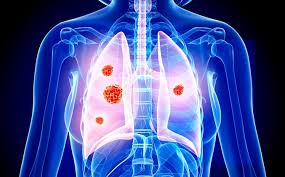
The case study is about a 72-year old female patient (Jane) that has been diagnosed with non-small cell lung cancer (NSCLC). The woman has three adult children that don live with her. Unfortunately her husband passed away and she has no one to take care of her. It is for this reason that Jane needs nursing care.

Non-Small Cell Lung Cancer

Most of the patients that have been diagnosed with this illness have smoked in sometime in their past or are smoking. However, some of the other factors that result in the development of NSCLC include; radon (a radioactive gas commonly found in rocks and soil), air pollution, radiation therapy to the chest, asbestos, and HIV/AIDS (Kitchens, Kessler & Konkle, 2013, Pg. 89).  It is also hereditary.

Symptoms of NSCLC

Mostly, lung cancer cells do not cause symptoms until they have spread many organs. However, symptoms have been detected in NSCLC. Patients with NSCLC have the following symptoms;

  • A persistent cough that keeps worsening
  • Pain in the chest. The pain gets worse when the patients breathe deeply, cough or laugh (Giaccone, 2012, Pg. 37).
  • Hoarseness
  • LOSE weight as well as appetite.
  • Cough up rust-colored sputum or blood
  • Have short breath
  • Fatigue
  • Have recurrent infections of bronchitis and pneumonia
  • Wheezing

NSCLC begins severe and spreads to other body organs. At this stage, the patients experience pain the bone, neurologic changes such as headaches, numbness of the arms, problems in balancing, and dizziness (Leary, 2011, Pg. 45). When NSCLC affects the liver, the patients’ skin becomes yellow (jaundice). When NSCLC affects the lymph nodes and the skin, lumps start developing on the body surface. Most of these conditions are likely to be caused by other conditions apart from NSCLC.

Consequences of the Symptoms to the Patient and the Family

When serious disease or disability strikes a person, the whole family is affected by the illness process as well as the entire health care experience. In the case study, Jane’s illness disrupts her whole family. Her illness has made her sons change their lifestyle and take on some role functions of Jane, which in turn has affected their normal role functioning. For instance, the eldest son, who is also a father of two, has been forced to take leaves to console his mum. His sons have also been forced to arrange for their parents care.

Jane’s illness has also caused additional strain due to economic problems and interruptions. NSCLC requires expensive therapy procedures and costly medications too. However, on a positive note, Jane’s illness has brought her family close together. She has had the opportunity to re-unite with her sons who have been busy all through. The sons have been forced to adjust their priorities and forgo some plans to just take care of their ailing mum. They also live in fear of their mum passing on.

To Jane NSCLC has caused her to undergo immense suffering. She feels a lot of pain that causes deep sorrow. She has lost her weight and has no appetite; she even sometimes regrets and feels as if she is a nuisance to her sons by making them visit her every now and then to confirm how she is fairing. NSCLC is a life-threatening disease; its symptoms have trouble Jane to a point that she feels that she should just rest in peace instead of going through intense suffering. This has led to Jane being assigned counseling officers to encourage her and let her know that there are some patients that were in the same condition that she is in but have then recovered and resumed their normal duties.

Goals of Care

Every person and every illness is peculiar. After patients such as Jane have been diagnosed with NSCLC, nursing care is aimed at;

  • Relieving pain and other NSCLC associated symptoms
  • Addressing patients’ spiritual as well as emotional concerns of the patient and their families.
  • Coordination of care
  • Improving the patients’ quality of life during their illness.

For instance, a palliative care nurse has been assigned to Jane. The nurse prescribes medications and other therapies to help treat Jane’s pain, shortness of breath, constipation, and other symptoms. Jane also has a social worker who has been charged with the responsibility of acting as Jane’s advocate on her behalf and family. She also has a chaplain who offers her spiritual support and aids her in exploring her values and beliefs. The care is also aimed at updating Jane’s family on her progress and necessary medical information.

Nursing Care Plan for NSCLC Patients

Nursing care for patients suffering from lung cancer deals with comprehensive supportive care and educating patients on how to reduce the complications they are experiencing with an aim of speeding recovery from radiation, surgery, and chemotherapy (Almeida  & Barry,  2011, Pg.67). The following are nursing’s care plans for patients with lung cancer;

(I)Impaired Gaseous Exchange

Impaired gas exchange is associated with a change in the supply of oxygen and a decreased oxygen carrying capacity of the blood. Patients present with cyanosis, restlessness, dysnea, and hypercapnia (Kumar & Eng, 2014, Pg. 26). Nursing care plan is provided to the patients with these symptoms with an aim of improving ventilation and sufficient oxygenation of body tissues. The care plan also targets freeing symptoms of respiratory.

Nursing Interventions

-To achieve the above patient outcomes, nurses should examine respiratory rate, depth, and ease of respirations. They should also monitor accessory muscles, variations in the color of the mucous membrane, pursed-lip breathing, and cyanosis (Lam & Cavallari, 2013, Pg. 73). Patients may have an increased respiration as a result of pain or as a compensatory mechanism that is triggered in order to accommodate the loss of lung tissue.

-Nurses should also auscultate the patient’s lungs to examine movement of air or abnormal breath sounds.

-Restlessness and variation in mentation or consciousness should also be investigated. This procedure may demonstrate high levels of hypoxia and mediastinal shift complications that could be accompanied with tachycardia (Newman, 2010, Pg. 851).

– Evaluation of the patients’ response to an activity. Nurses should allow patients to have rest periods and reduces activities to promote patient tolerance. Surgery and increased consumption of oxygen can lead to dysnea. However, patients should participate in early mobilization to aid in preventing pulmonary complications as well as obtain efficiency in their circulatory and respiratory systems.

– Finally, nurses should monitor and record ABGs and levels of hemoglobin (In Matzo, & In Sherman, 2015, Pg. 143). Low partial oxygen concentration and high carbon dioxide may necessitate the need for ventilator support.

(ii)Impaired Airway Clearance

Can be linked to restricted chest movement, fatigue, and increased secretion of mucous in the airway. Patients present with dysnea, abnormal sounds of breath, and ineffective cough (Kumar & Eng, 2014, Pg. 243). Nurses provided care that is aimed at clearing these abnormal sounds and decreasing secretions.

Some of the interventions that are involved include;

  • Observing the amount and appearance of sputum and other aspirated secretions. Initially, increased amounts of watery, colorless or blood streaked secretions are normal (Davey, 2012, Pg. 67). However, such secretions should decrease as the patient progresses with recovery.
  • Patients should be encouraged to have oral fluid intake of approximately 2500mL/day within tolerance of the cardiac activity. This is because adequate hydration helps in keeping secretions loose and also promotes expectoration.
  • Clinicians administered bronchodilators, analgesics, and expectorants. This will aid in improving airflow, increase production of mucous, liquefy, and reduce viscosity of secretions.

(III)Acute Pain

The pain may be due to surgical incision, disruption of nerves, and tissue trauma. Chest tubes and invasion of NSCLC into the pleura may also be a cause of pain (In Palmer, In Brown & In Hobson, 2013, Pg. 56). Clinicians will learn that patients are experiencing pain when the patients have verbal discomfort, guard the area that is affected, are restless or have changes in blood pressure and respiratory rate.

Nursing Care Interventions

-Care providers should evaluate the patients’ verbal and non-verbal pain cues whereby discrepancy between non-verbal and verbal cues would indicate the degree of pain.

– They should encourage measures that minimize pain such as changing the patient’s position, supporting them with pillows, and back rubbing patients.

Barriers of NSCLC Symptom Management

Poly-pharmacy

Studies have shown that cancer is associated with 13% increase in medical use (Jeremić, 2011, Pg. 92). Some of the factors that result in poly-pharmacy include age-related physiologic changes and multiple chronic conditions. When cancer patients take multiple drugs, adverse drug reactions take place. This poses as one of the biggest threat in management of cancer patients.

Frailty among older patients who might have experienced loss of organ function and general decline of overall health is also a barrier in management. Frail patients require careful considerations of appropriate non-pharmacologic and pharmacologic approaches.

To aid in tackling some of these barriers care providers may use non-pharmacologic practices such as acupuncture, Tai Chi, yoga or acupressure which have been reported to have tremendous positive effect in cancer survivors (Ellis, Calne & Watson, 2011, Pg. 231).

References

Giaccone, G. (2012). Systemic treatment of non-small cell lung cancer. Oxford: Oxford University Press.

Kitchens, C. S., Kessler, C. M., & Konkle, B. A. (2013). Consultative hemostasis and thrombosis. Philadelphia, PA: Elsevier/Saunders.

Ellis, H., Calne, R., & Watson, C. (2011). Lecture Notes: General Surgery. New York, NY: John Wiley & Sons.

Perry, M. C., Doll, D. C., & Freter, C. E. (2012). Chemotherapy source book. Philadelphia: Wolters Kluwer/Lippincott Williams & Wilkins.

In Palmer, K. T., In Brown, I., & In Hobson, J. (2013). Fitness for work: The medical aspects.

Jeremić, B. (2011). Advances in radiation oncology in lung cancer. Berlin: Springer.

Rohde, G., & Subotic, D. (2013). Complex Pleuropulmonary Infections: European Respiratory Monograph 61. Sheffield: European Respiratory Society.

Sinclair, A. J., Morley, J. E., & Vellas, B. (2012). Pathy’s Principles and Practice of Geriatric Medicine. New York, NY: John Wiley & Sons.

Taktak, A. F. G., & Fisher, A. C. (2012). Outcome prediction in cancer. Amsterdam: Elsevier.

Davey, P. (2012). Medicine at a Glance. New York, NY: John Wiley & Sons.

In Matzo, M., & In Sherman, D. W. (2015). Palliative care nursing: Quality care to the end of life.

Kumar, D., & Eng, C. (2014). Genomic Medicine: Principles and Practice. Oxford: Oxford University Press.

Lam, Y.-W. F., & Cavallari, L. H. (2013). Pharmacogenomics: Challenges and Opportunities in Therapeutic Implementation. Burlington: Elsevier Science.

Roth, J. A., Cox, J. D., & Hong, W. K. (2011). Lung Cancer. New York, NY: John Wiley & Sons.

Small cell lung cancer: New insights for the healthcare professional (2011 edition). (2012). S.l.: Scholarly Editions.

Newman, W. G. (2010). Pharmacogenetics: Making cancer treatment safer and more effective. Dordrecht: Springer.

Almeida, C., & Barry, S. (2011). Cancer: Basic Science and Clinical Aspects. New York, NY: John Wiley & Sons.

Pass, H. I., Pass, H. I., & International Association for the Study of Lung Cancer. (2010). Principles and practice of lung cancer: The official reference text of the IASLC. Philadelphia: Wolters Kluwer Health/Lippincott Williams & Wilkins.  http://www.academia.edu/11476728/Principles_and_Practice_of_Lung_Cancer

Leary, A. (2011). Lung cancer: A multidisciplinary approach. Chichester, West Sussex, UK: Wiley-Blackwell.

We can write this or a similar paper for you! Simply fill the order form!
Comprehensive nursing Case Study Paper

Comprehensive nursing
   Comprehensive nursing

Comprehensive nursing

Order Instructions:

This is the case study of the subject comprehensive nursing, which is due on 18th of march

Scenario is Mrs Alright is a 77 years old lady who has been brought in by ambulance after being found on the floor by her carer this morning.
She had a fall last night while mobilizing to the toilet
and mechanism of falls looks like she tripped on the corner of a mat in the hallway. found in the hallway on the floorboards.
Pre medical history (from carer)
Type 1 diabetic on insulin Hypertension Hyperlipidaemia Osteoporosis
Recent UTI on ABS ( EColi) AMI 2007
CABGs 2008
CCF
O/E
Obvious facial lacerations above R) eyebrow and across bridge of nose
Left wrist deformity from FOOSH
LHS hip pain, leg shortened and internally rotated? # NOF Bruising to LHS of leg and face
Patient confused and complaining of nausea
Small bedside patient
Pain assessment _ not able to ascertain but vocalizes on movement Diaphoretic
Fruity odour to breathe noted
BASELINE OBSERVATIONS Temperature 35.2 C
Bp 100/55
RR 25 bpm deep and rapid breathing BSL 15 mm
HR 130 bpm
Capillary refill 4 secs/ sluggish
Questions to answer for the case study are
1. list two most likely nursing diagnosis for Mrs Alright and list one reason from the clinical information that leads you to believe this?
2. Due to Mrs Aright’s PMH, identify two potential complications of her fall
3. List two clinical interventions that you would prioritize for Mrs Alright and list one physiological reason each intervention?
4. List two chronic conditions of Mrs Alright that may have caused her fall and list one pathophysiological reason that leads you to believe this?
5. List two reasons why a 77 year old lady is more risk of sustaining a fracture after a fall?
Scenario
MRS Alright is now stable enough for surgery and goes to theatre at 0700 for an ORIF of her right hip. She RTW at 1100 after being stabilized in recovery. You are the nurse looking after her for the rest of your shift. Mrs Alright is complaining of sever pain in RHS
6. List two questions you would ask when assessing this patient’s pain levels?
7. List two ways in which a cognitively impaired patient who is unable to communicate, express that they were in pain?
Scenario
Post operatively the patient has a PCA for pain management
with morphine. This is set at an infusion rate of 2 ml/hr. the infusion has been made up with 100 mg of morphine in 50 ml. Ms Alright is complaining of severe pain in her RHS and the anesthetist has ordered a 5 mg bolus to be given.
8. list two benefits and two risk factors for Mrs Alright caused by the pharmacological actions of morphine?
9. Identify two degenerative changes that occur in the elderly and explain how those changes may cause a pathophysiological response to morphine?
10. state two clinical interventions as your priority for Mrs Alright while on her PCA?
THE FIRST ASSIGNMENT, WHICH IS CASE SCENARIO IS
1 TO 5 QUESTIONS ARE FOR 200 WORDS
6 TO 10 QUESTIONS ARE 200 WORDS
APA style
THE LINK TO THE WEBSITE F0R MORE INFORMATION IS federation university library only for referencing
THREE REFERENCES REQUIRED
ONE OF THEM SHOULD BE FROM BOOK medical surgical nursing (LEMONE AND BURKE )

SAMPLE ANSWER

  1. The two possible diagnoses for Alright may be acute pain and fluid volume deficit. The patient is suffering from osteoporosis since she fell, she may be experiencing pain (Buffum et al., 2007, p. 325). Additionally the patient may be experiencing fluid volume deficit since she has low blood pressure, rapid and deep breathing, and she is also nauseated (Whitney and Rolfes, 2011, p. 45).
  2. From her past medical history, she was found to have suffered from osteoporosis. Patients suffering from osteoporosis normally have problems with their skeleton due to weakening of bones. This condition is characterized by low bone mass, and bone tissue is known to undergo microarchitectural deterioration. The fragility of the bone increases and the bones fail to bear weight. As such, the victim may fall with a small trip since the legs cannot support the weight (Buffum et al., 2007, p. 325). Mrs. Alright may also have fallen due to lack of energy. The level of hydration may be low and thus prevent generation of enough energy (Whitney and Rolfes, 2011, p. 65).
  3. I would prioritize oral rehydration for the patient using oral rehydration salts (Whitney and Rolfes, 2011, p. 67). Due to the pain that Mrs. Alright may be experiencing, I would consider the administration of naproxen. This drug is a pain reliever and will be effecting in easing the pain experienced by the patient (Burke and LeMOne, 2013, p. 65).
  4. One of the chronic conditions is type 1 diabetes under which the patient is on treatment using The patient may risk suffering from insulin shock. The level of blood glucose may drop causing a consequent reduction in energy produced in the cells. Muscle cells weaken and thus fail to support the body to regain its upright position in the event of tripping (Whitney and Rolfes, 2011, p. 49). Osteoporosis is also another chronic condition that may be attributed to the patients` fall. This condition is associated with thinning and weakening of bones. Bone fractures may also occur with initial falling. The patient may have fallen because the thin and weak bones failed to support her weight during tripping (Buffum et al., 2007, p. 325).
  5. Women aged 77 years may sustain fractures after a fall because the weakening of their bones, which is associated with increased Additionally, at this age, such women do not exercise a lot to strengthen their bones. Therefore, their bones become fragile and thus can fracture easily (Dagenais and Haldeman, 2012, p. 234).
  6. The two questions are:
  7. Where is your pain?
  8. What makes your pain worse?
  9. The common pain behavior for cognitively impaired include:
  10. Facial expressions like frowning
  11. Verbal expressions like sighing (Buffum et al., 2007, p. 316).
  12. The use of morphine may be associated with benefits like:
  13. The patient may experience a faster relief of pain
  14. The chances of being dependent on morphine are reduced

The risks may include:

  1. Heightened feeling of nausea
  2. She may also experience increased sweating
  3. The process of degeneration of the inter-vertebral disc is common among the elderly. Degeneration of the inter-vertebral disc is associated with problems in the spine resulting in the development of back pain, which is known to spread to the buttocks, as well as the thigh region. Morphine is generally used as medication for easing this pain. Pain is experienced daily as degeneration of discs occurs due to repeated daily stresses. The regular use of morphine to ease pain results in morphine dependence. Osteoporosis is also another example of degeneration of bones among the elderly. Continued use of morphine containing drugs may lead to morphine dependence (Dagenais and Haldeman, 2012, p. 234).
  4. While Alright is on PCA for management of postoperative pain, I would prioritize administration of morphine at 5 mL/hr infusion rate. The infusion will contain 50 mg of morphine in 25 ml of fluid. I will also consider administration of paracetamol currently with infusion of morphine via PCA (Burke and LeMOne, 2013, p. 78).

References

Buffum, M. D., Hutt, E., Chang, V. T., Craine, M. H., & Snow, A. L. (2007). Cognitive impairment and pain management: review of issues and challenges. Journal of Rehabilitation Research and Development, 44, 2, 315-330.

Burke, L., & LeMOne, P. (2013). Medical-Surgical Nursing. New York: Pearson Higher Education AU.

Dagenais, S., & Haldeman, S. (2012). Evidence-based management of low back pain. St Louis, Missouri: Elsevier Mosby.

Whitney, E. N., & Rolfes, S. R. (2011). Understanding nutrition. Australia: Wadsworth, Cengage Learning.

We can write this or a similar paper for you! Simply fill the order form!

HIV and Pregnancy among African teens

HIV and Pregnancy among African teens

HIV and Pregnancy among African teens

Order Instructions:

Identify your selected empirical research problem (HIV and Pregnancy among African teen) and the units of analysis. Include support for these units as being reasonable for comparison and how you would avoid the ecological and individualistic fallacies.

Determine two researchable hypotheses based on your research problem (HIV and Pregnancy among African teen). For each hypothesis, identify the independent, dependent, and control variables. Moreover, estimate expected changes in the magnitude and relations between the dependent and independent variables.

SAMPLE ANSWER

HIV and Pregnancy among African teens

Problem Statement

HIV and Pregnancy among African teen rates are constantly increasing as per the international comparison. The problem leads to school dropout, causes future unemployment among the youth, preterm birth and mental disturbances which results into poor mental health.

Objectives

The objectives of this study are to determine and understand the attitudes and perception of teenagers in Africa concerning early pregnancies in teenagers. The other objective is to determine the understanding of the teenagers concerning sexuality and use of contraceptives to prevent infection of sexually transmitted diseases. This study will contribute to the knowledge concerning HIV and teenage pregnancy in Africa. In addition, the study will pursue the deeper understanding of how the youth perceive early pregnancy and to identify factors in their own view that can prevent this problem.

Researchable hypothesis

  1. The teenagers in Africa do not understand sexuality and use of contraceptives to prevent infection of sexually transmitted diseases.
  2. The teenagers in Africa do not understand the effects of early pregnancies in their own life.

The study will involve qualitative data. The independent variables for the study will include the need to prove fertility, Poor sexual negotiation skills and Poverty.  The dependent variables will include Peer pressure from boyfriends or the social networks, the need to prove one’s fertility and Socio economic factors. The control variables on the other hand will include: Pregnant teenagers, Teenage girls who are aged 16-19 years who have never had who had never been pregnant and Teenagers who had a baby while they were teenagers (Bastien, Leshabari & Klepp , 2009.12).

Expected results

  1. The teenagers being ignorant about the consequences of early pregnancy and of having unprotected sex
  2. The teenagers engage in early sex due to poverty

References

Bastien S, Leshabari MT, Klepp KI, (2009) Exposure to information and communication about HIV/AIDS and perceived credibility of information sources among young people in northern Tanzania. African Journal of AIDS Research, 2009; 8(2):213–22.  https://www.ncbi.nlm.nih.gov/pubmed/25875572

We can write this or a similar paper for you! Simply fill the order form!

Telehealth technology in CHF’s care

Telehealth technology in CHF’s care

Telehealth technology in CHF’s care

Order Instructions:

Instruction are contained in the attached files.

SAMPLE ANSWER

Telehealth technology in CHF’s care

According to evidence based practice, hospitals are under pressure from public insurance to provide quality care to minimize re admissions especially for patients suffering from Congestive Heart Failure (CHF). This calls for proper utilization of telehealth technology to improve patient’s outcome. CHF, a cardiovascular complication arises when the heart is unable to pump enough blood as demanded by the body. This results to irregular heartbeat, fluid retention and shortness of breath. The conditions are usually fatal especially among the elderly. With the new trend of telehealth systems, CHF patient will become empowered to manage their symptoms better and improve the quality of life. This is one of the strategies which are aimed at improving smooth transitional processes of hospital care to home care. The move is aimed at reducing the rate of re admissions and emergency department visits by the CHF patients (American Nurses Association, 2010).

Despite the innumerable advantages, there is reduced acceptance of the new technology, which has become the road block for successful implementation of the programs. There are concerns that integration of telehealth systems will interfere with the nurse-patient relationship.  This indicates the need to implement a strategy/ action plan which is tailored made for this particular health care facility to ensure that collaborative involvement is achieved. The change model that will be utilized to implement the nursing changes is the John Hopkins Nursing Evidence based practice (JHNEBP).

Change Model Overview

The Johns Hopkins Nursing evidence based practice model was chosen due to its ability to effectively guide the translation of healthcare evidences into practice. The model is characterized by three cornerstones of nursing including practice, education and research. The model also integrates the internal and external factors during transition.

Source: http://www.medscape.com/viewarticle/773058_4

JHNEBP  model has three phases commonly referred to as the PET processes; (a) identification of  the problem question; b) systematic review  of the problem question and research evidence and c) Translation  process which includes  implementation processes, pilot study, outcomes evaluation and monitoring of the findings. The model provides examples of EBP  projects which have been successful, and guides step by step the process for planning and implementing the program.

Source: http://www.medscape.com/viewarticle/773058_

Practice Question

Step 1: EBP question identification

Telehealth are the best intervention to manage and improve CHF quality of life. However, the use of Telehealth has not developed at the anticipated scale and pace. There are increased organizational, resources/financial, technological barriers and mixed perceptions and evidence of the telehealth have hindered implementation of the system.  The research question is “why nursing care interventions coupled with telehealth technology is is increasingly being resisted, even with the increased evidence that it improves CHF patient’s quality of life?”

The Problem in this case is the resistance to care management change by nurses who provide care for CHF patients.  The intervention being considered is to establish a tailor made implementation action to reverse the resistance into acceptance of telehealth technology. This is because the technology will empower the patient and simultaneously provide workload relief to the nurses. The intervention will be compared with the conventional standard care. The desired outcome includes reduction of re-hospitalization, ER visits and considerable reduction of CHF care costs. The overall outcome expected is improved CHF patient quality of life and reduction of nurses care workload; thereby increasing quality service delivery.

Step 2: Scope of practice question

Among the non-communicable diseases, CHF is reported to be the leading cause for mortality and morbidity in the industrialized countries. Additionally, it is the leading cause for hospitalization and emergency department visits. Despite the advances in pharmacology and medical care trends, nurses who provide care for CHF are faced with increased workloads (62%) due to the increased rates of re-hospitalization. With no exception, the CHF trend (prevalence and increased medical resource consumption) is projected to increase by five folds if no intervention is put in place (Dearholt &Dang, 2012).

According to literature, effective disease management requires the patient to be actively involved in disease management and decision making processes. Unfortunately, patient empowerment has been lagging in CHF disease management system for a long period of time; thus the increased re-hospitalization incidences.  The introduction of telehealth technology is important because it facilitates frequent communication between the patient and the care provider; the ability to monitor health at home increases patient’s health outcome (American Nurses Association, 2010).

Steps 3, 4, and 5: Team

For a study to have an impact on the health policy, communication with the relevant stake holders (who are directly affected by the transition) is very important. In this context, the stake holder’s participants include; Advanced community nurse, Nurse CHF service managers semi-clinical staff (includes telehealth installers), General practitioner, and Organizational commissioning managers.

The varying stakeholders were chosen because each group has values which seem important. For example, the physician is concerned with patient safety and quality care delivery; whereas organizational commissioning managers are concerned with system efficiencies at a low cost of operational cost. By involving the stakeholders, the negative perceptions and doubts about telehealth technology will be addressed; and could result to changes of ideas position from negative grounds to a neutral one.

Evidence

Steps 6 and 7: Internal and external search for evidence

Four patterns of nursing research evidence influenced the internal search for evidence. This includes empirical evidence which is based on scientific research; ethical evidence based on nurse’s perception, cultural competency and preferences; personal evidence and aesthetic evidence. Empirical evidence indicates that two thirds of the healthcare providers are not willing to integrate telehealth care due to uncertainty on assessing patient’s suitability, and the difficulty in prediction of the patient’s response to the technology (concerns of depression and anxiety). Again, there is limited data which is relevant to telehealth patient outcomes coupled with the mixed published evidence reduced the acceptance of the new trend.  Ethical evidence is discerned through limited referral, implying that only the patients of certain economic status can enjoy the privileges. There are also concerns on impact of the technology on nurse’s roles especially with the sharing of care delivery with the patient.  These evidences highlight the absence of shared visions and telehealth rationale, thus the heightened resistance among the CHF care providers (American Nurses Association, 2010).

The external evidence search includes the legislation and standards.  For instance, the public health insurance policies are emphasizing hospital to minimize the rates or re-admission and re-hospitalization. Again, World Health Organization has outlined standards for telemedicine. The importance of telemedicine in ensuring that patient’s safety and quality of care is delivered.

Steps 8 and 9: Summarize the evidence

Analysis of data generated from Veterans Health Administration (VHA) on Home Telehealth program indicated a 25% reduction in length of hospitalization days and 19% less re-admissions. Data generated from the Center for Connected Health (CCH) program which has been offering cardiovascular patients care intervention indicates 84.7% success in CHF management while undertaking the program. Another remote monitoring program I Ontario Telemedicine Network which had 800 patients with CHF indicated 65% reduction in hospital admission and 72% reduction on emergency visits (American Psychological Association, 2010).

Lawton (2010) acknowledges the importance of telehealth technology. However, the prevailing barriers impede successful integration of new trend in the healthcare sector. Paul and colleagues (2010) evaluations produces comparable results. This includes 27.1% readmission reduction and reduction of ER visits by 38.3%. The study concludes by pinpointing cost effectiveness as the key challenge for the program implementation in most healthcare settings.

Baker and Colleagues (2010) evaluations on the role of telehealth in managing CHF disease indicated a 15% mortality rate reduction, and 18% ER visits reduction. Brewster and colleagues found out that increased staff resistance as the main barrier for integration of telehealth system. The paper recommends future research on cost effectiveness and nurse workload reduction.

Step 10: Recommendations for change

The largest challenge in the implementation of telehealth is staff resistance to change. The results indicated that staff acceptance is critical for telehealth to be integrated; and is a research area which has been largely neglected.  Until the innovation is viewed as better than or superior than conventional care, challenges on implementation will persist. In this case, it is not a question  of replacing  the technology face to  face with the conventional approach, but rather according the staff support demand which ensure that their skills are improved, which will further change judgment and knowledge.

Further translational research to ascertain the benefits of the innovation would be effective in overcoming the barriers. Where most of them focus on training; the training scope should be expanded to include ways to retain and to refine strong staff-patient interaction and training on equipment use. These processes will empower staff; that in turn will empower the patients. The computer based hybrid models should entail staff training, lessons on home monitoring, and access to specialist and in person patient care which will change nurse’s perception on telehealth.

Translation

Steps 11, 12, and 13: Action plan

A computer based training module will be implemented. This module will contain all the hospital policies and protocols regarding evidence based practice. The exact model is the Continuous Quality model; FOCUS-PDSA. The action steps include (Dearholt &Dang, 2012):

Step 1: Find the underlying root for telehealth resistance by the staff

Step 2: Organizing committee and relevant stake holders to preside over the identified barriers

Step 3: Analysis and clarification of the underlying concepts

Step 4: Understanding the barriers and analyzing the discrepancies

Step 5: Recommendation of solution: Computerized training model

Step 6: Implementation of the solution recommended

Step 7: Evaluation of the outcome.

Steps 14 and 15: Evaluating outcomes

The outcomes evaluation will be conducted after 12 months. Evaluation will not be limited to this stipulated period. This is because interventions outcomes may not be immediately realized within the short term duration (Dearholt &Dang, 2012). Evaluation will include measuring the percentage or re-hospitalization, emergency department visits rates, and the mortality rates in two groups, the intervention group and control group.  Additionally, evaluation tools such as 4 Likert scale will be used to evaluate nurses and patients responses.

Steps 16, 17, and 18: Implementation

Implementation of the action plan entails integration of online computer based practice. The first part of the module will have the prevalence rates of telehealth resistance and its clinical implications. The second part will highlight the procedures for telehealth, including the risky behaviors associated with poor telehealth practices. The implementation of this strategy is necessary because it will ensure that the novice’s nurses and new employees learn about safe telehealth process. If the strategy is found to be successful, it will be integrated in other departments. This model is chosen due to its efficacy, it is time conscious, easily accessible and can be retrieved on demand and at any location (Dearholt &Dang, 2012).

Conclusion

As indicated from the study, growing number of systematic reviews indicates a range of improved outcomes of normal care. The practice question was on how to address the increased resistance of integrating telehealth technology in management of CHF patients.  The research evidence indicates reduced re-hospitalization rates, reduced mortality, reduced ER visits, which results to reduced quality of care.  The study translation includes the implementation of nurse led computerized coaching on the approaches to manage the telehealth procedures. This strategy is aimed at improving nurse’s clinical judgments, reducing nurse workloads; and to simultaneously, improve CHF patient quality of life.


References

American Nurses Association. (2010). Nursing: Scope and standards of practice (2nd ed.). Silver Spring.

American Psychological Association. (2010). Publication manual of the American Psychological Association (6th ed.). Washington, DC:

Baker, LC. Macaulay, D S., Sort, A., Diner, M., Johnson, G., Birnbaum, G. (2012). Effects of Care Management and Telehealth: A Longitudinal Analysis Using Medicare Data. Journal of the American Geriatrics Society 1: 1560–1567

Brewster, L., Gail M., Wessels,  B., Kelly, C.,  & Hawley, M.(2013) Factors affecting frontline staff acceptance of telehealth technologies: a mixed-method systematic review. Journal of Advanced Nursing 1: 660–667

Dearholt, S. L., & Dang, D. (2012). Johns Hopkins nursing evidence-based practice: Model and guidelines (2nd ed.). Indianapolis, IN: Sigma Theta Tau International Lawton, G. (2010). Telehealth Delivers many benefits, but concerns linger. PTin motion journal.

Paul, YT. , Gregory, Pecina, J., Stroebel, R., Chaudhry, R., Shah, N.D., & Naessens, JM. (2010). A randomized controlled trial of telemonitoring in older adults with multiple chronic conditions: the Tele-ERA study. BMC Health Services Research 10: 255

We can write this or a similar paper for you! Simply fill the order form!

Differentiating Components of Health Assessment

Differentiating Components of Health Assessment
   Differentiating Components of Health                                   Assessment

Differentiating Components of Health Assessment

Order Instructions:

For this assignment, the writer will complete the chart using the information provided from the list 1- 20. it is critical that the writer pay attention to details. I will upload the details of the assignment in the upload section.

SAMPLE ANSWER

Differentiating Components of Health Assessment

Subjective Data Objective Data Assessment (medical diagnosis) Plan (orders)
“My throat is sore and  hoarse” Pneumonia Bilateral Breath sounds clear to auscultation Refer to Pulmonology
Chest pain associated with activity Chronic Bronchitis Productive cough x 10 days of green yellow sputum Relieve of chest pain with Tylenol
My head hurts” Hemoglobin 25 Lateral curvature of thoracic spine Fine Needle Aspiration of thyroid gland
Sister with breast cancer Potassium 3.8 Left mastitis


Refer to Oncology
Back pain score 8/10 with radiation to legs COPD Skin warm and dry
Consumes 75% of meals


Short summary

Objective, subjective, health assessment and plan of action are all components of a SOAP note. SOAP note is a medical form which facilitates easy documentation process of the patient. Subjective data includes all information provided by the client regarding the health complication. It includes chief complaints and family, social and current medical histories (Reznich, Wagner, & Noel, 2010). The subjective data explains the patient’s condition using narrative form. It includes the onset of the condition, its chronology, quality of the pain, factors which modify the pain and associated symptoms. Objective data includes all traceable facts. It includes data from clinical laboratory reports and from other vital findings. This data will include physical assessment data such as age, weight etc. This data is straight forward and includes disease vital signs such as Blood Pressure, respiration, temperature etc. (Mitsuishi, Et al., 2014).

Health Assessment refers to a quick summary of objective and subjective information. It includes lists of potential diagnoses. In some cases, assessment will include diagnostic tests information such as X-rays, blood analysis among others. The problem list is numerically listed as supported by objective and subjective findings.   This is the part which aids in developing of differential diagnosis. Plan (Orders) include all actions that will be conducted as guided by the assessment. They include specific laboratory duties; intention for hospitalization; study of specific diagnoses; differential diagnoses; medication therapy and follow up actions (Erickson, McKnight, & Utzman, 2008).

References

Erickson, M., McKnight, R., & Utzman, R. (2008). Physical therapy documentation. Thorofare, NJ: SLACK.

Mitsuishi, F., Young, J., Leary, M., Dilley, J., & Mangurian, C. (2014). The Systems SOAP Note: A Systems Learning Tool. Academic Psychiatry. doi:10.1007/s40596-014-0128-5. Retrieved from http://eds.a.ebscohost.com/ehost/pdfviewer/pdfviewer?sid=12d28572-cabe-4aaf-b355-4d40fb3e2538%40sessionmgr4003&vid=0&hid=4205

Reznich, C., Wagner, D., & Noel, M. (2010). A repurposed tool: the Programme Evaluation SOAP Note. Medical Education, 44(3), 298-305. doi:10.1111/j.1365-2923.2009.03600.x. Retrieved http://eds.a.ebscohost.com/ehost/pdfviewer/pdfviewer?sid=dfcf3206-e0fd-4e06-a590-6898a729ba23%40sessionmgr4002&vid=0&hid=4205

We can write this or a similar paper for you! Simply fill the order form!

Perceptions of health, disability, illness and behavior

Perceptions of health, disability, illness and behavior
Perceptions of health, disability, illness and                                    behavior

Understanding perceptions of health, disability, illness and behavior

Order Instructions:

LO1. Understanding perceptions of health, disability, illness and behavior:

1.1 Analyse concepts of disability, illness and behaviour in relation to
Health and social care service users.
1.2 Assess how perceptions of specific needs have changed over time.

1.3 Analyse the impact of legislation, social policy, society and
culture on the ways that services are made available for
individuals with specific needs.

LO2. Understand how health and social care services and systems support individuals with specific needs
2.1 Analyse the care needs of individuals with specific needs.
2.2 Explain current systems for supporting individuals with specific
needs.
2.3 Analyse the impact of legislation, social policy, society and
culture on the ways that services are made available for
individuals with specific needs.

LO3. Understand approaches and intervention strategies that support individuals with
specific needs
3.1 Explain the approaches and interventions available to support
individuals with specific needs.
3.2 Evaluate the effectiveness of intervention strategies for an
individual with specific need(s)
3.3 Discuss the potential impact of emerging developments on
support for individuals with specific needs.

LO4. Understand strategies for coping with challenging behaviours
associated with specific needs.

4.1 Explain different concepts of challenging behaviour.
4.2 Describe the potential impact of challenging behavior on health
and social care organizations.
4.3 Analyse strategies for working with challenging behaviours.

Case Study 1
Baby Peter ‘was failed by all agencies’
Peter Connelly (also known as “Baby P”) was a 17-month-old English boy who died in London after suffering more than fifty injuries over an eight-month period, during which he was repeatedly seen by Haringey Children’s services and NHS health professionals.
Peter Connelly was born to Tracey Connelly on 1 March 2006. In November, Connelly’s new boyfriend, Steven Barker, moved in with her. In December, a GP noticed bruises on Peter’s face and chest. His mother was arrested and Peter was put into the care of a family friend, but returned home to his mother’s care in January 2007. Over the next few months, Peter was admitted to hospital on two occasions suffering from injuries including bruising, scratches and swelling on the side of the head. Connelly was arrested again in May 2007.

In June 2007, a social worker observed marks on Peter and informed the police. A medical examination concluded that the bruising was due to abuse. On 4 June, the baby was placed with a friend for safeguarding. Over a month later, on 25 July, Haringey Council’s Children & Young People’s Service obtained legal advice which indicated that the “threshold for initiating Care Proceedings…was not met.
On 1 August 2007, Baby Peter was seen at St. Ann’s Hospital in North London by locum paediatrician Dr. Sabah Al-Zayyat. Serious injuries, including a broken back and broken ribs, very likely went undetected.
The next day, an ambulance was called and Peter was found in his cot, blue and clad only in a nappy. After attempts at resuscitation, he was taken to North Middlesex hospital with his mother but was pronounced dead at 12:20 pm. A post-mortem revealed he had swallowed a tooth after being punched. Other injuries included a broken back, broken ribs, mutilated fingertips and fingernails missing.
The police immediately began a murder investigation and Baby P’s mother was arrested. So too were Barker, his brother Jason Owen and his 15-year old girlfriend, who had fled to and were hiding in a campsite in Epping Forest.
Baby P’s real first name was revealed as “Peter” on the conclusion of a subsequent trial of Peter’s mother’s boyfriend on a charge of raping a two-year-old.
The case caused shock and concern among the public and in Parliament, partly because of the magnitude of Peter’s injuries, and partly because Peter had lived in the London Borough of Haringey, North London, under the same child care authorities that had already failed ten years earlier.
Peter’s mother Tracey Connelly, her boyfriend Steven Barker, and Jason Owen (later revealed to be the brother of Barker) were all convicted of causing or allowing the death of a child, the mother having pleaded guilty to the charge.
The child protection services of Haringey and other agencies were widely criticised. Following the conviction, three inquiries and a nationwide review of social service care were launched, and the Head of Children’s Services at Haringey was removed by direction of the government minister.
A report by Graham Badman suggested that Baby Peter’s “horrifying death” was down to the incompetence of almost every member of staff who came into contact with him.
The report stated that “the practice of the majority, both individually and collectively was incompetent.”
“Their approach was completely inadequate and did not meet the challenge of the case,” it argued.
Source: http://www.bbc.co.uk/news/education

Case study Two:
The Bournewood Case
Rights for vulnerable people in the care system
Mr. and Mrs. E live in a picturesque cottage in a quiet Surrey Village. Inside, the house is buzzing with activity: three Old English sheepdogs, rescued from a home for abandoned animals, roam about the kitchen and patio. Photos of family outings cover the walls. Footsteps on the stairs signal the entrance of HL, the autistic man for whom Mr. and Mrs. E are carers. He pauses for a silent greeting before making his way swiftly to the fridge. “He knows exactly where we keep his favourite juice,” laughs Mrs. E.
Mr. and Mrs. E, are remarkable people, whose struggle for HL’s human rights has changed the way vulnerable people are treated under British law.

HL came to live with Mr. and Mrs. E in 1994, under a resettlement scheme from Bournewood hospital where he had lived for 32 years. With their children grown up, the couple had decided to open their home to someone who needed it. Looking after HL was no easy task: he cannot talk, and needs help with basic tasks like washing and dressing himself. Mrs. E says: “It’s fair to say that it was a challenge – but it was rewarding to see how much HL benefited from living in a family setting. At first he was very institutionalised, but he gradually became more confident and progressed beyond all expectations.”
A requirement of his placement was that HL would attend a day centre once a week, to which he travelled by the centre’s transport. On July 22nd 1997, three years after he had come to live with Mr. and Mrs. E, it was not the usual driver who collected from their home. Rather than taking him straight to the day centre as normal, the driver took a different route, collecting others on the way. HL became increasingly agitated.
The next thing Mr. and Mrs. E knew was that HL had been taken back into Bournewood hospital and detained there. He had been admitted informally, using a clause in the Mental Health Act 1983 under which the hospital simply had to argue that it was in his “best interests” – and as HL cannot speak, he was unable to object. Mr. and Mrs. E were not allowed to visit him, apparently in case he wanted to leave with them. “They sent us a letter thanking us for agreeing not to visit,” says Mrs. E. “We hadn’t agreed anything – they had decided, without any consultation.”
When Mr. and Mrs. E realised that HL was not going to be allowed home, they engaged a solicitor on his behalf and took a case for unlawful detention to the High Court, which ruled against him. The Appeal Court overturned the decision in October 1997, and the hospital chose to section HL, although he did not meet the criteria, and in December that year he was finally discharged by the hospital managers. “When he got home he was in a terrible state,” says Mrs. E. The couple has a video showing the abuses to which HL had been subjected in the hospital: he looks half-starved, with blackened toenails and scabs on his face. “When he came home he just ate and slept for three weeks.”
Meanwhile, the hospital trust, supported by the Department of Health, appealed to the House of Lords over the ruling. The Mental Health Act Commission suggested that 22,000 people being detained informally would have to be detained formally under the Mental Health Act if the ruling were upheld. In 1998, the House of Lords overturned the ruling that HL’s detention had been illegal. Mr. and Mrs. E decided to take the case to the European Court of Human Rights, which in October 2004 ruled in HL’s favour. As a result the government introduced the new Deprivation of Liberty Safeguards, which came into force in April 2009.

Source:http://www.equalityhumanrights.com/human-rights/our-human-rights-work/human-rights-inquiries/our-human-rights-inquiry/case-studies/the-bournewood-case/

Description of problem to be solved
As a Health and Social Care Practitioner, your responsibilities include, among others, assessing specific needs of people with disabilities, analyzing their care needs and also, evaluating strategies for giving support to people with challenging behaviours. You are therefore required in this assignment to demonstrate your understanding of Specific needs in Health and Social Care

Learning Outcome 1
The first part of your essay requires you to analyse concepts of disability, illness and behaviour in relation to Health and Social Care service users and give your assessment of how perceptions of specific needs have changed over time.
You are to examine the impact of legislation, social policy, society and culture on the ways that services are made available for individuals with specific needs.

Learning Outcome 2
Use the Bournewood case below to support this part of your essay, refer to stponline for further reading materials and learning resources.
This section of your essay requires you to describe the specific need of the individual, informing your audience about his condition and how it affects well-being and capacity. Discuss the systems available to support such individuals and link this to the case study. Build your arguments for and against and include your final decision in relation to the assessment criteria.

Learning Outcome 3
Explain the approaches and interventions available to support individuals with specific needs. Use both case studies as benchmarks and evaluate the effectiveness of the interventions strategies use. Discuss the potential impact of emerging developments on support for people with specific needs.

Learning Outcome 4

The last part of the assignment concerns your understanding of the strategies for coping with challenging behaviours associated with specific needs. Students are expected to explain the approaches and interventions available to support individuals with specific needs

Furthermore, students must describe the potential impact of challenging behaviour on health and social care organizations and analyse strategies for working with challenging behaviours.

*Please see the Merit and Distinction criteria below

SAMPLE ANSWER

People who require social and health care services have the right to treatment with respect, dignity, and compassion by practitioners with expertise and time to attend to their needs. This is a requirement that is guided by law. These individuals require a type of care that is patient-centered and takes into account the needs, and wishes and of the individuals` without any reservation. Many social barriers should be removed or reduced for the victims. Teams of caregivers are required to emphasize on effective models. For instance, adherence and self-management are crucial to migrant populations, who may receive care in different locations, while community linkages are relevant for homeless individuals in order to ensure a fully supported care. A good health for these persons is vital for their engagement with the community, learning, as well as working (Pratt, 2010).

Individual suffering from autism while have lifelong encounters related to the developmental disability. The exact cause of autism has not yet been uncovered, but studies reveal the involvement of genetic factors. The spectrum of conditions associated with autism cover wide range. The spectrum varies from intense severity in some patients t subtle difficulties in understanding in those of average or above average intelligence. Autism is also associated with difficulties in learning. The disability of autistic people is characterized by a triad of impairments. These include absence or impaired two-way social interaction, absence or impaired comprehension, use of language and non-verbal communication. With reference to the Bournewood case, Mr. HL`s greetings involved staring at people in silence, then went his way. Autistic individuals may encounter episodes of high or low sensitivity that leads to unexpected reactions to the environment. When Mr. HL was introduced to a new drive and a new route, he became highly agitated, and this caused him to be detained back in the hospital. Day care center services have been established for autistic individuals. Patients in resettlement schemes may also benefit from the services offered at the day centers. As exemplified by the Bournewood case, resettlement schemes, where patients are assigned to homes of caregivers yield best results, especially when the patients adapt to the respective settings. Mr. HL had lived well for three years before his environment was changed, something he did not like (The Bournewood Case (n.d); Edwards, 2008).

Taking care of individuals with particular needs can be quite challenging. Various interventions are available, which have proved to yield better results in terms of caring for individuals with particular needs. The interventions include adoption of a person-centered approach, where the needs and aspirations of the patient are considered. Individual and comprehensive patient-oriented support plans can also be into account. Provision of a setting that is appropriate for the individuals in also vital. For Mr. HL, a home, where he could live with his caregivers was the correct option for him. He could have his plans of coming home, and take his drink among other stuff. Mr. HL enjoyed the home setting, where he could interact with his caregivers often. Changing his environment, a little-caused problems that caused him trouble. Regarding baby Peter`s case, it is clearly shown that general practitioners must learn to be advocates for their patients. Peter`s condition was noticed while he was still living with the guardians, but no action was taken. This negligence resulted in the death of Peter (Sellgren, 2010).

Establishment of detailed and concrete approaches in order to achieve a healthy social interaction, communication, and development of independent skills is the best strategy of helping individuals with particular needs. Patient activities should be structured effectively to make sure that the patient is comfortable. The surrounding environment must also be considered since the patient must be comfortable. A change in this environment must be considered with extreme care. Additionally, caregivers must be carefully monitored by individuals, health organizations, and human rights organizations to make sure the progress of the victims is satisfactory. This strategy can minimize the development of unexpected outcomes.

Reference

The Bournewood Case. (n.d) Case Study Two: Rights for Vulnerable People in the Care System. Retrieved from http://www.equalityhumanrights.com/about-us/our-work/human-rights/human-rights-inquiries/our-human-rights-inquiry/case-studies/the-bournewood-case on 15/2/2015.

Edwards, D. (2008). Providing practical support for people with autism spectrum disorder: supported living in the community. London: Jessica Kingsley

Pratt, J. R. (2010). Long-term care: Managing across the continuum. Sudbury, Mass: Jones and Bartlett Publishers.

Sellgren, K. (2010, October 26). Baby Peter ‘was failed by all agencies. BBC: News Education and Family. Retrieved from http://www.bbc.com/news/education-11621391 on 15/2/2015.

We can write this or a similar paper for you! Simply fill the order form!
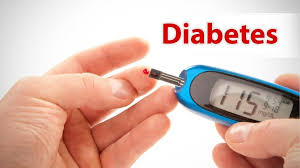
Lesson on diabetes Essay Assignment Done Here

Lesson on diabetes
Lesson on diabetes

Lesson on diabetes

Order Instructions:

Continue to work on the lesson plan and complete the following tasks:
•Provide a purpose and rationale for selecting the lesson(s).
•Describe the philosophical or theoretical basis for teaching approaches used in the lesson.
•1 disease/3 audiences

Provided a purpose for selecting the lesson(s) and included all learners identified in Week 1.

Provided the rationale for selecting the lesson(s) and included all learners identified in Week 1.

Described the philosophical or theoretical basis for teaching approaches used in the lesson.

Supported answers with relevant examples and articles.

Writing components.

SAMPLE ANSWER

Lesson on diabetes

Importance of a diabetes lesson

Provision of patient education is vital in optimization of patient behavior and patient outcomes in terms of recovery from diabetes. Lessons on diabetes are anticipated to have a positive impact with respect to a reduction in the rate of morbidity, as well as morbidity. Additionally, same-day procedures tend to reduce the time spent by nurses on their patients. These lessons provide a holistic approach, which ensures that patients, their families, and other colleagues obtain health information that is both consistent and comprehensive.

Rationale for the diabetes lesson

Patients suffering from diabetes require comprehensive knowledge on diabetes related information. Patients also require to understand the language and means of communication with their caregivers and amongst themselves. Generally, patients suffering from diabetes require acquisition of life skills on how to cope with life in their current state of health. Diabetes lessons tend to equip the patients with knowledge and skill that are relevant in their recovery, as well as leading a healthy life (Abdul, Aliand Majeed, 2011).

Theoretical basis of teaching method

The location of the teaching facility, which is a hospital facility, prepares the patients psychologically for information that is crucial for their health. The use of books and charts is vital in prompting a practical approach to delivering instructions. Charts are known to support the information contained in literature, which has been captured in the textbooks. The opportunity to ask questions is vital in augmenting what the learners have gained throughout the lesson. Through asking questions and getting feedback, learners will build confidence in practicing what they have learned (Sanjeev, 2012).

Lesson on dinner etiquette

Importance of dinner etiquette lesson

Information on dinner etiquette is vital for responsible family members who want to lead a healthy life. Such lessons are known to cover information on the importance of eating. Additionally, information on the relevance of having dinner as a family can also be taught. Through this lesson, learners will gain information regarding the best cooking methods and the best recipes to be used in preparing a meal. Students will also gain practical knowledge of how to cook boiled rice, beef stew, and vegetables. Making of fruit salads is equally important and will also be taught.

Rationale for the etiquette lesson

Family members are required to live a happy and healthy life. Among the factors that may contribute to this outcome is the availability of good meals for the family. As such, they are required to have knowledge of how to prepare different foods. Moreover, family members require knowledge of preparing meals that conform to the guidelines of feeding on a balanced diet. Feeding on balanced diets will help family members to escape various life threatening diseases such as cardiovascular diseases (Abdul, Aliand Majeed, 2011).

Theoretical basis of teaching method

Lessons on preparation of food require a practical approach apart from learning theory. Issuance of handouts containing information of various cooking methods and preparation of recipes provide family members with a theoretical background of the various methodologies. To gain, a more practical experience, family members are required to be guided through the cooking process via visual and audio cooking sessions. To make the class more interesting, students will be given an opportunity to prepare a meal of their choice (Sanjeev, 2012).

Lesson on dinner staff training

Importance of a staff-training lesson

Staff training sessions are crucial for both employees and employers in the health care profession. Training sessions are vital in imparting the respective employees and employers with skills that are relevant to the medical profession. Normally, staff members must always be ready for any training sessions. As such, it is a requirement for them to learn and acquire new skills.

Rationale for a staff-training lesson

Development of staff members both in knowledge and practice is crucial to their career success. Staff members will always require additional basic skills to improve their performance (Abdul, Aliand Majeed, 2011).

Theoretical basis of teaching method

Teaching methods for employers and employees must embrace their social class. For this reason, a conference room at a particular health care facility or a hotel is vital for a successful training activity. This group of individuals is known to have high academic qualifications, as such they are given the opportunity, in groups, to air their views regarding the training methods applied. Additionally they are also allowed to give feedback on the relevance of the lessons they have been taught, and the skills they have acquired. To ensure their opinion counts, students are given the opportunity to determine the excellent training methods that can be applied in the health care industry (Sanjeev, 2012).

References

Abdul, M.M., Ali, M., & Majeed, K.A. (2011). Role of Teachers in Managing Teaching Learning Situation. Interdisciplinary Journal of Contemporary Research in Business, 3(5): 783-833.

Sanjeev, V., Curtis, W., Janet, S., Tingwei, Z., Kazuya, K. (2012). Holistic, Inclusive and Practical: Teaching plan-making at the core. The Town Planning Review 86(3): 625-645.

We can write this or a similar paper for you! Simply fill the order form!