



Diagnosis and Management of Eye, Ear, Nose, and Throat Disorders

Diagnosis and Management of Eye, Ear, Nose, and Throat Disorders

Diagnosis and Management of Eye, Ear, Nose, and Throat Disorders

Order Instructions:

Diagnosis and Management of Eye, Ear, Nose, and Throat Disorders
In clinical settings, eye, ear, nose, and throat (EENT) disorders account for the majority of pediatric visits. With the prevalence of these disorders, you must be familiar with their signs and symptoms as well as evidence-based practices for assessment and treatment. Although many pediatric patients present with common EENT disorders such as ear infections, allergies, and strep throat, some patients present with rare disorders requiring specialist care. In your role, making this distinction between when to treat and when to refer is essential. For this Discussion, examine the following case studies and consider potential diagnoses and management strategies.

Case Study
A mother presents with her 2-year-old child with complaints of ear pain and decreased sleep. Earlier this week, he had a runny nose and congestion with a mild cough that occurred mostly when lying down. His temperature is 100.7°F. You note the following physical findings: shotty anterior cervical adenopathy, mild nasal congestion, clear postnasal drainage, and lungs clear to auscultation. Ear examination reveals the following: right tympanic membrane is red, translucent, in a neutral position, with no pus or fluid noted; left tympanic membrane is full, reddish orange in appearance, and opaque with pus.

Assignment Paper:
Write two pages only on this discussion assignment (Let me give you a clue, the diagnosis of this case study is ACUTE OTITIS MEDIA)
1).write an explanation of the differential diagnosis for the patient in the case study
2). Explain which is the most likely diagnosis for the patient and why.
3) Include an explanation of unique characteristics of the disorder you identified as the primary diagnosis.
4). explain a treatment and management plan for the patient, including appropriate dosages for any recommended treatments.
5).Finally, explain strategies for educating parents on their child’s disorder and reducing any concerns/fears presented in the case study.

REFERENCES RECOMMENDED FOR THIS ASSIGNMENT (Please refer to the textbook)
• Burns, C. E., Dunn, A. M., Brady, M. A., Starr, N. B., & Blosser, C. G. (2013). Pediatric primary care (5th ed.). Philadelphia, PA: Elsevier.
Chapter 29, “Ear Disorders” (pp. 652–668)

this chapter reviews the structure and function of the ear and presents guidelines for the assessment and management of ear problems.

• American Academy of Pediatrics. (2004). Clinical practice guideline: Diagnosis and management of acute otitis media. Pediatrics, 113(5), 1451–1465. Retrieved from a Collage Library databases.

This article examines the diagnosis and management of uncomplicated acute otitis media in patients from 2 months to 12 years of age. It focuses on defining acute otitis media, pain management, assessment, and selection of appropriate antibacterial treatments.

• Chow , A.W., Benninger, M.S., Brook, I., Brozek, J.L., Goldstein, E.J.C., Hicks, L.A., Pankey, G.A., Seleznick, M., Volturo, G., Wald, E.R., & File Jr, T.M. (2012). IDSA clinical practice guideline for acute bacterial rhinosinusitis in children and adults. Clinical Infectious Diseases, 54(8), 72-112. Retrieved from a Collage Library databases.

• Shulman, S.T, Bisno, A.L., Clegg, H.W., Gerber, M.A., Kaplan, E.L., Lee ,G., Martin, J.M., & Van Beneden, C. (2012). Infectious Diseases Society of America. Clinical practice guideline for the diagnosis and management of group A streptococcal pharyngitis: 2012 update by the Infectious Diseases Society of America. Clinical Infectious Diseases, 58(10), 86-102. Retrieved from a Collage Library databases.

SAMPLE ANSWER

Introduction

According to sources, AOM is a disorder that results from the malfunctions experienced in the Eustachian tube that results from colds, allergies, and bacterial infections. This can lead to the blockage of the inner linings with mucus. Out of this blockage, fluids build up and pile within the air-filled middle ear (Burns, Dunn, Brady, Starr, & Blosser, 2013). Germs and bacteria that enter these tubes breed in the fluids that are trapped in the ear thus leading to an ear infection known as the acute otitis media.

Acute Otitis Media (AOM) is a regular disease that involves the inflammation of the canals of the ear as a result of bacterial infections and pathogens that infect the ear. Some of the symptom present in this disease includes ear pains, decreased sleep, mild coughs, runny nose and congestion with an ear membrane that is red (Burns, et.al). This paper, therefore, seeks to study a patient presenting similar symptoms to AOM.

Case Analysis

The results of the diagnosis revealed that the child encountered some clinical signs and symptoms that included running nose and congestions that were accompanied by mild coughs. A high temperature of 100.7°F was also evident with other symptoms such as mild nasal congestion, and reddish appearance of the ear (Chow et.al).

The patient’s ear was in a neutral position and opaque with some sported pus. An infection was considered to be the main cause of the non-server unilateral AOM in the child. The diagnosis of this illness was found to be unilateral and non-severe because of the symptoms that were present in the child that required the use of antibiotics in the treatment. Severe cases of AOM would result in different symptoms.

The unique elements that could e noted in the child’s situation include the challenges she began encountering in feeding (Chow, et.al). The manifestation of ear tugging and lack of sleep are also factors that were unique in this child’s ailment. It is additionally necessary to remark that the child’s right tympanic ear membranes showed some redness in color with no fluids was also a unique factor that needed attention.

The Treatment and Management Plan of AOM

The management plan of the patient requires that, first of all, the child is relieved from pain. This requires that the child is prescribed antibiotics such as Amoxicillin for 30days. In an instance where the child is allergic to amoxicillin, she can be induced on an antibiotic with additional β-lactamase coverage (Shulman, Bisno, Clegg, Gerber, Kaplan, Lee, Martin, & Van, 2012). Amoxicillin, therefore, remains the best antibiotic for the child as recommended by a physician and according to an updated schedule. The child should also be introduced to an annual influenza conjugate vaccine. Breastfeeding should be exclusively encouraged

Educating Parents on Their Child’s Disorder

It is noteworthy that parents support their children to wash their hands with the aim of preventing flu and colds, a primary cause of otitis media (Dains, Baumann, & Scheibel.2012). The parents also have a role to play in ensuring that their children are not exposed to tobacco smoke and frequently attend day care for inspections. Parents should also be well informed of the use of the pacifiers and lastly giving the child and immunization to protect her from contracting AOM.

Conclusion

AOM is a disease that results from the malfunctions that are in most times experienced in the Eustachian tube from a cold, allergy, and a bacterial infection. In managing this ailment, a plan of the patient requires that, first of all, the child is relieved from pain. The use of amoxicillin remains the most efficient approach to managing this sickness in its mild state.

References

Burns, C. E., Dunn, A. M., Brady, M. A., Starr, N. B., & Blosser, C. G. (2013). Pediatric primary care (5th ed.). Philadelphia, PA: Elsevier. Chapter 29, “Ear Disorders” (pp. 652–668)

Chow, A.W., Benninger, M.S., Brook, I., Brozek, J.L., Goldstein, E.J.C., Hicks, L.A., Pankey, G.A., Seleznick, M., Volturo, G., Wald, E.R., & File Jr, T.M. (2012). IDSA clinical practice guideline for acute bacterial rhinosinusitis in children and adults. Clinical Infectious Diseases, 54(8), 72-112. Retrieved from a Collage Library databases.

Dains, J., Baumann, L., & P.Scheibel. (2012). Advanced health assessment and clinical diagnosis in primary care . St. Louis: MO: Mosby, Elsevier.

Shulman, S.T, Bisno, A.L., Clegg, H.W., Gerber, M.A., Kaplan, E.L., Lee, G., Martin, J.M., & Van Beneden, C. (2012). Infectious Diseases Society of America.58 (10), 86-102. Retrieved from a Collage Library database.

We can write this or a similar paper for you! Simply fill the order form!
Asthma Research Term Paper Available

Asthma
                                     Asthma

Asthma

Order Instructions:

Asthma is a respiratory disorder that affects children and adults. Advanced practice nurses often provide treatment to patients with these disorders. Sometimes patients require immediate treatment making it essential that you recognize and distinguish minor asthma symptoms from serious, life-threatening symptoms. Since symptoms and attacks are often induced by a trigger, advanced practice nurses must also help patients identify their triggers and recommend appropriate management options. Like many other disorders, there are various approaches to treating and managing care for asthmatic patients depending on individual patient factors. One method that supports the clinical decision-making of drug therapy plans for asthmatic patients is the stepwise approach, which you explore in this Assignment.

To prepare:
•Consider drugs used to treat asthmatic patients including long-term control and quick relief treatment options for patients. Think about the impact these drugs might have on patients including adults and children.
•Review Chapter 25 of the Arcangelo and Peterson text. Reflect on using the stepwise approach to asthma treatment and management.
•Consider how stepwise management assists health care providers and patients in gaining and maintaining control of the disease.

To complete:

Write a 2- to 3- page paper that addresses the following:
•Describe long-term control and quick relief treatment options for asthma patients, as well as the impact these drugs might have on patients.
•Explain the stepwise approach to asthma treatment and management.
•Explain how stepwise management assists health care providers and patients in gaining and maintaining control of the disease.

SAMPLE ANSWER

Asthma

Introduction

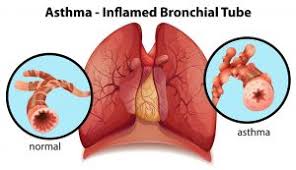
Asthma disease is a global health concern as it  affects about 25.7 Americans. The healthcare complication is reported to be the leading cause of hospitalizations and childhood mortality. Asthma pathophysiology  involves  the alterations of the normal immune response of the respiratory system. The immune response is often triggered by allergens such as pollen, mould, dust, spores, cold, and preservatives. When a trigger is inhaled, it causes allergic reaction such as inflammation and  activation of cells to overproduce mucus. This makes it hard to inhale or to exhale. The asthmatic attack is usually mild, but it could be fatal in some cases. The treatment focuses on effective ways to relieve  the health complication and to improve the patient quality of life (Simon, 2013).

Quick relief of asthmatic attack

The respiratory system is very vital for survival. The quick relief treatment is mainly used to clear the airways to improve inhalation process. The main medication used for this purpose is the  short acting beta 2 agonist administered through inhalation. The medication causes the respiratory tract muscles to relax and to open up. The medication causes reduction of cytokines and cellular level adhesion. Intravenous corticosteroids  can also be administered, and have been found to be effective  in reducing the rate of inflammation. People  diagnosed with asthma should take  the quick relief medication once they notice first symptom. Additionally, the pMDI inhalers should be carried everywhere they go, because one cannot predict the environment or weather condition (Barclay, Jeffres, & Bhakta, 2011).

Long-term medication

This type of medication is taken daily to manage the asthmatic attack symptoms. The most common medication is inhaled corticosteroids including Asmanex and  Fluticasone. The mechanism of this medication is that it relaxes the muscles and reduces  the excessive production of mucus. The side effects include  dizziness, nausea, and vomiting. Other types of long-term medication include oral medication Leukotriene such as Montelukast as well as Zafirlukast. However, this medication is not commonly used due to its side effects such as hallucinations and  anxiety. The combination inhalers are also used as long-term medication. These medication involved combination therapy of corticosteroids and beta agonists. The medication counteracts the effects of allergens, which lead to blockage of lung airways. The major side effects is oral thrush, skin rash and hormonal disturbances (Bonagura, 2013)

Stepwise treatment

Patient healthcare condition determines the stage or type of treatment:

Step 1 refers to mild and intermittent  stage. The clinical manifestation is managed using the short-acting  bronchodilator or beta2 agonist. If the condition is not stable within two weeks, the physician could consider using the second line of therapy. Step 2 is also referred to as second line therapy. This stage, the attack is persistent  but mild. The medication recommended  is low dose corticosteroids, which is usually inhaled, taken once per day, and according  to the disease symptoms. The alternative medication is leukotriene modifiers and theophylline. Step 3 also refers to persistent symptoms, which present  daily. Evidence based research indicates that the combination  therapy of  low dose corticosteroid and  long acting beta2 agonist improves the patient quality of life. The outcome has also been shown to improve  with use of  combination therapy of  theopylline or leukotriene modifiers with  low dose of inhaled corticosteroids. Step 4  includes health care condition that  is continual. The recommended medication is  high dose of  long acting beta 2 agonist. Inhaled corticosteroids also improve lung function effectively. If necessary, the oral corticosteroids can be used but under the instructions of a specialist (Simon, 2013).

 Disease Management

The patient should be educated on the various systems of inhaled medication such s roto-systems, inhalers and nebulizers. The patient should advise on ways to maintain hygiene of the medication administration tools, and ways to monitor the drug level so that the patient does not run out. The patient should also reduce exposure to asthma attack. This includes installation of air conditioner to control allergens in the house such as pollen, dust, spores, or weeds. The patient should exercise frequently and maintain healthy diet to maintain healthy weight. The diseases associated with exacerbation of asthmatic attack include gastro-esophageal reflux disease (GERD). Research indicates that the acid reflux normally cause inflammation of airways, making them more susceptible to allergic attack. These measure controls the troublesome symptoms, avoid recurrent and exacerbations of asthma, improves lung function, causing reduction of cost of care (Clayton, 2014).

References

Barclay, S., Jeffres, M., & Bhakta, R. (2011). Educational Card Games to Teach Pharmacotherapeutics in an Advanced Pharmacy Practice Experience. American Journal Of Pharmaceutical Education, 75(2), 33. https://ww.doi:10.5688/ajpe75233

Bonagura, D. (2013). The Importance of the Asthma Control Test in Asthma Management. Journal Of Asthma & Allergy Educators, 4(3), 138-139. doi:10.1177/2150129713486898

Clayton, S. (2014). Adherence to asthma medication. Nurse Prescribing, 12(2), 68-74.

Simon, L. (2013). Urban Youth’s Perspectives on Asthma and Asthma Management: Educational Implications. Journal Of Asthma & Allergy Educators, 4(3), 103-111. doi:10.1177/2150129713475362

We can write this or a similar paper for you! Simply fill the order form!
Pathophysiology Essay Paper Assignment

Pathophysiology
                      Pathophysiology

Pathophysiology Essay

Order Instructions:

The neurological system affects all parts and functions of the body through nerve stimulation. Nerves also control the sensation and perception of pain. While pain can be described in a variety of ways, it is essentially labeled according to its duration and source. As an advanced practice nurse evaluating a patient, you need to consider the following questions: Does the pain quickly come and go, or is it persistent and ongoing? Does the pain arise at the source of injury or in another location? In this Discussion, you compare three common types of pain—acute, chronic, and referred.

To prepare:
•Review this week’s media presentation on the neurological system, as well as Chapter 13 in the Huether and McCance text.
•Identify the pathophysiology of acute, chronic, and referred pain. Consider the similarities and differences between these three types of pain.
•Select two of the following patient factors: genetics, gender, ethnicity, age, or behavior. Reflect on how the factors you selected might impact the pathophysiology, diagnosis, and prescription of treatment for acute, chronic, and referred pain.

Post on or before Day 3 a description of the pathophysiology of acute, chronic, and referred pain, including similarities and differences between them. Then, explain how the factors you selected might impact the pathophysiology, diagnosis, and prescription of treatment for acute, chronic, and referred pain.

SAMPLE ANSWER

Pathophysiology

Acute pain is sharp and normally occurs abruptly in the neurological systems. This type of pain often depicts ailments in the body associated with infection. The pain sensation begins when the peripheral receptors become triggered, transmitted trough the spinal cord to the cerebral cortex; leading to interpretation of unpleasant sensation (pain) and discomfort. It normally ends as healing continues. Chronic pain is more of a continuation of the unpleasant sensation after injuries.  The transmission process is through the dorsal horn in the spinal cord to the cerebral cortex. On the other hand, referred pain includes pain, which is not localized in the stimulus site. However, there is no exact pathophysiology for referred pain, but it is suggested that sympathetic fibers are affected forming painful sensations in other body organs (Bullock & Hayes, 2012. P.461)

These three types of pain are similar is that point of sensation is through peripheral receptors at the site of injury. Secondly, all the three types of pain involve the neurologic system and its implication on the overall person health i.e. weakening the immune system.  The differences includes that chronic pain is usually persistent and manifests for a long period of time. On the other hand, acute pain is abrupt. Point of stimulation also differs, for instance, referred pain point of stimulation is usually different from the infection site, unlike the other two types of pain (Allerton, 2013, P. 8).

Age and genetics affects the pathophysiological process of acute, chronic as well as referred pain.  Genetic factors influence person’s ability to preserver pain, and rate of spread of infection. On the other hand, age influences the healing process, and spread of pain. Research indicates that pain spreads at a faster rate and more severe in elderly than in youth (Allerton, 2013, p. 4).

Reference List

Bullock, S.,  & Hayes,M. (2012).  The principles of pathophysiology. Philadelphia:  Pearson Higher Education AU.

Allerton, C., & Fox, D. Pain therapeutics. Cambridge. The Royal Society of Chemistry.  https://www.bookdepository.com/Pain-Therapeutics-Charlotte-Allerton/9781849736459

We can write this or a similar paper for you! Simply fill the order form!

Pharmacotherapy for Cardiovascular Disorders

Pharmacotherapy for Cardiovascular Disorders

Pharmacotherapy for Cardiovascular Disorders

Order Instructions:

Pharmacotherapy for Cardiovascular Disorders

As the leading cause of death in the United States for both men and women, cardiovascular disorders account for 7 million hospitalizations per year (NCSL, 2012). This is the result of the extensive treatment and care that is often required for patients with these disorders. While the incidences of hospitalizations and death are still high, the mortality rate of cardiovascular disorders has been declining since the 1960s (CDC, 2011). Improved treatment options have contributed to this decline, as well as more knowledge on patient risk factors. As an advanced practice nurse, it is your responsibility to recommend appropriate treatment options for patients with cardiovascular disorders. To ensure the safety and effectiveness of drug therapy, advanced practice nurses must consider aspects that might influence pharmacokinetic and pharmacodynamic processes such as medical history, other drugs currently prescribed, and individual patient factors.

Consider the following case studies:

Case Study 1:

Patient AO has a history of obesity and has recently gained 9 pounds. The patient has been diagnosed with hypertension and hyperlipidemia. Drugs currently prescribed include the following:
Atenolol 12.5 mg daily
Doxazosin 8 mg daily
Hydralazine 10 mg qid
Sertraline 25 mg daily
Simvastatin 80 mg daily

Case Study 2:

Patient HM has a history of atrial fibrillation and a transient ischemic attack (TIA). The patient has been diagnosed with type 2 diabetes, hypertension, hyperlipidemia and ischemic heart disease. Drugs currently prescribed include the following:
Warfarin 5 mg daily MWF and 2.5 mg daily T, TH, Sat, Sun
Aspirin 81 mg daily
Metformin 1000 mg po bid
Glyburide 10 mg bid
Atenolol 100 mg po daily
Motrin 200 mg 1–3 tablets every 6 hours as needed for pain

Case Study 3:

Patient CB has a history of strokes. The patient has been diagnosed with type 2 diabetes, hypertension, and hyperlipidemia. Drugs currently prescribed include the following:
Glipizide 10 mg po daily
HCTZ 25 mg daily
Atenolol 25 mg po daily
Hydralazine 25 mg qid
Simvastatin 80 mg daily
Verapamil 180 mg CD daily

To prepare:
•Review this week’s media presentation on hypertension and hyperlipidemia, as well as Chapters 19 and 20 of the Arcangelo and Peterson text.
•Select one of the three case studies, as well as one the following factors: genetics, gender, ethnicity, age, or behavior factors.
•Reflect on how the factor you selected might influence the patient’s pharmacokinetic and pharmacodynamic processes.
•Consider how changes in the pharmacokinetic and pharmacodynamic processes might impact the patient’s recommended drug therapy.
•Think about how you might improve the patient’s drug therapy plan based on the pharmacokinetic and pharmacodynamic changes. Reflect on whether you would modify the current drug treatment or provide an alternative treatment option for the patient.

Post on or before Day 3 an explanation of how the factor you selected might influence the pharmacokinetic and pharmacodynamic processes in the patient from the case study you selected. Then, describe how changes in the processes might impact the patient’s recommended drug therapy. Finally, explain how you might improve the patient’s drug therapy plan.

Read a selection of your colleagues’ responses.

Respond on or before Day 6 to at least two of your colleagues on two different days who selected a different case study than you did, in one or more of the following ways:

SAMPLE ANSWER

Pharmacotherapy for Cardiovascular Disorders

HM client is diagnosed with hypertension, atrial fibrillation and TIA. This puts the patient at risk of developing stroke.  There are various aspects which should be put into consideration during the decision making process. These include age, gender, genetics, and ethnic group. This article selects age as the key factor. Age causes modification in the metabolism process of the drug and the elimination process. This is due to altered body pH, water content level, and hepatic metabolism. This interferes with the patient’s ability to clear drugs; which results to toxicity and exacerbation of the disease (Kaufman, 2013).

Warfarin 5mg po daily and 2.5mg in an alternating pattern is appropriate. The patient INR must be monitored to guide the dosage. This dosage is most appropriate to cover thrombo-embolic stroke associated with atrial fibrillation. Aspirin 81mg dosage is high putting into consideration that the patient had previously suffered from TIA, and could result to bleeding. In this case, Plavix 75mg (clopiogrel) could be used instead.   Glyburide 10mg could interact with warfarin and could lead to hypoglycemia. Therefore, the patient should be monitored closely. Metformin dosage is appropriate to maintain the right blood sugar level. Atenolol 100mg (beta blocker) is normally discouraged for use in diabetic patients, and thus the patient should be changed to ACE inhibitor such as Lisinopril 5mg daily. If pain reduces, discontinue Motrin 200mg (Arcangelo & Peterson, 2013).

The most important aspect is to empower the patient. This is through patient education on ways to control blood sugar levels, hypertension and cholesterol. The patient would be advised warning signs of stroke so as to seek medication as soon as possible. Patients should also be advised of lifestyle modification process (Kaufman, 2013).

Reference list

Arcangelo, V. P., & Peterson, A. M. (2013). Pharmacotherapeutics for advanced practice: A practical approach. Philadelphia, PA: Lippincott Williams & Wilkins

Kaufman, G. (2013). Prescribing and medicines management in older people. Nursing Older People, 25(7), 33-41. https://www.doi:10.7748/nop2013.09.25.7.33.e441

We can write this or a similar paper for you! Simply fill the order form!

Prescription Errors: Pharmacology Assignment

Prescription Errors
            Prescription Errors

Prescription Errors

Order Instructions:

American writer Nikki Giovanni once said: “Mistakes are a fact of life. It is the response to the error that counts” (Goodreads, 2012). Whenever you make an error when writing a prescription, you must consider the ethical and legal implications of your error—no matter how seemingly insignificant it might be. You may fear the possible consequences and feel pressured not to disclose the error. Regardless, you need to consider the potential implications of non-disclosure. How you respond to the prescription error will affect you, the patient, and the health care facility where you practice. In this Assignment, you examine ethical and legal implications of disclosure and nondisclosure of personal error.

Consider the following scenario:

You are working as an advanced practice nurse at a community health clinic. You make an error when prescribing a drug to a patient. You do not think the patient would know that you made the error, and it certainly was not intentional.

To prepare:

•Consider the ethical implications of disclosure and nondisclosure.
•Research federal and state laws for advanced practice nurses. Reflect on the legal implications of disclosure and nondisclosure for you and the health clinic.
•Consider what you would do as the advanced practice nurse in this scenario including whether or not you would disclose your error.
•Review the Institute for Safe Medication Practices website in the Learning Resources. Consider the process of writing prescriptions. Think about strategies to avoid medication errors.

To complete:

Write a 2- to 3- page paper that addresses the following:
•Explain the ethical and legal implications of disclosure and nondisclosure. Be sure to reference laws specific to your state.
•Describe what you would do as the advanced practice nurse in this scenario including whether or not you would disclose your error. Provide your rationale.
•Explain the process of writing prescriptions including strategies to minimize medication errors.

This Assignment is due by Day 7 of this week.

SAMPLE ANSWER

Pharmacology: Prescription Errors

Errors of medication can have grave effects on patients. Prescribers and dispensers of medicines require being keen to avoid making mistakes in their practice. In terms of pharmacology, drugs are simply poisons if they are not used in a specific and appropriate manner. However, mistakes prescription mistakes still occur even if prescribers and dispensers of medicines are keen. When they occur, medication mistakes compromise patient safety. When prescription errors happen, healthcare providers should act in an ethical manner and take the appropriate actions. Patients may not realize when they take erroneous medications, and they solely rely on health professionals for their well-being.

Accepting and disclosing prescription errors to either the patient or the authorities operates within healthcare ethical principles. It could attract both understanding and misunderstanding if prescribers reveal their mistakes. Healthcare providers should apply moral guidelines to address errors that they make (Ghazel, Saleem, & Amlani, Pg. 2). Moral and ethical conduct demands that practitioners seek to resolve the problem first and then disclose their errors Ghazel, Saleem, & Amlani, Pg. 2). When practitioners commit medication errors, they find it hard to let their victimized patients know. While it could be ethically right to let patients know that they have taken wrong medication, disclosure could attract more trouble as patients may react in a hostile manner to express their dissatisfactions. On the other hand, patients may react by developing more trust in their care providers, if prescribers are honest with them (Ghazel, Saleem, & Amlani, 2014, Pg. 1). Regardless of the feared patient reactions, prescribers owe patients disclosure if mistakes occur. In the U.S, the bill of rights grants patient the right to know if they receive erroneous care from healthcare practitioners (Ghazel, Saleeem, & Amlani, 2014, Pg 1). It would be unethical if following fear of patients taking legal actions, prescribers protect themselves by concealing their mistakes. Both non-maleficence and beneficence principles of healthcare practice encourage disclosure of mistakes to patients (Ghazel, Saleem, & Amlani, 2014, Pg. 1). In addition to benefiting patients, disclosure of mistakes also benefits prescribers and hospitals. For instance, healthcare institutions could consider using methods that would minimize occurrence of medication errors, if practitioners report their errors (Ghazel, Saleem, & Amlani, 2014, Pg. 1). Again, prescribers earn more trust from their patients, if they let the patients know when errors occur.

Advanced practice nursing practitioners are guided by both federal and state laws. The Nursing Practice Act is the central institution that governs nursing practice in America. The Nursing Board guides nurses in interpreting acts that are not within Nursing Practice Act (American Nurses Association (ANA), 2015). Several laws monitor drug use and address cases of medication errors including those that occur during prescription. Advanced practice nurses and other prescribers are guided by the established laws on matters concerning use of medicines. In the U.S, FDA monitors medication errors through its Medication Errors Department. The agency receives concerns regarding use of medicinal substances including conventional medicines, healthcare devices, and medically-active biological compounds among other substances (HG.org, 2015). Other institutions and guidelines involved in control of medicine use in the States include National Institute of Health, the U.S Pharmacopoeia, and Federal Food, Drug, and Cosmetic Act (HG.org, 2015).

In the scenario presented, I would disclose the prescription mistake I made to the patient. Patients have a right to know if medication errors occur. Advanced care nurses and other healthcare practitioners have the obligation to disclose prescription errors to patients from both legal and moral perspectives. Letting patients know about medication errors promotes their safety, and builds trust between clinicians and the patients. In addition to disclosing the mistake to the patient and the hospital management, I would also take corrective approaches to ensure that the patient is not harmed.

Writing Prescriptions

To avoid making mistakes, prescribers should apply strategies that are designed purposely to minimize chances of errors. To apply the appropriate strategies, prescribers should first obtain as much important patient information as possible. They should explore on patient factors that could compromise the normal functioning of the drugs. Understanding the physiological conditions of patients could, for instance, allow prescribers to determine possible adverse reactions. As such, prescribers would withdraw drugs that would not match the physiological status of the patients, and replace them with better alternatives. Performing a thorough and appropriate diagnosis also helps in minimizing prescription errors. With proper diagnoses, prescribers would not only determine the best medication, but they would also determine the most appropriate dosage and frequency. In diagnoses, prescribers should also assess patients for factors that could interfere with drug pharmacodynamics and pharmacokinetics. Activities such as smoking and alcoholism are known to interfere with medications, and prescribers should promote patient safety by assessing them before making prescriptions. In addition, prescribers need having adequate drug information before prescribing them to patients. Legible handwriting for prescribers could also help in minimizing medication errors, especially at the level of dispensing. Prescribers also minimize prescription errors by keeping reliable drug references. Paying attention to guidelines would also help reduce the occurrence of prescription errors. Usually, some medicines have special properties which could be important for both drug prescribers and dispensers to understand (Pharmacy Board of Australia, 2015, pg. 2).

References

American Nurses Association. (2015). State Law and Regulation. Retrieved from http://www.nursingworld.org/statelawandregulation

Ghazal, L., Saleem, Z., Amlani, G. (2014) A Medical Error: To Disclose or Not to Disclose. J Clin Res Bioeth, 5(174), 1-3. doi:10.4172/2155-9627.1000174

HG.org. (2015). Medication Error Law. Retrieved from http://www.hg.org/medication-errors-law.html#3

Pharmacy Board of Australia (2015, April 28). Guidelines for dispensing of medicines. Retrieved from http://www.pharmacyboard.gov.au/documents/default.aspx?record=WD10%2F2951&dbid=AP&chksum=WMyYdhKfX3%2BWGPiGUCLsMw%3D%3D

We can write this or a similar paper for you! Simply fill the order form!
Psychopathology of HIV and Inflammatory Bowel disease

Psychopathology of HIV and Inflammatory Bowel disease

Psychopathology of HIV and Inflammatory Bowel disease

Order Instructions:

Post on or before Day 3 a brief description of the pathophysiology of your selected immune disorders. Explain how the maladaptive and physiological responses of the two disorders differ. Finally, explain how the factor you selected might impact the pathophysiology of each disorder. Disorders I chose are HIV and Inflammatory Bowel disease

SAMPLE ANSWER

HIV

Pathophysiology

Once the HIV virus gains entry into the cells, it attaches to the CD4 receptors as well as co-receptor through glycoproteins links. The virus encodes reverse transcriptase, allowing a copy of genetic component (DNA) to be constructed from viral RNA.  Once integrated in the cells, the provirus can remain quiescent for a long period of time. The virus uses host cell machinery for replication process. Within few weeks, the virus will have replicated over 10million viral aspects per microlitre of plasma. This causes a decline in the amount of CD4 counts and immune mediators resulting to opportunistic infections (Hickey, Gounder, Moosa, & Drain, 2015).

Maladaptive and psychological response 

The mutation rate of the virus is very high, causing increased resistance to HIV treatment. The virus uses host cell machinery for replication process. The Host initial response to the virus is determined genetically. Coping challenges fluctuates as the disease progress from one stage to another. Additionally, the patient gets depressed and their social roles and functions are adversely affected due to stigmatization and financial implication (Hickey, Gounder, Moosa, & Drain, 2015).

Inflammatory Bowel disease

Pathophysiology

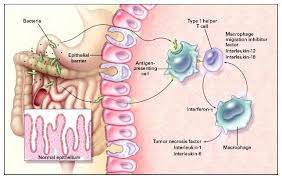
Inflammatory Bowel disease (IBD) is caused by dys-regulated immune response to intestinal micro-flora. The inflammation mainly occurs on the mucosa lining of the intestinal tract which forms ulceration, bleeding, and edema. Several studies  indicates that IBD  is  influenced by genetic factors as well as inflammatory  mediators such as cytokines, T cells, Helper T cells of both type  1  and Type 2 (Severance et al., 2013).

Maladaptive and psychological response

Research indicates that psychosocial factors offer an important role in clinical manifestation and pathophysiology. However, most of the patient could present psychological disorders such as depression, insomnia and anxiety.  Psychosocial factors are thought to mediate alterations of immune systems resulting to immune mediated diseases such as Cancer and opportunistic diseases (Sajadinejad et al., 2012).

References

Hickey, A., Gounder, L., Moosa, M., & Drain, P. (2015). A systematic review of hepatic tuberculosis with considerations in human immunodeficiency virus co-infection. BMC Infect Dis, 15(1). doi:10.1186/s12879-015-0944-6

Sajadinejad, M., Asgari, K., Molavi, H., Kalantari, M., & Adibi, P. (2012). Psychological Issues in Inflammatory Bowel Disease: An Overview. Gastroenterology Research And Practice, 2012, 1-11. doi:10.1155/2012/106502

Severance, E., Gressitt, K., Yang, S., Stallings, C., Origoni, A., & Vaughan, C. et al. (2013). Seroreactive marker for inflammatory bowel disease and associations with antibodies to dietary proteins in bipolar disorder. Bipolar Disorders, 16(3), 230-240. https://www.doi:10.1111/bdi.12159

We can write this or a similar paper for you! Simply fill the order form!
Pathophysiology of Asthma Research Paper

Pathophysiology of Asthma
                   Pathophysiology of Asthma

Pathophysiology of Asthma

Order Instructions:

Jessica has been feeling unwell for the last 2 days with cold like symptoms, clear discharge from her nose, low grade fever and occassional coughing at night. The following nigh Jessica woke short of breath. Jessica’s mother, Anne , also noticed that Jessica’s breathing was quite noisy.
Anne, Jessica’s mother sat Jessica upright, found her salbutamol puffer and spacer which was on her bedside table and administered six puffs via her spacer as instructed by the asthma nurse at her local GP practice. Jessica’s breathing appeared to settle not long after the puffer and she then went back to sleep.
Anne woke with a start 2 hrs later and rushed to Jessica’s room and found her becoming increasingly short of breath and coughing continuously. Anne gave Jessica a further 6 puffs of salbutamol through her spacer. Jessica’s breathing did not appear to be improving, so Anne decided that they should go to the hospital.
One of Jessica’s cousin is a second year student nurse. He tells you he doesn’t understand the pathophysiology of asthma and how it affects the respiratory system. Jessica’s mother Anne asks you to explain to him the pathophysiology of asthma and how it affects the respiratory system using the correct medical and nursing terminology. You are also to explain two signs and symptoms that the patient Jessica has presented, therefore, shortness of breath and wheezing/coughing and explain why they manifested as part of the illness/disease.

SAMPLE ANSWER

Pathophysiology of Asthma

Asthma is a long-lasting inflammatory ailment of the breathing systems. It can be classified in different ways; physiologically, pathologically and bronchoconstriction. Physiologically it can be observed as an adjustable. It can also be partly reversible by blocking of airflow just as in the case of Jessica. Your aunt Anne, following doctor’s instructions used salbutamol puffer and as pacer to reverse the blocked air.

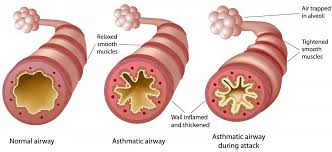
Pathologically it comes with overdeveloped mucus glands and airway thickens due to scarring inflammation and bronchoconstriction and thinning of the respiratory system in the lungs due to the tightening of adjoining soft muscles.It has many symptoms and among them is feeling extreme cold, clear discharge from the nose, low-grade fever and frequently coughing at night. These symptoms of asthma have implications for the diagnosis, management, and potential prevention of the disease (Murphy, 2011, Pg. 78).

Pathophysiology or physiopathology is a word that is formed by the combination of two words;pathology and physiology. Pathology is a medical discipline that is used to explain conditions that are initially seen during a disease and in this case, Jessica’s ailment, On the other hand, physiology is the biological word for defining procedures or methods which operate within a person. Pathology has always been used to describe the irregular or undesired disorder. On the other hand, pathophysiology tries to explain the physiological processes or mechanisms in which such a condition grows and advances. (Marthan., R, et al. 2014, pg. 153)

Pathophysiology is also used to mean the functional variations related with or resulting from illness or injury. Lastly, it can also be defined as the practical changes that accompany a specific disease.

How it affects the respiratory system

During an asthma incident, swollen breathing system react to environmental activates such as smoke, dust, or pollen. The airways become narrow due to excess mucus, these makes breathing difficult. In essence, asthma is the result of a resilient response in the bronchial airways (Loo, 2009, Pg. 67). The airways of asthma patients are oversensitive to certain activates, also known as stimuli. In response to exposure to these triggers, the bronchi having large airways contract into spasm that is an attack by asthma. Further Inflammation leads to further narrowing of the breathing system due to excessive mucus that is produced. This causes coughing and other breathing difficulties. Bronchospasm may resolve impulsively in a period of two hours, or in about half of the subjects, may become part of a delayed response.

This initial insult is followed three to twelve hours later with further bronchoconstriction and inflammation.The normal ability of the bronchus is usually maintained by a stable operative found in the autonomic anxious system. Both of them function involuntarily. The parasympathetic impulse circle having afferent nerve finales that originates underneath the inner linings of the bronchus. Whenever these afferent nerve endings are stimulated by different things such as dust, cold air or fumes, impulses travel to the brain-stem called the vagal center, and then it moves down the vagal efferent pathway up to the bronchial small breathing system (Harver & Kotses, 2010, pg. 585). When it reaches here acetylcholine is released from the afferent nerve endings which results in the extreme creation of inositol one, four and 5-trisphosphate (IP3) in the bronchial smooth muscle cells which lead to muscle shortening and this initiates bronchoconstriction that brings the chest problems of difficulty in breathing that is called asthma (Murphy, 2011, pg. 46).

Shortness of breath in asthma and its manifestation

Asthma is a lifetime ailment that makes someone’s lungs hypersensitive and hard to breathe. It is an incurable disease, but with right treatment, people with asthma can lead healthy, active lives. Shortness of breath is a feeling whereby you get a dyspnea. Dyspnea is having a difficulty in breathing. If one has asthma, their breathing passages are highly sensitive. Some things can thereby make their respiratory system encounter some problems. One of the problems faced is swollen and blocked airways. This is as a result of excessive mucus. The swelling and mucus make the respiratory system narrow. This causes difficulty in breathing. This is one of the primary signs of an asthma patient even before diagnosis is carried out (Wolfson & Montgomery-Downs, 2013, Pg. 751). Other symptoms of asthma include wheezing, chest tightness and chronic cough as in the case of Jessica.There is no medical terminology for shortness of breath. Asthma patients will frequently describe this trouble of breathing in different ways. While others call it unable to catch my breath, others call it gasping for breath. (WebMD. 2015)

Wheezing and in asthma and its manifestation

These are some of the most common asthma symptoms and are often the purpose why many people look out for care. Wheezing makes a patient produce a high-pitched sound during respiration. Mostly, it occurs when he patient breaths out but can also be heard when they breath in. The narrowing of the respiratory passages due to inflammation is the primary cause of wheezing.

References

Marthan., R, et al. 2014. Pathophysiology of asthma. Europe Pub Med CenteMorris., J, et al.2015. Asthma. Medscape

WebMD. 2015. Symptoms of Asthma. Medical Health Center.Viewed at www.webmd.com 25/05/2015

Murphy, W. B. (2011). Asthma. Minneapolis, MN: Twenty-First Century Books.

Wolfson, A. R., & Montgomery-Downs, H. (2013). The Oxford handbook of infant, child, and adolescent sleep and behavior.

Loo, M. (2009). Integrative medicine for children. St. Louis, Mo: Saunders/Elsevier.

Harver, A., & Kotses, H. (2010). Asthma, health, and society: A public health perspective. New York: Springer.

We can write this or a similar paper for you! Simply fill the order form!

Dissociative Disorders Research Paper

Dissociative Disorders
                Dissociative Disorders

Dissociative Disorders

Order Instructions:

Guidelines : Only Text Referencing at the last page but make sure in APA 6th Edition Format
No Wikipedia or better health reference……….. only books journal and govt. web pages referencing

SAMPLE ANSWER

Dissociative Disorders

Dissociative is the adjective of the noun dissociation and the verb dissociate. From the medical perspective, Merriam Webster Dictionary defined dissociation as separation of personalities. Dissociation could occur at the level of character segments or specific mental processes from the current state of consciousness or behavior (2015, “Dissociation”). If something is dissociative, it has the characteristic of disconnection from other parts.

National Alliance for Mental Illnesses (NAMI) explained that patients of dissociative disorder disconnect from the reality. They lose their thoughts and identity, as well as consciousness and memory (2015). The abnormalities incapacitate the mental abilities of the affected. They are prevalent in all populations regardless of ethnicity, geographical regions, socioeconomic status or any other variations. NAMI pointed out that approximately 2% of the States’ population experiences the disorder. However, mild episodes of the diseases affect half of the Americans at least once in their lives. Gender influences the occurrence of the illnesses, and females are more prone to them than males (2015).Dissociativedisorder accounts for a significant percentage of the few psychiatric problems among the American population.

Signs and Symptom

In most cases, signs of dissociative disorder appear after exposure to physical or mental trauma. War and accidents are major inducers of the symptoms. Victims progressively exhibit deteriorating mental health characterized by stressful moments. Though signs and symptom vary with the specific type of the disorders, stress is a common characteristic of all types. Other common signs and symptoms as NAMI outlined include out-of-body feelings, where patients fail to understand themselves. Patients also fail to develop self-identity, emotional availability, and reliable memories.Usually, people develop anxiety and depression, and they are likely to contemplate suicide (2015).Generally, mental torture is the predominant symptom of the disorder.

Types of Dissociative Disorders

In its DSM-5 manual, the American Psychiatric Association split dissociative disorder into three categories. The three are Dissociative Identity Disorder (DID), Dissociative Amnesia, and Depersonalization Disorder. Some psychiatrists, however, identify two more types of the disorder. The additional two are Dissociative Fugue and the unspecified Dissociative Disorder.Since Dissociative Fugue has most properties seen in Dissociative Amnesia, psychiatrists often classify it under the latter (Spiegel, Fernandez, Lanius, Vermetten, Simeon, & Friedman, 2013, Pg. 299). Different types of the disorder have varied severity of symptoms, as well as thenature of their stressors (Steinberg, 2015).

Dissociative Identity Disorder

DID was commonly referred to as multiple personality disorderuntil recently. The disease mainly traces origin from childhood exposure to physical, sexual or emotional abuse. People exhibit more than one distinctive character. The affected people can assume different behavior and thoughts with time. They easily lose memories about self and experience severe mood swings. Also, patients could have attention deficit disorder impairing their ability to learn.

Diagnoses and Intervention for DID

DID is the severest of the five types of dissociative disorder. Its detection and diagnosis require specialized tests and examinations. As Steinberg explained, hidden symptoms characterize DID, and anxiety, depression or substance abuse could mask the symptoms. Again it is hard to describe the symptomatic disconnection feeling that occur with the disease (2015). The nature of the disease, therefore, makes it hard to diagnose. Psychotherapy is the first-line treatment for the disorder though medication could as well be used.

Dissociative Amnesia

Patients with dissociative amnesia suffer severe inability to recall their personal information. The brain does not have to be necessarily damaged for the condition to occur (Kikuchi, Fujii, Abe, Suzuki, Takaqi, Mukiqura, & Mori, 2010, Pg. 602) In most cases as Steinberg wrote, a single traumatic event is sufficient to cause the disorder. Experiences of disasters, violence and war are the major inducers of the disease (2015).

Diagnoses and intervention of Dissociative Amnesia

When signs of the disorder are present, the examiner would perform physical tests to close out other possible causes of the symptoms, and zero into dissociative amnesia. Treatment is crucial to help individuals restore their memories. Psychotherapy, cognitive therapy as well as medication are the commonest approaches to the problem (Goldberg, 2014, Pg. 2).

Depersonalization Disorder

Patients of depersonalization disorder experience unreal sensations. Their mind seems out of touch with their bodies. The ill cannot connect to the reality and feel as though they are dreaming. Complications of the condition are accompanied by moments of derealization. Again, depersonalization traces origin from trauma and stress.

Diagnoses and intervention of depersonalization disorder

To diagnose depersonalization, physicians perform examinations such as blood tests. Though highly prevalent, the condition is often misdiagnosed (Reutens, Nielsen, &Sachdev, 2010, Pg. 278). Drugs used with psychological counseling to manage depersonalization include clonazepam, fluoxetine and clomipramine (Mayo Clinic Staff, 2014, Pg. 8).

Support for Dissociative Disorder Patients

Patients require assistant to cope with mental instabilities created by dissociative disorder. As Halter and Varcarolis pointed out, victims of the disorder require education on best ways of managing their situation. Nurses could for instance explain to the patients that the diseases result as an adaptive means to experiences (2013, Pg. 319). People associating with the sick should treat them with care to avoid inducing more emotional stress. The patients are emotionally delicate, and they can react strangely to unfriendly stimuli. Nurses and other care givers should offer emotional availability, especially when patients recall the events that traumatized them (Varcarolis& Halter, 2012, Pg. 205).

References

Dissociation. 2011. In Merriam-Webster.com. Retrieved May 25, 2015 from http://www.merriam-webster.com/dictionary/dissociation

Goldberg, J. (2014, July 8). Mental Health and Dissociative Amnesia. WebMD. Retrieved May 25, 2015 from http://www.webmd.com/mental-health/dissociative-amnesia?page=2#1

Halter, M. J., &Varcarolis, E. M. (2013). Varcaroli’s Foundations of Mental Health Nursing. Washington, DC: Elsevier.

Kikuchi, H., Fujii, T., Abe, N., Suzuki, M., Takaqi, M., Makiqura, S.,. . . Mori, E. (2010). Memory Repression. NCBI, 22(3), 602-613 doi: 10.1162/jocn.2009.21212.

Mayo Clinic Staff. (2014). Depersonalization-derealization Disorder. Retrieved May 25, 2015 from http://www.mayoclinic.org/diseases-conditions/depersonalization-derealization-disorder/basics/definition/con-20033401

NAMI. (2015). Dissociative Disorders. Retrieved May 25, 2015 from https://www.nami.org/Learn-More/Mental-Health-Conditions/Dissociative-Disorders

Reutens, S., Nielsen, O., &Sachdev, P. (2010). Depersonalization Disorder. NCBI, 23(3), 278-283 doi: 10.1097/YCO.0b013e3283387ab4.

Spiegel, D, Loewenstein, R. J., Fernandez, R., Sar, V., Simeon, D., Vermetten, E., . . .Dell, P. F. (2011). Dissociative Disorders in DSM-5. NCBI, 28(2011), 824-852

Steinberg, M. (2015). Understanding Dissociative Disorders. Psych Central. Retrieved May 25, 2015 from http://psychcentral.com/lib/in-depth-understanding-dissociative-disorders/1377/

Varcarolis, E. M., & Halter, M. J. (2012). Essentials of Psychiatric Health Nursing. Washington, DC: Elsevier

We can write this or a similar paper for you! Simply fill the order form!

Care plan for the chronically ill; Cancer

Care plan for the chronically ill
   Care plan for the chronically ill

Care plan for the chronically ill

Order Instructions:

Utilizing the information you have gathered over the weeks regarding the specific illness group you identified, this week, you will create a holistic plan of care for your chronic illness group.

Create the plan in a 3- to 4-page Microsoft Word document written in APA style format. Include the following in your plan:
•Start the paper with a brief introduction describing the chronically ill group you selected and provide rationale for selecting this illness and the participants. Clearly identify the purpose of the paper.
•Divide the report in two parts. In Part I, include a compilation of the assignments from Week 1 to Week 4. Identify how each week’s assignments help you to create a well-managed care plan.

•In Part II, include the care plan for your chronic illness group organized under the following headings:

  • Nursing Diagnoses
  • Assessment Data (objective and subjective)
  • Interview Results
  • Desired Outcomes
  • Evaluation Criteria
  • Actions and Interventions
  • Evaluation of Patient Outcomes

Include a reference page to provide reference for all citations.
•Include strategies for the family or caregiver in the care plan and provide your rationale on how they will work.

Support your responses with examples.

Cite any sources in APA format.

SAMPLE ANSWER

The chronically ill group chosen for this project is the cancer patients. The reason why cancer was chosen is because it is one of the leading killers in the world at an estimated eight million deaths per year. Globally, estimated populations of fourteen million people are usually diagnosed with cancer every year. (IHartmann, Loprinzi & Mayo Clinic, 2012, pg 5). Below is a report whose main aim is to create a plan of care for the cancer patients.

The assignments from the previous weeks played a major role in helping in the development of the care plan. The first assignment which was on the identification of the illness helped in the grasping of what the illness is all about that is in terms of the signs and symptoms. The second assignment was on the impact of the disease. This helped in showing how the disease can affect an individual and this provides perfect grounds of planning how to deal with such individuals. The third assignment which was on support need analysis of cancer patients helped in the drafting of an efficient nursing action and intervention. The fourth assignment  was on resources available for the people suffering from cancer. This was  crucial and helpful in the drafting of assessment data to be used in diagnoses since for the assessment data to be collected, these resources must be available to aid in the process of collecting the data.

 CARE PLAN

Nursing diagnoses

A common sign diagnosed among most of the patients is usually fatigue. (Weis & Horneber, 2014, pg 20)

Assessment Data

A number of tests are usually carried out  and these tests are as follows.

Firstly, there is the endoscopy test is done  to determine whether there are any abnormalities and this is done through the direct visualization of the internal body organs and cavities

Secondly, there is the carrying out of scans such as magnetic resonance imaging and this is done so as to identify metastasis and other diagnostic purposes

Thirdly, there is the biopsy test which may be taken from organs such as the bone marrow and the skin and the main function of this is to diagnose and delineate the treatment.

Fourthly, there is the using of screening chemistry tests such as electrolytes.

Fifthly, there is the counting of blood cells with the platelets and differential and this may be used to detect anemia, change in the blood cells or an increase in the number of platelets.

Sixthly, there is the conducting of chest x-rays to screen for possible diseases of the lung which can easily interfere with breathing.

Lastly, an interview is also conducted between the patient and the nurse.

Interview results

After the interview, some data is collected and this data is the result of the fatigue

  • The accumulation of cellular waste materials
  • Difficulty of sleeping and resting
  • Anemia, which causes tissue hypoxia.
  • Nausea and anxiety.
  • Disinterest in surroundings.

Desired outcome

The most desired outcome is to minimize the fatigue and enable the cancer patients to take part in desired activities at their maximum level of ability

Evaluation criteria

This is the criterion that was used in determining that the data collected is as a result of the fatigue and it is as follows;

The diagnosis of cancer and the chemotherapy treatments brings about overwhelming emotional demands which can easily bring about the fatigue.

The continuous and active growth of tumor combined with an increase in the amount of certain cytotoxins raises the metabolic rate which means that there is an increased use of energy in the body.

The medications used to control the pain have side effects which bring about the fatigue hence bringing about the nausea and anxiety.

The accumulation of cellular waste materials occurs as a result of the rapid breaking down of the normal and cancerous cells by cytotoxic drugs.

Difficulty of sleeping and resting occurs as a result of fear, anxiety and discomfort which come with the diagnosis of the disease.

The tissue hypoxia is as a result of anemia. The anemia is most likely caused by malnutrition and the suppression of bone marrow which is usually induced by the chemotherapy treatment. (Noogle, 2012, pg 420)

Actions and interventions

Once the fatigue has been diagnosed certain actions should be taken by the nurse and these are as follows;

Firstly, the symptoms and signs of fatigue should be assessed for and be determined whether or not they are present.

Secondly, the patients should be informed that the fatigue is as a result of the disease itself and the chemotherapy treatment

Thirdly, the patient should be aided to identify the pattern of fatigue and this is aimed at avoiding performing some activities during the greatest time of fatigue

Fourthly, there should be the Implementation of actions to minimize fatigue. Such actions include promoting a nutritional status that is adequate, administering anemia treatment as prescribed, facilitating the psychological adjustment of the patient to the diagnosis of the disease and the side effects of its treatment and also gradually increasing the patient’s activity as tolerated.

Lastly, if the signs and symptoms of fatigue continue to worsen, an appropriate health care provider should be consulted

Evaluation and intervention

Once the actions have been followed, the following will be used to assess whether the goals of the care plan have been reached

Firstly, the patients will be able to perform their usual activities of daily living as they used to perform before the illness.

Secondly, the patients will have an increase in the interest of their surroundings. Their level of concentration will also improve.

Thirdly, the patients will able to notice the feeling of their body experiencing an increase in the level of energy unlike before when they were experiencing the fatigue.

Strategies for the family/caregiver

The following actions from the caregiver or family of the patient are quite important since they aid in the quick recovery from the fatigue.

The family or care giver of such a cancer patient should give moral support to the cancer patient especially when the patient seems to be withdrawn from the surrounding environment.

It is also important for the family/caregiver of the patient ensures that the patient takes all the medication prescribed by the health professional.

At times a health professional might suggest for the patient to perform actions such exercises. The family/caregiver should ensure that the patient performs all this actions

The family/caregiver should have the contacts of the health professionals which is important in case of any emergency.

In conclusion, a care plan is effective in dealing with a diagnosis since it acts as an aid to a nurse in helping to determining and dealing with a certain diagnosis.

References

Hartmann, L. C., Loprinzi, C. L., & Mayo Clinic. (2012). The Mayo Clinic breast cancer book. Intercourse, PA: Good Books.

Weis, J,. & Horneber, M. (2014). Cancer related fatigue

Noogle, C. A. (2012). Neuropsychology of cancer and oncology. New York: Springer Pub.

We can write this or a similar paper for you! Simply fill the order form!

Medicine case study Term Paper Assignment

Medicine case study
                                     Medicine case study

Medicine case study

Order Instructions:

there are 3 case studies. I prefer to do case study 1. please find attached information. you need to follow marking criteria(assessment task 2) on page number 15-16 of unit outline. for my university database, just google, acu leo page and login with details as follows :I normally use CINAHL database, or MEDLINE. REference style APA. font size 12, double spaced line.
Password : ranokiran.

SAMPLE ANSWER

Medicine case study

Q.1. Congestive cardiac failure due to digoxin toxicity

 Causes:  Congestive cardiac failure (CCF) is caused by conditions that damage the cardiac muscle. This includes cardiac complications such as coronary artery disease (CAD) which causes the arteries to be blocked or narrowed severely; affecting the circulation of blood. Other disorders associated with overworking of the heart such as hypertension, cardiomyopathy, diabetes and kidney diseases are leading causes for congestive heart failure. In this context, Sharon McKenzie causes of congestive cardiac failure are attributable to digoxin toxicity. This could have deteriorated his renal function due to the electrolyte disturbances and hypertension. Additionally, digoxin toxicity also caused the alterations in heart rate and rhythm, irregular respiratory rate that had crackles in both lungs (Hosenpud & Greenberg, 2013).

Incidence: CCF is a lethal disease that affects about 3.5 million people by 2007-08. Despite the technological advancement, CCF is still the leading cause of death in Australia; and the most expensive accounting close to $5.2 billion. One of the key causes for CCF is digoxin toxicity which accounts for 10-20% of patients who are on long term use of digoxin therapy- more common among the elderly (National Heart foundation of Australia, 2011).

Risk factors: Digoxin toxicity risk factors vary with individuals attributes.  To start with, individuals use of diuretics –the stronger the diuresis effect of furosemide the greater the risk for digoxin toxicity. This is also influenced by individual’s ability to regulate electrolyte disturbances. Other risk factors include age due to age related kidney and thyroid complications. CCF due to digoxin toxicity is also influenced by the concomitant medications such as herbal remedies taken by the patient which increases the concentration of the serum digoxin (Hosenpud & Greenberg, 2013).

Impact on the family and the patient: Other than the physical impact, the patient may become psychologically affected   and could feel like their dignity is reduced- particularly when they have to become dependent on other people.  The major impact of CCF to the family is financial burden. Although there is no precise data existing on the economic burden of the disease at family level, a rough estimate indicated that approximately $411 million is spent annually to cater for hospitalization costs and nursing home costs. The family members are psychologically affected to see their loved ones suffer.  In most cases, the family members may undergo grief period because they fear that their loved ones could die- especially if the person is aged. The CCF patient needs care all the time, which could be a challenge, especially if the family members are working ((National Heart foundation of Australia, 2011).

  1. 2. CCF pathophysiology
Signs & symptoms Pathophysiology
Shortness of breath and increased heart rate


 This is a systemic response aimed at compensating hearts inability to pump blood. This response is aimed at increasing the cardiac output and stroke volume. This is mainly due to calcium overload which affects the afterload, which further affects cardiac contractility resulting to increase in myocardial expenditure causing myocardial cell apoptosis; this causes heart failure (Patel & Deoghare, 2015).
Increased fatigue & Chest pain radiating  from the body


Increased fatigue is due to reduced blood supply to the vital body organs. The chest pain is an indicator of heart attack, which could result to due structural changes in the cardiac muscle (Patel & Deoghare, 2015).
Swelling of the periphery organs- ankles, feet legs


This is due to activation of the norepinephrine   which results to augmentation of the myocardial contractility. This causes activation of renin-angiotensin- aldosterone system (RAAS) and the sympathetic system; making neuro-humoral adjustments that are required for maintaining arterial pressure and perfusion (Patel & Deoghare, 2015).
Wheezing  and cough  that comes with   crackles congested lungs


Additionally, the activation of RAAS causes fluid retention. The fluids retained are collected in vital body organs such as the lungs, making the lungs get congested. This causes the crackles and wheezing sounds (Patel & Deoghare, 2015).
Changes in skin colour


Indicates that the body is depleted off oxygen. This is because the heart is unable to adequately supply the oxygen demand (Patel & Deoghare, 2015).


  1. 3 Common classes of CCF drugs

Cardiac glycosides have been used to treat CCF for over 3000 years. This group comprises of Digitoxin (crystodigin), Deslanoside (Cedilanid-D) and Digoxin (Lanoxin).  The natural extracts main mechanism of action is by increasing the pressure for cardiac contraction.  Cardiac glycosides increase the concentration of intracellular electrolytes- mainly sodium- using Na+ K+ ATPase; an enzyme that cleaves ATP to ADP. The energy releases from this metabolic hydrolysis drives the Na+ K+, thereby increasing the force and the the velocity of the muscle contraction. The second mechanism is through the rise in intracellular calcium. The rise in calcium ions also increases the contraction velocity and force.  Consequently, the heart rate is slowed, increased filling volumes because contraction is stronger/ greater, the velocity of the AV node conduction is reduced and the AV nodal refractory duration is increased.   However, these drugs side effects include EKG changes, anorexia, vision disturbances and headaches (Katz & Konstam, 2012).

Angiotensin Converting Enzyme Inhibitors (ACE inhibitors) drug group members include Captropril (Capoten), Lisinopril (Prinivil) and Enalapril (Vasotec).  The ACE inhibitors main mechanism is through regulation of the blood pressure using Renin Angiotensin Axis. Renin is produced by kidney and released to the blood when Bp is low. Once released in blood, it is converted to angiotensin I, then to angiotensin II- which is potent vasoconstrictor. Angiotensin II causes vasoconstriction and causes disturbances in the homeostasis balance causing water retention. High blood pressure resulting due to vasoconstriction results to the overload of the left ventricle, and if untreated the ventricle will fail. ACE inhibitors work by blocking the conversion of Angiotensin I to II, by inhibiting the enzymatic activity  of the enzyme responsible for the conversion, this way; it reduces he systemic blood pressure and consequently improves the  the cardiac function. The reduced blood pressure lowers the oxygen demand by the myocardial, reduces the preload and afterload. Other studies indicate that ACE inhibitors also work by widening the blood vessels, thus improves the blood flow reducing the work load of the heart and thereby reducing the blood pressure. However, there are side-effects include distress in the gastro intestines, dizziness and skin rashes (Katz & Konstam, 2009).


  1. 4. Nursing care interventions for CCF digitalis toxicity

Despite the advancement in CCF management, digoxin toxicity is reported. In this case study, it is most likely that the patient was prespribed a dose that is high than the renal function. The main post admission nurse intervention is to a) stop digoxin toxicity, b) control disease symptoms, and c) monitor the patient’s levels of digoxin. In this context, the nurse must assess the severity of the toxicity. The nurse should also assess the etiology of the toxicity  i.e. is it accidental ingestion of more than recommended dosage, was the overdose deliberate or is is due to  reduced metabolism of the  digoxin  due to  drug interaction or due to other prevailing  medical  complications such as  diminished renal function. Other factor that must be put into consideration is the patient age, ECG changes, the chronicity of the intoxication and patient’s medical history. The findings from this assessment will guide the nurse when making clinical decision on the treatment (Wang Et al., 2010).

To stop the toxicity, the patient will have to be discontinued from taking the digoxin therapy. Instead, the patient will be given digoxin fab fragments to reduce the toxicity. In some cases, activated charcoal can be used for an acute overdose.  The patient results indicate the possibility of renal failure; the best approach is to administer binding resin, which has been found. Other supportive care includes   hydration of the patient using IV fluids, support of the ventilator function using oxygenation.  Potassium supplements can be used to raise the potassium supplements. The nurse should continue monitoring the digoxin levels until the ideal levels for digoxin (0.5-0.8ng/ML is reached. Simultaneously, other function such as renal function and potassium levels should be done. Calcium and magnesium supplements should be used to correct the electrolyte imbalance.  If the patient is acidotic, sodium bicarbonate can be administered to reduce hypertension, the patient should be treated using other groups of medicines including ACE inhibitors. This remedy reduces vasoconstriction and fluid retention (Yang Et al., 2012).

The patient should indicate relief of symptoms. The nurse will ensure that toxicity symptoms such as shortness of breath, irregular heartbeat and peripheral oedema are reduced. The nurse will monitor the apical-radial pulse after every medication administration in order to monitor changes in cardiac rhythm. Additionally, patient serum level will be monitored regularly to determine the therapeutic activity on toxicity. This will include monitoring the levels of magnesium, calcium, potassium and creatinine. From the report findings, the nurse can evaluate the effectiveness of the medical intervention. The patient should be discharged only when the expected outcome (relief of the symptoms and reduction of digitalis toxicity) is achieved (Wang Et al., 2010).

To prevent toxicity in the future, there is need to regularly monitor the levels of digoxin in the blood. Additionally, the patient and their family should be empowered to ensure that they are aware of indicators of digitalis toxicity. The patient should be encouraged to reduce stress, have adequate sleep, regular exercise and eat balanced meal, particularly the Mediterranean diets.  The patient should be instructed to report any changes in their body such as depression, weakness, vomiting or general body weakness (Wang Et al., 2010).

References

National Heart foundation of Australia. (2011). 2011 addendum to the National Heart Foundation of Australia/Cardiac Society of Australia and New Zealand guidelines for the management of acute coronary syndromes (ACS) 2006. Heart, Lung And Circulation, 20(8), 487-502. doi:10.1016/j.hlc.2011.03.008

Hosenpud, J., & Greenberg, B. (2000). Congestive heart failure; pathology, diagnosis and comprehensive  approach to management. Philadelphia: Lippincott Williams & Wilkins.

Katz, A., & Konstam, M. (2009). Heart Failure: epidemiology, molecular biology and clinical management. Philadelphia: Lippincott Williams & Wilkins.

Patel, C., & Deoghare, S. (2015). Heart failure: Novel therapeutic approaches. Journal Of Postgraduate Medicine, 61(2), 101. doi:10.4103/0022-3859.153104

Wang, M., Su, C., Chan, A., Lian, P., Leu, H., & Hsu, Y. (2010). Risk of digoxin intoxication in heart failure patients exposed to digoxin-diuretic interactions: a population-based study. British Journal Of Clinical Pharmacology, 70(2), 258-267. doi:10.1111/j.1365-2125.2010.03687.x

Yang, E., Shah, S., & Criley, J. (2012). Digitalis Toxicity: A Fading but Crucial Complication to Recognize. The American Journal Of Medicine, 125(4), 337-343. doi:10.1016/j.amjmed.2011.09.019

We can write this or a similar paper for you! Simply fill the order form!