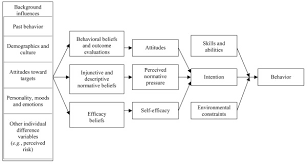
The writer will have to read each of this post and react to them by commenting, analyzing and supporting with relevant articles. The writer will have to read carefully before giving constructive comments on the post. The writer should write a one paragraph of at least 150 words. APA and in text citation must be use as each respond to the two post must have in text citations. The writer will have to use an article to supports his comments in each of the article. Address the content of each post below in a one paragraph each, analysis and evaluation of the topic, as well as the integration of relevant resources.
The details will be send via email
SAMPLE ANSWER
Comments and constructive criticism
Article one
I do agree with the article on the explanations provided on the differences between qualitative and quantitative research. Qualitative research aims at collection of information by using broader questions about participants. Quantitative research on the other hand requires application of mathematical theories as well as hypothesis to help in testing of the phenomena (Kasim, Alexander, and Hudson, 2010). The fact that the article has used integrative method is a good idea as it has acted as planning tool; something that ensures that research process is done effectively (Corner, 2002). The research topic on factors that contribute to the success of Upstate of South Carolina is also well done. Application of the five elements of integrative model is important to ensure that all steps and process are followed to ensure that enough information is gathered. The article is as well organized and written. It is also well supported with evidence, hence highly credible and objective.
References
Corner, P. D. (2002). An integrative model for teaching quantitative research design. Journal of Management Education, 26(6), 671-692. doi:10.1177/1052562902238324
Kasim, R., Alexander, K., and Hudson, J. (2010). A choice of research strategy for identifying community-based action skill requirements in the process of delivering housing market renewal. Research Institute for the Built and Human Environment, University of Salford, UK
Article 2
The article is precise and well organized. This is exemplified through the use of sub headings that address different components of a research paper. I also do agree that indeed, just like qualitative study, quantitative study has some setbacks that the researcher must put to consideration when conducting a study (Creswell, 2013). Appropriate procedures should be put in place to help avoid or eliminate any instances of biasness in variables and data. It is important to use an integrative approach more so for student learners. This approach provides or acts as a guide and this ensures that the study is done appropriately (Corner, 2002). In doctorate study, using this integrative approach is critical. It is important to come up with various hypotheses for testing. This is also put into consideration in this study and it makes this article credible. Furthermore, the article has incorporated various sources that contribute to credibility and credibility.
References
Corner, P. D. (2002). An integrative model for teaching quantitative research design. Journal of Management Education, 26(6), 671-692. https://www.doi:10.1177/1052562902238324
Creswell, J. W. (2013). Research design: Qualitative, quantitative, and mixed methods approaches (Laureate Education, Inc., custom ed.). Thousand Oaks, CA: Sage
We can write this or a similar paper for you! Simply fill the order form!
Approaching the Planning and Design of Performance Management Systems
Order Instructions:
There are many ways of describing ‘the human element’ in business, including motivation, engagement, career development, conflict resolution, joy at work etc. Ideally, what is best for the company is also best for its people. People who are committed to and take pride in their work are more likely to contribute to organisational performance. Is this always the case? Can performance management systems be designed to both help achieve the organisation’s goals and develop its people?
In this Collaboration, you will explore, how to approach the planning and design of performance management systems for optimal effectiveness.
SAMPLE ANSWER
Performance Management Systems
Introduction
In line with this, it is considerably essential to determine that many organizations use the performance management approach as a means of measuring and evaluating its employee’s behavior and achievements over specified durations (Aguinis, 2012). The central purpose of this paper is determining viable approaches into the planning and design of a performance management system that ensures an optimal effectiveness within an organization.
Approaching the Planning and Design of Performance Management Systems
It is essential to denote that improving the morale, developing loyalty and increasing the staff’s productivity within the employees of an organization through performance management remains an essential element in optimizing the effectiveness of an organization and its workforce (Aguinis, 2012). An efficient performance management system is one that puts into consideration a performance culture which develops employee engagement within an organization. This process, therefore, includes the setting, measuring, and rewarding the employees for the achieved expectation. In planning and designing a performance management system, an organization, in this case, needs to consider:
Defining its Goals
It is essential to determine that the first step into this approach is in setting the stage in a correct manner that considers the individual goals and aligning them to the corporate’s strategy. This process needs a collaborative approach that involves the managers and the company’s employees (Aguinis, 2012). Once a company establishes its wider scope strategy, the individual goals are then developed that support the bigger picture. The major job functions and responsibilities are then shared and individual’s needs are addressed through a framework.
The goals should be defined in a specified manner that allows the employees to understand what is required of them, when and the capacity (Winter, 2014/2015). The goals should also be measurable through an approach that provides milestones aimed at tracking the progress that would motivate the employees towards achieving their individual goals. The success of the goals also needs to be achievable with the collaborative efforts of all the employees. The goals should also focus on the overall organization’s strategy and be grounded within a time frame.
Monitoring the Progress of the Goals
It is also essential for managers to employ approaches of determining the progress of the employees with the aim of setting up assistances and resources for training when the goals and targets may be missed (Winter, 2014/2015). This enables the managers to determine their employee’s productivity, as well as the employees who are able to track their progress in achieving their goals. A review into the team goals over time is essential in stressing the organization’s focus.
Appraisal Process
This approach ensures that the best is received from the employees through an approach that listens, observes, and gives feedback including the provision of recognition of their needs (Winter, 2014/2015). An essential element in this process is to provide positive feedback on the successful achievements of the employees and to develop approaches to enable the employees to meet their skills. This bestows a sense of loyalty to an organization.
Pay-for-Performance Compensation
In order to retain an organization’s top talent, it is essential to determine motivational approaches that would meet the employee’s expectations. Through the pay performance, the organization is in a position to align the goals and objectives of the company in rewarding and motivating their employees who perform well while in an approach aimed at making them the assets of a company (Winter, 2014/2015). A successful pay-for performance strategy of compensation can be an essential factor in retaining the talents
Conclusion
An efficient performance management system is one that puts into consideration a performance culture which develops employee engagement within an organization. This process, therefore, includes the setting, measuring, and rewarding the employees for the achieved expectation.
In a complete 2-3 page essay, answer ONLY 1 of the following two questions: (your choice)
1. Why was it difficult for non-European societies to match European economic and military achievements during the Long 19th Century? Why was it hard to industrialize?
2. If one compares India to the Ottoman Empire or China, was it more or less advantageous to be a European colony as opposed to a target of European interference during the 19 th century?
PART II
You may use your text, anything from our blackboard class and you should choose 1 (quality) internet source.
You will provide a 1 entry Turabian style bibliography for your source.
You will be graded as follows:
Correct Turabian Bibliography 20pts. Complete answer with examples and quality content 40 pts. Personal perception based on content, 20pts. Correct format of paper 20pts.
Please use MS Word
SAMPLE ANSWER
The Long I9th Century Repeat
The 19th century was marked with the decline of non-European societies such as the Ottoman Empire, Egypt, and the Mediterranean region.[1] In the earlier 14th to 16th centuries, Ottoman empire was the dominating regime. In the later 17th century, the east and the west caught up with Ottoman and a balance between the forces marked the century. It was not until the 18th century when Ottoman ability to adapt to the environment and experienced significant losses. These losses were economic, military, and administrative among others. Various factors contributed to the non-European societies’ inability to sustain economic and military power.
Factors that Hindered Non-European Societies from Matching the European Military and Economic Accomplishments
Rulers in Non-European societies contributed largely to the economic retrogression in their regions. In Ottoman, for instance, Sultans failed to encourage novel and advanced practices of wealth acquisition such as scientifically motivated agriculture. While the Sultans and their community engaged in minimal studies of their economy, their European counterparts were engaged in merchandizing and exploring sources of raw materials for their industries.[2] The Sultans also failed to promote the middle class who was more interested in commerce than they were, and instead, they perceived the middle class as a threat to their authority
The empire also neglected the poor and left them to wander in towns while being jobless. Peasant could not engage in activities such as agriculture as the empire did not promote the venture. On the other hand, the Europeans were advancing their agriculture, and communities could produce commodities such as wheat and cattle for the international market.2
Decline in military power was associated to poor civilization. Leaders engaged their military troops in activities that benefited them instead of their societies. In Ottoman, for example, some of the duties that the empire engaged its military included looting property form their neighborhood as a means of accruing wealth for the rulers. 2
In Ottoman, the military system was also particularly weakened by changes that allowed Janissaries to marry and engage in trade, hence compromising their loyalty to the authorities.2 Again, there were more uneducated recruits in the military, and the move caused significant impairment in the running of military affairs.
Factors that Limited Industrialization
Unemployment was a setback factor for the industrialization of Non-European societies in the 19th century. People had no jobs and their production was diminished and so they could not sustain manufacturing industries with raw materials. Also, there were trade imbalances between the poor and the wealthy. The rich and rulers in the societies accrued more wealth by exploiting the poor. As such, the rich enjoyed luxurious lives while the poor and the middle class could not advance their manufacturing businesses. Demotivation of entrepreneurs by the rulers was also intensive among the non-Europeans.[3] In Ottoman, for example, Sultans feared that investors would be a challenge to their authorities and so they discouraged them through heavy taxation. 1 The society also got obsessed with culture, religion, and tradition at the expense of civilization. Due to Conservativeness, people engaged too much in their tradition at the expense of changes. The societies also oriented their expenditure toward non industrial venture such as support for the bureaucratic and the military. There was little left to fund industrialization.
Bibliography
Buzan, Barry and Lawson, George .2013. The global transformation: the nineteenth century and the making of modern international relations. International studies quarterly, 59 (1). ISSN 0020-8833 (In Press)
[1] Buzan, Barry and Lawson, George .2013. The global transformation: the nineteenth century and the making of modern international relations. International studies quarterly, 59 (1). ISSN 0020-8833 (In Press)
The Most Common Mistakes Companies Make with Global Marketing
Order Instructions:
Choosing 2 articles that provided in the files and follow the instruction to write 1000 words per article.
SAMPLE ANSWER
Case Studies
Article 1: The Most Common Mistakes Companies Make with Global Marketing
Question 1
The article talks about marketing at a global perspective. It mentions the significance of marketing when it comes to the point of a company seeking to expand in a global manner. The article clearly illustrates the significance of the marketing team when such a time comes for a given organization, firm or company.
In the current world we live in, small enterprises usually want to go largely by venturing into the global market. Doing business on a global scale is not an easy task. The article demonstrates that if a business organization seeks to expand and enter the global market. The organization needs to have two things. The means to expand in a global way. And secondly, a good team of marketers that will ensure that the company is known in a given market as soon as it branches out to that specific geographical location. Although the article focuses on the aspect of marketing.
The author of the article gives his insights on what he knows about marketing using the experience he has in the given sector. He goes on to show that marketer is doing things the wrong way. The article goes further to articulate the wrong doings by marketers and the implication of their wrong doings. The author also gives clear examples and illustrations that vividly explain the situation regarding marketing at a global scale. Therefore, marketing on a global scale is the main idea being discussed in the given article.
Question 2
I tend to agree with the author that as far as the global market is concerned. Most of the marketers are using the wrong approach in tackling the marketing situation. For instance. Instead of the marketers specializing in a given area. They end up categorizing a given section of the market in a way that will not give the specific attention to a given nation. This is surely a recipe for disaster, and a company whose marketing team is making such strategic choices is doomed to fail in the global market. The author is correct to say that the markers should give special attention to a given section of the global market.
Considering that each section has its unique attributes that define the consumer behavior in a given area. The need for specialization becomes very crucial. Therefore, such an approach should be used to tackle different nations in a different and unique manner that is specific to the nation in question.
Another issue on which I agree with the author is that marketers need to understand that different markets need different approaches to marketing and sale. A company cannot use the same game plan that made it attain domestic success at a global marketing perspective. Therefore, each market region should be researched, understood, defined and then marketing can be done according to the information acquired from the research.
Lastly, I tend also to agree with the author on one more issue. The idea that one product was successful in a given market region will not ascertain the success of the same product in another market. Therefore, as it is mentioned in the article. It is wise for the company to adapt their product offerings to conform to the consumer needs of that specific market region.
Question 3
The article can be quite a learning point to most marketing teams that face a challenge in understanding the dynamics of the global market. It is paramount that some of the key points in the article are provided for use by these marketers. There are at least four key points that would help a marketer become more informed on the global approach to marketing.
One of the undisputable facts that have been mentioned in the paper includes the fact that a product that has been successful in a given market niche cannot necessarily be successful in other totally different regions. The above point can be comprehended well if all the factors to consider are elaborated in a simple but clear manner.
Culture is one of those significant factors that are considered in approaching a given foreign market. For instance, different nations have different people inhabiting them. However, sometimes the cultures may differ while at other times they may concur. Hence, if a product that was successful in country A is introduced to country B. the product will not be perceived well by the market in country B. Therefore, it may not be successful. However, if the product is altered, modified and even completely changed to adapt to the market in country B. Then it will receive a positive perception.
Question 4
The author of the article in question has given quite a handful of significant advice on specific marketing strategies that help in dealing with the global market. However, what the author did not eventually make complete in this article is the implications that these marketing strategies have for a given marketing team that chooses to follow the given approach. Therefore, let’s discuss the implications of these strategies. Lets start with the first strategy of specifying nations when approaching a global market with an aim to succeed in marketing. Every nation has a different set of people with different culture and other factors that are crucial to marketing (Gordon, 2012). Hence, for a successful marketing campaign. A product should be modified in a way that it is in line with the unique characteristics or behavior of consumers in a given nation. This would give the product a competitive advantage over their competitors who used a totally different approach. Secondly, a product profile should be by a nation’s rules and policies (Boon et al., 2015). Considering that every country has a set of different rules. The organization needs to take all that into consideration for business to go on as usual. Therefore, marketing is an involving discipline in business that requires high specialization and adaptation upon thorough research of a given market region.
Article 3: Games Can Make You A Better Strategist
Question 1
The article talks about how games can be used as tools for to be a better strategist in every business decision an individual makes. In the past, games were not associated with strategic thinking. By recent research has shown that a person who uses games to develop their thinking strategy-wise has a better chance of further developing strategic decision-making skills that save time and effort and provide the desired result. The article goes on to describe how effective a game can be in nurturing talent in the workplace. In the current age of technology we live in. Games have become so popular due to the numerous apps that have been created to be used on smartphones.
There has never been an easier way to play games than on a phone. Therefore, as stated in the article, games can be quite an interactive way for an employee in a certain business organization to develop their analytical and problem-solving skills. This would eventually give the organization a competitive advantage due to the competitive edge brought about by the use games to explore the world of strategic thinking in a more fun perspective. However, according to the author, things are not so good for this phenomenon. Considering that the younger generation will be wanting of this approach than the older generation of employees. Therefore, a barrier of interest is created. This barrier leads to the limited use of the approach to the development of strategic thinking. Where, it is only possible in some group of employees and not usable to another different group of employees.
Question 2
The author has clearly illustrated the point about games and strategic thinking. The article has some truth to it. However, some parts are misguided elements. The truth is contained in the fact that games can improve your thinking capacity, especially strategic thinking and decision-making capabilities. The significance games can then be understood remotely by reading the article. However, games at times act as distractions that may take away the seriousness in the work environment.
Moreover, games become such a nuisance once everyone is playing them in the workplace. Furthermore, they lead to wastage of scheduled time that is important for the conduct and attention of another important process that happen in a given organization. Consequently, I agree that games are a good tool.
However, they need to be used appropriately ti be useful in an organization. They can be very useful tools if they are used in the following ways. Let there be a forum for strategic thinking in which all employees will attend. This forum may involve different tactics used ti train individual to be critical and strategic thinkers. A game like chess is a very beautiful and useful game. This game calls for a keen for mistakes and opportunities to recover what is lost from the mistake. Therefore, the use of a game such as chess will surely help employees in an organization turn out to be good players in the game of chess and the game of business.
Question 3
The lessons learned from the article must be looked at from a positive perspective. It is not the custom for employees to keep playing games after they have entered the workplace. This would result in lowering of employee performance. Moreover, different types of games exist in the world. Due to the current technology. People can share the high score of a given game. To effectively use these games in an interesting way that would capture almost all the employees. Some factors need to be considered
One is the age factor; most aged people do not play games, except Golf sport. However, it is clear that their interests are laid somewhere. Therefore, it leaves us the young lads to lead the project. Therefore, the young lads may be the key to the hidden potential; of strategic thinkers among themselves. Each game should have its purpose so that the employees know how they are playing a game to achieving a given skill at the end. However many games help in developing the thinking capacity of given individual.
It can also be a demeaning activity. Which gives a reason as to why such a game should not be conducted. This would help in a big way. Considering that games also relieve stress, they can be used appropriately by ensuring that they are played at scheduled time and with different people to experience and interact with other human beings like you.
Question 4
The strategic implication of a game in marketing can be quite a helpful. For instance, playing a game to find out if there are regions in the world that have similar cultures that will give the similar consumer behavior towards a certain product (Proctor, 2014). The whole point of strategic marketing is to have a given competitive edge over your competitors. To achieve this, games can be used as a strategic planning tool and marketing tools to help understand different aspects of marketing in the correct manner and use this information to the advantage of the organization in question.
Another important application of games in the workplace would increase the level of research dome into the various market region (Gordon, 2012). The information obtained will be valuable if not important. The importance may come after the marketing team has come together and discussed the information. Hence, a game may be created for that particular decision-making process. When the game gets played. The perfect situation is played out, and it is viable for use by the organization to conduct a certain marketing activity that is related.
References
Boon, B. T. L., & Liang, T. W. (2015). Firms’ Marketing Mix Effectiveness and Modes of Entry in the Host Countries. In Proceedings of the 1998 Academy of Marketing Science (AMS) Annual Conference (pp. 474-474). Springer International Publishing.
Gordon, R. (2012). Re-thinking and re-tooling the social marketing mix. Australasian Marketing Journal (AMJ), 20(2), 122-126.
Huang, R., & Sarigöllü, E. (2012). How brand awareness relates to market outcome, brand equity, and the marketing mix. Journal of Business Research, 65(1), 92-99.
Proctor, T. (2014). Strategic marketing: an introduction. Routledge.
West, D., Ford, J., & Ibrahim, E. (2015). Strategic marketing: creating competitive advantage. Oxford University Press.
Wilson, R. M., & Gilligan, C. (2012). Strategic marketing management. Routledge.
We can write this or a similar paper for you! Simply fill the order form!
A patient has been admitted to the mental health unit with a diagnosis of bi-polar disorder. During a meeting the family inquires about the use of alternative therapies. Based on your readings and knowledge discuss what the RN would teach the patient and family and incorporate modalities, usefulness, effectiveness and how to increase compliance with therapeutic modalities
Alzheimer’s is a condition that is increasing in incidence in our population. There is no differential diagnosis so the start of the disease may go unnoticed. Once the manifestations become more apparent it often places a tremendous strain on the caregiver. Caregiver role strain is a nursing diagnosis that is frequently applied in the situation. Since patient wandering and confusion are common for the patient with Alzheimer’s disease what would the RN teach the family about maintaining a safe environment? Discuss the support systems that are available to families
SAMPLE ANSWER
Mental Health: Alzheimer’s Disease
Memory loss is a critical manifestation of Alzheimer’s syndrome. The condition places patient at the risk of harm from the environment. For instance, impaired memory would predispose people to practices such as leaving their electrical appliances running and unattended. Teaching care givers on approaches of protecting their patients would be a necessary health management plan.
Registered nurses should teach families of Alzheimer’s patients to keep abreast with their loved ones. Families should know their role on monitoring their patients so that they do not hurt themselves when performing basic duties such as cooking and driving. Also, families would be advised to promote the safety of their patients’ environment by installing appliances that can shut automatically when left unattended (US National Institute of Health, 2010, Pg. 14). The nurses would also advise patient families to limit the exposure of their loved ones to wandering as the practice would place them at the dangers of getting lost or encountering accidents. Families would do so by providing the needs that would motivate patients to wander.
Caring for Alzheimer’s disease patients is often challenging for families. It is therefore necessary for them to seek support systems for the activity. Available support systems include voluntary groups and friends who would offer to help for services such as cleaning and shopping for the patients (Robinson, Wayne, & Segal, 2015). Healthcare professionals would also be of substantial support as they would help families to monitor the progress of their patients. In addition, families could exploit support systems such as workshops that train people on care giving skills (Robinson, Wayne, & Segal, 2015). Other approaches include exploring online materials and books that address the management of Alzheimer’s disease.
In order to put quantitative research into a larger context, it is helpful to think about how the application of quantitative analysis may inform and shape the path of one’s research. You may recall that research methodology does not begin—nor does it end—with a decision to apply a qualitative, quantitative, or mixed methods design. In fact, that decision has a pivotal position in the process once predecessor factors, such as the research question and purpose statement, are in place.
The article “An Integrative Model for Teaching Quantitative Research Design,” by Corner, proposes a thought process as well as a staged research agenda. Thinking about your own potential Doctoral Study topic, (The Effects of HRM Practices on Employee Performance) how would you align your thought process with this integrative model? Based upon your reading of the article, does this approach make sense for your Doctoral Study? Why or why not?
Here below is the citation to be use in the reference section of the paper.
The integrative model will be useful in the meta-analytic process in evaluating of the design elements. The model provides the chance for the refinement of the elements when the need arises. The integrative model is applicable in most management situations as an executive learning process (Patricia, 2002). While carrying out the research about my potential doctoral topic it the alignment of the thoughts towards the integrative model will be essential. Since the models are mostly applicable in the management situations such as the one presented in the topic, it will be very important for adoption in this research topic. Building the knowledge about the topic will be the first approach to the research topic using the integrative model (Patricia, 2002). The creation of hypothesis questions is vital e.g. Do the HRM practices have the positive or negative impact on the performance of employees? What are the main components of the practices with massive impact on the employee performance? These hypothesis questions will be used in investigating more about the topic. The continuous measure will be mainly used during the process of building knowledge. The regression analysis will be mainly used as the technique of analysis when it comes to measuring and determining whether the HRM practices impact employee performance.
Formulation of the hypothesis of will is vital after building knowledge (Maxwell, 2012. The hypothesis for this research will be that HRM practices are positively correlated with the performance of employees. Some of the hypotheses formulated include; Training impacts the training of employees positively.HRM practices are positively correlated with the performance of employees. These are some of the formulated hypotheses used in more investigation about the topic. Development of measures will be essential. Measurement will be made considering the scale or continuous measures (Storbacka, 2012). The relationship between the practices and the employee performance will be measured using the correlation factor after analysis using the statistical software. The adoption of an analytical technique will involve the identification of the most appropriate tool for analysis of the responses. Regression analysis will be most suitable for this topic considering the type of measure used and the hypotheses. The relationships will be investigated, but the main focus will be on correlation relationships between the dependent variable and independent variables (Maxweel, 2012). Planning of data collection will be the final stage of the research in alignment to the integrative model. Some of the variables of interest will include training, job definition, performance appraisal and also employee participation. Questionnaires will be used in collecting data while response put in the SPSS software for analysis. The plan for data collection will be integrated with the variables, hypotheses, and analysis (Gliner et al, 2012). Alignment of the research thoughts with the integrative model will be vital in acquiring a lot of information in a systematic way during the investigation of the topic.
The approach makes sense for my doctoral study as it facilitates the basis for testing and clarifying some of the questions or beliefs about the topic. In this case more will be learned by using incorporating the model in the research study. The model provides a framework for thinking about problems and decisions in different perspectives similar to my case (Patricia, 2002). The approach will be crucial as it will shift focus from solving problems to building knowledge and learning that is the greatest achievement in a doctoral study. The model will also provide an overarching picture the research design most appropriate in any study (Patricia, 2002). These reasons make me think adopting the approach will make sense for my doctoral study.
References
Gliner, J. A., Morgan, G. A., & Leech, N. L. (2011). Research methods in applied settings: An integrated approach to design and analysis. Routledge.
Maxwell, J. A. (2012). Qualitative research design: An interactive approach: An interactive approach. Sage.
Patricia, D. C. (2002). An integrative model for teaching quantitative research design. Journal of Management Education, 26(6), 671
Storbacka, K. (2011). A solution business model: Capabilities and management practices for integrated solutions. Industrial Marketing Management, 40(5), 699-711.
We can write this or a similar paper for you! Simply fill the order form!
Please use the *Topic title above and search your records because you have this paper description on your webpage already so you have wrote on the same topic before.
SAMPLE ANSWER
Concept Synthesis: Personal Nursing Philosophy
The necessity of philosophy in nursing is to facilitate practice by enhancing the understanding of nurses about the concepts they encounter when executing their roles. Nursing is an old profession and theoretical models help pass the knowledge and experience of predecessors to the current generation of practitioners. This ensures that nurses can solve issues more efficiently when using models than they would do in the absence of the philosophies. It is therefore imperative that the current nursing is better than that of the older days, and theoretical models are vehicles of practice advancement. In this paper, I reflect on the application of the four metaparadigms of nursing as they are outlined in nursing models and as they apply to practice. I will discuss the nursing, patient, health, and environment aspects comprehensively and conclude by outlining several propositions that connect the discussed metaparadigms.
The Four Nursing Metaparadigms
Metaparadigms are ideas that describe the holistic functioning of a particular system. In nursing practice, such metaparadigms are rigid in that they would not change with the emergence of new theories, and instead, developed models fall within the metaparadigms. Basically, nursing practice falls within the four established concepts, and practitioners rely on their understanding to deliver care that is satisfactory to their clients. The metaparadigms interconnect in a way that they form the scope of practice and offer references for nurses when making of clinical decisions.
Health
I understand health to be the outcome or the objective of the entire process of nursing. The purpose of nursing is to restore health or well-being in patients regardless of the methodologies that they apply. The responsibility of nurses is to know what factors hurt health and how people could remain healthy through approaches such as preventing disease and treating them. I also consider health to be a form of satisfaction. People are unhealthy if they have bothers regardless of the nature of such bothers. Usually, alleviation of health could be physical, psychological, or spiritual. Lack of satisfaction from any of the three approaches translates to dissatisfaction which is the disease status. Since health entails the maintenance of processes to a certain regular state, it is possible for people to lose it through distractions that would interfere with physical, psychological, or spiritual normalcy. Disease is the problem that motivates nursing practice and the interaction between patients and nurses, and health is the expected outcome of the holistic process. Failure to achieve the state of wellbeing is therefore a frustration to nursing practice. It is also important to note that health cannot be described as a discrete status, but it is rather a relative condition. For instance, what could be health at a certain age could be unhealthy at a different age. Other factors that could influence the perception of health include gender, environment, and one’s physiological condition. Again, it is worth noting that while various factors could influence the perception of health without necessarily causing disease, others would predispose people to abnormalities.
Environment
Far than it may seem, the environment is essentially important to nursing practice. Usually, it is the vehicle that nurses propel to generate health. Nightingale suggested that the curing or treatment process only entail the provision of a combination of environmental situations that would favor the restoration of normalcy in the human body (Jones, 2010, Pg. 190). The philosopher argued that healing itself is a natural occurrence and nursing, just like any other area, has minimal contribution to bringing health into persons. Instead, the practice facilitates the occurrence of desirable natural outcomes by manipulating the environment so that it increases chances of happenings being desirable. The scope of the environment is broad and it could be interpreted to incorporate the nature and all other conditions that influence the wellness condition of patients. As such, the environment could be so broad so as to entail factors such as the behavioral practices that nurses perform. Generally, anything whose presence influences the outcomes of the wellness status in people would constitute the environment. It is essential to know that the concept of environment in nursing entails both external and internal determinants. The external factors range from the geography of the setting of patient care and social factors such as culture and interactions. On the other hand, internal factors include the prevailing health outcome determinants such one’s mental health. Nurses are obliged to understand the environment of their patients for them to offer effective and satisfactory care. For instance, they would require the knowledge of the environment when determining the level of patients’ predisposition to diseases.
Person
The person as explained in the metaparadigms of nursing refers to the subject of care. The concept would refer to the patient at a glance, but upon a more comprehensive analysis, it would also entail other interested persons such as patient’s families. In other words, the person is any party that would directly enjoy the outcomes of the nursing process. The nursing process directs its services to the person and seeks to achieve satisfaction. The person is important in the nursing process as factors that such as the culture and beliefs of the recipient of care would shape the structure of nursing. Parties such as Patients’ families are also critical in nursing as they are involved actively in making clinical decision together with patients and nursing. Rodger’s theory explains the concept of person in nursing practice as a unitary being that develops after the interaction of physical, social, and other environmental determinants of health. Other philosophers who gave a comprehensive understanding of the person in nursing include Henderson and Watson. In his philosophy, Henderson explained that the biological, psychological, and spiritual determinants of the recipient of care are essential when considering the nursing process (Jarrin, 2012, Pg. 17). On his side, Watson explained the necessity of the unity of the nature, mind, and body in driving nursing practice (Bell, Campbell, & Goldberg, 2015). When caring for patients, nurses pay attention to the person by promoting the mental and physical health of their clients prior to initiating treatment. They also pay attention to the person by promoting cultural-sensitive care as different patients would present with specific cultural and belief needs. When nurses focus on the needs of the patient, they comply with the models of nursing that require care to be directed to the person concept.
Nursing
Nursing as defined in philosophical models is the professional practice whose competence one acquire through training, knowledge search, and experience. Qualified professionals conduct themselves in a particular way that allows them to establish healthy interactions with their patients. For effective nursing, there are virtues that professionals must express toward their patients. For instance, the virtue of compassion would apply on everyday nursing practice as the professionals would always deal with suffering clients whose wellness would require emotional support. The nursing component also involves activities such as promoting and preserving the dignity of patients. Peplau described nursing practice as a therapeutic process that involves interpersonal relationships between parties for the best outcomes (Deane & Fain, 2015). Important activities that happen within the concept of nursing as models indicate include critical decision-making. In most cases, clinical decisions would not be straight-forward, and it would be necessary for nursing practitioners to determine the appropriate approaches through critical thinking. Commitment and dedication to service are also virtues that would facilitate nursing practice. Nursing involves caring for others, and therefore, commitment and dedication are inseparable from practice for it to be efficient. Also, it is worth noting that nursing upholds human values and its purpose is to protect such values by addressing the health needs of people.
Concepts Specific to Practice
Evidence-Guided Nursing
Nursing is a science, and therefore, it is informed by scientific evidence. Evidence-guided practice is associated with the application of the best available strategies of care. Nursing adopts the evidence-based nature so as to promote patient outcomes. Scientific evidence mainly applies to practice by facilitating decision-making and describing the safety of choices made. The approach enable nurses to link practice to research so that information is appraised through research prior to its application to patient care. It also enhances the competence of nurses by ensuring that they stay informed and updated about the available practice approaches. In addition, evidence-based practice enables practitioners to address the preferences of their clients effectively. The current nursing has more than forty-seven models that offer guidelines concerning the application of evidence-based practice at its disposal (Stevens, 2013).
Patient Education
The scope of nursing entails roles such as mentorship, guidance, and teaching of patients. Nurses promote patients’ well-being by ensuring that they are informed ion various matters of health. Information enables patients to participate actively in the health care provision by facilitating practices such as decision-making and administration of self-care. Other advantages of patient education to nursing include promotion of patient compliance as people can understand the necessity of specific treatment procedures. However, due to other patient factors such as illiteracy, nursing may find it frustrating to educate patients. So as to overcome such limitations, practitioners explore theoretically advocated approaches to patient care. Activities involved in such practices include the assessment of individualized teaching, maintenance of favorable learning environment, application of effective strategies, and evaluation of the effectiveness of teaching (Smith & Zsohar, 2013).
Propositions
Proposition dictate the assumptions that theories incorporate in their structure for their suggestions to be applicable. The following are the propositions I deduced from the discussion of various metaparadigms of nursing:
Nursing is a holistic practice that addresses both clinical and non-clinical factors that influence the health of patients.
Nursing entails the manipulation of environmental factors so that they favor the natural occurrence of the desired outcomes.
Social and cultural factors of patients such as interactions in the community and beliefs are important determinants of health approaches that nurses should consider during their practice.
Poor mental health is a set back to the provision of quality health care services to patients.
Patients would be able to manage their health if they are informed accordingly by nursing professionals.
References
Bell, E., Campbell, S., & Goldberg, L. R. (2015). Nursing identity and patient-centredness in scholarly health services research: a computational text analysis of PubMed abstracts 1986–2013. BMC Health Services Research, 15, 3. http://doi.org/10.1186/s12913-014-0660-8
Deane, W. H. & Fain, J. A. (2015). Incorporating Peplau’s Theory of Interpersonal Relations to Promote Holistic Communication Between Older Adults and Nursing Students. Journal of Holistic Nursing. Retrieved from http://www.ncbi.nlm.nih.gov/pubmed/25854267
Jarrin, O. F. (2012). The Integrality of Situated Caring in Nursing and the Environment. Ans. Advances in Nursing Science, 35(1), 14–24. http://doi.org/10.1097/ANS.0b013e3182433b89
Smith, J. A. & Zsohar, H. (2013). Patient education tips for new nurses. American Journal of Nursing, 43(10). doi: 10.1097/01.NURSE.0000434224.51627.8a
Stevens, K., (2013). The Impact of Evidence-Based Practice in Nursing and the Next Big Ideas. OJIN: The Online Journal of Issues in Nursing, 18(2). DOI: 10.3912/OJIN.Vol18No02Man04
We can write this or a similar paper for you! Simply fill the order form!
Here you will respond to an article written by an actual atheist. This article titled “On Being an Atheist,” was written by H. J. McCloskey in 1968 for the journal Question. McCloskey is an Australian philosopher who wrote a number of atheistic works in the 1960s and 70s including the book God and Evil (Nijhoff, 1974). In this article, McCloskey is both critical of the classical arguments for God’s existence and offers the problem of evil as a reason why one should not believe in God.
Please note the following parameters for this paper:
1. Your assignment is to read McCloskey’s short article and respond to each of the questions below. Looking for a detailed response to each question.
2. The response paper is to be a minimum of 1,500 words (not including quotes) and must be written as a single essay and not just a list of answers to questions.
3. The basis for your answers must primarily come from the resources provided in the lessons covering the philosophy of religion unit of the course (Evans and Manis, Craig, and the presentation) and these sources must be mentioned in your paper. You are not merely to quote these sources as an answer to the question—answer them in your own words.
4. You may use other outside sources as well, as long as you properly document them. However, outside sources are not necessary. Each of the questions can be answered from the sources provided in the lessons.
5. While the use of the Bible is not restricted, its use is not necessary and is discouraged unless you intend to explain the context of the passage and how that context applies to the issue at hand in accordance with the guidelines provided earlier in the course. You are not to merely quote scripture passages as answers to the questions. Remember this is a philosophical essay not a biblical or theological essay.
6. While you may quote from sources, all quotations must be properly cited and quotes from sources will not count towards the 1,500 word count of the paper.
7. You may be critical of McCloskey, but must remain respectful. Any disparaging comment(s) about McCloskey will result in a significant reduction in grade.
?******Specifically, you must address the following questions in your paper****:
1. McCloskey refers to the arguments as “proofs” and often implies that they can’t definitively establish the case for God, so therefore they should be abandoned. What would you say about this in light of Foreman’s comments in his “Approaching the Question of God’s Existence” presentation?
2.On the Cosmological Argument:
a. McCloskey claims that the “mere existence of the world constitutes no reason for believing in such a being [i.e., a necessarily existing being].” Using Evans and Manis’ discussion of the non-temporal form of the argument (on pp. 69–77), explain why the cause of the universe must be necessary (and therefore uncaused).
b. McCloskey also claims that the cosmological argument “does not entitle us to postulate an all-powerful, all-perfect, uncaused cause.” In light of Evans and Manis’ final paragraph on the cosmological argument (p. 77), how might you respond to McCloskey?
3.On the Teleological Argument:
a. McCloskey claims that “to get the proof going, genuine indisputable examples of design and purpose are needed.” Discuss this standard of “indisputability” which he calls a “very conclusive objection.” Is it reasonable?
b. From your reading in Evans and Manis, can you offer an example of design that, while not necessarily “indisputable,” you believe provides strong evidence of a designer of the universe?
c. McCloskey implies that evolution has displaced the need for a designer. Assuming evolution is true, for argument’s sake, how would you respond to McCloskey (see Evans and Manis pp. 82–83)?
d. McCloskey claims that the presence of imperfection and evil in the world argues against “the perfection of the divine design or divine purpose in the world.” Remembering Evans and Manis’ comments about the limitations of the cosmological argument, how might you respond to this charge by McCloskey?
4. 4. On the Problem of Evil:
a. McCloskey’s main objection to theism is the presence of evil in the world and he raises it several times: “No being who was perfect could have created a world in which there was avoidable suffering or in which his creatures would (and in fact could have been created so as not to) engage in morally evil acts, acts which very often result in injury to innocent persons.” The language of this claim seems to imply that it is an example of the logical form of the problem. Given this implication and using Evans and Manis’ discussion of the logical problem (pp. 159–168, noting especially his concluding paragraphs to this section), how might you respond to McCloskey?
b. McCloskey specifically discusses the free will argument, asking “might not God have very easily so have arranged the world and biased man to virtue that men always freely chose what is right?” From what you have already learned about free will in the course, and what Evans and Manis says about the free will theodicy, especially the section on Mackie and Plantinga’s response (pp. 163–166) and what he says about the evidential problem (pp. 168–172), how would you respond to McCloskey’s question?
5.On Atheism as Comforting:
a. In the final pages of McCloskey’s article, he claims that atheism is more comforting than theism. Using the argument presented by William Lane Craig in the article “The Absurdity of Life without God,” (located in Reading & Study for Module/Week 6), respond to McCloskey’s claim.
SAMPLE ANSWER
Introduction
Topics in regard to Gods existence have resulted in ongoing battles that have lasted for quite a while. These topics have sparked several debates with some people agreeing with the existence of God while other refuting such claims (Boehme, 2014). However, the debates that pertain to the existence of God have intrigued several philosophical ideas with many people alleging that they being that God cannot be seen, his existence is debatable.
Other schools of thought also allege that if God exists and claims to be all powerful, then evil should not exist in this world. It is essential to note that there are several pieces of evidence that support the existence of God (Boehme, 2014). This paper, therefore, attempts to critic McCloskeys views in regards to the atheistic objections and also describes several arguments that establish his illusions of the existence of God including the opposing arguments against his existence.
Proofs Can’t Establish the Case of Gods Existence
To begin with, McCloskeys view implies that there are no proofs that can establish Gods existence and those allegations should be abandoned. In my view, McCloskey makes no effort to determine what evil is nor does he explain its existence. In other words, he attempts to discredit people’s belief in God by making allegations against the origin of their beliefs. However, McCloskey fails to address why the faith of a people may not be valid and whether they take the time to discover such evidence before they ascent to Christian theism (H.J. McCloskey, 1974). McCloskey views God as jaded, unforgiving, uncaring, and punitive and believes that the best proofs on the nonexistence of God can be depicted in the evil acts of his creation since morality has strongly subdued the proof of an intelligent creator designing the universe. For Christian, the expressions of truth are only found in Christ’s words in John 14:6 that He is the way, the truth and the Life.
The Cosmological Argument
The author of the article, “On Being Atheist”, opens by giving a description on the reasons theist believe in God. He purports that the grounds of such beliefs are inadequate and gives the reasons as to why the atheist do not believe in Gods existence. McCloskey in his article tells of a Christian friend who believed that philosophers place so much of importance on the proofs that regard to the existence of God as the foundation to their religious beliefs (H.J. McCloskey, 1974). In my view, in order for the universe to exists, there was its origin or something that created its existence. Nothing has the capacity to create itself and there is the need of an independent creator that existed before the universe.
In the book: Reasonable Faith, William Lane Craig, alludes to the fact that there must be a creator responsible for all the creation activities and the creator needs not a cause to do the things that have an origin. This, therefore, means that everything that exists needs a cause and saying that something has no beginning denies the existence of a predecessor. McCloskey also alleges that the Cosmological Argument does not give us the right to postulate an all-powerful case that he considers uncaused (H.J. McCloskey, 1974). In as much as this argument provides no proof of the existence of God , it supports the idea of a necessary being as the only responsible cause that erases the need for an infinite regressive cause. In my view, there is only one possible view that is compatible with other views on Gods existence, a factor that makes it an individual’s choice to desire learning about the existence of God.
The Teleological Argument
This argument is an argument from the design point of view that alludes to the existence of a maker of all the contingent objects. This argument in some way has some connections with the cosmological argument that implies that all the designs employ a greater designer, there is a designer in the world, and that the designer is the greatest (H.J. McCloskey, 1974). McCloskey as other philosophers claims that to believe that nature was designed; there is a need for indisputable examples.
In other words, this author claims that the evidence and examples on this must never be refuted and also contends that indisputable claims are essential and unreasonable in defining God. In my own view, a given example or evidence on the existence of God such as nature shows the indisputable possibility of a creator and there is nothing that can be disputed in this claim (H.J. McCloskey, 1974). In regard to McCloskey’s claim on the presence of imperfection and evil is an argument that is incompatible with the perfection of the Divine Creator since the creator set a perfection standard for goodness, but man as a sinful being made the imperfect evil possible.
On the other hand, McCloskey suggests that evolution should take the place of a Divine Designer. In my view, this would imply that everything that exists in nature is primarily motivated by chance, which would hardly be the case since everything in nature requires some guidance (Feser, 2013). This is a process since everything has a specific construction and certain functions. If there is not a Divine Designer then this would mean that everything in nature may function by chance, a factor that could see things happen in any manner. For example, the snows would come during summer since everything functions in no order.
On the Problem of Evil
McCloskey also stresses in his articles on his objections on the problem of evil by alluding that no being that is perfect and claims of goodness could create the world in which there is suffering of the creatures. According to Feser (2013), the element of evil remains one of the conversant objections that have widely been presented by the atheists. The atheists tend to view why people should not believe in God as described. These objections are mainly posed by the frequent occurrences of suffering and evil that is presently seen. This remains the reason why many philosophers, as well as McCloskey, dismiss the claims on Gods existence basing their claims on the presence of evil. The theist approach of Gods view is in relation to His attributes that depict Him as omnipotent, omniscient and benevolent. On the other hand, the atheist believe that if all this attributes point towards God and He truly exists as He claims then he had the capacity to stop suffering and evil.
Other theists also take a stance on the concept to the of evil by leaning on the free-will defense, which alludes that God was the creator of human beings and was the same giver of the free will to choose what is right and wrong. This according to them is considered better since humanity has the freedom of choice than to haven none. According to this view, the evil that is prevalent in the world today exists since man chose the way of evil (Feser, 2013). Considering the fact that we have been granted the free will to choose what we opt right or wrong, humanity therefore needs to choose to believe in God, who needs to be worshiped, and praised. God has the capacity to mitigate the element of evil, but this means we may lack the free-will to choose. The coming of Christ to offer salvation to Humanity would not have made any sense if God chose to eliminate evil offer salvation.
Some theists respond to the problem of evil through a free-will defense in which God is stated as the creator of human beings with a free will since it is better to have the freedom to choose that to lack the freedom of choice (LeDrew, 2013). In other words, the evil that exist in the world is a result of the choice of a man to do evil. As free will beings, we need to believe in God, worship and praise Him. If God would have eliminated evil, then Christ should not have come to offer salvation and he would not have died for our iniquities.
On Atheism as Comforting
At the end of his article, McCloskey concludes by asserting that atheism is more comforting than theism. In his argument on this point, he uses the existence of evil and the sufferings that occur of the innocent to support his atheistic perceptions that a perfect being may not necessarily exist and allow evil things to occur (LeDrew, 2013). He also contends that people who follow theism are more likely to find cold comfort in believing religiously and that people need to find comfort and strength wherever they can find it inclusively.
Thinking about this, it is essential to note that people in many instances may need comfort, a factor that makes them seek for spiritual authorities to assist them in understanding things, both the bad and the good (LeDrew, 2013). A Biblical understanding of the element of comfort is encouragement which can be done through the use of words or the presence of an individual to help in the times of need. Comfort in this case as viewed by Christians remains in the ability of Christians o choose whether to believe in God or not, thus giving them the chance to know God more, understand him and commit to him truthfully.
Conclusion
McCloskeys view implies that there are no proofs that can establish Gods existence and those allegations should be abandoned. In my view, McCloskey makes no effort to determine what evil is nor does he explain its existence. McCloskey also alleges that the Cosmological Argument does not give us the right to postulate an all-powerful case that he considers uncaused (Boehme, 2014). In as much as this argument provides no proof of the existence of God, it supports the idea of a necessary being as the only responsible cause that erases the need for an infinite regressive cause.
On the Teleological Argument McCloskey as well as other philosophers claims that to believe that nature was designed; there is a need for indisputable examples, views that find to substantial backings. McCloskey also stresses in his articles on his objections on the problem of evil by alluding that no being that is perfect and claims of goodness could create the world in which there is suffering of the creatures and concludes by asserting that atheism is more comforting than theism (Boehme, 2014). In a nutshell, I believe that McCloskey provides minimal pieces of evidence on his claims that are aimed at supporting atheism and instead attempts to point out to the faults of Christians as a claim to refute the existence of God. The arguments of this theist, therefore, point out to the existence of God.
References List
Boehme, A. J. (2014). The Atheist’s Primer. Reviews in Religion & Theology, 21(1), 114-116. doi:10.1111/rirt.12286
Feser, E. (2013). The New Atheists and the Cosmological Argument. Midwest Studies In Philosophy, 37(1), 154-177. doi:10.1111/misp.12000
H.J. McCloskey (1974). “On Being an Atheist, “The Southern Journal of Philosophy – Vol. 15 – Issue 1 – pp. 101-111
LeDrew, S. (2013). Discovering Atheism: Heterogeneity in Trajectories to Atheist Identity and Activism. Sociology of Religion, 74(4), 431-453.
Thiessen, J. (2014). There Is No God: Atheists In America. Journal for the Scientific Study of Religion, 53(2), 453-455. https://www.doi:10.1111/jssr.12099
We can write this or a similar paper for you! Simply fill the order form!
It is critical that the writer read the articles and give a very good constructive comments for this 2 articles. APA and in text citations must be use to complete the 2 responses.
The writer will have to read each of this post and react to them by commenting, analyzing and supporting with relevant articles. The writer will have to read carefully before giving constructive comments on the post. The writer should write a one paragraph of at least 150 words. APA and in text citation must be use as each respond to the two post must have in text citations. The writer will have to use an article to supports his comments in each of the article. Address the content of each post below in a one paragraph each, analysis and evaluation of the topic, as well as the integration of relevant resources.
I will email the details via email.
SAMPLE ANSWER
Constructive criticism
Article 1
The research article is relevant according to current needs. Based on the statistics provided by the writer, it would be important to tackle the problem of small businesses failing as they are vital to the economy in terms of employment creation and growth of the economy. Nevertheless, there are a few points worth noting about the article. One of the important things is the statistics (Collis, & Hussey, 2013). The writer in the background uses statistics for the United States of America when the research would only cover Texas. It would have been more accurate to narrow down the statistics to Texas. Some of the statistics are from three years ago and yet the research is on current issues. There is also much repetition in the article. Most of the information captured in the background is also in the problem statement and purpose statement. The pace used in this repetition would have been better used in giving a more detailed literature review (Tsang, & Frey, 2007).
Article 2
The research proposed in the report would tackle a relevant problem. It is, therefore, a meaningful article. However, the author fails to include a literature review that would tell the reader about any previous studies concerning the topic. Therefore, the work lacks enough information concerning the topic of interest. Some of the definitions as used in the articles are not accurate. For instance, corporate social responsibility has been defined to mean the commitment of the organization towards the quality of life of workers during economic development. On the other hand, CSR is usually the voluntary undertakings of an organization in a social, economic and environmental manner (Clapp, & Rowlands, 2014). It would be significant for the writer to consider revising some of the definitions, therefore. It would also be more accurate for the author to give the conventional definition of transformational leadership before defining it in context (Avolio, & Yammarino, 2013). The author also proposes to use two independent variables this would make it hard to test for the dependent variable due to the combined effect of the two independent variables.
References
Avolio, B. J., & Yammarino, F. J. (Eds.). (2013). Transformational and charismatic leadership: The road ahead (Vol. 5). Emerald Group Publishing.
Clapp, J., & Rowlands, I. H. (2014). Corporate social responsibility. Essential Concepts of Global Environmental Governance, 42.
Collis, J., & Hussey, R. (2013). Business research: A practical guide for undergraduate and postgraduate students. Palgrave macmillan.
Tsang, E. W., & Frey, B. S. (2007). The As-Is Journal Review Process: Let Authors Own Their Ideas. Academy of Management Learning & Education, 6(1), 128-136.
We can write this or a similar paper for you! Simply fill the order form!
Personal values and beliefs
examining your personal values and beliefs. Include the following:
1) Describe your personal values and spiritual beliefs using catholic and Conservative views.
2) Using the elements of cost, quality, and social issues to frame your description, differentiate your beliefs and opinions about health care policy. Give examples of relevant ethical principles, supported by your values.
3) Analyze how factors such as your upbringing (family oriented), spiritual or religious (catholic)beliefs/doctrine, personal and professional experiences, and political ideology (conservative)affect your current perspective on health care policy.
4) Examine any inconsistencies you discovered relative to the alignment of your personal values and beliefs with those concerning health policy. Discuss what insights this has given you.
Prepare this assignment according to the APA guideline
SAMPLE ANSWER
Personal values and beliefs
The issue of spirituality is important in healthcare as it describes a person belief. It is the person’s construct of the way they communally identify and honour as sacred. According to Catholic beliefs, treatment and all medication are means of cooperating with the grace from God, to enhance healing and also relief. This is why most of patients will integrate prayers and religious rituals such as fasting and Holy Communion with treatment. We believe that we are equal before the eyes of God, which prompts to the call of protecting human dignity and rights. This is also the conservative the health policy should identify opportunities that can help the communities eradicate health challenges and to remain self-reliant rather than relying on government funds and provisions (Sorenson, Gusmano, & Oliver, 2013).
The health policy will be supported by most people in the USA if the policy supports personal beliefs, social values, self-interest and ideologies. From my perspective, I am largely dissatisfied with the current health policy. This is because very little reforms have been done since the proposed Clinton health care policy. To start with, the insurance model is done for the very unlikely events such that the insurance company are taking in than it is paying out. Additionally, most of these public health programs are very expensive and only few of the citizens can access quality care. This implies that the poor are left abandoned with poor care or no care at all as the current distribution of the healthcare services are not directly proportional to the medical demands of the community. The health policy is against the ethics of care including Beneficence and justice (Sparer, 2011).
Having been brought up in low socioeconomic status, I have experienced disparities in education and health care, which exacerbates the gaps between the rich and the poor. Most people from these regions are exposed to unhealthy environments. The housing quality is poor and people are increasingly being exposed to hazards associated with crowding and noises. Poor healthcare have resulted to increased rates of chronic diseases such as asthma, cardiovascular disorders, cancer, diabetes and obesity. However, these people are not well represented in the health policy, making the issue deteriorate (Sorenson, Gusmano, & Oliver, 2013).
According to my catholic faith, human being must be respected. The concepts of human rights are advocated by the Pope as we believe we are all children of God. The human dignity must be protected to ensure that their freedom is secured. However, the health policy doesn’t secure the basic needs of the community equitably, as the people with special needs and the vulnerable are neglected by the policy. As a conservative, we believe that there is need to focus on reduction of health inequalities, which will only occur through the strengthening of the community at family level to reduce mortality from preventable diseases. The health policy must be lead nationally, in order to link the advanced social psychology as well as the behavioural economics (Sparer, 2011).
Therefore, the responsibility for quality health to the community is the government’s key role, and the care must be decentralised to ensure that the local community are empowered individually rather than being controlled by the central government. According to my perspectives, the councils, independent healthcare providers must be supported in order to reduce the health crisis such as teenage pregnancies, alcoholism and chronic illness (Sorenson, Gusmano, & Oliver, 2013).
References
Sorenson, C., Gusmano, M., & Oliver, A. (2013). The Politics of Comparative Effectiveness Research: Lessons from Recent History. Journal Of Health Politics, Policy And Law, 39(1), 139-170. http://dx.doi.org/10.1215/03616878-2395199