



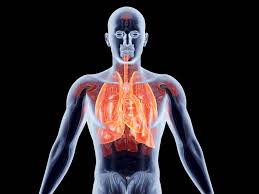
Diagnosis and management of respiratory disorders

Diagnosis and management of respiratory disorders

Diagnosis and management of respiratory disorders; Asthma

Order Instructions:

Diagnosis and Management of Respiratory Disorders
Respiratory disorders such as pneumonia and asthma are among the leading causes of hospitalization in pediatric patients (U.S. Department of Health and Human Services, 2011). With such severe implications associated with many respiratory disorders, advanced practice nurses must be able to quickly identify symptoms, diagnose patients, and recommend appropriate treatment. For this Discussion, consider potential diagnoses and treatments for the patients in the following the respiratory Disorders

Case Study
Brian is a 14-year-old known asthmatic with a 2-day history of worsening cough and shortness of breath. He reports using a short-acting beta agonist every 3 hours over the previous 24 hours. He has a long-acting inhaled corticosteroid, but the prescription ran out, and he forgot to get it refilled. He says he came today because he woke up at 2 a.m. coughing and couldn’t stop, thus preventing him from going back to sleep. Over-the-counter cough suppressants don’t help. He denies cigarette smoking, but his clothing smells like smoke. His respiratory rate is 18 and he has prolonged expiration and expiratory wheezes in all lung fields. There are no signs of dyspnea. All other exam findings are normal. (This asthma exacerbation in adolescent).

To prepare:
• Review Respiratory Disorders in the Burns et al. text.
• Review the provided case studies. Analyze the patient information.
• Consider a differential diagnosis for the patient in the case study. Think about the most likely diagnosis for the patient.
• Think about a treatment and management plan for the patient. Be sure to consider appropriate dosages for any recommended pharmacologic and/or non-pharmacologic treatments.
• Consider strategies for educating patients and families on the treatment and management of the respiratory disorder.

Assignment paper
Write 2 pages on
1) An explanation of these three differential diagnosis for the patient in the case study. (Asthma exacerbation, bronchiolitis, and laryngeal foreign body aspiration).
2) Explain which is the most likely diagnosis for the patient and why. (asthma exacerbation) Include an explanation of unique characteristics of this disorder you identified as the primary diagnosis.
3) Then, explain a treatment and management plan for the patient with asthmatic exacerbation including appropriate dosages for any recommended treatments.
4) Finally, explain strategies for educating patients and families on the treatment and management for asthma exacerbation.

REFERENCES RECOMMENDED FOR THIS ASSIGNMENT (Please refer to the textbook
• Burns, C. E., Dunn, A. M., Brady, M. A., Starr, N. B., & Blosser, C. G. (2013). Pediatric primary care (5th ed.). Philadelphia, PA: Elsevier.
o Chapter 31, “Respiratory Disorders” (pp. 708–738) and page 497-516 talks mostly on asthma and management)

this chapter covers the anatomy and physiology of the upper and lower respiratory tracts. It then explores assessment and management strategies for respiratory disorders including upper respiratory tract disorders, extrathoracic and intrathoracic airway disorders, and pectus deformity.

• National Heart, Lung, and Blood Institute. (2007). Expert panel report 3 (EPR3): Guidelines for the diagnosis and management of asthma. Retrieved from http://www.nhlbi.nih.gov/guidelines/asthma/asthgdln.htm

these reports provided by the National Heart, Lung, and Blood Institute present guidelines for the diagnosis and management of asthma in children from infancy through adolescence. The pathophysiology of asthma, measures of assessment and monitoring, control of environmental factors, and medication are also covered.

• Dexamethasone for Acute Asthma Exacerbations in Children: A Meta-analysis by Keeney, G.E., Gray, M.P., Morrison, A.K., Levas, M.N., Kessler, E.A., Hill, G.D., Gorelick, M.H., & Jackson J.L. in Pediatrics, 133(3): 493–499.
Copyright 2014 by American Academy of Pediatrics – Journals. Reprinted by permission of American Academy of Pediatrics – Journals via the Copyright Clearance Center.

• Mold, J.W., Fox, C., Wisniewski, A., Lipman, P.D., Krauss, M.R., Harris, D.R., Aspy, C., Cohen, R.A., Elward, K., Frame, P., Yawn, B.P., Solberg, L.I., & Gonin, R. Implementing asthma guidelines using practice facilitation and local learning collaboratives: a randomized controlled trial. Annals of family Medicine, 12(3), 233-240. Retrieved from the Walden Library databases.

SAMPLE ANSWER

Diagnosis and management of respiratory disorders

Asthma is the commonest respiratory disorder for kids. For Brian, the 14-year-old patient in the case study, three differential diagnoses for him are asthma exacerbation, bronchiolitis, and laryngeal foreign body aspiration. Asthma exacerbation: the major symptoms of this condition include coughing, a tight chest, shortness of breath, and wheezing (Keeney et al., 2014). Bronchiolitis: this is a common disease of the respiratory tract and is brought about by an infection which affects bronchioles – minuscule airways – which lead to the lungs. Bronchiolitis usually happens in the initial two years of life. Symptoms include being irritable, short pauses in breathing, persistent dry cough and rasping, wheezing, and vomiting after feeding (Burns et al., 2013). Laryngeal foreign body aspiration: kids who aspirate a foreign body at first usually present chocking and afterwards exhibit symptoms of respiratory syndrome. This condition is regarded as a differential diagnosis for asthma. Symptoms include gasping, coughing, chocking, and respiratory distress (Burns et al., 2013).

Of the three, asthma exacerbation is the most likely diagnosis for this patient. This is because the symptoms exhibited by the patient match with those of asthma exacerbations. In the case study, Brian has a 2-day history of worsening cough as well as shortness of breath. He woke up today with a persistent cough and he also has wheezes. All these symptoms – breathing faster, wheezing, persistent coughing, shortness of breath – are clear indications of asthma exacerbations (Mold et al., 2014). For the patient with asthmatic exacerbation, a treatment and management plan includes the following:

Management of children aged above 12 years and adults
  Medication Dosage Description
Pharmacological intervention  

Short-acting beta 2 agonists

·         An inhaled, short-acting beta-2 agonist

·         Use 2 or more canisters of beta2 agonists every months or 10-12 puffs daily

Short-acting beta2 agonists usually work very fast and offer symptomatic relief (Keeney et al., 2014)
 

Inhaled corticosteroids

·         Optimal dosages are 80 mg or less daily of methylprednisolone or 400 mg or less daily of hydrocortisone Inhaled corticosteroids should be taken regularly where: symptoms disturb sleep every week, Beta2 agonists are being utilized over 2 times every week, and a kid has an asthma attack in the past 2 years necessitating systemic corticosteroids (Mold et al., 2014)
Intravenous Salbutamol MDI with spacer ·         5 mg in 2 ml of normal saline every 20 minutes in the first hour Patients who receive intravenous salbutamol have to be in a setting in which there is continuous cardiac monitoring (Burns et al., 2013)
Non-pharmacological intervention ·         Avoid exposure to cigarette/tobacco smoke

·         Allergen immunotherapy should be considered for patients whose asthma symptoms are clearly connected to exposure to allergens (National Heart, Lung, and Blood Institute, 2007).

It is worth mentioning that managing and treating asthma in children entails an appreciation of the existing treatment practice and a readiness to support and educate the asthmatic children and their close relatives in the longer-term. The strategies for educating patients and families on the treatment and management of asthma exacerbation entail providing smoking cessation advice to the child and caregivers/family members. This is important since passive or direct smoking decreases lung function and raises the need for rescue medication as well as long-term preventer treatment (Burns et al., 2013). Allergen avoidance should be included in the education: the patient may be allergic to pets and/or house dust mite. There could be pet allergy and it is sensible not to have a dog or a cat in the house since domestic pets may trigger an asthma attack. Physical and chemical techniques of house dust mite avoidance may trigger asthma exacerbations and should be avoided (Mold et al., 2014). Other trigger avoidance suggestions for the family include removal of soft toys from the bed, removal of carpets, washing of bed linen using high-temperature, improve ventilation, and using total bed-covering barrier systems. Education also includes encouraging adherence to asthma action plan to control asthma daily.

References

Burns, C. E., Dunn, A. M., Brady, M. A., Starr, N. B., & Blosser, C. G. (2013). Chapter 31, “Respiratory Disorders”. Pediatric primary care (5th ed.). Philadelphia, PA: Elsevier.

Keeney, G.E., Gray, M.P., Morrison, A.K., Levas, M.N., Kessler, E.A., Hill, G.D., Gorelick, M.H., & Jackson J.L. (2014). Dexamethasone for Acute Asthma Exacerbations in Children: A Meta-analysis. Pediatrics, 133(3): 493–499.

Mold, J.W., Fox, C., Wisniewski, A., Lipman, P.D., Krauss, M.R., Harris, D.R., Aspy, C., Cohen, R.A., Elward, K., Frame, P., Yawn, B.P., Solberg, L.I., & Gonin, R. (2014). Implementing asthma guidelines using practice facilitation and local learning collaboratives: a randomized controlled trial. Annals of family Medicine, 12(3), 233-240

National Heart, Lung, and Blood Institute. (2007). Expert panel report 3 (EPR3): Guidelines for the diagnosis and management of asthma. Retrieved fromhttp://www.nhlbi.nih.gov/guidelines/asthma/asthgdln.htm

We can write this or a similar paper for you! Simply fill the order form!

Community & Public Health Nursing, HIV

Community & Public Health Nursing, HIV

Community & Public Health Nursing, HIV

Order Instructions:

W1 Clinical Assignment:
Define the Community at Risk
During your practicum you will use the follow guidelines to complete your final project and a community teaching project and paper.
Identify the target population Definition of the risk or problem and the significance ( e.g. teenage pregnancy, HIV, obesity).

SAMPLE ANSWER

Community & Public Health Nursing: HIV

The target population

The target population for this community teaching project will be all sexually active members of the community.   This means that the married, divorced, separated and single adults as well as adolescents and commercial sex workers will be involved in this project. HIV knows not age, class, race, ethnicity, religion or even profession. It has the capability of infecting any sexually active individual who engages in irresponsible sexual behaviour with multiple partners. Information and awareness creation on HIV is therefore very essential for the young, the middle-aged and old members of the community (Crawford, Caldwell, Bush, Browning & Thornton, 2012).This population has been chosen because it is at the highest risk of being infected with HIV. The population will therefore be empowered with important information regarding HIV with the aim of reducing and eventually stopping new infections, caring for and treatment of those already living with the disease.

Definition of the problem

HIV has been a problem that has given medical researchers sleepless nights for so many years. It is indeed a great challenge for members of different communities given that up to date, there is no known cure for it. Everybody is at risk of HIV infection given that it is very difficult to tell whether one is infected or not unless a medical test is conducted. As for young people particular those going through there adolescence, the risk of infection is even greater because they lack adequate information on reproductive health and they are also likely to involve themselves in risky sexual behaviour due their strong peer influence. Adults who are married are not safe from HIV either. This is because a good number of married couples have been found to engage in extra marital affairs which have actually predisposed them to the risk of HIV infection. This means that HIV is silently spreading in marriages which were initially thought to be relatively safe. Infants have also not been left out due to the risk of mother to child transmission. Infection with HIV is not a barrier for women to get pregnant and therefore it would be important to educate expectant mother whether living with HIV or not on how they can protect their new born babies from acquiring this deadly virus (Sepúlveda, 2012). Another very common problem that relates to HIV in the community is stigmatisation of those who are living with the virus. Many HIV positive individuals have reportedly been living in fear or even hiding from other members of the society. This is a very serious problem that has also prevented them from accessing their medication which has led to further deterioration of their health.

Significance

This project will play a very crucial role not only to members of the community but also to the public health and nursing profession. Members of the community will be able to learn a lot pertaining to HIV and with such kind of information, new infections will have a significant decline if not a complete halt. This is because some new infections usually occur as a result of ignorance and the moment awareness is created among community members, such cases will definitely decrease. The project will also enable community members to learn about home-based care of people living with HIV since it is a chronic disease. It would also be important for people to be informed about the signs and symptoms of HIV so that they can seek early medical attention before the virus advances in their bodies. Most importantly, the project will be encouraging people to go for frequent voluntary counselling and testing for HIV so that can get to know their status and take appropriate action. Those who test positive for the virus will of course be counselled and prepared to start antiretroviral therapy where as those who test negative will be enlightened on how they can continue protecting themselves against the virus (Kuznetsov, Matterne, Crispin & Ruzicka, 2013).

References

Crawford, T., Caldwell, G., Bush, H. M., Browning, S., & Thornton, A. (2012), Foreign born status and HIV/AIDS: A comparative analysis of HIV/AIDS characteristics among foreign and U.S. born individuals. Journal of Immigrant and Minority Health, 14(1), 82-8. doi:http://dx.doi.org/10.1007/s10903-011-9455-8

Kuznetsov, L., Matterne, U., Crispin, A., Ruzicka, T., Zippel, S. A., & Kuznetsov, A. V. (2013), Knowledge, attitude and behavioral intention to act regarding HIV infection and prevention in immigrants from the former soviet union in Germany: A comparative study with the native population. Journal of Immigrant and Minority Health, 15(1), 68-77. doi:http://dx.doi.org/10.1007/s10903-012-9671-x

Sepúlveda, J. (2012). The ‘third wave’ of HIV prevention: Filling gaps in integrated interventions, knowledge, and funding. Health Affairs, 31(7), 1545-52. Retrieved from http://search.proquest.com/docview/1027881808?accountid=45049

We can write this or a similar paper for you! Simply fill the order form!
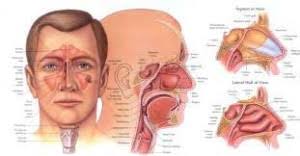
Diagnosis and Management of Eye, Ear, Nose, and Throat Disorders

Diagnosis and Management of Eye, Ear, Nose, and Throat Disorders

Diagnosis and Management of Eye, Ear, Nose, and Throat Disorders

Order Instructions:

Diagnosis and Management of Eye, Ear, Nose, and Throat Disorders
In clinical settings, eye, ear, nose, and throat (EENT) disorders account for the majority of pediatric visits. With the prevalence of these disorders, you must be familiar with their signs and symptoms as well as evidence-based practices for assessment and treatment. Although many pediatric patients present with common EENT disorders such as ear infections, allergies, and strep throat, some patients present with rare disorders requiring specialist care. In your role, making this distinction between when to treat and when to refer is essential. For this Discussion, examine the following case studies and consider potential diagnoses and management strategies.

Case Study
A mother presents with her 2-year-old child with complaints of ear pain and decreased sleep. Earlier this week, he had a runny nose and congestion with a mild cough that occurred mostly when lying down. His temperature is 100.7°F. You note the following physical findings: shotty anterior cervical adenopathy, mild nasal congestion, clear postnasal drainage, and lungs clear to auscultation. Ear examination reveals the following: right tympanic membrane is red, translucent, in a neutral position, with no pus or fluid noted; left tympanic membrane is full, reddish orange in appearance, and opaque with pus.

Assignment Paper:
Write two pages only on this discussion assignment (Let me give you a clue, the diagnosis of this case study is ACUTE OTITIS MEDIA)
1).write an explanation of the differential diagnosis for the patient in the case study
2). Explain which is the most likely diagnosis for the patient and why.
3) Include an explanation of unique characteristics of the disorder you identified as the primary diagnosis.
4). explain a treatment and management plan for the patient, including appropriate dosages for any recommended treatments.
5).Finally, explain strategies for educating parents on their child’s disorder and reducing any concerns/fears presented in the case study.

REFERENCES RECOMMENDED FOR THIS ASSIGNMENT (Please refer to the textbook)
• Burns, C. E., Dunn, A. M., Brady, M. A., Starr, N. B., & Blosser, C. G. (2013). Pediatric primary care (5th ed.). Philadelphia, PA: Elsevier.
Chapter 29, “Ear Disorders” (pp. 652–668)

this chapter reviews the structure and function of the ear and presents guidelines for the assessment and management of ear problems.

• American Academy of Pediatrics. (2004). Clinical practice guideline: Diagnosis and management of acute otitis media. Pediatrics, 113(5), 1451–1465. Retrieved from a Collage Library databases.

This article examines the diagnosis and management of uncomplicated acute otitis media in patients from 2 months to 12 years of age. It focuses on defining acute otitis media, pain management, assessment, and selection of appropriate antibacterial treatments.

• Chow , A.W., Benninger, M.S., Brook, I., Brozek, J.L., Goldstein, E.J.C., Hicks, L.A., Pankey, G.A., Seleznick, M., Volturo, G., Wald, E.R., & File Jr, T.M. (2012). IDSA clinical practice guideline for acute bacterial rhinosinusitis in children and adults. Clinical Infectious Diseases, 54(8), 72-112. Retrieved from a Collage Library databases.

• Shulman, S.T, Bisno, A.L., Clegg, H.W., Gerber, M.A., Kaplan, E.L., Lee ,G., Martin, J.M., & Van Beneden, C. (2012). Infectious Diseases Society of America. Clinical practice guideline for the diagnosis and management of group A streptococcal pharyngitis: 2012 update by the Infectious Diseases Society of America. Clinical Infectious Diseases, 58(10), 86-102. Retrieved from a Collage Library databases.

SAMPLE ANSWER

Introduction

According to sources, AOM is a disorder that results from the malfunctions experienced in the Eustachian tube that results from colds, allergies, and bacterial infections. This can lead to the blockage of the inner linings with mucus. Out of this blockage, fluids build up and pile within the air-filled middle ear (Burns, Dunn, Brady, Starr, & Blosser, 2013). Germs and bacteria that enter these tubes breed in the fluids that are trapped in the ear thus leading to an ear infection known as the acute otitis media.

Acute Otitis Media (AOM) is a regular disease that involves the inflammation of the canals of the ear as a result of bacterial infections and pathogens that infect the ear. Some of the symptom present in this disease includes ear pains, decreased sleep, mild coughs, runny nose and congestion with an ear membrane that is red (Burns, et.al). This paper, therefore, seeks to study a patient presenting similar symptoms to AOM.

Case Analysis

The results of the diagnosis revealed that the child encountered some clinical signs and symptoms that included running nose and congestions that were accompanied by mild coughs. A high temperature of 100.7°F was also evident with other symptoms such as mild nasal congestion, and reddish appearance of the ear (Chow et.al).

The patient’s ear was in a neutral position and opaque with some sported pus. An infection was considered to be the main cause of the non-server unilateral AOM in the child. The diagnosis of this illness was found to be unilateral and non-severe because of the symptoms that were present in the child that required the use of antibiotics in the treatment. Severe cases of AOM would result in different symptoms.

The unique elements that could e noted in the child’s situation include the challenges she began encountering in feeding (Chow, et.al). The manifestation of ear tugging and lack of sleep are also factors that were unique in this child’s ailment. It is additionally necessary to remark that the child’s right tympanic ear membranes showed some redness in color with no fluids was also a unique factor that needed attention.

The Treatment and Management Plan of AOM

The management plan of the patient requires that, first of all, the child is relieved from pain. This requires that the child is prescribed antibiotics such as Amoxicillin for 30days. In an instance where the child is allergic to amoxicillin, she can be induced on an antibiotic with additional β-lactamase coverage (Shulman, Bisno, Clegg, Gerber, Kaplan, Lee, Martin, & Van, 2012). Amoxicillin, therefore, remains the best antibiotic for the child as recommended by a physician and according to an updated schedule. The child should also be introduced to an annual influenza conjugate vaccine. Breastfeeding should be exclusively encouraged

Educating Parents on Their Child’s Disorder

It is noteworthy that parents support their children to wash their hands with the aim of preventing flu and colds, a primary cause of otitis media (Dains, Baumann, & Scheibel.2012). The parents also have a role to play in ensuring that their children are not exposed to tobacco smoke and frequently attend day care for inspections. Parents should also be well informed of the use of the pacifiers and lastly giving the child and immunization to protect her from contracting AOM.

Conclusion

AOM is a disease that results from the malfunctions that are in most times experienced in the Eustachian tube from a cold, allergy, and a bacterial infection. In managing this ailment, a plan of the patient requires that, first of all, the child is relieved from pain. The use of amoxicillin remains the most efficient approach to managing this sickness in its mild state.

References

Burns, C. E., Dunn, A. M., Brady, M. A., Starr, N. B., & Blosser, C. G. (2013). Pediatric primary care (5th ed.). Philadelphia, PA: Elsevier. Chapter 29, “Ear Disorders” (pp. 652–668)

Chow, A.W., Benninger, M.S., Brook, I., Brozek, J.L., Goldstein, E.J.C., Hicks, L.A., Pankey, G.A., Seleznick, M., Volturo, G., Wald, E.R., & File Jr, T.M. (2012). IDSA clinical practice guideline for acute bacterial rhinosinusitis in children and adults. Clinical Infectious Diseases, 54(8), 72-112. Retrieved from a Collage Library databases.

Dains, J., Baumann, L., & P.Scheibel. (2012). Advanced health assessment and clinical diagnosis in primary care . St. Louis: MO: Mosby, Elsevier.

Shulman, S.T, Bisno, A.L., Clegg, H.W., Gerber, M.A., Kaplan, E.L., Lee, G., Martin, J.M., & Van Beneden, C. (2012). Infectious Diseases Society of America.58 (10), 86-102. Retrieved from a Collage Library database.

We can write this or a similar paper for you! Simply fill the order form!
DERMATOLOGIC DISORDERS CASE STUDY

DERMATOLOGIC DISORDERS

DERMATOLOGIC DISORDERS

DERMATOLOGIC DISORDERS CASE STUDY

Order Instructions:

Dermatologic disorders can present due to an actual skin problem or as the result of a systemic problem that manifests in the skin. Depending on the type of disorder, the presentation might be unique, making a quick diagnosis possible. However, some disorders have similar presentations in terms of symptoms and appearance, making diagnosis more difficult. Skin color and tone can also contribute to difficulty in diagnosis, making it important to consider cultural variations during assessments. In this Discussion, you examine the following case study of skin disorders.

Case Study:
An adolescent presents to your office with a complaint of an itchy, red rash that first appeared on his lower legs 1 week ago after he returned from a camping trip. The rash has since spread to the upper legs, trunk, and groin. He denies fever or other systemic symptoms.

Review these two links – these resources were provided to us this week.

http://www.meddean.luc.edu/ lumen/MedEd/medicine/ dermatology/melton/atlas.htm

http://www.telemedicine.org/ stamford.htm

Write an explanation of the skin disorder in the case study. Include in your explanation the lesion type, lesion distribution, color, and any ancillary findings. Then, present a differential diagnosis and explain which is the most likely diagnosis for the patient and why. Finally, explain a treatment and management plan for the patient’s skin disorder, including appropriate dosages for any recommended treatments.

Use APA format for references and citations that are 5 years and newer.

SAMPLE ANSWER

DERMATOLOGIC DISORDERS

Case Study:

An adolescent presents to your office with a complaint of an itchy, red rash that first appeared on his lower legs 1 week ago after he returned from a camping trip. The rash has since spread to the upper legs, trunk, and groin. He denies fever or other systemic symptoms.

The case study is of an adolescent who presented with a localized itchy red rash on the lower legs seven days following a camping trip. The patient reported the rash then spread from lower legs to other areas of the upper leg, trunk and groin. No fever or other problems reported.

The diagnosis for this patient is allergic contact dermatitis following the exposure history during the camping trip. Taking thorough history is needed to identify any prior episodes of skin irritations such as atopic dermatitis. Patients who have a history of atopic dermatitis have an increased risk of dermatitis (Taylor& Amado, 2013). The American Family Physician (2010) defines allergic contact dermatitis as” delayed hypersensitivity reaction in which a foreign substance comes into contact with the skin; skin changes occur with re-exposure”. In allergic contact dermatitis, the distribution of lesions is more localized on the area of intense exposure. As in this case, the rash begins on the lower legs before spreading to other regions. According to (American Academy of Dermatology, 2011) a rash can appear within hours or can take up to a week before appearing following an exposure.

Treatment

The first step would be to identify and avoid the allergen if possible. Localized lesions respond well to medium to high potency steroids. For this case, a topical corticosteroid betamethasone valerate cream 0.1% would be applied twice daily until the lesions clear.  This will help to minimize the redness and the intense of the itching (WebMD, 2015) In addition, Dermnet (2011) provides for use of Prednisone 20 mg twice a day for seven to ten days followed by prednisone 20 mg in the morning for three days to help in relieving the pruritus. Use of wet compresses may be repeated severally throughout the day to ease the situation

Differential diagnosis

A patient presenting with an itchy red rash on the legs that seems to spread to other areas with no fever could be suffering from hives. WebMD (2015) points out that the rashes are itchy and may appear anywhere on the body. WebMD (2015) stresses that hives are caused by allergic reactions after an exposure to a trigger, however, they may not spread to other areas other than the stimulated part.

References

American Family Physician (2010). Diagnosis and Management of Contact Dermatitis
From http://www.aafp.org/afp/2010/0801/p249.html
American Academy of Dermatology. (2011). Contact dermatitis. Retrieved from: https://www.aad.org/dermatology-a-to-z/diseases-and-treatments/a—d/contact-dermatitis
James S. Taylor & Antoine Amado (2013). Contact Dermatitis and Related Conditions
from http://www.clevelandclinicmeded.com/medicalpubs/diseasemanagement/dermatology/contact-dermatitis-and-related-conditions/

WebMD (2005-2015) Skin problems and treatment health center. Retrieved from http://www.webmd.com/skin-problems-and-treatments/guide/hives-urticaria-angioedema?page=2

WebMD (2005-2015) Drugs and Medications. Retrieved from http://www.webmd.com/drugs/2/drug-4897-722/betamethasone-valerate-topical/betamethasonevalerate-topical/details

We can write this or a similar paper for you! Simply fill the order form!
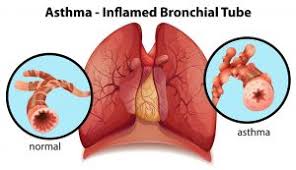
Asthma Research Term Paper Available

Asthma
                                     Asthma

Asthma

Order Instructions:

Asthma is a respiratory disorder that affects children and adults. Advanced practice nurses often provide treatment to patients with these disorders. Sometimes patients require immediate treatment making it essential that you recognize and distinguish minor asthma symptoms from serious, life-threatening symptoms. Since symptoms and attacks are often induced by a trigger, advanced practice nurses must also help patients identify their triggers and recommend appropriate management options. Like many other disorders, there are various approaches to treating and managing care for asthmatic patients depending on individual patient factors. One method that supports the clinical decision-making of drug therapy plans for asthmatic patients is the stepwise approach, which you explore in this Assignment.

To prepare:
•Consider drugs used to treat asthmatic patients including long-term control and quick relief treatment options for patients. Think about the impact these drugs might have on patients including adults and children.
•Review Chapter 25 of the Arcangelo and Peterson text. Reflect on using the stepwise approach to asthma treatment and management.
•Consider how stepwise management assists health care providers and patients in gaining and maintaining control of the disease.

To complete:

Write a 2- to 3- page paper that addresses the following:
•Describe long-term control and quick relief treatment options for asthma patients, as well as the impact these drugs might have on patients.
•Explain the stepwise approach to asthma treatment and management.
•Explain how stepwise management assists health care providers and patients in gaining and maintaining control of the disease.

SAMPLE ANSWER

Asthma

Introduction

Asthma disease is a global health concern as it  affects about 25.7 Americans. The healthcare complication is reported to be the leading cause of hospitalizations and childhood mortality. Asthma pathophysiology  involves  the alterations of the normal immune response of the respiratory system. The immune response is often triggered by allergens such as pollen, mould, dust, spores, cold, and preservatives. When a trigger is inhaled, it causes allergic reaction such as inflammation and  activation of cells to overproduce mucus. This makes it hard to inhale or to exhale. The asthmatic attack is usually mild, but it could be fatal in some cases. The treatment focuses on effective ways to relieve  the health complication and to improve the patient quality of life (Simon, 2013).

Quick relief of asthmatic attack

The respiratory system is very vital for survival. The quick relief treatment is mainly used to clear the airways to improve inhalation process. The main medication used for this purpose is the  short acting beta 2 agonist administered through inhalation. The medication causes the respiratory tract muscles to relax and to open up. The medication causes reduction of cytokines and cellular level adhesion. Intravenous corticosteroids  can also be administered, and have been found to be effective  in reducing the rate of inflammation. People  diagnosed with asthma should take  the quick relief medication once they notice first symptom. Additionally, the pMDI inhalers should be carried everywhere they go, because one cannot predict the environment or weather condition (Barclay, Jeffres, & Bhakta, 2011).

Long-term medication

This type of medication is taken daily to manage the asthmatic attack symptoms. The most common medication is inhaled corticosteroids including Asmanex and  Fluticasone. The mechanism of this medication is that it relaxes the muscles and reduces  the excessive production of mucus. The side effects include  dizziness, nausea, and vomiting. Other types of long-term medication include oral medication Leukotriene such as Montelukast as well as Zafirlukast. However, this medication is not commonly used due to its side effects such as hallucinations and  anxiety. The combination inhalers are also used as long-term medication. These medication involved combination therapy of corticosteroids and beta agonists. The medication counteracts the effects of allergens, which lead to blockage of lung airways. The major side effects is oral thrush, skin rash and hormonal disturbances (Bonagura, 2013)

Stepwise treatment

Patient healthcare condition determines the stage or type of treatment:

Step 1 refers to mild and intermittent  stage. The clinical manifestation is managed using the short-acting  bronchodilator or beta2 agonist. If the condition is not stable within two weeks, the physician could consider using the second line of therapy. Step 2 is also referred to as second line therapy. This stage, the attack is persistent  but mild. The medication recommended  is low dose corticosteroids, which is usually inhaled, taken once per day, and according  to the disease symptoms. The alternative medication is leukotriene modifiers and theophylline. Step 3 also refers to persistent symptoms, which present  daily. Evidence based research indicates that the combination  therapy of  low dose corticosteroid and  long acting beta2 agonist improves the patient quality of life. The outcome has also been shown to improve  with use of  combination therapy of  theopylline or leukotriene modifiers with  low dose of inhaled corticosteroids. Step 4  includes health care condition that  is continual. The recommended medication is  high dose of  long acting beta 2 agonist. Inhaled corticosteroids also improve lung function effectively. If necessary, the oral corticosteroids can be used but under the instructions of a specialist (Simon, 2013).

 Disease Management

The patient should be educated on the various systems of inhaled medication such s roto-systems, inhalers and nebulizers. The patient should advise on ways to maintain hygiene of the medication administration tools, and ways to monitor the drug level so that the patient does not run out. The patient should also reduce exposure to asthma attack. This includes installation of air conditioner to control allergens in the house such as pollen, dust, spores, or weeds. The patient should exercise frequently and maintain healthy diet to maintain healthy weight. The diseases associated with exacerbation of asthmatic attack include gastro-esophageal reflux disease (GERD). Research indicates that the acid reflux normally cause inflammation of airways, making them more susceptible to allergic attack. These measure controls the troublesome symptoms, avoid recurrent and exacerbations of asthma, improves lung function, causing reduction of cost of care (Clayton, 2014).

References

Barclay, S., Jeffres, M., & Bhakta, R. (2011). Educational Card Games to Teach Pharmacotherapeutics in an Advanced Pharmacy Practice Experience. American Journal Of Pharmaceutical Education, 75(2), 33. https://ww.doi:10.5688/ajpe75233

Bonagura, D. (2013). The Importance of the Asthma Control Test in Asthma Management. Journal Of Asthma & Allergy Educators, 4(3), 138-139. doi:10.1177/2150129713486898

Clayton, S. (2014). Adherence to asthma medication. Nurse Prescribing, 12(2), 68-74.

Simon, L. (2013). Urban Youth’s Perspectives on Asthma and Asthma Management: Educational Implications. Journal Of Asthma & Allergy Educators, 4(3), 103-111. doi:10.1177/2150129713475362

We can write this or a similar paper for you! Simply fill the order form!
 Chronic Venous insufficiency (CVI) Assignment

Chronic Venous insufficiency (CVI) vs. Deep Vein thrombosis (DVT)

Chronic Venous insufficiency (CVI) vs. Deep Vein thrombosis (DVT)

Order Instructions:

Advanced practice nurses often treat patients with vein and artery disorders such as chronic venous insufficiency (CVI) and deep venous thrombosis (DVT). While the symptoms of both disorders are noticeable, these symptoms are sometimes mistaken for signs of other conditions, making the disorders difficult to diagnose. Nurses must examine all symptoms and rule out other potential disorders before diagnosing and prescribing treatment for patients. In this Assignment, you explore the epidemiology, pathophysiology, and clinical presentation of CVI and DVT.

To prepare:
•Review the section “Diseases of the Veins” (pp. 585–587) in Chapter 23 of the Huether and McCance text. Identify the pathophysiology of chronic venous insufficiency and deep venous thrombosis. Consider the similarities and differences between these disorders.
•Select a patient factor different from the one you selected in this week’s Discussion: genetics, gender, ethnicity, age, or behavior. Think about how the factor you selected might impact the pathophysiology of CVI and DVT. Reflect on how you would diagnose and prescribe treatment of these disorders for a patient based on the factor you selected.
•Review the “Mind Maps—Dementia, Endocarditis, and Gastro-oesophageal Reflux Disease (GERD)” media in the Week 2 Learning Resources. Use the examples in the media as a guide to construct two mind maps—one for chronic venous insufficiency and one for venous thrombosis. Consider the epidemiology and clinical presentation of both chronic venous insufficiency and deep venous thrombosis.

To complete:

Write a 2- to 3-page paper that addresses the following:
•Compare the pathophysiology of chronic venous insufficiency and deep venous thrombosis. Describe how venous thrombosis is different from arterial thrombosis.
•Explain how the patient factor you selected might impact the pathophysiology of CVI and DVT. Describe how you would diagnose and prescribe treatment of these disorders for a patient based on the factor you selected.
•Construct two mind maps—one for chronic venous insufficiency and one for deep venous thrombosis. Include the epidemiology, pathophysiology, and clinical presentation, as well as the diagnosis and treatment you explained in your paper.

This Assignment is due by Day 7.

Please use the writer who did my last mine map if possible. Thank you.

SAMPLE ANSWER

Chronic Venous insufficiency (CVI) vs. Deep Vein thrombosis (DVT)

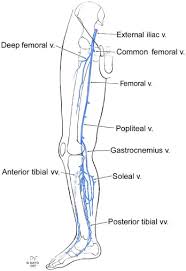
Chronic Venous insufficiency occurs when the valves in the venous system malfunction. This is facilitated by various incidences such as age, smoking, and increased physical inactiveness. When the valves are damaged, they cause the blood to flow back. This forms blood clot in the vein found along the hind limb, causing a disease condition known as Deep Vein Thrombosis (DVT). The clinical manifestation of the disease includes swelling of the ankle if the patient stands of sits for a long period. The swelling is sometimes painful and causes flaking of the skin and itchiness (Davies, Lumsden, & Vykoukal, 2011). Deep Vein Thrombosis (DVT) is a cardiovascular complication that results when the venous valves located at the hind limb becomes damaged. The venous system transports deoxygenated blood from the rest of the body to the heart for oxygenation. During this cycle, blood flows upwards from legs to the heart. For this to  occur, the  muscles of the feet and the calf  contract, squeezing the veins which then propel blood  upward towards the heart. The vein has valves are aligned in one direction and facilitate blood transportation. Consequently, blood circulation is disturbed, making it difficult for blood to circulate effectively and blood pools in these veins (Kibbe, Pearce, & Yao, 2010).

CVI and DVT compare in that the diagnostic process is similar and includes use of duplex ultrasound technology to check the blood circulation process. The technique applied is as follows, the transducer  part of the machine is normally placed  on the site that s directly above the  vein in question, the waves on how the blood is flowing together with a 3D formulation of the vein anatomical structure is displayed  on the monitor. This diagnosis is important because it is able to diagnose early enough, and the disease gets treated using the appropriate medication. The pharmacological medication is often coupled with on pharmacological medication, such as weight loss, exercises, and the reduction of environmental stressors such as standing for a long period. Other measures include compression stockings and taking antibiotic (Huether, & McCance, 2012).

Evidence based research indicates that the CVI and DVT prevalence illustrate healthcare disparity. This is mainly due to the interactions of healthcare determinants such as genetic, environmental factors, ethnic background, and socioeconomic status. The prevalence rate is high among the African American, Hispanics, and Caucasians as compared to White. Literature associates these findings with environmental exposures and socio economic background. For instance, the white population has high rates of educated people and low rates of low household income (Kibbe, Pearce, & Yao, 2010). This implies that they are able to access the hospital routinely and are treated early before the disease clinical manifestations become worse. On the other hand, these other communities have the highest number of dropouts. The children are more susceptible to drugs and poor living condition at a tender age. Additionally, the high hospital cost act as an obstacle to accessing quality care. Therefore, these people will really on alternative therapies and over counter drugs for a long period, and will only access care during the last stage of the disease. These communities have the highest rates of obesity, which is a main risk factor to DVT and CVI (Murphy & Lloyd, 2013).

References

Davies, M., Lumsden, A., & Vykoukal, D. (2011). Chronic venous insufficiency. Minneapolis: Cardiotext Pub.

Huether, S. E., & McCance, K. L. (2012). Understanding pathophysiology (Laureate custom ed.). St. Louis

Kibbe, M., Pearce, W., & Yao, J. (2010). Venous disorders. Shelton, Conn.: People’s Medical Pub. House—USA.

Murphy, J., & Lloyd, M. (2013). Mayo Clinic cardiology. Oxford: Mayo Clinic Scientific Press/Oxford University Press.

We can write this or a similar paper for you! Simply fill the order form!

Self-Perception, Mental Health and Positive Behavior

Self-Perception, Mental Health and Positive Behavior in School-Age Children

Self-Perception, Mental Health and Positive Behavior in School-Age Children

Order Instructions:

Write a brief explanation of one common self-perception, one behavior, and one mental health issue for school-aged children. Then, explain strategies for mitigating each issue that promote good self-perception, positive behavior, and mental wellness for school-aged children. Explain how you might educate parents on implementing these strategies with their children. Finally, suggest resources that you might recommend to parents for additional education and/or support.

Please refer to the following cites as resources for writing. Use these in citation, using APA format.

American Academy of Pediatrics, Committee on Psychosocial Aspects of Child and Family Health and Task Force on Mental Health. (2009). The future of pediatrics: Mental health competencies for pediatric primary care. Pediatrics, 124(1), 410–421.

Burns, C. E., Dunn, A. M., Brady, M. A., Starr, N. B., & Blosser, C. G. (2013). Pediatric primary care (5th ed.). Philadelphia, PA: Elsevier.

Hagan, J. F., Jr., Shaw, J. S., Duncan, P. M. (Eds.). (2008). Bright futures: Guidelines for health supervision of infants, children, and adolescents (3rd ed.). Elk Grove Village, IL: American Academy of Pediatrics.

SAMPLE ANSWER

Self-Perception, Mental Health and Positive Behavior in School-Age Children

Mental wellness in people entails behavioral, psychological, neurological, as well as psychiatric developments (American Academy of Pediatrics, 2009, Pg. 411). A variety of situations places school-age children at raised risks of developing mental unwellness. Among factors that could lead to mental insufficiencies in children is exposure to toxic environmental pollutants. Violence and neglect of children’s caretakers also contribute significantly to the development of mental illnesses (Burns, Dunn, Brady, Starr, and Blosser, 2012, Pg. 9). It is the role of healthcare practitioners to promote mental health among the young (Hagan, Shaw, & Duncan, 2008, Pg. 355).

It is commonly perceived that mentally ill children are dangerous, and it is bad to associate with them. In most cases, such children are socially unwelcome. In terms of behavior, mentally ill school-age children express combativeness, withdrawal from other persons, they could easily initiate trouble. Their relationships with the society are severe and impaired. Common illnesses that school-age minors express include anxiety and schizophrenia (WebMD, 2015, pg. 1).

Strategies that promote the development of desirable perception on mentally ill school-age juniors include educating the society. To enhance appropriate behavioral conduct, caregivers should counsel the sick minors on positive manners. Addressing the treatment of mental illnesses such as schizophrenia would require intensive research. In addition to establishing treatment strategies, research could also enhance the understanding of practitioners on mental illnesses. When practitioners are knowledgeable, they can identify endangered children early enough, and intervene to prevent the occurrence of mental insufficiencies.

Parents need education on enhancing desirable manners in their children. Their education should incorporate efficient strategies of imparting beneficial conduct in children. In terms of managing psychological illnesses, parents need an education that could allow them to recognize mental abnormalities early enough.

It is recommendable that parents offer early development services to their children. Using the tool could facilitate their handling of mentally sick minors.

References

America Academy of Pediatrics. (2009). The future of pediatrics: Mental health competencies for pediatric primary care. Pediatrics, 124(1), 410–421.

Burns, C. E., Dunn, A. M., Brady, M. A., Starr, N. B., & Blosser, C. G. (2012). Pediatric primary care (5th ed.). Philadelphia, PA: Elsevier.

Hagan, J. F., Jr., Shaw, J. S., Duncan, P. M. (Eds.). (2008). Bright futures: Guidelines for health supervision of infants, children, and adolescents (3rd ed.). Elk Grove Village, IL: American Academy of Pediatrics.

WebMD. (2015). Mental illnesses in children. Retrieved from http://www.webmd.com/anxiety-panic/mental-health-illness-in-children

We can write this or a similar paper for you! Simply fill the order form!
Protocol for Diagnosis, Management, and Follow-Up Care

Protocol for Diagnosis, Management, and Follow-Up Care
Protocol for Diagnosis, Management,                    and Follow-Up Care

Application: Protocol for Diagnosis, Management, and Follow-Up Care of Growth and Development and Psychosocial Issues

Order Instructions:

Application: Protocol for Diagnosis, Management, and Follow-Up Care of Growth and Development and Psychosocial Issues

As pediatric patients grow from infancy to adolescence, there are many common growth and development and psychosocial issues that may potentially present. As an advanced practice nurse caring for these patients, you must be able to recognize red flags and select age-appropriate assessment and treatment options. In this Assignment, you prepare for your role in clinical settings as you design an age-specific protocol for the diagnosis, management, and follow-up care for a common growth and development or psychosocial issue.

To prepare:

•Reflect on the age group and the growth and development or psychosocial issue of a toddler.

•Think about the epidemiology of the issue.

•Consider an age-appropriate protocol for the diagnosis, management, and follow-up care of the issue you selected.

•Think about how culture might impact the care of patients that present with this issue.

To complete:

Write a 2- to 3-page paper that addresses the following:

•Explain a growth and development or psychosocial issue that might present in the age group you selected. Include the epidemiology of the issue in your explanation.

•Explain an age-appropriate protocol for the diagnosis, management, and follow-up care of this issue.

•Explain how culture might impact the care of patients who present with the growth and development or psychosocial issue you selected.

Note: The School of Nursing requires that all papers submitted include a title page, introduction, summary, and references. The Sample Paper provided at the Walden Writing Center provides an example of those required elements available at http://writingcenter.waldenu.edu/57.htm). All papers submitted must use this formatting.

SAMPLE ANSWER

Protocol for Diagnosis, Management, and Follow-Up Care

Developmental Issues in Toddlers

Nurses identify red flags in situations where children fail to meet the expected developments. There are guidelines that allow nurses to determine whether children exhibit a normal course of growth. In the toddler stage, for example, children are expected to exhibit tendency to seek independence (MacLeod, 2013). Aspects of growth considered in identifying red flags include gross and fine movements, communication, as well as emotional and social interactions (Queensland Government, 2010, Pg. 1). The capabilities that children attain at different stages allow for the evaluation of their growth pattern. Children may also exhibit traits that could suggest abnormalities. Both failure to express certain traits and expression of abnormal characteristics raise alarms termed as red flags.

Sleep disorders are possible developmental ailments that toddlers could express. Both excessive and reduced sleeping during toddler stage could be developmental disorders (Patient, 2015). Toddlers should develop the circadian pattern if their growth is normal. Common sleep abnormalities that toddlers express include difficulties in settling in beds, and unexpected waking up at night (Stores, 2009, Pg. 83). Other disorders include sleep apnea, periodic limb motion, and restless legs complex (Stores, 2009, Pg. 83). Epidemiological investigations show that approximately 30% of children experienced sleep disorders. Research shows that toddlers could have more of night-time waking compared to other age groups (Stores, 2009, Pg. 84). On the other hand, older children could have more nightmares compared to toddlers (Stores, 2009, Pg. 84). Toddlers with other developmental complications such as psychosocial insufficiencies are most affected by sleep disorders.

In assessing and diagnosing sleep disorders in toddlers, practitioners should obtain an informative history, and then conduct physical examinations on their clients. In most cases, evaluating toddlers on cognitive and developmental abnormalities is essential (Moturi & Avis, 2010, Pg. 24). Healthcare practitioners should differentiate normal sleeping from the abnormal type. For instance, it could be appropriate for toddlers to take habitual naps while it would be pathological for older children (Moturi & Avis, 2010, Pg. 24). Tools necessary in diagnosing sleep abnormalities include polysomnography. The tool is of particular importance for the assessment of obstructive apnea (Moturi & Avis, 2010, Pg. 24). It is advisable that healthcare providers involve parents in the management of sleep disorders in toddlers. Parents, guardians and other family members are likely to offer information that would enhance the understanding the etiology of sleep abnormalities in toddlers (Moturi & Avis, 2010, Pg. 24). Parents can also facilitate follow-ups, especially by recording patterns of sleep shown by their young ones. In addition to finding use in follow-ups, sleep diaries also provide rich information that is important to history collection (Moturi & Avis, 2010, Pg. 24). It is also advisable that practitioners screen toddlers for sleep disorders other than the already established ones. It is common for other abnormalities to accompany primary sleep abnormalities. For instance, cognitive impairment and day-time drowsiness could accompany sleep apnea (Moturi & Avis, 2010, Pg. 24).

Culture influences the diagnoses of sleep complications in toddlers. For instance, some cultures could encourage co-sleeping while others may not (Moturi & Avis, 2010, Pg. 24). The occurrence of certain sleep trait could be normal in some cultural setups while the same could call for complaints in other cultures. Lifestyles adopted through culture could also impact on both assessment and management of sleep disorders. Practices such as watching the television could certainly affect sleeping patterns in toddlers (Moturi & Avis, 2010, Pg. 24).

References

MacLeod, S. (2013). Erik Erickson. Simply Psychology. Retrieved from http://www.simplypsychology.org/Erik-Erikson.html

Moturi, S. & Avis, K. (2010). Assessment and treatment of common pediatric sleep disorders. Psychiatry (Edgemont), 7(6), 24-37.

Patient. (2015). Common behavioral problems in children. Retrieved from http://patient.info/doctor/common-behavioural-problems-in-children

Queensland Government. (2010). The red flag: early intervention referral guide for children 0-5 years. Retrieved from https://www.health.qld.gov.au/rch/professionals/brochures/red_flag.pdf

Stores, G. (2009). Aspects of sleep disorders in children and adolescents. Dialogues in Clinical Neuroscience, 11(1), 81–90

We can write this or a similar paper for you! Simply fill the order form!

Nursing and nurse care plan essay Paper


Nursing and nurse care plan essay

Nursing and nurse care plan essay

Nursing and nurse care plan essay

Order Instructions:

instructions sent

SAMPLE ANSWER

Nursing: Part 1

Nursing process are standards and guidelines which are used by nurse practitioner to deliver quality care, healthcare that is patient centered. Nursing profession is a complex profession which brings aspects of art and sciences together. Nursing profession is concerned in protecting, promoting people’s overall wellbeing including physical, emotional and psychological wellbeing. The concept of nursing process is eccentric to all nurses; the process involves five steps; a) Nurse assessment; b) nursing diagnosis; c) nursing planning and identification of outcome; d) nursing implementation; e) nursing evaluation (Lee, 2010).

The first step of nursing process is assessment. This entails collection of information and data related to a certain matter or event. Nurse practitioners are required to conduct holistic care on the patient including their cultural background, their religious and social norms. This is to ensure that the interventions established are culturally and socially competent and to establish the exact care demands of a person (Svavarsdottir et al., 2014).  The information gathered during the assessment phase are organized and documented, for use in the future. The second step is nursing diagnosis. This entails reviewing the information collected during the assessment more critically. This way, the actual issue of concern is identified, and prognosis is done in accordance to the clinical manifestation of disease.  This is also involves identification of risk factors that motivates progression of the disease (Lu et al., 2015).

The next step is nursing planning which involves designing interventions by establishing priorities, identifying objectives that will facilitate provision of expected outcome. The planning process entails identification of interventions as established by evidence based research (RodraA-guez-Martan et al/, 2015). An effective action plan is one which is guided by Maslow’s hierarchy of needs.  This involves provision of care as guided by the ladder of needs, and until all patient demands or needs are identified.  Evaluation process is the last step of nursing process. It involves measuring of interventions and expected outcome to check if they are congruent with implementation plan. If the outcome is not positive, the interventions can be altered accordingly (Vaillant-Roussel et al., 2014).

Nursing Interventions Classification (NIC), direct nursing interventions include activities which directly interact with the service user. These include interventions such as administering therapy to patient suffering from dementia or Parkinson disease (Svavarsdottir et al., 2014). Indirect nursing interventions are nursing practices that aim at improving patient’s health, but the patient is not directly involved. For instance, the healthcare facility can introduce an automated system to curb medication errors. Additionally, nursing interventions can be grouped into three categories (Lee, 2010). The first category is the interdependent interventions which include activities implemented through partnership and effective communication among the healthcare staff. These include actions such as recommendation of non invasive surgery for patients suffering from renal diseases. These interventions are only carried out if all other alternative therapy has failed, and it involves lots of consultation.  The dependent interventions include all nursing practices done only under instructions from the higher authority. This could be termination of service user medication due to medication error or allergic reactions to medications. Lastly, the independent intervention which entails nursing actions performed by nurses without need for permission from the higher authority; and includes all nurse practices under nurse practice (Vaillant-Roussel et al., 2014).

The importance of nursing process is that it guides registered nurse when making healthcare decisions. This is particularly important when making patient centered and culturally competent decisions. This process ensures that the registered nurses can identify the nursing issue, its etiology as well as analyze appropriate risk factors. From the information collected, registered nurse is in a position to design a patient centered plan of action, in an organized and structured process. In this framework, the expected outcomes are focused and oriented towards providing quality care. In each step, the registered nurse must document the information for effective communication and for future use. Evaluation process is important because it helps in analyzing the effectiveness of an intervention. If the action plan goals are inadequately achieve, then the healthcare providers should collaborate and work jointly to identify the underlying barriers which need to be re-evaluated and addressed (Svavarsdottir et al., 2014).

Some of the variables associated with ineffective outcomes include inaccurate assessment and data gathering processes; because some relevant information such as cultural aspects is more likely to be overlooked. In other situation, the interventions and the expected outcome could be unreasonable and somewhat unrealistic. In this case, the registered nurse is required to address the interventions and the expected outcome to ensure that they are congruent. This is done through modification of the assessment plan, diagnosis or even the implementation process. If necessary, the registered nurse can include other healthcare staff to contribute on the most effective ideologies which will bring forth successful interventions as outlined by evidence based research. This also involves thorough and adequate research which will inform the registered nurse adequately on ways and an appropriate strategy to identify the health issue, effective action plan and approaches to obtain the best conclusions (Lu et al., 2015).

Part 2: Nurse Care Plan

Assessment

Patient A resides in a residential care. The patient is 78 years old and has been experiencing mobility complications. For this reason, the patient movement is restricted and opts to use mobility supportive device i.e. wheel chair for movement. The patient is able to carry out the daily living activities such as bathing, dressing and feeding. The patient seems distressed and is often in isolation. The patient medical history is that he has suffered from Congestive Heart Failure (CHF); and has been diagnosed with associated pathologies such as hypertension, weakness in the lower extremities and hyperlipidemia.  Previously, the patient was prescribed the following medication such as Atorvastatin 20mg, Lopressor 50mg, Quinapril 20mg and Furosemide 20mg.

The patient current medication includes double dosage of Quinapril and Furosemide at 40mg, Metoprolol 50mg which are administered orally, and 1.5g in 0.9% normal saline (50Ml) given three times a day. Recent regular check up, the registered nurse reported a pressure ulcer on the patient’s right side of the buttock. The ulcer coloration is red with yellow spots, and is estimated to be 10mm by 8mm; and also produces foul smell. Result from culture analysis indicates that the wound is infected by Methicillin resistant Staphylococcus aureus. The physician ordered for debridement of the black tissue, and daily dressing using antimicrobial gel (SilvaSorb).

NANDA-1 nursing diagnosis

Acute pain due to trauma on the tissue is reported; scored at 6 on 0-10 pain scale.

Risk for pressure ulcer due to tissue trauma associated with minimal movement to reduce the pressure.

Assessment data

Vital Signs: Temperature 36.70C; RR 23/Min; HRT 89 BPM; Bp 120/80.

Skin; Dry and Pale, Pupils dilated, experiences muscle cramp; Joint Movement, gastrointestinal system, urogenital systems and neurovascular system are intact.

Expected outcome

 The expected outcome are Cognitive outcome- verbalize relieve pain  to 2 in a 0-10 verbal pain scale and discomfort while sitting or sleeping; physiologic and affective outcome- the patient is educated on ways to prevent  progression of pressure ulcer and minimize occurrence of such incidences in the future. The skin integument healing system could take a longer time frame due to the patient attributes i.e. age and chronic infection which reacts negatively to the patient immune system. In this context, the pan relief is expected to be achieved within 48hours, and healing of the wound within 5 days.

Nursing intervention

Nurse initiated: Identify the main risk factor for pressure ulcer. This includes recording of agility to monitor patient pattern of movement; and evaluate other mobility supportive devices available other than use of wheel chair.  Use of alginate dressings to reduce exudates as well as lengthening the wound wears time.

Rationale: This is to establish the most effective strategy to minimize progression of pressure ulcers, and improvise ways to ensure that patient moves frequently or avoid sitting for a long period of time. This is to ensure that the patient does not remain in one position for a long time.

Interdependent intervention:  protect the ulcer with silicone dressings to relieve pain, effective transition of patient to the residential facility including exchange or effective communication with the residential facility nurse to ensure that the identified nutritional and exercise strategies are adhered to.

Rationale: This is to ensure that the patient feels comfortable during the healing process.   This also ensure that evidence based practice is followed; with the aim of rapid healing process and reduce the progression of disease through interdisciplinary efforts.

Dependent intervention:  administration of antibiotics as reported evidence based practice. Rationale: this will help the patient self manage the ulcer pressure, as well as reduce the progression of disease.  Use of hydrogel with the aim of soothing painful pressure ulcers; use of antimicrobial dressings so as to control the odor and bioburden. Clean of the peri-ulcer tissue to devitalize the dead tissue and to control the known microbial infection well known for colonization.

The patient will be educated on ways to modify behavior such as mild physical exercises and nutritional modification which will facilitate faster healing rate. For instance, the patient can be taught on approached to redistribute pressure. This includes periodic intervals turn as guided by the patient’s wish or tolerance and the type of support surface.  Evidence research practice indicates that the patient should be repositioned after every two hours. The support surface can be modified using repositioning mattresses e.g. visco-elastic foam, pillows, chair cushion.

The patient should be educated on ways to maintain the skin hydrated and the nutritional supplements compatible with the patient healthcare.  This includes a lot of protein supplements to facilitate faster healing rate. Additionally, the patient should be advised on ways to take care of the skin. This includes applying of emollients as indicated by the manufacturer.

Rationale: this includes nutritional modification and mild physical activeness to cure, reduce progression and prevent further formation of pressure ulcer.

Part 3: Patient teaching plan

Research indicates that the best healthcare services involve partnership between the service user and the service provider. This is because it establishes a strong bond of trust; thereby strengthening their relationship which improves quality of care. The core factor for a successful partnership is communication. Appropriate communication ensures that the patient’s demands are identified by the service provider, and they are adequately addressed. The best approach of communication is through patient education program (Vaillant-Roussel et al., 2014). This program empowers patients such that they can self manage the health complication with ease. This improves their self esteem and self image. In this context, the registered nurse is mandated to design a teaching plan that would educate the patient with ease. During the designing process, several variables must be put into consideration including the patient age, gender, ethnic background due to language barrier, education and socio economic background. This is important because the nurse can identify with the patient, and can design education material which is custom made for that particular patient. These variables also help the registered nurse in choosing the format of teaching i.e. verbal, written or audio-visual format (Jackson, 2008).

The registered nurses assess the patient specific demands from the patient medical history. Based on the findings from the assessment report, the registered nurse can apply at least three approaches namely cognitive, affective and psychomotor. The psychomotor approach is applied to patients whose educational background is low as it entails physical teaching of the interventions e.g. how to use mobility devices. The affective teaching is the most widely used approach because it is more patient centered. This approach integrates the social cultural beliefs into the clinical interventions (Kehrel, 2015).

The cognitive approach is uses cognitive functions and is mainly used to assess the memory and adaptability of a patient. This approach is commonly used in youths and individuals whose cognitive function is in good condition.  Secondly, the registered nurse is required to set both short term and long term goals. People who are closely related to the patient such as care givers should be incorporated in the teaching process. Evaluation process is important because it checks if patients’ understands the concepts taught. This also facilitates to assess the patients strengths as well as weaknesses (Vaillant-Roussel et al., 2014). There are various tools for assessment including interviews, observations or use of questionnaires. These tools record data that will enhance the teaching plan of a patient. In cases where the patient fails to remember or understand the concepts, the registered nurse should revise the teaching design, and if necessary seek more information from literature and peers on the evidence based research and strategies to solve the issue, and to ensure that the patient can effectively manage their healthcare complication (Fleming, 2014).

References

Fleming, J. (2014). A Future for Adult Educators in Patient Education. Adult Learning, 25(4), 166-168. doi:10.1177/1045159514546217

Kehrel, U. (2015). The acceptance of process innovations in drug supply – An empirical analysis of patient-individualized blister packaging in stationary nursing facilities. International Journal Of Healthcare Management, 8(1), 58-63. doi:10.1179/2047971914y.0000000085

Jackson, M. (2008). Fundamentals of Nursing: Concepts, Process and PracticeFundamentals of Nursing: Concepts, Process and Practice. Nursing Standard, 22(32), 30-30. doi:10.7748/ns2008.04.22.32.30.b744

Lee, N. (2010). The Research Process in Nursing – Sixth editionThe Research Process in Nursing – Sixth edition. Nursing Standard, 24(46), 31-31. doi:10.7748/ns2010.07.24.46.31.b1086

Lu, C., Tang, S., Lei, Y., Zhang, M., Lin, W., Ding, S., & Wang, P. (2015). Community-based interventions in hypertensive patients: a comparison of three health education strategies. BMC Public Health, 15(1). doi:10.1186/s12889-015-1401-6

Rodríguez-Martín, B., Stolt, M., Katajisto, J., & Suhonen, R. (2015). Nurses’ characteristics and organisational factors associated with their assessments of individualised care in care institutions for older people. Scandinavian Journal Of Caring Sciences, n/a-n/a. doi:10.1111/scs.12235

Svavarsdottir, E., Sigurdardottir, A., Konradsdottir, E., Stefansdottir, A., Sveinbjarnardottir, E., & Ketilsdottir, A. et al. (2014). The Process of Translating Family Nursing Knowledge Into Clinical Practice. Journal Of Nursing Scholarship, 47(1), 5-15. doi:10.1111/jnu.12108

Vaillant-Roussel, H., Laporte, C., Pereira, B., Tanguy, G., Cassagnes, J., & Ruivard, M. et al. (2014). Patient education in chronic heart failure in primary care (ETIC) and its impact on patient quality of life: design of a cluster randomised trial. BMC Family Practice, 15(1). doi:10.1186/s12875-014-0208-3

We can write this or a similar paper for you! Simply fill the order form!
Psychopathology of HIV and Inflammatory Bowel disease

Psychopathology of HIV and Inflammatory Bowel disease

Psychopathology of HIV and Inflammatory Bowel disease

Order Instructions:

Post on or before Day 3 a brief description of the pathophysiology of your selected immune disorders. Explain how the maladaptive and physiological responses of the two disorders differ. Finally, explain how the factor you selected might impact the pathophysiology of each disorder. Disorders I chose are HIV and Inflammatory Bowel disease

SAMPLE ANSWER

HIV

Pathophysiology

Once the HIV virus gains entry into the cells, it attaches to the CD4 receptors as well as co-receptor through glycoproteins links. The virus encodes reverse transcriptase, allowing a copy of genetic component (DNA) to be constructed from viral RNA.  Once integrated in the cells, the provirus can remain quiescent for a long period of time. The virus uses host cell machinery for replication process. Within few weeks, the virus will have replicated over 10million viral aspects per microlitre of plasma. This causes a decline in the amount of CD4 counts and immune mediators resulting to opportunistic infections (Hickey, Gounder, Moosa, & Drain, 2015).

Maladaptive and psychological response 

The mutation rate of the virus is very high, causing increased resistance to HIV treatment. The virus uses host cell machinery for replication process. The Host initial response to the virus is determined genetically. Coping challenges fluctuates as the disease progress from one stage to another. Additionally, the patient gets depressed and their social roles and functions are adversely affected due to stigmatization and financial implication (Hickey, Gounder, Moosa, & Drain, 2015).

Inflammatory Bowel disease

Pathophysiology

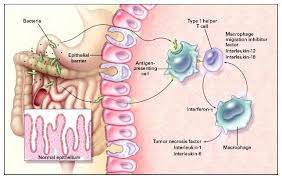
Inflammatory Bowel disease (IBD) is caused by dys-regulated immune response to intestinal micro-flora. The inflammation mainly occurs on the mucosa lining of the intestinal tract which forms ulceration, bleeding, and edema. Several studies  indicates that IBD  is  influenced by genetic factors as well as inflammatory  mediators such as cytokines, T cells, Helper T cells of both type  1  and Type 2 (Severance et al., 2013).

Maladaptive and psychological response

Research indicates that psychosocial factors offer an important role in clinical manifestation and pathophysiology. However, most of the patient could present psychological disorders such as depression, insomnia and anxiety.  Psychosocial factors are thought to mediate alterations of immune systems resulting to immune mediated diseases such as Cancer and opportunistic diseases (Sajadinejad et al., 2012).

References

Hickey, A., Gounder, L., Moosa, M., & Drain, P. (2015). A systematic review of hepatic tuberculosis with considerations in human immunodeficiency virus co-infection. BMC Infect Dis, 15(1). doi:10.1186/s12879-015-0944-6

Sajadinejad, M., Asgari, K., Molavi, H., Kalantari, M., & Adibi, P. (2012). Psychological Issues in Inflammatory Bowel Disease: An Overview. Gastroenterology Research And Practice, 2012, 1-11. doi:10.1155/2012/106502

Severance, E., Gressitt, K., Yang, S., Stallings, C., Origoni, A., & Vaughan, C. et al. (2013). Seroreactive marker for inflammatory bowel disease and associations with antibodies to dietary proteins in bipolar disorder. Bipolar Disorders, 16(3), 230-240. https://www.doi:10.1111/bdi.12159

We can write this or a similar paper for you! Simply fill the order form!