




Developing an Advocacy Campaign

Developing an Advocacy Campaign
       Developing an Advocacy Campaign

Developing an Advocacy Campaign

Order Instructions:

See e mail for course assignment and my research so far

SAMPLE ANSWER

Developing an Advocacy Campaign

Introduction

Obesity is one of the major public health challenges not only in the United States but also in most developed countries. The prevalence of obesity has increased due to the increased consumption of calorie-rich foods as well as a decrease of daily physical activity. Consequently, public health practitioners and policymakers have been compelled to come up with best practices and have the competencies to use legal agencies and laws to control the epidemic of obesity. For instance, regulations and statutes at the state and the federal level have been instituted to promote nutritional choices, encourage physical activity, access to healthy foods, and enlighten consumers about adopting healthy lifestyles (Imes & Burke, 2014). Therefore, it is important to note that the law plays a crucial role of controlling most chronic disorders such as obesity as well as the behaviors associated with these conditions. This paper will shed light on how the advocacy campaign for obesity control can be enacted by creation of new legislation and elaborate how existing laws can affect the advocacy.

Question 1: How proposed policy could be enacted 

Food Labelling Act

One of the ways of implementing the policy is through the use food labelling guides. This can be done by the aid of the Food and Drug Administrative (FDA) which is charged with the responsibility of ascertaining that foods sold in the United States are wholesome, safe, and properly labelled.  The FDA will pass a regulation of ensuring all foods produced locally as well as those imported have food labels that indicate content claims as well as certain health messages for consumers to comply with specific requirements. FDA should also liaise with research institutes so that they can determine the recommended calories that are required in most snacks that the public takes. They will then report their findings to the manufacturers informing them about what they should include in the snacks and legal consequences that will befall any manufacturing company that does not heed to the regulation.

Calorie labeling on restaurant menus

Legislations should also be enacted requiring restaurant menus and vending machines to be labelled properly to help consumers make informed healthy decisions regarding their meals or snacks. Studies by Swartz, Braxton & Viera, (2011) indicate that most individuals take approximately a third of their calories away from home.

Efforts to increase financing and access for fresh fruits and vegetables

Fruits and vegetables have been classified as important sources of essential nutrients such as vitamin, potassium, fiber, folate, and other vital phytochemicals. Policy makers should therefore design strategies aimed at increasing the access to quality fruits and vegetables. The strategies will ensure that the fruits are either fresh, canned or dried but must maintain a particular level of healthfulness. 

Education

Policymakers should also come up with a legislation that ensures that all schools have lessons that teach the students about diet and its consequences when not adhered to. Moreover, they should compel the ministry of education to use advertisements in popular TV stations or set up billboards about obesity and how to avoid it.

Question 2: How existing laws or regulations could affect the advocacy efforts

Most of the existing laws will facilitate successful implementation of the advocacy campaign. One such regulation is the National Hispanic Caucus of State Legislators of 2010 (Fana, Martinez & Burgos, 2010). This law points out that obesity has a detrimental impact on the economy of the country. This is because it causes discrimination, less productivity, and high mortality. The income generated annually thereby decreases. Therefore, both the enactment and advocacy work towards minimizing obesity.

The Let’s Move Campaign of 2010 started by the White House is another legislation that will really promote management of childhood obesity (Wojcicki & Heyman, 2010). The initiative enlightens the public about healthy choices, importance of physical activity, and access to affordable quality foods. All these objectives are in line with those that I intend to achieve through my advocacy plan.

Question 3

Legislators and policy makers are integral to implementation of the advocacy campaign against obesity. In order to successfully achieve this advocacy campaign against obesity, I should reach out to legislators as well as their allies and constituents who are able to influence their opinion on this important policy change. Legislators who are sympathetic to the advocacy campaign policy against obesity and are willing to collaborate with advocates can assist expand the network of support through recommendations, visits and calls. Identification of opinion makers and interaction with them is also vital as any dissenting voices can be persuaded to support the policy legislation process. The methods used to persuade legislators and policy makers include organizing for public hearings and discussions. These public hearings are formal ways of working closely and persuading members of the legislature to support the policy because of the participation of various stake holders and constituents. Open and substantive discussions are persuasive and usually have the jurisdiction and power to address the substance of the policy at hand. I can benefit from public discussions as an advocate because it encompasses the supportive opinions of all those involved as well as taking into account the dissenting opinions of critics with an aim of improving the policy. Public forums organized for presentations on the policy also can influence legislators to support the policy because of their ability to provide intimate details on the pros of the policy to the legislators (Zetter, 2014). Additionally, I can hold individual briefings and meetings with the legislators and policy makers. These briefings are designed to present an analysis of the facts of the proposed obesity policy. Meetings and briefings can also help persuade legislators by providing details of the policy in person and one on one discussion that are friendly. Telephone phone calls and letters can also be used as effective tools to influence legislators. They are designed to clearly articulate the objectives of the policy and acknowledge the legislator’s influence on the policy. The three legged lobbying which includes relationship, money, and public opinion can be used in persuading lawmakers. The public has an opinion about all aspects of policy change hence with the rise of Political Action Committees there is an aided effort that provides money for lobbying advocates to shape public opinion and hence influence the decision making of the legislators. The three legged can assist in the lobbying process because clamor for public attention by legislatures make the public bombard them with policy information hence persuading them for support.

Question 4: Obstacles

During the legislative process political factors as well as the structure of the parliamentary house can be an obstacle to the successful passage of the policy bill (Dodsonet al., 2013). Sometimes, political pressure due to hard-line party positions may prevent liberal minded legislators from supporting the bill. Any policy change is destines to fail without the necessary support. The legislature is a political house where resistance to certain policies will always arise. The policy change may also involve the tedious effort of changing the constitution as well as conflicting state laws hence making the process slow and tedious. To overcome this obstacle, good will and transparency with enhanced persuasion is necessary. Many at times, the government and advocates of the policy apply to address the members directly to persuade them otherwise. Additionally, incentives can be provided by advocates such as offering legislators positions in influential committees where they can shape opinion.

Big issue policy reform such as advocacy campaign on obesity is bound to attract a number of opinions and many voices that may confuse the need for policy reform. Schnakenberg, (2017) point out that all organizations, leading figures, and government officials will want to influence the process for personal and financial gains. Transparency and ethical issues where legislators demand for bribes and kickbacks can derail the process making the process non-objective. To overcome this there should be a transparent process where offenders and bribe-demanding legislators are investigated, charged and apprehended to serve as an example.

Conclusion

Indeed, obesity is a challenging public health problem. Therefore, developing a policy campaign through creation of new legislations in parliament can help reduce obesity in the society. The introduction and implementation of this policy against obesity has broadened the public health strategies concerning obesity. The legislation has greatly impacted the public health policy by various entities hence reduction in the number of people affected by this medical condition. These new legislative reforms involve a collective effort of persuading legislators to support the policy change.

References

Dodson, E. A., Stamatakis, K. A., Chalifour, S., Haire-Joshu, D., McBride, T., & Brownson, R. C. (2013). State legislators’ work on public health-related issues: what influences priorities?. Journal of public health management and practice: JPHMP, 19(1), 25.

Fana, C., Martinez, I., & Burgos, E. (2010). Hispanic Obesity: An American Crisis. National Hispanic Caucus of State Legislators: 2010 Policy Brief.

Imes, C. C., & Burke, L. E. (2014). The obesity epidemic: the USA as a cautionary tale for the rest of the world. Current epidemiology reports, 1(2), 82-88.

Schnakenberg, K. E. (2017). Informational lobbying and legislative voting. American Journal of Political Science, 61(1), 129-145.

Swartz, J. J., Braxton, D., & Viera, A. J. (2011). Calorie menu labeling on quick-service restaurant menus: an updated systematic review of the literature. International Journal of Behavioral Nutrition and Physical Activity, 8(1), 135.

Wojcicki, J. M., & Heyman, M. B. (2010). Let’s move—childhood obesity prevention from pregnancy and infancy onward. New England Journal of Medicine, 362(16), 1457-1459.

Zetter, L. (2014). Lobbying 3e: The art of political persuasion. Harriman House Limited.

We can write this or a similar paper for you! Simply fill the order form!

PRICE AND MARKET (WOOLWORTH SUPERMARKET)

Price and Market
               Price and Market

PRICE AND MARKET (WOOLWORTH SUPERMARKET)

Order Instructions:

The instruction in attachment.
we choose Woolworth supermarket in Australia for our report, i will upload the annual report. it should be useful for the report so please take a look.

SAMPLE ANSWER

PRICE AND MARKET (WOOLWORTH SUPERMARKET)

Introduction

Outstandingly, supermarkets act as a one-stop shop where different customers can find products of their preference and purchase them. By exposing a wide range of products to its consumers, supermarkets are able to accommodate each customer. Nonetheless, for a supermarket to operate effectively, it has to lay down proper strategies such as of pricing and similarly have sufficient resources to spearhead its operations; resources can be in terms of human labor, access to funds amongst others.

Woolworth supermarket (Australia)

The trading place visited was Woolworth supermarket which is arguably the largest supermarket chain in Australia which has established itself as an iconic brand over the years (Boyd, 2015). The items of trade in this supermarket are largely groceries of a wide range, this includes vegetables, fruits, meat, and even packages foodstuffs. By operating in such a large scale sphere, it means the supermarket has numerous distribution centers and support offices whose main objective is to promote and provide superior service to the customers (Spillan, 2015).

Buyers

With the supermarket attractive a mammoth of buyers flocking its stores each day, arguably all persons from the young to old members of the society get to shop at Woolworths. However, there is a going belief that women in particular tend to shop more as such regarded as the most regular customers. Men are presumed to be more frustrated by aspects such as long checkout queues, failure to find an assistant, and items being sold as compared to women. It is such occurrence that limits their turnout.

Importantly, customers are motivated by various factors that push them to shop at the supermarket. Top amongst these is the proximity of the store to their homes. Similarly, convenience with regard to aspects such as parking, finding items on shelves also stands out as a major contributing factor to attracting shoppers. Others aspects such as pricing, branding, quality and customer service relatively play significant influence.

Source: Shoppers Survey Report, Street Ahead Project. (November 28th, 2014).

Sellers

This supermarket mainly sources products from Australian farmers and growers. This is the case because naturally groceries such as vegetables are easily perishable. This prompts the need to acquire them from a convenient place where they are readily available taking into consideration the required quantity. Importantly, by allowing local farmers and sellers to be the main sellers, the supermarket promotes growth within the economy because of provision of income to these people to sustain themselves and invest in other businesses.

Equilibrium

So as to achieve symmetry in sales and purchases, the amount of products put on sale depends on the demand that is available for them. In circumstances whereby there is excess demand and excess supply of products, to achieve equilibrium, then buyers must subject themselves to purchasing only amounts sufficient for the usage whereas sellers produce quantities that would evenly match the demand.

Market Structure

Woolworth operates under an oligopoly market structure where an imperfect competition exists between Woolworth supermarket and its closest rival Coles as the two main operators (Sprothen, 2016). This market structure is characterized by aspects such as having a significant market share and control and a large loyal customer base. This form of market structure limits entry of new competitors based on the high standards and barriers set by the two dominant players as such prompting government intervention so as to set parameters with regard to aspects such as pricing and quality of products because when only certain businesses are dominant, there can be a tendency to constrain customers.

Hence, the purpose of government intervention is to facilitate a fair competitive environment that does not hurt the consumers and other firms that may wish to join in that field of operation. Without such an intervention, one would argue that it is the consumers that would bear the most suffering.

Word Count: 615.

MICROECONOMICS ANALYSIS

Introduction

Significantly, under this section the main object will be to analyze how a certain economic phenomenon by a business is likely to impact on the targeted group and consequently ascertain the end result of such undertakings. Thus, microeconomics gives us an insight of what is likely to be anticipated when certain changes are instigated with regard to the operations of a company and this is important because it can further aid in making proper decisions and initiating sustainable operating strategies.

For this section, the microeconomic issue identified is the cutting of prices of products or equally giving of offers by business. The table below briefly illustrates on the tangible issues that will be further discussed.

TOPIC QUESTION TOOL
PRICE CUTS/OFFERS Why do businesses provide price cuts/offers on products? 1.      Competition

2.      Boost sales

3.      Brand promotion

4.      Market dominance

5.      Economic recession

6.      Market failure


  1. PRICE CUTS

Undisputedly, the pricing of a certain product eventually determines on whether it is likely to guarantee higher sales or losses. Ordinarily, customers are sensitive when it comes to the price of s product that they want to purchase because if it is not a pocket friendly price, then a majority will opt to buy an alternative product that will equally serve the same purpose but at a reasonable price (Dogan, et al 2013).

Similarly, when operating under a certain field competitors are bound to be present. This means that for one to outsmart them they have to come up with effective strategies to lure more customers to buying their products as compared to the rival’s and subsequently gain a large market share ( Pauwels & D’aveni, 2016). Hence, pricing seemingly plays a vital role under such circumstances.

Important to note is that before a business embarks on an initiative of providing price cuts on its products, there are certain essential factors that must be considered. This is so because not all price cuts may work for the advantage of the company. In fact, it is assumed that most price cuts tend to lead to low profit margin for the concerned business and this may hurt the overall operations of the business. Among the things to be considered includes the long term implications of price cuts. For instance, one a price cut has been made and new customers have joined the bandwagon of purchasing it, increasing such a price thereafter may lead to loss of these customers as such a business must put in place other plans such as improving the quality of the product so as to demand a higher price because without such modification the initial price cut may end up hurting the business.

So as to answer the critical question of why do various businesses offer price cuts, the subsequent section of this paper will dwell on analyzing the various tools identified in discussing the economic issue.

  1. Competition

Foremost, competition is one of the key features of any market. However, stiff competition may force a business out of the market as only the dominant participants get to have the larger market share. To mitigate such an event occurring, businesses are inclined to offer price cuts to their products so as to retain a fair share of the consumers in the market.

By giving such price cuts, it means that such a company can compete fairly in the area of operation. Accordingly, one can argue that consumer would often resort to buying products at reasonable prices, hence if one of the competitors is offering the same product at a higher price it is highly likely that they will lose buyers to the company that gives relatively cheaper pricing. In such a situation, to promote a fair competitive market, prices will thus be relatively proportionate as a result leading to a fair share of each participant in terms of customers and the market place.

  1. Sales

Significantly, when a product does not sale it may eventually cause the business to succumb to losses. Thus, the concept of sales can be boosted in a twofold channel. First, for new products that have been introduced to a market it is imperative that price cuts are given so as to entice customers into buying the products.

On the other hand, when there are low buy outs of products, then a company may opt to initiate price cuts all in a bid to try and revamp the product. Generally, price cuts that aim to boost the sale of a commodity have to address a certain deficiency. In this way, having reduced prices serves as an effective tool in enhancing the purchase power of consumers towards a specified product.

  1. Brand Promotion

Particularly, for new products that are unknown to consumers, it is vital that price cuts are provided. This is so because, often consumers may refrain from interacting with new products in the market based on aspects such as having a preference of the already existing ones. Such circumstances may impair the emergence of new businesses in that market. Thus, when price cuts are offered as incentives for customers, it id then highly likely that new consumers will indulge in buying the given product based on its reduced pricing.

  1. Market dominance

Naturally, for businesses that operate in the same field of operation the market share that one has over the other largely matters. The market share determines the profit that a company expects to acquire from its sales. Hence, companies are motivated to initiate strategies that would put them at an advantage position over their rivals. One of the ways of doing this is by providing price cuts on the products of the business. Price cuts as aforementioned in the discussed sections are an allure for new customers.

When one business obtains new customers that belonged to a rival company it subsequently means that the former company acquires a large market share. However, such an undertakings has its downside in that it forms a platform for emergence of a monopolistic market structure whereby there is only one dominant player. When this happens, consumers are put in the liberty of that dominant player in the market because such a business has all the power and keys of controlling how that particular market will operate.

  1. Economic recession

Notably, the economic state of a country determines how consumers of products will purchase and spend on products. In the case where the economy is booming and businesses are not financially constrained, consumers are highly likely to purchase products without much limitations or considerations such as on pricing. In this scenario, offering price cuts whereas fellow competitors are not may harm the business because consumers may not give too much concern about their spending.

On the other hand, when there is an economic slump, in that businesses are not doing as well as they would normally do this thus calls for effective measures to retain and attract customers so as to continue operating.

Under an economic recession situation, consumers would preferably want to spend less. To match with such changed dynamics, then one would argue that price cuts on the products of a business are the most viable solution to follow.

  1. Market failure

Considering market failure is a concept that occurs as a result of inefficient allocation of certain resources within the market of operation, then such a situation is consequently likely to affect the operations of the company (Fabella, 2015). For instance, a monopolistic market structure may be deemed as a market failure ingredient based on the fact that new businesses will find it hard to compete in a market that is largely dominated by one player.

Nonetheless, in such a situation a company may opt to provide price cuts on its product so as to try and mitigate the market failure effects which if not diminished will certainly curtail the operations of the other businesses.

  1. Government failure

Significantly, the government is duty bound to make sure that businesses operate in a fair and friendly environment. To do this, certain limitations must be imposed and constraining barriers broken down. For instance, take a situation whereby the government fails to monitor the operations of businesses through relative agencies, in such a situation certain business may drain consumers by instigation undertakings that would solely serve their own interest. One of such an undertaking may be over-pricing on the produced products.

However, such an undertaking may not suit all the businesses within the market as such prompting the need to lower prices of similar goods so as to counter the other business competitors.

SECTION SUMMARY

Normally, the interaction between the supply and demand of commodities in the market place determines the price that a certain product will sell at. The point of equilibrium marks the acceptable value for both the buyers and sellers.

 Retrieved from https://www.britannica.com/topic/supply-and-demand 

Nonetheless, there may exist factors that may affect this equilibrium price such that a business may be forced to make adjustments. This is of essence because without such alterations, a business is likely to operate under losses. The aspect of price cuts maybe one of the ways that business may use to reach certain equilibrium. By giving price cuts it fundamentally indicates that a company aims at first increasing its sales and similarly obtains new customers. Importantly, aspects such as the profit margin that the business aims at must be considered before making such a move. In doing this, prior research is essential because without having knowledge of such information then a business may orchestrate its failure.

CONCLUSION

Foremost, markets are placed that are guided by certain distinctive features that must be observed and preserved so as to allow business to operate efficiently. For instance, without embracing the concept of fair competition between rival businesses, then one may triumph over the other leading to unfair labor practices.

Significantly, the importance of government intervention in market practices cannot be ignored. The government plays a key role in regulation of various aspects of the market so as to facilitate proper co-existence between the firms themselves and the consumers that they serve. Without such an intervention, evidently every business would seek to protect their own interests putting aside all other basic requirements such as offering quality products.

When it comes to the various macroeconomic issues that may affect the operations of markets, first it is important to note that such issues may have a direct effect on the activities of consumers and as a result end up curtailing the operations of the business in the end. Microeconomic issues should be looked at from a wider scope. Their particular effects should be analyzed in depth so that the right techniques are initiated to mitigate on their possible hazards.

Significantly, these issues should never be ignored before they may have adverse effects on the operations of the company as such creating the need to find way to move around them and benefit the business.

Finally, without fair market practices, not only does firms suffer but consumers too share in the same suffering. This calls for proper market practices that protect both the interests of the businesses and consumers so that none is inclined to spear-head their own interests on the expense of the other. Where unfair practices may emerge, it is imperative that even the firms themselves take personal measures and approaches to meditate on the negative consequences.

Reference

Boyd, T. (2015, Nov 28). Woolies crisis to go for years. The Australian Financial Review

Retrieved from https://search.proquest.com/docview/1736670877?accountid=45049

Dogan, Z., Deran, A., & Koksal, A. G. (2013). Factors influencing the selection of methods and

determination of transfer pricing in multinational companies: A case study of United Kingdom. International Journal of Economics and Financial Issues, 3(3), 734-n/a. Retrieved from https://search.proquest.com/docview/1392996149?accountid=45049

Fabella, R. V., & Fabella, V. M. (2015). Re-thinking market failure in the light of the imperfect

state. St. Louis: Federal Reserve Bank of St Louis. Retrieved from https://search.proquest.com/docview/1698893264?accountid=45049

Pauwels, K., & D’aveni, R. (2016). The formation, evolution and replacement of price-quality

relationships. Academy of Marketing Science Journal, 44(1), 46-65. http://dx.doi.org/10.1007/s11747-014-0408-3

Shazad, M. M., & Miniard, P. W., 2013. Reassessing retailer’s usage of partially comparative

Pricing. The Journal of product and brand Management, 22 (2), 172-179. http://dx.doi/10.1108/10610421311321077

Spillan, J. E., & Ling, H. G. (2015). Woolworths: An adizes corporate lifecycle perspective.

Paper presented at the, 13 1-11. Retrieved from https://search.proquest.com/docview/1731519564?accountid=45049

Sprothen, V. (2016, Mar 11). Investors start to turn on ‘treasure island’; doubts grow about

Australian companies’ ability to keep offering big profits and high dividends. Wall Street Journal (Online) Retrieved from https://search.proquest.com/docview/1772148989?accountid=45049

We can write this or a similar paper for you! Simply fill the order form!

Nursing practice and Law Essay Paper

Nursing practice and Law
             Nursing practice and Law

Nursing practice and Law

Order Instructions:

Address the following five (5) elements and how they relate to the nursing practice (in Australia).100-110 words for each elements.
1. LAW
2. ETHICS
3. STANDARDS OF PRACTICE
4. SOCIAL MEDIA
5. PROFESSIONAL BOUNDARIES.

Consider the code of professional conduct for nurses, code of ethics for nurses, standards for practice: Enrolled nurse, the nursing and midwifery board of Australia etc.

SAMPLE ANSWER

Nursing practice and Law

In Australia, there are two regulations under which the nurses and midwives practice. These include a) self regulation and b) statutory regulations. Example of statutory regulation is The Nursing and Midwifery Board of Australia (NMBA) that regulates nurses and midwives under health practitioner regulation National Law (2009). The self regulated standards/ laws are those determined by nursing professionals and have no legally binding regulation or force.  In general, nursing practice spans beyond the stereotypical positions as it touches every aspects of life. This implies that nursing that there is a significant relationship between nursing and the worlds of law. For instance, the issues of confidentiality, ethics, consent, and health policy are nursing aspects that have legal component. In addition, nurses are also trained to be patients and healthcare advocates, and especially for the vulnerable populations. Therefore, nursing relationship with law is that nurse’s needs to understand the legal structural issues in healthcare, regulations and policies needed and possess skills that will enable them address these issues using legal problem-solving lens (Nursing & Midwifery Council, 2014).

Nursing practice and Ethics

Ethics have an integral part in nursing practice. Nursing practice is mainly concerned to the welfare of the injured, sick, and vulnerable individuals in the society. Nursing not only encompasses disease prevention, suffering and restoration of health but also adheres to moral norms that promote social justice. Nurses in Australia are guided by the Code of Ethics whose purpose is to develop fundamental ethical values and standards to which the nursing profession is committed to. The framework acts as a reference point from which the nurses reflect about their conduct, and guides in ethical decision making processes.  This guiding framework emphasizes for quality care for every person in the society, respect, cultural competence, ethical management of patients information, access to quality care for everyone and establishing a socio-economical and socio-ecological environment that promote community’s wellbeing (Nursing and Midwifery Board of Australia, 2014).

Standards of practice

The core standard of nursing practice in Australia is that the midwives and nurses must be registered as per the Nursing and Midwifery Board of Australia (NMBA). In Australia, the professional standards that define the nurse’s practice and behavior include code of ethics, conduct, competency standards and guide to professional boundaries.  The domains of nursing standards  of care includes  provision of  professional, ethical, quality care, reflective as well as analytical practice. The nurses are expected to practice in a way that ensures that people’s rights are protected. They are also expected to reflect on evidence based practice in order to deliver care (assessment to health education) informed by evidence, and within quality and safety guidelines. They are also expected to engage in professional development practices (Nursing and Midwifery Board of Australia, 2014).

Social Media and nursing practice

Modern communications methods are transforming the way people interact with one another. In Australia, nurses are adept of using social media to connect, be creative and to become more efficient in their work. The nurses are embracing opportunities offered by social media for research purposes, assessment, diagnosis and implementation processes. However, when using social media, nurses are expected to adhere to the National law and Nurses code of ethics and standard of practice. This includes complying with privacy obligations and confidentiality such as avoiding discussing patients, pictures of procedures, or sensitive patient information without consent or presenting biased or unsubstantiated claims (Casella, Mills, & Usher, 2014).

Nursing professional boundaries

A nurse has therapeutic relationship with their patients which include great deal of patient’s personal information. Nursing standards of practice expects that nurses will act in the best interest of the patient and will provide care based on their specific needs. In this context, professional boundaries refer to the limits in which the nurse protects the space between professional power and patient’s vulnerability. This is because there are borderlines that distinguish between professional, non-professional and therapeutic relationship between the patient and the nurse.  Crossing these boundaries indicates that the nurse is misusing his or her professional power. In Australia, nurses professional boundaries is guided by nursing professional code of conduct, nursing practice standards and code of ethics. If a nurse experiences any boundary-crossing behavior, they should seek counsel from their supervisors and colleagues. This is because care setting, client needs, community influences, patient’s age, gender and nature or therapy being provided (Nursing and Midwifery Board of Australia, 2014).

References

Nursing and Midwifery Board of Australia. (2014). Standards for practice. Retrieved from http://www.nursingmidwiferyboard.gov.au/Codes-Guidelines-Statements/Professional-standards.aspx

Nursing and Midwifery Board of Australia. (2014). Professional boundaries. Retrieved from http://www.nursingmidwiferyboard.gov.au/Codes-Guidelines-Statements/Professional-standards.aspx

Nursing and Midwifery Board of Australia. (2014). Code of ethics. Retrieved from http://www.nursingmidwiferyboard.gov.au/Codes-Guidelines-Statements/Professional-standards.aspx

Nursing & Midwifery Council.(2014). Legislation. Retrieved from http://www.hpca.nsw.gov.au/Nursing-and-Midwifery-Council/Legislation/Legislation/default.aspx

Casella, E., Mills. J., & Usher, K. (2014). Social media and nursing practice: changing the balance between the social and technical aspects of work. The Australian Journal of Nursing Practice, Scholarship and research. 21 (2); p 121-126

We can write this or a similar paper for you! Simply fill the order form!

Short Answer Questions Assignments

Short Answer Questions

Short Answer Questions

Order Instructions:

instruction in the first page of the assignment

Short Answer Questions:

  1. Compute various indicators of the state of the labour market using the following information. Please show all of your working. If you do not, you will receive zero marks for the question(s).
Demographic Group Number of Residents
Full-time workers 7,000
Part-time workers 2,000
Unemployed and looking for work 600
Unemployed and not looking for work due to

discouragement over job prospects

500
Not working due to disability 300
Not working due to retirement 900
Under the age of 15 3,000
Total Population 14,300


  1. (1 mark) What is the size of the labour force in this economy?


  1. (1 mark) Calculate the Labour Force Participation Rate for this economy. Report as a percentage to two decimal places.


  1. (1 mark) Calculate the Unemployment Rate for this economy. Report as a percentage to two decimal places.


  1. (1 mark) Suppose that the natural rate of unemployment is considered to be 5%. What is the rate of cyclical unemployment? Report as a percentage to two decimal places.


  1. Analyse the effects of the following events using the loanable fund market diagram where we have (real) interest rate on the vertical axis and the quantity of loanable fund on the horizontal axis. Please ensure to explain what happens to saving, investment and (real) interest rate.


  1. Consumers decide to save more to prepare themselves for the future (at any given interest rate). Assume the government budget balance is zero. (3 marks).


Answer here (Tips: to create new lines, simply copy the existing curves and move to the new location)

Real Interest Rate (r)


  1. A reduction of income tax rate by noting that the source of the supply of loanable funds coming from both private as well as public saving (3 marks)

Answer here (Tips: to create new lines, simply copy the existing curves and move to the new location)


Real Interest Rate (r)


  1. Watch the 10 minute video at gapminder.org/videos/what-stops-population-growth

Summarize the video in minimum of 5 sentences (Not in the bullet points, please!). What were the most interesting or surprising facts you learned? (3 marks)

(Answer

  1. Over the next 100 years real GDP per capita in Neverland is expected to grow at an average annual rate of 2.0%. Gotham (yes, where Batman lives!) is expected to growth at an average annual rate of 1.5%. If both have a real GDP per capita today of $20,000, compare their real GDP per-capita in 100 years. Please show all of your working. If you do not, you will receive zero marks for the question(s). (2 marks)

(Answer)

  1. The level of government debt is a growing concern for the current Australian Treasurer who has the responsibility of managing the government budget. Summarise the key arguments on the debate around Australian government debt and deficit for the Turnbull government.

Your summary must address the following; what is the major concern of running government deficits, what is the economic reasoning to have a balanced budget and when might a budget deficit/surplus be ok? Conclude by briefly discussing what policies you would suggest to Scott Morrison implements in order to balance the budget and why. The summary should be at least half a page in length (again, please do not write in the form of the bullet points). No need to list the reference, but please do not copy and paste from whatever you found on the web. We can easily detect this in our system! (5 marks)

(Answer)

SAMPLE ANSWER

Introduction

The labour market is one of the pillars of global economy. This means that all aspects surrounding the labour market should be managed properly. Labour force, participation rate, unemployment rate and rate of cyclical employment are some of the aspects surrounding labour markets (Thompson 2013, p.34). From demographic information, these aspects can be calculated easily.


The table below contains labour market information. The information has been used in various calculations.


Demographic Group Number of Residents
Full-time workers 7,000
Part-time workers 2,000
Unemployed and looking for work 600
Unemployed and not looking for work due to

discouragement over job prospects

500
Not working due to disability 300
Not working due to retirement 900
Under the age of 15 3,000
Total Population 14,300


  1. The labour force in this economy

Labour force refers to the part of a population that is able to work; employed or seriously looking for work. From the information provided in the table above, the economic labour force is as follows.

Economic labour force = full-time workers + par-time workers + unemployed and looking for work

=7000+2000+600= 9600

  1. Labour force participation rate for this economy

Adult Population = Total population – Under the age of 15

This is equal to 14,300 – 3,000 = 11,300

Labour force participation rate =  x 100 =   x 100 = 84.96%

  1. The Unemployment rate for this economy

Unemployment rate is given by

x 100 =     6.25%

  1. The rate of cyclical unemployment
  • Natural rate of unemployment of 5%.

Rate of cyclical unemployment is given by:

Actual Unemployment rate – Natural rate of unemployment

This is equal to    6.25% – 5% = 1.25%

  1. Analysis of events using the loanable fund market diagram
  2. Consumers decide to save more to prepare themselves for the future (at any given interest rate). Assume the government budget balance is zero.


Real Interest Rate (r)
Supply1

                                   Demand2

Supply2

Demand1

E2

Quantity of Loanable Funds (Q)
Q1                         Q2

Size of loanable funds shifts right and the real interest(r) rates goes down. A reduction in interest rates catalyses the economy as many investors are attracted to invest which in the long run pushes the rates up

A reduction in the rate of income tax by noting that the source of the supply of loanable funds coming from both private as well as public saving


Real Interest Rate (r)


E1

                              Demand2


Demand1

E2

r2

Quantity of Loanable Funds (Q)
Q1


Q2 

Reduction in income tax expands the income of the public and private sector. This leads to reduced demand for loanable funds hence the curve shifts left while the interest rate goes down

  1. A summary of a 10 minute video available at

 www.gapminder.org/videos/what-stops-population-growth

The summary is highlighting the most interesting facts therein.

Hans Rosling explains that poverty has been a catalyst of population growth in developing countries in his explanation using the bubbles in the box theory. In this theory, he projects that the industrialized population in 2050 will be 2 billion. He states that control of mortality rate and introduction of family planning methods are critical aspects in controlling population increase. He further states that governments and private sectors should invest dearly in industrialization to make families stay engaged in their operations and remain in the course of owning a car rather than a bicycle. He finally warns that the population poverty levels are likely to go up if growth oriented measures are not put up. This theory is important as it acts as a benchmark for governments in planning and focusing on economic tools to look at in satisfying their citizens.

  1. Assuming that a nation is reporting GDP of dollars a, and experiences a change of b per annum, the GDP achieved after c years is as follows.

$a× (1+ 0.0 b) c

It is assumed 0 ≤ b < 10

If real GDP per capita in Gotham grows at an average annual rate of 2.0%, real GDP per capita in 100 years will be:

[$20,000 × (1 + 0.02) 100] =$144,893

At an average annual rate of growth of 1.5%, real GDP per capita in Neverland in 100 years will be:

[$20,000 × (1 + 15/1,000)100]= $88,641

Although the two nations have equal GDP currently, Neverland’s growth rate is 61.2% of Gotham’s growth in living stands. This is calculated as below.

× 100% =61.2%

  1. Summary of the key arguments on the debate around Australian government debt and deficit for the Turnbull government.


A government’s deficit is a key phenomenon in many developing countries and few developed countries. Deficits are usually brought about by current or past governments spending more than their total revenue collections. A country’s inability to fund its development activities after settling its recurrent expenditure is the ideal explanation of budget deficit. This situation is a common definition of crisis in economy that leads to economic slump. Additionally, this ends up causing increased unemployment rates thus promoting criminal actions. This condition has created hot air which has made economists elucidate on the reasons why there should be unwavering concern about budget deficits. The key grounds touch on economic stress which causes death of industries. This leads to poor growth in a country as citizens cannot afford much in their life. It is worth noting that the poverty line is the lowest threshold in which one cannot afford daily meals. Unavailability of sustainable budget pushes the government to issue cheap bonds which is a major cause of making the private sector get deprived of capital. If the government in authority is unable to control this effect, it results into inter-generational transfer of debt thus crippling a country’s ambitions of development in the future. Balanced government budget is phenomenal as it creates a favourable atmosphere for sourcing funds in the international market. It also frees the government thus giving it an opportunity finance development projects thus catalysing economic growth. A balanced budget after continued period of investment results into budget surplus which is an important economic condition. This allows a country to engage in economic research and explorations on how to improve the economy and how to invest abroad in other developing countries which further expands its budget and promotes recreational activities. This being the case, Scott Morrison should put in place budgetary policies. The policies should focus on monetary measures to control the amount of money in circulation and fiscal policies by controlling the borrowing rates as well as encouraging the public to participate in maintaining the economic.

References

Thompson, S (2013), Global Labour markets, (Online) Retrieved from http://search.proquest.com/business/docview/194164649/A352F7CD585E4050PQ/15?accountid=45049    , Last Accessed 18th  April, 2017

We can write this or a similar paper for you! Simply fill the order form!

Recovery Principles & Clinical Recovery; Mental Health

Recovery Principles & Clinical Recovery
  Recovery Principles & Clinical Recovery

Recovery Principles & Clinical Recovery; Mental Health

Order Instructions:

Kindly view the attached

SAMPLE ANSWER

Mental Health: Recovery Principles & Clinical Recovery

Introduction

The concept of recovery oriented practice has increasingly become a prominent concept in mental health policy internationally. This notion originated from consumer perspectives that challenged traditional beliefs about course of mental health disorders and the effective treatment strategies, and it has become widely conceptualized that recovery  oriented care is a deeply unique process that changes a person’s attitudes, feelings, values, goals and skills with the aim of improving life limitations caused by the mental illness (Doran et al., 2015). Using Janet’s case study Version 1 and Version 2, this essay expounds on the concept of recovery oriented care by focusing on recovery principles; and elaborating how recovery principles differ from clinical principles.

Recovery principles

Recovery principles refer to the collective approach used to respond to the mental health distress by supporting empowerment, autonomy and retention of hope.  Fundamentally, the recovery principles focus on the benefit of acknowledging a person as a whole instead of defining them by their deficits or difficulties (Evans et al., 2017). In this context, recovery is supported through the implementation of collaborative and consultative treatment strategies to people with mental health issues. These strategies place the client at the center of care and emphasize on individuals strengths to support their self determination. The recovery principles are core to the professional standards for Australian and New Zealand mental health includes uniqueness of an individual, autonomy, rights and attitude of their carers, treating mentally ill people with dignity and respect, collaborative care enhanced through effective communication (Mental Health Commission, 2012).

Based on recovery principles, helping patients who experience mental health issues with psychotic clinical issues, such as bipolar disorder and schizophrenia, requires a range of skills and attitudes that are developed from sound knowledge foundation as well as inquisitive approach.  The core recovery principle in this group of attributes is the ability to establish a respectful support and collaborative relationship (therapeutic alliance) with the client, their relatives, friends and their loved ones (Slade et al., 2014).

The main challenge for clinical practice during the recovery paradigm is the capacity to remain responsive to the patient’s change and family/loved ones concerns. However, this is vital because client’s capacity to exercise autonomy during decision making may fluctuate over time. For instance, the client may change their desired treatment approach frequently or the client’s family may hold different opinions about the best treatment. Therefore, the recovery principles enable the provider to develop the capacity to ‘be with’ instead of insisting on the standard clinical practice. For instance, in Janet’s Case study Version 2, “the psychiatrist was happy to reduce drugs after 10 days when Janet told her how horrible they were” (O’Hagan, 2014, p.227).

From this analysis, the healthcare provider should understand their own feelings and values to this practice. This is because their personal ethical beliefs and values could make them to inadvertently exhibit judgmental behaviors which could compromise care.  The mental health care providers should perform rigorous and regular clinical supervision so as to retain clarity in nursing practice (Evans, Nizette, & O’Brien, 2017).  Clinical supervision is one of the recovery principle recognized as professional standard for Australian as well and New Zealand mental health nurses. In addition, it is evident that recovery principles are based on reflective care that is not influenced by the individual’s personal values or ethics. These principles emphasize on self determination and collaborative partnership. For instance, in  Janet’s case study version 2,Through collaborative treatment approaches, Janet  was able to overcome the sexual abuse trauma; she is better, and now works as a mental health nurse, where she uses her experience to guide other mentally ill patient (O’Hagan, 2017, p.228).

The difference between recovery principles and clinical recovery

Recovery can be viewed through different lenses – personal experience (set of workforce competencies/practices) or clinical recovery process. This personal recovery approach is viewed as the post institutional service philosophy because it challenges the bedrock of traditional mental health system (Barder, 2012). Clinical recovery is a concept that emerged from the expertise of mental health care providers, and it entails treating of psychosocial symptoms so as to restore functioning or to bring back the patient’s life back to normal. Recovery principle differs in clinical recovery in that the concept emerged from expertise of people who have lived the experienced or mental illness (Hapell et al., 2013). On the other hand, recovery principle dwells on a deep unique change of a person’s values, attitudes and feelings with the aim of living a satisfactory life within the daily life limitations associated with the illness. It is basically creating a new purpose and meaning in client’s life as she or he grows beyond the catastrophic event associated with the mental illness (Williams et al., 2012).

As depicted in Janet case study Version 1, the traditional healthcare system perceives mental illness with no legitimacy. Most clients experience major mental health issues as frightening, desolate and also destructive. This is because the pain in mentally ill clients is at par with grief and torture of surviving a battle field or that of being accused of heinous crime (Leah, 2012). The only difference is that the latter experiences have legitimacy and the society has a well defined pathway for their justice and recovery; and surviving them is perceived as heroic and is admirable. On the other hand, mental health is met with fear, reproach and pity.  Unlike clinical recovery, recovery principles recognize the importance of person recovery in that mental illness is perceived as a full human experience; therefore, it does not support justification for segregation, cruelty and coercion. A society that has person recovery mind concepts has place for people with mental health illness because seeks to provide a better pathway to better life (O’Hagan, 2014).

Another aspect of clinical recovery that acts as bedrock of the unfortunate traditional belief is community’s abdication of responsibility for the mentally ill people to the profession and services. In the current society, people seek answers to human problems from state- authorized profession institutions.  Although to some extent this has been of benefit, it is associated with overdependence of deficit oriented institutions and professionals. Their reputed monopoly on expertise has disabled the mentally ill clients by keeping the stuck in the healthcare services as indicated by Janet’s case study version 1, “the mental health system is responsible for the Janet’s terrible state (O’Hagan, 2014, p. 224).

The devaluation of mental illness in conjunction with community abdication has is associated with naïve community consensus around client’s safety, which is based on discriminative assumption that mentally ill people are not responsible of their behavior, and that the mental health institutions and services must take responsibility of their behavior  through tightly controlled approaches (Gilburt et al., 2013). The clinical recovery approach develops unsustainable assumptions that mentally ill persons must be controlled like robots; they lack freewill and those mental health institutions and professionals have magical powers to predict and that the strict measures towards the mentally ill people is meant to establish a safer community. Unfortunately, the unrealistic demands have led to increase in risk adverse practices such as liberty restrictions, locked doors and compulsory treatment just as those experienced by Janet Version 1 case study (Berglund, 2012; Ivey et al., 2012).

Clinical recovery is important, but focusing on clinical recovery alone makes the patient to feel defined by their mental health problem, thereby exacerbating the problem. This approach also makes a person to neglect other aspects of lives that could be cultivated and potentially lead to improved wellbeing (Evans & Brown, 2012). Most of the clinicians identify  mental illness experiences such as  hearing voices a focus of clinical recovery, which not only make it problematic, but also leads to waste or resources in order to get rid of personal idiosyncrasies that otherwise would be  the patient’s assets if well understood and work with using the best approaches possible. On the contrary,  the recovery principles of the mental health service  seek to design treatment strategies for mental illness is  that does not only keeping people out of acute crisis so that they can lessen their  dependency and burden to the community. The strategies contemplate the possibility of holistic recovery instead of focusing on clinical issues only, which in most cases could be resolved (Le Boutillier et al., 2015).

Conclusion

Mentally ill people are human beings too; they have rights as other citizens and must be allowed to participate in their local communities. To ensure that the mentally ill patients are socially included in the community’s daily life, the society and mental health professions will be required to change their traditional beliefs and unfortunate assumptions about mental health. In this context, the final frontier is eradicating the barriers that prevent people from experiencing their entitlements as the other citizens. This involves transformation of “treat clinical symptoms- and recover” world view. In addition, the mental health systems should give priorities to treatments strategies that help the mentally ill patient to continue re-engaging with their life. However, the most important and the broadest challenge is the societal change. This implies that the mental health professionals should collaborate with people with lived experienced of mental illness to become partners and social activists who challenge the erroneous stigmatizing assumptions associated with mentally ill people which prohibits them from enjoying the same citizenship entitlements as other people in the community.

References

Barder, M.E.(2012). Recovery as the new medical model for psychiatry. Psychiatr Serv 63 (3) 277-279

Berglund, C. A. (2012). Enter the patient. In C. A. Berglund (Ed.), Ethics for health care (4th ed.) (pp.71-97). South Melbourne, Vic: Oxford University Press

Doran, E., Fleming, J., Jordens, C., Stewart, C. L., Letts, J., & Kerridge, I. H. (2015). Managing ethical issues in patient care and the need for clinical ethics support. Australian Health Review, 39(1), 44-50. doi: 10.1071/AH14034

Evans, K., Nizette, D. & O’Brien, A. (2017). Psychiatric and mental health nursing (4th ed.). Chatswood, NSW: Elsevier Australia.

Edwards, K-L., Munro, I., Welch, A. & Robins, A. (2014) Mental Health Nursing: Dimensions of Praxis. (2nd ed) South Melbourne: Oxford University Press.

Evans, J., & Brown, P. (2012). Videbeck’s Mental Health Nursing. Sydney: Lippincott Williams & Wilkins.

Gilburt, H., Slade, M., Bird, V., Oduola, S., & Craig, T. K. (2013). Promoting recovery-oriented practice in mental health services: a quasi-experimental mixed-methods study. BMC psychiatry, 13(1), 167.

Happell, B., Cowin, L., Roper, C. & Lakeman, R. & Cox, L. (2013). Introducing mental health nursing: A service user-orientated approach (2nd Ed). Crow’s Nest, NSW: Allen & Unwin.

Ivey, A., Ivey, M. & Zalaquett, C. with Quirk, K., (2012) Essentials of intentional interviewing: Counselling in a multicultural world (3rd ed). Belmont, USA:Brooks/Cole Cengage Learning.

Jones, K., & Creedy, D. (2012). Health and human behaviour (3rd ed.). South Melbourne, Vic: Oxford University Press.

Leahy, R. (2012) (Ed). Treatment plans and interventions for depression and anxiety disorders (2nd ed). New York; London: Guilford Press

Le Boutillier, C., Chevalier, A., Lawrence, V., Leamy, M., Bird, V. J., Macpherson, R., … & Slade, M. (2015). Staff understanding of recovery-orientated mental health practice: a systematic review and narrative synthesis. Implementation Science, 10(1), 87.

Mental Health Commission. (2012). Blueprint II: Improving mental health and wellbeing for all New Zealanders: How things need to be. Wellington: Mental Health Commission, 52.

O’Hagan, M. (2014). Madness made me: a memoir. New Zealand: Open Box/Potton & Burton.

Slade, M., Amering, M., Farkas, M., Hamilton, B., O’Hagan, M., Panther, G., Perkins, R., Shepherd, G., Tse, S. and Whitley, R. (2014), Uses and abuses of recovery: implementing recovery-oriented practices in mental health systems. World Psychiatry, 13: 12–20. doi:10.1002/wps.20084

Williams, J., Leamy, M., Bird, V., Harding, C., Larsen, J., Le Boutillier, C., … & Slade, M. (2012). Measures of the recovery orientation of mental health services: systematic review. Social psychiatry and psychiatric epidemiology, 47(11), 1827-1835.

We can write this or a similar paper for you! Simply fill the order form!

An ethical dilemma Case Study Assignment

An ethical dilemma
                    An ethical dilemma

An ethical dilemma Case Study

Order Instructions:

Kindly view the attached

SAMPLE ANSWER

An ethical dilemma

Introduction

Ethical conflicts have been a subject of concern and in discussions in many science disciplines.  Due to the advancement in medical practice and technologies, the healthcare providers often face challenges to make appropriate decisions especially in situations where complex situations may arise in practice (Fisher, 2011). This essay discusses ethical conflicts where the healthcare providers are torn between respecting patient’s rights and doing no harm ethical principle. The discussion helps one to understand healthcare ethics and law and their relevance in decision-making processes that ultimately uphold patient’s rights and protects them from danger (Beauchamp & Childress, 2013).

This paper explores Case Study 1 to identify the ethical conflict present in the case study. The essay will also explore the ethical and legal aspects of the identified ethical conflict in relation to ethical theories, principles of health care, professional code of ethics, professional standards of conduct as well as the national and international charters. The context analysis will be done so as to provide an appropriate solution to the identified ethical conflict.

Case study 1: 

This case study is about an adult patient who has ended –stage cancer. Mr. Harry Nelson has exhausted all the treatment options and is currently receiving palliative care at his home, where he lives with his daughter.  He has no advanced care directives. When his health deteriorates, he refuses to go to the clinic which forces his daughter and the paramedic’s team to transport Mr. Harry to the clinic forcefully (Paramedics Australia, 2011).

Through this case study, the impact of ethical principles autonomy, beneficence, nonmaleficence, and justice during decision-making processes is evaluated. In addition, the concepts of utilitarian and consequentialism ethical theory will be used to explore the  impacts of Paramedics Australia professional code of conduct, Australian Nursing and Midwifery Council professional standards, national and international charters (Statute law and Common law, Australian Charter of Health Care, Universal Declaration of Human Rights (UDHR) in ethical decision making processes.

Ethical conflict

The ethical conflict central to this case study is autonomy vs. beneficence and nonmaleficence (save a life vs. respecting patient’s rights).  In this case, the healthcare professionals intentionally used the paternalistic approach during the decision-making the process as they believed that this was the most beneficial approach to Harry and his family. Although the intervention seemed to be useful for the patient, it breached the ethical principle of autonomy by disrespecting the patient’s wish.  Such situations require that the health care to critically analyze the benefits and risks associated with their decisions, along with the consequences associated with the decision making process. The decision made should be the one that promotes maximum beneficence and with the most minimal harm (Jones & Creedy, 2012).

Legally and ethically defensible approach that address the ethical conflict

Nursing profession in Australia is influenced by the four bioethical principles developed by Beauchamp and Childress including; a) autonomy-  need to respect patients rights, b) beneficence –  do good  to prevent harm, c) non-maleficence –  avoid causing harms and d) justice-  fair distribution of resources to ensure equal and fair treatment to all clients (Banks & Gallagher, 2009).  In this case, the principle of autonomy applies in terms of patient’s rights and obligations. Based on this principle, Harry has the right to make decisions about their medical treatment. According to Beauchamp and Childress, autonomy refers to as being “free from controlling influences or personal limitations such as inadequate understanding” (Beuchamp & Childress, 2013, p.56). Therefore, the healthcare provider is obliged to remain truthful (veracity) to their clients and to respect their choices. Relating to the case scenario, the healthcare team that transports Harry to the hospital against his will violates this ethical principle by not respecting the patient last wishes and therefore Harry has no choice to decide for himself which inhibits his autonomy (Kerridge, Lowe  & Stewart, 2013).

Further analysis of the scenario, Harry’s daughter, and the medical team decision to forcefully transport his father to the hospital raises the questions about the family’s intention. Evidently, her intentions are good and this brings up the ethical principle of beneficence and no-maleficence. The ethical principle of beneficence mandates the healthcare professionals to treat their patients in a manner that is of maximum benefit to the patient (Australian Medical Association, 2004). On the other hand, the ethical principle of nonmaleficence assures that the actions of the healthcare providers do not cause harm. This basically implies that the main responsibility of the healthcare providers is to avoid doing any harm to their patients.  This ethical principle correlates with the ethical theory of utilitarianism which argues that the healthcare professional’s actions should provide “highest good for a maximum number of people” (Berglund, 2012).

Utilitarianism theory supports the idea of taking actions that offer maximum benefits at minimized risks and costs (Tonti-Filipini, 2011).  In this situation, the health care provider’s decision to transport Harry to the hospital for more treatment favors the intention of the family members but it does not favor Harry’s decision but it may positively impact the psychological well-being of the patient. This act outweighs the ethical principle of autonomy in regards to the nurse obligations to non-maleficence. However, this act may negatively affect the patient-physician relationship and may lose the trustworthy relationship with the patient. In addition, forcing the patient into treatment may make him depressed and could lead to serious mental complications such as suicidal attempts. In this case, the principle of beneficence may prove to be of benefits but the probability of causing harm is high (Doran et al., 2015).

The ethical principle of justice focuses mainly on equality and fairness in the distribution of the healthcare resources. There are different forms of justice including rights based justice and distributive justice. In rights-based practice, the principle states that every person has the right to access care plan (Catholic Health Australia, 2001).  In this situation, the healthcare team violates Harry rights because he was forced to participate in care plan without his consensus. This is an ethical conflict because the patient had no limitations that he would not be able to make an informed decision. Based on the consequentialism theory, the healthcare provider’s action was appropriated as the consequences of taking Harry to the hospital was the choice that was likely to yield more net benefit as compared to loss (Tonti-Filipini, 2011). Therefore, this theory justifies the acts of overriding patient’s decision to refuse further treatment as Harry’s decision could have resulted into serious harm (Townsend & Luck, 2013).

Every nurse primary commitment is to the patient, and their main role is to advocate for the patient’s rights, with the aim of protecting patient’s health and safety. A nurse is expected to maintain professional’s integrity during care delivery.  This is supported by Universal Declaration of Human Rights (UDHR) which mandates that healthcare providers should deliver care based on the patient’s needs and with unrestricted considerations of class, personal attributes, economic status, or the nature of the disease (AHPRA, 2012).  Based on these nurse values, the healthcare provider decision to forcefully transport Harry to the hospital for further treatment was appropriate. However, on this value, the nurse owes the same duties to the patient including maintaining cultural competence and to preserve integrity when determining the appropriate action and consistent with their obligations to provide optimum care. This value was violated by the nurse actions as they are expected to practice with compassion and to respect patient’s dignity (Freegard, 2012).

Australian Charter of Healthcare states that healthcare providers are also expected to conduct themselves in accordance with the relevant laws relevant to the nursing practice. The professional standards nursing and Midwifery Board of Australia outlines the professional codes of conducts. Nurses are expected to deliver safe and with competence. In addition, the nurses are also expected to respect culture, dignity, values and beliefs of the person receiving care (Australian Nursing and Midwifery Council, 2008). They are expected to promote and to preserve the trust as well as the privilege the inherent in the relationship between the people receiving care and the nurses. In addition, healthcare providers are required to deliver care to any person who is need of the care and anyone who refuses to deliver it commits a crime and is liable to imprisonment.  They are mandated to work in good faith and without any recklessness. This rule is established by the Medical Practitioners Act 1938 (NSW) and the current Health Practitioner Regulation National Law Act which states that it is illegal for any health care provider who fails to deliver satisfactory care without any reasonable cause, unless the healthcare provider proves that they have taken all reasonable steps to save the patient and within a reasonable time (Australian Health Practitioner Regulation Agency (AHPRA, 2012).

All treatment procedures normally require consent, but there are key legal factors that determine of a person can receive treatment without consent including; a) the patient’s mental health capacity, b) if there is advance care directives, c) the degree of urgency based on the patient’s health and situation and d) if there a substitute decision –maker (usually a relative) is present and is able or willing to make the decision (Forrester & Griffiths, 2015).  Where the patient is unable to give consent or substitute decision is absent, this legal requirement is usually waived under the Statute law and Common law. In this situation, the principle of patient autonomy is outweighed by the Common Law (Atkins, de Lacey & Britton, 2014). This is because, Under the Common Law, a health care provider is expected to deliver urgent treatment to the patient, if the healthcare provider acts honestly and reasonably believes that the treatment provided is needed to prevent serious complications to the patient’s health.  In addition, the healthcare provider’s decision is supported by the principle of necessity in Common Law. This principle justifies a healthcare provider actions of giving treatment even in the situation where the patient’s condition is not life threatening and also without the patient’s consent (Australian Commission on Safety and Quality in Health Care, 2012).

Analyzing context and proposing a solution

In my opinion, there is no perfect answer for the identified ethical conflict. It is not easy to reach a perfect situation, but the situation can be analyzed using ethical decision-making process and by applying the best possible principle. However, it is evident that two ethical principles conflict; beneficence or non-maleficence vs. autonomy (Fisher, 2011). Nurse’s action to respect patient’s autonomy implies that she or he is accepting the patient’s decision and in other words, increasing serious harm to occur. However, the healthcare in-charge carried out actions against   Harry’s expressed wishes which would be expected to result in the ‘net benefit’ of improving his health condition and quality of life (Forrester & Griffiths, 2015).

Reinforcing this action is nurse professional standards that emphasize that the primary nurse duty is to help and save lives (Fisher, 2011). Although the professional conduct of ethics asserts that the appropriate course of action should be chosen on behalf of the patient (with or lacking capacity) should be in line with the patient’s beliefs and values so as to promote their autonomy and to act in their best interests, but in this situation, the resulting consequences would have been harmful to the patient (Ozolins, & Grainger, 2015). Therefore, it would have been morally right to override Harry’s decision. However, one fundamental aspect of a nurse role is advocating for patient’s  rights, making sure that they are adequately informed, supporting and respecting their decision (accept or decline treatment) and to involve them when making decisions about their care. In cases where there are disputes, then it would be advisable to obtain legal guidance from the courts. In a case where a decline of care would lead to serious harm to the patient, the professional guidance is crystal clear that the patient’s wish must be respected (Morrison, & Furlong, 2014).

Conclusions

The complexities of healthcare practice are increasing as the health care sector continues to evolve. This case study provides useful insights into the nature of ethical dilemmas faced by the healthcare providers in their daily practice. Therefore, it is important to understand the ethical and legal frameworks governing decline of treatment and capacity. This case study has helped me understand the role of nurses when making ethical decisions and the importance of upholding patient’s rights while preventing doing harm.

References

Atkins, K., de Lacey, S. & Britton, B. (2014). Ethics and Law for Australian Nurses (2nd ed.). Port Melbourne: CUP.

Australian Commission on Safety and Quality in Health Care (2012). Safety and quality improvement guide standard 6: Clinical handover ACSQHC, Sydney. Retrieved from <www.health.gov.au>

Australian Health Practitioner Regulation Agency (AHPRA). (2012). AHPRA definitions. Retrieved from <http://www.ahpra.gov.au/Support/Glossary.aspx#P>.

Australian Nursing and Midwifery Council (2008). Code of ethics for nurses in Australia. ACT: Australian Nursing and Midwifery Council. Retrieved from http://www.nursingmidwiferyboard.gov.au/Codes-Guidelines-Statements/Codes-Guidelines.aspx

Australian Medical Association (2004). AMA Code of Ethics. Retrieved from: https://ama.com.au/position-statement/ama-code-ethics-2004-editorially-revised-2006

Banks, S., & Gallagher, A. (2009). Ethics in professional life: Virtues for health and social care. Basingstoke: Palgrave Macmillan.

Beauchamp, T. L., & Childress, J. F. (2013). Principles of biomedical ethics (7th ed.) New York: Oxford University Press.

Berglund, C. A. (2012). Enter the patient. In C. A. Berglund (Ed.), Ethics for health care (4th ed.) (pp.71-97). South Melbourne, Vic: Oxford University Press

Catholic Health Australia. (2001). Code of ethical standards for Catholic health and aged care. Retrieved from  http://www.cha.org.au.

Doran, E., Fleming, J., Jordens, C., Stewart, C. L., Letts, J., & Kerridge, I. H. (2015). Managing ethical issues in patient care and the need for clinical ethics support. Australian Health Review, 39(1), 44-50. doi: 10.1071/AH14034

Fisher, A. (2011). Catholic bioethics for a new millennium. Cambridge: CUP.

Forrester, K.,  & Griffiths, D.  (2015). Essentials of Law for Health Professionals (4th ed.). Sydney: Elsevier

Freegard, H. (2012). Ethical practice for health professionals. (2nd ed.). Melbourne: Cengage.

Johnstone, M. (2016). Bioethics: A Nursing Perspective. (6th Ed.). Chatswood, NSW: Elsevier.

Jones, K., & Creedy, D. (2012). Health and human behavior (3rd ed.). South Melbourne, Vic: Oxford University Press.

Kerridge, I., Lowe, M., & Stewart, C. (2013). Ethics and Law for the Health Professions (4th ed.). Sydney: The Federation Press.

Morrison, E., & Furlong, E. (2014). Health Care Ethics: Critical Issues for the 21st Century. (3rd Ed.). Sudbury. MA: Jones and Bartlett

Ozolins, J. T. & Grainger, J. (Eds.). (2015). Foundation of healthcare ethics: theory to practice. Port Melbourne: Cambridge University Press

Paramedics Australasia (2011). Australasian Competency Standards for Paramedics. Ballarat, Vic. Retrieved from http://www.paramedics.org/content/2011/10/PA_Australasian-Competency-Standards-for- paramedics_July-20111.pdf

Tonti-Filipini, N. (2011). About bioethics: Philosophical and theological approaches. Ballan: Connor Court Publishing.

Townsend, R., & Luck, M. (2013). Applied Paramedic Law and Ethics: Australia and New Zealand. Chatswood: Churchill Livingstone.

We can write this or a similar paper for you! Simply fill the order form!

Online Travel Agency and Traditional Travel Agency

Online Travel Agency and Traditional Travel Agency

How Do Customers Choose Between Online Travel Agency and Traditional Travel Agency

Order Instructions:

You need to do a background research on your topic/ startup to start the project.

You must write 1000 to 1500 words excluding references and appendix.

Format:
use Times New Roman font,
size 12,
1.5 spacing /
use normal margins/

1. Abstract
– direct question to the search project
– and an answer = we found out that….
2. Introduction
– Summarise academic articles/books
3. Body
– Going into details (from everywhere (articles, books, twitter, facebook etc.))
4. Summary/Conclusions
– We need a Marketing Implementation ( How can Marketing benefit from…, My results can effect Marketing in which way..)

so can talk about the background of online travel agency, advantage, disadvantage, impact to travel world and the customer preference regard hotel, flight ticket, transport and why customers will choose online travel agency rather than traditional travel agency…etc

SAMPLE ANSWER

How Do Customers Choose Between Online Travel Agency And Traditional Travel Agency?

ABSTRACT

This search project aims at determining how customers choose between online and traditional travel agencies. It is established that consumer choice is determined various factors including the availability and ability to use technology, past experiences, product value, accessibility and incentives, as well as a comparison of the strengths and shortcomings of each type of agency. Online travelling agencies are preferred because of the convenience associated with them and the increased internet use witnessed across the globe. However, traditional travelling agencies remain relevant and are mostly used by people with no access to technology or technical know how required, those who prefer direct contact with customer service and those who are more concerned about the reliability of online agencies. This report establishes that the choice to use online traveling agencies is determined by the reliability of information and service and ease of website use. The information collected in this report would be particularly useful to businesses that want to target online users.

INTRODUCTION

E-commerce has grown tremendously with increased access to technology and internet connectivity, rendering online business a highly preferred transactional platform. Traditional travel agencies are gradually losing popularity, as customers’ preference shifts to online travel agencies; due to the convenience associated with online business. Online travel agencies are considered more convenient because customers can make their bookings from any location, and save time and money. This is unlike traditional travel agencies where one must be available physically to transact. However, it is notable that a considerable number of customers still prefer to use traditional travel agents as opposed to online ones due to various reasons including reliability, security and less complexity (Zhang et al, 2015; Cho & Agrusa, 2006). Research indicates that the decision to choose between an online and a traditional travel agency is influenced by various factors depending on the customer preferences. This paper is a discussion of how customers choose between online and traditional travel agencies.

BODY

A research by Henry Fund in 2016 showed that 53% of all travel in the richest economies is done online. These statistics indicate considerable growth in e-commerce across the world, a trend influenced by increased access to the internet (Patel, 2016). In China, Chinese Outbound Tourism Research Insitute (COTRI) established that online travel agencies are gaining popularity. In 2015, 20% of outbound travelers in China used online travel agencies to book for transport, a 7% increase from 2014 (Skift, 2016). However, it is notable that a considerable number of customers in China still prefer the traditional travel agencies. This is presented by the figure below.

A number of researchers have embarked on determining the factors influencing an individuals’ decision to choose either an online or traditional travel agency. A majority of these researches base their findings on the advantages and disadvantages of each type of agency.  Online travel agencies have the advantage of convenience, such that customers can make bookings from the convenience of their homes, offices or anywhere as long as they have internet connection. The client on the other hand must go out of his way to access services in a traditional agency. Online traveling agencies offer time and cost savings to users. In essence, customers do not need to travel to a physical office and this saves them time. In addition, consumers can transact from their convenient location and thus do not have to incur travelling expenses to traditional agents (Pantelidis, 2014). In traditional agencies, customers incur more in terms of costs and time because they need to travel to the agency location. Queues at traditional agencies are also time consuming. Besides transacting anywhere, customers using online travel agencies can make bookings at any time, including non-official hours. Traditional travel agents limit their services to working hours, such that individuals cannot access services when they are closed (Pantelidis, 2014). In online business, customers have a wider choice of vendors. Internet offers customers a variety to choose from by providing various packages from competitors, such that they can benefit from cheaper and more competitive services. The customer has no choice but to take what the agency is offering, unlike in online agencies where the customer can compare different packages.

Traditional travel agencies have their own advantages which also illuminate the disadvantages of online travel agencies. Customers have direct contact with customer service, such that they receive any services required directly, including having their queries addressed immediately. This is unlike online agencies, where some sites do not offer direct customer service and the user may face challenges in case of any mishap when making a booking. Users of traditional agencies do not face technological challenges such as website downtimes, poor internet connectivity and power issues may affect access to services. Technical errors may also bring forth misleading information. Furthermore, there is no need for technical knowledge such as the ability to operate gadgets and surf the internet. This is because they can access services directly from customer service. It is also argued that information accuracy and reliability is higher in traditional agents because it is free from technical errors and can be verified physically. Bookings made physically are also more accurate.

The purchase decision making process is a complex undertaking and customers’ choice of a product is determined by a variety of factors. Below is a discussion of some of the factors influencing the decision to use online compared to traditional travel agencies.

Availability of infrastructure and ability to use

The most important aspect in considering online booking lies in the availability of technology and internet connectivity. This insinuates that an individual is more likely to use online booking if they have easy access to an internet device and more likely to use the traditional booking if they do not have internet access. As the world advances in terms of information technology, there is a rapid increase in the number of online users, which directly impacts online business. This is more so with the development if internet gadgets such as smartphones and tablets, which enable users to access online services from any location. Despite the availability of technology, the customer can only operate the online systems if they have the technical knowhow.

Product value

The value derived from a product or service plays an important role in influencing a customer’s purchasing decision. Scholl-Grissemann & Schnurr (2016) discuss how consumers booking intentions are affected by travel agency choices and establish that the increased utilitarian value derived from convenience is adequate to influence decision to purchase. In the case of OTAs, conducting the business online ensures that is convenient for the customer, given that they can make bookings at their own comfort. Customers also derive time value from faster service and cost savings in terms of time and money needed to visit a traditional travel agency.

Experience

According to Scholl-Grissemann & Schnurr (2016), the value of a product is only felt when it is used. Accordingly, the experience derived from the use of online and traditional travel agencies will influence whether a customer would utilize the service in future. Such experience would mostly emanate from the value derived from the service.  Cho & Agrusa (2006) study user satisfaction in relation to online travel agencies note that customer satisfaction varies from traditional businesses because there is no opportunity for physical customer service to address customer needs. Accordingly, online travel agencies must appeal to customers through an attractive and easy to use website, adequate information and available and reliable services to ensure that online services are reliable. Scholl-Grissemann & Schnurr (2016) note that the consumer’s web experience may influence their choice of online booking in future.

Accessibility

Customers make decisions based on convenience, which implies that a customer is more likely to utilize what is easily available or convenient to them. A person who lives far from a traditional travel agency is likely to seek an online alternative because it would be more convenient. On the other hand, a person who does not have access to the internet or is not familiar with the online process or who has easy access to a traditional agency will most likely utilize it.

Incentives

Incentives to a great extent influence the customer’s choice between OTAs and traditional agencies. Guo, et al (2013) note that OTAs offer cash back incentives to travelers who book through their website, thus attracting new customers and retaining existing ones. This may be in the form of reduced room rates, which encourage customers to use online agencies. Zhang (2015) also note that incentives have led to increased growth in internet bookings, due to the low cost packages including accommodation, airline costs and car rentals, which customers can benefit from when they book online.

SUMMARY AND CONCLUSIONS

The discussion above establishes that a customer’s choice between an online and traditional travel agency is based on a variety of factors, which can be explained by the features of each business platform. Based on the advantages and disadvantages of each, it can be established that the increased availability of internet and the convenience of online business have led to increased use of online traveling agencies. On the other hand, lower affinity to technology and the desire for reliability has played a great role in maintaining the market share of traditional travel agencies. This report has implications on marketing in that it provides the determining factors of customer decisions when it comes to online and traditional travel agencies. Companies that desire to excel in online travel agency can rely on this report to determine how best to increase customer satisfaction and promote online sales.

References

Cho, YC & Agrusa, J 2006, Assessing Use Acceptance and Satisfaction toward Online Travel Agencies, Information Technology & Tourism, 179–195.

Guo, X, Zheng, X, Ling, L, & Yang, C 2014, Online coopetition between hotels and online travel agencies: From the perspective of cash back after stay, Tourism Management Perspectives, 12, 104-112.

Pantelidis, LS 2014, The Routledge Handbook of Hospitality Management Routledge, London, Routledge.

Patel, N 2016, Online Travel Agencies, The Henry Fund Research, https://www.biz.uiowa.edu/henry/download/research/Online_Travel.pdf

Scholl-Grissemann & Schnurr 2016, Room with a view: how hedonic and utilitarian choice options of online travel agencies affect consumers’ booking intentions, International Journal of Culture, Tourism and Hospitality Research, 10 (4), 361 – 376

Skift, DA 2016, Online Travel Booking Grows in China, But Traditional Agents Still Dominate, https://skift.com/2016/05/20/online-travel-booking-grows-in-china-but-traditional-agents-still-dominate/

Toh, RS, DeKay, CF & Raven, P 2011, Travel Planning: Searching for and Booking Hotels on the Internet, Cornell Hospitality Quarterly 52(4) 388–398.

Zhang, M et al 2015, Online Travel Agent Service and Customer Satisfaction Based on Correlation Analysis:A Marketing Perspective in China, Journal of Marketing and Consumer Research, 11, 99-107

We can write this or a similar paper for you! Simply fill the order form!

Multi Choice Questions Assignments

Multi Choice Questions

Multi Choice Questions

Order Instructions

I have 50 multiple choice  questions – that have a answer of 9 answers you must correctly answer them

EMC&W – ethics multicultural competence and wellness
A = attending behaviour
O = observation
OQ = open questions
CQ = closed question
E = encourage
P = paraphrasing
S = summarising
R OR F = reflection or feeling

SAMPLE ANSWER

Multi Choice Questions

  1. S (Summarizing)
  2. R or F (Reflection or feeling)
  3. P (Paraphrasing)
  4. R or F (Reflection or feeling)
  5. P (Paraphrasing)
  6. A (Attending behavior)
  7. EMC & W (Ethics multicultural competence and wellness)
  8. E (Encourage)
  9. P (Paraphrasing)
  10. P (Paraphrasing)
  11. P (Paraphrasing)
  12. EMC & W (Ethics multicultural competence and wellness)
  13. P (Paraphrasing)
  14. S (Summarizing)
  15. E (Encourage)
  16. S (Summarizing)

SESSION 2

  1. A (Attending behavior)
  2. P (Paraphrasing)
  3. S (Summarizing)
  4. E (Encourage)
  5. S (Summarizing)

SESSION 3

  1. O (Observation)
  2. P (Paraphrasing)
  3. S (Summarizing)
  4. P (Paraphrasing)
  5. O (Observation)
  6. O (Observation)

SESSION 5

  1. P (Paraphrasing)
  2. P (Paraphrasing)
  3. S (Summarizing)
  4. S (Summarizing)
  5. S (Summarizing)

SESSION 8

  1. R or F (Reflection or feeling)
  2. EMC & W (Ethics multicultural competence and wellness)
  3. P (Paraphrasing)
  4. P (Paraphrasing)
  5. O (Observation)
  6. P (Paraphrasing)

SESSION 9

  1. O (Observation)
  2. CQ (Closed Question)
  3. CQ (Closed Question)
  4. OQ (Open Question)
  5. E (Encourage)

SESSION 12

  1. R or F (Reflection or feeling)
  2. EMC & W (Ethics multicultural competence and wellness)

We can write this or a similar paper for you! Simply fill the order form!
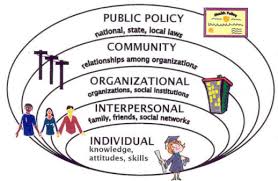
Socio- ecological Assessment Assignment Paper

Socio- ecological Assessment

Socio- ecological Assessment

Order Instructions:

kindly see the attached

SAMPLE ANSWER

Socio- ecological Assessment

This assignment is going to focus on hypertension among black Americans. Studies have reported that in African Americans record the highest prevalence of hypertension in the United States. According to Hicken et al., (2014), approximately 40% of African Americans have been diagnosed with hypertension. Additionally, hypertension develops early in life and is often very severe.

The issue of hypertension is important in the profession because it is the role of clinicians across the globe to educate, advice as well as measure peoples’ blood pressure. The education entails modifying behavior associated with physical activity, diet, stress, weight, alcohol intake, and smoking. The African Americans are important in this health profession due to the high prevalence they present with. Clinicians can use the population to study what environmental, genetic, sociological, economic or even cultural issues that are associated with development of hypertension. Additionally, practitioners can use the population to study the impact of various pharmacological as well as non-pharmacological interventions such as effect of smoking cessation, weight reduction, salt restriction, and physical activity.

Lifestyle is one of the social risk factors that has an impact on development of hypertension. The hypertensive contribution of alcohol truly matters among African Americans because alcohol induced hypertension is the most prevalent form of secondary high blood pressure. A 2012 survey on drug abuse reported that the rate of binge drinking among African Americans above the 12 years is at 21. 6% compared to the national coverage which stands at 23 percent. The researchers reported that African-American youths are more affected with the risks associated with alcohol drinking. This can therefore be used to explain the high prevalence of hypertension among the African American population. Cigarette smoking is another lifestyle factor that has a significant effect on the etiology of hypertension. About 29.8% of African Americans have been reported to use tobacco (Jamal et al., 2014). Nicotine in cigarettes is a major contributor of hypertension development. It acts by narrowing the arteries and hardening their endothelial wall which eventually increases the heart rate as well as the blood pressure. Moreover, nicotine cause blood clotting which stresses the heart inducing stroke which worsens the severity of hypertension (Rasool et al., 2016).

Poverty is another social factor that has been implicated for the high prevalence of hypertension among African Americans. Studies by Zapolski et al., (2014) have reported that among the different racial and ethnic populations, African Americans have the highest rates of poverty at 27.4% followed by the Hispanics at 26% and whites at 10 percent. As healthcare improves for the wealthy, a reversal socio-economic gradient is seen among the poor, disadvantaged African Americans who are subjected to the largest burden of hypertension. Despite the general provision of effective pharmacological interventions for hypertensive patients in the United States, economies link to the cost: benefit ratio as well as sociological consideration have a great impact on the low rates of early diagnosis, management, and control of high blood pressure among the African Americans.

Poverty promotes poor nutrition contributing to etiology of hypertensions. Poor diet is a risk factor that promotes development of diabetes and obesity. Both diabetes and obesity are linked with high blood pressure with obese patients recording higher rates of hypertension than individuals with normal Body Mass Index (BMI). Additionally, obesity increases cardiac diseases by increasing the levels of Low Density Lipoproteins (LDL) to cholesterol ratio this prompts the development of hypertension which can cause myocardial infractions as well as hypertension. Poverty is also associated with stress and depression which increases the release of cortisol that increases high blood pressure.

References

Hicken, M. T., Lee, H., Morenoff, J., House, J. S., & Williams, D. R. (2014). Racial/ethnic disparities in hypertension prevalence: reconsidering the role of chronic stress. American journal of public health, 104(1), 117-123.

Jamal, A., Agaku, I. T., O’Connor, E., King, B. A., Kenemer, J. B., & Neff, L. (2014). Current cigarette smoking among adults—United States, 2005–2013. MMWR Morb Mortal Wkly Rep, 63(47), 1108-1112.

Rasool, A. H., Man, C. N., Sanip, Z. B., Yusoff, H., & Suhaimi, M. Z. (2016). Relationship between hair nicotine levels with blood pressure, body composition, lipid profile and leptin among healthy male smokers in Kelantan.

Zapolski, T. C., Pedersen, S. L., McCarthy, D. M., & Smith, G. T. (2014). Less drinking, yet more problems: Understanding African American drinking and related problems. Psychological bulletin, 140(1), 188.

We can write this or a similar paper for you! Simply fill the order form!

Ethics in and through Technology Research Paper

Ethics in and through Technology
     Ethics in and through Technology

Ethics in and through Technology

Order Instructions:

Identify a current application for digital technology that you feel has social, moral, and ethical implications for teachers and/or students. Technology is broadly defined to include anything from a piece of hardware (laptop, gaming console, tablet) to software, apps, social media platforms, etc.

*Write a one paper framed to argue its point toward a particular audience. You must first decide who you are considering to be the audience of the paper.

After you write the one page paper, write an additional short policy brief that could be given to the school board, administration, or the legislature with practical recommendations.

SAMPLE ANSWER

Critical Assessment – Ethics in and through Technology

Technology plays a very vital role in the lives of students and the society who have multiple technological devices and use them frequently. Though technology could have negative effects on the students but overall it helps the students to make their schooling much easier. This can be greatly supported by several studies conducted.

A research that emphases on information technology adoption and use within the education sector has been conducted. They analyzed the impact on learning efficacy of technology-mediated learning environments such as characterized by the adoption of tablet based technologies as a radical complement to old-fashioned teaching/learning methods. The study also analyzes the effect or outcome of “Support Activities” on students’ grades. The “Support Activities” are well-defined as the set of concepts similar to “Classmates’ Encouragement”, “Technical Support Availability” and “Teachers’ Encouragement”. It is known that grades are used as a measure of learning efficacy. In this study, a sample of 370 students partook, being attendants of experimental classes by using tablets as a regular working device to obtain to digital resources. The conventional theory reference was established on the theoretical fundamentals of Technology Acceptance Model, by matching the perceived effect of those concepts between grade ranges. The experimental sample was correlated to classes where the same instructors practice traditional learning resources. This is to give a practical understanding of support factors that influence tablet-mediated learning effectiveness. So, the findings showed the dissimilarities between humanistic and scientific subjects. The study confirms that technology alone could not reform and revolutionalize learning and teaching; nevertheless, it contributes to a better-quality experience if there are a deployed support initiatives (Caporarello, Magni, & Pennarola, 2016).

On the other hand, another study was done which seeks to discover the degree to which technology interrupts and occupies the time of a university student and to determine the extent to which these disturbances contribute to superficial stress. The study is a 71-item survey to evaluate perceived stress, disruptions, technology use and social support was overseen to 299 undergraduate learners. The results indicated that 25% of participants have issues and problems with distractions from technology, and more disturbances from technology are associated with advanced levels of perceived stress. Experiencing disruptions from technology is a notable problem among college students and needs to be tackled by student affairs professionals (Gemmill, & Peterson, 2006).

Policy brief

Students of today are now very fond of using modern devices that somehow aid in their studies and the environment they live in.

The people live in a very fast-changing ‘runaway world’ where the economic, social, cultural and political fundamentals of society are being redefined on an incessant basis (Giddens 2000).

The utilization of technologies to improve educational outcomes and support social inclusion in education has two main forms.

The number one is the usage of technologies to endorse social inclusion in terms of educational outcomes and prospects. The Information and Communication Technology (ICT) have long been supported as a predominantly opposite means of permitting citizens to play active parts in improving educational prospects and crucially proposing ways in which the underprivileged individuals could participate in education (Schofield Clark, 2003). The decentralized, intrinsically equitable, and democratic systems of education could be expected by many critics, with individuals – particularly young people – technologically re-placed at its core instead of the periphery. And the number two could be the usage of education to guarantee social insertion in terms of technological outcomes and opportunities. So, in this sense, educational organizations such as colleges, schools, museums, and libraries are used to deliver access to ICTs which training in technology skills and proficiency are seen to offer the students with the info literacy mandated to make the most of the ICTs.

Perhaps the most dominant have been guidelines and policies pursuing to use education to make sure social inclusion in terms of technological outcomes and opportunities. This kind of policy campaign have been typically built around the augmented resourcing of municipal institutions and public like libraries, community centers, schools, subsidizing of IT equipment acquisitions by those students who belong to the low incomes families and the development of formal computer education and support programs.

Recommendations

Here are some recommendations which the school board may consider for the betterment of their students:

  • Use technology to enhance the knowledge and skills of all students including those who cannot afford to buy their own device or gadgets
  • Since technology could help close achievement gaps and improve learning, the students should be encouraged to use technology but in moderation in order not to disrupt their focus on their studies
  • Technology should be efficiently and effectively used in school and the social aspects of the students.
  • Efficiently use the advantage of technology especially to those students who are at risk of dropping out and failing courses. Use technology to search and build rather than to “drill and kill,” and the correct blend of technology and teachers.

References

Caporarello L., Magni M., Pennarola F. (2016). When Teachers Support Students in Technology Mediated Learning. In: Rossignoli C., Gatti M., Agrifoglio R. (eds) Organizational Innovation and Change. Lecture Notes in Information Systems and Organisation, vol 13. Springer, Cham

Gemmill, E., & Peterson, M. (2006). Technology Use Among College Students: Implications for Student Affairs Professionals. NASPA Journal43(2). http://dx.doi.org/10.2202/0027-6014.1640

Giddens, A.(2000). Runaway world: how globalisation is shaping our lives. London: Routledge, 2000.

Schofield Clark, L. (2003). Challenges of social good in the world of Grand Theft Auto and Barbie. New Media & Society, v. 5, n. 1.

We can write this or a similar paper for you! Simply fill the order form!