



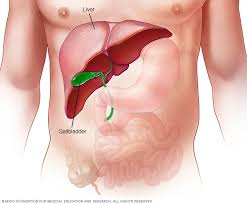
Liver disease Research Paper Available Here

Liver disease
Liver disease

Liver disease

Order Instructions:

select only one (1) of the case studies provided :

• Remember this is an essay and should be structured as such with an introduction body and conclusion. Do not simply answer the questions provided, these are given as a guide. You will be expected to use research or evidence-based journal articles, textbooks and appropriate authoritative web sites (not Better Health Channel, Virtual Hospital, etc.).
• All referencing is to be formatted using the APA referencing style. Please ensure carefully to follow the marking criteria

SAMPLE ANSWER

Liver disease

Introduction

Alcohol is a hepatotoxic compound that is commonly consumed across the globe. It is linked to a broad range of liver associated injury, ranging from simple steatosis, fibrosis to cirrhosis (Torruellas, French, & Medici, 2014). Alcohol liver disease refers to a spectrum of alcohol-related injuries that are potentially reversible especially when the progression of the disease is detected early enough. Therefore, regular screening and early diagnosis are essential. Excessive alcohol consumption adversely affects the health of an individual and is one of the primary causes of death in the world. Harmful or excessive use of alcohol results in a mortality rate of up to 2.5 million and an approximate disability of adjusted life years of up to o 69.4 million (Shield, Parry, & Rehm, 2013). As a result, it has been ranked as one of the leading risk factors for death and disability worldwide. The toxicity of alcohol components including ethanol largely contribute to increased chances of developing liver disease. The liver controls most of the body support systems, therefore, a disease of the liver is fatal as it will lead to malfunction of all the major body systems

Causes of confusion and other symptoms.

Various factors contribute to the occurrence of liver disease. Of these, duration and amount of alcohol consumed are most significant.  Host factors such as IPNPLA3 gene polymorphisms and obesity and environmental factors also contribute to an increased risk of developing liver disease (Singal, Chaha, Rasheed, & Anand, 2013). Disease of the liver leads to reduced functionality of the liver which consequently cause accumulation of toxic substances in the bloodstream. These instances lead to alterations in the level of consciousness of an individual, confusion, and other cases coma. In Mr. McGrath’s case, hepatic encephalopathy may be the cause of disorientation.

Abdominal swelling by the patient indicates extensive complications. Life-threatening complications associated with portal hypertension including ascites may be present in the patient. Increased pressure on the portal vein leads to ascites characterized by fluid build-up in the abdominal cavity. Yellowish skin, delirium, and confusion are also observed in this condition (A.D.A.M, 2013). Varices are likely to develop in instances of portal hypertension, as a means of providing alternative pathways for diverted blood.

Oesophageal varices pathophysiology and management strategies.

Almost half of the patients suffering from cirrhosis during diagnosis have been found to have gastroesophageal varices (Pericleous et al., 2016). The varices arise due to portal hypertension resulting from an increase in portal blood flow resistance in cirrhosis and also due to the rise in blood inflow into the portal vein. An increase in resistance is said to be structural, due to a destruction of the vascular architecture of the liver by regenerative nodules and fibrosis as a result of an increase in the tone of the hepatic vasculature primarily due to the dysfunction of the endothelium and a decrease in the bioavailability of nitric oxide.

Three principal events cause portal hypertension. First, it can be due to a physical obstruction arising from a fibrosis or at other instances from regenerative nodules resulting in an increase in the resistance to blood flow. An imbalance between vasoconstrictors and vasodilators in the liver also develops. Such imbalance results in a reduction of the activity of eNOS in the liver. The event is, however, rectifiable using medications such as nitrates and beta-blockers. A combination of these events leads to the occurrence of porto-systemic collateral circulation of aiming to decompress the portal circulation (Frazier, Stocker, Kershner, Marasano, & McClain, 2014). Splanchnic vasodilation occurs due to a relative extra-hepatic and ischaemic liver increase in Nitrite Oxide, with the signalling of the sGC-PKG and smooth muscle cell relaxation. This leads to increased blood flow volume into the portal which maintains hypertension. This results in a hyper-dynamic circulation that is linked to these hemodynamic variations in portal hypertension and cirrhosis. This is manifested as high cardiac output with little arterial hypotension and systematic vascular resistance (Pericleous, et al., 2016).

Hepatic pressure can be applied to obtain hepatic venous pressure gradient (HVPG) that ranges normally from 1 to 5mmHg. This procedure is performed by inserting a catheter into a hepatic vein to get the hepatic vein pressure. HVPG is equal to WHVP minus free (HVP) where HVPG is used to represent the gradient between caval pressure and the portal (Molina et al., 2016). FHVP acts as an internal zero by cancelling out variations in abdominal pressure. Sinusoidal hypertension differs from pre-sinusoidal portal hypertension which associated with an increase in HVPG as flow resistance builds up in the portal vein. Varices therefore develop in the event that HVPG is greater than ten mmHg.

Antibiotics have been introduced in variceal hemorrhage management, a factor which has significantly improved clinical outcomes. Bacterial infections, both primary and secondary, are common in cirrhotic patients as bacteria actively translocate from the impaired mucosal surface into the portal system and the patient’s impaired immune function (Molina, Gardner, Souza-Smith, & Whitaker, 2014). In these patients, antibiotics decrease the bacterial load, reducing infections, recurrent bleeding, and reduce morbidity and mortality in patients with gastroesophageal varices. Broad spectrum antibiotics prophylaxis is thus recommended in individuals with suspected and confirmed variceal hemorrhage (Shah, 2016).

Nonselective beta blockers can be used in patients having a low-risk small varices, as they can delay variceal growth preventing variceal bleeding (Runyon, 2015, September 23). The treatment is applied in absence of severe liver disease, and where the varices are without red wale marks. In persons with varices containing red wale marks and others associated with a high risk of haemorrhage, non-selective beta-blockers are used.

For patients that have medium and large varices, endoscopic variceal ligation or beta-blockers can be used. Non-selective beta-blockers are advantageous as they are cheap and use requires no expertise. These medications also prevent against other medical conditions like spontaneous bacterial peritonitis and bleeding from ascites and portal hypersensitive gastropathy (Garcia-Tsao & Bosch, 2011).

The role of abdominal paracentesis and possible complications.

The presence of excess fluid in a patient’s abdominal cavity cause significant discomfort to the patient and shortness of breath. Abdominal paracentesis is a simple procedure that involves insertion of a needle into the peritoneal cavity of the patient to remove the ascetic acid. Removal of a small amount of the fluid for testing is referred to as diagnostic paracentesis, while therapeutic paracentesis is considered the removal of up to five litres of the excess fluid so as to decrease the resultant intra-abdominal pressure helping in relieving related abdominal pain, dyspnea and early satiety (Runyon, 2015).

Paracentesis should be performed by a properly trained physician. Performing this procedure at the time the patient is admitted to a hospital, to patients suspected or suffering from cirrhosis and ascites decrease the mortality rates in a health care setting. In instances where paracentesis was conducted on admission, a lower in-hospital mortality rate was recorded compared to those who did not perform the procedure (Cavazzo, Bugiantella, Graziosi, Franceschini, & Donini, 2013).

Paracentesis also helps clarify the primary cause of ascites when testing for infection. Unexpected diagnoses including chylous, eosinophilic or hemorrhagic ascites can also be indicated by this procedure (Pericleous et al., 2016). Analysis of the fluid shed light on the cause of the ascites and if present, the bacterial infection. Upon culturing antibiotic susceptibility of the bacteria can be identified therefore easier treatment.

Despite the benefits of paracentesis, various complications occur. The ascitic fluid leak is the most common complication associated with the procedure. Failure to peform a Z-track properly can lead to a leakage of the ascetic fluid leak. In this case, a large-bore needle may be used, or when the skin incision created is overly large. If the leak on the surface is prolonged, cellulitis may develop (Wedro, 2015).

Bleeding from a blood vessel may arise if a vein or artery is torn by the needle. Bleeding can be extremely severe and potentially fatal especially if an artery is affected. A further disastrous situation may arise in the presence of renal failure. In patients with primary fibrinolysis, three-dimensional hematomas may develop requiring anti-fibrinolytic treatment (Molina et al., 2014). Bowel infection may occur in instances where the bowel has been injured by the paracentesis needle. Fortunately, this does not usually result to clinical peritoritis, and thus treatment is not necessitated, not unless patients indicate signs of infections. Death may also occur due to paracentesis.

Mr. McGrath educational requirements.

Mr. McGrath should be advice on the importance of total abstinence from alcohol to prevent further complications. He should also be educated to take a diet low on ammonia to reduce the amount of toxic products that will be produced by the body. High cholesterol containing foods should also be avoided to reduce the arterial pressure and therefore amount of fluid in the stomach. The prescribed medicine should be strictly adhered to prevent further complications. Garcia-Tsao & Bosch, (2011) enlighten that support groups and peer help especially from other patients and medical practitioners can be employed to provide additional moral support to patients. Sharing of past experiences by the patients will boost the recovery of Mr. McGrath. Mr.Grath should be advised on the importance of abstinence from cigarettes as they significantly increase the level of toxic compounds in his blood system.

Analysis of Mr. McGrath current prescription.

Propranolol or otherwise known as Inderal is prescribed to the patient for pharmacologic crophylaxis of variceal bleeding. Varices may probably have been identified in the patient. Propranolol reduces the portal pressure through reduction in the cardiac output, and reducing portal blood inflow via splanchnic vasoconstriction (Runyon, 2015, September 23). Spironolactone is an aldosterone antagonist which act on the distal tubules to conserve potassium and increase natriuresis. The drug is mainly used as a diuretic. Furosemide is prescribed to Mr. McGrath to treat the fluid build-up in the body. The drug is an anthranilic acid derivative and a diuretic. It inhibits absorption of sodium and chloride in the proximal, the loop of Henle and distal tubes.

Conclusion

Alcohol liver disease is one of the primary causes of liver-related mortality in the United States. Clinicians, therefore, should be well versed in diagnosis and treatment procedure for the condition. Education to the population may play a significant role in reducing severe forms of the conditions by advocating for early testing and treatment. In Mr McGrath case, follow-up after treatment should be conducted to facilitate a full recovery.  In cases of total failure of the liver a transplant should be considered in order to maintain the acceptable toxicity levels of blood ammonia.

References

A.D.A.M (Ed.). (2013, December 23). Cirrhosis. Retrieved September 4, 2016, from The New York Times: http://www.nytimes.com/health/guides/disease/cirrhosis/possible-complications.html

Cavazzo, E., Bugiantella, W., Graziosi, L. A., Franceschini, M. S., & Donini, A. (2013, February). Malignant ascites: pathophysiology and treatment. International Journal of Clinical Oncology, 18(1), 1-9. doi:10.1007/s10147-012-0396-6

Frazier, T. H., Stocker, A. M., Kershner, N. A., Marasano, L. S., & McClain, C. J. (2014, May 1). Critical pathophysiological process and contribution to disease burden. Physiology, 203-215. Retrieved September 04, 2016

Garcia-Tsao, G., & Bosch, J. (2011, March 4). Management of varices and variceal hemorrhage in cirrhosis. The New England Journal of Medicine, 362, 823-832. doi:10.1056/NEJMra0901512

Molina, P. E., Gardner, J. D., Souza-Smith, F. M., & Whitaker, A. M. (2014). Alcohol abuse: Critical pathophysiological processes and contribution to disease burden. Physiology, 29, 203-215. doi:10.1152/physiol.00055.2013

Pericleous, Marinos, Sarowski, Alexander, Moore, Alice, . . . Murtaza. (2016, March). The clinical management of abdominal ascites, spontaneous bacterial peritonitis, and hepatorenal syndrome: a review of current guidelines and recommendations. European Journal of Gastroenterology & Hepatology, 28(3), e10-e19. Retrieved September 04, 2016, from http://www.ingentaconnect.com/content/wk/ejghe/2016/00000028/00000003/art00001?crawler=true

Runyon, B. A. (2015, September 23). Diagnostic and therapeutic abdominal paracentesis. Retrieved September 04, 2016, from UpToDate: http://www.uptodate.com/contents/diagnostic-and-therapeutic-abdominal-paracentesis

Shah, R. (2016, August 24). (P. K. Roy, Editor) Retrieved September 04, 2016, from http://emedicine.medscape.com/article/170907-treatment

Shield, K. D., Parry, C., & Rehm, J. (2013). Focus on: Chronic diseases and conditions related to alcohol use. The Journal of National Institute on Alcohol Abuse and Alcoholism, 35(2). Retrieved September 4, 2016, from http://pubs.niaaa.nih.gov/publications/arcr352/155-173.htm

Singal, A. K., Chaha, K. S., Rasheed, K., & Anand, B. S. (2013, September 28). Liver transplantation in alcoholic liver diseases current status and controversies. World Journal of Gastroenterology, 19(36), 5953-5963. doi:10.3748/wjg.v19.i36.5953

Torruellas, C., French, S. W., & Medici, V. (2014, September 7). Diagnosis of alcoholic liver disease. World Journal of Gastroenterology, 20(33), 11684-11699. doi:10.3748/wjg.v20.i33.11684

Wedro, B. (2015, July 28). Medical treatment. (M. C. Stoppler, Editor) Retrieved September 04, 2016, from E medicine health: http://www.emedicinehealth.com/ascites/page7_em.htm

We can write this or a similar paper for you! Simply fill the order form!

Therapy and Nursing Research Paper Assignment

Therapy and Nursing
                 Therapy and Nursing

Therapy and Nursing

Order Instructions:

Review the scenario below and answer the question below:

Scenario: The RN is engaging in the teaching learning process with two (2) patients who will be taught separately how to administer their own insulin injections.

One patient is a 10 year old boy and the other patient is a 28 year old woman. The 10 year old is a newly diagnosed Insulin Dependent Diabetic and the 28 year old progressed to being an Insulin Dependent Diabetic following her most recent pregnancy when she experienced Gestational Diabetes.

Question:
1- Compare and contrast different techniques to be used when establishing therapeutic relationships with children and adults

2-Choose one (1) of the patients and: Identify age appropriate assessments that would be made regarding learning readiness.

3-Write one (1) actual nursing diagnosis statement (3 parts) which focuses on the teaching learning process.

4-Write one (1) risk nursing diagnosis (2 parts) which focuses on adaptation to psychological stress.

Base your answer on your readings and research on this topic.

APA format
References

Required Textbooks for the paper:

Nursing Diagnosis Guidebook – A pocket-size nursing diagnosis guidebook of your choice that is no more than one edition old, that includes NANDA International-approved nursing diagnoses, definitions, defining characteristics, and possible nursing Interventions.

Pillitteri, Adele. (2013). Maternal and Child Health Nursing (7th ed.) Philadelphia; Lippincott, Williams and Wilkins.

Treas, L. & Wilkinson, J, (2014). Basic nursing: concepts, skills & reasoning. Philadelphia; F. A. Davis, Company.

chapters & text books to focus on for the paper.
Nursing Diagnosis
• Use your chosen Nursing Diagnosis Guidebook to review the nursing diagnoses specific to the content covered in this module.
Maternal and Child Health Nursing**
• Chapter 35: Communication and Teaching With Children and Families
Basic nursing: concepts, skills & reasoning**
• Chapter 12: Stress and Adaptation
• Chapter 13: Psychosocial Health and Illness (section on Common Psychological Problems: Anxiety)
• Chapter 18: Documenting & Reporting (section on Electronic Health Record (EHR) Systems)
• Chapter 20: Communication and Therapeutic Relationships
• Chapter 26: Teaching and Learning
• Chapter 44: Nursing Informatics (section on Electronic Mail & Text Messaging)
Web Based and Other Professional Resources:
• Take the patient education challenge (2013)**
• Social media guideline for nurses (2011)**
• Pre-licensure KSAs (2014)**
• Hospital: 2016 National Patient Safety Goals (2015)

SAMPLE ANSWER

Therapy and Nursing

Therapeutic connection with the patient has precautionary effects which are intricate in patient’s opinions and feelings about its efficiency and preservation of therapy services. Cognitive-behavioral therapeutic relationship is founded on patient-therapist cooperation (Arnold & Boggs, 2015). They both work to establish targets, how to achieve and maintain success, in contrast to family therapy. Here the therapist involves the family members of the patients so as they can contribute to recovery of the patient. They both work hand-in-hand to ensure the well-being of the patient (Arnold & Boggs, 2015). At the age of 10, the child has the ability to master some technical features of diabetes management but she cannot take full responsibility because she has not yet matured emotionally. As such, the right age assessment can be prescription of the insulin to test whether she can be able to induce it alone. Thus, it is necessary to involve the parents or guardian of the child so as to ensure that the child takes the right dosage (Arnold & Boggs, 2015).

Nursing analysis is a clinical evaluation concerning a person, family or communal feedback to real health complications. An actual nursing analysis offers a concern feedback available at the time of evaluation (Gordon, 2014). Health advancement diagnosis analyzes an individual’s, household’s or community’s inspiration and urge to enhance well-being and materialize human health latent as seen in the readiness to improve certain health habits, and can apply in every health condition. Risk nursing diagnosis concerns how prone a person, collection, or public is against unpleasant human feedback to health state. Hazard-focused analysis should be sustained by risk factors which give rise to the proneness of the victims (Gordon, 2014). An example of risk diagnosis; Risk for depression as indicated by anguish, isolation, insomnia, and weight loss.

References

Arnold, E. C., & Boggs, K. U. (2015). Interpersonal relationships: Professional communication skills for nurses. Elsevier Health Sciences.

Gordon, M. (2014). Manual of nursing diagnosis. Jones & Bartlett Publishers.

We can write this or a similar paper for you! Simply fill the order form!

Social Media in Perioperative Care Article Review

Social Media in Perioperative Care
    Social Media in Perioperative Care

Social Media in Perioperative Care

Order Instructions:

Read the following article below and answer the following questions below:

Article: “Barry, M. (2015). Social media: Proceed with caution. The American Nurse. Retrieved from http://theamericannurse.org/index.php/2014/01/02/social-media-proceed-with-caution/

In the perioperative setting, the use of social media can impact patient safety and patient privacy.

Select patient safety OR patient privacy and answer the following questions as the RN member of the perioperative team.

Question: 1- Should personal cell phones and iPads® be allowed in the surgical suite? If, so under what circumstances can cell phones and iPads® be used and what are the ramifications if misuse occurs?

2- Should the informed consent include specific social media use? Why or why not?

Note: APA formatt
reference: at least 2 using article or textbook

Required Textbooks for the term paper and references:
Brunner and Suddarth’s textbook of medical-surgical nursing**
• Chapter 3: Critical Thinking, Ethical Decision Making, and the Nursing Process
• Chapter 17: Preoperative Nursing Management
• Chapter 18: Intraoperative Nursing Management
• Chapter 19: Postoperative Nursing Management
• Chapter 41: Musculoskeletal Care Modalities (section on “The Patient Undergoing Orthopedic Surgery”)
• Chapter 62: Management of Patients with Burn Injury
• Chapter 72: Emergency Nursing (sections on “Frostbite” and “Insect Stings” through “Tick Bites”)
Pharmacology: A patient-centered nursing process approach**
• Chapter 14: Medications and Calculations
• Chapter 50: Drugs for Dermatologic Disorders (section on “Burns and Burn Preparations”)
Maternal & Child Health Nursing**
• Chapter 37: Nursing Care of a Family When a Child Needs Diagnostic or Therapeutic Modalities
• Chapter 51: Nursing Care of the Family When the Child has a Musculoskeletal Disorder (section on “Disorders of Skeletal Structure”)
• Chapter 52: Nursing Care of a Family when a Child has an Unintentional Injury (section on “Caustic Poisoning, Bites, and Thermal Injuries”)
Nursing Diagnosis
• Use your chosen Nursing Diagnosis Guidebook to review the nursing diagnoses specific to the content covered in this module.
Web based and Other Professional Resources:
• Hand Hygiene in Healthcare Settings
• Hospital: 2016 National Patient Safety Goals**
• Pre-licensure KSAs (2014)**
• Social media: Proceed with caution (2015)

SAMPLE ANSWER

Social Media in Perioperative Care

In recent years, use of social media as a tool of communication has taken the world by a storm. This has been fueled by the emergence of new technologies in communication. Individuals in various settings can pass messages instantly to large audiences through phone camera, twitter, Skype, Facebook, you tube among other methods.

However, in the perioperative setting, it is important to consider a patients safety and privacy when applying social media as an avenue for communication among health personnel. It is important for nurses and other health workers to weigh how confidential any information regarding a patient is before making it public on social media platforms (Sarasohn-Kahn, 2012). In case of a breach of the patients confidentiality, it raises legal concerns whereby a health worker can end up losing his/or her job and their practice licenses withdrawn. Moreover use of cell phones and iPads during health operations may lead to distractions adding in to the complications of an operation environment. This puts a patient’s life at stake and may lead to death (Soto et al. 2012)

In view of the above statements, clear guidelines should be set regarding how and when perioperative professionals use their cell phones and iPads during working hours. This should be done considering a patient safety which is a priority (Brunner, 2014). Resultant impacts on workflow in a health organization should also be considered. Use of these devices should strictly happen within the precincts of the set standards to avoid conflicts. Some of the guidelines that can be used to control the use of these devices are; setting the phone in vibrate or silent mode during operation, interacting with the devices such that it doesn’t interfere with the sterile field among others (Sarasohn-Kahn, 2012). Organizations could also decide to burn the use of phones during critical stages of perioperative care.

References

Brunner, L. S. (2014). Brunner & Suddarth’s textbook of medical-surgical nursing (Vol. 1). S. C. C. Smeltzer, B. G. Bare, J. L. Hinkle, & K. H. Cheever (Eds.). Lippincott Williams & Wilkins.

Sarasohn-Kahn, J. (2012). The wisdom of patients: Health care meets online social media.

Soto, R. G., Chu, L. F., Goldman, J. M., Rampil, I. J., & Ruskin, K. J. (2012). Communication in critical care environments: mobile telephones improve patient care. Anesthesia & Analgesia, 102(2), 535-541.

We can write this or a similar paper for you! Simply fill the order form!

Position Statement Critique Assignment

Position Statement Critique
              Position Statement Critique

Position Statement Critique

Order Instructions:

APA REFERENCES NOT OLDER THEN 5 YEARS OLD. PLEASE DON’T USE WEBSITES AS REFERENCES. MUST BE VALID IN AUSTRALIA.

Student Information Assessment Task 2 (Part A):

Position Statement Critique
This assessment requires students to demonstrate that they can critique and provide constructive feedback. Students are to provide a structured critique of the provided paper.

Framework (guide only)

1. Is the position statement structured? Does it have an introduction and a conclusion that clearly states the position?
2. Does the position statement relate to the topic?
3. Does the position statement demonstrate adequately the links to the National
Competency Standards for Registered Nurse?
4. Are the references used to support the position statement current and credible (i.e.
evidence), why or why not? (EG. – REF. OLDER THEN 5 YEAR OLD IS NOT RELIABLE )
5. Do you think the author eliminated any important information (i.e. evidence) in
stating their position? If so, please refer to these evidence sources in your critique.
6. Remember when giving feedback it must be constructive regardless of whether it is
positive or negative feedback.

Remember that your critique will be assessed against the criterion referenced rubric in your unit outline. The above is merely a guide to help you with this assessment task.

SAMPLE ANSWER

The position statement on A dedicated pool of funding from new or existing sources should be made available over “the next 5 years to provide research grant money and for cooperative research centres for nursing” is well structured. This is because it has a number of not just paragraphs but also an introduction and conclusion. Various experts suggest that a well-structured essay consist of both the introduction and conclusion (Third, 2014). While the introduction must present an overview  and connection to the topic, the body should support the position statement. Ultimately, the conclusion must provide a summary of the article (Rolls & Wignell, 2013).

The author has adequately integrated these aspects in the position statement. In other words, the position statement flows from the introduction to the conclusion.  The introductory paragraph, clearly states the author’s standpoint  that demonstrates the importance of funding nursing research since it is the basis of providing current and safe evidence to meet the needs of patients. On the other hand, the author presents a detailed background of the topic and things to be discussed such as the significance of research in increasing patient health care needs with a keen consideration of the NMBA standards for nurses and those in charge of funding research centers for nurse staff. The conclusion reiterates the author’s standpoint while presenting a summary of the article and the relevance of  adhering to the NMBA competency standards 3 and 7 to ensure effective service delivery. This is considered critical when it comes to enhancing their skills as well as promote safety in service provision.

The paragraphs are appropriately structured and the author goes ahead to present NMBA standards relevant to the issue and strengthens them with references to support his/her standpoint.  Case in point, the author uses the NMBA standard 3.1 that argues nurses to show an understanding of current research in their practice. The author also cites standard 3.2, which encourage nurses to use available practice in service delivery. Again, these supported by references to strengthen the author’s stand.                                   With respect to references, the author uses a variety of sources such as websites, journals, and a book to support the position statement. Much as the author has used different credible sources, 3 references are older than five years an aspect that can affect the reliability of the position statement. The credibility of sources used involves assessing information utilised, author’s affiliation or previously published articles (Connolly & Golderman, 2015). Moreover, journal articles must be peer-reviewed, since, they are credible and important (Guggenmoos, 2015). According to Pinfield (2015), peer-reviewed journals are reviewed by scholars in a given field to ensure it complies with editorial regulations before it’s published.  Therefore, the author has such articles in this position statement they have just relevant content related to the topic.                                                                                                   While the author has used one journal that is not peer-reviewed, it does not imply that it is not correct.  By and large, the references used in this position statement are useful to the topic and thus, support the author’s standpoint. Furthermore, these references are relevant to the standards of NMBA and show the importance of funding nursing research.

References

Connolly, B., & Golderman, G. (2015). eReviews: Scholarly metrics. Library Journal, 140(1), 140. Retrieved from http://search.proquest.com/docview/1640880490?accountid=45049

Guggenmoos, S. (2015). Peer-reviewed journals. Transmission & Distribution World, Retrieved from http://search.proquest.com/docview/1673048243?accountid=45049

Pinfield, S. (2015). Making open access work. Online Information Review, 39(5), 604-636. Retrieved from http://search.proquest.com/docview/1712455247?accountid=45049

Rolls, N., & Wignell, P. (2013). Communicating at University: Skills for success. Darwin Australia, Charles Darwin University Press.

Third, A. (2014). Top tips on essay writing. Supply Management, 19(5), 50-51. Retrieved from http://search.proquest.com/docview/1537651722?accountid=45049

We can write this or a similar paper for you! Simply fill the order form!

Psycho-biography of Bob Marley Essay Paper

Psycho-biography of Bob Marley

The person that I have chosen to analyze was Bob Marley and the class is personality and individual differences.
the questions for the first paper are:
Q1 Go back to Erikson’s developmental stages. What evidence can you find of the person passing through the stages – especially the later stages for
adulthood. Is there evidence from their behavior, personality, attitudes, etc that they might be ‘stuck’ at any particular stage?
Q2 Try answering Cattell’s 16PF questionnaire again as if you were the person. What results do you get? Do the results relate to anything you know about
their personality, attitudes, behavior?
questionnaire #4 on google drive … http://personality-testing.info/tests/16PF.php
Were there many questions that you had no idea about the possible answer? Does that suggest areas about the person that you need to research for the project?
Q3 Try answering Eysenck’s ENP questionnaire again as if you were the person. What results do you get? Do the results relate to anything you know about their
personality, attitudes, behavior?
questionnaire #5 on google drive … http://similarminds.com/eysenck.html
Were there many questions that you had no idea about the possible answer? Does that suggest areas about the person that you need to research for the project?
Q4 Catell, in particular, looked at how his PF16 traits can change over time due to particular experiences, situations etc. (See p.214-215 in the book). To
what extent does your person seem to have stable personality traits or traits that change over time? Which ones?
Q5 Look back at Maslow’s hierarchy of needs pyramid. What evidence can you find to show if the person has successfully completed the different levels in the
hierarchy? Are there incidents, stories, evidence showing that this person experienced problems with any of the levels?
Q6 What evidence is there that your person has deliberately chosen – in the way that Kelly talks about (p.280 in the book) – to become the person they are, particularly their career choice and career progress? What deliberate changes have they made to their personality, behavior, attitudes to do this?

We can write this or a similar paper for you! Simply fill the order form!

Edward Snowden Essay Assignment Paper

Edward Snowden
Edward Snowden

Please write an essay either summarizing OR arguing about the topic “Edward Snowden,” latest on the computer analyst whistleblower who provided the Guardian with top-secret NSA documents leading to revelations about US surveillance on phone and internet communications.

DO NOT include any “personal” opinions in the paper.
The paper must be 5 pages, utilize a minimum of three academic sources, be cited in proper APA format, typed and double spaced.

A marking scheme will be provided for guidelines on how to write and presen t your work.

We can write this or a similar paper for you! Simply fill the order form!

Report of workplace place context

Report of workplace place context

Report of workplace place context

Order Instructions:

All research should be valid in Australia. APA ref. min 15 not older then 5 years. Should be mostly journals and articles.

Word count: 2,000 words equivalent

Activity description: Submission of a Report (2,000 words).

For the Report students are required to critically draw on your Context Plan and feedback from your tutor, to formulate a full comprehensive report of 2,000 words. Your Final Report must utilise research findings to apply key skills and concepts learned from the course.
On completion of this assignment you will be able to demonstrate the following learning outcomes and generic skills set for this subject:
• Advanced skills in reasoning, persuasion and effective argumentation.
• The ability to make connections between theoretical concepts and everyday practice.
• Strategic thinking and decision making.
• Use of academic research findings to formulate a reflective assessment of opportunities, solutions and recommendations to complex organisational challenges associated with an ageing workforce.
• Develop critical reflection and self-evaluation of personal leadership skills, capabilities and attributes in professional practices and work settings.
For the Final Report, you are required to conduct a literature search on the workforce scenario and leadership approach you have chosen in assessment task 4a (also taking into consideration feedback from your tutor).
When conducting your literature search and writing your Final Report, you can use the following headings as a guide:

Introduction: Briefly outline your chosen workplace context (MUST BE AGE CARE), workforce topic (FEMALE DOMINANCE IN AGE CARE) and leadership approach {DISTRIBUTED LEADERSHIP, (THERE ARE 4 TYPES I CHOSE DISTRIBUTED LEADERSHIP) } (approx. 300 words).

Discussion: Drawing on academic literature, justify your choices regarding workplace context – workforce topic (e.g. high rates of incidences of musculoskeletal injuries require preventive workplace measures. Your individual leadership development plan should draw on theory to articulate why the key area/s you have chosen to focus on is/are important for effective leadership. It should also utilise theory and findings from empirical research to identify specific activities you can undertake to foster and enhance your chosen area/s for development. (approx. 1,400 words).

In relation to the academic literature you may want to comment on the topic given below.

• limitations – recommendations for improvement for future research

Conclusion:
Provide a synthesis of your arguments. Given the workplace context and workforce topic you have chosen, do you think you have chosen the most appropriate leadership approach? Can you recommend any improvements in leadership for the context and topic you’ve chosen? (approx. 300 words)

SAMPLE ANSWER

Introduction

The workplace context chosen is a home for the aged. The home comprises of old people who need basic care due to the inability to perform common motor functions owing to their old age. Old people often suffer conditions that render them unable to care for themselves. As a result, they often have to be taken to a home-based care institution where such specialized care can be offered to them. Within these homes, there is no discrimination as to the gender or age of the person admitted. A similar criterion is applied to the appointment of employees that offer care in these institutions (Harris, 2014). No discrimination on any grounds other than professional qualification can be expected. As a result, the work force is often mixed; with both male and female employees. This ensures that the old women can have the dignity being taken care of by the young ladies while the old men get the care from young men; all of the nursing profession.

Where dominance is realized from one gender, it is often difficult to decide on the right leader among the less dominant gender. It happens that while there is need to balance between different leadership styles and even balance between leaders from all gender, it may be impractical to simply select a leader on the basis that they are of the opposite gender (Silcox, Boyd & MacNeill, 2015). Regardless, the choice of leadership is a very important aspect to the success of an institution such as an age care institution. There are many categories to offer leadership to an age care institution. However, the approach chosen for this paper is distributed leadership. In a setting where there is female dominance in an age care institution, distributed care makes it possible to manage all aspects of such an institution. The rest of the paper assesses the importance of distributed care in the context of a female dominated age care institution.

Justifications

Workplace Context  

In an institution where aged care is offered, there can be a lot of lessons drawn concerning the topic of nursing leadership. This is because; despite the fact that aged care is similar to most palliative care models, caring for the aged is often about respecting their feelings as well as their seniority. Talking to senior citizens is often difficult when one cannot inspire respect for authority among the elderly (Yuen, Victor & Ng, 2016).  As a nurse, one may not be very used to authority, but they need to know how to deal with patients and understand the psychology of the patient. It is critical that at all time, there be mutual understanding between the patient and the nurse. This however happens only when the mutual understanding is borne out of mutual respect. It is critical to ensure that in an institution such as the age care institutions, such understanding is guaranteed.

The workplace context of the age care institution presented a challenge to many nurses. Research has shown that many people find it challenging to deal with persons who are older than they are (Kangas, Venninen & Ojala, 2016). It is vital that these persons present a situation of understanding for not only what the authority needs but what the people under the leadership need. A nurse is meant to be a care giver and not an administrator. However, an institution such as an aged care center requires a leadership structure to run efficiently. It is thus important to get the right leader to run the affairs in such a context (Tian, Risku & 2016). A vital concern for many leaders (regardless of profession) is the inability to determine the diction to use with certain groups of people. A nursing leader will likely learn the diction to use with the senior citizens under their care by experiencing it firsthand. This workplace context is thus a great learning experience.

Leadership Choice

The choice of leadership for the workplace is the distributed leadership approach. A distributed leader is one who will have leadership qualities to fit different leadership styles. This will mean that he or she will not just be a situational leader. They will be bureaucratic, use traditional approaches and even transformational approaches where need be. Despite these qualities, no leader is likely to be holistically adept with the skills to handle all situations that face them (Hayward, 2015). Leadership in the distributed context is thus essentially a measure of the contextual performance of the leader. There is need to evaluate the performance of the leader under different contexts. This is the only way to understand how and why they would behave in such a situation. It also helps to see the number of situations one may have to brace themselves to face (DeFlaminis, Abdul-Jabbar & Yoak, 2016).

Despite these realities, the perception of society on leadership may not be as anticipated. In the context where there is a dominance of the fairer gender (female nurses), then one has to have more skills than required. A female nursing leader needs to be able to handle the dominant male gender and highly gain the appreciation and support from this gender (Corrigan, 2013). It may not seem necessary to some extend but where this attribute is denied a person; they likely fail in their leadership. A distributed leader will deal with women differently from the way they deal with men. Such a leader will handle old people in a different way from the way they deal the young nurses at the institution. For instance, dealing with disputes between a nurse and a senior citizen will require a lot of wisdom. Such wisdom can only be gained from handling several such situations effectively (Yuen, Chen & Ng, 2016).

Leadership plan

Looking at the aged care institution, a leader needs to effect policy change initiatives. One such initiative is the appealing of laws that add little value to the institution. However, deregulation is not as difficult as actual regulation (Göksoy, 2015). In the situation of the aged care organization, it is often the case that the institution will have many old people suffering different kinds of ailments associated with old age. One such ailment is the condition of arthritis. Realizing a spate of arthritic conditions will mean that there is the recommendation of therapy to treat the condition. As treatment is underway, prevention is important as well. Nevertheless, there may be need to balance between treatment and prevention. A leader would want to evaluate the number of people suffering arthritic conditions and treat it if endemic. However, if the number is low, prevention may require more resources than treatment (Yuen et al, 2016).

A nursing leadership plan must encompass the aspects musculoskeletal injuries among the aged. Common aspects that contribute to such injuries such as slippery floors need to be addressed. Aged employees need to be allowed time to walk to places that do not need a lot of supervision. Within these places, prior investigation should be done to ensure that there is no apparent danger that may affect them. Some of them are scared of rodents and insects. It is vital to know the epidemiology of each person in order to know how best to treat or handle them. While care is taken on the aged, it should also be taken on the rest of the nursing staff. They need to be abreast with issues regarding threats to old people’s lives and address them with little supervision. Getting the right workforce is thus a necessary aspect to the success of such an institution (Ming-Hsueh,  Su-Hua & Mingchuan, 2016).

Empirical research considerations

Empirical research is based on information considering a certain set of data elements. A data set will likely present certain values, differences and principles that can shape an institution. As a leader, it is important to survey the general feelings of the members of the institution from time to time (Farzipour, 2016). Such a survey should be geared towards understanding areas of improvement, aspects to avoid and even new areas to invest in nursing care initiatives. Empirical research in an age care institution needs to be accompanied by evidence. The core values in empirical research include; observation, induction, deduction, testing and evaluation. Such research should thus be based on a set of facts about an observable phenomenon. It is necessary that there is no issue with the data collected as the credibility of information in an empirical context is very central to the organization (Silcox, Boyd & MacNeill, 2015).

Empirical research should be based on certain particular presumptions or hypotheses. There is no need to invest in research about an item that is not entirely of any value with regard to policy enactment and change actualization. Research, however must take place to address questions such as; the cost of healthcare in aged care institutions, the insistence of particular persons on the values they hold dear as well as the perception of government help among people. Credible research thus eventually brings to light the concepts of research work that may not be as popular. There is also concern that while there are a lot of talents, some of these may not be deemed popular due to inability to offer the old people (senior citizens) an avenue to express their feelings though games and laughter. This is often the case with recreation facilities.  A leader ought to know the goal to achieve despite complicated path-goal actualization methods (Tian, Risku & Collin, 2016).


Challenges of distributed leadership

The challenge with distributed leadership is that such leaders do not have specific leadership strengths. They are often known for balancing different traits and coming up with the right situation that benefits everyone or restores parity where peace seems difficult. Arbitration is a skill almost all leaders need to have. However, it is necessary that where a leader is able to be good at a particular leadership trait; they should exploit it without any hesitation. It is necessary that leaders be accorded the right opportunity to effectively achieve a certain goal or objective. However, leaders in a distributed setting often tend to seek a balance that really does not restore a situation as it was.

Distributed leadership requires a leader to make many decisions from time to time. At the same time, it requires the leader to balance between different situations where either outcomes of the situation are unfavorable (Quintana & Morales, 2015). It may not be easy to estimate the true value of a leader where they keep making half-decisions. An incomplete decision on a matter is hardly one that can last for long. People often imagine dethroning leaders from the responsibilities they hold due to the fact that they seek to offer better leadership. Distributed Leadership is thus not an easy task to achieve. Most of the challenges regarding distributed leadership are however regarding the inability of leaders to gamble.

Conclusion

An aged care organization that has a dominance of women requires that a lot of values be imparted onto the leader that is charged with the responsibility of overall care. Where a leader is in a situation where there are more women than men yet men do exist as well; they ought to have sufficient people skills to deal with all the women; both young and old (Abrahamsen & Aas, 2016). It is also critical for the organizations or businesses they run to minimize gender stereotypes and retrogressive comments about the leadership in place. Supporting the leader of the day makes them feel motivated to perform better than they actually would. However, such a leader needs to prove their qualities. This is why a distributed approach is necessary for them.

A distributed leadership approach is appropriate for the situation of feminine dominated aged care institutions. However, there is a lot of vague information concerning distributed leadership. For instance; the distribution is not specific to a certain context. More often than not, a leader will want to exercise authority over diplomacy. Despite coming into a culture of dominantly distributed leadership, a good leader knows how well to adjust and adapt to different situations in their leadership responsibilities. It is thus important to always clarify that the values anticipated of a leader have to do with how well they handle different types of people (Johnston, 2015).

References

Abrahamsen, H., & Aas, M. (2016). School Leadership for the Future: Heroic or Distributed? Translating International Discourses in Norwegian Policy Documents. Journal Of Educational Administration And History48(1), 68-88.

Corrigan, J. (2013). Distributed leadership: rhetoric or reality?. Journal Of Higher Education Policy & Management35(1), 66-71. doi:10.1080/1360080X.2013.748479

DeFlaminis, J. A., Abdul-Jabbar, M., & Yoak, E. (2016). Distributed Leadership in Schools : A Practical Guide for Learning and Improvement. New York, NY: Routledge.

Farzipour, V. (2016). Distributed Leadership and Its Applications in Health Care Settings: Social Media Perspective. GlobalData Ltd.

Göksoy, S. (2015). Distributed Leadership in Educational Institutions. Journal Of Education And Training Studies3(4), 110-118.

Harris, A. (2014). Distributed Leadership Matters : Perspectives, Practicalities, and Potential. Thousand Oaks, California: Corwin.

Hayward, S. (2015). Success factors in the transition towards distributed leadership in large organisations.

Johnston, M. P. (2015). Distributed leadership theory for investigating teacher librarian leadership. School Libraries Worldwide, (2), 39.

Kangas, J., Venninen, T., & Ojala, M. (2016). Distributed leadership as administrative practice in Finnish early childhood education and care. Educational Management Administration & Leadership44(4), 617-631. doi:10.1177/1741143214559226

Liang, J. G., & Sandmann, L. R. (2015). Leadership for Community Engagement–A Distributed Leadership Perspective. Journal Of Higher Education Outreach And Engagement19(1), 35-63.

Ming-Hsueh, T., Su-Hua, C., & Mingchuan, H. (2016). The Impact of Taiwan Elementary Principal’s Distributed Leadership and Teacher’s Emotional Labor on Teaching Effectiveness. International Journal Of Intelligent Technologies & Applied Statistics,9(1), 67-88. doi:10.6148/IJITAS.2016.0901.06

Quintana, M., & Morales, A. (2015). Learning from listservs: Collaboration, knowledge exchange, and the formation ofdistributed leadership for farmers’ markets and the food movement. Studies In The Education Of Adults47(2), 160-175.

Silcox, S., Boyd, R., & MacNeill, N. (2015). The myth of distributed leadership in modern schooling contexts: Delegation is not distributed leadership. Australian Educational Leader37(4), 27.

Tian, M., Risku, M., & Collin, K. (2016). A meta-analysis of distributed leadership from 2002 to 2013. Educational Management Administration & Leadership44(1), 146. doi:10.1177/1741143214558576

Yuen, J. P., Chen, D., & Ng, D. (2016). Distributed leadership through the lens of Activity Theory. Educational Management Administration & Leadership44(5), 814-836. https://www.doi:10.1177/1741143215570302

We can write this or a similar paper for you! Simply fill the order form!

Global Climate Change Impacts in the United States.

Global Climate Change Impacts in the United States.

Global Climate Change Impacts in the United States.

Part 1

  • How can sound science and the scientific method be used to help evaluate and solve an environmental issue?
    Give 1 specific example.
  • How do people who are not scientists evaluate the claims and different positions taken in debates about environmental issues?
    Give 1 specific example.
  • How might the term sound science be misused or misunderstood?
    Give 1 example, and explain.

Part 2

Read the following 2 articles in the Web Resources about the debate about global warming:

Do you think that global warming is a credible threat or not? Explain your position based on what you read in the 2 summary articles. Use specific facts to
defend your position.

We can write this or a similar paper for you! Simply fill the order form!

What is happening with the Affordable Care Act

What is happening with the Affordable Care Act

What is happening with the Affordable Care Act

Order Instructions:

Guidelines for New York Times Articles

1. Obtain an article from the New York Times, either the Science Times on Tuesday or another New York Times article from the last six months. The topic could be on a science innovation that impacts patient care or an article about what is happening with the Accountable Care Act (ACA otherwise known as Obamacare).
2. Copy the article and submit it with your paper.
3. The one page paper on the article must be written in APA format.
4. Here are some guidelines for the paper
a. Typed, with 1 inch margins, double-spaced in Times New Roman with a font size of 12
b. Include a cover page with Title of the paper and the author
c. The paper must be 1 page in length with 3 – 4 paragraphs
i. Paragraph 1 – Brief synopsis of the article
ii. Paragraph 2 – Three major points of the article
iii. Paragraph 3 – 4 – How the information impacts your work as a nurse, or the profession of nursing or the transformation of health care in our country
5. APA formatting
a. Type in Insert header a running head to include the title and page number
b. Cite the newspaper article at the bottom of the pager, use APA standard for citations
c. In the body of the paper include the correct citation for in-text citation
d. Use this link or other APA resource as a reference for correct citation of a newspaper article
http://libguides.adelphi.edu/content.php?pid=356752&sid=3474108
6. Other
a. DO NOT PLAGIARIZE, use paraphrase to write the paper.
b. This is an individual assignment; do not copy from each other.

7. Grading Rubric
APA format for citations, cover page, running head 2 pts
Synopsis of article 2 pts.
Three major points of article 3 pts.
How the information impacts nursing/health care 3 pts. 10 pts

SAMPLE ANSWER

Title: What is happening with the Accountable Care Act

Student Name

Institution

Date

Synopsis

In the article on the New York Times by Paul Krugman, Obamacare is facing a serious challenge due to the inability of the supporting private insurance firms to offer their support. The anticipated intake of the insurance cover by the Americans has overwhelmed the private insurance companies supporting Obamacare and thus a significant challenge to Obamacare. This article presents the challenge with the Accountable Care Act despite there being many benefits and positive stories about the scheme (Krugman, 2016).

Three major points of the article

Despite the successes of Obamacare (Accountable Care Act), a political challenge looms. The election year in progress offers a significant challenge to the Accountable Care Act because the president’s legacy is tarnished by the Republican candidates as well as the party. This is why the fact that companies such as Aetna pulling out will definitely be a blow to Mr. Obama and his successor at the Democratic party candidature; Hillary Clinton.

The article brings out the success of Obamacare despite very high skeptics on the care program. The Obamacare scheme was expected to be very expensive and taxing on the American citizens but instead; this has not been the case. The scheme has operated for more than two years and indeed, more than 20 million Americans have benefited from the scheme. This was unprecedented.

There seems to be a deliberate scheme to frustrate the Accountable Care Act. Many states have alternative care programs aside from the expanded Medicaid and indeed, will likely not support the program when major donors pull out. Instead of making it affordable for the Americans to afford care, they are hiking the cost of insurance as a response to Americans pulling out of Obamacare.

Impact to nursing career

The article points out that the health care sector should often consider the cost of healthcare with regard to the duty of care. The article on Obamacare has led to the provision of quality services at affordable costs. Obamacare may not have solved all of America’s problems but it did bring about major hospital reforms (Oberlander, 2012). Regardless, the challenges with Obamacare may lead to a backlog of patient record processing especially with regard to payments.

References

Krugman, P. (2016, August 19). Obamacare Hits a Bump. The New York Times. Retrieved from http://www.nytimes.com/2016/08/19/opinion/obamacare-hits-a-bump.html

Oberlander, J. (2012). The future of Obamacare. New England Journal of Medicine367(23), 2165-2167.

We can write this or a similar paper for you! Simply fill the order form!
Dance Assignment Research Paper

Dance Assignment
Dance Assignment

Dance Assignment

Dance Assignment

Attend a live dance concert from the current quarter. Please note that reviews about dance concerts that happen prior to the current quarter or reviews of a
video of a concert will not be accepted. (Dance Concert Calendar on the Resources page)
Develop a perspective that compares and contrasts two pieces or sections from the show,and create a thesis statement that is the last sentence of the
introductory paragraph. Here are examples of well-developed thesis statements:
"The choreography presented at Cornish Dance Theater was incredibly diverse in style and theme, however in the two pieces, "XXXXX" and
"YYYYY," the choreographers payed particular attention to his or her use of the stage space to communicate an idea."
You have now seen and written about enough dance that this should be fairly mature. Your perspective could be primarily INTERPRETIVE: what did you think the
dances were about? It could be ANALYTICAL: did the choreographer/s use the same movement or compositional devices in unique ways from each other? It could be
EVALUATIVE: did you think the dances were particularly successful at communicating their idea or in their use of choreographic choices? or in their actual
performance of the movement? Or it could be a combination of all those, it is important, though, that your review is not just a synopsis of the dances but
offers a unique well-developed thesis rooted in course concepts.
Determine what movement or other compositional devices from the dances will be the evidence to support your thesis. What did you see that allowed you to
arrive at your thesis, how can you best describe what you saw to the reader to help make your ideas clear? Be sure to include 3 component descriptions
Put it all together. In the first paragraph, introduce your perspective, set the context for the whole concert, and then, clearly outline the idea you are
going to develop more fully through the rest of the review. In the following paragraphs develop your evidence. Whatever your idea is, you should be
supporting it with clear descriptions of actual bodies moving.
Review your work, does the review effectively make the point you want it to make?
The final review will be one-two pages, typed, double-spaced, with 12-point font and should include a heading in the left hand corner of the paper with first
and last name, Lesson 4 Assignment, and the date.
compositional devices:
Acceleration: to gradually increase the speed with which the movement or movement phrase is done
Deceleration: to gradually decrease the speed with which a movement or movement phrase is executed
Accumulation: a sequence of movements which develops by repeatedly starting at the beginning: 1; 1,2; 1,2,3; 1,2,3,4; etc.
Augmentation: to lengthen time values of some or all movements (TIME); to increase the range of a movement or phrase (SPACE)
Dimunition: to condense the time values of some or all movements (TIME); to reduce the range of the movement or phrase (SPACE)
Development: to carry an aspect or aspects of a phrase to a new choreographic intention
Dynamic variation or transformation: to modify the TIME and ENERGY aspects of the phrase with a view to change its quality or “personality”
Embellishments: to add movements of certain body parts on top of other movements (for example: from a normal walk to a walk with the head shaking violently)
Insertion: to splice new material into a phrase
Inversion: to perform the spatial opposite or counter-direction with the same body part (i.e. The right arm goes from high right side to low left side)

We can write this or a similar paper for you! Simply fill the order form!