



Communicating in Health and Social Care Institutions

Communicating in Health and Social Care Institutions
   Communicating in Health and Social Care                                  Institutions

Communicating in Health and Social Care Institutions

Order Instructions:

INSTRUCTIONS FOR UNIT 1 sent to email

SAMPLE ANSWER

Communicating in Health and Social Care Institutions

Communication forms the basis of interactions and coordination in health care. Health care professionals have to communicate with their patients, among themselves, as well as with the hospital management. On their part, hospitals have to communicate with their staff and patients and also interact with the external environment. The efficiency of running health care institutions is dependent on the effectiveness of communication systems. Usually, service delivery is unsatisfactory if proper communication fails to take place. Patients may not understand instructions, clinicians may misinterpret directions, and hospitals may lose important information. Basically, communication in health and social care organizations involves concepts such as communication channels, policies, agents, services, devices, and message type, interaction mode, and security protocol. Each of these concepts is mostly determined by the organizational structure in specific institutions. When the communication system is faulty, organizations experience inconveniences and hardships in their practice. So as to avoid such inconveniencies, facilities must explore technologically advanced tools, optimize interactions and discussions among professionals and interdisciplinary personnel, and avoid risks associated with poor communication. On their part, health and social care practitioners should possess particular skills to have efficient communications with their patients. This paper gives an in-depth look into the application of communication skills in clinical and social care by health professionals. Later, the paper discusses factors that influence the application of such skills in the two settings. Lastly, it discusses ways in which health and social care institutions apply technology in their communication systems for enhanced efficiency.

1.0 Use of Communication Skills in Health and Social Care Institutions

Communication skills that clinicians and social care practitioners apply during their practice influence the ability of patients to understand, follow, and adhere to recommendations and instructions. For instance, studies indicate that patients are better placed to manage chronic ailments and administer preventive self-care when clinicians deliver information effectively (Institute of Healthcare Communication, 2011). Practitioners use communication skills in different ways when ensuring that they communicate effectively with patients.

1.1 Application of Communication Theories to Health and Social Care

The theory of communication as a multi-way process applies perfectly to the health care se up. The theory divides communication into two major concepts, verbal and non-verbal communication (Chaaban & Sezgin, 2015, Pg. 190). The theory describes the verbal part as the words, sentences, and phrases that communicators use. On the hand, the non-verbal part includes four elements. The four are the standing, kinesics, paralinguistic, and prosodic elements (Corcoran, 2013, Pg. 8).  The prosodic part includes the rhythm and intonation used in communication. In health and social care, for instance, the speed of communication alters the extent to which message recipients comprehend communications. This concept is particularly important when clinicians interact with patients. I will illustrate this with my personal experience at Gracefield Hospital. I once used to be fast in directing patients until a time when I had directed one of my patients to the laboratory only for him to head directly to the pharmacy. He queued in the pharmacy section and when I spotted him, I asked him whether he had gone to the laboratory. I learnt from his reply that he did not get my directions, and since the pharmacy is the most obvious destination for patients who have seen their physicians, he just assumed that I had directed him to the place. Upon my reflection, I realized that I was too fast and the patient was not that quick in grasping my directions. This was a practical experience of inefficiencies caused by poor communication skills as warned in the aspect of prosodic element of the theory of multi-way communication. My poor skills had resulted in a waste of time for the client. The other non-verbal cues in the theory of multi-way communication are kinesics, standing, and paralinguistic features which refer to body language, appearance, and use of expressions such as “ahhh” respectively. It is common to find patients and staff members describe how attractive or unattractive other people are in their communication on the basis of these non-verbal features. On their part, verbal expressions as described in the theory of multi-way communication refer to the message itself. For example, if clinicians keep using phrases rather than exact words that they mean, patients may find it hard to get the message. The other relevant model in social and health care communication is the theory of self-disclosure. The model explains interpersonal communication in health care delivery systems (Bylund, Peterson, & Cameron, 2012, Pg. 263). The theory centers on the level of interactions that health practitioners enjoy with their clients. For this model, unlike in the multi-way theory, communication is mainly perceived from the perspective of the patient. When clinicians earn the trust of their clients, they may need to respond by expressing certain features in their communications. For instance, they may need to express emotional attachment to their clients. They would do so by the choice of words that they use. From a personal experience, I express affection to patients who disclose their private life to me and by so doing, I earn more trust from patients and the move enhances my efficiency in attending patients.  So as to improve my communication skills, I should emphasize on the elements in the multi-way communication as well as the ones in the Theory of Self-Disclosure.

1.2 Using Communication Skills in Health and Social Care

Clinicians’ ability to apply communications skills to practice has numerous benefits. Actually, communication is a determinant of the quality of services that professionals offer to their patients. Personally, I boost the quality of my services by conducting open-ended enquiries, reflective listening, and developing emotional connections when necessary. In so doing, I am able to address the specific or unique needs that each patient would present. Generally, application of effective communication skills enhances the accuracy of services such as diagnoses and treatment. It also enhances patient medication-adherence and safety and promotes patient and family satisfaction. Additionally, the practice minimizes chances of malpractice, and it enables health and social care practitioners to address the needs of their patients effectively hence increasing the quality of their services and so their demand. However, so as to have optimal communication outcomes in health care, practitioners need setting the pace from the beginning. Therefore, they should not just focus in areas such as the directions they give to their patients during treatment, but also on the information that patients offer to them during diagnoses. It is for this reason that they should consider a variety of theories when conducting the overall care process. Actually, the basis of health and service care is interviewing patients during diagnosis. If clinicians apply skills that would enable them to conduct interviews efficiently, they would collect all the essential information. Personally, I prioritize on collecting all the necessary information by exploiting skills that stabilize patients such as being able to minimize interruptions. I also promote medication adherence by ensuring that patients understand what they are supposed to do. When purposing to promote patient satisfaction, clinicians should employ skills that convince their clients that they are handling their problems with the necessary weight. For instance, they could let their patients know that the entire patient care team is involved and it is dedicated to address their specific demands. Also, clinicians should show that they understand the history of their clients so as to convince them that their services are satisfactory. Clinicians should also use communication to avoid risks and malpractices. Huntington and Kuhn noted that improper communication strategies are a major cause of risks and malpractices (cited in Institute of Healthcare Communication, 2011).

 1.3 Methods of Dealing with Inappropriate Interpersonal Communication in Health and Social Care Facilities

Usually, communication in health care involves multiple parties and it could be termed as interpersonal. For Gracefield Hospital, clinicians such as nurses, doctors, pharmacists, therapists, dieticians, and others would need to interact effectively for them to handle the needs of their wide range of patients efficiently. However, there may be instances when such communication could be disrupted. Application of interpersonal communication theories would be a crucial approach in overcoming such challenges. For communication between practitioners, interpersonal communication strategies would include dialogues and the use of interactive channels such as office phones and computers. Gracefield Hospital enhances dialogues by adopting interactive communication systems. Failures of communication between health and social care providers and their clients are also risky in patient care processes. At Gracefield Hospital, some of these hardships are commonly generated by language barriers, differences in education levels, disparities associated with culture and social practices, as well personal matters such as privacy, and time constraints. In most cases, hospitals and social care institutions should address particular challenges when designing their communication systems. For instance, they would employ interpreters where instances of language barrier are likely to hinder communication. So as to overcome barriers of communication associated with differences in education, practitioners should use simple language and explain concepts in simplified manners. It would also be important for facilities to encourage their employees to extend culturally-sensitive care so as to avoid misunderstandings between them and their patients. Also, institutions should ensure that practitioners adhere to ethics of care such as those expecting them to maintain confidentiality and privacy when entrusted with patient information. It would also be important for hospitals to have enough facilities and personnel so as to maximize the instructions of patients and care providers. Usually, shortage of resources and inadequacy of healthcare staff pressure practitioners to hasten their care creating time constraints (Chertoff, 2015, Pg. 2). Provision of adequate resources would facilitate interpersonal communications and raise the overall quality of services.

1.4 Use of Strategies that Support Users of Health and Social Care Services with Specific Communication Needs

Patients present different communication needs to health and social care providers. It is important for clinicians to address the needs of specific people so as to ensure that they accurately get their messages for optimal patient treatment and satisfaction outcomes (Ha & Longnecker, 2010, Pg. 38). Specific needs could range from physical, emotional, and psychological disabilities as well as economic, social, and geographical considerations. For instance, healthcare facilities would require having sign language experts so as to address the communication needs of the deaf. For the blind, practitioners should consider extending services such as helping patients use assistive devices and guiding them to different facilities within the institutions. Such practices would facilitate care delivery by enhancing the effectiveness of communication. For people with learning and language disabilities, institutions should consider approaches such as using images, non-verbal cues, translators, or family members. For the case of Gracefield Hospital, translators are indispensible considering that the institution serves people from backgrounds of all manners. Economic, social, and cultural backgrounds are also crucial when addressing patients’ communication needs. Personally, I ensure that my communication strategies are efficient by offering patients an opportunity to choose their preferred interaction strategies during follow ups. I also ensure that I only use gestures that I am sure that they would not be misinterpreted in different cultures.

2.1 How Values and Cultural Factors Influence Communication in Health and Social Care setups

Usually, culture makes people adopt certain values and beliefs that may influence communication. It is a critical requirement by ethical guidelines that practitioners offer culturally-sensitive care to patients by respecting their beliefs and cultural dignity (Zahedi, Sanjari, Aala, Peymani, Aramesh, Parsapour, & Dastgerdi, 2013, Pg. 1). In the case of Gracefield Hospital, for instance, clinicians occasionally deal with people who insist on particular practices concerning their health. For instance, there are cultures that would restrict men from offering or communicating gynecological care to women. Gynecology patients from such cultures may decline to communicate with male practitioners, and the overall care process would be impaired. Whether such beliefs are reasonable or not, it is beyond health care professionals to overlook the preferences of their patients. Instead of initiating cultural conflict, Gracefield Hospital encourages practitioners to explore possible alternatives to maximize patient satisfaction. From my experience of cultural disparities that patient present and my knowledge on communication skills, I encourage patients at Gracefield Hospital to express any concerns that they may have. I also educate them on the importance of avoiding beliefs that could limit their access to health services.

2.2 Impact of Legislation, Codes, and Charters on Communication in Health and Social Care Setup

Health care services and professional practice is subject to legislative regulations. Clinicians and social care workers must adhere to laws, guidelines, codes, charters, and standards that are structured so as to discourage malpractices. In healthcare, each discipline has specific regulations developed by their respective boards, unions, and other regulatory agencies. They include codes of ethical conduct, standards of practice, codes of professional conduct, and of course the national constitution. Gracefield Hospital adheres to the UK regulatory requirements including parliamentary acts. For instance, the Hospital relies on Data Protection Act which was developed by the legislature in 1998 when operating its communication systems. The act requires that organizations only use patient information for the primary purpose which their owners are notified about, and therefore, it is a critical pillar in preventing malpractices and conflicts in hospitals and social care facilities (Gov.UK, 2015a).  Since health care providers collect much personal information from their clients, they should handle it responsibly to avoid exposing what would be contrary to the expectations of their clients. Personally when undertaking my day-to-day duties in the wards of Gracefield Hospital, I come across patients who warn me against disclosing certain information to other people. So as to come up with an acceptable decision, I usually refer to professional codes, principles, policies, and guidelines. Generally, laws and regulations promote patient confidentiality. Health and social care practitioners are always expected to take caution when handling patient information. Additionally, the law requires that clinicians inform their clients how specifically they intend to use their information (Gov.UK, 2015). In my newly entrusted responsibility, I would inform my fellow care providers about specific laws governing communication matters in health care. Again, I would suggest measures that would promote patient knowledge about their rights in managing their information. Through such measures, I would also inform patients that Gracefield Hospital is sensitive to their confidentiality and privacy, and at the same time, the facility is obliged to inform them accordingly.

2.3 Effectiveness of Organizational Systems and Policies in Promoting Good Practice in Communication

Organizational systems are critical determinants of the manner in which health and social care professionals handle communication matters (Kodjo, 2009, Pg. 58). There are certain practices that organizations would encourage or discourage, and by so doing, they influence the nature of communication behaviors that prevails. For instance, if organizations tolerate practices such as ignoring privacy and confidentiality concerns raised by patients, then practitioners would increasingly engage in the habit (Entwistle, Carter, Cribb, & McCaffery, 2010, Pg. 742). Eventually, such communication systems would have impaired rather than facilitated patient-clinician interactions. The current reputable image of Gracefield Hospital could be attributed to factors such as having an excellent communication system. The system allows the management to see to it that clinicians adhere to policies and codes of practice throughout their interactions with patients. It is however important to note that the system at Gracefield hospital does not frustrate care providers. Actually, the communication system is designed in a way that it protects patients, and at the same time, it crates enough room for clinicians to extend high-quality services. Generally, social and health care practitioners are expected to be conversant with laws, policies, and regulations governing communication for their institutions to prosper. Failure of practitioners to observe such laws is a common source of legal conflicts and institutions end up having their image tarnished. Institutions that would be aiming at advancing to more recognizable heights would not afford legal conflicts emanating from improper handling of patient communication. Instead, they would prioritize on perfection, conduct thorough spot-checking, and monitor their communication approaches to evade conflicts with their clients. Gracefield Hospital looks forward to being upgraded to a foundation, and therefore, its staff should practice in a way that would avoid situations that would compromise its integrity and reputation.

2.4 Ways of Improving Communication in Health and Social Care Settings

There are different approaches that organizations could take in bettering their communication strategies (Ha & Longnecker, 2010, Pg. 41). Interestingly, communication is one of them. The approach entails equipping practitioners with professional communication skills through training, capacity building, educational seminars, and so on. For international hospitals, the management should encourage the staff to learn common languages such as English, Spanish, French, Chinese, Germany, Indian, Russian, and others depending on the regions from which they fetch most of their customers. Having basic skills in multiple languages would not only make professionals and their institutions operate efficiently, but it would also attract people in the sense that they would feel a psychological sense of belonging. Likewise, disabled persons such as the deaf would feel secure if they visit institutions where their type of communication is appreciated. In cases where institutions may not necessarily train their practitioners to learn skills such as sign language, an effective alternative would definitely be employing interpreters for such purposes. Gracefield Hospital, so to illustrate, has a specific subdivision in the communication department concerned with translating information presented in languages other than English. As such, the Hospital would rarely delay services to patients regardless of its customers’ origin. Other important approach that health and social care institutions should consider when focusing on improving communication strategies between care providers and patients include encouraging basic practices such as listening and paying attention to the meaning of the information that patients disclose. Practitioners should possess rich listening skills for them to interact effectively with their clients. On the same line, institutions should discourage distractions such as making personal calls in the middle of interviewing patients. From a different angle, organizations should better their communication systems by ensuring that their staff members are conversant with different cultures. For instance, they should know that cultures vary on their perception of certain gestures, paralinguistic features, speaking tone, as well as certain lines of interrogations such as those that could sound as prying into one’s personal life. Having such knowledge on communication would place them at a position where they can deliver care effectively. Also, hospitals should update their staff members on information concerning policy changes from the legislative, boards, and union perspectives. Such updates are necessary to ensure that clinicians and social health care providers adjust their communication strategies so that they adhere to regulations.

  1. 1 Accessing and Using Standard ICT Software Packages in Supporting Practice in Health and Social Care Setups

Perron et al. defined ICT as modern tools employed in patient care to store, convey, or manipulate data (Perron, Taylor, Glass, & Margerum-Leys, 2010, Pg. 67). The tools influence the careers of social health care workers just as they influence those of clinicians. Practitioners require adapting to the technological environment by expressing competencies in using these tools. There are both technical skills as well as abilities such as being well-placed to collaborate with other health care professionals. In some cases, practitioners in England learn the use of ICT tools through online databases such as Social Care Online (Scie, 2008). At Gracefield Hospital, one of the facilities that employ ICT is the Common Assessment Framework (CAF). The technique is ICT-enabled, more so from the perspectives of case assessment recording and data sharing. The basis of CAF is technologically-assisted reporting systems (Holmes, 2014). Usually, the technique enables the involved professionals to assess the needs of minor patients with efficiency (Hampshire County Council, 2012). The administration of the tool includes having a lead practitioner and a team of health care professionals (Department for Education and Skills, 2015). Professionals share information through online portals. It should be noted that the involved team members may not necessarily be in the hospital practice, but they could be in social care as well. In the UK, there are specific guidelines, policies, and performance management information that direct the use of CAF. Generally, for hospitals and social care institutions to fully employ CAF, they need having reliable infrastructure with a competent IT system, efficient information support systems, and also equip their personnel with the requisite skills.

3.2 Benefits of Using ICT in Health and Social Care to Service Users, Health Practitioners, and Institutions

The application of ICT in healthcare has numerous benefits. The technology enhances the speed, reliability, standardization, and overall efficiency of care delivery. Healthcare professionals can monitor their patients remotely and handle complications with their requisite urgency. Electronic health records (EHR) are of special significance when considering the benefits of ICT instruments in health care. The devices facilitate care delivery by allowing practitioners to instantly access all patient history necessary for diagnosis and treatment. Additionally, these devices allow clinicians to consult each other and seek clarifications when necessary. Usually, it is only authorized persons who access patient information through EHR systems. This is enabled by having the system requiring login information which is only available to healthcare personnel (Fernandez-Aleman, Senor, Lozoya, & Toval, 2013, Pg. 541). Therefore, unless clinicians act irregularly, patient information is held intact by the use of the technologically developed systems. EHR devices also promote patient safety by minimizing chances of errors. The systems overcome the challenges of inaccuracies associated with unclear representation of data. Also important to consider is the property of the devices enabling the consolidation of various types of patient information including physical diagnoses, laboratory results, pharmacy records, financial records, insurance services and others. When such information is consolidated, clinicians find it easier to come up with decisions. On their part, health and social care organizations find it economical to use EHR systems as opposed to the traditional paperwork practices. Institutions do not have to keep collections of as many papers as they used to do prior to advances in ICT. ICT overcomes the challenge of losing information by misplacing papers or by having books get damaged and also saves space for institutions. Hospitals are able to maintain orderliness and their management gets improved. For the case of Gracefield, EHR devices have promoted general practices by allowing clinicians to instantly access patient information such as blood pressure, breathing rate, past medication history, temperature, and other crucial tests. Such information would have taken time to access had there not been the technological instruments.

3.3 Impact of Legal Considerations Concerning the Use of ICT on Health and Social Care Systems

The application of ICT in health care is regulated by several legal policies. Such policies are instituted so as to control malpractices and safeguard the general wellness of patients. In the UK, the law requires practitioners to use ICT meaningfully (Adler-Milstein, Ronchi, Cohen, Winn, & Jha, 2014, Pg. 112). For instance, it is unexpected of clinicians to use patient information to establish personal or business links with them. Again, practitioners are not expected to compromise patient confidentiality and safety by placing information in places where unnecessary parties may find access. The law in Britain does not tolerate malpractices associated with ICT. Indeed, there is an established Act addressing misuse of computers. The Computer Misuse Act was developed in 1990 and it defines inappropriate uses of ICT as a prosecutable crime. The Act points out actions such as hacking of information, unauthorized access to information, deliberate moves to alter data among other practices as unconstitutional (Gov.UK, 2015b). While the law does not limit the application of ICT in service provision, it is tough on those who seize the opportunity to cause harm. The law explains penalties imposed on culprits of ICT crime, and the punitive measures include custody and fines (“Penalties”, 2015). Definitely, the British law protects patients and therefore impacts positively on health and social care. Without the law, there would be cases of malicious exposure of patient information on public sites such as social media. Usually, non-adherence to the law leads to poor patient outcomes, unmet patient expectations, high chances of legal conflicts, and a bad reputation for institutions. Gracefield Hospital prioritizes on responsible use of patient information and practitioners who would use ICT irresponsibly would face severe punishments. The hospital’s emphasis on appropriate use of ICT has contributed to its desirable reputation.

Conclusion

Communication is an important tool in running health and social care facilities. It is the basis of interactions and coordination in health and social care. Health care providers should apply vital communication skills for them to deliver services effectively. The theory of multi-way communication and that of self-disclosure are essential when addressing communication issues in healthcare. There are various ways through which institutions can better their communication systems. They include training their personnel, and employing professional translators. Being in the heart of London, Gracefield Hospital stands a chance to serve people of varied backgrounds, and translators are indispensible for efficiency running of the institutions. By enhancing its communication system, the hospital will maintain its high profile, earn more credit, and be upgraded to a foundation. However, the hospital would face risks of having its image tarnished if its staff members fail to observe the law and ethics of practice. Non-adherence to the law, regulations, and policies would attract legal technicalities, and the integrity of the hospital would be compromised.

References

Adler-Milstein, J., Ronchi, E., Cohen, G. R., Winn, L. A. P., & Jha, A. K. (2014). Benchmarking health IT among OECD countries: better data for better policy. Journal of the American Medical Informatics Association : JAMIA, 21(1), 111–116.

Bylund, C. L., Peterson, E. B., & Cameron, K. A. (2012). A practitioner’s guide to interpersonal communication theory: An overview and exploration of selected theories. Patient Education and Counseling, 87(3), 261–267.

Chaaban, A. & Sezgin, A. (2015). Multi-way communications: an information theoretic perspective. Foundations and Trends in Communications and Information Theory, 12(3), 185-371.

Chertoff, J. (2015). The evolving physician-patient relationship: equal partnership, more responsibility. Insight Medical Publishing Group, 23(1), 1-3.

Corcoran, N. (2013). Communicating health: strategies for health promotion. London: SAGE.

Department for Education and Skills. (2015). The Common Assessment Framework for children & young people: supporting tools. Oxfordshire County Council. Retrieved from https://www.oxfordshire.gov.uk/cms/sites/default/files/folders/documents/aboutyourcouncil/planspublications/caypp/localityworking/CAFSupportTools.doc

Entwistle, V. A., Carter, S. M., Cribb, A., & McCaffery, K. (2010). Supporting Patient Autonomy: The Importance of Clinician-patient Relationships. Journal of General Internal Medicine, 25(7), 741–745. http://doi.org/10.1007/s11606-010-1292-2

Fernandez-Aleman, J., Senor, I., Lozoya, P., & Toval, A. (2013). Security and privacy in electronic health records: A systematic literature review. Journal of Biomedical Informatics, 46(3), 541-562.

Gov.UK. (2015a). Data protection. Retrieved from https://www.gov.uk/data-protection/the-data-protection-act

Gov.UK. (2015b). Serious Crime Act 2015: fact sheet, computer misuse. Retrieved from https://www.gov.uk/government/uploads/system/uploads/attachment_data/file/415953/Factsheet_-_Computer_Misuse_-_Act.pdf

Ha, J. F., & Longnecker, N. (2010). Doctor-Patient Communication: A Review. The Ochsner Journal, 10(1), 38–43.

Hampshire County Council. (2012). Identifying needs: Common Assessment Framework. Retrieved from http://www3.hants.gov.uk/childrens-services/practitioners-information/caf-support-and-resources/cs-caf.htm

Holmes, L. (2014). The Common Assessment Framework: the impact of the lead professional on families and professionals as part of a continuum of care in England. John Wiley & Sons, 2014. Doi: 10.1111/cfs.12174.

Institute of Healthcare Communication. (2011, July). Impact of communication in healthcare. Retrieved from http://healthcarecomm.org/about-us/impact-of-communication-in-healthcare/

Kodjo, C. (2009). Cultural competence in clinician communication. Pediatrics in Review / American Academy of Pediatrics, 30(2), 57–64.

Penalties. (2015). Teach ICT. Retrieved from http://www.teach-ict.com/gcse_new/legal/cma/miniweb/pg6.htm

Perron, B. E., Taylor, H. O., Glass, J. E., & Margerum-Leys, J. (2010). Information and Communication Technologies in social work. Advances in Social Work, 11(2), 67–81.

Scie, S. (2008, May 16). How practitioners use ICT in social care work. Retrieved from http://www.communitycare.co.uk/2008/05/16/how-practitioners-use-ict-in-social-care-work/

Zahedi, F., Sanjari, M., Aala, M., Peymani, M., Aramesh, K., Parsapour, A., … Dastgerdi, M. V. (2013). The Code of Ethics for Nurses. Iranian Journal of Public Health, 42(1), 1–8.

We can write this or a similar paper for you! Simply fill the order form!

Health and safety Assignment Paper Out

Health and safety Assignment

Health and safety Assignment

Order Instructions:

assignments with instruction sent

SAMPLE ANSWER

Table of Contents

Introduction………………………………………………………………………………………..3

Task 1………………………………………………………………………………………………4

Task 1: (a) Implementation of Systems, Policies and Procedures for the Communication of Information on Health and Safety………………………………………………………4

Task 1: (b) Responsibilities of Management and Staff in the Management of Health and Safety………………………………………………………………………………………8

Task 1: (c) Analysis of Health and Safety Priorities……………………………………..10

Task 2…………………………………………………………………………………………….11

Task 2: (a) Risk Assessments’ Information and Care Planning for Residents…………..11

Task 2: (b) Analysis of a Particular Aspect of Health and Safety Policy………………..13

Task 2: (c) Addressing Dilemmas Encountered Implementing Systems and Policies for Health, Safety and Security……………………………………………………………………………….14

Task 2: (d) Effect of Non-Compliance with Health and Safety Legislation………………………15

Task 3………………………………………………………………………………………………………16

Task 3: (a) Monitoring and Review of Health and Safety Policies and Practices……….16

Task 3: (b) Effectiveness of Health and Safety Policies and Practices in Promoting a Positive, Healthy and Safe Culture……………………………………………………….17

Task 3: (c) Evaluation of My Personal Contribution in Placing the Health and Safety Needs of Individuals at the Centre of Practice……………………………………………18

Conclusion……………………………………………………………………………………….19

References………………………………………………………………………………………..20

List of Figure

Figure1: Implementation Model…………………………………………………………………..7

Figure 2: Model for managing health and safety in work place…………………………………12

Figure 3: Effectiveness Model of Health and Safety…………………………………………….17

Figure 4: Evaluation Model………………………………………………………………………18

Introduction

Health and safety is always a crucial aspect that poses a concern to everyone with regards to day-to-day affairs. In health and social care settings, especially care homes for the elderly health and safety remains a fundamental consideration for all law enforcement agencies as well as practitioners. This makes the importance of continuous monitoring in addition to reviewing of health as well as legislations and safety policies’ implementation for health as well as social care workplace undisputable and this has been succinctly discussed and explained in this assignment. According to Graham & Steven (2008) this is attributable to the fact that, good health and safety of care home residents is the key to their happiness something which has made the management and staff of home care workplaces to be cautious enough in managing health and safety issues. As a result, health protective agencies have been emphasizing on the implementation of appropriate policies, systems, and procedures for health and safety in all health as well as social care settings to alleviate hazards. The context of this assignment will provide a clear view of policies, systems, and practices and their effect in the promotion of safety in health and social care home in the perspective of Silver Meadows Care Home. From the perspective of health and social care home, employees, patients and their relatives or visitors ought to be protected from hazards. Therefore, in health and social care working environment, the management, staff as well as individual patients have the right to participate in implementing health and safety plans for the benefit of all those involved.

This assignment intends to discuss and evaluate the necessary health and safety policies, systems, procedures, and practices in accordance with legislative requirements as well as possible solutions and the associated dilemmas based on the case study of Silver Meadows Care Home. Three major tasks are covered in this assignment. Firstly, the implementation of policies, systems, procedures, and practices aimed to communicate health as well as safety information; responsibilities of health and social care home management and staff in managing health and safety; as well as an analysis of appropriate health and safety priorities of case study health and social care home. Secondly, risk assessment and the importance of obtained information in health and social care planning; analysis of a particular aspect concerned with health and safety policy; as well as dilemmas that are encountered in implementing health as well as safety policies and systems in addition to potential effect of non-compliance with legislations concerned with health and safety. Finally, the process of how to monitor and review of health aa well as safety policies, systems, procedures, and practices and their effectiveness in promoting safe culture and a healthy workplace as well as evaluation of personal contribution.


TASK 1

Health is without any doubt the most important concern for everyone, and safety is inseparable from health service. As a result, this has been the key reason why various policies and laws have been formulated concerning health and safety with regards to health and social care working environments. Discussion of the details is presented in the sections below:

Task 1: (a) Implementation of Policies Systems, Procedures, and Practices for Communicating Information on Health and Safety 

  In conventional health care as well as safety settings communication usually involve various aspects, including information exchange among staff, management as well as patients and their relatives. However, due to technological advancement there has been continuous expansion of possibilities for storage, processing and retrieval of medical data. According to Tripathi et al., (2009) varied types of information technologies and applications in the medical field have continued to enormously grow and evolve to ensure effective management and communication health as well as safety in both social and health care settings. From a perspective of social and health care workplace, there are several legislations that aim to support health and safety that are discussed below:

  • The 2008 Act on Health and Social Care

In this Act information technology and communication (ICT) in health products are considered critical in disseminating important information concerning welfare, health and safety. This is attributable to the fact that, ICT can be used to allow control or combination of various sources of information in order to gain efficiency and provide better care within a health and safe environment while making sure that staff and resources are freed up. As a result, implementation of communication policies, systems and procedures in the Silver Meadow Care Home in accordance with this legislation will lead to various benefits, including:
Patient Safety: This is because they will result to reduction of medical errors such as surgical errors, adverse drug related admissions, transfusion errors, as well as professional negligence.
Quality of care: Health information technology (HIT) reduces paperwork and provides more time to nurses which can be used to attend to their patients (Tripathi et al., 2009). As a result, Silver Meadows Care Home residents can get quality care from the physicians, nurses and the cares due to the saved time.

Patient access to care: Access to health and social care is improved using Health information technology (HIT) by ensuring that processes that are ineffective are streamlined resulting to increased staff productivity. The indicators of success in provision of care includes: time-out results analysis, time taken to respond to patients’ inquiries, as well as improved self-management of chronic diseases.

  • Health and Safety at Work Act 1974

This Act usually considers a variety of issues that are related to health, safety, as well as welfare of employees across various workplace sectors. With regards to requirements of health and safety, this Act delegate a general obligation to the management and staff of health and social care homes to cooperate and take care of others concerning issues pertaining health and safety.

  • Management of Health and Safety at Work Regulations 1992

The Act is a refinement of 1974 Act where it requires the management of health and social care homes to regularly conduct risk assessments and record findings prior to communicating them to employees and patients. This Act compels the management to arrange on implementation of health and safety measures for the purpose of improving emergency procedures as well as providing clear information and training to their staff and also work in collaboration with other stakeholders.

  • Health and Safety Regulations 1981

In order to boost health and safety, this regulation compels the management of health and social care workplace to provide information to staff, patients and visitors on first-aid arrangement. In addition, they must also ensure that there is provision of first aid equipment as well as availability of trained first aiders.

This means that it is inevitable for the implementation of health information technology in Silver Meadows Care Home to step up health and safety in its settings, which has to be carried out in accordance with the entire raft of standard, legislation, as well as guidelines altogether referred to as “Information Governance” in UK. It has been operational for sometimes and cover issues of accessing and disclosing health information as well as confidentiality. The 2008 Act on Health and Social Care establishes the National Information Governance Board for Heath and Social Care, (NIGB) which is mandated to carry out a statutory duty of supervising the governance of information (Tripathi et al., 2009).

Using the guidelines provided by the above legislation and regulation, information about health and safety can be effectively communicated and implemented in Silver Meadows Care Home. In the UK, implementation of health as well as safety policies in social and health care workplaces is conducted by the Department of Health based on the model provided below:

Figure1: Implementation Model                                 (Source: Pall, 2012)

According to Stranks, (2005) Health Department is obliged to formulate policies regulating provision of services related to health and social care to people across UK. Even though implementation of these policies and procedure may be compromised by non-compliance, rectification can be achieved through regular monitoring by supervisory agencies shown in the above figure which ensure home cares oblige to specific health and safety policies at all levels.


Task 1: (b) Responsibilities of Management and Staff in Managing Health and Safety

 Management and staffs of Silver Meadows Care Home just like those in other home care settings have certain responsibilities that they are supposed to adhere to. Elderly people are without any doubt the most vulnerable age group of the population implying that special consideration must be taken towards their safety, care, and security (Fisher, 2005). According to Sowers & Catherine (2008) all the staff of elderly home care must be able to readily access up to date policies for nursing care and medication guidelines. On the other hand, the British National Formulary must also be readily accessible to nurses working at Silver Meadows Care Home.

In the UK, planning of health and safety in health as well as social care workplaces is conducted by both non-government institutions as well as government institutions. There exists a public health and health care system in the government of UK. In this system, there is distribution of responsibilities from the department of health down to the local authorities. As a result, the system includes health and social care providers and takers, NHS commissioning board, clinical commissioning board, monitoring system as well as public and local health (Pall, 2012). There is an integration of this system where responsibilities are delegated to all organisational bodies based on health and safety which ought to be provided by social and health care homes.

Management is the other crucial aspect of safety and health with regards to organisational structure, particularly in relation to the management and staff responsibilities at health and social care home.  In the management of health and safety responsibilities of management as well as staff include: systemic utilisation of standardised techniques which are important in the identification and removal of impeding hazards; and controlling potential risks by influencing behaviours as well as encouraging attitudes during techniques (Pall, 2012).

As a result, the responsibilities of management and staff in relation to health as well as safety management at Silver Meadows Care Home can be assessed in the context of care and support plan for a physically disabled individual because palliative care is offered.

For example: A Care and Support Plan for a Physically Disabled Individual

Based on the care and support for the physically disabled individual, the plan includes taking the person to a restaurant once per week to take dinner since he/she is unable to this individually. However, the person wants to eat a burger at the restaurant every time when taken out, but the carers or support workers are of the opinion that burgers are not healthy and the person should not eat them that often. Here the management and staff of Silver Meadows Care Home through their responsibilities with regards to management of health and safety can devise individualised mental capacity for making a better decision. But within the responsibilities of management and staff is it a good decision to hinder such a person to take fatty foods? From this perspective, the answer is yes; however, they should ensure that they use in supporting and encouraging tone of voice so that they feel as though they are being bullied. They should also concern them in taking responsibility when they eat foods that are unhealthy. This implies that responsibilities and management of health and safety are related to individuals as well as the organisation. Furthermore, the example of care and support plan provided shows how the management of health and safety can be comprised and the appropriate steps that can be used to rectify it also discussed.

 Task 1: (c) Analysis of Health and Safety Priorities

Care homes should be maintained in a manner that portrays a home in order to be pleasant to live in by providing safe and healthy environment. Hence, the management and staffs of care homes should prioritise the most important issues with regards to maintaining high quality health and social care for the residents. In the context of Silver Meadows Care Home, which offers dementia care, palliative care, nursing care, and residential care for the elderly people, it is clear that there should be some appropriate health and safety priorities. For instance, since Silver Meadows is taking care of elderly people whose movement is limited there is need to prioritise the safety of entry and exit in the workplace to allow easier movement in case of an emergency (Moonie, 2000; Sprenger, 2003). Also considering that elderly people are not stable and vulnerable to, the floors should always be maintained in good state and not wet or slippery through better housekeeping practices (Sprenger, 2003). In health and social care settings, infection is the main risk and its prevention should be prioritised since elderly people often have compromised immune systems meaning new infections or cross infections may pose a significant danger to them. This can be controlled by limiting the number of visitors or employees to an area considered risky; using measures of hygiene which reduces or prevents transferring of infectious agent through regular hand washing and ensuring that the work environment is maintained in a hygienic condition. Reducing the risk of sharp injuries should also be prioritised at care home through engineering controls and elimination of risks as well as safe usage and disposal of sharp objects (Sprenger, 2003).

 Task 2

In order to understand the impact of requirements of health as well as safety on practitioners and customers of health and social care homes, there is need to carry out risk assessment, as well as impacts of policy on customer and care practice, care planning, encountered dilemmas, as well as effects of non-compliance. Details of these aspects are discussed in the contents that follow:


Task 2: (a) Risk Assessments’ Information and Care Planning for Residents

Information on the services offered by health and social care home constitutes an important element of ensuring services are provided and taken in the context of health and safety in care planning. This can either be in the context of organisational decision making as well as individual care planning. Risk assessment is the most appropriate method to collect this information because it involves identification of impending hazards, possible severity of harm likely to result from of the identified hazards, calculating the extent of risk, monitoring as well as reappraisal of the risk (Grinnell & Yvonne, 2008). Hence, there is need for regular risk assessments in order to assess the risks associated with health and safety of individual care planning.

In most instances, the nature of risk assessments tend to be simple and can be done through direct observation/examination, but some are more complex and requires lengthy procedures to ascertain. The process of risk assessment involves several steps which have to be executed as follows: (1) significant hazards are identified through observations or interviews; (2) making a decision on who is likely to be harmed by the hazards; (3) evaluating the risks and deciding on the effectiveness of existing precautionary measures followed by implementation of proper measures if the existing ones are ineffective; (4) recording the findings and communing them to the staffs; and (5) reviewing the risk assessment and if necessary revisiting it (Lishman, 2007). The model of risk assessment in health as well as safety management is illustrated in the figure below:

  Figure 2: Model for managing health and safety in work place, (Source: Dowding & Barr, 1999)

The information obtained from risk assessments plays a critical role in informing care planning for residents and organisational decision making concerning policies and procedures because its inherent features which include: it is recognised as a risk control, its implementation is done in accordance with modern procedures to manage risk, the risk assessment needs to be reviewed and revisited or amended if necessary, it ensures that there is control of all hazards, and it results in mitigation of any residual risk to be reasonably practicable. According to Carr (2010) getting information from risk assessments can be of considerable benefits; for example, at individual care planning they include: knowing different care services offered by various health and social care facilities, knowing better providers of health and social care, knowing the rights of getting the services of health and social care homes, appraising services offered by health and social care homes, as well as helping to make decisions on services to be sought. In addition, in the context of organisational decision making benefits include: an organisation gets to be aware of different procedures policies that concern social and health care, an organisation can get to be aware of new procedures and policies concerning health as well as safety management at care homes, it helps an organisation to decide on the services to give to a client and how to give, and also the information helps organisations to be conscious with regards to their right, client right as well as obligations (Carr, 2010).

Task 2: (b) Analysis of a Particular Aspect of Health and Safety Policy

In UK, various health and safety policies do exist with regards to regulation of different aspects of health and social care settings. There are both positive and negative impacts of these policies. One of safety and health policy is the Management of Health and Safety at Work Regulations 1992. This regulation is the basis of the policy made against aggression and violence in care homes and has varied impacts care home service users and the care providers (OSHA, 2012). This is because aggression or violence expressed by some service users is a source of distress and injury to care providers at work. This policy helps in reducing aggression and violence which positively impact the care providers. Alternatively, it may hinder health care provision to service users with aggressive or violent behaviours, especially those seeking dementia care due to their limited cognitive ability. The policy also causes financial burden to care providers since they have to continuously train their staff on how to effectively handle patients who are potentially aggressive or violent.

Another policy is Health and Safety Regulations 1981 which compels the management of health and social care workplace to provide information to staff, patients and visitors on first-aid arrangement as well as ensuring that there is provision of first-aid equipment and presence of trained first aiders (AHS, 2010). This policy helps care providers or other patients to immediately get first when injured by violent patients or from any other accidents. However, it increases cost of running care home in purchasing first aid equipment and recruiting first aiders. Both policies seem to have both positive and negative impacts, but it is also clear that their overall impact is good to care providers and patients even though they may hinder service provision (Balarajan et al., 2011).

Task 2: (c) Addressing Dilemmas Encountered Implementing Systems and Policies for Health, Safety and Security

Silver Meadows Care Home is faced with dilemmas in ensuring that every legislation is adhered to because of their budgetary implications as well as quality care improvement or staff performance and also security measures. Popple & Leslie (2008) asserted that based on required expectations and stakeholder needs implementation of necessary systems is needed with emphasis on government requirements. Dilemmas are the concerns the facility face to ensure security and safety of patients is guaranteed (Popple & Leslie, 2008). Thus, the specific dilemmas include the need to ensure security and safety of patients always since it is the responsibility of the facility to guarantee the well-being of patients within a secure environment. In addition, budgetary requirements to implement the appropriate systems for assured security and safety of patients is another dilemma because the facility is faced by financial constraints and needs to outsource for the required capital. Considering Silver Meadows Care Home is considerably large, there is need to maintain high security levels as well as safety processes. Through implementation of new technology for operating systems and departments, it is possible to effectively manage time and increase the quality of care. However, these dilemmas can be addressed by liaising with management through which services of consultants can be used to monitor the activities through which the performance of employees can be improved. In order to increase the quality level of health and social care, continuous training programs need to be provided for the staff in order to ensure standards are developed. Finally, the dilemma with security can be addressed by implementing security camera system to increase safety at home care. According to Mizrahi & Larry (2008) implementation of a process of performance evaluation can maintain standards of employees with regards to Health and Safety Act 1981. Stringent adherence to policies, legislations and codes or standards of practice is also essential in achieving this goal as well as reducing risk irrespective of investments required since through cost benefit analysis should obviously give more benefits than costs.

Task 2: (d) Effects of Non-Compliance with Health and Safety Legislation

In case, health and social care home is non-compliance with a legislation or regulation which govern health as well as safety, its performance becomes ineffective and clients are dissatisfied. This means that when standards are not maintained in a home care, clients become unhappy and often seek health care services from other providers. According to Mathis & Jackson (2010) failure of a home care to provide the necessary training programs to their employees on existing legislation, regulations and standards often results to non-compliance subsequently hindering performance and quality service which eventually reduces the profits. According to Rosenfeld & Russell (2012) non-compliance to legislation may result to legal actions, especially when patients’ rights are violated as a result of failure of home care to maintain the legislation or the standards. The legal actions may also incur the home care a significant financial burden in terms of compensations and legal fees. Also, the home care may be banned to operate by the government due to gross violation of patients’ rights arising from non-compliance to legislation. Furthermore, when a home care is non-compliance with existing legislation the overall impacts may be increased risk, customer dissatisfaction, poor performance, poor levels of productivity, and a possibility of a ban from the government.


TASK 3

Understanding of the process of monitoring and review of health as well as social care workplace policies, systems, procedures, and practices is central to success in health and safety implementation. This section covers the monitoring and review of safety and health policies, systems and practices as well as their effectiveness in the promotion of safe culture and healthy workplace as well as evaluation of personal contribution. Details of these aspects of health and safety have been discussed in the following contents:


 Task 3: (a) Monitoring and Review of Health and Safety Systems, Policies, Procedure as well as Practices

Health as well as safety systems, policies, procedures, and practices monitoring plays a fundamental role in managing safety and health in home cares. However, writing and launching of health and safety policy does not mean that is the end of responsibilities. In fact, it is the initial step in implementing a safety and health policy, which is vital in ensuring the required standards and codes or procedures are outlined alongside the need to ensure that they are always adhered to by everyone. Since there is a continuous change in safety and health management, the monitoring of the policies’ effectiveness needs to be done proactively for the purpose of regular evaluation of the progress and timely identification of deviations. Hence, monitoring and review of social and health care is required due to legal, morale as well as cost reasons. However, two general ways of monitoring as well as reviewing health and safety policies exist such as: proactive and reactive monitoring. Proactive monitoring which involves taking precautionary actions prior to a hazard constitutes the checking of implemented standards as well as control of management needs through regular inspections in addition to safety audits. This plays an imperative role in ensuring that preventative or protective measures and interventions are developed and implemented. As a result, this leads to significant reduction of risks as well as considerable gains in terms of costs reduction through minimised damages. Alternatively, reactive monitoring involves examination of events upon their occurrence and constitutes learned lessons from previous mistakes. Regular inspections of health and safety policy are an appropriate method of reviewing the progress of implementation. This approach is important in ensuring that risks or damages are mitigated in a timely manner for the purpose of abating their negative effects, which if left unaddressed would result to significant liability or taint the reputation of the facility. Thus, the need for devising the correct interventions is very important for long-term impact to be felt.

Task 3: (b) Effectiveness of Safety and Health Policies, Systems, Procedures, and Practices in the Promotion of a Positive, Healthy and Safe Culture

Health as well as safety systems, policies, procedures, and practices’ effectiveness is depended on social and health care promotion by focusing on several factors such as: the promotion of non-occupational factors and healthy lifestyles, as well as the organisational environment. Non-occupational factors are: home and community conditions as well as family welfare. On this aspect, emphasis should be directed to improving home and community conditions mainly by devising an appropriate approach through which collaboration between all the concerned parties can be achieved. Healthy lifestyles can be achieved through heightened awareness creation programs across all groups as well as encouraging change of lifestyles by highlighting the envisaged benefits. In addition, organisational environment is achievable through implementation of the necessary occupational safety and health standards as well as developing and implementing appropriate workplace designs and organisation. WHO proposed an effective model presented in the figure below:

Figure 3: Effectiveness Model of Health and Safety      (Source: WHO, 2013)

The policies discussed previously such as the Management of Health and Safety at work Regulation 1992 puts more emphasis on risk assessments and reporting of findings, while Health and Safety Regulation 1981 compels home cares to provide first aid. These two policies play a critical role in promoting healthy workplaces as well as safe culture.

Task 3: (c) Evaluating My Personal Contribution

 From perspective of personal contribution, two aspects of evaluating my personal contribution exist, i.e. personal evaluation as well as professional evaluation. Contributing to health and safety as own, it is crucial to make sure own actions are taken to reduce health and safety risk including identification of hazards, risk’s evaluation, understanding responsibilities, monitoring and reporting as well as making and application of policies. In particular, identification of hazards will play a crucial role in ensuring that preventive interventions are implemented prior to any damage occurring. Evaluation of risks is also imperative as a personal contribution, because through appropriate assessment of risks helps in choosing the correct measures that are necessary to prevent damage from the risks or mitigating such risks to ensure their unwanted effects are minimized or mitigated. Furthermore, succinct understanding of responsibilities will be vital in ensuring that, my mandate is always fulfilled with a goal of achieving an optimal working environment. On the other hand, monitoring and reporting will also be crucial in evaluating the progress and ensure improvements are made on areas where underperformance is identified. From own health and safety practices, it is clear that Health and Safety Regulations 1981 implementation is well to allow immediate first aid service to people. However, more interventions are required for discrimination to be removed. An illustration of the evaluation model is shown below:


Figure 4: Evaluation Model                                        (Source: Self Study)

Conclusion

In conclusion, it is safe to state that health and safety implementation in home care, an integrated policy is required through which everyone will get surety to equity in health and social care. For the development of competence of health service providers, there is need for an integrated training since without such policy individuals will be taking their health risk responsibility.

References


AHS (2010). Strategic Plan for Workplace Health and Safety. Available at: https://:www.albertahealthservices.ca/org/ahs-org-whs-strategic-plan.pdf [Accessed 12th November 2015].

Balarajan, Y., Selvaraj, S., & Subramanian, S. V. (2011). Health care and equity in UK. London: Prentice Hall.

Cambridge Training and Development (2000). Advanced Health and Social Care, (2nd ed.). Oxford: Oxford University Press.

Chu, C., Breucker, G., Harris, N., Stitzel, A., Gan, X., Gu, X., & Dwyer, S. (2000). Health-promoting workplaces: International settings development. Health Promotion International, 15(2), 155-167.

CIS-Assessment (2010). Health and Safety in an Adult Social Care Setting. Available at: https://:www.cis-assessment.co.uk/docs/pdf [Accessed 12th November 2015].

Dean, K. (1996). Using theory to guide policy relevant health promotion research. Health Promotion International, 11(1), 19-26.

Dowding, L., & Barr, J. (1999). Managing in Health Care: A Guide for Nurses, Midwives & Health Visitors, (5th ed.). New York, NY: Prentice Hall.

Fisher, A. (2005). Health and Social Care. Oxford: Heinemann.

Garcarz, W., & Wilcock, E. (2005). Statutory and Mandatory Training in Health and Social Care: A Toolkit for Good Practice. Oxon, OX: Radcliffe Publishing.

Graham, B., & Steven, P., (2008). Your Foundation in Health and Social Care: A Guide for Foundation Degree Students. London: SAGE.

Grinnell, R. M., & Yvonne, A. U. (2008). Social Work Research and Evaluation: Foundations of Evidence-Based Practice (8th ed.). Oxford, UK; New York, NY: Oxford University Press.

Grol, R., et al., (2007). Planning and Studying Improvement in Health Care: The Use of Theoretical Perspective. The Milbank Quarterly, 85(1), 93-138.

Holland, K., & Hogg, C. (2001). Cultural Awareness in Nursing and Health Care: An Introductory Text. London: Hodder Arnold.

HSE – Health and Care Services (2013). Health and Care Services, [online]. Available at: http://www.hse.gov.uk/healthservices/index.htm [Accessed 12th November 2015].

HSE – Monitor Health and Safety (2014). Monitor Health and Safety [online]. Available at: http://www.hse.gov.uk/leadership/monitor.htm [Accessed 12 November 2015].

HSE – Review Health and Safety Legislation (2014). Health and Safety Legislation – laws in the workplace [online]. Available at: http://www.hse.gov.uk/legislation/ [Accessed 12th November 2015].

HSG (2000). Managing Health and Safety on Work Experience: A Guide for Organisers.

Lishman, J. (2007). Handbook for practice learning in social work and social care: knowledge and theory. London: Jessica Kingsley.

Mathis, R. L., & Jackson, J. H. (2010). Human Resource Management. New York, NY: Cengage Learning.

Moonie, N. (2000). Advanced Health and Social Care. Oxford: Heinemann.

Morath, J. M., & Turnbull, J. E. (2004). To Do No Harm Ensuring Patient Safety in health Care Organizations. Sainsbury, NJ: Jossey Bass Wiley.

NHS (2013). NHS choices, [online]. Available from: http://www.nhs.uk/aboutNHSChoices/Pages/NHSChoicesintroduction.aspx [Accessed 12th November 2015].

Nolan, Y. (2005). Health and Social Care (Adults). Oxford: Heinemann.

Occupational Health and Safety Act (2012). Occupational Health and Safety Act [online]. Available at: http://www.e-laws.gov.on.ca/html/statutes/english/elaws_statutes_90o01_e.htm [Accessed 12th November 2015].

Pall, N. (2012). Primary healthcare needs top priority. Mumbai: India Health Progress.

Pamela, M., & David, W., (2009). First Health and Social Care, (1st ed.). London: Reflect Press.

Payne, M. (2011). Humanistic Social Work: Core Principles in Practice. Chicago: Lyceum, Basingstoke, Palgrave Macmillan.

Popple, P. R., & Leslie, L. (2008). The Policy-Based Profession: An Introduction to Social Welfare Policy Analysis for Social Workers (4th ed.). Boston, MA: Pearson/Allyn and Bacon.

Reamer, F. G. (2006). Ethical Standards in Social Work: A Review of the NASW Code of Ethics, (2nd ed.). Washington, DC: NASW Press.

Rosati, R. J. (2009). Home healthcare quality. Journal of Healthcare Quality, 31(2), 3-4.

Rosenfeld, P., Pyc, L., Rosati, R. J., & Marren, J. M. (2012). Developing a Competency Tool for Home Health Care Nurse Managers. Home Health Care Management & Practice, 24(1), 5-12.

Rosenfeld, P., & Russell, D. (2012). A Review of Factors Influencing Utilization of Home and Community Based Long-Term Care: Trends and Implications to the Nursing Workforce. Policy, Politics & Nursing Practice, 13(2), 72-80.

Sowers, K. M., & Catherine, N. D. (2008).Comprehensive Handbook of Social Work and Social Welfare. Hoboken, NJ: John Wiley & Sons.

Sprenger, R. (2003). Health and Safety for Management. London: Highfield.

Stranks, J. (2005). Health and Safety Law, (5th ed.). London: Prentice Hall.

Trachtenberg, M., & Ryvicker, M. (2011). Research on transitional care: from hospital to home. Home Healthcare Nurse, 29(10), 645-651.

Tripathi, M., Delano, D., Lund, B., & Rudolph, L. (2009). Engaging patients for health information exchange. Health Affairs, 28(2), 435-443.

Webb, R., & Tossell, D. (1998). Social Issues for Carers: Towards Positive Practice, (2nd ed.). London: Hodder A

We can write this or a similar paper for you! Simply fill the order form!


Mock Disaster Plan Assignment Help Available

Mock Disaster Plan
                      Mock Disaster Plan

 Mock Disaster Plan

Develop a (Mock Disaster Plan) response plan for a mock disaster involving a facility you work at or one in your community. Please include diagrams or pictures of the facility and location within the community. Develop the five ICS functional areas and specific responsibilities for each area pertaining to your specific disaster. A completely developed and detailed Incident Action Plan should be included as part of your paper.
https://edge.apus.edu/access/content/group/public-safety-and-health-common/Kearns/Rubrics/Essay%20Rubric%20100-200%20courses.pdf

We can write this or a similar paper for you! Simply fill the order form!

Effects of HRM Practices on Employee Performance

Effects of HRM Practices on Employee Performance
    Effects of HRM Practices on Employee                                          Performance

Effects of HRM Practices on Employee Performance

Order Instructions:

The writer will complete the following component of the paper using APA 6th edition. It is important that the writer follow the instructions below to complete this paper. Remember that the topic of the study we are working with is The EFFECTS OF HRM PRACTICES ON EMPLOYEE PERFORMANCE.
The paper must be properly formatted in APA 6th edition and must also include a reference page with references not been more than 5 years old.

Problem Statement

Text begins here. Text begins here. The problem statement describes the overall research problem being addressed and indicates why it is important to the practice of management (e.g., who would care if the problem were studied? It is helpful to state the general problem first and then state the specific problem considered. One approach is state a problem as a gap between the current state of a situation and the desired state of the situation. Either the current state or desired state may be implied and thus not explicitly included in the

problem statement.

The problem statement concisely states what will be studied by describing at least two variables and a conjectured relationship between them in quantitative studies. The problem statement describes the need for increased understanding about the issue to be explored in qualitative studies.
Problem statements should be concise: 150 to 250 words.

• General business problem that exists in business.
Two citations are required from the literature to establish a problem exists.
Example:

Jones (2010) stated that employee turnover in the health care industry averages 46% across the nation. According to Smith (2010), employee turnover contributes to loss of both revenue and customers. The numbers and citations anchor the existence of the problem.

• Your specific issue/problem that you will address.
Example:
Employee turnover in Denver, Colorado is 66%, or employee turnover in Houston, Texas is 12%.

The focus of this study is to explore or examine

Purpose Statement

Text begins here. The Purpose Statement of the study clearly describes the intent/focus of the investigation. Smith (2009) provided an excellent discussion on the purpose statement as well as some scripts that may be useful in constructing this statement.
The statement should be crafted into a mini story (250 words) that includes the following six pieces of information:

• Research method is identified as qualitative, quantitative, or mixed.

• Research design is clearly stated.

• Research variables (if a quantitative or mixed method) are briefly identified: independent, dependent (experimental study), or a correlation (relationships, comparison).

• Specific population group of study is identified and justified.

• Geographic location of study is identified.

• Contribution to social change is described.

Research Question

Text begins here. Identify the research question that will guide the study. For example, this study explores, examines, or xxx. Note: There may be one or more overall central questions.

SAMPLE ANSWER

Effects of HRM Practices on Employee Performance

Problem Statement

Human resource management is the art of managing employees in a firm or any other institution. The efficiency and success of employees depend on the practices put by the HR department. These practices include recruitment and selection, compensation and remuneration, promotions and disciplining (Armstrong et al., 2014). These practices directly affect the conduct and behavior of the employees. If these practices are favorable, then their delivery is positive. However, if the practices are not favorable, then the work of the employees can be catastrophic. All institutions primarily depend on employees to achieve their goals and objectives. Therefore, it goes without saying that a happy workforce will deliver as expected and thus the management must effect favorable practices. The shareholders too are interested in the performance because they are directly affected by the overall performance of the firm. We can take two practices for a thorough study. Taking remuneration practices as the research problem. Various firms remunerate employees based on various criteria. Some of these criteria may be the duration of an employee in the workplace, seniority of an employee, level of education and special skills of an employee (Armstrong et al., 2014). It simply shows that there are no specific standards for designing remuneration. These methods call for proper integration of all these criteria to get a satisfied workforce.

 In our study, let us take a firm that pays its employees based on the duration an employee has taken in the firm. This criterion has the advantage of awarding loyalty. Employees will tend to stay longer in jobs since the longer they work, the higher the pay. However, it affects newer employees negatively.  Both new and old employees should be satisfied with the salaries they earn to achieve best results for the firm. The study intends to harmonize pay independent of factors that may affect the employees negatively.

Purpose Statement of the Study

The best research method should be direct and personal. It should be a touch of both quantitative and qualitative (Van de Vooerde et al., 2012). It will get the best information and methods of tackling the problem. It will also indicate to the employees that they are an integral part of the firm

The research design should be logical to address the research problem. The collection and analysis of data should be handled by experts to come up with the most viable way out. In collecting data, the enumerators should ensure unbiasedness so as to come up with good data for analysis (Kooij et al., 2013). The analysis can even be presented to the employees for them to see that their input has been put into consideration.

The researcher must ensure that both groups of interviews are available. The fact that the pay system is affecting job performance must be clearly shown. The employees are the independent variables and thus factor in the research (Mahadevan et al., 2014). The recommended pay system must employ a reconciliatory approach so as not to be seen as favoring either group of employees.

The population under study are the employees. However, the managerial staff should be excluded to eliminate chances of biases. All the other employees, both new and old, should be the respondents in the study. The area of study should not go beyond the firm. Geographically, only the firm premises should be taken as the area of study. However, any field employee should not be excluded on this basis. The study will invariably bring change. Higher or lower recommended pay will affect the social behavior of the problems. All this must be put into consideration during the study.

Research Question

The study addresses issues of the effects of HRM on employee performance. The main issue being how specific HRM practices affect the individual or overall employee performance of the employees of a given organization. This topic has been an interesting one with recent research based on this phenomena. However, this paper will look at successful researching the topic in relation to a given example of a firm facing a relative situation.

References

Armstrong, M., & Taylor, S. (2014). Armstrong’s Handbook of human resource management practice. Kogan Page Publishers.

Kooij, D. T., Guest, D. E., Clinton, M., Knight, T., Jansen, P. G., & Dikkers, J. S. (2013). How the impact of HR practices on employee wellbeing and performance changes with age. Human Resource Management Journal, 23(1), 18-35.

Mahadevan, A., & Mohamed, F. A. (2014). The impact of Human Resource Management (HRM) Practices on Employee Performance. International Journal of Accounting and Business Management, 2(2), 15-25.

Van De Voorde, K., Paauwe, J., & Van Veldhoven, M. (2012). Employee wellbeing and the HRM–organizational performance relationship: a review of quantitative studies. International Journal of Management Reviews, 14(4), 391-407.  

https://psycnet.apa.org/doi/10.1111/j.1468-2370.2011.00322.x

We can write this or a similar paper for you! Simply fill the order form!

Occupational Stress in Organizations Essay

Occupational Stress in Organizations

Occupational Stress in Organizations Essay

Order Instructions:

The writer will include very constructive feedback for both articles using constructive criticism why commenting on both papers.

The writer will have to read each of this post and react to them by commenting, analyzing and supporting with relevant articles. The writer will have to read carefully before giving constructive comments on the post. The writer should write a one paragraph of at least 150 words. APA and in text citation must be use as each respond to the two post must have in text citations. The writer will have to use an article to supports his comments in each of the article. Address the content of each post below in a one paragraph each, analysis and evaluation of the topic, as well as the integration of relevant resources.

I will send the details via email

SAMPLE ANSWER

Occupational Stress in Organizations

Article 1:

As determined by Ongori and Topper (2007), stress remains an element that has the capacity to affect the performances of employees within an organization, a factor that would negatively impact the productivity and employee turnover rates including organizational performance within a firm. Considering the outcomes of the study conducted by the authors, occupational stress remains one of the great distresses of management, employees including other stakeholders within an organization.

The study in this case aggress to the fact that the cost of occupational stress is higher in many entities, with this costing companies huge amounts of money since this stressor may lead to the morbidity and mortality of employees in a firm. Tabassum (2013) views, therefore, concurs with the findings of this study and determines that work overloads without taking into consideration the availability of human capital to carry out the duties may result in occupational stress. In this case, increases in workloads within organizations that fail to correspond to the available workforce are the causative factor of occupational stress.

Article 2;

In this article, Ongori & Agolla (2008) employs the use of SPSS software in analyzing the causes, symptoms and effects including the appropriate interventions for occupational stress through the use of the Likert’s scale of 1 to 5. Through the simple descriptive statistics study, it was depicted that uncertainty of promotions within a work environment could also be a source of occupational stress.

In as much as there were limitations in the study that arose due to the choice of a smaller sample and a couple of organizations that provided data, the responses offered by the participants prove that some occupational stresses result from uncertainties of promotions, a factor that Newton, & Teo (2014) concurs with since employees who work hard anticipate rewards from organizations. However when these rewards take are undetermined, the employees are more likely to get stressed, a factor that would diminish their productivity

References

Tabassum, S. (2013). Occupational Stress among Employees of Public and Private Insurance Sector: A Comparative Study. Amity Global Business Review, 880-91.

Newton, C., & Teo, S. (2014). Identification and Occupational Stress: A Stress-Buffering Perspective. Human Resource Management, 53(1), 89-113. https://www.doi:10.1002/hrm.21598

We can write this or a similar paper for you! Simply fill the order form!
Performance Management Paper Available

Performance Management

Performance Management

Performance Management

Order Instructions:

•Reflect on your prior knowledge of and experience with performance management in organisations, as an employee, a line manager or an HR professional.

•Write a critically reflective paper (550 words) on the following:

oYour prior knowledge of and experience with the module’s concepts and themes, including those you have identified as particular areas of personal or professional interest

oYour personal biases and assumptions about key module topics

oYour current practice related to key module topics

oPotential areas for your personal development and strategies to continue this growth (this could include your work or future studies)

SAMPLE ANSWER

Performance Management

Performance management has become a buzz word for most managers. However, as Marr and Gray (2012) say, this is one of the management principles that are most misunderstood. Most people do appreciate that performance management is about increasing the performance of either an individual employee or a team of employees with the aim of increasing organisational performance. They focus on the technical aspect of it and consider it to means that the output is the most important thing. In this kind of thinking, when considering an employee’s performance, what seems to matter the most is the output of the employees work. However, according to Khajji (2013), performance management is not only about the productivity of the employee, it is also about the process. The management of performance should not only focus on increasing productivity, hut should also focus on the soft aspects, such as whether the right processes are being applied and whether ethics have been adhered to.

In this regard, performance management should be aligned with organization’s objectives and strategies. Employees should not just be pushed towards increasing their output, but must be sensitized on the need to make sure that their process of works is acceptable. To achieve this, HR policies should be supportive of the Performance management in the organisation.

There are a number of issues that come up with regard to why many organizations fail to have a successful Performance management policy. As Marr and Gray (2012) point out, performance management fails if the organization use a one-way and top-down structure in its implementation. In such a situation, the employees end up being on the receiving end and they do not have a way to give their own feedback. This asymmetric relationship between the employees and the supervisors only leads to resentments by the employees. It also leads to the supervisors not being able to properly help the employees to become better. At the same time, performance management fails because those involved are not aware of the objectives of the performance management or the objectives for which their performance is supposed to achieve. They therefore perceive the process as threatening and unnecessary. Many employees therefore end up perceiving the performance management as an intimidation method that the firm uses to intimidate them.

This is even more when the performance management is directly associated with appraisal and pay. In such a case, associating the performance management to appraisal can affect its effectiveness. Poorly implemented performance management can lead not only in the PM being ineffective, but also lead to other problems such as high employee turnover rates and poor work relationships in the organization. At the same time, it can lead to low motivation to perform and low innovativeness among the employees. If the employees felt like they are being over scrutinized in everything they are doing and being judged on it, they may prefer to play safe and focus on their technical job description as opposed to taking a little risk to come up with better ideas (Weiss, 1997).

As  (Jackson, Schuler, & Werner, 2011)says, the other mistake that most organisations make is to focus their attention on the formal requirements of performance management systems. However, the most effective performance management is one that focuses on people and their abilities as opposed to focusing on the processes and bureaucracies. In this regard, organisations that succeed in implementing performance management are the ones that focus on helping the employees to improve their skills in line wit what the organisation wants to achieve.

Reference list

Jackson, S., Schuler, R., & Werner, S. (2011). Managing Human Resources. London, UK: Cengage Learning.

Khajji, P. (2013). Performance Management Systems and Strategies. Mumbai, IN: Pearson Education India.

Marr, B., & Gray, D. (2012). Strategic Performance Management. London, UK: Routledge.

Weiss, T. (1997). Reengineering Performance Management Breakthroughs in Achieving Strategy Through People. New York City, NY: CRC Press.

We can write this or a similar paper for you! Simply fill the order form!

 

“Coach Knight” and “Coach K” Case Studies

“Coach Knight” and “Coach K”

“Coach Knight” and “Coach K”

Order Instructions:

“Coach Knight” and “Coach K” Case Studies Instructions

After reading the case studies (make sure you read both!), you will write a two-page double-spaced minimum (12-point font, Times New Roman, 1-inch margins) paper.

Please include the following in your case study summary.
1. Briefly summarize the cases (approximately half a page).
2. Answer the following questions in the remainder of your paper:
a. Compare and contrast Coach K and Coach Knight. How are they different? How are they similar?
– Describe Coach K’s leadership style. What are his basic assumptions about motivation and leading?
– Describe Coach Knight’s leadership style. What are his basic assumptions about motivation and leading?
b. Who is more effective? Why?

I’ll be attaching the 2 PDFs.

SAMPLE ANSWER

Leadership style refers to the style adopted by a leader in providing motivation, direction and also the implementation of various plans for the achievement of the goals. The leadership styles can be exhibited or applied in the sports, business or other fields of interest. The leadership styles exhibited by the two coaches in this case study are based on their values, preferences and also beliefs (Zentner, 2015). The leadership styles will efficiently operate when they are adapted to the difficulties facing the specific field of operation. In the case study provided, the analysis of coach Knight and coach k is provided. The two coaches are successful in their field of work although the different style of leadership is applied by each of them in their activities. Coach Knight led through intimidation and tough discipline on the other hand Coach K led through positive reinforcement, confidence and also trust (Zentner, 2015).

The two coaches in the case study have some similar and different approaches when it comes to leadership. The similarities and differences between the two provide a perfect basis for contrasting and comparing the coaches. One if the similarity is that both of them have effective leadership styles that help them maintain good records and achieve great success in winning. Each coach exhibits major achievements in their accomplishment as leaders. Coach Knight was able to exhibit achievements such as three national championships, the only coach to do a triple crown and also four coaches of the year (Sitkin & Hackman, 2011). Similarities occur as coach k also has three major accomplishments in his career. Coach k was eight times coach of the year won three national championships as his counterpart coach Knight and was also honored the best America coach in 2002 while considering all the sports. Both the coaches are passionate, competent and also disciplined in nature that is a major reason for their great achievements (Sitkin & Hackman, 2011).

The two coaches are also different where their differences are mostly exhibited in their leadership philosophies. Coach Knight uses the sincere communication, supportive encouragement and also reinforcement in his leadership style. His leadership philosophy is more about the trust and the sense of caring. On the other hand, his counterpart coach Knight assumes that people are inferior in nature with no self-drive. Coach Knight believed that unless the team is forced or clearly shown what it entails to become successful, they will not achieve any objectives and set goals (Zentner, 2015). These styles indicate the different leadership philosophies between the two where Coach K employs a sense of family approach while coach Knight is strict with a more harsh style of leadership. The leadership style by coach Knight is more about tough discipline and strictness during the performance of various activities (Sitkin & Hackman, 2011). The basic assumption about motivation and leading by coach Knight is that people should follow a hard motivational track to succeed. Coach Knight assumes that people need strict follow up for them to achieve the set goals. Coach K believes that people should be motivated in a personable and positive way. Motivation would be easily acquired through having trust and proving encouragement effectively. According to coach k, leading others entails the use of positive reinforcement and also having confidence in others (Zentner, 2015).

Coach k has a more effective leadership approach as compared to coach Knight. Coach k uses a positive motivation approach as compared to Coach Knight, who uses a negative motivational approach. The leadership style by coach Knight is old fashioned, unacceptable and difficult for application in the currently developing world. The style of leadership by Coach K is peaceful and favorable to most people and also meets the current standards of behavior (Sitkin & Hackman, 2011). In this case Coach K is more effective than coach Knight.

References

Sitkin, S. B., & Hackman, J. R. (2011). Developing team leadership: An interview with coach Mike Krzyzewski. Academy of Management Learning & Education, 10(3), 494-501.

Zentner, A. (2015). Outside of the Lines: A Comparison of Leadership Styles of Two Collegiate Athletic Coaches. Available at SSRN 2625895.

  1. We can write this or a similar paper for you! Simply fill the order form!
Ethics and Legal Viewpoint Essay Paper

Ethics and Legal Viewpoint
   Ethics and Legal Viewpoint

Ethics and Legal Viewpoint

Order Instructions:

Write, from your future perspective of being an ethical and law-abiding counselor, a 1,000-1,250-word paper in which you incorporate your ethical and legal view on the following topics:

Volunteerism-What standards do you need to uphold if you are in a voluntary position or providing free/pro-bono work?
Self-disclosure-Would you disclose personal information to a client? If so, when and how is it appropriate?
Objectivity-Why is it important to remain objective for your client?
Self-care-How will you balance your life?
Spirituality-How will you maintain your spirituality in and out of practice?
Be sure to cite professional code of ethics and/or articles to support your statements.

Prepare this assignment according to the APA guidelines found in the APA Style Guide, located in the Student Success Center. An abstract is not required.

SAMPLE ANSWER

Ethics and Legal Viewpoint

Volunteerism

Those volunteering should be suited, qualified, and trained for the various roles that they will undertake. The act of volunteering should be based more on the altruistic benefit as opposed to income. In this case, the income should be a secondary aspect regardless of how beneficial it might be. Professionals are prohibited from engaging in services which conflict with their official duties. For instance, it is inappropriate for federal employees to represent parties before federal governments. Worth noting, every federal agency possesses a set of regulatory conduct standards that should be adhered to strictly by the employees. for instance, the Department of Justice attorneys should never offer services involving habeas corpus or criminal matters, despite of if local, state, or federal (5 C.F.R. 3801, 106) (Neighbors et al., 2014).

A professional can offer services to the political organizations if only in compliance to the Hatch Act’s restrictions (5 U.S.C., 7234), in addition to the agency’s policies in relation to political activities by political and high-level appointees. In relation to the US, it is inappropriate to represent someone against the US, based on 18 U.S.C. 205. People seeking government benefits can be assisted in limited ways such as providing non-representational assistance. However, the professional should refrain from contacting a federal agency to influence as stated in 18 U.S.C. 205.

Self-disclosure

In considering self-disclosure’s ethical aspects, the principles which are most relevant include beneficence, non-maleficence, and a fiduciary relationship between patients and clinicians where the patient’s welfare and interests always predominate. Abstinence from individual gratification, autonomy, altruism, neutrality, and compassion can also be invoked when resolving dilemmas related to self-disclosure. However, therapists are prohibited from violating the stated principles by engaging in self-disclosure which is seductive, excessive, narcissistic or exhibitionistic, and exploitative (Psychotherapy.net, 2014).  Moreover, it is unethical to engage in self-disclosure if the therapist has the intention of merely unburdening her/ himself of some concerns, while the patient gets no foreseeable benefit.

Intentional self-disclosures might be therapeutic or clinically-based, alliance-building, and supportive, but they can also be care-seeking, exhibitionistic, or seductive. In case a patient appears ambivalent about having individual questions answered, then the therapist has a role of exploring and determining if the patient actually should hear the answers to avoid a therapeutic impasse. The healthcare professional has a fiduciary obligation of taking responsibility for maintaining as well as setting the boundaries, even if the patient is pressuring that they be transgressed. It is important for the professionals to think through personal views on self-disclosure ethics in advance. The professionals should be careful that nondisclosure and disclosure can both impair or foster the therapeutic alliance (Morris, Javier & Herron, 2014).

Objectivity

There is a great need for professionals to promote and protect the law’s rule. When considering the interests of clients, some of the issues that come up include making proper decisions regarding when evidence should be disclosed, alleging fraud, witnesses who might present perjured evidence, and debt instruments’ status. In these matters, there is a heavy dependence on the objectivity and ethicality of professionals. It is advisable that healthcare professionals are handling their patients; they should explore the issues being faced from different angles. This goes a long way in ensuring that the interests of their clients are served accordingly. As far as objectivity is concerned, professionals are advised to think of the ethical issues as both individual and systemic problems. This can enable the professionals to handle the issues effectively. Avoiding bias and prejudice is very necessary.

Self- care

A majority of the ethics codes have provisions on the importance of self-care. For instance, the 2002 APA ethics version, for instance, instructs the psychologists to remain aware about the potent impacts of their mental and physical health on the ability of assisting the colleagues. Therefore, the first fundamental step is awareness, but there are many other things which are vital. According to standard 2.06 of the Personal Problems and Conflicts assert that psychologists can refrain from initiating activities which they truly know pose a substantial likelihood of their individual problems hindering them from carrying out the work-related activities competently. When professionals become informed of the individual problems which are likely to interfere with the adequate performance of work-related duties, then taking appropriate measures is encouraged. These might include terminating, suspending, or limiting work-related duties, and obtaining professional assistance or consultation. According to the 2005 American Counseling Association’s Code of Ethics, counselors are advised to participate in self-care activities so as to promote and maintain their physical, emotional, spiritual, and mental well-being so as to adequately meet professional responsibilities. Therefore, a professional is right to refrain from providing professional services in case of impairments which are likely to cause clients and others harm. Self-care is a fundamental prerequisite for there to be competent care. Therefore, self-care is a moral imperative, ethical necessity, and legal need.

Spirituality

The Ethical Principles of Psychologists and Code of Conduct 2010 clearly address the issues to do with religion and spirituality in the discussion about individual differences and diversity. This is in relation to Principle E (Respect of People’s Rights and Dignity). Here, it is clearly stated that psychologists know about and respect role, individual, and cultural differences, including those with religion as the basis, and should have a deep regard for these factors when collaborating with members from these groups (Lee & Nelson, 2014). Moreover, in Standard 3.01 of the Unfair Discrimination, it is clearly advised that when engaging in work-related activities, it is important for psychologists to refrain from unfair discrimination as far as religion is concerned, or any basis that the law proscribes. Therefore, psychologists should be well informed about these issues so as to avoid bias and prejudice. Moreover, they ought to be sensitive about their possible meaning and roles to patient’s lives. Hence, it is vital to be proactive about dealing with them (Bornstein & Wiener, 2014).

Although spiritual and religious issues might not be the principal focus of treatment, they are relevant to the life of every client and can guide the professional in defining their beliefs, values, decision making, and lifestyle choices. Therefore, according to the APA Ethics Code (Principle E), professionals ought to be sensitive to, respect, and aware of all personal differences, including spiritual and religious beliefs, practices, and values. Overlooking or intentionally avoiding or ignoring to address every client’s spiritual and religious practices and beliefs is doing them considerable disservice. The client should be given priority in all these issues.

References

Bornstein, B. H., & Wiener, R. L. (2014). Justice, conflict and wellbeing: Multidisciplinary perspectives. New York: Praeger Publishers.

Lee, R. E., & Nelson, T. S. (2014). The contemporary relational supervisor. Hoboken: Taylor and Francis.

Morris, D. O., Javier, R. A., & Herron, W. G. (2014). Specialty competencies in professional psychology. Hoboken: Taylor and Francis.

Neighbors, I. A., Chambers, A., Levin, E., Nordman, G., & Tutrone, C. (2014). Social Work and the Law: Proceedings of the National Organization of Forensic Social Work, 2000. Hoboken: Taylor and Francis.

Psychotherapy.net. (2014). Legal & ethical issues for mental health professionals: Volume I. New York: Allen & Unwin.

We can write this or a similar paper for you! Simply fill the order form!
Evaluation paper Assignment Available

Evaluation paper
Evaluation paper

Evaluation paper

Evaluation paper

Evaluations require that the evaluator (the writer) assess an ‘X’ ( a program, a place, a service, a product, etc) according to a set of criteria (the
ideal), and then offer a judgment on how well the ‘X’ meets those criteria.
You have been asked to consider how our present culture engages in effective communication with words and with images. As discussed in class, image-based
communication and truncated word usage has become quite common. As a member and participant in both the present culture and in the art of communication, your
evaluation touches not only on those separate from you, but includes a bit of self-assessment as well.
You will evaluate your own usage of both words and/or images in light of what you believe offers the most effective means of communicating with others
As a writer, you must first establish (make a claim) what is most effective in good communication practice – that claim is a version of ‘this is most
effective and here’s why’ (that’s the criteria). Then you offer self-evaluation: ‘here’s where I stand in light of that’ – you explain how your personal
choices in communication with others (using words, images, both, neither) is effective or ineffective.
One part of your evaluation explains this:
Here’s what the culture does. Here’s how it is/isn’t working. Use other sources to back up what you claim here (that’s why you’ve been given articles to
read, and should find more sources on your own)
Another part of your evaluation makes a judgment (claim) about how communication should be used (based on what others are saying about it, what you’ve
observed in others and what you practice yourself).
Another part is an honest self-evaluation of your own communication – based on what you know is best, and how you meet the criteria you know (and prove) are
ideal.
You must use others’ ideas. That’s why you have been given articles to read and why you should find others (writers) that support what you want to say about
effective communication in general, about our present culture in particular and even about your own usage of words and images to communicate with others.

We can write this or a similar paper for you! Simply fill the order form!
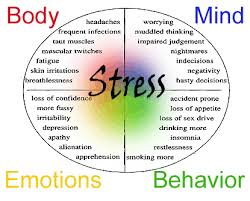
 

Occupational Stress in Organizations Effects

Occupational Stress in Organizations Effects Order Instructions: Here below are the questions for the writer to take into considerations when reviewing the article.

Occupational Stress in Organizations Effects

It is important that the writer also cite the article and use proper APA 6th edition in this paper. The writer must clearly respond to all the questions posed in the order below. they are 5 key points here to respond to and the writer must demonstrate mastery of the questions and a Yes and NO respond is not welcome, you must clearly support your points with facts and relevant studies.

This week you will assess several studies with an eye toward the relationship between the hypothesis, data collection methods, and statistical analysis employed. As you read each article, consider whether these aspects are logically integrated or related.
In reviewing the article that you chose, focus your analysis on each of the following guiding questions. You should address each set of questions in a short paragraph. Be sure to refer directly to the article where appropriate.

• Briefly describe the type of statistical analysis. What does it measure, and what are its assumptions? Do the assumptions apply to the data in the article?

• Was there a statistically significant result? Were results mixed? Explain the findings.

• Did the authors present hypotheses? Were they plainly stated or inferred? Did the analysis support the hypotheses?

• How else might this study have been conducted? For example, could a different population have been studied? Could the population size have been different? Would a different type of analysis been appropriate?

• Are the results valid and reliable? Are they generalizable? What would need to be done in order to generalize the results to other contexts, populations, or settings?

Occupational Stress in Organizations Effects Sample Answer

Occupational stress in organizations

The type of statistical analysis is a qualitative descriptive analysis of the data. The study assessed the causes, symptoms, and the effects and the appropriate interventions by occupational stress. The data was analyzed by means of the statistical package for social studies (SPSS). The interventions were measured using the Likerts scales of 1to 5. The scores 1 represented strongly disagree, score 2 represented disagree, 3 for the undecided, 4 for agree and 5 for strongly agree.  The combinations were used to facilitate data analysis. 125 questionnaires were randomly distributed among the sampled employees and 75 of them were duly answered giving a response rate of 60%.

The respondent’s ranks on agreement on the causes of were recorded in according to Likert scale. A variety of variables was used to analyze the causes of occupational stress. The different variables of the study were assessed in accordance to the percentage of the individuals in each rank. The results presented different results depending on the response of employees. The results recorded were different depending on the variable. For instance, the results for the variable of inadequate salary, 73% percentage agreed while in the variable of 53% agreed on the variable of lack of superior interest. The general findings of the study were that occupational stress affects employees in many ways. Also, the findings show that occupational stress is a major course of employee turnover. Several suggestions have been made to act as interventions strategies by the managers to control and reduce stress in organizations.

The hypotheses of the study were clearly stated. The clearly outlined regarding the causes of occupational stress, the signs of stress and the interventions that can be applied to effectively manage stress by managers in an organization. The hypothesis was that organizational stress affects employees in many ways. The causes of the organizational stress were recorded in questionnaires, and the employees were supposed to give response depending on whether they strongly agree, agree, are undecided, disagree or strongly disagree with the hypothesis (Proulx, 2011).

The study utilized a qualitative descriptive analysis. Alternatively, the study could have taken a quantitative analysis perspective to analyze the aspects of the causes, signs and the interventions made on the management of occupational stress. The use of the statistical analysis provides more accurate and definite results.  For instance, it is difficult to assess how strongly the individuals in the sample agree or disagree with the hypothesis. A mathematical, statistical method could have been used to assess the relationship between the data sets obtained. In the mathematical analysis, the hypothesis stated is answered with either the answer yes or no which makes it more accurate. Also, with this method, it is possible to either accept the hypothesis or reject it depending on the findings. However, the population from which the sample was obtained was appropriate for the study. Larger sample size has more dispersion (Berger, 2013). Therefore to make the make the results more accurate a larger sample size should have been used.

According to the study, the results obtained are generalized used to summarize the sample data, since the analysis employed was descriptive. The results are presented in the form of percentages basing on the responses of the individuals. To make the results more reliable a mathematical aspect should have been employed. The numerical descriptors such as mean and standard deviation should be involved in draw more meaningful conclusions about the particular population under study (Proulx, 2011).

Occupational Stress in Organizations Effects References

Berger, J. O. (2013). Statistical decision theory and Bayesian analysis. Springer Science & Business Media

Ongori, H., & Agolla, J. (2012).occupational stress in Organisations and its effects on the organizational performance. IJLD, 2(1). http://dx.doi.org/10.5296/ijld.v2i1.1473

Proulx, T. (2011). Modal Analysis Topics, Volume 3. New York, NY: Society for Experimental Mechanics, Inc.

Ramsey, F., & Schafer, D. (2012). The statistical sleuth: a course in methods of data analysis. Cengage Learning.