



Model of Data Reduction Process

Model of Data Reduction Process

Response to Sample Interview Questions in the Model of Data Reduction Process”, under “Reported Outcomes.”

Order Instructions:

Dear Admin,

I need an essay in the following subject:
After you have read this week’s required journal article (Owens and Hekman, 2012),

Modeling how to grow an inductive examination of humble leader behaviors, contingencies and outcomes

complete the following:

Respond to the three “Sample Interview Questions” on page 6, in the “Model of Data Reduction Process”, under “Reported Outcomes.”

The following conditions must meet in the paper

1) I want a typical and a quality answer which should have about 1100 words.

2) The answer must raise appropriate critical questions.

3) The answer must include examples from experience or the web with references from relevant examples from real companies.

4) Do include all your references, as per the Harvard Referencing System,

5) Please don’t use Wikipedia web site.

6) I need examples from peer reviewed articles or researches.

Appreciate each single moment you spend in writing my paper

Best regards

SAMPLE ANSWER

Model of Data Reduction Process

Introduction & Background Information

Though leader humility is still being considered to be a rare personality trait, what still remains to be unraveled about this aspect is about what this humble leadership appears in way of being and leadership posture, the kind of behaviors it entails, and the situational and personal factors determining the efficacy of such behaviors. This paper recognizes that a humble leader must possess a clear vision of where they would like the organization to be after some time. It is essential to have a vision in order to plan and budget for the activities in long and short term goals or objectives. A humble leader is the one who encourages team work in carrying out the activities. This paper is designed to provide a classical example and model of what a humble leader should be like, in whatever capacity or position in the organization.

Theoretical Implications

Leader humility is all about how leaders model their subjects on the gravity of growing and producing positive organizational outcomes by leading their subjects to believe that their own feelings and development journeys are justifiable in the work station. For a decade, as Owens & Hekman (2012, p. 792) puts it, leadership proponents have continuously focused on the essence of humility in the context of leadership. According to Roberto (2005, p. 23), this is based on the criticalness of leader humility in molding and shaping acceptable and good conduct and habits among the followers. Both participative leadership and servant leadership perspectives further stress the virtue of humility as being crucial for leader efficacy. As organizational environments shift towards becoming more unpredictable, uncertain, and dynamic, it becomes hard for any potential leader to rise to the ladder of leadership except by taking humble approaches and engaging in actions that demonstrate humility of highest order.

The Fundamental Essence of Leader Humility

There has been call from practitioners and scholars for the need for both present and tomorrow’s leaders to approach their functions with more humility. As suggested by Kotter & Cohen (2002, p. 107), leaders should overcome the common ‘hero myth’ point of view of leadership via demonstrating their humanness by being open regarding their constraints in experience and knowledge, and then aiming on how their subjects impact the process of leadership.  Leadership approaches and styles can either be effective or ineffective with regard to the situation. Malcolm (2002, p. 93) hypothesizes that there may be contexts or situations in which behaving humbly as a people’s leader may be considered less effective and even jeopardize the whole situation. This implies that there should be a boundary for the application of leader humility and humble leader behaviors. As a further ado, a humble leader has to properly learn when and in what background, their exercise of humility could be associated with ineffective or weak leadership.

Overview of Conceptual Model

A humble leader believes that ethics governs their integrity and respect towards the norms of the organization. Ethics promotes honesty and commitments of a person toward the organization.  Such a leader should have good strategic skills to elaborate business plans, and have relatively low interpersonal skills to negotiate on behalf of the organization. Humble leaders are expected to address mistakes once they have occurred. A humble leader should be seen as a negotiator of business deals and the one who can solve problems of workers. A true humble leader should be rated as a good speaker and one who influences many followers by using their own good speaking skills. It is also important that a humble leader exhibits aspects of being an intellectual leader who expects high performance and good results from individuals and the team.

Perceived Competence

Being humble in a position of leadership should make one’s subjects to rate you as a wise leader who is focused and determined to accomplish the mission of the firm. Followers should rate their leader as a person of splendid vision that leads to achieving the goals. Such a leader’s behavioral skills should be good and competent to keep the organization competing in the world of business. The people around should be able to judge and conclude their leader makes individuals feel a part of the organization’s family. This comes out of good transformational leadership, only when a humble leader is an ethical leader. A good leader should be able to balance leadership categories so that he can lead the organization towards its goals. A leader is the one who manifests leadership in all spheres parts of life and aspects of daily activities (Bateman & Snell, 2004, p. 102).

Perceived Sincerity

A contingent reward refers to how a humble leader appreciates the work of employees. Good leaders do not always track the errors and punish the guilty but look on the good job. Once a good job has been done, such a leader should appraise the workers through words, rewards, and even promotions (Michael, 2005, p. 35). Praised workers feel motivated and work hard to earn other rewards. The fellow workers will aim at getting the same appraisal from the manager and this will increase the production and service delivery. This skill is essential to the organization because it helps to increase morale of workers and gives high output. It is a tool that links all other leadership behaviors and acknowledges the work and efforts of employees (Kotter & Cohen, 2002, p. 25).

Nurturing Interpersonal skills

It is important to understand the backgrounds of each fellow worker to facilitate interaction with them. Respect of other people’s perceptions and beliefs creates a good working environment. A humble leader is the one who lowers their expectations and conditions to allow room for discussion with followers to create a good understanding. A good leadership is attained via how a leader persuades the workers. Persuasions in terms of helping them leave a bad attitude and perception and adopt the morale to work for the organization. It is important to give room for negotiation that works like release valve of the tensions and stress related to work. This skill acts as a link between the management and the employees. It is important to understand the backgrounds of each fellow worker to enable a leader interact with them. One should be flexible to meet other people’s standards so that one can coordinate the intended activities (Heifetz & Linsky, 2002, p. 93)

Conclusion

Humility in leadership is a subject matter that will continue growing relevant as markets continue globalizing and firms expand. This denotes that in such an environment it becomes less feasible for a person in position of leadership to capture and run everything on their own, thus drawing the need for being humble. From this paper, it is true that leaders fail not because they are not clever, bright, sharp or even informative, but because they fail to understand themselves and work with their subjects as required. Leaders across various divides should henceforth lead their organizations by humbly providing them the room for growth via modeling teachability, and recognizing the unique contributions, knowledge, and skills of those around them.

Reference List

Bateman, S., & Snell, A. (2004). Leadership management. New York: McGraw-Hill.

Fullan, M. (2005). Leadership & sustainability: System thinkers in action. Thousand Oaks, CA: Corwin Press.

Heifetz, R, A. & Linsky, M. (2002). Leadership on the Line: Staying Alive Through the Dangers of Leading, Volume 465. Boston: Harvard Business Press.

Kotter, J. P., & Cohen, D. S. (2002). The heart of change: Real-life stories of how people change their organizations. Harvard Business Press.

Malcolm, G. (2002). The Tipping Point: How Little Things Can Make a Big Difference. Boston: Back Bay Books.

Michael, A., (2005), How Great Leaders Prevent Problems before They Happen, Harvard university press.

Michael, F., (2005), Leadership & Sustainability, New York Publisher.

Owens, B., & Hekman, D. (2012). Modeling how to grow: An inductive examination of humble leader behaviors, contingencies, and outcomes. Academy of Management Joumal, 55(4), 787-818.

Roberto, M. A. (2005). Know what you don’t know: How great leaders prevent problems before they happen. Pearson Prentice Hall.

We can write this or a similar paper for you! Simply fill the order form!
Leadership Research Paper Available

Leadership
Leadership

Leadership Research Paper

Order Instructions:

Dear Admin,

I need an essay in the following subject:

Note: To prepare for this essay please read the required articles that is attached

Explain how elements of each approach examined this week could be integrated into a broader, more inclusive theory of leadership. How would your new approach seek to explain what comprises a good leader? Provide examples that would help to support your theory

The following conditions must meet in the essay:

1) I want a typical and a quality answer which should have about 830 words.

2) The answer must raise appropriate critical questions.

3) The answer must include examples from experience or the web with references from
relevant examples from real companies.

4) Do include all your references, as per the Harvard Referencing System,

5) Please don’t use Wikipedia web site.

6) I need examples from peer reviewed articles or researches.

Appreciate each single moment you spend in writing my paper

Best regards

SAMPLE ANSWER


Leadership is a subject that is known to offer different approaches and contributions to the business world (Northouse, 2009). In leadership, the most important part is its theoretical underpinnings which are practically applied and used in the academic research work in most institutions all over the world. The factor that makes theories to be more esteemed in leadership matters is the evolution that takes place from time to time following their historical roots. The need to ensure robustness and the need to offer substantial base of ideas that enhances their learning of theories in leadership.

There are different elements of approach that can be integrated into a broader and more inclusive theory of leadership, hence, making it more effective than before. According Northouse (2011) the trait approach is one of the earliest leadership theories that is well known to have contributed positively in the leadership matters. Trait approach is comprised of many leadership characteristic which include intelligence, self confidence in a leader, the ability of a leader to have a high level of integrity and the determination of a leader to attain a certain set goal of leadership. Northouse (2009) also talks of a good leader having to be a social person who can interact with people and share their opinion one on one. Researchers explains that the leaders who have these characteristic are known to be more exceptional as compared to other leaders to mean that their way of leadership is better since, it comprises of  extroversion and openness. The leadership trait approach is built on personality and emotional intelligence which provides a framework of looking at elements of personal and social competence which becomes a good characteristic of leadership. The trait leadership approach comprises of visionary and charismatic ideas which guides a leader; hence, enhancing the type of leadership that is being portrayed in such a set up. In the process of identifying the people who can qualify to be good leaders most of the given organizations are able to assess the personality of the given persons together with the use of Myers Briggs Type Indicator. These are tools which are known to assess the trait characteristic of a leader. On the side of assessing the strengths and the weaknesses of a leader, personality test is what is advocated for in most of the times. Trait approach emphasizes on the fact that most of the leaders we see today are born despite them being able to tap into someone else idea of having answers and leading the way forward.

The other type of approach that can as well be used to make leadership theory more inclusive and broader is the skills approach which emphasizes on the leaders’ skills and abilities (Northouse, 2012). Contrary to the trait approach where skill are thought to be innate and fixed, the skills approach is thought to be learned and developed. The different types of personal skills which are known to influence the effectiveness of good leadership include human and conceptual skills together with the technical skills which are competencies in a specialized area involving the hands-on activity. The capacity to get along with others is what is termed as the human skills and is very crucial for a leader to learn how to get along with people to avoid conflicts. A leader should be able to work with the ideas of the people whom he leads and the abstract concepts which are put across by people, hence, by doing this he will have well incorporated the conceptual skills which entails the management matters in his leadership as required.  Skills theoretical approach has been able to come up with the capability model well known in the linkage of the skills to effectiveness and leaders knowledge and inclusive of competencies, environmental influences, career experiences, individual attributes and the leadership outcomes. According to Northouse (2009), a leader should portray the ability to handle problem in an organization and also have a good ability to solve problems in comparison of good understanding of the people’s social systems. Leadership also entails accumulation of information and mental structures with the aim of making meaning out of complex systems and be able to act well as required in a fair manner to all people. In order to work well with the skills approach a leader should also have crystallized cognitive ability, personality, and cognitive capacity which advocates for good motivation.

Another leader centric theory is the style approach, which provides a good broad framework of how people act or how leaders should behave in their daily leadership role. The approach mainly focuses on relationship behavior of the leader and the task behavior that they portray in their job in bid to influence others and to make progress towards a particular goal. In leadership care and respect of all humanity ought to be portrayed as this helps to show how considerate a leader is through the demonstrations of good orientations to people and clear production orientation. When production orientation is employed in leadership it will enhance in making the organization work done while, employee orientation will better the human relation who get united and work tireless toward achieving their goal. Style approach provides ideas which describe the leadership behavior and how it impacts on their task and the people involved hence, one can clearly analyze if the failures seen are as a result of the poor leadership or if the achievements are as a result of the good leadership (Northouse, 2015).

The approach that can be integrated into a broader and a more inclusive theory of leadership is the situational approach, which states that different situations are known to produce different demands on leaders who by all means must adapt to them to better their leadership skills. The degree to which others need support and direction or what they even require influences how a certain leader will be able to respond to any given situation or a problem that has cropped up in his leadership. Situational approach focuses on the development of the subordinate and the leadership style which involves the supportive behaviors and the directives which are employed by a leader to influence others to carry out their required task to achieve a certain goal. According to Northouse (2014) a leader should be very sensitive when giving out instructions of what is supposed to be done and how that should be done as this direct influence the goal of his leadership; hence, should be done positively. In regard to having supportive behavior as a leader this will help people feel comfortable to speak out their needs to the leader who will show some concert to support them accordingly. A leader should be concerned with they who are very committed and competent in completing their task on time and be ready to motivate them to keep up with same spirit of hard work.

Bibliography

Northouse, P.G. 2009. Leadership: Theory and Practice, 5th Edition. SAGE Publications

Northouse, P.G. 2011. Introduction to Leadership: Concepts and Practice. SAGE Publications

Northouse, P.G. 2012. Leadership: Theory and Practice, 6th Edition. SAGE Publications

Northouse, P.G. 2014. Introduction to Leadership: Concepts and Practice, 3rd Edition. SAGE Publications

Northouse, P.G. 2015. Leadership: Theory and Practice, 7th Edition. SAGE Publications

We can write this or a similar paper for you! Simply fill the order form!
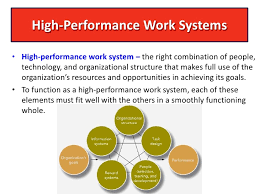
High-performance work systems Essay

high-performance work systems

high-performance work systems

Order Instructions:

Dear Admin,

Note:To prepare for this essay please read the required articles that is attached

I need an essay in the following subject:

In this essay you examine the notion of ‘high-performance work systems’ as an example of a system operating within organisations, designed and implemented by HR and/or line managers. Use this week’s Collaboration to share your thoughts about HPWS, and HR systems and organisations in general, with your colleagues. Be sure to discuss ways in which your experiences and differing perspectives can help you understand what you have read and, in turn, how your readings can help you expand your thinking about organisations and systems.

•Exploring similarities and differences in your perspectives on the potential value of HPWS

•Sharing alternative perspectives on implications of HPWS for HR managers, line managers and the organisation’s design

•Synthesising general lessons about the HR leader’s role in organisation design, systems design and relationships with line managers

The following conditions must meet in the essay:

1) I want a typical and a quality answer which should have about 1400 words.

2) The answer must raise appropriate critical questions.

3) The answer must include examples from experience or the web with references from relevant examples from real companies.

4) Do include all your references, as per the Harvard Referencing System,

5) Please don’t use Wikipedia web site.

6) I need examples from peer reviewed articles or researches.

Appreciate each single moment you spend in writing my paper

Best regards

SAMPLE ANSWER

High performance work system is a need for all organizations since it impacts their organizations positively. Multi-skilling is work ethic that is highly encouraged because it helps in achieving high-performance of work design advocated for in any organization (Gilbert, De Winne, and Sels 2011). In order to enhance the high-performance work design, the leaders adopt the usage of the supportive techniques, where members are supported in bettering their working conditions rather than the use of autocratic style of leadership. For the kit-marshalling, the support systems are employed to improve on work performance and to make the team work function effectively as compared to the productive units, material are adequately supplied to avoid shortage that may slow down the work.

To attain success in an organization, the management has to set goals to aid in attain the success through hard work as can be seen in leading corporations like Google. Thorough training is normally done on the new employees so that they familiarize themselves with the corporate culture of their organizations. Boxall and Purcell (2008) argue that, the employees are advised to be involved in the trainings that take place in the organization in order to learn more on the code and ethics of the business. This helps put the business in a position to produce high work performance which will lead to the success of the organization. Employees are allowed to participate in the payment system as this will motivate them to work harder as they feel acknowledged to be part and parcel of the organization. The payment systems are designed in a way that suits the organization and the employee’s needs, such that each of the two sides benefit from the system. In some cases team members are allowed to use the peer performance review where they evaluate one another on matters of performance to identify if the management team is working or if the workers are failing in their duty of working hard towards the success of the organization. The peer performance review, therefore, helps to ensuring both the management and the workers carry out their role accordingly.

The human resource specialists should be able to contribute to the process of organization design since they have great contribution to the success of the business. At Google, the HR department are actively involved in the organization design so that all the work is properly aligned with the organizations mission and vision. The organizations of a particular function and activities in regard to the basis upon which the relationship between are managed by the human resource managers together with the line managers. Managers work to ensure that people work cooperatively together and if need be the organization has to be adjusted so that it can be able to fit the particular strengths and attributes of the people available to achieve the desired goal. According to Gong, Law, Chang and Xin (2009), there is the need to have an ideal structure that will be modified to meet particular desired circumstances that are helpful to the organization. The alternative perspective on implication of the high-work performance on the organization design will be to optimize the arrangements for conducting the affairs of the business by clarifying the overall performance of the business. Organization design also aims at providing the achievement of the cooperation effort together with the integration of activities and teamwork in pursuit of a common goal. Organization design defines the role and the function of each organizational unit, such that all the individual roles are well clarified not forgetting the role of the authorities and the accountabilities. Organizational design aims at building of flexibility into the system and this helps the system to adapt fast to challenges and new situations which if not taken into consideration may negatively affect the organizations success. It also aims at planning and implementing organization development activities and this positively contributes to the success of the organization which later motivates its workers. The human resource managers have role to review the organization to ensure that each persons present is playing his role as required through hard work. The review is normally conducted in four stages which include the analyzing stage where the managers have to review the factors that may affect the organization in the present or in future. They also have to diagnose what ought to be done to better the organization functions and structure through the implementing of the organization after planning for the right time to do so. When all these reviews have been done it then calls for the implementation of the plan that has been set aside to be followed to the later.

Both the human resource and the line managers have to set guidelines that will help the organization to move forward (Sanders & Frenklen, 2011). These guidelines involve the differentiation of work for all to know what they should do and integrating the work so that all the people in that organization through the high work performance can be able to work towards the same goal. The managers need to allocate work to all the departments, project groups, functions, individual position and all units in that organization and advocate for team work. They also need to delayer the organization by removing superfluous layer in order to promote flexibility and increase responsiveness with the aim of enabling the people to be given more responsibility on their duties. This helps to reduce costs on the much undone work and improves the overall efficiency of the business. According to Sanders Frenklen (2011), the main motive of HR department is to ensure that all the functions within the organization is aligned with the mission and vision of the organization.

Lessons about HR in an organization design, system design and line managers are enormous within organizations. The lesson about the human resource an organization is that the organization design that they employ in their work leads to the organization planning. Through planning, they can be able to convert their analysis in to data, which aids in the recognition of the human resource requirements in line with the changes that ought to be implemented to better the working of the organization. According to Frenkel, Sanders, & Bednall (2009), planning is what determines the structure, relationship and the roles which prove contingent in the present and in future. Human resource has to be involved in organization design because it is all about people and they work they do. In case of consulting people from outside there is the need to ensure that the line and the human resource are involved in order to make the implement the proposals smoothly.

References

Sanders, K., & Frenklen, S. 2011. HR-line management relations: characteristics and effects. The International Journal of Human Resource Management, Vol. 22, No. 8, 1611–1617

Frenkel, S., Sanders, K., & Bednall, T. 2009. ‘How Do Employees Perceptions of Management and HR-Line Relations Affect Employee Attitudes to Work,’ paper presented at International HRM conference, Amsterdam

Boxall, P., and Purcell, J. 2008. Strategy and Human Resource Management (2nd ed.), Basingstoke: Palgrave Macmillan

Gong, Y., Law, K.S., Chang, S., and Xin, K.R. 2009, ‘Human Resource Management and Firm Performance: The Differential Role of Managerial Affective and Continuance Commitment,’ Journal of Applied Psychology, 94, 263–275

Bjo¨rkman, I., Ehrnrooth, M., Smale, A., and John, S. 2011, ‘The Determinants of Line Management Internalisation of HRM Practices in MNC Subsidiaries,’ International Journal of Human Resource Management, 22, 8, 1654–1671

Gilbert, C., De Winne, S., and Sels, L. 2011, ‘The Influence of Line Managers and HR Department on Employees’ Affective Commitment,’ International Journal of Human Resource Management, 22, 8, 1618–1637

We can write this or a similar paper for you! Simply fill the order form!
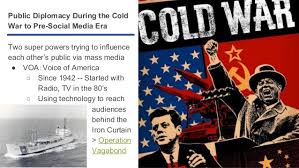
The Cold War and U.S. Diplomacy Assignment

The Cold War and U.S. Diplomacy

The Cold War and U.S. Diplomacy

Order Instructions:

Assignment 1 – The Cold War and U.S. Diplomacy

Select a president from the table, “Presidents and Their ‘Doctrines,’” in Roskin, Chapter 4. Then write a 3-5 page paper on the doctrine that president used according to Roskin. Your research must include at least four (4) credible sources, apart from your textbook.

Your paper must address the following:
1.Summarize a situation that required U.S. diplomatic efforts during the president’s time in office.
2. Explicate the diplomatic doctrine the president followed, with reference to specific actions or events that occurred.
3 .Describe the effects of these diplomatic efforts for the U.S. and other countries.
4. Assess, in conclusion, the advantages and disadvantages of the particular doctrine that was followed.
5. Cite at least four (4) reputable sources in addition to the textbook, not including Wikipedia, encyclopedias, or dictionaries. .

Your assignment must:
•Be typed, double spaced, using Times New Roman font (size 12), with one-inch margins on all sides; citations and references must follow APA or school-specific format. Check with your professor for any additional instructions.
•Include a cover page containing the tile of the assignment, the student’s name, the professor’s name, the course title, and the date. The cover page and the reference page are not included in the required assignment page length.
The specific course learning outcomes associated with this assignment are:
•Identify the cultural, economic, and political context of information resources, and interpret information in light of that context.
•Use technology and information resources to research issues in international problems.
•Write clearly and concisely about international problems using proper writing mechanics.
Grading for this assignment will be based on answer quality, logic/organization of the paper, and language and writing skills.
Additional Requirements

Min Pages: 4
Level of Detail: Show all work

SAMPLE ANSWER

For 13 days in October 1962, the world was on the brink of a nuclear holocaust as the US and the Soviet Union were embroiled in an impasse off the cost of Cuba. Historians appreciate the precarious situation that the US was in as its Central Intelligence Agency had failed to gather intelligence on the soviets building missile bases in Cuba in advance of their completion. President Kennedy had only been in office for a few months and was reeling from a failed attempt at overthrowing the government of a young Fidel Castro in the Bay of Pigs (Fitzsimons,1972). The situation was made dire by the fact that Cuba stands only 90 miles off the coast of Florida and soviet ballistic missiles were in range of the American east coast. President Kennedy reacted by placing a quarantine around Cuba in order to prevent more nuclear missiles from reaching the coast. This was at the height of the cold war.

The situation nearly escalated when the soviets shot down an American U-2 spy plane during an inspection of the quarantine zone. In essence, the quarantine was a toned down reference to the blockade around Cuba which in itself represented an act of war. The US secretary of state, Rusk, referred to the standoff between the soviet ships carrying more missiles and the US naval ships in the blockade as being eyeball-to-eyeball. In that instance, had the soviet ships not stopped and sailed back to their country, the two armies would have been forced to engage leading to world war iii. The scenario would have been exacerbated by the fact that the US had Jupiter missiles strategically placed in Turkey, and within range of the Soviet Union. Various advisors had pushed Kennedy to launch an assault on the military installations in Cuba in order to cripple an soviet offensive. Conversely, Fidel Castro pushed Khrushchev, the soviet premier to also launch an offensive against the US. However, sobriety prevailed and matters did not escalate as they had promised to.

Popular American mythology regarding the Cuban missile crisis holds that the bold brinkmanship of Kennedy won the day. However, careful analysis of the facts and historical accounts paint a different picture. Rather than the high-stake game of folklore, the crisis was resolved by behind-the-scenes engagements between Moscow and Washington. As a matter of fact, the crisis lasted a lot longer than the 13 days commonly quoted. In normal circumstances, the downing of the American U-2 spy plane would have resulted in the destruction of the antiaircraft base. However, Kennedy held off any retaliatory attack. Historical accounts indicate that in the 13 days of the crisis, Kennedy’s brother, attorney general Robert Kennedy was embroiled in serious and secret negotiations with the soviet ambassador, Anatoly Dobrynin. At first, they agreed that the soviets would not breach the blockade if the US guaranteed not to invade Cuba (Dobbs, 2008). This brought an end to the impasse. However, there still were missiles already in Cuba. The next step of the negotiations resolved that the Soviet Union would remove all the nuclear missiles from Cuba and in return, the US would remove its own Jupiter missiles from Turkey. However, these terms were not made public which led to the myth that Americans won.

The Kennedy doctrine was thus one that was premised on diplomacy. Rather than launching offensives for any perceived acts of war, the president always allowed for diplomacy. The world was recovering from the effects of World War II less than two decades prior. Therefore, President Kennedy was not keen on overt warfare but rather focused on unconventional warfare. This doctrine provided the necessary flexibility to avoid nuclear war. This doctrine was successful in this instance but failed in other memorable debacles like the Vietnam War which started of covertly and turned overt after unconventional warfare failed. However, even with its failure in Vietnam, the doctrine of diplomacy and engagement on a covert basis gained prominence and has avoided any major confrontations today despite constant provocations. The US turned a corner and was mythologised for its handling of the Cuban missile crisis why the Soviet Union also gained some clout since the imminent threat that the missiles in turkey posed dissipated. Engagements between the two countries after the crisis gave way to the Nuclear Test Ban Treaty.

The Kennedy Doctrine has the advantage of having less expensive outcomes for the country in comparison to engagement in an all-out war. It allowed for peaceful resolution to a situation that had threatened to go out of hand. The disadvantage of the doctrine is that it led to one party being considered as being triumphant over the other. In the larger scope of things, it led to a precarious situation of having two centres of power, super powers, which dominated the 20th century, pushing much else to the backburner. The previous regime in the US governed by the Eisenhower Doctrine was premised massive retaliation. The fear that this doctrine espoused was undone by the Kennedy Doctrine leading to a perceived weakening of the US.

References

Dobbs, M. (2008). One Minute to Midnight: Kennedy, Khrushchev and Castro on the Brink of Nuclear War. New York: Knopf

Fitzsimons, L. (1972). The Kennedy Doctrine. New York: Random House

We can write this or a similar paper for you! Simply fill the order form!

Registered Professional Nurse Responsibility

Registered Professional Nurse Responsibility

Cultural competence: Registered Professional Nurse Responsibility

Order Instructions:

To be done by writer: 111969

Its a research paper not essay

The M6A3: Cultural Competence: Registered Professional Nurse Responsibility Paper counts as 30% of your grade for this course.

We suggest that you develop and outline and use the following time-line as your guide for completing your paper:

Week 1: Review the requirements for the paper.
Week 2: Begin developing an outline for your paper.
Week 3: You should have your outline completed.
Week 4: You should be using your outline to write your paper.
Week 5: Continue work on your paper.
Week 6: Finalize your paper and submit by the end of the week.
Information on using an outline and writing a scholarly paper is available through the Excelsior College Online Writing Lab (OWL).

If you have questions, reach out to your instructor via My Messages.

linked item M6A3: Cultural Competence: Registered Professional Nurse Responsibility Paper
Using APA format, write a six (6) to ten (10) page paper (excludes cover and reference page) that examines culturally sensitive nursing care. The paper consists of two (2) parts and must be submitted by the close of week six (6).

A minimum of three (3) current professional references must be provided. Current references include professional publications and valid websites dated within five (5) years. Additionally, a textbook that is no more than one (1) edition old may be used.

Part 1 – Introduction

Address the following:

Using your own words, define culturally competent nursing care. Support the definition with a professional literature citation.
Identify four (4) guidelines the registered professional nurse may use to enhance the ability to provide culturally competent nursing care. Provide one example the culturally competent nurse applies to each of the four (4) selected guidelines. At least one example must address care of patient not occurring in an acute care hospital.
Describe how the registered professional nurse evaluates if the patient’s cultural needs have been met?
Describe whether cultural practices must be accommodated in all aspects of health care? Provide a specific example and rationale to support your response.
Part 2- Demonstrating Culturally Competent Nursing Care

Address the following:

Select one of the following cultures:

  • Asian
  • Native American
  • Hispanic

Select four (4) cultural features, associated with the selected cultures that influence the provision of nursing care for patients with chronic illness and at the end of their lives. Describe how the four (4) cultural features influence the provision of care to the patients.
Provide two (2) examples that demonstrate nursing care, which reflects the respect for the dignity and uniqueness of those cultural features for patients experiencing chronic illness and at the end of their lives.

Compose your work using a word processor (or other software as appropriate) and save it frequently to your computer. Use a 12 font size, double space your work and use APA format for citations, references, and overall format. Assistance with APA citations and references is available through the free resource Citation Machine™. Assistance with APA format, grammar, and avoiding plagiarism is available for free through the Excelsior College Online Writing Lab (OWL). Be sure to check your work and correct any spelling or grammatical errors before you submit your assignment

NB
This task is 7 pages.

SAMPLE ANSWER

Registered Professional Nurse Responsibility

Cultural competence: Registered Professional Nurse Responsibility

Today, registered nurses offer public health care to populations from diverse cultures; each with unique cultural and religious spirituality. Culture is defined as shared values and character, transmitted from one generation to another, which distinguish individuals of one group from another.   Therefore, it is vital to understand patient cultural background   because they impact significantly on the patients’ health and illness (Astrid et al, 2010).  Cultural diversity is recognizes individual uniqueness in terms of their socio economic status, physical attributes, ethnicity, political and religious beliefs. The cultural diversity concept entails respecting person’s cultural background in order to relate with them i.e. cultural competence. According to The Primary care Access Network (PCAN) of central Florida, culture competence refers to all activities geared towards effective and sensitive delivery of quality health care.   It entails a set of attitudes and regulatory policies that work together in ensuring that health care practitioners function effectively and sensitively across the board. Becoming culturally competent requires self-awareness and commitment to give safe and quality health care services to everyone irrespective of their backgrounds (CDC, 2014).To provide competent  health care, the following four guidelines are  followed; a) Acknowledge and respect  diverse cultural influence b) Cultural care accommodation c) Widen  knowledge on cultural diversity and d) Culture care preservation

To start with, the practitioner should acknowledge and respect the cultural influence in personal and professional way of life.  The guideline supports patient centered model; where the nurse focuses on the patient rather than treating the illness.  According to this guideline, illness is interpretation of individual’s ailment interpreted by their sociocultural factors. For instance, some cultures may associate mental disorder such as Schizophrenia as being inhabited by evil spirit.  It is the nurse’s obligation to listen the disease description according to the patient’s perspective. Secondly, health practitioner should be vigilant regarding the dynamics of cross cultural relations to enhance communication. Cross cultural interaction brings forth the possibility of misjudging other people’s actions or intentions. More insights on patient’s cultural background minimize stereotyping incidences; and develop mutual beneficial relationship between the parties.  The medical practitioner should Listen to patient’s description of the problem; explain the perception into medical terms and prescribe the treatment (Norton &Marks-Maran, 2014).

Thirdly, The practitioners should broaden their cultural diversity knowledge, and incorporate it into their profession.  The increased knowledge about the person’s sociocultural concepts enhances the relationship especially during physical examination processes i.e.   facilitate in identifying what questions to ask, avoid, modify and how to put them across. For instance, questioning sexual behavior among Hispanic community is disrespectful, and patients may not collaborate. Some religion does not permit vaccination, and therefore, may exempt their new born from getting immunization. Nurses should get acquainted on the relevant sociocultural beliefs of the ethnographic local communities. Lastly, Nurses should develop and adapt to the identified culturally sensitive interventions which will enhance better relation between patients’ needs and clinicians needs (Dudas, 2012).

An Islam Imam (spiritual leader) suffered mild dementia while visiting his son in Toronto.  He was physically examined, and all cultural questions posed were answered by his son. The patient condition deteriorated and was transferred to the ICU. After several interventions, the nurse in-charge decided to help the elderly man in grooming and personal hygiene.  The first step was to clean shave the long and unkempt beard. In the process, the nurse let the man know that she was going to shave his beard; the man seemed to nod, and the nurse concluded that he agreed with the entire hygiene Practices. The nurse went home very happy and proud to have provided such good comfort and care for the elderly. When the son visited the following morning, he was horrified at the sight of his father. He rushed out of the room and reprimanded the nurse. Apparently, the father was a holy man so his beard had never been cut. The family had to make new arrangements of how to sacrifice for this taboo. The nurse was charged with negligence of cultural beliefs Therefore, it is important to identify all practices and beliefs by designing assessment questions elicit to provide more information. The healthcare institution should involve political, religious and non-religious experts when designing such assessments. This will ensure that health care services are delivered in a way that respects and values cultural practices. From this example, it is obvious that cultural competent care is very important in providing quality and satisfying patients care (CNO, 2009).

Nursing scholars have debated on ways to ensure cultural competence in nursing. Cultural assessment interview plays vital role when evaluating patient cultural needs. This is done by asking relevant but open-ended questions to the patient, and giving them opportunities to elaborate on them (Mareno & Hart, 2014). Patients become more co-operative if a nurse shows interest in learning more their cultural back ground. The nurse should make the comfortable enough to make the open up about everything they have done prior to seeking medical attention.   Georgetown University have established Cultural competence Health practitioner Assessment program which can be downloaded from their website.  Generally, The nurse must listen and must not misjudge or stereotype the patient. Some of the questions that could be integrated  to gather clients culture include; asking the patient to explain  what could have  caused the ailment; letting the patient explain what they think the disease does to them; enquiring on the major  problem the patient thinks could have been caused by the illness; what steps or precautions they have taken since  commencement of the illness; enquire what kind of treatment they expect or their overall expectation;  and asking  for other  information that seems  culturally important (Mcclimens et al, 2014).

Nursing profession is a caring profession. Nurses must reflect on cultural values of the society especially in this era of globalization and massive international movement.   The only way to ensure that cultural competent services are offered is by acquiring more about transcultural nursing practices, especially by conducting comparative analysis of various cultures nursing care, values and beliefs. (Mareno & Hart, 2014). However,  noting the broad differences  across culture is not enough, relying on data only risks generalization and stereotyping because even two individuals from the same community or ethnic group,  may have different experiences and expectations from  the same illness, influenced by their education and socio economic background. Language barriers are the most common obstacle when delivering health care services which impedes clear communication between patient and the health practitioner.  Most common law suits are miscommunication related cases. Understanding cultural diversity will improve patient treatment and safeguard them from malpractice (Rily, Tish &Nancy, 2014). The world is a global village.  Citizens from any particular part of the world are from all sorts of backgrounds. This presents challenges to the health sector during service delivery to patients. Therefore, cultural competency and sensitivity program must be incorporated in medical schools. Leaving cultural disparities in health care unattended could lead to high turnover rate, mortalities and disease burden in certain geographic locations.  This will directly or indirectly impact on every person in the US.  Therefore, every health practitioner has unique opportunity to take leadership to improve quality of life through culturally competent health care (Mcclimens et al, 2014).

Part 2

Good health care practices entail the provision of quality care through changing risky behavior that hallmarks cultural miscommunications and misunderstandings. These misunderstandings are obstacles in responding to the growing health care demands for Hispanics.  Hispanics represents approximately 55% of US total population. Hispanic culture upholds family institution, and it comprises of the extended relatives including grandparents, uncles, aunts, cousins, god parents and family’s siblings. When ill, Hispanic person mostly consult with their family members, and frequently ask the members to accompany them to the hospital. Hispanic culture entails provision of love and support to the ill; which could be opposed by institutional rules such as limit of patient’s visitors (Antonio, 2014).

Additionally, Hispanic culture emphasizes on interdependence and cooperation. Therefore, the patient’s relatives will be actively involved in decision making and treatment processes which may not be entertained by most health institutions. Hispanic culture is mediated by respect. Respect involves appropriate behavior based on individual’s age, gender, and socio economic status. Thus, the elderly demands respect from the young, men demands respect from women and so on. Hispanics show respect by avoiding eye contact to the authority which could be misinterpreted as   lack of interest. Due to their medical expertise, health practitioners are afforded great respect; most Hispanic patient will regard the physician advice.   Respect is highly valued in this culture and a patient may terminate treatment if any signs of disrespect are perceived. Family information remains confidential and must remain within the family. Therefore, questions on health related problems such as sexual practices, alcoholism and mental disorders are perceived as embarrassing and disrespectful.  To gather this kind of information, registered nurse should ask them indirectly (CNO, 2009).

As a registered nurse, having some culture insights facilitate communication. Therefore, working in ethnographic regions whose larger local population is Hispanics; the health practitioner should retrieve secondary data analyzed by CDC databases. Due to their collectivistic tendency, registered nurse should allow collective responsibility during decision making. Most Hispanics are group oriented. The family has a right to make decisions regarding health care interventions necessary and in most cases, they are actively involved in decision process in order to allow the patient to rest and recover peacefully. The nurse can request the patient to identify the family’s spokesman. If they are out of country, the nurse should be patient and wait to get consent for the therapy.  To accord respect to the patient, the nurse can address them using their language formal titles such as, Mr., Mrs., Miss, Senöra or Senör. In most cases, Hispanics nod out of respect to the authority (health practitioner), that does not necessarily imply that they agree with the nurse. In this case, the registered nurse should pay attention to the non- verbal communication, and attempt to clarify further if required.  In most cases, silence is a sign of respect; the nurse should be patient for a response. If need be, the nurse can ask for an interpreter. Additionally, most Hispanic is religious and beliefs that illness and death are natural life processes. Because of this belief, the patient tends to neglect health acre attention until their health worsens significantly.  In some cases, the family may want the patient spend end of life at home. The patient may associate the setting impersonal and disrupts their family relationship (CDC, 2014).

Nurses are privileged to meet people during the period of crisis in their lives when they are required to provide their expertise. People attitude toward death and bereaved are influenced by their cultural, religious and socioeconomic background. The nurse should always remember that there are aspects within every cultural grouping which could be solved through competent cultural care and comprehensive communication. For instance, a client from Hispanic community requests for sweet-grass ceremony as her last wish. The ceremony is a part of cultural treatment, which involves burning of incense stick and prayer chanting, and will be conducted in the hospital.  Heeding to the patient’s request implies that the nurse will break the institutional policy. What is the solution to this case scenario? In this case, other options should be explored by consulting the relevant authorities in other departments.  If the activity is determined as risky to other patients, then the client can be transferred to private room where the ceremony can be conducted.   Inexperience’s and fear are the most common obstacles to providing cultural competence care. Through consultation with higher authorities, the nurse is able to address the issue (CNO, 2009).

References

Antonio, MA. 2014. Latin American culture: A deconstruction of stereotypes. Studies in Latin American Popular Culture Vol 32, 73-100

APA. (2012) “Culturally diverse communities and end of life care.” Retrieved on January 16th, 2015 from [http://www.apa.org/pi/aids/programs/eol/end-of-life-diversity.pdf]

Astrid, W., Et al. (2010) A londitudinal study of cultural competence among health science faculty. Journal of cultural diversity, Vol 17; 2, p68-72

CDC. 2014. “Building our understanding: culture insights communicating with Hispanics/latinos.” Retrieved on January 16th, 2015 from [http://www.cdc.gov/nccdphp/dch/programs/healthycommunitiesprogram/tools/pdf/hispanic_latinos_insight.pdf]

CNO. 2009.   “Practice guideline: Culturally sensitive care.” Retrieved on January 16th, 2015 from [http://www.cno.org/Global/docs/prac/41040_CulturallySens.pdf]

Dudas, K. (2012) Cultural competence: An evolutionary concept analysis. Nursing Education Perspectives 33; 5,317-321

Norton, D. & Marks- Maran, D (2014) Developing cultural sensitivity and awareness in nursing overseas. Nursing standards, 28, 44, 39-44

Mareno, N. & Hart, PL (2014) Cultural competency among nurses with undergraduate and graduate degrees: Implications for nursing education. Nursing education perspective 35, 2, 83-90

Mcclimens, A. Et al (2014) Recognizing and respecting patient’s cultural diversity. Nursing standard, 28; 28, 45-52

Riley, D., Tish, S., & Nancy, Y. (2012) Cultural competence of practicing nurses entering an RN-BSN program. Nursing education perspective 33, 6, 381-385

We can write this or a similar paper for you! Simply fill the order form!

Walt Disney production company promotion

Walt Disney production company promotion

Walt Disney production company promotion

Order Instructions:

look to get some help

SAMPLE ANSWER

The Walt Disney production company is best known for its products that are well distributed in various segments of the market. In addition, Disney Company is well known in the operations of the television networks where the company carries out aggressive marketing to reach and convince their clients. The company aids in the marketing of the publishing merchandise and theater division which are best known in the production of good products in return. Disney Company has a marketing strategy that incorporates 4ps incorporated with the four P’s to enhance the effeteness of their marketing strategy as they attempt to reach their clients.

For every product its life cycle is based on the biological life cycle which explains the returns which the product has to bring out before it deteriorates again. The product life cycle is similar to the customer life cycle since they all focus on the creation of the given product and even delivering it to the customer even for a lifetime period. On the other side, the customer life cycle looks at the needs of the customer through the product and incorporates all that is needed to be done to impress the customer.

Place is another factor that is highly considered in acquiring customers in market. The product ought to be situated in a place that is well convenient to the customers to avoid any disappointments following its unavailability. The better the distribution of the product is done, the higher the sales it will give in return due to its availability to many customers at all the time (Lamb, Hair, & McDaniel, 2011).

Promotion is a tool that is highly used by the marketer in marketing his product by the use of good communication techniques. There are different mixes in the marketing promotions and this explains why a customer relies so much on material cues despite the fact tat the material part of a service is said to be the physical evidence of that product. In regard to a given service there are no physical attributes attached to it because services will always be produced and consumed at the same time. The individual needs of the customer have to be met even if it call for the alteration of the services provided to impress the customer following that they are the most important element of the service. There is the need to have an outstanding process to achieving an outcome that is highly needed to ensure that a product is well marketed. The product needs to be advised by the use of the media where many customers will get to familiarize themselves with it. The internet is another area where the product needs to be marketed since, most of the people are now able to access the internet from all the corners of the world and this will help to boost the interest of buying the product by the customers.

The target market mostly is the people who are interested in buying the product after viewing it in the media or the internet. This explains why the product during advertising or promotion needs to be described with many details as much as possible. It is prudent to be familiar with the type of people who consume the product either male or female, their age, their residences, and what they do for a living in order to know what is required in the product production to capture the target market. The marketing of the product need to be done to all age groups even though socioeconomic status may be a key factor to be determined.

There is a form of differentiation in the consumer marketplace and this is the reason as to why all people need to be aware of the new product because, they all have possibility of buying it. On the side of age, there are no big issues since; people now can repeat stages of their lives and as well recycle their lives as they deem it necessary. Age is the key to success, the hard work one employs in what he does is what leads to his success which makes him being termed as a wealthy person. These factors have been used over along reasonable time hence; they are well trusted in giving a more accurate picture of the target consumer in the given market. However, cohort market opposes the functioning of the generational marketing therefore; it leads to making the customers to behave in a differently compared to other people in different cohorts. Cohort marketing is also known to help in the formation of a bond that helps in uniting people of different age group. People behave differently in terms regarding their differences in age which is a factor highly considered in marketing of products (Lamb, Hair, & McDaniel, 2011). The generational and the cohorts marketing highly put into consideration the life stages because people of different ages are said to like different products all together hence, there is the need to have narrower reading for better understanding

Reference

Lamb, C.W., Hair, J.F., & McDaniel, C. (2011). Essentials of Marketing. Cengage Learning; 7 edition

We can write this or a similar paper for you! Simply fill the order form!
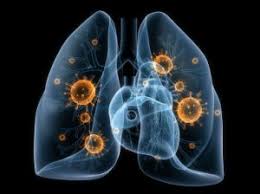
Ventilator Associated Pneumonia (VAPs) in children

Ventilator Associated Pneumonia (VAPs) in children

Ventilator Associated Pneumonia (VAPs) in children

Order Instructions:

Follow all the given guidelines. See the attached files.

SAMPLE ANSWER

Reflection #1: Ventilator Associated Pneumonia (VAPs) in children

VAPs are hospital acquired pneumonia that occurs in patients who have undergone mechanical ventilation for more than 48 hours; and previously had no symptoms of respiratory infection before the treatment. VAP occurs when bacteria colonize the lower respiratory tract in patient undergoing mechanical ventilation treatment.  Microorganisms can be introduced to the lower respiratory system through micro-aspiration of bacteria from upper respiratory system or gastrointestinal tract or via biofilm production from the endotracheal tube (ETT) The diagnosis for ventilator associated pneumonia in children (VAP) is challenge. VAP is ranked as high health risk for hospitalized children. It accounts for 18% to 26% of Hospital Acquired Infections (HAIs).  Currently, pneumonia is ranked as the 6th leading cause of death in US (Swedick et al, 2012).

VAP prevalence rate ranges from 10 to 30% and mortality rate ranging from 33% to 50%. It is associated with lengthened hospital stays; increased health costs, high rates of multi-drug resistant infections and delayed recoveries. It is estimated that 300000 VAP incidences are reported every year; and costs health care over $12billion annually.  VAP is also associated with prolonged hospital stays to up to 22 days, costing $40000 per patient. The hospitalization cost for pediatric VAP cases is $308534 as compared to $252652 for patients free VAP. Evidently, there needs an effective strategy to target control for VAP from vantage points  including medical team training universal hygiene and establishing effective protocol for microbiological infection surveillance. Integration of VAP strategic preventive interventions into clinical practices has been ineffective. In fact; studies indicate that only 22.3% of nurses and care givers practice the published infection prevention recommendations. The implementation of VAP-prevention guideline from previous studies is inconclusive (Cooper &Haut, 2013).

References

Cooper, VB., &Haut, C. (2O13) Preventing ventilator associated pneumonia in children: An evidence based protocol. Critical Nurse Care 33; 3, 21-33. Retrieved on January 21st, 2015 from

[http://eds.b.ebscohost.com/ehost/pdfviewer/pdfviewer?sid=ace834bd-2fcf-4f62-8716-b48d2268013c%40sessionmgr113&vid=0&hid=108]

Swedick, MB. Et al. (2012) Using evidence based practice to prevent ventilator associated pneumonia. Critical Nurse Care 32; 4, 41-54. Retrieved on January 21st, 2015 from [http://eds.b.ebscohost.com/ehost/pdfviewer/pdfviewer?sid=4e4b66cd-23f9-45e8-a2f5-1006c82cf90b%40sessionmgr115&vid=0&hid=108]

Reflection #2: Ventilator Associated Pneumonia (VAPs) in children – PICO (T)

Research question: Which is the most effective preventive strategy to reduce the VAP prevalence in intubated children: VAP bundle or standard oral hygiene?

  1. Endotracheal tube insertion criteria and duration, high level of microscopic aspiration, Biofilms from colonization
  2. VAP is associated with microbial infection consistent with presence of endotracheal tube and mechanical ventilation for more than 48 hrs. In children, it is often associated with oral and mechanical hygiene because there is association between oropharynx microbials and VAPs incidences.
  3. Maintenance of good oral hygiene such as tooth brushing and use of oral antiseptic reagents such as chlorhexidine, airways clearance and use of bedside protocols preventive strategies
  4. The incidence of VAPs in children could be effectively reduced in children through implementing VAPs prevention guidelines and use of ventilator care bundles
  5. Treatment is matched to the causative agent for 7 to 14days

The article on “proposed pediatric specific bundle offers new strategies for preventing ventilator associated pneumonia in children” by Viejo C. evaluates the evidence for mechanical hygiene and ventilator care bundles in prevention of VAP incidences in children. The paper acknowledges the limited research in   VAP prevalence and prevention strategies in children. Further, the article recommends the integration of VAP strategic preventive interventions into clinical practices to effectively reduce VAP incidences in children. In fact; studies indicate that only few of nurses and care givers practice the published infection prevention recommendations. The implementation of VAP-prevention guideline will facilitate effective reduction of VAP in children.

References

Viejo, A. (2013) ‘Pediatric specific bundle offer new strategies for preventing associated pneumonia in children.’ Retrieved on January 21st, 2015 from [http://www.prnewswire.com/news-releases/pediatric-specific-bundle-offers-new-strategies-for-preventing-ventilator-association

We can write this or a similar paper for you! Simply fill the order form!

Global Supply Chains Assignment Available

Global Supply Chains

Global Supply Chains

Order Instructions:

In 2-3 pages maximum, discuss the impact (negative and positive) that regulation/deregulation has had on the growth and/or continued growth of intermodal transportation in both countries. Ensure you site specific examples in your paper. You are encouraged to use the internet and other sources to support your discussion.

SAMPLE ANSWER

Global Supply Chains

Introduction

The changing requirements of global supply chains have led to the renewed focus of the intermodal freight transportation whereby, all the types of transportation freight have gone through various types of technological evolutions. During the 20th century, this technological intermodal transportation freight has been able to function separately under a regulatory modally based structure that has been of great help in the technological world (Muller, 1999). Technological intermodal transportation is driven and also challenged by four factors including policy and regulatory issues, measuring, understanding, and in the changing customer requirements the role of intermodalism is being responded to. Technological intermodalism has highly contributed in the hyper competition of supply chains in a global marketplace thus leading to quality production of the supply chains due to the competition thereof. The second factor that challenges the technological intermodal transportation is the need to have a reliable and a flexible respond to the changing customer requirements with seamless integrated fright coordination. The third factor is the knowledge of the future and the current intermodal operations options and alternatives, the challenges associated with the application together with the potential for improved communication and information. The better management of the existing infrastructure constrains and coordination of the improved infrastructure is also a factor that challenges the technological intermodal transportation.

Impact on Pricing

The continued growth of intermodal transportation has led to the increased regulations on pricing whereby, research reforms are considered to be the main barriers to the urban and the interurban road transport pricing. The marginal cost based pricing on the roads are said to fall unevenly on the population since the costs fall unevenly on the given population and the benefits are not evenly distributed. The other concern that is said to outweigh the pricing benefits in terms of efficiency is the political acceptability which mainly interferes with the pricing of the intermodal freight transportation of a given country. The scope of coverage of the pricing system is also a policy issues that interferes with the level of consumption and the pricing measures and this leads to a high degree of differentiation in different vehicles over a great period of time. The reliability of conventional prediction methods are negatively affected by the pricing complexities whose economic and equity impact remains a significant challenge. In the case of pure textbook forms pricing matters are rarely implemented (Muller, 1999).

Pricing is said to be of great importance to the social costs which are mainly the externalities by the use of the economy which is a key weapon through the provision of a capacity allocation mechanism to the pricing rate. Economy is well known to be a market based way to internalize problematic externalities at the airport, hence, being able to handle the pricing matters which may be a threat. Muller (1999) argue that, the acceptability of the road user charging scheme has been positively affected by the use of scheme and the complementary policy instruments to handle pricing matters.

Impact on Safety

There are different safety criteria which also obtained for different types intermodal transportation. Safety measures are well improved by presence of informed drivers, driver safety, fewer errors and comfort in the transportation sector. The role of policy has been emphasized and this has contributed to the improving of the safety measures in the growth of the intermodal transportation (Muller, 1999). This has helped in minimizing the number of drivers who drive under the influence of alcohol since; they are now arrested and convicted in the courts. The development of the traffic law monitoring database has been established in some countries therefore, highly contributing to the safety measures through the handling of data concerning actors related to the enforcement safety campaign.

The substantial traffic policing which is aimed at bringing safety measures is not a cheap exercise due to its high expenses. In some of the countries there are institutional barriers together with the ministries and the local authorities on the matters regarding the policy force a factor which interferes with safety measures.

Impact on Quality

Services for the people with disability are said to be inadequate with many inadequate people not being aware of complaint procedures leading to quality reduction since, the growth of intermodal transportation is interfered with. Consumers are not fully aware of their rights and responsibility and this makes to be faced with a relatively complex fare structure leading to the obtaining of low quality services in bid to regulate the growth of the intermodal transportation. On the other side the regulation of the hackney and taxi operation is inadequate causing low servicers offering to the clients who use the transportation services.

Barrier systems offer the best solution to sites where regular monitoring by the staff is not possible whereby, remote controllers are also installed in smaller car parks to improve the quality of the intermodal transportation. In the monitoring of the transportation quality, automatic number plate recognition has also been installed to view the happenings in a camera. There is the introduction of parking charging fee which is used to maintain the parking sites hence, improving their quality therefore; it has to be paid before parking a vehicle.

Reference

Muller, G. (1999). Intermodal Freight Transportation. Eno Transportation Foundation, Inc.,

We can write this or a similar paper for you! Simply fill the order form!

Nursing Practitioner Career Trajectory

Nursing Practitioner Career Trajectory

Nursing Practitioner Career Trajectory

Order Instructions:

The writer should take note that the prefer area of practice is clinical settings , and it is very important that the writer pay attention to all the components of this paper and incorporate everything that is been asked.

NP Career Trajectory.

For this paper, you will develop your plan to become a NP. First, take time to examine the roles of the advanced practice nurse within the context of the United States healthcare delivery system.

Identify your preferred areas of practice (clinical settings) and necessary steps to reach this goal (including acquiring licensure, certification, DEA numbers, etc.).

Identify who you will draw upon for professional support.

Further, identify areas of involvement, such as research, policy, etc., that you would like to be involved in and create your plan for lifelong learning and professional development. Be sure to use the grading rubric as an outline for developing your paper!

Your paper should be 7 pages (excluding the title and reference pages).

Resources

Textbooks, read the following:
Advanced Practice Nursing:

Emphasizing Common Roles
• Review previously assigned chapters
Please review the following web resources:
• Reel, S. (2011). Developing a Business Plan
• Australia North Territory Department of Health – Evidence Portfolio (Australian based resource but wonderful for stimulating ideas!)
• RNDegrees. Net (2006-2011) Why become a nurse practitioner?
• NHS Career Planner for Nurses (United Kingdom resources, but wonderful, again, for stimulating ideas!)

SAMPLE ANSWER

Nursing Practitioner Career Trajectory

Introduction

One area of the socio-economic landscape of the United States that has changed dramatically over the past 50 years is healthcare. Improvements in technology, changes in population, advancements in science and also policy development among others have had a direct impact on how healthcare services are delivered to the general population across the country. While physicians continue to be seen as the key decision makers in this sector of the economy, the impact that nurses have had throughout this period cannot be overlooked. The sheer amount of contact hours that nurses have with patients means that their role has also evolved over the years (ANA, 2014).

The term nurse is often associated with the act of a person of the female gender taking care of an ill individual. This is because the origins of nursing as a profession lie in women taking up the position in the formative years of healthcare due to their perceived nurturing nature. This meant that there was little training if any on standardized practices to be adhered to by nurses. This however changed in the middle of the 20th Century in the United States when it was realized the a swelling national population would demand a more structured form of service delivery by nurses. This led to the formulation and development of academic programs that would be used to compliment and improve the work of nurses (RNDegrees, 2011).

Over the past half century these academic programs have diversified and led to the development of  positions such as Nursing Practitioner and also Advanced Practice Nurses. In this exercise the  dynamics surrounding this position will be illustrated as I elaborate on my desired career trajectory in this profession.

My Preferred Areas of Practice

As stated above, the duties of Advanced Practice Nurses have a scope that spans across the entire healthcare sector. For one to practice however it is important that he or she specialize in one of these areas. Personally I would like to pursue the areas of Geriatric care as well as Palliative care. While the two are different areas of specialization, they are closely related given the fact that they are both primarily aimed at the more elderly patients who have relatively similar healthcare needs.

Geriatric healthcare encompasses the provision of healthcare-related services to individuals whose health is compromised by the natural process of ageing. Unlike conventional healthcare which aims to cure diseases, geriatric care is more of a continuous process given that ageing is not a reversible process. It therefore entails the treatment of a number of terminal illnesses as well as other healthcare complications that come from ageing. These include the inability of some patients to take adequate care of themselves. Demand for geriatric care is only set to increase in the near future as a result of improved healthcare which gives individuals a chance to live longer than they do today; an increase in the life-expectancy. The elderly are often plagued by a host of mental problems such as dementia, reduced immunity and also severely limited mobility.

Palliative care on the other hand is the delivery of healthcare services to individuals who are perceived to be nearing the end of their lives due to the diagnosis or advancement of a terminal illness. These include cancer, cardio-vascular ailments and also select respiratory conditions. It seeks to improve the life of the patient as well as his or her family who have to psychologically take in the fact that their loved one has a relatively short time to live. It mainly involves the management of pain. A large number of the consumers of this healthcare service also happen to be the elderly in society. This is the reason why I would like to pursue a nursing career in this area in the future. Such a career path will enable me to work in a hospice or home for the elderly in a practical as well as administrative position.

The Steps Necessary for Pursuing Geriatric and Palliative Care Nursing Careers

For an individual to become an advanced practice nurse who is specialized in the provision of Geriatric healthcare services it is imperative that he or she acquire the right mix of academic credentials, practical experience and also official accreditation through licensing. The manner in which these are acquired needs to be in tandem with the set of standards that have been set within the country an individual wishes to practice this form of nursing. In the United States, an APRN who is specialized in nursing needs to have undertaken undergraduate education in nursing, attained a degree then combined it with post graduate certification in the area of geriatrics (ANCC, 2014). At the same time it is necessary for this individual to have a license for him or her to practice as a nurse.

At graduate level the individual needs to undertake an undergraduate degree course that all nurses have to undertake. This will provide him or her with industry knowledge, best-practices, theoretical information and also practical skills that are required of nurses. There is little or no specialization in careers for those undertaking nursing at an undergraduate level. The most that one can specialize in is adult-gerontology which is basically the study of how nursing is relevant to individuals who are in their early stages of ageing as well as those in the more advanced stages. This means there is a wide scope with regard to the ages considered (RNDegrees, 2011).

For one who is interested in practicing geriatric healthcare at an Advanced Practice Nurse Level it is essential that he or she participate in a program that provides adequate clinical as well as didactic experience for the students. This means that from an early stage the prospective APRN has a higher skill and knowledge level than the conventional nurse. The graduate education of an APRN not only prepares him or her for the technical dynamics of the healthcare sector. These nurses also get to be prepared emotionally and psychologically for a higher level of accountability and emotional preparedness for the increased level of responsibility. These undergraduate programs take three to four years to complete (Niagra College Canada, 2014).

Post Graduate Degree in Geriatric Nursing

Following the graduation from an undergraduate program it is also important that the prospective APRN undertakes a Master’s Degree program. This provides the nurse with administrative skills as well as more specialized education on how to resolve health problems of the elderly through advanced nursing. The programs take between two and three years. They are more oriented towards problem-solving than the undergraduate degrees. The title of the specific courses varies greatly from university to university. It may therefore have a prefix of Masters of Science.. or other similar titles.

Certification

In addition to the acquisition of academic credentials, it is necessary for APRNs to have a certificate that has been issued by the American Nurses’ Credentialling Center, ANCC. This allows the individual to work as a nurse practitioner. The certificate awarded is highly course specific. One also requires a certificate in one of the areas of Geriatric Nursing. There are different sub-sections of geriatric nursing and these include health promotion, emerging issues, the management of chronic health challenges and also the theories that scholars have formulated in relation to Nursing. It is also important to note that some institutions of learning will insist on a set of academic credits coupled with a number of clinical practice hours before allowing an individual to enroll in their post-graduate nursing programs. An exam set by the Nursing board needs to be passed prior to the issuance of this certificate (AACN, 2014).

One also needs to have a Nursing Practitioner’s license and this is awarded following an application for the same in the specific region, state or territory he or she would like to work in as a nurse (RNAO, 2014).

Professional Support

For professional support I will have to rely on a mentor who is more advanced than myself in terms of experience, exposure and possibly academically in the area of Geriatric Nursing. This will most likely be a professor or an individual who plays a supervisory role in the healthcare institution that I will be attached to. This will help me in consultations about the challenges I face on a day to day basis in clinical practice as well as personal development in the field. I will also register as a member of the local APRN nurses association. Here I will have a lot of peer to peer interactions and networking. Having a formal membership in the association will also enable me to benefit from collective bargaining that may arise from time to time in the course of my work.

Further professional support will be drawn from my former colleagues who studied with me during the undergraduate and post graduate nursing programs. This will mainly be in the form of comparing notes with them as we exchange our unique experiences.

Areas I would like to be involved in in the future

In a bid to ensure that my career involves life-long learning and professional development I would like to be involved in policy development, research and also ethics. These areas have been singled out because of their relatively high potential with respect to the objectives I have.

Policy development stands out because it is an ever-continuous process that goes hand in hand with the work of APRNs. The past half century has seen changes to policy with an effort to ensure nurses have a much larger impact in improving healthcare for the swelling population of the country. Through legislation nursing has become more of a profession due to the introduction of academic programs which led to the standardization of the practices. The legal framework governing the work of Nursing Practitioners in Geriatric Clinics as well as those in hospices is constantly undergoing transformation subjective to the different territories and the most pressing issues that arise (Discover Nursing, 2014). As such it is important for individuals with ground knowledge on the dynamics of nursing to be involved in the formulation of these laws. Projected changes in the cultural as well as economic landscape of the country has profound implications for the nursing practitioner profession.

Ethics in nursing mainly involves the pursuit of systems, procedures and clinical environments that will ensure the greatest good and this basically means improvements on the well-being of patients. As medical technology and scientific knowledge increase over time, approaches used in the tendering of healthcare services to elderly patients also changes. These changes however need to be constantly evaluated with the mind of prioritizing the healthcare needs of the patient among other needs that may arise such as the comfort of healthcare workers or financial objectives of private clinics. This too is another area that I would like to pursue.

I may also be interested in the area of Research and Development of new techniques of healthcare delivery to Geriatric patients. This involves a lot of study, bench-marking and also comparison. Wide travel too may be a component of this aspect of healthcare. As such it promises to not just add to my knowledge but also help me develop professionally (Hamric et al, 2000).

Conclusion

From the above it is evident that the path to being an Advanced Practice Registered Nurse is long and demanding. This is occasioned by the ever changing healthcare landscape and the emergence of needs that were relatively isolated in the past. The advancements in healthcare and quality of life are leading to larger populations of the elderly. This motivates me to want to be an advanced practice nurse who has specialized in Geriatric healthcare. I therefore have to commit to a rigid academic schedule as well as practical experience if I am to succeed in this endeavor.

References

AACN Certification Corporation. (2014) The New APRN Regulatory Model: Defining the Future of Advanced Practice Nursing. Retrieved from http://www.aacn.org/wd/certifications/content/newaprnregulatorymodel.pcms?menu=certification  on 18th January, 2015

American Nurses Association, ANA (2014) Advanced Practice Nurses. Retrieved from http://nursingworld.org/EspeciallyForYou/AdvancedPracticeNurses  on January 18, 2015

American Nurses Credentialing Center, ANCC (2014) Consensus Model for APRN Regulation. Retrieved from http://www.nursecredentialing.org/Certification/APRNCorner/APRN-FAQ  on 18th January 2015

Discover Nursing (2014) Hospice Nurse, How You’ll get there. Retrieved from https://www.discovernursing.com/specialty/hospice-nurse#.VLpoZy4XcXg on 18th January 2015

Hamric, A. B., Spross, J. A., & Hanson, C. M. (2000). Advanced nursing practice: An integrative approach. WB Saunders Co.

Niagra College Canada (2014) Palliative Care- Multi Discipline. Retrieved from http://www.niagaracollege.ca/content/ContinuingEducation/PartTimeProgramsofStudy/PalliativeCareMultidisciplineInternational.aspx on 18th January, 2014

Registered Nurses’ Association of Ontario, RNAO (2014) Careers in Nurisng- A world of Opportunities.  Retrieved from http://careersinnursing.ca/new-nursing-and-students/career-options/types-nursing  on 18th January 2015

RNDegrees. Net (2006-2011) Why become a nurse practitioner?NHS Career Planner for Nurses (United Kingdom resources, but wonderful, again, for stimulating ideas!)

We can write this or a similar paper for you! Simply fill the order form!
Demand Management Essay Assignment

Demand Management
Demand Management

Demand Management

Order Instructions:

For this paper, they are 4 main sections to respond to, the writer must clearly respond to this four main point in the paper, using pear review articles from the resources and the internet to support every respond. APA 6th Edition must be implore through out the entire paper.

Looking into the future is a conundrum: it is both necessary and impossible to do with complete accuracy. From knowing what the weather will be like tomorrow to trying to decide what the stock market will do, forecasting is an activity that consumes a considerable amount of our attention because it impacts our lives so directly.

How important is forecasting to planning and decision making for a business?

Analyze the various techniques of forecasting and explain which would be appropriate or inappropriate to

(a) a manufacturing enterprise, and

(b) a service provider.

Conclude your paper by identifying a model of demand management that would be well-suited to the retail food industry.

Resources
Course Text
• Handbook of Global Supply Chain Management
Chapter 5, “Demand Management”

This chapter examines the implications of independent and derived demand, analyzes a model for demand management function in GSCM, as well as the role of sales forecasting management within demand management.

Articles
• Mentzer, J. T., & Moon, M. A. (2004). Understanding demand. Supply Chain Management Review, 8(4). Retrieved from ABI/INFORM Global database.

This article looks at the three types of demand and shows how forecasting contributes to the sales and operations planning process.

• Taylor, D. H. (2006). Demand management in agri-food supply chains: An analysis of the characteristics and problems and a framework for improvement. International Journal of Logistics Management, 17(2). Retrieved from ABI/INFORM Global database.

This article presents examples and specific data from six value chain analysis case studies examining demand management in the UK food supply chain.

• Lapide, L. (2006). Demand management revisited. Journal of Business Forecasting, 25(3). Retrieved from ABI/INFORM Global database.

This short article considers the importance of demand management and the role played by demand forecasting in supporting the cost-benefit and profitability analyses needed to make optimized customer-service setting decisions.

• IBM Corporation. (2006). Demand Management: The Next Generation of Forecasting. Retrieved from
http://www-935.ibm.com/services/us/gbs/bus/pdf/g510-6014-demand-management.pdf

This link directs you to a white paper on demand management.
• Gung, R. R., Leung, Y. T., Lin, G. Y., & Tsai, R. Y. (2002, December). Demand Forecasting TODAY. Retrieved from http://www.orms-today.org/orms-12-02/frdemandforecasting.html

This link directs you to an article that discusses demand forecasting in the context of predicting future demand for products of a business organization while focusing on products of the physical type, as opposed to services.

• Dey, R. & Somani, J. P. (n.d). Re-thinking Demand Management. Retrieved from http://www.sdcexec.com/article/10289643/re-thinking-demand-management

This link directs you to an article about managing customer demand in uncertain times.

Barve, A. (2002, September 24). Lessons in Demand Management. Retrieved from
http://scm.ncsu.edu/scm-articles/article/lessons-in-demand-management

SAMPLE ANSWER

 Demand Management

Introduction

a.) Forecasting is critical to planning and also in decision making process in a company besides the financial budgetary demands. The advancement in technology and digital business operations has resulted in more challenges to demand forecasting. Orders and quotations are increasing using the e-business technology where most of the transactions are paperless and time spent per transaction is reducing to a matter of minutes. The fierce and competitive business environment has culminated into the critical need for prompt information that is constantly reviewed and updated to reflect the changes in the business environment. Buyers expect to find the product they want on the shelves when they need it or exactly when they will be available otherwise they will definitely walk to the next shop where the product is available (Dey & Somani, n.d).  The importance of forecasting is to ensure that products are available throughout the business period and at the quantities required by the customers. Forecasting also assists in financial planning where budgetary allocations are made. The forecasts also help in calculation of lead times and the reorder levels that may require adequate financial resources. Forecasting helps the management to forecast when the company may need funding to facilitate its business operations and processes. The forecasts assist in decision making process as they determine when the company may need funding.

  1. b) There are various techniques that are applied in forecasting. Currently, there are various types of commercial forecasting software that are available in the market some of which are based on stand-alone systems, specialize packages and other types that are applicable to modules on management systems. The other ones like just-in-time processes are applicable to manufacturing industries. Time based and quick response strategies are applied also in the manufacturing sector (Gung, Leung, Lin & Tsai, 2002). The most widely used forecasting techniques however are based on historical information on demand. But they have proved to be unreliable where the future demand is difficult to predict basing the outcome on the past sales trends which are susceptible to sudden market changes.
  2. c) A manufacturing firm would adopt the just-in-time forecasting technique which is based on the past historical perforce of the firm (Lapide, 2006). Most of the sales from manufacturing plants are mostly consistent and the forecasting method can be applied as changes are not erratic or far apart.
  3. d) A service provider requires a forecasting system that’s more proactive and which is more sophisticated and relies on quantitative analytics to predict future demands. Service providers mostly have loyal customers and whose demand can be easily forecasted based on the past performance and historical records. However, sophisticated realtime forecasting packages can also be utilized to forecast the demand more accurately (IBM Corporation, 2006).

To conclude, the best model for a demand management that would be suitable to a retail food industry is one that is web based and which provides reliability, scalability and which supports functionality with other realtime feedback systems that are systematically designed to dynamically forecast against such variables like customer orders, inventory, supply and the financial objectives of the firm (Barve, 2002).  Realtime processing is critical to a retail food industry because of the nature of the food industry that requires fresh orders and shorter lead times.

Reference

Barve, A. (2002, September 24). Lessons in Demand Management. Retrieved from
http://scm.ncsu.edu/scm-articles/article/lessons-in-demand-management

Dey, R. & Somani, J. P. (n.d). Re-thinking Demand Management. Retrieved from http://www.sdcexec.com/article/10289643/re-thinking-demand-management

Gung, R. R., Leung, Y. T., Lin, G. Y., & Tsai, R. Y. (2002, December). Demand Forecasting TODAY. Retrieved from http://www.orms-today.org/orms-12-02/frdemandforecasting.html

IBM Corporation. (2006). Demand Management: The Next Generation of Forecasting. Retrieved from http://www-935.ibm.com/services/us/gbs/bus/pdf/g510-6014-demand-management.pdf

Lapide, L. (2006). Demand management revisited. Journal of Business Forecasting, 25(3). Retrieved from ABI/INFORM Global database.

We can write this or a similar paper for you! Simply fill the order form!