


Malaria in Myanmar Essay Paper Available

Malaria in Myanmar
    Malaria in Myanmar

Malaria in Myanmar

Order Instructions:

Hi I need the assignment by tomorrow evening with the copy of turntin report. i am attaching the guidelines for the assignment with the order. Thanks.

SAMPLE ANSWER

Introduction

Myanmar is a country situated in South East Asia and in the recent years the country has experienced an insurgence in the number of reported malaria cases with an estimated of thirty thousand reported cases annually.  This has being mainly attributed to the rise of resistance to both chloroquine and artemisinin. This resistance is mainly because in the South Eastern Asian region there is a lower level of natural immunity unlike other parts of the world. (World Health Organization, 2010, pg 7)

Epidemiology

It has been shown that unlike the other malaria a prone region where plasmodium falciparum is more prevalent, in Myanmar plasmodium vivax malaria is more prevalent. I think this means that it easy to reduce the number of malaria cases and this is because vivax malaria is known not to be as fatal (and it exhibits frequent lapses) as plasmodium malaria and it also has a short incubation period. Although the malaria vivax is not as fatal I think this can easily lead us to conclude that an enormous economic loss will be encountered. (Rollinson, Hay, Price & Baird, 2013, pg 16)

It has been showed that the malaria containing parasites have shown degrees of resistance in Myanmar that is Mefloquine resistant falciparum and chloroquine resistant vivax. I think the best way to deal with such an issue is by conducting more researches so as to find more efficient drugs which the parasites will not be able to resist against. (Blas & Sivasankara, 2010, pg 60)

In Myanmar, just like in other Asian countries, malaria is common among the hard to reach population which mainly consists of the migrant population and the urban poor. In some areas though, the risk of contracting this disease depends on human behaviors. Since the risk of contracting malaria is not equal even in people in the same geographic region, I think there is the need to identify such populations and clearly understand the epidemiology of malaria among them so that the better interventions are sought.  I think their behavioral risk factors also need to be identified.  I also think it is important for these groups to access health care and this can be achieved through initiating control programmes. Although the prevalence of malaria in pregnancy is not common, I still think there is need to pay attention since prevention is better than cure.

Following the frequent malaria outbreaks that have been reported over the past decade I think continuous eradication projects should be carried out so as to avoid resurgence of malaria after the eradication project in Sri Lanka in 1967-1967

Social determinates

It has been shown that in Myanmar malaria is most at times transmitted during migration times as people migrate from one place to the other for example during the times of epidemics such as earthquakes and migrants moving into the country, people massively migrate from one place to the other. Those travelling from malaria prone areas have usually being found to be the main people transmitting this disease. I think the best way to curb this is by the government restricting movements from the malaria prone areas and if the movement is necessary and unavoidable then these people should be secluded to particular areas until all the necessary tests have been done on them and it has being proved that they do not suffer from malaria. (Blas & Sivasankara, 2010, pg 39)

Illiteracy has also contributed to the spread of this disease and this is so because, with a low level of illiteracy, the level of awareness concerning the disease is then definitely low. The best way to curb this I think is by initiating programmes that will ensure people are educated on malaria focusing on issues such as its spread, measures to curb its spread, the signs and symptoms and the treatment. I also think this issue can be addressed through introducing malaria related topics in school so as to increase the awareness level among the locals. (Blas & Sivasankara, 2010, pg 36)

Poverty has also been shown to be a major malaria social determinant. Most of the poor families in Myanmar cannot sustain the preventative measure such as use of mosquito nets and repellants hence making the disease more prevalent among the poor population. Malaria treatment also requires money and this has been difficult to seek among the poor families hence retaining a high mortality rate among the poor due to malaria. If it was up to me, I think this can be addressed through the government of Myanmar in association with other organizations such as the World Health Organization carrying out programmes that will ensure that all the poor families get all materials they require to prevent malaria such as nets for free. The same should also be done when it comes to treatment. (Blas & Sivasankara, 2010, pg 45)

Poor health services in Myanmar which is indicated by the presence of very few hospitals and health practitioners in general is another great and grave issue which has significantly contributed to the spread of malaria in the region. I think this can be addressed by the government through the ministry of health by allocating more funds which will aid building new health facilities, refurbishing the ones present, employing more practitioners and initiating campaigns aimed at fighting malaria. (Jameson, 2013, pg 101)

The burden of the disease

The disease has had a major impact on the people of Myanmar. Malaria, HIV and TB ranked the 5th place in country’s burden of disease. The total years of life lost due to premature mortality by malaria were 2000. The financial cost used in fighting malaria enormous for example in 2013 US$ 22.5 million was used. Usually, when the bread winners of a family are affected by the disease for example when the bread winner succumbs to the death, the family social and economic status suffers. (Martini & Chesworth, 2010, pg 360)

In my opinion I think the government should set aside funds that will cater for the families who have lost their bread winners. I think the government should also source for more funds that will enable them fight malaria from organizations such as the World Health Organization

Conclusion

My contribution in the group presentation was on the epidemiology of malaria in Myanmar. I focused on several issues as follows

Firstly, was the population of people in Myanmar affected by malaria and I was able to find out that there is a high number of reported cases for example in 2013 there were 198 million reported cases of malaria with an estimated 584,000 deaths reported with about 78% of these death cases being of children under the age five years old. (World Health Organization, 2014, pg 56)

Secondly, was the morbidity and mortality cases of malaria where I was able to conclude that over the past years there has been a decrease both the morbidity and mortality rates. For example in 1988 the morbidity rate was at 25 people per a thousand while the mortality was at about 10 per a thousand people. In 2010 the morbidity rate had fallen to about 7 people per a thousand people whilst the mortality was now at about 2 people per a thousand people. (World Health Organization, 2014, pg 63)

Thirdly, was the distribution pattern of malaria cases in the country and was I was able to discover that the North Western region of Myanmar was the most affected with over 75 reported cases per a thousand people. This was followed by the Central and Eastern regions where reported cases per a thousand people ranged from 1 to 10 people. I then found out that over the years the male population was more affected by the disease compared to the female population. (World Health Organization, 2014, pg 67)

Lastly, was and the epidemiologic triangle of malaria in the country where I was able to generalize that the environment played a major role in the spread of the disease for example bush land, lakes and ponds and that the most vulnerable population was comprised of; Children under five, pregnant women, people living in swamps and coastal areas, the poor, people living in remote areas, illiterate citizens and the IDPs. I also found out that the best way to reduce the vulnerability of these people was through conducting educations on malaria related issues, eliminating potential sources for mosquitos’ life cycles, using of protective clothes, insecticides and mosquito nets and anti-malaria drugs. (World Health Organization, 2014, pg 70)

Epidemiology plays a major role in the global health education. I say this because epidemiology provides critical information such as the pattern of the disease and its prevalence among the population. With such information we are able to determine the major determinates of the disease and the vulnerable population. This provides a background that will enable us know how to eradicate the disease and carry out the necessary preventative measures. (Rollinson et al…, 2013, pg 87)

Epidemiology also helps us reduce the impact of a disease, for example it is through this study that it can be determined that the disease has greatly affected the education system in the country hence calling for the necessary actions such as initiating programmers that will ensure that all the children who have been orphaned by this disease get the necessary required education.

It is thus important for the society to help in the fighting of malaria in conjunction with other organizations such as the World Health Organization.                            

  References

Blas, E., & Sivasankara, K. A. (2010). Equity, social determinants and public health programmes. Geneva: World Health Organization.

World Health Organization. (2010). Guidelines for the treatment of malaria.  Geneva: World Health Organization.

Rollinson, D., Hay, S. I., Price, R., & Baird, J. K. (2013). The Epidemiology of Plasmodium vivax. Burlington: Elsevier Science.

Manguin, S. (2010). Biodiversity of malaria in the world. Chestghum: Health Sciences.

Martini, I. P.,Chesworth, W. (2010). Landscapes and societies: Selected cases. Dordrecht: Springer.

World Health Organization, (2014). World Malaria Report. Retrieved from: http://www.who.int/malaria/publications/world_malaria_report_2014/en/

Jameson, M. (2013). The impact of malaria in South East Asia and the tropical regions. Burlington: Elsevier Science.

Elizabeth, A., Casman, H.,& Dowlatabadi. (2010) The contextual determinants of Malaria. Springer Australia.

Malaria in Myanmar

Marking Criteria Description Available Actual
Introduction Identify selected topic and provide brief background to  the topic


3
Reflection and Analysis Provide a critical reflection of the selected topic under the set objectives in relation to  your perspective on the

1:  Epidemiology

2. Social determinates

3. Burden of disease


Critical reflection is supported by up-to-date (less than 5 years) and peer reviewed literature, (may include journal articles, bioethics literature and relevant professional and government documents)

APA referencing style is used


7
Conclusion


Synopsis of your contribution to the  group presentation and the value of this to global health education .


10
TOTAL 20

We can write this or a similar paper for you! Simply fill the order form!

Mental health is a social issue Essay Paper

Mental health is a social issue

Mental health is a social issue

Order Instructions:

Length: 2500 words (excluding references and cover page)
Task: Students should write a 2500-word essay on the following topics:
1) Analyse the statement, ‘ Mental illness is a social problem’ . To examine this question draw on one or two of the concepts of class, poverty, ethnicity, gender or race.

Preparation: Students should read widely prior to completing the essay. This includes all required readings but they should move beyond these to include some other sources. A bibliography is available on Learnline to help you with this process. For any essay of this length you will need to include 9-11 references. Majority of the references (7-9) should be based on journal articles, books, book chapters and peer reviewed papers. You can use websites but citations from Wikipedia are unacceptable.

SAMPLE  ANSWER

Mental health is a social issue

Mental problems affect the way a person thinks and behave. There are many types of mental health disorders including depression- this mental disorder is associated with mood swings, this makes people feel hopeless, exhausted and unmotivated. This can also lower the person’s self-esteem. Lowering their appetite and the low spirits lowers the person’s daily activities and may sometimes affect the people’s physical health. In some cases, these diseases can be life threatening and could make the person feel suicidal. Anxiety is another form of mental disorders; which is described by unrealistic concerns about the various aspects of life. The clinical manifestations are comparable to the depression. Other forms of social disorders include obsessive compulsive disorder (OCD), phobias, binge eating, bipolar disorders and schizophrenia (Bird Et al., 2013).

The main causes for mental disorders are childhood abuse such as trauma, neglect and violence. Other causes include; poor socioeconomic background such as homelessness, unemployment, genetic factors and physical causes such as head injury. Other medical issues include issues such as brain tumors could result to mental illness. This could also lead to social isolation due to discrimination. There exist different theories that describe the psychotic experiences including biochemical experiences, genetic factors, anatomical theories on the brain structure and environmental theories. Regardless of the causative agent for mental illness, mental health is public health threatening factor that must be addressed. To ensure that the issue is addressed, it is important to explore the concepts that make mental illness a public health and social concern. These concepts include ethnicity, gender and poverty (Wang Et al., 2013).

Despite the fact that a society draws its strength from its cultural diversity, racial, ethnic disparities and poverty has contributed to disparities across all the sectors, hitting hard the health sector.  Ethnic minorities have been associated with the highest burden of mental health, which further affects the population growth as well as the society’s productivity. According to World Health Organization, the mental disorder is among the leading cause of disability in the world. The study also reported that 33% of people with disability cite mental disorder as the factor that contributed to their disability (Mental Health across Cultures, 2010). The main reason why social minorities suffer most from mental disorder includes the limited accessibility to quality mental care. This implies that the actual prevalence rate of mental disorder is  that is equal to other major ethnic communities,  the reduced  utilization of mental health resource as well as poor quality of care implies that the ethnic minority have their healthcare demands inadequately provided.  Statistics indicate that these minority groups are overrepresented in  the society’s most vulnerable population including the incarcerated people and the homeless; and often present higher rates of mental illness as compared to the rest part of the population (Hinojosa, Knapp & Woodworth, 2014).

The greater disability and mental disorder among the ethnic minorities is an issue of concern to the public health because it contributes to reduced opportunities for the society to prosper. The    factors that are attributed  to  reduced economic growth due to  poor mental health includes; an increased cost of care, increased bias,  fragmentation  of the services as well as the societal stigmatization (Ocasio Et al., 2014). Other factors include reduced awareness to cultural issues by healthcare providers, language barriers and society’s fear and mistrust to the scope of healthcare. The cumulative weights of the aforementioned barriers are the main reason for mental healthcare disparities among the ethnic group. These factors contribute to broad day discrimination and stigmatization which affects the population even more. Existing data indicates that mental illness is a global burden. It is associated with burden of increased mortality rates and disabilities in the society.  Despite the trend, mental disorders are ranked among the most under diagnosed disorder. Patients also are reluctant to open up to the professional care (Anakwenze & Zuberi, 2013).

Statistics indicates that 2 out of 5 people have mood anxiety and have psychological problems. One of the factors contributing to the widespread of this public health challenge is gender.  Arguably, gender is an important determinant of health, especially mental health. This is because it influences various aspects of the society including; the socioeconomic position, society roles, status and ranks; which further affects the rates of accessing treatments. Therefore, gender is an important parameter which can be used to define either the susceptibility or exposure to mental health risks and illness (Goodman Et al., 2015). To understand the exact impact of mental illness in the society, it is important for a society to evaluate the concept of gender discrimination associated with gender based violence. This will facilitate the works of human rights in establishing aspects that requires justice to be readdressed, because it is these injustices which results to poor health and poor economic growth. Research indicates that most of the negative experiences and negative exposures of women increases gender based discrimination; leading to psychological disorders to predominates in women more than men. There has been an escalation of human-trafficking, particularly the women for sexual exploitation. This is a heinous human rights violation and is associated with multiple   mental healthcare consequences (Verhulp Et al., 2013).

However, healthcare disparities for severe mental complication such as bipolar disease are inconsistent with findings of mental disparities and gender differences. The disparity is high in low prevalence mental disorders such as anxiety and depression.  The general population analysis indicates that depression contributed the global burden of the mental health disease encountered in human health. Depression is experienced two folds higher in women than in men; and is projected to be the leading global health disease by 2020. There is overrepresentation of women in this healthcare disease, and it is ranked as the most contributing factor for disability in this age bracket. This is also characterized with high suicidal rates (Gagna, Vasiliadis & Praville, 2014).

It has been suggested that the development of cognitive function in women depends on the evolution of self-identity (self) and the relationship or interaction between her and the surroundings; and the understanding of truth and mind. A stable mentality requires developing equilibrium interdependence throughout their lives. Therefore, the nurses need to develop sensitive tools when evaluating women’s mental health, one which incorporates issues that seem to affect women and their experiences. The healthcare disparities affect women, in turn their productivity is lowered and in some cases, women could lose their employment. As a result, the society bears the burden of taking care for the family, her children and other basic needs.  This becomes the society burden, thus it is important for the public health to identify and implement interventions which will reduce the prevalence of the disease. Clearly, mental illness is a society issue (Wang Et al., 2013).

The healthcare disparities are also associated with the social class. The growing amount of research indicated that there is a link between mental health and poverty.  People in the society with low incomes suffer more likely to succumb to mental illness. This is associated with inability to afford the clinical services or to manage the psychological disorder early enough. These people are more likely to experience poverty due to fall in financial care and social position because when the person is unwell, it becomes more difficult for the person to get higher education qualifications (Angantyr Et al., 2015). Additionally, it also gets difficult to get a job due to the heavy stigmatization that exists in the society. Research indicates the increased reluctance for employers to employ people with the history of mental illness or due to disability. This is because they argue that it is more difficult for such people to hold down a job, because they are unpredictable and require more time to concentrate on treatment than they need for getting their jobs done. Employers fear this unreliability concept (Mental Health across Cultures, 2010).

A study conducted on mentally ill people and how they manage their finances indicated that the major concern for mentally challenged individuals is how they live their daily lives. The source for personal finance is the major problem and the main source of distress. One of every three mentally ill person is more likely to be in debts. This also affects the young people from a poor economic background.  Study indicated that children from such families are more likely to suffer from Attention deficit hyperactivity disorder (ADHD), self-harming behavior and autism diseases. This is attributable to poor general health events due to emotional distress (Angantyr Et al., 2015). Half of the diagnosed mental health complications are for children who are under 14 years, this implies that children to suffer from mental disorder, particularly if they face traumatic events or live in environments with mental stressors. According to world health organization, poverty is the most ruthless cause of suffering for mankind on earth. This is because poverty is multidimensional as it encompasses a person’s ability to satisfy basic needs, reduced control over resources, poor education and also poor health (Botswick Et al., 2013).

Poverty is identified as the intrinsic factor which impact development and sustenance of psychiatric, emotional and behavioral health of a person directly or indirectly. This indicates that poverty implication into mental illness is immense and it is important to distinguish between the different levels of poverty and how they differently impact mental health of individuals in the society. To start with, the gap between the rich and the poor is widening at an alarming rate.  Poverty and social inequality is affecting the society’s physical well-being and mental capacity of individuals in the society. This is because poverty is the main source of   psychosocial distress which results to mental health deterioration and increased rates for suicides. People who dwell in these underprivileged community   experience poor health because their healthcare infrastructure are  underdeveloped; this causes  stress and frustrations which could result to disruption of the society due to increased rates of homicide, violence and gender based violence (Angantyr Et al., 2015).

Research indicates that the main cause of mental health complications among the poor is that these people live in environments that possess high level of threatening environmental conditions. For instance, the individuals could  be working in unrewarding  environments  such as  depersonalizing work, unrewarding environments and or live  in environments that lacks adequate amenities to support their mental health treatment. The exposure to more stressors of life, the increased adoption of maladaptive behavior and the increased vulnerability results to long-term health problems such as increased mental disorders and increased mortality rates(Wang Et al., 2013). Stigmatization is very rampant among people with mental illness, particularly in developed countries. The increased social rejection and discrimination associated with it make it even more difficult for these people to integrate in the society.  Yet, mental health complication is continuing to thrive in the society. Statistics indicates that about one in every seventeen Americans suffer from mental illness. The mental health condition is particularly affecting the young generation, and most of them are not accessing care they need. Healthcare systems have made great steps in the management of the healthcare; but towards a wrong direction. Mental health care is still underfunded and this is only continuing to put the populations to more risks (Gagna, Vasiliadis & Praville, 2014).

Mental illness strikes to all members of a population regardless of class, religion or culture. However, the magnitude of the problem is only felt most in the underprivileged community. This is attributable to the reduced access to affordable mental healthcare because most of the individuals are uninsured. Although hidden, mental healthcare economic toll is huge on the economic system. The U.S. spends over $100 billion taxpayer’s money to manage the disease, which excludes the economic costs due to reduced productivity. In this case, the government should explore other strategies which could minimize social challenges such as funding more local clinics and hospitals to ensure that mental health care is accessible even among the underprivileged in the society. Schools should hire even more psychologist to help the deal with the children facing traumatic events or are those who are from family backgrounds with parents suffering from mental illness (Mental Health across Cultures, 2010).

Evidently, the determinants of mental health are multiple including biological, psychological and social factors.  From the analysis, the underlying concept that contributes to mental illness is the limited access to proper mental health care. The ethnic disparities, gender disparities and poverty issues escalate mental illness; because the society lacks the appropriate structure and framework to ensure that each member of the society can access adequate and quality care. To protect and promote mental health requires interventions which addresses these determinants effectively, there needs a multifactorial approach to manage the social issue and public health concerns. These include all actions which facilitate the establishments of environments which supports the mental health of individuals so that they can adopt and sustain new healthy lifestyles. It is important to establish a climate that facilitates and protects the political and civil society. The society should establish a climate that is culturally competent and upholds the social economic rights to protect the society (Brittian Et al., 2013).

The policies that are endorsed should not only address the issue of mental illness but should also focus on the other elements that promote mental health include raising the economic status of the underprivileged community. It is also important to involve other sectors such as the education, labor, transport, environment and welfare. Specific  mental health interventions include early childhood interventions such as involving the society in psychosocial activities to help the underprivileged persons in the society. It is important to support the children through skills building programs and youth based programs to keep the young minds occupied so that they do not succumb to unhealthy behaviors such as violence. The socio economic empowerments could be achieved through microcredit schemes (Gagna, Vasiliadis & Praville, 2014). This is important because it will empower women into accessing and fighting for their rights such as the reduction of gender based violence, increased access to girl child education, hence reducing the gender based health disparities. The government should also establish programs that are specific and targets vulnerable groups such as the indigenous people, minorities and also the immigrants. Violence prevention programs, housing policies, community development programs, antidiscrimination campaigns and the promotion of rights and opportunities are other important aspects that can be used to support the society and to eradicate mental disorders (Mental Health across Cultures, 2010).

References

Anakwenze, U., & Zuberi, D. (2013). Mental Health and Poverty in the Inner City. Health & Social Work, 38(3), 147-157. doi:10.1093/hsw/hlt013

Angantyr, K., Rimner, A., Nordan, T., & Norlander, T. (2015). Primary Care Behavioral Health Model: Perspectives of Outcome, Client Satisfaction, and Gender. Social Behavior And Personality: An International Journal, 43(2), 287-301. doi:10.2224/sbp.2015.43.2.287

Bird, P., Campbell-Hall, V., Kakuma, R., & the MHaPP Research Programme Consor,. (2013). Cross-national qualitative research: the development and application of an analytic framework in the Mental Health and Poverty Project. International Journal Of Social Research Methodology, 16(4), 337-349. doi:10.1080/13645579.2012.709802

Bostwick, W., Meyer, I., Aranda, F., Russell, S., Hughes, T., Birkett, M., & Mustanski, B. (2014). Mental Health and Suicidality Among Racially/Ethnically Diverse Sexual Minority Youths. Am J Public Health, 104(6), 1129-1136. doi:10.2105/ajph.2013.301749

Brittian, A., Umaa-Taylor, A., Lee, R., Zamboanga, B., Kim, S., & Weisskirch, R. et al. (2013). The Moderating Role of Centrality on Associations Between Ethnic Identity Affirmation and Ethnic Minority College Students’ Mental Health. Journal Of American College Health, 61(3), 133-140. doi:10.1080/07448481.2013.773904

Gagna, S., Vasiliadis, H., & Praville, M. (2014). Gender differences in general and specialty outpatient mental health service use for depression. BMC Psychiatry, 14(1), 135. doi:10.1186/1471-244x-14-135

Goodman, L., Pugach, M., Skolnik, A., & Smith, L. (2012). Poverty and Mental Health Practice: Within and Beyond the 50-Minute Hour. J. Clin. Psychol., 69(2), 182-190. doi:10.1002/jclp.21957

Hinojosa, M., Knapp, C., & Woodworth, L. (2014). Family Strain Among White and Latino Parents of Children with Mental and Behavioral Health Disorders. J Child Fam Stud, 24(6), 1575-1581. doi:10.1007/s10826-014-9961-0

Mental Health across Cultures – A Practical Guide for Health Professionals. (2010). Journal Of Psychiatric And Mental Health Nursing, 17(1), 95-95. doi:10.1111/j.1365-2850.2009.01503.x

Ocasio, K., Van Alst, D., Koivunen, J., Huang, C., & Allegra, C. (2014). Promoting Preschool Mental Health: Results of a 3 Year Primary Prevention Strategy. J Child Fam Stud, 24(6), 1800-1808. https://www.doi:10.1007/s10826-014-9983-7

Verhulp, E., Stevens, G., van de Schoot, R., & Vollebergh, W. (2013). Understanding ethnic differences in mental health service use for adolescents’ internalizing problems: the role of emotional problem identification. European Child & Adolescent Psychiatry, 22(7), 413-421. https://www.doi:10.1007/s00787-013-0380-3

Wang, Y., Johnson, J., Shu, B., & Li, S. (2013). Towards the development of a gender-sensitive measure of women’s mental health. J Clin Nurs, 23(9-10), 1227-1234. https://www.doi:10.1111/jocn12346

 We can write this or a similar paper for you! Simply fill the order form!

Teenagers and HIV/AIDS Essay Assignment


Teenagers and HIV/AIDS

Teenagers and HIV/AIDS

Order Instructions:

DUMMY ORDER FOR 112898 TO CATER FOR THE 10 PAGES TO BE PARAPHRASED IN 10 PAGES

SAMPLE ANSWER

Abstract

Growth among teens is nowadays different from the usual past. All over the world, teens get more exposure to sexual activities than in the past. Change in teenage life has been more evident for the last two decades. Stolley and Glass noted that cases of HIV/AIDS and unwanted pregnancies have increased among the Africans in particular (2009). The situation calls for attention, and immediate measures should, therefore, be launched to save the young population from the menace.

Introduction

To establish reliable numbers and statistics about pregnancies and HIV/AIDS infection among African teens, the means used should involve grouping of the variables in the study. The instrument used in data collection should, therefore, allow for the representation of all the variables for the study (Messik, 2000). If such methods are used, then the results would be valid and reliable. In addition, the results obtained and their derived conclusions would be more credible and could be referred by other future researchers (Rubin, 2010). It is also important that the methods and tools of measurement used in the study are unquestionable and valid (Rubin, & Babbie, 2010).

Introductory Statement

In this research, problems facing African teens are addressed with more emphasis on cases of pregnancies and HIV/AIDS infections. The study also evaluates various methods of research to determine the most suitable for in the study. Validation of the methods is extensively discussed to offer credibility to obtainable results of the study. In addition to exploring the spread of HIV/AIDS in the population, the study will also offer recommendations on measures that would help reduce the incidence.

Background Information

The developing countries are the most hit by HIV/AIDS, which has as well led to moral destruction in the society (Rotheram-Borus, Song, Gwadz, Lee, Van Rossem & Koopman, 2003). In addition to the infection, female teens are also exposed to early pregnancies with the state of the environment. They have a challenging responsibility to guard their sexual health as well as their reproductive health. , African teens face the danger of sexually transmitted diseases more than their counterparts in other regions. The issue is alarming, and therefore research is necessary to establish the cause of the matter and offer appropriate recommendations to overcome the challenge.

Problem Identification

The World Health Organization reported an increase in the rate of HIV/AIDS infection among African teenagers. In addition, the organization also noted an increase in the occurrences of pregnancies in the same population (Lyon, & D Angelo, 2006). In the study, adolescents’ general attitude toward the two issues was investigated. From the research, it was found out that the inadequacy of sexual information played a role in perpetuating the problems. Urgent measures are therefore required to cope with the issues.

Objectives of the Study

The research looks at HIV/AIDS and pregnancies among African teens. In addition to exploring the incidences, the research also purposes to offer measures that can be used to address the problem. Issues addressed include the following:

  • Means by which HIV/AIDS is tested in the group
  • Stigmatization of teens diagnosed with HIV/AIDS
  • Preventive methods employed to avoid HIV/AIDS infection
  • Situations rendering HIV/AIDS infection rates to be high among African teens
  • Determination of whether HIV/AIDS infection in the population results from personal failure of the failure of the society in general

Theory

The study employs the Health Brief Model to study the incidences of pregnancies and HIV/AIDS infections among the African teens. The framework supposes that the likelihood of people to engage in certain health risks is determined by their perception of the social and health impact of HIV/AIDS infection (Rotheram-Borus, Song, Gwadz, Lee, Van Rossem & Koopman, 2003). The framework also addresses the use of several preventive measures such as the use of condoms as well as moral support to avoid stigmatization of teens infected with the disease.

Measurements and Instruments

Research Designs

Methods employed in a quantitative research design could be descriptive, experimental or correlative in nature. There are both advantages and disadvantages in the methods used for each particular investigation carried out. Various methods of research are suitable for some studies and less suitable for others. Likewise, the study on HIV/AIDS and pregnancies among African teens is best with certain research methods compared to others. In this paper, the strengths as well as weaknesses of the three methods are discussed regarding the issue of study. The study proposes the best method in the investigation of HIV/AIDS infections among the African teens.

The Descriptive Design

The method involves a description of the subject in the study. As Creswell and Plano (2007) wrote, the method allows for the use of precise methods of data collection such as case studies, surveys, and observations. This method of design can, for instance, give data on a certain event and further describe the experience and response of the subjects. However, the method may not guarantee the confidence of the data obtained. In some cases, individuals only tell what they think would be the researchers expectation. In addition, the may find some questions too personal to be sincere to the researcher. The method also has compromised confidentiality. Creswell and Plano noted that subjects tended to fear that their information could leak to people whom they may not wish (2009). A further shortcoming to the method is its high chances of error as well as vulnerability to subjectivity. For instance, the researcher may modify the information on the questionnaire to contain only the information that confers with their hypotheses. It is, therefore, hard for descriptive researchers to overcome the possibility of bias especially in data collection.

Experimental Research

The method incorporates a number of hypotheses, with the first step involving the relationship between different variables (Creswell & Plano, 2007). The method is advantageous in that it minimizes the number of variables in the study hence adequately controlling independent variables. The method also allows the researcher to establish the relationship between the causes and their effects in research studies (Creswell & Plano, 2007). Following the strict conditions and controlled set up, the method also has the advantage of offering good results.

However, the method is associated with shortcomings such as failure to do certain experiments. For instance, researchers may fail to do an experiment on ethical or practical grounds. Again, the method is prone to the use of artificial data by controlling point variables (Frankfort-Nachmias, & Nachmias, 2008). Human errors are also likely to occur with the method.

Correlations Method of Design

Data collection in this method involves a comparison between two variables. The method is noted to allow researchers more time to collect data than does any other method of quantitative research (Choudhury, 2009). Findings from the methodology are also more applicable as most of the studies are done outside the laboratory (Creswell & Plano, 2007). The method is also noted to allow for future research by providing offering a starting point for other researchers.

The strategy is, however, limited in that it fails to establish a concrete reason for the relationship seen in the variables it compares (Creswell & Plano, 2007). In most cases, the design does not determine which variable controls the other. It would be possible, for instance for a study to reveal the relationship between high affluence and high levels and education. However, either of the two could cause the other yet the method cannot determine what the primary variable is. With the method, a need would arise to resolve further the issue and in the course of the further research, another variable could as well be identified. For instance, the other variable could be living in New York. In this case, living in New York could result in both affluence and high education levels.

Correlation Method of Design as the most Appropriate

In this study, a link between the lifestyle of African teens and the two issues, HIV/AIDS and pregnancies is important. In addition, the study would require a mostly observable connection, a requirement most fulfilled by the correlation method (Mcclain & Madrigal, 2012). Again, the method allows collection of the huge amount of data that would be analyzed to establish whether the lifestyle of African teens has led to the high cases of HIV/AIDS infection and pregnancy rates.

The experimental method would be inappropriate in this study as it involves too many ethical considerations. With the method, subjects could not for instance be forced into HIV/AIDS testing neither could the testing be done in their ignorance. On the other hand, the descriptive method would fail due to its lack of confidentiality.

To sum it up, different methods of research design fit in varied situations. A method could be fit in a certain study but unfit for the other. The correlative method is the most appropriate for the study relating lifestyle to high cases of pregnancies and HIV/AIDS infection among African teenagers.

Important Levels of Measurements

In this context, levels of measurements describe the relationship between attributes of a given variable (Kelley, Noell, & Reitman, 2003). To distinguish between varied aspects of a study, one requires knowing the level of measurement and its corresponding category’s nature.  In the study regarding HIV/AIDS and teen pregnancies, three of the four major measurements of levels are applicable (Rubin & Bebbie, 2010). The three are the nominal, ratio and ordinal levels.

In the nominal level, only qualitative attributes of the variables are used (Sim & Wright, 2002). In most cases, the level involves yes or no questions, and they address issues that may require emphasis. For instance, respondents could be asked whether they are from Africa and answer they give could be either yes or no but not both (Sim & Wright, 2002). For this study, the nominal scale would be particularly important to determine whether candidates are fit for the study. It would also enable the researcher to group the respondents into different categories of the study. The researcher may, for instance, group the respondents into victims of early pregnancy or HIV/AIDS infection. This would further facilitate the subsequent research procedures.

The ratio level, on the other hand, covers most information and is it usually incorporates the absolute zero (Rupp, Templin & Henson, 2010). It further engages with other levels making it important to the study topic of this research. It allows for assessment of continuous data and overcomes the assumption that zero is always the lowest possible outcome in a research question (In Little, 2014). The scale could, therefore, be important in the determination of the different causes of both high rates of HIV/AIDS infections and pregnancies in the teen population of Africans (Gliner, Morgan & Leech, 2010).

Content Validity, Empirical Validity, and Construct Validity

Validation of different aspects of research is important as it ensures that the questions involved at different levels are relevant and helpful to the study. As Messick wrote, it is required that researchers validate their survey instruments when carrying out different activities (2000).

Content Validity

Content validation is usually non-statistical and mainly assess the extent to which a given measurement tool reveal the different facets of the social set up in question.  It is advisable that content validation be carried out by a panel and not a single person (In Little, 2014). With combined efforts, chances of making uninformed decisions are decreased and, therefore, the results of the study are more likely to be reliable. Proper validation leads to the success of the research survey. For this case, a panel would be required to review the comments and also determine whether the research engages a representative population of African teens victimized by early pregnancies or HIV/AIDS. It is necessary to subject the research process to constant content tests to ensure content validation.

Empirical Validity

The validation determines the relationship between the variables in the study and the behavior of the subject. To attain empirical validity, researchers are required to incorporate adequate samples, competent measurement procedures, as well as a comprehensive statistical survey. Empirical validation is important in research as it provides a direct relationship between study variables and subjects behavior.

Construct Validity

In construct validity, tests are done to assess the claims of the theory in question. Researchers carry out experiments that aim at exploring the many aspects of the elements of a given theory. Usually, construct validity is linked to the substantive theory it is supposed to evaluate. , construct validity enables validation of theories involved in a given research.

Reliability of the Measurements

Reliability of data obtained from the research is crucial as it would boost the confidence of both the researchers in the study as well as future researchers who may refer to the data later (In LoBiondo-Wood & In Haber, 2014). For the data to be credible, the methods used to obtain it must be valid. To validate the methods, a panel would be required throughout the whole research process to overcome the tendency of individuals to make uninformed decisions. Data reliability could also be increased through conduction of random validation tests to check on the consistency of the methods (Thompson, 2003).

Reliability and Validity of Measurement Tools Employed

For the best research results, the most appropriate tools are selected in every process. However, the best tools come at a cost and a major limitation in their use is their associated high cost. The limitation does not, however, overcome the advantage of such tools as content validity as it takes a little time to compare information to the content domain. Again in empirical validity, the tool allows determination of how various behavioral traits contribute to the high HIV/AIDS infection rate as well as the high occurrence of early pregnancies in the African teen population. Construct validity, on the other hand, relates research findings to the existing theories. Reliability and validation of measurements are crucial to the success of the research on the high rates of HIV/AIDS infection and teen pregnancies.

Sampling in Quantitative Research Plan

In most cases, research results are based on the sampling. Sampling is, therefore, a critical part of most research work and should, therefore, be undertaken in the most appropriate manner. To decide on the most applicable sampling method, researchers should evaluate the advantages and the disadvantages of the available strategies (Polit & Beck, 2004). Again as MacNee and McCabe wrote, the size of the sample selected should capture as many details as possible to offer a comprehensive analysis (2007). Improper sampling could give misleading data, and the results of the research would not be valid. Use of an inappropriate method of sampling is likely to alter the results of a research study, and the whole process would be rendered useless.

As Melnyk and Morrison-Beedy (2012) indicated, randomization is one of the best strategies for quantitative research data sampling. A study on high cases of early pregnancies and high rates of HIV/AIDS infection is unquestionably more of a quantitative research and is least concerned with the theories. As such, randomization would be the best method for data sampling. Usually, randomization can involve further categorization such as cluster sampling, simple randomization sampling, and systemic sampling as well as stratified sampling. The method gives subjects an equal chance to be sampled in the study and the data collected is, therefore, least likely to be biased. In addition, randomization ensures that the selection of each participant is independent of the others allowing for an almost entirely representative group of samples. With the independence of selection, the probability for any subject to be selected is not influenced by the picking of other subjects.

Sample Size

Before conducting a study, researchers first estimate the size of the sample they require. Sample size is influenced by population size, the resources available as well as the type of sampling being conducted (Rubin & Babbie, 2010). For this study, teenagers comprise 50% of the entire African population (Falola, 2004). It is, therefore, recommendable that the research should at least involve a tenth of the teen population with equal coverage in all the African countries and based on appropriate ratios of population sizes. Unequal representation could lead to data misleading data, and therefore it should be emphasized that all African countries be equally represented in the study.  A sample to small may not offer fair representation while a sample too large could be difficult to handle and would reduce the accuracy of the data obtained. Randomization should be used in the selection of participants.

Advantages and Disadvantages of Randomization

Randomization is beneficial in that it gives a good coverage of a population with minimal bias. The method is often generalized to represent the entire population being investigated. Participants enjoy an equal opportunity to participate in a research study as long as they fit into the group being tested. It is impossible to involve the entire population in the study and randomization is usually the most appropriate means to ensure that the whole population is represented.  The method further allows researchers to relate their findings to the probability theory. In most cases, statistical data is based on randomized gathering. With proper randomization, data obtained from research offers a general view of the groups being investigated.

However, randomization faces limitations just like any other method of data collection and sampling. Proper representation of the population under test may fail especially with some strategies of randomization such as cluster-sampling and multi-stage methods of sampling. In most cases, failure of any method of randomized representation would result from initial selection of clusters. For a conclusion to be credible, the research is required to incorporate many clusters and in turn, many resources are required. Ensuring that optimal randomization is practiced is also a major problem with the method. Errors may occur with the many processes involved.

References

Creswell, J. W., & Plano, C. V. (2007). Designing and conducting mixed methods research. Thousand Oaks, CA: SAGE Publications.

Creswell, J. W. (2009). Research design: Qualitative, quantitative, and mixed methods approaches (Laureate Education, Inc., custom ed.). Thousand Oaks, CA: Sage Publications.

Choudhury, A. (2009). Statistical Correlation. Retrieved March 20, 2015, from url: http://www.experiment-resources.com/statistical-correlation.html

Creative Research Systems (2010).  The Survey System. Correlation. Retrieved March 21, 2015, from url:http://www.surveysystem.com/correlation.htm

Frankfort-Nachmias, C., & Nachmias, D. (2008). Research methods in the social sciences (7th ed.). New York: Worth.

Gliner, J. A., Morgan, G. A., & Leech, N. L. (2010). Research methods in applied settings: An integrated approach to design and analysis. New York: Routledge.

In Little, T. D. (2014). The Oxford handbook of quantitative methods in psychology: Volume 1.

In LoBiondo-Wood, G., & In Haber, J. (2014). Nursing research: Methods and critical appraisal for evidence-based practice.

Kelley, M. L., Noell, G., & Reitman, D. (2003). Practitioner’s guide to empirically based measures of school behavior. New York: Kluwer Academic/Plenum Pub.

Messick, S. (2000). Validity. In R. L. Linn (Ed.), Educational measurement (3rd ed.) (pp. 13-103). New York: Macmillan.

Macnee, C. L., & McCabe, S. (2007). Understanding nursing research: Using research in evidence-based practice. Philadelphia, PA: Lippincott Williams & Wilkins.

Melnyk, B. M., & Morrison-Beedy, D. (2012). Intervention research: Designing, conducting, analyzing, and funding. New York: Springer Publishing

Rubin, A. (2010). Statistics for evidence-based practice and evaluation. Belmont, Calif: Brooks/Cole.

Rubin, A., & Babbie, E. R. (2010). Essential Research methods for social work. Belmont, CA: Brooks/Cole, Cengage Learning.

Rupp, A. A., Templin, J., & Henson, R. A. (2010). Diagnostic measurement: Theory, methods, and applications. New York: Guilford Press.

Sim, J., & Wright, C. C. (2002). Research in health care: Concepts, designs and methods. Cheltenham: N. Thornes.

Thompson, B. (Ed.) (2003). Score reliability: Contemporary thinking on reliability issues. Thousand Oaks: Sage.

Rotheram-Borus, M. J., Song, J., Gwadz, M., Lee, M., Van Rossem, R., & Koopman, C. (2003). Reductions in HIV risk among runaway youth. Prevention Science, 4(3), 173-187.

Wright, K., Naar-King, S., Lam, P., Templin, T., & Frey, M. (2007). Stigma Scale Revised: Reliability and Validity of a Brief Measure of Stigma for HIV+ Youth. Journal of Adolescent Health, 40(1), 96-98.

We can write this or a similar paper for you! Simply fill the order form!

Health care service in the USA Assignment

Health care service in the USA

Health care service in the USA

Order Instructions:

I want to know the cost to paraphrase this paper please.

SAMPLE ANSWER

Abstract

The United States of America offers the best health care services in the world.  It is however unfortunate that some Americans still lack the best of the services due to varied reasons. Differences are evident along the lines of ethnicity and race. The less fortunate are mainly the non-white Americans, the blacks and the Indians. The situation has indeed attracted attention from researchers and academicians all over the globe. Quality health care should be available for all Americans regardless of their skin color. The health care system therefore needs to be more inclusive and available to people of different beliefs, sexuality, and religion among others. In general, a better health care system is needed to offer equal services to the entire population. Humanity is endorsed with intelligence that enable hem realize inequality and launch uprisings to fight for their rights. However, the affected groups are unable to air their concerns as a competent leadership is lacking in the system to call for quality health services to the groups.

Introduction

It is evident that change is required in health care but the lack of efficient leadership to drive the transformation offer the greatest challenge. Researchers have been reluctant in addressing the issue especially from the perspective of implementing changes that would result to equal services to people of different ethnicities. In some research works, however, researchers only point out the relation between health care for the public and emotional feelings. In this project, the role of appropriate leadership in driving transformations for provision of equal health care services to all Americans is discussed as a measure to ensure that the disadvantaged groups get their fair share. Studies carried out aim at improving health care services to all ethnic groups and races. Generally, emphasis is put on the minority groups

Disparities in the Provision of Quality Health Services to the Minority

In the US, ethnicity has been noted to influence access to health care with more difficulties for the non-whites. The research project takes a critical position and exhaustively examines the existence of disparities in access to health care for the minority groups. Transformation leadership is taken as the most appropriate vehicle in conveying the inevitable change required in the sector. In the paper, the influence of disparities in the health care sector on the implementation of the Affordable care act is examined and recommendations made on the best ways of handling the unacceptable situation. Extensive research is done to ensure that reliable evidence is used in the call exploration of the issue.

Research and review

Disparities in the health care sector as The Kaiser Family Foundation termed them entail inequality in care provision for Americans of different origin, religion, beliefs among other aspects of life (2013). With the disparities, different groups receive different levels of care and for the US skin color is among the leading factors leading to the differences. Agency for Healthcare Research and Quality wrote that differences are evident in the means in which diseases are handled in different populations as expected, disease outcomes also take the trend initiated by the variations in care provision (2012).

To further illustrate, the disparities also cause differences the type of diseases, injuries as well as disabilities and mortalities that different groups experience. From another perspective, differences result from insufficiency of health care services and cultural practices as a result of differences in social; and economic backgrounds.  A link is noted between the disparities, emotions as well as the societal issues for different populations. As Deng and Gibson (2008) noted, people with poor economic background receive poor quality care as compared to their rich counterparts. It is also noted that financial instability plays a role in destabilizing the emotional status of individuals. Economic factors are noted to be one of the leading contributors in determining the quality of care people receive regarding their health. People with poor socioeconomic status often get low quality care and end up being emotionally discouraged.

Disparities in access to health care are translated in the life expectance for people in different categories. The minorities are generally found to lead a shorter life as compared to the more abled majority of the Americans. The Affordable Care Act initiated by president Obama has nevertheless achieved in minimizing the gap in health care access between people in different groups. Since its establishment, disparities in the health sector are noted to have subsided with an approach toward equality.

To solve the problem of disparities in the sector, it is important for the leaders to bring changes by collaborating with the framers of policies in the sector. by developing appropriate strategies, leaders would lead their subjects out of the emotional setbacks that result with inequality in access of high standard care in health institutions. It would be important if leaders for example, enact policies that would bring the poor closer to the rich. The policy makers also have the responsibility to solve the issue and end the long-felt disparities. By improving the socioeconomic status of the minority, All Americans would afford the current insurance plans and access to care would be generally be equaled for all. As the Agency for Healthcare Research and Quality wrote, Americans would afford quality health care and there would be minimal pooling of funds into healthcare (2012). It should be noted that most of the shortcomings in ensuring equal access to quality health care are financial in origin.

Research shows that transformational leadership is the best tool in identifying change, formulating a vision as well as executing the changes from an authoritative position to obtain the required changes. (Assanova & McGuire, 2009). To create equality, leaders should institute essential reforms that create coordination and supervisory guidelines for the care of the minority groups (Alino & Alban, 2011). By taking the measure, leaders would be at a better position to evaluate their progress and implement the policies provided on the eradication of the disparities in the health sector. Leaders are in addition expected to understand the need of emotional intelligence as well as its influence on the lives of their subjects. In the mode of leadership, leader’s performance should go beyond the anticipations. This would be achieved by encouraging integrity and fairness through support provision and recognition. As Deng and Gibson (2008) wrote, leaders in transformational leadership try as much as possible to avoid self-interest and would therefore steer up toward elimination of the disparities and lead to the achievement of equal care for people of varied backgrounds.

Gap in the literature

In this research, a gap is noted to exist at the level of leadership and therefore needs to be filled. Assanova and McGuire noted that there exist volumes of leadership that can address the healthcare disparities for the different groups (2009). It is important to address the gaps as by so doing, the transformational leadership and an approach to emotional intelligence forms the basics in achieving curbing the disparities evident in health care provision.

Problem Statement

Disparities in the health sector involve provision of care between for people of varied races, ethnicities, religions and many other divisions. The imbalance existing in the sector results from social, economic as well as cultural factors. Disparities are seen in many forms. Among them is the access to health care, attendance given for various diseases, as well as genetic and ethnic factors. Disparities eventually lead to differences in disease outcomes for different populations.  In most cases, the outcome is more adverse for the disadvantaged minority groups as compared to the outcome seen in most other Americans. According to research, a link exists between disparities and low birth weights, and premature miscarriages among other reproductive health abnormalities. These issues often have significant effect on emotions and hence social activities undertaken by the different individuals.

Identifying Gaps to Impact Change

General health includes optimal body functionality inclusive of one’s mental status and functioning. Emotional senses also comprise the general wellness. It is therefore important that people’s emotions are protected from by offering the quality services to them without incidences of discrimination based on skin color, race, ethnicity, religion or any other factor likely to create divisions. It is necessary that leaders realize the impact of emotions on ones health. People often experience emotional destruction from discriminative treatment based on their status in the society. Obstacles noted to affect quality care provision to people include geographical locations, ethnicity, race, gender as well as one’s social status. Health disparities have effect on the psychological states of people and their performance is often influenced. Among personal factors affected by disparities are abilities, acquaintance as well as skills. In addition, health disparities are known to predispose people to chronic diseases and high death rates (Agency of Heathcare Research and Quality, 2012). Research has shown for example that African Americans have a 10% higher risk to cancer as compared to their white counterparts. The same case is seen with diabetes and other common chronic illnesses.

It is also notable that minority groups are less likely to consult private doctors as compared to the people in the majority groups. Poor access to health services is one of the factors that predispose the minority to diseases. Again, the problem roots from the economic status of the people. It is however saddening that the gap between the rich population and their poor counterparts often widens instead of narrowing. The whites in America continue to access health services with increasing efficiency while the situation worsens for the blacks. Such situation as Agency for Healthcare Research and Quality wrote impacts negatively on the livelihood of the minority groups. Minimizing the disparities in the sector would boost emotions at the personal level leading to improved health conditions for the minority groups. Transformational leadership that aims to care for emotional intelligence would lead to better lives for the minority groups and they would in turn enjoy a longer life span.                 

Personal Public Health Leadership Theory

One of the key pillars of an organization is its leadership. There has been intensive research to explore on appropriate forms of leadership. Researchers have developed multiple theories explaining leadership. Qualities that distinguish quality leaders have been outlined in many research works. Transformational leadership is one of the theories that offer explanations on most appropriate leadership practices. The theory emphasize on individual achievements. The theory for instance indicates that charisma is a necessary trait for leaders. Together with the ability to lead people toward high productivity, charisma makes a leader more appropriate to execute transformations (Lang, 2010). The bond that exists between transformational leaders and their subjects is a motivational factor and reduces incidences of distrust between the parties. In transformation leadership therefore, behavior of the parties is modified to allow healthy interactions between the parties.  The mode of leadership in addition orients employees toward a common goal making it easier for organizations to run smoothly. A serving interaction is established in the organization rather than that dominated by a feeling of power (Bass & Riggo, 2006). In addition, the leadership depicts direct relation with personal characteristics. Confidence and emotional feelings are depicted in transformational leadership. In this way, leadership integrates personal attributes with management. It is therefore necessary that transformational leaders be constituted in the management of organizations that require reforms. The style of leadership would work for situations requiring behavioral change in addition to improved management.

Nature of Organizational Change in Healthcare using transformational
Leadership approach

Professionals in health care provision are working to ensure that improvements are noted in the sector. Differences in care provision based on ethnicity, race, religion and color are intolerable for the profession. Leaders in health care are expected to be skillful and to depict competence by being emotionally supportive. The disconnection between leadership and emotional competence should be corrected for the best outcomes on the move to improve equal access to quality health care.

It is important for the framework employed in closing the gap to ensure that health goals are pursued. The framework should offer strategies to which leaders are expected to base their decisions. Such strategies should see to the reduction of individual interests and prioritize on achievements as an organization. By using such leadership methods, the disparities seen in quality health care provision would be solved.

A Representation of the Public Health Leadership Theory

       Set Directions: Mission, Vision and Strategy


Fig.1  Transformational leadership style cycle using emotional intelligence

Fig 2    The Nature of Organizational Change in Healthcare using transformational Leadership approach.

How the Visual Representation addresses the Literature Gaps

The system addresses gaps by development of concepts from scientific methods of data collection (Les & Magdelena, 2008). Among the developed concepts are theories that that explain different situations in from a scientific approach. The representations are scientific in origin and are the concepts are therefore reliable to refer to in order to understand scientific issues. After identification of the relevant issues, leadership strategies can be formulated to help solve the problems. Generally, visual representation offers proper understanding of situations which in turn allow for development of appropriate leadership techniques to handle the issues.

Method of Data Collection and Analysis

Data was collected by the use of structured questionnaires. Data analysis was enabled by the use of the SPPS statistical software as well as Monkey Survey.com. Data evaluation on the other hand was done through T-test. To maintain the validity of the research, randomization was used in selection of participants in the study. To evaluate transformational leadership, the Pearson coefficient was used together with ordinal and nominal measurement scales. By the use of the tools, the impact of transformational leadership on the lives of the minorities in the US  was determined.

Significance of the Study

The research study addressed a problem that is often neglected by researches. The research may open the way for more comprehensive studies regarding provision of quality services to the American minority groups. The study also offered transformative leadership as an approach to overcome the disparity. The research outcome provides important information and strategies that would help in handling the disparities.

Ethical Considerations

All activities in the study were bound within ethical requirements. To further guarantee privacy, standard guidelines regarding information handling will be strictly adhered to. As a requirement, the study will be approved by Public Health Department of Walden University. Permission will also be sought from relevant authorities in the community under test.

Conclusion

            The health sector in the United States has been characterized with disparities for long. As observed, the disparities root from differences between the rich and the poor. The larger the gap between the two classes, the more the disparities observed in the health sector. Among the key factors resulting to the disparities are socioeconomic status of the people, ethnicity, race, religion, values and beliefs among others. The best means of addressing the disparities as seen in this research involve the use of transformative leadership. Such leadership should see to increased social welfare among the minority and increased wages to close the gap. All Americans are entitled to equal access to quality health care and leaders should ensure that citizens enjoy the right. Emotional intelligence should also be coupled with transformative leadership for fast achievements in provision of equal access to services.

References

Agency for Healthcare Research and Quality (2012). National Health Care Disparities Report.
Retrieved from http://ahrq.gov/research/findings/nhqrdr/nhdr12/.

Alimo-Metcalfe, B., & Alban-Metcalfe, J. (2011). The development of a new transformational Leadership Questionnaire . The Journal of Occupational and Organizational Psychology, 74, 1 – 27 .

Assanova, M. & Mc Guire (2009). Applicability Analysis of the Emotional intelligence Theory.Indiana University. Retrieved from http://indiana.edu/~spea/pubs/undergrad-honors-honors_vol3_no1.pdf.

Creswell, J. (2011). Research Design: Qualitative, quantitative, and mixed methods approach Custom Ed. Thousand Oaks, CA: Sage Publication.

Deng, L. & Gibson, P. (2008). ” A Qualitative Evaluation on the Role of Cultural Intelligence in Cross-Cultural Leadership Effectiveness,” in International Journal of Leadership Studies, Vol. 3 Iss. 2, 2008, pp. 181-197, 2008 School of Global Leadership & Entrepreneurship, Regent University. URl.

Lang, M. (2010). Transformational leadership: fundamental, models, differences and impact on employees Norderstedt. Germany. Duck und Bindung.

Les, Z & Magdelena, L (2008) Shape Understanding System: The First Step towards the Visual Thinking Machines. Heidelberg. Springer.

We can write this or a similar paper for you! Simply fill the order form!

Care plan for the chronically ill; Cancer

Care plan for the chronically ill
   Care plan for the chronically ill

Care plan for the chronically ill

Order Instructions:

Utilizing the information you have gathered over the weeks regarding the specific illness group you identified, this week, you will create a holistic plan of care for your chronic illness group.

Create the plan in a 3- to 4-page Microsoft Word document written in APA style format. Include the following in your plan:
•Start the paper with a brief introduction describing the chronically ill group you selected and provide rationale for selecting this illness and the participants. Clearly identify the purpose of the paper.
•Divide the report in two parts. In Part I, include a compilation of the assignments from Week 1 to Week 4. Identify how each week’s assignments help you to create a well-managed care plan.

•In Part II, include the care plan for your chronic illness group organized under the following headings:

  • Nursing Diagnoses
  • Assessment Data (objective and subjective)
  • Interview Results
  • Desired Outcomes
  • Evaluation Criteria
  • Actions and Interventions
  • Evaluation of Patient Outcomes

Include a reference page to provide reference for all citations.
•Include strategies for the family or caregiver in the care plan and provide your rationale on how they will work.

Support your responses with examples.

Cite any sources in APA format.

SAMPLE ANSWER

The chronically ill group chosen for this project is the cancer patients. The reason why cancer was chosen is because it is one of the leading killers in the world at an estimated eight million deaths per year. Globally, estimated populations of fourteen million people are usually diagnosed with cancer every year. (IHartmann, Loprinzi & Mayo Clinic, 2012, pg 5). Below is a report whose main aim is to create a plan of care for the cancer patients.

The assignments from the previous weeks played a major role in helping in the development of the care plan. The first assignment which was on the identification of the illness helped in the grasping of what the illness is all about that is in terms of the signs and symptoms. The second assignment was on the impact of the disease. This helped in showing how the disease can affect an individual and this provides perfect grounds of planning how to deal with such individuals. The third assignment which was on support need analysis of cancer patients helped in the drafting of an efficient nursing action and intervention. The fourth assignment  was on resources available for the people suffering from cancer. This was  crucial and helpful in the drafting of assessment data to be used in diagnoses since for the assessment data to be collected, these resources must be available to aid in the process of collecting the data.

 CARE PLAN

Nursing diagnoses

A common sign diagnosed among most of the patients is usually fatigue. (Weis & Horneber, 2014, pg 20)

Assessment Data

A number of tests are usually carried out  and these tests are as follows.

Firstly, there is the endoscopy test is done  to determine whether there are any abnormalities and this is done through the direct visualization of the internal body organs and cavities

Secondly, there is the carrying out of scans such as magnetic resonance imaging and this is done so as to identify metastasis and other diagnostic purposes

Thirdly, there is the biopsy test which may be taken from organs such as the bone marrow and the skin and the main function of this is to diagnose and delineate the treatment.

Fourthly, there is the using of screening chemistry tests such as electrolytes.

Fifthly, there is the counting of blood cells with the platelets and differential and this may be used to detect anemia, change in the blood cells or an increase in the number of platelets.

Sixthly, there is the conducting of chest x-rays to screen for possible diseases of the lung which can easily interfere with breathing.

Lastly, an interview is also conducted between the patient and the nurse.

Interview results

After the interview, some data is collected and this data is the result of the fatigue

  • The accumulation of cellular waste materials
  • Difficulty of sleeping and resting
  • Anemia, which causes tissue hypoxia.
  • Nausea and anxiety.
  • Disinterest in surroundings.

Desired outcome

The most desired outcome is to minimize the fatigue and enable the cancer patients to take part in desired activities at their maximum level of ability

Evaluation criteria

This is the criterion that was used in determining that the data collected is as a result of the fatigue and it is as follows;

The diagnosis of cancer and the chemotherapy treatments brings about overwhelming emotional demands which can easily bring about the fatigue.

The continuous and active growth of tumor combined with an increase in the amount of certain cytotoxins raises the metabolic rate which means that there is an increased use of energy in the body.

The medications used to control the pain have side effects which bring about the fatigue hence bringing about the nausea and anxiety.

The accumulation of cellular waste materials occurs as a result of the rapid breaking down of the normal and cancerous cells by cytotoxic drugs.

Difficulty of sleeping and resting occurs as a result of fear, anxiety and discomfort which come with the diagnosis of the disease.

The tissue hypoxia is as a result of anemia. The anemia is most likely caused by malnutrition and the suppression of bone marrow which is usually induced by the chemotherapy treatment. (Noogle, 2012, pg 420)

Actions and interventions

Once the fatigue has been diagnosed certain actions should be taken by the nurse and these are as follows;

Firstly, the symptoms and signs of fatigue should be assessed for and be determined whether or not they are present.

Secondly, the patients should be informed that the fatigue is as a result of the disease itself and the chemotherapy treatment

Thirdly, the patient should be aided to identify the pattern of fatigue and this is aimed at avoiding performing some activities during the greatest time of fatigue

Fourthly, there should be the Implementation of actions to minimize fatigue. Such actions include promoting a nutritional status that is adequate, administering anemia treatment as prescribed, facilitating the psychological adjustment of the patient to the diagnosis of the disease and the side effects of its treatment and also gradually increasing the patient’s activity as tolerated.

Lastly, if the signs and symptoms of fatigue continue to worsen, an appropriate health care provider should be consulted

Evaluation and intervention

Once the actions have been followed, the following will be used to assess whether the goals of the care plan have been reached

Firstly, the patients will be able to perform their usual activities of daily living as they used to perform before the illness.

Secondly, the patients will have an increase in the interest of their surroundings. Their level of concentration will also improve.

Thirdly, the patients will able to notice the feeling of their body experiencing an increase in the level of energy unlike before when they were experiencing the fatigue.

Strategies for the family/caregiver

The following actions from the caregiver or family of the patient are quite important since they aid in the quick recovery from the fatigue.

The family or care giver of such a cancer patient should give moral support to the cancer patient especially when the patient seems to be withdrawn from the surrounding environment.

It is also important for the family/caregiver of the patient ensures that the patient takes all the medication prescribed by the health professional.

At times a health professional might suggest for the patient to perform actions such exercises. The family/caregiver should ensure that the patient performs all this actions

The family/caregiver should have the contacts of the health professionals which is important in case of any emergency.

In conclusion, a care plan is effective in dealing with a diagnosis since it acts as an aid to a nurse in helping to determining and dealing with a certain diagnosis.

References

Hartmann, L. C., Loprinzi, C. L., & Mayo Clinic. (2012). The Mayo Clinic breast cancer book. Intercourse, PA: Good Books.

Weis, J,. & Horneber, M. (2014). Cancer related fatigue

Noogle, C. A. (2012). Neuropsychology of cancer and oncology. New York: Springer Pub.

We can write this or a similar paper for you! Simply fill the order form!
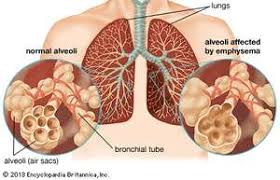
Chronic Obstructive Pulmonary Disease Essay

Chronic Obstructive Pulmonary Disease

Chronic Obstructive Pulmonary Disease

Order Instructions:

Dear Admin,

Your task is submit your final Project Report. The completed report should be properly presented with a title page, table of contents, and references where necessary.

For this project, you will have studied the Philips Electronics model of business excellence through speed and teamwork (BEST). You will find this model described Project Study in the attachment.

You will also have read the following brief but important journal article: TQM and business excellence: is there really a conflict?

Also, read project proposal, project outline, and project case study all of them in the attachment before you start to write the project.

Your task is:

1.To assess the BEST model, with particular reference to the importance of teamwork in a company like Philips Electronics.

2.To evaluate the model against Adebanjo’s proposition that ‘business excellence and quality can and need to complement each other to provide organisations with the operational and business success they aspire to and which is necessary for survival in today’s market.’

3.To show how BEST tools and competencies could be applied to the pursuit of business excellence in your company or another company you think could benefit from using the model.

Also,

1) The answer must raise appropriate critical questions.

2) Do include all your references, as per the Harvard Referencing System,

3) Please don’t use Wikipedia web site.

4) I need examples from peer reviewed articles or researches.

5) Turnitin.com copy percentage must be 10% or less.

Note: To prepare for this essay please read the required articles that is attached

Appreciate each single moment you spend in writing my paper

Best regards

SAMPLE ANSWER

Chronic Obstructive Pulmonary Disease

This is a serious lung condition that manifests with emphysema coupled with chronic bronchitis. It is mainly prevalent in patients that are 40 years and above, especially cigarette smokers (Cherney, 2014, Pg. 50). These patients present with symptoms of coughing, production of sputum, or breathlessness. Owing to emphysema, the patients frequently experience shortness of breath, a situation where they have to make an extra effort to inhale sufficient oxygen by maintaining a high speed of breathing. In emphysema, the lungs of patients can only accommodate small volumes of air. There is also a notable deficiency in the amount of oxygen that reaches most body tissues. Old age is a predisposing factor to the disease and more so if associated with excessive smoking (Hanania, Sharma, & Sharafkhaneh, 2010, Pg. 600). It is therefore relevant for gerontological care nurses to give special attention to the condition. This paper not only discusses COPD in details, but also explores further into other secondary conditions associated with the condition. Selected mechanisms applied by nurses in handling COPD patients are also explored in detail. Such methods relate to COPD assessment as well as evaluation. Issues are addressed from the perspective of the nurse as well as from the patient’s perspective.

Assessment of COPD Patients

Just like in most other health care set ups, assessment of COPD requires collection patient’s history, from which an evaluation is made and appropriate medical measures taken. Health officials are expected to conduct history examinations on their patients and eliminate differential diagnoses to zero in to the patient’s status with regard to COPD.  A complete history collection usually offer details whether patients or their close relatives have ever been diagnosed with respiratory abnormalities, and more so emphysema, bronchitis or COPD at large. Childhood lung infections and atopic illnesses relate directly with the likelihood of COPD diagnoses on patients. In addition, history collection investigates on the living conditions of the patients, both in the past as well as in the present. In most cases, environment is a significant player in the aetiology of not only COPD, but also other common respiratory disorders. Such experiences as livingor working in dusty places plays are generally a threat to one’s respiratory health (Dweik & Mazzone, 2015, Pg. 10). When attending COPD patients, knowledge on the patient’s exposure to such conditions serves to enhance competence among nurses.The best techniques when attending patients involves nurses’ optimal knowledge on their patients from varied life aspects.

Miller’s Theory

Miller made remarkable contributions in the nursing profession by designing a theory that would guide nurses when attending aged patients. The theory is still widely applied in most health institutions in the world today. The theory has been subjected to constant modifications by its implementers in nursing care. It therefore offers up-to-date guidelines making it very relevant and appropriate for nurses who attend old people. In the present, Miller’s theory is commonly termed as “the functional consequences theory of promoting wellness in older adults” (Hunter, 2012, Pg. 37). He theory offers scientifically supported ways of improving the life quality among the aged populations, in addition to expanding their lifespan. It also relates all aspects of care in an integrated manner. A relationship is developed between nurses and patients with regard to the environment. Its incorporation of factors that affect health lure nurses to its application and to them, the theory just simplifies their day-to-day work. The theory emphasizes on important matters in the care for the aged, such as the risk factors that accompany aging, diminished body functionality as a result of old age and the linkage between one’s mind, body and spirit (Hunter, 2012, Pg. 38). In addition to problem identification, the theory suggests on appropriate ways of handling the challenges. It for instance suggests that care for the aged be directed toward alleviation of the negativity of functionality, the most predominant consequence of risk predisposition. The preferable outcomes achieved with the theory see to it that old people retain their body functionality to the best possible extent.In the care of an old OCPD patient like Kathleen, Miller’s theory is a first-hand instrument for a nurse. Despite the many challenges in her life, like being unable to cook for herself, Kathleen can still restore fun in her life with the application of Miller’s suggestions.

Age-Related Changes in COPD

As a COPD patient ages, like in the case of Kathleen, the ability to maintain wellness is decreased, patients become more prone to respiratory, cardiovascular, musculoskeletal and neurological among other disorders. Kathleen experience depression, which prompts her to seek solace by isolating herself from the community. Such a situation is common with COPD patients following neurological disorders. Again, the lady is observed to express musculoskeletal impairments when her mobility is reduced. The most conspicuous effect of COPD on Kathleen is the impairment of her respiratory system, where she developed shortness of breath as a result of emphysema.

Consequences of negativity in body functionality are also evident in Kathleen case when she fails for instance to cook for herself. Malnutrition is a serious problem and would make life more terrible for the COPD patient. It often results into increased risk to infections (NHS, 2015, Pg. 82). Usually, old people require energy to maintain basic body processes. Other matters of living affected by diagnosis with COPD among old people include physical life: environmental and social; as well as psychological life. To overcome problems associated with COPD, nursing care would involve educating the patients as well as practising the techniques that are suggested to achieve high results, such as the ones provided in Miller’s theory.

Care for COPD Patients

There has been improved research in the field of aetiology and pathophysiology of COPD in the last 50 years. There used to be a mistaken belief that little could be done on the progressive and irreversible nature of COPD. Since COPD is closely related to smoking many patients may feel as if they are not treated well due to a “self-inflicted illness.” It is this view that has commonly evoked an unsympathetic response from the patients’ relatives and unfortunately, some clinicians. Mostly, COPD affects individuals that cannot demand high standards of care such as the elderly and the poor (Bellamy & Booker, 2011, Pg. 89). Nurses should therefore, work toward attaining realistic aims of care provision such as slowing down or stopping the progression of the condition, reducing disability through achieving best possible symptom relief, and decreasing the number and severity of exacerbations.

The Role of Nurses in Care Provision

Early diagnosis is an essential step to attaining the above- stated objectives. Health officials also need to carry out regular reviews in order to make sure that necessary interventions are provided, information and education needs are attained, and signs and symptoms are well managed. The long-term management illness such as COPD is suited well to nurse-led care, so long as the nurse is trained well. COPD has a complex diagnosis and management procedure especially for elderly patients that have co-morbidity. For quality healthcare delivery, nurses should have high-quality training, continued improvement of professional development and work as a team with their colleagues.

Progression of COPD

The only effective intervention that has been identified in the slowing down of COPD progression is smoking cessation. Smoking quickly accelerates the decline of FEV1. However, this can be slowed down to an FEV1 of anon-susceptible smoker or a non-smoker at any level of COPD. Early cessation ensures that a patient acquires better outcomes, but it is not too late.

According to Roach, Bronner and Oreffo, healthcare professionals should create awareness on the subject of smoking cessation at every encounter (Roach, Bronner& Oreffo, 2011, 57). By so doing, they can prompt a smoker that is committed to thinking twice about smoking and its associated consequences. They may also encourage individuals that could be contemplating quitting make a serious cessation.

Some pharmacological medicines have also been developed to help patients quit smoking. Some of these medications include bupropion, varenicline, and nicotine replacement therapy (Kon, Hansel& Barnes, 2011, Pg. 67).  Therefore, clinicians should prescribe these medications to smokers that want to quit since they may improve their chances of success. There are some smokers that would like to quit and at the same time require special support. Such smokers should be referred to specialist services.

Reduction of COPD Symptoms

Breathlessness and a persistent cough are disabling and distressing. The primary clinical methods of managing these symptoms are;

  • Long and short-acting bronchodilators
  • Mucolytics
  • Pulmonary rehabilitation

Bronchodilators

These medications only have an effect on FEV1 in COPD.  However, they can also reduce the tone of bronchomotor, decrease hyperinflation of the respiratory system and improve the efficiency of respiratory muscles. COPD patients that take bronchodilators breathe efficiently and more comfortably. They also have an improved tolerance to exercise. The main categories of bronchodilators used are beta agonist and anticholinergic bronchodilators.

Mucolytics

These are drugs that aid in reducing sputum viscosity. As a result, they make it easier for patients to clear the sputum. Recent studies have shown that mucolytics can also reduce exacerbation number and improve the symptoms associated with coughing and production of sputum (Lee-Chiong, 2010, Pg. 362). Carnocisteine and mecysteine are some of the mucolytics used for long-term management of COPD.

Pulmonary Rehabilitation

Many COPD patients choose to live with breathlessness by shunning exercises. Patients lose their confidence, self-esteem, feel depressed, and isolate themselves from others. Pulmonary rehabilitation is aimed at reversing this. Patients should focus mainly on aerobic training so that they can condition their muscles once more and their endurance to exercise. Continued exercise also aids in reducing breathlessness. However, for successful pulmonary rehabilitation, patients should be committed and motivated as well. The patients should also be able to exercise as this will co-morbid cardiovascular related diseases and musculoskeletal problems that prevent the patients from exercising accordingly.

Reducing Exacerbations

According to MacNee, ZuWallack & Keenan, patients should be educated on self-management in order to reduce the worsening of exacerbations (MacNee, ZuWallack & Keenan, 2009, Pg. 134). Patients should also be provided with clearly written advice and also taught about when they should seek medical attention. Nurses should also ask patients about the number of exacerbations they experience afterwhich they will prescribe long-acting bronchodilators to those that have frequent exacerbations.

Conclusion

Tremendous progress has been achieved in comprehending the management of COPD. However, COPD is still a considerable burden on some patients and the caregivers but its prospects are quite promising (Bernhardt & Kasko, 2011, Pg. 36). COPD has been has been branded the “Cinderella” disease of the respiratory system, but the chances of “Cinderella” approaching the ball are improving.

Bibliography

Bellamy, D., & Booker, R. (2011). Chronic obstructive pulmonary disease in primary care: All you need to know to manage COPD in your practice.

Bernhardt, N. E., & Kasko, A. M. (2011). Nutrition for middle aged and elderly. New York: Nova Biomedical Books.

Bernhardt, N. E., & Kasko, A. M. (2011). Nutrition for middle aged and elderly. New York: Nova Biomedical Books.

Cherney, K. (2014, September 16). COPD: What’s Age Got to Do with It? Retrieved May 10, 2015 from http://www.healthline.com/health/copd/age-of-onset#Overview1

Dweik, R. A., Mazzone, P. J. (2015). Occupational Lung Disease. Retrieved May 10, 2015 from http://www.clevelandclinicmeded.com/medicalpubs/diseasemanagement/pulmonary/occupational-lung-disease/Default.htm

Hanania, N. A., Sharma, G., & Sharafkhaneh, A. (2010). COPD in the Elderly. Medscape, 31(5), 596-606

Hunter, S. (2012). Miller’s Nursing for Wellness in Older Adults. Lippincot Williams. 35-45

Kon, O. M., Hansel, T. T., & Barnes, P. J. (2011). Chronic obstructive pulmonary disease: (COPD). Oxford: Oxford University Press.

Lee-Chiong, T. L. (2010). Sleep Medicine Essentials. New York, NY: John Wiley & Sons.

Lötvall, J., & Busse, W. W. (2011). Advances in combination therapy for asthma and COPD. Chichester, West Sussex: John Wiley & Sons.

MacNee, W., ZuWallack, R. L., & Keenan, J. (2009). Clinical management of chronic obstructive pulmonary disease. Caddo, OK: Professional Communications.

NHS. (2015). Malnutrition. Retrieved May 10, 2015 from http://www.nhs.uk/conditions/Malnutrition/Pages/Introduction.aspx

Nici, L., & ZuWallack, R. L. (2012). Chronic obstructive pulmonary disease: Co-morbidities and systemic consequences. New York: Humana Press.

Roach, H. I., Bronner, F., & Oreffo, R. O. C. (2011). Epigenetic aspects of chronic diseases. London: Springer.

Voelkel, N. F., & MacNee, W. (2011). Chronic obstructive lung diseases. Hamilton, Ont: BC Decker.

We can write this or a similar paper for you! Simply fill the order form!

Social Inclusion in Empowerment and Health

Social Inclusion in Empowerment and Health 2000 words to explore how social issues have implications for health and social care, provide an overview of the ways in which social-economic factors (age,
security, poverty, occupation, gender,sexuality) influence health and well being.

Social Inclusion in Empowerment and Health

2,Show consideration of the impact of poverty and social inequality. 3, Make
reference to specific groups consider hoe ideas of social justice and anti-oppressive practice might work for the benefit of marginalised people (old people,
disable people)4, Demonstrate understanding of relevant sociology theory throughout (feminism, gender). It is a significant public health concern that epilepsy, the fourth most common neurological disorder in the United States, is generally poorly understood by both the public and those living with the condition.

Clinical Decision Making Framework

Clinical Decision Making Framework Order Instructions: Dear writer sir, thank you very much for helping me with this assessment.

Clinical Decision Making Framework

please see the assessment task written in separate file and other supporting documents

If you need any information please let me know

have a good day/night

Clinical Decision Making Framework Sample Answer


Clinical decision making framework

Pre-operative care, the patient should not feed or drink anything 12 hours before surgery. No form of any drug should be ingested.  Medications that are blood thinners, herbal remedies and supplements should be avoided a week before surgery unless the physician directs otherwise.  PACU analysis using aldrete score should be performed immediately after surgery (Smeeing Et al., 2015). After open reduction and internal fixation (ORIF), the patient must maintain high hygiene to avoid risk of infections.  The splint must remain clean and very dry. Once the splint of Ben is removed, he can be bathed directly. Before then, the patient should take care to ensure that the splint does not get wet as he showers, this is because it will make the plaster soft and weak (Pakarinen Et al., 2012).  The second important postoperative requirement is to reduce swelling around the ankle and to increase experiences. This can be achieved   through application of ice and keeping the leg elevated. Evidence based practice recommends Ice application for 20 minutes for every two hours. This is very helpful within the first 48 hours.

Ben’s mobility must be restricted to ensure that the injured leg is not exposed to excess weight. Mobility assistive devices such as walker or crutches can be applied (Smeeing Et al., 2015). Pain   management is important aspect of post-operative care. Most of the pain medication administered during the process wears off with 8-12 hours after the process. In some cases, the pain can be accompanied by other side effects such as constipation, drowsiness and nausea.  To relive pain, the patient can be administered narcotics and analgesics (Li Et al., 2011).  For constipation cases, the patient can be given some laxatives.   The high temperature experienced by Ben could be due to infection. To reduce nausea and vomits the patient can be given antiemetics. After 48 hours, the patient can start physiotherapy. Ben should be trained some few exercise he can use at home to ensure that muscle strength is regained (Milby Et al., 2013).

Psychosocial impact includes emotional effects attributable to the fracture.  Ben seems to suffer from anxiety, tiredness and also increased frustration. Ben indicated that this was the lowest time of his life and is worried that he will never manage to participate in his favorite leisure and recreational activities (Johnstone, 2010). This affects his social part of life too. The parents and relative activities are affected by the episodic illness. Ben needs care from his family to carry out most of the activities. This could be challenging considering that the parent’s busy schedule. This increases burden to the family members. This is partly due to unpaid sick leave to take care of the boy and increased overreliance on the family savings to meet medical cost (Murakami Et al., 2012).

Nursing intervention for this therapy for this episodic health illness will follow the Maslow’s hierarchy of needs and cognitive dissonance theory (Fontenot, Hawkins & Weiss, 2012).  The cognitive dissonance theory will be applied to intervene to the numerous stressors being faced by Ben which are associated with the health risks associated with his illness (Butler Et al., 2013). The nurse will interact with psychiatrist to change Ben way of thinking that the ankle fracture is a death sentence due to the changes it comes with such as reduced mobility. This will ensure that he does not refuse assistance in all other programs which will promote healing processes (Johnstone, 2010).

Using Maslow hierarchy of needs, the nurse will ensure that Ben and the relative psychological needs are met. This includes guidance and offering solutions such as assistive devices for Ben which will make him less dependent on the family members (Jones Et al., 2012). For safety needs, the nurse will ensure that Ben receives adequate medication and empowered to ensure that he can manage post-traumatic stress disorder.  The parents and relatives will be encouraged to support Ben through the healing process, this is because shunning and neglect will slow the healing process and affect Ben emotionally. When these needs are met, the patient emotional health is sustained and lead to quick recovery process (Nilsson Et al., 2013).

Clinical Decision Making Framework References

Butler, M., Begley, M., Parahoo, K. and Finn, S. (2013). Getting psychosocial interventions into mental health nursing practice: a survey of skill use and perceived benefits to service users. J Adv Nurs, 70(4), pp.866-877.

Fontenot, H., Hawkins, J. and Weiss, J. (2012). Cognitive dissonance experienced by nurse practitioner faculty. Journal of the American Academy of Nurse Practitioners, 24(8), pp.506-513.

Johnstone, M. (2010). Nursing and justice as a basic human need. Nursing Philosophy, 12(1), pp.34-44.

Jones, J., Williams, W., Jetten, J., Haslam, S., Harris, A. and Gleibs, I. (2012). The role of psychological symptoms and social group memberships in the development of post-traumatic stress after traumatic injury. British Journal of Health Psychology, 17(4), pp.798-811.

Li, S., Wang, T., Vivienne Wu, S., Liang, S. and Tung, H. (2011). Efficacy of controlling night-time noise and activities to improve patients sleep quality in a surgical intensive care unit. Journal of Clinical Nursing, 20(3-4), pp.396-407.

Milby, A., Bã–hmer, A., Gerbershagen, M., Joppich, R. and Wappler, F. (2013). Quality of post-operative patient handover in the post-anaesthesia care unit: a prospective analysis. Acta Anaesthesiologica Scandinavica, 58(2), pp.192-197.

Murakami, R., Shiromaru, M., Yamane, R., Hikoyama, H., Sato, M., Takahashi, N., Yoshida, S., Nakamura, M. and Kojima, Y. (2012). Implications for better nursing practice: psychological aspects of patients undergoing post-operative wound care. J Clin Nurs, 22(7-8), pp.939-947.

Nilsson, G., Eneroth, M. and Ekdahl, C. (2013). The Swedish version of OMAS is a reliable and valid outcome measure for patients with ankle fractures. BMC Musculoskeletal Disorders, 14(1), p.109.

Pakarinen, H. (2012). Stability-based classification for ankle fracture management and the syndesmosis injury in ankle fractures due to a supination external rotation mechanism of injury. Acta Orthop, 83(S347), pp.1-31.

Smeeing, D., Houwert, R., Briet, J., Kelder, J., Segers, M., Verleisdonk, E., Leenen, L. and Hietbrink, F. (2015). Weight-Bearing and Mobilization in the Postoperative Care of Ankle Fractures: A Systematic Review and Meta-Analysis of Randomized Controlled Trials and Cohort Studies. PLoS ONE, 10(2), p.e0118320.


Fast Food, Fat Profits Radical Doubt

Fast Food, Fat Profits Radical Doubt

Fast Food, Fat Profits Radical Doubt

Order Instructions:

“Fast Food, Fat Profits” (http://www.youtube.com/watch?v=ViZQkCYfufk).
The documentary featured several people implicated, in one way or another, with the fast food business or with the so-called obesity epidemic in America. The documentary channeled its materials through several frameworks (Goffman), which were employed in various ways from the beginning to end.

Your assignment for this week is to (1) identify at least two frameworks through which the documentary filtered its materials, objectively laying out how the documentary’s message was crafted into a cohesive and unitary whole. Please do not editorialize or make evaluative statements. I simply want you to identify what the frameworks are. Then, once you have objectively described two frameworks, I want you to (2) utilize “radical doubt,” which means you do not accept what is communicated at face value, that you assume the documentarian and the interviewees in the documentary have concealed information or they are providing a faulty representation of social reality. In other words, I want you to assume there is strong incentive to lie, mislead and evade.
It should be mentioned that practicing radical doubt is absolutely necessary for the growth of knowledge, in the generic sense, and for your own sociological growth, in the more specific sense. There are good reasons to practice radical doubt. For this assignment, your task is to show me what those reasons are. What is the value added of maintaining a cynical, doubting stance toward an author, authority, professor, expert, etc? Are there limits to the practice of radical doubt, of framing social reality through radical doubt?

SAMPLE ANSWER

Radical Doubt
This paper seeks to evaluate the “Fast Food, Fat Profits” documentary that features people and corporations that are implicated in the prevalence of obesity in America. These people have been seen to fund and develop a new fast food culture that has seen the development of cheaper foods in place of the traditional home made food. Their actions have resulted in the development of the fast profit fast food industry that has led to the obesity epidemic in America. The paper will analyze the documentary in terms of its structured frameworks that were employed in the development of the documentary from start to end. Radical doubt will be utilized in the content of the documentary to conclude that the documentary has strong incentive to mislead and lie to the public about the obesity pandemic and eating habits of the American people.

Two frameworks that were identified within the documentary that objectively laid out how the documentary’s message was crafted included the inability for access to real foods and the lack of nutritional education about the food and eating habits of most American people. The paper seeks to defy the claims made by the documentary by stating that it simply communicated the issues at face value and the participants of the documentary were individuals providing faulty representation of the actual social and health situation of America.

The inability for access to real foods has been regarded as a prominent factor that has led to the obesity pandemic. However, this is just in relation to city dwellers. It has been noted that many fast food restaurants are usually located in and around cities in place of grocery stores that once existed in the same location. In the suburbs and rural towns in America, the situation is however different. People did not lose their traditional eating habits and as a result, still conform to a regular home cooked meal; and a trip to the many grocery stores around town. These towns have minimal fast food establishments as many dwellers do not consume fast foods. As much as the people in the urban centers insist that fast foods are the cheapest form of food available, this is considered untrue. Many researchers have come to the conclusion that raw food bought from the grocery stores is sometimes cheaper than the ready meals bought in supermarket stores.

It has also been shown through studies that the lack of nutritional education has about the food and eating habits of most American people to alarming rates. Food culture has changed and people do not eat to live but live to eat. Sauce and soups in modern day foods are made of fats and oils which make them fatty. The availability of television advertising and easy access to cheaper fast foods has caused the change in food culture. People eat more and yet they rarely cook natural food in their own kitchens. The death of real food outlets and the prevalence of the middleman fast food corporations have resulted in the lack of sound nutritional education.

These corporations spend billions of dollars in food advertising budgets that brainwash the public on new eating habits that are not necessarily cheaper or even good for their health. The corporations have been acting as middle men between the farmers and the American public by getting the real food from the farmers at very cheap rates, in a concept termed as adding value to the food through processing it and selling it to the public thereafter. The argument being that the fast food corporations have brought food closer to their customers and have made eliminated the need of shopping from the farmer and preparation of this food for the client.

The second framework that was discussed in the development of the documentary was Nutritional education to the American masses. Nutritional education has been focused on clinical interventions, population studies and obesity regulation. These programs are aimed at educating health care providers who take care of patients with weight problems. The prevalence of the importance of nutrition in weight management has been a way of increasing revenue for nutritional and health care experts. Even though they claim that weight management and nutritional management can lead to safe and effective interventions to reduce and eliminate the obesity pandemic. They claim that it will help us more effectively deal with this most pervasive health problems relating to food and nutritional issues.

Nutritional education is at its peak in America. Many working professionals have joined the health and fitness bandwagon. These individuals have also been seen to be dieting and exercising on a daily basis which reduces their chances of getting obese. The American media has also been instrumental in using fit and light weight actors and models in their programmers and advertisements to ensure that people aspire to live their lifestyles and live as healthy and fit as possible as thee celebrities. All in all, this paper will conclude that the responsibility of nutritional development and education should not be left entirely to these fast food establishments. Parents are advised to ensure that their children eat healthier. They should also ensure that they increase their physical activities.

Works Cited

n.d. 25 April 2015 <https://www.youtube.com/watch?v=ViZQkCYfufk>.

We can write this or a similar paper for you! Simply fill the order form!

Chronic Obstructive Pulmonary Disease Paper

Chronic Obstructive Pulmonary Disease Paper Order Instructions:-Be sure to discuss not only the primary issues but also their impact on each other (secondary issues), their assessment, care and the strategies you would use to evaluate the care.

Chronic Obstructive Pulmonary Disease Paper

-Your assessment, care provision, and careful evaluation should demonstrate ethical and person-centered approach and the use of Miller’s theory as well as a clinical decision-making tool. You could use the Lovett-Jones clinical decision-making tool

-Make sure you analyze the complexity of the patient’s health issues and are- providing evidence of consideration of the patient’s issues from multiple perspectives.

-Also, don’t forget the effects of the patient’s medication and perhaps conclude each of your paragraphs with a link sentence as a conclusion to lead nicely on to your discussion of issues in the next domains ( like what you did on your concept map).

-Remember that a significant focus of this assessment is in demonstrating how the dignity of the client/patient can be maintained. You do not need a separate paragraph but integrate that through the provision and evaluation of nursing care.

-Most importantly, please stay within the wordage allowance to avoid any penalties.

-I will strongly encourage you to use both the assignment 2 guide and the rubric as your guide to write and to achieve the requirements of the essay. ATTACHED BELOW

Chronic Obstructive Pulmonary Disease Paper Sample Answer

Chronic Obstructive Pulmonary Disease

This is a serious lung condition that manifests with emphysema coupled with chronic bronchitis. It is mainly prevalent in patients that are 40 years and above, especially cigarette smokers (Cherney, 2014, Pg. 50). These patients present with symptoms of coughing, production of sputum, or breathlessness. Owing to emphysema, the patients frequently experience shortness of breath, a situation where they have to make an extra effort to inhale sufficient oxygen by maintaining a high speed of breathing. In emphysema, the lungs of patients can only accommodate small volumes of air. There is also a notable deficiency in the amount of oxygen that reaches most body tissues. Old age is a predisposing factor to the disease and more so if associated with excessive smoking (Hanania, Sharma, & Sharafkhaneh, 2010, Pg. 600). It is therefore relevant for gerontological care nurses to give special attention to the condition. This paper not only discusses COPD in details but also explores further into other secondary conditions associated with the condition. Selected mechanisms applied by nurses in handling COPD patients are also explored in detail. Such methods relate to COPD assessment as well as evaluation. Issues are addressed from the perspective of the nurse as well as from the patient’s perspective.

Assessment of COPD Patients

Just like in most other health care setups, assessment of COPD requires the collection of a patient’s history, from which an evaluation is made and appropriate medical measures are taken. Health officials are expected to conduct history examinations on their patients and eliminate differential diagnoses to zero into the patient’s status with regard to COPD.  A complete history collection usually offers details about whether patients or their close relatives have ever been diagnosed with respiratory abnormalities, and more so emphysema, bronchitis or COPD at large. Childhood lung infections and atopic illnesses relate directly to the likelihood of COPD diagnoses on patients. In addition, history collection investigates on the living conditions of the patients, both in the past as well as in the present. In most cases, the environment is a significant player in the etiology of not only COPD but also other common respiratory disorders. Such experiences as living or working in dusty places plays are generally a threat to one’s respiratory health (Dweik & Mazzone, 2015, Pg. 10). When attending COPD patients, knowledge on the patient’s exposure to such conditions serves to enhance competence among nurses. The best techniques when attending patients involves nurses’ optimal knowledge of their patients from varied life aspects.

Chronic Obstructive Pulmonary Disease Paper and Miller’s Theory

Miller made remarkable contributions in the nursing profession by designing a theory that would guide nurses when attending aged patients. The theory is still widely applied in most health institutions in the world today. The theory has been subjected to constant modifications by its implementers in nursing care. It, therefore, offers up-to-date guidelines making it very relevant and appropriate for nurses who attend old people. In the present, Miller’s theory is commonly termed as “the functional consequences theory of promoting wellness in older adults” (Hunter, 2012, Pg. 37). The theory offers scientifically supported ways of improving the life quality among the aged populations, in addition to expanding their lifespan. It also relates all aspects of care in an integrated manner. A relationship is developed between nurses and patients with regard to the environment. Its incorporation of factors that affect health lure nurses to its application and to them, the theory just simplifies their day-to-day work. The theory emphasizes on important matters in the care for the aged, such as the risk factors that accompany aging, diminished body functionality as a result of old age and the linkage between one’s mind, body and spirit (Hunter, 2012, Pg. 38). In addition to problem identification, the theory suggests appropriate ways of handling the challenges. It, for instance, suggests that care for the aged be directed toward the alleviation of the negativity of functionality, the most predominant consequence of risk predisposition. The preferable outcomes achieved with the theory see to it that old people retain their body functionality to the best possible extent. In the care of an old OCPD patient like Kathleen, Miller’s theory is the first-hand instrument for a nurse. Despite the many challenges in her life, like being unable to cook for herself, Kathleen can still restore fun in her life with the application of Miller’s suggestions.

Chronic Obstructive Pulmonary Disease Paper in Age-Related Changes in COPD

As a COPD patient age, like in the case of Kathleen, the ability to maintain wellness is decreased, patients become more prone to respiratory, cardiovascular, musculoskeletal and neurological among other disorders. Kathleen experience depression, which prompts her to seek solace by isolating herself from the community. Such a situation is common with COPD patients following neurological disorders. Again, the lady is observed to express musculoskeletal impairments when her mobility is reduced. The most conspicuous effect of COPD on Kathleen is the impairment of her respiratory system, where she developed shortness of breath as a result of emphysema.

Consequences of negativity in body functionality are also evident in Kathleen case when she fails, for instance, to cook for herself. Malnutrition is a serious problem and would make life more terrible for the COPD patient. It often results in an increased risk of infections (NHS, 2015, Pg. 82). Usually, old people require energy to maintain basic body processes. Other matters of living affected by diagnosis with COPD among old people include physical life: environmental and social; as well as psychological life. To overcome problems associated with COPD, nursing care would involve educating the patients as well as practicing the techniques that are suggested to achieve high results, such as the ones provided in Miller’s theory.

Care for COPD Patients and Chronic Obstructive Pulmonary Disease Paper

There has been improved research in the field of etiology and pathophysiology of COPD in the last 50 years. There used to be a mistaken belief that little could be done on the progressive and irreversible nature of COPD. Since COPD is closely related to smoking many patients may feel as if they are not treated well due to a “self-inflicted illness.” It is this view that has commonly evoked an unsympathetic response from the patients’ relatives and unfortunately, some clinicians. Mostly, COPD affects individuals that cannot demand high standards of care such as the elderly and the poor (Bellamy & Booker, 2011, Pg. 89). Nurses should, therefore, work toward attaining realistic aims of care providers such as slowing down or stopping the progression of the condition, reducing disability through achieving best possible symptom relief, and decreasing the number and severity of exacerbations.

The Role of Nurses in Care Provision and the Chronic Obstructive Pulmonary Disease Paper

Early diagnosis is an essential step to attaining the above- stated objectives. Health officials also need to carry out regular reviews in order to make sure that necessary interventions are provided, information and education needs are attained, and signs and symptoms are well managed. The long-term management illness such as COPD is suited well to nurse-led care, so long as the nurse is trained well. COPD has a complex diagnosis and management procedure especially for elderly patients that have co-morbidity. For quality healthcare delivery, nurses should have high-quality training, continued improvement of professional development and work as a team with their colleagues.

Progression of COPD and Chronic Obstructive Pulmonary Disease Paper

The only effective intervention that has been identified in the slowing down of COPD progression is smoking cessation. Smoking quickly accelerates the decline of FEV1. However, this can be slowed down to an FEV1 of anon-susceptible smoker or a non-smoker at any level of COPD. Early cessation ensures that a patient acquires better outcomes, but it is not too late.

According to Roach, Bronner, and Oreffo, healthcare professionals should create awareness on the subject of smoking cessation at every encounter (Roach, Bronner& Oreffo, 2011, 57). By so doing, they can prompt a smoker that is committed to thinking twice about smoking and its associated consequences. They may also encourage individuals that could be contemplating quitting make a serious cessation.

Some pharmacological medicines have also been developed to help patients quit smoking. Some of these medications include bupropion, varenicline, and nicotine replacement therapy (Kon, Hansel& Barnes, 2011, Pg. 67).  Therefore, clinicians should prescribe these medications to smokers that want to quit since they may improve their chances of success. There are some smokers that would like to quit and at the same time require special support. Such smokers should be referred to specialist services.

Reduction of COPD Symptoms and Chronic Obstructive Pulmonary Disease Paper

Breathlessness and a persistent cough are disabling and distressing. The primary clinical methods of managing these symptoms are;

  • Long and short-acting bronchodilators
  • Mucolytics
  • Pulmonary rehabilitation

Bronchodilators

These medications only have an effect on FEV1 in COPD.  However, they can also reduce the tone of bronchomotor, decrease hyperinflation of the respiratory system and improve the efficiency of respiratory muscles. COPD patients that take bronchodilators to breathe efficiently and more comfortably. They also have an improved tolerance to exercise. The main categories of bronchodilators used are beta-agonist and anticholinergic bronchodilators.

Mucolytics

These are drugs that aid in reducing sputum viscosity. As a result, they make it easier for patients to clear the sputum. Recent studies have shown that mucolytics can also reduce exacerbation number and improve the symptoms associated with coughing and production of sputum (Lee-Chiong, 2010, Pg. 362). Carbocisteine and mecysteine are some of the mucolytics used for long-term management of COPD.

Pulmonary Rehabilitation

Many COPD patients choose to live with breathlessness by shunning exercises. Patients lose their confidence, self-esteem, feel depressed, and isolate themselves from others. Pulmonary rehabilitation is aimed at reversing this. Patients should focus mainly on aerobic training so that they can condition their muscles once more and their endurance to exercise. Continued exercise also aids in reducing breathlessness. However, for successful pulmonary rehabilitation, patients should be committed and motivated as well. The patients should also be able to exercise as this will co-morbid cardiovascular-related diseases and musculoskeletal problems that prevent the patients from exercising accordingly.

Chronic Obstructive Pulmonary Disease Paper in Reducing Exacerbations

According to MacNee, ZuWallack & Keenan, patients should be educated on self-management in order to reduce the worsening of exacerbations (MacNee, ZuWallack & Keenan, 2009, Pg. 134). Patients should also be provided with clearly written advice and also taught about when they should seek medical attention. Nurses should also ask patients about the number of exacerbations they experience after which they will prescribe long-acting bronchodilators to those that have frequent exacerbations.

Chronic Obstructive Pulmonary Disease Paper Conclusion

Tremendous progress has been achieved in comprehending the management of COPD. However, COPD is still a considerable burden on some patients and the caregivers but its prospects are quite promising (Bernhardt & Kasko, 2011, Pg. 36). COPD has been had been branded the “Cinderella” disease of the respiratory system, but the chances of “Cinderella” approaching the ball are improving.

Chronic Obstructive Pulmonary Disease Paper Bibliography

Bellamy, D., & Booker, R. (2011). Chronic obstructive pulmonary disease in primary care: All you need to know to manage COPD in your practice.

Bernhardt, N. E., & Kasko, A. M. (2011). Nutrition for middle-aged and elderly. New York: Nova Biomedical Books.

Bernhardt, N. E., & Kasko, A. M. (2011). Nutrition for middle-aged and elderly. New York: Nova Biomedical Books.

Cherney, K. (2014, September 16). COPD: What’s Age Got to Do with It? Retrieved May 10, 2015, from http://www.healthline.com/health/copd/age-of-onset#Overview1

Dweik, R. A., Mazzone, P. J. (2015). Occupational Lung Disease. Retrieved May 10, 2015, from http://www.clevelandclinicmeded.com/medicalpubs/diseasemanagement/pulmonary/occupational-lung-disease/Default.htm

Hanania, N. A., Sharma, G., & Sharafkhaneh, A. (2010). COPD in the Elderly. Medscape, 31(5), 596-606

Hunter, S. (2012). Miller’s Nursing for Wellness in Older Adults. Lippincott Williams. 35-45

Kon, O. M., Hansel, T. T., & Barnes, P. J. (2011). Chronic obstructive pulmonary disease: (COPD). Oxford: Oxford University Press.

Lee-Chiong, T. L. (2010). Sleep Medicine Essentials. New York, NY: John Wiley & Sons.

Lötvall, J., & Busse, W. W. (2011). Advances in combination therapy for asthma and COPD. Chichester, West Sussex: John Wiley & Sons.

MacNee, W., ZuWallack, R. L., & Keenan, J. (2009). Clinical management of chronic obstructive pulmonary disease. Caddo, OK: Professional Communications.

NHS. (2015). Malnutrition. Retrieved May 10, 2015, from http://www.nhs.uk/conditions/Malnutrition/Pages/Introduction.aspx

Nici, L., & ZuWallack, R. L. (2012). Chronic obstructive pulmonary disease: Co-morbidities and systemic consequences. New York: Humana Press.

Roach, H. I., Bronner, F., & Oreffo, R. O. C. (2011). Epigenetic aspects of chronic diseases. London: Springer.

Voelkel, N. F., & MacNee, W. (2011). Chronic obstructive lung diseases. Hamilton, Ont: BC Decker.