



Musculoskeletal Limitations Complicated by a Medical Illness

Musculoskeletal Limitations Complicated by a Medical Illness

The Patient with Musculoskeletal Limitations Complicated by a Medical Illness

Order Instructions:

Use a 12 font size, double space your work and use APA format for citations, references, and overall format. Information on how to use the Excelsior College Library to help you research and write your paper is available through the Library Help for AD Nursing Courses page. Assistance with APA format, grammar, and avoiding plagiarism is available for free through the Excelsior College Online Writing Lab (OWL). Be sure to check your work and correct any spelling or grammatical errors before you submit your assignment.

You are required to submit your paper to Turnitin (a plagiarism prevention service) prior to submitting the paper in the course submission area for grading. Access is provided by email to the email address on record in your MyExcelsior account during week 2 of the term. Once you submit your paper to Turnitin check your inbox in Turnitin for the results. After viewing your originality report correct the areas of your paper that warrant attention. You can re-submit your paper to Turnitin after 24-hours and continue to re-submit until the results are acceptable. Acceptable ranges include a cumulative total of less than 15% for your entire paper, and no particular area greater than 2% (excluding direct quotes and/or references).

See the videos below for instructions on how to submit your paper to Turnitin and view your Originality Report.
Video – Submitting a Paper
Video – Viewing Your Originality Report

When you’re ready to submit your work for grading, click Browse My Computer and find your file. Once you’ve located your file click Open and, if successful, the file name will appear under the Attached files heading. Scroll to the bottom of the page, click Submit and you’re done.

SAMPLE ANSWER

The Patient with Musculoskeletal Limitations Complicated by a Medical Illness

Question one

Surgical care improvement project (SCIP) is an initiative aimed at providing healthcare for patients who have just undergone surgical procedures. It is estimated that more than 40% of operative procedures normally end up in post-operative complications. However, the introduction of the improvement project serves to significantly reduce the resulting complications. The SCIP is based on several core measures to assist in the reduction of post-operative complications. The ten core measures are based on prophylactic antibiotic treatment in pre and post-operative procedures. Also, antibiotics are given to the patient during the treatment process(‘SCIP core measures’, 2011). Another measure is the use of urinary catheter and hair removal strategies for patients. Other measures involve temperature management and the elimination of blood clots that would cause thrombosis in the veins also referred to as venous thromboembolism. The major aspect that has assisted in the reduction of surgical site infection has been the use of antibiotics. It is widely known that knee procedures such as knee arthroscopy involve the exposure of the knee tissues to the environment(‘SCIP core measures’, 2011). The environment contains numerous microbes that are opportunistic and take advantage of any opening on the skin surface. However, the presence of antibiotics serves to eliminate the microbes that ultimately serve to be the major causes of disease infection after operation procedures. Certain precautions have to be taken before the administration of the antibiotics(Drake, 2011). The drugs used should not have side effect to the patients. Neither are the antibiotics supposed to evoke the immune responses.in the case of the 60 year old woman, she had associated allergies with penicillin. The woman had taken certain drugs associated with the treatment of osteoarthritis which was also being examined by the medical procedure. Lisiprinol, lebrax and Celebrex were the drugs used by the old lady in the treatment of her conditions. Lisiprinol lowers blood pressure since the patient has hypertension. The drugs are administered after six hours when their effect is non-interfered by the other drugs. Additionally, the drug used is a cephalosporin and has no effect or similar effect as penicillin since it would not evoke an allergic reaction. The use of antibiotics in the surgical care processes has significantly reduced surgical site infections(‘SCIP core measures’, 2011). Ancef is an antibiotic of cephalosporin activity. Similarly other drugs have been used to reduce chances of infection after the surgical procedures(Drake, 2011). Nurses have to administer the drugs at specific times for the drugs to be able to function effectively.

Question two

The surgical care improvement method outlines measures involved in the removal of hair. Use of shaving or clippers to remove hairs would result in skin abrasions which would ultimately result in infections of the skin. Such infections would result in complications after surgical procedures. In the case of the sixty old woman, less hair is found around the knee region and since the knee is one of the common areas where skin abrasions can result in infection sites for microbes (Anderson, 2010).

In case there was excessive hair in the knee region it would be clipped off. However, the removal of the hair in this case shall not be by the use of a razor blade or other abrasive methods to the skin which end up affecting the skin by leaving infection sites that can easily be accessible to microbes. However electric clippers can be used in the removal of hair around the knee region since they are non-abrasive(Drake, 2011). If there were previous hair removal, the data abstractors supposed to look at the alternative methods. Also if the patient had in any way clipped hair from their skin, the data abstractor should seek methods that would not complicate the current status. The data abstractor can obtain the information about the patient from previous records especially the nurse’s report and mark at the appropriate hair removal method that had been initially used. This would assist the surgeons in knowing the appropriate method of hair removal that they can rely on the removal of hair especially at the knee(Anderson, 2010).

Question three

Venous thromboembolism is one of the common surgical complications after operative surgeries. Exposure of the skin directly activates clotting factors forming clots .This mechanism is used by the body to prevent entry of foreign microbes and over bleeding that would result in high pressure and loose of oxygen in the body.  However, after forming clots, it is necessary that the initial clots formed in the blood would be dissolved by plasmin via plasminogen activating factors. However, sometimes the rate of clot formation during certain surgical procedures becomes greater compared to the rate of clot dissolution. The end result in this case would be blocking of the veins by clot or thrombus. The ultimate result of this is blockage of the blood supply by the thrombus ultimately resulting in what is commonly referred to venous thromboembolism commonly abbreviated as VTE. A major common form of VTE is DVT which in full means deep venous thromboembolism( Mont et al., 2014).

Surgical care improvement project involves the use of lovenox an anticoagulant. The anticoagulant has the ability to break down all the clots that have been formed in the body making blood to flow properly through the body. As a result, major complication issues such as venous thromboembolism are all avoided. However, in the administration of lovenox timing of the drug plays a very important role. Very late delay in the administration of the drug after surgical processes would directly be of no use since the process of clot formation would have already taken place and the administration of the drug would not be effective as anticipated before. Therefore it is necessary that the nurse ensures that the patient in this case the sixty old woman takes the drug at the required time to avoid formation of clots. In this case the drug was administered earlier the day after the surgical operation. The use of the leg attached to the hose pipe in the upright direction also assist the floor of blood from the surgical site and therefore the drug would efficiently remove the clots (Drake, 2011).

In conclusion the use of surgical care improvement projects has over the years reduced the associated surgical difficulties and complications that are normally as a result of surgical processes. The use of antibiotics has significantly reduced infection via sites while the application of certain drugs which are anticoagulants have effectively removed the thrombus that are as a result of clots formed during the surgical processes. Generally use of the SCIP has reduced the number of post complications and deaths that would be as a result of procedures. Although the process is being implemented, proper care and timing is important in meeting the set objectives relating to better health for patients (Kinnier, Barnard & Bilimoria, 2014).

References

ANDERSON, J. (2010). Individual SCIP Measures Don’t Cut Infection. Hospitalist News3(7), 8.

Drake, K. (2011). SCIP core measures. Nursing Management (Springhouse), 42(5), 24-30.

Kinnier, C., Barnard, C., & Bilimoria, K. (2014). The Need to Revisit VTE Quality Measures. JAMA, 312(3), 286.

Mont, M., Hozack, W., Callaghan, J., Krebs, V., Parvizi, J., & Mason, J. (2014). Venous Thromboemboli Following Total Joint Arthroplasty: SCIP Measures Move Us Closer  to an Agreement. The Journal of Arthroplasty, 29(4), 651-652.

SCIP core measures. (2011). Nursing Management (Springhouse), 42(5), 30-31.

We can write this or a similar paper for you! Simply fill the order form!

Diabetes Research Term Paper Available

Diabetes
                      Diabetes

Diabetes

Order Instructions:

see the attached files

SAMPLE ANSWER

Diabetes

Table of content

  • Abstract
  • Introduction
  • Methods
  • Results
  • Synopsis of literature
  • Discussion
  • References

Abstract

The incidence of diabetes is rising rapidly over time. Patients with diabetes are at higher risk of developing post-operative complications such as hyperglycemia or hypoglycemia which in turn contribute to increased morbidity and mortality and length of hospital stay in patient with diabetes undergoing surgery. Therefore, it is extremely important for nurses to take vigilant care of patients with diabetes undergoing surgery. This paper will describe the guidelines of peri-operative management of patient with diabetes and why it is important for nurses to follow these guidelines. Moreover, observations at clinical placements as compared to the findings in peer reviewed research articles will also be discussed in this paper.

Introduction

Diabetes is a metabolic disorder in which blood glucose levels remain high above normal. Patients with diabetes undergoing surgery may have specific needs, particularly in relation to blood glucose control and healthcare professionals such as nurses need to be able to assess and manage these individuals to ensure optimum surgical outcomes. Moreover, the metabolic impact of surgery, pre-op fasting and disruption in insulin therapy contribute to poor glycemic control which in turn leads to increased mortality and morbidity. To deal with this issue, it is always necessary for nurses to follow guidelines for perioperative management of diabetes for the diabetic patients. However, the problem is that most nurses and other professionals are likely to overlook these guidelines, thus placing the patient at a health risk.

Methods

This study involved the use of national database CINAHL Complete, which is available publically and through Australian Catholic University library. This study was conducted by gathering the results from medical research particularly from peer-reviewed journal articles.

Results

The results indicate that the level of awareness among nurses and other professionals such as anesthetists with regard to perioperative guidelines has increased over the last three decades.

Synopsis of literature

According to Marchant et al (2009), patients with uncontrolled diabetes are at greater risk of developing post-operative complications when compared with patients with controlled diabetes. Merchant et al (2009) suggested that healthcare professionals should monitor blood glucose levels pre-operatively as it is independent predictor of morbidity and mortality in patient with diabetes undergoing surgery. However, they also recommend healthcare professionals to monitor HbA1c levels to assess the risk of post-operative complications. Moreover, HbA1c level less than 7% is associated with lower risk of post-operative complications (Kerry, Scott & Rayman, 2013).

On the other hand, Holt (2012) reviewed the available data on pre and post-operative needs of patient with diabetes. He stated that it is very crucial for nurses to conduct appropriate pre-operative assessment of patient with diabetes at the earliest opportunity. However, not only blood glucose levels or Hb1Ac levels should be assessed, but also a complete patient history and examination should be carried out as further backed up by Dhinsa, Khan & Puri (2010). This allows time to assess adequacy of patient’s control of their diabetes and instigate action if needed. This minimizes the risk of post-operative complications such as hyperglycemia. In addition, Holt (2012) also explored that patients with poorly controlled diabetes experience more post-operative pain as compared to patients with well controlled diabetes.

Dhinsa, Khan & Puri (2010) explored the clinical guidelines for peri-operative management of patient with diabetes in their article. They mainly discuss the post-operative complications of patient with diabetes and nursing interventions. According to Dhinsa, Khan & Puri (2010), it should be nurse’s first priority to keep patient pain-free as to minimize the effect of body’s stress response to pain on blood glucose levels. This is further supported by Holt (2012) who argued that body’s stress response inhibit insulin secretion as well as increase insulin resistance. Nevertheless, stress due to surgical interventions not only raise the blood glucose levels in patient diagnosed with diabetes but also in patients without pre-operative diagnosis of diabetes as stated by Dhinsa, Khan & Puri (2010).

Dhatariya (2012) explains some clinical guidelines for patients with diabetes. He suggests it is preferable to place patients with diabetes early on theatre list to reduce the patient’s fasting time. This is because pre-operative fasting and discontinuation of oral hypoglycemic agents can cause hypoglycemia. It is also recommended that elective surgery should be postponed if pre-operative glycemic control is poor (Dhatariya, 2012). Dhatariya (2012) also argues that it is necessary for the nurses to work with the patient and the patient’s family to help them with adhering to the part of the preoperative guidelines that are beyond the nurse’s domain. These include the pre-surgery fasting (Learning Zone, 2012).

Discussion

During my clinical placements, I noticed that not all patients are tested for diabetes before surgery. This is a major issue as not all patients are aware of whether they have diabetes or not. In addition to this, I have observed that despite the fact that patients whose diabetic status is already known, the nurses are likely to overlook the symptoms of hyperglycemia such as itching skin, fruity breath, and confusion. It is difficult to identify usual warning signs of poor glycemic control while patient is unconscious which is potentially life-threatening and the nurses therefore need to do this before the patient is in sedated. Furthermore, when measuring blood glucose levels, the patient’s type of diabetes and type of antidiabetic medication they are on were overlooked, thus placing the patient at a much higher risk. I have seen that blood glucose checks are not performed while patient is in operation theatre, however, which goes against he guidelines as discussed by Campbell (2011). Discharge education for patient with diabetes plays an important role in their well-being post-operatively such as teaching patient about signs and symptoms of hyperglycemia, wound infection and wound non-healing. However, I have seen very few nurses in post anesthesia care unit giving discharge education to patients with diabetes which is also argued by Rutan and Sommers (2012). The other issue that is observable at the clinical placements is the fact that the different healthcare personnel are fully aware of the recommended guidelines. Other staff such as the anesthetists who also play an important role in the surgery process are also likely to be ignorant of the most up-to-date guidelines for preoperative care for patients with diabetes. All these factors work together to bring in a problem that can affect the post surgery results.

In this regard, even if the surgical team is able to fully adhere to the peri-operative care from the time that the patient is at the hospital, they are not able to do the same for the patient when he or she is not at the hospital. This includes the pre admission time where pre surgery fating is part of the peri-operative care. To implement the peri-operative care in a comprehensive manner, some aspects of the hospital’s operations will need some changes. First, there is a need for a better support system to help the patient and the patient’s family with regard to the part of the preoperative care that they are responsible for, such as pre surgery fasting. Secondly, the nurses need to update their knowledge of the full process of preoperative care. Thirdly, the hospitals should develop policies which will make it easier for healthcare personnel to identify surgery patients with diabetes and who do not already know they have diabetes.

References

Campbell, A. (2011). Pre-Operative Fasting Guideunes For Children Having Day Surgery. Nursing Ohildren And Young People, 23, 4 , pp. 14-21.

Dhinsa, B., Khan, W., & Puri, A. (2010). Management of the patient with diabetes in the perioperative period. Journal Of Perioperative Practice, 20(10), 364-367.

Rutan, L., & Sommers, K. (2012). Hyperglycemia as a risk factor in the perioperative patient. AORN Journal, 95(3), 352-363. doi:10.1016/j.aorn.2011.06.010

Dhatariya, K. (2012). Perioperative management of adults with diabetes: why do we need guidance?. British Journal Of Hospital Medicine (17508460), 73(7), 366-367.

Holt, P. (2012). Pre and post-operative needs of patients with diabetes. Nursing Standard, 26(50), 50-56.

Kerry, C. S., Scott, A., & Rayman, G. (2013). Daily temporal patterns of hypoglycaemia in hospitalized people may reveal potentially correctable factors. Diabetic Medicine, 30, 12 , 27-38.

Learning Zone. (2012). Pre and post-operative needs of patients with diabetes. Nursing Standard. 26, 50 , pp. 50-56.

Marchant, H. et al. (2009). The Impact of Glycémie Control and Diabetes Mellitus on Perioperative Outcomes After Total Joint Arthroplasty. The Journal Of Bone And Joint Surgery, Incorporated, 97, 1 , pp. 1621-1629.

We can write this or a similar paper for you! Simply fill the order form!

Obstetric Patient Pain Management and Care

Obstetric Patient Pain Management and Care

Obstetric Patient Pain Management and Care

Order Instructions:

NUR 209 M6A3: Obstetric Patient Pain Management and Care Paper rubic

APA format ,write a six (6) to ten (10) page paper exclude cover and references page that addresses the comfort and pain relief need of the antepartum intrapartum and postpartum patient

A minimum of three (3) current professional references must be provided. Current references include professional publication or valid and current website dated within five (5) years. Additional, a textbook that is no more than one (1) edition old may be used

the paper consists of (2)parts

Use a 12 font size double space APA format for citations ,references and overall format

Avoid plagiarism. Paper one : look at the cause and management interventions of discomfort and pain during pregnancy, labor birth and recovery from birth .Part two (2) is a component of a teaching plan the register nurse would use to assist an antenatal patient make an informed decision regarding pain relief measures to be used during labor and birth.

Part A : Identify and explain (2) sources of the antepartum patient ,intrapartum patient and postpartum patient during an uncomplicated pregnancy ,labor and recovery from the birthing process’s Part B : Identify one (1) pharmacological and two (2) non pharmacologic pain management measures for the intrapartum patient. Explain the benefits and risk of these pain management measures

one more part thanks for your patience.

Part 2 In order for the woman to make an inform decision regarding pain relief measures to be used in the intrapartum period ,the information needs to be provided in the antepartum period. Before finalizing a teaching plan for the pregnant woman ,her history needs to be assessed to determine any variables that may affect content of teaching plan .For example ,are there any language /barriers that will affect care provided during labor and birth.Before finalizing a teaching plan for the pregnant woman ,her history needs to be assessed to determine any variables that may affect you the content of the teaching plan .For example ,are there any language variables /barriers that will affect care provided during labor and birth.? A . Identify three (3) variables unique to the pregnant patient that need to be considered when developing a specific pain management teaching plan for the antepartal patient preparing for labor and birth. Provide an explanation why each of these three (3) variables preparing for labor and birth. Provide an explanation why each of these three (3) variables need to be considered when developing a teaching plan for an obstetric patient . B. Select two (2) non -pharmacologic pain relief options used in the intrapartum period . For each option, explain three (3) specific points information related to this pain relief option that need to be taught to the patient . Include rationales for each piece of content regarding why you would need to incorporate this information.

For part A is identify and explain 2 sources of pain for the antepartum patient intrapartum ad postpartum patient during an uncomplicated pregnancy labor ,and recovery from birthing process. . I miss out pain on top

include I part 2 A provide an Explanation why each of these three (3) variables need to be considered when developing a teaching plan an obstetric patient . I repeated it 2 above .

SAMPLE ANSWER

Obstetric Patient Pain Management and Care

PART 1

Pain would occur in pregnancy and delivery regardless of whether there are complications or not. It is possible to categorize such pain on the basis of the stages where patients experience it. Pains could occur at the ante-natal, intra-natal, and also at post-natal stages. Sources of pain vary from those that are expected; not necessarily in disease, to those resulting from complications. Also, pains could be specific to pregnancy and delivery or non-specific to the processes. Examples of pains that could occur in various stages of pregnancy and delivery include a headache and backaches. Nerve entrapment, abdominal stretching, and trauma are potential sources of pain in pregnancies and non-complicated deliveries.

Abdominal stretching is usually intense as from the third trimester of pregnancy (National Partnership for Women and Families, 2010). The uterus stretches in such a way that it accommodates the enlarging fetus, and in the process, it occupies most of the abdominal cavity. At late antenatal stages, the uterus would have extended to levels just slightly below the sternum, and its positioning would be pressurizing the fundus (National Partnership for Women and Families, 2010). The stretching also has a substantial impact on ligaments. The structures have to bear the weight of the fetus, and their pulling could result in back pains (March of Dimes Foundation, 2013). Round ligament pains and Braxton-Hicks contractions happen following the straining of the ligaments (McDermott, 2015). Usually, the pains begin at the ante-natal stage, continues throughout labor and still retain effects at the post-natal stage. Such pains constitute most of the experiences of labor in women (National Partnership for Women and Families, 2010). Abdominal stretching also has an effect on pelvic expansion. At the antenatal stage, the pelvic is constantly expanding in preparation for childbirth. The stretching is also a source of pain during delivery and accounts for a significant portion of labor pains. Abdominal stretching also causes difficulties in processes such as breathing and urination. An expanded uterus pressurizes both the diaphragm and the bladder, and the situation results in the impairment of breathing and urination. Also, the stretching of the vagina and the cervix could cause significant swelling and pains on the perineum (National Partnership for Women and Families, 2010). Under normal circumstances, stretching fades away through the post-partum stage and women would only experience mild discomfort as structures regain their normal sizes. At the post-partum stage, pain and discomfort are mainly from mild spasm that characterize the process of regaining normalcy. Uterine prolapse, rectocele, and cystocele are sources of pains in the post-natal stage, and they bear link with earlier abdominal stretching (Romano, Cacciatore, Giordano, & Rosa, 2010, Pg. 22).

Nerve injury could also result in pain in pregnancies and deliveries that are non-complicated. Nerves that are likely to bear injury include the femoral, sciatic, lateral femoral cutaneous, obturator and the lumbosacral plexus. Such injuries could result from compression, traction, transection, as well as vascular injury. Most of the injuries would occur at childbirth following events such as prolonged abduction and hyperflexion of the hips. Physical injuries that hurt such nerves during antenatal and post-natal stages would also cause pain.

Pharmacological and Non-Pharmacological Approaches of Managing Intrapartum Pain

Pethidine is a strong and fast acting analgesic drug that could be useful in the relieve of intrapartum pain. It is an opioid and it works by mimicking endorphins. Endorphins stimulate their receptors to mediate pain, and their substitution with opioid drugs limit pain mediation. Opioid receptors occur in the brain and the spinal cord, and opioids interact with them to block the transmission of pain signals. However, the drug only alleviates the sensation of pain, but it does not eliminate the causal factor for such pain. Pethidine is beneficial in that it achieves effects within a short period not exceeding twenty minutes. It is also possible to take the drug through a variety of routes, hence making it applicable to a broad range of patients. Common routes of pethidine administration include intramuscular and subcutaneous injections, as well as an oral intake as tablets. The drug is also advantageous in that patients can take it either with food or without. Disadvantages of pethidine include its inducement of drowsiness in patients. Also, the drug is contraindicated in patients with constipation, yet the condition is common among obstetric patients.

Non-pharmacological interventions for the management of intrapartum pain include positive conditioning of the clinical environment and acupuncture. The former method involves minimization of distractions and creating a peaceful environment for relaxation. The method is cheap, easy to administer, and it applies to most types of obstetric patients. However, it has a low degree of efficiency, especially in comparison with the pharmacological techniques. As such, it would be risky to depend on the method alone for pain management. Acupuncture is beneficial in that it causes relaxation in patients and gives them a soothing sensation that minimizes the effect of labor pains. Unlike most of other procedures, acupuncture offers a desirable sensation that patients may yearn to experience. However, acupuncture is associated with risks such as loss of consciousness and the possibility of the emergence of sores at the site of administration (NHS Choices, 2015). The method also creates substantial predisposition of the acquisition of infections. Besides, organ injury may occur, and only qualified personnel should apply it.

PART 2

Considering particular factors that apply to patients before educating them is a move to offer high-quality obstetric care. Different pain management techniques used in obstetric care vary in the effect they have on patients. Some would be appropriate for a particular type of patients but inappropriate for others. Patients are likely to benefit from educations that address their concerns to satisfaction. As such, educators should convert their broad range of information into forms that are most helpful to their clients.

Patient history and examinations should be the focus of obstetric care educators. Some patients could present with occurrences that are not normal, especially regarding the use of medications. Before advocating for a particular anesthetic pharmacological methods of pain management, educators should evaluate their patients to establish the appropriate of such medications. The educators should use patient history to either approve or disapprove the necessity of using anesthetic drugs. For example, anesthetic drugs could cause adversities in patients with obesity, diabetes, preeclampsia, HELLP syndrome, and hypertensive disorders associated with pregnancy. Important health conditions for educators to consider in their patients include the status of the lungs, heart, and airway. Such history would be vital in determining the form of obstetric care that clinicians would offer to their clients.

Educators should also assess the needs of their patients and consider them against the available resources. For instance, some women may have medical conditions that would suggest an indispensable need for analgesic or anesthetic interventions. Educators should purpose to offer recommendations to patients who are in need of them. Some healthy women may not need pain relieving medications, and educators would focus on other areas of care provision rather than exploring the drugs. Also, educators should learn the financial ability that their patients have so as to determine how accessible quality care is to them. For patients who may not meet the financial costs of standard care, educators would offer advice on insurance policies that the patient would consider in overcoming the challenge.

It would also be important for patient educators to consider the obstetric history of their patients. For instance, women who would have had complications in their previous deliveries might require anesthetic medications depending on the nature of their difficulties. Also, close monitoring of patients who have never given birth would be necessary. The educators would familiarize such patients on the issues to expect. For instance, they could inform them on the nature of pain and the best strategies for minimizing it. Giving such information would allow the patients to make necessary arrangements such as financial and behavioral preparations.

TENS (Transcutaneous electrical nerve stimulation) is among common non-pharmacological methods that are used in managing pain in obstetric patients at the intrapartum level. The method involves the placement of four soft pads on the back of the patient and then running a gentle electric current to induce a massaging effect to the patient (Johnson, Paley, Howe, & Sluka, 2015).

It would be necessary for the patient to know the mechanism by which the method works. Informed patients are likely to cooperate and facilitate the use of the technique for pain relief. TENS work by creating a tingling sensation that stimulates the body to produce endogenous endorphins (Guy’s and St, Thomas’ NHS Foundation Trust, n.d., Pg. 4). Patients are likely to accept methods if they understand them fully.

Also, it would be important for the patient to know the benefits of using TENS in pain management. Such benefits include the handiness of the tool whereby one can control it effectively. Also, the method has no side effects to the newborn, making it a safe approach. Patients would rely on the benefits for them to consider exploiting the method.

The patient should also learn the shortcomings of the method. TENS is limited in that its effect is reduced if it is not started early enough. Also, there is a possibility of patients showing allergic reactions to the electrolytes used in TENS. Informing the patient on the disadvantages of the method would allow them make informed decisions.

The positions that patients assume when giving birth is also a non-pharmacological approach to managing intrapartum pains. Clients should understand the positions that would lead to minimal injury. The understanding would help them avoid unnecessary injuries.

The clients need understanding the benefits of applying the technique in managing pain. The benefits include shortened labor periods and its concurrent applicability of other methods. Knowing the advantages would enable patients determine whether they would need applying the technique.

Also, the patients should understand the shortcomings of the technique. For instance, none of the positions would alleviate pain completely. Again, the patient would require support from other persons for the method to work. Understanding the shortcomings would allow patients make informed choices.

References

Guy’s and St, Thomas’ NHS Foundation Trust. (n.d). Coping methods and options for pain relief in labour. Retrieved from http://www.guysandstthomas.nhs.uk/resources/patient-information/maternity/coping-methods-and-pain-relief-in-labour.pdf

Johnson, M. I., Paley, C. A., Howe, T. E. & Sluka, K. A. (2015). Transcutaneous Electrical Nerve Stimulation (TENS) to treat acute pain in adults. THE Cochrane Collaboration. Retrieved from http://www.cochrane.org/CD006142/SYMPT_transcutaneous-electrical-nerve-stimulation-tens-to-treat-acute-pain-in-adults

March of Dimes Foundation. (2013). Abdominal pain or cramping? Retrieved from http://www.marchofdimes.org/pregnancy/print/abdominal-pain-or-cramping.html

McDermott, A. (2015, June 18). Abdominal Pain During Pregnancy: Is It Gas Pain or Something Else? Healthline. Retrieved from http://www.healthline.com/health/pregnancy/gas-pain-during-pregnancy

National Partnership for Women and Families. (2010). Journey to Parenthood: your body in the third trimester of pregnancy National Partnership for women and families. Retrieved from http://www.childbirthconnection.org/article.asp?ck=10507

NHS Choices. (2015). Acupuncture has hidden dangers. Retrieved from http://www.nhs.uk/news/2012/09September/Pages/Acupuncture-has-hidden-dangers.aspx

Romano, M., Cacciatore, A., Giordano, R., & La Rosa, B. (2010). Postpartum period: three distinct but continuous phases. Journal of Prenatal Medicine, 4(2), 22–25.

We can write this or a similar paper for you! Simply fill the order form!
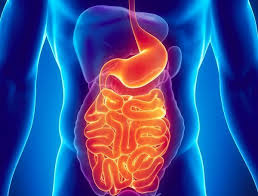
GASTROINTESTINAL DISORDERS ESSAY

Gastrointestinal Disorders

Gastrointestinal Disorders

Order Instructions:

To prepare:

• Review “Gastrointestinal Disorders” of the Burns et al. text.
• Review the provided case studies. Analyze the patient information.
• Consider a differential diagnosis for the patient in the case study you selected. Think about the most likely diagnosis for the patient.
• Think about a treatment and management plan for the patient. Be sure to consider appropriate dosages for any recommended pharmacologic and/or non-pharmacologic treatments.
• Consider strategies for educating patients and families on the treatment and management of the gastrointestinal disorder.

Post on or before Day 3 an explanation of the differential diagnosis for the patient in the case study you selected. Explain which is the most likely diagnosis for the patient and why. Include an explanation of unique characteristics of the disorder you identified as the primary diagnosis. Then, explain a treatment and management plan for the patient, including appropriate dosages for any recommended treatments. Finally, explain strategies for educating patients and families on the treatment and management of the gastrointestinal disorder.

Case Study 2:

Victoria is a 15-year-old who complains of chronic sore throat and bad taste in her mouth. Her height and weight are appropriate for age and she remains on the same growth trajectory since infancy. Abdominal examination and chest examination are negative. History reveals frequent burping and occasional feelings of regurgitating food. Diet history reveals she eats a balanced diet, but her primary sources of fluids are coffee, tea, and carbonated drinks.

SAMPLE ANSWER

GASTROINTESTINAL DISORDERS

GASTROESOPHAGEAL REFLUX DISEASE

A female adolescent reports chronic sore throat accompanied by bad taste in her mouth. Her growth trajectory has been consistent since birth and the body mass index is normal. Both abdominal and chest examinations are normal. History taking reveals frequent burping and regurgitating of food reported to be occasional. On further history taking, she reports that she takes a balanced diet, but her common sources of fluids are coffee, tea and carbonated drinks.

The diagnosis for this patient is gastroesophageal reflux disease (GERD). This is characterized by symptoms such as heartburn, regurgitating of food, sore throat that doesn’t go away for a while and bad taste in the mouth among other signs (TeensHealth, 2015). Although occasional regurgitation of food may be common to everyone, it is a classic sign of GERD especially when it is not associated with nausea. WebMD (2015) defines gastroesophageal reflux as “the return of the stomach’s contents back up into the esophagus”. WebMD further suggests carrying out a special x-ray test known as barium-swallow radiograph that would help rule out other possible problems.

Treatment and management

If GERD is left untreated, serious pathologic changes in the esophageal lining may occur which may develop into more complicated disorders. For this mild case, early treatment would be appropriate which would include Proton pump inhibitor (PPI) such as Omeprazole 20mg once a day before meals for four weeks (PDRHealth, 2015)  This would provide a more rapid symptom control and better healing. The chronic sore throat and bad taste in her mouth would be addressed by educating the patient  some diet and lifestyle changes such as reducing or avoiding fluids and foods containing caffeine and nicotine and carbonated snacks, taking smaller but frequent meals and eating two to three hours before bedtime.

Differential diagnosis

A patient presenting with the above symptoms would also be suffering from stomach ulcers which would be due to bacteria H.Pylori. The bacteria increase the acid content in the stomach, therefore presenting similar symptoms as GERD.

References.

PDRHealth 2015; Physicians’ Desk Reference  from http://www.pdrhealth.com/drugs/prilosec

TeensHealth 2015, Gastroesophageal Reflux Disease. Retrieved from http://kidshealth.org/teen/diseases_conditions/digestive/gerd.html?tracking=T_RelatedArticle#

WebMD 2015, Heartburn/GERD Health Center retrieved from http://www.webmd.com/heartburn-gerd/guide/reflux-disease-gerd-1 last review January 2015

We can write this or a similar paper for you! Simply fill the order form!

Pain Management for the Obstetric Patient Paper

Pain Management for the Obstetric Patient

Pain Management for the Obstetric Patient Paper

Order Instructions:

Inked item M6A3: Pain Management for the Obstetric Patient Paper
Helping a woman manage discomfort and pain associated with pregnancy, labor, birth and recovery from birth is an essential role of the registered professional nurse.

Using APA format, write a six (6) to ten (10) page paper (excludes cover and reference page) that addresses the comfort and pain relief needs of the antepartum, intrapartum and postpartum patient.

A minimum of three (3) current professional references must be provided. Current references include professional publications or valid and current websites dated within five (5) years. Additionally, a textbook that is no more than one (1) edition old may be used.

The paper consists of two (2) parts and must be submitted by the close of week six.

Part one (1) looks at the causes and management interventions of discomfort and pain during pregnancy, labor, birth and recovery from birth.  Part two (2) is a component of a teaching plan the registered nurse would use to assist an antenatal patient make an informed decision regarding pain relief measures to be used during labor and birth.

Part 1

A. Identify and explain two (2) sources of pain for the antepartum patient, intrapartum patient, and postpartum patient during an uncomplicated pregnancy, labor, and recovery from the birthing process.
B. Identify one (1) pharmacologic and two (2) non pharmacologic pain management measures for the intrapartum patient.  Explain the benefits and risks of each of these pain management measures.

Part 2

In order for the woman to make an informed decision regarding pain relief measures to be used in the intrapartum period, the information needs to be provided in the antepartum period.

Before finalizing a teaching plan for the pregnant woman, her history needs to be assessed to determine any variables that may affect the content of the teaching plan.  For example, are there any language variables/barriers that will affect care provided during labor and birth?

A.  Identify three (3) variables unique to the pregnant patient that need to be considered when developing a patient specific pain management teaching plan for the antepartal patient preparing for labor and birth.  Provide an explanation why each of these three (3) variables needs to be considered when developing a teaching plan for an obstetric patient.
B. Select two (2) non-pharmacologic pain relief options used in the intrapartum period.  For each option, explain three (3) specific points of information related to this pain relief option that needs to be taught to the patient.  Include rationales for each piece of content regarding why you would need to incorporate this information.

Compose your work using a word processor (or other software as appropriate) and save it frequently to your computer. Use a 12 font size, double space your work and use APA format for citations, references, and overall format.

SAMPLE ANSWER

Part 1a; sources of pain in antepartum, intrapartum and postpartum

The period between when a child is conceived and the period a child is born is referred to antepartum. During this period, the expectant mother undergoes numerous morphological as well as physical changes as the child develops. This is why it is important to attend prenatal clinics so that the nurses can assess these morphological changes to determine if they are normal of putting the expectant mother at risk. Patient should be taught on ways to maintain physical activeness and appropriate nutrition. Most health complications experienced by the antepartum patient is attributable to changes in body hormones, including progesterone levels, estrogen, gonadotrophin and lactogen. The two main sources of pain are abdominal pain and pelvic pain. The abdominal pain is due to the stretching of the uterine muscles and expansion of the ligaments to accommodate the growing fetus. This process is often accompanied by other physiological disturbances such as nausea and fatigue. The pelvic pain also occurs due to the enlargement of the abdomen area which causes the pelvic bones adjust accordingly to support the increase of the growing abdomen (Sandra, Judith, & Jean, 2015).

Intrapartum occurs when one is undergoing labor. This natural process comprises the expulsion of the fetus, the placenta, and membranes. Sources of pain during this time arise due to the uterine contractions. The contractions are progressive with the cervix dilation. Picotin and prostaglandin hormones normally stimulate the pains. The uterine contraction pain and intensity increases as the baby is about to be expelled. The contractions increase with activities that increase myometrial such as walking. Initially, the pain occurs in the form of cramping just like when one is undergoing menstruation and increases with time. The first hours of labor, the expectant mother is able to control the pains, as they are usually mild. The intrapartum patient can be taught on effective strategies to manage the pain (Demirel et al., 2013).

Postpartum refers to the period just after birth, mainly the first four hours following birth. This period is described by excitement and joy, but also pain due to the hemorrhages that may have occurred during the birth. The main sources of pain are lacerations that could have occurred during giving birth process. In some cases, the uterine cramping can continue and pain in the lochia rubra. Pain management during this stage is controlled using narcotics, anti-inflammatory analgesics that are non-steroidal and where necessary, topical antiseptics could be applied (Chaillte et al., 2014).

Part 1b; pain management for intrapartum

The pain management in intrapartum can be controlled following pharmacological and non-pharmacological interventions. Following pharmacological approaches, the nurses can provide the patient with sedatives to help the patient relax. However, these medications should be used with caution because the sedative often present adverse effects to the baby and the mother. In many cases, the use of sedatives makes the mother relax, and feel drowsy. This could present difficulties in concentrating especially when pushing the baby. The cardiovascular effects are also associated with alteration of the cardiovascular system. This includes lowering of the heart rate, which is often linked with difficulties in child’s breathing and even reflexes after birth. These medications must be avoided and should only be given when necessary and in small dosages. Additionally, these medications must never be administered to a patient who is about to deliver (Sandra, Judith, & Jean, 2015).

In the late stage of intrapartum, the best intervention is non-pharmacological intervention. The nurses must provide the patient with techniques that will enable them cope with pain, fear, and anxiety that results. One of the techniques that can be applied is controlled breathing technique. This intervention is important because it relaxes the muscles, which are often tensed. Anxiety induces endocrinal system, which produces hormones that cause the muscles to become tense. Tense muscles cause interference with the contractions of the uterine wall, leading to a complication during delivery. Counseling intervention has also been associated with increased relaxation of the uterine muscles (Green, 2011).

Nurses should constantly encourage the expectant mother by constantly verbalizing the patient ability to cope with the pain and the delivery process. If available, the patient can be encouraged to participate in activities that divert their focus form pain. These include activities such as walking, massage and the use of the birth ball. The patient should be well educated on about the gestation period and what to expect during the labor process. This way, the expectant mother becomes psychologically prepared about the process. Thus, it can face the whole process with confident. Anxiety is believed to stimulate the endocrinal system where the brain stimulates the production of the adrenal corticoid hormones, which is often associated with the reduction of blood flow to important body structures such as the fetus and the placenta. Evidence based research indicates that an informed patient  has less tension which increases blood flow to the fetus and to the muscles during the uterine contraction process and during  delivery (Chaillte et al., 2014).

Part 2a; variables considered when designing a teaching plan

Nurses   are mandated in empowering patients so that they can case manage their healthcare complications. The process of case management   and teaching is challenged by various factors, including cultural barriers, patient literacy and linguistic barriers are some of the barriers that affect a successful outcome of a teaching plan. The first key variable that should be assessed is cultural values and respects. This is because cultural values determine if the patient will follow the set interventions or cultural aspects interfere with the established interventions. For instance, in some cultures, the patient is not allowed to take some types of food during pregnancy or even to carry out vital activities during pregnancy period (Green, 2011).

The patient medical history is important. This is especially valuable in order to understand previous consumption of medication to avoid adverse interactions. In some cases, the expectant women can be consuming harmful drugs such as opiods, smoking, and heroin. These drugs are associated with adverse effects such as Fetal Alcohol Spectrum Disorders, which associated with numerous neuropathologies. Patients who are addicted should be treated using diazepam and other necessary support (Sandra, Judith, & Jean, 2015).

The patient medical history is also very important. This involves the history of relatives. This is because some health complications are inherited and genetic. Other relevant information includes number abortions, the number sexually transmitted infections (STIs). The number of previous pregnancies, existing children, and their health status of the children must be recorded. In the first and the second trimester, pain is an indication of an issue with the physiological process, and if the pain is very severe, the physician should be consulted. In the last trimester, pain is an indication of labor. Labor pain varies from person to person and is unique. Mother’s reaction to pain differs according to the patient physiological preparedness. Patient should be empowered effectively to ensure that they could manage the disease comfortably and with ease (Martínez et al., 2012).

The common factors during this process are fear and anxiety experienced by the patients. The emotional status of the parent determines their ability to cope with anxiety the first time mothers   because of the fear of unknown as well as cultural belief. It is important to understand these variables because they facilitate in designing of the patient education plan. Additionally, different stages of labor will require different approach to manage pain. For instance, the first trimester time pain can be manageable, but in the last trimester, the dilation of the cervix and contractions of the uterine walls could require non-pharmacological intervention such as breath relation technique or massage (Demirel et al., 2013).

Part 2b Non-pharmacological pain management

Evidence based research indicates that the best intervention to manage anxiety is through breath relaxation. Anxiety arises when the patient is inadequately informed about the processes and physiological activities during the gestation period. Anxiety can also arise due to mixed emotions of excitement and fear. The interventions should ensure that patient integrity is sustained; this can be done by drawing curtains when attending to an  expectant woman to ensure that privacy is maintained. The reduction of exposure indicates respect and promotes the patient relationship with the staff (Chaillte et al., 2014). This mutual relationship makes the patient feel more comfortable and more relaxed, reducing the rate of anxiety. It is also important to value cultural beliefs and values give the patient sense of belonging, which empowers the patient to manage pain. The breath relaxation technique enables the patient cope with anxiety, which helps in managing pain because it helps relax muscles. This is because tense muscles cause interference of fetal descent, which is often associated with increased fatigue. The fatigue increases pain perception negatively affecting patient ability to cope. It also increases mother’s confidence   improving their ability to cope with pains (Demirel et al., 2013).

The use of massage enables pain relief especially during the initial stage of labor. The source of pain during this stage is due to dilation of the cervix caused by the hypoxia or the contractions of the uterine muscles. The aim of this intervention is to ensure that patient verbalizes pain relief indicating that the patient is coping with uterine contractions. It also facilitates the process of voiding. Full bladder increases pain intensity and discomfort. The massage enables pain distraction, and can be coupled with other destruction activities such as watching TV, music, or talking (Chaillte et al., 2014).

References

Chaillet, N., Belaid, L., Crochetière, C., Roy, L., Gagné, G., & Moutquin, J. et al. (2014). Nonpharmacologic Approaches for Pain Management During Labor Compared with Usual Care: A Meta-Analysis. Birth, 41(2), 122-137. doi:10.1111/birt.12103

Demirel, I., Ozer, A., Atilgan, R., Kavak, B., Unlu, S., Bayar, M., & Sapmaz, E. (2013). Comparison of patient-controlled analgesia versus continuous infusion of tramadol in post-cesarean section pain management. J Obstet Gynaecol Res, 40(2), 392-398. doi:10.1111/jog.12205

Green, C.J. (2011). Maternal newborn: Nursing care plans. Jones  and Bartlett Learning. Burlington

Martínez, B., Canser, E., Gredilla, E., Alonso, E., & Gilsanz, F. (2012). Management of Patients with Chronic Pelvic Pain Associated with Endometriosis Refractory to Conventional Treatment. Pain Practice, 13(1), 53-58. https://www.doi:10.1111/j.1533-2500.2012.00559.x

Sandra, M., Judith A, D., & Jean, W. (2015). CNE SERIES. Pain Management in the Post-Operative Pediatric Urologic Patient. Urologic Nursing, 35(2).

We can write this or a similar paper for you! Simply fill the order form!
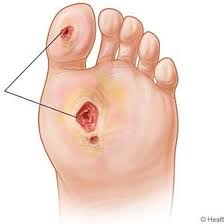
Prevention of foot ulcers in patients with diabetes

Prevention of foot ulcers
   Prevention of foot ulcers

Prevention of foot ulcers in patients with diabetes in home nursing: a qualitative interview study

Qualitative research article
Gershater, M. A., Pilhammar, E., & Roijer, C. A. (2016) Prevention of foot ulcers in patients
with diabetes in home nursing: a qualitative interview study. European Diabetes Nursing, 10,
52-57. doi: http://onlinelibrary.wiley.com/doi/10.1002/edn.227/pdf
The articles cited above can be accessed via Bb.
These articles have been chosen from different areas to expose you to different research
content that may have reflection on your practice as a member of the healthcare team. In other
words, the article that you choose for your assignment does not have to be specific to the
degree (nursing or midwifery) that you are doing. Therefore, it is required that you read both
articles to determine which one you understand better and critique the following aspects of the
article:

Abstract
Literature review and/or background to the problem
Research Design
Findings
Discussion
Reliability & Validity/ Trustworthiness
You will need to critique these selected aspects in the context of the entire research report and
will therefore need a thorough understanding of the entire report. You will provide your critique
in short paragraph answer format, ensuring that you provide rationale for your critique,
substantiated with appropriate literature. More detailed instructions for this assessment can be
accessed through Bb.

You will need to use the information and skills that you developed during Modules 7-12 to
assist you to critique the article. In addition, you should review the chapter on ?�Reading and
critiquing research articles’ in your prescribed text and use the marking guide provided so that
you cover all the necessary aspects.

This assignment is required to be typed using Times New Roman, font size 12 and double
spaced. The required word limit for this assessment is 1000 words (±100) with minimum of 4
references. This word count does not include the references and other information related to
This assignment is required to be typed using Times New Roman, font size 12 and double
spaced.

We can write this or a similar paper for you! Simply fill the order form!
Medicine critical thinking Term Paper

Medicine critical thinking
             Medicine critical thinking

Medicine critical thinking

Order Instructions:

Suppose that you are attending a conference for physical therapists. You listen to a speech by Dr. John Russell, an orthopedic surgeon. Dr. Russell is speaking about a new, experimental procedure to repair torn ligaments in the knee. After listening to the 30 min. conference talk, one of the attendees sitting next to you, Harold, tells you, “Dr. Russell claims that the procedure is effective at reducing pain 3 months post-surgery. Dr. Russell would, of course, hold a favorable view of this new procedure because he only recently finished his orthopedic surgery fellowship, and plus he went to medical school on the West Coast. Therefore, this procedure could not be as effective as Dr. Russell claims it is.”

This is a two-part assignment:
A. Identify the type of logical fallacy in the argument that Harold just made. Justify your selection.
B. Respond to Harold with a different set of statements containing a separate fallacy. State the type of fallacy that you committed in responding. Then, justify why the fallacy you made is of the type that you purport it to be.

SAMPLE ANSWER

Medicine critical thinking

Question 1

The type of logical fallacy that Harold made was a fallacy of Hasty Generalization. In this type of fallacy, the individual makes a conclusion that is advised by insufficient evidence or evidence that is biased. The first sign of hastiness in his argument is the fact that he makes his comment after only 30 minutes of listening to the doctor speak. It is impossible for Harold to have gathered all the information about the doctor’s bias in favor of the procedure being discussed within 30 minutes which is such a short time. While it is possible that Harold may have known the doctor from outside the seminar, the statement he made is being discussed with respect to context. His confiding in me is an indication that he is basing his assessment of the doctor’s point of view on the events that have taken place in the seminar (Facione and Gittens, 2015).

The originator of a statement will be said to have made a logical fallacy of hasty generalization by concluding a matter too soon without taking into consideration the relevant facts. Harold’s statement fits in well with the description of this fallacy. Half an hour is clearly not adequate to appraise a person’s point of view or the entire collection of his knowledge. Furthermore, this is a medical conference and any support for a point made or opposition to a point made, needs to be based on medical facts and not mere opinions. Harold believes that the doctor’s estimation of the healing process is inaccurate. So far there is no problem with this; however his justification for his point of view is in no way related. He does raise facts such as the doctor being recently back from an orthopedic fellowship and also that the university the Doctor studied in being in the West Coast (Fisher, 2011).

Harold’s reference to the doctor’s has studied in the West Coast introduces another fallacy in his argument. This argument is known as the Straw Man. It is so called because the speaker acts by overly simplifying the viewpoint that the opponent has. Their contradicting points of view makes the doctor his opponent, Harold refers to the location of the doctor’s previous learning institution as sufficient grounds to disqualify the experimental procedure being advocated for. The West Coast may not be perfect and there may be very real and tangible reasons why Harold has problems with the place but the fact that he does not mention them greatly weakens his argument. The ambiguity leaves it completely open and this means that Harold’s qualms with the West Coast are related to weather or culture. He does not clearly state what the problem is with the West Coast leading to the Doctor’s inaccuracy

Question 2

Response: I disagree with you on that matter, the fact that he has the title ‘Doctor’ before his name and his presenting this information before a panel of medical experts is proof that he knows what he is talking about with respect to the post-operation recovery process.

I have used two fallacies in the above statement. The first fallacy that I have used is the Genetic Fallacy. This type of fallacy is manifested in a statement when the originator makes use of the institution a person belongs to as a means of determining the character they have. In this case I have used the prefix of ‘Doctor’ as a justification for my belief that he has to be an expert in medicine. This statement is fallacious because while medical doctors do have the suffix, they tend to be either specialists or general doctors. There are also people who have the title by virtue of a PhD being awarded to them. The title does signify the qualification that a doctor has but if it is to be considered, it needs to be considered in full as even for medical doctors, there are several categories. There are those who are general practitioners, there are others who are surgeons and others may have specialized in dentistry. As such, it is not sensible to simply use his title to appraise the content of his presentation, which greatly waters down the significance of the discussion and shifts the focus from what he has worked on to a general image of the profession. The argument may have been stronger if I mentioned a title that was relevant to the work that he has done in orthopedic surgery or the position he holds within the organization of physical therapists (Bowell and Kemp, 2014).

The second fallacy that I have used is the circular argument. In this fallacy, the speaker restates an argument instead of proceeding to prove it. In this case I have stated that the information he is giving has to be accurate and medically sound because his audience is made up of doctors who are giving him attention. Circular fallacies are so called because they tend to go back and forth with the first part justifying the second part and the second part justifying the first part yet there is no significant substance being discussed or elaborated upon. The argument is circular because the content and its quality are determined by taking into consideration only the speaker and the audience while leaving out the particulars about the findings that doctor has presented. His expertise cannot be solely judged on the fact that he is speaking to doctors at the seminar. While this was definitely taken into account in his selection as a keynote speaker, this cannot justify my point of view. I essentially stated that their being doctors makes it impossible for them to get the wrong information in a forum or his being the speaker in a medical forum made it impossible for him to give inaccurate information. What I essentially did was peg my thoughts on his being correct about the experimental procedure because of the existence of the seminar where the talk took place. The presentation he gave being a part of this project, does not in any way automatically translate to it being accurate (Admanti et al, 2011).

The statements that Harold made as well as my hypothetical response are all fallacies because they demonstrate a mistake or mistakes that were made in the thinking process followed during the making of our respective opinions about the doctor’s presentation on the experimental procedure. They are all errors in reasoning because the originator of the statements circumvents or avoids the most important facts that can be used to validate the conclusions that are being made. The authors of the statements instead pick on irrelevant aspects of the subject and use them to support the conclusions given (Gardner, 2012).

References

Admati, A. R., DeMarzo, P. M., Hellwig, M. F., & Pfleiderer, P. C. (2011). Fallacies, irrelevant facts, and myths in the discussion of capital regulation: Why bank equity is not expensive. MPI Collective Goods Preprint, (2010/42).

Bowell, T., & Kemp, G. (2014). Critical thinking: A concise guide. Routledge.

Facione, P., & Gittens, C. A. (2015). Think critically. Pearson.

Fisher, A. (2011). Critical thinking: An introduction. Cambridge University Press.

Gardner, M. (2012). Fads and Fallacies in the Name of Science. Courier Corporation.

We can write this or a similar paper for you! Simply fill the order form!
Lyme disease Research Paper Available

Lyme disease
                        Lyme disease

Lyme disease

Order Instructions:

As pediatric patients grow from infancy to adolescence, there are many common body system disorders that may potentially present. As an advanced practice nurse caring for these patients, you must understand the pathophysiology and epidemiology of these disorders as this will help you to recognize symptoms and select appropriate assessment and treatment options. In this Assignment, you prepare for your role in clinical settings as you design a protocol for the diagnosis, management, and follow-up care for a common body system disorder.

To prepare:

•Reflect on “Lyme disease”.

•Think about the pathophysiology and epidemiology of the disorder.

•Consider a protocol for the diagnosis, management, and follow-up care of the disorder you selected.

•Think about how culture might impact the care of patients who present with this disorder.

To complete:

Write a 2- to 3-page paper that addresses the following:

•Explain the disorder Lyme disease, include its pathophysiology and epidemiology.

•Explain a protocol for the diagnosis, management, and follow-up care of this disorder.

•Explain how culture might impact the care of patients who present with the disorder you selected.

The School of Nursing requires that all papers submitted include a title page, introduction, summary, and references. The Sample Paper provided at the Walden Writing Center provides an example of those required elements (available at http://writingcenter.waldenu.edu/57.htm). All papers submitted must use this formatting.

SAMPLE ANSWER

Lyme Disease

Introduction

Many different kinds of body infections exist hence, is prudent for advanced practice nurses to understand (APN) them to provide better diagnosis, management, and even follow up. Lyme disease is one of such body system disorders that APN need to know to manage the same well. The author therefore, deliberates on Lyme disease, its epidemiology and pathophysiology, explains protocol from diagnosis, management, and follow-up, and explains how culture might affect the care of patients suffering from this disease.

Lyme disease

Despite the fact that the prevalence of Lyme disease is becoming prevalent in communities, many APN as well as physicians are still unfamiliar with it. Lyme disease known by another name as Lyme borreliosis is among the common vector borne diseases (Pearson, 2014). The disease is infectious as a bacterium known as Borrelia burgdorferi belonging to the spirochaetes causes it. The disease is usually transmitted through the bite of an infected tick.

Pathophysiology

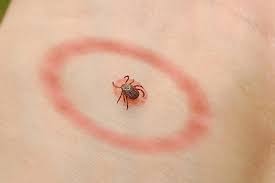
The moment an infected tick bites a human being, B. burgdorferi is left in the  skin and henceforth begins to spread. Signs and symptoms of the disease manifest due to the immune response to the spirochete in the tissues of the body (Beard, Nelson, Mead, Petersen, & Raoult, 2012). During the bite, the saliva of the tick is released together with spirochete as the tick feeds and this disrupts the immune response at the site where the bite occurred (Glatz, Resinger, Semmelweis, Ambros-rudolph, & Müllegger, 2015). Therefore, such a point is conducive to spirochete to establish an infection which grows and multiplies on the surface of the skin (dermis). The inflammatory response of the host leads to the formation of a circular EM lesion (Halperin, 2014). Because Neutrophils fails to appear to destroy spirochetes, the EM lesion develops and spread on the entire body. Few days after the bite, the spirochetes spread through blood stream to other parts of the body such as heart, joint, distant skin sites and nervous systems. In case, the bacteria is not treated immediately, it may persist in the body for months or even years, regardless of the production of B. burgdorferi.

Epidemiology

The disease is prevalence in the northern hemisphere and more incidences have been on increase across the world. Reasons for this are changes in biodiversity, climate change, land management, human interactions with nature and increasing awareness about the disease. Laboratory findings in UK found that Lyme cases have increased nearing to 1200 in a year even though true incidence is not known because of many cases that go unreported (Pearson, 2014). Incidences of Lyme disease are higher in Southern England, including, Scottish highland, and London. Level of public and health care professionals’ awareness about the disease in UK is still lacking. The disease has as well been reported in various countries across Africa, Europe, north and South America and Asia. Highest cases are among people aged between 45-65 years followed by those in age bracket 24-44 years (Pearson, 2014).

Diagnosis, management, and follow-up care

Lyme disease has treatment, and the journey begins from diagnosis. Those eligible for diagnosis are those with the history of tick bite, other signs, and symptoms of Lyme disease and erythema migrans (Pearson, 2014). Diagnosis should be clinically based and should be based on careful history taking, examination and getting information from carers, and ensuring careful interpretation of results. Other tests can as well be undertaken as part of the diagnosis to ascertain the infections. Treatment should then start immediately after diagnosis. Even though a range of antibiotics is available, the choice of the best is under debate as some have side effects. Some of the antibiotics recommended include amoxicillin, and doxycycline administered in different dosages depending on the age of the patient (Pearson, 2014). Patients require close monitoring to ensure they take the right medication, dosage until they recover.

Culture Aspect in Care of Patients

The culture of people differs and may have adverse effects on patients with Lyme (Aenishaenslin, Ravel, Michel, Gern, Milord, Waaub & Bélanger, 2014). Some people believe that this disease is for animals and therefore, health care providers may be adamant to take care of such patients. Therefore, the attitudes and beliefs of people, especially the carers can have a negative implication on the health care that is provided to patients. It becomes important for all public health professional and public to be sensitized about the disease for them to accord respect and assistance to Lyme patients.

Conclusion

Lyme disease like any other body disease needs proper management and treatment. The disease is spreading across the world because of increased sensitization. Cultural factors can halt efforts to manage the disease and is appropriate for all relevant authorities to step up their awareness campaigns to sensitive more health providers and public for better management of this disease.

References

Aenishaenslin, C., Ravel, A., Michel, P., Gern, L., Milord, F., Waaub, J., & Bélanger, D. (2014). From Lyme disease emergence to endemicity: a cross sectional comparative study of risk perceptions in different populations. BMC Public Health, 14(1), 1070-1091. doi:10.1186/1471-2458-14-1298

Beard, C. B., Nelson, C. A., Mead, P. S., Petersen, L. R., & Raoult, D. (2012). Bartonella spp. bacteremia and rheumatic symptoms in patients from Lyme disease-endemic region. Emerging Infectious Diseases, (11), 1918.

Glatz, M., Resinger, A., Semmelweis, K., Ambros-rudolph, C. M., & Müllegger, R. R. (2015).      Clinical Spectrum of Skin Manifestations of Lyme Borreliosis in 204 Children in Austria. Acta Dermato-Venereologica, 95(5), 565-571. doi:10.2340/00015555-2000

Halperin, J. J. (2014). Lyme Disease: Neurology, Neurobiology, and Behavior. Clinical Infectious Diseases, 58(9), 1267-1272.

Pearson, S. (2014). Recognising and understanding Lyme disease. Nursing Standard, 29(1), 37-   43.

We can write this or a similar paper for you! Simply fill the order form!

Cardiovascular or genetic disorders Journal Entry

Cardiovascular or genetic disorders Journal Entry
Cardiovascular or genetic disorders Journal                                     Entry

Cardiovascular or genetic disorders Journal Entry

Order Instructions:

Cardiovascular or genetic disorders Journal Entry
Reflect on a patient who presented with cardiovascular or genetic disorders (mention one diagnosis and focus on it) during your Practicum experience. Describe your experience in assessing and managing the patient and his or her family. Include details of your “aha” moment in identifying the patient’s disorder. Then, explain how the experience connected your classroom studies to the real-world clinical setting. If you did not have an opportunity to evaluate a patient with this background during the last 8 weeks, you may select a related case study from a reputable source or reflect on previous clinical experiences.
Required Resources/References

• Burns, C. E., Dunn, A. M., Brady, M. A., Starr, N. B., & Blosser, C. G. (2013). Pediatric primary care (5th ed.). Philadelphia, PA: Elsevier.
o Chapter 30, “Cardiovascular Disorders” (pp. 669–707)

this chapter reviews normal cardiac structure and function in infants, toddlers, school-age children, and adolescents. It then covers assessment and management strategies for cardiovascular disorders including congenital and acquired heart diseases.

o Chapter 40, “Genetic Disorders” (pp. 1032–1054)

this chapter explores the scope of genetic screening, genetic variation, and genetic disorders. It also provides assessment and management strategies for health care providers caring for children and families with genetic disorders.

SAMPLE ANSWER

Cardiovascular or genetic disorders Journal Entry

During my practicum experience in St. Patrick’s Hospital which is a pediatric hospital, I came across a patient whose dealing with gave me experience in patient assessment and management

The patient who was a ten years old girl was diagnosed with a cardiovascular disorder that is acute myocardial infarction through a series of blood tests which identified that the patient had high levels of proteins in the bloodstream. The diagnosis was shocking to me since at first I had thought that the patient was suffering from pneumonia due to the symptoms she had.

Once the patient’s assessment had revealed that she had myocardial infarction, I had to call in her mother and father. Both parents were first subjected to a session of guidance and counseling and it was during this session that we got to interact more. This was important so as to identify the needs of the patient such as psychological needs. The guidance and counseling session is required since some parents are usually emotionally week and such news of their children being diagnosed with such illness can put them in a state of depression. (Burns, Dunn, Brady, Starr, & Blosser, pg 700)

After the assessing, the next step was to manage the patient. During the first 24 hours of diagnosis, the patient was put under close monitoring for adverse electrical events. The patient’s movements were then restricted for at least12 hours and analgesics were used to relieve pain. After the first day in hospital, the patient was then subjected to treatment using aspirin and beta-adrenergic blocker. The patient was then put under close observation for the identification of any complications. The patient who then developed chest pain was given high dosage of aspirins that is 650 mg every five hours for twenty hours. After two days the patient was released and was given appointments after every two weeks to enable her condition to be monitored. (Margulies, 2012, pg 194)

The patient’s family members were then put under a programme that was to teach them on the type of diet that they should provide to the patient that is a diet low in saturated fat and cholesterol. They were also educated on the importance of ensuring that the girl uses his medication as recommended. (Burns et al.,2013, pg 706)

In conclusion, the experience was able to help me appreciate the importance of guidance and counseling sessions before releasing a patient’s diagnoses and this is as it has been taught back in school.

References

Burns, C. E., Dunn, A. M., Brady, M. A., Starr, N. B., & Blosser, C. G. (2013). Pediatric primary care (5th ed.). Philadelphia, PA: Elsevier.

Margulies, E. (2012). Myocardial Infarction and Cardiac Death. Burlington: Elsevier Science.

We can write this or a similar paper for you! Simply fill the order form!
Diagnosis and management of respiratory disorders

Diagnosis and management of respiratory disorders

Diagnosis and management of respiratory disorders; Asthma

Order Instructions:

Diagnosis and Management of Respiratory Disorders
Respiratory disorders such as pneumonia and asthma are among the leading causes of hospitalization in pediatric patients (U.S. Department of Health and Human Services, 2011). With such severe implications associated with many respiratory disorders, advanced practice nurses must be able to quickly identify symptoms, diagnose patients, and recommend appropriate treatment. For this Discussion, consider potential diagnoses and treatments for the patients in the following the respiratory Disorders

Case Study
Brian is a 14-year-old known asthmatic with a 2-day history of worsening cough and shortness of breath. He reports using a short-acting beta agonist every 3 hours over the previous 24 hours. He has a long-acting inhaled corticosteroid, but the prescription ran out, and he forgot to get it refilled. He says he came today because he woke up at 2 a.m. coughing and couldn’t stop, thus preventing him from going back to sleep. Over-the-counter cough suppressants don’t help. He denies cigarette smoking, but his clothing smells like smoke. His respiratory rate is 18 and he has prolonged expiration and expiratory wheezes in all lung fields. There are no signs of dyspnea. All other exam findings are normal. (This asthma exacerbation in adolescent).

To prepare:
• Review Respiratory Disorders in the Burns et al. text.
• Review the provided case studies. Analyze the patient information.
• Consider a differential diagnosis for the patient in the case study. Think about the most likely diagnosis for the patient.
• Think about a treatment and management plan for the patient. Be sure to consider appropriate dosages for any recommended pharmacologic and/or non-pharmacologic treatments.
• Consider strategies for educating patients and families on the treatment and management of the respiratory disorder.

Assignment paper
Write 2 pages on
1) An explanation of these three differential diagnosis for the patient in the case study. (Asthma exacerbation, bronchiolitis, and laryngeal foreign body aspiration).
2) Explain which is the most likely diagnosis for the patient and why. (asthma exacerbation) Include an explanation of unique characteristics of this disorder you identified as the primary diagnosis.
3) Then, explain a treatment and management plan for the patient with asthmatic exacerbation including appropriate dosages for any recommended treatments.
4) Finally, explain strategies for educating patients and families on the treatment and management for asthma exacerbation.

REFERENCES RECOMMENDED FOR THIS ASSIGNMENT (Please refer to the textbook
• Burns, C. E., Dunn, A. M., Brady, M. A., Starr, N. B., & Blosser, C. G. (2013). Pediatric primary care (5th ed.). Philadelphia, PA: Elsevier.
o Chapter 31, “Respiratory Disorders” (pp. 708–738) and page 497-516 talks mostly on asthma and management)

this chapter covers the anatomy and physiology of the upper and lower respiratory tracts. It then explores assessment and management strategies for respiratory disorders including upper respiratory tract disorders, extrathoracic and intrathoracic airway disorders, and pectus deformity.

• National Heart, Lung, and Blood Institute. (2007). Expert panel report 3 (EPR3): Guidelines for the diagnosis and management of asthma. Retrieved from http://www.nhlbi.nih.gov/guidelines/asthma/asthgdln.htm

these reports provided by the National Heart, Lung, and Blood Institute present guidelines for the diagnosis and management of asthma in children from infancy through adolescence. The pathophysiology of asthma, measures of assessment and monitoring, control of environmental factors, and medication are also covered.

• Dexamethasone for Acute Asthma Exacerbations in Children: A Meta-analysis by Keeney, G.E., Gray, M.P., Morrison, A.K., Levas, M.N., Kessler, E.A., Hill, G.D., Gorelick, M.H., & Jackson J.L. in Pediatrics, 133(3): 493–499.
Copyright 2014 by American Academy of Pediatrics – Journals. Reprinted by permission of American Academy of Pediatrics – Journals via the Copyright Clearance Center.

• Mold, J.W., Fox, C., Wisniewski, A., Lipman, P.D., Krauss, M.R., Harris, D.R., Aspy, C., Cohen, R.A., Elward, K., Frame, P., Yawn, B.P., Solberg, L.I., & Gonin, R. Implementing asthma guidelines using practice facilitation and local learning collaboratives: a randomized controlled trial. Annals of family Medicine, 12(3), 233-240. Retrieved from the Walden Library databases.

SAMPLE ANSWER

Diagnosis and management of respiratory disorders

Asthma is the commonest respiratory disorder for kids. For Brian, the 14-year-old patient in the case study, three differential diagnoses for him are asthma exacerbation, bronchiolitis, and laryngeal foreign body aspiration. Asthma exacerbation: the major symptoms of this condition include coughing, a tight chest, shortness of breath, and wheezing (Keeney et al., 2014). Bronchiolitis: this is a common disease of the respiratory tract and is brought about by an infection which affects bronchioles – minuscule airways – which lead to the lungs. Bronchiolitis usually happens in the initial two years of life. Symptoms include being irritable, short pauses in breathing, persistent dry cough and rasping, wheezing, and vomiting after feeding (Burns et al., 2013). Laryngeal foreign body aspiration: kids who aspirate a foreign body at first usually present chocking and afterwards exhibit symptoms of respiratory syndrome. This condition is regarded as a differential diagnosis for asthma. Symptoms include gasping, coughing, chocking, and respiratory distress (Burns et al., 2013).

Of the three, asthma exacerbation is the most likely diagnosis for this patient. This is because the symptoms exhibited by the patient match with those of asthma exacerbations. In the case study, Brian has a 2-day history of worsening cough as well as shortness of breath. He woke up today with a persistent cough and he also has wheezes. All these symptoms – breathing faster, wheezing, persistent coughing, shortness of breath – are clear indications of asthma exacerbations (Mold et al., 2014). For the patient with asthmatic exacerbation, a treatment and management plan includes the following:

Management of children aged above 12 years and adults
  Medication Dosage Description
Pharmacological intervention  

Short-acting beta 2 agonists

·         An inhaled, short-acting beta-2 agonist

·         Use 2 or more canisters of beta2 agonists every months or 10-12 puffs daily

Short-acting beta2 agonists usually work very fast and offer symptomatic relief (Keeney et al., 2014)
 

Inhaled corticosteroids

·         Optimal dosages are 80 mg or less daily of methylprednisolone or 400 mg or less daily of hydrocortisone Inhaled corticosteroids should be taken regularly where: symptoms disturb sleep every week, Beta2 agonists are being utilized over 2 times every week, and a kid has an asthma attack in the past 2 years necessitating systemic corticosteroids (Mold et al., 2014)
Intravenous Salbutamol MDI with spacer ·         5 mg in 2 ml of normal saline every 20 minutes in the first hour Patients who receive intravenous salbutamol have to be in a setting in which there is continuous cardiac monitoring (Burns et al., 2013)
Non-pharmacological intervention ·         Avoid exposure to cigarette/tobacco smoke

·         Allergen immunotherapy should be considered for patients whose asthma symptoms are clearly connected to exposure to allergens (National Heart, Lung, and Blood Institute, 2007).

It is worth mentioning that managing and treating asthma in children entails an appreciation of the existing treatment practice and a readiness to support and educate the asthmatic children and their close relatives in the longer-term. The strategies for educating patients and families on the treatment and management of asthma exacerbation entail providing smoking cessation advice to the child and caregivers/family members. This is important since passive or direct smoking decreases lung function and raises the need for rescue medication as well as long-term preventer treatment (Burns et al., 2013). Allergen avoidance should be included in the education: the patient may be allergic to pets and/or house dust mite. There could be pet allergy and it is sensible not to have a dog or a cat in the house since domestic pets may trigger an asthma attack. Physical and chemical techniques of house dust mite avoidance may trigger asthma exacerbations and should be avoided (Mold et al., 2014). Other trigger avoidance suggestions for the family include removal of soft toys from the bed, removal of carpets, washing of bed linen using high-temperature, improve ventilation, and using total bed-covering barrier systems. Education also includes encouraging adherence to asthma action plan to control asthma daily.

References

Burns, C. E., Dunn, A. M., Brady, M. A., Starr, N. B., & Blosser, C. G. (2013). Chapter 31, “Respiratory Disorders”. Pediatric primary care (5th ed.). Philadelphia, PA: Elsevier.

Keeney, G.E., Gray, M.P., Morrison, A.K., Levas, M.N., Kessler, E.A., Hill, G.D., Gorelick, M.H., & Jackson J.L. (2014). Dexamethasone for Acute Asthma Exacerbations in Children: A Meta-analysis. Pediatrics, 133(3): 493–499.

Mold, J.W., Fox, C., Wisniewski, A., Lipman, P.D., Krauss, M.R., Harris, D.R., Aspy, C., Cohen, R.A., Elward, K., Frame, P., Yawn, B.P., Solberg, L.I., & Gonin, R. (2014). Implementing asthma guidelines using practice facilitation and local learning collaboratives: a randomized controlled trial. Annals of family Medicine, 12(3), 233-240

National Heart, Lung, and Blood Institute. (2007). Expert panel report 3 (EPR3): Guidelines for the diagnosis and management of asthma. Retrieved fromhttp://www.nhlbi.nih.gov/guidelines/asthma/asthgdln.htm

We can write this or a similar paper for you! Simply fill the order form!