



Case management methods Paper Out

Case management methods

Case management methods

Case management methods

Order Instructions:

Please select question 1 or 2 because I feel like there is alot more information on it. with 15-20 reference’s of harvard referencing. i will also attach more files on assignment hints on the order page.

Assessment #2 –

Questions
1. What are the critical issues including obstacles to and problems with engagement, intake, screening and assessment for case management (or individualised funding)?

* Gursansky 2003 – chapter 4
* Gursansky et al 2012 Chapters 1 and 3.

Intake – eligibility criteria, marketing of program, outcomes for clients, changing nature of criteria, organisational structures which impact.
Engagement – data bases, clients and development of effective relationships
Assessment – support from services clients already receive, planning, intervention linkages and how purposeful is it.

————————————————————————————————————

2. Identify thecritical issues including obstacles to andproblems with service planning and implementation for case management (or individualised funding).

* Gursansky 2003 – chapter 4
* Gursansky et al 2012 Chapters 4 and 5.

Goals, strengths, what has worked and what has not, formulating the plan with the client, what does the client want and what do they actually access, impact of the lack of resources, the importance of effective planning –flexibility, allowing for diversity, a range of sources, what is available intra and inter service providers and clear thinking and sustained engagement.

—————————————————————————————————————-
3. Outline thecritical issues including obstacles to and problems with termination, review, follow up and evaluation for case management (or individualised funding).

* Gursansky 2003 – chapter 4
* Gursansky et al 2012 Chapters 6 and 7.

Monitoring – checking in with clients, plan of action, working out what is working and what is not, advocacy at the service and client level and evidence based research.

SAMPLE ANSWER

1.0 Introduction

Case management methods are widely employed in Australia as is often the case in other countries. However, there exists a perspective of shared understanding when it comes to case management to the extent that a section of authors assert it veers away from the need for close examination and analysis of case to formulate a better model and practice. In a real world, case managers should be conversant with the needs of individuals such as mental illness, substance abuse, chronic health issues, homelessness, illicit activities, parenting minors, and physical impairment among others (Huber et al. 2003). For instance, a case manager should be in a position to comprehend the client’s background in terms of accessible social services, monetary and legal implications, and the clinical complication of the problem among others. While case management is synonymous with assessment, planning, coordination, screening, and appraisal, this paper looks at the critical issues including obstacles to and problems with engagement, intake, screening, and assessment for case management.

2.0 Engagement

The case manager has the responsibility of providing services in non-conventional techniques with the goal of reaching the customers rather as opposed to the customers seeking assistance. While engagement seeks to t fulfill and identify customers’ immediate requirements, the first phase is challenging (Australian Bureau of Statistics, 2012). Motivation can be fleeting while accessibility to services is constrained.

These problems are evident in customers’ conduct including missed appointments, continuous use, and unwillingness to change among others. During this stage, the objective of case management is minimizing internal and external barriers, which hinder treatment. the reluctance  clients to receive treatment may be minimized in various ways including; motivation techniques; basic knowledge on addiction; continuously reminding clients about the effects of drug abuse; fulfill clients’ survival expectations; and dedication to creating mutual association between the case manager and clients (Gursansky, Kennedy & Camilleri 2012).

2.1 Effective Relationships

The parties involved in authorizing behavioral health can be requested to give their input although customers’ persistence can be a major hindrance towards access to healthcare  services. Potential clients can be unfamiliar with treatment procedures, an issue that calls for the development of effective associations between the case manager and the client (Gursansky, Kennedy & Camilleri 2003). Nonetheless, the dilemma may exist between clinical experiences presented by nurses and social workers. Their preferences with regards to treatment can be irrational, and they know little about drug abuse, or addiction. Moreover, it is exceptional for individuals during this phase to reduce the effects of drug abuse for the sake of their health.

3.0 Intake

This is the first meeting with clients that present case managers the opportunity to collect information to tackle their needs while encouraging engagement and retention of the service process (Australian Bureau of Statistics 2012). This is the stage used to establish whether or not a client needs have been met. Nonetheless, it is difficult for the case managers to adequately determine the suitable strategy to fulfill client’s needs and examine their readiness to participate in case management (Gursansky, Kennedy & Camilleri 2012). This process is characterized by ethical dilemmas as case managers may choose an inappropriate approach.

 3.1 Eligibility

The case manager has the prerequisite to screen the client’s problem substantively. At this point, assessment would act as a reference point to determine the eligibility and detailed evaluation to be presented to guide the creation of an intervention plan.   Prescreening for eligibility and coordination to minimize any barriers can enhance accessibility. The procedure of motivating clients starts with education, identification of important needs, and creation of mutual relationship. This procedure can commence in the prescreening stage. Motivation facilitates engagement using exploratory and not confrontational techniques. Nevertheless, it is essential to understand that each client has his/her own needs in joining the treatment process.

For instance, if the client has communication needs, the goal may be to determine if a child can exhibit deficits in communication/feeding development. On the other hand, in the planning and implementation phase, the case manager in collaboration with a team of experts designs an intervention plan that support services which involve techniques and settings (Chappell 2012). The two roles aim at maximizing the clients’ ability to effectively reform while increasing the family capacity to support the development of the client. However, screening is a vital element of prevention. Creating family awareness through education is significant for children as well as their respective families.

Much as education in assessment differ on the basis of the method used, informed medical perspective of the case manager is crucial in establishing eligibility of the client. Nonetheless, in the planning and implementation phase, support services are individualized for every client and family; hence, facilitating different techniques and designs of intervention that incorporate quality service delivery. In both roles, procedures and activities depict a given family’s preferred method and degree of participation.

3.2 Outcomes

The greater part of investigative research with regards to case management lies in mental health with less activity in human service. This helps to  put more emphasis of various social issues. Efforts to analyse case management services have been hindered by a plethora of intricate factors. Different and overlying models of case management, an elusive agreement of definitions, and the ambiguity that surrounds the probability of fidelity of providers are some of the problems affecting the efficacy of case management. The anomaly is further enhanced by the documentation of unrelated outcome measures in studies that makes any effort comparisons between various interpolations problematic.                                                                          Gursansky et al. (2012) assert that ascribing client or program results to a certain service-delivery methodology can be problematic. A holistic service case is linked to better outcomes to management, retention and acquiescence, reduced hospitalization, positive client contentment and modest cut down in service costs. On the other hand, dealership models fail to retain clients in management, enhanced hospitalization rates and operations expenses. While the two approaches of case management have analogous impact when it comes to enhancing the symptoms in terms of the levels of social wellbeing, emphatic community treatments is better off than the clinical management approach in reducing admission to hospital.Ultimately, case management leads to reduced criminal activities when it comes to correction agencies. However, in terms of social work and mental wellness, the legitimacy of case management methods in as far as correction is concerned appears scanty.  There are certainly consequences and challenges for apportioning resources in community corrections to offer and ensure reliable levels of service. Even though the CCS makes recommendations to the courts, the streaming of clients is unpredictable and largely managed by the judiciary.

3.4 Organisational Structure

Motivation transitions from clients’ non-recognition of the issue to understanding the significance of treatment, determining necessary course of action, and maintaining the realized objectives (Gursansky, Kennedy & Camilleri 2012). Case management may employ this structure in engaging with the client based on the phase-suitable services. This implies that a client that failed to deal with drug abuse can be integrated into an intensive management process by giving fundamental practical assistance. Such form of assistance is important in terms of reducing the perceived desire to engage in drug abuse and the associated lifestyle. Structured interviews present clients with opportunities to discuss their substance abuse and past history with case managers while exploring the losses due to drug abuse. However, the previous history of some clients may provide a trend of increased loss of independence.

4.0 Assessment

Treatment is dependent on the instruments that are largely valid and reliable when used with two groups of clients from different cultural backgrounds. Whereas interpretation of some tools for the population who’s English is not their first language have been realized, the accuracy of the applied tools is not always recorded (Stanger et al. 2009). Under normal circumstances, screening and assessment for women should be meticulous; hence, some women from different cultural backgrounds find the procedure intimidating, unpleasant and foreign. In some communities, issues of individual practices can be seen as superfluously intrusive (Gursansky, Kennedy & Camilleri 2012).  Majority of women do not have experience with Australian medical care and hardly comprehend the assessment process. Others may develop negative attitudes with healthcare providers or treatment schedules and create an impression of unfair treatment. This may impede the assessment process. In this regard, screening and assessment should be anchored on perceptions that put a lot of primacy on cultural significance (Coatsworth et al. 2001).

In most cases, there has been a miscomprehension of the client’s cultural basis in terms of health beliefs, sickness behaviors, and outlook toward of treatment. This impacts the delivery of quality services. Assessment is the first step of developing clients’ needs. In addition, it is an essential phase of case management. It involves collecting all the client’s needs to develop the case (Gursansky, Kennedy & Camilleri 2003). This may require collecting and analysis of clients’ information. Moreover, assessment can be carried out with no direct contact with clients, rather gathering useful historical data to help understand a client’s needs. As a result of the complex nature of the assessment phase, case managers are required to be flexible so as to not only identify, but also address developments while reviewing approaches and objectives as needed (Padgett et al. 2011).  Much as partnership standards present specific areas to be covered in eligibility assessment, ethical dilemmas emerge because there are no requirements for separate expectations of clients besides eligibility assessment.

4.1 Purpose of Assessment

Case assessment serves as the platform upon which to gather necessary information to allow plan and provide appropriate intervention. Information collected from clients is critical in determining baseline details, health levels, dangers of malfunction or strengths, and weaknesses as far as the illness process is concerned. With regards to social issues, the case manager should determine whether or not the client lives alone and does not want to bother other family members, and whether financial issues make them worried about the future. As a result, the community nurse should perform comprehensive home assessment (Gursansky, Kennedy & Camilleri 2003). In addition, head to toe assessment and comprehensive health history assessment should also be used on the client to discover further health information.

Clinical assessments help case managers to intervene the situations of clients. Moreover, it plays a vital role in determining the condition that the clients are in since medication is recommended depending on the extent of the situation whether it is mild or severe (Willis et al. 2013).

4.3 Planning

Planning process entails concentrating on structural components of case management like the occurrence and details of the problem, identifying measurable objectives, and required services to address particular needs. Planning of the case is individualized with detailed documents looking at various elements of clients’ wellbeing in accordance with useful and factual data (Rapp et al. 2008). This is attained through intake interviews to determine baseline demographic and analytical data to create the initial client plant.

However, impartiality and objectivity are more and more essential aspects that present ethical issues to the case manager. For instance, a case manager working with institutions that offer services may be required to include such services in their case management recommendations, particularly when services are not suitable for policyholders. Consequently, how the case manager opts to arrange and employ data gathered leads to the efficacy of the program (Ingoldsby 2010).  The use of technology can be used for tracking data and ensuring interaction, planning and performance control of the respondents is upbeat.                        While a case manager may adopt a particular methodology, it may be hectic to formulate not just a clear process for determining the client expectations, but also for evaluating skills and occurrences.  The case manager works in conjunction with the client to create an Individual Service Plan (ISP) that comprises of short term and long term objectives. When it comes to meeting client expectations, clients that have a broad network of service providers can offer their help by creating plans aimed at curbing reoffending.

4.4 Intervention Linkages

By and large, organizations should be reliant on ensuring their ties with communities remain as strong as ever (Sorensen et al. 2003). This is critical particularly in meeting the needs of a wider scope of participants. Linkages with community stakeholders such as agencies and religious institutions among others are pertinent as the economy shrinks and need for support services blossoms. On the flip side, the diversity in the pragmatic application has culminated into differences as far as case management in Australia is concerned.  This makes the definition of case management fluid, an aspect that culminates into the standardization of comprehending and utilization (Johnson et al. 2013).Consequently,  disparities in its usage have ended in the lack of compelling evidence and consensus on the outcomes for service users especially in relation to its longitudinal impacts. Gursansky & colleagues (2012) reiterate that substantial disparities are evident in modern case management practice in Australia when it comes to the design, application and practice of case management. The problem with lack of clarity is that providers and recipients do not understand the rationale and processes of case management.  The differences in methodologies being implemented are often a catalyst for confusion in terms of service delivery (Gursansky et al, 2012).

4.5 Interventions

The assessments and interventions depend on the nature of the problem, age, and the therapy that the clients may have received in the past. Case managers use scaffold to intervene client situation which are later withdrawn slowly as the client responds to therapy (Gursansky, Kennedy & Camilleri 2003). The purpose is to identify the cause of the problem, teach compensatory strategies, or to modify the client’s issue. Intervention approaches consider long term goals of the client, development of behavioral objectives, pretesting the client, and administering tests to determine the condition of the client (Slesnick et al. 2008). Intervention processes vary and depend on the case manager’s choice. The interventions can be structured or naturalistic, but depend on severity of the problem. However, a combination of both strategies can help in enhancing the client’s recovery process.

There are principles that guide the procedure of dealing with clients that have been sourced for controlled trials (Gursansky, Kennedy & Camilleri 2003).  These trials are associated with the brain; thus, pathologists use these principles when dealing with clients. The aim of intervention by case managers is to improve the client’s health condition. In any case, one-sided details and objective data offer a clear understanding of clients’ opinion. For this reason, it is of great importance to develop a good relationship between nurse and clients in order to ensure the aspect of trust (Alexander & Robbins 2011). A good relationship between nurse and clients increases harmony and the basis which allows clients to present accurate information. In other words, nursing assessments can be valid and precise when the nurse obtains information which is not one-sided.

5.0 Conclusion

Based on what has been discussed therein above, it becomes evident that while clinical knowledge may be significant to nurses, it may not necessarily be of significance to social workers.  In the same breadth, health and human service workers may hardly comprehend the fact that they share same experiences.  For instance, a case manager responsible for substance abuse individuals is vulnerable to many risks and constraints.

References

Alexander, J.F. and Robbins, M.S., 2011. Functional family therapy (pp. 245-271). New York: Springer.

Australian Bureau of Statistics 2012. Information Paper – A Statistical definition of

Homelessness, 4922.0, Australian Bureau of Statistics, Commonwealth of Australia, Canberra.

Chappell, C. 2012. Case coordination handbook: a field guide to the care planning and management of people who have complex needs and occupy public places in Townsville, Accessed 2 November 2012

Coatsworth, J.D. et al 2001. Brief Strategic Family Therapy versus Community Control: Engagement, Retention, and an Exploration of the Moderating Role of Adolescent Symptom Severity*. Family Process, 40(3), pp.313-332.

Gursansky, D, Kennedy, R & Camilleri, P 2012. The Practice of Case MANAGEMENT, 1st Edition, Allen and Unwin, St Leonards, NSW.

Gursansky, D., Kennedy, R., & Camilleri, P. 2003. Case Management: Policy, Practice and Professional Business. Allen & Unwin, Sydney

Huber, D.L., Sarrazin, M.V., Vaughn, T. and Hall, J.A., 2003. Evaluating the impact of case management dosage. Nursing Research, 52(5), pp.276-288.

Ingoldsby, E.M., 2010. Review of interventions to improve family engagement and retention in parent and child mental health programs. Journal of child and family studies, 19(5), pp.629-645.

Johnson, R.L. et al 2003. The utilization of treatment and case management services by HIV-infected youth. Journal of Adolescent Health, 33(2), pp.31-38.

Padgett, D.K. et al 2011. Substance use outcomes among homeless clients with serious mental illness: Comparing Housing First with treatment first programs. Community mental health journal, 47(2), pp.227-232.

Rapp, R.C. et al 2008. Improving linkage with substance abuse treatment using brief case management and motivational interviewing. Drug and alcohol dependence, 94(1), pp.172-182.

Slesnick, N. et al 2007. Treatment outcome for street-living, homeless youth. Addictive behaviors, 32(6), pp.1237-1251.

Sorensen, J.L. et al 2003. Case management for substance abusers with HIV/AIDS: a randomized clinical trial. The American journal of drug and alcohol abuse, 29(1), pp.133-150.

Stanger, C. et al., 2009. A randomized trial of contingency management for adolescent marijuana abuse and dependence. Drug and Alcohol Dependence, 105(3), pp.240-247.

Willis, S. et al 2013. Linkage engagement and viral suppression rates among HIV-infected persons receiving care at medical case management programs in Washington, DC. Journal of acquired immune deficiency syndromes (1999), 64(0 1).

We can write this or a similar paper for you! Simply fill the order form!

Psychological Disorder;Schizophrenia Paper


Psychological Disorder;Schizophrenia

Psychological Disorder;Schizophrenia

Order Instructions:

Psychological Disorder
Choose any psychological disorder and write how it can be developed from the environment (experiences or biological) or genetics. If it is genetics, what may trigger the gene to synthesize? Then, choose a current media, where someone may be suffering from this disorder and give the main exhibited behaviors that may have led to the diagnoses.
Again, be sure to provide evidence from the person’s or character’s thoughts, emotions and behavior. Include details from class materials, readings and research on personality to support your discussion.
Essay Format

1. Proper APA citation of article. This includes author/s (last name/s first), date of publication, article title, name of journal, and pages.
2. Four paragraphs: Introduction–stating the topic you will be discussing and why you feel passionate about it; description of the topic and how it fits within your hypothesis (NEEDS TO BE IN THE FORM OF A THESIS STATEMENT), discussion, or position; support your hypothesis, discussion, or position using the text and any other scholarly material (at least one reference must be other than the text); summarize by suggesting why you were passionate about the topic and how your evidence is supported.

The disorder I chose is Schizophrenia and the famous figure who was diagnosed: John Forbes Nash, the Nobel Laureate.

One of the sources to be used has to be from my text book which is Grison, S., Heatherton, T. & Gazzaniga, M. (2014): Psychology in Your Life, New York, NY:
W.W. Norton & Company. (we can talk about this during the draft exchange

SAMPLE ANSWER

Schizophrenia

Introduction

I have chosen schizophrenia as the psychological disorder I am going to discuss. Schizophrenia is a severe and chronic condition that affects how an individual thinks, feels, or acts. The high prevalence of schizophrenia is one of the reasons made me passionate about it as I wanted to learn more about it especially how the patients manifest. For instance, statistics indicate that approximately 1% of the population is diagnosed with schizophrenia across the globe with about 1.2% of all Americans having the disorder (Schmitt et al., 2014). This means that approximately 100, 000 Americans are diagnosed with the disorder annually. Schizophrenia can affect an individual through their lifespan. However, diagnosis of the disease occurs mostly in early adulthood. Research by Schmitt et al., (2014) reported that it is quite rare for children and older adults to develop the disorder. Mostly, the rate of diagnosis of schizophrenia increase in the teen years attaining a vulnerability peak at ages 16 to 25 yrs. Men and women manifest varying patterns of vulnerability for schizophrenia development. It has been illustrated that males are highly vulnerable between 18 to 25 years whereas female have double vulnerability peaks; first between ages 25 and 30 and then around age 40.

Although an individual’s genetic factors are important in the development of schizophrenia, the environment in which the genes find expression contribute significantly to the etiology of the disorder. Take the case of John Nash whose intellect mother forced him, at a tender age, to read up to 4am, skip a grade learn Latin, and take advanced mathematics classes.  Consequently, Nash became solitary, bookish, and introverted; a character that made him very creative and one of the greatest mathematicians (Nowak, 2015). Studies have indicated that a number of patients with schizophrenia are highly creative individuals (Richardson, 2015). Examples of such patients include Pink Floyd of the rock band, Vaslav Nijinsky, the choreographer and legendary dancer, and also John Nash of the game theory.  Other environmental factors apart from parenting that have been cited to increase the risk of schizophrenia development include demise of a parent, childhood trauma, bullying, and child abuse (Grison, Heatherton, &Gazzaniga, 2014).  Urban environments also increase the propensity of developing psychosis. Other factors that have been found to play a central role in the development of this disorder include social isolation, racial discrimination, unemployment, and poor housing conditions (Sørensen et al., 2015). Research findings have also indicated that approximately half of patients with schizophrenia use drugs excessively. Abuse of alcohol occasionally causes the development of a chronic drug-induced psychotic disorder through a kindling mechanism. Cannabis abuse also contributes significantly to the development of schizophrenia especially among individuals who have a high genetic predisposition to schizophrenia (Grison, Heatherton & Gazzaniga, 2014).  Factors such as infection, hypoxia, malnutrition, and stress can also cause a slight increase in the risk of developing schizophrenia later in life. An increase of viral exposure during winter has been cited to increase the risk of schizophrenia development. Other fetal infections such as Chlamydia and Toxoplasma gondi can also contribute to the pathophysiology of schizophrenia development.

John Forbes Nash is one of the most prominent figures who struggled with schizophrenia. Nash was born on June 13, 1928 in West Virginia. At 22, he wrote a significant thesis, “non-cooperative Games” (Nowak, 2015). He received the Nobel Prize in 1994 due to his outstanding work in the game theory. In 1959, John was diagnosed with paranoid schizophrenia. In 1958, Nash’s schizophrenic symptoms manifested when he attended a New Year’s Eve party. Nash had a sash across his chest and dressed in a diaper; almost entirely naked. He also had a bottle of milk and kept sitting on his wife’s lap during the event. Soon after, he began telling his fellow lecturers in MIT that outer space powers and foreign governments were sending him messages and that these messages were encrypted and it is only him who could understand them. He then began sending letters to several ambassadors worldwide. He once told Martin, his friend, that he wanted to form a global government and he wanted the ambassadors to help them. His wife reported that Nash began staying up to the night writing letters to the Pope, U.N, and the FBI. Nash not only wrote to governments, but also to his friends and colleagues. His writing was in a manner that was paranoid, in several different colors. Linn et al., (2007) report that at some point Nashstated that he had aliens from space who were ruining his career. At some point Nash saw men in MIT with red ties signaling him as if they were members of the “crypto-communist party” (Moffic, 2015). He was later hospitalized and told his friends that he had grandiose delusions. He also said that he was having thoughts that were beyond his control and that there was a plot by some military officials to take over the country that he led. He stated further that he was God’s left foot, and therefore, God was walking over earth through him. Some factors confirmed his diagnosis of paranoid schizophrenia. For instance,he was experiencing bizarre, persecutory, grandiose delusions such as aliens affecting his career.  Sørensen et al., (2014) enlightens that severe delusions often affect ones actionsby making the person to act upon their beliefs and in a manner that is dangerous or irresponsible. Nash had similar behavior. In fact, there is a time he drove to Washington, D.C aiming to send to ambassadors. He also flew severally to Europe and at some time quit his job in MIT and refused a job offer at the University of Chicago citing reasons that he was going to be Antarctica’s Emperor. These are just but a number of the irresponsible conduct he engaged in and could have landed him to dangerous situations.

In conclusion, schizophrenia is a serious mental disorder that affects a person’s ability to manage emotions, think clearly, and make decisions. Environmental factors such as a child’s parenting, urban environment, substance abuse, and stress play a central role in the development of the disorder. The case of Nash can be used to enlighten the general public on the onset of the disorder and its progress. The hallucinations, delusions, cognitive issues, and unusual thoughts and suspicion expressed by Nash are some of the most common symptoms associated with schizophrenia.

References

Grison, S., Heatherton, T. &Gazzaniga, M. (2014).Psychology in Your Life.  New York, NY:
W.W. Norton & Company

Linn, A., Kuhn, H. W., &Nasar, S. (2007). The Essential John Nash.

Moffic, H. S. (2015). A eulogy for a beautiful mind. Psychiatric Times32(6), 1-1.

Nowak, M. A. (2015).John Forbes Nash (1928-2015). Nature522(7557), 420-420.

Richardson, C. (2015). A Different Look into Creativity: Bipolar Disorder and Schizophrenia.

Schmitt, A., Malchow, B., Hasan, A., &Falkai, P. (2014). The impact of environmental factors in severe psychiatric disorders. Front Neurosci8, 19.

Sørensen, H. J., Nielsen, P. R., Pedersen, C. B., Benros, M. E., Nordentoft, M., & Mortensen, P. B. (2014). Population impact of familial and environmental risk factors for schizophrenia: a nationwide study. Schizophrenia research153(1), 214-219

We can write this or a similar paper for you! Simply fill the order form!

 

Significance of HR Policy for an organization

Significance of HR Policy for an organization

Significance of HR Policy for an organization

Order Instructions:

A machine with a defective or missing part will not function as well as it should, and may break down entirely. Similarly, an organisation with a defective or missing element will not work well. The strategic significance of any element of an organisation becomes clear when that element is missing or broken. This could be true of a structural element, such as a department or team, or a more abstract, functional element, such as a policy or procedure.

o Synthesising general lessons about the strategic significance of HR policy for an organisation, as illustrated by examples of how a business can be impacted when policy fails

SAMPLE ANSWER

Significance of HR Policy for an organization

As in the case of a machine which breaks down when one of its parts is not functioning effectively or when it is missing, an organization’s performance is threatened when one of its departments is dysfunctional or neglected. The need for HR involvement in strategy is inevitable and companies that do not involve the HR in policy are bound to experience difficulties in achieving their objectives. This paper explains the importance of an HR policy and how its failure may impact an organization’s performance in a significant manner.

HR has been hailed as one of the most influential department within the organization. This is because it manages employees who are considered the organization’s most important asset. According to Watson (2005), HR policy provides guidelines governing employees, including how they should behave and execute their roles to meet organizational objectives.  HR policy guides performance through providing guidelines on employee roles and responsibilities, scope of performance and terms of contract or employment (Storey, 2007). In its absence, the organization may not be in a position to follow up employee performance. This creates a gap in employee accountability and could therefore result in low productivity.

HR policy ensures consistency within the organization and as established by Armstrong (2014), HR policy is key in ensuring that employees deliver consistent results. Through providing performance aspects, HR policy ensures that employees work towards meeting their targets. An example is performance appraisal included in the HR policy, which ensures that employees maintain consistent performance to ensure that they are rated highly. When the HR strategy is aligned with the overall company strategy results are likely to be more consistent and effective in enhancing organizational success (Watson, 2005).

HR policy provides a workplace structure; providing guidelines regarding working hours and leave, performance expectations, disciplinary action, work environment, workplace safety and communication channels among others (Bamberger, Biron & Meshoulam, 2014). Lack of a structure would be chaotic for the organization, leading to performance issues. According to Bamberger, Biron and Meshoulam (2014), policy sets clear guidelines that can be followed to enhance organizational processes by ensuring orderliness. This way, the organization is likely to run smoothly, as opposed to where there is no HR policy, thus enhancing efficiency.

HR policy in most organizations ensures that most regulations related to employee rights are adhered to. The HR policy in most cases contains information such as equal employment clauses, employee relations and membership in trade unions, health and safety and termination guidelines (CIPD, 2014). These are important in ensuring that employee rights are protected and that the organization is compliant with the law. It also means that employees are aware of the organization’s position based on various issues that affect job security, such that the organization can attract and maintain the right talent. Lack of a HR policy presents great risks in terms of meeting legal obligations and could subsequently influence performance (Storey, 2007).

In conclusion, it is clear that HR policy is a major prerequisite for organizational success; given that it provides guidance, order and structure, which are necessary in running the organization. All other departments depend on HR to ensure that employees can provide optimal service through guidance from the HR policy. The lack of a HR policy within the organization therefore resembles a machine which with a missing component, such that the organization is likely to fail. Similarly, a HR policy that is not working effectively could impact organizational performance in a significant manner.

Reference List

Armstrong, M. (2014) Armstrong’s Handbook of Human Resource Management Practice. 13th ed. London: Kogan Page

Bamberger, P., Biron, M. & Meshoulam, I. (2014) Human resource strategy: formulation,  implementation and impact, 2nd ed. London: Routledge.

CIPD (2014) HR policies factsheet [Online]. Retrieved from

http://www.cipd.co.uk/hr-resources/factsheets/hr-policies.aspx

Storey, J. (2007) Human resource management: a critical text, 3rd Ed, London, Thomson Learning.

Watson, T. (2005) ‘Organizations, strategies and human resourcing’. 

In: Leopold, J., Harris, L. & Watson, T. (eds.).  The strategic managing of human resources. Harlow: Prentice Hall.

We can write this or a similar paper for you! Simply fill the order form!

Samsung Galaxy A10 Project Plan Out


Samsung Galaxy A10 Project Plan

Samsung Galaxy A10 Project Plan

Order Instructions:

1. Introduction
2. Choose an organization of your choice and develop an overview of a plan for a project.
The project could be a new device, service, program, or etc.
Utilize examples from your text or examples online that meet your specific needs in developing the Communication Plan for the Project that will substantively explain, and analyze the positive contributions to the success of the project. Include design, structure, communication channel methods, assigned roles, leadership, groups, teams, and control measures. include the concepts from operations and project management that you have learned so far.
As an example, processes, projects, flowcharting, effectiveness efficiency, critical path, quality management, quality control, and the project management life-cycle.

SAMPLE ANSWER

Samsung Galaxy A10 Project Plan

 Name

Institution

TABLE OF CONTENTS

INTRODUCTION……………………………………………………………………………………………………………………. 2

Background Information………………………………………………………………………………………………………. 2

Project Approach…………………………………………………………………………………………………………………… 3

GOALS AND OBJECTIVES…………………………………………………………………………………………………… 3

PROJECT SCOPE…………………………………………………………………………………………………………………… 4

Scope Statement…………………………………………………………………………………………………………………….. 4

Project approach and implementation………………………………………………………………………………….. 4

Roles and responsibilities……………………………………………………………………………………………………… 7

PROJECT SCHEDULE/TIMELINE………………………………………………………………………………………….. 8

PROJECT BUDGET/COSTS………………………………………………………………………………………………….. 9

RISK ASSESSMENT…………………………………………………………………………………………………………….. 10

COMMUNICATIONS PLAN………………………………………………………………………………………………… 11

CONCLUSION………………………………………………………………………………………………………………………. 14

REFERENCES……………………………………………………………………………………………………………………… 15

INTRODUCTION

Providing customers with the highest quality products remains one of Samsung’s major objectives. Accordingly, the company consistently develops new devices to meet customer needs. Following the success of the A-Series smart phones in the market, the company intends to inject more innovation into developing a more sophisticated gadget for technology lovers. The new Smartphone, dubbed Samsung Galaxy A10, is expected to hit the market in November 2017. Its sleek design and attractive specifications which include a super AMOLED           5.5” touch screen, gorilla glass screen protection, Android 6.0 Marshmallow, 16 Megapixel camera, 40 GB internal memory and up to 200GB expandable memory, make the A10 the next Samsung gem.

This plan details information regarding the project including its definition, goals and objectives, roles and responsibilities, project management approach, project timeline, budget and the communications plan.

Background Information

The smart phone market has been advancing at a significant rate and this has created major competition in the industry. This means that companies must be more vigilant when it comes to innovation in order to remain relevant among smart phone users. Samsung has been a smart phone market leader and it is imperative that this position is maintained through continuously developing new models to tap the ever growing demand for modern technology. While the company has produced numerous phone models, the Galaxy A series has been a great success, since the introduction of the Samsung Galaxy Alpha in 2014.  The A series has since advanced, with the latest mode being the Galaxy A9. Given the rapid growth in the industry and changing client demands, Samsung must maintain the momentum by producing better phones, to ensure that it maintains its competitive advantage. The A10 comes with the latest Android, greater feel and bigger memory and is therefore bound to achieve this objective

Project Approach

The project will be implemented in phases as follows:

Phase I:            Market research and analysis

Phase II:           Software design

Phase III:          Agreement on Android contract

Phase IV:         Development

Phase V:          Phone testing

Phase VI:         Phone rollout

GOALS AND OBJECTIVES

This project aims at achieving the following:

  • Develop a smart phone that appeals to modern mobile users
  • Enhance user experience through better technology, software and phone interaction
  • Provide a phone with greater storage capacity
  • Provide a long-lasting smart phone through strong materials such as metal casing and glass protection
  • Compete effectively with similar brands in the market

 PROJECT SCOPE

Scope Statement

  • This project encompasses the production of the Samsung Galaxy A10, a smart phone that is meant to give the user greater capabilities through more advanced technology and phone capabilities. The project which is will last for a period of six months is expected to produce an exceptional smart phone to meet the needs of technologically savvy users. The new device will possess the following characteristics: super AMOLED 5.5” touch screen, 4G internet capability, dual sim capability, gorilla glass screen protection, Snapdragon 800 processor, Android 6.0 Marshmallow, 16 Megapixel camera, 40 GB internal memory and up to 200GB expandable memory, data saving mode, inbuilt battery, proximity and fingerprint sensor, Wi-Fi, Bluetooth and Hotspot connectivity. In achieving this, a group of 10 engineers and developers will be involved in developing the phone. The project aims at achieving the set goals and objectives with a budget provision of $25,000; with $5,000 being for research and $20,000 for execution.

Project approach and implementation

To ensure that the Samsung Galaxy A10 phone is availed to the market by January 2017, the following activities will be implemented. The activities represent phases within the project, with each having its own set of deliverables.

Market research and analysis: This is the first phase of the project and it will involve performing a background research on the competitive environment, technology and customer expectations on smart phones. This is important because it helps in establishing the feasibility of the project and whether it will provide any returns for the company (Shenar & Dvir, 2013). It will also give insights on possible considerations when designing the device by evaluating customer responses and competitor plans.

Software design: This marks the beginning of the production process and will involve developing the phone’s software. This includes ensuring that it compatible with Android in order to give users a seamless experience.

Agreement on Android contract: Android is the operating system provider for A10 and a license from the company is thereby required. This will involve negotiation with the Google, Android provider, to come up with an agreement on the license.

Development: This phase represents the actual phone development and involves actual production of the phone. During this phase, procurement processes, input material supply and manufacturing of the smart phone will take place. The various processes involved are divided among the team members to ensure that the phone is of the greatest quality possible (Shenar & Dvir, 2013).

The flow chart for production of the phone is shown as below

Phone testing: To ensure that the product delivered to the customer is fault-free, testing prior to delivery is necessary. In this regard, Samsung will distribute 100 handsets to selected customers and engage them on a feedback program. The customers who will use the phone for one month will provide feedback based on their experiences; including any device flaws and improvement that should be done on the phone.

Phone rollout: This is the final stage in the project and will involve rolling out the phone in the market. This process will be marketing-intensive; with the objective of making the phone known to users.

Roles and responsibilities

Role Responsibilities Participant(s)
Samsung Management


§  Decision making and funds approval

§  Project guidance

§  Project approval

Jong-Kyun Shin (CEO and Head, IT & Mobile Communications)
Project Committee §  Approve funding

§  Direct resource allocation

§  Conflict resolution

§  Provide directions to project manager

§  Review performance milestones


Insert Names

Jong-Kyun Shin (CEO)

Sang-Hoon Lee (CFO)

Smith Park (Member)

Song Lee (Member)

John Adams (Member)

Lynn Ming (Member)

Project Manager


§  Manage project according to specifications, goals and objectives

§  Team lead

§  Link between project and project committee

§  Communicate project to participants

§  Communicate guidance from project committee

§  Supervise consultants

§  Supervise suppliers and vendors

§  Provide project direction including acquisition of resources

§  Problem resolution

§  Budget execution

§  Approve budgets

§  Sign and spearhead contracts

Steve McDonald


Project participants (Researchers, Engineers and developers) §  Conduct market and technology research

§  Understand user needs

§  Communicate with project manager on project goals

§  Review project goals and deliverables

§  Develop product

§  Participate in teams and perform according to stakeholder expectations

§  Provide recommendations based on knowledge

§  Identify barriers to project achievement and communicate the same

§  Assure product quality

§  Identify potential issues and offer recommendations

To be identified


PROJECT SCHEDULE/TIMELINE

Considered one of the major aspects of successful project management, the schedule provides a list of activities to be achieved by the project and the set time required in implementation (Lapoint & Haggard, 2015). A well developed schedule will ensure that the project is completed within the given time period.


Market research June 2016
Phone technology research June-August 2016
Patents and licenses August 2016
Project execution August-November 2016
Trials and testing December –January 2016
Roll-out January 2016

PROJECT BUDGET/COSTS

The budget forms the third component in project planning and management and is an important resource in ensuring that the project is done to completion (Brüggen & Luft 2016). In order for the budget to be effective it must accommodate possible risk by providing an emergency fund (Brüggen & Luft 2016). The budget is presented as follows:


INCOME
Internal Sources $20,000
Bank funding for research $5,000
EXPENDITURE
Research
          Technology research $3,500
          Market research $1,500
Input material $5,000
Licenses (Legal and Android) $1,200
Development $7,000
Staff $1,000
Meetings (Stationery, conferencing charges, meals and refreshments $1,400
Marketing $900
Launch $1,800
Miscellaneous $500
Contingency funds $1,200

RISK ASSESSMENT

Risk assessment in the project plan seeks to identify and prioritize the potential risks and thus develop a mitigation approach relative to these risks (Fabricius & Büttgen, 2015). According to Maley (2012), risk assessment is a continuous process because issues keep emerging as the project continues to be implemented. In this regard, continuous assessment will be undertaken and possible approaches to mitigation discussed between the implementers and project manager.


Risk Impact Risk Level (High, Medium, Low) Probability Possible mitigation
Obsolete technology resulting from newer developments This would impact phone and project returns H: Technology changes is rapid and the rate of smart phone development is high Very likely Constant research to determine possible changes; project may need to be overhauled to accommodate new technology
Failure to meet timeline Delay in launch; Loss of customers and revenue M: The timeline set considers all factors to ensure completion; Huddles however may occur Likely Adhere to set timelines; ensure constant update of project progress
Budget constraints and new budget items Quality and completion time M: The budget considers all budget items necessary; new budget items may result from unforeseen costs Likely Provide a contingent budget plan; adhere to budget to the greatest extent possible
Inadequate knowledge and skills Quality, completion time, achievement of project goals L: Project implementers are selected based on possession of excellent knowledge and skills Unlikely Ensure implementers are qualified; provide training
Customer rejection of device Poor returns from the project H: Customer bargaining power in the industry is very high Very likely Ensure quality product; keep up with technology advancement; offer affordable price; extensive marketing before launch


COMMUNICATIONS PLAN

Communicating the project plan forms an important aspect and should be given major priority, to ensure that all members participating in the project execution are informed about the project expectations.

Communication objectives

This communications plan achieves the following objectives:

  • Provide clear information on project execution
  • Ensure that all stakeholders have the required information on the project, processes, roles, budget and other issues
  • Maintain correspondence between stakeholders
  • Ensure stakeholders are updated on project progress
  • Promote accountability among project implementers

Audience and key messages

This communication plan targets the following individuals as its audience:

Samsung Management: Key messages include project impact, project progress, budget requirements, information gathered from research.

Project Committee: The committee will expect information on project progress and execution, budget requirements, issues and challenges, new ideas and changes to project execution, resources required.

Project Manager: The manager acts as a link between the management and committee and implementers. Key messages include feedback on progress, feedback on budget and resource requests, project functions approval, project milestones and achievements, issues and challenges, new ideas and information from research.

Project participants (Researchers, Engineers and developers): Project execution guidelines, budget and resource allocation, timelines, response to queries and solutions to identified challenges.

Any other relevant individual: Key messages as deemed relevant

Communication methodology

To ensure effective communication, this project will utilize a variety of communication approaches including: face-to-face communication, meetings, email, video conferencing, memos and reports as suggested by Bourne (2016). A combination of these channels will ensure that information is effectively delivered to the intended audience in a correct and coherent manner (Maley, 2012). The following communication modes will characterize the project.

Email communication on progress and new developments: This will be a constant form of communication and will ensure that the management effectively communicates any expectations, approval information and other details related to the project. The executing team will also be expected to provide constant updates on the project progress and other information such as challenges encountered and possible solutions.

Monthly status reports: To promote accountability and efficiency, the team will be expected to develop monthly reports indicating their progress and next steps. The monthly report will be sent to the manager for review before being shared with the committee and senior management.

Bi-weekly project status meetings: These meetings are aimed at updating progress and providing implementers with an opportunity to share experiences and issues encountered in the process of project execution. It is also a chance for the management to communicate new and emerging project components and make plans for the future.

Project manager monthly feedback: After the monthly status reports have been shared, the project manager will give feedback on the progress based on his input and that of the committee and senior management. This will inform future performance and offer recommendations for improvement.

These approaches do not limit communication and any member of the project may pass vital information at any point during the project execution.

CONCLUSION

This project plan effectively outlines the project plan to be used in the development of the Galaxy Samsung A10 smart phone. The plan details the objectives of the project, the scope of work, timelines, budget and communication plan to ensure successful implementation. Adhering to the plan will ensure that the new phone is completed by the launch date and within the intended quality.

REFERENCES

Borkowski, P. (2015). A Framework for Risk Analysis In Infrastructure Projects. Research

Papers Of The Wroclaw University Of Economics / Prace Naukowe Uniwersytetu Ekonomicznego We Wroclawiu, (401), 69-82. doi:10.15611/pn.2015.401.06. Retrieved from eds.b.ebscohost.com/ehost/pdfviewer/pdfviewer?sid=a10cb05e-b553-445d-8a13-aaf3d78d390c%40sessionmgr106&vid=15&hid=127

Bourne, L. (2016). Stakeholder Relationship Management: A Maturity Model for Organisational Implementation.

Boca Raton, FL: CRC Press.

Brüggen, A., & Luft, J. L. (2016). Cost Estimates, Cost Overruns, and Project Continuation

Decisions. Accounting Review, 91(3), 793-810. doi:10.2308/accr-51202. Retrieved from eds.b.ebscohost.com/ehost/pdfviewer/pdfviewer?sid=a10cb05e-b553-445d-8a13-aaf3d78d390c%40sessionmgr106&vid=10&hid=127

Fabricius, G., & Büttgen, M. (2015). Project managers’ overconfidence: how is risk reflected in

anticipated project success?. Business Research, 8(2), 239-263. doi:10.1007/s40685-015-0022-3. Retrieved from eds.b.ebscohost.com/ehost/pdfviewer/pdfviewer?vid=7&sid=a10cb05e-b553-445d-8a13-aaf3d78d390c%40sessionmgr106&hid=127

Lapoint, P. A., & Haggard, C. R. (2015). Design Prototypes Inc. Project Management (C): When Management Decides To Shorten A Project Schedule. Journal of the International Academy for

Case Studies, 21(4), 75-82.  Retrieved from eds.b.ebscohost.com/ehost/pdfviewer/pdfviewer?sid=a10cb05e-b553-445d-8a13-aaf3d78d390c%40sessionmgr106&vid=11&hid=127

Maley, C. H. (2012). Project Management Concepts, Methods, and Techniques. Boca Raton, FL:

CRC Press.

Shenar, A. J., & Dvir, D. (2013). Reinventing Project Management: The Diamond Approach to

Successful Growth and Innovation. Boston, MA: Harvard Business Press.

We can write this or a similar paper for you! Simply fill the order form!


The Prewriting Process Paper Available

The Prewriting Process

The Prewriting Process

The Prewriting Process

Order Instructions:

Assignment requested deadline May 28 by 5pm. Please read below for information concerning assignment. Support responses with examples and use APA formatting in the paper. You may access the school’s website by logging into:

https://mycampus.southuniversity.edu/portal/server.pt

Please note that when you log into the website you must click launch class, and on the next screen click syllabus to view this week’s readings (week 3) and Academic Resources to access the school’s library.

To support your work, use your course and text readings and also use outside sources. As in all assignments, cite your sources in your work and provide references for the citations in APA format.

The Prewriting Process

According to J. Richard Hackman, a noted team research scholar, using a team to complete a complex project may not be the best approach.

Your organization relies heavily on teams to complete projects. Your boss wants you to develop a well-researched report on Hackman’s comment. As you prepare to write this report, please respond to the questions below. Post your responses in the discussion board.

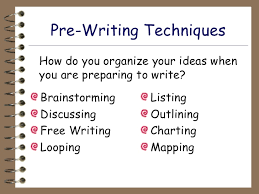
• What are the first steps of the 3×3 writing process–the prewriting process?

• What is the purpose of your report? Why are you writing this report? What do you hope to achieve with this report?

• What is the best channel to send your report? What factors did you consider in making this decision?

• Who is your primary audience? Do you have a secondary audience?

• What is the appropriate tone for your report?

• What techniques will you use to help you achieve a positive tone?

• How are you going to ensure your report has a “you” view?

• Give an example of how you will make your report:

o Conversational and professional
o Courteous
o Bias-free
o Precise and vigorous

SAMPLE ANSWER

The Prewriting Process

Introduction

The statement by J. Richard Hackman presents a perturbing interpretation for our company, given that it mostly utilizes teams in completion of projects. Responding to Hackman’s statement requires thorough evaluation of factors influencing teamwork to determine whether it is applicable. This paper presents the prewriting process, in readiness for the report writing.

Discussion

3×3 writing process

Based on the 3×3 writing process, the first steps in the prewriting process include analysis of the context to establish the purpose of the report and how it should be delivered, such as through presentation, email, memo or letter (Guffey and Loewy, 2012). The second step is anticipating the audience, with a view of determining how they are likely to receive and react to the report. This helps in setting the tone. The third step is adapting, which essentially refers to development of the report based on the first steps above. Adapting ensures that the message is delivered in a manner that will ensure the targeted audience understands it effectively (Guffey and Loewy, 2012).

Purpose of Report

This report aims at responding to Hackman’s statement, which argues that the use of teams may not be a good choice for companies in project completion; and its meaning for my organization, which currently relies heavily on teams for.

Best channel for sending report

The best channel for disseminating the report is through email. This is considered because of the nature of the report, which is regarded with high importance, hence the need to use a reliable channel (Guffey and Loewy, 2012). Secondly, email ensures that the document can be stored permanently and retrieved for reference at any time. Thirdly, the recipient can easily share the email by forwarding it to others, thus easing dissemination (Hamilton, 2013).

Primary/secondary audience

The primary audience for my report is my boss. A secondary audience may consist of other managers within the organization, project team members and project managers in other organizations the report may be shared with.

Appropriate tone of report

The appropriate tone for this report is formal.

Techniques for positive tone

To achieve a positive tone, the following techniques will be utilized. Avoid personal pronouns, avoid terms which may be wrongly interpreted, use gender-neutral words, use polysyllabic words, use positive language and avoid contractions, edit, and proof-read report to reduce grammar mistakes (Hamilton, 2013).

Ensuring “you” view

The “you” view will be achieved through avoiding first-person pronouns such as “I”, “us”, “we” and “our”. Instead, second-person pronouns will be emphasized such as “you” and “your”.

Examples for skillful writing techniques for the report

  1. Conversational and professional: Use ‘Please consider providing a response on the report as soon as you receive it’. Instead of ‘Kindly respond with whether or not the report met your expectations.
  2. Courteous: Use ‘Encouraging team members to contribute to decision making will enhance their performance’, instead of ‘You do not allow team members to participate in decision making.’
  3. Bias-free: Use ‘John Deep is very committed to his work’ instead of ‘John Deep, 60, is very committed to his work.’
  4. Precise and vigorous: Use ‘There is a 50 percent improvement in performance after engaging more professional staff’, instead of ‘Performance has changed after engaging more professional staff.’

Conclusion

The pre-writing process forms a crucial aspect of the writing process because it prepares the writer to ensure that the written message communicates effectively to the reader. The information above will be utilized in ensuring that the report communicates well to my boss on the importance of teams in project management.

Reference

Guffey, M. E., & Loewy, D. (2012). Essentials of business communication. Cengage Learning.

Hamilton, C. (2013). Communicating for results: A guide for business and the professions. Cengage Learning.

We can write this or a similar paper for you! Simply fill the order form!
 

Interoffice Memo Assignment Paper


Interoffice Memo
                 Interoffice Memo


Interoffice Memo

Interoffice Memo

Order Instructions:

Assignment requested deadline May 24 by 10pm. Please read below for information concerning assignment. Support responses with examples and use APA formatting in the paper. You may access the school’s website by logging into:

https://mycampus.southuniversity.edu/portal/server.pt

Please note that when you log into the website you must click launch class, and on the next screen click syllabus to view this week’s readings (week 2) and Academic Resources to access the school’s library.

Interoffice Memo

The following memo is from an exasperated manager to her staff. Obviously, this manager does not have the time to clean up her writing or another set of eyes to review her written material before mailing it.

From: Albertina Sindaha, Operations Manager
To: All Employees
Subject: Cleanup!
Message
You were all supposed to clean up your work areas last Friday, but that didn’t happen. A few people cleaned their desks, but no one pitched in to clean the common areas.

So we’re going to try again. As you know, we don’t have a big enough custodial budget anymore. Everyone must clean up himself. This Friday I want to see action in the copy machine area, things like emptying waste baskets and you should organize paper and toner supplies. The lunch room is a disaster area. You must do something about the counters, the refrigerator, the sinks, and the coffee machine. And any food left in the refrigerator on Friday afternoon should be thrown out because it stinks by Monday. Finally, the office supply shelves should be straightened.

If you can’t do a better job this Friday, I will have to make a cleaning schedule. Which I don’t want to do. But you may force me to.

Using the South University Online Library or the Internet, research on the basics of interoffice memos. Based on your readings and understanding, create a 2- to 4-page Microsoft Word document that includes:

• An explanation on the effectiveness of the memo with respect to its tone.

• An analysis on the potential barriers to the successful communication of its intended message.

• A revised memo with improved structure using polite and firm tone consistently.

Support your responses with examples.
Cite any sources in APA format.

SAMPLE ANSWER

Interoffice Memo

In the context of office communication, greater emphasis is placed on communication that is not only effective, but whose tone and content is considerate of other peoples’ feelings. Communication presents a platform where not only words are considered, but also the intentions and emotions behind the message or information. The tone of the message presents an important aspect of the message. It is imperative that barriers that may affect the communication’s ability to portray the correct message are avoided.  In the case of an interoffice memo, all of the qualities mentioned therein above should be adhered to.

Tone and memo efficiency

The memo by Ms Sindaha is an example of unprofessional communication that is not fit for business communication. The tone used portrays someone who is bitter or one who looks down upon her juniors. A reader receiving such a memo can feel the high level of intimidation in which Ms Sindaha writes the memo. When the tone is bitter, there is an aspect of emotions involved which will affect the receivers of the memo.  According to Hamilton (2013), office communication must show consideration for others and targeted people should not feel threatened or intimidated by such communication. This can be demonstrated in the last paragraph where she threatens to develop a schedule if the employees do not act. The sender should use a polite tone and desist from ‘shouting’ and issuing orders and threats. In the event that this occurs, the communication efficiency is likely to be affected as attitudes become imminent in response to the use poor tone.

Starting the subject with an exclamation mark presents a poor approach by the operations manager. The subject of the memo begins with discourteous tone ‘Cleanup!’ which to a great extent affects its effectiveness.  Secondly, the memo has an informal tone which can be considered as negative (Hamilton, 2013). The closing remarks are not positive and include threats and the body of the memo is a long series of complaints and feels like a ‘rant’.  The informality of the tone coupled with the negative mood created renders the message of the memo ineffective. The lack of positivity will not motivate employees to perform their best in solving the problem. For this reason, the communication can as well as  be considered as ineffective. Furthermore, the memo fails to go straight to the point instead of a long explanation of the problem (Guffey, & Loewy, 2012).

Potential barriers to successful communication of memo’s intended message

The memo sent by Ms Sindaha presents various factors that hinder successful exchanges in the office. The message is likely to face a wall of unwanted emotions.  As noted earlier, the message needs to be composed with consideration to the feelings of the receivers. For example, in the last paragraph, the manager uses a threat as opposed to using a polite conclusion to encourage receivers to act the memo. The informality of the memo is a barrier to successful communication. Although the message will be received, it will not have the intended impact (Guffey, & Loewy, 2012).

Ms Sindaha does not pay attention to grammar, sentence structure, and punctuations which make it difficult to read the memo. She also mixes up ideas and this ends up confusing the reader or making them lose interest. According to Hamilton (2013), for office communication to be effective in delivering the intended message, it must be well structured and free of grammatical mistakes. In the second paragraph, Ms Sindaha says that everyone must clean up himself. While this was aimed at portraying that everyone should clean after himself, it tends to say that people should clean themselves. Such mistakes jeopardize the effectiveness of internal communication. The discourteous tone or rather the bitter tone used is a major threat to communication effectiveness.

Revised memo with improved structure

From: Albertina Sindaha, Operations Manager

To: All Employees

Subject: Office Clean up

Date:

Message

As you all know, the custodial budget has reduced sigificantly and the company is no longer capable of providing cleaning services. This means that everyone is now responsible for maintaining cleanliness within the organization. This is to inform and remind all the employees on the expected clean-up of the offices and work areas. Areas of significant concern include the printer area, the lunch room, counters, refrigerator, sinks, and the coffee machine area.

I would like to request everyone to cooperate to ensure that the company environment remains as clean as it was when cleaning services were available. Let us all adhere to maintaining cleanliness to the areas outside the offices. Due to the inconveniences caused, a cleaning schedule may need to be developed and supplied to every employee in the departments.

I look forward to a clean office environment through your continued cooperation.

References

Guffey, M. E., & Loewy, D. (2012). Essentials of business communication. Boston: Cengage Learning.

Hamilton, C. (2013). Communicating for results: A guide for business and the professions. Boston: Cengage Learning.

White, C. et al (2010). Internal communication, information satisfaction, and sense of community: The effect of personal influence. Journal of Public Relations Research, 22(1), 65-84.

We can write this or a similar paper for you! Simply fill the order form!

Counseling Foundations Assignment Paper


Counseling Foundations

Counseling Foundations

Counseling Foundations

Order Instructions:

Order files sent on chat will upload them

SAMPLE ANSWER

Counseling Foundations


1. The aim of the practical
 

The aim of the practical was essentially to explore the intentions that underlie the responses that a listener gives to a speaker/individual with a problem. The five categories of underlying intentions included Evaluative (E); Interpretive (I); Supportive (S); Probing (P); and Understanding (U). An Interpretive (I) response showed that the listener intended to teach and inform the speaker what his or her problem meant. An Evaluative (E) response implied that the listener had actually made a judgment of relative appropriateness, goodness or effectiveness to the problem of the speaker. A Supportive (S) problem implied that the intention of the listener was to reassure the sender and lessen his or her intensity of feeling. A Probing (P) response suggested that the intention of the listener was to look for additional information, question the speaker, and rouse more discussion. Lastly, an Understanding (U) response suggested that the intent of the listener was basically to ask the sender whether the listener rightly comprehends what the sender is saying.


Marks Section 1  /2
2. The materials used.
 

A number of sheets were used to complete this practical.

1. Sheet A – this material provided a clear description of the categories of intentions; that is, the 5 intentions underlying the responses – evaluative (E), interpretive (I), supportive (S), probing (P) and understanding (U) – are explained succinctly and clearly in one or two sentences.

2. Questionnaire – this material contained the problems of the speakers/senders which the listener was to give responses to.

3. Sheet C – this material was the answer sheet.

4. Sheet D – this material provided the scoring key for identifying the intent of a response to a speaker’s problem. In essence, this scoring key was used to score the kind of response that I personally gave for every item.


Marks Section 2  /1
3. The procedure followed in the practical.
         In completing the practical, the following procedure was followed: Firstly, Sheet A which discusses the 5 basic intents underlying the responses to the problems presented in the questionnaire was studied exhaustively. Then, I went through the questionnaire and classified the responses to each problem described therein in accordance with the 5 categories of intentions. Each of the 12 statements of a problem described in the questionnaire was read out. Each of the statements was essentially an expression by a person – that is, a girl or a boy – with regard to an aspect of the situation faced by this individual. A series of 5 likely responses followed every statement. I selected the response that best represented what I would personally say to the speaker. I identified the intent underlying each of the five alternative responses by marking U for understanding; P for probing; S for supportive; I for interpretive; and E for evaluative.

After I had completed Answer Sheet C, I used Sheet D, which was the scoring key, to score the kind of response which I personally gave for every item. I then joined 2 other students and we formed a group of three people. In this group, we scored the accuracy with which we correctly identified the different response for every item. Next, we discussed every answer in the group until every group member understood it. Lastly, I wrote down the outcome of the practical exercise. The class outcome was described and discussed in detail.


Marks Section 3  /2
4. The outcomes.
As a class, five groups were formed


Group


1 2 3 4 5
E 11 3 5 1 3
I 10 5 4 0 13
S 11 0 3 7 18
P 25 12 26 4 24
U 12 39 9 6 12


The table above shows the results from the 5 groups that were formed in class. The

–       E

–       I

–       S

–       P

–       U

Is what each group in the class had

The data in the table above was generated by the class as a whole and it included the responses made to questions by group discussion generated when members of group shared their own data/results responses. Individually, I was able to learn about the different and at the same time very useful styles of listening and responding to problems that a speaker has. I also got to learn about the different circumstances or situations that each style of listening and responding is suitable for.


Marks Section 4  /5
5. Your personal comments on how this practical related to your own experience.
 

The practical related to my own experience since it allowed me to understand how I am going to be a counselor and the useful styles of listening and responding to problems of a counselee.

As a result of this practical exercise, I can effectively apply the useful styles in real life with a counselee depending on the problem of the counselee. For instance, I can utilize the Evaluative (E) style as a therapist or counselor to make a judgment of relative effectiveness, goodness or rightness of the problem of the counselee. When with a client with a different problem, I may utilize the Interpretive (I) style by providing a response to the client that demonstrates that my intent is to teach and notify the counselee what his or her problem means, or I may employ the Supportive (S) style and give the client a response which suggests that my intention in the counseling is to reassure the client, to calm the client, and lessen his or her intensity of feeling (Rogers, 1957). Equally important, the practical exercise has allowed me to understand how to use the Probing (P) style and give a response which shows that my intention as a counselor is to question the client and rouse more discussion along a particular line, as well as how to use Understanding (U) style and give responses that imply my intention is to find out how the client views the problem and how he or she actually feels about that problem.


Furthermore, the practical allowed me to realize that I am actually a probing person since I am always inclined to probing the counselee and seek additional information from them. In my future counseling experiences with clients, I will try to also employ the other styles rather than being a counselor who solely uses the probing technique during counseling sessions: I will also strive to be evaluative, interpretive, supportive and understanding. The practical also related to my own personal experience as it has allowed me to realize that although I talk to counselees a lot as a counselor, counseling in general should involve a lot more than merely talk. This is largely because the sort of verbal responses that a therapist makes are really crucial and could actually encumber or facilitate the counseling goals. In my own personal experience, I usually do not put much emphasis on my relationship as a counselor with the client, and I do not always ensure it is a high quality relationship. The practical exercise has allowed me to realize that the client-counselor relationship can affect the outcomes of therapy very much. It has actually made me to reconsider my relationship with counselees and in the future I will ensure that I build a good and positive relationship with clients to ensure that successful therapy/counseling takes place.


Marks Section 5  /40
6. Relevance of practical in a counseling/psychotherapy context. (Use theory from the lectures, textbooks, and practical to comment here)
             The practical exercise is relevant in psychotherapy/counseling context since it highlights some of the helpful aspects of verbal responses that a counselor or psychotherapist can make. Generally, counselors and psychotherapists engage in various forms of communication with their clients for instance behavioral, experiential, non-verbal and verbal forms of communication (Wittmer & Myrick, 1974). Counseling psychotherapy sessions involve more than simply talking considering that the type of verbal responses that a therapist makes is very important and can actually impede or help their therapy/counseling goals. Using the different styles of listening and responding – giving feedback – to problems as demonstrated in the practical exercise is crucial in any psychotherapy or counseling sessions. Evaluative feedback, according to Rogers (1957), makes judgment regarding the other person, and evaluates goodness or worth. Judging an individual and their actions are two very different things. A therapist uses the evaluative style when the client asks the therapist to share a professional judgment regarding the correctness of a behavior or process. It is used when the counselor has to provide positive feedback on the accuracy, correctness or appropriateness of a performance, function, belief or behavior of the client (Rockland, 2013).

During counseling session, the understanding response style should be used when the counselor intends to express regard for the client’s feelings and thoughts; when therapist wants to convey compassion, empathy and respect; intends to develop the therapeutic relationship; is unsure regarding how to respond but intends to say ‘I am with you’; or intends to confirm understanding or prompt the client to expound (Jannati et al., 2012). Rogers (1957) talked about the instinctive inclination for human beings to desire to be understood. Understanding feedback is used to communicate empathy as well as sympathy for the source of the message. Understanding response allows the client and counselor/therapist to develop a positive relationship which is key to successful counseling or psychotherapy.

The supportive response style is used by a therapist/counselor whenever the client needs agreement or support; is in need of comfort and reassurance; when the situation is very emotional and client needs a measure of hope and acknowledgment of the difficulty; and when the client is really trying hard and needs some encouragement (Cooper, 2010). Supportive feedback is used by the counselor to communicate encouragement in responding to a client’s message.

A therapist/counselor uses probing response style when he or she intends to convey interest in the situation of the client; needs/wants to know more regarding a problem or circumstance which the counselee is describing; and when counselor wants clarity regarding particular details of a client’s problem – that is, extra information or answers to the when, how often, where, what and who questions (Pearson & Bulsara, 2016). Probing feedback is essentially used to communicate targeted requests for particular information. Equally important, interpretive feedback is important as it is suitable whenever the counselor intends to make an unsure supposition with regard to the state of a client basing upon some behaviors just observed; intends to explain a situation basing upon an occupational therapy knowledge base; or when a client asks for a cause or meaning of an occupational problem or experience (Rogers, 1957). During any counseling or therapy conversation, the therapist/counselor might not be totally certain that he/she heard the speaker correctly, and therefore it is usually a great idea to repeat or paraphrase what the listener has heard as a method of asking for clarification or confirmation. Moreover, the listener might comprehend what the client stated, but restate the major points to communicate attention (Wittmer & Myrick, 1974). On the whole, interpretive feedback asks for clarification or confirmation of the message, and the counselor will mainly convey it in the form of a question.


The 5 response styles are useful facilitative responses and are effective in establishing helpful relationship during a counseling session. Knowing each of the 5 dissimilar counselor responses could help a counselor to notice any lopsidedness in the way in which he or she responds to the client. It also helps the counselor to assess the type of responses or response that is most appropriate (Wittmer & Myrick, 1974).


References

Cooper, M. (2010). The challenge of counseling and psychotherapy research. Counseling & Psychotherapy Research, 10(3), 183-191. doi:10.1080/14733140903518420

Jannati, Y., Khaki, N., Sangtarashani, E. O., Peyrovi, H., Amiri & Nojadeh, N. (2012). The effect of supportive counseling program on the academic performance of nursing and midwifery students. Contemporary Nurse, 43(1), 113-20.

Pearson, M. R., & Bulsara, C. (2016). Therapists’ experiences of alliance formation in short-term counseling. European Journal Of Psychotherapy & Counseling, 18(1), 75-92. doi:10.1080/13642537.2015.1131729

Rockland, L. (2013). A review of supportive psychotherapy. Hospital and Community Psychiatry, 44(11), 1053-1060.

Rogers, C. (1957). The necessary and sufficient conditions of therapeutic personality change. Journal of Consulting Psychology, 21(2), 95-103.

Winston, A., Pinker, H., McCullough, L. (2012). A review of supportive psychotherapy. Hospital and Community Psychiatry, 37(11), 1105-114.

Wittmer, J. & Myrick, R.D. (1974).  Facilitative Teaching: Theory and Practice.  Pacific Palisades California: Goodyear Publishing Company, Inc.  ISBN: 0-87620-287-3.  Pp. 51-82.

Marks Section 6  /40


We can write this or a similar paper for you! Simply fill the order form!

 

Hotel Escargot Preliminary Time Study

Hotel Escargot
Hotel Escargot

Hotel Escargot

Hotel Escargot

Order Instructions:

As a consultant hired by the Hotel Escargot management team, you have been asked to collect data on the three main areas of focus (check-in, check-out, and hotel offerings) and graph the data to identify any issue occurrences. Use the hotel information provided here (in Learning Materials.) Collect the data, create graphs and/or tables, and describe any work measurement and time study analysis you would do. Then, from this analysis, select one main area of focus and create a fishbone diagram that captures all potential root causes. Provide a brief analysis of descriptive text on the identified items. Also describe how work sampling and time study assist in analysis. The team wants to see all of your charts, diagrams, and analysis summary.

The submission must be in APA format, Double Spaced using a 12Pt. Times New Roman. The minimum length is 5 Body Pages plus the Cover Page, Abstract, and Reference Page (8 total pages.)

The submission must include a minimum of four references and in text citation

SAMPLE ANSWER

Hotel Escargot Preliminary Time Study

Name

Institution

 Hotel Escargot Preliminary Time Study

Introduction

Setting service standards that enhance customer satisfaction plays an imperative role in enhancing company performance. Accordingly, performing time studies and work measurement can help organizations to develop standards that ensure that customer service is enhanced. Hotel Escargot provides various services as part of its operations including check-in, check-out, valet parking, restaurant services and room service among others. Major disparities however exist in terms of time taken to provide each service. In order to improve on this, the company must strive to achieve a considerable level of uniformity; and thus standardize their services. This paper aims at exploring work measurement and time study analysis for Hotel Escargot; and consequently develop a fishbone diagram illustrating the root causes in one of the service identified.

Graphs and Analysis

Based on the data, the following graphs indicate the Hotel’s performance based on different measures that were considered.

The check-in time takes between 1-15 minutes. This may be influenced by different factors including speed of the customer care representative, client queries and time taken to confirm client details. The need for standardization of this service is apparent since it marks the beginning of a customer’s experience at the hotel (Lyle, 2012). Accordingly, this is an area in which work measurement and a time study analysis can be conducted to determine root causes of service time variation; and thus improve customer experiences.

The graph on completion of room service requests shows major disparity between times needed to complete the requests. The graph oscillates considerably and it can therefore be established that there is a significant level of inconsistency in offering this service. While the service may be completed within two minutes in some instances, there are situations in which it takes 35 minutes. In this regard, there is need to conduct work measurement and time study analysis to establish factors that may be affecting the provision of this service.


Check out times vary significantly and while it may take as little as one minute to check out, there are several instances where guest spend 20 minutes at check-out. This is an illustration that there is need to perform a time study analysis to determine factors that may be affecting service performance during check-out.

The time taken to serve at the bar differs based on the order made and this can explain the fluctuation of the graph. The restaurant/bar waiting time is a service area that would be considered for work measurement and time study analysis. Waiting time at restaurant and bars influences customer satisfaction to a great extent and it should therefore be as standardized as possible.

This graph indicates that depending on the type of maintenance to be done, it may take between one minute and 739 minutes. The huge difference can be explained by varying difficulty in different maintenance tasks, availability of staff and material to complete the services. This however warrants a work measurement and time study analysis to determine the underlying causes of the differences in performance.

Valet parking at the hotel appears to be the most stable service among those studied in this report. The service takes between one minute and five minutes most times, with six minutes having been recorded only once. This shows that the service is to a great extend standardized, although it could be improved further through work measurement and time study analysis.

Analysis and fish-bone diagram

Maintenance request completion times appear to be the most affected service area and is therefore the focus of the analysis. The fish-bone diagram of the root causes is illustrated below.

Machine/equipment


The above fish-bone diagram represents the various factors contributing to delays in maintenance request completion (Lyle, 2012). The nature of the task including complexity, urgency and history of the problem may determine how long the maintenance would cost. The second factor is people, which portrays that the availability of individuals with the right skill set to address the maintenance problem is of great significance in determining performance. The same applies for machines and equipment, which must be available for the maintenance work to be completed.

The fourth factor based on the above diagram is the process and policy; which to a significant level influences the speed at which the activity is executed. The method, which entails the approach towards diagnosis and the maintenance action, determines whether the activity will be successfully completed. Poor diagnosis for example could mean that the job may have to be repeated several times, thus influencing the time taken achieve the set objective. Finally, the environment may influence ability of workers to perform the maintenance works. In the event of power outage, the work may need to be postponed, thus causing delays.

Work sampling and time study play an important role in analysis. Work sampling helps in identification of work condition characteristics and task elements involved in performing a particular activity (Lyle, 2012). This is important in analysis as it assures that there is a clear understanding of what those involved are expected to achieve and what it takes to perform the activities. This way, it is easier to identify where possible challenges could lie in the process (Blay, et al, 2014).

Through work sampling and time study, it is possible to identify the exact amount of time required to perform specific tasks. This not only helps in establishing worker and machine delays but also establish the percentage of time in which an individual is not working and develop ways of promoting efficiency to ensure they are fully utilized. An example would be the amount of time required between submitting a request for material and the provision of the same by the procurement department. As the worker waits for the procurement to be made, it means that they will not be working. To reduce such time wastage, the company may need to revise their procurement policies to hasten the process (Josephson and Björkman, 2013).

Work sampling also promotes analysis by identifying activities that are performed by more than one worker, such that it is possible to determine factors that affect performance in such situations (Malakooti, 2013). It is apparent that where multiple workers are involved, the various characteristics affecting them could impact the overall outcome of the process.

Conclusion

Work measurement and time study are effective in determining factors influencing service delivery speed; and thus used in standardizing activities to reduce delays. This way, it is possible to improve service delivery and hence promote customer satisfaction. The fish-bone diagram illustrates areas of possible improvement, which the company can examine to improve efficiency.

References

Blay, N., Duffield, C. M., Gallagher, R., & Roche, M. (2014). Methodological integrative review

of the work sampling technique used in nursing workload research. Journal of Advanced Nursing, 70(11), 2434-2449. doi:10.1111/jan.12466 Retrieved from eds.a.ebscohost.com/ehost/pdfviewer/pdfviewer?sid=db6a7dfe-e7de-4d98-883c-72c461cd5182%40sessionmgr4001&vid=1&hid=4102

Josephson, P., & Björkman, L. (2013). Why do work sampling studies in construction? The case

of plumbing work in Scandinavia. Engineering Construction & Architectural Management (09699988), 20(6), 589-603. doi:10.1108/ECAM-12-2011-0108 Retrieved from eds.a.ebscohost.com/ehost/detail/detail?sid=e3039b50-6c2f-46c5-9a31-813f174dfedf%40sessionmgr4004&vid=0&hid=4102&bdata=JnNpdGU9ZWhvc3QtbGl2ZQ%3d%3d#AN=90682135&db=bth

Lyle, B. (2012). Work Sampling for Modern Management. Whitefish, MY: Literary Licensing,

LLC.

Malakooti, B. (2013). Operations and Production Systems with Multiple Objectives Wiley Series

in Systems Engineering and Management. Hoboken, NJ: John Wiley & Sons.

We can write this or a similar paper for you! Simply fill the order form!

A healthy nation is a wealthy nation; health

A healthy nation is a wealthy nation

A healthy nation is a wealthy nation

Order Instructions:

Kindly view the files attached including guidelines for the paper

SAMPLE ANSWER

Introduction

A healthy nation is a wealthy nation. Public health necessitates for the right of citizens to be accorded quality health and safety by the government. Interventions on public health focus on the health needs of the entire population, although they also provide individual clinical preventive care. To meet healthcare goals, healthcare institutions must assess the community’s health status and analyze factors that could be responsible for poor health. To achieve this, appropriate public and social policies should be put in place, community-based prevention activities should be developed, and delivery of comprehensive and high quality services should be done. Currently, UK has a number of health problems which range from increased incidences of chronic diseases such as diabetes, hypertension, coronary heart disease, and certain cancers. Environmental hazards, drug-abuse, sedentary lifestyles, poor nutrition, and tobacco-induced illnesses are other factors that have had a significant impact on the progression of public health. Therefore, it is the role of the government and other public agencies to ensure that proper interventions are in place to minimize these occurrences.

Task 1.1

Nationwide discussions across UK on health care reforms fundamentally overlook the significance of public health principles and the responsibility of public health agencies in improving and maintaining the health of the general public. It is imperative for the community to create and sustain conditions under which its members can be healthy. The duty of maintaining and improving the public’s health is accorded to all sectors of the society more so to the public health agencies. A public health agency refers to an institution that offers health care services such as nursing or therapeutic services either locally or internationally through nurses, physicians, social workers, therapists, and home markers that it recruits and supervises. Public health activities are conducted through several levels ranging from local, national, to global agencies. These organizations share a number of functions including provision of access to health care, policy development, and disease surveillance. Examples of agencies in the UK include European Union (EU), Agency for Health Research and Quality (AHRQ), International Red Cross, and the National Health Service (NHS). Agencies at the international level include World Health Organization and UNICEF.

Roles of WHO

Some of the core functions of WHO in public health include: provision of leadership on crucial health care matters; and participating in partnerships that require joint partnership with other agencies to address global health issues; molding the research agenda and initiating the generation, translation, and conveyance of significant knowledge (World Health Organization, 2014). WHO monitors the health situation and evaluates trends in health care. It also articulates ethical and policy options that are evidence-based.

 European Union

Good health is a primary concern across Europe. The EU implements its policies to promote public health, promote research in healthcare, and prevent diseases and threats in European citizens.

The National Health Service (NHS)

This is the principal agency in the UK that is charged with the responsibility of safeguarding people’s health and offering critical human services across UK. It also implements programs that are geared towards preventing the outbreak and spread of diseases.

International Red Cross

This agency provides compassionate care to needy individuals. The volunteers, donors, and employees of the organization have a common agenda of preventing and alleviate suffering locally and internationally through the provision of services such as disaster relief, providing lifesaving blood et cetera.

Task 1.2

Epidemiology refers to the study of the distribution of health-related events or states in certain populations and the use of the study in preventing and controlling health problems. One of the primary roles of epidemiologists is to develop policies that are aimed at monitoring the prevalence of both infectious and non-infectious diseases. HIV/AIDS is one of the most prevalent infectious diseases in the UK. A 2014 survey indicated that over 103, 000 individuals in the UK are living with HIV. This translates to a prevalence rate of about 1.9% per 1,000 persons that are above 15 yrs. In the same year, approximately 6,150 persons were diagnosed with HIV and over 600 died of AIDS-associated illnesses.

However, the health care sector through its agencies has increased access to antiretroviral treatment in the United Kingdom in recent years. In 2014, about 90% of patients with HIV were on antiretroviral treatment. In the UK, the group that is highly predisposed to the risk of developing HIV is the men who have sex with men (MSM), with approximately 45, 000 individuals in this category suffering from HIV/AIDS. This number is projected to continue rising. The other groups of individuals that are also at risk of the disease are black Africans, heterosexual men and women, and drug addicts.  Despite recording declining rates, the agencies face a major challenge of late diagnosis of HIV.

Cardiovascular disease has been reported to be a leading cause of mortality not only in the UK, but across the globe as well. Research studies established that in the UK, there were more than 1.5 million episodes associated with this disorder in NHS hospitals (van der Linde et al., 2013). This translates to about 10% of all in-patient episodes among men compared to 6.2% in women. Over 300 million prescriptions were dispensed to patients with cardiovascular disease more than 6 times compared to those dispensed in 1981. The studies reported further that 16% of male deaths and 10% of female deaths resulted due to cardiovascular disease, a total sum of 74,000 deaths.

Task 1.3

Regardless of whether an institution is a local or a global health department, several major functions are usually performed.  The organizations put in place a number of strategies to aid in controlling of diseases. Some of these strategies include;

Health Education

Health care agencies use this strategy in providing in-depth knowledge about a certain health topic. Education programs can be provided through seminars, workshops, webinars, lectures, and courses. The education presents important information to the targeted populations on health threats/benefits related to the health issue. For instance, through education, the public can be taught on the causes of a disease, the risk factors related to the disease, signs and symptoms, and the preventive measures. The need for seeking quick medical attention upon suspicion of a particular disease is emphasized in these programs. Public awareness helps a great deal in curbing the prevalence of diseases since people know what to do in case of a disease outbreak. Health education has the advantage of broadening perspectives and changes the minds of the people. However, some aspects of health education impose blind ideas upon the people. Educators may at times use complex health care names that discourage people from learning whatever they are told.

Immunizations

Immunization provides long-term lifelong protection against diseases such as chicken pox, measles, TB, and pneumococcal disease. Immunization protects individuals from diseases that affect them as adolescents and adults, and the diseases they might encounter while crossing borders. For instance, health care agencies encourage travelers to Africa and certain parts of South America to receive yellow fever vaccine; a disease that is prevalent in these regions. Immunization is also used to provide “herd immunity.” This is a phenomenon whereby everyone in the community is offered vaccination. When a sufficient number of people are immunized, it becomes difficult for a disease to acquire foothold in the society. This in turn provides some protection to persons such as newborns and patients with chronic diseases that are unable to receive vaccinations.  Therefore, the likelihood of an outbreak that could expose them to the disease is reduced. Some of the advantages of this strategy include its cost-effectiveness, and it provides herd immunity that protects the whole population. However, some immunizations are associated with risks. For instance, some individuals have been reported to develop mild reactions to the vaccine. The vaccine can also result in development of other conditions. A good example is the MMR (mumps, measles, and rubella) vaccine which has been documented to have a link with autism (Demicheli et al., 2013). Live vaccines can cause diseases when administered to immune-compromised individuals.

Disease Surveillance

An effective control of infectious diseases requires surveillance of morbidity, mortality, population risk, and the trends of the disease agents. Surveillance aids in identification of new and emerging pathogens. Data acquired from this study helps in timely detection of etiologic agents which aids in implementation of control and preventive measures. Surveillance also aids in pinpointing fields where action can be implemented to decrease the contamination by the disease-causing microorganisms. For instance, surveillance can identify possibility of infection in food production areas such as slaughter houses, farms, and production plants where it will put in place measures to curb incidences of infection.

Other measures that have since been used include isolation and quarantine, controls along international borders, workplace closing, and encouraging the public to increase social distance in controlling communicable diseases such as tuberculosis and Ebola.

Task 2.1

There are quite a number of approaches that have been utilized to set priorities for health research at the national and international level. According to Livingston et al. (2013), priorities for health research are set by use of technical analyses which is dependent on quantifiable epidemiologic, financial, clinical and other data. On the same note, interpretive assessment can be used which is dependent on consensuses views of informed participants. Technical approaches are also applied based on the availability of data. However, the priorities are inclined on the measurable units for instance disease or intervention.

Some of the strategies that have been used patient education about management of a disease. Educational interventions can have significant impact especially on the management of a disease since patients are thought about risk factors of a disease, its pathophysiology as well as ways of adhering to medication to prevent development progression of the disease complications. Music therapy is another technique that has been used to improve positive outcomes of patients especially those that are under palliative care. This is because it aids in enhancing the cognitive functioning, emotional development, motor skills, and social skills. The therapy involves music experiences such as singing, listening, and creation of songs. Massaging and complementary medicine are also other techniques that have been used in patients with neuropathies. Disease prevention is another approach used by health care providers in managing diseases. Through this intervention, the public is taught on the etiology of a disease and how to avoid situations that may predispose them to contracting the disease.

On the same note, health care institutions can also use palliative care for people with serious illnesses (Pratt & Wood, 2015). It aims at offering relief from the symptoms and stress of chronic illness with promotion of quality life. Palliative care can be provided concurrently with treatments directed at curing and treating a disease. This is approach is used to reduce agony in patients suffering from cancer, dementia, kidney failure, cardiac disease, and HIV/AIDS. This approach is appropriate at almost all stages of serious illness.

Task 2.2

According to (Crippa et al., 2014), prevalence is basically the number of all novel and old circumstances of incidences of an event or illnesses within a specific period. The value of prevalence is arrived by dividing the sum of occurrence of the health meter within a particular period by the proportions of the indicator that is being investigated. Healthcare practitioners use prevalence as a metric in planning and setting facility requirements. Prevalence is more preferred as compared to occurrence when evaluating the effect of a disease within the public or successive desires because its statistics are easy to gather as compared to frequency data. The prevalence of a disease is also essential in planning for the type of services that are required. More funds and staff are allocated to areas with high prevalence. The data is also essential for planning for future services that are aimed at preventing the occurrence of a disease.

Health care workers constitute a wide range of professionals, support personnel, and technical staff working in diverse settings. Assisted living facilities, skilled nursing facilities, and nursing homes offer a number of services both personal and medical care, to individuals that are incapable of independently managing themselves in the community. Millions of patients reside in, or are admitted in skilled nursing settings and nursing homes annually.

Therefore, it is necessary that these healthcare practitioners identify the number of services requisite to care for patients when planning health services. Since incident occurrences are not the best option, prevalence becomes of more value when measuring the necessity of services. Information collected based on prevalence help in identifying areas that healthcare practitioners should give more attention.

Task 2.3

Maintaining a healthy lifestyle demands dedication and persistence and does not go without reward. Lifestyle choices often improve a person’s health in almost every aspect with its benefits having far-reaching effects that extend even past the low-risk diseases. Smoking is one of the lifestyle choices that have been projected to have a major impact on the future health needs.  Smoking weakens the immune system exposing smokers to the risk of developing respiratory disorders (O’Leary et al., 2014). Autoimmune diseases such as rheumatoid arthritis and Crohn’s disease have been linked to smoking. Research has further indicated that about 35% of smokers have higher chances of developing type II diabetes and other cardiovascular disorders like myocardial infection. In addition, smoking decreases bone density; hence, it predisposes an individual to the risk of developing osteoporosis a condition that is common among older women and smoking men. A person’s diet has an impact on physical health which as a result can destabilize mental health.

On the same note, consumption of alcohol is also one of the lifestyle choices that could have an impact on future needs for health and social care services. According to O’Keefe et al. (2014), alcohol is likely to cause both stomach and liver problems to humans. However, it is difficult to control the consumption of alcohol. The reason is because there is no aggressive government campaigns tailored towards reducing the consumption of alcohol. This could impact the future needs for health and social care services in that it will increase the number of patients having liver problems because of heavy consumption of alcohol.

Similarly, consumption of foods with high fat content, processed foods, and low nutrient value foods are catalysts of health deterioration. Consumption of junk food has increased especially in urban areas which result in health deterioration. This type of lifestyle will impact the future of health and social services in that the number of people with obesity and heart diseases will increase. Inactivity has also been proven to be among the leading determinants that lead to chronic illnesses such as obesity, hypertension, and heart failure. Physical Exercises not only control an individual’s weight, but also the physical health. Moreover, physical exercises provide protective benefits to mental health. In fact, some studies have revealed that physical exercise is an effective intervention that is as popular as common antidepressant agents.

However, eating fibrous legumes along fresh fruits and vegetables daily boosts the immune system. Moreover, foodstuffs such as yoghurt have probiotics aid in strengthening the digestive system as well as other conditions that affect the gut.  Health care providers’ often advice people to exercise healthy behaviors that aid in prevention and management of a number of chronic conditions. However, there are people who are not prepared to embark on these effective, healthy changes. Having enough sleep helps the body in maintaining the sleep-wake cycle which improves physical and mental health; hence, making it easier to tackle an illness. Drinking alcohol also has some dire effects on a person’s well-being. For instance, it interferes with the communication pathways in the brain changing mood, behavior, and affects proper thinking. Alcohol drinking is associated with a number of cardiac disorders such as stroke, hypertension, and arrhythmias (O’Keefe et al., 2014). Chronic drinking has been reported to cause liver damage resulting in cirrhosis. In addition, the immune system of drunkards is weakened by alcohol; therefore, they are easy targets for diseases.

Task 3.1

If one is struggling with an illness, or is trying to help a loved one regain his/her health, it becomes easy for them to feel overwhelmed due to the endless collection of treatment options. There are quite a number of health and wellbeing priorities that organizations need to put in place to make the organization better oriented to cater for the patients. One such priority is promoting better and healthy diets. Such priorities will help make people healthier thus making the care of health setting more attractive. On the same note, organizations can promote home based exercises that will help reduce the prevalence of obesity and other health problems such as heart diseases. Many people in the society are not in a position to access gym frequently, thus home based exercise will be more ideal.

In the case of individuals with mental illness, some priorities can be used to improve the well-being of an individual. Diet is one of the priorities for persons in this category. A study by Deckelbaum & Torrejon (2012) proved that healthy fats such as omega-6, omega-3, and fat found in avocados can improve mood and boost brain power. Such individuals also require safety against any kind of abuse whether psychological, sexual, or physical which makes it nearly impossible to attain sound mental health.

Another category is that of persons with HIV/AIDS. These patients should insist on taking e fresh vegetables and fruits, lean protein, and whole grain which help them to be strong, support their immune system, and have more energy. They should also be immunized against infections such as flu and pneumonia. The vaccines should not be made of live vaccines that can further endanger the life of the patients. Volunteer work and engaging in some religious activities are some social practices that provide a level of socialization that makes patients feel comfortable. According to Livingston et al (2013), isolated persons have high chances of struggling with mental health issues which in turn affects the entire physiological functioning of a person.  Personal hygiene is one of the most effective ways that these patients can use to not only protect themselves, but from other diseases as well. This means washing hands, careful coughing and sneezing, proper disposal of material, and using protection such as gloves or condoms when there is risk of acquiring an infection.

Task 3.2

There are quite a number of strategies that can be utilized in order to form better qualities and habits within peoples way of life. Once such strategies, systems, and policies are implemented in the health and care setting it result on different benefits such as; better customer attraction by improving the health care setting. On the same note, improving the workplace will lead to cultivation of good reputation making the facility better off as compared to other companies. Better strategies, systems and policies will also result in stakeholder attractiveness. On the same note, proper strategies, systems and policies could also result in employee loyalty and make the organization employ and retain talent.  Organizations are using customized care that is in tandem with the needs and choices of a patient. This strategy acknowledges that each patient is special and may have varying needs and preferences. This strategy is beneficial since it makes the patient’s environment comfortable and allows the individuality of the patient, which is a vital component of care. However, patients might at times request some undesirable interventions such as requesting for music which could suite him/her but then distracts other patients. Therefore, it is evident that maintaining better strategies, systems and policies could result to positive influences to the company.

Task 3.3

There are several strategies that have been documented to have a major impact not only on how well individuals live but also on how long they are likely to live. One of the key changes is attitude change which should occur so as to improve the health and wellbeing. Attitudes, especially concerning the elderly and children must be improved as they have a huge impact on organizational health care setting. Maintaining a good diet with low saturated fats is also important to improve the health and well-being of patients. Several persons who live long have testified to not drinking alcohol or doing it moderately. High coffee consumption results in high levels of cholesterol. However, there are people whose benefits of coffee consumption outweigh the risk of getting cholesterol since coffee is linked to lower rates of cancer and diabetes (Crippa et al., 2014). People should also be advised to engage in some physical exercise which aids in improving the pumping activity of the heart and maintaining ideal weight. Education programs should be implemented to sensitize the public on the importance of vaccination which protects the general public against preventable diseases. Vaccination is an effective intervention since it is cheaper compared to treating the real disease; hence, it should be embraced by the public.

Task 3.4

Provision of education is one of the interventions that have been used to encourage behavior change. Education programs can inspire behavior change especially when the education uses proven behavior change theories, and targets a specific population. If people are sensitized to embrace health behavior changes that aid in avoiding chronic diseases such as asthma and obesity, they can prolong their lifespan and improve their quality of life.

Physical exercise also helps in shedding excess weight. Health care providers have encouraged people to go for a morning jog at least thrice a week or ride a bike to work. This is a cost-effective intervention that safeguards an individual from a wide range of diseases. Programs have also been put in place to advise the public to engage in healthy activities. Some of the activities that have been discouraged by these programs include smoking, drinking alcohol, and engaging in unprotected sex.

Conclusion

Public health services should be viewed as part of the social safety net that is the government’s responsibility to offer to the people. Public health agencies are charged with the responsibility of developing effective and innovative health programs supported by research-driven questions. These agencies should identify and regulate the sources of risk and execute health and safety practices such as regulating air and water quality and licensing health facilities and restaurants.

References

Crippa, A. et al (2014). Coffee consumption and mortality from all causes, cardiovascular disease, and cancer: a dose-response meta-analysis. American journal of epidemiology, kwu194.

Deckelbaum, R. J., & Torrejon, C. (2012). The omega-3 fatty acid nutritional landscape: health benefits and sources. The Journal of nutrition142(3), 587S-591S.

Demicheli, V. et al (2013). Cochrane in context: Vaccines for measles, mumps and rubella in children. EvidenceBased Child Health: A Cochrane Review Journal8(6), 2239-2242.

Kitson, A. et al (2013). What are the core elements of patient‐centered care? A narrative review and synthesis of the literature from health policy, medicine and nursing. Journal of Advanced Nursing69(1), 4-15.

Livingston, J. D. et al (2013). Evaluation of a campaign to improve awareness and attitudes of young people towards mental health issues. Social psychiatry and psychiatric epidemiology48(6), 965-973.

O’Keefe, J. H. et al (2014, March). Alcohol and cardiovascular health: the dose makes the poison… or the remedy. In Mayo Clinic Proceedings (Vol. 89, No. 3, pp. 382-393). Elsevier.

O’Leary, S. M. et al (2014). Cigarette smoking impairs human pulmonary immunity to Mycobacterium tuberculosis. American journal of respiratory and critical care medicine190(12), 1430-1436.

Pratt, M., & Wood, M. (Eds.). (2015). Art therapy in palliative care: The creative response. Routledge.

Van der Linde, R. M. et al (2013). Self-rated health and cardiovascular disease incidence: results from a longitudinal population-based cohort in Norfolk, UK. PLoS One8(6), e65290.

World Health Organization. (2014). Global status report on alcohol and health, 2014.

We can write this or a similar paper for you! Simply fill the order form!

Status of Contracts Assignment Paper

Status of Contracts
Status of Contracts

Status of Contracts

Status of Contracts

Order Instructions:

Assignment requested deadline May 7 by 8am. Please read below for information concerning assignment. Support responses with examples and use APA formatting in the paper. You may access the school’s website by logging into https://mycampus.southuniversity.edu/portal/server.pt

Part 1 Status of Contracts
Select two of the scenarios below and explain the contractual issues and possible outcomes.

• Wally contracted to sell his home to Wendy for $295,000. Before the deal closed, Wilson offered to purchase the house for $315,000. Wally accepted Wilson’s offer and refused to sell the property to Wendy.
• Nathan agrees to paint Ned’s single story home for $2,000. Ned realizes that he will not enough funds to pay Nathan, so he transfers his rights under the agreement to his neighbor, Nancy, who has a three story home. Nancy calls Nathan to let him know that Ned assigned the contract to her and requests that Nathan pain her house for $2,000.

Part II

Select two of the following topics, explain them, and provide a relevant example that does not appear in the textbook:

•Compensatory damages
•Consequential damages

SAMPLE ANSWER

Status of Contracts

Part I

The law of contract postulates that an offer becomes a binding agreement once the seller and buyer reach a consensus. In this respect, the Wally is bound by the law of contract to sell the house to Wendy. However, given that the deal had not be finalized, it means that there is no written contract and as provided by Cross and Miller (2014), a verbal contract could easily be easily escaped; with Wally providing that he had not entered into the contract yet.

The transfer of burden and obligations stipulated in a contract is not allowed and Ned therefore has no right to transfer the painting contract to Nancy (Miller, 2011). In order for a transfer to be done, the parties in the contract must both be involved and provide consent, in which case Nathan did not consent on the change. Furthermore, the initial contract involved a single storey and transfer of the contract insinuates that the terms of contract have changed from one to three storey, increasing Nathan’s obligation without increasing the compensation.

Part II

Compensatory damages refer to charges that a court issues through a civil action to compensate the plaintiff for loss, injury or detriment resulting from another individual’s unlawful conduct (Miller, 2011). An example is where the parties enter into a contract to provide goods and upon delivery the buyer cancels the order. The buyer should then be required to pay for compensatory damages in terms of time and transport costs incurred, as well as lost opportunity to sell to another willing buyer.

Consequential damages are used to demonstrate damages resulting from a contractual party’s failure to meet their part of the obligation. This may also include actions outside the contract that result from failure to accomplish (Cross and Miller, 2011). An example is where an individual gets into a contract to purchase a house within a given time but fails to fulfill the promise. If the seller was relying on the money to pay off the mortgage but fails due to unavailability of money and the house is auctioned, consequential damages are experienced.

References

Cross, F. B. & Miller, R. L. (2014). The Legal Environment of Business: Text and Cases.

London:  Cengage Learning, 2014

Miller, R. L. (2011). Business Law Today: Comprehensive: Text and Cases.  London: Cengage

Learning.

We can write this or a similar paper for you! Simply fill the order form!