

Explanation of the Issue as Critical to Human Dignity

Explanation of the Issue as Critical to Human Dignity Order Instructions: All research should be valid in STRICTLY AUSTRALIA.  Please read all the files attached below. Please write this in description first

Explanation of the Issue as Critical to Human Dignity

Explain why you believe this to be an issue where human dignity is a critical factor.
Analyze at least two perspectives on this particular case. The following questions should act as a guide in your analysis.
1. What understanding of the concept of human dignity appears to be at work in each perspective?
2. What are the social attitudes, norms, or circumstances that may have influenced each perspective? To what extent do these social attitudes, norms, or circumstances impact on the
understanding of human dignity in each perspective?
3. How does each perspective justify particular actions or choices with reference to human dignity?
4. In this unit, we have considered human dignity and the human person as multidimensional. If you
consider in isolation the argument of each perspective in turn, what aspects of human dignity could be jeopardized by any actions arising from those perspectives?

20 APA references needed not older than 5 years old. Books, journals, articles or reliable website acceptable

Explanation of the Issue as Critical to Human Dignity Sample Answer

Explanation of the issue as critical to human dignity

Case study 2 describes capital punishment for two Australian Citizens caught smuggling heroin to Indonesia. Chan and Sukumar were executed after receiving the death sentence from an Indonesian court.  Matters arising from Case study 2 are critical because the cornerstone of human rights is the respect of human dignity. Dignity refers to worth or value, therefore; human dignity refers to human worth and value. I believe that human dignity is inherent in all human beings. Therefore, the death penalty as a form of punishment is very unique in its cruelty and finality and may be plagued with prejudice, arbitrariness, and error. I believe that death penalty is a critical issue of human dignity because it cultivates a culture of violence and based on my religious values (Christianity), the death penalty is contempt of our religious teaching on forgiveness (Conquergood, 2002).

Perspective 1: People on death row have inherent dignity in common with all human beings. The legal system utilizes certain strategies to dehumanize offenders, and these strategies must be recognized as such. The inherent dignity of the offender remains no matter what dehumanizing strategies are used.

This perspective believes that people on death row have dignity because dignity is inherent in all human beings. Utilizing certain strategies such as the death penalty, they may dehumanize dignity. This perspective is supported by human dignity category 1A and 1B.

According to human dignity category 1A, human life is sacred.  Some of the religious arguments (such as Christianity) fall into this perspective because they believe that human beings were created in the image of God.  On the other hand, the Non-religious proponents argue that is natural to fight for the survival of one’s species, thus; it human species have special value against any intrinsic value or instrumental values possessed by the other species. This indicates that human beings have inherent worth because they belong to human species (Rydberg & Pizarro, 2014).

Category 1B argues that human dignity arises from the fact that they have special distinctive attributes and special abilities. This is supported by German philosopher Immanuel Kant that human beings value is intrinsic in all members of the society.  Similar to category 1A of human dignity, 1B also supports the argument that all human beings possess inherent dignity, which makes them equal (Trojan & Salfati, 2010).   Therefore, based on these two arguments ie category 1A and 1B, the inherent dignity of the offender remains no matter what mistakes they have made or what dehumanizing strategies are used.

Robin Conley wonders how it is possible for a person can look at a fellow human being and give them a death penalty. Conley reviewed the capital trials in Texas where he found out that the Jurors employed techniques that distanced them from the defendant during the trials. This probably made it easy for them when deciding about the sentence of the defendant of either life imprisonment without parole or the death penalty. According to Conley, the physical, emotional and social distance established between the defendant and the Juror through the legal jargon and language that tends to dehumanize the defendant; which makes the death sentence easier to decide. Conley states that the legalistic language aims at depersonalizing the whole process; which helps the juror to disengage their emotions during theory deliberations and to help them serve the justice system effectively. The language used in the cases helps assist the Juror to deny the offenders inherent human dignity, allowing them to imposed capital punishment with a clear conscience (Conley, 2013).

The lens of interactive aspects of the death penalty system indicates a cluster of distancing actions that transforms a personal decision-making process into a depersonalized state’s act. Based on this perspective, it can be assumed that offenders do calculate their risks and reward. The reality is that most of the offenders are not clearly thinking people. They are self-centered, impulsive and often warped. They are by products of violent homes, booze or drugs and are antisocial. It is evident that the society’s sanctions and values are least of their concerns.  As George Bernard Shaw states, “murder and death penalty are not opposites that cancel one another, but similar that breed their kind.” para. 60 (1903). In this context, I just cannot help but wonder what is the effectiveness of the death penalty in the deterrence of crimes?

Perspective 2: People found guilty of major crimes should be allowed the chance to restore their sense of self-worth through rehabilitation, and be allowed the possibility to transform their lives. This perspective recognizes the potential of the human person to become more than what they were at a particular point in time.  A positive self-image and sense of one’s own worth and value is key to this transformation.

This perspective argues that people found guilty of major crimes should be given a chance to restore their self-worth through rehabilitation. This perspective acknowledges that human beings have special abilities that will enable them to transform at one point in their life. According to this perspective, positive self-image and self-worth are important factors for transformation. This perspective is supported by category 1B and 2A.   According to category 1B of human dignity, human beings always have dignity because they have one or more capacities, which make them distinct. Therefore, a human being has the capacity to reason rationally. Other capacities that make human being distinct include morality, conscience, autonomy and the capacity to love. Therefore, the two offenders in this case study should have been given a chance to restore their self-worth through rehabilitation because human being has distinctive capacities that will help them change their life. Likewise, Category 2A argues that dignity is something that humans can acquire or lose it through a sense of self-worth. Therefore, the way a person views themselves impacts on their life experiences. People who lack self-worth tend to struggle to find happiness and success.  This makes them engage in activities that deviate from the social norms, affecting their relationship with other people.   This may lead to further misery and struggle.  However, this does not reduce their human dignity because it is innate (Kirchengast, 2010).

Tharina Guse and Daphne Hudson performed interviews with three South African ex-prisoners. Tharina and colleague believe that the offenders had been rehabilitated successfully. However, they did not enquire into the nature of the ex-offenders crimes and instead focussed on their strengths which have helped them transform their character, avoid recidivism and help them reintegrate in the South African Society.  The authors argue that their self-directed transformation made their encounter with violent prison life.  By developing the following strengths transformed their lives; courage, wisdom, and transcendence.  The strength of wisdom made the ex-offenders desire for education. The strength of courage helps them acknowledge their responsibility and crimes for their own transformation. The strength of humanity helps them connect with others and the strength of transcendence helped them to develop a religious personal belief in God and believe that they have a bright future ahead (Guse & Hudson, 2013).

The authors conclude that rehabilitation is the best alternative to capital punishment. For instance, in the USA, studies indicate that there are proportionately fewer murder cases in states that do not have the death penalty than the states that do. Similarly, the case study highlights how the government worked closely and extremely hard on diplomatic efforts to show the two offenders clemency.  These young men knew that they had broken law and deserved to be punished. However, the head of Kerobokan Prison reported that the offenders had made significant efforts to rehabilitate themselves.  They transformed to become model prisoners as they had taken leadership roles in the prison.  For instance, it has been stated that they provided education courses for the prisoners including art classes and English lessons. These activities and many other actions demonstrated that Chan and Sukunaran had demonstrated genuine remorse (Guse & Hudson, 2013).

The basic law of an eye for an eye is antique and most countries have moved on a great deal from this law.   Decisions on offender’s punishment should not be based on how one party feels but should be consisted to applied rules.  As humanitarian Desmond Tutu said, “taking a life when a life has been lost is not justice but revenge.”  In this regard, it is time to adapt restorative justice, a kind of justice that punishes but also restores the offenders to become more productive people in the society (Guse & Hudson, 2013).

Perspective 3: People on death row have grievously offended against social and moral norms. Their punishment reflects their loss of dignity in society’s eyes. As they no longer have dignity, capital punishment for major crimes is justified.

This perspective argues that people on death row deserve the punishment because they have grievously offended against social norms.  This is supported by category 2B of human dignity which argues that “dignity is something that can be acquired or lost through moral or immoral behavior.” Based on this argument, human acquires dignity when they behave well, but can also lose it when they behave badly (Muftic & Hunt, 2012).

Dwight Conquergood investigates the history of the death penalty in America supports this perspective. He summarises his observations about the death penalty in America as a well-choreographed piece of theatre. He states that the public executions symbolize society’s judgment of individuals who offend its norms. He considers the executions held in Puritan society during the colonial of New England as a practice of religious theatrics, where a person is condemned, judged based on the degree they demonstrate signs of repentance. Looking at the evolution of executions, one can see a symbol of society’s rejection of an offender for the crimes committed in their past. The author identified transition of acceptance on the death penalty in the society as it seems as justice against the terrorists and murders (Conquergood, 2002).

In this case study, the two offenders might have been judged by the Indonesian court to have lost their human dignity. Therefore, they were deemed not worthy of participating in society.  David Kirchhoff explains that this perspective focuses much on the way society judge’s people based on their past behavior and not by their self-worth. Some people are society’s hero because they lived selfless lives and lived their lives in pursuit of high ideals and exemplary conduct. These include people such as Mahatma Gandhi, Martin Luther King Jr., and Mother Teresa. Others may be judged as to have lost their dignity due to their violent criminal acts (Cssidy, 2012).


Analysis and synthesis of how each perspective justifies particular actions or choices

According to Perspective 1, category 1A and 1B, the execution of Chan and Sukumar devalued the aspects of human dignity. This is because the value of human dignity is inherent is their lives and not their actions. According to the Catholic faith, people’s actions do not necessarily define a person’s dignity.  Although people’s actions are shaped by circumstances; no action or offense can erode human dignity because human dignity is inherent in every human being (Zylberman, 2016).  In this regard, the high capacities and specific attributes possessed by human beings imply that the two offenders can be rehabilitated through proper treatment and training.  This perspective can be supported by the case study as Chan and Sukumar had reformed- based on the assessment of the people who visited them before their execution. This is an indication that offenders can change their behavior if given a chance; therefore, the case study offender’s execution was probably unjustified (Muftic & Hunt, 2012).

On the contrary, Perspective 2 understands the concepts of human dignity as some type of pride in one self and conscious sense of an individual’s worth as human being, which enables them to live a meaningful life. Category 2A and 2B support this perspective by arguing that human dignity can be acquired or lost through their behavior. Therefore, humans are to live a life predefined by societal morals and self-consciousness. These categories of human dignity are used to promulgate the aspect of moral values in a society where the person is punished each time they violate the value. Therefore, based on this perspective, then it can be assumed that the Indonesian society to was justified to punish the offenders in order to mitigate similar crimes from occurring; and to protect the society.

However,  I think that the punishment could be a bit cruel. For example, what criteria were used to reach an agreement that Chan and Sukumar were harmful people in society? Did they have evidence on their past actions that indicated that they are extremely violent and a threat to the society?  The negative attitude accorded to these Australian citizens did not make sense because their verdict was made with an assumption that these individuals cannot transform, and that they will always be in their worst behaviors which are erroneous (McCormick, 2015).

Based on perspective 3, the two offenders had grievously offended the societal norms by engaging in criminal activities of trafficking heroin.  Therefore, their punishment reflected their loss of dignity in the society’s judgment. According to Indonesian society, substance abuse is done by people who have the intent of becoming violent and harming others. The societies had negative attitudes towards these two offenders and were perceived as a threat to society. In this case, the two offenders did not have dignity, and that capital punishment to these individuals was justified (Kirchhoffer, 2011).

Identification and assessment of social attitudes, norms, and circumstances that could influence different perspectives

Arguably, perspective 2 suggests that an effective form of punishment should have a purpose to treat and restoration of the desired behavior and not to kill. Andrew Chan and Myuran Sukumar had a capacity to regain their sense of self-worth (Mattson & Clark, 2011).

The perspective is supported by Category 2A argues that dignity is something that humans can acquire or lose it through a sense of self-worth. Therefore, the way a person views themselves impacts on their life experiences. It is also supported by sub category 1B of human dignity which argues that human beings always have dignity because of their distinct capacities.  However,  the social ethics is embedded on the beliefs and ideas of what is wrong or right, good and bad. Human dignity is embedded in social relationships satisfaction and attitudes held by society. The impact is embedded in the patterns of behavior that are believed by society as they bring in harmony and cooperation, fairness and justice (Perspective 2).  The beliefs and ideas of human dignity are analyzed, articulated and interpreted according to the moral thinkers of society. Most of the westernized society is characterized by organized functioning human communities. The ethical systems have undoubtedly evolved their values, values, and principles that regulate human behavior through specific punishment measures (Kirchhoffer & Dierickx, 2011).

Based on perspective 3, proponents of death sentence argue that this practice protects the society from evil people, who inflict harm and distract the social harmony. According to social attitudes; it is the role of each and every government to protect its society from violent and heinous acts that would erode moral behavior.  This is supported by category 2B of human dignity which argues that “dignity is something that can be acquired or lost through moral or immoral behavior.” However, the impact underlying societal expectation and values cannot be overlooked. This has resulted in education frameworks that ignore the fundamental values of human dignity but focuses more on wealth acquisition.  For this reason, society has failed to value life and to cherish human beings above their possessions, power, desires, and pleasures (Wierenga, 2011).

Based on this argument, human dignity is judged by the societal norms; and when a person behaves well he/she gains dignity or can also lose it when they behave badly. Therefore, all people have the right to live in a safe environment, without the fear that their children will become drug addicts or die of addiction. Removing these people from society is a measure to maintain public safety. Additionally, seeing people get executed, it can deter other youths from practicing such acts (Ryan, 2016).

Evaluation of the implications and consequences of adopting a perspective in isolation

Humans possess multidimensional qualities including emotional, physical, social, spiritual, symbolic and interpersonal qualities.  According to McCormick (2015), humanity is an unfinished product that is moving into possibilities that are still unfolded.  It is something that human already have and also something that they strive to acquire. Therefore, during these developments and concepts, human dignity concepts tend to conflict with each other.  Human dignity is multidimensional. It can be described in four different ways, which sometimes they conflict WITH one another. (Lee, 2014).

To start with, there are two main categories of human dignity in which the four aspects fall into.  Category 1 perceives human dignity as something possessed by all human beings. It is further subdivided into two sub-categories; 1A and 1B. Subcategory 1A argues that by being a member of human species, they already have human dignity.  This is supported by Christian teachings that humans were created in the image of God. For non- religious arguments, it is believed that it is a natural way to favor the survival of one person’s species over the others. Therefore, own species have intrinsic values over the other species. Subcategory 1B argues that human being has dignity because they already have one or more human capacities; therefore, they are special and distinctive.  In this view, it can be argued that the death penalty of the two offenders was unjustified because human dignity is absolute and can never be taken away regardless of a person’s race, age, gender or the way they behave (Conley, 2013).  In this view, human dignity is universal and immutable; everybody in any location has human dignity in them the same way. This ideology acknowledges the complexity of being human and the multidimensional aspects involved. Therefore, human beings are not to be reduced to one type of level of functioning (Vanhaelemeesch & Vander Beken, 2014).

On the other hand, Subcategory 2A acknowledges that argues that dignity is something that humans can acquire or lose it through a sense of self-worth.   This subcategory ideology correlates to subcategory 2B which states human dignity is an aspect that can be acquired or lost through moral or immoral behavior respectively. In this regard, dignity is understood as more mutable and changeable. In this sense, it is thought that it should not be violated (Guse & Hudson, 2013). However, in reality, human dignity can be frustrated because here, dignity is not something that human beings always have; it is something that can be acquired, something that human being can aspire make an actuality. Therefore, it is likely that Andrew Chan and Myuran Sukumar past actions were due to loss of self-worth, but through rehabilitative processes, their self-worth would have been restored. However, their loss of sense of dignity cannot be equated to their actual possession of dignity (Strelan & Prooijen, 2013). The main argument for the ruling by the Indonesian court is that it aimed at deterring such actions from happening again. However, the death penalty does not seem to deter people from committing violent crimes. It only deters the likelihood of other criminals being caught and punished (Kirchhoffer & Dierickx, 2012).

Therefore, it is rather obvious to state that if human life is complex than on single dimension, then it is unfair to just the person’s dignity based on one dimension.  Although it is important to acknowledge that a person’s moral action indicates their dignity orientation, it is also important to recognize that there is a chance for change, growth, compassion, forgiveness, and reconciliation (Matthews, 2014).

Explanation of the Issue as Critical to Human Dignity References

Cassidy, J. (2012). Hollow Avowals of Human Rights Protection – Time for an Australian Federal Bill Of Rights? Deakin Law Review, 13(2), 131-176.

Conley, R. (2013). Living with the decision that someone will die: Linguistic distance and empathy in jurors’ death penalty decisions. Lang. Soc., 42(05), 503-526. http://dx.doi.org/10.1017/s004740451300064x

Conquergood, L. (2002). Lethal Theatre: Performance, Punishment, and the Death Penalty. Theatre Journal, 54(3), 339-367. http://dx.doi.org/10.1353/tj.2002.0077

Dhai, A. (2013). Human Dignity in Contemporary Ethics by David G Kirchhoffer. S Afr J BL, 6(2), 74. http://dx.doi.org/10.7196/sajbl.294 Roche, D. (2011). The Evolving Definition of Restorative Justice. Contemporary Justice Review, 4(3/4), 341..com/login.aspx?direct=true&db=aph&AN=5913723&site=ehost-live

George Bernard Shaw (1903). MAN AND SUPERMAN: MAXIMS FOR REVOLUTIONISTS 232, para. 60 (1903).

Guse, T. & Hudson, D. (2013). Psychological Strengths and Posttraumatic Growth in the Successful Reintegration of South African Ex-Offenders. International Journal Of Offender Therapy And Comparative Criminology, 58(12), 1449-1465. http://dx.doi.org/10.1177/0306624×13502299

JONES, D. (2012). HUMAN DIGNITY IN BIOETHICS AND LAW by Charles Foster. New Blackfriars, 94(1049), 114-116. http://dx.doi.org/10.1111/j.1741-2005.2012.01524_2.x

Kirchengast, T. (2010). The Landscape of Victim Rights in Australian Homicide Cases–Lessons from the International Experience. Oxford Journal Of Legal Studies, 31(1), 133-163. http://dx.doi.org/10.1093/ojls/gqq031

Kirchhoff, D. (2011). Bioethics and the Demise of the Concept of Human Dignity. Human Reproduction & Genetic Ethics, 17(2), 141-154. http://dx.doi.org/10.1558/hrge.v17i2.141

Kirchhoff, D. & Dierickx, K. (2011). Human dignity and human tissue: a meaningful ethical relationship?. Journal Of Medical Ethics, 37(9), 552-556. http://dx.doi.org/10.1136/jme.2010.041509

Kirchhoff, D. & Dierickx, K. (2012). Human dignity and consent in research biobanking. S Afr J BL, 5(2). http://dx.doi.org/10.7196/sajbl.237

Lee, C. (2014). Inter-war Penal Policy and Crime in England: The Dartmoor Convict Prison Riot, 1932. Social History, 39(2), 303-304. http://dx.doi.org/10.1080/03071022.2014.896548

MATTHEWS, P. (2014). HUMAN DIGNITY IN CONTEMPORARY ETHICS by David G. Kirchhoff, Teneo Press, New York, 2013, pp. xii + 356, £16.00, pbk. New Blackfriars, 96(1061), 122-124. http://dx.doi.org/10.1111/nbfr.12103_9

Mattson, D. & Clark, S. (2011). Human dignity in concept and practice. Policy Sci, 44(4), 303-319. http://dx.doi.org/10.1007/s11077-010-9124-0

McCormick, P. (2015). Book Review: Human Dignity in Contemporary Ethics. By David G. Kirchhoffer. Theological Studies, 76(4), 895-896. http://dx.doi.org/10.1177/0040563915605267r

Muftic, L. & Hunt, D. (2012). Victim Precipitation: Further Understanding the Linkage Between Victimization and Offending in Homicide. Homicide Studies, 17(3), 239-254. http://dx.doi.org/10.1177/1088767912461785

Ryan, P. (2016). CAPITAL PUNISHMENT. Quadrant Magazine, 50(1/2), 127-128. Stapleton, P., & Whitehead, M. (2014). Dysfunctional Eating in an Australian Community Sample: The Role of Emotion Regulation, Impulsivity, and Reward and Punishment Sensitivity. Australian Psychologist, 49(6), 358-368. doi:10.1111/ap.12070.

Rydberg, J. & Pizarro, J. (2014). Victim Lifestyle as a Correlate of Homicide Clearance. Homicide Studies, 18(4), 342-362. http://dx.doi.org/10.1177/1088767914521813

Strelan, P., & Prooijen, J. (2013). Retribution and forgiveness: The healing effects of punishing for just deserts. European Journal of Social Psychology, 43(6), 544-553. doi:10.1002/ejsp.1964. Weatherburn, D. (2014). Strategies for managing criminal justice systems. Australian Journal of Public Administration, 53(1), 67.

Trojan, C. & Salfati, C. (2010). A Multidimensional Analysis of Criminal Specialization Among Single-Victim and Serial Homicide Offenders. Homicide Studies, 14(2), 107-131. http://dx.doi.org/10.1177/1088767910364936

Vanhaelemeesch, D. & Vander Beken, T. (2014). Between convict and ward: the experiences of people living with offenders subject to electronic monitoring. Crime Law Soc Change, 62(4), 389-415. http://dx.doi.org/10.1007/s10611-014-9535-5

Wierenga, A. (2011). Transitions, local culture, and human dignity: Rural young men in a changing world. Journal of Sociology, 47(4), 371-387. doi:10.1177/144078311420791.

Zylberman, A. (2016). Human Dignity. Philosophy Compass, 11(4), 201-210. http://dx.doi.org/10.1111/phc3.12317


Myocardial Infarction Assignment Available


Myocardial Infarction

Myocardial Infarction

Myocardial Infarction

Order Instructions:

Hello writer sir, how are you today
Thank you so much for helping for this Question Answer assignment. Case scenario for the essay topic is as follow.

• APA Referencing
• At least 30 genuine references from 2010 to 2016 study based,
• 90 % references has to be research based Journal article AND books
• Australian and New Zealand based study articles are preferable.
• Please have a look Rubric guideline for given topic, I need good grades in this assignment so please do me a favour and try to give me a best quality work

Word count: 1600 words (every question has a specific word count, which must be adhered to)
Instructions:
• The assignment is to be presented in a question/answer format NOT as an essay (i.e. no introduction or conclusion).
• Each answer has a word limit (1600 in total); each answer must be supported with citations.
• A reference list must be provided at the end of the assignment.
• Please refer to the marking guide available in the unit outline for further information.
** The following questions must be answered for your chosen case study **
The following questions relates to the patient within the first 24 hours since admission to the emergency department (ED):
1. Outline the causes, incidence and risk factors of the identified condition and how it can impact on the patient and family (400 words)
2. List five (5) common signs and symptoms of the identified condition; for each provide a link to the underlying pathophysiology (350 words)
a. This can be done in the form of a table – each point needs to be appropriately referenced
3. Describe two (2) common classes of drugs used for patients with the identified condition including physiological effect of each class on the body (350 words)
a. This does not mean specific drugs but rather the class that these drugs belong to.
4. Identify and explain, in order of priority the nursing care strategies you, as the registered nurse, should use within the first 24 hours post admission for this patient (500 words).

Case Study 1: Myocardial infarction with history of stable angina and mitral valve stenosis
Mr Tupa Savea is a 54 year old male who has been transferred to the coronary care unit (CCU) from the emergency department for management of episodic chest pain. He has a history of stable angina and mitral valve stenosis.
Mr Savea is of Samoan background and has lived in regional Queensland for the last 20 years with his wife and children. He was brought in by ambulance having had chest pain and shortness of breath. He reports having similar symptoms on and off for the past two months but did not visit his GP as he assumed the discomfort was due to indigestion. Mr Savea is an ex-smoker, tobacco free for the last six months and a social drinker (approx. 10 units/week). He works full-time as an orderly at a local hospital and is active in the Samoan support community.
On assessment Mr Savea’s vital signs are: PR 90 bpm and irregular; RR 12 bpm; BP 150/100mmHg; Temp 36.9°C; SpO2 98% on oxygen 8L/min via Hudson mask. He has a body mass index (BMI) of 35 kg/m2 indicating clinical obesity. Blood test results show elevated cardiac enzymes and troponin levels and cholesterol level of 8.9mmol/L. His ECG indicates that he has a ST segment elevated myocardial infarction. Mr Savea was administered sublingual glyceryl trinitrate followed by morphine 2.5 mg IV for pain in the emergency department. He reports being pain free on admission to CCU.

Explainations regarding question and answer

In regards to Q.2. you must link the signs and symptoms to the Pathophysiology.
• This means you need to research how it links to the symptom e.g. Chest pain.
• Why does that patient experience this?
• What is going on in the heart for them to experience this and must be supported by EBP literature.

In regards to Q 3

”Describe two (2) common classes of drugs used for patients with the identified condition ” therefore any two classes of drugs not necessarily the ones mentioned in case study, you can use any 2 classes of drugs related to patient’s conditions

Question 3 refers to your patients condition and why certain drug classes are used in the treatment and what physiological effects the drug class have on the patient’s condition which includes there mode of action.

In regards to Q 4

Identify and explain, in order of priority the nursing care strategies you, as the registered nurse, should use within the first 24 hours post admission for this patient”. Therefore it has not stated ED so it means in CCU the first 24 hours of admission to the hospital.

SAMPLE ANSWER

Question 1

Myocardial infarction refers to a condition that develops as a result of the irreversible necrosis of cardiac muscles due to prolonged lack of supply of oxygen (ischemia) (Caforio et al., 2013). Cardiac muscles require sufficient supply of blood rich in oxygen for nourishment and it is the role of coronary arteries to supply the blood. It is estimated that approximately 10 million patients suffer from myocardial infarction across the globe. In Australia, it is estimated that approximately 350, 000 individuals have had this condition at some time in their life. In 2013, the condition claimed about 8, 611 lives in Australia, an average of 24 individuals daily (Chew et al., 2013; Etaher et al., 2015).

Causes of Myocardial Infarction

Research by Reiter et al., (2012) indicates that coronary heart disease is one of the most common causes of myocardial infarction. This is a condition where by the coronary arteries harden and narrow due to the buildup of atheromas or fatty plaques in the walls of the arteries a condition referred to as atherosclerosis (Chaitman, 2012; Werdan et al., 2012). The atheromas consist of platelets, cholesterol, and clots. Over time, resistance of blood occurs in the vessels reducing blood flow or in severe cases causes when a blood clot forms complete obstruction occurs. Sudden severe spasm or tightening of coronary arteries can also cause myocardial infarction. This condition occurs regardless of whether the coronary artery disease is present or not. Some of the documented causes of coronary spasms include cigarette smoking, emotional stress, and exposure to extreme cold.

Risk Factors of Myocardial Infarction

The risk factors of myocardial infarction can be classified as adjustable risk factors and non-adjustable risk factors. Some of the adaptable risk factors include age whereby men that are over 45 year and women that are over 55 years are predisposed. Particular ethnicities such as African-Caribbean and African, family history, and a history of angina and other cardiac diseases are can also predispose an individual to develop myocardial infarction (Chew et al., 2013). Modifiable risk factors include obesity, smoking, diabetes, hypertension, lack of physical activity, and hypercholesterolemia.

Impact on Patient and Family

Myocardial Infarction (MI) makes patients to undergo extreme agony due to the severe chest pain it causes (Saaby et al., 2014). It also deteriorates the quality of life of the patient who may lose weight due to the lack of appetite, nausea, and vomiting that are accompanied with this condition. The family members of the patient are also affected because they are forced to change their lifestyle and take on some of the patient’s duties. If a man who is the primary provider of his family develops myocardial infarction, his wife may be forced to return to work and increase her hours of working and spending limited time with her kids. Family members are also required reschedule their plans and start making frequent hospital trips to visit the loved one in case he/she is admitted.

Question 2

Patients suffering from myocardial infarction are likely to report of having dyspnea (Thygesen et al., 2012; Steg et al., 2012). Research indicates that dyspnea is related to the degree of reflex stimulation of the command output in the central motor (Canto et al., 2012). It is also related to the intensity at which the activity of the respiratory muscles is hindered by mechanical abnormality such as restriction or obstruction.  Myocardial infarction, weakens the pumping force of the cardiac muscles hence little blood accesses the lungs for oxygenation (Shah et al., 2015; Soliman et al., 2014). This elevates the partial pressure of CO2 in the arteries initiating the release of chemoreceptors which in turn cause intense reflex stimulation on respiratory muscles causing dyspnea.

Angina pectoris is a common manifestation of myocardial infarction. This is a condition that is characterized with pressure sensation in the chest or chest pain. Occasionally, the pain radiates to the left shoulder or the jaw (Harrison et al., 2013; McAllister et al., 2012). This symptom arises when there is an increase in blood flow resistance in the epicardial arteries due to the development of atherosclerotic plaques. The resistance causes cardiac muscles to develop ischemia prompting the heart to react by sending pain signals.

Arrhythmias are also common presentation in patients with myocardial infarction. MI causes ischemia which in turn initiates cardiac automaticity that develops multiple arrhythmias both ventricular and atrial (Non, 2012). The enhanced activity arises due to delayed after depolarization and early after depolarization which triggers several spontaneous depolarizations that precipitate arrhythmias in the ventricles.

During physical examination, patients with MI report of having fatigue. Myocardial infarction triggers an increase in sympathetic cardiac drive which arises due to the release of sympathetic neurotransmitters such as noradrenaline and neuropeptide Y. An increase in sympathetic activity causes utilization of essential glucose in the body hence the patient cannot generate sufficient energy to perform physiological functions.

Sweating also occurs in patients with MI. This is due to the over-activation of the sympathetic nervous system, a body system that is in charge of the “fight” or “flight” response. The pain sensation in myocardial infarction causes the release of hormones such as adrenaline which trigger the sino atrial node and increase blood pressure consequently causing sweating.

Question 3

Thrombolytic Agents

More heart tissue dies with each passing minute after myocardial infarction. One way used to stop progression of cardiac damage is through restoration of blood flow as soon as possible. This can be achieved through breaking down the formed blood clots. In myocardial infarction, thrombolytic agents are administered to aid in dissolving of the thrombi (blood clots). They do this through activation of plasminogen, a product that is cleaved to form another product known as plasmin. Plasmin is an enzyme that lyses proteins, and therefore, it has the capacity of disintegrating cross-links between fibrin molecules that offer the primary structural integrity of the thrombi. Saaby et al (2013) enlightens that it is of great importance for clinicians to note that the efficacy of these fibrinolytic agents relies on the age of the thrombi. This is because older clots have more cross-link fibrin and are compacted hence they are quite difficult to lyse. In patients with acute myocardial infarction, the plasminogen activators should be given within a period of less than 2 hours. However, beyond this duration the efficacy of the drugs diminishes prompt administration of higher doses to attain the desired outcomes. Examples of fibrinolytic drugs include alteplase, streptokinase, retaplase, urokinase, and tenecteplase,

Beta-Blockers

This is another important class of pharmaceutical agents that is prescribed to patients with myocardial infarction. These drugs act by binding to the beta-adrenoceptors inhibiting the binding of epinephrine and norepinephrine to these receptors hence inhibiting physiological sympathetic activity that occurs through the receptors. In myocardial infarction, these agents have anti-anginal activity due to their hypotensive and cardiodepressant effects (Briffa et al., 2013). By reducing contractility, heart rate, and arterial pressure beta antagonists reduce the heart’s work as well as oxygen demand. This in turn improves the oxygen supply/demand ratio in the heart which relieves the patient of anginal pain that arises due to low oxygen supply to the cardiac cells. These agents also aid in inhibiting subsequent remodeling of the heart that has been shown to increase mortality among patients with myocardial infarction.

In addition, beta blockers have been shown to possess antiarrhythmic properties. It has been shown that activation of sympathetic activity increases automaticity of the sino atrial node. It also increases the velocity of cardiac conduction and activates ectopic pace makers. These are the effects that elicit cardiac arrhythmias. However, administration of beta blockers inhibits sympathetic activity hence reducing the occurrence of cardiac arrhythmias.

Question 4

Normally, the mortality of myocardial infarction rises when treatment is delayed and approximately half of patients die before hospitalization, within the first hour of onset of symptoms (Huynh et al., 2009). However, the prognosis of this condition improves tremendously whenever clinical interventions are put in place. Some of the strategies a registered nurse should consider when taking care of a patient with acute myocardial infarction include;

Management of acute pain

After admission, a nurse should monitor and document the pain characteristics. The registered nurse should obtain a full description of the pain from the patient including the intensity, location, characteristic, duration, and assist the patient in quantifying the pain by using other experiences in comparing it. This is an essential strategy because pain is subjective and clinicians should obtain proper description which provide a baseline for determine an effective therapy. The nurse should also instruct the patient to report pain as soon as possible and offer the patient with a quiet environment, comfort measures, and calm activities (Reichlin et al., 2012). In management of angina, the patient should be advised to do relaxation techniques such as breathing deeply and slowly, engaging in distractive behavior, guided imagery, and visualization. This will be important since it will help in decreasing the perception and pain response. More importantly, the health care provider should administer appropriate medication such as nitrates like nitroglycerin which induce coronary vasodilating effects increasing blood flow in the coronary arteries (Ye et al., 2013; Redfern et al., 2014).

Manage patient’s risk for decreased cardiac output

The clinician will auscultate blood pressure by comparing the BP in both arms when the patient is sitting, lying, and standing. The pulse quality of the patient will also be evaluated. This is because myocardial infarction causes a decrease in the patient’s cardiac output and irregularities such as dysrhytmias which require close monitoring and maintenance to be done. The patient will be provided small meals that are easily digested. This is because large meals have been shown to trigger myocardial workload and stimulate vagal activity leading to bradycardia and ectopic cardiac beats. The practioners will also limit the intake of caffeine or products containing caffeine because caffeine is a cardiac stimulant that increase the heart rate. Supplementary oxygen will also be administered depending on the severity of the condition.

Evaluation of the patient’s risk for ineffective tissue perfusion

The nurse should inspect cyanosis, mottling, pallor, and clammy skin. Reperfusion therapy can be used to open coronary arteries that are partially blocked before they are blocked totally (Sundararajan et al., 2016). Low-dose heparin will also be given as a prophylaxis in high risk individuals to reduce the risk of thrombus formation and thrombophlebitis.

Patient education

French et al, (2013) report that nurses should present information to the patient in different learning formats such as audiovisual tapes, programmed books, and question and answer sessions. The education will at reinforcing explanations of risk factors, medications, dietary and/or restriction of activity, and symptoms that require urgent medical attention (Peterson et al., 2012). In case the patient is engaging in risk factors that may worsen his/her condition, the nurse will warn him/her by giving a relevant rationale behind the warning. Finally, the nurse will lay more emphasis on the importance of follow-up care and suggest a number of community resources and support groups that should subscribe to.

References

Caforio, A. L., Pankuweit, S., Arbustini, E., Basso, C., Gimeno-Blanes, J., Felix, S. B., … & Klingel, K. (2013). Current state of knowledge on aetiology, diagnosis, management, and therapy of myocarditis: a position statement of the European Society of Cardiology Working Group on Myocardial and Pericardial Diseases. European heart journal34(33), 2636-2648.

Canto, A. J., Kiefe, C. I., Goldberg, R. J., Rogers, W. J., Peterson, E. D., Wenger, N. K., … & Canto, J. G. (2012). Differences in symptom presentation and hospital mortality according to type of acute myocardial infarction. American heart journal163(4), 572-579

Canto, J. G., Rogers, W. J., Goldberg, R. J., Peterson, E. D., Wenger, N. K., Vaccarino, V., … & NRMI Investigators. (2012). Association of age and sex with myocardial infarction symptom presentation and in-hospital mortality. Jama307(8), 813-822.

Chaitman, B. R. (2012). Third Universal Definition of Myocardial Infarction.

Chew, D. P., French, J., Briffa, T. G., Hammett, C. J., Ellis, C. J., Ranasinghe, I., … & Redfern, J. (2013). Acute coronary syndrome care across Australia and New Zealand: the SNAPSHOT ACS study. The Medical Journal of Australia199(3), 185-191.

educatPeterson, G. M., Thompson, A., Pulver, L. K., Robertson, M. B., Brieger, D., & Wai, A. (2012). Management of acute coronary syndromes at hospital discharge: Do targeted educational interventions improve practice quality?.Journal for healthcare quality34(1), 26-34.

Etaher, A., Chew, D., Briffa, T., Ellis, C., Hammett, C., Redfern, J., … & French, J. (2015). Cardiac troponin type II myocardial infarction and late mortality: a report from the 2012 SNAPSHOT OF ACS Care Across Australia and New Zealand. Heart, Lung and Circulation24, S139.

French, J. K., Chew, D., Hammett, C. J. K., Ellis, C. J., Turnbull, F., Ranasinghe, I., … & Brieger, D. (2013). Acute coronary syndrome care across Australia and New Zealand. European Heart Journal34(suppl 1), P4045.

Harrison, R. W., Aggarwal, A., Ou, F. S., Klein, L. W., Rumsfeld, J. S., Roe, M. T., … & American College of Cardiology National Cardiovascular Data Registry. (2013). Incidence and outcomes of no-reflow phenomenon during percutaneous coronary intervention among patients with acute myocardial infarction. The American journal of cardiology111(2), 178-184.

Huynh, L. T., Chew, D. P. B., Sladek, R. M., Phillips, P. A., Brieger, D. B., & Zeitz, C. J. (2009). Unperceived treatment gaps in acute coronary syndromes. International journal of clinical practice63(10), 1456-1464.

managemBriffa, T., Chow, C. K., Clark, A. M., & Redfern, J. (2013). Improving outcomes after acute coronary syndrome with rehabilitation and secondary prevention. Clinical therapeutics35(8), 1076-1081.

McAllister, D. A., Maclay, J. D., Mills, N. L., Leitch, A., Reid, P., Carruthers, R., … & Clark, E. (2012). Diagnosis of myocardial infarction following hospitalisation for exacerbation of COPD. European Respiratory Journal,39(5), 1097-1103.

Non, S. T. (2012). New Zealand 2012 guidelines for the management of non ST-elevation acute coronary syndromes. The New Zealand Medical Journal (Online)125(1357).

Redfern, J., Hyun, K., Chew, D. P., Astley, C., Chow, C., Aliprandi-Costa, B., … & Nallaiah, K. (2014). Prescription of secondary prevention medications, lifestyle advice, and referral to rehabilitation among acute coronary syndrome inpatients: results from a large prospective audit in Australia and New Zealand. Heart, heartjnl-2013.

Reichlin, T., Schindler, C., Drexler, B., Twerenbold, R., Reiter, M., Zellweger, C., … & Haaf, P. (2012). One-hour rule-out and rule-in of acute myocardial infarction using high-sensitivity cardiac troponin T. Archives of internal medicine172(16), 1211-1218.

Reiter, M., Twerenbold, R., Reichlin, T., Benz, B., Haaf, P., Meissner, J., … & Balmelli, C. (2012). Early diagnosis of acute myocardial infarction in patients with pre-existing coronary artery disease using more sensitive cardiac troponin assays. European heart journal33(8), 988-997.

Reiter, M., Twerenbold, R., Reichlin, T., Mueller, M., Hoeller, R., Moehring, B., … & Mueller, C. Z. (2013). Heart-type fatty acid-binding protein in the early diagnosis of acute myocardial infarction. Heart, heartjnl-2012.

Risk Chew, D. P., Junbo, G., Parsonage, W., Kerkar, P., Sulimov, V. A., Horsfall, M., & Mattchoss, S. (2013). Perceived risk of ischemic and bleeding events in acute coronary syndromes. Circulation: Cardiovascular Quality and Outcomes6(3), 299-308.

Saaby, L., Poulsen, T. S., Diederichsen, A. C. P., Hosbond, S., Larsen, T. B., Schmidt, H., … & Mickley, H. (2014). Mortality rate in type 2 myocardial infarction: observations from an unselected hospital cohort. The American journal of medicine127(4), 295-302.

Saaby, L., Poulsen, T. S., Hosbond, S., Larsen, T. B., Diederichsen, A. C. P., Hallas, J., … & Mickley, H. (2013). Classification of myocardial infarction: frequency and features of type 2 myocardial infarction. The American journal of medicine126(9), 789-797.

Shah, A. S., Griffiths, M., Lee, K. K., McAllister, D. A., Hunter, A. L., Ferry, A. V., … & Walker, S. (2015). High sensitivity cardiac troponin and the under-diagnosis of myocardial infarction in women: prospective cohort study.bmj350, g7873.

Soliman, E. Z., Safford, M. M., Muntner, P., Khodneva, Y., Dawood, F. Z., Zakai, N. A., … & Herrington, D. M. (2014). Atrial fibrillation and the risk of myocardial infarction. JAMA internal medicine174(1), 107-114.

Steg, P. G., James, S. K., Atar, D., Badano, L. P., Lundqvist, C. B., Borger, M. A., … & Gershlick, A. H. (2012). ESC Guidelines for the management of acute myocardial infarction in patients presenting with ST-segment elevation.European heart journal, ehs215.

Sundararajan, K., Flabouris, A., Thompson, C., & Seppelt, I. (2016). Hospital overnight and evaluation of systems and timelines study: a point prevalence study of practice in Australia and New Zealand. Resuscitation100, 1-5.

Thygesen, K., Alpert, J. S., Jaffe, A. S., White, H. D., Simoons, M. L., Chaitman, B. R., … & Clemmensen, P. M. (2012). Third universal definition of myocardial infarction. Journal of the American College of Cardiology,60(16), 1581-1598.

Werdan, K., Ruß, M., Buerke, M., Delle-Karth, G., Geppert, A., & Schöndube, F. A. (2012). Cardiogenic shock due to myocardial infarction: diagnosis, monitoring and treatment: a German-Austrian S3 Guideline.

Ye, S., Muntner, P., Shimbo, D., Judd, S. E., Richman, J., Davidson, K. W., & Safford, M. M. (2013). Behavioral mechanisms, elevated depressive symptoms, and the risk for myocardial infarction or death in individuals with coronary heart disease: the REGARDS (Reason for Geographic and Racial Differences in Stroke) study. Journal of the American College of Cardiology,61(6), 622-630.

We can write this or a similar paper for you! Simply fill the order form!

Contracts and Pledges Research Available

Contracts and Pledges

Contracts and Pledges

Contracts and Pledges

Order Instructions:

Assignment requested deadline May 3 by 8am. Please read below for information concerning assignment. Support responses with examples and use APA formatting in the paper. You may access the school’s website by logging into https://mycampus.southuniversity.edu/portal/server.pt

Contracts and Pledges
The Dunphy family owned an older home in Los Angeles that was in need of a new roof, painting, and some other cosmetic repairs. Phil Dunphy was a real estate agent and his wife, Claire, was a homemaker and worked part-time at the school where their youngest child, Luke, attended. One morning after dropping Luke off at school, Claire noticed roofers parked in front of her house and the neighbor’s house. She sent Phil a text asking if he had hired the roofers. When she learned that her husband had not hired the roofers, she assumed the roofers would be working on the house next door, and she decided to go shopping to avoid the noise.

Alex, the sixteen-year-old daughter, stayed home from school because she didn’t feel well. Alex is mature for her age and appears to be 20 or 21. When the foreman of the roofing crew rang the doorbell, Alex answered. The foreman said “We are here to work on your roof today, is that ok?” Alex replied, “Sure, as long as I don’t have to help you.” The foreman asked her to sign some paperwork, and she complied.

After Luke finished school for the day, Claire took Luke to his appointment with the psychologist, where Phil met them for the session. After the session, Claire, Phil, and Luke stopped for an early dinner. When the family arrived home, the roofers were just finishing and the foreman asked, “So Mr. and Mrs. LaFontaine, how does it look?” Phil replied that the roof looked great, but the LaFontaines lived next door. The foreman demanded payment and reminded Phil that the lady inside the house gave both verbal and written approval.

Later that evening while Phil was working on a real estate deal in another room, Claire was watching the Discovery channel when she saw a commercial by the ASCPA with a bunch of dogs with sad eyes in little cages. The spokeswoman pleaded for donations to help save the poor animals from all of the cruelty and neglect they suffered. Contributors would receive a picture of an animal they helped save along with a t-shirt. Claire picked up the phone and pledged $1,000 to save the dogs. The next morning, she regretted making the donation because she didn’t consult with her husband, who did not like dogs.

Based on the scenario, create a 2- to 3-page Microsoft Word document that includes the answers to the following questions:

•Was Alex’s signature on the paperwork considered a binding contract? Why or why not?
•Should the Dunphys be responsible for the roofing bill? Why or why not?
•Would it make a difference if the Dunphys were on vacation in Hawaii when the work was done? Why or why not?
•Will the charity be able to legally enforce the pledge Claire made? If so, why might the charity choose not to enforce a lawful pledge? If not, why not?

SAMPLE ANSWER

Contracts and Pledges

Based on the scenario of Dunphy’s house roofing the contract that Alex signed on the paperwork is not considered binding under any circumstances. A binding contract must contain an agreement and consideration from a viable source, in this case the owners of the house.

In terms of consideration factors like performance, terms and conditions and liability must be considered before binding any contract (Wilkinson-Ryan, 2012). However, in the case of Alex, the aforementioned were not taken into consideration despite having signed the contract. Additionally, the contract cannot be binding since the parties involved were not competent enough to be in a contractual agreement. A minor is not a valid party to enter into a binding agreement. Therefore, the contract signed by Alex is not binding since she was a minor and hence does not have the legal power to enter into a binding contract.

Dunphy is not responsible for the roofing bill since he did not take part or get involved in agreement that permitted the act to be officiated. The roofers did not take all the required precaution when signing the contract. It is normally required that before two parties come to a consensus, all the factor must be put into consideration and all the parties involved must receive full details before getting into the contract. Furthermore, Dunphy did not call for the roofing and had not connection or involvement in their act. He was not informed of the roofing despite being the owner of the houses who is the liable party to make a decision concerning the house.  The roofers acted without consent from Mr. Dunphy and therefore cannot hold him reliable for their actions. The contract was not binding since it was signed by a minor and all the considerations were not taken into account (Griffith & Yanhui, 2015). Accordingly, Mr. Dunphy is not reliable or held accountable for paying the roofing bill.

The obligations and conditions of a contract require each party to fulfill all the terms and requirement of the contract adequately. Therefore in the event that one part is not in the vicinity a suitable and considerate candidate can act on their behalf. The person must equally have the legal power to sign the contract with the approval of the own. Without this approval, the contract is not considered binding. Therefore in this case, the contract would still not be considered binding if Dunphy was on vacation since the party involved had no legal power to sign the agreement. Additionally, the agreement cannot be official without the approval of the owner, either verbal or written. Accordingly, it would make no difference if Dunphy was on vacation in Hawaii.

The case of Claire’s donation to the charity is an example of a promissory estoppel, where a promisee undergoes detriment as a result of relying on a promise that the promisor fails to honor the promise (Ayotte & Hansmann, 2015). Claire who is the donor promises a donation to the non-profiting organization but later fails to comply with her promise. Given that Claire had made a charitable pledge and the charity had promised to give a t-shirt in exchange, the contract between Claire and the charity can be considered binding.

The charity can either decide to enforce the pledge or not, based on the promise of the donor. In this case, the charity can enforce the pledge on Claire to make the donation for the dog as required under charitable pledges.

References

Griffith, D. A., & Yanhui, Z. (2015). Contract Specificity, Contract Violation, and Relationship

Performance in International Buyer–Supplier Relationships. Journal of International Marketing, 23(3), 22-40. http://eds.a.ebscohost.com/ehost/detail/detail?sid=8e1b573b-f458-43da-92b9-f4b08e0fb52f%40sessionmgr4001&vid=0&hid=4110&bdata=JnNpdGU9ZWhvc3QtbGl2ZQ%3d%3d#AN=109261650&db=bth

Ayotte, K., & Hansmann, H. (2015). A nexus of contracts theory of legal entities. International

Review of Law & Economics, 421-12. doi:10.1016/j.irle.2014.10.001

Wilkinson-Ryan, T. (2012). LEGAL PROMISE AND PSYCHOLOGICAL CONTRACT. Wake

Forest Law Review, 47(4), 843-873 http://eds.a.ebscohost.com/ehost/detail/detail?sid=41c93961-d357-4a9e-8cba-f7cc7dd657f9%40sessionmgr4005&vid=0&hid=4110&bdata=JnNpdGU9ZWhvc3QtbGl2ZQ%3d%3d#AN=84577012&db=bth

We can write this or a similar paper for you! Simply fill the order form!


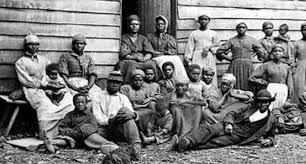
Slavery;USA Research Paper Available

Slavery;USA
Slavery;USA

Slavery;USA

Slavery;USA

Order Instructions:

In the 1930s, the United States government decided to put people to work. One of the most amazing things that some of these people did was to travel around the country and interview former slaves.

The WPA (Works Project Administration) slave narratives give us a window into the lives of some of the last men and women who were alive at the time who still remembered slavery. As you will see in reading the narratives, they do not always stay focused on slavery, but many times turn to complain about their lives in the 1930s. You will also notice that some of them say slave days were great. Take this with a grain of salt when you see it. While some of them may have enjoyed slavery, this was said in front of a white plantation owner who was usually at the interview. It was also said in the darkest days of the Great Depression.

I want you to go to the following link:

http://memory.loc.gov/ammem/snhtml/mesnbibVolumes1.html

Read at least 10 narratives from different states. I think you will probably want to read more. Then I want you to do ONE of the following assignments:

Write a traditional essay that explains what life was like for at least ten former slaves. Be sure to talk about work, how they were treated, their memory of parents or other family, their thoughts at freedom. Include anything else you find interesting..

SAMPLE ANSWER

Slavery

Slavery was an ordinary practice in the United States during the early years. Most of the slaves originated from African countries and were taken as far as Europe to work on different plantation sites. Although slave trade has been banned across the world different memories are evoked especially when the word slave trade is used. Different slaves have different perceptions surrounding the slavery period.

Slaves were treated differently depending on their levels of loyalty. An old man living in some parts of Virginia, who was once a slave, narrates how the activities that occurred during this period. According to the old man, his master would treat their family better compared to others probably due to the many years that they had lived together with the family (“Born In Slavery, 1936-1938”). In fact, they were entitled to go to the drawer and remove some money. They were allowed to remove some money from the cash drawer. In other words, they were more of the trusted than employees and therefore received the full benefits wherever they were. Those who were recognized by their masters played a totally different role altogether. Those who were never trusted and had not shown their allegiance to the white people were treated badly by their slave’s masters and therefore did not in any way receive any form of benefits from the white people (“Born In Slavery: Slave Narratives From The Federal Writers’ Project, 1936-1938”).

Slaves were never allowed to be part and parcel of their master’s activity. They dined at different places and even attended different social gatherings. If the whites had any event, it was expected that there was no trace of white people in the region they lived. Most of the slaves present in these parties only served as servants. Very high levels of intolerance were observed from their masters. Any slight interaction or interferences of the slaves to where their masters were was met with corporal punishment. The same punishment would apply to any individual who in one way or another disagreed with their master (“Born in Slavery: Slave Narratives from the Federal Writers’ Project, 1936-1938”).  They were mistreated like because they had been bought at very cheap prices. Immediately an individual was bought they had to state to their allegiance to their new master. The masters had the right to apply any form of punishment to the slaves. In other words, slave masters determined the activities of all of these people. They determined where they would live, what they would eat and all activities they were supposed to engage in. During this period, all of them were expected to have allegiance to only to their masters and their families.

Slave masters and traders perfected the act of selling of traders without informing their family members. They would essentially wake up one morning and sell the slaves.  Some interviews show that some slave’s children woke up one morning and discovered that their parents had been sold at cheaper prices (“Born in Slavery: Slave Narratives from the Federal Writers’ Project, 1936-1938”). This always caused psychological problems but they had to find methods of surviving in this society. The complains of the small children would fall into deaf years. The children would continue to suffer under the hands of these individuals for long periods without any intervention. The slave masters always believed that the presence of the parents would prevent young people from working towards to their farms. The parents used to work with the families from a very young age and as a result, the children were expected at a certain time to leave the comfort of their parents and stand on their own. In fact, more slave masters preferred large families since it was a valuable source of unpaid labor. The slaves would also fetch good prices in the market once they were sold off to different parties. Therefore, high numbers of slaves were a source of money to different slave masters. As a result, most masters aimed at increasing the number of slaves because it would increase a number of riches in their coffers. It would also increase how they were going to be perceived within the community.

Conclusion

Slave traders and masters thrived in the slave business for long period constantly buying and selling slaves. The perception of the slaves would differ depending on the type of their masters and how they were treated by their slave trade masters. Those treated much better had in one way or another shown their allegiance to their employees while those treated badly had in different ways failed to prove or show their loyalty to their masters and thus the only punishment was mistreatment.

Work cited

“Born In Slavery: Slave Narratives from the Federal Writers’ Project, 1936-1938.” Memory.loc.gov. N.P., 2016. Web. 3 May 2016.

  1. We can write this or a similar paper for you! Simply fill the order form!


Caring for Patients with Chronic Illness Paper

Caring for Patients with Chronic Illness

Caring for Patients with Chronic Illness

Order Instructions:

Caring for Patients with Chronic Illness
Topic 1: Caring for Patients with Chronic Illness
In this discussion you will create an age appropriate, evidence based plan of care for a client that might present to a primary care setting with a chronic disease or diseases. Make sure to include in the case study subjective, objective, and assessment data. You will post this information to the Discussion Board. Please provide a list of differential diagnoses, diagnostic exams and create an evidenced based management plan for the client. Be sure to provide a medication list and appropriate dosages. Remember when creating a plan that this patient will have more than one chronic disease and you should create a plan to involve all aspects of care. Comment on peers plan of care in terms of cost effectiveness and evidenced based.
Groups are as follows according to your last name:
A-H: African American female with Congestive Heart Failure, who has had a 20 pound weight gain in the past month. She also has Peripheral Vascular Disease with Venous Insufficiency. This patient has a Grade III murmur and takes anticoagulants

SAMPLE ANSWER

Subjective Data

Chief Complaint: Shortness in breath, fatigue, a “racing” heart, and weight gain

HPI: A 55 year old African American presents to the hospital complaining of shortness of breath, fatigue, a “racing” heart, and weight gain. The patient reports that she has noted breathlessness over the last three months while walking up stairs and in other activities that are strenuous. Two weeks ago she was not capable of completing her routine one-mile walk. The patient further reports that yesterday she became severely breathless while walking from one room to another. Today, she presents with extreme dyspnea.

Medication: The patient is on anticoagulants (warfrain, INR 2.0-3.0).

Allergies: Denies any having any food or drug allergies

Past Medical History: Patient was diagnosed with peripheral vascular disease with venous insufficiency at age 25.

Pat surgical History: Denies any surgery

Sexual/Reproductive History: Patient married and has two children

Personal/social history: Moderate alcohol use. She goes for a jog every morning.

Significant Family History: Patient’s father suffering from hypertension and type II diabetes.

Systemic Review

General: Moderately obese, in acute distress sitting upright, breathless

HEENT: Normoceohalic. Ears, eyes, and throat normal

Neck: Distended neck veins visible

Chest: Scattered rhonchi with productive frothy cough

Heart: Irregular, S3 gallop, grade III murmur

Gastro intestinal: Denies having acid reflux and GI upset

Extremities: Pitting edema, no clubbing, pulse intact

Hematologic: No history of blood transfusion or dyscrasia

Skin: negative for skin lesion, lumps, bruises, discoloration or itching.

Neurologic: Anxious with an impending doom feeling.

Objective Data

Vital signs: BMI 28, BP 130/91, Pulse ox 94%, temperature 37.40C, heart rate 88bpm

Abdomen: no observable or palpable abnormalities

Growth issues: the patient can say his name, speak clearly, respond to three-part commands, and bend his back without falling

Alertness: the patient is oriented, not agitated, but slightly less alert than normal

Musculoskeletal: Denies having any disorders

Diagnostic Tests:

  • Chest X-ray: cardiomegally with pulmonary edema
  • Echocardiogram: Grade III murmur
  • Electrocardiogram: Atrial fibrillation
  • Exercise stress test: Exercise intolerance

Assessment

The most likely diagnosis for this patient is congestive heart failure. This is a condition that is characterized with tachycardia, breathlessness, and edema in the extremities all of which are consistent with the patient (McMurray et al., 2012).

Care Plan

Some of the medications that will be recommended for the patient include:

Diuretics: Furosemide 60mg once daily

Beta blockers: Propranolol 100 mg orally twice daily

Angiotensin converting enzyme inhibitors: Enalopril 40mg per day orally (McMurray et al.,  2014).

Chromium supplements will also be administered for management of the patient’s weight.

The patient will be advised to monitor her weight and avoid junk foods that may increase her weight. Therefore, she should maintained a balanced diet and restrict herself from taking excess salt. Excessive intake of salt may result in increased blood pressure (Scott & Winters, 2015). She should also regulate drinking of alcohol which may hinder her from achieving positive outcomes. In addition, the patient should continue doing her morning jog which will aid her in managing her weight. She should use at least to pillows at night so that she can sleep comfortably. She should adhere to her medication and report to the physician whenever she is experiencing side effects.

References

McMurray, J. J., Adamopoulos, S., Anker, S. D., Auricchio, A., Böhm, M., Dickstein, K., … & Jaarsma, T. (2012). ESC Guidelines for the diagnosis and treatment of acute and chronic heart failure 2012. European journal of heart failure14(8), 803-869.

McMurray, J. J., Packer, M., Desai, A. S., Gong, J., Lefkowitz, M. P., Rizkala, A. R., … & Zile, M. R. (2014). Angiotensin–neprilysin inhibition versus enalapril in heart failure. New England Journal of Medicine371(11), 993-1004.

Scott, M. C., & Winters, M. E. (2015). Congestive heart failure. Emergency medicine clinics of North America33(3), 553-562.

We can write this or a similar paper for you! Simply fill the order form!


CHILD DEVELOPMENT RESEARCH OUT

CHILD DEVELOPMENT
CHILD DEVELOPMENT

CHILD DEVELOPMENT

CHILD DEVELOPMENT

Order Instructions:

Case Study
Collect the information for your report by using all three of the following research methods.
Naturalistic observation for 60 minutes (Appendix A).
For children under 5 years of age ask the parents when the child is likely to be awake and
active. For children 6 years of age and over and adolescents you will need to organise a
time when the child/adolescent is free from school and other activities. If at all possible,
observe the child/adolescent interacting with another child/adolescent or adult either inside
or outside their home, or in some other social setting. It is okay if the person is alone, but
engaging in some meaningful activity, such as playing “dress-up” or playing with Lego. There
is little point observing the person when they are engaging in screen activities, such as
watching TV or playing a computer game. Observe the person for 1 hour. Try to be as
unobtrusive as possible; you are not there to play with, or care for them. If the
child/adolescent wants to play or interact with you, explain that you must sit and write for
now, and that you will play/interact later.
Write down, minute by minute, everything the participant does and everything that others do
with the participant. Try to be objective, focusing on behaviour rather than interpretation.
Thus, instead of writing “5:33: Jennifer was delighted when her father came home, and he
dotes on her,” you should write “5:33: Her father opened the door, Jennifer looked up,
smiled, said “dada”, and ran to him. He bent down, stretched out his arms, picked her up,
and said “How’s my little angel?”. 5:34: He put her on his shoulders, and she said “Getty up
horsey”.
When you have finished your data collection, type your observation notes in a table with a
row for each of the 60 minutes. After the table, summarise the data by noting the percentage
of time spent in various activities. For example, “Playing alone 30 per cent; playing chasee
with brother 20 per cent; making a sandwich and eating it 20 per cent; and talking with father
about the day at school 20 per cent; other activities 10 per cent.”. Also note the frequency of
various behaviours, such as prosocial acts and acts of aggression. Making notations like
these will help you evaluate and quantify your observations.
Finally, note any circumstances that might have made your observation atypical. For
example, “Jenny’s mother said she hasn’t been herself since she had the flu a week ago; or
Jenny kept trying to take my pen, so it was hard to write”. Remember that a percentage can
be found by dividing the total number of minutes spent on a specific activity by the total
number of minutes you spent observing. For example, if, during your 60 minute observation,
the child played by herself for periods of 4 minutes, 6 minutes, and 4 minutes, “playing
alone” would total 14 minutes. Dividing 14 by 60 yields .23; thus the child spent 23 per cent
of the time playing alone. (If the figure in the third decimal place is 5 or more, round the
second decimal place up to the next digit—for example, if your quotient were .246, you
would round to .25, which is 25 per cent).
Label this Appendix A and attach it to your assignment after the reference section. It
will not contribute to the word limit of the assignment.
Informal interaction and developmental assessment for 30 minutes (Appendix B).
Interact with the participant for 30 minutes. Your goal is to observe the participant’s
behaviour and capabilities in a relaxed setting. The particular activities you engage in will
depend on the participant’s age and how they respond to you. Most children/adolescents
enjoy playing games, reading books, drawing, and talking. Asking a younger child to show
you his or her room and favourite toys is a good way to break the ice. Asking an older
child/adolescent to show you the neighbourhood can provide insights.
Two questionnaires have been placed in the Assessment section of Bb to help you with this
aspect of your data collection. 1) The Ages and Stages Questionnaires (ASQ) are very age
specific (in months) and are suitable for assessing the development of children up to 5 years
of age. Chose the questionnaire that comes closest to the child’s age in months. Do not
attempt all of the items, rather try a few items from the different domains of development,
such as gross motor and communication skills. Test the child yourself during the period of
interaction and/or ask the child’s parent if the child is able to perform a number of tasks. 2)
The Child/Adolescent Questionnaire is taken from the Western Australian Pregnancy Cohort
(Raine) Study and is suitable for children over the age of 5 and adolescents. It asks about
leisure activities, schooling, language development, behaviour, and general health. Again, it
is not necessary to ask all of the questions. Use it as a guide for questions to ask an older
child/adolescent when you are interacting with them.
When you have finished your data collection write a summary of your interaction in 2-3
paragraphs. First, describe the setting and the specific activities you were engaged in.
Second, describe how the person responded to you. For example, was the person shy and
reserved or outgoing and talkative. Third, summarise your findings from the ASQ or
Child/Adolescent Questionnaire. Do not scan the completed ASQ form or the
Questionnaire in to your document. It is unnecessary and it will make your MS Word file
run slowly. Fourth, describe any additional features you have learned about this person and
their development.
Label this Appendix B and attach it to your assignment after Appendix A. It will not
contribute to the word limit of the assignment.
Interview (Appendix C).
The final aspect of data collection involves an interview with the person who is the primary
care-giver for the child/adolescent. Your goal is to learn as much as possible about the
participant and their family, school, and neighbourhood environments that influence
development. It does not matter if some of these questions were answered in other aspects
of data collection. Information from a variety of informants is useful to increase the reliability
and validity of your findings.
3
Use the list below to select questions that are relevant and salient for the person’s age and
stage of development. The following factors are known through research to be important for
human development. They are grouped according to developmental systems theory which is
also known as bioecological theory and biopsychosocial theory. In this theory, psychological
factors include social and emotional functioning, while social factors are those within the
family and community that influence development. Proximal factors (those that happen most
recently) are generally more salient than distal factors (those that happen a long time ago),
however, a distal factor may be important if it was atypical or notable. For example, a
pregnancy complication might be important for an older child, adolescent, or adult if it
resulted in a significant impairment in cognitive function.
Biological
Planned pregnancy (children 3 years and under)
Assisted reproduction (children 3 years and under)
Family history of genetic disorders e.g. Down’s Syndrome (all children/adolescents)
Folate supplementation (children 3 years and under)
Pregnancy complications (children 3 years and under)
Multiple pregnancy i.e. twin or triplet (all children/adolescents)
Birth weight (children 5 years and under and older children if low)
Gestational age at birth (children 5 years and under and older children if pre-term)
Disabilities (all children/adolescents)
Current height and weight (all children/adolescents – children 5 years and under compare
with growth charts; older children compute BMI)
Sleep pattern (all children/adolescents)
Toileting (children 5 years and under and older children if not yet established)
Breast feeding (children 3 years and under)
Current diet (all children/adolescents)
Physical activity (all children/adolescents)
Fine and gross motor development (all children/adolescents)
Serious and chronic illnesses (all children/adolescents)
Medications (all children/adolescents)
Toxic environmental exposures – home, school, community e.g. passive smoking, asbestos,
lead (all children/adolescents)
Pubertal development (older children and adolescents)
Psychological
Emotional regulation (children 5 years and under)
Attentional regulation (children 5 years and under)
Social regulation (children 5 years and under)
Cognitive functioning: language, memory, problem solving (all children/adolescents)
Literacy and numeracy (children 6 years to 10 years)
School achievement (children 6 years and over and adolescents)
Self esteem (children 6 years and over and adolescents)
Body image (children 6 years and over and adolescents)
Self efficacy (children 6 years and over and adolescents)
Experience of stress (adolescents)
Mental health problems (children 6 years and over and adolescents)
Social
Family demographic characteristics – family composition (dual/single parent), parents’ ages,
race/ethnicity, language(s) spoken at home, religious affiliation (all children/adolescents)
Family socioeconomic characteristics – degree of financial security, parents’ level of
education, parents’ occupations (all children/adolescents)
4
Family psychosocial functioning – parents’ relationship, family relationships, financial strain,
life stress, experience of discrimination, parental mental health, social support (all
children/adolescents)
Extended family (all children/adolescents)
Care arrangements outside family (all children/adolescents)
School resources (children 6 years and over and adolescents)
Neighbourhood resources (all children/adolescents)
State and national political and economic context (all children/adolescents)
Summarise the information you collect in 1 – 2 typed pages of dot-points. Formal sentence
construction is not required.
Label this Appendix C and attach it to your assignment after Appendix B. It will not
contribute to the word limit of the assignment.
Your report
Write your report in the style of an academic article using headings, formal paragraphs, and
sentences with correct spelling and grammar. It is not appropriate to write in note form or to
use dot-points. It is customary in academic writing to use an impersonal writing style (e.g.
passive voice and third person). While I suggest you do this when possible, there are times
when it is better to use a personal style (e.g. active voice and first person). It is better to say
“I” rather than refer to yourself as “the researcher” or “the author”. See the example on page
5. Your writing will need to be precise and concise. The report is limited to 2000 words (10%
over the word limit is acceptable), excluding in-text references, the reference list, and
appendices. A MS Word document is required. It is important that you do not attach pdf files
or other scanned documents as these will make it run slowly in the Grade Centre. It is
suggested that you use the following headings and word limits for each section:
Title page (including name and student id)
Contents page
Introduction (100 words)
Background information (100 words)
Biological development (500 words)
Psychological development (500 words)
Social development (500 words)
Predictions for next five years (200 words)
Conclusion findings (100 words)
References
Appendix A
Appendix B
Appendix C
Use the introduction to tell the reader what your report is about, as well as to describe how
you know the participant and why you selected them, and to describe details of the
observation, interaction, and interview process. Next, report relevant background
information, including the: participant’s age and sex; age and sex of siblings; age, ethnic
background, specific education level, and specific occupation of parent(s); proximity of
extended family members; and the sociodemographic characteristics of the neighbourhood.
Describe all salient aspects of the participant’s biological, psychological, and social
development in the 3 major sections of the report drawing on the data you have collected
and presented in the 3 appendices. Do not simply transcribe information from your
appendices. While mentioning all salient aspects of development you should only highlight
and discuss in some detail development that is atypical or notable. For example: if a young
child was born at term, within the usual weight range, and has no disabilities or chronic
5
illnesses, you only need mention this in a sentence; if a child’s height/weight ratio indicates
that they are overweight, you should discuss this and refer to recent evidence-based
literature; if a child’s fine motor skills are beyond expectations, you should discuss this and
refer to recent evidence-based literature.

SAMPLE ANSWER

1.1 Introduction

The development of different individuals remains a lifelong process that encompasses both the biological and socio-emotional elements. In this case, it is essential to note that this paper seeks to determine the different theories used in the determining the element of lifespan development. The paper will therefore focus in the biological and socio-emotional development aspects of children. In order to achieve this, the study will put efforts in observing the behaviors of children within the context of a specified physical environment. On the other hand, the paper will also seek to determine the effects of the environment on a child’s development.

1.2 Background Information

As determined, it is essential to determine that development is a lifelong process that involves the cognitive, socio-emotional, and biological elements in the process of growth. It is therefore vital to consider that the socio-emotional development functions refer to the behaviors and actions exhibited by an individual in their daily activities. The actions and behaviors are therefore aimed at determining the children’s expression of inner feelings (Raab, Dunst, & Hamby, 2016). These activities inclusively include the avoidance of aggression, showing persistence in difficult tasks, relaxation as an approach of controlling their overwhelming situations, and showing appreciation towards others. It is therefore essential to denote that biological development process initiates an observational approach that engages the physical changes that are identified in life for this population group, These factors include the children’s ability to coordinate their body movements. On the other hand, the children’s motor skills adjust to the body postures, bending, reaching for different objects that are far, and the maintenance of balance while playing or walking.

1.4 Biological Observation

Most children start being playful as they walk towards the back and jumping forward at the age of three to six years. This stage is recognized when a child begins to show signs of massive motor development. At this age, the children are usually very energetic and most of them become extremely explorative. They are usually very jumpy and often run round obstacles several times. Language is usually considered as the key element in boosting a child’s cognitive development (Raab, Dunst, & Hamby, 2016). This is due to the fact that it enables children to solve their problems since it enhances communication amongst them. At eight, a child is able to point out some important issues and mostly those that do not entail complicated concepts. Nevertheless, the eight-year-old has the capability to think in concrete ways while trying to comprehend theoretical ideas.

Children at the age of three to five years begin to think theoretically, which causes an effect on their massive development. The ability of a certain child to skip, hop and jump is often developed due to cognitive influence. These physical abilities are developed by the immense involvement in huge body movements. Additionally, children study by imitation and observation at this age by the use of cognitive thinking. They can be able to assemble and group objects using their divergent colors without considering shape and size (Walker, Gopnik, & Ganea, 2015). At this stage, teaching should consider their fantasies and their incapability to characterize time. They should also be aware of the fact that children at this age are able to learn effectively by feeling the texture of different objects and mainly get attracted to substances with a rough texture.

It is equally important to understand that at this age, children tend to pay more attention to their physical abilities and criticize the abilities of others. Their focal point is mainly occurs on the progression of objects to serve as a portion of the whole. They commonly illustrate unpleasant motor growth because they aspire to be victorious and not failures. The playfulness abilities as discovered in these children at this age are brought about by their need for self-sufficiency and innovativeness. They often abandon their houses in order for them to search for playmates. They long for sovereignty and freedom from their guardians including their parents (Walker, Gopnik, & Ganea, 2015).The stages of a child’s development have been considered by different elements that include the customs, cultural and social institutions. On the other hand, the laws that makes up an entire society and is additionally essential in the developmental stages of a child’s life. For instance, when professionals and researchers define the period of early childhood development as a process that happens between birth and 8 years, the society in the U. S consider children between the ages of 5 and above in a better state of development since they have the capacity to enter into a formal school or cultural practice.

There are three broad stages of development within a child’s life: early childhood, middle childhood, and adolescence (Wilson, 2015). At age three to five years, children grow quickly and most of them begin to develop and widen their skills. When they are five, the majority of them reveal comparatively good management of things like crayons, scissors and pencils. Other achievements include the capability to balance on a single foot. It is important to consider the fact that children’s growth reduces gradually at the age between the age of five and eight years. On the other hand, at this same age of five to eight years, the body magnitude and skills become more advanced.

1.4 Social-Emotional Developments

Children aged between three to five years tend to illustrate their wish to have friends particularly those of the opposite sex. They portray a lot of liberty as well as apparent relations. At this age is where they begin to notice sexual differences where in this case boys prefer playing with boys while girls play with girls especially within school environs. They also convey emotional aspects like love and anger. This stage is commonly referred to as a phallic stage where children become extra careful with theirs and other children’s genitals. It causes many conflicts leading to anger and bitterness amongst themselves conditions known as Oedipus complex. In the case of female children, their desire for male partners is termed as Electra complex. Alternatively, it can also be called penis envy. In males, this phase can be recognized following their desire to get close to their mother’s while the female children have a tendency of staying close to their fathers (Wilson, 2015). On the other side, boys sometimes feel anger and envy their fathers who end up being their enemies which can lead to some immoral behaviors like masturbation. The female children gain knowledge concerning their roles as women by staying close to their mother’s while the boy child associates with the father in order to learn their roles as men. After this stage of developmental conflict, they move to the next level termed as the latency stage.

Children between the ages of three to five years start to become familiar with the character growth effect which is known as the initiative vs. guilt stage. During this stage, a desire to form playing activities is developed. In this stage, most children find themselves struggling with Oedipal which attacks them unconsciously (Hsiao, Chang, Lin, & Hu, 2014). However, when they begin to handle and recognize their social roles, those struggles end. It is crucial to note that whenever normal goals and desires are not met, they usually face shame and guilt. In this case, the family’s connection is very vital in supporting the children as well as helping them to avoid oedipal problems. At this stage, most children are anxious and often want to know if they are good or bad, and usually feel guilty whenever their goals are not achieved. At this point, children begin to take the initiative for goal realization roles and leadership. They often exercise the leadership skills during their play time while others engage in risky activities without seeking for help.

According to Piaget’s theory of development, children aged between three to five years undergo a stage known as a preoperational stage. He points out that during this stage, the thinking pattern of children is influenced by fantasy and often are self-centered thus making it hard for them to make ideas from others (Hsiao, Chang, Lin, & Hu, 2014). This leads to arguments and conflicts with others. During this stage, children have the perception that everything around them feels the same as them. It is equally crucial to consider that in spite the fact that the theories have different version concerning the aspect of social-emotional growth, their ideas finally tend to concur.

 1.5 Psychological Development

On the other hand, it is essential to note that different and variable environments have the capacity to influence the development of children in different ways. These different contexts would therefore include: gender, beliefs, customs, and stages in life, socioeconomic status, school, home, communication environments and office. It is important to note that different scholars like Lev Vygotsky, Erik Erikson, and Lawrence Kohlberg have developed different approaches that aid in understanding the development process of children within this age group (Diamond, & Whitington, 2015). In addition to this, it is significant to acknowledge the efforts of research in the provision of information that aid in understanding the element of development and its nature in children of this age group.

In early childhood it’s established that psychological changes are accompanied by changes in a child’s cognitive and language improvement. From the time of birth, children are known to use their senses to focus to the environment after which the eventually start to build a sense of cause as well as the impacts of their activities and behaviors along with the responses from their guardians (Diamond, & Whitington, 2015). During the three years of development, children are likely to develop a vocabulary of words and are also able to effectively use their language to study things that surrounds them. At the age of five, the vocabulary words increase of a thousand words. Additionally, they acquire skills that enable them to construct sentences comprising of five to seven words, tell common stories by the use of pictures and finally gain knowledge on how to use past tenses.

When these children enter school, they are bound to leave their security with the family and at home. In this case, they turn out to be players in the larger context of the school and friends. The children therefore learn different skills such as the making of friends, building relationships that could impact their future and the development of problem solving skills within their capacity (Airman, & Lundegård, 2014). Additionally, their self-esteem which incorporates a sense of worth and belonging changes rapidly depending on the events that happen around them. This therefore explains the reason why children within this age groups act as adults when the leave school with backpacks full of different responsibilities.

 1.6 Predictions for Next Five Years

In the next five years, the cognitive development of the children within this age group will reach a full-scale intelligence. This therefore determines that neurological, psychomotor, behavioral outcomes as determined in the regression model will be fully functional (Wu, Liao, Luo, Ye, Yao, Chen, & Wu, 2016). On the other hand, their verbal intelligence, processing speed quotient and performance intelligence is predicted to improve. It is therefore essential to note that the children will advance in their motor skills and vocabulary. Additionally, the children are likely to adopt different skills in relation to their cultures and traditions.

At this point, children begin to take the initiative for goal realization roles and leadership. They often exercise the leadership skills during their play time while others engage in risky activities without seeking for help. The children will be in a position to make judgments on what is right and wrong. The children therefore learn different skills such as the making of friends, building relationships that could impact their future and the development of problem solving skills within their capacity (Lager, 2016). Their self-esteem is therefore known to incorporate worth and belonging changes rapidly depending on the events that happen around them. These children are additionally likely to develop into a different stage that prepares them for the adolescent’s stage in which they believe they are mature to handle their issues.

1.7 Conclusion Findings

According to this report, it is essential to establish that to determine that development is a lifelong process that involves the cognitive, socio-emotional, and biological elements in the process of growth. Most children start being playful as they walk towards the back and jumping forward at the age of three to six years. This stage is recognized when a child begins to show signs of massive motor development. It is equally important to understand that at this age, children tend to pay more attention to their physical abilities and criticize the abilities of others. Their focal point is mainly occurs on the progression of objects to serve as a portion of the whole.

1.8 References

Airman, C., & Lundegård, I. (2014). Pre-school children’s agency in learning for sustainable development. Environmental Education Research, 20(4), 437-459.Available From: http://search.ebscohost.com/login.aspx?direct=true&db=aph&AN=113412066&site=ehost-live

Diamond, A., & Whitington, V. (2015). Studying early brain development: Educators’ reports about their learning and its applications to early childhood policies and practices. Australasian Journal Of Early Childhood, 40(3), 11-19. Available From; http://search.ebscohost.com/login.aspx?direct=true&db=aph&AN=109468692&site=ehost-live

Harel, B. T., Pietrzak, R. H., Snyder, P. J., Thomas, E., Mayes, L. C., & Maruff, P. (2014). The Development of Associate Learning in School Age Children. Plos ONE, 9(7), 1-9. doi:10.1371/journal.pone.0101750. Available From: http://search.ebscohost.com/login.aspx?direct=true&db=aph&AN=97360867&site=ehost-live

Hsiao, H., Chang, C., Lin, C., & Hu, P. (2014). Development of children’s creativity and manual skills within digital game-based learning environment. Journal of Computer Assisted Learning, 30(4), 377-395.Available From; http://search.ebscohost.com/login.aspx?direct=true&db=tfh&AN=97233171&site=ehost-live

Lager, K. (2016). ‘Learning to play with new friends’: systematic quality development work in a leisure-time centre. Early Child Development & Care, 186(2), 307-323. doi:10.1080/03004430.2015.1030634. Available From: http://search.ebscohost.com/login.aspx?direct=true&db=aph&AN=112463727&site=ehost-live

Raab, M., Dunst, C. J., & Hamby, D. W. (2016). Effectiveness of Contrasting Approaches to Response-Contingent Learning Among Children With Significant Developmental Delays and Disabilities. Research & Practice for Persons With Severe Disabilities, 41(1), 36-51. doi:10.1177/1540796915621189. Available From; http://search.ebscohost.com/login.aspx?direct=true&db=aph&AN=112829005&site=ehost-live

Walker, C. M., Gopnik, A., & Ganea, P. A. (2015). Learning to Learn From Stories: Children’s Developing Sensitivity to the Causal Structure of Fictional Worlds. Child Development, 86(1), 310-318.Available From: http://search.ebscohost.com/login.aspx?direct=true&db=tfh&AN=100988933&site=ehost-live

Wilson, H. E. (2015). Patterns of Play Behaviors and Learning Center Choices between High Ability and Typical Children. Journal of Advanced Academics, 26(2), 143-164. Available From: http://search.ebscohost.com/login.aspx?direct=true&db=tfh&AN=102106119&site=ehost-live

Wu, M., Liao, L., Luo, X., Ye, X., Yao, Y., Chen, P., & … Wu, Y. (2016). Analysis and Classification of Stride Patterns Associated with Children Development Using Gait Signal Dynamics Parameters and Ensemble Learning Algorithms. Biomed Research International, 1-8. doi:10.1155/2016/9246280. Available From; http://search.ebscohost.com/login.aspx?direct=true&db=aph&AN=113412066&site=ehost-live

Appendix A

Date and Time: Thursday:  April 29, 2016: 12:30

Activities Observed: Children Aged 6 years climbing over the climbing rings. It is also essential to determine that during this period, I had the opportunity to watch Tamara pretend play at the tire mountain within the larger wooden structure.

My Intention with the Child: Spend enough time answering questions about me, my name and here I came from Tamara.

2; 45: Tamara on her first recess was racing across a ring with her friend. During play, she fell down on the ground and started crying, calling herself a loser. I then took privilege to pull her aside and talk to her with the aim of finding out what was wrong with her.

2:50: She kept on crying and mentioned she was a loser since she did not win the race and has never won such races. She also mentioned that her friends have always called her a loser since she cries when she loses the races. Her friends are in a tendency of making fun of her since they beat her up.

3:00: I therefore tool an initiative to reassure her that she was not a looser and mentioned to her the reasons why she lost in the climbing game. She continues crying even after her friends came and cry to comfort her to give it another try.

3:10: Tamara continued crying even with her friend’s initiative to calm her so she thinks she is not a loser. She then mentioned that her friends would beat her up when she tried again and failed again. After encouraging her to try the game once more, she went out and found her friends gone. She then begun crying again ad walked away from me.

3:15: I therefore took time to observe Tamara after she walked away. She sat down and stopped crying. She then picked a peace of stick and begun drawing on the ground. She looked happy and satisfied with this activity.

3:30: Tamara the begun jumping around and laughing since she had found comfort in her own game. She walked close to me and asked me to join her but promised her I would only watch her and not play. I watched her jump over some boxes she drew and used this opportunity to affirm that she was not a looser.

4:00: I realized that Tamara would spend much of the time playing by herself than in a group of friends. She spent close to 45 minutes playing on her own and looked so happy. I analyzed her pattern on play and discovered that much of her time was spent alone.

 Appendix B

Date and Time: Thursday:  April 30, 2016: 12:30

Activities Observed: Informal interaction and developmental assessment

12:30: During this period, I spent time with Tamara during one of the activities she engaged in with her friends. Tamara was having fun during this moment and encouraged other mates to join her. However, things changed when one of her friends messed in the rings.

12:45: Tamara pulled Mary’s legs until she fell off the rings. Mary then grabbed Tamara’s dress since she was mad at her for pulling her off the rings. She asked Tamara why she pulled her off the rings with a sign of beating her. Tamara began crying before Mary beat her. Mary then decided to leave her alone and join her pals in play. I defused in the process to find out the reason why Tamara was crying even when Mary had forgiven her.

12:50: I took time to talk to Tamara and determine the reason why she was crying. She was mad at me and mentioned I was like the other kids who wanted her to fail in the ring game. I decided to give her time and left her.

1:00: Tamara realized she was wrong and went to apologize to Mary. Mary was willing to forgive her and allowed her to join the game again.

Summary of Findings

In this case, I was able to note the two kinds of aggressors: the proactive and reactive aggressors. In Tamara’s case, she is used to the proactive type of aggression and relies heavily upon this approach in resolving her social problems. In this case, she is confident that she will benefit from the participation in aggressive actions. When no concern is showed to her, she resoles to crying in order to capture the attention of her friends.

On the other hand, her friends show the reactive type of aggression since they are aware of Tamara’s actions as having malicious intentions. In this case, it is important to note that the two types of aggressions are evident in this situation, a factor that confirms Dodge’s social theory of information processing.

 Appendix C

Interview:

I therefore took time to Interview Tamara’s mother to understand the child more: Tamara’s mother was called Rebecca who is married to Bob, a social worker in the community. Bob is always away fulfilling his work responsibilities, with Rebecca at home caring for the children. Tamara is the last born I the family, with other 3 siblings in the family.

Me: Could you inform me of any disabilities noted in Tamara

Rebecca: As far as I am concerned, I have never noted any since she was given birth to.

Me: What is Mary’s height and weight?

Rebecca: The last time Tamara was weighed, she was 6 kgs with a height of 3.5

Me: How would you describe Tamara’s sleep pattern?

Rebecca: Tamara is found of sleeping at 10:00 and wakes up frequently during the night. However, this happens occasionally.

Me: What is her current dies and engagement in physical activities?

Rebecca: Well Bob is so concerned about diet and he ensures that his children feed on a balanced diet every day. The kids are limited to particular snacks such as sweets. Most of the time, Bob takes the children for physical activity. However, Tamara has always showed no interest in these activities and attends them out of pressure.

Me: Are there any serious chronic illnesses in Tamara?

Rebecca: No

Me: Do you think your child’s actions could be a resultant of a toxic environment?

Rebecca: Well in my view, I think Tamara is not so social and spends most of her time playing alone that with friends and her siblings. In this case, I may not think her actions are related to the environment she lives in.

Summary of Findings

In my view, it is essential to note that Tamara‘s actions and way of social engagement is not inherited, but results from her nature. This is attributed to the fact that this child is not social and finds more pleasure in playing alone than with others. In my perspective, this could be a psychological problem, resulting from the fact that her dad has limited time to spend with them. As a result of this, the child watches over the behaviors of her father and learns from this.

We can write this or a similar paper for you! Simply fill the order form!


Contracting and the FAR Assignment Paper

Contracting and the FAR

Contracting and the FAR

Contracting and the FAR

Order Instructions:

Assignment 1: Contracting and the FAR

Due Week 4 and worth 200 points

Imagine that you are a contracts officer for the Internal Revenue Service (IRS), and that your supervisor has tasked you with the procurement of a new software system for processing tax returns.

Use the Internet to research one (1) scandal related to government procurement that has occurred within the past four (4) years.

Write a two to three (2-3) page paper in which you:

Analyze the Federal Acquisition Regulation (FAR), and conclude whether or not these regulations overall offer adequate protection of the collective buying power of the American people. Prepare an argument in support of your position.
Based on the scandal that you have researched, determine whether or not the executive branch is the proper branch to effectuate change that would provide checks and balances for the purchase of good and services for the United States government. Provide a rationale for your answer.
Use at least three (3) quality academic resources in this assignment. Note: Wikipedia and similar websites do not qualify as quality academic resources.
Format your assignment according to the following formatting requirements:
Typed, double spaced, using Times New Roman font (size 12), with one-inch margins on all sides.
Include a cover page containing the title of the assignment, your name, your professor’s name, the course title, and the date. The cover page is not included in the required page length.
Include a reference page. Citations and references must follow APA format. The reference page is not included in the required page length.
The specific course learning outcomes associated with this assignment are:

Describe the legal and administrative framework and economic considerations of the federal procurement process.
Distinguish between the various types of contracts and considerations for use.
Use technology and information resources to research issues in procurement and contract law.
Write clearly and concisely about procurement and contract law using correct grammar and mechanics.


SAMPLE ANSWER


Introduction

The federal government is one huge institution whose operations are regulated. In order to ensure smooth operations within government, there are certain rules and regulations that must be followed.  Just like every other organization, the government also has a procurement department whose mandate is to make purchases on behalf of the government. Government procurement is slightly different from ordinary procurement process. This is mainly due to the nature of contracts as most involve huge amounts of money.  To ensure that due process is followed when it comes to government procurement, the Federal Acquisition Regulations (FAR) were established. With these rules, government procurement has been standardized and this has enhanced consistency (Oyer, 2015). Further, FAR ensures that there is impartiality and fairness. Even with the stringent regulations that have been put in place, scandals in government procurement still happen from time to time. The aim of this discussion is to critically analyze the Federal Acquisition Regulations with the aim of establishing their effectiveness. The discussion has in particular sought to establish whether the regulations offer adequate protection of the collective buying power of the American people. In order to properly put into context the effectiveness of FAR, the paper has analyzed one of the recent scandals in government procurement namely ‘The Fat Leonard Scandal’.

Analysis of FAR

As aforementioned, government procurement is somewhat complex compared to the normal procurement procedure for businesses. The process of procurement is different and so is the nature of contracts awarded. Fully aware of the mischief presented therein, it became necessary to have specific laws that govern the procurement process within various government departments. The aim was among other issues to protect the collective bargaining power of the American people adequately. Unfortunately, as seen from the Fat Leonard Scandal below, the FAR is not yet strict enough to offer the protection required.

The Fat Leonard Scandal

In this scandal, Glenn Defense Marine was appointed to provide logistic services to the United States Navy. Glenn Francis, the leader of the company is however accused of flouting government procurement rules by bribing officers in the navy. According to a report released recently, (Manuel, 2015) Glen Francis, together with members of his company plotted a scheme that would see the cost of husbanding logistic services provided to the Navy hiked. The scheme was collusion between Glenn’s company and some insiders from the Navy who, together, would work to see inflation of prices of the services provided. When the scandal was unearthed sometime in mid-2014, the services of Glenn Defense Marine were suspended immediately and some officers from the Navy were relived off their duties.

In the year 2009, the American Navy made a request as required by the procurement procedures. In the request out, the requirement was for a company that has the capability to husbanding services in logistics. Husbanding services is a common term that is used in the maritime field to refer to support services offered to the navy including protection of the ships and transporting the members of each ship. These services also include provision of basics such as water and food, removal of sewage and trash and any form of logistical service that the Navy may require. Usually, each request will clearly outline the nature of husbanding services that the Navy is seeking. The scandal would go on undetected until some in 2013 when discrepancies were noticed and immediate action taken.

Loopholes in Public Procurement

The Federal Acquisition Regulation has been cited as one of the most effective and efficient. It has seen a watertight process that ensures that the procedure is followed to the letter. However, even with such strict measures, it is evident that some loopholes still exist (Manuel, 2015).  With the Fat Leonard Scandal, it is clear that there are areas that the federal government must step in to tighten the ropes.  Although investigations into the Fat Leonard Scandal are still ongoing, it is becomes clear that there are major gaps within the system. In this particular case, how is it that the members of the Navy got too involved in the procurement process that they had a chance to negotiate a deal with the service providers. The standard requirement is that the team involved in procurement should not be the ones directly benefiting from the services to avoid conflict of interest. In this case, it appears that those involved in the process of procurement were also directly benefiting hence the corruption.

Another area of the Federal Acquisition Regulation that must be carefully relooked and evaluated is on the selection of the bidders (Thai, 2012). Besides selecting the lowest bidder, other criteria must be used. For instance, a background check would help to establish the history of the company. In this case, there is a possibility that Glenn Defense Marine could have been involved in other shady dealings in the past. With such a revelation, this company would not have been selected to provide services to the navy.

Eliminating the Loopholes

From the above case, it is clear that Federal government must step in to ensure that all the loopholes are sealed. In particular, the executive arm of the government is best placed to put checks and balances that will see an effective FAR. It will also be necessary that the government is more proactive than reactive, dealing with symptoms way before hand.

Conclusion

Public procurement is an essential part of the government allowing the federal government to provide the public with jobs. However, it is unique from normal procurement because it often involves contracts of large sums of money. As such, it is of extreme importance that stringent measures are put in place and that all loopholes are eliminated. The federal government has worked tirelessly to ensure that any existing loopholes are sealed.  Still, there is need to reassess and re-evaluate the entire public procurement procedure. This will help point out the areas of weaknesses and thereby identify possible solutions.

References

Manuel, K. (2015).Responsibility Determinations under the Federal Acquisition Regulation:          Legal Standards and Procedure. London: Diane Publishing

Oyer, D. (2015). Accounting for Government Contracts: Federal Acquisition Regulation. New      York: Lexis Nexis.

Thai, K. (2012). International Handbook of Public Procurement. California: CRC Press.

We can write this or a similar paper for you! Simply fill the order form!


Care Approach of Congestive heart failure

Care Approach of Congestive heart failure

Care Approach of Congestive heart failure

Order Instructions:

Due Date: May 15, 2016 23:59:59 Max Points: 50

Details:
In a short essay (500-750 words), answer the Question at the end of Case Study 2. Cite references to support your positions.

Prepare this assignment according to the APA guidelines found in the APA Style Guide, located in the Student Success Center. An abstract is not required.

This assignment uses a grading rubric. Instructors will be using the rubric to grade the assignment; therefore, students should review the rubric prior to beginning the assignment to become familiar with the assignment criteria and expectations for successful completion of the assignment.

You are required to submit this assignment to Turnitin.

NRS410V.R.CaseStudy2_Student_02-11-13.docx

*****RUBRIC*******

Case Study 2

1
Unsatisfactory 0-71%
0.00%
2
Less Than Satisfactory 72-75%
75.00%
3
Satisfactory 76-79%
79.00%
4
Good 80-89%
89.00%
5
Excellent 90-100%
100.00%
80.0 %Content

20.0 %Describe your approach to care
Description of your approach to care is not offered.
Description of your approach to care is offered, but incomplete, lacking relevant information.
Description of your approach to care meets the basic requirements of the assignment.
Description of your approach to care is offered in detail.
Description of your approach to care is offered in detail, while demonstrating evidence of deeper insight and/or reflection.
20.0 %Recommend a treatment plan
Recommendation of a treatment plan is not offered.
Recommendation of a treatment plan is offered, but incomplete, lacking relevant information.
Recommendation of a treatment plan meets the basic requirements of the assignment.
Recommendation of a treatment plan is offered in detail.
Recommendation of a treatment plan is offered in detail, while demonstrating evidence of insight and/or reflection.
20.0 %Describe a method for providing both the patient and family with education and your rationale.
Description of a method for providing both the patient and family with education is not offered.
Description of a method for providing both the patient and family with education is offered, but incomplete, lacking relevant information, such as rationale.
Description of a method for providing both the patient and family with education, with as rationale, meets the basic requirements of the assignment.
Description of a method for providing both the patient and family with education is offered in detail.
Description of a method for providing both the patient and family with education is offered in detail, while demonstrating evidence of deeper insight and/or reflection.
20.0 %Provide a teaching plan, using words the patient and family will understand.
A teaching plan is not offered.
A teaching plan is offered, but incomplete, lacking relevant information, such as rationale, or uses terminology the patient and family may not understand.
The teaching plan avoids using terminology the patient and family may not understand and meets the basic requirements of the assignment.
A teaching plan meets the basic requirements of the assignment is offered in detail.
A teaching plan is offered in detail, while demonstrating evidence of deeper insight and/or reflection.
15.0 %Organization and Effectiveness

5.0 %Thesis Development and Purpose
Paper lacks any discernible overall purpose or organizing claim.
Thesis and/or main claim are insufficiently developed and/or vague; purpose is not clear.
Thesis and/or main claim are apparent and appropriate to purpose.
Thesis and/or main claim are clear and forecast the development of the paper. It is descriptive and reflective of the arguments and appropriate to the purpose.
Thesis and/or main claim are comprehensive; contained within the thesis is the essence of the paper. Thesis statement makes the purpose of the paper clear.
5.0 %Paragraph Development and Transitions
Paragraphs and transitions consistently lack unity and coherence. No apparent connections between paragraphs are established. Transitions are inappropriate to purpose and scope. Organization is disjointed.
Some paragraphs and transitions may lack logical progression of ideas, unity, coherence, and/or cohesiveness. Some degree of organization is evident.
Paragraphs are generally competent, but ideas may show some inconsistency in organization and/or in their relationships to each other.
A logical progression of ideas between paragraphs is apparent. Paragraphs exhibit a unity, coherence, and cohesiveness. Topic sentences and concluding remarks are appropriate to purpose.
There is a sophisticated construction of paragraphs and transitions. Ideas progress and relate to each other. Paragraph and transition construction guide the reader. Paragraph structure is seamless.
5.0 %Mechanics of Writing (includes spelling, punctuation, grammar, language use)
Surface errors are pervasive enough that they impede communication of meaning. Inappropriate word choice and/or sentence construction are used.
Frequent and repetitive mechanical errors distract the reader. Inconsistencies in language choice (register), sentence structure, and/or word choice are present.
Some mechanical errors or typos are present, but are not overly distracting to the reader. Correct sentence structure and audience-appropriate language are used.
Prose is largely free of mechanical errors, although a few may be present. A variety of sentence structures and effective figures of speech are used.
Writer is clearly in command of standard, written, academic English.
5.0 %Format

2.0 %Paper Format (1- inch margins; 12-point-font; double-spaced; Times New Roman, Arial, or Courier)
Template is not used appropriately or documentation format is rarely followed correctly.
Template is used, but some elements are missing or mistaken; lack of control with formatting is apparent.
Template is used, and formatting is correct, although some minor errors may be present.
Template is fully used; There are virtually no errors in formatting style.
All format elements are correct.
3.0 %Research Citations (In-text citations for paraphrasing and direct quotes, and reference page listing and formatting, as appropriate to assignment)
No reference page is included. No citations are used.
Reference page is present. Citations are inconsistently used.
Reference page is included and lists sources used in the paper. Sources are appropriately documented, although some errors may be present.
Reference page is present and fully inclusive of all cited sources. Documentation is appropriate and GCU style is usually correct.
In-text citations and a reference page are complete. The documentation of cited sources is free of error.
100 %Total Weightage

SAMPLE ANSWER

Care Approach

Congestive heart failure (CHF) is a health cardiovascular disorder that affects about 23 million people in the world. The disease is clinically manifested by breathing difficulty, fatigue, general body weakness, peripheral oedema, and moist crackles throughout of the lungs. This is associated with decreased physical endurance and acute distress due to significant changes in their quality. An effective care plan should focus on educating the patient on effective disease management. This will improve the patient quality of life and reduce readmission rates (Hughes, 2013).

In this context, the Neumann’s nursing model is used to develop a care plan for this patient. This is because the recurrent acute CHF is a consequence of suboptimal management. This nursing model ensures that the patient preferences, values and emotions are integrated in the care plan. The theory ensures holistic patient care by assessing the patient physiology variable, sociocultural variable, developmental variable, spiritual variable, and psychological variable. The care plan will also incorporate the family members and care givers to help them understand ways to cope with the illness.  The care approach will not only focus on managing the symptoms but will also focus on all patient aspects (Hughes, 2013).

Treatment plan

The treatment plan comprises of therapeutic and non-therapeutic interventions. Therapeutic intervention will include use of ACE inhibitors is prescribed to relax the blood vessels in order to make them wide. This improves blood flow. Aldosterone receptor antagonists are used to remove the excess fluid retained. Angiotensin II receptors is prescribed   to ensure better blood flow in the vessels.  The non-therapeutic measures will include advice on ways to ensure that medication adherence, financial support available and lifestyle modification for Mr. P’s wife to ensure that she copes with the disease burden (Albert, 2012).

Patient education

The healthcare staff will utilize audio-visual teaching to explain the disease symptoms, management, complications associated with medication non –adherence.  This use of audio-visual education method is associated with retention of   information than use of verbal education (Apostolo et al., 2012).

Teaching plan

  Teaching approaches  Learning strategies  Assessment Evaluation
 Mr P. (76 y/o)   diagnosed CHF  Symptoms are shortness of breath, peripheral edema, and irregular heartbeat

The patient has difficulty on polypharmacy. The patient have difficulty in maintaining diet restriction


Care-giver feels pressurized by  patient condition and  its financial implication

.

The best teaching method is use of video tape.

This will help in understanding of the patient disease pathophysiology


Patient will be shown a video on strategies to ensure medication adherence  and diet restriction


The care giver is educated on various options  available for support and care

 To self-monitor  CHF symptoms and signs to ensure to reduce re-hospitalization


Simplification of drugs regimen

Suggestion of substitutions that equivalent and cost effective

Train on ways to administer doses

Education on ways medication work. Behavioral  objectives  to  ensure strict adherence to diet

Readiness  to learn for both the patient and caregiver


Assess patient and caregiver barriers to effective  care including age, fears and anxiety


Patient understands the pathophysiology


Patient understands the strategies to improve  medication  adherence


Relatives and caregivers   understands the various support system available including nursing homes, government geriatric support and American heart association geriatric support


References

Albert, N. (2012). Fluid Management Strategies in Heart Failure. Critical Care Nurse, 32(2), 20-32. doi:10.4037/ccn2012877

Apostolo,A., Giusti, G., Gargiulo, P., Bussotti, M., and Agostoni, P. (2012) Lungs in Heart Failure. Pulmonary Medicine Volume 2012, Article ID 952741, doi:10.1155/2012/952741

Hughes, R. (2013). Treatments to achieve fluid balance in heart failure. Br J Cardiac Nursing, 8(11), 537-540. doi:10.12968/bjca.2013.8.11.537

We can write this or a similar paper for you! Simply fill the order form!

Legal issues Research Paper Available

Legal issues
Legal issues

Legal issues

Legal issues

Order Instructions:

Assignment requested deadline April 26 by 2pm. Please read below for information concerning assignment. You may access the school’s website by logging into https://mycampus.southuniversity.edu/portal/server.pt

Read the scenario and the questions that follow. Identify the legal issue(s) and apply legal concepts and possible arguments for each question. Prepare a solution for each question using laws, cases, examples and/or other relevant materials. At the end of the paper, identify potential ethical issues and propose a solution for each issue. Support your answers with information from the textbook and at least two outside scholarly sources. By Tuesday, April 26, 2016, prepare a 5 to 8-page paper that identifies the legal issues and potential solutions and answers all questions presented, supported by relevant legal authority. Properly cite all sources using APA format.

This assignment requires application of the concepts learned in Weeks 1–3 and is worth significantly more than previous assignments.

Scenario

Will Doolittle works as a financial analyst at the corporate headquarters of Home Décor Stores in Atlanta, Georgia. Doolittle regularly spends time on the office computer sending email to his friends and playing his favorite slot machine games with the sound muted. Doolittle usually sends the personal e-mails from his own Gmail account, but he occasionally uses his Home Décor account when he doesn’t want to bother accessing his personal account.

The manager of human resources, Lida Lott, called Doolittle into her office on Friday afternoon, where he was asked about the emails sent to friends containing jokes of a sexual nature. The director also questioned him about the use of the Internet to play slot machines and other computer games. Doolittle was terminated for violating provisions of the employee handbook and escorted out of the building.

The employee handbook contained standard provisions explaining that company property, including computers, email, software and access to the Internet, were for business purposes and employee use was subject to monitoring. The company policy also prohibited any form of sexual harassment, discrimination, violence and other illegal acts, which includes transmitting such information by computer. Violations of the stated policies include disciplinary action that may result in termination. The handbook also contained a provision that required all disputes arising from the employment relationship that cannot be resolved internally to be resolved through the alternative dispute resolution process of mediation.

Angry after his dismissal, Doolittle stopped by Burger and Brew, hoping a few beers would make him feel better. Several hours later as he was on the way home, Doolittle was pulled over by Laura Norder, an officer on the local police department. Detecting a strong odor of alcohol, Norder requested that Doolittle take a breathalyzer test, but he refused. The officer spotted a beer can on the seat of the car and searched Doolittle’s car. When searching the car, the officer found a loaded handgun and an unmarked bag of pills that looked like OxyContin.

Two weeks after Doolittle was terminated, Home Décor received a phone call from the human resources department at DIY Home Innovations seeking to obtain a reference for Doolittle. Lida Lott, the human resources manager for Home Décor answered the standard questions, but when asked if she would rehire Doolittle, she made the following comment.

“Off the record, Doolittle was terminated for a cause. I would not re-hire him because he is lazy and may have been involved with drugs too.”

Lott made up the part about drugs because she did not want Doolittle to get the job. DIY Home Innovations did not hire Doolittle.

A new position in advertising was created for Lacey Fair, the granddaughter of Home Décor’s CEO. Lacey was a senior at Western University, majoring in marketing. Lacey was in charge of revamping the company’s website. Lacey copied images from various websites and pasted them into Home Décor’s site. Susan Wynns was a full time law student who worked as an intern for Home Décor. After reviewing the new and improved website, Wynns explained to Lacey that using images and text without permission violates intellectual property laws. Lacey explained that she could use the images because everything on the Internet is free for people to use. Lacey also suggested that Wynn go read about the fair use doctrine that was covered in her business law class.

After Doolittle resolved his issues with his arrest, he created a blog called Death to Home Décor. The blog contained a picture of the Home Décor logo and CEO in a casket. Doolittle promises readers that he will provide stories about working for Home Decor and invites his readers to tell their stories. In the first article, Doolittle included a cartoon of his boss flying on a broomstick. The second article provided details about a coworker who is having an affair with her manager.

Based on the different situations described in the scenario, create a 5 to 8-page Microsoft Word document that includes detailed answers to the following questions. Support your answers with sources such as examples in your textbook, cases, statutes and other scholarly information found in your research.

Doolittle claims the employer violated his rights by monitoring his personal email and use of the Internet. What are the legal rights of the employer and the employee in this situation? Explain. Is Doolittle correct in his allegations? Why or why not?

Since Doolittle believes he was wrongfully terminated and various rights were violated, he plans to consult with a lawyer and sue his employer. What are Doolittle’s options with regards to resolving his claims through the court or ADR?

Did Officer Norder violate any of Doolittle’s constitutional rights? Explain.

Has Lida Lott committed any offenses? Explain.

Did Lacey violate intellectual property laws?

Has Doolittle committed any violations in his Internet postings concerning his former company?

Discuss any ethical issues that might be present in the scenarios.
Based on the different situations described in the scenario, create a 5 to 8-page Microsoft Word document. Support your answers with appropriate research, reasoning, cases, laws, and other relevant examples.

Submit the paper in APA format and properly cite sources on a separate page using APA.

SAMPLE ANSWER

Introduction

The paper sets out to evaluate the rights and liabilities of Do little with references to human rights enacted in 1998. To help understand the case, the paper is structured in seven sections. While the paper determines whether or not there was a violation against Do little, it highlights legal options and ethical issues in resolving the dispute. In building the case, the paper will examine the intellectual property statutes referring to Lacey’s Scenario. Dolittle’s searches and seizures will be evaluated from a constitutional point of view. In the case of Lida Lott, the issue of confidentiality relative to the employer-employee relationship will be discussed.

Dolittle’s Rights under the Human Rights Act of 1998

The 1998 Human Rights Act was enacted with the intention of defining the extent and impact of the rights of an employer to monitor the communications of employees, including those conducted in the course of suing the internet and precisely, emails. The Act’s scope, however, expressly protects the rights of employers in the public sector. Under the Act, individuals are conferred with rights to enable them to sue public authorities when they strongly opine that their rights under the Act have been violated. In effect, employees of public authorities are given the mandate to sue their employers when their rights to privacy and correspondence have been breached. This is provided for under Article 8 of the Act. Dolittle was an employee of a private company, and the main question, therefore, remains whether or not the Human Rights Act of 1998 is applicable to him. On the face of it, the employees in the private sector are not expressly conferred with rights under the Human Rights Act. However, the Act provides that courts and tribunals are compelled to interpret the legislative provisions on a larger scope. This provision bestows on private sector employees the same rights as those of public authorities, albeit the fact that these rights are applicable indirectly on them.

Was there violation against Dolittle’s Rights?

Whether or not the Dolittle’s right to privacy was breached would be determined with the move by the employer to seek the consent of employees. In most cases, as was the case in Dolittle, the consent provides monitoring consisting of all communications at the discretion of the employer. In the event, an employee consents, and then the employer has the right to monitor, even beyond the durations of employment. Summarily, by consent, an employee waives their privacy rights in regards to correspondence. Given that the employee handbook had express provisions as to the monitoring standard, Dolittle consented to waive his right when he signed and accepted to work for Home Dacor. In the event there was a breach without consent, then this would create liability on the part of the employer. In the Ms. Halford case which was before the European Court of Human Rights, it was held that knowledge and consent are essential in establishing monitoring rights. Section 6 (13) of the Telecommunications (Lawful Business Practice) (Interception of Communications) Regulations of 2000 also illegalizes any interception without proper indications to the employee, before such interventions (Keh-Luh, Chi, & Chiu-Mei, 2012).

Protection of individual or employee rights on their emails, message and calls can be limited to certain scenarios (Miller, 2016). Usually, employers will be allowed to monitor such correspondence in certain scenarios; when checking if an employee is spending excessive time doing personal communications and activities such as playing games. This is because such actions would infringe on the rights of employers to get services they pay for. The second justification for allowing monitoring of employee email accounts would be to ensure offensive messages do not pass from employees to other parties. When there is a reason to believe that for instance, there are cases of sexually inappropriate material correspondences, then the employer can seek the employee’s consent to monitor their communication. Dolittle’s rights were not infringed, and his allegations are therefore unwarranted.

Alternative Dispute Resolution (ADR) Clauses and their Effects

According to the issue raised, the employee handbook contained an Alternative Dispute Resolution clause, which has the effect of seeking ADR remedies before approaching a court of law in the event of a conflict between an employee and the company, say Home Dacor. It would be very wrong to deny the parties to a contract, such as that between Dolittle and Home Dacor, their right to choose which laws apply in the event of a breach of contract. Hilty, (2015) states that the main reason why parties would agree to an ADR clause is to ensure that conflicts are not subjected to judicial proceedings until all the ADR alternatives are inadequate as to provide sufficient remedy to the offended party. In the case of AMF v Brunswick 1985 Supp. 456, a District Court held that the Federal Arbitration Act was the backbone for the implementation of ADR clauses. Under the Act, Section 2 provides that ADR clauses are to be embraced fully, and all means of dispute resolution under the ADR tier are to be fully exhausted before the matter can be lodged as a suit in a court of law. This was also the position in the case of Allied Sanitation Inc. v Waste Management Holdings Inc. 2000 Supp. 2d 320. The provision in the employee handbook to refer matters to an ADR tribunal is therefore legally binding and Dolittle is left with no choice but follow the procedures under ADR before approaching a court of law.

Dolittle’s Constitutional Rights – Searches and Seizures

The issue to consider in the Norder-Dolittle scenario is whether or not Norder searched the car after establishing probable cause, and whether or not the officer had a warrant to that effect. The 4th Amendment to the Constitution protects citizens from arbitrary searches and seizures without warrants. The rule is quite clear that it would be an outright intrusion by government agents to search if they lacked a warrant. In the landmark case of Wolf v Colorado (1949), Felix J. contended that arbitrary intrusion into an individual’s privacy by the police was a violation and against the doctrines of a free society. This was deemed a great violation of human rights, protected under the US Constitution. In issuing a warrant, a judge or magistrate is to observe discretion, but bear in mind the need for probable cause.

The test subjected in this case is, therefore, that of probable cause. In the case of Weeks v United States (1914), the Supreme Court found that evidence collected without probable cause or warrant was to be regarded as illegally obtained, hence inadmissible as evidence is court. In another case of United States v Leon (1984), the Supreme Court held that even in the rare exceptions, judges were tasked with the responsibility of determining probable cause, and not police officers or other government agents. There has been an evolution of case laws, which have directed that there is an exception to the warrants rule. In United States v Ross (1982), the Court of law ruled that police officers had the authority to search a vehicle entirely, only in the event they had probable cause to suspect there were drugs in the car (Oprea, 2012). This befits this scenario perfectly, and Norder had probable cause when she saw a can of beer on the car seat.

Lida Lott’s Duty of Confidentiality

This question addresses a very precise legal relationship, which is the existence of an employer-employee relationship, and the duty of confidentiality bestowed on the part of the employer. Definitely, by signing the employment contract, there is a relationship between Lida Lott and Dolittle. Jurisprudence has indicated that before an employer, whether during the time of employment or after termination, has to seek the consent of the employee before providing any information to third parties unless the information sought is with regards to disclosure on the title at the workplace, wages, and salary or date of employment. This was the determination in the case Magnano v Bellsouth Telecommunications Inc. (1992). The case of Conkle v Joeng (1995) also discusses the case of giving information to a prospective employer. It was held that information given to future employers has to be in good faith for the previous employer to escape civil liability. It is, therefore, clear that Lott is liable for giving malicious information to Dolittle’s prospective employer.

Intellectual Property Laws – Lacey’s Scenario

According to the facts provided, Lacey copied images from various sites and used them develop Home Dacor’s website. She later claims that the law of fair use applies to her. First, it is necessary to note that the fair use of doctrine applies to any copyrighted work, and that include internet postings and materials. However, as was decided in Basic Books v Kinko’s Graphics Corporation (1991) fair use can only be involved in the event of infringement allegations, especially when materials sought are educational, and not profitable (Kaplin & Lee, 2011). The Copyright Act provides for certain factors that the court considers fair use because of the nature of copyrighted works, the amount of materials retrieved and effects of using such material. This means that Lacey was infringing copyright law, and cannot invoke the fair use doctrine, as the website was not non-profitable, but used to market the company (Diane, 2016).

Dolittle’s Liability

Just like the employer has a duty to exercise confidentiality, employees who leave an organization still carry the duty to keep the secrets of that company, and are not supposed to disclose such information to the public (Yerby, 2013). Equal measure of obligations will be required under employer-employee confidentiality requirements. Dolittle can also accrue civil liability by the fact of defaming his former CEO.

Ethical issues

The fact that the employer monitors Dolittle’s internet usage and personal emails is an ethical issue. Monitoring internet usage and personal emails in workplace can put workers and employers at odds because the two parties are trying to safeguard their interests. Workers want to protect their privacy and employers aim at making sure that resources are not misused. Therefore, the solution to this issue is ensuring ethical monitoring of workers by ensuring that monitoring workers’ intern usage is not indiscriminately conducted. Employers monitor employees online activities to safeguard their firms from legal issues that may emerge due to illegal use of computers. Moreover, employers are also worried about declining productivity as some workers use the internet to do their personal tasks (Oprea, 2012). The ethical issue that organizations experience when safeguarding their interests when motoring workers’ internet use is ensuring that they do not it that workers lose their privacy in place of work.

Conclusion

The paper determined to evaluate the rights and liabilities of Dolittle. The human rights enacted in 1998 informed the basis if the discussion. Apart from determining whether or not Dolittle’s rights had been breached, there was a window to redressing the issue.  The Lacey’s scenario was used in used evaluate the intellectual property laws. Again, the searches and seizures for Dolittle’s scenario were cross-examined from a constitutional perspective. Lastly the employer-employee relationship was evaluated with reference to the Lida Lott case.

References

Diane, P. (2016). Intellectual Property Rights in an Age of Electronics and Information. DIANE Publishing Company.

Hilty, L. M. (2015). Ethical issues in ubiquitous computing—three technology assessment             studies revisited. In Ubiquitous Computing in the Workplace (pp. 45-60). Springer             International Publishing.

Kaplin, W. & Lee, B. (2011). The Law of Higher Education. New York: John Wiley and Sons     Publishing Corporation.

Keh-Luh, W., Chi, C., & Chiu-Mei, T. (2012). Integrating human resource management and         knowledge management: from the viewpoint of core employees and organizational       performance. International Journal Of Organizational Innovation, 5(1), 109-137.

Miller, R. (2016). Cengage Advantage Books: Business Law Today, The Essentials: Text and       Summarized Cases. New York: Cengage Learning.

Oprea, M. (2012). An Agent-Based Knowledge Management System for University Research      Activity Monitoring. Informatica Economica, 16(3), 136-147.

Yerby, J. (2013). Legal and ethical issues of employee monitoring. Online Journal of Applied  Knowledge Management, 1(2), 44-55.


Tort Cases Assignment Paper Available

Tort Cases
Tort Cases

Tort Cases

Tort Cases

Order Instructions:

Assignment requested deadline April 23 by 12pm. Please read below for information concerning assignment. You may access the school’s website by logging into https://mycampus.southuniversity.edu/portal/server.pt

Part 1

The discussion assignment provides a forum for discussing relevant topics for this week based on the course competencies covered. Use the textbook, lectures and scholarly outside sources to support your work. As in all assignments, cite your sources in your work and provide references for the citations in APA format. Post the answers to both parts in one discussion post and do not attach documents.

Scenario 1 – Video Games

You just bought a new gaming system. You are playing the game for the first time with your friend, Ted, who loses almost every game. All of a sudden, Ted grabs the playing device out of your hands, holds it like he is going to hit you, and screams that if he loses one more time, he’s going beat you with the gaming device. As he is throwing the controller at you, a short in the controller causes it to electrify, electrocuting you and Ted and causing a fire in your home. There was significant damage to your home, and you and Ted both suffered physical injuries. You can no longer play video games without having flashbacks.

What if any torts might Ted have committed? Explain
Can any tort claims be raised against the gaming system manufacturer? If so, explain.
What legal defenses might be raised to these claims and what remedies might be sought for the damage and injuries?

Part2

Select one of the intellectual property cases/disputes below or conduct a search for a case using the name of a high profile company using, the name of the company combined with terms such as intellectual property, trademark, copyright or patents. Since some disputes are settled by the parties prior to litigation, you may not find actual cases for all intellectual property issues, but you may find some scholarly articles about the dispute.

I’ve chosen: Starbucks Corp. v. Wolfe’s Borough Coffee, Inc., 2009

Provide the following information about the case or potential lawsuit.

Names of parties involved
Type of intellectual property involved in the dispute (Patent, Trademark, Copyright)
Summary of the issues that include description of the protected property, description of offense and name of the party that allegedly violated the intellectual property rights of the other.
Results
If the case has already been decided, provide information about the outcome and your opinion of the decision.
If the case has not been decided, provide information about how you think a judge should rule.

SAMPLE ANSWER

Tort Cases

Part A

In the case of Ted, it can be summed that he committed negligence tort given that the he did not follow expected code of conduct in the use of the video game. Their accident is as a result of deliberate action, carelessness from Ted resulting in complete harm and damage. Negligence torts transpire when a person fails to act reasonably and therefore jeopardizes the safety of others around them. In this scenario, Ted satisfies the position of a negligence tort considering his actions.

The gaming system manufacturer can be sued for strict liability tort given that there were injury and destruction of property accounted as a result of Ted actions. Strict liability can be imposed on the manufacturing company without proof of negligence or fault provided there are injuries which are provided in this case (Van Dam, 2011).

The defendant can evade the claim by proving that the plaintiff’s actions were a misuse and abuse of the product in a way that was not intended or foreseen. Thus, the injury and damage are not entirely the defendant but the plaintiff’s.

Part B

The civil cases main parties involved are the plaintiff as Starbucks Corporation and Starbucks U.S Brand whereas on the defendant side is the Wolfe. The intellectual dispute involved in this case is federal trademark infringement and unfair competition.  The case holds some degree of similarity in the federal. Trademark between Starbuck and Charbucks mark contain some similarity that affected the trademark of the two companies. The case was ruled against Starbucks; the court claimed there was a trademark dilution that caused unfair competition between the two companies

References

Matheson, J.A. & Gelchinsky, J. M. (2010). Starbucks Corp. v. Wolfe�s Borough Coffee, Inc.,

588 F.3d 97 (2d Cir. Dec. 3, 2009)’ Finnegan, Washington, DC

Van Dam, C. (2011). Tort Law and Human Rights: Brothers in Arms On the Role of Tort Law in

the Area of Business and Human Rights. Journal Of European Tort Law, 2(3), 221-254. doi:10.1515/JETL.2011.221

We can write this or a similar paper for you! Simply fill the order form!