Research and read the article by Donald Dripps entitled “The Case for the Contingent Exclusionary Rule,” from the American Criminal Law Review (Winter, 2001).
-Based on the article and your current level of exposure to the topic of constitutional criminal procedure, outline your position as to how Dripps’ model would work in the real world.
-Refer to Dr. Kahlib Fischer’s presentation in Module/Week 1. State whether Dripps’ Model of “Contingent Suppression” is in any way compatible with restorative justice. If not, how could it be made more compatible?
=Provide at least 1 reference and 1 scripture in support of your post.
****Please read instructions and follow the three bullets…
SAMPLE ANSWER
Contingent Exclusionary Rule
In real world, Donald Dripps model would work as a constitutional remedy that integrates exclusionary regulation with financial damages conventionally related to tort allegations. Courts should begin to test suppression orders contingent based on police failure to pay for damages as determined by courts (Dripps, 2001). In addition, compulsory use of exclusionary rule can be used to not only prevent but also punish deliberate breach of constitutional restrictions. However, a number of seizure and search breaches fail to meet deliberate violations, may be due to police obliviousness or unusual instances, as such contingent exclusionary rule applies to many criminal cases. To some extent, the Contingent Suppression is compatible with restorative justice. To start with, it acts for the best interest of the judicial system since truth is well fostered. This due to the fact that police and judges would not hide evidence to get a criminal sentence when there is practical Fourth Amendment breach that can result in a suppression order, particularly, exclusionary rule in certain conditions fail to cost convictions the Fourth Amendment never forbid. The cost is simply decreased or even eliminated (Dripps, 2001).
Moreover, the tort remedy protects the innocent as well the guilty from unconstitutional seizure and searches. This means tort remedy serves as a deterrent from illegal search and seizure. Both local and state administrations are liable to Forth Amendment breaches, can demand while enforcing training programs for law enforcement bodies in their jurisdiction. The constitutional remedy is important in encouraging ethical police officers and judicial process to be effective. On the other hand, the courts may set damages and thus eliminate legal aspects from politics, especially; contingent exclusionary rule addresses political issues since the federal courts would set damages. By and large, using exclusionary rule as legal remedy will be mooted in way that protects the Constitution for Fourth Amendment breaches following the growing need to ban exclusionary rule.
References
Dripps, D. (2001). The Case for the Contingent Exclusionary Rule. The American Criminal Law Review
We can write this or a similar paper for you! Simply fill the order form!
This paper below is a continuation of order #113857 so the writer must reference back to the paper completed in that order so that he/she can be familiar with the evidence presented in that paper to better respond to this questions below. The writer must clearly respond to all questions listed below using pear review articles to support the responses. The writer must also at the same time review all evidence presented in that order number so as to properly respond to the 5 questions presented below here in paragraphs.
Step 3: Synthesize the Best Evidence
During this week’s paper, you will focus on synthesizing the best evidence. Building on work done in the clinical practicum setting, and looking toward work with the EBP, answer the following questions:
1. What consistencies did you find in the evidence?
2. What inconsistencies did you find in the evidence?
3. What are possible explanations for the inconsistencies?
4. What gaps or holes in the evidence base justify the need for continued work in the area?
5. How does the evidence you have found support a practice change?
SAMPLE ANSWER
From the analysis; it is evident that diabetes is a chronic disease that needs proper coping strategies in order to manage the disease effectively. This helps in management of symptoms and delays disease progression. One of these coping strategies is patient empowerment through education. This will help in ensuring that the patient is well informed about his/her nutritional requirements and the appropriate lifestyle modifications. From the articles analysed, they agree on establishing cooperation between the patient and health personnel to identify the best diabetic education (Steinsbekk, et al., 2012).
The evidence based studies inconstancies are observed mainly on reasons behind the low patient knowledge. For instance, Inzucchin and colleagues identify that the source of these challenges are due to unequipped trainers who have insufficient knowledge of education for patient with diabetes. The trainers fail to identify individual specific needs and address education program in a generalised structure. This fails to improve patient knowledge sufficiently. On the other hand, Steinsbekk and colleagues indicate that there is reduced educational facilities and lack of infrastructures that will facilitate adequate training. The articles call for funding from the government and no governmental institutions to facilitate adequate establishment of resources. Therefore, is need to establish the main source of low efficacy patient education programs, so as they can be addressed in totality
The possible explanations of these inconsistencies is probably because most of the studies are done within a small cohort or controlled environment; and in most cases, these beneficial interventions are not translated to individuals lining outside the community. Although pertinent in realization of the benefits of the research findings, the translational studies on role of patient education among diabetic patient is lacking. This poses challenges during training, and in the identification of the exact causative agent attributable to ineffective patient education strategies (Inzucchi, et al., 2012).
Although patient education is an important strategy in the National Diabetes Prevention and Control program, there exist gaps and holes in the evidence based research which justifies the need to improve knowledge in this research. There lacks necessary investment that will facilitate its achievement. Additionally, patient education structure is not specific enough. It fails to identify the exact component of patient education that should be focused on i.e. Nutritional status or pharmacotherapy. It seems that there is need to conduct a closer surveillance to develop training programs for diabetic patients to overcome the prevailing inconsistences and shortcomings that impede effective patient education (Inzucchi, et al., 2015).
The evidence found supports the identified practice change in that it supports that the main reason for increased complications among diabetes type 2 patients is reduced knowledge on coping strategies. There is no treatment for diabetes Type 2; and what should be supported is providing patient education in all aspects that will regularize the patient habits- including nutritional habits and medication management (Steinsbekk, et al., 2012).
This will reduce complications attributed to the metabolic control as it will empower the patient to learn essential information as well as capabilities that will ensure improved quality of life. Additionally, it is important to have long term follow-ups to monitor patient capabilities and address new challenges that they could be facing. Additionally, it is important to establish a good relationship between the patient, physician and dietician. The improved monitoring systems will ensure that the education program is structured and also provide an opportunity to overcome any shortcomings that would prevail (Kayshap et al., 2013).
References
Inzucchi, S. E., Bergenstal, R. M., Buse, J. B., Diamant, M., Ferrannini, E., Nauck, M., … & Matthews, D. R. (2012). Management of hyperglycemia in type 2 diabetes: a patient-centered approach position statement of the American Diabetes Association (ADA) and the European Association for the Study of Diabetes (EASD). Diabetes care, 35(6), 1364-1379.
Inzucchi, S. E., Bergenstal, R. M., Buse, J. B., Diamant, M., Ferrannini, E., Nauck, M., … & Matthews, D. R. (2015). Management of hyperglycemia in type 2 diabetes, 2015: a patient-centered approach: update to a position statement of the American Diabetes Association and the European Association for the Study of Diabetes. Diabetes Care, 38(1), 140-149.
Kashyap, S. R., Bhatt, D. L., Wolski, K., Watanabe, R. M., Abdul-Ghani, M., Abood, B., … & Kirwan, J. P. (2013). Metabolic Effects of Bariatric Surgery in Patients With Moderate Obesity and Type 2 Diabetes Analysis of a randomized control trial comparing surgery with intensive medical treatment.Diabetes care, 36(8), 2175-2182.
Steinsbekk, A., Rygg, L., Lisulo, M., Rise, M. B., & Fretheim, A. (2012). Group based diabetes self-management education compared to routine treatment for people with type 2 diabetes mellitus. A systematic review with meta-analysis. BMC health services research, 12(1), 213.
We can write this or a similar paper for you! Simply fill the order form!
Report on two companies and their related histories within the same line of business.
Pick two competing companies, one of which is successful in their line of business and one who hasn’t been successful in recent years. Identify the role technology played in both companies. Your comparison must thoroughly examine the entire role that technology has played. This should address the following points for both companies:
•What part of the business do you consider to be the primary technology? (for example in a computer company it may really be the software bundled with the computer that provides the competitive edge or in the pizza business it may really be a novel method of delivery which is the distinguishing innovation that establishes a competitive edge).
•What type of strategy did each company employ? Did they take an offensive role or defensive role? How did their strategy affect the outcome of their success? Was there an impact on the entire industry as a whole?
•Report on whether each company performed internal innovation and if so, how was this accomplished? If they didn’t use internal innovation – describe their methodology. What was the management’s role in fostering the incorporation of the innovation?
Finally, you are expected to provide an analysis of both the strategies, recommendations and a conclusion.
SAMPLE ANSWER
In the telecommunication industry, just like any other industry, technology is regarded as a prerequisite factor to business success. Apple Inc and Toshiba are two of the main telecommunication companies in the world. The rise in the need for more improvised devices by the consumers give the companies need for technological advancement. It takes use of expertise innovations to remain competitive in the industry. The more diverse and innovative a company is the higher the chances of getting more income. Apple Inc has managed to increase its profitability over the past five years while Toshiba Company has had its net income reduce over the years. Technological strategies employed by both companies have been the differentiating factor regarding their success levels.
Role of technology
Technological capability is the knowledge and skills needed in the identification, appraisal, utilization, and development of techniques required for business success. In this digital era, innovation is essential for competitive sustainability. In business term, innovation means doing something differently concerning productivity, value, or quality by use of emerging or already approved technologies in the world (Abid 2015). Recent technological innovations including online shopping, digital marketing and communication, and social networking are some of the technological changes that have largely affected telecommunication industry. Effective business planning, marketing, and technological strategies have been employed by leading companies in the industry.
Primary technology
Over the years, Apple Company has largely invested in technology and choosing innovation to increase its market share, financial growth, and overall competitiveness. The company has used technology to differentiate its products and reach out to more consumers. It uses digital technology to gain a competitive edge through advertising and extensive promotions. The company has differentiated its products by launching products such as iOS to maintain consumer loyalty (Leo 2015). Its team of skilled personnel keeps changing the design and use of its products according to consumer specifications. Apple’s primary technology is the production of unique customized products. The products have an appeal that is specific to consumer needs making the rivals unable to copy the products. Apple uses devices that use iOS while its rivals use Google.
Toshiba Company pursues a competitive edge in the telecommunication industry by offering diverse products in electronics, digital products, social infrastructure, and home appliances. While its rivals mostly concentrate on intensive paper verticals such as legal and education, Toshiba has differentiated its innovative strategies by focusing on retail, logistics, and manufacturing. Unlike Apple Company, which has a high market in cell phones, Toshiba is widely known for its office printing devices and computers. The company’s primary technology lies in POS systems which have essentially differentiated it from other market rivals. Toshiba computers are known to be of high quality and also durable (Minita 2014). However, due to the innovative changes on phones by companies such as Apple, computers are increasingly losing their demand. Some phones produced by Apple have the substitute form of a computer, and their portability makes their demand rise on computers.
Company strategies
Companies use either defensive or offensive strategy to compete in the market. A defensive strategy is said to be reactive. A company develops a defensive strategy to protect its market share, profitability, and position. An offensive strategy involves the use of aggressive and direct competition. Companies that rely on aggressive strategy invest highly in research and development and technological innovation.
Apple has used both defensive and offensive competitive strategies in some ways. Through the application of information technology, the company used advertising to campaign for its PC and highlighted the product features which in essence made the products made by other rivals inferior. The result was an increase in competition edge for Apple and an increase in revenue. The campaign was made after other rival companies introduced their products but Apple strategized by increasing its product features to curb the competition.
Another use of defensive strategy by Apple was in the introduction of iOS. The introduction of a new product is a defensive strategy that if well utilized can lead to optimization of the competitive edge by the resulting company. Through the use of media, the company was able to launch the devices and attract a substantial number of loyal customers. The devices are not only appealing to consumers but are one in a kind. They are not found in any other outlet apart from the Apple stores, and this gives Apple an upper hand until the competitors can copy the design (Leo 2015). The launch of new products that are custom-made has seen the share value of Apple rise above the industry average.
On the other hand, Toshiba has applied defensive strategies through extensive advertisement of its products that are of high quality. Most consumers buy Toshiba products due to their appeal and quality. Another way the company has hedged the competition through defensive strategies is lowering of its product prices compared to its rival Apple. Low price for its products and consistent quality has enabled Toshiba products to remain in the market for a long time.
Toshiba has tried to increase its market share by trying to reach out to specific operating sites that the real users are. The company has tried to establish a market in retail stores, warehouses, factory floors, and distribution centers. The company applies information technology in the diversification of its market to the four operational stores. Through E-commerce, the company has been able to establish a relationship with more customers in the retail and distribution industry. The result has been increasing in sales revenue which and an improvement in profitability.
Being a market leader in POS system, Toshiba Tec has used its global awareness to enhance its operations. The company has used technology in inventing a paper re-using system which allows toner to be printed on and erased from the temporary papers (Minato 2014). The re-using system enables customers to recycle papers and save on operational costs. Since most businesses are focused on increasing profits at a reduced cost, the invention of the re-using system was a good initiative that captivated the users. The product was uniquely designed and penetrated a new niche in the market for the company. The new technology in printing business led to an increase in revenue for Toshiba Company.
Toshiba has used technology to social responsibility. In 2013, the company was able to launch MFP system that can be used together with the re-usable paper. Use of the MFP system saves customers cost as well as avoid degradation of the environment. The system also enables power saving and print management. The strategy is both offensive and defensive. It is defensive since it’s a new product in the telecommunication industry and offensive as it renders competitor’s devices less attractive to the consumers.
Analysis
Companies employ a specific strategy to increase their competitive edge. Use of defensive and offensive strategies by Apple and Toshiba through the launch of new products and product features intensifies the competition in the industry and makes less competitive company go out of business. Also, the strategies lead to more product differentiation, price wars, and increase in product quality. Consumers are always the beneficiaries in either of the strategies (David 2014). The strategies have heightened the competition in the telecommunication industries, and more capital is being set aside for research, development and technological innovations.
From the strategies employed by both Apple and Toshiba, it is clear that technology has been paramount ensuring their survival in the telecommunication industry. Though both of the companies have been highly innovative, Apple Company stands out due to its advancement in recent technological trends that are attractive to modern users. Consumers have increased their demand for telecommunication devices that are multi-purpose, and Apple Company has been able to satisfy them. Toshiba success rate has reduced in the past years since it hasn’t been able to adapt to the new products provided in the telecommunication industry. Although it has technologically been able to differentiate its products, it has been outdone by Apple in innovations.
A company maximizes its competition through the use of both external innovation and internal innovation. External innovation is applied to the product and the outer market while internal innovation comprises of changes in the internal structure of an organization (David 2014). Apple and Toshiba both used information technology to make changes to their business processes to cut costs, increase product quality and efficiency, as well as increase customer satisfaction.
Instead of increasing production capacity and storing inventory in the production houses, Toshiba merged with other retail outlets and distribution centers to decrease customer delivery time and stock holding time. Apple innovated its internal functions by the production of custom made devices and incorporation of customers and experts in the design of its products. The company also maximized vertical integration of its internal processes to cut costs and improve on quality.
The role of management in the incorporation of the internal innovations was to ensure all the departments were integrated, and every member of staff was focused on the goals of the organization. The management also ensured employees are motivated by giving them the freedom to express their views on innovations as well as give advice on how they would like the company to be run. Expertise skills were needed in making the innovations, and it was the management role to recruit competent staff for the jobs and merge the needs of the shareholders to the strategies.
Effective competitive edge is realized through the application of both defensive and offensive strategies in a controlled manner. Since the telecommunication industry is rapidly changing, it requires the players to remain alert for new changes and means to outdo its rivals. Apple Company has established a niche in the telecommunication industry through the application of various technological strategies. The company has widely relied on digital and information technology to differentiate its products and launch unique products. Through extensive campaigns and advertisements in the media, the management of Apple Company has been able to reach out to customers and produce products that are appealing to the market (Laudon 2016). The company has taken advantage of its brand name to launch new products that have increased its sustainable competitive edge.
Toshiba has applied technology by diversifying its products. The company which is mostly known for the provision of office printing services invented Barcode printers which provide multiple purposes to the consumer. MFP and re-usable paper systems are some of other technological innovations that Toshiba Tec has applied to bridge the competition gap. The products are cost saving and environmentally friendly (Minato 2014).
Recommendations
The strategies employed by each company were different but effective as per the goal of each organization. Since the two companies are in the telecommunication industry, it is clear that Apple is more aggressive in its innovations, and that’s why it has a higher market share than Toshiba. Though Toshiba has a wider product base, Apple’s revenue is high due to the high demand of its products compared to Toshiba.
Since competitors wait for a innovation so as to improvise and outdo the original inventor, Apple should maximize on its unique products by ensuring the products offer comprehensive satisfaction to the customers and also ensure it keeps introducing new products. The company highly depends on iPhone, which is a weakness that can be exploited by competitors. On the other hand, Toshiba should focus on how to improvise its products to fit the demand of the consumers, especially in the digital sector.
Conclusion
Though Apple and Toshiba are in the telecommunication industry, their differing strategies have bridged their profitability gap. Apple offers unique products that are appealing to the consumers through the use of information technology. Extensive advertisement in the new media platforms has increased the company’s market share and profits. Toshiba heavily relies on office printing devices and computers which gave Apple the opportunity to launch new products and take over the market. Technology is paramount to the success of any company especially in the modern digital world (Laudon 2016).
In project Part 2, we create a schedule and accurate budget for your project. You need to focus on detailed cost estimating, scheduling, and cost justification. Estimating includes specific assumptions made during the estimating process, as well as quantities, unit prices, hourly rates for tasks, and accumulated totals. You must justify all of your costs; this includes direct, indirect, variable, fixed, and overhead.
The CP-2 Project Proposal will be structured with the following sections.
•Cover page including assignment, project title, course, and student contact information
•Executive summary summarizing the content from the entire document with quantifiable highlights, such as overall cost, duration, and so on
•Project scope statement describing the project
•Resource loaded WBS and schedule with proper grouping, indenting, and coding for approximately 25 to 40 line items. This also needs to include a work package, deliverables, and activities, activity relationships, activity durations, and activity resources.
•Cost estimates for each activity. Capital cost estimates should include building, franchise fees, equipment, and so on, if required for your project.
•Cost assumptions including a list of assumptions made when deriving your estimates
NOTE: Each section should include the detail as described above, along with a proper discussion about the included data as well as the project manager’s analysis and interpretation of the information.
Submission Requirements
•The assignment should be submitted as two files: one MS Word file for the scope statement and documentation excerpt for the WBS; and one MS Project file containing the project WBS, schedule, resource loading, and budget information.
•CP-2 must include a cover page.
•As a guide, the body of CP-2 should be between five and 10 pages in length (i.e., not including cover page, appendix, and MS Project file).
SAMPLE ANSWER
Executive Summary
The proposed project is aimed at developing software that would centralize the operations of Sparkle Enterprises Limited onto a single management platform for the purpose of improving resource allocation, operations management, and prioritization of the organization’s different operations/programs. Successful execution of the proposed project would help to significantly reduce the organization’s schedule delays and cost overruns. This project would be carried out over a period of 6 months starting January 16, 2016 and completing it on June 9 2016 at a cost of $172,000. One of the deliverables is new software that is tested and fully operational free of errors and satisfies the stipulated specifications.
Course Project Part 2
Project Scope Statement
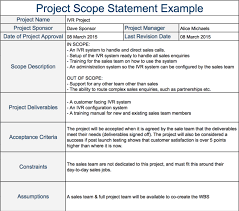
Project scope, as Schmidt (2011) pointed out, is the part of project planning in which a listing of exact project deliverables, goals, deadlines, costs and tasks are determined and documented. The documentation of a project’s scope defines the project’s boundaries, explains the roles of every member of the project team and spells out the procedures for how the finished work would be validated and approved (Patanakul & Shenhar, 2012). The document might be called the scope statement. The proposed project is aimed at developing software that would centralize the operations of Sparkle Enterprises Limited onto a single management platform for the purpose of improving resource allocation, operations management, and prioritization of the organization’s different operations/programs. All the company operations would be managed in this new software.
In the project, new software would be designed, developed, tested and implemented at Sparkle Enterprises Limited that would allow the company to track its operations and effectively manage all current programs, future programs and/or operations in its portfolio. By developing and implementing the new software, Sparkle Enterprises Limited would have a better leverage on its limited resources through prioritization of operations, efficient allocation of resources, and provision of proactive management oversight which is helpful in the identification and mitigation of risks prior to their adverse impact on operations. Therefore, successful execution of the proposed project would help to significantly reduce the company’s schedule delays as well as cost overruns. Relevant permissions and access would be granted to the administrator or a particular designated individual who will be in charge of updating, managing, and viewing programs and operations. All programs and operations would entail integration of a virtual dashboard including the important metrics for the provision of consistency in the methodology of measuring the performance of the programs and operations. Programs and operations dashboards will display budget data, schedules, assigned resources, potential risks, in addition to attained milestones.
On the whole, the project comprises all the work that pertains to planning, designing, developing/programming, implementing and installing the new software for Sparkle Enterprises Limited. This would entail gathering functional requirements for the software and obtaining input from the company’s departments and users of the system, server configuration, technical and conceptual design and coding work, testing, troubleshooting, and implementation of the new software across the company. The project scope will also include training and/or operational manuals as well as troubleshooting guides. Following successful completion and implementation of the proposed project at Sparkles Enterprises Limited, the expected deliverables include the following:
Deliverable 1: New software that is tested and fully operational free of errors and meet the stipulated specifications whose descriptions are in the Project Scope Description based on the functional requirements.
Deliverable 2: New tested and operational software template allowing users to enter software metrics and data consistently.
Deliverable 3: A complete and comprehensive user’s manual providing stepwise instructions on the usage of the software.
Deliverable 4: A complete as well as comprehensive troubleshooting guide providing corrective steps or measures to the software users.
With regard to cost and deadline, the proposed project would be carried out for a period of 6 months starting January 16, 2016 and completing it on June 9 2016 at a cost of $172,000.
The table below shows the roles and responsibilities of different stakeholders and members of the project team:
Name
Designation
Responsibilities
James Daniels
Sponsor
· Approving or denying requests for scope change as appropriate
· Evaluating requests for scope change need
· Accepting project deliverables
Margret Daniels
Project Manager
· Measuring and verifying project scope
· Facilitating requests for scope change
· Facilitating the assessments of requests for scope change impact
· Organizing and facilitating meetings for scheduled change control
· Communicating outcomes of requests for scope change
· Updating project documents after all scope changes are approved
Mary Roberts
Steering Committee
· Providing assistance to resolve issues arising from the project scope that are beyond the jurisdiction of the project manager
· Monitoring the progress of the project and providing necessary support and tools especially when project milestones are in jeopardized.
Bob Williams
Team Lead
· Measuring and verifying project scope
· Validating requests for the project scope change
· Participating in assessing requests for scope change impact
· Communicating outcomes of requests for scope change to the team
· Facilitating change review process at team level
Dave Jacobs
Team Member
· Participating in the definition of change resolutions
· Evaluating the need for changing the scope and subsequently communicating them to the project manager appropriately
Tom Smith
Team Member
· Participating in the definition of change resolutions
· Evaluating the need for changing the scope and subsequently communicating them to the project manager appropriately
Resource loaded Work Breakdown Structure and schedule
A Work Breakdown Structure is essentially understood as a chart wherein the crucial work elements, commonly referred to as tasks, of the project are shown to illustrate how they relate to each other and to the entire project altogether (Killen et al., 2012). It is worth mentioning that the Work Breakdown Structure’s graphical nature helps the project manager in predicting outcomes basing upon different scenarios, which could ensure that the best possible decisions are made with regard to whether or not to adopt suggested procedures (Colber, 2014).
For the proposed project, the Work Breakdown Structure is illustrated in the chart below:
The resources required to complete the project effectively comprise human resources including the project manager, programmers and system analyst; financial resources; and computer hardware resources such as computers, servers, a router, cables, backup devices, disk storage devices, and universal power supplies (UPSs).
Schedule
Task Name
Duration
Start
Finish
1
Scope
107 days
1/18/2016
1/29/2016
2
Determining project scope
1 day
1/30/2016
1/30/2016
3
Secure project sponsorship
2 days
1/31/20116
2/1/2016
4
Order preliminary resources
2 days
2/2/2016
2/3/2016
5
Secure core resources
5 days
2/4/2016
2/10/2016
6
Scope complete
0 days
2/10/2016
2/10/2016
7
Analysis of software requirements
20 days
2/11/2016
3/9/2016
8
Conduct analysis needs
2 days
2/11/2016
2/12/2016
9
Draft preliminary software requirements
2 days
2/13/2016
2/15/2016
10
Develop preliminary budget
2 days
2/16/2016
2/17/2016
11
Review software specifications/budget with members of the project team
1 day
2/18/2016
2/18/2016
12
Integrating feedback
1 day
2/19/2016
2/19/2016
13
Develop delivery deadline
4 days
2/20/2016
2/24/2016
14
Obtain approval to proceed
5 days
2/25/2016
3/2/2016
15
Secure the required resources
3 days
3/3/2016
3/7/2016
16
Analysis complete
0 days
3/8/2016
3/8/2016
17
Design
30 days
9/3/2016
4/19/2016
18
Review preliminary software specifications
2 days
3/9/2016
3/10/2016
19
Develop functional requirements
3 days
3/11/2016
3/15/2016
20
Develop prototypes
14 days
3/16/2016
4/4/2016
21
Review functional requirements
2 days
4/5/2016
4/6/2016
22
Incorporate feedback
8 days
4/7/2016
4/18/2016
23
Design complete
0 days
4/18/2016
4/16/2016
24
Development
35 days
4/19/2016
6/6/2016
25
Review functional specifications
3 days
4/18/2016
4/21/2016
26
Identify design parameters
10 days
4/22/2016
5/5/2016
27
Implement prototypes
22 days
5/6/2016
6/6/2016
28
Development complete
0 days
6/6/2016
6/6/2016
29
Testing the new software
8 days
6/7/2016
6/16/2016
30
Training
4 days
6/17/2016
6/22/2016
As illustrated in the schedule above, the entire project would last a total of 6 months. The human resources who would be required to ensure effective completion of the project are as follows: 1 project manager; 1 team leader who will also act as the supervisor; 5 software developers/software designers/analysts who are the team members. Therefore, the entire workforce would comprise only 7 personnel.
Cost estimates for every activity
Developing an effective budget for a software development project is often contingent on developing all-inclusive software engineering schedule and cost models with the use of industry-standard estimation methods. Pinto (2010) pointed out that to accurately determine the budget for a software development project, it is important to first identify both the scope and type of the software product being developed by the project team. Developing software that has complex features and benefits would certainly increase the amount of time needed for testing. It also increases the costs linked to production of the software.
With regard to the financial resources needed for the current project, the total estimated budget is $172,000. This amount is broken down as follows:
Ref.
Project Expenditures
Quantity/units/days
Rate per unit ($)
Total ($)
1
Hardware costs
1.1
Computers
6
$500
$3,000
1.2
Servers
2
$3,500
$7,000
1.3
Backup devices
3
$1,500
$4,500
1.4
Disk storage
2
$300
$600
1.5
Universal Power Supply (UPS)
1
$450
$450
1.6
Additional processing services which could be permanent or temporary for instance through cloud services
1
$1,000
1,000
1.7
Router
1
$1,000
$1,000
1.8
Cabling / cables
7
$200
$1,400
$18,950
2
Personnel
2.1
Project manager
1
$13,800
$13,800
2.2
Team leader
1
$12,000
$12,000
2.3
Software developers, software designers, analyst making up the project team members
5
$13,800
$69,000
$94,800
3
Software requirements analysis
20 days
$500
$10,000
4
Software design
30 days
$500
$15,000
5
Software development and programming
20 days
$500
$10,000
6
Software testing and installation
35 days
$350
$12,250
7
Security application for the software
1 antivirus software and firewall
$1000
$1,000
8
Training
1 day
$5,000
$5,000
9
Contingency
N/A
$5,000
$5,000
$58,250
Total
$172,000
Cost assumptions
This current project would be carried over a period of 6 months. When deriving the cost estimates illustrated above, the cost assumptions that were made include the following:
The personnel would be paid not on an hourly rate, but on a monthly rate for a period of 6 months. For instance, the cost of employing project manager is $2,300 per month which adds up to $13,800 for the 6-month period, and that of employing one team leader is $2,000 per month amounting to $12,000 for six months.
Once the system has been completed successfully and deployed at Sparkles Enterprises Limited, a firewall and/or antivirus software would be installed, which would cost an estimated $1,000. This would help in protecting the new system against any malicious software from outside the organization.
The charges for software requirements, software design, software development/programming, as well as software testing and installation are essentially the funds which the project team members would incur in the course of the project. They are not part of the personnel fees.
The contingency funds amounting to $5,000 as shown in the budget is reserved for responding to any risks that are identified.
Indirect costs are the charges and other overheads which are shared out across different departments or many activities such as computers.
Direct costs are the expenditures that are exclusive to this particular project and consist of the resources that are directly involved in delivering the work and managing it (Wysocki, 2013). The following charges are examples of direct costs for this project: charges for software requirements, software design, software development/programming, software testing and installation, and training.
Fixed costs do not change in spite of how much output is attained for instance cost of the building, whereas variable costs change depending on the amount of resource that is utilized, for instance wages for the personnel involved in the project (Kendrik, 2013). If the duration of the project increases to 7 or more months, then the salaries would also increase.
References
Colber, V. (2014). Work Breakdown Structure. Moraga, CA. Bright ideas and concepts.
Kendrick, T. (2013). The Project Management Tool Kit: 100 Tips and Techniques for Getting the Job Done Right, (3rd ed.). New York, NY: AMACOM Books.
Killen, C. P., Jugdev, K., Drouin, N., & Petit, Y. (2012). Advancing project and portfolio management research: Applying strategic management theories. International Journal Of Project Management, 30(5), 525-538. doi:10.1016/j.ijproman.2011.12.004
Patanakul, P., & Shenhar, A. J. (2012). What project strategy really is: The fundamental building block in strategic project management. Project Management Journal, 43(1), 4-20. doi:10.1002/pmj.20282
Pinto, J. K. (2010). Project Management: Achieving competitive advantage (2nd ed.). Boston, MA: Prentice Hall.
Schmidt, T. (2011). Strategic Project Management Made Simple : Practical Tools for Leaders and Teams. Hoboken, N.J.: John Wiley & Sons
Wysocki, R. K. (2013). Effective Project Management: Traditional, Adaptive, Extreme, (11th ed.). Hoboken, NJ: John Wiley & Sons Inc.
We can write this or a similar paper for you! Simply fill the order form!
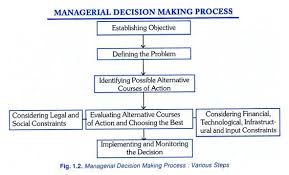
Years of hard work and perseverance have earned you the job that you coveted—head chef at a fabulous and very popular restaurant. But as you go about trying to implement ideas that you think will improve an already strong business, you find that innovative thinking is not always happily received by management. And it is not just the restaurant manager you must convince; there is an owner and even some patrons who seem to be very influential in the decision-making process. It appears that innovative ideas must come with a virtual guarantee of success. If only there were ways to tangibly demonstrate the efficacy of your plans.
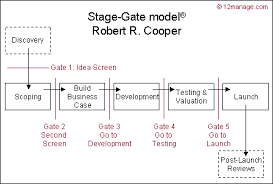
In a way, project managers face similar challenges. It seems that innovative thinking is encouraged but then resisted. Tangible means are needed to bring new successful ideas to the fore. This is where the Stage-Gate theory comes in.
In a 2 page word document, respond to the following questions:
• What are the benefits and limitations of using the Stage-Gate product innovation process in project management?
• How might a project manager utilize Stage-Gate theory to encourage, maintain, or discourage management support of a project?
o Be specific and provide examples and also use sources not older than 5 years pear review articles.
SAMPLE ANSWER
With an already healthy business, it is of importance to use a well-defined set of methodologies and strategies to reduce the risk of either getting a less-than-expected project return, or even a total project failure. The adoption of the stage gate theory is, therefore, necessary and have been adopted by many organizations to reduce the risk of new product development failure. In this theory and a strategic approach, it ensures that a project remains aligned with its initial strategic goal such that its value remains high to facilitate the progress of the project to the next stage. Sometimes, already flourished businesses and investments may deviate from its goal focuses due to small modifications brought about by the management or any other decision makers and, on the other hand, slight changes can lead to success that or turns around the project focus to a new level that can lead to a great success (Wang, 2013).
The stage gate model comes in handy with many advantages which in turn may lead to a total focus on the project’s goals and ensures that the project improves in its quality. One of the advantages of using the stage-gate product innovation process is that the initiative can be a source of competitive advantage. Competition is a necessary tool for any business or an investment that enables it to remain relevant in the field. Product development is also accelerated with the use of the stage gate methodology, which is necessary because of shortening the product life cycles (Newton, 2011).
Apart from the advantages of the stage-gate methodology, the increased chance of new products is another benefit of this strategy. This approach helps to improve the chances of any business in the identification of new products hence preventing early project failures and hence helping to redirect them. The stage-gate process helps to break down the broad and complex innovation processes into smaller manageable corporations and hence encouraging specialization within the project. It aids in realizing a shortened product life cycle (Wang, 2013).
On the other hand, the stage-gate process comes in handy with some limitations to a project or an investment that is already flourishing. Although at each stage the process is conducted in parallel, the stage-gate approach performs its process in a regular form regarded as the waterfall. Innovation is supposed to be carried out in an organized parallel manner, and it is according to some innovation experts. Another limitation of the stage-gate approach to a project model is that the framework does not deal with the discovery process and hence does not deal with the activities of the creation of new ideas. A tension normally exists between the creativity and organization within a project development, and they are crucial within a project development. For a successful organization, the gap between organization and creativity should not exist and hence a limitation of the stage-gate process in a project (Newton, 2011).
For one to manage a business properly using the stage-gate innovation process technique, there are some factors to consider. For example, the new manager should never ignore any advice from any board of managers since they are well informed of the previous lessons in the project progress. For a successful manager, a proper understanding of the process is essential for the maintenance and the striking forward of the business and the project. Being flexible helps in the encouragement and the support of the project at any level. The need to facilitate any project success includes a proper preparation of the software infrastructure. With this, the managers are able to encourage, maintain, and support the project.
Upon conclusion, several components are needed by any business when using the stage-gate innovation model for the realization of new product development and hence the success of the ongoing activities. An integrated approach using this model avoids the many unnecessary failures of projects and businesses.
References.
Wang, X. (2013). Agile and lean service-oriented development: Foundations, theory, and practice. Hershey, PA: Information Science Reference.
Newton, R. (2011). The management book. Harlow: Financial Times Prentice Hall.
Information Resources Management Association. (2014). Software design and development: Concepts, methodologies, tools, and applications. Hershey, Pa: IGI Global (701 E. Chocolate Avenue, Hershey, Pennsylvania, 17033, USA.
Meredith, J. R., & Mantel, S. J. (2012). Project management: A managerial approach. Hoboken, NJ: Wiley.
We can write this or a similar paper for you! Simply fill the order form!
1. choose an English Language Learner in your school (or an ELL who may have previously attended your school) and collect the English-Learner Profile information from Figure 1.1 on page 6 about that student in a word-processed document..
Look at attachment to fill out figure 1.1.: I filled out some of it. Just finish the rest.
2. Provide specific examples of some of the factors that impact an ELL’s new language acquisition
PART 2
1. How does the existence of a macroculture and microcultures affect schools in the United States?
2. Describe cultural relativism in your own words.
3. Describe some characteristics of the mainstream culture of the United States.
4. What are the implications of culture on people’ s attitudes toward schooling?
5. Define ethnography and describe two ethnographic techniques.
SAMPLE ANSWER
Esol
Part 1
Factors that affect English Language Learners’ (ELLs) second language acquisition include psychological factors, age, background of the learner, and previous L2 experience. Other factors include socio-emotional factors such as level of anxiety, motivation, self-esteem, attitude towards the educator and the class, and attitude toward L2. The learning style or cognitive style and learning strategies are also key factors. Furthermore, sociocultural factors such as family values, family acculturation and usage of L2 and L1, sociocultural support for L1 within the classroom environment, and institutional support for L1 are also important factors that affect ELLs’ second language acquisition.
Part 2
The existence of a macroculture and microcultures affect schools in America in that a multi-cultural curriculum has to be established that would allow students to learn vital concepts while integrating cultural diversity into everyday lessons and the overall curriculum. Moreover, because of the existence of a macroculture and microcultures in the United States, multicultural curriculum has to be organized around themes or concepts that deal with culture, history, contemporary experiences of ethnic minority groups in American life, contributions of ethnic groups to America’s mainstream culture, as well as expressions like discrimination, immigration, cultural assimilation and acculturation, and protest and resistance (Banks & Banks, 2012).
Cultural relativism is essentially the principle concerned with the practices, values and beliefs of a culture from that culture’s perspective. This principle holds that the activities and beliefs of an individual have to be understood by other people in terms of that person’s own culture. In essence, actions should not be measured by other people’s standards, but rather by the standards of a person’s own unique culture (Terry, 2010). In the United States, the mainstream culture is characterized by a collective set of symbols, ideals, and values which comprise the core culture. The mainstream culture is shared in some measure by all the different ethnic and cultural groups in the country. In this culture, individualism is an ideal.
The implication of culture on people’s attitudes towards schooling is that learners would be able to understand and appreciate dissimilarities and similarities amongst different ethnic groups in the school community. Learners should understand and acknowledge human diversity. Understanding and appreciating human diversity is fostered through direct interpersonal contact as well as through awareness of the culture and history of diverse groups, including their art, music, inventions, myths, stories and values. Ethnography essentially refers to a type of qualitative research that studies an entire culture. The aim of an ethnographic approach is cultural interpretation. The ethnographer goes further than just reporting details and events of experience. In particular, the ethnographer tries to explain the way in which these represent the cultural constructions wherein people live. Two ethnographic techniques include (i) participant observation which is carried out as a part of field research – this is typified by a long-lasting engagement, perhaps months or years, in the location in which the ethnography occurs; and (ii) interviews – the ethnographer asks specific but unstructured, open-ended questions.
References
Banks, J. A., & Banks, C. A. M. (2012). Multicultural Education: Issues and perspectives. Ethnic and racial studies, 17(5): 19-26
Terry, N.P. (2010). Cultural and linguistic diversity: Issues in education. Ethnic and racial studies, 16(2): 80-98
We can write this or a similar paper for you! Simply fill the order form!
The purpose of this paper is to provide practical application of material learned by developing concepts presented in the presentations. The body of the paper must be at least 6 pages (double spaced, 12-pt font). In addition to the body there must be a separate title page and a page of references. A separate abstract is not necessary and must be omitted.
Do not attempt to write the paper without carefully studying the related presentations. To achieve more than a passing grade, you must demonstrate a mastery of the presentations and factual information and incorporate those ideas into your papers. Naturally, stylistic points such as grammar and spelling will be considered in grading. Your paper must be in current APA format. Doing the minimum amount of work does not guarantee a perfect score.
-The research paper has 2 steps. First, you will analyze the background of your congressional district and your U.S. Representative. Second, you will analyze the political background of your state and 1 of your U.S. Senators. You may choose which senator to study; however, if one senator is newly elected and does not have interest group ratings, choose the other one. Note that these are United States Representatives and Senators. Do not use members of your state legislature.
——MY STATE IS MARYLAND——
-Begin by reviewing the presentation on “Becoming an Informed Voter.” After reviewing the presentation, you will write an essay with 2 parts. The first part will deal with your congressional district and congressman; the second part will deal with your state and senator. As explained in the presentation, interest group scores may be found at http://www.votesmart.org.
****REMEMBER MARYLAND IS MY STATE****
A helpful source to find information for this paper is The Almanac of American Politics by Michael Barone and Chuck McCutcheon.
This essay will address a number of questions:
• What is the recent political history of your district and state?
• How have they voted in recent presidential and congressional elections?
• Can your district or state be considered to be leaning Republican or leaning Democratic?
• Are the parties relatively even or does one party dominate the elections?
• Does your district have a long tradition of supporting one party or has it been changing in recent years?
• How did your representative and senator come to power? (Thoroughly describe their backgrounds.)
• How do the interest groups (ADA, ACLU, ACU, CC or FRC) rate your representative and senator? (Note: If the Christian Coalition score is not available, you may substitute the Family Research Council score. Include the exact scores from each of these groups. The rationale for this is explained in the presentation.)
• Based on these ratings, would you classify your representative and senator as conservative or liberal? Justify your answer.
The 3rd congressional district in the state of Maryland consists of Anne Arundel, Baltimore, Howard and other considerable parts of the independent city of Baltimore. Currently, Maryland’s 3rd congressional district is represented by a Democratic John Sarbanes. Some of the landmarks in this district include the Maryland Science Centre, Annapolis, Fort McHenry and the state’s capital. Three previous individuals to represent Maryland in the US Senate include the former representative of the 3rd district such as the retired senator Paul Sabarnes, current senators Barbara Mikulski and Ben Cardin. The 3rd district’s gerrymandering resulted from the support for a Democratic candidate in the 2000 and 2010 consensus. In 2012, the 3rd district was the least congressional district across the US (Barone and Cohen, 2013).
Consequently, the 3rd district is among the 61 districts that elected a representative to the first US Congress. It was initially included Maryland, Prince George’s County, and Anne Arundel. In 1792, the district was moved to comprise eastern half of Fredrick, Montgomery and Maryland counties (Pedersen, 2001). Again, in 1853, the 3rd district was redrawn to include Baltimore County apart from western and northern regions of the county and a third of the eastern part of Baltimore city. In the 1860 census, Maryland was cut to about five congressional districts while the 3rd congressional district was extended to include areas of the Baltimore, which were not part of the district before 1863 (Pedersen, 2001).
What is the recent political history of your district and state?
The recent political history of the 3rd congressional district is the most gerrymandered not only in Maryland but also across the US. The 3rd congressional district and Maryland the assembly is especially aggressive as well as creative. The assembly has been able to shift the majority of black electorates from Al Wynn’s majority-minority fourth district into eighth district, to expel the Republican representative. Again, in 2012 the Maryland’s assembly removed the current. Roscoe Bartlett by cutting his district into a half while merging it to a prosperous, democratic neighborhood near D.C, which made Bartlett lose by about twenty, points (Barone and Cohen, 2013). Currently, the Democrats control 7 out of 8 House seats.
As a matter of fact, gerrymander issue has been exaggerated; Marylanders still uphold the law and voted for Barack. The 3rd district under John Sarbanes includes metro regions of D.C; Annapolis and Baltimore are the ugliest and least compact across the United States. Much as Sarbanes was not likely to lose the race, the recent amendments offered him a position to get hold of the rich Democrats from the county of Montgomery- likely supporters of the future senatorial campaign. Some Democrats were not happy with such a move that was as a result of Donna Edwards., a black congresswoman.
How did your representative and senator come to power? (Thoroughly describe their backgrounds.)
John Sarbanes sought the Democratic nomination for the third district following a decade incumbent Ben Cardin, who forfeit the seat to run for the senatorial position of John Sarbanes’s father, Paul Sarbanes. The primary campaign involved Paula Hollinger the state senator, Peter Beilenson the former Baltimore City Health Commissioner and Oz Bengur the former Maryland Democratic Party Treasurer. During the September 2006 nominations, John Sarbanes won with approximately 31.9% votes (Barone and Cohen, 2013). In the general election, his Republican rival was John White, the Annapolis, and marketing executive. Nevertheless, Maryland’s 3rd district is mainly democratic from 1927 and some expected that Sarbanes to experience challenges in the elections. Furthermore, some allege that Sarbanes won the election following the popularity of his father, Paul Sarbanes, who was the representative of the 3rd district from 1971-1977. During November 2006 elections Sarbanes worn with about 64 percent, the White gained 34% votes while Charles Curtis McPeek the Libertarian got 2 percent. Sarbanes has been reelected four times without practical opposition.
Campaign funds
John Sarbanes campaign income in 2008 was about USD 1,012,936 and spend about USD 799,506 (Barone and Cohen, 2013). His chief supporter was Veneble LL6; USD 38,854, a place he spent 18 years (1989-2006) for his legal career, which represents non-profit health care facilities providing quality care to Marylanders. Other supporters were Chesapeake Partners Management, Johns Hopkins University, Carpenters & Joiners Union. The main industries that contributed funds to Sarbanes campaign are interest groups, lawyers, health, labor and real estate.
How have they voted in recent presidential and congressional elections?
Maryland’s 3rd congressional district held elections in November 2014 for US general elections. John Sarbanes, a Democrat, defeated his opponent Charles Long a Republican with 128,594 votes or 59.6 percent. Sarbanes also won the Democratic primary against his challenger Mathew Molyett. On the other hand, Charles Long won the Republic nominations against Thomas Harris and Michael Jackson. Moreover, in 2012 presidential election Barrack Obama, a Democratic candidate garnered majority votes in Maryland’s 3rd congressional district; he won with 49.39 percent against Mitt Romney with 49.31%. The state of Maryland is among the 21 states associated with the mixed primary structure. The parties have the right to elect who can vote in the primary and close the process to all electorates apart from those registered under their party.
Does your district have a long tradition of supporting one party or has it been changing in recent years?
Political parties
The Democratic and Republican parties are central political parties commanding huge following in Maryland and especially the 3rd district. Towards the Civil War, the Democratic Party drew a significant part of their ability from eastern shores and their enemies from Whigs, who were common across Baltimore. The collapse of the Whigs led to the rise of the Native American party, which viewpoint on anti-immigrant and anti-Catholics attracted Marylanders as they believed that their wellbeing was vulnerable to Roman Catholics immigrants. Maryland was the only state to vote for the presidential candidate of the American Native party. Nevertheless, declined remarkably and Maryland started to support the Democratic Party, electing John Breckinridge, the secessionist. In the 1970s corruption and peddling afflicted the main parties and in 1973 Spiro T. Agnew, a Republican and the Vice President of US during that period was accused taking money from individuals engaged in business dealings in the state especially when they were in Baltimore County and Maryland’s governor. In 2000, the majority of Marylanders supported the Democratic party, for example, 57% voted for Al Gore a Democrat, 40% for the Republican George Bush and three percent to Ralph Nader, the Green, party candidate. Two years later, John Kerry a Democratic challenger won 55.7% votes against Bush with 44.6 percent in 1994, governor election was a major race in the history of Maryland, Democrats won and reelected in 1998 and 2002 Robert L. Ehrlich Jr. a Republican was elected. In 2000 and 2004, both Sarbanes and Mikulski, from Democratic Party got re-election. As of 2004, approximately 3,105,000 voters were registered, of which 58% were Democrats, 20% Republicans and 12 percent independent members. Additionally, the congressional delegation comprised of 6 and 2 democrats and republicans respectively.
How do the interest groups (ADA, ACLU, ACU, CC or FRC) rate your representative and senator?
Interest Group
Some interest groups periodically publish congressional scores to assess the representatives as well as senators position on particular issues. These scorecards are mainly obtained from determining the manner in which member voted to how the group could have voted on a given legislation and provide a score to demonstrate how vote match up (Mitchell, 2007). This means interest groups rate representatives and senators in the way they vote. Common awareness groups consist of the American Conservative Union (ACU) and Americans for Democratic Action. They stem from the conservative and progressive wings respectively. These groups give the score of 8 and the mean of every senator. Nevertheless, the scores are not independent. In most cases, senators who get a good score from ADA are likely to score poorly from ACU and vice versa (Mitchell, 2007). When 4 progressive and four conservative groups are used, then each senator will score 50%, which is not interesting. To address this issue, it is appropriate to use progressive groups, since a legislator with a high rating is rather prospective, that is, they support every progressive project, and he becomes a liberal thinker (Barone & Cohen, 2013). On the contrary, a conservative senator has a low ranking, as such, against all ongoing projects.
Table 1: Interest Group Ratings
State
Senator
ACLU
ADA
CDF
LCV
NAACP
NARAL
PTA
SEIU
Mean
Maryland
Paul Sarbanes
78
100
100
100
100
100
100
100
97
Maryland
Ben Cardin
78
90
89
85
95
100
100
100
92
Political background Maryland and Senator Ben Cardin
Maryland is one of the first thirteen colonies that joined the Union in 1788, and it has taken part in all the 57 presidential elections. Furthermore, Maryland has been mainly “blue” state following the introduction of contemporary political parties during the period of Civil war. From 1960, Maryland has been voting for Republicans in the landslide such as Nixon in 1972, Reagan in 1984 and Bush in 1988. In 2012, Obama easily defeated Romney. On politics, there are two Marylands. The Democratic Maryland is multiracial and includes all socioeconomic groups stretching to parts of Washington and Baltimore metropolitan regions (Sheckels, 2006).
The second part is the Republican Maryland that is primarily rural, dominated by white community and conservative. It includes Maryland Tidewater and western counties of Maryland. The early 21st-century Republican Party Maryland is not similar to the previous one, which was progressive compared to social and fiscally conservative Democrats. Modern Republican candidates demonstrate policy standpoints of the party such as protection of property rights, Anti-tax, anti-government and anti-abortion. Republicans opposition to the dominance of democratic is not only deep-seated but also the degree of politics generated by this problem is intense compared to the present day history of Maryland. Cardin joined politics while in law schools and served in the Maryland House of Delegates from 1967 -1968. In 1986, when Barbara Mikulski, a US representative, declared to view for the senatorial seat; Cardin joined the race in the House of Representative and was victorious by a decisive margin. He served from 1987 to 2007, an era he became well known for his efforts in social works such as health as well as other initiatives (Mitchell, 2007). Cardin is known for his support for child welfare, the bill to expand child programs, health benefits and high tax credits for children. In 2005, when Senator Paul Sabres announced his retirement, Cardin joined the race, he was successfully in the tight contested Democratic primary and defeated his challenger Michael Steel a Republican. In 2007, Cardin assumed office and set the record straight as a liberalist (Mitchell, 2007). He was considerably interested in the environment, enforced a law to safeguard the Chesapeake Bay while seeking to reinforce standards of clean water. Also, he is an active foreign policy fun and became a member of Foreign Relations in the Senate committee.
References
Barone, Michael; Richard E. Cohen (2013). The Almanac of American Politics 2010. Washington, D.C.: National Journal Group.
Estache, A., & Foucart, R. (2013). Benchmarking Politicians.
Mitchell, C.W. (2007). Maryland Voices of the Civil War. JHU Press. 548pp.
Pedersen, V. L. (2001). The Communist Party in Maryland, 1919-57. University of Illinois Press.
Sheckels, T. F. (2006). Maryland Politics and Political Communication, 1950-2005. Lexington Books.
We can write this or a similar paper for you! Simply fill the order form!
Requested deadline NLT 5pm Saturday 1/23/16 must be at least 2 pages, which doesn’t include title & reference pages.
I am including the actual assignment from the course as well as the headings required, the chosen company is Wells Fargo. Please also use the following to access South University library as well as the syllabus. At least one source must be cited from the school library.
https://mycampus.southuniversity.edu/portal/server.pt? User Name – tiffany_shakepeare / Password – Pr@1seH1m Feel free to contact me at 334-201-0479
ASSIGNMENT DETAILS
Organization Project – 2: Managerial Decision Making
Research your chosen company. Find a minimum of one library source, which will support your thesis in this assignment. Review your assigned weekly lecture and text reading. Select from this reading 3-5 key concepts, which will also support your thesis. In a two to three page paper, address the questions below. Your paper should follow APA format including a title and reference page. The two to three page paper length requirement does NOT include the title page and reference page. Refer to your classroom area titled South University Policies and Guideline. Using APA Standards in Your Coursework to ensure you are following the correct format.
Describe some of the key decisions its management has faced within the past year or two. Identify an ethical issue the organization either faces or has faced in the past. If it has not been resolved, provide an analysis of how the issue should be addressed. If it has been resolved, critique how the organization resolved this issue based on the materials you have reviewed on ethical decision making.
The below are the headings to use for the above assignment:
Week Two Assignment
Introduction
You should write your introduction here. Describe what your paper is going to be about. Make sure you use third person referencing throughout your entire paper.
Key Managerial Decisions in the Past Two Years
This section of your paper should describe some of the key decisions managers have made in the past two years. This is information you will need to interpret based on what you have read about the organization. Minimally you should be writing one full paragraph with 4-5 sentences. You may need two paragraphs to fully address this. You should include one piece of information from the text or lectures to support your work. You must use in text citations to demonstrate you have used this material. Hint the lecture materials on decision making as well as the text materials on Managerial Decision Making should be helpful.
Ethical Issue Organization has Faced
This section of your paper should describe some of the ethical issues the organization has faced. Again you will have to interpret this information based on what you have read about the organization.. Minimally you should be writing one full paragraph with 4-5 sentences. You may need two paragraphs to fully address this. You should include one piece of information from the text or lectures to support your work. You must use in text citations to demonstrate you have used this material. Hint the lecture materials on the Importance of Ethics and the text materials on Managing Ethics and Social responsibility should be very helpful in this section.
Conclusion
Write a one paragraph conclusion summarizing your paper.
References
SAMPLE ANSWER
Organization Project – 2: Managerial Decision Making
Introduction
Every business decision has a moral or ethical dimension since it has an effect on the company’s stakeholders (Robbins & Coulter, 2010). In this paper, some of the main decisions which the management of Wells Fargo bank has faced over the past 2 years are described in detail. An ethical issue which this company has faced within the past two years is also described. An analysis of how the ethical was resolved or should be resolved is provided basing on the materials reviewed on ethical decision making.
Key managerial decisions in the past 2 years
Over the past 2 years, the top management of Wells Fargo bank has made a number of key managerial decisions. Firstly, in order to improve sales and revenue for this financial institution and increase value for shareholders, Well Fargo’s senior executives in the year 2014 put tremendous sales pressure on the company’s staff members. The management also launched Wells Fargo’s going for gr-eight initiative which pushed the bank’s average client to have 8 dissimilar accounts. As a result of this initiative, Wells Fargo’s bankers were pressured to victimize clients or else face consequences such as getting fired for being unable to achieve sales quotas (Zacks investment research, 2015). Ethical decision making is the process in which the decision-maker assesses the ethical implications of a given course of action. In making the managerial decisions, Well Fargo’s top executives certainly did not assess the ethical implications of their decisions (Hartman, 2011).
Ethical issue that Wells Fargo has faced
In the year 2015, an ethical issue that Wells Fargo bank faced was treating its clients and staff members in an unethical manner. This financial firm was accused of setting unrealistic and unreasonable sales targets for its workers and encouraging its employees to adopt fraudulent means to meet the preset quota. Staffs at this corporation assumed deceitful tactics in achieving the stipulated impractical sales targets, for instance by issuing illicit credit cards, opening illegal and needless customer accounts, and forging signatures of clients and charging fees on accounts of clients who are unaware. When they got complaints from customers pertaining to this matter, Wells Fargo refunded such fees only in part and not in full, and it then misstated the phone numbers of those clients so that they are not reached for client satisfaction surveys. Furthermore, the senior managers of this bank did not protect the bank’s clients from the financial harm when they found out about the violations by their employees (Zacks investment research, 2015).
This issue has not yet been resolved by Wells Fargo. The case of Wells Fargo bank is a clear illustration of poor decision making in which the bank’s management made poor ethical decisions. For this issue to be resolved in an effective manner, it is recommended that Wells Fargo should reimburse its customers the fraudulent fees which it charged them and secondly, Wells Fargo should discontinue such unethical and deceitful practices in the future. Wells Fargo should focus on the best interest of its clients and create an ethical, caring and supportive environment for its employees and team members. Non-existent or weak governance structures at Wells Fargo resulted in poor ethical decision-making (Hartman, 2011). As such, Wells Fargo’s management should put in place effective business controls and oversight at all times. The managers should understand ways of leading ethically (Robbins & Coulter, 2010). Furthermore, people in this bank should learn ways of resisting to act in an unethical manner.
Conclusion
In conclusion, Wells Fargo’s senior management encountered an unethical issue when they pressured the employees to achieve impractical and unrealistic sales targets. As a result of this pressure, the bank’s employees utilized fraudulent tactics to attain the impossible targets. This ethical issue is yet to be resolved properly. A straightforward and practical solution is for this bank to pay back its customers the fraudulent fees which it charged them and cease its fraudulent practices in the future.
References
Hartman, L. P. (2011). Business ethics: decision making for personal integrity and social responsibility. New York, NY: McGraw-Hill/Irwin.
Robbins, S., & Coulter, M. (2010). Management (10th ed). New York, NY: Pearson Education Inc.
Zacks investment research. (2015). Wells Fargo sued by city of Oakland over predatory lending. Chatham: Newstex. Retrieved from http://search.proquest.com/docview/1715737472?accountid=87314
We can write this or a similar paper for you! Simply fill the order form!
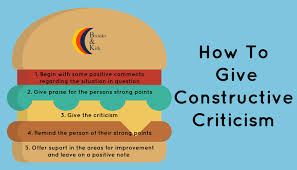
The writer will have to read each of this articles and react to them by commenting, analyzing and supporting with relevant articles. The writer will have to read carefully before giving constructive comments on the article. The writer should write a one paragraph of at least 150 words. APA and in text citation must be use as each respond to the two articles must have in text citations. The writer will have to use an article to supports his comments in each of the article. Address the content of each article below in a one paragraph each, analysis and evaluation of the topic, as well as the integration of relevant resources.
the details will be sent via email
SAMPLE ANSWER
Comments and constructive criticism
Article 1
In this article, the student is spot on by stating that in the management of a company’s strategic initiatives, the project manager should link the objectives of the project to the company’s overall vision, mission and goals by initiating a strategy as this would help the organization attain its goals and objectives. Schmidt (2010) pointed out that each project has to support the strategic plan of the organization. To ensure this linkage – that is, to ensure that every project in a company actually contributes to the company’s strategic plan –, projects should be integrated within the organization’s strategic plan and this integration necessitates a process that can be used to prioritize projects based on their contribution to the strategic plan. In the discussion post, the student is also right by revealing that the project strategy translates into the strategic plan of the organization. An organization’s effectiveness and efficiency is very likely to improve when the project manager properly aligns the project objectives with the organization’s overall goals, vision and mission (Gale, 2013). This is something which the student has rightly articulated in the post.
Article 2
In this discussion post, the student eloquently and accurately stated that the mission of a company is a potent driving force that steers the company forward and that a key role of the project manager is to ensure that every project actually aligns to the organization’s mission and key strategic initiatives. To add on this point, projects are the tools that are used to implement an organization’s strategy. Effective project management should start with choosing and prioritizing those projects which actually support the strategy and mission of the organization (Purushottam & Rwelamila, 2011). The priority system has to focus attention on the organization’s major goals and mission and foster consensus to which projects are of the greatest priority. In essence, it gives rise to a portfolio of projects which balance opportunities and threats and provide a better resource usage (Morris & Jamieson, 2012). In addition, the student has rightly pointed out that if the project is not aligned with the organization’s mission and key initiatives, then the projects are likely to fail. Moreover, the company’s mission and key initiatives may not be attained without the alignment.
References
Gale, S. F. (2013). Four Steps to a Stronger PMO. PM Network, 27(12), 30-35.
Morris, P. G., & Jamieson, A. (2012). Moving from corporate strategy to project strategy. Project Management Journal, 36(4), 5-18.
Purushottam, N., & Rwelamila, P. D. (2011). Strategies in a multi-polar world: opportunity for application of project management approaches. Business Studies Journal, 3109-117.
Schmidt, T. (2010). Strategic Project Management Made Simple : Practical Tools for Leaders and Teams. Hoboken, N.J.: Wiley.
We can write this or a similar paper for you! Simply fill the order form!
Assignment needed is as posted on your site “Manager’s Functional Role in the Organization”, however at least one sited source is required to be used from the school’s library. This assignment is due tonight by 11pm. 1/16/16
User Name – tiffany_shakepeare
Password – Pr@1seH1m
Assignment is 2-3 pages plus title & reference page. At least one reference must be from the schools library. You can also click on the syllabus to view the chapter readings for week 1. I would like to use Wells Fargo. Please remember that all papers are run through Turn-it-in to check for plagiarism.
The below is a copy of the actual assignment requirements:
Assignment 3: Selecting An Organization – Course Research Project
Choosing an Organization
Select one of the following companies to study in depth over the next 4 weeks.
BP Oil
Kimberly-Clark
Kroger
Nucor
Walgreens
Wells Fargo
Kaiser Permanente
Ascension Health
Google
Apple
Your own organization*
Your final project for each week in this course will require you to examine this organization. * If you wish to use your current organization in which you work, you must have this approved in writing by your instructor before moving forward with the assignment.
Research your chosen company. Find a minimum of one library source, which will support your thesis in this assignment. Review your assigned weekly lecture and text reading. Select from this reading 3-5 key concepts, which will also support your thesis. In a two to three page paper, address the questions below. Your paper should follow APA format including a title and reference page. The two to three page paper length requirement does NOT include the title page and reference page. Refer to your classroom area titled South University Policies and Guideline: Using APA Standards in Your Coursework to ensure you are following the correct format.
Managers have the responsibility to oversee and influence the direction of an organization. Their input is critical to an organization’s performance and success. Describe the manager’s functional role in the organization. Explain expectations of the role. Evaluate how the manager fulfills the expectations of the role. Explore the different types of planning in your assigned reading. Explain what specific planning challenges you think this manager might face on a day-to-day basis. Provide examples. Compare these planning challenges to a manager in a similar position of 25 years ago.
Post your report in the W1: Assignment 3 Dropbox by Week 1, Day 6.
Assignment 3 Grading Criteria
Maximum Points
Submitted a two to three page research paper that included one library source and provided 3-5 key course concepts to support work.
10
Described the manager’s functional role in the organization. Explained expectations of the role.
10
Evaluated how the manager fulfilled the expectations of the role.
5
Explained what specific planning challenges this manager might face on a day-to-day basis. Provided specific examples.
10
Compared planning challenges to a manager in a similar position of 25 years ago.
5
Wrote in a clear, concise, and organized manner: demonstrated ethical scholarship in accurate representation and attribution of sources; displayed accurate spelling, grammar, and punctuation.
10
Total:
50 SAMPLE ANSWER
Managers always have different responsibilities depending on the needs of their respective organizations. Manager roles vary from one organization to another and also from one functional area to another within an organization. Well’s Fargo is an American Banking company. It performs various financial services and is situated in San Fransisco, California. A manager in a company like Well’s Fargo plays many important roles for the company to perform well in it’s banking activities.
All the functional roles of the manager in a company like Well’s Fargo may be grouped into five basic functions including; Planning, leading, staffing and controlling. These functions are usually global for managers in different organizations.
Planning
Planning, designing or creating a method that can be used to achieve a particular goal. An example is if Well’s Fargo company want to open a new branch in a different state. The manager firstly decides which steps are necessary to accomplish that goal. The steps might include how they will construct the new branch building, where it is situated, estimated period to be taken and also cost. When the plan is in place, Well’s Fargo company will then follow it to accomplish their goal of opening a new branch. There are four main types of planning that the organization manager may use ( Lewis, 2007) ;
Financial Planning
In financial planning, the manager creates a good plan showing the amount of finance that will be used to achieve the set objective.
Strategic planning
A strategy plan of action for accomplishing the project must be introduced. This responsibility still goes to the manager. The manager should provide a clear strategic vision that can be implemented with minimal or no problem at all.
Contingency Planning
Here, the manager designs another backup plan which will be useful if unexpected occurrence that hinders the central plan occurs. Contingency planning is important when a disaster strikes and they are activated to fill the void.
Succession Planning
This is a very important planning action. This is where the manager must be able to set up a plan that will be used in case one member of the team suddenly left. The manager must make sure that the project still continuous when an employee abandons. The manager will therefore think of a plan like just creating a different backup team that will only be called when such calamity strikes.
Organizing
After the plan is put in place, the manager then needs to organize the team responsible and gather all the materials that will be required. The manager will also be responsible for assigning responsibilities to different workers of the organization.
Staffing
Here, the manager discerns all the needs of the project. The manager then decides to prepare employees well for the task by recruiting more employees, and also training them.
Leading
The manager is responsible for leading the team of employees into achieving the set goal. The manager leads by motivation, communicating, guiding an also encouraging employees before and when they are working ( Lewis, 2007) .
Controlling
After all other elements of the project are set. The manager needs to continually check the team progress against the set goals. The manager will also be responsible for setting correctional measures necessary to make sure that the set plans are followed accordingly (Ferraro, 2012).
A manager in Well’s Fargo may face many challenges especially during planning. These challenges are mostly due to time, money, scope, ad also employees. The following are a list of problems that the manager might likely face;
Undefined Goals
In this case the goals of the manager are not clearly defined. Upper organization of Well’s Fargo upper management might not agree to support certain goals and this poses a significant problem to the manager in trying to explain the goal and also finding another method of achieving the same goal if it becomes impossible.
Scope Changes
Scope changes is a big problem that a manager might encounter during planning. This occurs when the scope of the project is extended beyond the already set limits. This may call for more resources to be pumped into the project so as to accomplish it. Pumping more resources like money means the planned resources will need to be adjusted and the manager might be blamed for fund mismanagement (Ferraro, 2012).
Other challenges that a manager might also face are like inadequate skills posed by employees. The manager will be required to gather more resources to use for training the employees. Other problems like impossible deadlines expected of the manager might arise if the time given for a certain project is just not enough.
Other planning challenges that would have been faced by the Well’s Fargo manager 25 years ago can be compared. Challenge like communication would have been extreme. This is because communication media 25 years ago was so poor compared to the current communication state. The employee skills 25 years ago was very low and the manager would have used a lot of resources to hire employees with good skills, unlike now, many employees are well trained in their respective fields ( Lewis, 2007) .
We therefore can see that a manager in Well’s Fargo can have many roles to play. These roles have been categorized into the six management functions discussed above. The main functional role of the manager is planning on how a certain objective or a goal can be met by the organization.
References
Lewis, P. S. (2007). Management: Challenges for tomorrow’s leaders. Mason, OH: Thomson/South-Western.