Protocol for Diagnosis, Management, and Follow-Up Care
Application: Protocol for Diagnosis, Management, and Follow-Up Care of Growth and Development and Psychosocial Issues
Order Instructions:
Application: Protocol for Diagnosis, Management, and Follow-Up Care of Growth and Development and Psychosocial Issues
As pediatric patients grow from infancy to adolescence, there are many common growth and development and psychosocial issues that may potentially present. As an advanced practice nurse caring for these patients, you must be able to recognize red flags and select age-appropriate assessment and treatment options. In this Assignment, you prepare for your role in clinical settings as you design an age-specific protocol for the diagnosis, management, and follow-up care for a common growth and development or psychosocial issue.
To prepare:
•Reflect on the age group and the growth and development or psychosocial issue of a toddler.
•Think about the epidemiology of the issue.
•Consider an age-appropriate protocol for the diagnosis, management, and follow-up care of the issue you selected.
•Think about how culture might impact the care of patients that present with this issue.
To complete:
Write a 2- to 3-page paper that addresses the following:
•Explain a growth and development or psychosocial issue that might present in the age group you selected. Include the epidemiology of the issue in your explanation.
•Explain an age-appropriate protocol for the diagnosis, management, and follow-up care of this issue.
•Explain how culture might impact the care of patients who present with the growth and development or psychosocial issue you selected.
Note: The School of Nursing requires that all papers submitted include a title page, introduction, summary, and references. The Sample Paper provided at the Walden Writing Center provides an example of those required elements available at http://writingcenter.waldenu.edu/57.htm). All papers submitted must use this formatting.
SAMPLE ANSWER
Protocol for Diagnosis, Management, and Follow-Up Care
Developmental Issues in Toddlers
Nurses identify red flags in situations where children fail to meet the expected developments. There are guidelines that allow nurses to determine whether children exhibit a normal course of growth. In the toddler stage, for example, children are expected to exhibit tendency to seek independence (MacLeod, 2013). Aspects of growth considered in identifying red flags include gross and fine movements, communication, as well as emotional and social interactions (Queensland Government, 2010, Pg. 1). The capabilities that children attain at different stages allow for the evaluation of their growth pattern. Children may also exhibit traits that could suggest abnormalities. Both failure to express certain traits and expression of abnormal characteristics raise alarms termed as red flags.
Sleep disorders are possible developmental ailments that toddlers could express. Both excessive and reduced sleeping during toddler stage could be developmental disorders (Patient, 2015). Toddlers should develop the circadian pattern if their growth is normal. Common sleep abnormalities that toddlers express include difficulties in settling in beds, and unexpected waking up at night (Stores, 2009, Pg. 83). Other disorders include sleep apnea, periodic limb motion, and restless legs complex (Stores, 2009, Pg. 83). Epidemiological investigations show that approximately 30% of children experienced sleep disorders. Research shows that toddlers could have more of night-time waking compared to other age groups (Stores, 2009, Pg. 84). On the other hand, older children could have more nightmares compared to toddlers (Stores, 2009, Pg. 84). Toddlers with other developmental complications such as psychosocial insufficiencies are most affected by sleep disorders.
In assessing and diagnosing sleep disorders in toddlers, practitioners should obtain an informative history, and then conduct physical examinations on their clients. In most cases, evaluating toddlers on cognitive and developmental abnormalities is essential (Moturi & Avis, 2010, Pg. 24). Healthcare practitioners should differentiate normal sleeping from the abnormal type. For instance, it could be appropriate for toddlers to take habitual naps while it would be pathological for older children (Moturi & Avis, 2010, Pg. 24). Tools necessary in diagnosing sleep abnormalities include polysomnography. The tool is of particular importance for the assessment of obstructive apnea (Moturi & Avis, 2010, Pg. 24). It is advisable that healthcare providers involve parents in the management of sleep disorders in toddlers. Parents, guardians and other family members are likely to offer information that would enhance the understanding the etiology of sleep abnormalities in toddlers (Moturi & Avis, 2010, Pg. 24). Parents can also facilitate follow-ups, especially by recording patterns of sleep shown by their young ones. In addition to finding use in follow-ups, sleep diaries also provide rich information that is important to history collection (Moturi & Avis, 2010, Pg. 24). It is also advisable that practitioners screen toddlers for sleep disorders other than the already established ones. It is common for other abnormalities to accompany primary sleep abnormalities. For instance, cognitive impairment and day-time drowsiness could accompany sleep apnea (Moturi & Avis, 2010, Pg. 24).
Culture influences the diagnoses of sleep complications in toddlers. For instance, some cultures could encourage co-sleeping while others may not (Moturi & Avis, 2010, Pg. 24). The occurrence of certain sleep trait could be normal in some cultural setups while the same could call for complaints in other cultures. Lifestyles adopted through culture could also impact on both assessment and management of sleep disorders. Practices such as watching the television could certainly affect sleeping patterns in toddlers (Moturi & Avis, 2010, Pg. 24).
To prepare for this course’s Practicum experience, address the following in your Practicum journal:
*Explain what most excites and/or concerns you about pediatric clinical experiences. Include a description of your strengths and weaknesses in terms of working with children and how these strengths and weaknesses might impact your Practicum experience.
*Select and explain a nursing theory to guide your practice with pediatric patients.
*Based on your strengths, weaknesses, and theory of nursing practice, develop goals and objectives for the Practicum experience in this course. Be sure to consider the NAPNAP Position Statement on Age Parameters for Pediatric Nurse Practitioner Practice from this week’s Learning Resources.
*Create a timeline of Practicum activities based on your Practicum requirements.
SAMPLE ANSWER
Pediatric Care Journal Entry
It is a concern for nurses to find pediatrics agonizing in pain. Ensuring that children receive nursing care is an obligation for pediatric nurses. I am strong in that I ensure that patients experience minimum pain when in my hands. When measuring pain levels, I assess pediatric patients’ physiologic and behavioral reactions as expected (Vincent, Wilkie, & Wang, 2011, Pg. 825). However, I also have weaknesses when handling pediatric patients. For instance, I find myself relying too much on behavioral reactions of patients when assessing pain intensity. At times, I apply the technique to children who are beyond four years of age, yet the group can sufficiently describe the level of pain they experience. Both my strengths and weaknesses influence the quality of care that I give to pediatrics. As suggested by my strengths, I offer high-quality care to children less than four years old. On the other hand, my limitation leads to the provision of non-standard care to older groups.
Kolcaba’s Comfort Theory
The comfort theory would guide my nursing practice efficiently. The theory approaches care from its physical, sociocultural and psychosocial aspects (Blackburn, 2014, Pg. 21). Comfort theory also includes recognizing pains that patients feel. The acknowledgments offer relief, especially to pediatric patients (Blackburn, 2014, Pg. 21).
Practicum Objectives
To attend more than twenty pediatric patients within the time limits of the practicum.
To assess and diagnose more than ten pediatric patients who express severe pains.
To evaluate pain in more than five pediatrics aged beyond four years.
I will prescribe appropriate analgesic medications for more than ten pediatric patients.
To assess the efficiency of both pharmacologic and non-pharmacologic pain management strategies in more than ten
I will promote the health of pediatrics through advocacy, good practice, research, and appropriate leadership as expected of pediatric nurse practitioners (NAPNAP, 2008, e2).
Week 1 Entry
I will identify pediatric inpatients to whom I will attend during the practicum. I will also collect the adequate history of my patients of interest. I will establish the level of pain and prescribe analgesic medications to more than five patients.
National Association of Pediatric Nurse Practitioners. (2010). NAPNAP Position statement on age parameters for pediatric. Journal of Pediatric Health Care, 22(3), e1-e2. doi:10.1016/j.pedhc.2008.02.007
Vincent, C. V. H., Wilkie, D. J., & Wang, E. (2011). Pediatric nurses’ beliefs and pain management practices: an intervention pilot. Western Journal of Nursing Research, 33(6), 825–845. doi:10.1177/0193945910391681
We can write this or a similar paper for you! Simply fill the order form!
How would a results approach to measuring performance build relationships?
Order Instructions:
Please read the following then answer the question in the end:
Performance management is central in the workplace as it provides a benchmark for managers and supervisors to measure employee performance. Performance management is also imperative to enable managers determine if employees can meet organizations objectives. Performance measurement is a practice or collecting, analyzing and reporting individual performance in an organization. It encompasses studying company’s processes to determine if the business processes output are in line with the company’s objectives (Bititciet al., 2012 pg 306).
The purpose of this paper is to come up with the most appropriate Performance Measurement Approach to be employed by Paychex, Inc in assessing account executives. On the same note, the paper discusses the notion that developing good relationships within the industry is paramount for the success of Paychex, Inc.
Account executives at Paychex, Inc work on their own with little supervision from Their managers. Apart from the headquarter office at Rochester, account executives work at different offices nationwide. Their duties vary ranging from training new account executives, performing client needs analysis, establishing clients on the host processing system, and supporting clients during the initial stages in receiving payrolls. On the same note, account executives perform administrative functions such as documentation, scheduling and making client calls among other duties. Therefore, due to the nature of their duties, the best Performance Measurement Approach that can be employed by managers to assess executive account performance is the result based approach.
The pros for this approach is that it requires less time, lower cost, and the information collected are objective oriented. The tool that will be employed in performance result based approach is Management by Objectives (MBO). The managers at Paychex can set corporate objectives, set and align account executive objectives, monitor their performance, evaluate their performance based on their results (Jääskeläinen et al., 2012 pg 54). On the same note, the managers should reward performing account executives as a way of motivating them to perform even better.
The result based performance approach is ideal for this case because of the nature of account executive jobs. That is, they work with minimal supervision from their managers. The managers should, therefore, use the results of their duties to assess their performance.
Companies in the digital era are becoming more conscious of the importance of good relationships within the organization and the external business environment. Be as it may, the success of an organization may depend on having a good strong relationship with external organizations within the industry. Good organization relationship with the external environment helps fill gaps within the market and hence enable a company to focus on producing core product and services.
Having a good relationship with other organization within the industry can help Paychex Inc in the following ways: A good relationship within the industry can help the organization to access international markets. That would not have been easy without good relationships. Relationships with customers enable a company to develop products that fit customer needs. And as such, develop better products that fit the entire market. Having good networks with other stakeholders within the industry can enable a company to access resources such as capital, intellectual property buildings, and many others (Justus Chris, 2011 nd). Organizations work under association’s umbrella to help in increasing credibility, to spread risks and rewards as well as increase standards in the adoption of new technology.
On the other hand, good relationships in the workplace can help in improving teamwork, employee morale and as such increase productivity of the organization. Having a good team of well-motivated employees is also paramount when it comes to improving the organization’s reputation.
For Paychex, the best performance appraisal method is absolute standards methods such as Critical Incidents, Behaviorally Anchored Rating Scale (BARS) and Management by Objectives (MBO). The best for evaluating account executives will be Management by Objectives. This system is ideal because it aligns organizations objectives with the quantitative measures such as profits, defects in units produced as well as the number of sales (Lunenburg, 2012 pg 3).
In conclusion, Paychex, Inc can use results-based approach to measuring the performance of account executives. Result based approach is ideal because it is less costly, objective oriented and less costly. By and large, organizations must have good relationships within the industry as it helps in networking and enabling a company acquire other items that would not have been otherwise easy. Finally, the best appraisal system Paychex can employ is the absolute standard method using MBO tools.
The Question:
I am somewhat conflicted in your reply. You suggest results approach to measures, yet you note the need for building relationships. How would a results approach to measuring performance build relationships and is this consistent with their strategic plan?
SAMPLE ANSWER
A results approach to measuring performance
How would a results approach to measuring performance build relationships?
A results-based approach to measuring performance to a large extent results in the creation of effective working relationships. This is especially so where team work is desired in achieving set objectives. Kuzu and Özilhan (2014, p. 1371) notes within any organization, people and departments need to complement each other in order to promote the overall goal of the organization. In order to achieve good results and thus score well in terms of performance, employees must be willing to create better relationships with their colleagues and thereby reap from mutual benefits that may arise from these relationships including knowledge sharing and other inter-departmental links (Kuzu and Özilhan, 2014, p. 1371-1372). It would be impossible for an individual to perform exceptionally by themselves and colleagues play an important role in determining the final outcome.
The result based approach requires that the management constantly follows up on employee performance in order to determine whether set objectives are being met. Through such interaction, important matters including any challenges facing employees in their bid to achieve results can be discussed (Eisenbeiss, Knippenberg and Fahrbach, 2015, p. 635). Furthermore, result-based approach tends to alienate employees from their supervisors because managers are mostly interested with the results and managers must therefore proactively seek to maintain a good relationship with employees in order to promote performance outcomes.
In terms of external stakeholder relationships, the same quest to achieve impressive results applies as in the case of internal relationships. Kumar, Heide and Wathne (2011, p. 1) note that creating a good relationship with external stakeholders including customers, suppliers and peer organizations is beneficial for any profit-oriented business. A good relationship with customers for example ensures that an organization is the preferred choice among competitors and thereby this maintains its profitability level. It also ensures that products are tailored to meet customer needs. This is in line with Paychex Inc’s strategic plan which aims to give the best for its numerous customers in order to maintain its market. Good relationships with organizations in the same industry on the other hand ensures that employees can learn from each other and bring in additional expertise; which may play a significant role in enhancing performance (Kumar, Heide and Wathne, 2011, p. 3 – 4). In order to get better results and promote their performance, employees at Paychex Inc are likely to build better relationships. In line with Paychex’s strategic plan, Paychex relies on multiple partnerships to fuel its business and external relationships are thereby vital in promoting performance.
Doctoral Study Proposal Draft: Your Research Problem and Social Change
Order Instructions:
*****my doctoral topic is determining methods for leaders to motivate a multi generational workforce.
!!!!please complete assignment in connection with my doctoral topic !!!!
Doctoral Study Proposal Draft: Your Research Problem and Social Change
As part of your Doctoral Study Proposal, you will articulate the potential ways in which your proposed research project will positively affect social change. Keeping your goals in mind, and thinking about the literature that you have reviewed, you should be able to formulate a clear statement of the problem you have identified for your doctoral study research. Recall that a research problem worthy of a doctoral study must be broad enough to be significant to others outside your immediate school community. It must also be specific enough, however, that a research project can be designed to examine it.
•Discuss how your research problem is sufficiently significant to be of interest to leaders who have a goal of positive social change.
SAMPLE ANSWER
Research Problem and Social Change
Determining methods for leaders to motivate a multi-generational workforce
Research problem
In America today, 4 different generations in the place of work are working side by side. The existence of multi-generational labour force in business organizations presents unique challenges to business leaders of today. It is worth mentioning that a lack of understanding with regard to generational differences basically increases employee turnover, lowers productivity, and contributes to conflict in working relationships (Marston, 2010). Younger employees could become disenfranchised with well-established and ingrained hierarchical structures. Older employees could become aggravated by an apparently aloof younger generation. In addition, the leaders who have the responsibility of leading this broad labour force could become frustrated with everybody.
An important way of thriving in this intermingled labour force is to raise one’s awareness regarding the members of the other generations. Workforce of different generations can be classified as follows: (i) The Bridgers or Geneneration Y or NeXters are those aged twenty-five years and below. People in this group are confident and the most tech-savvy than any other group. In addition, they are early adopters of any online sharing platforms and technology. They have a more relaxed way of working which their more experienced workmates may interpret as disrespect (Hillman, 2014).
(ii) The Busters or Generation X are aged between twenty-five years and forty-five years. They are keen on using the most recent technology and utilize online information sharing sources in getting their work tasks done quicker and better. They often seek immediate esteem and recognition from their workmates. Their senior co-workers may consider them as arrogant and impatient (Hillman, 2014). (iii) The Boomers make up the biggest cohort and are aged between 45 years and 65 years. Individuals in this group are service-oriented and focused. Their weakness is that they could be easily left behind on technology. (iv) The Builders or traditionalists or veterans or the Silent Generation are aged between 65 years and 85 years. They are loyal and dedicated, which is their strength. Their weaknesses are their resistance to workplace changes and technology (Hillman, 2014). In essence, each of the aforementioned generation is characterized by different commonalities. Each of these generations is motivated by a different set of values, rewards, communication preferences, and work styles.
Therefore, it is important to determine ways in which leaders can motivate these multigenerational workers. Managers and business leaders should make decisions which are consistent with the culture of their organization and develop a work environment which engages staff members of dissimilar life experiences, education, goals, work styles, and age (Marston, 2010). Researchers have reported that individuals who are contented at the workplace are more productive and remain with their business organizations for a much longer time. Furthermore, individuals who are happy at the workplace have less sick days and utilize less healthcare services. Employees who are happy are also more satisfied in their personal lives compared to their work-weary counterparts (Pitt-Catsouphes & Matz-Costa, 2009). Therefore, it is clear that happiness at the workplace seeps into life outside of the workplace.
Each generation – Y, X, Boomers, and Traditionalists – usually exhibits diverse work ethics, learning styles, and communication styles, and has a dissimilar approach to decision-making and problem solving. The leader/manager should identify every sub-group so as to recognize these dissimilar needs as this would result in a happy and motivated team and a productive place of work (Pitt-Catsouphes & Matz-Costa, 2009). All in all, every generation has a specific way of working and seeks dissimilar things.
References
Hillman, D. R. (2014). Understanding Multigenerational Work-Value Conflict Resolution. Journal Of Workplace Behavioral Health, 29(3), 240-257.
Marston, C. (2010). Motivating the ‘what’s in It for Me?’ Workforce : Manage Across the Generational Divide and Increase Profits. Hoboken, NJ: Wiley.
Pitt-Catsouphes, M., & Matz-Costa, C. (2009). The multi-generational workforce: Workplace flexibility and engagement. Community, Work & Family, 11(2), 215-229. https://www.doi:10.1080/13668800802021906
We can write this or a similar paper for you! Simply fill the order form!
2- How does a mobile node secure registration messages using the FA Challenge mechanism?
3- To verify the integrity of a message that has an authentication extension appended, what does the recipient do?
4- What are the main differences between IPv6 and IPv4?
5- Consider a Mobile Node with a single interface whose Home Address is 192.168.10.30 and Home Agent is 192.168.10.1. Let us assume that the MN roams away from home to FA 192.168.100.6, and then to another FA, 192.168.200.6. It then finds itself still roaming, but not within the domain of a FA. At this point, it obtains a Collocated CoA and continues to roam. After some times, it returns home. Explain step by step of the sequences of the above problem.
6- Describe macro mobility and micro mobility in mobile IP.
7- Explain the differences between WiFi and WiMax.
8- True or False: Before a 802.11 station transmits a data frame, it must first send an RTS frame and receive a corresponding CTS frame.
9- Consider a 802.11 mobility environment in which a wireless station moves from one BSS to another within the same subnet. When the APs are interconnected with a switch, an AP may need to send a frame with a spoofed MAC address to get the switch to forward frames properly. Why?
10- Suppose there are two ISPs providing Wi-Fi access in a particular café, with each ISP operating its own AP and having its own IP address block.
A. Further suppose that by accident, each ISP has configured its AP to operate over channel 11. Will the 802.11 protocol completely break down in this situation? Discuss what happens when two stations, each associated with a different ISP, attempt to transmit at the same time.
B. Now suppose that one AP operates over channel 1 and the other channel 11.
11- Consider two mobile nodes in a foreign network having a foreign agent. Is it possible for the two mobile nodes to use the same care-of address in mobile IP? Explain your answer.
12. Consider the following scenario. Node A is registered with a Home Agent (HA) in Austria under the IP address 1.0.0.10. Node B is registered with a HA 2.0.0.1 in Belgium under the IP address 2.0.0.10. Both nodes are initially in their home networks.
• Node B moves to a subnet in Switzerland controlled by a Foreign Agent (FA) 3.0.0.1.
• Node A initiates a TCP connection with node B (node A knows B’s domain name).
• Node A moves to the same Swiss subnet, and then continues using the same TCP connection.
13. Describe all relevant packets exchanged between all entities in this scenario, assuming that
nodes A and B use
a. Basic Mobile IP with a FA COA.
b. Basic Mobile IP with co-located COA.
c. Mobile IP with the reverse tunneling extension (FA COA or co-located COA). (Hint: You might want to look at RFC 3024 to get some details right.)
d. Mobile IP with the route optimization extension. Can both FA COAs and co-located COAs be used with this extension?
14. Describe the type of exchanged packets, and the IP addresses they contain.
15. Mobile IP
a) List the entities of mobile IP and describe data transfer from a mobile node to a fixed node and vice versa. Why and where is encapsulation needed?
b) Show the steps required for a handover from one foreign agent to another foreign agent.
c) Name the inefficiencies of mobile IP regarding data forwarding from a corresponding node to a mobile node. What optimizations are possible and what additional problems do they cause?
d) Explain packet flow if two mobile nodes communicate and both are in foreign networks. What additional routes do packets take if reverse tunneling is required?
e) Show the structure of the packets of each step (slides 9-10) between the original mobile user and the (now mobile) correspondent.
16. What are the problems with TCP over wireless network?
17. Snoop:
f) We described the snoop protocol when the MH is the TCP-receiver. What is the problem with snoop when the MH is the TCP-sender?
g) Describe a possible solution to this problem
18. According to RFC 2581 on TCP congestion control, a TCP receiver should use the delayed ACK algorithm. This algorithm gives the receiver the option to delay an ACK, if it is for an in-order segment, but must acknowledge every second full-sized segment. What are the main drawbacks of this algorithm in wireless networks?
19. Consider two mobile nodes in a foreign network having a foreign agent. Is it possible for the
two mobile nodes to use the same care-of-address? Explain your answer.
20. Consider a mobile node MN from network X. The user of MN wishes to communicate with a corresponding node CN in network Y. The node MN moves from X to a foreign network A.
• Describe the sequence of messages that are required in Mobile IPv4 so that MN and CN can continue
to communicate. Give the purpose of each message, where it is from, where it is to, and the path that it takes. Include both the user data messages and the Mobile IP control messages.
• Now, consider the case where CN moves to foreign network B while MN is still in the foreign network A. Can CN and MN still communicate? (Does Mobile IP support both endpoints moving?) Show the message flow to indicate how it will succeed or fail in this case.
SAMPLE ANSWER
A foreign Agent may broadcast constantly advertisements by agents who have different challenges included. Therefore a mobile node may be using unused challenges for the authentication. For authentication to a foreign agent FA the mobile nodes have to include a new defined extension known as MN-FA challenge extension to tell which challenge is used in its authentication extension. Then some rules are defined to judge if an authentication extension is valid in regard to FA change. The FA challenge is in the registration of request message with AAA authentication extension and mobile foreign authentication extension. When an authenticator is generated it includes the extension then the challenge is authenticated through the foreign authentication extension.
To verify the integrity of a message that has an authentication extension appended, the recipient will compare the value of the authenticator in the extension that is appended to that in storage.
IPv4 is the old version of protocol used for internet. It numeric address is written in 32-bit decimal of four numbers kept apart by a period .This numbers are within the range of zero to 255.For example 0. 0 .0 .0 to 255 .255. 255. 255.While IPv6 is newer version of internet protocol with a 128-bit numeric addresses which are written in hexadecimal.
The micro mobility is a term that means the mobile node’s movements are inside a network. While in contrast, the macro mobility means that there is movement between different sub networks.
WiMAX produces products that are used by wireless metropolitan networks (WMANs). while products made of Wi-Fi are built to be used in wireless Local Area network ( WLANs).
As MN leaves the address number 1it has to notify MN other network of the roaming and tells it to take care of its address.
It is false that before 802.11 stations transmits a data frame it first must send an Rts frame and a corresponding CTS frame.
The switch contains an entry in the switch forwarding table it connects the wireless station with the earlier AP. Then the new AP creates wireless frame station’s MAC and broadcasts the frames this frame will be received by another switch then the switch updates the forwarding table then the frame is forwarded to the wireless station through the new AP.
The Aps will have varying SSIDs and MAC addresses. A wireless station arriving to the café will associate with one of the SSIDs in one of the APs. After the connection their important link connecting the station. Taking the two Aps to be 1AP and 2AP the new station connects with 1AP then sends a frame when 2AP receives the frame it will not be able to processes the reason being that it is not addressed to it therefore the internet service providers can transmit at the same time in parallel otherwise their the two ISPs have the ability to work in parallel on the same channel. Moreover the two ISPs will be using the same wireless bandwidth. If wireless stations in different ISPs transmit at the same time, there will be a collision. For 802.11b, the maximum total transmission rate when it comes to both ISPs 11MBPs.
Dynamics is a program that is developed in TKK then it is implemented in the hierarchical IP. From that we can deduce that their can exist a hierarchy of FA in the midst of HA and MN. This hierarchy is in a treelike structure. The FA in the lowest level communicates with the MN. The main aim of the hierarchy is to allow Mobile IP scale well quickly to give better HO. MN doesn’t always have to register to a HA, but while moving within the FA hierarchy the tunneling can be changed internally without concerning the HA which can be located on the other side of the world and the connections can be much faster in across the FA.
The exchange protocol is internetwork Packet Exchange (IPX) operates at as a network layer protocol it is found inside the IPX/SPXprotocol suite. IPX is an easy configuration of the client computers
Mobile IP entities
Mobile Node (MN)–this is a program that moves the point of attachment to different networks.
Home Agent (HA)–keeps the current location information for the mobile node. This is a router on a mobile node’s home network that dissects data destined through the mobile node; they are later delivered through the care-of address.
Foreign Agent (FA)–Router on a mobile node’s sojourned network, it gives routing services to the mobile node while the mobile node is registered.
Steps in handing over from one agent to another is
Scanning the medium decide
the base station
decide on one of them
reroute data inside the infrastructure network
release resources with the old base station. .
In TCP packets are prone to loss while it is implemented on a wireless network due to congestion and in mobile networks when TCP packets are lost due to disconnection, handoffs and high bit error rates.
Snoop has a duty of reducing the retransmission rate regardless of transmission error.rors, and a delivery that is out-of-order on the wireless link. The problem snoop is when the MH is the sending TCP is that it will not retransmit for safe delivery. One of the solutions is to ensure that MH is the receiving TCP.
ACK has the ability to be to bring up greater delay as it associates with other application and arrangement. If algorithm in use is Nagle’s algorithm you send a third party, the data will be arranged by the sender up to when an ACK is received. In case the sender will not send enough packets to fill a segment size the transfer will be at a stand still until when the ACK delay timeout.
It can happen that Two mobile have the same care-of –address in the same Foreign agent. This is because when it happens that the care-of-address is the address of the visited network, then the addresses will happen to be equal. Once the visited network opens the received datagram and decides the address of the mobile and then separates addresses that will have to be in use when sending the packets differently and separately across mobiles in a Foreign Agent.
When a Mobile user is received by a Foreign Network and links to the network, the Mobile Node gets an IP addresses. Then the Mobile Node is started to run a Registration Protocol. Registration Protocol is used hierarchically and the tunnel is brought forth through the Foreign Agent hierarchy following specific procedure. Each Foreign Agent on the way can check for a tunnel for the specified Mobile node , This will enable them to produce local tunnel updates to give new registration, the protocol goes up to the Home Node which then confirms the tunnel creation. Tunnels are created in a descending order after the MN has been accepted properly by the HA. The lifetime of the tunnel is decided upon during registration by the Mobility Agents .To keep the tunnel open keep Alive protocol is used. The messages includes A foreign Agent may broadcast constantly advertisements by agents who have different challenges included. Therefore a mobile node may be using unused challenges for the authentication. For authentication to a foreign agent FA the MN have to include a new defined extension known as MN-FA challenge extension to tell which challenge is used in its authentication extension. Then some rules are defined to judge if an authentication extension is valid in regard to FA change. The FA challenge is in the registration of request message with AAA authentication extension and mobile foreign authentication extension. When an authenticator is generated it includes the extension then the challenge is authenticated through the foreign authentication extension. Then CN send a confirmation message.
Even when the CN moves to another network they will still communicate since it will be registered on the foreign network with the same Care Address but the messages will be routed to the new network following the same sequence.
Prophylactic antibiotic timing and SSIs incidences
Evidence based research on Prophylactic antibiotic timing and SSIs incidences
Order Instructions:
Please follow the instruction attached.
SAMPLE ANSWER
Prophylactic antibiotic timing and SSIs incidences
Part 1: Evidence based research on Prophylactic antibiotic timing and SSIs incidences
Background
According to the national statistics, there are about 5% reports of surgical site infection (SSI) in all surgical processes every year. The study indicates that SSIs accounts about 2% of the mortality; and increases healthcare cost by 10 to 20%. Additionally, it has also been found that it increases hospital stays and increases the medical care costs (Shepard et al., 2013). Evidence based research indicates that about 60% of the SSIs are preventable if there the government implements quality based standards which should be implemented in the inpatient surgery. Therefore, the federal government should explore SSIs epidemiology, clinical consequences and the risk factors involved. This will help in establishing guidelines on the effective strategies such as hand hygiene, sustaining normothermia. This article explores the evidenced based practice that proper timing of prophylactic antibiotics could reduce the incidences of surgical site infection (Rafique, 2012).
Research indicates that SSIs are the second most challenge facing the public health. According to National Nosocomial Infection System, SSIs are infections that arise after operative procedures, within one month after the procedures. The efforts to lower the incidences of SSIs are not new concept. The efforts can be traced to the 19th Century with Lister who pioneered the use of antiseptic incidence in patients in the orthopedic ward. The issue of SSIs is not new in this health care facility (Teija-Kaisa, Eija, Marja, & Outi, 2012). For instance, about of 2% of patients undergoing surgical process in this health care facility reports SSIs. This causes about 5% readmission rates and 3% increase hospitalization days. In fact, it have been found that patients who present SSIs are 5 folds likely to be readmitted, with 60%of them being more likely stay in the ICU, and are two folds likely to pass away as compared to those who have no infection. The financial burden of the disease cannot be overlooked (Regimbeau et al., 2014; Hopper et al., 2015).
Purpose of the study
This study proposes that administering of prophylaxis antibiotics one hour before surgical procedures will lower the SSIs incidences. The study aims at establishing the most effective and best timing for the administration of the prophylactic antibiotic during the surgical procedures. This is because there is limited research on the adherence to the proposed Surgical Care Improvement guidelines; this has failed to prove that timely administration of prophylactic antibiotic reduces the incidence rates of SSIs (Alberta Health Services, 2014).
Evidence based practice
The issue of SSIs and its challenges is global. For instance, A retrospective study conducted using the Veterans affairs data on antibiotic administration timing on patient who were undergoing surgical procedures in the orthopedic, vascular, colorectal, and gynecologic procedures from 2005 to 2009 indicates that timing rate influenced the rate SSIs. Another study was conducted on 1922 patients who were primary care of hip arthroplasty in about 11 hospitals (Center for Healthcare Related Infection Surveillance and Prevention and Tuberculosis Control, 2012). The hip arthroplasty have been associated high morbidity due to their difficultness to study using the controlled trials. Additionally, the study indicated that the infection rate is generally low and would therefore not indicate significant outcomes. However, several other studies have indicates a proportional relationship indicating a U curve, with the lowest infection rate being recorded when the prophylactic antibiotic was administered about half an hour before incisions were made; and rates increased as time before the administration increased. Current US guidelines recommends that the prophylactic should be administered at least 60 to 120 min of incision (Fry, 2013).
Several other studies have demonstrated a good penetration of the tissue as well as excellent concentration of the antibiotics in the tissue when the administration of the antibiotic is done close incision time (Bowler, Welsby, Hogarth, & Towers, 2013).
The current clinical guideline on antimicrobial prophylaxis was developed by Burke. The guideline resulted from an investigation on the rate of inflammatory response on the surgical incision. The analysis found that the prophylactic antibiotic prophylactic process was most effective if the antibiotic was administered within 1 hour before the incision process. The analysis concluded that the bacteria were the most susceptible to the antibiotics, and their susceptibility was determined by the antibiotic timing as well as selection. Another retrospective study conducted by Classen and colleagues on 3000 patients who were undergoing surgical procedure indicated that patients received antibiotic one hour before the surgical process reported the lowest rates of SSIs (Anderson, 2014).
Study conducted by Merollini and colleagues using structured interviews on general practitioners, the nurses and physicians in the orthopedic department recommended the use of antibiotics within 30min to 1 hour before incision (Diamond, M. (2008). Other systematic review study, which used key words such as SSIs, orthopedic as well as prevention; indicated most studies reported that patients who received antibiotic prophylaxis would reduce the SSI rates to 1-3% in comparison to 4% without 8% with the control group. Based from this research study, one can therefore suggest that the most effective period to administer prophylaxis antibiotic is within one hour before the healthcare provider initiates the incision process because it reduces the risk of SSIs effectively (Center for Healthcare Related Infection Surveillance and Prevention and Tuberculosis Control, 2012).
Solution description
The proposed is that the healthcare providers in the surgical department will be encouraged to administer prophylactic antibiotic within one hour before the surgical process begins. This is because it will lead to reduction of the microorganism burden by three folds. Additionally, due to the increased residual effects associated with prophylactic antibiotic, the solution proposed will be consistent improved quality of life for patients, and reduced cost of care (Pearse et al., 2014).
However, just like many organization, this strategy could face numerous barriers from the healthcare providers. This is particularly so because the healthcare providers are not willing to change their routine pattern because they feel that they have been applying the same strategy for a long period of time, and would therefore hesitate to adopt the new developments/ change. To start with, the healthcare professionals in the surgical department tend to have low priority of the administration process (Fonseca, C. (2012).
This is attributable to the fact that they the anesthesiologists are more concerned in ensuring that the environment is safe, the right equipment is sterilized and safe. The healthcare professionals are more concerned about healthcare conditions that affect the patient immediately, and tend to ignore the impacts of SSIs because they do not affect the patient immediately. Some of the professionals claim that the administration process is tedious and time consuming thus limiting the administration of medication on time. Additionally, the healthcare facility workflow could limit the proper timing of the antibiotics .In most of the healthcare centers; the insertion of IV is done by the nurses and is time consuming. The healthcare facility process of communication could affect the communication of the new an effective protocols (Jarral, McCormack, Ibrahim, & Shipolini, 2010).
Majority of the health care facility communicate to their staff verbally, this indicates the importance of effective process of exchanging information such as use of automated systems to communicate new systems and to reduce confusions of adminsterring antibiotics in time by the nurses. Lastly, the concept of role perception determines the rate of drug administration, resulting to confusion as each healthcare provider denies that it is his or her responsibility. This causes further delays in the administration of the prophylactic antibiotic (Erb et al., 2014).
Implementation strategies
The first implementation strategy will be to educate the healthcare professionals in the surgical department on the important of using shorter duration for the administration of prophylactic antibiotic. The advantages will be discussed first with by the head of the surgical department with the aim of describing the feasibility of the matter. Secondly, poster concerning the best antibiotic agent and the recommended prophylactic antibiotic administration time will be hung in all vicinities surrounding surgical operation room including the physician room, the scrub sinks, and the operation room. This education is aims at enlightening the healthcare providers at individual level to transform the healthcare provider’s attitudes, behavior, as well as beliefs (Samant & Ramugade, 2014)
The second step will be to establish a multidisciplinary protocol that will be used to influence the healthcare providers on the effective management of SSIs through teamwork and effective communication, which will specify the timing as well as the sequences necessary for the achievement of the responsibility. Lastly, the institutions will implement the antibiotic timing programs, which will involve the integration of systems that will reduce, curtail, and control the process of antibiotic administration program. This will include approaches to measure parameters such as the written orders, computerized support programs among others (Feilmeier, Dayton, Sedberry, & Reimer, 2014).
Expected outcomes
Research associates increased utility of quality care improvements where the management of guidelines is followed reduces variability and miscommunication, which is often associated with increased medication and diagnostic errors. In this context, a successful intervention is one, which will involve identification of a nurse leader to serve and the motivator and change champions. This will require a number of in service refresher course training, use of systems that reminds the nurses on the timing of administration of prophylactic antibiotic and one with specific bench marking of physician. The ultimate expectations of these actions is to improve patients quality of life through reduced rates of SSIs, reduced hospital stays and overall reduction of the healthcare costs (Johnson Et al., 2013).
Part B: Picot analysis
Research Question: How effective is prophylactic antibiotic administration timing effective in the reduction of Surgical Sites Infections Incidences (SSIs)?
Type of patient/Problem
Intervention
Comparison intervention
Outcome
Patient in surgical Wards
Close administration of antibiotics (within one hour) before incision
Compared to delayed administration of antibiotics
Reduced incidences of SSIs
Reduced readmission rates
Reduced mortality and reduced length of hospital stays
Key word:
Colorectal patients, orthopedic, hip arthroplasty patients
Surgical site infection
Key Word Prophylactic antibiotics,
Administration rate within one hour
Antibiotic
Surgical site infection
Key Word:
Prophylactic antibiotics,
Administration rate within one hour
Health care quality
Key Word:
Hospital stays
Readmission rates
SSIs mortality
Practice guidelines
Search History
Literature search was done in three main databases using the University online database. The database included CINAHL, Proquest, and EBSCOhost. The key word used to run the search included ; Colorectal patients, orthopedic, hip arthroplasty patients, Surgical site infection, Prophylactic antibiotics, Administration rate within one hour, Antibiotic, Surgical site infection, Prophylactic antibiotics, Administration rate within one hour, Health care quality, Hospital stays, Readmission rates, SSIs mortality, Practice guidelines
From these key words, approximately 534 articles were generated. The articles were narrowed down using filter methods such as publication year. The articles chose were supposed to from 2010, to avoid generating outdated information. From these, the articles were narrowed down to 235, and when Key words “SSIs” and “prophylactic antibiotics” were applied, the articles were narrowed down to 45 articles. Out of these articles, 17 articles were chosen to compile the work based on the relevance of the abstract and the year of the publication.
Example
Hooper, T.D., Hibbert P.D., Hannaford, N.A, Jackson, N., Hindmarsh, D.M., Gordon, D.L., Coiera, E.C., Runciman, W.B.(2015). Surgical site infection—a population-based study in Australian adults measuring the compliance with and correct timing of appropriate antibiotic prophylaxis. Anesthesia and intensive care 43 (4); 461- 469
P- The population being studied by this article is the Australian Adults who are undergoing operative procedures. The problem being investigated is the rate of SSIs to evaluate the infection rates with and without correct timing of prophylactic antibiotic administration
The intervention suggested by this article is that proper timing of the administration of the prophylactic antibiotic reduces the incidences of SSIs considerably.
C- The study compares health outcomes of patients who experienced proper timing of the administration of the drugs with those who had delayed administration of the drug.
O- The outcome evaluated is the rate of adherence to proper timing, reduced health care costs and overall improve quality of life for patient.
Anderson, D. (2014). Prevention of Surgical Site Infection: Beyond SCIP. AORN Journal, 99(2), 315-319. doi:10.1016/j.aorn.2013.11.007
Bowler, P., Welsby, S., Hogarth, A., & Towers, V. (2013). Topical antimicrobial protection of postoperative surgical sites at risk of infection with Propionibacterium acnes: an in-vitro study. Journal Of Hospital Infection, 83(3), 232-237. doi:10.1016/j.jhin.2012.11.018
Diamond, M. (2008). Postsurgical Adhesions. Seminars In Reproductive Medicine, 26(04), 287-288. doi:10.1055/s-0028-1082386
Erb, S., Sidler, J., Elzi, L., Gurke, L., Battegay, M., Widmer, A., & Weisser, M. (2014). Surgical and Antimicrobial Treatment of Prosthetic Vascular Graft Infections at Different Surgical Sites: A Retrospective Study of Treatment Outcomes. Plos ONE, 9(11), e112947. doi:10.1371/journal.pone.0112947
Feilmeier, M., Dayton, P., Sedberry, S., & Reimer, R. (2014). Incidence of Surgical Site Infection in the Foot and Ankle with Early Exposure and Showering of Surgical Sites: A Prospective Observation. The Journal Of Foot And Ankle Surgery, 53(2), 173-175. doi:10.1053/j.jfas.2013.12.021
Fonseca, C. (2012). Nursing Care Indicators to Nursing Homes. Journal Of Nursing & Care, 01(03). doi:10.4172/2167-1168.1000107
Fry, D. (2013). Use of surgical-site infection rates to rank hospital performance across several types of surgery ( Br J Surg 2013; 100: 628-637). British Journal Of Surgery, 100(5), 637-637. doi:10.1002/bjs.9040
Jarral, O. A., McCormack, D. A., Ibrahim, S., & Shipolini, A. R. (2010). Should surgeons scrub with chlorhexidine or iodine prior to surgery? Oxford Journals, 12 (6), 1017-1021. doi: 10.1510/icvts.2010.259796
Johnson, A., Zywiel, M., Jones, L., Delanois, R., Stroh, D., & Mont, M. (2013). Reduced re-infection rates with postoperative oral antibiotics after two-stage revision hip arthroplasty. BMC Musculoskeletal Disorders, 14(1), 123. doi:10.1186/1471-2474-14-123
Pearse, R., Harrison, D., MacDonald, N., Gillies, M., Blunt, M., & Ackland, G. et al. (2014). Effect of a Perioperative, Cardiac Output–Guided Hemodynamic Therapy Algorithm on Outcomes Following Major Gastrointestinal Surgery. JAMA, 311(21), 2181. doi:10.1001/jama.2014.5305
Rafique, H. (2012). A retrospective case series study of a single centre’s experience of surgical site infection following purse-string closure versus linear closure of ileostomy sites. International Journal Of Surgery, 10(8), S26-S27. doi:10.1016/j.ijsu.2012.06.141
Regimbeau, J., Fuks, D., Pautrat, K., Mauvais, F., Haccart, V., & Msika, S. et al. (2014). Effect of Postoperative Antibiotic Administration on Postoperative Infection Following Cholecystectomy for Acute Calculous Cholecystitis. JAMA, 312(2), 145. doi:10.1001/jama.2014.7586
Samant, P., & Ramugade, S. (2014). Successful use of intravitreal and systemic colistin in treating multidrug resistant Pseudomonas aeruginosa post-operative endophthalmitis. Indian J Ophthalmol, 62(12), 1167. doi:10.4103/0301-4738.126991
Shepard, J., Ward, W., Milstone, A., Carlson, T., Frederick, J., Hadhazy, E., & Perl, T. (2013). Financial Impact of Surgical Site Infections on Hospitals. JAMA Surgery, 148(10), 907. doi:10.1001/jamasurg.2013.2246
Teija-Kaisa, A., Eija, M., Marja, S., & Outi, L. (2012). Risk factors for surgical site infection in breast surgery. J Clin Nurs, 22(7-8), 948-957. doi:10.1111/jocn.12009
We can write this or a similar paper for you! Simply fill the order form!
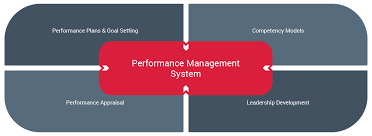
In the Final Project, various techniques and concepts are applied to the development of a detailed proposal for a performance management system (PMS) for one particular organization. The selected organization for this project is Walmart. This company is arguably one of the largest retailers worldwide having in excess of 2 million workforce, 8,498 stores in 16 nations under various names. Every week, more than 100 million shoppers shop at Walmart’s establishments in different parts of the world (Wal-Mart Stores, Inc 2014). This multi-national corporation is a highly successful firm partly due to its performance management system which enhances the competitive strategy of the company.
Nonetheless, the problem with Walmart’s performance management system is that aligning the performance management system with the company’s competitive strategy is not adequate (Bhave & Brutus 2011). Moreover, for a performance management system to be very good and effective, it also has to be aligned with the company’s internal Human Resources practices such as compensation systems as well as training and development. When both internal Human Resources alignment and external competitive strategy alignment are attained, then the performance management system could actually maximize its potential. Therefore, the problem or opportunity that is to be investigated is how to improve the performance management of Walmart.
Sources of information to use: examination of literature
For this project, the sources used would be obtained from scholarly online databases. These databases, which include JSTOR, EBSCOhost, ScienceDirect, Emerald Journals, SAGE journals online, and ProQuest have a good reputation for having high-quality articles on a wide range of subjects and topics. All the sources of information used are not more than 5 years old; hence, they are recent and relevant for the project.
Pulakos (2010) noted that performance management systems including employee performance assessment and employee development are fundamental to human resources (HR) management. In lots of organizations, performance management systems are faulty and have flaws, with managers and members of staff regularly complaining about their ineffectiveness. A survey carried out by Watson Wyatt revealed that just 3 in 10 members of staff are in agreement that the performance management system of their company is actually helpful in improving performance (Pulakos 2010). In addition, fewer than 40% of members of staff reported that their performance management systems produced sincere and candid feedback, defined clear performance goals, or made use of technology in streamlining the process (Pulakos 2010). Even though these results evidently show that many organizations might be having performance management systems that are poorly designed, it is usually not badly developed processes and tools which bring about complexities with performance management. Instead, complexities regularly occur because performance management is essentially a very personal and usually frightening process for staffs and managers alike.
Managers are disinclined in providing honest feedback and are hesitant to have candid discussions with members of staff because they fear reprisal or they fear to damage the relationships with the very people they count on to get work carried out (Jirjahn & Poutsma 2013). Staff members feel that their managers are not effective at training them on how to develop their skills and they also feel that managers are not skilled at discussing their performance. Many whine that PMSs are too time consuming, bureaucratic and cumbersome for the value added (Tolan 2011). This makes staff members and managers to treat performance management as a necessary evil of work life which needs to be reduced instead of treating it as a vital process which can accomplish important organizational and individual outcomes. Despite the difficulties, performance management is a vital tool for high-performing companies and is in fact a very important responsibility of a manager. Moreover, if it is performed rightly, performance management could lead to many significant outcomes for a company, its staff members, and managers (Kumari & Malhotra 2012).
Important techniques and concepts to be applied
Importance of performance management: the management of staff members in an organization is a crucial factor in ensuring a company’s success. A performance management system that is well-designed would result in significant outcomes for the company in terms of satisfaction of employees and attainment of organizational objectives and strategies. A continuous and ongoing process of measuring and assessing performance of staff members is necessary as a starting point for bringing about improvements in productivity and bringing the goals of employees into line with the company’s strategic goals (Tolan 2011).
Integration of performance management with other HR activities: staff members are an organization’s most significant asset and each of the other HR activities and functions are dependent upon performance management for the information and data on which to base decisions and the procedures and incentives needed to carry out improvement strategies. Performance management is an important link between HR management functions and organizational competitiveness (Jirjahn & Poutsma 2013). The performance management process: this concept includes all the steps undertaken to implement a performance management system. The steps are laying the foundations, performance planning, performance implementation, performance appraisal, as well as performance review, renewal, and recontracting.
Relationship of performance management to strategic planning: it is of major importance to link the PMS to the strategic plan of the company as this would ensure that the company’s strategy is followed at all levels of the company. Defining and measuring performance: this concept includes understanding performance, approaches to performance management, measuring outcomes, and measuring behaviour (Pulakos 2010). Designing and implementing a PMS: this concept includes the content and structure of performance appraisal forms, the process of appraisal, preparing to implement, training the raters, as well as testing, monitoring and evaluating the systems.
References
Bhave, DP., & Brutus, S 2011 A macro perspective to micro issues. Industrial and organizational psychology, 4(2): 165-168
Jirjahn, U, & Poutsma, E 2013, ‘The Use of Performance Appraisal Systems: Evidence from Dutch Establishment Data’, Industrial Relations, 52, 4, pp. 801-828, Business Source Complete, EBSCOhost, viewed 26 June 2015.
Kumari, N, & Malhotra, R 2012, ‘Effective Performance Management System For Enhancing Growth’, Global Management Journal, 4, 1/2, pp. 77-85, Business Source Complete, EBSCOhost, viewed 26 June 2015.
Pulakos, ED 2010 Performance management: A roadmap for developing, implementing and evaluating performance management systems. Society for Human Resource Management.
Tolan, M 2011, ‘Developing Performance Appraisal Systems for Academicians’, Proceedings Of The Northeast Business & Economics Association, pp. 474-477, Business Source Complete, EBSCOhost, viewed 26 June 2015.
Wal-Mart Stores, Inc 2014, Wal-Mart Stores, Inc. Marketline Company Profile, pp. 1-41, Business Source Complete, EBSCOhost, viewed 26 June 2015.
We can write this or a similar paper for you! Simply fill the order form!
Review Case Study : ‘Evaluation of Performance Management System at Accounting, Inc;Employee motivation
Order Instructions:
Dear Admin,
Review Case Study :
Evaluation of Performance Management System at Accounting, Inc.,
Refer back to the information presented in Case Study 7-1.
1)What other types of data should be collected to assess the effectiveness of the system and how would this contribute to the effectiveness of the system?
2)User satisfaction is important, but what does that mean?
3)An employee could be dissatisfied with being assessed due to personal or cultural reasons.
4)Should we develop a system that focuses on increasing satisfaction or reducing dissatisfaction?
5)To what extent does training of the raters, and possibly those being rated, influence satisfaction?
6)Does the data being collected influence satisfaction – what happens when its beyond the rated employee’s power to control?
Also,
1)The answer must raise appropriate critical questions.
2)Do include all your references, as per the Harvard Referencing System,
3)Please don’t use Wikipedia web site.
4)I need examples from peer reviewed articles or researches.
5)Turnitin.com copy percentage must be 10% or less.
Note: To prepare for this essay please read the required articles that is attached by email
Appreciate each single moment you spend in writing my paper
Best regards
SAMPLE ANSWER
Evaluation of Performance Management System
Employee motivation is one of the yardsticks that lead to the success of a company. Good performance enables an organization to attain its objectives and achieve organizational sustainability. Managers often use different performance measurement tools to assess employee performance, and gauge their level of motivation. It is paramount to measure performance so as to reward outstanding performance, recognize and correct failure as well as provide a way forward towards the achievement of company objectives (Bititci et al., 2012 pg 76).
The purpose of this paper is to evaluate the performance measurement system adopted by Accounting, Inc. The paper provides types of data that can be collected to assess the performance measurement system. On the same note, give the kind of information that each measure provide as well as the rationale for implementing each type of measure.
There are quite some tools and techniques managers employ to measure the performance of employees. The practice of measuring employee performance involves the use of statistical data and modeling (Taticchi et al., 2012 pg 123). The accounting field is governed by stringent rules and code of conduct that must be adhered to at the workplace to maintain professionalism. Accounting, Inc can adopt the balanced scorecard approach to measuring employee performance. A balanced approach can enable managers at Accounting, Inc to get a complete look at employees work performance. This goal is achieved by measuring employee behaviors, processes, actions, and also the outcome of employees at work (Taticchi et al., 2012 pg 104). By using a balanced scorecard approach to measure employee performance, the management can collect data relating to customer perspectives, and internal business perspective (Micheli et al., 2012). On the same note, measure financial perspective and growth perspective so as to assess the effectiveness of the system.
The customer’s perspective: Managers at Accounting, Inc can know if the company is satisfying customer needs. Managers can achieve this goal by circulating questionnaires to collect data relating to customer satisfaction.
The internal business perspective: It is paramount to for managers to obtain information relating to internal operations that can enable them to satisfy client needs. The organization need to collect data relating to the ratio of protest sustained through general accounting board, to determine if the organization has an active control system.
Financial Perspective: managers should collect data such as sales ratio, purchases so as to determine the return on investment.
Growth and sustainability: managers can rate the performance measurement system by collecting data such as employee satisfaction on the work environment, professionalism, values, culture and empowerment.
After processing the data obtained from the four perspectives obtained using the balanced scorecard, the information can be used by the top managers to evaluate the organization performance. The information will give the managers a comprehensive view on the organization process and results measures. Information from the data based on a balanced approach to the employee performance system is useful on a comprehensive outlook on employee work performance and manage resistance to change. On the same note, the information is critical to developing a good reward system that rewards success and avoid rewarding failure without intention.
Such information is also important to offer a comparison that effectively gauges the degree of change in performance over time. Finally, the information collected is valuable to measure accomplishments, not just the work performed.
By and large, each measure has a rationale behind. Measuring customer satisfaction is important to understand if the clients are fully satisfied with the quality, responsiveness, communication skills and cooperation of the employees. The management should also measure the internal satisfaction to understand all the operations in the organization and how employees work together as a team in ensuring employee satisfaction (Micheli et al., 2014 pg 66). Information regarding the financial perspective is necessary for the company to understand the financial position of the organization and align the financial management policies with the company’s policies. The growth perspective is needed to understand the extent of reliable management information (Cassel et al., 2014 pg 142). And ensure that employees are meeting mandatory qualification standards. Therefore, collecting information regarding the different perspective enables the managers to assign to scores regarding employee satisfaction without being biased. Consequently, it helps in efficient allocation of rewards, according to performance. Further, each measure contributes to the ranking of the department’s performance to determine the units that stood out.
In conclusion, for the employee performance system adopted by Accounting, Inc to be effective, data from different sectors of the organization should be collected. Such data should encompass data relating to the customer perspective, internal business perspective, financial perspective, and growth and performance perspective. Analyzing such data is important to provide critical information that managers can use to evaluate employee performance effectively. And develop a reliable rewards system that rewards performance rather than results.
References
Bititci, U., Garengo, P., Dörfler, V., & Nudurupati, S. (2012). Performance measurement: Challenges for tomorrow*. International Journal of Management Reviews, 14(3), 305-327.
Taticchi, P., Balachandran, K., & Tonelli, F. (2012). Performance measurement and management systems: state of the art, guidelines for design and challenges. Measuring Business Excellence, 16(2), 41-54.
Micheli, P., & Mari, L. (2014). The theory and practice of performance measurement. Management accounting research, 25(2), 147-156.
For this paper, your writer had completed this assignment before #112158 but I did not make it in this course as I mentioned in the beginning so I an redoing it. This time please I want you to assigned this paper to a writer who is savvy of the subject matter. It is critical that the writer use critical thinking and carefully read all instructions before beginning to respond to the questions. The writer must clearly respond to all 6 questions and must include all calculations where necessary. The writer must properly format the paper in APA using the 6th edition of APA. where necessary use the appendix and reference it in the discussion. The references must also be in APA double space.
• Mini-Case Study: McKenzie Corporation’s Capital Budgeting
The case study, found on page 557 of your course text, deals with the process of corporate budgeting and the types of decisions that must be made. After reading the scenario:
• Briefly answer the six questions at the end (4 to 6 sentences each).
• Include all calculations you were asked to provide.
SAMPLE ANSWER
Introduction
Capital structure of a company refers to the different combination of debt and equity capital that a company utilizes in a bid to get the most optimal ratio that provides the least weighted average cost of capital. Equity capital can be raised from retained earnings while debt capital can be obtained from external bonds and other long term loans (Ross, Westerfield & Jaffe, 2013).
1).
Economic Growth
Probability
Without Expansion
Value Without Expansion
Low
0.3
$ 25,000,000.00
$ 7,500,000.00
Normal
0.5
$ 30,000,000.00
$ 15,000,000.00
High
0.2
$ 48,000,000.00
$ 9,600,000.00
Expected value without expansion
$ 32,100,000.00
Economic Growth
Probability
Without Expansion
Value With Expansion
Low
0.3
$ 27,000,000.00
$ 8,100,000.00
Normal
0.5
$ 37,000,000.00
$ 18,500,000.00
High
0.2
$ 57,000,000.00
$ 11,400,000.00
Gross Expected value with expansion
$ 38,000,000.00
Less cost of equity
$ 5,700,000.00
Expected value with expansion
$ 32,300,000.00
It would be beneficial for the company to undertake the expansion as it would save $200,000.
2). The expected value of debt after one year with and without expansion would remain the same i.e. $29 million as the expansion would be financed by equity.
3). From the calculations above
Expected value with expansion
$ 32,300,000.00
Expected value without expansion
$ 32,100,000.00
Net Value Created
$ 200,000.00
The value of debt would not be affected hence the bondholders would not benefit from the expansion.
The stockholders would get $200,000 while the bond holders would get nothing from the expansion.
4). Without expansion the price of the bonds would remain unchanged as they would not be affected by the expansion the bondholders status would also remain the same. If the expansion takes place then the ratio of equity would increase and the debt to equity ratio would decrease. The rate of return on company bonds would also decrease. It would then result in an increase in the value of bonds and their prices.
The theory of capital structure by Modigliani and Miller (1958) applies in instances where the investors have similar and homogenous expectation. It also applies where the market is perfect and transactional costs are non-existent. It also applies where Corporation and individual investors can actually borrow or obtain financing at the same rate. The risk-free rate doubles as the cost of debt and it must constant while the company must also pay all profits in terms of dividend resulting in no growth for the Company.
5). If the company does not expand then its equity would remain the same as the current year. If the bond issue is redeemed and there is no expansion then the company will not be able to get enough equity to get the right financing it may require for its operations.
If the company agrees on the expansion then it will utilize the equity capital to finance it. These actions would create more equity capital for the company (Myers, 1984, pg.16). Hence the capital would be available but according to Modigliani and Miller (1958) the cost of debt to a company is basically cheaper than the cost of equity. Companies experience some kind of savings when they change from equity financing to debt financing. This is mostly in connection with the payment of taxes. Tax advantages are utilized when companies make use of debt capital especially when writing off interest payments. Equity capital application means that the dividends must be paid. Companies in most countries receive government subsidies when using debt to finance capital projects and not when using equity capital (Lopez-Gracia & Sogorb-Mira, 2008, pg. 136)
McKenzie restaurants Inc would be under utilizing its ability to expand due to no-exploitation of its debt portfolio.
6). The company would save as using equity is much more expensive than using debt capital (cash included) Debt capital attracts some benefits in form of waived interest payments and also the cost of changing from equity to cash. The payment by cash for the expansion would be the best alternative for the company.
According to Myers (1984) companies tend to use a pecking order when utilizing capital. The theory asserts that companies prefer financing from internal sources like retained earnings (equity) as compared to external financing for instance from issuance of new common stock. The major reason being that it’s cheaper to use for example retained earnings besides the company does not have to account or disclose the nature of the funding to outsiders like in the case of borrowing from the public where the prospectus is required to reveal all the information regarding the company’s equity and other sources of funds. Most companies will issue debt first even before issuing common stock incase external financing is unnecessary. When common stock is issued it sends a signal to the shareholders and other prospective investors that something needs to fixed urgently and it may not be positive for the company. However, the ratio of debt to equity depends on other factors in the real world such as the state of the economy, prevailing market interest rates and the urgency of the debt or equity.
References
Lopez-Gracia, J., & Sogorb-Mira, F. (2008). Testing trade-off and pecking order theories financing SMEs. Small Business Economics, 31, 117-136. Doi:10.1007/s11187-007-9088-4
Modigliani, F. and Miller, M. (1958) “The Cost of Capital, Corporation Finance, and the Theory of Investment,” AmericanEconomic Review, June, 48:3, 261–97.
Myers, S. (1984)”The Search for Optimal Capital Structure,” Midland Corporate Finance Journal, 1 spring, 6-16
Ross, S. A., Westerfield, R. W., & Jaffe, J. (2013). Corporate finance (10thed.). New York: McGraw-Hill Irwin
We can write this or a similar paper for you! Simply fill the order form!
Practical Application Scenario
As a result of recent campus safety concerns at Capella University, you have been engaged by campus security team leaders to gather and analyze data about on-campus crime rates in schools in the state of Minnesota. Crime data from 181 Minnesota campuses has been compiled in the Campus Crime Data file. Write a management report for campus security team leaders analyzing and evaluating campus crime data for Minnesota. Include your findings and recommendations for your clients. In your report, be sure to examine the following:
3. What crimes were most commonly committed on Minnesota campuses between 2009 and 2011? Based on the data, would you say the crime rates decreased or increased from 2009 to 2011?
4. The campus security leaders believe that the total crime rate in public institutions is more than that in private institutions. They have asked you to test that hypothesis. Describe your results.
5. Your clients would also like you to develop a 95 percent confidence interval for the difference in total campus crime rates between public and private institutions in Minnesota. Report your results.
6. What, if any, ethical issues should concern you in conducting your research?
Complete your report in a Word document, pasting in whatever relevant tables and graphics you need to support your findings. Place your tables and graphics within the text and be sure to clearly title them. Your tables and graphics must be legible and suitable for inclusion in a management report.
SAMPLE ANSWER
Campus Crime Data
Different kinds of crimes happen in many Minnesota campuses as per Campus crime data compiled for 181 Minnesota campuses. However, the most highly committed crimes in Minnesota campus between 2009 and 2011 were the burglary, forcible sex and vehicle theft. The number of crimes relating to burglary in 2009 was 368; forcible sex was 79 compared to vehicle theft which was 50 cases. The cases of burglary in 2010 were 291, forcible sex was 66, and vehicle theft was 50 cases. In 2011 burglary was 253; forcible sex was 16 while vehicle theft remained at 50.
From this statistics, it is evident that the level of crimes has reduced to considerable levels. For instance, the crimes relating to burglary committed in Minnesota campus in 2009 were 368 compared to those that were committed in 210 averaging to 269 and those in committed in 2011 that were at 253. The cases of crimes relating to forcible sex and motor vehicle theft as well reduced.
The hypothesis states that the crime rates in public institutions are higher compared to private institutions. This hypothesis requires testing to ascertain whether indeed it is true or false. Testing the hypothesis using the total number of people involved in the crimes in university indicates that 276284 both men and women involved in crimes in private institutions compared to 202695 in public institutions. Therefore, this null hypothesis is rejected. One reason that explains these is that private institutions have not put in place strong security systems compared to private institutions (Minnesota State University, 2012).
In terms of confidence intervals regarding crime rates between public and private institutions, 95% is the true value of the parameter confident, hence is in the confident interval. Therefore, when this hypothesis is tested again using the same sample, it is apparent that the level of crimes in public institutions will be fewer compared to those in private institutions.
Ethics lay a key role in the success of the study especially in collection and analysis of descriptive statistical data. In this study, the ethical issues of concerns include informed consent, confidentiality, and privacy (Singer, 2011). It is important to get consent from the parties involved during data collections. Permission will be sort from various university administrations before commencement of the study. Participants should not be coerced to take part in the study and are at liberty to withdraw their participation at will and at any time. It is also important to uphold to privacy. No information must be disclosed to third parties without the consent from the respondents. Therefore, confidentiality must not be compromised and all information must be secured and not manipulated for selfish gains or interest. Appropriate analysis techniques should be adopted to analyze the information.
In line with crime rates in Minnesota learning institutions, the following are the recommendations: the leading rimes in institutions are forcible sex offense, burglary and motor vehicle thefts. For instance, the crimes relating to burglary in 2009 was 368; forcible sex was 79 compared to vehicle theft which was 50 cases. These three crimes can be addressed by intensifying security through installation of security cameras in all buildings in institutions (Swedberg, 2010). This will help track the perpetrators. It will also help deter such kinds of crimes.
The security apparatus in the learning institutions, should as well work closely with the people to fight burglary and forcible sex offense and motor vehicle theft. Any person that feels their security is threatened should report to the security department at the university. People should also be their brothers’ keepers. Security should be assured to all those that provide information and their identity should never be disclosed. This will motivate them to participate in the fight against such crimes. Stringent laws should be passed to act as deterrence to involvement of such crimes at the university.