



The use of estrogens and progestins

The use of estrogens and progestins

The use of estrogens and progestins

THE USE OF ESTROGENS and PROGESTINS and the RISK of BREAST CANCER in POSTMENOPAUSAL WOMEN

Order Instructions:

Write a 2- to 3-page word document to complete the following assignment tasks.
•Choose the research article you selected in W1 Assignment 3. Describe the sample, demographics, data collection process, setting, and the instrument, tool, or survey used in the article.
•Discuss the author’s summary about the validity and reliability of the instrument.

Cite all sources in APA format.

SAMPLE ANSWER

THE USE OF ESTROGENS and PROGESTINS and the RISK of BREAST CANCER  in POSTMENOPAUSAL WOMEN

Description of the sample:

This prospective cohort study is an extension of a 1976 Nurses’ Health Study where patients 30-55 years of age were recruited and followup every 2 years from 1978 for 12 years.  From this cohort, a non-randomized sample of 50-69 years old postmenopausal women (all state registered nurses) were followed for additional two years through to 1992.  Participants were selected for followup based on the inclusion / exclusion criteria established from the 1976 questionnaires and baseline information on risk factors for breast cancer, including hormone therapy and subsequent menopausal status. Out of 725,550 women who were followed up, 1935 of them developed invasive breast cancer. Premenopausal women, as well as those who reported a  breast cancer incident or other cancer apart from nonmelanoma skin cancer at recruitment were excluded from subsequent followup.

The process of data collection:

Data was collected through the use of questionnaires and telephone interviews, commencing from 1976 when the study was initiated and through to 1992. The group of interest was postmenopausal women, who had been diagnosed with breast cancer and were currently undergoing hormone therapy. In order to determine any associations between the occurrence of breast cancer and hormones, data were stratified and further analysed by a multivariate analysis as a means of controlling the possible confounding effects that might be caused as a result of other risk factors.

The demographics of  the study population was as follows:

  • Origin/Sex/Education: All participants were US-based female state registered nurses.
  • Age: Study participants consisted mainly of postmenopausal women between the ages of 50 and 69 years, who were followed up every second year from 1976 to 1992.
  • Menopause status: This included the age of menopause onset and the type of menopause; whether women had a natural onset of menopause, had had hysterectomy but no bilateral oophorectomy or had had hysterectomy with bilateral oophorectomy, as well as the smoking status. In addition, women were furthered classified based on a breast cancer diagnosis, a history of cancer in the family, a family history of benign breast cancer and the time period.
  • Hormone use status: The hormone status included the duration of hormone use, the preparation of hormones used (use of progestin alone, conjugated estrogen alone, estrogen and progestin of estrogen and testosterone) and the dose. The cut off for the duration of hormone use related to high cancer risk was at 5 years.

Setting: The study was performed in the United States.

Instrument, tool, or survey used in the study.

  • Age standardized mammographic screenings were performed for breast cancer diagnosis.
  • Interviews at followup were done by telephone and by the use of structured questionnaires mailed to participants.
  • When participants did not return questionnaires, the National Death Index was used to ascertain the death of the nonrespondent cases.
  • Hospital records and pathology reports were used to confirm data on cancer diagnoses.

Validity and reliability of the instrument

Even though self-reporting and sampling questionnaires done by mail could be subjectively biased (Phellas, Bloch & Seale, 2012), the authors were confident in the accuracy of the participants’ reports; which according to them was extremely high, as they achieved nearly 100% followup completion through questionnaires and telephone for both nonfatal and fatal breast cancer respectively. Nevertheless, the administering of questionnaires as a sampling method is generally considered cheap, having no interviewer bias and with an added benefit of anonymity (Phellas, et al., 2012). While interviews have the advantage of being direct and have a better response rate (Phellas et al., 2012), its validity and reliability is still questionable, as it is not always possible to cross check information from self-reports. In this study, 10 cases of self-reported breast cancer could not be confirmed from medical records, further stressing the subjectivity of this method. Here, the authors validated the data for breast cancer occurrence using hospital records when available and the death of participants by use of the National death Index. In any case, this method is still unreliable in the event that the records are incomplete or in situations where medical records are unavailable, thus, resulting in “missing” data, as was the case in this study; wherein records could not be obtained for 7 percent of the self-reported cases of breast cancer.

Since age-standardised mammography could detect a larger proportion of in situ breast cancers, the validity / reliability of mammograms could be questionable as a tool for acquiring data relevant to the study. However, the authors accounted for this discrepancy by excluding such cases from the data analysis. Overall, data obtained with the above tools proved relevant to the objective of the study which set out to investigate the risk of developing breast cancer in postmenopausal women on hormone therapy; specifically estrogen and progestin. A review of literature was used  to corroborate facts, contradict findings or to indicate existing gaps in the literature on the subject. Meanwhile, the use of multivariate analyses further controlled for confounding factors.

Reference

Phellas, C.N., Bloch, A., & Seale, C. (2012). Structured methods: interviews, questionnaires  and observation. In C. Seal (Ed.), Researching Society and Culture. Retrieved from      www.sagepub.com

We can write this or a similar paper for you! Simply fill the order form!

Developing a leadership strategy Essay Paper

Developing a leadership strategy

Developing a leadership strategy

Order Instructions:

Dear Admin,

I need an essay in the following subject:

After you have read attached article : Developing a leadership strategy, complete the following:

Analyse Pasmore’s article and review the author’s Model for Leadership Strategy. Do you agree with this model? How does it relate to your own company? Explain your answer with relevant examples if possible.

The following conditions must meet in the paper

1) I want a typical and a quality answer which should have about 1100 words.

2) The answer must raise appropriate critical questions.

3) The answer must include examples from experience or the web with references from relevant examples from real companies.

4) Do include all your references, as per the Harvard Referencing System,

5) Please don’t use Wikipedia web site.

6) I need examples from peer reviewed articles or researches.

Appreciate each single moment you spend in writing my paper

Best regards

SAMPLE ANSWER

Developing a leadership strategy

Pasmore (2014) asserts that organisations today do not rely on the knowledge and skills of a single leader or on the organisation’s chain of command. While leaders in themselves are not the ultimate determinants of the success of an organization, they nonetheless determine what course an organisation will take. The model that Pasmore created for development of a leadership strategy can be analysed from the position of a real world company to determine whether it is viable.

General Electric is one of the most renowned companies in the world today. Although it has faded off in the latter years and is a shadow of its former self, the company still ranks highly in leadership development. The decline in the fortunes of the company, though attributable to a failure in leadership, is largely due to the changing global business landscape. Research into corporate leadership has shown that successful businesses in modern times are those that are run by experts (Bersin, 2012). This seems to suggest that the first consideration today for a person to become a leader at GE is to possess relevant technical knowledge in a given area. GE no longer emphasizes in the creation of great general managers but rather on conversion of highly skilled individuals into great leaders. Thus, scientists, engineers and sales people who have a firm understanding of a business function are considered for leadership development.

GE is famed for its leadership development programs that take place in Crotonville. It is the only company that has a corporate university that has been operational for about six decades (Peters, 2012). The previous leadership development programs were deemed as being weak as they churned vulnerable leaders with no grip of different business functions. Presently, a manager has to have stayed in a business area for a period of five years to be considered for leadership training. This means that GE has analysed its leadership needs and has identified that it can plan for leadership positions five years in advance.

The process of being a leader starts after one has completed higher education and acquires a job with the company. Since the company does not employ seasoned leaders, one has ample time to prove his/her mettle in order to be considered for leadership development. This does not mean that the line staffs are not trained. On the contrary, all of the 290,000 employees of GE undergo one form of training or another. However, to be considered for top leadership, one has to prove oneself as an expert in a certain field. This is in line with Pasmore’s assertion that talent sustainability starts with identification of needs and followed by talent development Tittemore,2003). The condition of staying in a business area for 5 years is fairly new and has been implemented after research into present trends in the labour market.

Pasmore asserts that leadership is defined by more than the skills, competencies and abilities that a person possesses. He observes that regardless of how formal or informal an organisation structure looks, there is always an element of culture that destabilises the balance (Miner, 2005). This means that an organisational culture is equivalent to a leadership culture (Tittemore, 2003). GE has a very favourable organisational culture. It is anchored on development and learning. Since the company is involved in many businesses in a wide array of industries, there is always the worry that the organisational and leadership culture that is specific to a certain geographic area will be diluted or lost. In order to pre-empt this threat, GE tailors its leadership development programs to fit the different classes of executives and considers the culture that they hail from. For example, a GE subsidiary in India has to have some cultural aspects that are distinct from that in Munich. GE is very considerate of the upsides and downsides of culture and seeks to mitigate them promptly.

GE believes that a leader is important for the business to be successful. However, the company is aware that great leaders are not the be-all-end-all of the organisation. Thus, the leadership development programs that leaders are subjected to are dubbed inspire, connect and develop meaning that they are not meant to end with leaders. Susan Peters (2010), the Chief Learning Officer at GE acknowledges that the desire of the organisation is that the training they offer at Crotonville will have a multiplier effect through mentorship programs conducted by professionals who have gone through the Crotonville experience. Since not every leader is able to attend the coveted classes, the organisation empowers those who do to impart the knowledge they acquire into others. This development at GE is in line with Pasmore’s assertion that there must be bench strength within an organisation for it to achieve a high level of success.

Pasmore asserts that an organisation must be aware of its business strategy and must execute the strategy effectively which are vindicated by the results that the business posts. This all stems from the specific company defining its leadership capabilities and requirements in the present and in the future. In line with this, GE ensure that it has three buckets in which its breaks down its global leadership learning courses. The first is the leadership bucket. This is broken down into numerous other courses that are offered to different professionals depending on their years of experience in the positions they hold (O’Connor, 2010). The second bucket contains skills and includes those driven by function. An example of this includes marketing skills and financial skills among others. The third is the business bucket where leaders are trained on business specific knowledge that is required for success in the industry. This is expansive since GE operates in a wide array of industries from healthcare to aviation.

Pasmore’s model is generic and fits into the practices that have become culture at GE. However, it differs from the GE model and from industry trends in one fundamental way. GE has shifted from its training programs for generic managers in favour of those that are business specific. Pasmore argues that development of leaders for leadership positions should begin immediately after talent identification. However, GE disputes this assertion and instead holds that development of leaders for leadership positions should begin after they have acquired the necessary technical competencies in a specific business functions. The mode of choosing leaders for the reason that they have solely been trained in leadership is outdated. GE’s model proposes a paradigm shift to one where leadership talent is identified early and allowed to gather technical experience and then gradually elevated through different levels. This model ensures that there is no shortage of competent and driven individuals to fill different positions in an organisation where need arises. Rather than develop leaders due to an identified gap in leadership, GE continuously trains qualified individuals.

References

Bersin, J. (2012), ‘Why Leaders Must Be Experts: Keys to Success From GE’, Forbes. 3, Sept. Available at: http://www.forbes.com/sites/joshbersin/2012/03/09/why-leaders-must-be-experts-keys-to-success-from-ge/. {9 Jan 2015}

Miner, J. B. (2005) Organizational Behaviour. Armonk: M. E. Sharpe.

O’Connor, P. (2010), ‘How Companies Develop Great Leaders’, Businessweek. 16, Feb. Available at http://www.businessweek.com/stories/2010-02-16/how-companies-develop-great-leadersbusinessweek-business-news-stock-market-and-financial-advice {9 Jan 2015}

Pasmore, W. (2014) Developing a Leadership Strategy: A Critical Ingredient for Organizational Success. White Paper, Centre for Creative Leadership

Peters, S. (2010) How GE Builds Global Leaders. Interview at Wharton University, May 12

Peters, S. (2012), ‘How GE Is Attracting, Developing, and Retaining Global Talent’, Harvard Business Review. 8. Feb. Available at: https://hbr.org/2012/02/how-ge-is-attracting-and-devel  {9 Jan 2015}

Tittemore, J. A. (2003) Leadership at all Levels. Canada: Boskwa Publishing

We can write this or a similar paper for you! Simply fill the order form!

Leadership in the business landscape

Leadership in the business landscape

Leadership in the business landscape

Order Instructions:

Dear Admin,

I need an essay in the following subject:

Based on pages 3-6 of Developing a leadership strategy: journal article, what does the author mean when he implies that the future of strategy is leadership? How well does this view align with the need for leadership in today’s business environment? Give reasons for your answer.

On pages 6-7 of Developing a leadership strategy: journal article, the author identifies six strategic leadership tasks. How useful is his framework in defining the kinds of leadership required by modern companies? Give reasons for your answer.

The author of Developing a leadership strategy:journal article (pgs. 23-25) has a very specific view of Talent Sustainability. To what extent do you agree with this view? Give reasons for your answer.

The following conditions must meet in the essay:

1) I want a typical and a quality answer which should have about 1400 words.

2) The answer must raise appropriate critical questions.

3) The answer must include examples from experience or the web with references from relevant examples from real companies.

4) Do include all your references, as per the Harvard Referencing System,

5) Please don’t use Wikipedia web site.

6) I need examples from peer reviewed articles or researches.

Appreciate each single moment you spend in writing my paper

Best regards

SAMPLE ANSWER

Leadership in the business landscape

Part 1

The business landscape today is very dynamic. Traditionally, only a handful of businesses competed for resources and customers and the business that surpassed the minimum qualifications would be preferred. However, in this information age, both businesses and consumers have an avalanche of information that they sift through in order to make informed decisions. For businesses, success is dependent on how scarce resources are utilized in meeting goals and objectives at the least cost. There are many factors that should be considered. Technology has brought about many opportunities that can augment the strength of a business. However, it has also brought about threats that can magnify weaknesses as well.

In order to guarantee the profitability of a company in future, one must first of all consider the present circumstances and resources. Forecasting for the future is usually dependent on an assessment of the business position and comparing it to the desired position. Within all these, the most important ingredient is leadership. Leaders are responsible for balancing all the disparate elements that make up a business. In the wider context of businesses today, the most important resources are the human resources in which leadership falls.

Traditionally, organizations used to have bureaucratic structures that were informed by scientific management and classical leadership and management theorists. In the present however, organizational success can only be guaranteed by tapping the knowledge, skills and competencies that are possessed by human resources. The most important factor to consider is the amount of knowledge that is contained within a particular business’ workforce (Nonaka & von Krogh, 2009). If the right combination of skills, abilities and competencies is achieved, then a business can be able to capitalize on opportunities arising from within itself. Many organizations today have adopted flatter structures where every employee is given an opportunity to contribute to the overall decision making system. This empowerment is meant to foster creativity and innovation.

Since organizations have many people employed within their ranks and who have differing opinions and ideas about how to capitalize on opportunities in the market, there is need for leadership in order to appraise these ideas and settle on the most viable. The most notable knowledge firms in the world today are those that have had exceptional leaders who saw opportunities and guided them towards their capitalization (Gupta & Sushil, 2004). An example of such leaders is Steve Jobs who was credited for the reversal of fortunes of the Apple brand that was on the brink of collapse. Other charismatic leaders whose visions have driven companies forward include Bill Gates of Microsoft and Paul Allen at Oracle. These leaders were the difference between the success their companies are today and the resounding failures they would be had they not taken the opportunities that propelled them to success.

Part 2

The development of a leadership strategy entails the coalition of a number of different strategic leadership tasks. The overall leadership strategy is similar to a business strategy and requires meticulous planning while considering all the disparate elements (Miller, 1992). The leadership framework depicted in the journal article is sufficient in defining the leadership required in modern organizations on three accounts. First, the framework allows for the consideration and scanning of both the internal and external business environments. Understanding the dynamics of either environment is a first step towards accruing advantages that eventually lead to success. The framework allows for the organization and its leadership to be analyzed as a starting step. This ensures that the needs of the organization are well documented before any plans for leadership are made. Second, the framework allows for the environment in which the organization operates to be analyzed. Both of these actions allow for the organization to determine its position and the speed in which things are moving. This is important in order to predict the future outlook.

The second account is that the framework allows for strategic options to be considered. After analyzing the organization, the environment, the customers, the stakeholders and the competitors, the next logical step is brainstorming options. This entails the application of creativity tools that could help the organization acquire a competitive advantage. Opportunities and threats are also identified in the framework and problem solving mechanisms considered.

The third account is the evaluation of the leadership options chosen. Future leadership should be able to make sure that missed opportunities help the organization in learning (Gamble, Thompson & Strickland, 2010). Modern companies require are constantly evolving meaning that a solid strategy today could be obsolete in the near future. The only means of avoiding this is by constantly evaluating the options that are available to the organization and attempting to identify areas that might benefit from a new perspective. The leadership of the organization is mandated with ensuring that all options are considered at the reevaluation level. The only way of ensuring that the leadership itself is up to scratch is by reevaluating it. The framework allows for this option. If well implemented in an organization it can lead to filling of various roles with people with the right competencies, abilities, skills and talents. Since these leaders may become complacent upon realizing the first successes, the leadership framework would serve to reorient them or replace them with others possessing new ideas and ready to challenge the status quo. The major characteristic of modern organizations is that they are constantly evolving and the framework proposed in the journal ensures that the leadership evolves together with the business.

Part 3

The author illustrates 8 elements that are important for talent sustainability. The first step is attracting the talent. The management must then ensure that the talent is developed and eventually ensure that there is planning for succession. The author argues that the subject of talent is very sensitive and very important to the company for it to be left to human resources managers to manage. He asserts that talent development should be left to CEOs and other top managers. Since modern organizations require competent managers at the top who have a wide array of skills and knowledge to steer their firms into the unknown future, the most obviously place to concentrate the talent available in the organization is at the top (Wright, 2005). The human resource department is usually preoccupied with filling positions in middle management and line employees to have the required focus and time to shape an individual into the mold of a CEO.

There is a lot of emphasis that is placed on competence in the modern organization. Pasmore (2014) argues that competence development and management is individually oriented and static and that insistence on the acquisition of this competence is an information journey that is endless. He cautions that the modern organization should be more focused on organizational learning and team building so that they complement individual abilities and competencies.

The model of talent sustainability has many elements that are helpful for the company. It highlights the most important points that are required not for the daily running of the organization but for identifying opportunities in the business environment and capitalizing on them. One of the elements that exemplify this is the sourcing and recruiting of top talent. The author argues that the most sensible place to start sourcing for the right people is in identifying those that already possess the inclination to do what is required by the organization (Handfield-Jones & Beth, 2001). Many top firms believe that it is important to start by identifying the people who are the right fit for the company. Pasmore (2014) argues that many firms fail in their change endeavors since rather than seek out the talent they require to move the organizations forward, they attempt to effect changes with the leadership they already have. The author argues that some of the best talents in different organizations are bogged down by leadership roles that do not require much talent. The recommendation is that positions like that should be outsourced so that the talent that is attracted to the company is focused on effecting changes and moving the organization forward.

Talent sustainability requires the management of organizational culture to ensure that it is oriented to the goals of the company. Culture, either organizational or leadership, is a major deterrence to development and eventually the success of the organization. There is therefore need for organizations that are serious about orienting their talents to success to ensure that there is a positive organizational and leadership culture. Otherwise, a negative culture will ultimately derail the general organizational focus.

References

Gamble, A. A., Thompson, Jr., A.J. & Strickland, J. E. (2010) Crafting and executing strategy : the quest for competitive advantage : concepts and cases (17th ed. ed.). Boston: McGraw-Hill/Irwin

Gupta, J. & Sushil, S. (2004) Creating Knowledge Based Organizations. Boston: Idea Group Publishing.

Handfield-Jones, H. & Beth, A. (2001) The War for Talent. Harvard Business Press

Miller, D. (1992) ‘The generic strategy trap’, The Journal of Business Strategy, 13(1), 37-41

Nonaka, I. & von Krogh, G. (2009) ‘Tacit Knowledge and Knowledge Conversion: Controversy and Advancement in Organizational Knowledge Creation Theory’, Organization Science, 20 (3), 635–652

Pasmore, W. (2014) Developing a Leadership Strategy: A Critical Ingredient for Organizational Success. White Paper, Centre for Creative Leadership

Wright, K. (2005) ‘Personal knowledge management: supporting individual knowledge worker performance’, Knowledge Management Research and Practice, 3 (3), 156–165

We can write this or a similar paper for you! Simply fill the order form!
Leadership strategy Essay Assignment

Leadership strategy
Leadership strategy

Leadership strategy

Order Instructions:

Dear Admin,

I need an essay in the following subject:

Based on pages 3-6 of Developing a leadership strategy: journal article, what does the author mean when he implies that the future of strategy is leadership? How well does this view align with the need for leadership in today’s business environment? Give reasons for your answer.

On pages 6-7 of Developing a leadership strategy: journal article, the author identifies six strategic leadership tasks. How useful is his framework in defining the kinds of leadership required by modern companies? Give reasons for your answer.

The author of Developing a leadership strategy:journal article (pgs. 23-25) has a very specific view of Talent Sustainability. To what extent do you agree with this view? Give reasons for your answer.

To prepare for this essay:

Read the Required Learning Resources that are attached:Developing a leadership strategy:

The following conditions must meet in the essay:

1) I want a typical and a quality answer which should have about 830 words.

2) The answer must raise appropriate critical questions.

3) The answer must include examples from experience or the web with references from relevant examples from real companies.

4) Do include all your references, as per the Harvard Referencing System,

5) Please don’t use Wikipedia web site.

6) I need examples from peer reviewed articles or research.

Appreciate each single moment you spend in writing my paper

Best regards

SAMPLE ANSWER

Leadership strategy

Leadership is critical in an organization. A visionary leadership contributes to the success of an organization.  Many studies have been carried out in the field of leadership in quest to identify various ways that leaders can improve in their leadership style.  The author deliberates on various aspects relating to leadership.

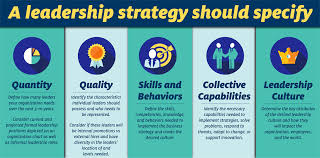
Implication of the statement by the author of the journal, ‘Developing a leadership strategy: A critical ingredient for organizational success, ‘the future of strategy is leadership’ has various meaning.  Strategy is the means or the techniques that a leader will use to provide effective leadership.  Strategy can be a roadmap a leader will require to adopt to achieve the set goals (Pasmore 2014).  Therefore, for this strategy to have a future, it requires as leader that has the right or the best leadership skills to ensure that the strategy is adopted well (Johnstal 2013).  There can be awesome strategies that an organization may have developed but these strategies cannot be useful to that organization if the leadership has no will of adopting them and putting them into correct use. It is the leadership strategy that  provides  guidelines on  the leaders the organization wants, their characters,  where they can be found, the skills of the leaders required and their behaviours to provide leadership to ensure that the organization collectively achieves total success.

Therefore, this view aligns with the need for leadership in today’s business environment. Many business leaders have good strategies that they want to adopt to achieve success in their business. However, they do not understand the requirements they need to embrace to be able to achieve these goals (Johnstal 2013).  Because of this they end up failing therefore, it is high time that business leadership considered the qualities and attributes that are required to enable them achieve their goals through their strategies.  What they need to do is to reflect about the ingredient required for them to achieve their goals. For example, a leader should understand leadership style they use such as participative, control-oriented or laissez faire to know how they can achieve their goal.

In the journal article, the author has identified six strategic leadership tasks that leaders should consider. This framework is useful in many ways when it comes to defining the kinds of leadership required by modern companies today (Pasmore 2014).   The framework acknowledges the need to have a review of the business strategy for the business to be in a position to understand whether there is need to make changes in the leadership to ensure that the business operates successful. This is very important for the leaders of today because, it ensures that they have appropriate competencies to provide appropriate leadership in the business. For instance, an organization that has experienced negative publicity as a result of corruption, when receiving a new manager, it is important to review the business strategy to adopt a good leadership styles that will ensure that the level of confidence of customers is regained to bring the business into its normal position. Analyzing leadership capabilities requirement for current and future is important as this enable the company to prepare well and ensure that the leadership have the capabilities to spearhead the organization forward (Marx 2013).  Organizations as well keep on changing as time pass and it is important that leaders take part in initiatives that will enable them grow and develop to accommodate the ever changes. Changes such as technology advancement, competition and economic turmoil must be well addressed by a leader and this requires leadership development.   Leaders have strengths, weaknesses, and benching these strengths enable them perform well.  Furthermore, the framework as well helps leaders to evaluate the culture in which they are operating and as well nurture talents of the leaders and the upcoming leaders in the organization.

In the journal, the author has specific view of talent sustainability. I do agree with the arguments the author raise about talent sustainability.  First, talent sustainability requires commitment on the part of a leader.  Talents require hard work and determination to be able to sustain the same (Mazzarol, Clark & Reboud 2014).  A leader therefore is expected to engage in many activities to sustain their talent such as engage with others, pursue more education,   participate in various initiatives, and attend seminars on leadership and many others that enable the leader to remain effective.  It is also very important for the leader to carry out an overview of individual capability (Pasmore 2014).  Investing on ones experience and building personal, networks, and preparing of developing relationship readiness are some of the things that will enable the leader to sustain their talent.

Leadership is therefore very important for success of any entity. Developing a leadership strategy is critical for a leader but for this strategy to be of value the leaders must show commitment. The leader has a responsibility of ensuring that they carry out an evaluation also self-assessment to prepare themselves well. Talents sustainability is also very important initiatives and leaders must be committed to sustaining the talents or else they fade away.  Being a good communicator require continuous practice and access to the right information. Therefore, one must be committed and determined to work hard to ensure that they does not fail on the way or lose their talents.

Reference list

Johnstal, S 2013, ‘Successful Strategies for Transfer of Learned Leadership’, Performance Improvement, Vol. 52 no. 7, pp. 5-12.

Marx, T 2013, ‘Teaching Leadership and Strategy’,  Business Education Innovation Journal, Vol. 5 no.  2, pp. 12-19.

Mazzarol, T,  Clark, D, & Reboud, S 2014, ‘Strategy in action: Case studies of strategy,    planning and innovation in Australian SMEs’, Small Enterprise Research, Vol. 21 no.1, pp. 54-71.

Pasmore, W. (2014). Developing a leadership strategy: A critical ingredient for organizational       success. White Paper.

We can write this or a similar paper for you! Simply fill the order form!

Monitoring Public Health in Developing Countries

Monitoring Public Health in Developing Countries

Monitoring Public Health in Developing Countries

Order Instructions:

Monitoring Public Health in Developing Countries

The challenges associated with monitoring public health increase in developing countries. Due to a lack of a robust infrastructure in many developing nations, a considerable number of diseases and conditions go unmonitored. In today’s climate of global interconnectivity, the failure to detect an emerging threat in a developing country could very well result in a pandemic spreading around the world. This is one of several possible implications of inadequate disease surveillance. The Discussion this week is concerned with how inadequate surveillance might influence ethical decision making in developing countries.

Analyze the ethical considerations associated with insufficient surveillance. Consider your own position on who should be held responsible for public health in developing countries.

post an analysis of the ethical implications of not investigating diseases/conditions in developing countries. Formulate a position on who should be held responsible for establishing, maintaining, and monitoring public health surveillance systems in developing countries.

SAMPLE ANSWER

Monitoring Public Health in Developing Countries

Adequate surveillance of diseases is one of the ways that countries manage various diseases.  Ensuring that surveillance systems are in place has played a key role in the management of various diseases in most of the developed countries.  However, developing countries continue to experience rampant cases of diseases because of poor surveillance systems in place. This paper therefore, analyses the ethical implications of failing to investigate disease/conditions in developing countries as well as those responsible for establishing, maintaining and monitoring public health surveillance systems in these countries.

Failing to investigate diseases in developing world has various ethical implications to the people as well as to the governments. One of the ethical implications is respect.  It is through surveillance that various diseases affecting people such as communicable diseases can be identified and preventive strategies adopted (Carrel & Rennie, 2008).  Human life is precious and requires to be respected by the government. Failing to prevent and manage these diseases through surveillance causes unnecessary preventable deaths. This is unethical as there is no protection and safeguarding of people lives.

Lack of surveillance hampers the right of individuals to access quality healthcare. It is a right for all the people to have access to quality healthcare (Carrel & Rennie, 2008).  This right is not provided to many people in developing countries because of lack of investigation and surveillance of diseases that affect the people.  In developing countries, the time taken for a health condition to be reported to the authorities is long and this contributes to increased levels of infections and deaths. This is therefore unethical because, those responsible to ensure that all people receive quality healthcare are not up to their tasks.

Inadequate surveillance as well has ethical implications as it lead to inequality and unfairness in accessibility to healthcare.  Many of the people that have low income levels  and  those living in dilapidated conditions face challenges in accessing healthcare because of  lack of surveillance in comparison with those that have medium or higher levels of income.  This is an unethical practice that has contributed to increase in mortality rates among such individuals especially children and women that are more vulnerable (Carrel & Rennie, 2008).

Another ethical implication of lack of investigation is increased level of injustice in the society. This therefore, makes some people to feel abandoned and not cared for. This increases resentment and bitterness among the population hence the likelihood of resistance and as well loss of hope (Parrella et al., 2013). For instance, failing to report cases of outbreaks to the relevant authorities can be caused by lack of modalities for the people to voice their concerns. This therefore, causes increased spread of diseases and outbreaks that lead to higher levels of deaths.

Another ethical implication of failing to investigate diseases is increased incidences of corruption and lack of planning (Carrel & Rennie, 2008). Many people will be forced to pay bribes as they seek for medication and this increases the level of corruption. Failing to investigate diseases and conditions means that the authorities have poor planning policies on prevention and management of diseases in the developing countries.

The body responsible for establishing, maintaining, and monitoring public health surveillance systems in developing countries is the government. Governments of these countries have the responsibility to ensure that appropriate policies are implemented to ensure that enough measures are in place to investigate diseases and other conditions (Carrel & Rennie, 2008). The government is required to work closely with the public health institutions, private sector and other nongovernmental organizations to ensure that there is enough surveillance systems in the country to enhance provision of quality healthcare to all the people.  Government is expected to provide funding for such programs as one of the mechanisms or strategies of managing and preventing various diseases.

In conclusion, it is important that countries adopt preventive measures as a strategy to manage diseases. One of the ways is through surveillance of disease for early management. Developing countries lag behind because of lack of failing to put surveillance measures in place. The government is responsible in ensuring that appropriate policies are in place to investigate diseases. Governments as well provide financial support, advice as well as partnering with other stakeholders to ensure disease surveillance in their countries.

References

Carrel, M., & Rennie, S. (2008). Demographic and health surveillance: longitudinal ethical

Considerations. Retrieved from: https://www.who.int/bulletin/volumes/86/8/08-051037.pdf

Parrella, A.,  et al., (2013). Healthcare providers’ knowledge, experience and challenges of            reporting adverse events following immunisation: a qualitative study.  BMC Health   Services Research, 13(1)1-12.

We can write this or a similar paper for you! Simply fill the order form!

Canadian Surveillance Systems and EHRs

Canadian Surveillance Systems and EHRs

Canadian Surveillance Systems and EHRs

Order Instructions:

Canadian Surveillance Systems and EHRs

In today’s technology-driven world, communication often occurs through the use of electronic devices. From cell phones to computers, society relies on these electronic devices on a regular basis. In response to this trend, many agencies and governments are promoting the use of electronic communication tools such as electronic health records (EHRs). For instance, the Canadian government has funded billions of dollars toward the use of EHRs (Health Canada, 2009; Office of the Auditor General of Canada, 2010.
Select two Canadian disease surveillance systems of interest to you. Then, consider the implications of EHRs for each of the systems.

post a brief description of each of the Canadian surveillance systems you selected. Describe how EHRs are used in the two systems, noting similarities and differences between the two you selected. Analyze the potential challenges and opportunities of using EHRs in a similar manner in your own country. Provide recommendations for how those challenges might be addressed. Respond to a colleague who provided different recommendations and/or who addressed different systems than you.

Use APA formatting for your discussion and to cite your resources.

SAMPLE ANSWER

Canadian Surveillance Systems and EHRs

There are many forms of Canadian Surveillance Systems that are currently in use. Among them include the Canadian Chronic Disease Surveillance System (Diabetes) and the Canadian Communicable Disease Surveillance System. The Chronic Disease Surveillance System (Diabetes) became established in 1997. The system was to use of administrative health data to collect information about diabetes and manage it effectively. Electronic Health Records have an implication on the surveillance system. For example, with the data, the surveillance systems for diabetes can identify the trends in diabetes (Robitaille et al., 2012). Hence, it becomes easier to know if the disease-causing mechanisms are evolving. On the other hand, the Canadian Communicable Disease Surveillance System is a disease monitoring and evaluation procedure that takes care of changes in the health of a population ((James et al., 2012). As a result, it takes into consideration their care, prevention and control programs (James et al., 2012).

With the use of EHRs in health facilities, there are some similarities and differences that the two Canadian surveillance systems incur. For example, EHR data has not yet become fully centralized (Terry et al., 2008). As a result, it happens that the two forms of surveillance have different EHR units that they have their data input for future use in surveillance. The analysis of data from various surveillance systems also does qualify in uniformity (Terry et al., 2008). Hence, there are differences between communicable and chronic diseases surveillance in relation to EHR programs. However, there are also similarities. HER policies are uniform across the platform, and when it comes to disease surveillance systems, they apply in equal measures.

Using EHR has challenges, and they depend on the country that they are being applied, in my country; the use of EHR systems will undergo major setbacks due to inconsistency in data collection and reporting. Quality reporting requirements provide another challenge that comes with the usage of electronic reporting in my country. There are situations where the information fed into the systems will not represent the reality. In the process, the information will mislead causing the reporting systems to make a wrong perception and conclusion. There are several issues that come with the use of EHR systems. Among them include feasibility of the data and its viability (Terry et al., 2008). Additionally, other challenges include the challenge of taking up a well-tested measure to see if they apply in the right frames.

Despite some of these challenges very general, they apply to my native country and are very rampant. To deal with them, it becomes important to consider their source and come up with a strategy. Governments should come out and engage in engage in health research to see how to improve the surveillance systems. With the possibility of succeeding, most of the issues that come with the condition will reduce in their sharpness or become eradicated altogether.

One of my colleagues chose to address the blood transfusion surveillance system used in Canada. For this type of surveillance system, there is a high likelihood that it has success chances. For example, in the collection of information from the blood transfusions and donations taking place, the data collected becomes huge. Hence, it is used to check diseases in the blood, and how it reacts in different individuals. In the end, all the information and surveillance will have a greater positive effect. Most the systems however work in a similar ways with the only difference coming from their application and use of EHR systems.

References

James, R. C., Blanchard, J. F., Campbell, D., Clottey, C., Osei, W., Svenson, L. W., &

Noseworthy, T. W. (2003). A model for non-communicable disease surveillance in Canada: the prairie pilot diabetes surveillance system. Chronic diseases in Canada, 25(1), 7-12.

Robitaille, C., Dai, S., Waters, C., Loukine, L., Bancej, C., Quach, S., … & Quan, H. (2012).

Diagnosed hypertension in Canada: incidence, prevalence and associated mortality. Canadian Medical Association Journal, 184(1), E49-E56.

Terry, A. L., Thorpe, C. F., Giles, G., Brown, J. B., Harris, S. B., Reid, G. J., … & Stewart, M.

(2008). Implementing electronic health records Key factors in primary care. Canadian Family Physician, 54(5), 730-736.

 We can write this or a similar paper for you! Simply fill the order form!

Measuring the quality of higher education

Measuring the quality of higher education

Measuring the quality of higher education

Order Instructions:

direct answers

SAMPLE ANSWER

Introduction

Measuring the quality of higher education in universities in a country like Saudi Arabia may involve a series of steps that may culminate in compilation and assessment of resources that assist in supporting the academic programs and the institutional effectiveness in assessing the knowledge gained by the students who have enrolled at the university. These actions may involve the use of examinations, questionnaires, surveys or other methods of evaluating the performance of students.

Definition of the problem

The first step in measuring the quality of higher education would involve the definition of the problem. The nature of higher education is wide and it covers the performance of students in examination and projects evaluations, performance of the university graduates in the job market and the quality of research work that the students and their lecturers are engaged in.

Developing an approach to the problem

To measure student performance in examinations would involve rankings of students in terms of performance and the grades obtained. The average mean grade would then be calculated and the students who are below the average mean grade would be counted and compared to the total number of the students who sat for the examination.

The performance of the university students in the job market can be measured by the use of a questionnaire which can be sent to various organizations within Saudi Arabia or the regions or country’s where the bulk of the university students are employed. These questionnaires would contain questions that relate to the performance and evaluation of the overall effectiveness of the university graduate in the job market.

The other measurement would be to gather views on the use of the universities data and research work and if the work done by the lecturers and the students has any relevance with the needs of the stakeholders in the market.

Formulating a Research design

To collect the performance of students during the examination would involve obtaining the performance registers of the students from the lecturers or heads of departments and compiling the required list of students and their corresponding grades and marks obtained.

To obtain the information on the performance of the students in the job market, then a questionnaire would be sent out to the companies where the university graduates have been employed to be filled by their supervisors.

The importance of the universities research work can also be evaluated by the use of a questionnaire which can be sent to all the prospective users of the university’s research work to gauge the importance of the work.

Doing fieldwork and collecting the data

To obtain the average mean grade of students who sat for the university examination would involve the collection of the examination results for a number of years. These would involve physical examination of the universities records after obtaining permission from the university’s administration to conduct the exercise. The marks or grades of students who are below the average mean grade would then be counted and compared to the total number of the students who sat for the examination (Franklin, 2012).

The questionnaires sent to the employers and the university’s stakeholders can be retrieved physically by the data collectors. Interviews can also be conducted on the overall performance of the university’s graduates from the general public or from other interested sectors of the economy.

Preparing and Analyzing the Data

If the percentage of the total number of students who have achieved more than the average mean score is higher than 50% then performance of the university would be considered average if it’s higher then it would be considered to be even better. However, if a large number of students who sat for the examination have lower averages than the average mean score then the performance of the university would be considered to be below average.

The questionnaires obtained from the companies on the performance of students in the job market would be analyzed and the average assessment made on the average performance of the students in the market i.e. if the performance is excellent, fair or below average.

The usefulness of the university’s research would also be evaluated on the basis of the questionnaires obtained from the prospective users of the research work. The importance of the research work would then be measured i.e. whether they are useful or not.

Preparing and Presenting Data

Once the information has been analyzed, the information can be presented in the form of a pie chart which may reflect the percentage rankings of student’s performance at the university and their performance in the job market. The opinion of the stakeholders on the usefulness of the university’s research work can also be included on the presentation. Other forms of presentations may also be included like bar and line graph to indicate the historical performance trend of the students average performance in their past examinations and also in the job market.

  1. In case of high school education the measurement of quality education would be restricted to the performance of students in their examinations and their performance at the university level. Some students join the job market soon after graduating from high school but the number is not so high.

The first step in measuring the quality of higher education in high school would also involve the definition of the problem. The nature of higher education is not so wide in high schools and it covers the performance of students in high school examination and at the university colleges.

Data collectors will have to be involved in physical examination of the high school examination registers and also the universities records to compare their performance. These should be done after obtaining permission from the school’s or the university’s administration to conduct the exercise. The marks or grades of students who are below the average mean grade would then be counted and compared to the total number of the students who sat for the examination.

Once the information has been analyzed and processed, the information can be presented in the form of a bar charts or pie chart to reflect the percentage rankings of student’s performance in school and at the university level. Other forms of presentations may also be included like bar graph and line graph to indicate the historical performance trend of the student’s average performance in their past examinations in both institutions.

  1. Data misuse has been utilized to raise concern on the effects of the global warming and climatical changes. The information obtained from research facilities on global warming have been alarming and at times they have caused fear and panic among the affected people. Information concerning the effect of melting ice bergs in Greenland and the depletion of the ozone layer due to global warming’s have caused some nations to embrace the green economy movement where most products are recycled to prevent the cutting of trees and the use of electric vehicles have also being tried in some countries in a bid to cut down on carbon dioxide emission.

The other case also involved the Australian meteorologists who fudged their data by replacing the actual temperatures with artificial figures. But the Australian Bureau of Meteorology (ABM) claimed that the choice of instruments and calibration methods led to the discrepancies.

Reference

Franklin, M., 2012, ‘Understanding Research: Coping with the Quantitative-Qualitative Divide’. New York, Routledge.

We can write this or a similar paper for you! Simply fill the order form!

Five Minds for the Future by Howard Gardner

Five Minds for the Future by Howard Gardner

Five Minds for the Future by Howard Gardner

Order Instructions:

1.Give an overview of the book – Describe the key points of the book; Explain the message(s) of the book.
2.What is your take away from the book? How does the book resonate with you? Explain what you learned from the book; How will this help your strengths/weaknesses in order to develop your own career?
3.What next? – What next steps can you take to realize the benefits of the book?

SAMPLE ANSWER

Five Minds for the Future by Howard Gardner

Introduction

In the book minds of the future, Howard Gardner has put together a list of thoughtful ideas. These plans outline mentalities that will help people cope with a dynamic world. The current states of affairs are characterized by ever changing circumstances. It is hard to predict the future due to increasing amounts of information from different quarters. Gardner puts forward five minds. The minds have little to do with natural competencies of a person but much to do with mental capacities people can train on to improve their ways of thinking (Gardner, 2009). The book makes us to seek to know the manner in which we can put our minds to the best use. Gardner gives various explanations ranging from personal growth to adaptive mechanisms. He describes their use as not for personal growth but for the purposes of accomplishing success. The essay discusses the messages in the book, my take on his writing, and also how I can use the words to realize advantages the author explains.

Overview and Messages

The mind indeed matters a lot. In the book, the author holds that the mind is the most valuable tool we can use to accomplish great things. We only have to realize the best ways of thinking. The ways of processing information need not be inflexible but should change to accommodate new thoughts for the purposes of attaining important goals in commercial endeavors as well as our career paths. In the book, Gardner outlines the mental acuity that will enable us to become competitive in the present and future. They include a disciplined mind, the processing mind, the innovative mind, the reverent mind, and the ethical sound mind (Gardner, 2009). All of these minds ought to work together so as to derive their full benefits.

The author gives illustrations of the disciplined mind through an account of a famous piano expert from Poland. He talks of the entertainer as spending his life from childhood to adulthood training on how to play the piano. His efforts to train the mind bear fruit as the piano player becomes one of the best in his generation (Gardner, 2009). However, the artist reaches a point where he stops practicing and later relinquishes expertise in the field. Gardner uses this example to portray his idea that daily practice helps individuals to stand out from others who ply the same trade.

The author goes ahead to give the message that it is easy for people to discover experts. He uses the same pianist who states that the moment a day passes without doing some practice; it comes to his attention that he loses some ability. In case he goes for a couple of days without practice, the band he worked with noticed. Finally, whenever he stayed for more than two days without practice, everyone noticed a decrease in ability to play the piano well (Gardner, 2009). The writer simply reinforces his idea that practice is necessary to sustain expertise.

The author takes a turn on the merits of practice and gives a harsh reality that the world sometimes punishes outstanding minds. He explains that when a person becomes excellent there are people who nurture hostility (Gardner, 2009). The same people tend to work against growing expertise. The writer uses the famous Galilee Galileo who was jailed for introducing the noble idea that the world is round. The message is relevant as many people, who fail to accomplish certain milestones, tend to hate those who easily achieve them as they cannot live with an inferiority complex.

The author also gives an important message under the road ahead of people seeking to become experts. He explains that people ought to incorporate information from different fields, try to partake their duties to humanity, and develop reverent way of processing ideas (Gardner, 2009). I agree with this idea because we have to expect all sorts of future outcomes and prepare for them so as to tackle them effectively.

Critique of the Messages

The Disciplined Mind

Under the disciplined mind, Gardner (2009) holds that concentrating in one field and practicing is required to improve future competence. Ideas on the disciplined mind are partly untrue. As we move into the future, the information overload forces us to learn different disciplines to become more competent. For example, an actuarial Science student will find it necessary to learn IT because of the merits of combining the courses.

The Synthesizing Mind

According to Gardner (2009) the synthesizing mind draws information from different quarters to come up with new ideas. These are ideas are for personal use and can also be passed on to other people. However, the manner through which a person links one idea to another is based on personal judgment. The more a person invades more spheres, the more a synthesized idea becomes accurate. The synthesizing mind, therefore, negates the disciplined mind in that aspect.

The creative mind

According to Gardner (2009) the creative mind is able to use current knowledge to come up with novel ideas. Many would agree with him for admitting that the creative mind is not always admired by giving the example of Galilee Galileo. However, he should have also pointed out that creativity encourages people to work alone. As education becomes increasingly globalized, creativity works against similar ways of thinking.

The respectful Mind

The respectful mind is one that attempts to entitle people to their own opinions (Gardner, 2009). It is more concerned with relationships and ideally support that people in all disciplines should be considered equal. Many, however, disagree as it creates a situation where cognitive functions no longer dictate affairs. Instead, beliefs and preexisting social paradigms dictate progress in various disciplines.

The Ethical Mind

The Ethical Mind, according to Gardner (2009) encourages people to fulfill their responsibilities to humanity. However, just like the respectful mind, the ethical mind is too much reliant on relationships between people. People have more than one responsibility. The ethical mind is an abstract concept and the society expects people to apply it in entirety.

My Take from the Book

I believe that people must concentrate in one area and practice to do all that pertains to it in the best way possible. On the message about a mind which is disciplined, the author states that it must have trained on more than a single method of processing thoughts, a unique way that distinguishes people’s expertise in a particular field (Gardner, 2009). I agree because it is common knowledge that a person who chooses to concentrate in one area finally gains greater understanding that will separate them from other people in the same profession. Whether a person is a chef or a lecturer, I understand that everyone must train regularly to become the best professional. I fully embrace the idea of a mind that is disciplined as studies have found out that it takes a decade of concentrate efforts to become a full expert. If people have an understanding of what they intend to accomplish, they have to create time to practice.

The synthesizing and creating minds resonate with me the most. The author states that the synthesizing mind draws data from different fields, comprehends and analyses it rationally, and incorporates all the data for it and other people to draw sense from its output (Gardner, 2009). I am always aware that we live in an age where access to information is necessary for people seeking to advance their careers. Due to the presence of so much information, I always seek to increase my processing ability so as to make the best use of all relevant knowledge. The mind that creates is also another idea that resonates with me. The author states that the mind creates novel outcomes that are not conceivable by simplistic thinking. The same mind seeks to question why things are the way they are and in the process gets to know new things (Gardner, 2009). I resonate with these ideas because I always try to create new ideas from the ones that I already know.

From the book I learnt two important things that I think will help me accomplish the best in my profession. I summarize them under the respectful and Ethical minds. First the author talks of the respectful mind as one that perceives and accepts variations in different people and strives to cope with things that are not normal (Gardner, 2009). Just like Galileo’s case, I understand that people will not value you just by your expertise but how you interact with them. Many careers have been shattered due to failure of potential experts to revere important people. The same goes for an ethical mind. We need people to support us. Failure to perform our responsibilities to humanity could prove detrimental to career advancements.

Steps That I Can Take To Realize the Benefits of the Book

I think the best way to realize the best out of the book is to use the information to first improve myself. Just as (Gardner) 2009 propose I will use the book to accomplish my career. The next step will be to transform the world around me. I will try to discover what I really want to accomplish in my lifetime. I will conceive the ultimate goal in my life. I will then create a plan through which I will seek to improve my capabilities. Next, I will identify sources of information and evaluate the ones that are important to me. Not all information is useful and I will train my mind to filter the good information from other superfluous ones. I will then try at all times to be as rational as possible in the way I handle the information. Even though I already know that I have creativity in me, I will try to concentrate in creativity that has a positive impact on my career.

In addition, I will analyze the world around me as I interact with it to understand what people need from me and how they perceive me. I will seek to entitle people to their opinions in as much as I might think that mine are valid. Finally, pertaining to self improvement, I will seek to use a different me to try and help improve humanity. Just like Gardner (2009) puts it, as an expert, I find that it will be selfish to go for my goals only while ignoring that there people who need me. It will be only fair if I help people achieve their dreams. The ethical and respectful mind leads me to the idea of helping other people, especially children, to make the best of their minds. I will try to introduce the ideas through learning centers so as to help nurture individuals who will grow up with a purpose in life.

I will always to try to seek a mind that is discipline through the use of ideas put forward by Gardner. I will discover substantial and important areas of study or ideas under a particular discipline. An example of particular topics I will choose could be the deduction of meanings in historical events I learn or a look at the forces of nature such as gravity. I will allow myself enough time to study particular concepts.  Reading with a single mindset might stifle my creativity and it is for this reason that I will reread the topic so as to comprehend ideas from a different perspective.

Conclusion

The ideas in 5 minds for the future are well applicable in everyday life. The book is a valuable source for people who struggle to find a purpose in life. The author tries to tell us that we can get lost in the information world easily but mental concentration and practice in a particular field is indispensable. The five mental abilities are indeed form a manual to future survival.

References

Gardner, H. (2009). 5 Minds for the Future. Boston: Harvard Business Press.

We can write this or a similar paper for you! Simply fill the order form!

Journal Entry on Abdominal Pain Assignment

Journal Entry on Abdominal Pain

Practicum Experience:Journal Entry on Abdominal Pain

Order Instructions:

Practicum Experience: Journal Entry
After completing this week’s Practicum Experience:
1).Reflect on a patient who presented with abdominal pain, (Write a description of a patient with abdominal pain including signs and symptom).
2) Describe the patient’s personal and medical history
3) What are the patient’s drug therapy and treatments?
4) What are the patient’s follow-up care?
NOTE: If you did not evaluate a patient with this background during the last 6 weeks, you may select a related case study from a reputable source or reflect on previous clinical experiences.
Required Resources, you may choose from another textbook or articles
Readings
• Buttaro, T. M., Trybulski, J., Polgar Bailey, P., & Sandberg-Cook, J. (2013). Primary care: A collaborative practice (4th ed.). St. Louis, MO: Mosby.
o Part 12, “Evaluation and Management of Gastrointestinal Disorders” (pp. 612–722)

This part examines the pathophysiology and clinical presentation of several GI disorders. It also describes diagnostic criteria, differential diagnosis, and management methods for GI disorders.
o Part 20, “Evaluation and Management of Infectious Disease”
? Chapter 234, “Infectious Diarrhea” (pp. 1263–1271)

This chapter describes characteristics of three types of infectious diarrhea and identifies the pathophysiology, clinical presentation, treatment options, and possible causes of the disorder.

SAMPLE ANSWER

Practicum Experience: Journal Entry on Abdominal Pain

Abdominal patient care involves the reflection of a past activity, reflection and evaluation that leads development of knowledge and understanding of concepts broadly. This involves a sequence of activities including description of what things that have taken place, feelings that are developed by the individuals involved, evaluation of the right and wrong things in the experience, analysis of the situation, conclusion and a decision on what to do in order to handle the matter.

Bed bathing, as one of the requirement of taking care of a patient suffering from abdominal pains, is a vital part of a patient’s hygiene as it stimulates circulation and relaxes the body. A proper bed bath involves gathering of the necessary equipment like disposable gloves, waste bag, wash cloth, bedpan, towels and soap. A patient is given a bedpan or urinal before bathing, bed bathing is a private procedure, which may make the patient feel embarrassed, and it is important to respect privacy by covering them with clean sheets and putting curtains around their bed (Barker, 2013). Washing of patients begins from the furthest extremity to prevent dripping water across the already cleaned parts. Placing the hand and legs of patients in water is a procedure which helps them to feel fresh and it softens their nails.

During bed bathing, the nurse communicates with the patient and performs checking of the body to get clear information on the client’s progress.  The process of communication is one which helps in evaluation of services’ quality hence improving the relationship between patients and health assistants (Buttaro, Trybulski, Polgar & Sandberg-Cook, 2013). Patients get their bed bath under the supervision of a registered bank nurse, after washing the patient the nurse helped to apply cavillion cream on the patient’s bottom, the patient had a moisture lesion on the skin.

During bed bathing, the nurse needs to make a decision on the kind of cream, spray or oil to use depending on the type of skin the patient has. Creams are advisable for moisturized intact skins while sprays are important for dry and broken skin due to their ability to moisturize the skin (Peate & Peate, 2012).

Nurses need to get updated information on how to treat bedridden patients to avoid conflicts with the patients and their assistant practitioners. According to researches carried out in the nursing field, the nurses and medical practitioners require continuous trainings and facilities that expose them to the updated information to avoid making mistakes with their patients (Timby, 2009). From research, it is clear that there are many nurses who make mistakes out of ignorance. Clear and relevant information exist in books and articles on handling of the patient’s skin depending on the moisture level to avoid infections and creating

In conclusion, from the information provided in the paper that discussing professional issues within an environment where clients are available is not okay. Looking at the healthcare sector as explained in the paper, it was not appropriate for the nurse and the other employee to argue on the patient’s caretaking procedure while the patient overheard. Patients in the first place are individuals who are weak and ought to be taken good care of because they need to recover from their illness and regain their health and strength (Melnyk & Fineout-Overholt, 2011). They are individuals who should be given full care making sure that their environment is conducive for them.

References

Barker, J. H. (2013). Evidence-based practice for nurses. London: SAGE.

Buttaro, T. M., Trybulski, J., Polgar Bailey, P., & Sandberg-Cook, J. (2013). Primary care: A              collaborative practice (4th ed.). St. Louis, MO: Mosby.

Melnyk, B. M., & Fineout-Overholt, E. (2011). Evidence-based practice in nursing & health           care: A guide to best practice. Philadelphia: Wolters Kluwer/Lippincott Williams & Wilkins.    http://file.zums.ac.ir/ebook/208-Evidence-Based%20Practice%20in%20Nursing%20&%20Healthcare%20-%20A%20Guide%20to%20Best%20Practice,%20Second%20Edition-Be.pdf

Peate, I., & Peate, I. (2012). The student’s guide to becoming a nurse. Chichester, U.K: Wiley-Blackwell.

Timby, B. K. (2009). Fundamental nursing skills and concepts. Philadelphia: Wolters Kluwer          Health/Lippincott Williams & Wilkins.

We can write this or a similar paper for you! Simply fill the order form!

Supply Chain Elements and Strategy Essay

Supply Chain Elements and Strategy Essay

Supply Chain Elements and Strategy Essay

Order Instructions:

Supply Chain Elements and Strategy

As a practitioner-researcher, you will seek to apply knowledge to real-world situations: in this case, a well-known global business organization.

Choose a well-known global business organization. Focusing on one of its main business units, research the global macro-processes relating to its total supply chain using the resources provided and the Internet. Applying what you have learned from your reading and personal research, address the following.

Describe a key supply chain process success or failure experienced by the business you have selected and discuss the contributing factors. In light of this success or failure, evaluate the importance of supply chain decisions for securing competitive advantage.

Resources
• Mentzer, J. T., Myers, M. B., & Stank, T. P. (Eds.). (2007). Handbook of global supply chain management. Thousand Oaks, CA: Sage Publications.

o Chapter 1, “Why Global Supply Chain Management?”

This chapter covers global supply chain management (GSCM), including an analysis of the functional areas that must adapt to a GSCM perspective, a discussion of the need to link functional activity management to strategic resource allocation, and a brief overview on how to implement GSCM strategy.
o Chapter 2, “Global Supply Chain Management Strategy”

This chapter provides a review of the research on GSCM strategy (GSCMS), drawing on literature from logistics, operations management, purchasing, and marketing.
Chapter 3, “Assessing the Global Environment”

This chapter discusses the environmental conditions that influence global supply chain decisions, paying particular attention to cross-cultural impacts and increasingly volatile environmental conditions.

Articles
Mentzer, J. T., DeWitt, W., Keebler, J. S., Min, S., et al. (2001). Defining supply chain management. Journal of Business Logistics, 22(2). Retrieved from ABI/INFORM Global database.
This article provides a good review of the main definitions, concepts, issues, and academic literature on the theme of supply chain management.

•Petersen, K. J., Ragatz, G. L., & Monczka, R. M. (2005). An examination of collaborative planning effectiveness and supply chain performance. The Journal of Supply Chain Management, 41(2). Retrieved from ABI/INFORM Global database.
This study analyzes the impact that effective collaborative planning with suppliers can have on a firm’s financial performance. The results confirm that there are real benefits to be gained from integrating suppliers into business planning processes.

• Menzter, J. T. (2007, January 10). Achieving Competitive Advantage Through Supply Chain Management. Retrieved from http://www.industryweek.com/articles/achieving_competitive_advantage_through_supply_chain_management_13355.aspx
This link takes you to the first article in a series that explores the most powerful of SCM competitive advantage principles.

• Menzter, J. T. (2007, January 17). Achieving Competitive Advantage Through Supply Chain Management. Retrieved from http://www.industryweek.com/articles/achieving_competitive_advantage_through_supply_chain_management_13390.aspx
This link takes you to the second article in a series that explores the most powerful of SCM competitive advantage principles.

• Menzter, J. T. (2007, February 7). Are Your Supply Chain Strategies and Reward Structures Aligned? Retrieved from
http://www.industryweek.com/articles/are_your_supply_chain_strategies_and_reward_structures_aligned_13529.aspx
This link takes you to the third article in a series that explores the most powerful of SCM competitive advantage principles.

Barnes, D. (2006, November 8). FT.com site: Personal View: Competing Supply Chains Are the Future. FT.com, 1. Retrieved April 9, 2010 from ABI/INFORM Global database.

This article written by the CIO of UPS discusses the strategic.

SAMPLE ANSWER

Supply Chain Elements and Strategy

Many companies have identified the importance of leveraging their companies and gaining competitive advantage through supply chain management (SCM) practices.  This paper describes the success of supply chain process of Coca cola Company, one of the global companies dealing in soft drinks.

Coca-Cola is a multinational company that operates in many countries across the world (CSC, 2014).  The company has taken leadership in this sector of beverages for many years as a result of its swift and strategic supply chain management practices. Coca-Cola has managed to expand into various parts of the world through partnership with other companies. The company for instance has partnered with Coco cola Enterprises (CCE) that is in charge of the Western Europe territory to supply its products to the customers (CSC, 2014). This company is world leading market and distributor of Coca-cola products. It buys concentrate from the coco-cola company and then combines with other ingredients of popular beverages in Great Britain, Belgium, Netherlands and other countries such a Norway and Sweden. CCE has as well developed a uniform IT program across it various business units that are critical for expansion of the company in Europe and across the globe (CSC, 2014).  These factors therefore have played a key role in the success of the company. Through such partnerships, it has made it easier for the company products to reach many consumers in various locations (Mentzer, Myers & Stank, 2007). The company has as well adapted to many strategies that have seen it emerge as the top most company in this sector. One is that it has identified and stuck to its core competencies and outsources non-core competencies.  The company holds the rights of its products which it collaborates with other companies to distribute to the customers. The company as well has appropriate mechanisms that it has put in place to coordinate its functions across supply chain partners.  In every country it operates, it has set up its regional offices that ensure that the products are supplied and meet the thresholds or the quality standards. This has s as well made it   easier for the company to remain competitive in the markets as it ensures that it provides the right products that meet the expectation of its customers. Furthermore, the company has a range of products that it offers to its clients.  This strategy has enabled the company to meet the tastes and preferences of its customers.

Supply chain decisions are important for securing competitive advantage in any company. If these decisions are not good then the company is likely to fail to achieve its goals and objectives.  To remain competitive, supply chain decisions of the company must be strategic and well thought out (Petersen, Ragatz & Monczka, 2005).  A number of considerations are required to ensure that a company remains competitive with its supply chain practices. The company must understand the customers; who are they, their level of income, their tastes and preference among other aspects.  It is important to understand the modalities to reach them and the ways to reach competitive advantage with the customers. Understanding what the customers values allows the company to concentrate on those products and services to meet their expectation. Furthermore,   knowing the location of the customers makes it easier to understand the best avenues to reach them at lower cost (Menzter, 2007). Coco Cola Company has managed to achieve its goals and become the best global distributor of soft drinks because it undertakes market research and survey to understand their customers and their distribution, preferences and locations. The company as well values their customers and ensures that it distributes its products to the customers.

References

CSC. (2014). Coca-Cola Supply Chain Management Success Story. Retrieved from:             http://www.csc.com/application_services/success_stories/78846-            coca_cola_supply_chain_management_success_story#

Mentzer, J. T., Myers, M. B., & Stank, T. P. (Eds.). (2007). Handbook of global supply chain             management. Thousand Oaks, CA: Sage Publications.
Menzter, J. T. (2007, January 10). Achieving Competitive Advantage Through Supply Chain             Management. Retrieved from             http://www.industryweek.com/articles/achieving_competitive_advantage_through_suppl            y_chain_management_13355.aspx

Menzter, J. T. (2007, February 7). Are Your Supply Chain Strategies and Reward Structures         Aligned? Retrieved from
http://www.industryweek.com/articles/are_your_supply_chain_strategies_and_reward_str            uctures_aligned_13529.aspx

Menzter, J. T. (2007, January 17). Achieving Competitive Advantage Through Supply Chain             Management. Retrieved from             http://www.industryweek.com/articles/achieving_competitive_advantage_through_suppl            y_chain_management_13390.aspx

Petersen, K. J., Ragatz, G. L., & Monczka, R. M. (2005). An examination of collaborative planning effectiveness and supply chain performance. The Journal of Supply Chain Management, 41(2). Retrieved from ABI/INFORM Global database.

We can write this or a similar paper for you! Simply fill the order form!