Required text: Jeff Todd Titon et al. Worlds of Music: An Introduction to the Music of the World?s Peoples, Shorter Version/3rd Edition. Belmont, Ca.: Schirmer, 2009, ISBN: 978-0=495-57010-3 (includes 3 audio CDs).
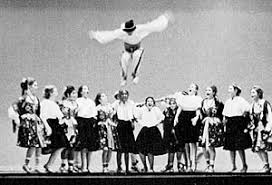
Listen to the Goralski dance suite from the rural Podhale district of Poland, recorded in 5 short sections on CD 1:25-29, textbook pp. 154-163.
A. Each of the five dances is different, but how are they similar? (minimum 250 words)
B. Is there a contemporary American equivalent to such a set of dances? (minimum 250 words)
SAMPLE ANSWER
Goralski Dance Analysis
Each of the five dances is different, but how are they similar?
The first similarity that one notices as he or she listens to the dances is the instruments that are employed. The members of the band use a variety of violins which produce distinct sounds that then make up the music. The second similarity is the presence of voices that are distinctly or ideally male and female with the respective voices dominating the dance at selected times during the song. The third similarity of these dances is the language that is used by the members of the band. All of the songs are sung in the same traditional Polish dialect. Last but not least, the dances had a similar arrangement enabling a listener to predict when the climax of the song will be (Titon, 2009).
Is there a contemporary American equivalent to such a set of dances?
A possible contemporary American equivalent to such dances is the collection of dances performed by ‘cowboys’ from the Western Parts of the country. These dances include line dancing and the cowboy boogie. The reason why this can be considered to be a contemporary equivalent is the fact that the American version always features one or more acoustic guitars and a lead vocalist. During the dance, men and women take up different dance moves at select moments in the duration of the song. The dances can involve a minimum of two people while the upper limit can only be restricted by floor space. The arrangement of country music which is favored by line dancers also follows a predictable arrangement pattern.
Applying Ethical Frameworks
The 2011 National Business Ethics survey reported that 45% of respondents witnessed ethical misconduct at work, a record low for the survey; 63% of those respondents reported the misconduct, a record high. Of those whistleblowers, 22% reported retaliation (Ethics Resource Center, 2012).
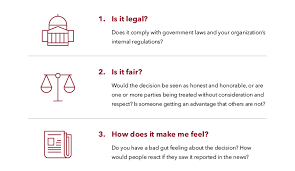
These statistics seem to indicate increased attention to ethical business practice. However, they also point to an ongoing need to continue to strengthen commitment to ethical business practice. Business professionals and scholars need to know how to face ethical dilemmas and make sound ethical decisions. DBA students should have a basic understanding of various ethical frameworks and understand how these frameworks influence real-world business decisions. Northouse (2013) stated, “ethical theory provides a system of rules or principles that guide us in making decisions about what is right or wrong and good or bad in a particular situation. It provides a basis for understanding what it means to be a morally decent human being” (p. 424). Ethical values are used daily for decision making in business. Understanding and analyzing various ethical frameworks will enable you to better solve ethical dilemmas.
Use academic justification and two scholarly resources, in addition to those presented in the Learning Resources, to support your solution.
•By Day 7 of Week 6, read all of your colleagues’ posts and respond to three colleagues. Provide scholarly critiques of their analyses. For each response, be sure to include all of the following:
•Two strengths of your colleague’s analysis
•Two weaknesses of your colleague’s analysis and solution
•Suggestions of ways to improve upon the weaknesses
•An alternative solution
Be sure to include at least one new scholarly resource to support each response.
SAMPLE ANSWER
Applying Ethical Frameworks
Two strengths of my colleague’s analysis
Colleague #3’s analysis has two significant strengths, first of which is that he provides a framework of the virtues that guided him in arriving at his ethical decisions and the hierarchy of importance of the various values (Bagozzi, Sekerka & Hill, 2009). This framework is especially useful for anyone questioning the basis of his ethical decisions and it is a crucial strength in his solution, despite the final decisions being either ethical or unethical. The decision-making chart is a perfect example of a leader teaching his followers how to make ethical decisions even in scenarios that are ambiguous based on a set of values and their personal importance. The second strength is in the decision, which was totally appropriate as it incorporated all the virtues and attributes of leaders just as stipulated by Northouse (2013). There was no doubt about the leader’s decision.
Two weaknesses of my colleague’s analysis and solution
The first weakness identified is in colleague #1’s response. I find it too general, as it does not recommend any specific actions that the individual faced with the ethical dilemma can take to resolve the dilemma (Jackson, Wood, & Zboja, 2013). The virtue and deontological ethical theories might apply in this scenario, but the question remains, how do they apply? The second weakness identified lies in colleague #2’s response, which gives a lot of detail about what motivates individuals to choose the ethical response. He clearly states that most individuals are motivated by their inner need to do what is right or their fear of consequences. His teleological and deontological solutions are both his strengths and weakness because they advocate for the individual to act ethically for fear of the consequences of his actions. However, a question arises as to how the individual would act in a scenario where his actions would have no visible negative consequences for the accused employee.
Suggestions of ways to improve upon the weaknesses
My suggestion for the improvement of colleague #1’s response is that he should recommend a specific action that the leader should have taken so as to act ethically in accordance with the supporting theories he has given (Morales-Sánchez & Cabello-Medina, 2013). An example of such an action would be the leader saying no to his friend and reporting his actions based on his virtue of honesty and personal responsibility. My next suggestion is for the improvement of colleague #2’s response, which I find to be quite appropriate, but I do feel that it lacks the aspect of the inner personal desire to do what is right. According to Abrhiem (2012), people are motivated to act ethically based on their sense of duty for what is right or wrong and my colleague’s response does not take this fully into account. I believe that as a leader he should have allowed the officers a chance to rethink their actions by making them personally responsible through articulating the consequences of their actions.
An alternative solution
An alternative solution would be to combine both the strengths of colleague #3’s response and the weaknesses of the other two colleagues and to combine them with the suggested improvements. The alternative solution should have a decision-making chart that clearly explains the decision-making process and highlight the values used by the leader in making his decision just like #3’s solution suggests. Lastly the solution should incorporate an element of training where the leader gives the individuals an opportunity to show him that they have learned how not to make unethical decisions again, just as suggested in the improvements section (Thiel, Bagdasarov, Harkrider, Johnson & Mumford, 2012).
References
Abrhiem, T.H. (2012). Ethical leadership: Keeping values in business culture. Business & Management Review, 2(7), 11-19.
Bagozzi, R., Sekerka, L., & Hill, V. (2009). Hierarchical motive structures and their role in moral choices. Journal of Business Ethics, 90, 461-486.
Jackson, R., Wood, C., & Zboja, J. (2013). The Dissolution of Ethical Decision-Making in Organizations: A Comprehensive Review and Model. Journal of Business Ethics, 116(2), 233-250.
Morales-Sánchez, R., & Cabello-Medina, C. (2013). The Role of Four Universal Moral Competencies in Ethical Decision-Making. Journal Of Business Ethics, 116(4), 717-734.
Northouse, P. G. (2013). Leadership: Theory and practice (6th ed.). Thousand Oaks, CA: Sage.
Thiel, C., Bagdasarov, Z., Harkrider, L., Johnson, J., & Mumford, M. (2012). Leader Ethical Decision-Making in Organizations: Strategies for Sensemaking. Journal of Business Ethics, 107(1), 49-64.
We can write this or a similar paper for you! Simply fill the order form!
Business Plan for Urgent Care Center in Anaheim California USA
Business Plan for Urgent Care Center in Anaheim California USA
Order Instructions:
The purpose of this application is to provide the student an opportunity to develop an advanced practice nursing (APN) professional business plan.
BUSINESS PLAN for Urgent Care Center in Anaheim California USA
Introduction to the APN professional business plan:
Introduces the purpose of the paper and addresses all background information elements (who, what, where, when, and why) for the proposed APN professional business plan.
Description of proposed APN business profile:
Individually addresses each element of the proposed APN business profile with discussion of how each element could be achieved if implemented.
When describing the proposed APN business profile, be sure to include: (a) proposed vision statement; (b) proposed services; and (c) proposed process for obtaining all anticipated registrations (i.e., Central Contractor Registration [CCR#]; Clinical Laboratory Improvement Amendment [CLIA#]; Commercial And Government Entity [CAGE#]; Dun & Bradstreet Number [DUNS]; Employer Identification Number [EIN]; Marketing Partner Identification Number [MPIN]; National Provider Identifier [NPI#] and Taxonomy Registration; North American Industry Classification System [NAICS#]; Small Business Administration [SBA#]; Standard Industrial Classification [SIC#]; Trading Partner Identification Number [TPIN]), if implemented.
Presentation of proposed APN service delivery:
Individually addresses each element of the proposed APN service delivery with discussion of how each element could be achieved if implemented.
When presenting the proposed APN service delivery, be sure to include: (a) proposed staffing (emphasis on total number of practice years as a licensed healthcare professional); (b) marketing plan and economic feasibility analysis (address potential sources of funding); and (c) management plan with proposed organizational chart
Conclusion:
An effective conclusion identifies the main ideas and major conclusions from the body of your manuscript. Minor details should not be included. Summarize important aspects of the proposed APN professional business plan.
SAMPLE ANSWER
Business Plan for Urgent Care Center in Anaheim California USA
Introduction
Background
Emergency rooms in Anaheim California are characterized by long queues that translate to long waiting hours and for the young children having critical conditions, pediatric urgent care centers have become an alternative for providing child care especially in the after-hours. Taking care of the chronically ill requires a lot of patience and compassion and even more of these attributes are demanded when taking care of sick children especially in the afterhours. Sickness does not consider convenience and with a few urgent care centers and a population of approximately 345,000 people there is a definite need to introduce extra urgent care centers in Anaheim. There is an ever growing need and urgent requests that require filling due to the shortage of emergency pediatric urgent care centers. To help reduce this burden, the Urgent Pediatric Care Centre (UPCC) will be established on the State College Boulevard to cater for the emergency pediatric needs of the citizens in the area.
Business Profile
Mission Statement
It is the mission of the Urgent Pediatric Care Centre (UPCC) to provide high-quality child-centered care for all the children at an affordable price and in the shortest time possible in all of Anaheim.
Vision Statement
Our vision is to become the best pediatric urgent care centre in the country that provides the high-quality pediatric services through continuous education of our staff at affordable prices and the centre of choice for all children and parents nationally.
Services Offered
Children need special attention and care in times of illness. Therefore, UPCC will provide comprehensive care for the children and cater for the needs of the parent while at the centre. The multidisciplinary team comprising of General Practitioners, pediatric doctors, specialists, nurses, surgeons, and other support staff will provide a wide range high-quality services that are walk-in hours throughout the week and year. These include pharmacy, laboratory and x-ray services for quick diagnosis and monitoring, and a fracture program that is comprehensive and overseen by the pediatric specialist. treatment will be provided by for cuts and bruises, cold and flu-like symptoms, ear infections, burns, throat infections, sprains, and rushes just to mention a few. Apart from these, counseling services will be provided for the parent, guardian and or significant other in case of severe life conditions. Where emergency services are required, the support staff will immediately connect you to the nearest hospital or Emergency Room for specialized treatment. The center will be dedicated towards the provision of care and support to the child patient including their parents in every step in the recovery process. While providing such care parents are required to provide company to their child from the start to finish and be actively involved in the recovery and healing process to ensure acceptance and adherence to treatment and positive treatment outcome.
Process for Obtaining all Anticipated Registrations
To obtain all the relevant registrations, the following processes would be applied. First is the Clinical Laboratory Improvements Amendments (CLIA). Since the centre intends to provide laboratory services, certification and registration will allow provision of laboratory services through Medicare and Medicaid payments perks. Second, since the centre is going to provide care under different payment plans, the NPI standard will be sought for accountability purpose and for the sake of sharing with other institutions. Finally, for identification purposes, the Employer ID Numbers will be crucial as this is used by the IRS identify a business entity.
Service Delivery
Staffing
Pediatric care involves both the theoretical and evidence-based approach to practice and provision of care. The care here is not limited to the provision of differential diagnosis and treatment of conditions relating to medical interventions and therapeutics that occurs whether there is a disease or not. Interventions here are holistically provided and incorporate the human and family norms in treatment. Therefore, staffing will be done in a manner that supports the United States healthcare system and requirements and meets the needs of the patients. Staffing will involve supporting the United States healthcare system and the need to acquire highly qualified and well experienced and registered staff. Several options of clinical leads are available, and these leads will handle the emerging cases that “walk-in” to these centers and stabilize the patients before further treatment is provided, or referrals made. The leads will be required to have a minimum of eight years of practice as a licensed pediatric caregiver. The total number of staff required is forty to provide the best care possible.
Clinical Leads
Number
General Practitioner
1
Pediatric Doctor
1
APRN
1
Lab Specialist
1
Pharmacist
1
Radiologist
1
Medical Staff
Nurses
10
Pharmaceutical Technologist
2
Pharmacy Assistant
1
Lab technologist
2
Lab assistant
1
Physician Assistants
4
Counselor
2
Non-medicalstaff
CEO,
1
Human Resource Manager
1
Chief Financial Officer
1
Accountant
1
Other Staff
6
Marketing Plan and Economic Feasibility Analysis
The marketing strategy will be focused on the target population of children and their parents in Anaheim. Since there is a specific target group, the marketing strategy can be narrowed down only to address this group. Advertisement and media usage will be at the heart of the centre’s marketing strategy. Since television advertisements are often very effective, a short one-minute advert will be used with most of the media advert being done on local radio stations for a period of two weeks. The publicity and promotional approach that will be significantly used will be the print media. Billboards will be stylishly designed and placed in the region in strategic locations. Adverts will be published in the Newspaper on a daily basis for the first two weeks then on weekends only for the next four weeks. Pamphlets and brochures will also be prepared that will be handed out to individuals on the streets and to large organizations such as schools, hospital, and day care centers just to mention a few. Since gas filling stations often allow businesses to place their advertisements, posters will be prepared that will be placed on filling stations and the same applied to supermarkets, convenient stores, public toilet, or near children play areas. A promotional event will be organized and sponsorship of local events. The opening will be a community event aimed at introducing the staff and practice to the Anaheim populace. Free services such as blood screening will be done on a monthly basis in public institutions and facilities.
The cost structure will be semi-structured depending on the method of payment and source of payment. Medicare, Medicaid, and other insurance programs will have their price structures that will be dependent on the services provided.There will be three levels of pricing that will be based on a full comprehensive visit at $75, an intermediate problem that is new $65, follow-up visits at $35, and lab services $50. Counseling will be offered free of charge if the child is treated at the centre, however, for those who come from outside, a flat rate of $50 per every 45 minutes will be charged. Educational programs will be free at the hospital, but in case of outside invitations, the fee will be dependent on the location, depth of the program, and number of days the education shall be provided. The closest Urgent care centre here is the Anaheim Urgent Care. They charge higher prices and, therefore, UPCC is expected to attract more clients due to its lower prices and; in addition; they do not open for 24 hours. The centre will seek funds from the government; in addition, the CEO is expected to contribute towards the establishment of the funds. Through community activities, the centre will request for donations, grants, and gifts for establishing and running the institution. Finally, a bank loan will be sought to finance setting up of the centre, and this will be a quarter of the amount required as most financing will come from the government.
Management Plan
UPCC will be incorporated to become a limited liability corporation. This is with the goal of enabling the centre to benefit from taxing regulations, separate liability, and hence similar to a sole proprietorships but with reduced risk associated with sole-proprietorship. This form of business allows a single owner; however, it allows the addition of partners. The main decision maker will be the CEO for the non-medical decisions while the APRN will be the leader decision maker for the non-medical staff; however, this will be on consultation with the management team. This team will comprise of the CEO, CFO, and the HRM.
Conclusion
From the mission statement, UPCC aims at becoming the best urgent care centre not only in Anaheim but the entire nation. The institution will employ three approaches to ensure efficient registration and compliance with the IRS that are CLIA, EIN, and NPI. This will also ensure it provides care to a large population with different insurance plans and payment methods. The institution will offer a broad range of services that include pharmacy, laboratory and x-ray services for quick diagnosis and monitoring, and a fracture program. These will be offered on top of the conventional treatments in pediatric urgent care centers that include treatment for cuts and bruises, cold and flu-like symptoms, ear infections, burns, throat infections, sprains, and rushes just to mention a few. The centre will employ a total of 40 staff members that are highly qualified and experienced. Although it will be located near a well established urgent care centre it will provide the services at a reduced cost and on a 24 hour basis that will give it a competitive advantage. The government will be the main source of funding, and the rest will be sought through the bank, CEO contributions, and grants and gifts from the community. The CEO will be the overall decision maker, but for the medical staff the APRN will be the head responsible for decision making.
Local, State, and Federal Partnerships: Terrorism
For this level, access the following:
1. Federal Government Partner Guide of the NRF. The “Partner Guide provides a targeted index to information in the NRF core document that is specifically pertinent to local [state and federal] government leaders and emergency management practitioners. The Guide is intended to serve as a ready reference to assist users in quickly locating sections of the NRF that are applicable to local [state and federal] partners.” (Source: FEMA.gov)
2. National Incident Management System (NIMS). NIMS works hand in hand with the NRF. NIMS provides the template for the management of incidents, while the NRF provides the structure and mechanisms for national-level policy for incident management.
Respond to the following:
1. Explain the chain-of-command structure when receiving information about a possible act of terrorism in your city. The incident is confirmed to be the work of terrorists. Now what?
2. Review the NRF and the NIMS in reference to terrorism (e.g., explosions, shootings, biological attacks) and note the locations in these documents.
3. What do the documents note concerning biological, chemical, radiological, and nuclear terrorism?
4. Go to the Texas Department of Public Safety website and find the document regarding the biological terrorism response plan. Summarize the document’s strengths and weaknesses as a response plan in light of the prior questions and readings.
Assignment Expectations Length: Case assignments should be at least three pages long. References: IN addition to the required readings, at least two additional references should be included from an academic sources (e.g., peer-reviewed journal articles). The references should be cited within the text and also listed at the end of the assignment in the References section (preferably in APA format).
Quoted material should not exceed 10% of the total paper (since the focus of these assignments is critical thinking). Use your own words and build on the ideas of others. When material is copied verbatim from external sources, it must be enclosed in quotes. Organization: Subheadings should be used to organize your paper. Format: APA format is required for this assignment
The following items will be assessed in particular:
• Relevance – All content is connected to the question.
• Precision – Specific question is addressed. Statements, facts, and statistics are specific and accurate.
• Depth of discussion – Points that lead to deeper issues are presented and integrated.
• Breadth – Multiple perspectives and references, multiple issues/factors considered.
• Evidence – Points are well-supported with facts, statistics, and references.
• Logic – Presented discussion makes sense; conclusions are logically supported by premises, statements, or factual information.
• Clarity – Writing is concise, understandable, and contains sufficient detail or examples.
• Objectivity – Paper avoids use of first person and subjective bias
SAMPLE ANSWERS
Local, State, and Federal Partnerships: Terrorism
1. Explain the chain-of-command structure when receiving information about a possible act of terrorism in your city. The incident is confirmed to be the work of terrorists. Now what?
When a possible incident of terrorism is reported in the city of Los Angeles, California, patrol officers will be the first on the scene among other first responders who arrive at the scene with the sole aim of helping the public who may be wounded or in harm’s way. Once the first responders arrive at the scene, they will radio in the situation to their respective departments for appropriate response with the police officers radioing the situation to their base station. A senior officer at the base is usually assigned the case immediately it is reported who then appoints an incident commander who has special training in emergency response who shall be in charge of the operation (Kane, 2004). The incident commander quickly takes over and starts gathering important information from officers who are at the scene while at the same time dispatching an emergency police unit to the scene. The incident commander also coordinates with the city’s emergency response center so as to confirm that the incident is actually an act of terrorism after which the matter becomes a top priority for homeland security, but they will still coordinate with the police and the emergency response command center. 2. Review the NRF and the NIMS in reference to terrorism (e.g., explosions, shootings, biological attacks) and note the locations in these documents.
According to the NRF document, the references to terrorism are located in the chapters II and II of the document, which are dedicated to response actions and in case of such incidents. The term is mentioned between pages 27 in the introduction to page 70 at the close of chapter III. On page 48, which discuses the role of a Multiagency Coordination System (MACS) whose role is to coordinate events away from the field and allocate resources in high demand within the field (FEMA, 2008a). Page 53 mentions the role of Homeland Security in staffing counterterrorism units. Page 54 mentions the Counterterrorism Security Group (CSG), which is an interagency group that develops terrorism prevention measures. The National Counterterrorism Center (NCS) is mentioned on page 57.
The NIMS document mentions the term terrorism on page 5 all the way throughout the document up to page 148, addressing all forms of terrorism including bioterrorism and nuclear terrorism. There is also a definition of terrorism done by the Homeland Security Act of 2002, which characterizes it as an act that poses danger to human life or has the potential to cause damage to critical infrastructure. In the U.S, it is a violation of state or federal criminal laws, its objective is to coerce or intimidate civilians, or to affect the operations of a government by mass criminal acts (FEMA, 2008b).
3. What do the documents note concerning biological, chemical, radiological, and nuclear terrorism?
The NIMs document is very categorical about all the above types of terrorisms attacks, which should be managed by an Incident Command System (ICS) since they involve multiple agencies and may cover multiple jurisdictions. The ICS should facilitate the coordination of response actions by integrating equipment, personnel, facilities, procedures, and communication system between response teams. The NIMS document also proposes that additional command staff may be necessary for the above terrorism attacks (FEMA, 2008b). An Area Command is also recommended for the above types of terrorism attacks, as they require the coordination of large-scale responses and different types of organizations that are managed by different ICS. Emergency Operations Centers may also be established in times of such terrorism attacks that have significant lasting effects and will usually include staff from a variety of jurisdictions and disciplines. The Operations Section discuses the management of terrorism sites so as to save lives and property, while also establishing control and returning the situation to normal (FEMA, 2008b).
4. Go to the Texas Department of Public Safety website and find the document regarding the biological terrorism response plan.
Strengths
The strengths of the Appendix 6 to Annex H (Biological Terrorism Response Plan) document lie in section IV on situation and assumptions as most of the situation described are correct and extremely accurate, thus, they represent the situation on the ground in the state of Texas (TxDPS, 2011). Situations that describe how terrorist may carry out attacks on specific populations or areas in the state and the motivations for such targeted attacks being to cause mass casualties or to inflict economic loss are extremely accurate. The situation is quite accurate because it reflects the definitions of acts of terrorism, which is contained in the NIMs document. Another appropriate situation is described as a biological terrorism attack that may target critical infrastructure and vital resources. The assumptions in the document are also appropriate as they reflect the nature of terrorism attacks, such as in order for a response to a bioterrorism attack to be successful, accurate information should be released to the public on time so that they can take appropriate measures regarding public health issues (TxDPS, 2011). Most of the other assumptions are also quite accurate.
Weaknesses
The main weaknesses of the document lie in its description of the concept of operations and the biological terrorism response strategy and policy, which I find is quite inadequate and might not reflect the true situation on the ground during bioterrorism attacks. I recommend that the department adopts much faster detection systems such as the use of monitoring drones to minimize the time lag between the biological attack and its detection. Such measures will ensure that the response have maximum effect.
References
Kane, J. (2004). The critical incident response manual for supervisors and managers. California: D-Prep, LLC.
FEMA. (2008, January). National Response Framework. WashingtonDC. Department of Homeland Security.
FEMA. (2008, December 18). National Incident Management System. Washington DC. Department of Homeland Security.
Texas Department of Public Safety. (2011, September). State of Texas Emergency Management Plan. Texas: Texas Department of State Health Services
We can write this or a similar paper for you! Simply fill the order form!
Assignment Assess your Knowledge of Foundational Concepts
Assess your knowledge of foundational concepts essential to the nursing management of client health by taking the interactive quiz, located in the media “Arterial Blood Gas Interpretation.” http://lc.gcumedia.com/zwebassets/courseMaterialPages/nrs410v_self-assessment-v1.1.php
The quiz is designed as a tool for self-assessment. When you encounter questions that seem vaguely familiar, click on the media’s study materials, which are organized by topic (e.g., anatomy, biology, chemistry, pharmacology). This media will serve as a refresher for the concepts that build upon one another in nursing practice.
You will have the opportunity to retake the quiz until you achieve a passing score of 100%.
Once completed, please save your results and submit to the instructor.
SAMPLE ANSWERS
Knowledge of Foundation Concepts
Student ADA Version
of the Arterial Blood Gas Interpretation Pre-Assessment
Anatomy
Backward effects of left-sided heart failure include:
In performing a physical assessment, the nurse notes the patient has a “barrel” configuration to the chest. This is a consequence of:
Reduced intrapleural pressures
Bronchial airway expansion
Increased vital capacity
Increased residual lung volume
Student ADA Version
of the Arterial Blood Gas Interpretation Pre-Assessment
Anatomy
Backward effects of left-sided heart failure include:
Pulmonary congestion
Jugular vein distention
Dependent edema in the legs
Bounding pulses
Anatomy
In performing a physical assessment, the nurse notes the patient has a “barrel” configuration to the chest. This is a consequence of:
Reduced intrapleural pressures
Bronchial airway expansion
Increased vital capacity
Increased residual lung volume
Anatomy
Ausculation of the chest reveals bilateral fine crackles in the bases bilaterally, indicating:
Right-sided heart failure
Left-sided heart failure
Pneumonia
Acute respiratory distress syndrome
Biology The signs and symptoms of anemia are all related to what common pathophysiologic feature of the condition?
Increased oxygen consumption by tissues
Decreased blood oxygen content
Vasodilation
A shift in the oxyhemoglobin dissociation curve
Biology In addition to hypertension, preeclampsia is characterized by:
Nausea and vomiting
Fatigue and lower back pain
Protein in the urine and edema
Retinal changes and rates in the lungs
Biology Common manifestations of bacterial pneumonia include all of the following except:
Fever
Productive Cough
Tachypnea
Hyperinflation
Biology Closed drainage systems work to re-expand a lung after pneumothorax by:
Re-establishing the normal negative intrapleural pressure.
Creating a positive pressure in the pleural space
Removing excess fluid from the pleural space so that there is room for lung expansion.
Pulling oxygen into distal air sacs to re-expand lung tissue
Biology Patients with chronic renal failure usually exhibit:
Bradycardia
Hypokalemia
Hypocalcemia
Hematomas
Biology The diet of a patient in end-stage kidney disease is restricted in all of the following except:
Fluid
Potassium
Protein
Calories
Anatomy
Which of the following is true of the biological functions of progesterone?
Progesterone is the most important hormone associated with pregnancy.
Progesterone directs male sexual characteristics.
Levels of progesterone increases if the egg is not fertilized.
Levels of progesterone remain stable if the egg is not fertilized.
Anatomy
Which of the following is true of the biological functions of testosterone?
Testosterone is not secreted by the ovaries.
Testosterone is needed for development of female secondary sexual characteristics.
Testosterone stimulates ovulation.
Testosterone is needed for development of male secondary sexual characteristics.
Anatomy
Which of the following is true of the biological functions of estrone?
Estrone is required for proper development of male secondary sexual characteristics.
Level of estrogen degreases if the egg is not fertilized.
Estrone is required for proper development of female secondary sexual characteristics.
Estrone affects only the reproductive organs.
Biology
What is the function of hemoglobin?
Hemoglobin is the protein in red blood cells that is responsible for carrying oxygen to the cells of the body.
Hemoglobin is a lipid in red blood cells that is responsible for carrying oxygen to the cells of the body.
Hemoglobin is a protein in white blood cells that is responsible for carrying oxygen to the cells of the body.
Hemoglobin is a protein in red blood cells that is not responsible for carrying carbon dioxide to the cells of the body.
Biology
Why is heat an effective means of sterilization?
Heat is an effective means of sterilization because it destroys the proteins of microbial lifeforms, including fungi, bacteria, and viruses.
Heat is an effective means of sterilization because it destroys the proteins of anaerobic microbial lifeforms, including fungi, bacteria, and viruses.
Heat is an effective means of sterilization because it destroys the lipids of microbial lifeforms, including fungi, bacteria, and viruses.
Both (B) and (C).
Chemistry:
List the enzymes whose levels are elevated in the blood serum following an MI.
CPK, LDH, AST, and SGOT
LDH, AST, and SGOT
CRE, AST, and ALT
None of the above
Chemistry
What is the physiological function of gluconeogenesis?
Gluconeogenesis is production of glucose from noncarbohydrate molecules in times when blood glucose levels are low. This ensures proper function of brain and red blood cells, which only use glucose as fuel.
Gluconeogenesis is production of glucose from noncarbohydrate molecules in times when blood glucose levels are high. This ensures proper function of brain and white blood cells, which only use glucose as fuel.
Gluconeogenesis is production of glucose from carbohydrate molecules in times when blood glucose levels are low. This ensures proper function of brain and red blood cells, which only use glucose as fuel.
None of the above
Chemistry
What effect does glycogen metabolism have on glucose levels?
Glycogen metabolism traps glucose within liver cells and increases storage of glucose in the form of glycogen. These processes decrease blood glucose levels.
Glycogen metabolism traps glucose within liver cells and increases storage of glucose in the form of glycogen. These processes increase blood glucose levels.
Glycogen metabolism releases glucose within liver cells and increases storage of glucose in the form of glycogen. These processes decrease blood glucose levels.
None of the above
Chemistry
Carbon monoxide binds tightly to the heme groups of hemoglobin and myoglobin. How does this affinity reflect the toxicity of carbon monoxide?
Since carbon monoxide binds the heme groups of hemoglobin, it is easily removed or replaced by oxygen. As a result, the effects of oxygen enhancement result in what divers call the “bends.”
Because carbon monoxide binds the heme groups of hemoglobin, it is easily removed or replaced by oxygen. As a result, the effects of oxygen deprivation result in suffocation.
Because carbon monoxide binds tightly to the heme groups of hemoglobin, it is not easily removed or replaced by oxygen. As a result, the effects of oxygen deprivation result in suffocation.
None of the above
Pathophysiology
Which of the following may be a reason to order an ABG on a patient?
The patient suddenly develops shortness of breath
An asthmatic is starting to show signs of tiring
A diabetic has developed Kussmaul’s respirations
All of the above
Pharmacology
How do sulfa drugs selectively kill bacteria while causing no harm to humans?
Folic acid is a vitamin required for the synthesis of a coenzyme needed to make the amino acid methionine and the purine and pyrimidine nitrogenious bases for DNA and RNA and folic acid is produced by humans.
Sulfa drug binds to the enzyme, no product is formed, folic acid is made and the biosynthesis of methionine and nitrogenous bases increases.
Humans are not harmed because they do not synthesize their own folic acid. It is obtained in the diet.
None of the above
Pharmacology
What occurs when glycogen metabolism is stimulated by insulin?
Insulin stimulates glycogen synthase, the first enzyme in glycogen synthesis.
Insulin stimulates glycogen synthase, the first enzyme in glycogen synthesis. It also stimulates removal of glucose from the bloodstream into cells and phosphorylation of glucose by the enzyme glucokinase.
Insulin stimulates glycogen synthase, the first enzyme in glycogen synthesis. It also stimulates uptake of glucose from the bloodstream into cells and phosphorylation of glucose by the enzyme glucokinase.
All of the above
Pharmacology
What is the medical application of cortisone? Cortisone is used to treat:
Rheumatoid arthritis, asthma, gastrointestinal disorders, and a variety of skin conditions.
Kidney disease, high blood pressure, and osteoporosis.
Muscle disorders, tuberculosis, and thyroid disorder.
All of the above
Anatomy
Oxygen saturation is likely to be lowest when an asthmatic with a diagnosis of pneumonia is positioned:
In a high Fowler position
Lying on the left side
Lying on the right side
Lying supine with the head of the bed flat
Chemistry
Laboratory test results indicative of thrombocytopenia, in addition to a low platelet count, would be:
Increased PT
Prolonged bleeding time and poor clot retraction.
Increased aPTT
Decreased RBC count.
Pharmacology
The purposes of epinephrine injection include all of the following except:
Stabilizing mast cell membranes.
Relaxing bronchial smooth muscle.
Supporting arterial blood pressure.
Blocking histamine receptors.
Pharmacology Therapeutic interventions focused on increasing the oxygen supplied to the heart and decreasing the heart’s demand for oxygen include:
Antiplatelet drugs
Anticoagulants
Morphine sulphate
Thrombolytic drugs
Pharmacology An intervention that would contribute toward the healing of a peptic ulcer is:
Steroid administration
Blocking or neutralizing of acid secretion
Surgical removal of the ulcer
Intravenous nutritional support
Pharmacology Aspirin and NSAIDs are causative factors for the development of peptic ulcer disease because they:
Increase acid secretion
Allow proliferation of H. pylori
Damage the mucosal barrier
Alter platelet aggregation
Pharmacology Your patient is interested in trying medication to improve low mood/depression. All of the following medications might be appropriate except:
Selective serotonin reuptake inhibitors
Amitriptyline
Serotonin and norepinephrine reuptake inhibitors
Benzodiazepines
Anatomy
Ausculation of the chest reveals bilateral fine crackles in the bases bilaterally, indicating:
Right-sided heart failure
Left-sided heart failure
Pneumonia
Acute respiratory distress syndrome
Biology The signs and symptoms of anemia are all related to what common pathophysiologic feature of the condition?
Increased oxygen consumption by tissues
Decreased blood oxygen content
Vasodilation
A shift in the oxyhemoglobin dissociation curve
Biology In addition to hypertension, preeclampsia is characterized by:
Nausea and vomiting
Fatigue and lower back pain
Protein in the urine and edema
Retinal changes and rates in the lungs
Biology Common manifestations of bacterial pneumonia include all of the following except:
Fever
Productive Cough
Tachypnea
Hyperinflation
Biology Closed drainage systems work to re-expand a lung after pneumothorax by:
Re-establishing the normal negative intrapleural pressure.
Creating a positive pressure in the pleural space
Removing excess fluid from the pleural space so that there is room for lung expansion.
Pulling oxygen into distal air sacs to re-expand lung tissue
Biology Patients with chronic renal failure usually exhibit:
Bradycardia
Hypokalemia
Hypocalcemia
Hematomas
Biology The diet of a patient in end-stage kidney disease is restricted in all of the following except:
Fluid
Potassium
Protein
Calories
Anatomy
Which of the following is true of the biological functions of progesterone?
Progesterone is the most important hormone associated with pregnancy.
Progesterone directs male sexual characteristics.
Levels of progesterone increases if the egg is not fertilized.
Levels of progesterone remain stable if the egg is not fertilized.
Anatomy
Which of the following is true of the biological functions of testosterone?
Testosterone is not secreted by the ovaries.
Testosterone is needed for development of female secondary sexual characteristics.
Testosterone stimulates ovulation.
Testosterone is needed for development of male secondary sexual characteristics.
Anatomy
Which of the following is true of the biological functions of estrone?
Estrone is required for proper development of male secondary sexual characteristics.
Level of estrogen degreases if the egg is not fertilized.
Estrone is required for proper development of female secondary sexual characteristics.
Estrone affects only the reproductive organs.
Biology
What is the function of hemoglobin?
Hemoglobin is the protein in red blood cells that is responsible for carrying oxygen to the cells of the body.
Hemoglobin is a lipid in red blood cells that is responsible for carrying oxygen to the cells of the body.
Hemoglobin is a protein in white blood cells that is responsible for carrying oxygen to the cells of the body.
Hemoglobin is a protein in red blood cells that is not responsible for carrying carbon dioxide to the cells of the body.
Biology
Why is heat an effective means of sterilization?
Heat is an effective means of sterilization because it destroys the proteins of microbial lifeforms, including fungi, bacteria, and viruses.
Heat is an effective means of sterilization because it destroys the proteins of anaerobic microbial lifeforms, including fungi, bacteria, and viruses.
Heat is an effective means of sterilization because it destroys the lipids of microbial lifeforms, including fungi, bacteria, and viruses.
Both (B) and (C).
Chemistry:
List the enzymes whose levels are elevated in the blood serum following an MI.
CPK, LDH, AST, and SGOT
LDH, AST, and SGOT
CRE, AST, and ALT
None of the above
Chemistry
What is the physiological function of gluconeogenesis?
Gluconeogenesis is production of glucose from noncarbohydrate molecules in times when blood glucose levels are low. This ensures proper function of brain and red blood cells, which only use glucose as fuel.
Gluconeogenesis is production of glucose from noncarbohydrate molecules in times when blood glucose levels are high. This ensures proper function of brain and white blood cells, which only use glucose as fuel.
Gluconeogenesis is production of glucose from carbohydrate molecules in times when blood glucose levels are low. This ensures proper function of brain and red blood cells, which only use glucose as fuel.
None of the above
Chemistry
What effect does glycogen metabolism have on glucose levels?
Glycogen metabolism traps glucose within liver cells and increases storage of glucose in the form of glycogen. These processes decrease blood glucose levels.
Glycogen metabolism traps glucose within liver cells and increases storage of glucose in the form of glycogen. These processes increase blood glucose levels.
Glycogen metabolism releases glucose within liver cells and increases storage of glucose in the form of glycogen. These processes decrease blood glucose levels.
None of the above
Chemistry
Carbon monoxide binds tightly to the heme groups of hemoglobin and myoglobin. How does this affinity reflect the toxicity of carbon monoxide?
Since carbon monoxide binds the heme groups of hemoglobin, it is easily removed or replaced by oxygen. As a result, the effects of oxygen enhancement result in what divers call the “bends.”
Because carbon monoxide binds the heme groups of hemoglobin, it is easily removed or replaced by oxygen. As a result, the effects of oxygen deprivation result in suffocation.
Because carbon monoxide binds tightly to the heme groups of hemoglobin, it is not easily removed or replaced by oxygen. As a result, the effects of oxygen deprivation result in suffocation.
None of the above
Pathophysiology
Which of the following may be a reason to order an ABG on a patient?
The patient suddenly develops shortness of breath
An asthmatic is starting to show signs of tiring
A diabetic has developed Kussmaul’s respirations
All of the above
Pharmacology
How do sulfa drugs selectively kill bacteria while causing no harm to humans?
Folic acid is a vitamin required for the synthesis of a coenzyme needed to make the amino acid methionine and the purine and pyrimidine nitrogenious bases for DNA and RNA and folic acid is produced by humans.
Sulfa drug binds to the enzyme, no product is formed, folic acid is made and the biosynthesis of methionine and nitrogenous bases increases.
Humans are not harmed because they do not synthesize their own folic acid. It is obtained in the diet.
None of the above
Pharmacology
What occurs when glycogen metabolism is stimulated by insulin?
Insulin stimulates glycogen synthase, the first enzyme in glycogen synthesis.
Insulin stimulates glycogen synthase, the first enzyme in glycogen synthesis. It also stimulates removal of glucose from the bloodstream into cells and phosphorylation of glucose by the enzyme glucokinase.
Insulin stimulates glycogen synthase, the first enzyme in glycogen synthesis. It also stimulates uptake of glucose from the bloodstream into cells and phosphorylation of glucose by the enzyme glucokinase.
All of the above
Pharmacology
What is the medical application of cortisone? Cortisone is used to treat:
Rheumatoid arthritis, asthma, gastrointestinal disorders, and a variety of skin conditions.
Kidney disease, high blood pressure, and osteoporosis.
Muscle disorders, tuberculosis, and thyroid disorder.
All of the above
Anatomy
Oxygen saturation is likely to be lowest when an asthmatic with a diagnosis of pneumonia is positioned:
In a high Fowler position
Lying on the left side
Lying on the right side
Lying supine with the head of the bed flat
Chemistry
Laboratory test results indicative of thrombocytopenia, in addition to a low platelet count, would be:
Increased PT
Prolonged bleeding time and poor clot retraction.
Increased aPTT
Decreased RBC count.
Pharmacology
The purposes of epinephrine injection include all of the following except:
Stabilizing mast cell membranes.
Relaxing bronchial smooth muscle.
Supporting arterial blood pressure.
Blocking histamine receptors.
Pharmacology Therapeutic interventions focused on increasing the oxygen supplied to the heart and decreasing the heart’s demand for oxygen include:
Antiplatelet drugs
Anticoagulants
Morphine sulphate
Thrombolytic drugs
Pharmacology An intervention that would contribute toward the healing of a peptic ulcer is:
Steroid administration
Blocking or neutralizing of acid secretion
Surgical removal of the ulcer
Intravenous nutritional support
Pharmacology Aspirin and NSAIDs are causative factors for the development of peptic ulcer disease because they:
Increase acid secretion
Allow proliferation of H. pylori
Damage the mucosal barrier
Alter platelet aggregation
Pharmacology Your patient is interested in trying medication to improve low mood/depression. All of the following medications might be appropriate except:
Federal, state, and local partnerships are crucial to the implementation of many policy programs in the United States given that all these levels of government cover different administrative areas, which could not operate independently of the two. The federal government covers the whole nation and is most concerned with implementation of policies across the whole country. Some of its roles include the construction and maintenance of interstates highways and the national healthcare system. The state government has jurisdiction only over the individual state that it is responsible over and it executes all the administrative duties within a particular state in conjunction with the federal government (Ebel, Petersen, & Vu, 2013). Lastly, the local government, on the other hand, is usually responsible for a small administrative unit such as a county or a municipal and is usually in direct contact with the residents of a particular area. The local government is usually the most effective at reaching out and coordinating government programs with the local residents. For maximum efficiency, these three levels of government must work in partnership with each other in order to implement government programs in crucial areas such as education, healthcare, and trade facilitation among many other partnerships as explained below.
Federal/State Partnerships in the Support of Humanities Councils
The National Endowment for the Humanities is a federal agency that operates independently under the executive arm of government whose main function is to provide general operating support to the state humanities councils for over 56 jurisdictions (NEH, n.d). The NEH through the Federal/State partnerships office provides grants to most of the state humanities councils that are run by volunteer boards and also provide technical support on the ground in the implementation of most of the state humanities councils’ programs. The Federal/State partnership enables the NEH to achieve its two critical mandates of advancing knowledge and understanding of the humanities throughout the United States and of increasing public awareness, support, and access to the humanities. The partnership office gives grants to the state councils, consults with them onsite and reviews their work, offers the councils insurance and maintains a communication network across the humanities network. Through this partnership, people in most local areas of the state have been able to benefit from specific humanities programs that target them with content that is relevant and interesting to them. The impact of this partnership has been profound on local communities as they get access to humanities they could not access without the grants given through the partnership.
Federal and Local Partnerships Crucial to Public Safety and Justice
At a recent meeting organized by the National Association of Councils (NACo), the importance of federal and local council’s partnerships in terms of the implementation of justice and public safety programs was emphasized. Most of the councils represented reiterated the need for greater partnership with the federal government in the areas of administration of justice, especially in relation to the indigent defense system (Harris & Murray, 2011). Many county councils asked for more funding from the federal government so that they could deliver better services to their local communities, which especially relates to the rural communities that rely heavily on government programs. The Department of Justice was also put to task about how they could assist local councils in setting up demonstrations that would create rural public defender systems. Other issues that were covered included the steps that were to be taken for the implementation of bail reform, the issue of long-term communications infrastructure for disaster management and recovery, and the role of partnerships between governments in reducing prison populations. All the issues raised and discussed at the meeting highlighted the critical role that the federal government plays in the implementation of justice and public safety programs that affect local people especially in the rural areas.
State-Federal partnerships in healthcare
One of the major roles of the federal government is tom provide universal healthcare to all Americans and it cannot achieve this mandate without the full collaboration of state governments that are usually responsible for staff and provision of care. The most crucial role of the federal government in the healthcare industry is to provide health insurance to all Americans through programs such as Medicaid and other social safety programs. State governments play a crucial role in ensuring that everyone receives the appropriate medical coverage that they deserve under the health insurance programs funded by the federal government (Fisher, 2012). Under the Patient Protection and Affordable Care Act (PPACA) there were several options that were created for both state-based and federal medical insurance programs with majority of the states opting out of the state-based insurance exchanges that place responsibility for the program directly on state governments. Many state are leaning towards the state-federal partnership option in the insurance exchanges program where most of the heavy lifting is left to the federal government as these partnerships do not require a 50-50 split in labor between the state and the federal government. Observers and experts warn that these partnerships could cause major problems for the federal government.
Conclusion
In summary, the few topics do not come close to describing the full scale of federal, state, and local partnerships in the United States, as such partnerships exist in all government functions with only a few exceptions. It is important that these partnerships continue to be nurtured and refined so that they become more effective for the benefit of the local citizen who pays taxes and funds most government activities. Therefore, I believe that these partnerships are crucial to the welfare of all Americans.
Ebel, R. D., Petersen, J. E., & Vu, H. T. (2013). The Great Recession: Impacts and Outlook for U.S. State and Local Finance. Municipal Finance Journal, 33/34(4/1), 33-77.
For this paper , the writer need to access the articles in the resources section at the bottom of this page to get all the information necessary to complete this paper. The writer must pay close attention to all that is require for this paper no miss steps.
IT Systems Case Study
Email, intranets, voice over internet protocol (VoIP), and web-based applications that manage everything from enterprise resource planning to the supply chain have made communication across and between organizations nearly seamless. This has inevitably affected the way organizations are structured. There has been a steady move away from top-down hierarchical structures toward flat, decentralized, virtual organizations with units that maintain an increasing measure of independence from direct central control.
Two articles in your reading this week, one by Hitt and Brynjolfsson and the other by Lucas and Baroudi, offer different, yet complementary, analyses of the impact of technology on organizational structures. The former presents an empirical study supporting the idea that information technology necessarily drives firms to decentralize authority within the organization, while the latter concludes that IT design and organizational design are inextricably linked.
Your task is to read the case study “The Effect of Technological Innovation on Organizational Structure: Two Case Studies of the Effects of the Introduction of a New Technology on Informal Organizational Structures” and, applying the research in your readings this week, write an essay that addresses the following questions:
• What specific challenges faced each of the universities relating to the new technology?
• What type of strategic responses did the universities attempt to implement in response, and which ones led to greater success?
• Do you think social action theory is a useful framework for understanding the relative success or failure of each of these universities?
• Considering that universities are often very traditional in structure and have remained relatively unchanged compared to other types of organizations, what are the implications of this case study for organizations that are less bound by tradition?
• To what degree does this case study confirm or deny the research presented in this week’s journal articles?
Your paper should comprise 3–5 pages in APA format.
Resources for this paper.
Course Text
• Management Information Systems for the Information Age
Chapter 7, “Enterprise Infrastructure, Metrics, and Business Continuity Planning: Building and Sustaining the Dynamic Enterprise”
This chapter discusses the value of service-oriented architecture and hardware and software considerations of an organization, analyzes commonly used metrics for assessing IT systems, and describes business continuity planning.
Articles
• Mukherji, A. (2002). The evolution of information systems: Their impact on organizations and structures. Management Decision, 40(5/6). Retrieved from ABI/INFORM Global database.
This article provides a brief history of the development of information systems and how these systems have changed organizations.
• Hitt, L.M., & Brynjolfsson, E. (1997). Information technology and Internet firm organization: An exploratory analysis. Journal of Management Information Systems, 14. Retrieved from Computers & Applied Sciences Complete database.
This article offers an empirical study supporting the idea that information technology drives firms to decentralize authority within the organization.
• Lucas, H.C., & Baroudi, J. (1994). The role of information technology in organization design. Journal of Management Information Systems, 10(4). Retrieved from Computers & Applied Sciences Complete database.
This article concludes that information technology design and organizational design are inextricably linked.
Kahn, R.L. (2000). The effect of technological innovation on organizational structure: Two case studies of the effects of the introduction of a new technology on informal organizational structures. Journal of Business and Technical Communication, 14(3). Retrieved from ABI/INFORM Global database.
This article compares the outcomes at two university campuses related to the implementation of technological innovation in their administrative offices.
Sor, R. (2004). Information technology and organisational structure: Vindicating theories from the past. Management Decision, 42(1/2). Retrieved from ABI/INFORM Global database.
This article reflects on the impact of information technologies on organizational structures.
SAMPLE ANSWER
Information Technology Systems Case Study
What specific challenges faced each of the universities relating to the new technology as illustrated in the case study?
Organizational structures of many organizations have received tremendous revolution from the case study. The study noticed that universities were faced by many challenges connected to the introduction of the new technology. One of the challenges was that they were dependent to the central control center. Therefore, they lacked independence to make innovations. Another challenge that universities faced was unavailability of business intelligence. Business intelligence aids an organization to obtain resources from digital data for firm business-production mechanism (Kahn, (2000). Universities were also frequented with non-elaborative and disorderly electronic records. This denied them chances to go through various records to update the existing technology. Most of the universities information methodology to efficiently improve communication and correlation of various information sources was poor. According to (Kahn, (2000), information technology, that is mainly appropriated in communication, does not affect human data processing capabilities as human can analyze the information produced by computers. Heavily built bureaucratic structures hindered universities from accessing relevant agencies so as to improve their current technological status (Kahn, (2000).
What type of strategic responses did the universities attempt to implement in response and which ones led to greater success?
The universities came up with three strategic responses in the attempt to implement responses to the challenges faced relating to the new technology. One of the strategies was normativistic communication. This type of communication, as proposed by the universities, has the pro to be regulated and precise, but on the other hand, it was very fixed and this could halt the spontaneous rising of initiatives from the base of the organization. Descriptivist communications was also devised by the universities to overcome the challenges (Müller, (2003). The advantage of this response strategy was that it was being bidirectional, by the fact that data came from more than one source. The universities asserted that this would promote participation from the background and the ability for the top management to detect the mood of the whole firm. The setbacks from this form of response were that that there could arouse dispute at top-level management (Müller, (2003). The management could take into account the responses from the basis but not necessarily meaning that the lower levels are satisfied with the outcome. The areas of disappointment to the juniors could emanate from the feeling that their suggestion have to follow clearly stated procedures that are biased from the top management’s stand, even if they pretend to be neutral (Müller, (2003).
Constructivist communication was another response technique proposed by the universities to overcome the challenges. The response was commendable as it had the advantage of being isolated from imposed procedures. This type of response ensured that communication matters are solely left to the actors involved in the process. The effect of this response was that it affected new and predictable outcomes and creating space for innovations and inventions (Information Resources Management Association., & Khosrow-Pour, (2006). The universities noticed that the response was frequented with certain drawbacks. The response was associated with aspects such as communication being fuzzy and could not be controlled. This made the top management unable to extract the findings of these processes, as they are frequently not available. Constructivist communication gave remarkable results as it calls for isolation of management to other stakeholders. It enabled universities to gather diverse information which promoted discoveries in technological advancements (Information Resources Management Association., & Khosrow-Pour, M. (2001).
Do you think social action theory is a useful framework for understanding the relative success or failure of each of these universities?
Social action theory is quite important in understanding the comparative success or failures of these universities. It agrees and support that human beings have the ability to act differently in different social contexts. The correlation between organizational structure and technology anatomy is reinstated by social action theory approval on technology as well as information technology (Sor, (2004). Social action literature governs universities leaders to apprehend the relationships between technology and information formation and the university’s response to transformations (Sor, (2004). Arguably, this correlation is established in the case study where certain universities uphold decentralized form of record management. The institution embraces the result of the spontaneous change in budgetary system due to computerized financial regulation system.
Sor, (2004) attest that embracing of new technology prompted universities to start new alliances by sending email text messages, announcing of online workshops and seminars and disbursing information to other campuses. Social contract theory also exhibits itself in the case study with the actions of other universities that declined to accommodate the new technology. These universities never formed alliances through internet and continued to apply the traditional practices of technology (Sor, (2004). These activities are emanating from the perceptive that social action theory is accountable for rearrangement of work duties, production of communication networks, transformation in leadership and the decentralization of power process. The case study concludes that social action is effective. The case study also proposes that organizations (universities) facing technological revolution should revitalize communication between workmates, decentralization of power and authority and boundary-bridging regulation techniques (Sor, P. (2004).
Considering universities are often very traditional in structure and have remained relatively unchanged compared to other types of organization, what are the implications of this case study for organizations that are less bound by tradition?
Organizations that are bound to traditional structure prone themselves to so many challenges. One of the challenges is that they will be in vicious cycle of high cost and consequently will decrease in productivity in their operations as it is less likely to form alliances to enable it to appropriately use new technology (Information Resources Management Association., & Khosrow-Pour, (2001). Concentration on old forms of organization structure kills innovation. This is as a result of unavailability of information which acts as raw materials to inventions. Dependency is propagated by the fact that universities will always wait for other institutions to feed them with information (Information Resources Management Association., & Khosrow-Pour, (2001).
To what degree does this case study confirm or deny the research presented in this week’s journal articles?
According to week’s journal articles, despite many organizations upholding the virtue of new technology, traditional elements of communication are still being used. The articles appears to contradict the case study on the impacts of the orientation of new technology on informal organizational structure by arguing that the modern form of technology incorporates both traditional and modern aspects of technology (Information Resources Management Association., & Khosrow-Pour, (2001). The journal articles calls for incorporation of both technologies, but not discard of the traditional type as it acts as the reference point to the new technology. The case study denies the allegations by putting forth arguments that a complete configuration of organization to modern world must do away with the native methods of information structure (Information Resources Management Association., & Khosrow-Pour, 2006).
References
Information Resources Management Association., & Khosrow-Pour, M. (2001). Managing information technology in a global environment. Hershey, PA: Idea Group Publishing.
Information Resources Management Association., & Khosrow-Pour, M. (2006). Emerging trends and challenges in information technology management. Hershey, Penn: Idea Group.
Kahn, R. (2000). The effect of technological innovation on organizational structure: Two case studies of the effects of the introduction of new technology on informal organizational structures. Journal of Business and Technical communication, 14 (13). Retrieved from ABI/INFORM Global database.
Müller, R. (2003). Communication of information technology project sponsors and managers in buyer-seller relationships. S.l.: Dissertation.com.
Salazar, A. J. (2007). Handbook of information technology in organizations and electronic markets. New Jersey: World Scientific.
When a customer feels pressured into making decisions or taking action that he or she feels is inconsistent with what is right, ethical conflict is said to have occurred. Sales people are constantly faced with various ethical dilemmas as they interact with the customers, competitors, and employers. They are frequently exposed to high levels of ethical pressures than employees holding other positions in a company. This is as a result of the freedom they have, since they tend to work in relatively unsupervised settings. They are also responsible for the generation of a firm’s revenue, which may also be stressful.
Question 1
I disapprove of Wright’s sales tactic because the method being used is not ethical. The whole technique is based on dishonesty and deceiving the customer (Ferrell, Johnston & Ferrell, 2007). It also puts pressure on the customer to seal the deal immediately. Wright, however, is trying to cover up for it by giving directions that only customers who seem to want the product can be persuaded. Direction is also given that the technique will only be influenced for someone who actually needs the land. From this perspective, this sales tactic may be dismissed as moral since the customer indeed needed the land, and the sales person knew that the land would satisfy the client’s needs fully (Ruiz-Palomino & Martínez-Cañas, 2014).
Question 2
If I knew that the prospect in the case study would eventually buy the property or that it would be in the prospect’s interest to buy it, my moral assessment of this closing technique would not be affected. This is because I still think that it is morally wrong for salespersons to play with their prospect’s psychology through deceit, just to seal deals. Dishonesty is a factor that has been discouraged for a very long time, especially for salespersons (McClaren, 2013). There are no way the sales person will be in a position to know if that prospect actually needs the land. Hesitation does not mean that the land is needed; but that the client is not sure which one will fully satisfy his or her needs. Therefore, when the sales person uses Wright’s tactic, the pressure of missing out on a product is exerted on the prospect.
If the law allows three days for the prospects to change their minds, there will be reasonable grounds for complaining about the closing technique used against them. First, the sales person was being dishonest in the attempt of getting the prospect to sign the deal. Once the prospect realizes that all the phone calls and reference to headquarters were all face, dishonesty may be claimed. It is always important to be truthful about information given to the customer. This is very important because the client needs to feel confident about the company in case of complaints. Second, after a day or two, the prospect may discover that the product is not what he or she hoped for. However, after being pressured using illegal means, he or she ended up signing the deal. Therefore, the prospects may argue that they were pressured into purchasing a product they were not sure satisfied their needs.
Question 3
There are many things which Jean needs to take into consideration before making any decisions. First, she needs to consider how her action will affect her future deals. No prospect would want to be associated with a dishonest salesperson. Lying about the presence of headquarters, and making fake phone calls to lure a client into signing the deal may easily backfire. If the client notices that all these were a lie, this may be the end of jean’s career. Second, as a sales person, Jean has the obligation to ensure that her actions are not interfering, in any way, with the rights of the customer. The customer has a right of making his or her own decision; the duty of the sales person is to help the customer decide on a product and finally make a purchase (Ross & Robertson, 2003). The duty of the sales person is not to pressure customers into purchasing the goods or services.
Question 4
Jean should give very little weight to self-interest in her deliberations since ethics suggest that a salesperson must always do what is best for his or her customers. It is not stated that she should also consider her own interests. If this code of ethics is considered, the sales person will be foregoing short-term profits but investing in long-term profits that may take longer to show (McClaren, 2013). The long-term benefits are always better because the sales person will eventually start gaining from referrals. Therefore, Jean should stick to her code of ethics and avoid doing what she thinks is wrong. She should always be honest to customers and refuse to pressure them into signing deals. Despite the fact that she is lagging behind, there is hope for more prospects in future because the few she has closed deals with will refer others to her because of her honesty and patience with customers.
Question 5
A rule utilitarian would encourage real estate agents in such a situation to follow a simple rule: “Happiness is not the rational end and purpose of human life and action; virtue is a better end or goal than happiness,” (Qtd. From Ferrell, Johnston & Ferrell 2007, p. 296). This rule implies that the sales person should not focus on his or her own benefits, but rather on virtue or goals. When this rule is followed, the real estate agents will always focus on taking the right actions and making good decisions for the sake of their customers, since the more loyalty there is, the better the performance of an organization.
The realtors’ professional code of ethics needs to reflect a lot on closing techniques. It should warn against using negative means of influence on prospects just to seal a deal. The rights of the customers must always be respected by ensuring that the closing techniques used are not going to disrespect these in any way.
Conclusion
The ethics of salespersons is a factor that will almost never be followed. This is because the job of salespersons has been closely associated with being dishonest, using pressure, and many more activities that ensure the customer signs a deal no matter what. This case study is basically an example of the decisions that salespersons have to make daily. At times, they are often pressured into using the wrong techniques to ensure they sign the deals. However, it is always advisable to use the proper means since the benefits associated with the latter outweigh its shortcomings.
References
Ferrell, O. C., Johnston, M. W., & Ferrell, L. (2007). A Framework For Personal Selling And Sales Management Ethical Decision Making. Journal Of Personal Selling & Sales Management, 27(4), 291-299.
McClaren, N. (2013). The Personal Selling and Sales Management Ethics Research: Managerial Implications and Research Directions from a Comprehensive Review of the Empirical Literature. Journal Of Business Ethics, 112(1), 101-125. http://www.doi:10.1007/s10551-012-1235-4
Ross, W. T., & Robertson, D. C. (2003). A Typology of Situational Factors: Impact on Salesperson Decision-Making about Ethical Issues. Journal Of Business Ethics, 46(3), 213-234.
Ruiz-Palomino, P., & Martínez-Cañas, R. (2014). Ethical Culture, Ethical Intent, and Organizational Citizenship Behavior: The Moderating and Mediating Role of Person-Organization Fit. Journal Of Business Ethics, 120(1), 95-108. http://www.doi:10.1007/s10551-013-1650-1.
We can write this or a similar paper for you! Simply fill the order form!
Clinical Guidelines and Nursing Sensitive Outcomes
Clinical Guidelines and Nursing Sensitive Outcomes
Order Instructions:
This paper is critical and the writer must make sure that all details are taking into consideration. every question must have a detail respond. hear below are the instructions and also some resources that will be use for this paper , let the writer reference to all the resources are he writes the paper . Take note that each section must have 3 cited sources from pear review scholarly articles.
This paper is in two section just as some of my other papers. It should have a reference list at the end of each section, and proper grammar must be used to complete this paper. It has been cited in most of my papers that proper grammar and spellings was not applied and that has caused me a lot of points in this class. As we come to the end of this particular class I want you guys to pay attention to details. Read the instructions and respond accordingly. Take note that all points must be detaily explained. For section A you will use the clinical guidelines which is included hear below to respond to this section of the paper. The link is provided below and you must also quote a minimum of 3 sources for each section.
Clearly describe the best practice or clinical guideline above and provide a working link to resource that is helpful in understanding this practice or guideline.
1. Discuss why this best practice or guideline should be utilized in nursing practice. Why do they lead to improved patient outcomes? What are the nursing actions identified in the guideline? What are the nursing sensitive outcomes?
2. End your discussion with suggestions as to how you might implement this evidence-based best practice or clinical guideline in your health care setting. As you do so, identify any potential barriers you might anticipate and offer ways to overcome these barriers.
3. Provide at least three citations with full references to credible nursing scholarly articles supporting your definitions and discussion.
SECTION B (1.5 pages minimum)
Collaboration for Research and Evidence-based Practice
1. Consider the role of the nurse as an interdisciplinary team member in completing research and using research findings to inform health care practices.
2. Using insights gained from visiting the Women’s Health Initiative retrieved from http://www.nhlbi.nih.gov/whi/ and by reading the article on collaborative strategies by Engelke and Marshburn (2006):
3. Discuss the role of the advanced practice nurse as an interdisciplinary research collaborator and member of the interdisciplinary team obligated to co-participate in the implementation and use of evidence-based practice.
4. End your discussion by providing an example of an evidence-based change that would require the collaborative efforts of nursing and at least two other health care disciplines and that would lead to quality improvement in healthcare.
5. Provide at least three citations with full references to credible nursing scholarly articles supporting your definitions and discussion.
Clinical Guidelines and Nursing Sensitive Outcomes
Section A
The guidelines are developed by the geriatrics societies in America and Britain and are based on evidence based trials among other players in areas such as occupational therapy, physical therapy, home care, pharmacy and hospice. They aim at assisting care providers on fall prevention after older patients’ recurrent falls, difficulty in walking or after acute falls. They may be implemented in caring for older persons in communities, long term care and for those with cognitive impairment (The Panel on Prevention of Falls in Older Persons, American Geriatrics Society and British Geriatrics Society, 2011).
Discuss why this best practice or guideline should be utilized in nursing practice
The best practice guideline should be utilized in nursing practice because there is need to reduce the risk of falls among older persons who are more susceptible to falls than younger patients. Falls are also related to higher rates of morbidity and mortality among older patients and it is thus imperative that nurses apply the guidelines to reduce the rates of death and illness. The guidelines on preventing falls are also imperative in preventing impairment of older persons’ overall functioning as well as untimely admission in longer term care settings (Feder, Donovan, & Carter, 2000). The following link to a resource is helpful in understanding this guideline (http://www.medcats.com/FALLS/frameset.htm).
Why do they lead to improved patient outcomes?
The guidelines result in improved patient outcomes because they bridge the theory-practice gap. They are particularly essential because uncertainty about care is rampant in nursing care for older patients. The guidelines are developed through a participatory approach which gives nurses confidence in caring for older patients. Patients provide experiential information about their falls and health practitioners evaluate appropriate interventions among those provided in the best practices guidelines. This approach reduces medical errors and results in better quality of care.
What are the nursing actions identified in the guideline?
Nursing actions that are required include a multifactorial risk assessment on patients’ history, physical balance, functional abilities and their environment. After assessing the risks, nurses recommend interventions to reduce the risk factors such as minimizing medications, incorporating an exercise program and treating vision impairment, administering vitamin D supplements. Providing education on fall prevention is also imperative among other interventions like modifying the home environment, addressing foot wear problems, managing heart rhythm problems and postural hypotension (medcats.com, 2010).
What are the nursing sensitive outcomes?
The nurse sensitive outcomes emanate from the fact that the guidelines are developed by a mixture of nurses from the diverse areas of gerontological practice and other experts in healthcare. The outcomes are that nurses provide safe and error free interventions. They assess the risk and offer interventions that are supported by tacit knowledge rather than mindlines. When nurses lack formal clinical guidelines, they base their decision making on mindlines. Mindlines as knowledge developed instinctively from their interactions with colleagues, opinion leaders and patient and practice experiences can be unsafe for older patients (Booth, Tolson, Hotchkiss, & schofield, 2007).
The guidelines are applicable in an acute health setting admitting older patients with cardiovascular conditions. It would require a variety of interventions to verify whether the reported falls are as a result of syncope or postural hypotension (The Panel on Prevention of Falls in Older Persons, American Geriatrics Society and British Geriatrics Society, 2011). One setback or barrier is that it would call for prolonged patient observation to ascertain the cause of the falls. However, admission in a home care setting may be necessary to verify the reasons for recurrent falls and execute appropriate interventions such as cardiac pacing and exercise to reduce the risk for falls.
References
Booth, J., Tolson, D., Hotchkiss, R., & Schofield, I. (2007). Using Action research to Construct National Evidence Based Nursing Care Guidance for Gerontological Nursing. Journal of Clinical Nursing, 16, 945-953.
Feder, G., Donovan, S., & Carter, Y. (2000). Guidelines for the Prevention of Falls in People Over 65. British Medical Journal, 321, 1007-1011.
medcats.com. (2010, July). Prevention of Falls in Older Persons: AGS/BGS Clinical Practice Guideline. Retrieved August 7, 2014, from medcats.com: http://www.medcats.com/FALLS/frameset.htm
The Panel on Prevention of Falls in Older Persons, American Geriatrics Society and British Geriatrics Society. (2011). Summary of the Updated American Geriatrics Society/British Geriatrics Society Clinical Practice Guideline for Prevention of Falls in Older Persons. Journal of the American Geriatrics Society, 59(1), 148
Section B
Nurses are increasingly collaborating in interdisciplinary research initiatives. For nurses’ participation in research to work well, there is need to ensure that open lines of communication are in existence. It is also imperative to ensure clear communication about goals, objectives, roles, processes and outcomes is issued at the onset of the research. It is also imperative that the interdisciplinary dynamics also entrench mutual trust and respect as well as value for the unique expertise that nurses and other members contribute (Houldin, Naylor, & Haller, 2004).
Nurses must use evidence based research findings as the basis of their health care practices in education, management and direct patient care. Implementing the evidence based practices have proven to provide safe, cost effective and personalized interventions to patients. Participation in collaborative research and implementation of the findings also develops nurses’ communication and critical thinking skills and leadership abilities to a significant extent. Nurses’ participation also increases their enthusiasm for work leading to increased practice ownership and greater appreciation for evidence based practice (Reavy & Tavernier, 2008).
There is a growing need for service and academia collaboration in research that informs evidence based practice (Engelke & Marshburn, 2006).Educators entrench utopia in nursing practice while healthcare settings cope with the reality of care on a daily basis. It is therefore important that nurse and educators share their perspectives to develop a shared understanding that bridge the gap between practice and education. For example, students can access an externship program that requires that they work the same shifts as their designated preceptors. Such an arrangement facilitates a mentorship relationship because students are not bombarded with new coworkers in every shift. Students must also report to a faculty member to access counseling on problems and learn effective team work strategies. A collaborative experience between preceptors and faculty members allows students to gain clinical experience which is an important form of evidence based practice (Horns, Czaplijski, Engelke, Marshburn, McAuliffe, & Baker, 2007).
The advanced practice nurse plays a collaborative and a co-participatory role in interdisciplinary in research and implementation. This is because partnership is an increasingly important value in organizational life. Advanced practice nurses continuously interact with other researchers in research and also use research results in practice (Harvath, Flahherty-Robb, White, Amann, & Hayden, 2007). The Women’s Health Initiative constitutes one of the collaborative research undertaking involving health care providers such as physicians, nurses, psychologists, nutritionists, epidemiologists and biostaticians for over a decade. The diversity in expertise of the team was imperative in adequately addressing the scientific and operational goals of the longitudinal, multifactorial observational study. It involved randomized controlled clinical trials that were made possible through the teams’ collaborative effort (Houldin, Naylor, & Haller, 2004).
Advanced practice nurses require making clinical decisions using the best research evidence, draw on their clinical experience and patient preferences. An example of collaborative effort in wound care evidence based change in a veteran wound care unit would incorporate nurses, pharmacists and dermatologists. The team would conduct a review of literature on pressure ulcer and venous stasis ulcer management to inform their research based treatment protocol. The dermatologists would provide insight on the most effective care strategies, the pharmacist would provide vital information on dosage in the different medicines while the advanced practice nurse would monitor nurses to ensure that policies and practices at the unit are evidence-based.
References
Engelke, M. K., & Marshburn, D. (2006). Collaborative Strategies to Enhance Research and Evidence-based Practice. Journal of Nursing Administration:, 36(3), 131-135.
Harvath, T. A., Flahherty-Robb, M., White, D. L., Amann, K., & Hayden, C. (2007). Best Practices Initiative: Nurturing Partnerships that Promote Change. Journal of Gentological Nursing, 33(11), 19-26.
Horns, P. N., Czaplijski, T. J., Engelke, M. K., Marshburn, D., McAuliffe, M., & Baker, S. (2007). Leading Through Collaboration: A Regional Academic /Service Partnership That Works. Nursing Outlook, 55(2), 74-78.
Houldin, A. D., Naylor, M. D., & Haller, D. G. (2004). Physician-Nurse Collaboration in Research in the 21st Century. Journal of Clinical Oncology, 22(5), 774-776.
Reavy, K., & Tavernier, S. (2008). Nurses Reclaiming Ownership of Their Practice: Implementation of an Evidence-Based Practice Model and Process. The Journal of Continuing Education in Nursing, 39(4), 166-172.
We can write this or a similar paper for you! Simply fill the order form!
The Price of Doing Good: Consequences of Ethical Decision Making
Consider the following two scenarios:
Scenario 1:
James works in the accounting department of a large firm. While going over the books for the past several months, James notices that someone has altered the figures to increase earnings by several thousands of dollars. He suspects that the errors, which are in the company’s favor, are too consistent to have been honest mistakes. He knows that he should report his findings through the company’s ethics hotline. However, he worries that doing so will jeopardize his security and reputation with the company.
Scenario 2:
Mary owns a small toy manufacturing company. One of her employees has noticed that one of the pieces on the most popular toy can detach from the toy. This could pose a potential choking hazard to young children who play with the toy. No customers have yet reported problems with the toy. Mary wonders if she should report the potential hazard before anyone gets hurt. However, the recall would cost her company money and result in loss of sales during the busy Christmas season.
As the scenarios illustrate, making ethical decisions often requires a trade-off for an organization or individual. After a scandal results from ethical wrongdoing, the proper course of action seems clear. Even so, organizations continue to struggle with making ethical decisions on a day-to-day basis as they weigh the cost of making such decisions.
To prepare:
•Choose a positive example from the past ten years of a business organization whose leaders acted ethically when they encountered an ethical dilemma. Select, analyze, and describe the ethical decision making and actions in the organization.
By Day 7 of Week 6, submit a 4-page (not including cover page or references) analysis of the ethical situation. Your analysis must include the following:
•An explanation of the ethical framework applied by the organization to make its decision, including support for your analysis from scholarly research
•An examination of both the positive and negative consequences of the decision, including the tradeoffs that the leadership of the organization made in making their decision
•A minimum of five references
SAMPLE ANSWER
Applying Ethical Frameworks at McKinsey & Company
Introduction
McKinsey is a global consulting firm that was founded about 87 years ago and has enjoyed a growing reputation for high ethical standards based on its culture of trust and values that advocate for client confidences, and always having the best interests of the clients at heart. However, the company faced a public scandal involving some of its most senior directors that rocked the organization, including all its 18,500 employees and over 1,400 partners across the globe who wondered what could have gone wrong at the firm (Raghavan, 2014). The first scandal involved Mr. Anil Kumar one of McKinsey’s Directors who pleaded guilty to charges of insider trading in 2010 after which he also confessed to Giving secrets he accessed while doing his job to Raj Rajaratnam of the Galleon Group hedge. The next scandal involved Rajat Gupta a former managing director at McKinsey who also gave secrets to Mr. Rajaratnam, although at the time he was a board member at Goldman Sachs (Raghavan, 2014). These two scandals were extremely public and significantly damaged the good reputation of McKinsey in the eyes of the public and most importantly its clients. Once Mr. Dominic Barton was appointed as the global managing director of McKinsey & Company, he made it a personal mission to transform the organization’s culture so as to prevent any such future scandals. The strategy he undertook is critically analyzed below.
Recognizing the Ethical Issue
The very first step that McKinsey took under the leadership of Mr. Barton was to recognize that an ethical issue did exist. Instead of blaming others or the individual responsible for the ethical breaches, the company shouldered the blame and took action to prevent future breaches (Kotalik, et al. 2014). When Dominic took over the global company, everyone at the firm was in a state of shock as the older members asked themselves how such a thing could happen to the company they knew, worked for, and were dedicated to. On the other hand, the younger members were wondering what mess they had gotten themselves into by deciding to build their careers at McKinsey, yet all signs were indicating that there was a major problem at the firm (Raghavan, 2014). However, with a cool head and a mission to transform the culture if the organization and restore the integrity that the firm was known for, Mr. Barton knew that he would have to take drastic measures to create change. Barton clearly saw that the organizations values were not the problem and that the problem lay in the enforcement of the ethics code that had guided the firm for decades (Raghavan, 2014). Once he had identified the problem, he set out to implement strategies that would eliminate the problem now and in future.
Putting Safeguards in Place
After identifying the key ethical issues that caused the two scandals, Barton realized that there was a weakness in the implementation of the ethics code that had guided the company since its inception, and he decided to put safeguards in place to protect the company (Jackson, Wood, & Zboja, 2013). One of the first safeguards he implemented was a personal investment policy that restricted the firm’s employees and members of their families from trading in the securities of any of its clients. The next safeguard was a rule that required all company consultants to fill an online questionnaire about crucial topics such as investments and ethics, which are vital to the operations of the company. These two initiatives were met with significant resistance from the company’s European partners who had never been restricted from trading in the stocks of any client so long as they did not deal with the client directly (Raghavan, 2014). However, the new policies were received gladly by the company’s American investors who had witnessed the arrest of Mr. Kumar in horror, and they agreed that changes were necessary to avoid any such things happening in future. He also created a department of professional standards that would be responsible for ensuring that all employees adhere to the honor-system and values-based ethics code that was the foundation of the company.
Building a robust self-sustaining ethics infrastructure
In order for an organization to have a robust ethics system, it is not enough that the company has a written code of ethics, but just as important is that the company appoints a committee of independent non-executive directors who are not part of its board. The committee will be responsible for ensuring that the code of ethics is adhered to throughout the organization and that every employee is in compliance with the ethics code (Morales-Sánchez & Cabello-Medina, 2013). Barton understood this, crucial ethics principles applied it as part of his reform strategy by getting the approval of the Shareholders Council, which acts as the company’s board to implement the new policies he had created. He took a further step by redefining the role of the company’s disciplinary panel and making its activities very public, which caused quite a stir within the organization as employees were openly shamed and punished while others were even dismissed (Raghavan, 2014). All these policies are self-sustaining and as long as they remain in place and are consistently implemented, McKinsey can look forward to better days without drastic ethical scandals. However, for the self-sustaining ethics system to survive and thrive it has to be supported by the top management as well as all the staff so that it can become part of their everyday culture to nip any ethics violations in the bud long before they become toxic to the organization.
Talking with Employees at all Levels often
In the 1980s, a researcher named Tom Peters championed the idea of managing employees by walking around, which could not be more relevant in modern organizations today, just as it was in those years. By walking and around and talking to employees managers and supervisors can communicate to employees what is expected of them and how they are doing in terms of achieving the expectations (Craft, 2013). These informal interactions are crucial as they provide an opportunity for managers to interact with employees in an informal setting where the employee is comfortable and can freely air their views and concerns about ethics and other work issues (Craft, 2013). In the case of McKinsey, such an approach might prove quite difficult to implement given that they have a global workforce distributed across the whole world, but the firm has found innovative ways to implement this strategy. One such strategy was the introduction of the Survey of Leadership initiative, which was launched in 2011 that allows subordinates to anonymously submit their appraisals of the behaviors of their leaders, who are the senior partners (Raghavan, 2014). This initiative was criticized by many senior partners who thought that their subordinates would use it to report frivolous issues that would tarnish the names of some partners, such as incidents at the staff cafeteria. However, the system was implemented and majority of the reviews are actually positive with only eight percent being negative.
Choosing to Live the Corporate Values and Opening Communication Channels
It is crucial that every organization realizes that no ethics or compliance manual can completely cover all the ethical dilemmas that employees face on a daily basis, which makes it crucial for organizations to equip their employees with corporate values that shall guide them in times of uncertainty (Thiel, Bagdasarov, Harkrider, Johnson & Mumford, 2012). By ensuring that all employees understand the driving values of the organization that live through every decision made at all levels of the organization, the leaders can have the peace of mind that comes with knowing that even when one is not there to provide specific guidance regarding tricky decisions, employees will still make the right decisions based on those values. Barton has taken the same approach at McKinsey by inspiring the organizations values in all employees through various methods such as the orientation process where employees are tested on their understanding of the firm’s code of ethics using hypothetical situation. Another indicator of how Barton impacts McKinsey’s values on employees is through his talks to newly recruited employees where he shows them how important the company’s values are in their daily operations (Raghavan, 2014). When speaking to new consultants Barton makes it his goal to stress the importance of looking at ethics broadly not just in form of specific examples, but more importantly he shows them how they should always use values in making all their decisions.
Conclusion
In conclusion, McKinsey is an appropriate example of how an organization can recover from ethical scandals and implement strategies to protect the organization from any future ethical debacles, while enhancing the ethics culture within the entire organization. The strategies implemented by McKinsey under the leadership of Dominic Barton were appropriate for the company, especially in the consulting industry where ethics is vital for success. However, it is important that all firms that have not yet implemented effective ethics infrastructure do so immediately given the crucial role that ethics plays in the corporate culture of most organizations. As much as all the strategies analyzed above are crucial to all organization, I believe that the most important of all of them is that ethics should be a part of an organization’s culture and should be reflected in all its values.
References
Craft, J. (2013). A Review of the Empirical Ethical Decision-Making Literature: 2004-2011. Journal Of Business Ethics, 117(2), 221-259.
Jackson, R., Wood, C., & Zboja, J. (2013). The Dissolution of Ethical Decision-Making in Organizations: A Comprehensive Review and Model. Journal Of Business Ethics, 116(2), 233-250.
Kotalik, J., et al. (2014). Framework for Ethical Decision-Making Based on Mission, Vision and Values of the Institution. HEC Forum, 26(2), 125-133.
Morales-Sánchez, R., & Cabello-Medina, C. (2013). The Role of Four Universal Moral Competencies in Ethical Decision-Making. Journal Of Business Ethics, 116(4), 717-734.