




Issues to Consider in Making Decisions

Issues to Consider in Making Decisions

Issues to Consider in Making Decisions

Order Instructions:

The DEADLINE is DECEMBER 14, 2014. This is a Graduate course. Please use double-spaced format. Responses should be in APA style and must include citations and a bibliography. You are strongly advised to access a variety of information from academic journals and other scholarly works. Ensure that your answers are well-organized and that they respond to the specific question asked, display the range and depth of your learning, and demonstrate your ability to conform to the analysis, writing, and research standards of master’s level work. Both questions must be answered fully. Each question needs to be 10 pages and each question needs to have 9 references.

Question 1
You have been hired as a special consultant by the U.S. Government Accountability Office (GAO) to provide recommendations on whether privatizing the Transportation Safety Administration (TSA) will increase efficiency, cost effectiveness, and satisfaction by the public.

The following assumptions apply:
1. There will be an estimated cost savings of 15% by privatizing the TSA.
2. 25% of existing employees will lose their jobs.
3. Privatized employees will have less training and education and will be paid less.
4. Government contractors will earn a generous profit.
5. Public satisfaction and overall efficiency may decrease as a result of privatization but the majority of Congress will be favorably inclined towards the change.
6. There may be other unknown results both good and bad in terms of risks to the public, safety, and overall fiscal policy.
In making your recommendation, be sure to consider the following:
a. What organizational, financial, political, and human resource issues would you consider in making such decisions?
b. Who are the stakeholders here in the TSA and how will they be affected?
c. What are the benefits and drawbacks to privatization considering not only fiscal but other theoretical aspects?
When discussing the above be sure to discuss the decision making process, social or ethical issues affecting the public, applicable theory and trends, any diversity or ethics issues, and fiscal considerations.

Question 2
You are the superintendent of Mt. Rossmoor Community College (MRCC). Mt. Rossmoor Community College is the fifth fastest growing community college in the nation. The college’s student body has grown 24% in the past 5 years largely due to the recent housing boom. Due to budgetary cuts on the state level, state universities will increase the cost of tuition by 8% this year, on top of last year’s increase of 14%. The result is that more students will be “priced out” of the state university system. Many of these same formerly state university students will attempt to satisfy general education requirements at local community colleges, including MRCC, thereby increasing demand for courses. At the same time, however, MRCC’s budget will drop 15% this year due to the state budget crisis. As superintendent, you face some tough choices. Should the college significantly increase fees per unit, or maintain current fee levels by drawing down on its budgetary reserve, knowing that next year will not get better? Should the college increase or reduce course offerings? Should the college pursue furloughs, layoffs, or “golden handshakes?” There is even the question of offering online courses and shuttering buildings on MRCC’s main campus, so as to save on electricity and air conditioning. In a white paper, please identify the policy problem, detail the policy options, identify stakeholders, and apply your own financial knowledge to make sound and ethical decisions in the public’s interest.

SAMPLE ANSWER

Question 1

Issues to Consider in Making Decisions

Organizational Issues

The decision to privatize TSA will get it out of the screening business, and that responsibility will be devolved to the nation’s airports. The devolution will save the nation of billions of resources currently with centralized management of 53,000 screeners distributed in more than 450 in different airports throughout the nation who do not play a major role. All airports unique variations since they are designed to suit different passenger levels. Privatization will require, for example, the the need to continually adjust TSA’s workforces. Currently, TSA is very slow in implementing these changes. Most airports anchor on this reason to bargain for their return to the private screening.

The impact of unionization of TSA’s workforce achieved recently could further hinder effective management. Attempts to unionize workers in TSA were previously blocked by the Bush administration. According to Admiral James Loy, a TSA administrator, collective bargaining cannot be matched with the required level of flexibility to fight against terrorism (Edwards, 2013). However, the Obama administration has openly supported unionization, a push aimed at covering workers in TSA with collective bargaining. Following a ruling made in 2010 that TSA members be allowed to vote, an election was approved in 2011for the exclusive representation of TSA’s nonsupervisory workers. According to the Federal Labor Relations Authority, approval of this election would ensure that the organization participates in setting up the leadership that is most appropriate to work with (Workforce Management Innovations in Transportation Agencies, 2010).

The American Federation that lead Government Employees (AFGE) was allowed as the TSA’s monopoly union. In 2012, AFGE and TSA entered into a collective bargaining agreement, in 2012, covering 44,000 employees. With a collective bargaining in place, the monopoly union control over a workplace would tend to decrease efficiency at work place. It will also protect workers whose work is poor and determine to establish larger staffing levels compared to that which is required. As a result, the workers may resist any attempts to introduce laour-saving technologies. The resistance is brought as a result of creating a rule-laden workforce. For instance, TSA managers have the mandate to negotiate with representatives of the union about the reassignment of employees. This negotiation is problematic a dynamic industry such as aviation. The frequent changes in route volumes and air carrier schedules have been associated with the unstable demand for air port screeners (NETView Communications, 2014).

Financial Issues

Privatization will save much money that are unnecessarily paid in form of wages and benefits. In a study carried out to compare wages of federal employees to those of the private sector, it was found out that the federal pay system gives the average federal employee 22 percent hourly cash earnings above that is given to the average private worker. Additionally, federal employees earn about 30 to 40 percent in wages and benefits that are more in total compensation than the private-sector workers in the same category. The recommendations made by Heritage, the government, should hire more contractors, and this supports the idea of privation. The choice to use contractors would be more cost-effective as the government incurs excessive costs in outsourcing. The costs are incurred by the groundkeeper services kept in-house. The average compensation given to the federal groundskeeper employees $13,187 per year greater than the billing the contactors will be requiring from the government.

In another research carried out by POGO discovered that the government can save approximately 20 percent by outsourcing groundskeeper services. The government estimates closely matches with the difference between the two sectors. The average annual billing rates for the contractor are 1.6 times the compensation for the private sector groundskeepers. According to the research of POGO, the government pays federal employees who operate as medical record technicians 0.01 times more average annual billing rates than that of the contractor, that is $58,641 and $57,782, respectively (Chassy & Amey, 2011).Political Issues

Privatization of TSA is surrounded by multiple political issues. The individual airports do not have the permission to “fire” the screener because that is within the jurisdiction of the federal government. Although the SPP program has began making some changes on this policy, there is need for much larger reforms. The transfer of this responsibility from TSA to the airports, according to a government official, Poole, would give the airports an opportunity to establish a more effective and integrated security system that will provide better services than the traditional TSA. At the moment, the airport has already taken over the responsibility of controlling the general airport security. This form of integration would create a platform for cross-training of the staff among the security functions at airports which would, for instance, improve skills and enhance morale. Some politicians support shrinking the role of TSA in aviation security and expanding of private screening to all commercial airports to include only setting security standards, analyzing intelligence and auditing screening operations (Transportation Security Information Sharing, 2014).

Mica is one of the representatives who are pushing for the privatization of the airport screening. He believes that TSA workforce needs to be reduced to approximately 5,000 workers. Rand Paul (Senator) has proposed that TSA be fully privatized, and his proposal has been supported by Cato Institute scholar Jim Harper. The United States will not be the first country to privatize its airports since many other countries have passed policies to enable privatization of their airport screening. For instance, more than 80 percent of commercial airports in Europe use private screening companies. The countries are such as Germany, France, Spain and Britain. A big hindrance to privatization is the politicians who are opposing it for their own interests. Top managers could not stay long in the TSA since they are political appointees who easily dismiss an agency’s previous activities to introduce new ones which they can tag their names on. Middle managers are safer since they are not easily entangled with political dogfights (Denning, 2012).

Human resource Issues

According to POGO’s research on human resources management, it finding showed that the government may be paying an average annual rate of $228,488 to contractors that is more than twice the compensation of the government to the federal employees ($111,711). Also, the average annual billing rates for the contractors are 2.27 times the compensation of the private sector companies to their employees. With regards to the job classifications analyzed by POGO, the research showed that they are usually considered as “commercial” in nature. Jobs that are commercial in nature are those that are accessible in the phone book. The HR function of the federal government plays an important role outsourcing activities and functions that are important to the US security.. For example, Director of National, Intelligence has released a report indicating that the government has recently outsourced 28 percent of its current intelligence workforce. It is therefore paying contractors 1.66 times the cost of the work that can be done by the federal employees, that is an annual payment of $207,000 for a contractor employee against $125,000 for a federal employee).

Additionally, an analysis of the costs of regarding the outsourced language specialists, it was discovered that the government may be paying them an average billing rates of $211,203 per year. This payment is more than 1.9 times $110,014 per year the government compensates a federal employee.  The language specialists are usually used to perform intelligence functions. Again, contractors may be billing the federal government almost 3.5 times $61,010 per year, on average, what it may be compensating the private sector language specialists on the open market (Chassy & Amey, 2011).

Stakeholders in the TSA

The greatest stakeholder in TSA is the federal government.  TSA consists of the aviation system with the government as the major stakeholder. The government sets standards and policies that govern the entire aviation system. It plays the role of the regulatory oversight of all the screening operations. For instance, the government sets principles on arms regulations, as a basic good-government principle.

There are three expert private firms that carry out screening at TSA airports  namely G4S,  Securitas and Garda and each of firms these are responsible for a group of specific Canadian Airports. There are also Aviation Security firms which form part of the stakeholders that offers a great deal of expertise. They have accumulated this expertise for decades. The firms provide best practice service which is exemplified their professional response to the clients’ demands

The firms apply the best practices that are provided across different airports.

Effect of the Privatization on the Stakeholders

The Transportation Security Administration’s (TSA) through the Screening Partnership program (SPP) provides cost reviews of federal government and the contractor employees. TSA created SPP in the process of introducing privatization with an aim of allowing commercial airports an opportunity to hire contractor screeners in preference to the federal employees. According to the Aviation Transportation Security Act of 2001 (ATSA) P. L. 107-71, it is the responsibility of SPP to allow the airports to go through the process themselves from the screening services provided by the federal government. As a stakeholder in TSA, airports are therefore allowed by the law to choose whether to remain working with the federal government or to use private screening services. A report released by GAO on TSA contractor in 2009, showed that passenger screening at the airports where the staff consists of contractors has historically cost the federal government or the tax payer’ money from 9 to 17 percent more than the airports with federal employees. The contractor screeners’ performance was at a level equivalent to or greater compared to that of the staff from the federal government. The recommendations made by GAO based on the highlighted limitations focused on the methodology applied by TSA that will form part of the foundation of privation policy (Program Application, 2014).

The most affected stakeholder in TSA is the workforce in case of downsizing in the course of privatization.  In order to reduce expenditure through paying salaries and wages, private companies usually reduce the size. Both private and commercial airlines will have to adjust all their levies upon a full implementation of the policy to privatize TSA (Rebuilding TSA into TSA into Smarter, Learner Organization, 2012).

Benefits and Drawbacks to Privatization

The SPOT program helps to illustrate the problems associated with the top-down federal system of controlling the aviation security. The TSA “deployed SPOT across the nation without prior determination of whether this action had a scientifically valid basis. The TSA did not perform a cost-benefit SPOT’s cost analysis before deploying it. Although this is the tradition of the government, rolling out an expensive plan that will affect the whole country, it is one way taxpayers’ money is misused. Cost-benefit analysis is paramount in any organization before implementing any plan. This is because of the reason that the government does not care whether the ultimate benefits will materialize or not. Despite a huge investment of more than $1 billion in SPOT in just the previous decade, the GAO discovered 23 occasions where known terrorists from neighbouring countries managed to breeze through airports where SPOT was operated by TSA. None of the terrorists have ever been caught of the last one decade. In this case consider the escape of Faisal Shahzad from the JFK in New York, an airport with an active. His name was in the “no fly”. House Republicans considered SPOT as one of TSA’s greatest failures, bearing a great cost but leading to meager results. Although it is has been used to apprehended 1, 083 criminals, over 2 billion passes through the airport gates applying SPOT.  According to TSA employees, privatization is likely to jeopardize passenger safety.

Decision Making Process

The privatization process of TSA began when Rep. John Mica tabled a motion in the Congress in 2010 requiring the urgency to be privatized. Orlando Sanford International Airport announced in 2010 that it was necessary to opt out using TSA for the Screening Partnership Program. The Aviation and Transportation Security Act, Public Law 107-71, under § 44920 allowed the creation of a private screening program through which the SPP was formed. The House Committee dealing with  Transportation and Infrastructure was then given the mandate of analyzing the reasons and impact of privatization. The committee then compiles a report with recommendations on how to go about the privatization to the congress. Upon receiving the report, the Congress holds a debate on the issue and votes whether to allow the TSA to be privatized or not.

In the case of Orlando International Airport, it was alleged that there was a different reason for pushing for the privatization of the airport rather than enhancing security.  Although several airports had done their exploration and saw the necessity of opting out using TSA, politics has it that he is drumming up support for his daughter D’anne Mica. D’Anne was the head of the Airport’s Strategic Communications at the time the Sanford International Airport expressed interest in using SPP. Being the Communications Contractor, the father, and the daughter had a reason to push for the privatization of the agency. However, the decision-making process in transportation planning and ensuring security is designed in a manner that involves all users of the organization. The users include the business community, environmental organizations, freight operators, and the general public.

Social or Ethical Issues Affecting the Public,

The use of a costly investment technology on TSA has drawn a lot of controversies due to the application of Advanced Imaging Technology (AIT) machines. The machines that were deployed in 2008 are “full-body scanners”. It is unethical to use these machines since they are able to see beneath passengers’ clothing resulting to major privacy concerns. They also bear an antisocial effect since it may lead to erosion of values of the airport workers using these machines since they are likely to become immoral with time. The machines also cause extra airport congestion and carry high costs. The questionable detection gains of the AIT machines make them a dubious investment.  The screening process involves ransacking travelers’ personal items which are sometimes lost. Additionally, it is common for travelers to miss their flights as a result of the screening procedures.

The conflict of interest is another source of ethical issues. Employees breach Ethical Conduct Standards. Examples of breaching ethical standards include preferential treatment and endorsement of private entities, misuse of government resources such as funds and information (Potts, 1999).  Abuse of civil liberties had frequently been associated with the nationalization of TSA.

Applicable Theory and Trends,

Privatization of government agencies has become a trend in many countries. The U.S has become a laggard privatizing its efforts. The country Airports such as Orlando International Airport is one of those that have already established its links with SPP. The terrorist attack of the U.S.A in 2001 had initially led to a unanimous vote in the congress to federalize the security at the airports. According to Representative John Mica, one of the architects of the 2001 TSA legislation, it was a mistake nationalizing airport screening. His scathing attack on TSA as a bloated bureaucracy and that the agency had set a track record of failure especially in catching terrorists is very influential. The Federal Aviation Administration (FAA) was in charge of the civil aviation. Part of its duties included supervising passenger and baggage screening done on behalf of the airlines by private companies. The primary reason that seems to cause the push for privatization is to enhance security.

Currently, almost all stakeholders are pushing for the abolition of TSA. Emphasis is laid on the elimination of activities that do not show substantial benefits not only to the government but also to the travelers. For instance, passenger and baggage screening should be moved to the airports where they will be subject for private bidding. They form two-thirds of the annual budget of TSA. It is suggested that the remaining fraction of TSA such as intelligence and analytical activities be moved to other federal agencies E(dward, 2013).

Diversity or Ethics Issues

Promotion of ethics such as by respectful and lawful treatment of both employees and travellers, observing the federal laws, privacy and civil rights protecting regulations, affording redress and prohibition of discrimination are to a large extent promoting diversity. Being among the workforce is everyone’s obligation to be dedicated in upholding the code of ethics of the organization and being professional. In so doing it is easy to promote diversity, although in unity (Edwards, 2013)

Fiscal Considerations

A comparative cost analysis released by the House Committee on Transportation and Infrastructure in June 2011 showed that the efficiency of SPP screeners is more efficient by 65 percent than their TSA federal counterparts. The analysis also indicated that the taxpayers are likely to save $1 billion spread within five years if the top 35 airports in the nation performed efficiently, such as the San Francisco International airport which is already under the SPP program. It is hard  task  to compare the costs incurred by when using federal employees and private employees. This is because contradictory results are produced as a result of using disparate methodologies. To facilitate a smooth  process of privatization, the government needs to create a system that can give exact cost of executing  commercial services. Otherwise, it will be hard  for the pubic to determine the actual savings realized in a fiscal year (Rebuilding TSA into TSA into Smarter, Learner Organization, 2012

References

Edwards, C. (2013, November 13). Privatizing the Transport Security Adminstration. Retrieved December 14, 2014, from http://object.cato.org/sites/cato.org/files/pubs/pdf/pa742_web_1.pdf-to-action.pdf

NETView Communications. (2014, January 1). Retrieved December 14, 2014, from http://www.highereducation.org/reports/pa_at/

Chassy, P., & Amey, S. (2011, September 13). Bad Business: Billions of Taxpayer Dollars Wasted on Hiring Contractors. Retrieved December 14, 2014, from http://www.pogo.org/our-work/reports/2011/co-gp-20110913.html

Workforce Management Innovations in Transportation Agencies : Overcoming Obstacles to Public Sector Innovation. (2010). The Innovation Journal: The Public Sector Innovation Journal, 15(1). Retrieved December 14, 2014, from http://www.innovation.cc/scholarly-style/zolnik_workforce_mgmtt_innovns_transport_agency2rev3.pdf

The Transportation Planning Process: Key Issues. (2007, September 1). Retrieved December 14, 2014, from http://www.planning.dot.gov/documents/briefingbook/bbook.htm

Denning, S. (2012, June 3). How To Make Government Innovative Again. Retrieved December 14, 2014, from http://www.forbes.com/sites/stevedenning/2012/03/06/could-government-invent-a-130mph-driverless-car/

Starr, P. (1988, January 1). The Meaning of Privatization. Retrieved December 14, 2014, from http://object.cato.org/sites/cato.org/files/pubs/pdf/pa742_web_1.pdf

Regulatory Policy and the Road to Sustainable Growth. (n.d.). Retrieved December 14, 2014, from http://www.oecd.org/regreform/policyconference/46270065.pdf

Transportation Security Information Sharing: Stakeholder Satisfaction Varies; TSA Could Take Additional Actions to Strengthen Efforts. (2014, July 14). Retrieved December 14, 2014.

Program Application. (2014, June 2). Retrieved December 15, 2014, from http://www.tsa.gov/stakeholders/program-application

Rebuilding TSA into TSA into Smarter, Learner Organization. (2012, September 1). Retrieved December 15, 2014, from http://homeland.house.gov/sites/homeland.house.gov/files/092012_TSA_Reform_Report.pdf

Potts, S. (1999, April 28). 99×10: Ethical Challenges of Privatization and Partnering. Retrieved December 15, 2014, from http://www.oge.gov/displaytemplates/modelsub.aspx?id=1441

Question 2

Identification of the Policy Problem

Rossmoor Community College (MRCC) has recently recorded low completion rates. The main problem is balancing an increased student population and the funds available to run the college. It is evident that this is a new problem for MRCC caused by budget cut by the government. A cut on the national budget will require the MRCC to either look for extra funding to boost the budget such as through fees increment, reduce the current budget, reduce subject offerings, and demolish some structures in order to reduce reduction of electricity and other options available to solve the problem. The public policy limits me as a superintendent increasing fees or reducing the budget. The policy problem faced is the challenge of protecting the rights of the students against the college prerogative in the terms of paying and levying fees respectively.

The budget crisis in the country where the college is found has contributed to a similar problem in MRCC that is now facing a budget reduction of 15% and this would take the college another process of amending the budget. However, since the public university system of the state is undergoing similar budget cuts, MRCC can grab the self-presented opportunity and make strategic decisions that will move it from the its current rate as fifth fastest growing community college in the nation to become the fastest.  The location of MRCC is in a community that gone through incredible growth in terms of housing market, is now experiencing the results of its steady growth and excellence that is reflected in a 24 percent increase in the population of the student capacity in the last five years (Kim, 1992). State universities increased their tuition fees by 14 percent last year and there are further plans to raise it again by eight percent i this year.  This is the opportune moment for the MRCC can step in and fill goals of the higher education goals for many students who are not likely to be able to traditionally attend MRCC for various reasons.

The dilemma we are in as MRCC is how to solve the problem posed by our own budget reduction of 15 percent at the same time anticipate the student population to continue increasing. There are number options available through which the challenge can be solved. By maintaining the course of action that we already have about the amount of tuition to be paid, it will force us to resort to our budget reserves. Although this is a solution, it will only be short-term. Also, the situation of the state budget does not seem to be improving in the changing anytime soon, and it is apparent that our situation will not change significantly in the coming several years. Again, if we raise our tuition significantly, it will not be possible to deplete the budgetary reserve. However, the raise of tuition will drive away potential students because they would feel that the fees charged by MRCC are too high for them, yet they cannot manage to pay for the state universities’ education. The increment will therefore bar them from the benefit of transferring to our campus (Born, Reyes & Johnson, 2013).

Another possibalternative that can be considered is about course offerings. The concern is whether MRCC should   increase or decrease them. Increase of course offerings will pose the challenge in class management. It will be necessary to maintain staffing levels they are currently. The result of this would an enlarged instructor student ratio. The current budget will not allow hiring of more instructors. Nevertheless, if the option of decreasing the course offerings would be force some staff members, either lay-off instructors or participate in mandatory furlough days in order to meet the budget prepared earlier. There is still another option that relates to course options, and that is increasing online availability. This option minimizes the necessity of some buildings within the campus. These buildings can be shuttered to reduce electricity and air conditioning expenses. In fact,  some buildings are so old and not used frequently, yet their lights have to be on at night. These are some of the buildings that will be demolished first. The reduction of these operational costs will enable MRCC to manage live within the current budget hence avoid increasing fees. The result is an increased admission of the students who miss out on state universities and this gives MRCC an opportunity to move closer to being the fastest growing learning institution (Altbach, 2013).

Policy Option

Public policy requires a superintendent to make a right choice on the basis of morality, since rights of individuals are involved in this challenge. The policy presents a two side-interpretation of morality, that is, morality with regards to a goal and morality in terms of delegation one’s duty. The challenge at hand in view of the public policy, with regards to morality, is my duty to respect the students’ rights on the basis of what they, as a majority feel is right and are ready to abide by. On the other hand, I have a choice to consider morality as a goal that will favour me to judge the whole situation and make my own convenient decision. It is unfortunate on my side since the policy provides an inconsequential benefit to the side of the students. It will tend to preserve the reputation of the students as well as  society as a whole at the expense of college administration. Therefore, it remains the responsibility of the superintendent to remember that making decisions is central and paramount in the course of executing duties and the focus should be what is best for the society (NETView Communications, 2014).

The community based model college is successive everywhere in the United States.  Therefore, our college is a key differentiator of what an American can achieve at a low cost and easy accessibility.  Through our successive partnership with key stakeholders, our college has grown immensely in terms of student enrolment. The admission of the expected 24 percent increment of students, whom we are working to accommodate, will imply our potential to achieve anything we purpose to do. According to the model, a community college such as ours can do more by hinging on partnership with, instead of competing against, the existing or neighbouring Community colleges (Kim, 1992).

Identify Stakeholders

Our future success as MRCC depends on the response we give the situation we are in. This is a situation that not only demands an immediate attention, but it also needs a carefully thought of and as well as well informed decision.  We must begin drafting the plan for our upcoming semesters with the consideration of this situation. The decision making process will involve all stakeholders of the institution who include  all the employees of MRCC, ranging from the  support staff to instructors to directors, each of the  current and potential students,  local elected officials as well as local homeowners. There are community colleges of our category that have developed and grown at a faster rate compared to four-year institutions over 40 years ago (Taylor, 2013). Similarly, public community colleges have traditionally enrolled about 40 percent of all undergraduate students. That means that we can afford the capacity to accommodate even more than that so long as we respond well, first to these situation and any other that will definitely be coming (Trani & Holsworth, 2010). Community colleges provide a lot to the society where they are situated and this is just due in part to such services .Others include ease of access, community responsiveness, more creativity, and an improved focus on learning. In addition, the innovation of the faculty and leadership of community colleges has been more compared to that of the four-year college counterparts. This is primarily in terms of increasing accessibility to higher education a more diverse with regards to economic and cultural backgrounds of the student body (Kim, 1992) that is the same trend we need to continue at MRCC.

Convenience for students means a lot to their smooth academic life and performance. It plays an important role in community colleges such as our college, MRCC, in what they are created for. Students will always choose to study in an institution that they find convenient in terms of accessibility and the affordability of the tuition fees charged. Our college has been able to admit students who have qualified to join state universities but opt for MRCC due to accessibility and affordability of what we provide. With regards to the current situation, the whole dilemma encompasses around enrolment. It occurs for various reasons such as taking a single course in order to enhance a promotion at one’s work place or just to gain a specific skill. Some students are seeking enrolment in MRCC to take general education classes before they finish their courses at a four-year college while others enrol in order to complete a technical program that will enable the student to fit a specific job market of interest (Boggs, 2011). The time when the society and specifically students looked at community colleges as stepping stone between high school and a four-year college is gone. Interested students do not have to possess necessary skills to be admitted in a community level college. Again, students who are unable to afford tuition fee or are generally unable in terms of financial support are able to find an opportunity to learn in our college through certain or financial arrangements available both within and without MRCC. In recent times, community colleges have experienced an increased number of four-year college students returning to community colleges prior to completion of their degree in state universities (Kalogrides & Grodsky, 2011). We want to capitalize on this situation which we are in to become successive.

Funding of community colleges occur through a combination of fees, local community funding through tax, tuition and state funding. About two-thirds of community college operating funds arises from State and local funds. However state funding support has reduced significantly in most states in the USA. We are now experiencing the same problem currently. For instance, Arizona has been funding its community colleges up to  25 percent of its operating budget but that has gone down to less than 1 percent. Many other community colleges throughout the nation have now turned to other options of getting funds to support its functions. For example, in 2009-2010, there was an almost unanimous increase of tuition and fees at almost all by 7.3 percent at community colleges across America to an about $2,543.00. In comparison, public four-year colleges charged tuition and fees were at an average of $7,010.00. Tuition charged by community college is approximately 36 percent of four-year colleges (Russell, 2010).

The application of these average costs last year forced the state university system to raise tuition by 14 percent to $8,003.00. There are also plans to raise the amount further by  8 percent in the current year, to $8,643.00. If we use this as the baseline, it is approximated that the average community college tuition next year could be $3,111.00, and that will be consistent Nevertheless, our goal is to capitalize on the pricing out of four-year college students, while still keeping our current rate of student population enrolled. The MRCC will maintain its consistence with the national average and eventually increase its tuition rates by 7 percent to attain a sum of $2, 722.00. This is part of the strategy described regarding keeping the current population. Our major target is raising MRCC’s tuition and fees to about 31 percent of that of the tuition and fees for four-year colleges. That would be below the community college national average of 36 percent of tuition and fees of four-year public college.

A decision to transfer the excess cost of operations to the students by increasing their tuition and fees will cause a decrease in overall student enrolment, especially if not done carefully (Dickeson, n.d). The worst that will happen for those students who will not afford to attend the state university system is that they will have no option except  going  back home to stay with their parents. However, will be available and affordable to hence they will have another chance of continuing education from there. The disadvantage will be for those students who live far away from our college MRCC. The solution for them is that they would be exempted from paying part of tuition and fees that was increased, to compensate for their stay at home instead of boarding and having to pay for room at board (Romano, 2012).

MRCC, just as any other community college can fit in the description “catch-all higher education” provider for everyone. Unlike in the past, it is now impossible to provide all the necessities everyone may need (Romano, 2012). As MRCC considers the options available to itself out of the dilemma it finds itself, we do not lose focus on our mission but we are getting more committed to funnel our resources only to those programs regarded by the public as successful and popular. Based on the current situation that we are facing is characterized with the influx of four-year college students, we are more careful on spending to provide general education studies. We shall not lock out students taking those programs not offered in our community college but are in the local technical schools. It will be necessary to partner with them to partner with the schools on class offerings (Koester & Shulock, 2014) The aim of this partnership is the reduction of the number of faculty members with specialities, which may translate to cutting down on specialized lab or the need for some equipment. Although these necessities are cut down, we still ensure that all the students access  coursework. A lot of people  living in the community depend on the community college to get the education they want according to their specific needs. Examples include, health care workers, people in new technological fields, teachers and others that are not specific but want to apply the education in diverse places in the society such as in economy (Boggs, 2011). We will primarily focus our energies on these areas. As a successful graduate with a specialty in a field with a high demand, I will be a position to increase MRCC’s reputation, ensuring that there are continued enrollments through the success that will be realized.

Besides streamlining our campus course offerings, we will provide more courses through distance learning, for example, online learning. In order for higher education to extend their reach, they offer online courses, and this mode of education has become common across the country. The courses potentially maximize the use of resources of MRCC through an increased enrollment that is not limited by the size of classrooms, but they will be utilized for traditional course offerings.  The only facilities that will remain closed are those mentioned earlier such as labs and classrooms that remained without use following successive partnerships with local technical schools. The technical staff already on the payroll will be in a position to accommodate the network in a start-up online program. Additionally, in order to fully  capitalize on the impeding state university systems  exodus of students, MRCC has to address the  issues concerning faculty. Part-time faculty will be the preferred option for faculty since they are less expensive compared to full-time faculty. Part-time faculty has been commonly used at community colleges in the past 40 years. According to national statistics, the staffs makeup to about 67 percent across the country. Part-time staffs have areas of technical expertise relevant for today’s students. They also offer more flexibility that most students prefer.  Majority of the part-time faculty members have their full-time jobs although they also teach for various reasons, such as pursuing employment through teaching or they could be teaching  in order to raise potential entrants into the professional field suitable for them of the job market for a more globally conscious group of graduates (Koester  & Shulock, 2014)

The strategy to be applied in order for the MRCC succeed  will begin with ensuring that the increase in tuition and fees is consistent with the average tuition and fees at national which is about 7 percent as determined over a number of  past several years.  MRCC will then go ahead, and partner with local technical schools in order to provide the specialized coursework, not offered in MRCC, for both our students and theirs. The partnership will give room for MRCC to close down some specialized labs and classrooms so as to save on utility costs. Some of the equipments may be transferred to the partner school.  Next, MRCC will use a combination of full-time faculty to teach traditional courses and part-time faculty to introduce online course offerings. The composition of the courses will include larger class sizes, and there will not be a necessity for an extra or larger classroom space. Lastly, the online courses will be provided for the purposes of beginning general education courses. Later, the courses will be expanded to include other basic technical courses. Beginning online courses in this manner will enable an increase in course offerings within MRCC without necessarily adding class space (Trani & Holsworth, 2010).

In application of this situation, analysis of several trends identified in higher education will give a glimpse of what probably to expect of higher education in future. It is already apparent that state funding of education is reducing at a high rate despite an increasing standard of living in terms of rising costs. For instance, benefits packages for full-time staff and faculty take a significant portion of MRCC’s budget and the same applies to all other community colleges. Considering the rout  of offering online courses is becoming increasingly common for traditional students, while non-traditional students have been found to be slower to in embracing the new learning technology. It is also noticed that majority of non-traditional students are returning to school to receive technical diplomas in specific areas of their interest or to complete their degrees. An effective response to these trends will require a superintendent to draw an effective plan consisting of both financial and academic issues. y (Romano & Djajalaksana, 2010). In conclusion, the plan that MRCC will come up with will not be satisfy every stakeholder accordingly, but it will play an essential role for  the success of the community college (Hirsch, 2014).

References

Altbach, P. (2013). American higher education in the twenty-first century: Social, political, and economic challenges. Baltimore: Johns Hopkins University Press.

Boggs, G. (2011). The American community college: From access to success. About Campus, 16(2), 2-10.

Born, S., Reyes, B., & Johnson, H. (2013). The Impact of Budget Cuts on California’s Community Colleges. Retrieved December 14, 2014, from http://www.ppic.org/content/pubs/report/R_313SBR.pdf

Dickeson, R. (n.d.). Frequently Asked Questions About College Costs. Retrieved December 14, 2014, from https://www2.ed.gov/about/bdscomm/list/hiedfuture/reports/dickeson2.pdf

Hirsch, W. (2014). Challenges facing higher education at the millennium. Phoenix, Ariz.: Oryx Press.

Kalogrides, D., & Grodsky, E. (2011). Something to Fall Back On: Community Colleges as a Safety Net. Social Forces, 89(3), 853-877

Kim, H. (1992, February 10). How Colleges Are Coping, 1992. Retrieved December 14, 2014, from http://files.eric.ed.gov/fulltext/ED377922.pdf

Koester, J., & Shulock, N. (2014, July 1). MAXIMIZING RESOURCES FOR STUDENT SUCCESS: Maximizing Resources for Student Success by Reducing Time- and Credits-to-Degree. Retrieved December 14, 2014, from http://hcmstrategists.com

Russell, A. (2010, October 1). Update on the Community College Baccalaureate: Evolving Romano, R., & Djajalaksana, Y. (2010, January 1). Using the Community College to Control College Costs: How Much Cheaper Is It? Retrieved December 15, 2014, from http://www.ilr.cornell.edu/cheri/upload/cheri_wp116.pdf

Campus Quality Fee Appendix M Web Feedback: Statements in Opposition of the Fee. (n.d.). Retrieved December 14, 2014, from http://www.csun.edu/studentaffairs/campus-quality-fee-appendix-m

Taylor, M. (2013) 2013 Cal Facts. Retrieved December 14, 2014, from http://www.lao.ca.gov/reports/2013/calfacts/calfacts_010213.aspx

Trani, E., & Holsworth, R. (2010). The indispensable university: Higher education, economic development, and the knowledge economy. Lanham, Md.: Rowman

We can write this or a similar paper for you! Simply fill the order form!
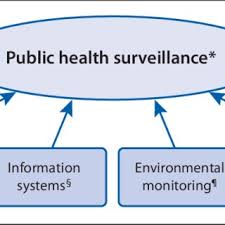
Governmental Challenges of Disease Surveillance

Governmental Challenges of Disease Surveillance

Governmental Challenges of Disease Surveillance

National and State Challenges for Electronic Disease Surveillance

Order Instructions:

Governmental Challenges of Disease Surveillance

Different levels of bureaucracy produce unique challenges. This holds true even in the context of disease surveillance. The inherent advantages and disadvantages of specific surveillance systems require each level of government to determine which system will best fulfill its needs.

elect two levels of government (e.g., local, state, regional, or national) and consider the challenges faced by the two levels in electronically monitoring conditions/diseases.

identify the two levels of government you selected and post an analysis of the challenges they face when implementing electronic disease surveillance systems. Then explain which challenges are common and which are unique to the two levels you selected. Consider the similarities and differences, and propose recommendations to mitigate the challenges.

SAMPLE ANSWER

National and State Challenges for Electronic Disease Surveillance

The first challenge occurs in the initial stages of implementing the electronic disease surveillance system: few or no personnel have the necessary knowledge and skills (Noah, 2006). Therefore, governments must begin by training personnel all over the country and states. At the same time, the trained personnel are frequently sent to remote areas, reducing the number of skilled personnel in their states.

More challenges arise when implementing the system in rural areas. Most of these areas have communication are less efficient compared to those in urban areas (Noah, 2006). Therefore, state and national governments must start by improving all the communication networks in all rural states. Worse still, many such areas lack modernized diagnostic laboratories, which hinder the speed of monitoring the diseases. Hence, the authorities must improve the laboratories first.

Also, epidemiological personnel find it hard moving from the old system to the electronic system due to the number of piled cases. Medical personnel spent much time reporting outbreaks and prevalence of diseases (Burdakov, Ukharov & Wahl, 2013). It is, usually, difficult to clear the many pending cases in the stations before normalizing the operations.

Lastly, the system encompasses many local sites, which must be compared with each other in determining the most affected areas. It is very difficult for the personnel to compare data for the purpose of giving preference to some areas. This exercise requires keen involvement since the personnel must go for very minor details (Noah, 2006).

National, state, regional and local authorities experience the same challenges in terms of skilled personnel, the lack of efficient resources in remote areas and the mobility of trained personnel. On the other hand, only the national and state authorities are affected by the problem of handling many affected sites. Regional and local governments have relatively fewer cases due to their geographic sizes (Burdakov, Ukharov & Wahl, 2013). Hence, they easily compare the prevalence of the diseases in different areas.

Mitigating these challenges requires training enough personnel and improving diagnostic laboratories and communication networks in every state before introducing the system. This ensures that the reporting of cases is not hampered by the mobility of personnel and poor communication networks.

References

Burdakov, A., Ukharov, A., & Wahl, T. (2013). One Health Surveillance with Electronic Integrated Disease Surveillance System. Online Journal Of Public Health Informatics, 5(1). https://www.doi:10.5210/ojphi.v5i1.4480

Noah, N. (2006). Controlling communicable disease. Maidenhead, England: Open University Press.

We can write this or a similar paper for you! Simply fill the order form!

Surveillance Digital Dashboard Assignment

Surveillance Digital Dashboard

Surveillance Digital Dashboard

Order Instructions:

Digital Dashboard
Without the usability features inherent in effective design, informatics systems may overwhelm a user with data. This portion of your Scholar-Practitioner Project requires that you put to use the informatics display techniques that are covered in this week’s Learning Resources.

This week you create a mock-up screen of a “digital dashboard” for your disease surveillance system. Include a framework for the display of data based on the algorithm you designed , using appropriate graphics, symbols, and words. You may use PowerPoint, Word, Prezi, or a program of your choosing to create the screen. Additionally, you may choose to annotate the mock-up as appropriate.

Please save the mock-up in one of the following formats:

PowerPoint file: Use “.ppt” extension
Word file: Use “.doc” extension
Prezi file: Use “.pez” extension
PDF file: Use “.pdf” extension
Image file: Use “.jpg” or “.gif” extension
Rich text file: Use “.rtf” extension

References

Bahl, V., McCreadie, S.R., Stevenson, J.G. (2007). Developing dashboards to measure and manage inpatient pharmacy costs. American Journal of Health Systems Pharmacy, 64(17), 1859-1866.

Few, S. (2006). Information Dashboard Design: The Effective Visual Communication of Data. Beijing, Ch: O’Reilly.

Malik, S. (2005). Enterprise Dashboards: Design and Best Practices for IT. Hoboken, NJ: Wiley.

We can write this or a similar paper for you! Simply fill the order form!

Bio-surveillance Algorithms Assignment

Bio-surveillance Algorithms

Bio-surveillance Algorithms

Order Instructions:

Bio-surveillance Algorithms

Different diseases may share many of the same symptoms. Because diseases have a broad range of symptoms (many of which overlap), bio-surveillance algorithms must be constructed to identify those indicators that can (individually or in some combination) accurately discriminate the presence or absence of the condition of interest, properly monitor those indicators, and provide reliable output on each specific disease’s trends. Matching the process of analyzing the data with the necessary types of data is of utmost importance when trying to obtain an early identification of a health event with minimum false positives.

select an infectious disease or condition (not tuberculosis). Consider the best approach/algorithm to monitor the disease or condition you selected. Determine the number and type of covariates the algorithm should have.

describe the algorithm that you think would best monitor the disease/condition you selected. Explain which covariates you would include in the algorithm. Finally, explain the limitations of the algorithm and the implications for public health.

SAMPLE ANSWER

An Algorithm for Monitoring Ebola

Ebola is a disease that easily spreads between primates, human beings included, whenever uninfected individuals come into contact with body fluids of those infected. It is caused by the Ebola virus, whose natural carrier is the natural fruit bat. There has been no evidence of the occurrence of air transmissions of Ebola. Research shows that the virus kills an average of 50% of patients who contract it. Due to the resemblance of its symptoms to malaria, fever, cholera and many other diseases, there is need for a specific algorithm to help in the monitoring and treatment of Ebola.

Algorithm for Ebola

I will use three steps in the evaluation of the disease for the purpose of differentiating it from diseases such as malaria and typhoid. The first step entails carrying out a non-specific laboratory test. This form of testing includes counting the number of platelets, white blood cells and liver enzymes, alanine aminotransferase (Smith, 2006). The process also includes checking for any signs of blood clots.

The second step is carrying out a specific test. This involves separating the virus from others, checking its RNA and antibodies that fight the virus in the victim’s blood (Smith, 2006). In the initial stages of the disease, medical practitioners should isolate the virus using cell culture and the evaluation of the polymerase chain reaction of the virus. They can as well use the Elisa test in arriving at the same end. In later stages of the disease, checking for the presence of antibodies produced to counter the virus is the most reliable method for determining the presence of the virus in the human body. This method also works well when working with individuals who recover from the Ebola virus. Two types of antibodies are, usually, detected at different periods after the infection. Igm antibodies can be seen only two days after the first signs while IgG are visible after about one or two weeks (Smith, 2006). However, isolating the virus through the cell culture practice is not possible. Doctors prefer PCR and ELISA since they are the most sensitive methods. An electron microscope can help identify the viruses by exposing their filamentous nature while in the cell cultures. However, it is not possible to differentiate between the different types of the virus.

Thirdly, the differential diagnosis method will help identify Ebola identify as different from other types of viruses. This method requires a lot of time since it entails the analysis of all the diseases that have similar symptoms. Such diseases include malaria, dengue fever and Marburg virus diseases.

This algorithm should have two covariates: samples of fluids from a healthy person without antibodies against the virus and other samples from an individual suffering from malaria to compare their composition with that of the individuals suspected to be suffering from Ebola.

Limitations of this Algorithm

The third part of this algorithm is expensive, involving and time-wasting. It requires diagnosing all the diseases that exhibit symptoms similar to those of Ebola. Many victims may die while doctors are still carrying out the tests. Worse still, the second part of the algorithm takes long to give the results for the presence or absence of antibodies. The method can, therefore, not be relied on in critical circumstances. The disease might continue spreading to other regions as medical experts wait for the results of their experiments

References

Smith, T. (2006). Ebola. Philadelphia: Chelsea House Publishers.

We can write this or a similar paper for you! Simply fill the order form!

Creating an Algorithm Assignment Help

Creating an Algorithm

Creating an Algorithm

Order Instructions:

Creating an Algorithm

Tracking the spread of diseases can be an intricate, complex, and labor-intensive process. As a result, automated surveillance systems utilizing algorithms are employed to interpret data. In this segment of your Scholar-Practitioner Project, you develop a simple algorithm to interpret data related to the disease or condition you selected last week. To aid your development, review your Learning Resources and research the construction of algorithms.

To complete this portion of your Scholar-Practitioner Project, write a 1- to 2-page paper that addresses the following:

  • Identify the indicators you chose to include and explain why they are appropriate.
  • Describe the logical process of the algorithm (you may wish to illustrate using a diagram).
  • Justify any other salient features of the algorithm.
  • Evaluate the strengths and limitations of the algorithm.

SAMPLE ANSWER

Creating an Algorithm

Detecting depression from structural MRI scans is significantly new in the mental health diagnosis. This detection requires processes including image acquisition as well as pre-processing, feature extraction, selection and classification. Identifying a suitable feature selection algorithm facilitates the enhancement of the detection accuracy. Medication algorithms for major depression disorder treatment are designed to optimize treatment implementation and the correctness of treatment strategies. Therefore, they are significant tools for treatment and avoidance of refractory depression. Treatment algorithms are express treatment protocols which aim at providing specific therapeutic pathways and tools for decision-making throughout the treatment process (Trivedi & Kleiber, 2001).

Indicators to include in the algorithm and their appropriateness

The severity indicators for a major depressive episode include recurrent thoughts of death and suicidal ideation, diminished ability to think or concentrate, feelings of worthlessness or excessive guilt, fatigue or loss of energy, psychomotor agitation or retardation, insomnia or hypertension, substantial weight loss or weight gain, increased or decreased appetite, diminished interest or pleasure, and depressed mood. These indicators are appropriate because they provide a basis for determining the severity of depression. Severity indicators are determined in terms of the number and type of symptoms exhibited by the patient. Thus, symptoms are either mide, moderate or severe depending on their degree of impairment of occupational function or the usual social functions or relationships with other people. The TMAP strongly recommends that measurement-based care should be adopted in the treatment of major depression disorder. In addition to symptom severity, it is also important to measure the side effects and global functioning at each visit in order to ensure that treatment decisions are guided by objective data (Suehs et al, 2008).
The logical process of the algorithm

The preliminary stage involves the assessment of the patient and discussion of treatment options. The first step of the algorithm is antidepressant monotherapy. Medication recommendations for antidepressant monotherapy include selective serotonin reuptake inhibitors, bupropion and mirtazipine. The selection of treatment is based on individual patient characteristics. The second step involves augmentation for patients with partial response to antidepressant monotherapy. This increases the chances for the achievement of remission without the loss of clinical improvements. Recommended augmentation strategies include addition of mirtazipine, buropion,or SSRI (Suehs et al, 2008).

The third step is for patients who do not respond to the first and second step. It involves the same medications offered in the previous stages, although a different class of antidepressants should be tried. The fourth step involves combined treatment and it is for patients who do not respond to medications prescribed in the second stage. The fifth stage is an alternative to the fourth step, with different combinations of medications. The sixth step is for patients who do not respond to the previous step. This treatment recommends the use of ECT, or vagus nerve stimulation in combination with antidepressant treatment. In the seventh stage, there is barely any evidence to guide treatment. The medications for this stage are based on expert opinion and the consensus of the TMAP panel (Suehs et al, 2008).

The algorithm requires the individualization of frequency of physician offices visits for each patient. Generally, an adequate medication trial for antidepressants need to last 8-12 weeks. Where a patient fails to respond to medication, a switch in antidepressant medication may be necessary.
Evaluation of the strengths and limitations of the algorithm

The strength of this treatment algorithm is that it is evidence-based to the extent that evidence is available for purposes of guiding treatment decisions. In cases of missing clinical data, treatment recommendations are driven by expert consensus opinion. However, this algorithm does not serve as a substitute for clinical judgment and it only provides a systematic approach to pharmacological treatment of major depression disorder (Aronson & Ayres, 2009).

References

Aronson, S. C. & Ayres, V. E. (2009). Depression: A Treatment Algorithm for the Family Physician. Clinical Review Article. Retrieved from: http://www.turner-white.com/pdf/hp_jul00_depress.pdf

Suehs, B., Argo, T. R., Bendele, S. D. et al. (2008). Texas Medication Algorithm Project Procedural Manual: Major Depressive Disorder Algorithms. Texas Department of State Health Services. Retrieved from: http://www.jpshealthnet.org/sites/default/files/tmap_depression_2010.pdf

Trivedi, M. H., & Kleiber, B. A. (2001). Algorithm for the treatment of chronic depression. Journal of Clinical Psychiatry.

We can write this or a similar paper for you! Simply fill the order form!

Reality-Based Education Assignment

Reality-Based Education

Reality-Based Education Assignment;Hilton hotel Houston

Order Instructions:

Reality-Based Education Assignment
Introduction

The purpose of the Reality-Based Education (RBE) assignment is to provide students with the opportunity to interview a working manager and learn about how course materials relate to everyday managerial work and the day to day operations of a company or organization.

The end result of this assignment is a paper that discusses and analyzes what you learned.
The RBE assignment involves either a telephone interview with or an in-person visit to an organization in the Houston area. It is recommended that you select an organization that you might be interested in working for someday.

Some suggested organizations are as follows:

Banks: J.P. Morgan Chase, Bank of America, Wells Fargo, Compass Bank
Hospitals: Methodist, St. Luke’s, Ben Taub, M.D. Anderson, Memorial Hermann
Energy: Conoco Phillips, Shell, Reliant Energy, Center Point Energy, Schlumberger, Halliburton
Hotels: Hilton, Hyatt, Marriott
Retail: Men’s Warehouse, Stage Stores, Macy’s, Gap, Dillard’s, J.C. Penny; Nordstrom, Wal-Mart. Walgreens, CVS, Kroger, Fiesta, HEB.
Technology: AT&T, Verizon, BMC Software, Apple, Dell, Hewlett-Packard.
Travel: United Airlines, Southwest Airlines, Delta
Non-Profits: Houston Food Bank, Boy Scouts of America, United Way, American Heart Association.
Government: City of Houston, Harris County, Various city, state, federal, and county agencies.

You will research your chosen organization, visit the organization and/or interview the manager by telephone. Suggested kinds of interview questions are below:

1. What is the identified purpose or mission of the organization?
2. What does it produce? Or what kinds of goods or services does it provide?
3. What are key organizational characteristics (e.g., number of employees, etc..)?
4. Who are the organization’s main competitors? How does it differentiate itself?
5. Upper management of the organization – background, criteria for selection or promotion to these positions
6. Selection criteria of other employees – hiring policies, diversity policies, etc.

7. How organizational politics or other related external factors affect daily operations.
8. Type of organizational culture that prevails.
9. What is the key management concept that you studied in this organization (be specific and use terminology from the textbook) and describe how this concept is implemented, applied, or organized in this organization?

10. Anything else you find interesting, relevant, or important

In addition to discussing and analyzing items one though nine above, your paper must include the name, title, and contact information of the manager you interviewed.
Key Dates & Deliverables

Due date for paper: Sunday, December 7, 2014, via Blackboard.

Formatting

Your paper must be at least five pages long, double-spaced, with a twelve-point font and one-inch margins on each side. Cite your sources using the style of your choice (e.g., APA or MLA), and be sure to include a works cited page.

SAMPLE ANSWER

Chosen organization

Hilton hotel Houston is a glamorous piece of art and a place where utmost hospitality is a priority. Standing on a 24-storey building, Hilton hotel has been termed as largest convention hotel and is a place where every visitor wants to land. The four-diamond hotel offers refreshing experiences and is an ideal choice for corporate events and meetings. Under the management of Joseph Palmieri, Hilton hotel- Houston offers impressive hospitality services and exceptional management strategies that have placed it amongst the best hotels in America (Hilton-America’s Houston website, 2014).

Objective

To understand key management concepts of Hilton hotel-Houston

Literature review

Hilton hotel –Houston is an affiliate hotel of many Hilton America hotels. The bustling downtown of Houston is home to one of those luxurious affiliate hotels. Since 2003, when the hotel was built, it has done nothing short of offering excellent services through its food and beverage outlets and numerous hotel amenities. Other services available at the exclusive hotel are 1200 guest rooms, a spectacular appointed lobby featuring individual or more registration desk sections, a café, java jive, the lobby bar and gift shop. Executive staffed lounges, floor level rooms and technologically advanced spaces at 92000sq ft function in three floors (Hilton-America’s Houston website, 2014). The largest convention center measuring one million sq and a sky-walk connection are other features of the hotel. Wifi is available throughout as well as audio/visual for in house services. The restaurants, three ballrooms, skyline spa, infinity edge pool, health club, valet and space worth 1600 car parking garage are other stunning services offered by the hotel.

Guests have expressed great experiences of feeling valued and respected every time they visit Hilton hotel. The hotel has created a culture of innovation, continuous improvement, and excellence to help team members become the best and develop their talents. Selecting and attracting the right talent at the right time is not a new phenomenon for Hilton hotel-Houston. The management of Hilton hotel strives to recruit people who share similar goals and passion for the organization as a hospitality institution. The hotel desires to further its staff careers while wile still being true to its vision and mission.

Research method

To learn more about Hilton hotel-Houston and the management of the organization the interview method was used.

Interview questions and responses

  1. How can you describe Hilton hotel Houston?

Hilton hotel is a hotel where hospitality is an art that never disappoints and is home to exceptional guest experiences.

  1. What is the mission and vision of this hotel?

Our hotel prides in the mission of being the preeminence of global hospitality while our vision is to give the world hospitality warmth.

  1. What are the values of this hotel?

Hospitality, leadership, integrity, teamwork, urgency and ownership are core values of Hilton hotel-Houston.

  1. Which organizational goals run the hotel?

To offer the best hospitality services through global talent management.

  1. Which hotels are major competitors of Hilton?

Five star hotels, Hyatt and Marriott are examples of Hilton’s competitors. Each of these hotels uses a unique strategy to market their hospitality and as a result have remained competitors to Hilton hotel.

  1. How does the upper management of the hotel function?

The upper management is divided into the general manager and a team of 15 hotel executives. The GM works with those executives as the head of the committee. He makes major decisions for the hotel. The directors are also supervise managers in other respective departments. For example, Janice O’Neill who was hired as the director of sales and marketing, supervises a sales team of another 12 managers (Hilton hotel website, 2014). The board and HRM take up the role of recruiting employees.

  1. What are the selection criteria for employees in this hotel?

Recruitment of employees is a selection criterion that Hilton hotel uses to appoint qualified and talented employees. The global websites, talent acquisition centers and university partnerships are used to facilitate the selection criteria. Once selected interviews are conducted leading to hiring the best candidates.

  1. Which type of culture prevails in this hotel?

The culture of hospitality and growth of talent prevails in Hilton hotel.

  1. What key management concept does Hilton hotel offer to learners or aspiring managers?

Management concepts like global talent management, engagement, diversity, health and youth opportunity are key to this hotel.

  1. How can those concepts be implemented, applied or organized?

Key management issues have been implemented through various ways in the hotel. According to Hilton worldwide (2014), global talent management, engagement and recognition, diversity and inclusion, health and well-being are some of the ways through which these concepts are applied.

Discussion and analysis

Global talent management is a concept that implies that the hotel only succeeds when its teams have resources needed to support their employees and help them serve their guests in the best way possible. Talent management is achieved through ongoing learning opportunities leading to professional and personal talent growth. To achieve this, Hilton encourages University study, cross-cultural training, use of another language and performance management.

Engagement and recognition is a concept that Hilton hotel uses to manage employees and make them feel valued. Team member engagement is crucial for feedback through a global annual survey, which leads to changes in the hotel’s policies. Through feedback, the management has been able to improve its performance assessment and make necessary adjustments. The recognition of team members happens through giving rewards and incentives to active team members who are a fundamental part of the hotel. The recognition of leaders, managers and team members is a great way of improving the hotel’s image. Hilton hotel-Houston is proud to be associated with a general manager who is recognized for his outstanding achievements globally. Hotelier Joe, who has not even completed a decade since being recruited to the hotel recently was awarded for his efforts. He received the first organization’s award as the general manager of the year for exceptional managerial skills.

Diversity and inclusion are other key concepts for Hilton hotel’s management. Having many branches across the globe has opened doors for Hilton hotel to meet people from different cultures and diverse populations. Hilton hotels embrace diversity and view it as a stronghold for their organization. It thus is no wonder that Hilton hotel has recruited employees from across the globe. It includes all people as long as they share in the vision and have the talent to deal with the hospitality business (Hilton worldwide, 2014).

Health and well-being are core elements for the hotel business. As a result, the management believes in promoting health and wellness for team members. It is crucial for performance and service delivery as ailing employees cannot be productive. To ensure that health and well-being prevails in the organization, certain strategies have been employed by the management. Health benefits packages and sick leaves are given to team members who feel unwell. Health and wellness activities are also in place with the fitness day as a major event for the hotel. The hotel collaborates with health care providers to promote health and wellness activities and themes. Flexible work arrangements have also been made as a way of showing support for work life and other activities balance. Apart from the team members, the family of employees and staff enjoy health and wellness programs from the hotel. Through family travel programs, families unite and get to spend time with their loved ones occasionally.

In conclusion, Hilton hotel-Houston has exceptional management skills and is an incredible example of what good management can do to a hotel. Apart from Joe, showing his managerial prowess in the hotel business, he has also promoted sustenance of the environment in and outside the hotel.  The green seal achievement award did not come as a surprise to Hilton hotel though it was the first in the state. The management of the hotel has ensured that it is not only about luxury and refreshments but has also taken initiative to conserve the environment and encourage the guests to do the same.


Contact information of the manager

1600 Lamar, Houston, Texas, United States 77010
Tel: 1-713-739-8000 • Fax: 1-713-739-8007


Key dates and deliverables

This interview was conducted on 4.Dec.14

Its deliverables included gaining great knowledge on management of a hotel organization. The mission and vision of the hotel as well as its culture were found to be useful components in management of the organization. Besides that, key concepts of management that made the organization stand out from the rest were also very useful.

References

Hilton-America’s Houston (2014). About Hilton Hotel, website retrieved from                 http://www.hiltonamericashouston.com/business-services.html

Hilton worldwide (2014). Key initiatives. Retrieved from                 http://cr.hiltonworldwide.com/opportunities/progress.php#/approach-accordion/health-wellBeing

We can write this or a similar paper for you! Simply fill the order form!

Major discrimination laws Essay Paper

Major discrimination laws

Major discrimination laws

Order Instructions:

Dear Admin,

I need an essay in the following subject:

Identify 3 of the major discrimination laws. How are these laws intended to protect employees? Are these laws necessary and effective, or instead do they restrict the manager’s ability to properly manage?
The following conditions must meet in the essay:

1) I want a typical and a quality answer which should have about 1100 words.

2) The answer must raise appropriate critical questions.

3) The answer must include examples from experience or the web with references from relevant examples from real companies.

4) Do include all your references, as per the Harvard Referencing System,

5) Please don’t use Wikipedia web site.

6) I need examples from peer reviewed articles or research.

Appreciate each single moment you spend in writing my paper

Best regards

SAMPLE ANSWER

Introduction

Various discrimination laws have been enacted to protect employees at workplace regardless of their terms or duration of their engagement. Both the employer and employee should be aware of these laws that regulate acts of discrimination at workplace.

Pregnancy Discrimination

This is one of the major discrimination witnessed at work. It involves treating a woman either an employee or applicant unfavorably due to pregnancy, childbirth, or medical conditions related to pregnancy. The Pregnancy Discrimination Act prohibits discrimination in any facet of employment; hiring, firing, pay, job assignment, promotions, layoff, training, benefits or redundancy (EEOC 2014).

This law states that a female employee who is temporarily unable to execute her duties due to conditions under this act, should be treated the same way as would any other temporarily disabled employee. It forbids harassment of a woman due to pregnancy, childbirth, or medical conditions associated to pregnancy. The act allows a pregnant woman to take a maternity leave (EEOC 2014).

Disability Discrimination

Disability discrimination is the treatment of a qualified disabled employee or applicant unfavourable because of their status. Disability is the physical or mental impairment of an individual. Disability can be due to a chronic condition that one may be suffering from, for instance cancer that is in remission. It is unlawful to mistreat an employee who is disabled or has a relationship with a disabled person, for instance spouse (Blanpain, Walgrave & Jacqmain 2014).

This law requires an employer to provide reasonable accommodation to employee or applicant with a disability, unless if the accommodation will cause undue hardship. A reasonable accommodation may mean any change that the organisation can make to favour a disabled employee (Ford 2014).

The act protects those related to employees with disability. It forbids discrimination when it comes to hiring, firing, pay, job assignments, promotions, layoff, training and any term or condition of employment (EEOC 2014).

Harassment of disabled employees is illegal in this act and any action that perceived to be offensive to such an employee. Disabled employees should be helped whenever necessary during their engagement (EEOC 2014). It is the employers’ responsibility to have in place measures which help in reporting and dealing with disability mistreatment situations (Ford 2014).

Equal Pay and Compensation

The act states that men and women who do equal work and work in the same workplace should be given equal pay. Work should be substantially equal even if not identical. This law requires that all compensations and benefits be equal regardless of race, sex or disability in same workplace and equal qualification (EEOC 2014).

Paying one gender more than the other is a big violation under this act. The employers are required to reward their employees equally in regard to the duties they have delivered to the company and not as per their physical, sexual or age differences (Mallory, Hasenbush & Davis 2014).

How are these Discrimination Laws Effective?

These laws are very effective to an organisation. The effectiveness of the laws largely depends on the management in the organisation. An organisation should put in measures to enable the laws to work. This responsibility rests squarely on the leadership and management of the organisation. Managers are the first in line when it comes to the implementation of these laws (Selmi 2014).

Some acts may not be seen as discriminatory by a majority of employees or applicants. Take for instance, a woman who cannot secure a job in a construction industry due to a perception that it is a male dominated field. Consider a scenario where a young lady is fired by her boss because the boss feels that she is ugly as a secretary. The manager hires another female secretary. Such acts constitute discrimination as the intentions and their outcomes can only depend on the employer decisions (Pattson, Sanders & Ross 2014).

Looking at the two scenarios, one concludes that in the first one the employer’s decision seemed overall though its result disadvantages women. In case two, the employer’s motive is unacceptable but not discriminatory to women as the vacancy was filled by the same gender (Pattison, Sanders & Ross 2014)

Impact of the Laws to managers.

The understanding of these laws by the managers in any company can greatly help them run companies with ease. When discriminatory acts exist in an organisation, managers get hard time to run the firms. Organisation’s management can be difficult if the discrimination laws are misunderstood. The aggrieved can file civil suits in law court negatively affect a firm’s reputation. It implies that the laws should protect those who are members of such organisations (Ford 2014).

An organisation consists of individuals with different strengths, abilities and capabilities. Managers may be viewed as discriminative when they assign some duties to employees they feel can deliver them well because of abilities and talents. Managers may fear reactions from the company about doing right things that may appear as discriminatory.

A look at Stemcor Company, London

Stemcor is one of the companies that has benefited by enforcing the discrimination laws among its employees. The company is one of the leading steel firms in the world. It has a bullying and harassment policy on employees’ portal. The policy states that the company shall not entertain any form of bullying or harassment. Equal opportunity policy of the company states that the firm is a discrimination free zone and the employer is an equal opportunity provider to all employees (SGEP 2012). This means that discrimination laws have had a positive role in the firm’s success story.

Conclusion

Discrimination laws are an essential tool in any organisation that visions success. Since their enactment, the laws have been introduced to a majority of business entities though their impact depends on the leadership and management of a specific company. It is the responsibility of those in managerial positions to ensure and ascertain that every employee understands and respects the laid provisions of discrimination acts.

Bibliography

Blanpain, R, Walgrave, J & Jacqmain, J 2014, Unlawful Employment Discrimination: A Discussion of Belgian Law and Related Issues. Georgia Journal of International & Comparative Law, vol.20 no.1, p.123.

Ford, RT 2014, Bias in the Air: Rethinking Employment Discrimination Law. Stanford Law Review, vol. 66 no.1381

Mallory, C, Hasenbush, A & Davis, GK 2014, Employment discrimination based on sexual orientation and gender identity in South Carolina.

Pattison, P, Sanders, DE & Ross, J 2014, The Squiggly Line: When Should Individual Choices Be Protected from Employment Discrimination? Southern Law Journal, vol.24 no.1, p.29.

Selmi, M 2014, The Evolution of Employment Discrimination Law: Changed Doctrine for Changed Social Conditions. GWU Law School Public Law Research Paper,

Stemcor Group Ethics Policy, 2012, Group Ethics Policy: Relationship with Employees

Retrieved 4rth Dec 2014 from http://www.stemcor.com/uploads/ethicspolicy_stemcor_final_december4.pdf

Wilcox, KC, Brodsky, DL & Beverly Tucker, JD, 2013, Administrative Enforcement of Equal Employment Opportunity Laws. California Employment Law, 3.

We can write this or a similar paper for you! Simply fill the order form!

Research Ethics Term Paper Available

Research Ethics
Research Ethics

Research Ethics

Order Instructions:

This is the last question out of the four questions comprehensive exam that is referred to question 4 and its requirement illustrated as follows:

Question 4: Ethics

As you know, scientific research must be conducted in accordance with ethical principles. The ethical principles of research are defined in:

Ethical Principles of Psychologists and Code of Conduct
Standard 8: Research and Publication
http://www.apa.org/ethics/code/index.aspx

The National Academy Of Sciences, National Academy Of Engineering, and Institute Of Medicine Of The National Academies have a more detailed and comprehensive set of ethical guidelines for scientific research:

Committee on Science, Engineering, and Public Policy (U.S.), National Academy of Sciences (U.S.), National Academy of Engineering., & Institute of Medicine (U.S.). (2009) On being a scientist: A guide to responsible conduct in research, (3rd ed.). Washington, D.C: National Academies Press.
http://www.nap.edu/catalog.php?record_id=12192

Write a paper in which you discuss how you will ensure that all aspects of your doctoral research, from literature review to conducting research, to writing the dissertation manuscript will be done with care and integrity and will meet the ethical standards of scientific research. Reference the two publications above and at least five additional peer-reviewed articles.

You must justify all the steps you will take to ensure the ethical integrity of your dissertation project and not simply describe standard practice. You must show that you have your own clear set of ethical principles and that you know how to apply them to your work. You must do more than just paraphrase ethical guidelines. You must explain specifically how you will apply published ethical guidelines and concepts to what you will do in your research (as you envision it at this point).

Be sure to address the following:
• Plagiarism
• Risk assessment
• Informed consent
• Privacy and confidentiality
• Data handling and reporting
• Mistakes and negligence
• Working with a Mentor
• North central University requirements for IRB approval

Conclude your paper with your thoughts on the following statement:

Ethical scientific researchers have a commitment to all who are touched by their research—participants who share their lives and time, mentors and advisors, reviewers, future readers, and supporters and cheerleaders on the journey—to take care and do their work well.

The structure of your paper should be as follows:
Title page
Body (10-15 pages, no more or less; APA Style; use appropriate headings for organization of the paper)
References (APA Style)

Learning Outcomes:
4. Integrate knowledge of ethical practices with principles of professional practice as it applies to specific scenarios within the student’s academic discipline and specialization.

SAMPLE ANSWER

Research Ethics

Introduction

Research is an explorative activity that is undertaken for a range of reasons, though they all stem from a need to collect evidence that either supports or rejects a supposition. For students, research acts as an opportunity to accomplish their academic requirements, especially with regards to the application of their theory in practice. In this respect, the decision to complete an academic research is one that could have grave implications for a student. The research process is cumbersome, often very expensive and time consuming (Israel & Hay, 2006. For instance, the students would need to conduct extensive literature reviews, spend considerable sums in collecting and analyzing primary data, and spend considerable time in presenting the final report. Thus, if a student undertakes a mediocre research that is ultimately rejected, then they would have wasted more than just their time and money. Besides, the student must understand that the research process would require them to be very disciplined and patient. The research process – beginning with developing a research question, developing an appropriate methodology, conducting an extensive literature review, preparing a proposal, and so on – is daunting, requiring that the student be disciplined, have integrity and care for the research (Oliver, 2014). Therefore, researchers must ensure that they observe some ethical standards even as they maintain the integrity and higher levels of ethics in the research process by exploring the research core values in the real world setting.

As earlier mentioned, the research process is a formidable undertaking. Adding to its daunting nature is the need for researchers to observe research ethics in the whole process. Granting that the trustworthiness of a research report has usually been a subject of debate, its value can never be overestimated (American Psychological Association, 2014). Literature on the topic of research ethics shows that it is a normative matter whose observation is left to the studies in the form of ethical values. Ultimately, the study is expected to respect others, be trustworthy, open, objective, fair and honest in the course of conducting their research. It implies that if a researcher violates any of the values then their research would be considered unethical (Committee on Science, Engineering and Public Policy, National Academy of Sciences, National Academy of Engineering, & Institute of Medicine, 2009). For instance, if the research applies questionable research practices such as falsifying and fabricating data without informing the audience then it can be construed as having used unethical practices. A researcher intent on carrying out ethical research faces four key challenges. Firstly, how they would manage the information and data collected in the study. Secondly, how the government legislation affects their research approach. Thirdly, how the community views their research. Finally, how the participants and subjects see the study. In the long run, participation is moderated by the anticipated research benefits (Sales & Folkman, 2000). In this respect, research activities are governed by a set of ethical codes that may be intangible, but are still clear in their implications.

Extensive investigation has been conducted on the subject of research ethics. Most of the research has been with regards to ensuring that the participants’ identity is protected by a confidentiality agreement, anonymity is maintained, privacy is observed, dignity is maintained, the process is conducted with honesty, harm is prevented, and justice is done. Even though there is ample literature on the subject of research ethics, particularly academic integrity with regards to researches conducted by students, a more comprehensive, nuanced and holistic approach remains unexplored. Thus, there is very little acquiescence by students as there are minimal enforceable ethical standards associated with academic research (Mertens & Ginsberg, 2009).

Stark (2012) pointed out that research risked losing its value if ethical principles were not observed, acting irresponsibly and being disrespectful. Research ethics is a multidimensional subject that touches on dishonesty and unethical research practices. Although institutional review boards (IRB) have become an integral part of any research, there are researchers who argue that the boards are little more than figureheads since research ethics is a complex subject. The boards cannot guarantee that the research has been conducted ethically, even though they try to weed out unethical practices. In essence, the absence of a universally accepted and articulated set of ethical principles exacerbates the problem of applying ethical standards to research activities. Consequently, given the close association between all the research participants – such as the researchers, participants and community – there is a need to clarify research ethics, and ensure that researchers do not get an ambiguous understanding of the subject. According to Emanuel (2008), the process of obtaining approval from the IRB is a frustrating exercise. It is because knowledge of the subject and needs to be varied considerably. Regardless, ethical principles boil down to three primary aspects. Firstly, avoiding all harm against the community. Secondly, being open but keeping any identifying information private. Finally, ensuring that the trust level of the community is maintained (Emanuel, 2008).

Undertaking a postgraduate degree in any subject requires some level of determination and a will to succeed. As part of a degree, students will be needed to conduct a project that includes primary research where they collect both primary and secondary data and subject the data to analysis that points out data trends. It implies that the student must have the innate strengthen and determination to pursue their degree. The students are expected to conduct extensive data collection, analysis, and presentation. It is often a demanding task requiring observation of stringent directions and formats that are not guaranteed to produce the desired results. Most disturbing is the fact that some students are folding to the academic pressure and opting to apply unethical practices in their educational activities. In fact, some of them conduct shoddy research, citing resource and time constraints as the reason for that. Still, students must understand that the major purpose of research is to influence policy by providing evidence to support or discount a particular decision.

Discussion

Plagiarism

Research transgressions have the latent adversely to affect the integrity of the research activity (Loue, 2000). The threat of plagiarism is real, and many research communities have dedicated considerable resources to ensuring that it is not practiced. A majority of them infer plagiarism to mean unoriginal work whose source has not been well acknowledged. Many assumptions are ascribed to their term, thereby making it difficult for researchers to assign a precise meaning to the term (Stewart, 2011). Using an internet search engine – such as Google, Bing and Yahoo, and so on – reveals that plagiarism has a lot of meanings to different, though the core of all the definitions points to the use of secondary information without appropriately acknowledging the source of the information. All researchers – including students – are expected to understand the meaning of plagiarism, as a research term, and ensure that they prevent it in their research activities. Eventually, we realize that plagiarism is possibly the biggest source of concern for research activities. It is because different meanings are attached to the term yet any evidence of violations attracts substantial penalties that could include failing the course. Most students who plagiarize in their reports often argue that they were either under considerable stress or not careful enough thus ended up being careless when preparing the report. Even with the measures in place to counter plagiarism, the problem persists and is anticipated to remain for the foreseeable future (Loue, 2000).

The problem of plagiarism among research is a persistent problem with students often being the main culprits, although the repercussions have often being a successful deterrent against repeat offenses (Boomgaarden, Louhiala & Wiesing, 2003). The improvements in communication and information technologies have exacerbated by proving new and innovative ways for research to plagiarize without being caught or punished. The increase in publications and materials that researchers can access have complicated the problem. Plagiarism is a solvable academic problem; only requiring that the researchers properly format their publications and appropriately cite the source of information. Most students attract plagiarism penalties only because they failed to organize their compositions, mismanaged their time and did not proofread their work, thereby resulting in them ignoring some of the most fundamental citation mistakes. Still, there are researchers who intentionally plagiarize as a shortcut to completing their research (Piccolo & Thomas, 2012).

Solving the plagiarism problem among researchers requires concerted input from all the stakeholders, such as publishers, students, scholars, teachers, and schools. They must work together to ensure that all publications are professionally conducted and presented. Learning institutions play a role in the prevention of plagiarism by demanding that their students observe stringent ethical research codes and that detail what plagiarism denotes and the penalties for any violations. In addition, they would train students in the connotation of plagiarism and how it can be avoided, including testing for their understanding of plagiarism (Remenyi, Swan & van den Assem, 2011). Therefore, the academic community, particularly learning institutions, have the duty of making sure that all students are aware of the nature of plagiarism and how to avoid it, including punishment in the case of apparent violations.

If students are in doubt about the source of an idea or thought when they are conducting their research, then it is incumbent upon them to conduct additional research and ascertain the origin of the idea. It ensures that they avoid unintentional plagiarism. Ultimately, the choice to avoid plagiarism is left to the researcher. Still, any student intent on conducting research should keep abreast with any research approaches changes and ensure that they apply the latest policies in their research activities. All publishers must also be held accountable for any of the materials they publish and ensure that the material is not in violations of plagiarism principles (Comstock, 2013).

Risk assessment

Risk assessment denotes to the process of examining a situation and determining whether it presents a hazard to the researcher, participants and community. Risk assessment is a pre-requisite for any research activities that would entail evaluating happenings that are expected to affect the research participants, researcher, and community. Self-assessment is part of the risk assessment. It allows researchers to ascertain any hazards that are likely to impact their research and change the outcome. Within the research design phase, the researchers are expected to identify the risk and put measures to ensure that the risk is controlled or eliminated. In research risk assessment, the research can pinpoint common risks that can disturb the study. Some of the most common research risks include reputations of both the participants and researchers, legal obligations, and financial constraints and accountability (Stewart, 2011). Mertens and Ginsberg (2009) pointed out that results fabrication, information sources falsification, and plagiarism were the most common risks in students’ managed researches. These risks have serious implications if they occur, and students have tried to avoid them. The researcher must also be aware that research risks are dynamic, having the ability to change as the research progresses. As such, risks assessment must be conducted at regular intervals with a risk portfolio included in the research process. Comstock (2013) noted that the risk assessment dynamics and changes entailed regular information collection, evaluation and sharing with the research stakeholders who include researcher, participants, peers, and mentors.

Informed consent

Informed consent implies that a participant makes a decision to either join or desist from joining a research study based on whatever information has been availed of them. It is guided by the need to remain truthful during the course of the research and respecting all the stakeholders.  If the research misinform the participants or omits some information, they whatever consent the participants may have provided would be deemed as non-consensual. Ethical research points out that a participant should only be recruited into the study after they have reviewed all the pertinent information and make their decision voluntarily. The individuals who agree to participate in the research must be protected from any apprehensions and retaliations. The same applies to persons who were approached by refused to take part in the research activity. The prospective participants must be made cognizant of the research details such as the risks and research process since they could be a part of the study. The participants will then opt to participate or not based on the information that they have been given. Meanwhile, the researcher must also attempt to shield all the participants from harm that could take the form of physical or psychological harm. In the case of minors or subjects who are legally dependent, consent for the research must be obtained from their legal guardian before they can be allowed to participate in the study. The informed consent should be well documented and stored in a secure location (Oliver, 2010; Sales & Folkman, 2000; Stewart, 2011).

Privacy and confidentiality

Privacy and confidentiality are often misconstrued as the same concept. Although, the two concepts work in concert, they are not the same. Privacy is the control over the circumstance, place and time that an individual shares the private aspects of their life with others. It suggests that a person has the right to without private information about their lives, only revealing what they consider acceptable and to a select group that they have identified (Oliver, 2010; Sales & Folkman, 2000). For instance, a research participants can choose to deny a researcher entry into their home if they feel that the information that will be collected in their home is likely to include information that they have no desire to reveal. If to take another example, a Christian could refuse to have their interview conducted on the premises of a Buddhist temple citing religious belief differences.

On the other hand, confidentiality encompasses protecting an individual’s privacy. In this case, the person who has been given the private information must observe privacy principles and only disclose the information after receiving express permission from the information source (Oliver, 2010; Sales & Folkman, 2000). For instance, a doctor should only disclose test results after they have received consent from the patient. It is expected that an individual will not disclose private information short of first getting the express permission to do so. An individual’s right to privacy is not negotiable. In fact, it is part of the bill of rights contained in the constitution. Information obtained from individuals must be kept confidential at all times, and only used for the original purpose for which the information was gathered (Stewart, 2011). For instance, if a researcher gathers information to determine how many individuals use a particular brand of soap, then they cannot use the same information to racially profile their participants unless they have received consent to do the same.

Within the academic community, confidentiality is applied as the participants’ reassurance that they are engaged in an ethical activity. Researchers usually avail a confidentiality agreement as part of the informed consent with the assurance that they will diligently observe the agreement. It helps in building a trust relationship with the participants (Stewart, 2011). There are no professional bodies to ensure that confidentiality agreements are observed and the participants’ privacy rights are respected, but the potential implications of trust being lost as a result of violating the confidentiality agreement ensures that researchers observe it. Failing to observe the confidentiality and privacy concepts have also caused researchers to face legal difficulties as participants sue them for the same. The violating researchers end up being financially liable, facing embarrassment, being physically and psychologically harmed, and even losing their jobs (Comstock, 2013). There are some statutory principles that protect participants’ confidentiality and privacy, such as Family Educational Rights and Privacy Act (FERPA). FERPA is a federal act that limits public access to the academic records of students that are held by education institutions. These records can only be accessed after receiving written permission from the students, their guardians or their legal representative (Howard, McLaughlin & Knight, 2012). Another statutory principle is the Health Insurance Portability and Accountability Act (HIPAA). HIPAA is a federal act that protects patients’ information from unauthorized access, mentioning the instances when third parties can access the information (Howard, McLaughlin & Knight, 2012).

It is incumbent upon the researcher and convenient that they observe all privacy and confidentially agreements as stated in the informed consent form. Although errors and lack of judgments could be occasionally expected, the researcher must exert considerable effort to guarantee that all data is protected and applied as stated in the confidentiality agreement. They must observe all the established principles regarding research practices and activities. It will limit and prevent any accidental abuse of the participants’ confidentiality and privacy (Comstock, 2013).

Data handling and reporting

The research process entails collection, reporting and handling of data. If it is undertaken correctly, then the research process can be guaranteed to be legitimate. Research involving human participants (subjects) will require approval from the IRB before the research can proceed. Every institution that is engaged in conducting human study is necessary to have an IRB that is mandated by the federal government to guide the research process and ensure that no human violations occur. It also applies to research on human behavioral patterns. Researchers are expected to ensure that even as they carry out the research activities, they remain sensitive to the well-being of the human participants. Data handling must follow all the IRB stipulations since mishandling could have an adverse impact on the research outcome (Emanuel, 2008). Every education institutions have a set of principles that students must observe when handling research data. Data validity or invalidity is not only a reflection of the researcher’s inability to conduct the research, but also the institutions inability to track research they are supposed to be regulating (Stark, 2012).

Primary data collection can take either of four forms. Firstly, the data can be collected using structured questionnaires that ask questions with a list of optional answers included. Secondly, the research subjects can be observed in their natural setting and their behavior noted. Thirdly, the participants can be asked to take personal notes that are then evaluated to determine trends. Finally, the participants can be subjected to an interview that is then recorded using a tape recorder. The most significant feature of data collection is that the researcher must be consistent in their choice of methods. The same method must be used for all participants to ensure that the data is consistent and comparable. Ultimately, an independent individual should be able to replicate the same results (Emanuel, 2008; Stark, 2012).

Once collected, the data should be securely and responsibly stored, with unauthorized access prevented. It will allow for easy retrieval and referencing in the future. In addition, secure storage allows for pertinent and valid questions about the data to be asked in future research. Even as the data is stored securely, the researcher must have a contingency plans that allows them to recover the data in case of a loss in the primary data storage unit (Emanuel, 2008; Stark, 2012).

Mistakes and negligence

Research is not immune to mistakes and negligence. The whole process requires human input thereby introducing the possibility of errors being made. In fact, even the process of writing a research report challenges and creates some complexities for the researcher as some researchers have little to no experience with writing comprehensive research reports. Educational institutions have taken measures to reduce the errors by training students on how to conduct research and report their results (Stewart, 2011). Regardless, mistakes and negligence has not been entirely eliminated from the research process.

Research must eliminate errors from mistakes and negligence whether the research is conducted by a novice or an expert at research. Each researcher must ensure that their conduct is above reproach. Additionally, the panel that reviews the research process as it is carried and report before publication must ensure that the research meets the highest levels of standards and expectation. Even before publication, the report should be proofread and checked for common mistakes and negligence (Loue, 2000). Researchers who are found to have made mistakes and have been negligent should be punished for the same since it is incumbent upon them to ensure that the research has followed a rigorous process.

Working with a Mentor

Mentors are guides who review the research process and point out mistakes or make commendations. They facilitate the research process by ensuring that the research meets all the necessary requirements and guidelines (Comstock, 2013). Most educational institutions have a mentoring program that assigns prominent researchers to students who are carrying out the research. The mentor guides the student through the research, placing particular emphasis in ensuring that the research meets the institutional expectations.

There is no argument that a mentor is necessary for encouragement, expertise, and support. A student who has a diligent mentor should expect to complete successfully and defend their research before a panel of scholars. Additionally, it allows the student to gain the experience and knowledge that will permit them to be successful independent researchers. From as early as the research idea conceptualization to the final publication, a mentor guides the student at every step. Offering feedback and reprimands where necessary (Comstock, 2013).

Northcentral University requirements for IRB approval

The Northcentral University is an education institution. The federal government expects that an institution have an IRB since that is a federal requirement for any institutions that conducts research with human subjects. The institution has an IRB board that oversees all research activities in the institution by establishing research guidelines and ensuring that they are diligently observed. Essentially, the board conducts five primary activities. Firstly, it protects the privacy of the research subjects. Secondly, it guarantees the safety of the subjects and their data. Thirdly, it ensures that the subjects have signed an informed consent and were aware of what the research entails. Fourthly, it ensures that the subjects are selected randomly using a fair process. Finally, it provides that the subjects are not subjected to risks, with any risks minimized. In addition, the IRB ensures that the research is in compliance with all the relevant federal legislation concerning handling of human subjects and living matter. Before the research can be undertaken, the IRB must first approve the research proposal (Emanuel, 2008; Stark, 2012).

Conclusion

One must accept that research is a complex process, especially if it involves human subjects. If not diligently evaluated, the research can offer an opportunity for the students to be dishonest. The researcher must ensure that they diligently observe the ethical codes governing their research practice, including the principles set by their particular institution. Their failure to observe the ethical principles should attract stringent reprimands that deter such behavior in the future. Part of the principles should address plagiarism among researchers, assessment of the risks inherent in the research, informed consent, privacy and confidentiality, and data handling and reporting. Including a mentor in the research process will ensure that the researcher does not make any mistakes in the research process. The IRB provides additional reviews the context of ensuring that the research meets federal standards. Therefore, researchers must ensure that they observe some ethical standards even as they maintain the integrity and higher levels of ethics in the research process by exploring the research core values in the real world setting.

References

American Psychological Association (2014). Ethical Principles of Psychologists and Code of Conduct: Including 2010 Amendments. Retrieved from http://www.apa.org/ethics/code/index.aspx

Boomgaarden, J., Louhiala, P. & Wiesing, U. (2003). Issues in Medical Research Ethics. New York: Berghahn Books.

Committee on Science, Engineering and Public Policy, National Academy of Sciences, National Academy of Engineering, & Institute of Medicine (2009). On being a scientist: A guide to responsible conduct in research (3rd ed.). Washington, D.C: National Academies Press.

Comstock, G. (2013). Research Ethics: A Philosophical Guide to the Responsible Conduct of Research. Cambridge: Cambridge University Press.

Emanuel, E. (2008). The Oxford Textbook of Clinical Research Ethics. Oxford: Oxford University Press.

Howard, R., McLaughlin, G. & Knight, W. (2012). The Handbook of Institutional Research. Hoboken, New Jersey: John Wiley & Sons.

Israel, M. & Hay, I. (2006). Research Ethics for Social Scientists. Thousand Oaks, California: Pine Forge Press.

Loue, S. (2000). Textbook of Research Ethics: Theory and practice. Berlin, Heidelberg: Springer Science & Business Media.

Mertens, D. & Ginsberg, P. (2009). The Handbook of Social Research Ethics. Thousand Oaks, California: SAGE Publications.

Oliver, P. (2010). The Student’s Guide to Research Ethics. New York: McGraw-Hill International.

Piccolo, F. & Thomas, H. (2012). Research Ethics Consultation: A casebook. Farnham: Ashgate Publishing.

Remenyi, D., Swan, N. & van den Assem, B. (2011). Ethics Protocols and Research Ethics Committees. London: Academic Conferences Limited.

Sales, B. & Folkman, S. (2000). Ethics in Research with Human Participants – Volume 9. Washington, D. C.: American Psychological Association.

Stark, L. (2012). Behind Closed Doors: IRBs and the Making of Ethical Research. Chicago: University of Chicago Press.

Stewart, C. (2011). Research Ethics for Scientists: A companion for students. Hoboken, New Jersey: John Wiley & Sons.

We can write this or a similar paper for you! Simply fill the order form!

MEMORANDUM ASSIGNMENT PAPER

MEMORANDUM
MEMORANDUM

MEMORANDUM

Order Instructions:

The writer is required to use the same paper to add more information up to 8 pages.

for the first question I need to have two more pages of information with two more reference. For the second question I need five more pages and five more references.

SAMPLE ANSWER

Question 1

MEMORANDUM

TO:                  The Mayor

FROM:            Planning Staff Member

DATE:            November 25, 2014

RE:                  Possible Plans for a Publicly Funded Water Park

Given that the city is a tourist destination that draws thousands of summer and winter visitors to a variety of privately-owned amusement parks in the city’s immediate area, there is need to outline plans for a possible publicly funded water park in the city. A recommendation on whether the city should or should not move forward with the water park project will be based on merit (Philippe, 2009).

The arguments in favor of the publicly funded water park can be outlined as follows. Establishing a public funded water park will usurp corrupt and unfair city and government policies. This project will help to demonstrate that corruption can be managed through openness.  Corruption has been a major menace to the economy as millions of money has got lost in the hands of few greedy individuals. Secondly, this is a step that will improve the access to the water park.  Water  is very important  in the park and this project  is an opportunity s as it will make it easier for the users of the park to access it.  In addition, another positive outcome that will be a result of the publicly funded water park will result to improved efficiency and consequently water will be treated as an economic resource for the city as a result of the implementation (Philippe, 2009). This means that, part of the water will be sold to the people or visitors hence generating income that will be ploughed d in the other development area of the region.  Establishing a public funded water park will be a solution to the deteriorating public water systems that are currently feeling the triple-pinch of the dwindled federal and local funds. Water is considered a human right and not a business enterprise and hence this project would be a response to the rising public concern regarding water service availability.

The arguments against also underline the fact that water must not only satisfy the use domestically but also serve agriculture and the industry. This argument arises from the aims of this project failing to consider the farmers that as well require this water for their farming. Farming is an important ventured that allows the people in the city to have food on their tables and therefore, it need not to be out of the equation.  The points against are that water should be provided by the government since the appropriate incentives will encourage it to solve the looming crisis.  The government has an obligation to ensure that it provides water and other essential needs to the people. Secondly, it is argued that water companies should pay accountability to their shareholders, and not conversely to the society and hence they will not seek to provide the water to all citizens (U.S. Geological Survey, 2005). Additionally, opponents of the possible plans to a publicly funded water park will argue that water privatization will impact the poor negatively, besides stating that since water is a universal human right, it can therefore not be privatized or sold to humans.  People with low level of income are vulnerable if this water will be sold at a fee. They will not be able to benefit from the water projects and yet it is the obligation of the government to ensure that such individuals as well access to clean water. As the pressure to investment in sufficient water supply increases, this burden will fall on the public water utilities that service over 80per cent of the US population. The problem of these artificially low rate public water utilities will be witnessed in the city if the public water park plan goes through (U.S. Geological Survey, 2005).

There several groups in the city that are concerned with the concerns of water provisions will obviously take a side of the plan to a public funded water park; some of the groups will favor the plan while others will oppose this project (U.S. Geological Survey, 2005). It is expected that the opponents will demand that the idea to create public funded water will salvage the right to water for the city participants and hence the mayor should prevent any privatization forms of these essential resource. The group may also demand their participation in the project to allow them criticize on the areas that require more amendments. The groups that are expected to be opposed to the plan are numerous environment, community, labor and youth organizations, and will rally against this plan. There are groups that will be expected to be at the fore front of favoring the implantation off the plan for a public funded water park including NGOs, The World Bank, Private water companies and a large number of the public that are not aligned to opposition (U.S. Geological Survey, 2005). These categories of group that favor implementation of the plan will have their specific reasons. For instance, the World Bank would view this project as a solution to the water shortage in the region. It is an opportunity to uplift the living standards of the people in the region, as they will be assured of receiving water.

Techniques for measuring the revenue and costs of water will need to be implemented to ensure that the financial planning is done. The Non-revenue water (NRW) refers to water that is lost after production before the customer manages to use it. The NRW will be a typical measure of the ‘lost’ volume of water as net water produced share (Foshee, 2007). NRW has a variety of audits and components that will ensure that the costs and revenue of water are well documented for the public funded water park. The International Water Association (IWA) has come up with a comprehensive methodology for the assessment of the various NRW components, which are accordingly: authorized consumption that is unbilled; losses that are apparent as a result of metering inaccuracies and water theft; and the real losses accrued from the mains of transmission, facilities of storage, mains for distribution or service connections (Foshee, 2007).

A general cost-benefit analysis (CBA) of the plan for a public water park can be enumerated to find out the costs and benefits that are associated with putting in place a public fund water park. The benefits that are both direct and indirect will impact the consumers, the industry investors, the government and the environment (Foshee, 2007). The consumers will have a better access to water more reliably securely and recreationally; employment opportunities will be provided, and water for recreational use will be available then on. The investors in the plan will have revenue increases, reduced costs and will achieve improved margin of reserve. The city-level water markets will be integrated allowing sufficient scale in water provision. There will also be an indirect benefit for irrigation water for purposes of farming.  Farmers will therefore receive water at a reduced cost helping them increase their farm productivity. The government and hence the city council will have reduced fiscal strain as a result of the reduction of water cost investments. Additionally there will be reduced environmental impact as deforestation will be dealt with through the growth of land cover has ultimately resulting to sustainable development due to the more efficient use of the water resource (Foshee, 2007).  Government as well stands a chance to gain from the revenue to be gained as a result of income tax on the people that will gain employment to render various services relating to the water park (Laslo & Gurevich, 2014).

Notably, there will be cost to the plan to create a public funded water park. There will be displacement of people in large scale as the communities in the areas that will be used in the implementation of the plan will be forced to relocate (Deutsche Welle, 2011). There will be costs to the investment as a result of the high cost of the initial phase of the investment. The government and hence the city will incur high costs of setup associated with the installation of a new water park.  They will have to cater for the costs of the human resources, raw material and the costs in refunding the persons to be relocated to pave way for the implementation of the project. Environmentally, the ecosystem will be disrupted, as the project will involve disturbance of vegetation and animal population; this is a danger to the destruction and possibly extinction of various plant and animal species (Deutsche Welle, 2011).

Industry reform will make it possible to use tools to identify the location and timeframe of the public fund water project. The tool that will be utilized is a project management approach that will apply a purpose-developed geographic information system in the streamlining of the installation of 50,000 meters in just 15 months – identification of properties, expenditure forecasting, installation scheduling, contractor workflow implementation, and obtaining the first meter readings (Deutsche Welle, 2011). This innovative IT project tool for management has been previously acclaimed with an award as a result of the installation of efficient water meters as well as the automation of thousands of transactions daily , reduced water waste and leakage, while reducing the cost of water metering by over 50 per cent. This tool is efficient and will ensure compliance in compact time frame through technology, leveraging the expert’s knowhow, meeting strict deadline, hence resulting to efficiencies (Deutsche Welle, 2011).

The groups that are anticipated to favor the projects are also expected to collaborate with the city on the project, and consequently those groups anticipated to oppose the project are expected to actively campaign against the project (World Bank, 2011). The groups that are expected to be opposed to the plan are numerous environment, community, labor and youth organizations, and will rally against this plan. They will especially use the costs identifies in the CBA as the frameworks for arguing against the projects. There are groups that will be expected to be at the fore front of favoring the implantation off the plan for a public funded water park including NGOs, The World Bank, Private water companies and a large number of the public that are not aligned to opposition. These groups will argue on the basis of the benefits of the project and will support the implementation to achieve the projections according to the innovative IT project tool for management (World Bank, 2011).

Since it is a public funded project there should be avenues for providing public input and dialog about the progress of the project. There are key consideration that should be put into place to ensure the involvement of the public, and consequently, the project management team should incorporate details on the involvement of stakeholders, identification and deliverance of message, developing a plan for public involvement, citing the requirements for the public involvement in the various capacities especially in compliance with the National Environmental Protection Act, as well as incorporating the  techniques and tools for the success of the project (World Bank, 2011). The public input would be crucial in pushing the project on the required timeframes and satisfying the customer needs. A flexible approach should be implemented to involve the public in all the stages of the implementation through including them in the management teams. Inclusion of the members of the public in most of the stages of implementation of the project will help the project move on smoothly with less resistance. Members of the public will feel valued and appreciated if the project incorporates them in all processes of its implementation (Viesojo et al., 2013).  The project will affect them and therefore it is critical that they are included in its implementation and management. The avenues that can be identified in this setting are all the employment opportunities from blue-collar jobs to documentation, to stratification to involvement in compliance teams and the project management team of course.  This is a public project, and for every stage, there should be avenues for identification and involvement of public stakeholders (World Bank, 2011).  Involving public stakeholders   is a clear indication of openness and transparency and therefore cases of misappropriation of funds will not surface.

There are financial constraints and gains that would be effected by the water park. Much of the financial gains will be aligned in the elimination of water stress. As a result of the combination of problems, that include the growth of population, constrained supply of water and high poverty levels in the city, this project will assist the city from being hit hard by the water stress (Bosch et al, 2011). Resource-constrained and finance-constrained water stress which is part of many cities today will not be a trend that will affect the city. However, constraints will come in terms of the finances that will be channeled to the project leaving a vulnerability in the management of the health crisis of malaria, HIV/AIDS, TB, and now probably Ebola. These constraints may make the issue of the project lose its importance (Bosch et al., 2011).  This is a heavy  project  that  requires  huge investments.   For the project to conclude, it is expected to costs colossal amounts of money meaning that  some sectors budgets will be  reduced to allow for  completion of this project.  Lack of  high professional staffs  to  implement the project  may compromise of the  project.  The project may fail to  meet the expectations  leading to losses.  Other constraints include, resources wastage due to inappropriate  management practices.

There are various instances of research, evidence, figures and comparisons that will need to be considered for the project on the city’s behalf. The city will really need a water park due to the decreased reliance and safety of water;

This a project that will improve on the number of people that are accessing improved drinking water, especially compared with urban growth;

Fig: Urban population gaining access to improved drinking-water compared to urban population growth 1990-2008 (Economist, 2003)

Consider the case of water pricing for a majority of Southern Tasmania urban areas was based on land value. There was a Regulator requirement for two part pricing (service fee and volumetric consumption fee) by 1 July 2012. Therefore, 52,000 meters water meters needed to be installed. Project Management applying a purpose-developed Geographic Information System streamlined the installation of 52,000 meters in just 12 months (Economist, 2003).

I do believe that the information provided is sufficient in enhancing understanding of the pros and cons of the project.  Information provided is credible and substantiated with evidenced based research.  It is therefore, up to you to deliberate on this information and evaluate whether indeed the project is worthwhile or not. I therefore hope this comparison will provide a merit on the best move regarding the project.

Planning Staff Member,

Best,

References

Bosch, Christophe, Hommann, Kirsten, Rubio, Gloria M., Sadoff, Claudia and Travers, Lee (2011), “Water, Sanitation and Poverty”, Intussen,[Accessed November 25, 2014]

Deutsche Welle (2011), “Water is a Human Right, UN Says”, Deutsche Welle,[Accessed July 11, 2011]

Economist (2003), “Private Passions”, Economist Magazine, [accessed November 25, 2014]

Foshee, Jack, et al. (2007), “Thirsty for Change: Concidering Water Privatization in Developing Nations”, Columbia University, [Accessed November 25, 2014]

Laslo, Z., & Gurevich, G. (2014). Enhancing Project on Time Within Budget Performance by  Implementing Proper Control Routines.  Management (1820-0222), 72: 53-69.

Philippe, Marin (2009), “Public-Private Partnerships for Urban Water Utilities”, World Bank, [Accessed July 11, 2011]

U.S. Geological Survey. “Estimated Use of Water in the United States in 2000: Public Supply.” February 7, 2005. Accessed November 25, 2014.

Viesojo S et al., (2013). Public sector project management efficiency problems, case of latvia.       Region Formation & Development Studies,  11: 177-188.

World Bank (2011), “Paraguay – Community Based Rural Water Systems and the Development of Village Committees”, World Bank, [Accessed November 25, 2014].

Question

Introduction  

Recycling electronic wastes is one way of protecting environmental degradation. This practice goes on in many states in the world as it contributes to resource utility.  Conserving environment has become essential across the world to remedy environment and to ensure that the future generations enjoy their lives on this planet. This discussion deliberates on various aspects including social, political, and ethical implications in this case study

Background on case study

In the case study, the leader has signed the law I authored on protecting the environment. However, the law has seen transportation of electronic waste to third world countries.  These wastes are melted down in the countries exposing children and workers that melt them to hazardous chemicals. Some of the workers have died due to this exposure to chemical compounds. Land, water, and food supply have been contaminated exposing people lives at risk

Political implication

Political systems in a country are fundamental in shaping the laws and the way processes run. The government has the duty to ensure that it protects the people it serves by ensuring that they pass laws that are just and fair. Even though this bill was signed into law, it is apparent that it had some flaws that could be sealed.  It is a law that supports environmental conservation but on the other hand, it fails to provide tangible information that will ensure that people does not misuse its loopholes (Fahlquist, 2009).

The law has various loopholes that contribute to these implications experienced. One of the loopholes is that it fails to state clearly the procedures that should be taken to recycle the products once they are taken out of the industry (Kidwell, Farmer & Hardesty, 2013). These procedures should state clearly the location the recycling should take place and the processes or procedures to be used. The law also failed to highlight the chemical inherent in the products and their impacts to the people that participate in their recycling (Fahlquist, 2009). This would therefore informed the decision of their recycling as people would not be allowed to take part in this processes. Further, it is apparent that the region the law was signed into law was initially unaware that their recycling will ultimately have a child-labor component in the third world. It is clear that the region does not have much authority to control what happens in the third world region since it is governed by a different legislation (Duke, 2010.). The political economy of a place plays a major role as per capita income in the determination of the child labor level in the region. Therefore,  political implications of  this is that the  bill signed into law  should be amended to specify the procedures and the processes to help avoid  subjection of children  and experiencing of these deaths in the third world countries.

The political implications are that the third world regions practicing child labor should be coerced to increase their prosperity levels because this will reduce the incidence of child labor the total workforce proportion. Child labor cannot be eliminated with just one political legislation that bans the exercise, it is argued the elimination of child labor may leave then at a worse of a position than they were.  It is also clear that the political system in these regions is defective.  We cannot therefore blame the legislation entirely because it is the responsibility of the leaders to ensure that procedures are followed during this recycling. The fact that law exists does not mean that it is effective until it is implemented in the practical terms. Furthermore, ultimately wealth cannot explain or determine the child labor incidence and proportion of children in the workforce and the hazardous exposure.  It is actually a structural reflection of the local economy and although most of the time it is correlated with poverty, most of the time it is determined by economical local structures, production and finance, as well as cultural practices and norms (Duke, 2010).

The regions will need to involve their political tenets to stimulate economic growth to increase demand for adult, skilled labor and increased educational returns, besides incorporating measures to curb hazardous waste impact on the locals. It is all about government policy in these regions, exclusion of children from the formal sector setting does not imply they are precluded from working, nor does excluding industrial recycling from these regions increase the safety levels; it’s all about poor environmental and labor policing in these countries. This logic is hard to sink, and this may result to the third world region blaming it on the region that signed the legislation into law (Duke, 2010).  The third world countries  experiencing this  problem  have the obligation to  as well  come up with their laws  pertaining tor  environmental  conservation when it comes to recycling  used products. The law should address the loopholes in the laws of the country where these products come from. The law should indicate clearly the processes and procedures that require adherence, the age of persons expected to work in the recycling company among many other things. This will help to reduce the level of child abuses and deaths experienced in this country. By doing so, the political system should as well expected to incur some economic losses. The country even though has many children in these industries, it will loss revenue the children generate and therefore, it will face financial challenges that will require it to look for alternative sources.

Social implications

The practices experienced in this third world country as well have social implications.  Actions of the company affected society on different levels and magnitude. It is unfortunate incidence that require urgent measures to ensure that the lives of many chidden and workers and members of the community is not put at risk. Society is for many years believed to be the center of the nation.  Putting at risk the lives of the people is like killing the society.  The fact that the company is helping in conservation initiatives through recycling, these practices have very severe consequences/implications (Mangla, Madaan & Chan, 2013).

The first implication is exposing the lives of people at risk. Children and workers that work in this industry are exposed to hazardous chemicals that affect their health and even cause death. The chemical compounds may cause some deformities or disabilities to these children and workers making them encounter complications in future (Mangla, Madaan & Chan, 2013). These complications will then require the family members and the government to spend colossal sums of money in treating them the implication here is increased future costs of seeking health care. The taxpayers who are the members of the society will be expected to pay more to allow provision of healthcare. The member of deaths is also likely to increase (Mangla, Madaan & Chan, 2013). This is a liability to the society; as such individuals would have helped to develop the economy.

The toxics that flow into waters bodies such as rivers and those left on land will have negative impacts on the productivity. They will also affect other users of this water in areas the rivers flows (Hird, 2013). The community members will therefore have to suffer as they may develop various kinds of diseases that would deter them from  attending to their  everyday activities. They will not be able to provide for their family and this is likely to lead to family wrangles and conflicts leading to separations or persistent conflicts that will make it hard to provide good care to the children.

Children working in these industries are not attending to school and this is a great implication on the education sectors, the society will have people with little or no education. This is a serious path this will have negative consequences in the future of the children and schools.  A society without people that are educated has no focus and is preparing for hard times in future. The only solution is to allow these children to attend to school to gain skills and knowledge that will help them to lead a better life in their future. Furthermore, the child labor practices and instances of negatively impacting hazardous waste will change the lives of the third world locals by a very big proportion. These practices will result to significant financial losses as a result of health complications caused by the industrial activities. This will be a significant blow to this local economy (Lee, 2013). Surprisingly, workers will still work no matter the condition of the work environments and the impact they have on them, even for the child laborers. A National Hazardous Waste management Pan should be provided to these regions as a suggestion to improve the management of hazardous waste, while borrowing from the progress that has already been achieved by the local policy as well as the legislative changes that have been incorporated before this recycling efforts were introduced. These efforts will be targeted in enabling prevention collection, regulation, self-sufficiency, and legacy issues in terms of child labor, guidance and awareness, implementation of the suggested plan, and public consultation and involvement in any policies that will impact their lives by this magnitude in the future (Lee, 2013). This is a firm that generates negative externalities and that will need to consider its effects of its location on the surrounding population and social environment since their respective neighbors have a right to demand for compensation from the impacts of the hazardous waste as well as increase the transaction costs of location.

It is clear that the region that signed this legislation into law varies both in value individuals place on the environment and in the residents ability to organize socially. Firms like this one that process hazardous waste, when making a decision on where to expand capacity, should put into account the variations in the potential for the collective action against the negative impacts of the waste and the child labor instances (Lee, 2013).

Ethical implications

Practices and behaviors of individuals and entities are expected to uphold to ethical standards every time. Human beings are different animals from other animals and they must exercise their moral obligation well when making decisions pertaining to various aspects in their lives (Etzioni, 1991).  Being in a position to differentiate between right and wrong is part of ethics.

In this case, scenario, it is evident that there are breach of ethics and this has a number of implications to various parties including the government, political systems, individual and the community members among many others.  Allowing children to work in the factories is unethical. Children are protected by the law and do not require subjection to industrial or commercial practices (Guiltinan, 2009). This behavior needs discouragement. This violates the rights of the children, exposing children to such environment  affects their psychological/mental abilities that is likely to impact on their development and  perception about life.

Allowing workers to get exposed to these materials requiring recycling is also unethical. Such workers require appropriate protective gears to protect and prevent them from working in the factories without such gears. The implication of denying employees protective clothes increase rates of diseases, hospitalization and increased hospital costs. The affluent left to seep into water bodies as well as on land causes risk to the users of this water. This could be avoided because the act that harms others.

Furthermore, it can as well be argued that the issue discussed in the scenario involves three principles directly related to ethical issues regarding child labor and inappropriate waste management: protection beyond national borders; protection of future generations; and the burdens of future generations. Radioactive waste should be managed in such a way that it should make sure that possible effects of the radioactive waste on the human health and the environment beyond national borders is taken into account; part that the signed legislation failed to consider (Bogard, 2009). In regard to protection of future generations, hazardous waste should be managed in these third world countries in such a way that the predicted environmental, health and beyond impacts will not exceed the relevant impact levels that are acceptable in the third world region. This legislation signed into law, and unfortunately, it will result into a burden for future generations if not checked. It is a provision for the region that signed the legislation into law to assist the third world regions impacted by hazardous waste and child labor to manage the waste firm such that it will not impose burdens on their generations in future; at least they owe them that for a faulty legislation (Bogard, 2009).

The legislation therefore, has not considered the future of the people in the country and the future generations. The law seven though aimed at ensuring environmental conservation, it however   seems tor makes the situation worse. These children and workers face risks of succumbing to death or failing sick because of the chemicals (Guiltinan, 2009).  This are things that can be avoided and ensure that the workers work in a conducive environment. There is no effort by the government institutions to help the workers with protective gears even as they provide their services in these companies.

Conclusion

In conclusion, this case has provided an insight on how legislations that pertains to   environmental conservation can be tricky and complex. Such legislations before becoming law it is important that they are scrutinized to determine their impacts on political, social and ethics. Political systems in place should scrutinize the bill and as well evaluate the impacts of the bill on these systems.  Society is important unity and it must be factored when making such decisions similarly to ethical consideration.  In this study, the political, social and ethical implications of the child labor practices and the negative impacts of hazardous waste exposure are manifold. The legislation needed to have put into considerations these loopholes before signing it into law. A collective effort from these regions to the third world countries where the impact is felt will ensure successful mitigation of these negative implications, fast forward even, the law might be pulled down if these trends cannot be contained (Bogard, 2009).  Children face many challenges and risks just because of breaches and loopholes in the law that is supported to protect them. Environmental issue on initiatives needs to focus on the future generation.  Parties should therefore play their roles with diligent and commitment.

References 

Bogard, W.C (2009). Bringing theory to hazards research: conditions and consequences of the mitigation of environmental hazards. Sociological perspectives. 31, 147-68.

Duke, L. (2010.). Pollution Prevention and Hazardous Waste Management in Two Industrial Metal Finishing Facilities. Hazardous Waste and Hazardous Materials, 435-457.

Etzioni, A. (1991).  Reflections on the teaching of business ethics. Business Ethics Quarterly, 4(1): 355-365.

Fahlquist, J. (2009). Moral Responsibility for Environmental Problems—Individual or Institutional?  Journal of Agricultural & Environmental Ethics, 22(2): 109-124

Guiltinan, J. (2009). Creative Destruction and Destructive Creations: Environmental Ethics and Planned Obsolescence. Journal of Business Ethics, 89: 19-28.

Hird, M. (2013). Waste, landfills, and an environmental ethic of vulnerability.  Ethics & the Environment, 18(1): 105-124.

Kidwell, B.,  Farmer, A., & Hardesty, D. (2013).  Getting Liberals and Conservatives to  Go Green: Political Ideology and Congruent Appeals.  Journal of Consumer  Research, 40(2): 350-367.

Lee, S. (2013). Development of an above-grade hazardous waste disposal facility for future          hazardous waste management. Waste Management, 336-336.

Mangla, S., Madaan, J., & Chan, F. (2013). Analysis of flexible decision strategies for sustainability-focused green product recovery system. International Journal of  Production Research, 51(11): 3428-3442.

We can write this or a similar paper for you! Simply fill the order form!

Research Terminology: Definitions and Distinctions

Research Terminology: Definitions and Distinctions

Research Terminology: Definitions and Distinctions

Order Instructions:

Research Terminology: Definitions and Distinctions

As you begin your research process, you will come across new terms and concepts that seem unique to research—in fact, they may seem like another language. When learning a new language, reference materials, such as a dictionary or grammar book, are always important to have close at hand. The Walden Library provides a helpful reference tool called The SAGE Encyclopedia of Social Science Research Methods to guide you through the language acquisition of research terminology and concepts. (While encyclopedias are useful in certain instances such as this, it is important to remember that citing them in your coursework, KAMs, dissertations, or thesis is not appropriate.) In this Discussion, you will use this resource, along with your text and video segments, to work with the philosophies of science and research approaches.

To prepare for this Discussion:

Review the following terms in The SAGE Encyclopedia of Social Science Research Methods: paradigm, epistemology, and ontology.

Review Creswell’s definitions of worldview, paradigms, epistemologies, and ontologies on page 6 of the course text, Research Design.

Review the definitions that Dr. Patton offers for epistemology and ontology in the “Research Design” media segment.

Determine how you would define these terms: philosophy of science, paradigm, epistemology, ontology. Note that defining philosophy of science is different from asking you about your personal philosophy of your discipline, such as your philosophy of education, or your philosophy of management.

Consider the difference between these terms. Why is it important for a researcher to be familiar with these terms?

SAMPLE ANSWER

Introduction

The terms philosophy of science, paradigm, epistemology, and ontology are used to describe the different guidelines used in scientific research. It is subjective to understand what knowledge is and how to discover it. It is necessary for a person conducting research to understand the underlying assumptions, relation to the methodology used as well as to the research findings. It will help the researcher or reader to understand and improve their comprehension of the research, application of the theory and engagement of any academic related debate (Lewis-Beck, Bryman & Liao, 2013).

Definition of terms

A paradigm is a model or an established way of doing things. It consists of epistemology, ontology and methodology and how they relate to each other. Epistemology is the theory of knowledge. It deals with the nature and the different forms of knowledge and how it can be created, acquired and communicated (Lewis-Beck, Bryman & Liao, 2013).

Ontology is mainly concerned with what is the reality of things and what nature is all about. It helps the researcher to have a perception of how things are and how they work. Philosophy of science is the branch of science that deals with exploration and understanding of the nature of science. It examines ontology and epidemiology, their basis and how they help in expanding a researcher’s knowledge and the implications of research findings (Patton, 2008).

Importance to a Researcher

The following terms are important to the researcher as they contribute to his perspective, standpoint, theories and beliefs. It guides the researcher to form a framework that builds his research and communication (Creswell, 2009). They further help a researcher to understand and grasp the concept of other researchers and their perspective.

References

Creswell, J. (2009). Research design: Qualitative, quantitative, and mixed methods approaches (3rd ed.). Thousand Oaks, CA: Sage Publications   http://psycnet.apa.org/record/2008-13604-000

Lewis-Beck, M., Bryman, A., & Liao, T. F. (2013). Encyclopedia of Social Science Research

Methods.
Patton, M. Q. (2008). Research Design: A Framework of Design. Sage.

We can write this or a similar paper for you! Simply fill the order form!