


Public health Project Report Assignment

Public health Project Report
           Public health Project Report

Public health Project Report

Order Instructions:

Please use Australian Info and Australian Harvard references.

Project Report – Assignment 2 – Word length Maximum 2750 and is worth 60% of my grade.

Please do better on this order as for the first assignment on order #114485 which is the same subject I barley passed.

You do the same project you did on order #114485 which was:
Project Title:
.Healthy Eating: It’s not just about eating apples! Developing programs for preschool children, primary and high school students on healthy eating.

I have added files which will explain how to set out the assignment.

It states that we need to copy and paste the first assignment on the beginning of the second assignments paper and than we need to follow what it asks us to do in the second assignment.

start like this. (file attached for further info)

.The Project Rationale -(Assignment One) add to the beginning of the paper
.Stakeholder Identification and Analysis
.Budget and Project Procurement
.Project Risks and Contingencies and Ethical Issues (risk management issues)
.Monitoring and Control
.Handover and Evaluation
.Reference List
.Any Appendices

Essentially this is a comprehensive project proposal to apply, as far as possible, the knowledge and skills developed in this course. Students are required to include Assignment 1 (not part of the word count). Then have Stakeholder Table, Budget, Risks and Ethics, Monitoring and Control and Handover and Evaluation. Finally a Reference List and any relevant Appendices are included but are not part of the word count.

I have added the first assignment #114485 that your writers did and attached the feedback my teacher gave me on the assignment.

I have asked your chat to ensure the writer knows that there is a few tables that needs to be created in word for this assignment.
there is an example on how to write the second assignment which my teacher has added follow that as much as possible with my project of course.

Thank you

SAMPLE ANSWER

Project Title

Healthy Eating: It’s not just about eating apples! Developing programs for preschool children, primary and high school students on healthy eating.

Role and Organisation

Australia Food and Grocery Council’s main mandate is to develop specific nutritious programs for different age groups in the community (Bevans et al., 2011). The focus of their programs is directed towards promoting healthy eating. There are organisations are concerned with developing and implementation of nutritious programs across various settings ranging from schools to elderly homes and hospitals. In this case, the healthy eating programs to be developed are to be implemented in schools (Department of Health and Aging, 2008). The organisation is under the Department of Health and Ageing and its workforce is majorly composed of nutrition officers who are extensively experienced in matters of developing and implementing healthy diet programs that target children.

Project Summary

In this project there will be development of a pilot program for various schools sampled in a particular state in Australia. The criteria for this selection of the schools is to be included in the healthy eating project re that, they must have all the levels of schooling; preschool, primary school as well as high school. The aim of the program to be developed is to introduce a new diet method that is nutritious to the children going to school. Prior to the beginning of the project there will be elimination of all confounding variables with potential to influence the program. The confinement of the program will be strictly to boarding schools to ensure a significant reduction of confounding variables interference. In addition, the focus of the new diet implementation will be in the incorporation of a balanced diet in all three meals during the day for three meals. All the participating children will have their weights taken and recorded prior and after the program. This will be followed by a physical check-up on all children prior and after the study in order to ensure that the changes caused by the program are assessed. The grouping of all the children will be based on their ages. Another group of children not participating in the study will be taken as a control where the collection of data will be done in the children of the same age group.

Project goal

To provide the students, at preschool, primary and high school level with adequate nutrition to foster their progress in terms of academics.

Project objectives

1. To design programs that ensure students have access to three square meals in a single day.

2. To develop programs that ensure students have access to proteins, carbohydrates, vitamins, and fats (a balanced diet) in the morning, lunch hour and the evening.

3. To design programs that ensure students have access to regular exercise to shed off extra weight.

4. To create awareness of the programs amongst the stakeholders and make sure they are educated on their importance and how they impact their nutritional status.

5. To perform frequent monitoring and evaluation of the students participating in the pilot program to allow for speculation of its progress (in terms of implementation) and impact.

Project Rationale

Patterns and trends of healthy eating habits at childhood and adolescent play a vital role in promoting optimal growth among school going children (Burns, Bentley, Thornton & Kavaanagh 2013). Sahota (2014) noted that these patterns are fundamental in intellectual development among the children in addition to promoting their growth. Additionally, these patterns also determine the development of modern day health problems such as anaemia, dental caries, and overweight, obesity, among other eating disorders (Slusser, Prelip, Kinsler, Erausquin, and Thai& Neumann 2011). This may also be critical in influencing prevention or reduction of health problems that are long term including stroke, cancer, diabetes, hypertension, and cardiovascular diseases (Denney-Wilson, Harris, Laws & Robinson 2013; Wilson, Campbell, Hesketh & Sanigirski 2011). As a result, developing healthy eating school programs can help school going children to achieve good health as well as their optimal educational potential (Wilson, Campbell, Hesketh & Sanigirski 2011).

In the world over, people have depicted poor health because of poor eating habits which have in turn led to poor nutritional status (Ballam 2016). Individuals with weak states in terms of their nutrition will also depict declining health. This is attributed to the fact that their immunity will deteriorate significantly to the extent that they will be unable to fight off diseases (Peyer et al. 2016). When students are involved, their poor eating habits will cause them to develop nutrition-related conditions that will hinder their academic progress. Schools in this community have exhibited poor food programs for their students, yet they demand remarkable academic performance from their students.

Young people are very needy when it comes to their nutrition. Considering that they are a growing bunch, they need more nutrition than an average individual. According to researchers, in the early years through to adolescence, a person experiences growth spurts (Niermann et al. 2015). For them to maintain the required growth phase, a child has to have access to enough food. It is notable that the food required should not be the empty calories full of fats and carbohydrates. This is because access to too much of the calories could result in catastrophic illnesses that are medically considered to be terminal. Some of these diseases included diabetes, obesity, heart diseases and even fatty liver (Lamari et al. 2014). Such conditions are bound to make the life of these students tough especially when it comes to learning.

Healthy eating programs in schools play an important role in ensuring that healthy eating habits are promoted among school children. This is attributable to the fact that, dietary factors in these school based programs are essential in ensuring that there is substantial reduction of premature deaths caused by nutrition related illness in countries such as Australia (Grube Bergmann, Herfurth, Keitel, Klein, Klitzing & Wendt 2013). In fact, the Department of Health and Aging advocates for schools to develop a nutrition health promotion for all students from pre-school and 12th grade. National Health and Medical Research Council abbreviated as NHMRC is in the forefront in encouraging all schools across Australia to introduce and teach healthy eating and nutrition matters in their educational system such as a nutrition subject (Department of Health and Aging, 2008). The two organisations are fully aware of the imperative role in developing healthy eating among small children.

On the same note, children in the preschool, primary, and high school levels of education are still incapable of making healthy choices on their own (Dedaczynski and Boye 2015). It is the responsibility of the adults including the parents and teachers to ensure that their students have a healthy life while at home and school. A child at the preschool age would opt for the sweeter foods neglecting the natural, and nutritious foods like the vegetables which improve their health. Other students at the high school level are at the adolescent stage where they are conscious of their body images and would, in turn, forgo meals to maintain their body shapes (Niermann et al. 2015).

In the nation today, obesity is one of the greatest public concerns, and this affects the schools and the children learning in these institutions (Zayed et al. 2016). According to statistics, one of every three children is either overweight or obese, and this stresses the significant disregard of proper nutrition in our everyday lives. Good health is the ultimate way to increase the lifespan of people and cannot be achieved by providing medicine for diseases alone. The lack of nutrition for children in communities is leading to increasing food insecurity and hunger for children at school. Further statistics assert that 16.7 million children reside in households that go without food for some days of the week throughout the year. This further emphasizes the need for healthy eating programs for children at schools.

For a child to develop as required, it is essential for the parents and teachers to be aware of the necessity of all the meals, that is breakfast, lunch, supper and snacks in between meals (Olsen et al. 2015). Following a good night’s rest, it is essential for a child to have breakfast. This is because the child is probably hungry and this will present a challenge for him or her to concentrate in the classroom the rest of the day. Therefore, a bowl of cereals, milk and some fruit could serve as an excellent starter for the child. At school, the children have access to the school canteen which provides a variety of choices for the child. But because a child opts for the sweeter foods that are high in energy and low in other nutrients, it is essential for a helping hand to be there to assist in picking the desired foods. Therefore, the school programs, once initiated, will provide healthy choices for the children by limiting the highly processed, sugary, fatty and salty foods which would make a small portion of the diet.

A number of health and nutrition programs that are school based have a high potential of improving dietary habits and practises among young persons in childhood and adolescent phases of growth in order to deal with a wide range of health issues often affecting them. A good example is the school feeding program initiated by the Obama administration to provide the young children at school to meet their nutrition needs (Townsent, Murphy and Moore, 2011). According to Just and Price (2013), some of the eating patterns that manifest unhealthy trend among most children include undernutrition, obesity, iron deficiency anaemia, as well as being overweight. Wilson, Magarey and Masterson (2013) stated that under nutrition has the potential of causing a lasting negative influence on cognitive development of children as well as their respective school performance. In addition, undernourished children are believed to be likely of attaining lower scores or grades in school setting, especially when the test is related to languages ((Bevans, Sanchez, Teneralli & Forrest 2011). Furthermore, school children who are hungry and undernourished have compromised immune system which makes them vulnerable to infections meaning that such children have a more likelihood to miss school and this can subsequently have a significant negative influence on their performance in (Denney-Wilson et al., 2013).In addition, a significant number of such children have low concentration in class because of their low energy levels and also show increased levels of irritability(Denney-Wilson, Harris, Laws & Robinson 2013; Wilson, Campbell, Hesketh & Sanigirski 2011). As a result, most of such children miss school and fall behind curriculum compared to other children, especially those coming from poor backgrounds (Bevans, Sanchez, Teneralli & Forrest 2011). Some reports from the health department in the Australia indicate that millions of children suffer from hunger over the course of years while in school (Department of Health and Aging, 2008). Dudley, Cotton and Peralta (2015) conducted a study in some Australia schools on school children coming from schools located in low income areas whereby health programs led to improved standardised scores as well as a reduction in school absence rates and tardiness among school children. The health program envisaged to be developed will ensure that children across various settings will grow well mentally as well as physically. In addition, children across varied settings have a high likelihood of suffering from mineral deficiency, especially iron deficiency which subsequently leads to anaemia. This means that such a health program has the potential to prevent or eliminate some of the associated health deficiencies that are not easy to detect in general populations (Denney-Wilson, Harris, Laws & Robinson 2013; Wilson, Campbell, Hesketh & Sanigirski 2011).

These kinds of health programs aim to address another major problem that affect the health and nutrition of children across pre-school, primary and high school levels. Overweight and obesity rates have also been noted to be increasing exponentially among school children across schools in Australia. For instance, it has been noted that the current prevalence rates have doubled among school children aged between 6-17 years over the past three decades (Tran, Ohinmaa, Johnson, Veugelers, 2014).Such high obesity levels are associated with sedentary life as well as increased intake of junk foods and animals that have high cholesterol levels, which are directly related to cardiovascular diseases. As a result, increased physical activity and balanced diets have the potential to effectively address this health problem. Thus, this health programs are aimed at ensuring that such health issues are dealt with through increased awareness as well as appropriate physical activity methods(Tran, Ohinmaa, Johnson, Veugelers, 2014).

Townsend, Murphy and Moore (2011) stated that eating disorders in adolescents in most cases commonly begin at adolescence whose eating behaviours are influenced by moodiness, depression, low self-esteem, negative body image compared to other age groups. As a result, the program will involve creation of awareness and motivation to avoid negative eating habits. Guidelines for use by nutritional management will also be developed in this program outlining the required food proportions of a balanced diet including carbohydrates, proteins, fats as well as other important components of a balanced diet including vitamins, fibre, water and minerals.

While at school, it is essential for the child to access some mid-morning and afternoon snacks to keep up the energy to propel him or her throughout the day (Nigg et al. 2016). It is also notable that too much food could make a child sleepy during the afternoon classes. However, a properly treated child with access to just the right amounts of calories will be fueled to go through the day. In this sense, some snacks would provide the child with some needed energy. It is, however, important to note that the snacks should be a limited resource for the child considering that at the young age, he or she might prefer the sweeter foods over the nutritious meals meant for them (Ross and Melzer 2016). If this is not done, the outcome would be that the child will not eat nutritious foods, become overweight or even obese, lots of money spent on snacks and the child will disregard healthy eating habits.

At the preschool and primary school age, children exhibit swings regarding their appetite for food which is related to the level of activities they are involved. A child with no physical activity on their schedule will have almost no desire for foods (Mareno 2015). Also, considering that some of the nutritious foods might not be appealing to some of them, these children will avoid eating at all costs (McGill et al. 2015). In this sense, the children will have to be exposed to some snacks in between their meals.

As mentioned before, obesity is one of the greatest public health concerns in the contemporary society (Tzu-An et al. 2016). This issue affects the children because they are the ones who frequently opt for the junk foods in the fast food chain restaurants as opposed to home cooked meals. The worrying factor is that children could eat the junk food frequently (Olsen et al. 2015). For the young minds, it is understandable because they might be ignorant of the health impact of such foods. On the other hand, the teenagers ignore the information they are provided and continue to consume foods. This leads to another critical component of these school-based healthy eating programs which are aimed to fight obesity among the school going children (Tchoubi et al. 2015). The healthy eating programs have the exercise and activity part where all children will have time to work out.

Children experiencing growth spurts will tend to eat more than they require because of their needy nature. As such, these children, if not taken care of, will become overweight, and these programs will not have achieved any of its objectives (Chai et al. 2016). The plans will involve the students having time in the early evening before being released, to work out and exercise in a bid to improve their health and frame in general. Every student will be involved in an activity regardless of health status. In other words, those with a health problem or conditions such as physical disabilities will be provided with activities suited for them (Hohman and Mantinan 2014). The exercise would be a good way to ensure that students can maintain or regulate their body weights.

This healthy eating program which has been proposed in this project is aimed at providing all the fundamental elements of a balanced and nutritious diet. As a result, healthy program is highly essential at ensuring that balanced diets are implemented in all schools across the three levels because of their potential to protect the school going children against diet related diseases. In turn, the children will benefit from improved health and their optimal potential academically and physically. The effect of developing and implementing healthy eating programs in schools might have the greatest impact among small children in preschool and primary school, especially during the respective development and growth phases. Once full implementation of such programs has been achieved it is highly likely that the children will grow and develop healthily. In addition, more awareness on healthy program will be created among the children.

The Gantt chart

Project Activities


Time in Weeks        
1 2 3 4 5 6 7 8 9 10 11 12 13 14 15 16
Conduct Project Scoping
Write training packages
Training
Develop Evaluation Tools
Arrange Program Locations
Scope for Participants
Eligibility of participants
Invite Participants
Progress Check
Training Package
Create Timetable For Nutritional and Academic Assessments
Implementation of The Pilot Program
Perform Academic Assessment
Perform Nutritional Assessments
Write Evaluation Report
Deliver Report to Stakeholders

Assignment 2 Project Proposal


Stakeholder identification and analysis

A stakeholder refers any individual who has an interest in any aspect of a business (Angrave, 2015). It may be a single person, groups or even organizations and the operation of the business affects them. In this sense, a stakeholder refers to all the people involved in the success of this healthy eating program. They include the teachers, parents, community leaders, participating students and the project team.They were identified following the stakeholder analysis of the project. Stakeholder analysis refers to the process of pointing out individuals and groups that are affected by the activity of a business. The identified parties are then sorted based on how the stakeholders’ actions impact will have on the business. They all have a stake in this project and its successful implementation would lead positive outcomes their way.

Teachers

Teaching is an essential component of many Australian societies considering that they have an integral role in developing and cultivating the young minds (Barlow 2011). Students might have skills and talents but without the nurturing hand of the teacher, they will have a bleak future (Barlow 2011). In this sense, teachers are essential in this program. They can nurture and assist the students participating in the program motivating them to be integrated fully in the program. It is also in their best interest that the students go through the program successful. This is because the students developing healthily will increase academic performance as opposed to the under-nourished ones. Therefore, a teacher would be more grateful to teach bright minds rather than struggle with hindered and distracted ones. In this sense, the teachers will be on board with the pilot program so that their students can have a chance at better performance in schools. Their power over the students can also serve to align them towards the achievement of this pilot project’s objectives.

Parents

They are among the influential members of the stakeholders because of the power they have over the students. In the development phase for children, it is recognizable that parents are among the forces that shape the morality for their children. This implies that the input from the parent is important. They form the section of stakeholders who will determine whether their children could participate in the healthy eating program. Because of the power they have, an education program will be initiated to inform the parents of the project implementation in the selected schools. The program will not only request their permission regarding the involvement of their children but also teach them on its merits. Regardless, the parents will be appreciative of this study because of the numerous health benefits the program provides to the beneficiaries (students). In this sense, those parents with a difficulty in feeding their children will have an easier time because of this project.

Community leaders

They are considered to be the gate keepers of the community and they include the shire president or mayor. They are a powerful advocate force for the program because they are in control of the local amenities and environment and once they are included in the loop, they will inform everyone in the area of the program. Even though their actions are aligned with the national guidelines, they act locally. As part of the training program, they will be educated on the program implementation and benefits so that they would inform others in the area.

Students

They are the most important in the study because they are the main participants in the program. This project encompasses the ethical component where they are given the opportunity to reject participation. Therefore, they will be educated and informed on what they are to do while in the program as well as the benefits of this program. Most of the students will be up for the program because the healthy eating program provides them with not only healthy foods but also well-cooked meals. Because of their ages, students will not pass an opportunity to have a chance for good meals considering that young people still need energy to maintain their growth spurts.

The project team

Without them, the project cannot be implemented. This is because the project team is the main human resource available with the technical know-how on the implementation and adjustments necessary to successfully go through with the projects. There are many aspects of the program that need to be installed hence their involvement allows them to be a very critical component.

Stakeholder identification and analysis

Stakeholder Name Project Role


Stakeholder’s Interests in the Project


What does the Project Need from the Stakeholder? Interests Analysis


Power Analysis


Parents Stakeholder The project will provide healthy meals for their children at no costs. They are required to provide their children with the necessary support to go through the program. High Low
Teachers Stakeholder Healthy students perform well and actively in the classroom. They are meant to assist the students to understand the importance of the program. High Medium
Community Leaders Stakeholder The program will serve to improve the community in terms of health and academic performance. They are to create awareness throughout the community informing parents and other concerned parties of the program and how they could be involved. Medium Low
Students Participants Their participation determines the progress and success of the whole project. They are to be involved in the program whole-heartedly. High Low
Project team members Team Member Their coordination and skills ensure appropriate implementation within the designated time frame. They are to employ their project management skills to ensure the successful implementation of the project. Also, they are to provide the necessary training of the involved parties. High High

Budget and Procurement

Another important component of this project is the budget allocation which describes the expenditure of this program. The budget is essential as it assures the stakeholders of the proper use of the money allocated to the project. It also screams accountability and considering a successful implementation in the sampled schools, it can be adopted throughout the education system. Among the stakeholders, there are those who provide the capital for initiating such a program and they require a complete breakdown on how their money is being utilized towards the realization of their shared dream. Money is important and once it is misused, the stakeholders lose their hope and trust in the program making it even more difficult in completing the project within the stipulated time.

The budget for this program has several components and as such categorized into two key distinctions, employee compensation and other expenses. Employee compensations refers to the all those factors affecting the hired persons in the project such as salary, benefits, and incentives. The other expenses category on the other hand covers all the remaining aspects of the project. They include the training and seminars fee, legal fees, office expenses (supplies), insurance and travelling expenses. Following the budget for the healthy eating program, the total expenses accumulated to $1,210,000. Employee expenses totaled to $380,000 while the other expenses summed up to $830,000. It is however notable that the budget is for the selected time period ranging from the implementation to monitor and control of the project. The table below provides the budget breakdown more clearly.

Expenses  Amount ($)
Employee Compensation
Salary $          200,000
Bonus and Commissions $             80,000
Employee Incentive $                      –
Employee Benefits $          100,000
Temporary Labor $                      –
Total Salary and Benefits $          380,000
Other Expenses
Seminars & Training
Training the trainers $          100,000
Seminar for teachers $          100,000
Seminars for parents in the community $          100,000
Consulting Fees $             80,000
Legal Fees $          300,000
Other Professional Fees $                      –
Contracted Services $                      –
Recruitment $          200,000
Advertising
Brochures $              40,000
Posters $              20,000
Advertising $             20,000
Marketing Materials $             50,000
Travel & Entertainment $                      –
Office Expense $                      –
Telephone $                      –
Computer Lease $                      –
Repairs & Maintenance $                      –
Utilities
Food Materials $              50,000
Cooking Equipment $           200,000
Office Supplies $             50,000
Dues & Subscriptions $                      –
Office Rent $                      –
Postage $                      –
General Insurance
Public Liability Insurance $          100,000
Professional Indemnity Insurance $          100,000
Taxes & Licenses $                      –
Software Licenses $                      –
Total for Other Expenses $       1,510,000
Total Expenses $       1,890,000

Assumptions and Risks

Strategies are put in place to ensure that risks are avoided at all costs. The great fear behind risks in project management lies in the fact that they are usually accompanied with consequences which might even cripple the progress of the project. An assumption on the other hand refers to the factors in the project that are deemed to be true without the requirement of proof and very essential in the planning purposes. In any project, assumptions are made to enable proper achievement of the objectives.

Resource assumptions

The most common assumption in any project is the resource assumption and this can be any of the items utilized in a bid to complete the project. In the implementation of the healthy eating program, the primary resource assumptions made are labor and the materials necessary to complete the project. Resources are usually limited and such an assumption might have profound effects on the completion of the program. The human resources overtly states that individuals are required to work 40 hours in the day shift (Angrave 2015). This is an approximate 8 hours in a day. The material on the other hand covers the other resources like computers, the internet, energy and stationary. They have to be adequate and such an assumption is made from the basis of the budget.

Student permission assumption

Several aspects had to be assumed to allow this project to be successful in the long run. Also, it has been assumed that the parents of the students selected for the pilot program will be able to make room and support the children without any setbacks. For those students who will be going back home, the program assumes that they follow the strict protocols from the healthy eating program. As such, they will not deviate from the set objectives.

Safety risk

On the other hand, there is one risk that is associated with the program even though means will be taken in order to reduce it. Because all the meals are prepared together, the issue of clean environments in the kitchen while preparing the meals is boggling. The cooks have to ensure that they are clean at all times while in the kitchen where they will be provided with clean apparels to wear during the cooking procedures. The equipment used to make the food will also be cleaned severely after every meal to ensure that all the disease-causing germs and bacteria have been scrubbed off (Ross and Melzer 2016).

Success Criteria

In order for this project to be successful, it has to be able to reach the desired outcome. In this sense, after the three months set, the students should not only be depicting improving nutritional statuses but also academic progress. As mentioned before, low performance has been associated with students with poor nutritional statuses. This does not only imply those students with low nutritional statuses (underweight students) but also those with over-nutrition. Malnutrition refers to having inadequate or more than the required amount of nutrients leading health conditions (Barbosa et al. 2015). Therefore, as students depict criteria that would enable them to exit the program, they will be well nourished and their parents or guardians provided with more information on how they will ensure that their children should be feeding as per the healthy eating program guideline.

Ethics

The project will provide the students the choice to participate in the program voluntarily. This will be achieved where students will be educated on how the program works, its benefits to their health and more importantly, on their academic performance. Soon after, they are provided with contractual documents with an ethical consent note that provides them with the opportunity to make informed choices regarding their involvement in the pilot project. As such, the student will not be punished for not participating in the program. All students regardless of their health status will also be provided for in the program in line with their nutritional needs. In this sense, everyone will have an equal opportunity to participate in the program. In order to ensure child safety, the project team leader will constantly report to the stakeholders following the mandatory reporting laws of Australia. Apart from the project team leader, other mandatory reporters include the teachers.

Monitoring and Control

The final and equally component of this program would be monitoring, evaluation, and control. Control refers to the regular assessment of the program in line with its objectives to check whether its implementation is going as planned. It allows the stakeholders to know whether every aspect of their program has been successfully and correctly implemented (Banna et al. 2016). The best control strategies for this pilot project will involve the use of a key performance indicator (KPI) will be employed where the students’ performance will be evaluated constantly. Coupled with the evaluation which will be carried out twice, as the program goes on (mid-term evaluation) and after the designated period after successful implementation (end-term evaluation), the monitoring will involve repeated assessment of the students and the workers responsible for the running of the pilot project. The mid-term review will be carried to assess the progress of the program as set out by the objectives (Banna et al. 2016). The end-term evaluation, on the other hand, will be carried out after the implementation in order to assess the impact of the program. One month after the implementation of the pilot program, the students will be involved in a nutritional assessment followed by assessment exams in order to provide an outlook of the general progress. The nutritional assessment will involve the collection of the students’ weight and height data after the designated period. The weight value will then be divided by the squared value of the students’ height in order to achieve their body mass indices (BMI), a representation of their nutritional statuses.  It is also notable that the project team leader will head the entire monitoring and control.

Constant monitoring of the project is necessary in order to check whether the implementation is going as scheduled and planned, and to ensure that the objectives are achieved. As such, the program instituted a monitoring component where a checklist will be used to reassess the achieved and to be achieved aspects of the program implementation. Also, after the achievement of a major milestone, a review will be underway to ensure that it is in line with the desired outcome after the three months period. For example, after the training of the workers, they will be subjected to an assessment to review the skills they have acquired from the process.

In terms of evaluation, the program has instituted two sessions, one when the project is mid-way and the other after the project is successful. The ultimate outcome desired for this project is to ensure that the students depict improved nutritional statuses, and increasing academic performance. Nutrition has been associated with an improved outcome and till that is achieved, the project cannot be installed anywhere else. Therefore, the nutrition assessment component will be present for this project. This implies that the students’ nutritional status will be evaluated in terms of their body mass indices (BMI) which is calculated from their weight and height. Most students should be in the normal category whereas the remaining put through the program to ensure that they improve nutritionally. Because of the association with academics, the students’ performance has to be critically appraised. Therefore, the students will be put through assessment tests that will be charted in order to monitor their progress. As such, the performance before joining the program will be assessed to measure the program’s impact. Also, the chart should continually go up after the implementation of the program implying that they are improving academically.

 Handover and Evaluation

After the program has been implemented in the target schools, the students will go through for another three months so as to appreciate the changes in the students’ health changes. The end term evaluation will therefore be done after the three months that the students have to be in the program. As such, the nutrition assessment will be included in the final report considering that it will be assessing its impact. This will be achieved through the calculation of the students’ BMI and the results compared to the standards that have been set by the World Health Program (WHO). The results of this evaluation procedure will inform the stakeholders the impact of the project influencing the final decision. Academic performance will be covered every month after the successful implementation and the results charted. Results from each evaluation will be included in the report assessing the impact further.

Project scope

The Problem

Many schools have tried to introduce the health component in the menus they provide for their students in schools. Regardless, it has proven to be very expensive and difficult to manage the choices that children make about their meal options. As such, students have continually depicted poor performances, and despite the efforts of the stakeholders, no changes have been realized. The world is increasing becoming aware of the impact of nutrition on the lives of human beings. Poor nutrition has been associated with lifestyle diseases, and this has been shown to decrease the concentration power of young minds (Nigg et al. 2016). According to a survey performed in the US, close to 17 million children comes from a household that experiences hunger some days in a week throughout the year. The purpose of this proposal is to provide a means to ensure that the young children of preschool, primary and high school age have access to adequate meals while they are in session.

 Objectives

Specific

The set objectives for the healthy eating program are indeed specific considering that they have specified what they are to achieve (Jung 2007). For example, the first program goal is to ensure that the school children from the sampled schools have at least three square meals in a single day. This will be achieved via program components that aim to ensure that they have breakfast, lunch and evening meals coupled with some snacks during the day (Lara et al. 2016).

Measurable

Given the layout of the program, the objectives can be measured effectively. This is achieved through the monitoring and evaluation component of the healthy eating program. The students’ nutritional status will provide an indication of the impact of the program. In this sense, the outcome after the designated three weeks will provide the measure of all the objectives(Jung 2007).

 Achievable

The set targets are possible following that the constraints are put at bay. Through the support that the parents, teachers and the community as a whole will provide in the pilot program, all the objectives could be achieved. In other words, the set-out role of every stakeholder of this program has to be properly carried out for it to be successful. The desired outcome is a healthy population of students with improving academic performance (Lara et al. 2016).

Realistic

The practical nature of these goals comes from the core fact that we all need our children to eat properly. In this sense, the program will have adequate support from the parents and teachers who would not like to see their students struggling while in school. Also, healthy eating is an individual choice, and in the case of children with little or no ability to make healthy choices for themselves, parents have to teach their kids about healthy eating habits (Ling, Robbins and Hines 2016).

 Time Framed

This project is time sensitive, and the set objectives cover up to three months. This is because it is a pilot project trying to check the effectiveness of this program once implemented in schools throughout the education system.

Appendices

Appendix 1: The Work Breakdown Structure

References

Angrave, D, Charlwood, A, & Wooden, M 2015, ‘Long working hours and physical activity’, Journal Of Epidemiology & Community Health, 69, 8, pp. 738-744.

Ballam, R 2016, ‘British Nutrition Foundation Healthy Eating Week 2016’, Nutrition Bulletin, 41, 3, pp. 283-289.

Barlow, D 2011, ‘Cultivating Curious and Creative Minds: The Role of Teachers and Teacher Educators, Part I Teacher Education Yearbook XVIII’, Education Digest, 76, 9, p. 62.

Banna, J, Gilliland, B, Keefe, M, & Dongping, Z 2016, ‘Cross-cultural comparison of perspectives on healthy eating among Chinese and American undergraduate students’, BMC Public Health, 16, pp. 1-12.

Barbosa Gonçalves, H, Thimoteo da Cunha, D, Stedefeldt, E, & de Rosso, V 2015, ‘Family farming products on menus in school feeding: a partnership for promoting healthy eating’, Ciência Rural, 45, 12, pp. 2267-2273.

Bevans, KB, Sanchez, B, Teneralli, R, & Forrest, CB 2011, ‘Children’s eating behaviour: The

Importance of nutrition standards for foods in schools.’ Journal of School Health, vol. 81, no. 7,pp. 424–429. Viewed 11 August 2016 <http://doi.org/10.1111/j.1746-1561.2011.00611.x>

Brindal, E, Wilson, C, Mohr, P &Wittert, G 2014, ‘Nutritional consequences of a fast food Eating occasion are associated with choice of quick-service restaurant chain.’ Nutrition & Dietetics, vol. 4, no. 2, pp.

Burns, C, Bentley, R, Thornton, L & Kavanagh, A 2013, Associations between the purchases of Healthy and fast foods and restrictions to food access: A cross-sectional study in Melbourne,Australia.’ Public Health Nutrition, vol. 17, no. 3, pp. 143-150.

Chai, L, Macdonald-Wicks, L, Hure, A, Burrows, T, Blumfield, M, Smith, R, & Collins, C 2016, ‘Disparities exist between the Australian Guide to Healthy Eating and the dietary intakes of young children aged two to three years’, Nutrition & Dietetics, 73, 4, pp. 312-320.

Cobiac, L, Record, S, Leppard, P, Syrette, J & Flight, I 2003, ‘Sugars in the Australian diet: Results from the 1995 National Nutrition Survey.’ Australian Journal of Nutrition and Dietetics,vol. 60, no. 3, pp. 152–73.

Dadaczynski, K, & Boye, J 2015, ‘Examining the quality of the ‘Healthy Eating and Physical Activity in Schools’ (HEPS) quality checklist: German results on usability and reliability’, Health Promotion International, 30, 4, pp. 954-962.

Denney-Wilson, E, Harris, M, Laws, R & Robinson, A 2013, ‘Child obesity prevention inPrimary health care: Investigating practice nurse roles, attitudes and current practices.’ Journal ofPaediatrics and Child Health, vol. 12, no. 3, pp. 294-299.

Department of Health and Aging (2008) 2007 Australian National: Children’s Nutrition and Physical Activity Survey. Viewed 25 August 2016

<https://www.health.gov.au/internet/main/publishing.nsf/Content/8F4516D5FAC0700ACA257

F0001E0109/$File/childrens-nut-phys-survey.pdf>

Dudley, DA, Cotton, WG & Peralta, LR 2015, ‘Teaching approaches and strategies that promote Healthy eating in primary school children: a systematic review and meta-analysis.’ International Journal of Behavioural Nutrition and Physical Activity, vol. 12, no. 1, p. 28.

Ehrlich, G 2008, ‘Health = Performance’, American School Board Journal, 195, 10, pp. 42-44.

Grube M, Bergmann S, Herfurth-Majstorovic, K, Keitel, A, Klein AM, Klitzing KV, Wendt V 2013, ‘Obese parents – obese children? Psychological-psychiatric risk factors of parental Behaviour and experience for the development of obesity in children aged 0–3.’ BMC Public Health, vol.10, no. 1, pp. 1471-2458.

Just, DR & Price, J 2013, ‘Using Incentives to Encourage Healthy Eating in Children.’ Journal of Human Resources, vol. 48, no. 3, pp. 855–872. http://doi.org/10.1353/jhr.2013.0029

Pieper, JR & Whaley, SE 2011, Healthy eating behaviours and the cognitive environment Are positively associated in low-income households with young children. Appetite, vol. 57, no. 1,pp. 59–64.

Hohman, K, & Mantinan, K 2014, ‘Concerns in measurement of healthy eating and physical activity standards implementation’, New Directions for Youth Development, 2014, 143, pp. 25-43.

Jung, LA 2007, ‘Writing SMART Objectives and Strategies That Fit the ROUTINE’, Teaching Exceptional Children, 39, 4, pp. 54-58.

Lamari, M, Michaud, M, Jean, M, & Tanguay, L 2014, ‘Obesity and student retention among teenagers. Correlational analyses in high schools in Quebec (Canada)’, Appetite, 76, p. 208.

Lara, J, O’Brien, N, Godfrey, A, Heaven, B, Evans, E, Lloyd, S, Moffatt, S, Moynihan, P, Meyer, T, Rochester, L, Sniehotta, F, White, M, & Mathers, J 2016, ‘Pilot Randomised Controlled Trial of a Web-Based Intervention to Promote Healthy Eating, Physical Activity and Meaningful Social Connections Compared with Usual Care Control in People of Retirement Age Recruited from Workplaces’, Plos ONE, 11, 7, pp. 1-17.

Ling, J, Robbins, L, & Hines-Martin, V 2016, ‘Perceived Parental Barriers to and Strategies for Supporting Physical Activity and Healthy Eating among Head Start Children’, Journal Of Community Health, 41, 3, pp. 593-602.

Mareno, N 2015, ‘Parental perception of healthy eating and physical activity: results from a preliminary Photovoice study’, Journal of Clinical Nursing, 24, 9/10, pp. 1440-1443.

McGill, R, Anwar, E, Orton, L, Bromley, H, Lloyd-Williams, F, O’Flaherty, M, Taylor-Robinson, D, Guzman-Castillo, M, Gillespie, D, Moreira, P, Allen, K, Hyseni, L, Calder, N, Petticrew, M, White, M, Whitehead, M, & Capewell, S 2015, ‘Are interventions to promote healthy eating equally effective for all? Systematic review of socioeconomic inequalities in impact’, BMC Public Health, 15, 1, pp. 1-15.

Niermann, C, Kremers, S, Renner, B, & Woll, A 2015, ‘Family Health Climate and Adolescents’ Physical Activity and Healthy Eating: A Cross-Sectional Study with Mother-Father-Adolescent Triads’, Plos ONE, 10, 11, pp. 1-18.

Nigg, C, Md Mahabub Ul, A, Braun, K, Mercado, J, Kainoa Fialkowski, M, Ropeti Areta, A, Belyeu-Camacho, T, Bersamin, A, Leon Guerrero, R, Castro, R, DeBaryshe, B, Vargo, A, Van der Ryn, M, Braden, K, & Novotny, R 2016, ‘A Review of Promising Multicomponent Environmental Child Obesity Prevention Intervention Strategies by the Children’s Healthy Living Program’, Journal Of Environmental Health, 79, 3, pp. 18-26.

Olsen, S, Tuu, H, Honkanen, P, & Verplanken, B 2015, ‘Conscientiousness and (un)healthy eating: The role of impulsive eating and age in the consumption of daily main meals’, Scandinavian Journal Of Psychology, 56, 4, pp. 397-404.

Peyer, K, Welk, G, Bailey-Davis, L, Senlin, C, & Chen, S 2016, ‘Relationships between County Health Rankings and child overweight and obesity prevalence: a serial cross-sectional analysis’, BMC Public Health, 16, pp. 1-10.

Pyper, E, Harrington, D, & Manson, H 2016, ‘the impact of different types of parental support behaviors on child physical activity, healthy eating, and screen time: a cross-sectional study’, BMC Public Health, 16, pp. 1-15.

Ross, A, & Melzer, T 2016, ‘Beliefs as barriers to healthy eating and physical activity’, Australian Journal of Psychology, 68, 4, pp. 251-260.

Sahota, O 2014. ‘Understanding vitamin D deficiency.’ Age and Ageing, vol.43, no. 5, pp. 589-591.

Slusser, W, Prelip, M, Kinsler, J, Erausquin, JT, Thai, C & Neumann, C 2011, Challenges to parent nutrition education: a qualitative study of parents of urban children Attending low-income schools. Public Health Nutrition, vol. 14, no. 10, pp. 1833–1841.

Townsend, N, Murphy, S & Moore, L 2011 ‘the more schools do to promote healthy eating, the Healthier the dietary choices by students.’ Journal of Epidemiology and Community Health, vol. 65, no. 2, pp. 889–895.

Tran, BX, Ohinmaa, A, Kuhle, S, Johnson, JA, & Veugelers, PJ 2014, ‘Life course Impact of school-based promotion of healthy eating and active living to prevent childhood Obesity’. PLoS ONE, vol. 9, no. 7, pp. 1371-1380.

Tchoubi, S, Sobngwi-Tambekou, J, Noubiap, J, Asangbeh, S, Nkoum, B, & Sobngwi, E 2015, ‘Prevalence and Risk Factors of Overweight and Obesity among Children Aged 6–59 Months in Cameroon: A Multistage, Stratified Cluster Sampling Nationwide Survey’, Plos ONE, 10, 12, pp. 1-16.

Tzu-An, C, Baranowski, T, Moreno, J, O’Connor, T, Hughes, S, Baranowski, J, Woehler, D, Kimbro, R, Johnston, C, & Chen, T 2016, ‘Obesity status trajectory groups among elementary school children’, BMC Public Health, 16, pp. 1-12.

Vandeweghe, L, Moens, E, Braet, C, Van Lippevelde, W, Vervoort, L, & Verbeken, S 2016, ‘Perceived effective and feasible strategies to promote healthy eating in young children: focus groups with parents, family child care providers and daycare assistants’, BMC Public Health, 16, pp. 1-12.

Wilson ED, Campbell K, Hesketh, K & Silva Sanigorsk, i AD 2011 ‘Funding for child obesity Prevention in Australia.’ Australian and New Zealand Journal of Public Health, vol. 11, no. 3, 184-192.

Wilson, A, Magarey, A & Mastersson, N 2013, ‘Reliability of questionnaires to assess the Healthy eating and activity environment of a child’s home and school.’ Journal of Obesity, 2013.

Zayed, A, Beano, A, Haddadin, F, Radwan, S, Allauzy, S, Alkhayyat, M, Al-Dahabrah, Z, Al-Hasan, Y, & Yousef, A 2016, ‘Prevalence of short stature, underweight, overweight, and obesity among school children in Jordan’, BMC Public Health, 16, pp. 1-10.

 We can write this or a similar paper for you! Simply fill the order form!

Food Enrichment on Sumatran Tigers at Adelaide Zoo

Food Enrichment on Sumatran Tigers at Adelaide Zoo The effectiveness of food-based enrichment on Sumatran tigers (Panthera tigris) at Adelaide Zoo Order Instructions: Zoo Study Report Assignment 2

Food Enrichment on Sumatran Tigers at Adelaide Zoo

This assignment mainly is based on the Adelaide Zoo in South Australia.

The Animal I have chosen is SUMATRAN TIGERS like the first Assignment you did.

Please keep all references and research to Australia.

APA Australian References.

There is NO proforma provided but please use the structure and headings in the assignment instructions which I have added. Please read the assignment instructions very carefully (i.e. document “How to write up the Practical Report”)

Title /1
Introduction
– Aim /2
– Background/ literature review /10
– Hypothesis /2
Method
– Design /2
– Participants /2
– Measures/materials /10
– Procedure /2
Data analysis /4
References /4
Spelling/grammar /2
Improvements/changes based on feedback /4
Total 45 marks

It has asked for the sketch a map of the zoo enclosure which I have added for your writer as well.

Food Enrichment on Sumatran Tigers at Adelaide Zoo Sample Answer


Title: The effectiveness of food-based enrichment on Sumatran tigers (Panthera tigris) at Adelaide Zoo

 Introduction

This study aims at quantifying effects of food-based enrichment on Sumatran tigers at Adelaide Zoo (Australia). The study aims to compare and quantify the impacts of the various types of enrichment (feeding) on Sumatran tigers’ in captivity physiological response (exploring, resting and stereotypic behaviors) in captive Sumatran tigers. The study will examine the relationship between captive behavior and 2 sets of variables (environmental variables and animal variables) in order to establish a series of recommendations generated by the study findings; so as to enhance the management and enrichment programs for Sumatran tigers in captivity.

Background/literature review

The Sumatran tiger is subspecies of tiger found in the Island of Sumatra in Indonesia. It is listed as a critically endangered species in the 2008 IUCN Red List. The population estimates in 2008 were ranging between 441 and 679 Sumatran tigers. This tiger subspecies is among the smallest tiger subspecies. The males weigh about 220-310 lbs and length 2.2-2.55 m. The female weighs about 165-243 lbs and 2.15-2.30 m. In Nature, Sumatran tigers are solitary animals and have homes that range from 50-1000km2 (Goodrich et al. 2015). The Sumatran tigers possess individual hunting techniques which rely on stalking, concealment and sudden rush to catch its prey. A tigress feeds about 5-6kg of meat in one day in order to maintain proper health. A Sumatran tiger main prey is a medium-sized deer, wild boar, birds, monkeys, and fish. They cannot climb very well which implies those preys that climb up very high escapes the predation. Females’ hunts within its territory, but males can overlap and hunt territories of the other females (Pitsko, 2003).

Sumatran tigers are adaptable species and are able to tolerate a wide range of rainfall and temperature regimes. They live in a diverse range of habitats but generally live in areas where their preys are found. This typically in forest edge habitat, near water and with tall grass. The wet conditions are ideal for this subspecies. They swim efficiently and are able to chase its prey in the water. Understanding these environmental and social habitats established a basis for what the Sumatran tigers need in captive environs. However, it important to understand that some of the habitats provide huge home range size to enable them to stalk and chase the prey and it is challenging to provide exact habitat environment in captivity. Establishing this sufficient environmental enrichment can help attend to these intrinsic wild characters (de Azevedo et al. 2013).

Most studies have been conducted on the effects of captivity in the well being of felids.  Research indicated that the felids have poor coping ability to captivity. In a study conducted on multi-species on infant mortality rates on captivity animals, three-quarters of the species at risk was felids. This is attributable to the fact that felids are a solitary carnivore, and therefore introducing mates is a dangerous process that leads to injury and deaths (Clubb and Manson, 2007). The stress psychological response includes door pounding and pacing. Enrichment for Sumatran tigers is based on their natural history. The most common technique is to enhance the environments of the captive animals, but the large felids such as Sumatran tigers have proven to be resistant to the effects of enrichment probably due to their natural complex characters. The felids personality and temperament influence their response to the enriched environment. In addition, they lack space in the environments which makes it challenging for them to accommodate their tendencies of large ranging (Szokalski, Litchfield, & Foster, 2012a).

The wide-ranging of the Sumatran tigers makes them experience frequent new environments; thus, the static zoo environments inhibit the exhibition of the tiger’s natural behaviors.  Furthermore, the Sumatran tiger’s natural methods of prey hunting cannot be performed due to public ethical concerns. This implies that effective enrichment of the Sumatran tigers should be altered constantly in order to encourage the natural behaviors (Adelaide Zoo, 2013).

Environmental enrichment has become a core component of animal husbandry regimes of animals in captivity. The concept is defined as a principle that aims at enhancing the welfare of animals of captivity by providing an environment that supports stimuli required for their psychological and physiological health. There are various techniques that have been applied to enrich the environment includes feeding enrichment which has been associated with a reduction of undesirable behaviors of captive animals (Szokalski, Litchfield, & Foster, 2012b).

The first technique is sensory stimulating enrichment such as visual, auditory, and olfactory. The second category of feeding enrichments which is somewhat challenging but generally involves packaging of food to be in a way that will encourage the captive animal to search for the food as they would have done in their natural environments. The third enrichment strategy includes the introduction of objects to promote the investigatory and exploratory behavior of the captive animal. For instance, hiding food in special places entice the captive animals to practice their hunting behaviors. The food hidden in the logs and wood blocks can be done to satisfy the animal scratching behavior in absence of trees. Stimulating scents (such as natural vegetation/ substrate) can be used for enrichment where it is spread throughout enclosures such as the concrete enclosures (Szokalski, Litchfield, & Foster, 2012a).

The other forms include social enrichment which involves training the animal to have positive social action. Environmental enrichment improves animals biological functioning. Some goals of enrichment include increased activity, stimulate a diverse range of behaviors and reduction of abnormal behaviors in captive animals. The environmental enrichment processes are vital in that they help protect the captive animals to enable them to display natural behaviors to the public and to increase reproductive success. Adding natural substrate such as water, rocks, vegetation features, and natural substrate not only makes the environments habitable by the animals but also enhances the educational value of zoo exhibits of visitors (de Azevedo et al. 2013).

Stereotypic behaviors are abnormal behavior that animals in captivity develop when their environments do not allow them to carry out their intrinsic behavior. In captivity, tigers face psychological effects due to confinement making them not to move freely. The limited space denies them a natural social life which makes them exhibit stereotypic behaviors such as head-bobbing, compulsive licking, walking in circles, bar biting, pacing and even self-mutilation (Miller, Leighty,  & Bettinger, 2013). To prevent abnormal behavior, it is important to get their new environment enriched.

To understand the behavior of the animal in captivity better, it is important to understand how they spend their time. This is well understood by calculating the Activity /time budget.  Activity budget refers to measuring of animals in captivity activities. This is important as it aids in evaluating the impact of altering the animal’s habitat size, content, and impacts of environmental enrichment. The first stage in developing activity budget, one should produce an ethogram which outlines the behaviors exhibited by the species. An example of a Sumatran tiger ethogram that will be used in this study is shown in appendix 1 (Van Metter et al. 2008).

To understand these animal behaviors better, most animal studies apply the ABA research design. This is a research design that generally establishes a baseline condition before the introduction of an intervention (A), the collecting data during the intervention (B) and after the intervention (A). This research design is recommended because after establishing the baseline data, the researcher is able to learn how they perform without treatment, and the results are compared with those obtained during and after implementation of the intervention. This helps one in obtaining reliable and accurate measurements of the controlled variables and enables one to understand how each variable influence the animal in captivity behavior (Pitsko, 2003).

When enrichment is done in captive Sumatran tigers environments, the study hypothesizes that there will be the difference in (better improvement) physiological response in captive Sumatran tigers under intervention as compared to the baseline. It is expected that the animal’s psychological response will improve in situations where there is a better relationship between the captive behavior and environment variables. The study also anticipates some inter-specific variance depending on the kind of enrichment due to intrinsic differences between Sumatran tigers.

Food Enrichment on Sumatran Tigers at Adelaide Zoo Research Method

The study will be conducted at Adelaide Zoo in Australia, using the Sumatran tigers during summers. The study will begin with pilot testing during the beginning of the summer to establish baseline data based on husbandry practices and zoo protocols. The study will apply the within-subject design which basically entails collecting data before, during and post implementation of environmental enrichment. This design is appropriate for his study as it allows the felid to serve to provide its baseline data, that is the Sumatran tiger serve as its own control (Graziano and Raulin, 2007).

The study research method is the baseline approach (ABA) in order to monitor the tigers for 30 days.  There are will be two trials for each technique of enrichment. Each trial will take 5 days consecutively.  These trials will be done at the beginning of the summer. The Sumatran tiger behavioral responses in feeding enrichment technique observed will be recorded. The behavioral responses will be recorded at the same time every day so as to account for any potential confounding effects. The observation will be quantified according to the duration as well as the frequency of the behavior. The activity budgets will be compared to determine if the enrichment has caused alteration activity or budgets.

The study participants are three Sumatran tigers in at Adelaide Zoo, one male and females aged between 14-19 years. These animals are contained in spate containers due to their solitary character.

Food Enrichment on Sumatran Tigers at Adelaide Zoo and Environmental Measures/ materials

The following environmental measures and materials that will be evaluated in this study include the enclosure size, vegetation, substrate, pool availability and enrichment items available. These factors are evaluated because they are important aspects of animal husbandry.  Each of the variables will be compared in correlation to the behavioral data so as to identify what enrichment influences stereotypic behavior of tigers in captivity. A sketch of the enclosure is shown in fig. 1 below (Pitsko, 2003).

Fig1. Map and dimension of Sumatran tiger zoo enclosure at Adelaide zoo (not to scale)

Enclosure size variable is investigated because it is shown to have a significant correlation between the enclosure size and captive animal movement. A large space provides an opportunity for the animal to stalk, run, chase as well as play. These behaviors animals to fully expend their energy and muscles, and is used for hunting when they return to the wild (Szokalski, Litchfield, & Foster, 2012a).

Feeding enrichment that will be investigated is hiding the food in logs and enrichment structures in order to study search and capture time. This aims at evaluating extraction time, processing time and whether or not increases the number and feeding times of Sumatran tigers in captivity.  This type of feeding enrichment is cost effective and safe. An unnatural substrate such as concrete has been associated with increased stereotypic behavior of animals in captivity. The study will evaluate the behavioral responses in various substrates (Pitsko, 2003).

Vegetation measure is important because it used in the natural environment by the captive animals to provide concealment and for shade. The pool availability is also important because Sumatran tigers swim avidly. In this construct, the presence of a pool provides alternate enrichment. The study will tally the total number of enrichment items in each enclosure and ranked as high, low or medium. The enrichment items that will be investigated include plants, logs, water pool, hiding spots, space to run and the ability to see other animals (Skibiel, Trevino, and Naugher, 2007).

Food Enrichment on Sumatran Tigers at Adelaide Zoo Essay Writing Procedure

Sumatran tiger’s behavioral response will be recorded from 9.30 am to 5.30 pm so as to avoid bias due to confounding variables. The observation will be done simultaneously between the three tigers. Before starting the experimental manipulation, pilot testing will be conducted so as to get the normal pattern behavior. Therefore, the first week of the experiment will be done without implementing the feeding enrichment in order to observe the Sumatran tiger’s natural behaviors under captivity. Randomized observation will be done so as to eliminate seasonal confounding effects. This study will establish baseline behavioral responses and activity budget.

On the second week of the experiment, the enrichment will be added so as to evaluate if the enrichment has a positive or negative impact on the animal in captivity. The feeding enrichment will be done by hiding food within their enclosure so as to see the behavioral response. Same techniques used in the pilot study will be applied. The type and duration of behavioral responses manifested by the animals will be recorded using the JWatcher software, which will facilitate the specific behavioral responses, which will be classified based on category. These categories will be defined by ethogram. The study activity budget will be generated from pilot testing findings. The enrichment will be removed and the tiger’s behavioral responses will be observed again. This is important as it will help establish the identical situation and to generate accurate data between.

Food Enrichment on Sumatran Tigers at Adelaide Zoo Data analysis

For each Sumatran tiger, the duration of active, stereotypic and inactive behavior and the activity budget before, during and post-enrichment implementation. The data collected using JWatcher will be analyzed to evaluate the statistical differences during the experiment.  The intervention activity budget will be compared activity budget during the application of enrichment to see if the enrichment increases active, inactive behaviors and stereotypic behaviors. The data will be analyzed using T-test to assess the measure of deviation and presented as a bar graph and percentage (de Azevedo et al. 2013).

Food Enrichment on Sumatran Tigers at Adelaide Zoo References

Adelaide Zoo. (2016). Tiger Sumatran. In: Adelaide Zoo Education Service. Retrieved from

http://www.zoossa.com.au

de Azevedo, C. S., Lima, M. F. F., Cipreste, C. F., Young, R. J., & Rodrigues, M. (2013).Using environmental enrichment to reduce the expression of abnormal behaviors in Greater Rhea Rhea americana at Belo Horizonte Zoo. International Zoo Yearbook, 47(1), 163-170.

Clubb R., and Mason, G.J. (2007). Natural behavioral biology as a risk factor in carnivore welfare: How analysing species differences could help zoos improve enclosures. Applied Animal Behaviour Science 102(3-4):303-328.

Goodrich, J., Lynam, A., Miquelle, D., Wibisono, H., Kawanishi, K., Pattanavibool, A., … & Karanth, U. (2015). Panthera tigris. The IUCN Red List of Threatened Species 2015: e. T15955A50659951.

Graziano, A., and Raulin, M. (2007). Research methods. Boston: Allyn and Bacon.

Miller A., Leighty K.A. & Bettinger T.L. (2013). Behavioral Analysis of Tiger Night Housing Practices, Zoo Biology, 1-6. DOI: 10.1002/zoo.21057

Pitsko, L. E. (2003). Wild tigers in captivity: A study of the effects of the captive environment on tiger behavior (Doctoral dissertation, Virginia Polytechnic Institute, and State University).

Szokalski, M. S., Litchfield, C. A., & Foster, W. K. (2012a). Enrichment for captive tigers (Panthera tigris): Current knowledge and future directions. Applied Animal Behavior Science, 139(1), 1-9.

Szokalski, M., Litchfield, C., and Foster, W. (2012b). Human-big cat interactions in captivity theses (Online from the University of South Australia).

Skibiel, A.L., Trevino, H.S., and Naugher, K. (2007). Comparison of several types of enrichment for captive felids. Zoo Biology 26:371-381

Van Metter JE, Harriger MD, and Bolen RH. (2008). Environmental enrichment utilizing stimulus objects for African lions (Panthera leo Leo) and Sumatran tigers (Panthera tigris sumatrae). BIOS 79(1):7-16.

Appendix 1

* ethogram modeled from Skibiel et al. (2007) and Van Metter et al. (2008).

A Communication Plan for Blackberry Limited

A Communication Plan for Blackberry Limited

A Communication Plan for Blackberry Limited

Order Instructions:

Assessment Task 3: Communication/education plan
Develop a company-wide plan detailing the implementation of the change.

Scenario or background information:
The strategy you proposed in Assessment Task 2 has now been approved and has been given the green light to proceed. Your task is to now develop a communication/education plan that will be written in a report format designed to assist staff and key stakeholders of your chosen organisation. The intention is to help staff and stakeholders understand what is going on and to guide them through the process you have previously identified. It should help them see, feel and understand why this is necessary and will need to demonstrate your concern for the people element in the change process. Note: there is no specific word limit.

SAMPLE ANSWER

Abstract

The communication plan in this project is for Blackberry, which is a Canadian telecommunications and connectivity company, which once dominated the industry of electronic and computer science. However, due to the fast-paced and increasing demand of the technological industry, the company was not able to maintain its stability and is currently experiencing negative sales profits and on the verge of bankruptcy. To aid the company in regaining its stability in the business industry, a strategy of facilitating changes in several business operation areas (training, recruitment, outsourcing, strategic partnerships and open innovations) is proposed to the company. The primary goal of this communication plan is to disseminate to employees coming from different departments all information concerning the chances that the company will undertake. It seeks to distribute all information necessary to prepare employees to deal successfully and cooperate with all the alteration in the operations and policies of Blackberry. Discussed in this paper are the specific details of the communication plan (who are the individuals responsible, who are the persons affected by the communication plan, the process information distribution).

Keywords: Blackberry, communication plan,

A Communication Plan for Blackberry Limited

Introduction

Advancements in the field of technology and connectivity are one world’s greatest scientific innovations. First-world countries and eminent technological corporations are now racing against one another to produce the most innovative connectivity products to sell in the market. Both micro and macro companies are continuously developing connectivity products that would provide them access to the world market of electronic and computer science. One of the brands that ultimately made its name in the technological industry is the Blackberry. Founded by Mike Lazardis, Blackberry initially operated as Research in Motion (RIM). The company gained popularity as the pioneer wireless data developer in America and the first company to create and innovate connectivity products for Mobitex wireless packet-switched data communications network outside Scandinavia. Continuous state-of-the-art technological developments made RIM renowned in the industry of electronic and computer science in the late 1980’s.

Discussion

Modernization and fast-rising mobile and connectivity companies spring forth thousands competition for Blackberry. Although the company has mastered the production of mobile phones, smartphones, and other connectivity products, the company was not able to maintain its sales performance and incurred a negative growth in sales, which resulted in the company’s bankruptcy. In 2013, the shareholders decided to sell the company to about $4.7 billion (“BlackBerry timeline: A look back at the tech company’s history,” 2013). Despite the company’s attempt to revive its popularity in the technological industry, the company is still on the verge of bankruptcy and is innovating and developing a variety of products in the hope of regaining its popularity in the technological market.

After all the efforts that Blackberry exerted to maintain its position in the business industry, Blackberry does not have any room to accommodate risks that would deteriorate the company’s performance. This strategy requires the company to undertake a holistic change and improvement regarding training, recruitment, outsourcing, and partnerships with other businesses. Improvements in these areas guarantee a change in the performance of the company. Increasing economic progress furnish large-scale companies with greater chances to prosper and equip employees to improve product development and marketing; An opportunity that Blackberry must grab and use to its advantage.

To provide to the company’s continuous sales decline, a strategy which suggests facilitating changes and developments in four specific business areas. The strategy proposes to create alterations and enrichments in training, recruitments, outsourcing and partnerships with other companies.

Trainings. During training, outsourcings recruitments and partnerships, businesses and employees both benefit from the aftermaths. Worldwide companies provide training for employees to improve their work performance through developing their skills and abilities (Bashir & Jehanzeb, 2013). Despite the cost and effort needed to train employees, the outcomes are all directed to the company’s development. Training provides employees with additional information and skills needed to perform their efficiently. Nassazi (2013) conducted a qualitative research that determined the effects of training on the performance 120 respondents. The research had 120 employees who are all working the largest communication companies in Uganda. The results of the study showed that the amount and quality of training provided to employees significantly affect the manner by which they execute their respective jobs. Thus, furnishing the employees with training in various areas of specification (e.g. customer service, performance development, work motivation) increase the capacity of the company to achieve development in sales and growth.

Recruitment., Recruitment, and Selection of employees is an essential Human Resource Management activity that significantly contributes to the organization or company (Evans, Glover, Guerrier &Wilson, 2007). Recruiting competent and highly skilled employees require experience and sufficient knowledge regarding employee selection and hiring qualified employees are one of the secret strategies of a top-performing company. Primarily, the recruitment process mostly affects the kind of employees that the company would be dealing with and nurturing. Developing a hiring process that would hire more competent employees guarantees the company with a set of the knowledgeable workforce which delivers satisfactory, if not, excellent job performance. In a study conducted by (Abidin & Ismail (2010), he evaluated the effects of worker competence on job performance. The research had a total of 1136 participants who are all employed in the Malaysian private sector. The results of the study indicate that competence significantly affects the kind of work performance that an employee delivers. Competent employees bring out the excellence of the company.

Outsourcing. Another factor in the proposed strategy is outsourcing. Outsourcing requires a company to hire employees from outside the organization. Over the past few years, Blackberry experienced difficulty to catch-up with the demands of increasing technological innovation in the industry of telecommunications and connectivity. Outsourcing furnishes the company with employees outside the company who are capable of bringing more insights, innovative ideas, more skills needed to enhance the company’s products and performance and additional workforce.

Strategic Partnerships. Though it is hard to accept, Blackberry must admit to the reality that other renowned large-scale technological companies have already outstood the performance and quality of the products created by Blackberry. Partnering with more stable and competent companies would provide Blackberry with more opportunities to improve the company’s performance and create innovative products to suit the high demands of the customers.

Open Innovations. Open innovations allow the company to open the search for new ideas and creative product reinventions deviating the outdated product productions of the company and allowing changes to transfer smoothly inward and outward. Innovations enable the company to create products that cater the demands of the continuously advancing telecommunications and connectivity industry.

To further increase the profit of the company, a cost-benefit analysis the strategy also encourages the company to conduct a cost-benefit analysis to identify which investment provides the company with the greatest benefit. The cost-benefit analysis proposes four (training, recruitment, outsourcing, and partnerships) changes that the company must conduct to gain an increase in annual sales and profit.  A cost-benefit analysis is a process of comparing the costs and the benefits of a particular project to determine its efficacy to the company sales and growth. The CBA also presents a realistic preview of the amount of money that the company would be spending to improve its performance and sales further. It allows the company to determine the amount of impact that a proposed strategy to the company’s development.

To quickly and efficiently execute the facilitation of these changes, the company must follow a communication plan that would furnish the company with rubrics for the proper execution of the proposed changes. A communication method guarantees the company that all employees are prepared and are knowledgeable about the impacts of the changes in the company.

Communication Plan

The communication plan seeks to disseminate all information with regards to the proposed strategy for the company. A communication plan provides a framework that summarizes the approach and the methodologies to be used for information distribution, feedback, project distribution and stakeholder management (Charles Sturt University, 2011).

The communication plan aims to disseminate information regarding the factors (training, recruitment, outsourcing and partnering with other companies) considered in the strategy proposed for Blackberry. Although are the primary audience of the communication plan, it is of high importance to provide due attention to the group of employees affected by the changes that would be implemented by the company.

Communication Media Effectiveness

Circulation. The communication plan was designed to assure that employees from different departments receive all essential information regarding the alterations in the company. All department heads serve as coordinating bodies that receive and transfer information to all employees coming from different departments. Furthermore, memorandums are utilized as tools for disseminating information to all individuals in the company’s workforce.

Frequency. The communication plan aims to communicate the necessary information regarding company changes through monthly memorandums and meetings (both annual and monthly meeting).

Credibility. Since authorized personnel distributes all information, employees are guaranteed to receive specific details of training (e.g. agenda, schedule, venue). Furthermore, letters serve memorandum letters sent to all staff serve as direct and credible media of communication.

Feedback. The communication pattern the strategy is designed to establish interaction between the communicator and the message receiver. Since the communication will be done both through letter and face-to-face interaction, all employees have the opportunity to provide feedbacks and idea.

Communication Plan Table

Key Message Target Audience Communication methods. Who is responsible.
T

R

A

I

N

I

N

G


·         Equip all the employees with necessary skills essential for work performance improvement and product enhancement.

·         Imbibe quality service in the work habits of all staff in the company

·         Employees to acquire skills vital in gathering new, creative and innovative ideas for the company


·         Human Resource Director

·         Employees from different departments

·         Department Heads


A.    Issue training memorandum to department heads

B.     Monthly meeting regarding training agenda

C.     Company announcements on bulletin boards.


A.    Human Resource Director or Personnel

B.     Department Heads and Human Resource Department

C.     Human Resource Department


R

E

C

R

U

I

T

M

E

N

T

·         Assure that all employees hired are competent and have excellent work performance

·         Guarantee that all employee has excellent skills to offer to company

·         Improve its sales and growth through ensuring that all employees will contribute competence and excellence in all

fields of specification


·         Human Resource Director


·         Human Resource Employees


·         Employees from all departments


A.    Issue a memorandum letter to the Human Resource Employees

B.     Conduct monthly meetings regarding recruitment policies.

C.     Provide employees with intensive training regarding recruitment procedures

D.    Monthly meetings with staff from different departments


A.    Human Resource

Director


B.     Human Resource

Department


C.     Human Resource

Department

D.    Human Resource and Department Heads.


O

U

T

S

O

U

R

C

I

N

G

·         Generate more ideas for innovations and new product ideas

·         Hire employees who will provide the company will be fresh ideas on product marketing and product design

·         Hire employees who will contribute new and modern ideas that will allow the company to catch-up with the fast-paced technological industry


·         Human Resource Director

·         Human Resource Employees

·         Employees from all departments


A.    Job vacancy posts on the company’s website

B.     Media advertisements in social networking sites and other publicity websites

C.     Outsourcing notices in local newspapers

D.    Coordinating with other business managers


A.    Human Resource

Department

B.     Human Resource

Employees

C.     Human Resource

Director

D.    Human Resource Director

P

A

R

T

N

E

R

S

H

I

P

S


·         Facilitate business, consumer, and resource expansion

·         Facilitate improvement of innovative efforts and technological advancement


·         Senior Managers

·         Stockholders

·         Company President


A.    Corporate meetings with the company’s stockholders

B.     Corporate meetings with the employees

C.     Corporate meetings with other potential partners


A.    Company’s CEO

B.     Human Resource and Department Heads

C.     Company’s CEO


I

N

N

O

V

A

T

I

O

N

·         Enhance company’s acceptance towards new and innovative changes meant to catch-up with the demands of the industry. ·         Product development department

·         Product development employees


A.       Communicate the new goals of the company through meetings and memorandums B.     Department Director and Human Resource Department

Monitoring

Monitoring must be conducted to prepare the company for the consequences of the changes that it will facilitate in its core communication operations. A forecasting of possible dilemmas and communication difficulties are formulated to furnish the company with solution options if such circumstance occurs.

Scenario

Two months after the implementation of the communication plan, the company discovered that some employees who are members of a union asked assistance from their organizations to issue the company a complaint letter regarding staff cuts and changes. The union representatives want to determine the number of employees who will be affected by the changes and what specific alterations concerns the staff conditions. The company must provide a letter that responds to the inquiries of the union representative to professionally deal with the problem, (see figure 1, for the letter).                                  June 06, 2016

Mr. Adam Smith

USA Workers Union

Union Representative

To the Union Representative,

Blackberry Corporation is currently implementing changes in its core operations to produce high-quality and innovative products to satisfy the needs of customers worldwide. Furthermore, the company is also performing alterations on the policies and core activities of the company to provide Blackberry employees with a stable and competent workplace. The changes in the company are meant to improve all services that Blackberry Corporation offers to both customers and staff. Changes take form in training, recruitments, outsourcing, strategic partnerships and open innovation.

As of this writing, the estimates of the company revealed that impacts of the alterations in the highly affects employees in the product development and production department. The staff cuts are due to the changes in positions and job descriptions of employees from different departments. As much as the company desires to retain all employees who offered services and labor for Blackberry, the company is still exerting many efforts to regain its stability in the industry and have a high need to conduct staff cuts and alterations on staff conditions. Employees are mandated to attend training to enhance their skills and abilities. However, the company must remove employees who do not exhibit any sign of improvement to improve the service offered by the company. We understand that the sudden alteration in the staff conditions significantly affects the welfare of our employees. However, rest assured that all changes in the company are tailored to suit and cater the rights and privileges that Blackberry employees deserve to have.

If you wish to provide suggestions concerning staff conditions and learn more about the company’s new policies, please do send the company a response letter and Blackberry corporation will gladly accommodate it.

Human Resource Director

Blackberry Corporation

United States

Results

Throughout the project, the company will undoubtedly encounter difficulties in disseminating all the necessary details of the changes that will occur in the core operation of the company. Communication failures are consistent in all project implementations, proper information distribution does not eliminate communication failures, however, it diminishes the occurrence of communication misunderstandings and information mismatch. It is important the specific and accurate instructions are provided to the employees to lessen the impacts of communication failure throughout the implementation of the changes in a company.

Since Blackberry is a large-scale company, it is not easy to transport information accurately without any added or removed detail to all departments of the organization. In this case, the cooperation and active participation of the department directors (heads) mainly contribute to the success of the change plan. These are the individuals who serve as contributors and distributors of all necessary information in relevance to the changes facilitated by the company. Furthermore, it is unavoidable to experience complaints from employees, business partner and customers and the best solution that the corporation could equip employees with is knowledge. All employees must be given individual memorandums and must be mandated to attend meetings dealing with all matters concerning the modifications in the company, to ensure that all members organization receive an update about the status of the company.

Also, to lessen complaints and employee-related dilemmas, the company must practice transparency in disseminating all information that concerns (positive and negative) the welfare of the employees. The company has all the right to terminate, retain, and promote employees, however, the employees, regardless of their work performance, also have all the right to recognize the reasons for all actions that affect their employment in the company.

At the end of the day, there exists no finite set of possible dilemmas that a company would encounter will implementing a change plan. The only viable way to ensure the success of the program is to: First, before applying a change plan, identify first the amount of risks and benefits that it will cost the company and the employees. Second, determine whether the impacts of the changes in the company are reasonable and would pay off the efforts and investments that the company will make. Third, prepare all the employees for the changes that company will undertake. Lastly, ensure that the company facilitates clear and precise communication throughout the implementation of the company modification plan.

Summary

This paper discusses a communication plan tailored to transfer information efficiently throughout the implementation of a proposed change plan for Blackberry corporation. The communication plan is designed to facilitate the exchange of ideas and feedbacks between the information distributors (Blackberry Corporation) and the receivers (Blackberry employees). The communication plan focuses on the department heads and the Human Resource personnel as primary transporters of all essential information regarding the details and the status of the change plan proposed for Blackberry. This paper gives emphasis on coordination between department heads and employees as key components in the success of the proposed communication plan.

References

Abidin, S. Z., & Ismail, R. (2010). Impacts of worker’s competence on performance in the Malaysian private sector. Business and Economic Horizons, 29-35.

Bashir, N., & Jehanzeb, K. (2013). Training & development program and its benefits to employee and organization. European Journal of Business and Management, 244-255.

BlackBerry timeline: A look back at the company history. (2013). Global News. Retrieved 4 June 2016, from http://globalnews.ca/news/860689/blackberry-timeline-a-look-back-at-the-tech-companys-history/

Charles Sturt University. (2011). Research Office Implementation Communication Plan. Charles Sturt University, 2-3.

Glover, J., Evans, C., Guerrier, Y., & Wilson, C. (2007). Effective recruitment strategies & practices: addressing skills needs and gender diversity challenges in ITEC and related sectors. Equalkitec Advanced Women, 7-8.

Nassazi, A. (2013). Effects of Training on Employee Performance. Business Economics and Tourism, 35-52.

We can write this or a similar paper for you! Simply fill the order form!

Whole Foods Market Essay Assignment

Whole Foods Market
Whole Foods Market

Whole Foods Market

Order Instructions:

Assignment Objective: #5 Assess the organizational components that impact strategy implementation. #6 Evaluate the roles of ethics, social responsibility, and environmental sustainability in strategy implementation.

Assignment Purpose: To understand company competitive advantages.

Assignment Description:

Week 5 Assessment: Case Study #3, Whole Foods

  • Conduct a company review of Whole Foods. What are their unique marketing and product positioning strategies?
  • Explain why they give the company a competitive advantage. Compared to other grocery store chains, Whole Foods is very profitable, why is that?
  • How does their financial strategy differ from the competition?

SAMPLE ANSWER

Whole Foods Market

Whole Foods Market has been highly competitive and profitable in the United States grocery market for a long time. Its unique positioning and marketing strategy has been outstanding in driving its operations, growth, and competitiveness as shown in this study.

Whole Foods is a grocery store in the United States that deals mainly with perishable organic goods. The company has 433 stores in the US and Canada, which offers grocery, food items, nutritional supplements, body care and lifestyle products (Bells, 2015). For a period of ten years before 2015, the company had been the most profitable and fastest growing grocery store in the US. The company employed an out-of-the-box market mix positioning strategy to ward off stiff competition and make profits. Through product positioning, Whole Foods successfully segregated its products according to customers’ buying capacity. The 365 Everyday Value line offers products at a competitive price to a price-conscious buyer (Smithson, 2015).

Similarly, the Whole Foods Market Brand line is made of premium products, while the Engine 2 Plant Strong is the company’s line for vegetarian and dietary preferences (Smithson, 2015). Whole Foods Market has also been expanding its marketing place in order to reach more customers. The company offers its products through the stores or by delivering to customers who request the products online (Smithson, 2015). This has enabled the store to venture into new markets like the UK and Canada. The promotional market mix strategy used by the company entails advertising, sales promotion, and public relations. The company primarily relies on customer testimonials and word-of-mouth recommendations (Bells, 2015). According to Smithson (2015), the company also does regional and sometimes national advertisement like ‘Value Matters’, where customers are taught importance of value and business relations.

Whole Foods offers its products at a premium price while at the same time ensuring high quality upscale grocery experience (Harrison & John, 2013). Despite the high prices charged way above traditional competitors like Wal-Mart, Costco, and Kroger, the high product quality and unique customer experience keeps them abreast of the competition. Furthermore, the pricing aligns it to its strategy of ‘broad differentiation’ (Smithson, 2015). As compared to its competitors who sell a variety of products, the company has narrowed the customer needs to perishable, premium grocery, giving them a marketing and competitive edge. Johnston and Szabo (2011), posits of how customers feel good to be at the stores just for the ambiance, not the pricing.

Additionally, the financial market strategies of Whole Foods differ significantly with that of Wal-Mart and other industry players. Despite Wal-Mart offering the same grocery prices at rock-bottom-prices, Whole Foods does the opposite (Bells, 2015). The company goes at length in addressing the customer needs by providing quality products, exquisite shopping environment, close customer relations and relying on customers rather than media for advertisement (Harrison, John, 2013 & Bells, 2015). Hansted and Posner add that, the company’s employees are usually involved in charitable activities in the company’s time. The company also uses alternative forms of energy to power its stores; hence saving on costs. This has ensured the company remains profitable and competitive for a long time.

Conclusion

The unique marketing mix and positioning strategy of close customer relation, wide pricing option and quality has enabled profitability of Whole Foods Market for a long time. The strategy worked to drive competitiveness and suitability of its stores.

References

Bells, S. (2015). Introducing Whole Foods: American Organic market. (Updated 18 Nov. 2015). Retrieved from: http://marketrealist.com/2015/11/introducing-whole-foods-americas-organic-food-market/. Market Realist. (Accessed 11/10/2016).

Harrison, J. S., & John, C. H. S. (2013). Foundations in strategic management. Cengage Learning.

Johnston, J., & Szabo, M. (2011). Reflexivity and the Whole Foods Market consumer: the lived experience of shopping for change. Agriculture and Human Values, 28(3), 303-319.

Show, W. H. & Barry, V. (2016). Moral Issues in Business. Cengage learning. 13th Edition. Pp. 250.

Smithson, N. (2015). Whole Foods Market Marketing Mix (4ps). Panmore Institute.

We can write this or a similar paper for you! Simply fill the order form!

Walt Disney Strategic Analysis Assignment

Walt Disney Strategic Analysis

Order Instructions:

Assignment Objective: #1 Compare and contrast frameworks to analyze global business operations. #2 Evaluate an organization’s internal and external environment and competitive position. #3 Compare and contrast competitive strategies.

Assignment Purpose:

Assignment Description: Identify an organization’s opportunities, theaters, strengths and weaknesses.

Walt Disney Company

As unemployment lingers and economic growth slow, people tend to spend discretionary funds on what they need rather than what they want – including entertainment and vacations. Given that, what are Disney’s opportunities and threats, strengths and weaknesses? What are the implications of your findings on strategy development?

SAMPLE ANSWER

Walt Disney Strategic Analysis

From the time it was founded by Walt Disney in 1923, Disney Corporation has remained to be one of the global leaders in entertainment and media industry. The company specializes in a number of market segments including: resorts and parks, studios, Media Networks, consumer products, and Disney Interactive. Its product portfolio consists of books, magazines, television programs, and music and movie recordings (Disney 2016).

To remain relevant and obtain a sustainable growth, Disney Company focuses on cost leadership and differentiation strategies. As a large organization, the company can derive economies of scale and offer products and services at a lower cost compared to competitors. Additionally, products are customized in such a way that they satisfy the targeted market. When a firm can offer quality and differentiated products at lower prices, its market share increases leading to an increase in profits. Rampant changes in macroeconomic environment adversely affect the company’s earnings structure forcing management to develop new strategies (Mas et al. 2012). For instance,  a rise in the rate of unemployment and a decline in economic growth cause consumers to spend their income on basic commodities such as food and forgo entertainment and vacations which are the main products offered by Walt Disney. Through the application of Porter’s five models, it is possible to analyze the strengths, weaknesses, opportunities, and threats that are faced by the firm, and how the factors change its strategies for profit sustainability especially during adverse conditions.

Strengths

  1. Highly acclaimed product portfolio

Disney’s products command a high market share that is unbeatable by most of the competitors. Broadcast Television Network, ABC, cable networks such as Disney has a lot of followers and viewers. Moreover, a combination of the company’s network cables generates more than 500 million subscribers thus giving the company a higher competitive edge compared to Fox, and CBS which are some of the firm’s main competitors.

  1. Strong brand reputation

Having been in the industry for more than 90 years, Disney Walt is highly accredited in U.S., and in the international market. Disney Park Resorts, Disney Channel, and a high volume of movies produced by Disney Studios are some of the brands that have a high reputation thus making the company remain atop the competition. According to reports, Disney Walt is considered to be the main producer of entertainment for family viewing, and in 2012, its brands were position 13 in the list of most valuable brands internationally. The brands were valued at more than $27 billion thus creating a name for the company.

  1. Financial strength

To successfully run a business, financial strength is critical. While most firms in the entertainment industry struggle to produce and sell their products due to limitations in finances, Disney Walt is already making net profits of more than $5 billion making it possible to run its operations successfully. As such, the company has managed to acquire some of the firms in the industry that have led to more income generation. Some of the acquired businesses are Pixar Animation Studios, Marvel Entertainment, and Lucas film (Disney 2016).

  1. Diversification and localization of operations

The company offers a variety of products including resorts and movies. Moreover, one of the firm’s primary strategies is localizing a product to fit the tastes of a certain market. For instance, some movies are custom made to attract the Korean or African viewers. As a result of localization and diversification, the firm is rarely affected by adverse conditions making it sustain its growth over time.

Weaknesses

  1. The company highly depends on revenue generated from U.S market, yet it operates globally. By focusing most of its resources on one market, the firm becomes susceptible to changes in that market. It is highly recommendable for the company to increase operations in other nations to reduce market risks.
  2. Disney’s large size makes it difficult to manage operations thus giving room for embezzlement of funds. The company may not be getting its optimal revenue due inability to standardize its operations in all its outlets.

Opportunities

  1. There is a rapid growth in paid TV subscriptions, especially in Asian markets. With the company already commanding a global presence, it is supposed to gain from the growth of paid TV industry.
  2. An opportunity exists for the company to start production in countries that require low production costs. For instance, China is a major market segment that is yet to be exhaustively tapped by Disney and other firms, yet it requires low production cost which translates to higher profits for the company.

Threats

  1. The entertainment industry is characterized by high competition and drastic market changes. With the increase in technology advancement, businesses that are still applying traditional business models are getting challenged by online firms that allow consumers to stream movies thus reducing market share for Disney.
  2. Piracy has intensified due to increase in internet accessibility making it hard for the company to get viewers in their cinemas or get consumers to buy their DVDs.

Implications of the SWOT analysis to strategy development

Disney and other successful firms analyze all the possible strategies and determine their effects on the firm in the form of benefits and costs. Moreover, a strategy should liaise with firms internal and external environmental needs for it to be successful in implementation. Thus, carrying out SWOT analysis is crucial in understanding a firm so that the alternative that generates profits at low costs is adapted (Wayne 2011).

Disney Walt’s success is attributable to its ability to apply cost leadership and differentiation strategies that have seen its strong brands and diverse product portfolio command a high market share in the competitive entertainment industry. By analyzing the internal and external environment of the firm through the use of SWOT model, managers can understand the needs of the firm and come up with strategies that enable it to attain a competitive edge.

References

Mas, B., Madi, B., & Lai, W. (2012). Hybrid Strategy: A new Strategy for Competitive Advantage. International Journal of Business and Management, 20(7). Retrieved from http://www.ccsenet.org/journal/index.php/ijbm/article/viewFile/15016/13816

Wayne, G. (2011). Strategic Planning and SWOT Analysis. Health Administration Press, 7(5). Retrieved from http://www.ache.org/pdf/secure/gifts/Harrison_Chapter5.pdf

Walt Disney, (2016). About. The Walt Disney Company. Retrieved from

https://thewaltdisneycompany.com/

We can write this or a similar paper for you! Simply fill the order form!

Scope and Time Management Research Assignment

Scope and Time Management

Scope and Time Management

This assignment consists of two (2) sections: a Work Breakdown Structure (WBS) and a summary document. You must submit the two (2) sections as separate files for the completion of this assignment. Label each file name according to the section of the assignment it is written for.

Overview:
As the IT Project Manager, you have been assigned a project to deploy ten (10) wireless access points in your company’s warehouse and break room within the next ninety (90) days. You are free to make assumptions that satisfy the scope of the project such as training, wiring, consulting efforts, etc.
Your submission will also be graded on the accuracy of your work package assumptions and duration estimates.

Section 1: Work Breakdown Structure (WBS)
Required Format (MS Project File)
Use Microsoft Project or Open Project (.mpp format) to create a WBS in which you:

  • Create 15 or more decomposed work packages into 4 levels that are assigned to 5 or more main tasks (75 line items).
  • Ensure the main WBS tasks headings are the 5 PMBOK® process areas.
  • Create a Work Breakdown Structure Code for each task.
  • Determine an overall project duration and duration estimates for each of the tasks. The duration is not to exceed 90 days.
  • Create accurate work package assumptions and duration estimates.
  • Section 1 of your assignment must follow these formatting requirements:
  • Microsoft Project or its open source alternative in.mpp format.

Section 2: Summary Document
Required Format (MS Word File)
Use Microsoft Word to write a one (1) page summary in which you:

  • Summarize how this activity improves the chances of your future IT project being a success.
  • Use at least one (1) quality resource in this assignment. Note: Wikipedia and similar Websites do not qualify as quality resources.

Section 2 of your assignment must follow these formatting requirements:

  • Be typed, double spaced, using Times New Roman font (size 12), with one-inch margins on all sides; citations and references must follow APA or school-specific format. Check with your professor for any additional instructions.
  • Include a cover page containing the title of the assignment, the student’s name, the professor’s name, the course title, and the date. The cover page and the reference page are not included in the required assignment page length.

The specific course learning outcomes associated with this assignment are:

  • Identify how project management improves the success of information technology projects.
  • Explain the relationship of the scope of a project to the work breakdown structure.
  • Use technology and information resources to research issues in IT project management.
  • Write clearly and concisely about issues in IT project management using proper writing mechanics and technical style conventions.

We can write this or a similar paper for you! Simply fill the order form!

Change Management;Making it work

Change Management;Making it work

Change Management;Making it work

Order Instructions:

Making it work

The material you have studied this week describes the conditions necessary for the successful implementation of a change management project. The material proposes that those conditions suggest the adoption of a broadly defined framework in preference to a detailed prescription. The key concept that emerges from this material can be usefully summarised in the following statement:

Although all change initiatives seek to move some aspect of attitude or behaviour, from where it is today to where it is necessary to be in the future, there is no single change management process that will be equally functional in every case. The idea of a change management prescription should therefore be replaced with that of a change leadership guideline, for that latter approach allows for the development of operational processes that best meet the demands of the change environment concerned.

This week’s Key Concept Exercise requires you to propose a framework for change that you could use to support a major change initiative at your current employing firm, or an alternative firm with which you are familiar. Your initial response should therefore be presented in the form of a broadly defined change leadership guideline rather than in the form of a staged change management prescription that identifies specific actions to be taken by a designated change manager or other change agent.

To prepare for this Key Concept Exercise:

• Read the Required Learning Resources for Week 6.

• Reflect on the ideas presented in the Week 6 Key Concept Overview and the assigned journal articles in the light of your own practical experiences in the workplace.

To complete this Key Concept Exercise:

By Day 3, in an approximately 550-word response, address the following issues/questions:

Critically analyse the key factors that will require specific attention during the implementation stages of a significant change initiative in your own organisation, or another organisation with which you are familiar. Your response should address the following requirements:

• Identify the critical success factors that will determine the effectiveness of a change process at the organisation you have chosen to review, and evaluate the extent to which the quality of performance in each factor will impact the effectiveness of the change initiative.

• For each of those factors, assess the extent to which the change initiative may experience resistance of some description, and identify the most likely symptoms of that resistance.

• Present an overview summary of the most appropriate strategy to be adopted in response to the potential sources of change resistance.

• Synthesise the responses to those questions into a graphical model of the change process framework that would be suitable for distribution to those organisational staff that are impacted by the proposed change.

SAMPLE ANSWER

Change Management

Introduction

Change management is indispensable for organisations that embrace growth and want to remain competitive when benchmarked against other players in their industry. Corporations that anticipate, appreciate and successfully plan and implement changes are guaranteed of reaping benefits in the specified areas. Some of the changes that are implemented by dynamic corporations include innovative technologies and information systems, effective business models, and expansion into new economies especially into new frontiers (Ceptureanu, 2016: 168). This change management paper will discuss change implementation at Geisinger Corporation. The healthcare based organisation specialises in the provision of insurance in the healthcare industry.

Critical Success Factors in Implementing Change

Alignment of Values and Culture with Change

Geisinger’s leaders ensure that the rhetoric they issue to the employees about required changes are matched to personal and professional involvement. When employees are faced with challenges in the organisation, they are expected to think about the solutions that they can integrate using the resources at hand. A culture change involves the integration of different business models so that both operations and the attitude of employees changes. The change leader has the responsibility of ensuring that the required systems and training needed for employees are conducted before implementing the required change successfully.

Engagement of stakeholders

The employees form the critical link in attaining change successfully. As the internal stakeholder, employees should be included in all the components of the change process, from formulation to implementation. The change leader should integrate communication in implementing the change process (Kash, Spaulding & Gamm, 2014: 74). The change leader should facilitate briefing on the benefits that the organisation and employees would gain from the change process. The change leader should make the employees feel valued and appreciated through communicating the importance of the changes being made in the corporation. The employees could even give their opinions on the best means of implementing the change since they are the ones on the ground. However, the leader is the final decision maker. The employees should also be trained on how to use the new system being implemented through the change process. Once the employees receive the necessary training, they would be confident in carrying out the required tasks ahead of them (Kash, Spaulding & Gamm, 2014: 72).

Resistance to change

The change leaders in the organisation should establish trust when implementing the required change. One of the major reasons why individuals resist change is due to the uncertainty of the resulting changes such as being fired. When employees are uncertain about a change that is being made, their morale and motivation might reduce, resulting in lowered productivity for the organisation (Salik, 2016: 1432). For most organisations, new systems being implemented contribute to a higher effectiveness and productivity which results in higher profitability.

Strategy for managing resistance

Therefore, the employees should be briefed about the benefits to be gained from implementing the changes in the corporation. If Geisinger Corporation wants to avoid change resistance from its employees, it should brief them about the proposed changes so that it is not done abruptly and they are caught unaware (Gamble, 2013: 1). The employees should be involved in the change management process so that they feel as if they are part of the required solution.

Framework model for change

Bringing stakeholders together

Setting platform for strategic change

Program activities clear rationale

Choosing and implementation of best practice fit for the organisation

References

Ceptureanu E, 2016, Implications of Managerial Reengineering on Change Management.

Review of International Comparative Management, 17 (2):  164-172. Full Text, EBSCOhost, viewed 15 September 2016.

Gamble M, 2013, 5 Things the Most Innovative Health Systems Do Differently. Viewed 15 September 2016 from http://www.beckershospitalreview.com/hospital-management-administration/5-things-the-most-innovative-health-systems-do-differently.html

Kash A B, Spaulding A & Gamm, L 2014, Success Factors for Strategic Change Initiatives: A Qualitative Study of Healthcare Administrators’ Perspectives. Journal of Healthcare Management. 59 (1): 65-83.

Salik J, 2016, Strategic Orientation in Change Management and Using it when Designing a Company’s Development. Management. 20 (1): 1429-9321. Full Text, EBSCOhost, viewed 15 September 2016.

Savolein T, 2013, Change Implementation in Intercultural Context: A Case Study of Creating Readiness to Change. Journal of Global Business Issues. 7 (2): 51-58.

We can write this or a similar paper for you! Simply fill the order form!

Ways to Prevent Bias in Research

Ways to Prevent Bias in Research

Ways to Prevent Bias in Research

Order Instructions:

The writer will respond to this question bellow accordingly in a 1 page word documents using APA 6th edition.

All researchers must watch out for bias in designing their project, writing the literature review, conducting the project, and writing up the results.
How can you help yourself to prevent bias in your project in those four phases?

SAMPLE ANSWER

Ways to Prevent Bias in Research

Incidents of partiality both deliberately or accidentally when conducting a research, usually lead to bias in the research and its outcomes are not only inaccurate but also unreliable (Higgins & Green, 2011). According to Pannucci & Wilkins (2011), bias in research concerns systemic distortion of research interventions arising from inadequacies in designing and conducting a project, as well as reporting of the project results. This has far reaching effect from a business perspective, since decision-making on basis of these faulty results and conclusions obtained from a biased research can lead loss of profits or inability to solve operational or organizational problems (Higgins & Green, 2011). Bias can affect the research process at any stage, which means it should be prevented at all costs (McDonagh et al., 2013). In this response prevention of bias will be considered at four phases of a project such as designing the project, writing the literature review, conducting the project, and writing up the results.

Research bias arising from designing the project can be prevented through careful planning of the research design by studying the study group’s limitations. All category groups should then be chosen in order to avoid biasness (Pannucci & Wilkins, 2011). In addition, a keen consideration must also be given to the nature and scope of the research to ensure that all variables envisaged to arise from the study are reviewed in order to avoid experimental errors and subsequently biased results (McDonagh et al., 2013). The research design should be objective and random to ensure that the selected sample is a representative of the target population. Bias in writing literature review can be prevented through compliance to a stipulated inclusion and exclusion criteria for the research articles to be reviewed including the research design, language, setting, sample size as well as research interventions employed (Higgins & Green, 2011). The researcher should also avoid relying on one source of information when reviewing the literature, and thus should utilize online databases in order to access a vast range of research articles (McDonagh et al., 2013).

Furthermore, when conducting the project, the researcher can prevent bias by ensuring that a sizeable and representative sample is selected. Procedural and measurement bias can also be prevented by ensuring that, the research instruments such as questionnaires are sufficient and the respondents are allowed to amicably respond to all the questions (Higgins & Green, 2011). The research participants should not be pressurized to answer questions and their privacy and confidentiality should be assured to avoid impartiality. Finally, bias in writing up the results can be prevented by accurately recording the obtained, and reporting them without alterations to suit the intended or expected outcome (McDonagh et al., 2013). In conclusion, when these precautions are adhered to, bias which threaten or negatively impact accuracy and reliability of research findings can be prevented. A researcher, must therefore, be objective-minded and neutral in carrying out a research to avoid bias (Pannucci & Wilkins, 2011).

References

Higgins, J.P.T. & Green, S. (2011). Cochrane Handbook for Systematic Reviews of Interventions. London, England: The Cochrane Collaboration. Retrieved on 8th September 2016 from: http://handbook.cochrane.org/chapter_8/8_4_introduction_to_sources_of_bias_in_clinical_trials.htm

McDonagh, M., Peterson, K., Raina, P., Chang, S., & Shekelle, P. (2013). Avoiding Bias in Selecting Studies. Methods Guide for Comparative Effectiveness Reviews. (Prepared by the Oregon Health & Science University, McMaster University, and Southern California Evidence-based Practice Centers under Contract No. 290-2007-10057-I.) AHRQ Publication No. 13-EHC045-EF. Rockville, MD: Agency for Healthcare Research and Quality; February 2013. Retrieved on 8th September 2016 from: www.effectivehealthcare.ahrq.gov/reports/final.cfm.

Pannucci, C. J. & Wilkins, E. G. (2011). Identifying and Avoiding Bias in Research. Plastic Reconstruction Surgery, 126(2), 619-625. doi:  10.1097/PRS.0b013e3181de24bc

We can write this or a similar paper for you! Simply fill the order form!

Organizational profile Essay Assignment Paper

Organizational profile
         Organizational profile

Organizational profile

Order Instructions:

In your first submission to the Module Project requirements of this module, you produced a proposal that would identify a relevant change driver impacting upon an organisation with which you are familiar.

The proposal would:

•Suggest a suitable change process that would appropriately respond to that change driver

•Identify likely stakeholder reactions to the change process you advocate

•Describe how an existing organisational design might be amended to best accommodate the planned change.

In this week’s activity, you will design an expanded change management framework to support your intended change process. This will, in turn, function as a base for the final change management project plan, due in Week 7.

Scenario reminder

Your role in this project is to identify a specific change driver that you consider especially relevant to an organisation of your choice. You are challenged to apply the theoretical principles discussed in this module to the specification of an appropriate process that will successfully respond to the demands of that change driver. You are encouraged to use your own current employer, and its current operating environment, as a base for the preparation of this project. It is, however, permissible to use an alternative organisation with which you are sufficiently familiar.

To prepare for this Module Project:
• Review the material studied during the first 5 weeks of this module.

• Review the feedback received on your project proposal, and incorporate any feedback suggestions into the framework you present in response to this week’s requirement.

To complete this Module Project:

Prepare and submit a preliminary outline version (approximately 1100 words) of what will eventually be your final Module Project report due in Week 7. Your outline version this week should contain the following sections:

• Organisational Profile: what is the name of the organisation you propose to use, where is it located, what is its primary business and approximately how many staff does it employ? (If there are any concerns about any aspect of commercial sensitivity, it is permissible to use an assumed name for the organisation you select).

• Organisational Structure: how are human and other resources arranged within this organisation, what levels of seniority exist and how are those levels of seniority connected through formal reporting lines? (A structure diagram would be useful here.) To what extent is the decision process centralised in the senior management team, and to what extent is it devolved to lower levels in the organisation?

• Change Drivers: to what extent does this organisation currently align with the principle of punctuated equilibrium? What are the factors in either or both of the external or internal operating environments that suggest a significant element of change is needed to the way in which this organisation works? Each change driver you identify should be categorised according to the criteria presented in relation to the Week 2 Deseret News case.

• Key Stakeholders: who are the individuals, groups and organisations who will be most directly affected by the type of change that is indicated by change driver analysis? To what extent do you expect each stakeholder’s reaction to be positive or negative? What are the primary ‘unanswered questions’ that you expect to receive?

• Change Initiative Overview: what is the primary aim of the change initiative that you recommend be introduced, and how could this initiative be classified in terms of the parameters suggested by Nasim & Sushil? How will success or failure in this initiative be measured? What ethical considerations need to be taken into account as the initiative is designed?

SAMPLE ANSWER

Organizational profile

The organization I intend to use in identification of a relevant change driver affecting it is TLC Fashion Store. The real name of the company is not applicable to avoid misinterpretations. TLC Fashion Store is located in Oxford Street, London, and its core business is the sale of cloths and accessories. The company is strategic in offering high-end clothes, women shoes, jewelry, handbags, and also sunglasses for both men and women. As a small sized firm, the firm targets young adults between the ages of 18 to 35 with income averaging $30,000-40,000. Currently, TLC store has 11 employees with the number expected to increase over the years.

Organizational structure

TLC configures its resources, financial, human, and physical, in a way that it meets the demands of the industry and its stakeholders (Cavalcante 2014). Financial resources are handled by the accounting department, and continuous audit is carried out to ensure that the existing funds such as cash balances, working capital, and debt; and the potential of raising extra funds from investors and listing of the firm in Stock Exchange are consistent with the firm’s strategies. Human resources are managed by HRM manager who is mandated to recruit, select, and train employees to match to the needs of the various job categories. Finished products are bought from suppliers and stored in-house while the marketing and logistics department is given the role of warehousing, distribution, and advertising the products to potential customers.

Each department is managed by a manager who reports to the executive director. The executive manager is responsible for the design of strategic vision of firm including change processes. He then decentralizes operational decisions to the departmental managers. Since it’s a small firm, the CEO handles the corporate vision of the firm and the departmental are mandated with decisions specific to their functional units, which have to be in line with the overall firm’s strategic vision as illustrated in the diagram.

Source: Cavalcante, 2014.

Change drivers

TLC Fashion Store uses the traditional brick-and-mortar model of carrying out business. Customers have to come to the store to order and purchase products. With the evolution of technology and the rise in consumer bargaining power, it is impeccable for the firm to adopt the online business model. Apart from quality, affordability, and differentiation, modern consumers prefer time and place convenience (Reeves and Deimler 2011). Thus, the need to increase consumer’s value through the offered products is a significant change driver to TLC Company. To align the firm with the vision of becoming multinational, it is necessary to change the current organizational structure, which, according to the principle of punctuated equilibrium, will give the company a solid foundation in case of random market changes. The firm’s vision is clear and demonstrates the ability to perform tasks in different ways to achieve different results or the same results sustainably. Therefore the firm is in need of change due to the realization that customers are the most paramount stakeholders, and their changing needs have to be sustained. Moreover, the transformation is a long-term event that should be carried at the onset to avoid incurring heavy expenses, and if done at the right time, it is possible to align other stakeholders without much resistance. A firm aligned with the principle of punctuated equilibrium has sustained growth amidst periods of changes, and since TLC’s financial, human, and physical resources are strategically aligned and equipped to its vision, it is possible to initiate a change without disrupting its core structures.

TLC is supposed to combine the conventional model with the online business model so as to operate a multi-channel framework so that consumers can use either of the models or combine both of them at their convenience. An online platform allows consumers to order, purchase, and make payments online using their phones and other computerized gadgets (Mayfield 2014). It is, therefore, recommendable for TLC to institute an online model so that customer’s value is increased.

Key stakeholders

Customers, employees, shareholders, creditors, suppliers, employees, and the government constitute TLC’s stakeholders. All of these stakeholders are likely to be affected when TLC uses a multi-channel model to run its operations. Customers value is going to be increased since they will be able to purchase and pay for products online using their phones. Employees especially in the logistics, accounting, and sales department would have to be trained on the model to maximize its profitability and use. New employees may be added in the IT department or tasks added to some of the employees which would involve additional incentives to motivate them. Thus, human resource and operational management would have to assimilate the new model in the day to day activities of the firm which would require a change management program for the employees to understand its importance. Executive manager is endowed with the mandate of facilitating the implementation and maintenance of change process thus his he would also be impacted. Shareholders would likely get an increase in dividends and the firm’s share price, and public confidence would increase leading to sustainable growth.

Most of the stakeholders are likely to react positively to the change initiative with the exception of competitors who are already using the online model. Also, some employees may not perceive the change positively if extra tasks are added thus requiring the management to carry out extensive change management education to ensure that all employees are in line with the change (Muchanan 2011). Some questions that would be asked by employees is how the change would impact their roles in the firm, and customers might seek to know whether the price of goods will vary depending on the channel used to purchase them. For such, it is important to note to the employees that their roles may change depending on their functional unit; for instance, sales team would have to include online marketing and selling of the goods in their assignments. Price for goods may have to include distribution costs depending on the location of the customer.

The change initiative involves the formation of a multi-channel business model that combines the mortar-and-brick concept with the online platform. The change is aimed at increasing customer’s value and aligning the firm with the principle of punctuated equilibrium which will make it grow amidst market changes at a sustainable level. The initiative is categorized as an e-governance approach that encompasses all the functions of a firm to produce positive results. The success of the initiative will be measured by the changes in sales level, employee productivity, and the overall growth of the firm. To ensure the initiative is successful and aligned with the goals of the firm, ethical considerations that need to be considered include the provision of correct information about a product to customers, safeguarding customer’s confidential information while doing transactions, and maintenance of high levels of integrity.

References

Banks, S 2014, Drivers of change: Retail industry in Australia. SIES Journal of Management, 14, 1, pp. 3-8, Business Source Complete, EBSCOhost, viewed 29 August 2016.

Buchanan, DA 2011 Reflections: Good practice, not rocket science – understanding failures to change after extreme events. Journal of Change Management, 11(3): 273-288

Cavalcante, SA 2014, Designing business model change. International Journal of Innovation Management, 18(2): 1-20

Mawby, E 2011, How to succeed in the retail industry. Journal Of Business & Retail Management Research, 6, 2, pp. 1-12, Business Source Complete, EBSCOhost, viewed 27 August 2016.

Mayfield, P 2014, Engaging with stakeholders is critical when leading change. Industrial and Commercial Training, 46(2): 68 – 72

Overstreet, J 2013, What’s driving change in retail? Retail insiders on the evolution of the industry. Ekonomski Anali / Economic Annals, 54, 209, pp. 105-127, Business Source Complete, EBSCOhost, viewed 28 August 2016

Reeves and Deimler, 2011. Adaptability: The new competitive advantage. Harvard Business Review, 89 (7).

We can write this or a similar paper for you! Simply fill the order form!
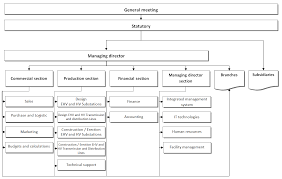
Implementing the change management plan

Implementing the change management plan

Implementing the change management plan

Order Instructions:

Implementing the change management plan

The pattern of change most frequently encountered in an organisational setting is one in which change is organic, progressive and largely imperceptible; although this default position is infrequently interrupted by single-event instances of extreme and disruptive change. This pattern of change generates a complex framework of demands to be made on those entrusted with guiding the organisation towards its desired future, and those demands are most effectively met by the application of strategic leadership principles.

This week’s Key Concept Exercise requires you to apply the theoretical concepts studied to date to the case study situation contained in the article by Abdullah and Siti-Nabiha (2012). In this context, you will review the situation at Pemancar as it would have appeared to Danial Tareq when he took over his new role, and then present a range of ideas on the best process to use in implementing the required change.

To prepare for this Key Concept Exercise:

• Read the Required Learning Resources sent by mail.

• Reflect on the ideas presented in the Week 5 Key Concept Overview and the assigned journal articles, in the light of your own practical experiences in the workplace.

• Read the Pemancar case study, as presented in the article by Abdullah & Siti-Nabiha, and prepare a report that addresses the following requirements:

• Examine the application of the theory of punctuated equilibrium to an assessment of the current situation at Pemancar.

• Analyse the change environment existing at Pemancar in terms of the parameters suggested by Nasim and Sushil.

• Identify the most likely problems or conflicts that Danial Tareq may face in implementing his change initiative. Each of those problems or conflicts should be classified as pluralities, contradictions or paradoxes, and their potential impact on the change management process should be assessed.

•Evaluate the degree to which Danial’s leadership will influence the effectiveness of the change management process.

When writing your responses, you should synthesise the theory with real world experience and use examples of the theories in action in a real organisation about which you have read, or one in which you have worked.

SAMPLE ANSWER

Odc Kce W5

Implementing the change management plan must require several significant processes that will promote to accept and adopt any attitudinal and behavioural adjustments. And the primary key to realising organisational success is determined by the strategic decisions of leaders. The number one priority of most managers should be to check the external and internal environments, understand and provide company resources, enhance capabilities, identify business threats and develop a vision that would create a positive future for the company. And according to Riwo-Abudho et al. (2012), in strategic leadership, managers must adapt “the art of strategic leadership since modern organisations work on in a dynamic setting which keeps on transforming.”

Addressing the case study of Pemancar (Abdullah and Siti-Nabiha 2012), the organisation had undergone a process of change implementation which is facing a sudden, drastic change. As an evident result, people who are most directly involved in the modification are starting to feel pressure; hence, these people are thinking of leaving the organisation. Looking into the way the organisation thinks and acts; the top management who is on a quest to improve the quality of performance had decided to establish organisation transformation. However, these implementations are often troubled with contradictions and paradox. Following the reviews of Nasim and Sushil (2011), the emergent of new approach had intensely shaken the structure. In their review, it is evident that the Revolutionary change had pushed the organisation into the struggle. The organisation was shaken and disrupted by intense and significant change after a long, punctuated state of continuous and large-scale strategic change.

Strategic Management Process

The role of the manager is to achieve competitiveness and to earn above average returns to the company with highly determined strategic decision concerning the wants and needs of the organisation within the given nature of the environment where it exists. Moreover, an effective change management process must require a combination of logical-rational approach to organisational strategy. Understanding Mr Adam’s standpoint in the case study; a faster and immediate approach towards change will put the members of the organisation in a state of pressure and stress. If Mr Tareq, on the other hand, will facilitate an incremental approach, it will contradict and negates the needs of the upper management. This contributing dilemma will result in entrapping the legitimate interest of the company. However, if there is an in-depth understanding of dualities, contradiction and paradox, it will help draw out a strategic management towards the case (Stoltzfus et al. 2011). Initiating the paradox of duality, interlinking the conflicting strategies of Incremental and Revolutionary change may respond into a seamless transition. For example, in the real world, every stable company must have change. The presence of bureaucratic features in a company has a positive effect on most large organisations in which it tries to maintain and control the benefits of bureaucracy and prevents the problem of slow response to rapid change.

In the case of Pemancar, the bureaucratic standpoint of upper management is envisioning a fast and significant impact on the company. Therefore, however contradicting it may show to those people who are directly involved in the organisation, in strategic leadership, the necessary attributes that a manager must follow within the existing environment – provide a visionary outlook to the employees that will encourage them to work hard. The setting of consistently high standards, provide a clear and concise communication on the vision of structural change. Building confidence with the employee’s works will establish a feeling of self-reward. Lastly, talk with other personnel about their struggles and difficulties and provide feedback to the upper management (2015 Laureate Education, Inc. 2015).

Conclusion

In addressing the case of Pemancar, it is evident that there is a need for revolutionary change. It may conflict with the interest of the members of the organisation but the change should be implemented because of the rapid increase of competitors within the industry. It is understandable that there are efforts in adapting rapid change as a strategic process for the benefit of the company. However, for the company to survive, adapting to change is a positive outlook for its future.

References

2015 Laureate Education, Inc. 2015, Implementing the Change Management Plan: KMGT 673 Organisational Design and Change. pp.2-3.

Abdullah, Z & Siti-Nabiha, A 2012, Leadership and Change Management: A Case Study of Pemancar. Asian Case Research Journal, 16(01), pp.115-132.

Nasim, S & Sushil 2011, Revisiting Organizational Change: Exploring the Paradox of Managing Continuity and Change. Journal of Change Management, 11(2), pp.185-206.

Riwo-Abudho, M Njanja, L & Ochieng, I 2012, The Role of Strategic Leadership during Change. 4(1), pp.49-53.

Stoltzfus, K Stohl, C & Seibold, D 2011, Managing organisational change: paradoxical problems, solutions, and consequences. Journal of OrgChange Mgmt, 24(3), pp.349-367.

We can write this or a similar paper for you! Simply fill the order form!