



Project Risk and Quality Management Strategy

Project Risk and Quality Management Strategy

Project Risk and Quality Management Strategy

Order Instructions:

Project Risk and Quality Management Strategy, Managing Rick and Quality in the face of change.
Review the St. Dismas Assisted Living Facility Casa study on pages 111 and 112 of the Mental text.
Develop a risk strategy for your project. In addition to listing your, describe your process for identifying, analyzing, and managing your risks. Than prepare a quality management strategy. Your project risk management strategy must be at least one page, double spaced and include:

  • A brief statement on how you plan to manage quality for your project,
  • A brief statement on how you plan to manage project change,
  • A brief description of at least two tools and /or techniques you plan to use to manage quality and why you chose those tools.
  • Reference: A Guide to project management body of knowledge (PMBOK GUIDE) 4th edition.
    APA Styles.


SAMPLE ANSWER

Project Risk and Quality Management Strategy

Projects are vulnerable to certain risks and therefore it become important to ensure that an appropriate strategy is in place to mitigate such risks to ensure that the project comes to its completion within the expected period and meets the objectives set. The author develops a risk strategy for St. Dismas Assisted Living Facility Casa study.  The author as well describes the process of identifying, analyzing and managing the risks, and provides a quality Management strategy

St. Dismas Assisted Living Facility Casa study is experiencing a slowly decline of patient admission. This problem puts at risk the capability of the organization to accrue profits.  The solution is to expand the facility by including an assisted living facility to ensure delivery of cost effective inpatient care.  To ensure that this project is success, it is vital to carry out a risk assessment. The strategies adapted should ensure that the project risks are mitigated.

Risk management is a systematic process where manager identify, analyze and respond to project risks. This process includes maximization of the probability and consequences of positive events and at the same time minimizes any probability of negative or adverse events or consequences. In this project, the risk strategy that will ensure that problem is mitigated will entail the following:

The first thing is to come up with a good plan on overcoming the risks in undertaking the project. In this planning, it will require various inputs such as reviewing the project charter,   organization risk management policies (Thamhain, 2013).  Roles, responsibilities, and authority for decision-making are going to be defined to ensure that every party understands their roles (Project Management Institute, 2000). It is also important to come up with a template from the organization risk management plan, identify any stakeholders’ risks tolerance and work breakdown structures.  At this stage, it will require a meeting to be held to come up with a risk management plan. People that will be in attendant will include, project team, leaders, project manager and any person in the entity with the responsibility to manage the risk planning and execution activities and the stakeholders (Project Management Institute, 2000). Furthermore, at the planning stage,  issues pertaining to budgets estimates, time frames and tracking  are highlighted and discussed to ensure that  once the  proves commences it can move son smoothly.

After risk management planning, the second step required is risk identification. This will allow me to determine the specific risks likely to affect the project. The risks will be identified and its characteristics documented. To identify risk, it requires the person in charge to be aware of the mission, scope and objectives of the owners and stakeholders as well as of the project. It is also important to review the output of other processes to identify any risks across the entire project (Liu, Zou & Gong, 2013). Therefore, this will require review of some of the documents such as product description resource planning, WBS, schedules and costs estimates among many others.  Categories of risks that are likely to be identified include, technological based risks, project management risks such as poor time and resources allocation and inequality of project plan. Other categories are organizational risks and external risks such as labor issues, legal or regulatory environment issues among many others. Review of historical information such as project files and published information will also help to understand the project and identify any risk that the project may be facing.

Various techniques can be used to gather information about the project including, brainstorming, using Delphi technique, use of SWOT analysis and through interviews.

What follows is the analysis of the project risk.  One of the ways to analyze these risks is to carry out a qualitative risks analysis to assess the likelihood and impact of identified risk. Risks are prioritized in accordance to their potentials effects on the objectives of the project (Project Management Institute, 2000). It as well helps to understand importance of addressing specific risks and guides in risk responses. In analysis of these risks,  the criteria  used is the risk probability and impact in qualitative terms such as high, moderates and low or very low. In case the probability of risks occurring is high, then this provides a warning that triggers adherence to an alternative strategy to mitigate the same. Another way to analyze the risk is quantitative risk analysis that aims to analyze the risks numerically to find out probability of each risk and its consequences occurring on the project objectives (Benţa, Podean & Mircean, 2011). This analysis helps to determine or enhances achievement of a specific project objective. Identification and measurement of risks is done in relation to the relative contribution they have on the project risk.

The next step is risk response planning whereby options are developed to help determine actions that enhance opportunities and reduce threats to the project objectives or aims (Project Management Institute, 2000). This process includes identification as well as assignment of responsibilities to parties or individuals, to take charge of particular agreed risk responses. This process is very critical as it ensures that identifies risks are well addressed.   If this process is effective, the chances of decreasing these risks for the projects are high and vice versa. The process should consider the severity of the risk, the time required costs to meet the challenge, be realistic within the context of the project and the parties involved.

Risk management is very important in project risk management strategy. This includes monitoring and control of the risk the project faces. This process keeps track of the identified risks, monitors schedule risks and as well helps in identification of new risks (Project Management Institute, 2000).  It as well ensures execution of risk plans and evaluation of effectiveness of these plans to reduce the risk inherent. The project managers will be able to implement a contingency plan to mitigate these risks to allow successful project implementation. Risk monitoring and control is therefore a continuous process from the start to the end of the project. These risks continue to change as projects proceeds while anticipated risk may as well disappear.  Through risk monitoring and control, information is provided that allow making of effective decisions before the risk happens. During this process, it is important to ensure free flow of communication (Didraga, Bibu & Brandas, 2012). All stakeholders should assess the risks periodically and assess their magnitude as they come up with amicable decisions or solution to mitigate the risks. Monitoring and control serves many purpose. It ensures that risks responses follows planned plans in implementation, ensure validity of project assumptions, ensure that proper policies and procedures are followed and ensure that appropriate strategy is adhered to implement mitigation plan to counter the risks among many others.

Project quality management

Project quality management is a vital process and entails all processes that aims at ensuring that project satisfies the needs for what it was undertaken. This process entails all activities of the management function that helps in determining the quality policy, responsibilities, objectives that are implemented through quality planning, assurance and control, and improvement within quality system (Project Management Institute, 2000).

In implementing this project, quality management is important and it will involve three major phases. These will include quality planning, quality assurance and quality control. In quality planning, quality standards relevant to the project are going to be identified and a process determined on satisfying them. Quality assurance will entail evaluation of the overall project performance on regular basis to ensure that it satisfies them and meets relevant quality standard set. Quality control entails project monitoring to find out if it indeed compile with the appropriate quality standards as well identifies amicable ways to eliminate cause of unexpected performance. Therefore, this project will be managed by ensuring that it is reviewed on daily basis to comply with the expected threshold. Any deviations will be taken into consideration and corrected to ensure that the expected level of quality is upheld.

Management of project change is also important to ensure that the project succeeds. In this case, project change will be managed through scrutiny of the project to determine any changes.  Information on changes will be accessed through interviews, brainstorming and sharing with the project managers and the stakeholders. Communication is also very critical to ensure that in case of changes, they are communicated to the relevant stakeholders to enhance decision-making and to ensure the project moves on smoothly.

Various tools are used in management of quality. In this case, the two tools to use will include, benchmarking and benefits /cost analysis. Benching is appropriate because it provide a standard to measure performance of the project by comparing actual project practices with other projects to provide an overview on the areas requiring improvement.   Benefit/cost analysis is selected because it ensures that appropriate strategies are adopted to increase productivity at reduced costs and to increase stakeholder satisfaction.  It as well provides an assessment of benefits and cost of project hence appropriate in enhancing decision making.

References

Benţa, D.,  Podean, I., & Mircean, C. (2011). On Best Practices for Risk Management in   Complex Projects.  Informatica Economica, 15(2): 142-152.

Didraga, O.,  Bibu, N., & Brandas, C. (2012). Risk management approaches and practices in it     projects.  Annals of the University of Oradea, Economic Science Series, 21(1): 1014-  1020.

 Liu, J., Zou, P., & Gong, W. (2013). Managing Project Risk at the Enterprise Level: Exploratory Case Studies in China.  Journal of Construction Engineering & Management, 139(9): 1268-1274.

Project Management Institute. (2000). A Guide to project management body of knowledge (PMBOK , GUIDE) 4th edition. USA; Fur Camus Bolevard, newtown Square, PA.     Retrieved from: http://www.cs.bilkent.edu.tr/~cagatay/cs413/PMBOK.pdf

Thamhain, H. (2013). Managing Risks in Complex Projects.   Project Management Journal, 44(2): 20-35.

We can write this or a similar paper for you! Simply fill the order form!

Mission and Vision of Public Health

Mission and Vision of Public Health

Mission and Vision of Public Health

Order Instructions:

According to Gostin et al. (2004), “The goals of public health are too often assumed or simply asserted, rather than cogently explained and justified” (p. 97). To be an effective leader in public health, you must understand the current situation in which public health finds itself and the vision, mission, and goals that are guiding its efforts. This knowledge will help you to set direction for your own organization and contribute to other efforts of public health in this country.

Compare and contrast the various mission and vision statements you read this week. Based on these, what do you think the mission and vision of public health is? Then, identify one of the findings and recommendations in The Future of the Public’s Health in the 21st Century that is of particular interest to you—for example, the finding on page 12 states that “increased health insurance coverage would likely reduce racial and ethnic disparities in the use of appropriate health care services and may also reduce disparities in morbidity and mortality among ethnic groups.” In what ways does this finding and the accompanying recommendation help public health achieve its mission and vision?

Answer the following Questions:

1. What do the public health mission and vision statements you read this week have in common? Based on these, how would you articulate in your own words the mission and vision of public health in this country?
2. Briefly summarize one of the findings and recommendations from Future of the Public’s Health in the 21st Century that is of particular interest to you. Explain how acting on this recommendation would help to further the mission and vision of public health.
3. What are the implications if individuals in a public health organization do not know what its mission or vision is?

Article:

1. Collins, J. C., & Porras, J. I. (1996). Building your company’s vision. Harvard Business Review, 74(5), 65-77.

This article discusses a framework used to create concrete corporate vision statements by utilizing two vital areas of a company’s focus—core ideology and envisioned future.

2. Gostin, L., Boufford, J. I., & Martinez, R. M. (2004). The future of the public’s health: Vision, values, and strategies. Health Affairs, 23(4), 96-107.

In this article, the authors offer a justification of the 2002 IOM report’s expansive and politically charged vision of public health as “healthy people in healthy communities,” and they propose steps to making this vision a reality.

3. This Web site lists the core master’s in public health in leadership competencies.
Vision, Mission, Core Values, and Pledge http://www.cdc.gov/about/organization/mission.htm

4. This Web site lists and explains the CDCs 21st-century vision statement.
NACCHO Strategic Plan 2007—2008 http://www.naccho.org/about/committees/upload/strategicplan2007-2008_final.pdf.

5. The PDF found at this Web site lists the NACCHO vision, mission, and strategic plan for their 2007–2008 operating year Values.

Please apply the Application Assignment Rubric when writing the Paper.

I. Paper should demonstrate an excellent understanding of all of the concepts and key points presented in the texts.
II. Paper provides significant detail including multiple relevant examples, evidence from the readings and other sources, and discerning ideas.
III. Paper should be well organized, uses scholarly tone, follows APA style, uses original writing and proper paraphrasing, contains very few or no writing and/or spelling errors, and is fully consistent with doctoral level writing style.
IV. Paper should be mostly consistent with doctoral level writing style.

SAMPLE ANSWER

Mission and Vision of Public Health

Question 1

Most of the vision and mission statements I read have some similarities. The visions and mission provide the desired expectation of the organization. Most of them focus on providing quality healthcare through various interventions (Collins & Porras, 1996). They also provide insights on the prevention strategies the organization have embraced to improve patient heath outcome. They also highlight on the commitment of the staffs to ensure that quality healthcare is provided.  In general, the vision and mission focus on the aims, goals and objectives of the health facilities.

Question 2

Future of the Public’s Health in the 21st Century’ provides various findings and recommendations. The most interesting finding that interests me is the fact that increased insurance coverage will help to reduce ethnic and racial disparities in accessing to health care services. Furthermore, this will help reduce disparities that have been experienced in mortality and morbidity among various ethnic groups (Gostin, Boufford & Martinez, 2004). On the other hand, the recommendation that interested me is ensuring lifelong learning on nurse practitioners. This will help to improve quality of care in health facilities.  Furthering on these findings and recommendations will further the mission and vision of health in terms of ensuring equality in accessibility to healthcare. It will also help to reduce the number of death in future due to increased accessibility to healthcare and competent nurse practitioners.

Question 3

If individuals in public health organization do not know what is mission and vision, healthcare services will not meet the expected threshold. Vision and mission statement provide a sense of direction to the leaders and staffs. Therefore, lack of knowledge will make it difficult for the health facilities to operate efficiently as they will not have objectives, aims or goals. The implication is poor quality healthcare.

References

Collins, J. C., & Porras, J. I. (1996). Building your company’s vision. Harvard Business Review,    74(5), 65-77.

Gostin, L., Boufford, J. I., & Martinez, R. M. (2004). The future of the public’s health: Vision,     values, and strategies. Health Affairs, 23(4), 96-107.

We can write this or a similar paper for you! Simply fill the order form!

Research Terminology: Definitions and Distinctions

Research Terminology: Definitions and Distinctions

Research Terminology: Definitions and Distinctions

Order Instructions:

Research Terminology: Definitions and Distinctions

As you begin your research process, you will come across new terms and concepts that seem unique to research—in fact, they may seem like another language. When learning a new language, reference materials, such as a dictionary or grammar book, are always important to have close at hand. The Walden Library provides a helpful reference tool called The SAGE Encyclopedia of Social Science Research Methods to guide you through the language acquisition of research terminology and concepts. (While encyclopedias are useful in certain instances such as this, it is important to remember that citing them in your coursework, KAMs, dissertations, or thesis is not appropriate.) In this Discussion, you will use this resource, along with your text and video segments, to work with the philosophies of science and research approaches.

To prepare for this Discussion:

Review the following terms in The SAGE Encyclopedia of Social Science Research Methods: paradigm, epistemology, and ontology.

Review Creswell’s definitions of worldview, paradigms, epistemologies, and ontologies on page 6 of the course text, Research Design.

Review the definitions that Dr. Patton offers for epistemology and ontology in the “Research Design” media segment.

Determine how you would define these terms: philosophy of science, paradigm, epistemology, ontology. Note that defining philosophy of science is different from asking you about your personal philosophy of your discipline, such as your philosophy of education, or your philosophy of management.

Consider the difference between these terms. Why is it important for a researcher to be familiar with these terms?

SAMPLE ANSWER

Introduction

The terms philosophy of science, paradigm, epistemology, and ontology are used to describe the different guidelines used in scientific research. It is subjective to understand what knowledge is and how to discover it. It is necessary for a person conducting research to understand the underlying assumptions, relation to the methodology used as well as to the research findings. It will help the researcher or reader to understand and improve their comprehension of the research, application of the theory and engagement of any academic related debate (Lewis-Beck, Bryman & Liao, 2013).

Definition of terms

A paradigm is a model or an established way of doing things. It consists of epistemology, ontology and methodology and how they relate to each other. Epistemology is the theory of knowledge. It deals with the nature and the different forms of knowledge and how it can be created, acquired and communicated (Lewis-Beck, Bryman & Liao, 2013).

Ontology is mainly concerned with what is the reality of things and what nature is all about. It helps the researcher to have a perception of how things are and how they work. Philosophy of science is the branch of science that deals with exploration and understanding of the nature of science. It examines ontology and epidemiology, their basis and how they help in expanding a researcher’s knowledge and the implications of research findings (Patton, 2008).

Importance to a Researcher

The following terms are important to the researcher as they contribute to his perspective, standpoint, theories and beliefs. It guides the researcher to form a framework that builds his research and communication (Creswell, 2009). They further help a researcher to understand and grasp the concept of other researchers and their perspective.

References

Creswell, J. (2009). Research design: Qualitative, quantitative, and mixed methods approaches (3rd ed.). Thousand Oaks, CA: Sage Publications   http://psycnet.apa.org/record/2008-13604-000

Lewis-Beck, M., Bryman, A., & Liao, T. F. (2013). Encyclopedia of Social Science Research

Methods.
Patton, M. Q. (2008). Research Design: A Framework of Design. Sage.

We can write this or a similar paper for you! Simply fill the order form!

Traditional and Syndromic Surveillance Essay

Traditional and Syndromic Surveillance
Traditional and Syndromic                 Surveillance

Traditional and Syndromic Surveillance

Order Instructions:

Traditional and Syndromic Surveillance
“While traditional disease surveillance often relies on time-consuming laboratory diagnosis and the reporting of notifiable diseases is often slow and incomplete, a new breed of public health surveillance systems has the potential to significantly speed up detection of disease outbreaks. These new, computer-based surveillance systems offer valuable and timely information to hospitals as well as to state, local, and federal health officials. These systems are capable of real-time or near real-time detection of serious illnesses and potential bioterrorism agent exposures, allowing for a rapid public health response. This public health surveillance approach is generally called syndromic surveillance, which is defined as an ongoing, systematic collection, analysis, and interpretation of ‘syndrome’-specific data for early detection of public health aberrations.”
—Yan, Chen, and Zeng (2008)

Information drives a public health official’s ability to predict disease outbreaks and trends. Increasingly, emerging natural and man-made threats are making the need for timely, accurate, and reliable information more urgent. As discussed previously, valuable information comes from a variety of data sources. A critical task for public health professionals is determining what might be considered “actionable intelligence”—how to gather it, how to validate it, and how to make sense of it.

To complete this Application Assignment, write a 2-page paper analyzing the practical ramifications of identifying, collecting, validating, and analyzing data for syndromic surveillance. Compare your analysis to traditional disease surveillance.

Your written assignments must follow APA guidelines. Be sure to support your work with specific citations from this week’s Learning Resources and additional scholarly sources as appropriate. Refer to the Publication Manual of the American Psychological Association to ensure your in-text citations and reference list are correct.

SAMPLE ANSWER

All countries require sensitive disease surveillance systems capable of detecting diseases early and monitor outbreaks. One such system is syndromic surveillance that has been developed recently. It is a complex technology tool developed for recording data from several sources with an aim of identifying the probability of a disease outbreak. It goes ahead to focus on non clinical information that indicates an outbreak. The information from various relevant sources is collected and analyzed to detect bioterrorism and alert the public on the same. Syndromic surveillance is influenced by the emerging threats of bioterrorism and the advancements in technology that allows the public health officials to analyze data from various sources for detecting cases of disease outbreak on time (Chen, Zeng & Yan, 2010).

Syndromic surveillance includes collection of information from various sources for analysis. One of these sources is monitoring of employees reporting absence from their work. Employee absence from their work is a useful tool of early outbreak identification or disease clusters such as influenza. The main advantage of this source of data for syndromic surveillance is its timeliness. For instance, in Netherlands, the start of influenza and respiratory syncytial virus was detected much earlier than laboratory confirmation. However, this method may capture seasonal aspects of employees’ absence that are not related to any infectious disease. This means that it may have low specificity (National Academy of Sciences (U.S.) et al, 2011).

School absenteeism is another source of syndromic surveillance data. It requires use of school records in order to identify absence of students. This method of data collection has been reported to help in early outbreak identification. It helps in understanding epidemiology of influenza in various communities by monitoring trends of school absenteeism. It has shown to be an effective method of timely detection of influenza prior one week to other systems. It has also shown a correlation between other traditional methods of surveillance such as validity of respiratory pathogens. This method has the ability to combine clinical data on students’ illnesses to make informed decisions on disease control measures, school closures, suspension of classes, and communication with parents. When this method is automated, collection of data on absenteeism requires minimal surveillance and allows public health officials to make use of limited resources effectively. Automated self reporting of diseases in university students provides an opportunity to avail information on self care and timing for return to schools. Although this method of data collection may be effective in some cases, it may be inconsistent in some schools and participation may vary from time to time. Likewise, the criteria for determining the absence of school absenteeism may greatly vary. This method may prove to be ineffective in schools that do not present the reasons for students’ absence. Therefore, reacting to every indication based on students’ absence would cause unacceptable cases of false alarms and hence inefficient use of public health resources (M’ikanatha, 2007).

The other source of information for syndromic surveillance is emergency department chief complaints. ED chief complaints refer to the records of patients’ reported symptoms and signs of disease at presentation. It typically consists of a brief statement entered into the electronic system in short phrases. It has been used in early identification of outbreaks of diseases at the start and the end of seasons of pathogens like influenza. This method is also used in mass gatherings and in monitoring and identification of novel threats. In some cases it is used to supplement data from other sources such as laboratory testing and sentinel physician consults. It has shown to be better than most methods of surveillances as it gives the real picture of the situation, and it detects clusters of diseases much earlier. For instance, in the case of H1N1 pandemic, alerts from ED data was detected about 7 days prior laboratory confirmation. However, this method may not be effective since not all patients use ED when receiving treatment. Additionally, data entry for ED chief is unformatted thereby reducing opportunities of automation for efficiency and effectiveness. This method relies on the specificity and sensitivity of the system and a variety of cases involved. Emergency and non emergence health records, pharmacy sales, and online resources are other source of data for syndromic surveillance that help in early detection of cluster of diseases or outbreaks (Zeng, 2011).

M’ikanatha (2007) confirms that syndromic surveillance is an overhaul of traditional surveillance system, which entails compulsory reporting of certain diseases to central health authority. This shows that traditional surveillance system relies solely on laboratory results to ascertain the probability of a disease outbreak. In case of a communicable disease such as influenza, the public health officials monitor the disease to detect any case of an outbreak. The traditional method is simple, but very slow. Although it can help in detecting a disease outbreak, it is not as effective as syndromic surveillance that detects outbreaks much earlier. Therefore, despite that syndromic disease surveillance is quite expensive and uses a complex of technology, it has proved to be more effectual than the traditional method. It can be used to detect outbreaks of certain infectious diseases on time and allow public health care to react. Early detection of outbreaks helps in saving many lives and managing outbreaks of communicable diseases.

References

Chen, H., Zeng, D., & Yan, P. (2010). Infectious disease informatics: Syndromic surveillance for public health and biodefense. New York: Springer..

M’ikanatha, N. M. (2007). Infectious disease surveillance. Malden, MA: Blackwell Pub.

National Academy of Sciences (U.S.)., Institute of Medicine (U.S.)., National Research Council (U.S.)., National Research Council (U.S.)., & National Academies Press (U.S.). (2011). BioWatch and public health surveillance: Evaluating systems for the early detection of biological threats. Washington, D.C: National Academies Press.

We can write this or a similar paper for you! Simply fill the order form!

Ethics and Public Health Data Assignment

Ethics and Public Health Data

Ethics and Public Health Data

Order Instructions:

Ethics and Public Health Data

Public health officials have an obligation to protect both the individual and the “greater good” of the community. This dual mandate can produce situations in which ethically sound decision making is ambiguous. For instance, during the monitoring of many diseases and chronic illnesses, data are shared among multiple agencies for the sake of obtaining a more inclusive data set. Individuals may feel that their privacy is being encroached upon when their personal information is shared among these agencies. As our capacity to access and link data from various disparate sources is enhanced, the security of one’s personal and identifying information is diminished. Indeed, there are frequent reports in the news of data security breaches with potentially devastating consequences for consumers and/or patients.

post a brief explanation of what you consider to be the ethical considerations inherent in sharing health data. Then, state your position on whether it is more important, from an ethical standpoint, to protect an individual’s identity or protect the community’s health. Justify your response. Include disease surveillance and informatics examples.

SAMPLE ANSWER

Public health is an organized discipline whose mandate is to protect both individuals and the greater community (Coughlin & American Public Health Association, 2009). However, to attain its mandate, public health officials are often faced with an ethical dilemma in decisions making. For instance, when monitoring diseases and chronic illnesses, several health agencies must share information regarding the health of individuals so as to obtain relevant data. This compromises the privacy of individual’s information, which is considered unethical from the perspective of medicine and nursing. There are, indeed, several cases in the news of data security breaches that have devastating effects for patients or consumers. Personal protection of individuals’ health is an ethical consideration that has long been recognized. It aims at protecting individuals’ interests and rights. Therefore, sharing of individuals’ health data between agencies is a violation of individuals’ privacy. This raises a question on whether to protect one’s individual health information or protect the society. This question raises an ambiguity in decision making process. Looking at the issue keenly, it is agreeable that protecting the society from diseases is far much beneficial that protecting individual’s health information.

Privacy in nursing is concerned with the collection, use, and storage of personal information. It is defined using the terms confidentiality and security. Confidentiality safeguards data gathered in an intimate relationship. It involves keeping information from that relationship private. For instance, it prevents a physician from disclosing information shared to him or her in the context of physician patient relationship. Disclosure of such information is considered a breach of privacy. On the other hand, security is defined as the technical and procedural measures put in place to prevent unauthorized access to individual’s health data. It is concerned in keeping the data of patients from unauthorized use (Coughlin & American Public Health Association, 2009).

In the situation of public health, there are many cases where confidentiality is breached especially in monitoring of disease outbreaks. In such cases, many agencies share the information of various patients with intent of safeguarding the public from diseases. This is seen regarded as a violation of privacy because health information of a person should only be viewed by his or her doctor and his or her data kept safe from unauthorized access. Further, there are cases of security breach when sharing information, that is, unauthorized access is likely to occur through hacking or other malicious means. In other words, sharing of data between agencies creates an easy avenue for unauthorized access.

Public health officials claim that they do not intend to use the information for malicious use; rather, it is for public safety. They need the information in order to monitor cases of disease outbreaks, which is for community good. It may be unethical to access private information, but the benefits are much more than an individual’s violation of privacy. For instance, if one’s information is shared to the public health, it may help the public officers to determine and monitor diseases so that they can warn the public against an occurrence of a disease. They also use the information to create awareness on how individuals can protect themselves from certain diseases.

As such, breach of privacy for the common good is beneficial and should be pursued at the expense of the ethical ramifications. In any case, the information is accessed by public health officials who have authority to access personal information. They do not distribute the information to other unwarranted sources; instead, they use it among themselves. Even though it may create avenue for unauthorized access, the community good or the welfare of the community should come first as opposed to the privacy of individuals. It should be noted that public officials are only concerned in promoting the welfare of all including those whose data has been shared (Coughlin & American Public Health Association, 2009)

References

Coughlin, S. S., & American Public Health Association. (2009). Ethics in epidemiology and          public health practice: Collected works. Washington, DC: American Public Health  Association.  https://ajph.aphapublications.org/doi/book/10.2105/9780875531939

We can write this or a similar paper for you! Simply fill the order form!
Surveillance Subject and Data Sources

Surveillance Subject and Data Sources

Surveillance Subject and Data Sources

Order Instructions:

Surveillance Subject and Data Sources

This week, you select a disease or condition of interest (one that has multiple data sources) and elaborate on many of the data considerations you must take into account in monitoring the disease.

The disease or condition you select will be the subject of a disease surveillance system you create throughout the duration of this Project. As such, the portion you submit this week should serve as a preliminary plan for your surveillance system.

To complete this portion of your Scholar-Practitioner Project, write a 2- to 4-page paper that addresses the following:

  • Identify a disease or condition that will be the subject of your Scholar-Practitioner Project surveillance system.
  • Identify the population most at risk for the disease or condition you selected.
  • Describe the data that you will need to perform the surveillance on your selected disease/condition, including the primary and secondary data sources you will need.
  • Explain how you will collect information from these data sources.
  • Identify who is responsible for collecting and providing data.
  • Describe the aggregate record of data that you will use.
  • Explain how you will ensure the quality of the data collected

SAMPLE ANSWER

Surveillance Subject and Data Sources: Tuberculosis

Tuberculosis is a condition that is transmitted form one person to another. Commonly known as TB, it is an infectious disease that affects body organs and spreads out through the lymph nodes (Flynn, 2004). However, for most people that experience the condition, they do not shoe the symptoms but rather the disease causing organism stays inactive in the body for a very long time. However, the people that the symptoms show, they are severe and occur at the same time. Among the symptoms of the condition include high temperature, tiredness and fatigue, weight loss, night sweats, los of appetite and persistent headache (Flynn, 2004).

There are many groups of people that are at risk of contacting tuberculosis. Among the populations include people that are old and senior in the society. These people have their immune system weakened and they are more susceptible. Another group that is susceptible is babies because of the fact that their immune system has not developed well (Flynn, 2004). Additionally, people suffering diabetes and HIV are also weak in their immune system and as a result, they are at a higher risk of contracting the condition (Flynn, 2004). Other conditions that lead to the development of the condition include patients suffering from cancer, people that are suffering from autoimmune diseases and those that live in areas where they are surrounded by cancer patients (Flynn, 2004).

In conducting my surveillance, I will need vast data as a way of coming up with better results and effective findings. To start with, I will need information on the population that is more prone to developing the condition. In accordance, I will come up with the population that I will interview and collect data from. On the other hand, I will also need data on the causes of tuberculosis, how fast or slow it spreads and how much the persons suffering from the condition are able to respond to treatment and management of the condition.

In collecting data and information to use in my study, I will explore a number of factors before coming up with the final conclusion. For example, it is evident that the study I will conduct is a qualitative type of research. As a result, I will need to use qualitative methods of data collection and to some extent, merge them with quantitative formulas for effective results. In the surveillance and data collection, I will use interviews to collect data and ensure that it is effective in the surveillance. Through interview, I will have an assurance that the information I receive is from first hand source. As a result, the information will become more trusted and applicable in the study. Another method that I will used in collection of data and information is the use of libraries and other information centers like healthcare organizations and agencies. These two sources contain information that is vast and effective. In addition, the information contained in these two sources has been proofed and tested.

However, in my surveillance study, I will need assistance so that information is collected in the right frame and at the right time. As a result, I will engage my colleagues who have a similar interest as mine. However, I will divide them into groups that are manageable for use to come up with a plan that will cover all aspects of the surveillance. For example, some of us will get to the field to collect information from first-hand sources. Others will have to go and dig into the libraries and conduct other information searches that come up. As a result, my colleagues will proof very vital in my surveillance information collection process.

The data that we will collect will be placed in groups so that we can sample it easily. In the aggregate record of data, we will need information concerning all aspects of the data collection procedure. For example, the data that is for risk factors will be placed in a group while the data that is for the people that are at a high risk of contacting the condition will also be placed separately. For the data that will carry the symptoms, we will need to interview 100 participants for it to become enough. On the other hand, information from libraries and other information searches will be placed in a single group to aggregate the data to two types of groups.

In ensuring the quality of the data collected, we will place the information the two groups identified and sample it. In sampling the information, we will come up with a response on how the information is similar or different. As a result, the higher rate of similarity will show that the information is of quality and that it is effective for the surveillance process. However, if we realize that the information varies a lot, we will be forced to cancel the process and repeat it to see the likely outcomes. In conclusion, we will have a timed period to conduct the study and ensure that it is of quality. However, if the search for the information outdoes our data search, we will be forced to extend the period of the study so that we can complete it as needed

Reference

Flynn, J. L. (2004). Immunology of tuberculosis and implications in vaccine development.Tuberculosis, 84(1), 93-101.

We can write this or a similar paper for you! Simply fill the order form!

Identifying Data Sources Essay Assignment

Identifying Data Sources

Identifying Data Sources

Order Instructions:

Identifying Data Sources

Public health officials use myriad data sources to collect information for disease surveillance. Because of the ease of access, the majority of this information comes from electronic data sources such as daily physician visits, frequency of ambulance use, and filling of pharmacy prescriptions. Because every piece of information a public health official receives is not an indicator of disease, it is critical to find the right data sources to detect events and trends.

Often, creative thinking is required to identify potentially useful data sources and the combination of variables that may be revealing. Of course, identifying the data sources is only half the battle. It is also critical to determine how reliable the data are and how they will be obtained.

By Day 4, post a brief description of the disease/condition you selected and the data sources you would use. Justify your selection of each of the data sources you identified. Briefly address the case protocol (if appropriate) for the data sources and describe how the accuracy of that data might influence the disease surveillance. Respond to a colleague from the other group (infectious or chronic).

SAMPLE ANSWER

Identifying Data Sources for a Disease: Tuberculosis

Tuberculosis is an infectious disease found in the lungs and spreads to all lymph nodes in the body (Möller & Hoal, 2010). People that suffer from the condition known as TB suffer silently because it has no symptoms (Möller & Hoal, 2010). The tuberculosis-causing bacteria can stay inactive for a prolonged period (Möller & Hoal, 2010). As a result, it goes unnoticed but it continues to weaken the immune systems just like in elderly people or in people that are suffering from HIV (Möller & Hoal, 2010). When present in the body, the bacterium causes death to organ tissues (Möller & Hoal, 2010). As a result, its effects are vast if they are left untreated.

Being one of the infectious diseases, TB has a surveillance system in place. As a result, there are many sources of data that are used to collect data for analysis and evaluation. Among the data sources that are trustable and that contain sufficient information is the Center for Disease Control website. The center has a collection of information from the greatest and most trusted physicians in the health sector. As a result, the information that it contains is rich and contains data that can help in coming up with relevant findings. In addition, it has offices worldwide and thus, more detailed and wide-range of information.

Another data source that I will apply to collect information concerning TB is the World Health Organization website. The organization is responsible for monitoring disease outbreaks, assessing the performance of health systems and maintaining world health. As a result, it contains information about TB in all aspects that one can think of and of all topics. Having offices and branches in most parts of the world, the information contained comes from various inputs to make a rich collection. Hence, the organization is good for my research.

References

Möller, M., & Hoal, E. G. (2010). Current findings, challenges and novel approaches in human genetic susceptibility to tuberculosis. Tuberculosis, 90(2), 71-83.

We can write this or a similar paper for you! Simply fill the order form!

Local Public Health Events/Trends

Local Public Health Events/Trends

Local Public Health Events/Trends

Order Instructions:

Local Public Health Events/Trends

Early identification of disease is a vital part of preventing and detecting public health problems. Identification at the onset of an outbreak or trend may allow public health officials to slow the spread of infection. Although pinpointing the start of a disease is challenging, monitoring events/trends at local levels provides public health officials with data on potential outbreaks and trends.

To prepare for this Discussion, Search local news sources or other online resources for a local public health event/trend of interest to you. Consider the surveillance methods used to monitor the event/trend you selected. Analyze the method of monitoring and formulate suggestions for its improvement.

post a brief explanation of the use of informatics, the applications, and the methodologies used to monitor the event/trend you selected. Explain your position on whether the methods used to monitor the event/trend (i.e., systems, procedures) were and are adequate and effective. Provide recommendations to improve the use of informatics to monitor this event/trend

SAMPLE ANSWER

Introduction

Ebola is the current epidemic that is affecting the world and has killed so many people. By November, the virus was said to have killed more than 5,000 persons. Different measures have been used to monitor the epidemic in the world. The most used interventions are the contact tracing and community sensitization (Farrar & Piot, 2014).

Surveillance methods for monitoring

Contact tracing and community sensitization are integral in the overall strategy of controlling the outbreak of the Ebola virus. Contact tracing is the identification and follow up on people who are or may have been infected. Community sensitization is informing of communities on the Ebola virus to help them observe measures to keep off from Ebola. The first step of monitoring the Epidemic is telling people about the virus and how they can avoid it by keeping clean and staying away from infected persons. The second step is teaching them how to identify people with Ebola and how to respond by contacting the public health authorities (Farrar & Piot, 2014).

The main way of stopping the virus is interrupting transmission of the virus in the community. Once it has been established that people have the virus or have come in contact with the virus, the health care officials should quickly trace the people and isolate them from the rest. They will be put under observation for 21 days to determine if they have been infected of not. Depending on the outcome, the people will be taken care of accordingly. These two processes of surveillance of the epidemic have been the best ways of ensuring that the virus is contained, and the members of the public are well informed of the progress (Farrar & Piot, 2014).

Recommendation

The above methods so far have yielded results but, they are not as effective as they should be. However, there is no definite plan for ensuring that people are doing what they are told. There are no measures put to ensure that instructions are being followed or that the two active surveillance methods are efficient. It is commendable that people are being sensitized about the pandemic, but there should be a way to monitor that the recommendations are being followed

Reference

Farrar, J. J., & Piot, P. (2014). The Ebola emergency—immediate action, ongoing strategyNew England Journal of Medicine371(16), 1545-1546.

We can write this or a similar paper for you! Simply fill the order form!

Successful organisations lead change they don’t just manage it

Successful organisations lead change they don't just manage it
Successful organisations lead change they don’t just manage it

Successful organisations lead change they don’t just manage it

Order Instructions:

See the attached file.

SAMPLE ANSWER

Successful organisations lead change they don’t just manage it

In the modern day climate of uncertainty in business, the ability of a company to change with the times is crucial to its survival. Wells (2010) suggests that one of the greatest concerns among business leaders, due to the sudden economic upheavals, is their organisation’s ability to react in time and be agile. He further suggests that for the company to engender these abilities within their organisational blueprint, they need to lead change from the top for maximum results. In a recent report released by Buck Consultants, it was found out that successful organisations are those that lead change, as opposed to just managing it (Wells 2010).

Every day, the businesses environment is always changing; it is necessary that change is properly handled for a firm to keep competing in today’s global market. However, identifying the need for change is not sufficient – a good business must be able to implement its change process effectively. Most big companies especially in the UK are making significant changes to their structures to cope with present and future challenges. In the survey by Buck Consultants in 2009, over two thirds of the sampled companies had implemented significant organisational change in the previous 12 months and almost all had plans for further changes in succeeding years. The study found that most frequent organisational changes in today’s business world involve:

  • Restructuring of the current workforce
  • Aligning the company in a new strategic direction
  • Streamlining current technology and processes

While most organisations are changing, it is notably with mixed levels of success. Only slightly over half (54%) of those surveyed admitted that the changes made over the previous 12 months were perceived as successful by the respondents. This means that almost half of all changes initiated by organisations fail to realise the intended results.

For the organisations found to be successful, the study found out that there were a variety of similarities and differences in the way these organisations implemented change. Through assessment of their different change programmes, and the outcomes of the survey, it was found that several common activities appeared to influence success. The three most common traits are:

  • Better preparation for change
  • Greater involvement of staff
  • Internal collaboration and teamwork

Oddly enough, the three seems to be aspects of a well led unit rather than a managed one. This implies that leadership is necessary for successful change. However, scholars have long attempted to differentiate between leadership and management.

Leadership and Management

It is crucial to distinguish the difference between management and leadership both of which are considered necessary for organisational success. While these terms are often used interchangeably, they are two distinctive and complementary processes. There is an interesting aspect to the ongoing debate surrounding the differences between management and leadership and it was first raised by Zaleznik (1977) in his article and more recently by Bennis & Nanus (1985) amongst others. Zaleznik questions if perhaps too many studies have been done at a small group level and leading too much of the theory focusing on management issues rather than leadership. Nevertheless, it is apparent that there are clear distinctions between the two, with leadership being seen as more outward looking and inspirational in driving change.

Yukl (1989) states that, “the essence of the argument seems to be that managers are oriented towards stability and leaders are oriented towards innovation; managers get people to do things more efficiently, whereas leaders get people to agree about what things should be done.” He states that leadership is more concerned with giving meaning, purpose and guidance to organisations whereas management is concerned with support, guidance and corrective feedback on a day-to-day basis by being task or people-oriented as is appropriate.

Management concerns itself with implementing the vision and strategy provided by the organisation’s leaders. However, there is a need for both functions in an organisation and in actual sense; leaders can become managers and vice versa judging from their approach and behaviour. Most literature suggests that managers can become better leaders by providing direction, vision, strategy and inspiration to the organisation and also by reinforcing the vision and values adopted over time. Kotterman (2006) notes: “the core activities of a manager and leader are simply different. The difference is one of focus, one outwardly focused, the other internally.”

Perhaps the greatest challenger of the notion that management and leadership can be interchangeable is Professor John Kotter of Harvard Business School. He states that leadership is different from management but not for the reasons most people think. He however clarifies that if either is missing in today’s competitive environment, the organisational success would be elusive. He highlights the common mistakes made as follows:

Mistake #1– Use of the terms “management” and “leadership” interchangeably. He states that this means people don’t appreciate the crucial difference between the two and the functions that each role plays in an organisational setting.

Mistake #2– Use of the term “leadership” to refer to persons at the top of company hierarchies while referring to those in the layers below them as “management” and then the rest being called workers, specialists, and individual contributors. He states that is very misleading.

Mistake #3– People thinking of “leadership” as involving only personality characteristics, what they mostly call charisma. He argues that few people have charisma, which could be wrongly interpreted to mean that few people can provide leadership.

He concludes with the following points:

  • Leadership isn’t mysterious or mystical.
  • It has nothing to do with charisma.
  • It is not dependent on exceptional personal characteristics
  • It is not for a chosen few (Kotter 2013)

Warren Bennis and Bert Nanus (1985) were of the opinion that leadership is one of the many assets that a successful manager must have. The main aim of a manager is to maximize the output of his/her organization by administrative implementation. This means that managers must undertake the following roles:

  • directing
  • organizing
  • planning
  • staffing
  • controlling

Leadership is considered an important component of the role of directing.

Conclusion

It is quite clear that most organisations do not have fundamental change capability, starting with leadership.  While the current climate may pressure leaders to effect change quickly, they are more likely to benefit from more thoughtful considerations of the scope of change and their leading role in involvement of staff. In the modern world, few organizations have sufficient leadership (Kotter 2013). Unless organisations recognize that there is a distinction between management and leadership, all people will try to do when asked to lead is work harder to manage. This means that we might end up with under-led and over-managed organisations that find it increasingly difficult to operate in a dynamic world.

The Dutch Royal BAM group

The Dutch Royal BAM group is a construction company that is active in multiple states in Europe. Currently, the company operates in five markets including Netherlands, the UK, Ireland, Germany and Belgium. Compared to its competitors, the company enjoys top positions in these markets as it undertakes civil engineering and specialist construction projects in niche markets. The company’s administrative centre is in the Netherlands and it is listed in the country’s securities exchange. Apart from operating in the niche markets, BAM operated electrical services, private and public partnerships, sectors construction and mechanical services. The presence of the company in the five European nations does not mean that it only specializes in them. On the contrary, the company is active internationally where it has taken a number of active projects.

The company has a low turnover rate and currently employs around 25,000 people worldwide. These are both permanent and temporary workers who are utilized depending on the construction project.

The company’s balance sheet is a bit worrying as it indicates a risk that is represented by a growing number of receivables from public private partnerships meaning that the company is forced to pre-finance projects that it shares with the government. These PPP receivables substantially increase from 288 million to 406 million between 2011 and 2013. The risks however balance out with gains once the projects the company is involved in are successfully completed.

BAM’s share capital has substantially increased from €735 million to €833 million since 2012. This means that the company’s solvability has been improved. In 2012, BAM made a loss of €183 million but bounced back with a €47 million profit in 2013. The company undertook a strategy of employee reduction and also reduced its expenses which led to the profits that it made. Impairments also decreased from €366 million to €42 million in this period indicating that the strategy the company implemented was successful. The problem for the company’s seemingly weak financial position is the challenging nature of domestic markets which are only recovering from the global downturn especially in housing.

The fact that BAM is operating from a weakened financial position should be troubling for its leaders and managers alike. The former have a more long term outlook compared to the latter that focus on short term objectives. The main consideration for BAM should be the development of a sound strategy and complimenting it with a good work process. Leaders’ main challenge is thus how to actualize the strategy and the work process. One of the major hindrances to a successful strategy is the organizational culture. Organizational cultures should be formulated in a way as to foster motivation in employees so that they produce beyond their normal capacities. A second problem that needs addressing is technology that together with culture must complement each other in order for optimum outcomes to be produced. Other problems that leaders must address include the structure of the organization and its emotional intelligence.

Business growth is usually accompanied by success that leaders and managers seek to impart at its core and ensure that personnel repeat. Managers, in their clamour for repetition, will naturally add layers to the business structure which lead to a mechanistic organization. Bureaucratization of organisations leads to a rigid structure that curtails the business from adopting changes in the environment. Bunnell (2000) cites the example of Cisco, the successful information technology company as having a flexible structure that allowed it to assimilate changes faster and be ahead of the competition. While managers inevitable push organisations to become mechanic, leaders pull them to make them more organic where all personnel are empowered to contribute to decision making. There are organisations that have successfully kept business departments at low numbers and thus preventing them from curtailing their own growth. HP for example ensures that there are not more than 1000 employees in any department while 3M limits size of departments by requiring each to have less than $200 million in sales. Where such figures are exceeded, the company further breaks down that department.

While managers usually focus on having authority over subordinates, leaders on the other hand believe in having followers. BAM can benefit from this fact as its leaders will not keep employees without the right combination of knowledge, aptitude and skills. Constant appraisal of employees ensures that they are qualified, well equipped and motivated to function seamlessly within a team. Leaders are tactical meaning that they will entice their employees using rewards to influence and motivate (Gottfried 2011). BAM seeks to be a leader in niche markets meaning that it needs creativity and innovation not only to create a competitive advantage within those markets but also to come up with superior products that will define the industry. This can only be achieved by having highly motivated and qualified teams of competent individuals. Suggestions schemes, dual ladder systems, employee-of-the-month boards and bonuses are also some of the ways that leaders can ensure that they have motivated teams.

One fundamental difference between managers and leaders is that the former seeks to maintain a status quo while the latter challenges it (Mullins 2013). Thus, BAM leaders must ensure that there are no comfort zones in the company and that employees are continually challenged to identify need gaps in products and services and in turn plug them. BAM can benefit greatly from institutionalizing innovation. Companies like Cisco and HP got to the positions they enjoy in the global market system by continuously challenging the status quo in their respective industries at times when there were other bigger players. One way of challenging the status quo is by setting thresholds that require individual departments aspire to higher standards every year.

Leaders have the responsibility of rooting out any organizational policies or structures that may be a hindrance to progress. Therefore, there must be constant risk-taking in order to identify the areas where complacency might be rife. This does not however mean that unnecessary risks should be taken. Being a leader is a balance between ensuring measured progress and avoiding overeager decisions that will ruin the organization. Uncontrolled risk-taking can lead to the creation of ambiguities. There should therefore be effective information management tools that temper the management regime and ensure that there are adequate control measures for project milestones. BAM should learn that failure in certain projects is not kept from stakeholders of the organization but should be shared in order to ensure that the organization learns from its mistakes and does not repeat them. According to Paulson (2001), failed projects should be a source of pride for organisations as they indicate failed opportunities that should never be pursued again.

Collaboration is a very important process in leadership. The process starts with recognizing the contributions of employees within an organization. Consideration of their opinions not only leads to better ideas for innovation but also motivates them to challenge themselves. The next step in collaboration is ensuring that the organization is equipped with the right information. This gives management leeway to contract outside organizations where possible in order to have the opinions of experts including known innovators and qualified researchers. BAM must ensure that it possesses adequate and relevant information regarding the markets that it aspires to serve. The best information is sourced by experts. Thus leaders must have the inherent gift of recognizing the different talents in their human resources in order to get the most out of them.

Leaders unlike managers are more focused on the future of the company than its present. This means that they are constantly looking to create a competitive advantage that will benefit their organizations for a long time. This can only be achieved by having organizational intelligence which is the capacity for the organization to take advantage of an opportunity or adapt to a given environment by accessing, interpreting and manipulating information (McCall 2010). The intelligence that human resources possess can be collated to ensure that the organization takes reduces uncertainties and ambiguities. Tools for analysing competitors, for scanning environments and for forecasting on technology are some of the intelligent options that BAM should seek to employ in order to grow in international markets and also create opportunities in the markets it already operates in.

Recommendations

  • Leaders must create an organisational structure that is not bureaucratised but rather is organic in order to respond to changes in the environment.
  • Leaders should ensure that the organisation is grounded on a sound strategy that is complemented by work processes that communicate the ambitions of the business.
  • Organisations must ensure that they use intelligence in seeking out opportunities and capitalizing on them using specific tools for analysis, forecasting, and scanning.
  • The most important resources for any organisation are the human resources which must be valued. Collaboration must be sought to ensure that teams are made up of the most competent and motivated people to fill the various positions.
  • Leaders must ensure that they are not overeager in their risk-taking endeavours and instead are calculating and tempered. This can be done through ensuring benchmarks are used developed through scientific means.

References

Bennis, W. & Nanus, D., 1985. Becoming a Leader, Philadelphia, Harper Paperbacks.

Bunnell, D., 2000. Making the Cisco Connection — The Story Behind the Real Internet Superpower. America, New York

Gottfried, A. E., 2011. Motivational roots of leadership: A longitudinal study from childhood through adulthood, Leadership Quarterly, 22(3), 510–519.

Kotter, J. P., 2013. ‘Management is (still) not leadership’, available at:

http://blogs.hbr.org/2013/01/management-is-still-not-leadership [accessed 3 December 2014].

Kotterman, J., 2006. Leadership vs Management: What’s the difference? Journal for Quality

& Participation, Vol. 29 Issue 2, p.13-17

McCall, M. W., 2010. Recasting leadership development. Industrial and Organizational Psychology, 3, 3–19.

Mullins, L., 2013. Management and Organisational Behaviour. London: Pearson.

Paulson, E., 2001. Inside Cisco: The Real Story of Sustained M&A Growth. New York: Wiley

Wells, B., 2010. Successful organisations lead change they don’t just manage it, available at: http://www.hrmagazine.co.uk/hro/opinion/1018014/successful-organisations-lead-change-dont-manage [accessed 3 December 2014].

Yukl, G., 1989. Managerial Leadership: a review of theory and research, Journal of Management, Vol. 15 Issue 2, p.251-290.

Zaleznik, A., 1977. Managers and Leaders: Are They Different, Harvard Business Review, January 1977.

We can write this or a similar paper for you! Simply fill the order form!
Human Resource Management Essay

Human Resource Management

Human Resource Management

Order Instructions:

I need a description of the following subjects and their the relations the human recourse management

Communication skills, persuasion, public opinion, communication theories, personal style and analyze, social psychology, public relations

SAMPLE ANSWER

Human Resource Management

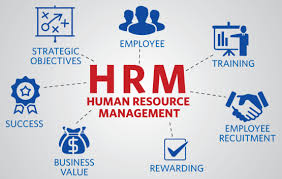
Human resource management is one of the functions in an entity aimed and maximizing employee performance to meet the strategic objectives of the employer. Human resource is about managing people by focusing on policies and systems. Human resource department undertakes various activities including employee recruitment, selection, training, performance appraisal, development and rewarding (Anca-Ioana, 2013). They are as well responsible for industrial relations that entails balancing organizations practices and regulations that results from collective bargaining and government regulations. This therefore indicates that indeed HRM relates to other disciplines/subjects.

HRM relates with different subjects in many ways. Some of the subjects that relates to HRM include, persuasion, communication skills, communication theories, public opinion, personal style, social psychology and public relations.

Communication skills are concerned about one’s ability to express their opinions and views. Communication allows people to share their views and is something that happens every time in people lives (Anca-Ioana, 2013). Understanding the way people communicate at personal, group and organizations level is essential in any conversation. Human resource managers must be good communicators both orally and written. They must understand various forms of communication such as verbal and nonverbal and the situations under which such communications occurs. Furthermore, they should have good listening skills and understand the barriers of communication to enable them communicate well. HRM must engage with their employees, employers and other stakeholders in many ways. This engagement can only succeed if HRM have better communication/ negotiation skills. Therefore, these skills are relevant and essential in the operations of the HRM as they contribute in their achievement of their goals and objectives.

Persuasion is the art of convincing people to buy ones ideas or views. Persuasion requires an individual to understand the strategies to use in their communication skills. Persuading other people to do something is not easy and it requires to employ certain strategies such as presenting the advantages of taking certain actions over the others, articulating issues objectively and providing rewards among many others (Anca-Ioana, 2013). Human resource management need to poses persuasion skills to render their duties well. Human resource encounters different situations that require them to persuade their partners to achieve their goals. For instance, when negotiating for salaries and other benefits, human resource  are required to persuade the employees to receive the packages set as per the budget to avoid employee resentment or go slows.  HRM as well should have these skills when engaging in collective bargaining with other stakeholders such as government and even their employers.

Members of the public have their opinions concerning decisions and policies that organizations pass. Their opinions may rhyme of vary with that held by the HRM management of an entity. It is important for the HRM to consider public opinion on certain policies or regulations to avoid conflicts and disagreement during their implementation (Anca-Ioana, 2013). HRM therefore are expected to solicit the views or opinions of the members of the public when proposing change. For instance, when HRM wants to change the time of reporting and leaving workstations, they should seek opinions of the stakeholders before instituting this change. This will ensure that the systems operate efficiently without any disruption, as people will be convinced and aware of the changes.

Communication theories provide an understanding of how communication happens between the sender and the receivers. These theories ensure that communication is understood. Some of the theories include, Shannon and weaver, two-way communication theories among many others.  These theories provide a description of the way people communicate and the barriers encountered hence improve the concept of communication. These theories are important in HRM as they help them to understand different situations when communicating with others parties in an entity.

People have different personalities and personal styles in terms of how they carry out their duties, their knowledge, their abilities and scope of skills and understanding.  At an organization level, HRM must understand these styles to be in a better to assign roles and duties to employees. Understanding this style is also essential when negotiating on various aspects that concern the organization.

Social psychology is another important subject that HRM must appreciate. Social psychology concerns how people have socialized and how they perceive things based on this socialization. The way people view things differs because of their bringing and environments. Therefore, it is important for HRM to understand the different social orientation and thinking of the people, they work with in an organization.

Public relation is a broader field that impacts on the field of HRM. Public relation is concerned about establishing mutual relationships to build mutual beneficial relationships between the entity and the members of the public. Public relations, is an art and social science of analyzing trends, predicting the consequences. It also involves initiatives of counseling organizational leaders and implementing planned programs of actions for the benefit of both the entity and the public. Therefore, this means that public relation involves conducting research to come up with tangible information on the various trends. Public relation as well enables the practitioner to provide counseling services for the leaders and implementing appropriate actions to benefit the entity and the public. Human resource management, require public relations as they execute their duties to be able to analyze trends, predict  the consequences of the actions they take and as well to provide counseling services to  employers and employees. They as well implement actions or decisions that benefit the organizations and the other stakeholders.

In conclusion, it is apparent that HRM borrow on various subjects. The human resource management requires various skills and knowledge to execute their duties diligently. They require to have different skills such as communication, skills, persuasion skills, understand, communication theories, personal styles, social psychology as well as public relations

Reference

Anca-Ioana, M. (2013). New approaches of the concepts of human resources, human resource      management and strategic human resource management.  Annals of the University of       Oradea, Economic Science Series, 22( ): 1520-1525.

We can write this or a similar paper for you! Simply fill the order form!