Heavy and Excessive Bleeding In a short essay (500-750 words), answer the Question at the end of Case Study 1. Cite references to support your positions.
Heavy and Excessive Bleeding
Prepare this assignment according to the APA guidelines found in the APA Style Guide, located in the Student Success Center. An abstract is not required.
This assignment uses a grading rubric. Instructors will be using the rubric to grade the assignment; therefore, students should review the rubric prior to beginning the assignment to become familiar with the assignment criteria and expectations for successful completion of the assignment.
NRS410V.R.CaseStudy1_Student_02-11-13.docx see below
Heavy and Excessive Bleeding Essay Paper Case Study 1
Ms. A. is an apparently healthy 26-year-old white woman. Since the beginning of the current golf season, Ms. A has noted increased shortness of breath and low levels of energy and enthusiasm. These symptoms seem worse during her menses. Today, while playing in a golf tournament at a high, mountainous course, she became light-headed and was taken by her golfing partner to the emergency clinic. The attending physician’s notes indicated a temperature of 98 degrees F, an elevated heart rate and respiratory rate, and low blood pressure. Ms. A states, “Menorrhagia and dysmenorrheal have been a problem for 10-12 years, and I take 1,000 mg of aspirin every 3 to 4 hours for 6 days during menstruation.” During the summer months, while playing golf, she also takes aspirin to avoid “stiffness in my joints.”
Laboratory values are as follows:
Hemoglobin = 8 g/dl
Hematocrit = 32%
Erythrocyte count = 3.1 x 10/mm
RBC smear showed microcytic and hypochromic cells
Reticulocyte count = 1.5%
Other laboratory values were within normal limits.
Heavy and Excessive Bleeding Question
Considering the circumstances and the preliminary workup, what type of anemia does Ms. A most likely have? In an essay of 500-750 words, explain your answer and include a rationale.
Case Study 1
Grand Canyon University NRS410V
Ms. A has been having heavy and excessive bleeding for 10- 12 years during her menstruation. This condition is known as dysmenorrhea and menorrhagia. Blood is made up of hemoglobin and Iron which is a big part of hemoglobin. The continual loss of blood results in a lack of hemoglobin as well as Iron Deficiency. This concludes that Ms. A is probably experiencing Iron Deficiency Anemia. This happens when there is an imbalance between the loss of iron and its absorption in the body.
Heavy and Excessive Bleeding Essay Paper
When a person has excessive bleeding from the gut and heavy menstrual cycles Iron deficiency anemia usually occurs. Bleeding from the gut can be from several things such as, gastritis, peptic ulcers, hemorrhoids, etc. Many women suffer from this illness during pregnancy because of the consumption of iron increases due to the growing fetus. Monthly menstrual cycles is a normal way that woman experience the loss of iron. However, the amount loss varies greatly. During a normal cycle woman losses between 30 to 40ml of blood, the loss of iron is about 3-40mg per cycle. If the blood loss is greater than 80ml per cycle it is said to be menorrhagia which is heavy bleeding. (Hope, 2000). This would be what Ms. A is suffering from.
Studies has also shown that when women have heavy periods their ferritin, hematocrit and hemoglobin levels are lower than recommended (Bernardi, Ghant, Andrade, Recht & Marsh, 2016) which is what Ms. A was showing signs of.
Heavy and Excessive Bleeding Essay Paper
30% of premenopausal women suffer from heavy menstrual bleeding. This is the main reason of iron deficiency anemia (Fraser I. S et al, 2015), (Oehler M K and Rees M C, 2003).
Since Menorrhagia appears to be the hidden cause of Ms. A condition, the treatment should be focusing on mitigating it. There are several ways to treat this condition which is with hormone or non-hormone therapy. To treat hormonal imbalance and to lessen bleeding oral progesterone can be given. Even though hormones supplements may control the cycle the underlying problem may still persist. (Richard R. 2000) more prominent results are shown through non- hormonal therapy. Non-steroidal anti-inflammatory drugs and tranexamic acid is the primary choice of treatment. Birth control can be used as a part of the treatment. It helps to regulate menstrual cycles and reduce the bleeding time. The amount of blood is also lowered because of the thinning of the endometrial wall.
Heavy and Excessive Bleeding Essay Paper
The use of iron supplements is an important component towards lessening this condition. Depending on the main cause of anemia the proper treatment would be determine.
A diet rich in foods containing iron and ferrous salt should be given orally. Also, a diet should include foods like raisins, apricots, prunes, dark green leafy vegetables, fortified bread and iron. Consuming to much iron has some side effects like black stool, constipation or diarrhea.
In conclusion, there are a great number of women who is affected from iron deficiency anemia in comparison to women with a regular period and those who experience menorrhagia a greater loss of iron is loss. Blood and iron is very important to the body in order to maintain the structure and function. Iron should be supplemented in our daily diet because it is required for maintaining a balance life for all humans and women especially.
Heavy and Excessive Bleeding Reference
Bernardi, L., Ghant, M., Andrade, C., Recht, H., & Marsh, E. (2016). The association between subjective assessment of menstrual bleeding and measures of iron deficiency anemia in premenopausal African-American women: a cross-sectional study. BMC Women’s Health, 16(1). http://dx.doi.org/10.1186/s12905-016-0329-z.
Fraser IS, Mansour D, Breymann C, Hoffman C, Mezzacasa A, Petraglia F. (2015). Prevalence of heavy menstrual bleeding and experiences of affected women in a European patient survey. Int J Gynecol Obstet.128:196–200.
Hope, S. (2000). 10-minute consultation: Menorrhagia. BMJ, 321(7266), 935-935. http://dx.doi.org/10.1136/bmj.321.7266.935.
Richard, R. (2000). Evaluating Menorrhagia and Providing Effective Treatment. American Family Physician. Oct 1; 62(7):1650-1652.
Long Term Care Industry
Heavy and Excessive Bleeding Instructions
For this two page topic, please describe 3 changes that we need to address in how we manage/organize our Long Term Care Industry. For example, we should focus our efforts on _______ in order to improve ___________. Naturally, there is really no wrong answers.
We can write this or a similar paper for you! Simply fill the order form!
Explain the following:
1. How can one assess or diagnose alcohol dependence and abuse? Give DSM V definition?
2. What are the actions of the human body that allow alcohol to induce a state of intoxication? How are the processes of alcohol in body different between men and women?
What is the Biotransformation of alcohol.
3. What organs of the body are commonly affected by alcohol abuse? Choose one or two organs: liver and lungs
4. How is brain chemistry influenced by alcohol? Explain how brain actually functions with alcohol, mood swings, neurotransmitters.
5. Explain tolerance/withdrawal.
We can write this or a similar paper for you! Simply fill the order form!
Adolescent Obesity Healthy People 2020 adolescent obesity healthy people 2020 what support needs are and interventions on how to implement the objectives of healthy people 2020
Adolescent Obesity Healthy People 2020
Using the information from the interview you conducted in Week 2, list in descending order the support needs of your participant. Also, discuss how to implement objectives of Healthy People 2020 to increase wellness. Give examples of appropriate interventions of the professional caregiver, for example, the nurse.
Submit your findings in a 3 Microsoft Word document.
Support your responses with examples.
On a separate references page, cite all sources using APA format
Read Case Study: Sullivan Hospital page. 435 Two Parts in textbook by Cummings, T.G., & Worley, C.G. (2015). Organization development and change (10th ed). Stamford, CT: Cengage Learning; ISBN-13: 978-1-133-19045-5 and answer the following questions in 1 page with single space.
1. Assemble the diagnostic data into a framework for presenting
2. What changes would you recommend. Is TQM appropriate- why or why not? Alternatives
3. What steps might be involved in implementation?
Use at least three (3) quality references Note: Wikipedia and other related websites do not qualify as academic resources.
We can write this or a similar paper for you! Simply fill the order form!
2) Explanation: write a short paragraph on how you expect to approach investigation of this topic, what you already know. about it, and what you expect to learn about it.
5) Conclusion: this can be a brief summary of your key points, a call for action, a proposed solution, a rhetorical question for reader to consider, a prediction, or a restatement of your thesis.
Use at least three (3) quality references Note: Wikipedia and other related websites do not qualify as academic resources.
We can write this or a similar paper for you! Simply fill the order form!
An allergy can be defined as an adaptive immune response directed against non-infectious environmental substances. Allergens are antigens that cause allergic responses (McCance, Huether 2014). In this case, Janet is experiencing different symptoms accompanied with different diagnosis that indicate an underlying allergy response. She has itchy eyes, nasal congestion, and watery nasal discharge. She also states that she has a tickling cough along with episodes of sneezing. Janet also gets frequent “colds” every spring and fall. Although many of these symptoms overlap when diagnosing, Janet is experiencing allergic rhinitis, acute sinusitis, and allergic conjunctivitis.
Allergic rhinitis is characterized by having symptoms of sneezing, nasal pruritus, airflow obstruction, and mostly clear nasal discharge. Not only was she experiencing these symptoms mentioned above but also presented with medium polyps on each side which is linked to allergic rhinitis (Wheatley & Togias, 2015). Upon physical examination, she also experienced tenderness over maxillary sinuses indicating acute sinusitis. Clinically, sinusitis is classified by nasal congestion, rhinorrhea, facial pain, and sneezing (Aring & Chan, 2016). Finally, she is also presenting redness on sclera and slightly swollen exhibiting allergic conjunctivitis.
Although there is a lot of information supporting allergies, there are a few questions that could be asked upon examination.
1. How long have you been experiencing these symptoms?
2. Have you ever had allergy testing?
3. Do you have any pets?
4. Have you ever had a history of asthma?
5. Are you exposed to smoke, mold, dust?
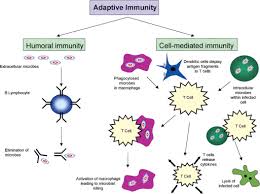
Rhinitis is the inflammation of the nasal mucosa. When a person is exposed to an allergen (pollen, molds, smoke, dust, etc.) it causes in an infiltration of mast cells, T cells, B cells, macrophages, and eosinophils within the nasal lining. The T cells release cytokines that promote the production of IgE. IgE later triggers the release of histamine and leukotrienes that cause vasodilation, increased capillary permeability, itching, runny nose, mucous secretion and smooth muscle contraction. The mediators and cytokines that have been released during this first exposure to the allergen then prompt a further cellular inflammatory response (late-phase inflammatory response) which occurs over the following 4-8 hours leading to nasal congestion and recurrent symptoms (Small & Kim, 2011).
Hypersensitivities are over-exaggerated immune responses and can be broken down into different classified reactions: allergy, autoimmunity, and alloimmunity. Hypersensitivity Type I (IgE-mediated) reactions are mediated through the binding of IgE to Fc receptors on mast cells. This causes mast cell degranulation and in turn causes the release of histamine and other inflammatory substances. Type II (tissue-specific) occurs when antibody binds to tissue-specific antigens. It is mediated by IgM or IgG targeting membrane-associated antigens. This hypersensitivity can be caused by five possible mechanisms: complement-mediated lysis; opsonization and phagocytosis; neutrophil-mediated tissues damage; antibody- dependent, cell mediated cytotoxicity; and modulation of cellular function. Type III (immune complex-mediated) reactions are caused by the formation of immune complexes that are deposited in target issues, where they activate the complement cascade, producing chemotactic fragments that attract neutrophils into the inflammatory site. Neutrophils then release lysosomal enzymes that result in tissue damage. Type IV (cell-mediated) has a cell-mediated response rather than antibodies unlike other hypersensitivity reactions. These reactions can involve either cytotoxic T lymphocytes (Tc cells) or Th1 cells (McCance, Huether 2014). All of Janet’s signs and symptoms that she presented with are indicative of type 1 hypersensitivity.
McCance, K.L, Huether, M. (2014). Pathophysiology: The biologic basis for disease in adults and children (7th Ed.). St. Louis, Missouri. Elsevier Mosby.
Small, P., & Kim, H. (2011). Allergic rhinitis. Allergy, asthma, and clinical immunology: official journal of the Canadian Society of Allergy and Clinical Immunology, 7 Suppl 1(Suppl 1), S3. doi:10.1186/1710-1492-7-S1-S3
Wheatley, L. M., & Togias, A. (2015). Clinical practice. Allergic rhinitis. The New England journal of medicine, 372(5), 456-63.
Week 2 responses 2
Based on her symptoms, Atopic dermatitis would be consistent with Janet’s flaky, erythematous rash on her arms. Up to 80% of people with atopic dermatitis have a personal or family history of asthma, allergic rhinitis, or food allergy. The cause of this dermatitis “involves an interplay of genetic predisposition, altered skin barrier function associated with filaggrin gene missense mutations (proteins that bind keratin in the epidermis), reduced ceramide (a stratum corneum lipid) levels, altered innate immunity, and altered immune responses to allergens, irritants, and microbes” (McCann & Huether, 2014, p. 1654). Memory T cells express cutaneous lymphocyte antigen, which leads to lymphocytes traveling to the skin. When mast cells are activated, eosinophils, macrophages and expression of IgE contribute to the inflammatory process (McCann & Huether, 2014, p. 1654).
Since Janet has a history of getting frequent colds, that would be another differential diagnosis I would consider. Signs and symptoms would include a runny or stuffy nose, in which she complains of watery nasal discharge. A sore throat, which could account for her pharynx being slightly erythematous, as well as cough, congestion, and sneezing, in which she complains of all. A cold could also cause slight body aches, mild headache, and a low-grade fever and malaise. Her temperature was 98.8, but she has not complained of any head or body aches.
My third and primary diagnosis is allergic rhinitis which is seasonal or perennial itching, sneezing, rhinorrhea, nasal congestion, and sometimes conjunctivitis, caused by exposure to pollens or other allergens. Diagnosis is by history and occasionally skin testing. First-line treatment is with a nasal corticosteroid (with or without an oral or a nasal antihistamine) or with an oral antihistamine plus an oral decongestant.
To further evaluate her and to make a more definitive diagnosis, there are several other questions I’d like to ask Janet. These would be:
• Do you have a family history of allergic reactions, seasonal allergies, etc.? This question would help confirm my primary diagnosis of allergic rhinitis, as research shows that if one or both parents has a history of allergies, the child could have a 40-80% chance of also being susceptible (Rote & McCance, 2014).
• Are you exposed to animals and pet dander, dusty environments, cigarette smoke, etc.? These are fairly common triggers of allergic rhinitis, so establishing if there is exposure could help determine the causes of Janet’s symptoms, as well as help her avoid them and decrease her incidence of flare-ups.
• In regard to the skin symptoms, is the rash localized to the flexor surface of the elbow, and does the rash come and go or worsen with exposure to certain environmental factors? Or is the rash on other parts of the body as well, such as the scalp, and flares up regardless of exposure? These questions will assist in differentiating eczema versus psoriasis, as eczema, or atopic dermatitis, is often brought on by exposure, whereas psoriasis is an autoimmune response.
• Have the symptoms of both the allergic rhinitis and skin rash recently started, or have these symptoms occurred throughout your lifetime?
• Is there history of immediate family having skin issues similar to your symptoms? This can also help differentiate psoriasis, as it is often genetically hereditary (McCann & Huether, 2014).
The pathophysiological process of allergic rhinitis is a Type I hypersensitivity reaction. The tissues most commonly affected by histamine effects are the ones containing large amounts of mast cells, which include the skin, the gastrointestinal tract, and the respiratory tract. The allergens cause the inflammation of the mucous membranes in the nose, sinuses, sclera, and pharynx, and also cause increased mucus production and itching. Janet is experiencing textbook symptoms of allergic rhinitis and should be started on a daily antihistamine, such as cetirizine or loraditine, among others.
There are four types of hypersensitivity reactions.
Type I – mediated by IgE and the tissue mast cells.
Type I most often occurs in response to environmental antigens
Type II – Generally when the immune response targets a certain cell or tissue. Type II occurs when antibody binds to tissue-specific antigens.
Type III – Causes by antigen-antibody complexes that are made in circulation and dropped off later in vessel walls or tissues. The antibody binds to a soluble antigen, then deposits it into a tissue, but are not organ-specific.
Type IV – This type is the only one mediated by T lymphocytes and do not involve antibody. Tissue breakdown is usually caused by either Tc cell toxins killing the cell or the release of enzymes and toxic reactive oxygen species (Rote & McCance, 2014).
Janet is experiencing a type I hypersensitivity reaction. Some type I allergic responses can be controlled by blocking histamine receptors with antihistamines, however the primary mechanism of control is the autonomic nervous system. This system includes biochemical mediators such as epinephrine and acetylcholine, which like the mediators of the inflammatory response, have profound effects on cells. They bind to appropriate receptors on mast cells and the target cells of inflammation thereby controlling the release of inflammatory mediators from mast cells and the degree to which target cells respond to inflammatory mediators (McCann & Huether, 2014, p. 272).
References
McCann, S. A., & Huether, S. E. (2014). Structure, function, and disorders of the integument. In K. L. McCance, S. E. Huether, V. L. Brashers, & N. S. Rote (Eds.), Pathophysiology: The biologic basis for disease in adults and children (7th ed., pp. 1616-1652). St. Louis, MO: Elsevier Mosby.
Rote, N. S., & McCance, K. L. (2014). Alterations in immunity and inflammation. In K. L. McCance, S. E. Huether, V. L. Brashers, & N. S. Rote (Eds.), Pathophysiology: The biologic basis for disease in adults and children (7th ed., pp. 262-297). St. Louis, MO: Elsevier Mosby.
We can write this or a similar paper for you! Simply fill the order form!
Atlanta University needs to invest more in the student physical and mental well being. As the majority of the student is away from home with no car and the gym that we have now is very small and it doesn’t accommodate for the student body that we have. In addition to the mental health problem that the school as we could have a real work out gym built for our student body as the other surrounding schools. Poor physical health can lead to an increased risk of developing s.
Conduct an evaluation of the organization based on strategic planning analysis, which includes the strengths and/or weaknesses that are internal to the organization and opportunities and/or threats external to the organization. Your strategic plan analysis must include at least three strengths and three weaknesses that are internal to the organization and at least three opportunities and three threats that are external to the organization. You must utilize at least five valid sources in your analysis. Examples of valid sources include organizational websites, annual reports, personal interviews with organizational leadership, investigative reports, government reports, and conference transcripts. Your Final Paper must address at least five key areas, concepts, and strategies that are outlined in the course text. These include:
Current and future direction of the organization of choice
Writing the Final Paper
The Final Paper:
Must be 8 to 10 double-spaced pages in length, excluding the title and references pages, and formatted according to APA style as outlined in the Ashford Writing Center.
Must include a title page with the following:
Title of paper
Student’s name
Course name and number
Instructor’s name
Date submitted
Must begin with an introductory paragraph that has a succinct thesis statement.
This essay should be about logistic function and its application in predicting the infectious rate of different epidemic diseases.
It should involve lots of calculation steps and accurate math terminologies.
It would be better if the essay makes use of calculus (high school level differentiation and integration) and statistics.
The academic standard is IB mathematics HL (higher level).
Infectious rate of different epidemic diseases
What is your current aim and rationale with the project?
Recently, the outburst of Ebola in the west Africa has claimed more than 4,800 lives and this number is sure to rise. Other epidemic diseases around the world or in the history has affected the society or even the basis of civilization, such as the notorious Black Death, influenza, bird flu, SARS and HIV.
The essay aims to explore the speed of the infection of different diseases and see how factors such as technological advancement, mode of transmission, nature of the virus and locations affect the rate of infection. After a general formula of the infection rate is generated, these factors would be represented as mathematical constant in the equation.
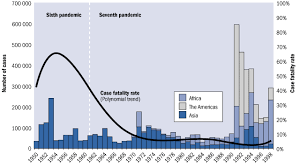
Ideally, after comparing different epidemics, the essay would also propose a graph that plots he fatality ratio against the chronological order of history to see how development is hygiene and medical sciences has helped reducing the fatality and infection of different epidemics (though I am afraid the number of different epidemics that can be incorporated into this final graph would be limited because of time constraint, which may lead to an insufficient conclusion).
How will you use mathematics to achieve this? What mathematics will be used? Include specific topics you believe you believe will have to use in your exploration.
The epidemic model of infectious rate involves the appliance of various functions (exponential, logarithm and etc.) and potentially simple knowledge in statistics.
The actual interpretations of the statistics and the model built would largely rely on the knowledge of differentiation and integration, especially methodology introduced in 16.9 (differential equations)
What opportunities will there be for you to critically reflect on your work? Have other people attempted what you are trying to do? Make a note of these people here.
Limitation in statistics: It may be difficult to acquire accurate data of patients and death because identifying the disease needs time and there might be misjudgment in the early stage of diagnosing that some deaths would be attributed to other disease or vice versa.
Different diseases might have different ways of transmission, thus having different pattern of infection over time. If the essay fails to give a conclusion about the universal pattern of epidemics, reflection can be done
The statistics in terms of infection of the diseases should be available online from different resources. The modeling of infection rate has already been widely discussed and well established. Terminologies such as the basic reproductive rate (Ro) and fatality ratio would be useful in elucidating the concepts
How will you be able to demonstrate a significant amount of personal engagement with this topic? Is there an opportunity for you to use the mathematics you discover in a new or creative way? Can you extend your work to take into account other areas of mathematics?
Since the topic involves a lot of biology, I will have to read more about the background information of diseases as well as the contemporary medical condition. The actual process of using differentiation and integration for mathematic model is also new to me, so I will have to learn this portion of math by myself.
The data collected can be presented in a very creative way and thus knowledge in statistics can be applied to optimize the graphical representation.
Feedback/ Comments from Teacher:
We can write this or a similar paper for you! Simply fill the order form!
All written assignments must be submitted via turn it in dropbox area, must be on a Microsoft Word Document, be in proper APA format: Meaning that your assignments should be typed out, font size 12 font, font names: Times New Roman, Ariel, or Calibri, normal margins (no more than 1 inch), double spaced, .5 indentation at the beginning of each paragraph and .5 hanging references. Make sure your title page consist of your name (First and Last), Panther ID number and research topic/title (APA format).
You will become the subject matter expert by conducting research based on your chosen title/topic and then reporting your findings in a potentially publishable manuscript. You do not have to seek approval for your topic. Choose any health/healthcare related topic of your choice that you feel is a significant problem within the United States.
For each written assignment make sure you address all required instructions/criteria as noted within each assignment located within the assignment instructions/grading rubric.
There’s no specific amount of pages and or word count for each assignment. Address all questions presented and if the instructions/criteria states a paragraph make sure your paragraphs consist of minimum of five complete sentences.
Assignment #2 (Literature Review)Preview the document
Example Assignments:
Found below are example assignments for this course. You are not obligated to follow exactly what’s on the example, however, you are required to complete all criteria for each assignment (see above assignment instructions/grading rubric). I am posting examples so that you get an idea of what each assignment may consist of. Please note that the examples are actually written by a former student. Therefore, you may not see all criteria requirements for each example posted and it is strongly advise that you follow the assignment instructions/ grading rubric criteria given.
The Outcomes of Neural Stem Cell Transplantation and Localized Drug Therapy on Patients
Suffering from Traumatic Brain Injury
John Doe
Panther ID: 1212121
Assignment #2
Literature Review
Within a literature review, often scientists, academic reviewers and even social experimenters review and discuss published information in a particular subject area or concentration. It usually encompasses am organizational pattern that effectively combines both summary and synthesis; by doing this, information on old material can be given a new light or a distinct and unique interpretation. Lastly, a focused literature review can also evaluate the sources and advise the reader on the most pertinent or relevant bits of information. For the sake of this literature review, I hope to express to potential readers the efficacy of neural stem cell engraftment treatment on patients who suffer from Traumatic Brain Injury (TBI) and by leaning on this form of treatment the likely outcomes it can play on society as a whole. I will provide a comprehensive knowledge based outline on the current pathway of Neural Stem Cell (NSC)
Therapy so as to then lead into these main concepts for further expansion:
Major impact of transplantation on motor and cognitive behavior.
The application of NSC engraftment increasing histopathological outcomes and the likelihood of increasing hippocampal neurogenesis in patients who suffer from Projectile Ballistics Brain Injury (PBBI).
Comparative analysis of surgical intervention versus NSC engraftment treatment outcomes on TBI based patients and how they affect physician/patient decision making.
As aforementioned above, in the next section I will elaborate on NSC treatment outcomes and how there is a significant correlation between it and the extent of transplantation affecting motor and cognitive behavior.
Overview of Literature Concept 1
According to Dr. Goldberg (2015), NSC have had tremendous positive results in rescuing both cognitive and motor based dysfunction in mice models that have sustained extensive amounts of damage in the midbrain area due to TBI. By localizing the affected region(s) of the brain that have most incurred damages, University of Michigan Clinical Scientists under Dr. Goldberg have been able to inject these impaired areas with a mix of specially designated Schwann cells that protect healthy myelinated nerve fibers, with NSC to help proliferate healthy tissue within the designated areas. On average, after 16 days of this same regimen based treatment, more than 75 percent of afflicted mice models that suffered from stroke due to TBI and PBBI based models vastly improved in both cognition and motor deficits (Goldberg et. al, 2015).
Based on Dr. Gajavelliís reports to the U.S. Department of Defense (DOD) regarding cognitive treatment for TBI veterans, to date most treatment is based on examining questions related to synucleinopathies propagation, but have overlooked the therapeutic potential of NSC transplantation to modulate cognition disorders such as dementia, PTSD and Parkinsonís disease that can all be attributed to some level of TBI (2016). At the Miami Project to Cure Paralysis Lab, work is being conducted on transgenic NSC mice that have shown consistently to improve performance in multiple levels of cognitive domains. This gradual recovery process in mice is associated with NSC expression of brain derived neurotrophic factors (BDNF), which restore depleted levels and modulates glutamatergic [modulates protein construction and synthesis] systems in the brain (Atkins, Gajavelli, Herdeen, 2016).
Post-Doctoral fellow Zachary Belrin-Lufreny at the Miami Project to Cure Paralysis, also stipulates the major implications that NSC treatment has attributed on Sprague Dawley mice 4 motor function (2016). The overall attenuation and efficacy of treatment due to NSC’s, has allowed mice who have suffered a stroke for 90 minutes to essentially be revived from the dead, and still have limited motor function. That within itself is completely unheard of in the field of Neuroscience (Belrin-Lufreny, Bramlett, Sequeira, 2016). Most mice who suffered a stroke for just a couple of minutes had prolonged and sometimes irreversible effects due to the nature of occluded blood vessels. Being at the helm of TBI research that demonstrates the probable use of future medication and treatment, data suggests that we just may be able to reverse symptoms and signs of degenerative brain loss thanks to NSC application. In the next section, I will review the components of NSC engraftment and how it responds to PBBI based injuries that may need newer and healthier neural cells so that the brain may begin to heal effectively and efficiently.
Overview of Literature Concept 2
Neurogenesis is a process in Neurology that is used to describe the growth and development of nervous tissue. It is a biological process that is almost exclusively done during the pre-natal development stage and is responsible for populating the growing brain with neurons. According to Dr. Helen Bramlett (2015), her research has shown that without a doubt in more than 3,200 laboratory controlled mice NSC injection and engraftment has led the way in increasing neurogenesis productivity at later stages in the development cycle. This is even more evident in damaged brain that needs healing and restoring capabilities that it by itself cannot perform adequately. The mouse brain, functioning just like that of the human brain, just at a much smaller rate, articulates dendrite activity just like humans do. In turn this reflects that the way they respond to injuries is very much like that of the human brain.
5
Efficacy of Dr. Bramlettís PBBI treatment procedures demonstrates extensively that when the midbrain is injured, the area where most of the neurogenesis takes place, neurons coming from the cerebral wall join up and bind at the specific injury site. When adult staged neurons enter this region, immuno-histological markers are activated in the brain and antibodies come in and do a lot more harm than good in the service of trying to protect the brain (Bramlett al, 2015). By introducing an FDA patented drug created at the University of Miami Miller School Of Medicine, researchers there have been able to inject a cocktail of the CA20 medication along with NSC’s at specific localized origin sites of injured brain regions within the hippocampus, and in more than 90 percent of mice, brain glucose metabolism decreased and provided the perfect conditions for the proliferation of NSC to grow in small proportions. But, even greater than that and more unprecedented was the facilitation of neurogenesis that CA20 and NSC combined afforded the hippocampus to do at such a steady rate (Bramlet et. al, 2015).
Dr. Bramlett and her research team have identified a tremendous factor within injury induced neurogenesis that suggests endogenous repair mechanism exists for cognitive dysfunction following traumatic brain injury (2015). When biochemical receptors of the brain lay dormant, much like that of the brain when it is injured, glucose metabolism increases drastically so as to give the brain a fighting chance at survival when it is at its lowest functional point. By lowering brain glucose metabolism which is what CA20 does, then using NSC engraftment strategies at specialized openings within traumatic brain areas is when this strategy was proven to be most effective (Bramlet et. al, 2015). The next section will evaluate where the NSC engraftment modality of treatment works most effective in. By comparing the effectiveness of treatment methodology, future healthcare professionals can outweigh the risks and benefits associated with surgical intervention or NSC engraftment for reducing TBI effects on patients.
6
Overview of Literature Concept 3
A myriad of the focus on TBI effectiveness in both the lab setting and the clinical environment has been placed on highly invasive procedures that at most times can become quite worrisome and least cost effective for families involved with patients who suffer from TBI. According to Clinical Director Dr. Ross Bullock (2016), although clinical findings in the laboratory setting validate the confidence and support for treatment in various aspects of the healthcare realm, nothing is more important and more pivotal than supplying the highest level of quality basic education/information to the families of the victims that are involved. Being a top Neurosurgeon within the country, as well as, a gifted researcher who has obtained his PhD in the field of Neuroscience, the synthesis given below will encompass a broader scope of NSC engraftment approaches and how to relay that information both sensibly and compassionately to victims and patient family members.
Based on studies conducted by Dr. Bullockís team, his data implicates that prior to any decision that the physician can make in regards to treatment procedure and viability, he must first discover the optimal location site that can produce maximal engraftment (Bullock, Dietrich, Gajavelli, 2016). If a respective localized injury site that is not compatible with tissue or cellular engraftment can’t be discovered, then unfortunately a more invasive and possibly dangerous procedure must take place in order to save the life of a patient, in this case the life of the rat is being discussed. When presented with actual human beings, this onset problem can be quite tricky to navigate; by being upfront, empathetic to a patient’s family wishes, and honest with both consequences and possible outcomes play a significant role in maintaining that family members are up to speed, as well as confidently put at ease with treatment recommendations (Bullock, Dietrich, Gajavelli, 2016).
7
If and when a NSC engraftment is possible, it is imperative that the optimal time window that produces maximal engraftment is obtained. This is discovered in mice right after onset of PBBI. Intracranial swelling is at its highest peak and glucose activity decreases around the wound drastically so neurons have not reached to injury site to protect it yet (Bramlett et. al, 2015). A radiography report and Comprehensive metabolic panel (CMP) do a remarkable job at identifying both occurrences. Once this is done at a relatively quickly, both researchers and clinicians alike must determine at what concentration of NSC is cell dose most optimal. By assessing optimal site, time, and cell concentration to produce maximal engraftment of NSC’s in a wide variety of TBI procedures, physicians can verify the best possible treatment options and in turn medical errors due to TBI procedures can be reduced when an interdisciplinary team of collaborative researchers, physicians, and family members of afflicted patients can all be in agreement of what is best for the patient (Bullock, Dietrich, Gajavelli, 2016).
References
Atkins, C., Gajavelli, S., Herdeen, B. (2016). Review of collected works for Veteran Affairs: Transplantation of Neural Stem Cells to Modulate and Aid in the Effects of Cognitive Impairments in Military Personnel. Miami Project to Cure Paralysis. Department of Veterans Affairs Medical Center, University of Miami Miller School of Medicine. Published on January 2016.
Belrin-Lufreny, Z., Bramlett, H., Sequeira, D. (2016). Hypothermic induced TBI and vehicle motility for irreversible effects: Attenuation of Motor Response in Stroke Based TBI Victims. Miami Project to Cure Paralysis. Department of Veterans Affairs Medical Center, University of Miami Miller School of Medicine. Published on January 2016.
Bramlett, H., Bullock, R., Diaz, J., Gajavelli, S., Jackson, C., Spurlock, M., et al. (2015). Penetrating Ballistic Brain Injury Systems and Methodology: A hippocampal regenerative effect study in a rat model. Miami Project to Cure Paralysis, Department of Neurosurgery, University of Miami Miller School of Medicine. Published on June 2015.
Bullock, R., Dietrich, WD., Gajavelli, S. (2016). Penetrating Ballistic Brain Injury Systems and Methodology: Optimal maximal engraftment of human NSCís via surgical intervention or localized therapy injection. Miami Project to Cure Paralysis, Department of Neurosurgery, University of Miami Miller School of Medicine. Published on February 2016.
Goldberg, N., Park, A., Sedgh, S., Silosenov, G., Zasliah,E., Zlurton, M. (2015). National institute of health: Neural Stem Cell Rescue Cognitive and Motor Dysfunction in a Transgenic Model TBI. Department of Neuro-trauma, University of Michigan School of Medicine. Published on October 2015.
Title Here
Student Name (First and Last)
Panther ID
Florida International University
Month Year
Literature Review
This section is the literature review. You will need a minimum of three concepts to elaborate on relative to your research topic. Within this section “Literature Review” you are required to include one paragraph which gives a brief overview of what a literature review is and what concepts you plan to discuss. Briefly introduce your next research section. While this may seem redundant at each section, it is important to remind the reader at the beginning of each section.
Overview of Literature Concept 1
Research your topic by reading articles, dissertations, and other scholarly materials. Elaborate on one concept that stood out to you as important for your research topic. This section requires three paragraphs in length.
Overview of Literature Concept 2
Research your topic by reading articles, dissertations, and other scholarly materials.
Elaborate on one concept that stood out to you as important for your research topic. This section
requires three paragraphs in length.
Overview of Literature Concept 3
Research your topic by reading articles, dissertations, and other scholarly materials.
Elaborate on one concept that stood out to you as important for your research topic. This section requires three paragraphs in length.
References
Remember that any reference in your reference list must be present in your paper in the form of a citation (Author, year). Likewise, any citation in your paper must be present in your reference list. Refer to your APA Handbook 6th edition for more detailed information on developing a reference list. For your Assignment 2 you need a minimum of four (4) scholarly references.