Clinical Features with Amphetamine Intoxication Order Instructions: Andy is a 20-year-old male who has recently presented to the emergency department
experiencing distressing auditory hallucinations and paranoid delusions after taking
amphetamines.
Clinical Features with Amphetamine Intoxication
Andy’s previous psychiatric history reveals that Andy began taking amphetamines when he
was 15 years old. When taking amphetamines he experienced auditory hallucinations,
delusions and paranoid ideas along with long periods of wakefulness. These symptoms
appeared to be related to the physiological effect of the amphetamine use, as when the
effects of the amphetamine wore off then so did the psychotic symptoms. However, when
Andy was 17 years old he began using amphetamines on a daily basis resulting in an
increase in auditory hallucinations and paranoid delusions. He was admitted to a mental
health facility for the first time and a DSM V diagnosis of ‘Substance/Medication-Induced
Psychotic Disorder’ was made. By the age of 18, Andy had stopped taking amphetamines
but continued to experience prominent paranoid delusions and auditory hallucinations.
Following several admissions to hospital with increasing psychotic symptoms the DSM V
diagnosis of ‘Schizophrenia’ was made.
Answer the following questions (max 1500 words)
Clinical Features with Amphetamine Intoxication Sample Answer
Question 1: Clinical features associated with amphetamine intoxication
Amphetamine is a Central Nervous System (CNS) stimulant through the sympathetic nervous system outflow. Amphetamine is a class of “indirect adrenergic agonists”, which directly stimulates the adrenergic receptors by facilitating the release of norepinephrine from the nerve terminals. The adrenergic receptors become stimulated through an indirect mechanism because amphetamines do not bind directly to the receptors (Heal et al., 2013).
There are remarkable series of events that take place in the human brain. The brains cells consist of neurons transmit signals to one another and consist of many junctions known as synapses. The central control of this system is the brain. The first neuron receives information, creates electrical impulse that triggers secretion of neurotransmitters. The chemicals move across the gap to the next neuron where they bind to the receptors (different for each neurotransmitter). This takes place with incredible precision and the sequence over and over until the signal is passed. The Amphetamines enhance the effects of three main neurotransmitters. To start with is dopamine neurotransmitter which when secreted; it causes the brain to elicit feelings of pleasure and excitement. The second neurotransmitter is the serotonin which is responsible for appetite, mood, and anger. This neurotransmitter affects key functions of the body including blood pressure, temperature and sleeping cycles. The other neurotransmitter is the norepinephrine, responsible for fight/flight response (Cowen, Harrison, & Burns, 2012).
Amphetamines lead to secretion of norepinephrine (dopamine) in the nerve terminals of the adrenergic neuron in the synaptic cleft. Amphetamine compounds cause efflux of biogenic amines in the neural synaptic terminals. The efflux inhibits biogenic amines specific transporters from up taking the biogenic amines at pre-synaptic vesicles and synaptic nerve endings. Amphetamines also hinder monoamine oxidase (the enzyme responsible for degrading of ‘biogenic amine’ neurotransmitters). This causes an increased release of biogenic amines (dopamine, serotonin, and norepinephrine) neurotransmitter into the synapse. The increased catecholamine levels cause the state of increased arousal and reduced fatigue. The high levels of dopamine at synapse are responsible for movement issues, euphoria, and schizophrenia. Hallucinogenic and anorexia is associated with serotonergic signals (Calipari & Ferris, 2013).
The pharmacological effects of amphetamines lie in the central effect, which also affects the peripheral adrenergic neurons of the sympathetic nervous system. It is these autonomic effects that make up some of the adverse effects and toxicity of this drug. In the central effects, amphetamines increase wakefulness, euphoria, agitation, bruxism, reduce appetite, fatigue and reduce appetite. The main autonomic effect of amphetamines affects cardiovascular effects. The amphetamines cause the activation of ‘Alpha 1 receptor’ which leads to significant vasoconstriction, and has higher does activation of beta 1 receptors increases contractility and heart rate. These effects cause prominent diastolic and systolic hypertension. At high or toxic dosage can make individuals feel palpitations that can lead to arrhythmias. If a person takes amphetamines for a long period of time, they develop tolerance to the drug, making them use higher dosage so as to achieve the desired effects. As the dosage increases, the higher the risk of developing physiologic amphetamine drug dependence. The clinical manifestation of drug overdose includes shaking, weakness, nausea, aggression, heart rhythm disturbances, seizures or coma (Calipari & Ferris, 2013).
Question 2: dopamine Schizophrenia of hypothesis
This hypothesis argues that the experiences and unusual behavior associated with schizophrenia can be described through changes of dopamine function in the brain. The hypothesis argues that schizophrenia occurs due to excessive transmission in dopaminergic neuronal pathways at the synapse. This creates abnormal functioning of dopamine-dependent brain systems which causes schizophrenic symptoms. Dopamine is a neurotransmitter responsible for transporting signals between one nerve ending of the brain and another. It is believed that the brains of people with psychotic disorders and schizophrenia secrete too much dopamine which causes delusions and hallucinations. The support of this theory is the fact that the medications used to manage schizophrenia works by blocking dopamine receptors. The medications bind to the dopamine receptors (Owen, Sawa, & Mortensen, 2016).
b) Neurotransmitters linked schizophrenia
Recent studies indicate that other neurotransmitters such as serotonin and glutamate play a great role in the symptoms of schizophrenia. Glutamate transmitter is responsible for excitatory neurotransmitter substance in the CNS. Glutamate acts in the N-methyl-D-aspartate (NMDA) receptor, present at brain region that is involved in attention, working memory, associative learning. In schizophrenic patients, there is the lower level of glutamate neurotransmitters. In the mesolimbic pathway, the glutamate activity inhibits dopamine activity. The serotonin hypothesis suggests that serotonin neurotransmitter plays role in schizophrenia. Serotonin activity is caused by the knock effect due to glutamate activity, which leads to the inhibition of dopamine in the mesocortical pathway leading to symptoms such as cognitive deficits (Patel, Cherian, Gohil, & Atkinson, 2014).
Question 3: Auditory hallucinations mechanisms and brain regions associated with auditory hallucinations.
Auditory hallucinations are the most common symptoms of psychosis. The mechanism of auditory hallucinations is associated with aberrant activity in primary auditory cortex known as Heschl’s gyrus, often triggered by charged or stressful situations. The hallucinations are believed from altered monitoring systems of inner speech. Auditory hallucinations can be caused by failures in synaptic connectivity. It can also be caused by disturbances in the spines due to temporal abnormal excitations of the neurons (Tracy & Shergill, 2013; Paton, Adroer, & Barnes, 2013).
Based on Hugdahl’s hypothesis, the peri- Sylvian part in the cortical network connects with the temporal lobe anterior parts thereby generating auditory hallucinations due to perceptual misrepresentations. Therefore, in schizophrenic patients, the superior function of the prefrontal cortex responsible for up-down inhibitory system becomes impaired. This causes the auditory hallucinations due to perceptual misrepresentations in the left side of the peri-Sylvin region and the attention to the voice in the parietal cortex. Excitatory neurons in the cerebral cortex represent about 80% of the cerebral cortex neurons. This implies that most of the excitatory synapses occur in the dendrite because of the spines (Barnes & Paton, 2012).
The connective strength in the spinal cord varies and is influenced by the synaptic transmission efficiencies and stimulus. Therefore, it is possible that abnormal neural circuits lead to Schizophrenia. This is associated with the loss of gray matter volume in the cerebral cortex, especially in the frontal as well as the temporal area. However, there is no change in the number of neurons or glial cell which indicates that the loss of gray matter volume is due to reduced synaptic neuritis and density. Therefore, the extent of synaptic connectivity failure indicates the degree of aggravation. The abnormal neurotransmission of glutamic acid and GABA leads to amplitude attenuation of MMN and abnormal Y oscillations. This causes musical hallucinations, auditory awareness, and “Les eidolies hallucinosis.” When the abnormal neurotransmission of serotonin and dopamine is included to the glutamate and GABA abnormalities, it causes the “Les eidolies hallucinosis” become “Les hallucinations delirantes” (paranoid hallucinations) (Tandon, 2014).
Question 4: Medications that may help alleviate Andy’s symptoms and their side effects
Schizophrenia is a chronic mental illness, and can be arbitrarily divided into three main categories namely a) acute, b) stabilizing phase and 3) maintenance of the disorder (McGorry, Bates, & Birchwood, 2013). The patient needs stabilizing and management medication. The best treatment approach for Andy’s symptoms is antipsychotic drugs because they provide the calming effect. The first line treatment is Chlorpromazine (CPZ) in the range of 300-1000 which works by inhibiting dopamine activity by blocking the D2 receptors. This helps in reducing delusions and hallucinations. The medication also has antiserotonin and antihistaminic activity. The second antipsychotic medication is haloperidol. Similar to Clorpromazine, Haloperidol works by blocking dopamine activity, but its exact mechanism is unknown. These two medication side effects include confusion, nervousness, nausea, sleep disturbance restlessness among others. However, the biological mechanism for these side effects is still unclear (Keating et al., 2017).
The clozapine antipsychotic drugs help in blocking serotonin and dopamine activity. The 5-HT2A antagonist property and D4 receptor antagonist properties and D2 blocking activity make the medication to be effective. The medication side effects include a reduction in the levels of white blood cells, weight gain, postural, as well as motor impairment, headache, tachycardia, and dizziness. There is little research on the biological mechanism associated with the drug’s side effects, but it can be associated with the alteration of the circulatory system, leading to rapid or slow blood circulation (National Institute for Health and Care Excellence, 2015; Graham, Mancher, & Wolman, D.M. et al., 2011).
Clinical Features with Amphetamine Intoxication References
Barnes, T.R., & Paton, C. (2012). Role of the prescribing observatory for mental health. Br J Psychiatry 201:428–9. doi:10.1192/bjp.bp.112.112383
Calipari, E. S., & Ferris, M. J. (2013). Amphetamine Mechanisms and Actions at the Dopamine Terminal Revisited. The Journal of Neuroscience : The Official Journal of the Society for Neuroscience, 33(21), 8923–8925. http://doi.org/10.1523/JNEUROSCI.1033-13.2013
Cowen, P., Harrison, P., & Burns, T. (2012). Shorter Oxford textbook of psychiatry. Oxford University Press.
Graham, R., Mancher, M., Wolman, D.M. et al. (2011). Clinical practice guidelines we can trust. National Academies Press, 2011.
Heal, D. J., Smith, S. L., Gosden, J., & Nutt, D. J. (2013). Amphetamine, past and present – a pharmacological and clinical perspective. Journal of Psychopharmacology (Oxford, England), 27(6), 479–496. http://doi.org/10.1177/0269881113482532
Keating, D., McWilliams, S., Schneider, I., Hynes, C., Cousins, G., Strawbridge, J., & Clarke, M. (2017). Pharmacological guidelines for schizophrenia: a systematic review and comparison of recommendations for the first episode. BMJ Open, 7(1), e013881. http://doi.org/10.1136/bmjopen-2016-013881
McGorry, P., Bates, T., & Birchwood, M. (2013). Designing youth mental health services for the 21st century: examples from Australia, Ireland and the UK. Br J Psychiatry 202(54):s30–5.
National Institute for Health and Care Excellence. (2015). Medicines optimization: the safe and effective use of medicines to enable the best possible outcomes. NG 5. 2015. Retrieved from http://www.nice.org.uk.
Owen, M.J., Sawa, A., Mortensen, P.B. (2016). Schizophrenia. Lancet;388:86–97. doi:10.1016/S0140-6736(15)01121-6
Paton,C., Adroer, R., Barnes, T.R.(2013). Monitoring lithium therapy: the impact of a quality improvement programme in the UK. Bipolar Disord 15:865–75. doi:10.1111/bdi.12128
Patel, K. R., Cherian, J., Gohil, K., & Atkinson, D. (2014). Schizophrenia: Overview and Treatment Options. Pharmacy and Therapeutics, 39(9), 638–645.
Tandon, R. (2014). Schizophrenia and Other Psychotic Disorders in the Diagnostic and Statistical Manual of Mental Disorders (DSM)-5: Clinical Implications of Revisions from DSM-IV. Indian Journal of Psychological Medicine, 36(3), 223–225. http://doi.org/10.4103/0253-7176.135365
Tracy, D.K., and Shergill, S.S. (2013). Mechanisms underlying auditory hallucinations – understanding perception without the stimulus. Brain Sciences 3, 642-669. doi:10.3390/brainsci3020642
Adverse Incident Reporting Systems Order Instructions: research voluntary versus mandatory incident reporting systems.
Adverse Incident Reporting Systems
Part I: Review the Utah and Minnesota Incident reporting mandates. Compare these points:
1. Who must report incidents at the institution?
2. Discuss whether there is a difference in the types of incidents that must be reported and explain those differences or similarities.
3. Who investigates the incidents at the hospital level?
4. Explain any steps taken to protect incident reports and control who may obtain the information.
5. Explain if and how a root cause analysis is utilized.
Part II: Discuss whether a voluntary or mandatory incident reporting effort is best. List the pros and cons of each kind of system.
Adverse Incident Reporting Systems Module Overview
This module addresses a variety of legal reporting requirements mandated by both federal and state regulatory agencies. These reporting requirements serve several purposes: 1) they help to safeguard the health of the nation’s population; and (2) they help to reduce and eliminate medical errors by identifying problems and implementing solutions to improve patient safety.
The module will examine state and federal legal reporting requirements including state/federal legislative reporting requirements for child abuse, elder abuse, incident reporting, and diseases that pose a threat to public health and safety (e.g., sexually transmitted diseases, anthrax, smallpox).
Managers must be aware of specific state reporting requirements. Hospital procedures for reporting patient care incidents must comply with state and federal regulations.
Adverse Incident Reporting Systems
Patient safety event reporting systems are pervasive in hospitals and a central part of efforts to deter and detect patient safety events and quality problems. Incident reporting is used as a general term for all voluntary patient safety event reporting systems, which rely on those involved in events to provide detailed information.
Studies show that initial incident reports often come from the frontline personnel directly involved in an event or the actions leading up to it (e.g., the nurse, pharmacist, or physician caring for a patient when a medication error occurred), rather than management or patient safety professionals.
Incident reports contain statements made by employees and physicians regarding a deviation from acceptable patient care. Some state health codes mandate that hospitals and nursing facilities must investigate incidents regarding patient care and require that certain incidents must be reported in a manner prescribed by the regulation.
Reportable incidents often include such things as those incidents that have resulted in a patient’s serious injury or death, an event such as fire or loss of emergency power, certain infection outbreaks, and strikes by employees.
Generally, based on case law incident reports should not be placed in the medical record. They should be directed to counsel for legal advice. This will help prevent discovery on the basis of client-attorney privilege. There is conflicting case law. In some states, courts will not permit incident reports to be discovered, whereas others will allow discovery.
Public health departments in 25 States and the District of Columbia operate adverse events reporting systems. (see Adverse Events in Hospitals: Overview of Key Issues: http://oig.hhs.gov/oei/reports/oei-06-07-00471.pdf )
States may also have systems targeted toward specific events; for example, the Government Accountability Office reported in 2008 that 23 States require mandatory reporting of healthcare-associated infections in hospitals. As of April 2007, more than half of states (27) had passed legislation or created regulations related to hospital reporting of adverse events (26 are mandatory systems, one is voluntary).
States typically require that adverse events be reported within a specific timeframe. They may also require that hospitals submit the RCA results along with the adverse event report and a corrective action plan that outlines how the hospital plans to address the problem.
States use information in a variety of ways, including issuing periodic alerts to caution providers about specific problems and trends, reporting to the public as a hospital quality measure, and routing information about the most egregious adverse events to State oversight agencies.
At the national level, regulations implementing the Patient Safety and Quality Improvement Act became effective on January 19, 2009. The legislation provides confidentiality and privilege protections for patient safety information when healthcare providers work with new expert entities known as Patient Safety Organizations (PSOs). Healthcare providers may choose to work with a PSO and specify the scope and volume of patient safety information to share with a PSO
In 1995, hospital-based surveillance was mandated by the Joint Commission on the Accreditation of Healthcare Organizations (JCAHO) because of a perception that incidents resulting in harm were occurring frequently. The Joint Commission encourages healthcare organizations to self-report sentinel events. Although The Joint Commission encourages but does not require the reporting of sentinel events, it does expect organizations to conduct a root cause analysis when sentinel events occur.
JCAHO employs the term sentinel event in lieu of critical incident and defines it as follows: An unexpected occurrence involving death or serious physical or psychological injury, or the risk thereof. Serious injury specifically includes loss of limb or function. The phrase “or the risk thereof” includes any process variation for which a recurrence would carry a significant chance of a serious adverse outcome.
As one component of its Sentinel Event Policy, JCAHO created a Sentinel Event Database. The JCAHO database accepts voluntary reports of sentinel events from member institutions, patients and families, and the press. The particulars of the reporting process are left to the member healthcare organizations. JCAHO also mandates that accredited hospitals perform root cause analysis (RCA) of important sentinel events. Data on sentinel events are collated, analyzed, and shared through a website, an online publication, and its newsletter Sentinel Event Perspectives.
Adverse Incident Reporting Systems Required Reading
Advancing Patient Safety through State Reporting Systems June 2007 Agency for Healthcare Research and Quality http://webmm.ahrq.gov/perspective.aspx?perspectiveID=43#ref1
Voluntary Patient Safety Event Reporting (Incident Reporting). U.S. Department of Health and Human Services, Agency for Healthcare Research and Quality; Patient Safety Primers. http://www.psnet.ahrq.gov/primer.aspx?primerID=13
Patient Safety. Minnesota Department of Health Web site. Available at: http://www.health.state.mn.us/patientsafety/ae/index.html
Rule R380-200. Patient Safety Sentinel Event Reporting. The Utah Administrative Code. (March 2013) Patient Safety Initiatives. Utah Department of Health Web site. Available at: http://www.rules.utah.gov/publicat/code/r380/r380-200.htm
Root Cause Analysis. Agency for Healthcare Research and Quality. October 2012 http://www.psnet.ahrq.gov/primer.aspx?primerID=10
Joint Commission for the Accreditation of Healthcare Organizations’ ” Sentinel Events” – January 2011″ found at http://www.jointcommission.org/assets/1/6/2011_CAMLTC_SE_(2).pdf
According to the Utah Department R380-200, each health facility is mandated to report to the department of health about the 72 hours after patient safety incident had occurred. These include events such surgical procedures that have been performed on a wrong body part or patient, incorrect surgery procedures, neonatal hyperbilirubinemia (<25 milligrams/ per deciliter), hospital-acquired illness, patient harassment or disappearance of a patient with cognitive impairments that have lasted for more than 4 hours. The facility report should include patient information, situation, and facility information, type of occurrence, analysis and corrective actions (The Utah Administrative Code (Rule R380-200), 2014).
Utah Department of health adverse reporting law is similar to Minnesota ‘Adverse Health Events Reporting Law’, in that the healthcare facility must report adverse effects that have occurred in the healthcare facility within 15 days after the incidence has occurred. The law further recommends that it is important to convene a quality team to conduct root cause analysis to investigate the factors that led to adverse effects. The RCA teams are expected to submit their findings and corrective action plan (Minnesota Department of Health Web site, 2014).
Question 2
According to the Utah Department of health, the following incidents are categorized into 3 categories including a) reportable adverse events whose consequences are assessed by harm scale, b) adverse events that result in patient harm or death and c) adverse events as referenced by reporting rules (The Utah Administrative Code ( Rule R380-200), 2014). In general the Utah Department of Health and Minnesota Department of Health adverse events includes surgical procedures performed on wrong body part, wrong patient, incorrect surgical procedures, retention of foreign surgical objects on patients body, neonatal hyperbilirubinemia, discharging infants to a wrong person, abduction of patient, fire, medication errors, use of contaminated drugs, hemolytic reaction and embolism after surgical procedure, radiology to wrong body part, prolonged fluoroscopy, and hospital-acquired illnesses such as patient falls and pressure ulcers. However, the Minnesota Department of Health has additional adverse effects to include criminal adverse events caused through care delivered by someone impersonating nurse, pharmacists, physician, nurse pharmacists or other licensed providers ((The Utah Administrative Code ( Rule R380-200), 2014; Minnesota Department of Health Web site, 2014).
Question 3
Both the Utah Department of Health and Minnesota Department of Health, the risk management teams are responsible for the investigations at hospital levels. The facility designates a leader to lead the investigation and to conduct a root cause analysis. During the review, risk cause factors are identified; solutions to these issues are identified to ensure that reasonable system changes are made to correct the incident, and to prevent similar incidents from occurring. The investigations primarily focus on the system processes (not individual performance) and to identify changes that will lead to reforms or development of new systems so as to prevent these events from re-occurring (The Utah Administrative Code ( Rule R380-200), 2014).
Question 4
In both departments of health, there are steps outlined to control who might obtain the incident reports information. The Utah Department of Health guidelines R380-200-6 highlights the approaches to protect the confidentiality of information which states that the incident reports information should not be released to any pursuant (subsections 26-3-7 (1), because the information produced is highly confidential and privileged under the Title 26, Chap. 25. On the other hand, the Minnesota Department of health promotes sharing of information between the facilities through “data sharing Minnesota Hospital Association” so that the facilities can learn from each other experiences (Minnesota Department of Health Web site, 2014).
Question 5
Root cause analysis is utilized during cause analysis of adverse patient’s incidences. RCA is an error analysis tool, used to identify underlying problems that increase the likelihood of adverse incidents by avoiding the common trap of focusing individual’s mistakes. This tool uses a systematic approach to figure out active errors (those that occur at the interface between the complex system and human) and the latent errors (hidden issues within the healthcare system that contribute to adverse events. The RCA tool follows a pre-specified protocol that starts with data collection, holistic analysis of the data collected through reconstructions of the events through observation, staff interviews, and record review. The sequence of events that led to the adverse outcome is analyzed with the aim of identifying ways the event occurred, why they occurred, and the specific interventions to prevent future harm from happening by eliminating active and latent errors (Root Cause Analysis, 2012).
PART II: Voluntary vs. Mandatory reporting systems
Voluntary patient safety reporting systems are important because they help in detecting safety problems and quality issues. The initial reports are obtained from the frontline personnel involved in the actions. This type of reporting is a passive form of surveillance from unsafe situations or near misses (Howell et al., 2015). The benefits of voluntary reporting systems are that it increases acceptability and involvement of the frontline healthcare staff. In addition, the people who have been involved in the incidents make the report, which highlights that the staffs have legitimate concerns regarding quality performance concerns. In most incidences, voluntary reporting systems are confidential which indicates that any person who witnessed the incidence can make the report because there is legal protection unless the incident occurred due to professional misconduct. However, the voluntary reporting system is associated with limitations such as selection in reporting bias and may capture only a fraction of the incident especially if there are conflicts of interest (Voluntary Patient Safety Event Reporting (Incident Reporting), n.d.).
In some States, reporting of adverse events is mandatory. The benefits of adverse reporting are that it acts as a direct acknowledgment of the adverse event. It helps in detecting adverse incidents that would go unnoticed by the relevant governing bodies. This kind of reporting is important because it reinforces the moral obligation of every person to protect the patient from harm and abuse. The challenges of mandatory reporting are that it is usually governed by the States Department of health, increasing the risk of underreporting to avoid punitive actions, legal penalties, and public scrutiny. This implies that some staff will be reluctant to report errors due to external mandatory programs but will report internally. The health systems may make it challenging for staff to report the adverse incidents that have ‘hand down punishments.’ This is because the organization’s first priority is to minimize organizations exposure to public distrust and increased liability. This generally implies that the situation is prone to hindsight bias (Pham, Girard, & Pronovost, 2013).
Adverse Incident Reporting Systems References
Howell, A.M., Burns, E.M., Bouras, G., Donald, L.J., Athanasiou, T., Darzi,A. (2015). Can patient safety incident reports be used to compare hospital safety? Results from a quantitative analysis of the English National Reporting and Learning System data. PloS one 10(12):e0144107. doi: 10.1371/journal.pone.0144107
Minnesota Department of Health Web site (2014). Patient Safety. Retrieved from http://www.health.state.mn.us/patientsafety/ae/index.html
Pham, J. C., Girard, T., & Pronovost, P. J. (2013). What to do With Healthcare Incident Reporting Systems. Journal of Public Health Research, 2(3), e27. http://doi.org/10.4081/jphr.2013.e27
Root Cause Analysis. (2012). Agency for Healthcare Research and Quality. Retrieved from http://www.psnet.ahrq.gov/primer.aspx?primerID=10
The Utah Administrative Code ( Rule R380-200). (2014). Patient Safety Sentinel Event Reporting. Patient Safety Initiatives. Utah Department of Health Web site. Retrieved from http://www.rules.utah.gov/publicat/code/r380/r380-200.htm
Voluntary Patient Safety Event Reporting (Incident Reporting) (n.d.). U.S. Department of Health and Human Services, Agency for Healthcare Research and Quality; Patient Safety Primers. Retrieved from http://www.psnet.ahrq.gov/primer.aspx?primerID=13
Social Ecological Model use by Health Personnel Order Instructions: kindly view the attached file.
Social Ecological Model use by Health Personnel Sample Answer
SOCIAL-ECOLOGICAL MODEL
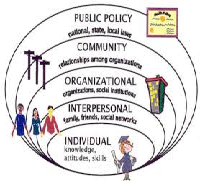
Social Ecological Model (SEM) is the classifying structure which health personnel can utilize to better comprehend the whole connection among societal factors, community factors, relationship factors, and individual factors.
Social Ecological Model use by Health Personnel
Prevention is the general objective of eliminating or avoiding unconstructive health problems. On the contrary to this, the Special Forces are mandatory to be evaluated so as to establish active involvements. Even though various descriptions of the social, ecological model have been established for personal health challenges, they have in general the idea of multilevel arrangements of joint pressure and relationship, migrating from the person stage throughout connections to larger social networks which entail the government, social organizations, environment, community, and family.
Health is strong-minded by the manipulation at different stages that are intrapersonal factors, interpersonal factors, institutional factors, community factors, and public policy factors. The model offers an all-around analysis of the relations among productivity, learning, and health. The concept recognizes environmental forces and pressures that connect and involve personal behavior. The forces might be the place or physical setting, attributes of the people, surrounding community and organizations.
Since important and active interconnections exist between the various stages of the health determinant, involvements are more likely to be efficient when they talk about determinant at all stages. In the social, ecological model, the health state and behavior are as a result of interest and are resolute by the following:
Social Ecological Model use by Health Personnel and Intrapersonal factors
Most of the behavior shifts or change models that are commonly used in public health and health promotion are generated from psychology. When the psychological ideologies are implemented to specific health issues, the outcome model might include physiological procedures or the interpersonal pressures. The involvement at the interpersonal stage utilize different stages of involvement to help change the behavior of an individual, and the attributes of the persons include skills, attitudes, knowledge and the intent to abide by the behavioral norms, (DiClemente, Salazar, & Crosby, 2013).
Interpersonal connections with friends, workmates, neighbors and family members are the significant source of persuasions in the health linked behaviors of persons. Even though the manipulation of the interpersonal linkage on the health linked behaviors of persons is broadly known, health promotion involvement which utilizes interpersonal plans has naturally concentrated on changing people during the social persuasions rather than changing the social teams or norms that people fit in the right place.
Social Ecological Model use by Health Personnel and Community factor
The idea of a community is a major fundamental concept in sociology, and it always occupies the federal position in the sector of public health. The community is a political center or a meeting place that acts as a unit of attractive social relationships or as the aggregate of people in a given geographical place, (Golden, McLeroy, Green, Earp, & Lieberman, 2015). The community has three different ways that help define the differing conclusion for the implementations and development of public health and health promotion practice. First, is a mediating framework where individuals meet face to face. Secondly, the connection among companies and teams in a defined place. Lastly, it is the graphical and political terms.
Social Ecological Model use by Health Personnel and the Public policy factors
The use of public policy has helped maintain the attributes of public health. The utilization of this element has a dramatic impact on the health of the people. The factor has helped in minimization of disability and death from chronic infectious diseases by addressing those using rules that strictly confine behaviors like smoking in public places and constraint of alcohol consumption and sale.
Social Ecological Model use by Health Personnel Conclusion
The social, ecological model stands for a complete advancement to formulating, applying and assess involvements that focus on the various factors on behavior entailing physical activity behavior.
Social Ecological Model use by Health Personnel References
DiClemente, R. J., Salazar, L. F., & Crosby, R. A. (2013). Health behavior theory for public health. Jones & Bartlett Publishers.
Golden, S. D., McLeroy, K. R., Green, L. W., Earp, J. A. L., & Lieberman, L. D. (2015). Upending the social-ecological model to guide health promotion efforts toward policy and environmental change.
History of Health Information Systems and Clinical Applications Order Instructions: Over the past several decades, health care and information technology have undergone a period of dramatic change caused by a multitude of pressures and opportunities, many of which continue to persist and evolve.
History of Health Information Systems
As we have moved into globalization of communication, technology, and information, Health Information Systems need to reflect what is happening to ensure optimal use of clinical information.
In 2-3 (full) pages, discuss key historical trends involving the evolution of Health Information System and respective health care environments. Describe how clinical information systems and applications can fit together to provide comprehensive care. In your discussion be sure to include both the benefits and challenges to the integration of information systems and exchange of health information. Include reference to literature, expert opinion and case examples from your research involving various health care disciplines to support your position, key points, and explanations.
Module 1 – Background of History of Health Information Systems
History of Health Information Systems and Clinical Applications
Although the use of healthcare-related electronic computer systems first emerged just 30 to 40 years ago, the origins of healthcare computing tools and information systems can be traced back several centuries. The earliest forms of computing and information systems were derived from Von Liebnitz’s views surrounding codification and classification of human behaviors.
Since the early 1960s, Health Information Systems have grown rapidly. They now touch essentially every aspect of healthcare and affect professionals from across all medical-related disciplines and areas of practice. For the past several decades, technology and computing systems have continued to evolve at astounding rates, followed closely by an abundance of complex medical data and information. With more computing power comes more data and information, along with new advancements in medical technology and procedures. Accordingly, we now face an ever-expanding body of medical knowledge that changes quickly; one where information and knowledge are generated and abandoned in continually shorter and shorter cycles.
History of Health Information Systems Additional Changes
Additional changes to the healthcare environment caused by market-driven healthcare reform during the 1990s have also fueled heavy demand for Health Information Systems. More specifically, the expansion of managed care, the development of integrated delivery systems by healthcare providers, and major changes to billing and insurance reimbursement processes require systems to integrate and exchange information and data efficiently and in like form.
It is from these growing information demands on the healthcare industry that the discipline of Health Informatics is born. As medical and patient-related information reaches deep across every healthcare discipline and health services provider, so too does the science of Health Informatics.
Health Informatics is defined as “an evolving scientific discipline that deals with the collection, storage, retrieval, communication and optimal use of health-related data, information and knowledge. The discipline utilizes the methods and technologies of the information sciences for the purposes of problem solving, decision making and assuring highest quality health care in all basic and applied areas of the biomedical sciences” (Graham, 1994).
History of Health Information Systems and the Data Collection
The substance of Health Informatics is data, information, and knowledge, and all that is done with it by healthcare professionals. Therefore, it is reasonable to think that the significance of Health Informatics will continue to increase as technology advances and the abundance of available information continues to grow. Indeed, the rapidly growing knowledge base in the medical field is vast and encompasses both scientific knowledge and the day-to-day business of providing healthcare. Accordingly, administrative processes are becoming increasingly augmented with systems that address the core of medicine in the clinical and research settings.
Clinical Applications
Health Information Systems can be divided into two areas: administrative and clinical. Administrative information systems support administrative tasks such as personnel, staffing, financing, resources, etc. Administrative information systems are concerned with improving the efficiency of human resources departments and healthcare executives. Clinical information systems collect information about patients and their healthcare.
As healthcare information technology emerges, information systems are being developed to work together across providers, agencies, and patients, thus transforming the system into patient-centered healthcare by managing medical information and providing a secure exchange of information. Utilizing technology can benefit the patient and provider by improving healthcare quality, reducing medical errors, increasing efficiency of care, reducing unnecessary healthcare costs, expanding access to affordable care, and improving population health.
History of Health Information Systems and Medical Information Collection Tools
Some tools that are used to collect medical information are the following:
Electronic Medical Record (EMR) – “Electronic medical record systems lie at the center of any computerised health information system. Without them other modern technologies such as decision support systems cannot be effectively integrated into routine clinical workflow. The paperless, interoperable, multi-provider, multi-specialty, multi-discipline computerised medical record, which has been a goal for many researchers, healthcare professionals, administrators and politicians for the past 20+ years, is however about to become reality in many western countries.” http://www.openclinical.org/emr.html
Computerized Provider Order Entry (CPOE) – “Computerized provider order entry (CPOE) refers to any system in which clinicians directly enter medication orders (and, increasingly, tests and procedures) into a computer system, which then transmits the order directly to the pharmacy. These systems have become increasingly common in the inpatient setting as a strategy to reduce medication errors. A CPOE system, at a minimum, ensures standardized, legible, and complete orders and thus has the potential to greatly reduce errors at the ordering and transcribing stages.” (AHQR.com, 2009) http://www.psnet.ahrq.gov/primer.aspx?primerID=6
Telehealth – “…[T]he delivery of healthcare from a distance. Modern technology has made it possible for patients to receive healthcare in many different ways. Technologies such as telephones, email, computers, interactive video, digital imaging, and healthcare monitoring devices, make it possible for clinicians to monitor, diagnose and treat patients without having to physically be with them. Telehealth is a broad term that covers any type of healthcare that is delivered remotely. Surfing the Internet for information about cancer, telephoning a nurse hotline, emailing a physician, sending data from a heart monitor via the telephone to a cardiologist—all of these things are applications of telehealth.” www.telemed.org/consumer/whatis.asp
Telemedicine – “…[A] subset of telehealth. It includes many medical subspecialties, such as telepediatrics, telepsychiatry, teleradiology and telecardiology. Specialties such as telepediatrics and telepsychiatry are practiced by using live videoconferencing systems. A pediatric or psychiatry visit would be conducted exactly the same as if the patient and provider were in the same room, but the videoconferencing units allow them to be thousands of miles apart.” www.telemed.org/consumer/whatis.asp
Personal Health Record (PHR) – A record detailing an individual’s health and healthcare across providers. It is owned and managed by the patient, allowing “people to access and coordinate their lifelong health information and make appropriate parts of it available to those who need it—in essence, a ‘communications hub’ controlled by the patient. Offering patient-empowering features such as online appointment calendars, patient-provider messaging, and the capability for patients to view and annotate their health records, the PHR has the potential of leveraging information to provide new avenues for measuring health and service outcomes over time. Conceivably, PHRs will also help to forge the important link between the provision of information and improved health.” http://www.connectingforhealth.nhs.uk/newsroom/worldview/protti7
Presentations of the History of Health Information Systems
•Health Care Technology: A History of Clinical Care Innovation examines the evolution of Health Information within the context of clinical care.1
•In the John Paul Chakackal article Health Information Systems 2, he defines Health Informatics and describes its various applications.
•Dr. William Hersh provides a good overview of Health Informatics and its contribution to improving healthcare in Medical Informatics 3.
•Integration and Beyond4 from the Journal of the American Medical Informatics Association provides a more technical inspection of the successive generations of work related to Health Informatics and integration between healthcare disciplines.
•Michael Herrick and Andrew Patterson discuss the changing landscape and trends surrounding healthcare in Trends in Health Information Management 5.
•Mullner and Chung discuss Current Issues in Health Care Informatics6.
History of Health Information Systems Sources of References and Materials
Sources For Presentation Material Referenced Above
1.Johnson, R. (2003). Health Care Technology: A History of Clinical Care Innovation. Retrieved from http://www.hctproject.com/documents.asp?grID=321&d_ID=1687
2.Chakalackal, J. P. (2001). Health informatics. Retrieved on May from http://www.ihsnet.org.in/HealthInformatics/HealthInformatics.htm
3.Hersh, W. R. (2002). Improving health care through information. Journal of the American Medical Association, 288(16), 1955-1958.
4.Stead, W. W., Miller, R. A., Musen, M. A., & Hersh, W. R. (2000). Integration and beyond. Journal of the American Medical Informatics Association, 7, 135-145.
5.Herrick, M. W. & Patterson, A. (2000). Megatrends you need to know about (Healthcare trends special report). Journal of AHIMA, 71(5), 26-31.
6.Mullner, R. M. & Chung, K (2006). Current Issues in Health Care Informatics. Journal of Medical Systems, 30(1), 1-2
Additional Required Reading History of Health Information Systems
The First Consulting Group (2003). Online Patient Provider Communication Tools: An Overview.
George Marshalek, & Steve Casey. (2003, February). Pain-Free CPOE. Health Management Technology, 24(2), 25-27. Retrieved from ABI/INFORM Global. (Document ID: 282605201).
Ross, C., & Banchy, P. (2007, November). The Key to CPOE. Health Management Technology, 28(11), 22, 24. Retrieved from ABI/INFORM Global. (Document ID: 1380726941).
Paul C. Tang, & David Lansky. (2005). The Missing Link: Bridging The Patient-Provider Health Information Gap. Health Affairs, 24(5), 1290-1295. Retrieved from ABI/INFORM Global. (Document ID: 899710641).
Hillestad R., Bigelow J., Bower A., Girosi F., Meili R., Scoville R., Taylor R. (2005). Can Electronic Medical Systems Transform Health Care? Potential Health Benefits, Savings and Costs. Health Affairs, 24 (5): 1103-1117. http://content.healthaffairs.org/cgi/content/full/24/5/1103
Open Clinical (n.d.). Electronic Medical Records, Electronic Health Records. http://www.openclinical.org/emr.html
AHQR (n.d.). Computerized Provider Order Entry. Retrieved from http://www.psnet.ahrq.gov/primer.aspx?primerID=6
medic exchange.com (n.d.) Improvement in Telemedicine has great impact. Retrieved May 15, 2010.
Module Overview
Computers in healthcare are recognized and accepted worldwide. Their use and application in areas such as clinical care, administration, and research, and as diagnostic aids for improving overall patient care, is well steeped in history.
Health information technology allows healthcare organizations to comprehensively manage medical information securely so it can be used by various organizations, providers, and consumers. The broad use of health information technology makes health organizations more efficient and provides better care for the patient. As technology is evolving, the management of health records is also evolving to respond to the needs of the consumer, provider, and organization.
As technology has continued to advance, new and more specialized healthcare disciplines and areas of medical science emerge. Likewise, medical data, information, and knowledge have grown exponentially in terms of both abundance and complexity; so has the need for a discipline and profession to manage them—Health Informatics.
Health Informatics is concerned primarily with the processing of data, information, and knowledge across all areas of healthcare. It is a rapidly growing medical discipline and profession that has profound implications for the future and quality of patient care.
In this module, we will examine the history of healthcare information systems and Health Informatics as an emerging profession, along with internal and external forces affecting its evolution. We will also identify various healthcare disciplines and examine their connection to Health Informatics. We will also explore current and emerging tools that are used in healthcare.
SAMPLE ANSWER
Health info systems
During the previous few decades, there have been dramatic changes in information technology and healthcare as a result of a multitude of opportunities and pressures. These changes continue evolving and persisting. Since there is globalization of information, technology, and communication, there is a need of the Health Information Systems to reflect the occurrences so that clinical information is used optimally. The aim of this paper is exploring the historical trends of Health Information System in the respective healthcare environment.
Key historical trends- Health Information System evolution and the respective healthcare environmentsHealthcare information systems and computing tools emerged several centuries back. However, healthcare electronic computer systems began being used only about forty years ago. The earlier information and computing systems emerged from the views of Von Liebnitz on the classification and codification of human behavior. During the 1990s, there were market-driven healthcare reforms in the healthcare environment, and these fueled the Health Information Systems’ demand. Managed care expansion, integrated delivery systems’ development, and the insurance reimbursement and billing processes’ major changes have prompted the exchange and integration of data and information, leading to development of the relevant information technologies health informatics. Health informatics’ significance in healthcare has been increasing as technology advances and as the available information’s abundance continues growing (Tang & Lansky, 2005).
Electronic medical records are the basis for decision support systems. It evolved about twenty years ago, and its uptake is increasing in the western countries. It is a health information system that is computerized, and is used in the entire healthcare setting. The real history of EMS started during the 1960s with the problem-oriented medical records. These were a breakthrough in the medical recording. Until, now, doctors record the treatment and diagnosis they provide.
The CPOE (Computerized Provider Order Entry) is a system used by clinicians for entering medication orders into the computer system. The order is then transmitted to the pharmacy directly. In inpatient settings, medication errors are reduced significantly. Lockheed Martin developed the pioneer CPOE in 1971 at El Camino hospital (Mountain View, Califonia). It enabled the physicians to order medications quickly with just some few clicks. The commercial CPOE grew fundamentally between 1994 and 2004. In 2009, less than ten percent of the US hospitals had CPOE systems that were fully operational.
Telemedicine involves telecardiology, teleradiology, telepsychiaty, and telepediatrics, and there is videoconferencing use. This technology is not new as its use started in the 1920s. Therefore, the resent rapid growth period started about one decade ago. Hillestad et al. (2005) noted that although there is still no detailed telemedicine evaluation and research, the current history has a lot to tell, particularly in relation to the improvements needed.
Personal Health Record is a record that details the healthcare of an individual across providers. It enables the coordination of lifelong health information. This technology has patient-provider messaging, online appointment calendars, and patients can annotate and view their health records (Ross & Banchy, 2007). PHR first appeared in 1969 in some academic journal in Germany. In the historical context in PHR represents notes in a very simple form containing information needed so as to acquire information about the health of a person.
Telehealth involves healthcare delivery from a distance. Telehealth’s history can be traced back to 1977. During this time, high-priced broadband systems transmitting the two-way video/ audio communication between doctors and patients were assessed for quality.
How clinical information applications and systems can fit together for the provision of comprehensive care
Since the beginning of 1960s, Health Information Systems have rose rapidly. Presently, the applications and systems touch on every healthcare aspect, affecting professionals from different medical-related practice areas and disciplines. This means that the professionals from these departments are able to use their various technologies when collaboration to offer care, which would definitely translate to high quality, safe, and competent care. With the emergence of the healthcare information technology, information systems are being developed so as to work in union across patients, agencies, and providers (Herrick & Patterson, 2000). With this diversity, it has been possible to enhance the patient-centered healthcare since there is better management of medical information and information is being exchanged more securely.
Pros and cons of integrating information systems
The need to have the information systems integrated in turn leads to more information and power, in addition to novel medical procedures and technology advancement. As a result to the integration, there is an ever-expanding medical knowledge body, which changes quickly. At the same time, knowledge and information are abandoned and generated in continually shorter cycles. The implication of this is that there is ever new information in the healthcare sector, an indication that the state-of-the-art is known, promoting more appropriate solutions to the challenges being faced (Stead et al., 2000).
The integration of the information systems has also played a cardinal role in ensuring that there is an improved relationship between providers and patients, as the quality of care improves. Other benefits that have been realized with this integration includes medical errors reduction, increased care efficiency, expanding affordable care access, minimizing unnecessary healthcare costs, and improving the population health (Herrick & Patterson, 2000).
A disadvantage of integrating the information systems is that at times, the result might be an abundance of complex medical information and data, emerging from various departments. As a result, it becomes too difficult to make sense of the information, meaning that it might not be useful at the end. If the healthcare institution decides to amply a data analyst, then this becomes an extra cost.
Pros and cons of health information exchange
One of the benefits of health information exchange is that care can be coordinated in a better way, as every member of the interdisciplinary team is able to access and analyze the information. As a result, the patients are able to benefit from the most appropriate evidence-based care. Exchange of the health information has been very essential in ensuring that the different departments increase their collaboration and teamwork in applying the information. As a result, the general healthcare environment improves, there are better patient outcomes and satisfaction, low turnover rates, and the employees’ satisfaction levels improve. Information exchange helps in minimizing medication and other errors in the healthcare setting (Stead et al., 2000). Exchanging the healthcare information has greatly ensured that efficiency is increased and better care offered to patients. Needs of patients and the organization are also being met more efficiently.
If the healthcare information is exchanged, it would be equally necessary to ensure that it is being applied in the healthcare settings as intended. Failure to do this would make the information and data useless, implying that all the efforts taken and resources used previously would be wasted.
References for History of Health Information Systems
Herrick, M. W. & Patterson, A. (2000). Megatrends you need to know about (Healthcare trends special report). Journal of AHIMA, 71(5), 26-31.
Hillestad R., Bigelow J., Bower A., Girosi F., Meili R., Scoville R., Taylor R. (2005). Can Electronic Medical Systems Transform Health Care? Potential Health Benefits, Savings and Costs. Health Affairs, 24 (5): 1103-1117.
Tang, P. C. & Lansky, D. (2005). The Missing Link: Bridging The Patient-Provider Health Information Gap. Health Affairs, 24(5), 1290-1295.
Ross, C., & Banchy, P. (2007). The Key to CPOE. Health Management Technology, 28(11), 22, 24.
Stead, W. W., Miller, R. A., Musen, M. A., & Hersh, W. R. (2000). Integration and beyond. Journal of the American Medical Informatics Association, 7, 135-145.
Specific Health Care Trends in Acute Care Order Instructions: 1. American Hospital Association Policy Research and Trends Analysis.
Specific Health Care Trends in Acute Care
http://www.aha.org/research/index.shtml
2. Health Research and Educational Trust Trends in Hospital-Based Population Health Infrastructure December 2013. http://www.hpoe.org/Reports-Hpoe/ACHI_Survey_Report_Report_December2013.pdf
3. American Hospital Association Hospitals and Care Systems of the Future September 2011. http://www.aha.org/content/11/hospitals-care-systems-of-future.pdf
4. Robert Wood Johnson Foundation Measuring What Matters: Introducing a New Action Framework November 2015. http://www.rwjf.org/en/culture-of-health/2015/11/measuring_what_matte.html
5. Robert Wood Johnson Foundation Pioneering Ideas Podcast: Episode 6 – What if? Shifting Prescriptions to Change the World. October 2014. http://rwjf.org/en/culture-of-health/2014/10/podcast_episode_6.html
6. RAND Corporation Retail Clinics Play Growing Role in Health Care Marketplace September 2012. http://www.rand.org/health/feature/retail-clinics.html
1. After reading or viewing the reference sources for this module, develop a five-page paper that addresses three points:
1. What are specific trends for each of the five healthcare service areas of wellness/health promotion, acute care, ambulatory care, long term care, and rehabilitation
2. What are significant causes for the emergence and evolution of these trends
3. How will these trends impact their respective healthcare domains for the next five to ten years
Where appropriate in the body of the paper, reference the sources being used to generate your observations, analysis, and commentary.
Specific Health Care Trends in Acute Care Sample Answer
Specific Health care trends in Acute care, ambulatory care, long term care, and rehabilitation
There are approximately 325 million people in the USA, and within this population, 36.5 – 39% of them are overweight. This indicates that obesity is becoming a growing concern and a major public health issue. Putting these factors into considerations, health and wellness trend is expected to become a dynamic market. It is projected that nutrition products will increasingly become integrated into the healthcare mainstream, with a potential of sports nutrition penetrating into clinical practice. People are expected to embrace feeding in organic products with the aim of managing their weight (American Hospital Association, 2013).
There is an increase of wellness mindset in the USA. It is projected that consumers will prioritize their well-balanced nutrition and physical wellbeing as well as mental health. Through technological advancement, wellness is expected to creep in all aspects of service user’s life and experiences. This project an increase in wellness market and the adoption of a healthy lifestyle as more service users will gravitate towards products embedded with health benefits. Healthier food sales will increase as 73% of the population will switch to healthier versions of food items (American Hospital Association, 2011).
Acute care is quickly evolving and shifting with as the need and demands of the patients grow. The need for fact walk-in care for urgent care has increased in the past decade, making it an aspect to be reckoned in health care. Acute care is now competing with primary care. The noticeable movements include service diversification, consolidation, and alignment with other healthcare aspects. The acute care trends to watch for include increased partnership and health systems acquiring. It is evident that urgent care cannot be eliminated. Therefore, the healthcare system is expected to reduce the cost of care by establishing systems that ensure that the patients are quickly and efficiently referred immediately to the correct level healthcare. The healthcare systems will integrate systems that ensure urgent care is performed urgently. The trend will aim to grow towards achieving cost-effective and quality care. More investments will also be poured in urgent care because the medical groups and ACOs are realizing the need of a partnership, which implies that there will be more joint ventures with the organization as well as other corporate entities (Health Research and Educational Trust, 2013).
Similar trends are and will be observed in ambulatory, long-term and rehabilitation care. Healthcare cost is currently a hot topic in ambulatory care. There are many reforms being implemented by the federal government that will bring huge impacts on health administration. Public medical cover such as Medicare will face significant impacts with the increase of life expectancy and disabled people. In addition, as the population increases, the health care plans will also increase indicating that there will be a considerable increase of uninsured population which will increase the levels of health disparity (Robert Wood Johnson Foundation, 2015). Therefore, unless the current new government makes essential reforms, the increased cost of care and prescription cost will affect adversely affect service users considerably. The increased pressures to improve the quality of care will see the long-term care facilities and the rehabilitation center will be forced to explore evidence-based practices that promote quality care. Although the public medical covers aim to improve the quality of care, these stringent measures such as denying reimbursement for hospital-acquired injuries and infections might take increase patient’s burden.
New technology is a crucial tool in any industry, but it is a central part of the healthcare industry. The increasing demand by patients to have accurate and faster access to treatment will ensure that more and more healthcare technological advancement. For instance, technological measures such as Electronic Records will ensure that patient information is rapidly accessed and shared across the healthcare facilities with ease. The facilities will also adopt new technologies that lower discomforts and improves patient safety including laser based medical devices such as laser glucometer or laser themed thermometer. Technology is expected to increase interoperability in healthcare systems. However, the main issue of concern in this advancement is measured to ensure that patient privacy and confidentiality is maintained- which is the main challenge with these digital systems (American Hospital Association, 2013).
Significant causes of this evolution on Specific Health Care Trends in Acute Care
There are various factors that have caused these trends includes the shift in political, social and economic factors that will accompany the new governing system. However, all these factors are driven by two main needs namely a) need to improve access to care and b) improve the quality of care. Therefore, the major force to make these adjustments is technological adjustments (Health Research and Educational Trust, 2013).
Other key drivers of these new trends include is changes in population growth and demographic characteristics. Technological advancement has aided in improving people’s wellbeing thereby increasing life expectancy. As a result, a higher percentage of the population in the near future will be the elderly. In addition, the internet has improved health literacy and patient acuity level. This calls for changes in ideologies to most of the public health frameworks. The previous governments have eradicated the regimes of health monopoly by creating opportunities for private services. This has helped relieve the public’s health burden but at an extremely high cost. There is a need to ensure that the new government system decentralizes healthcare system even more in order to reduce the misallocation of resources (American Hospital Association, 2011).
Lastly, most of the current infrastructure conditions are too old and inadaptable to providing effective services in this dynamic industry. The infrastructures are described with demerits such as reduced staff retention, the high cost of care and inconsistent delivery of care. These challenges will drive technological advancement in order to tap more innovative techniques that will increase the efficiency and management of healthcare in a manner that maximizes the community’s health benefits (RAND Corporation, 2012).
Impacts of these specific healthcare domains in the next decade
One of the major impacts of these trends is that it will facilitate the decentralization of healthcare system, which will help improve the delivery of care and to lead to better health outcomes. In addition, the trends will help remove quality healthcare barriers associated with monopoly and bureaucracy. The political benefit associated with these trends is that it will increase democratic control of the healthcare services to the service users. This will provide opportunities to identify specific community needs and in designing of strategic interventions (Health Research and Educational Trust, 2013).
In addition, increased competition and innovativeness will lead to designing of medical devices that will not improve patient safety and quality of care, but also reduce the financial burden. Technological advancement will improve management of administrative duties and the allocation of resources, thereby reducing health disparities as well as ethnic and tribal tensions. This trend will sharpen healthcare system accountability, operations and delivery of healthcare services (Robert Wood Johnson Foundation, 2014).
Specific Health Care Trends in Acute Care References
American Hospital Association (2013). American Hospital Association Policy Research and Trends Analysis. Retrieved from http://www.aha.org/research/index.shtml
Health Research and Educational Trust (2013). Trends in Hospital-Based Population Health Infrastructure. Retrieved from. http://www.hpoe.org/Reports-Hpoe/ACHI_Survey_Report_Report_December2013.pdf
American Hospital Association (2011). Hospitals and Care Systems of the Future. Retrieved from http://www.aha.org/content/11/hospitals-care-systems-of-future.pdf
Robert Wood Johnson Foundation (2015). Measuring What Matters: Introducing a New Action Framework. Retrieved from. http://www.rwjf.org/en/culture-of-health/2015/11/measuring_what_matte.html
Robert Wood Johnson Foundation (2014). Pioneering Ideas Podcast: Episode 6 – What if? Shifting Prescriptions to Change the World. Retrieved from http://rwjf.org/en/culture-of-health/2014/10/podcast_episode_6.html
RAND Corporation(2012). Retail Clinics Play Growing Role in Health Care Marketplace. Retrieved from. http://www.rand.org/health/feature/retail-clinics.html
The Session Long Project for this course is to evaluate and critique a health care facility you are familiar with and compare it to the general principles and standards for quality assurance presented in this course.
In the earlier modules, you identified a health care facility for the subject of the SLP and presented a description of the facility and its quality assurance program. You also critiqued the facility’s Continuous Quality Improvement program.
In this module, you will discuss and critique the subject facility’s Utilization Management program. The remaining modules for the Session Long Project the remaining tasks are as follows:
SLP Assignment Expectations
For this module, you are to complete the following tasks and to submit a 4- to 5-page paper. (This does not include the title or reference pages):
•Describe and discuss the facility’s Utilization Management program.
•Compare and critique the subject facility’s Utilization Management program to that of a model facility and whether the facility adheres to the recognized standard for utilization management, including utilization review and whether this review leads to improvement in the quality of care.
•Identify areas for improvement in the facility’s Utilization management program, if any, and any recommendations you think should be implemented to improve the quality of patient care.
Module Overview
Utilization Review (UR): A system designed to monitor the use of, or evaluate the medical appropriateness, efficacy or efficiency of health care services, procedures, providers or facilities. utilization review may include ambulatory review, case management, certification, concurrent review, discharge planning, prospective review, retrospective review or second opinions. NCGS 58-50-61(a)(17). (Refer to Glossary at http://www.nciom.org/hmoconguide/GLOSS31E.html)
Introduction
Utilization review is an important component of a quality assurance program. It is intended to monitor the care provided to patients and to detect patterns of over and underutilization. However, utilization review doesn’t stop at this point. It moves ahead by taking the utilization data and changing utilization practices among practitioners and providers to improve quality and promote effective utilization of medical resources.
In many medical facilities, utilization review extends to outpatient review services by reviewing requests for elective procedures and diagnostic testing. Utilization managers and staff will then work with the attending physicians to determine if clinical data support the benefits covered for the requests. In some medical facilities, this is called Demand Management.
Utilization review, or UR, as it is frequently called, was originally intended as a vehicle that addressed cost containment rather than the adequacy of patient care. Basically, UR is a cost containment technique.
UR can occur retrospectively or prospectively. When it is conducted retrospectively, it is primarily concerned with the review of services already rendered; however, when it is conducted prospectively it is used to authorize or refuse proposed treatments, referrals, and even hospital admissions. In the perspective mode, UR may have severe time restraints which if not met may cause harm to the patients. Medical conditions/diseases do not remain static during utilization review.
Another issue regarding UR is whether the employees or agents of a managed-care organization are practicing medicine when they make a determination whether a requested treatment is medically necessary.
Utilization review is an integral part of quality assurance. If managed properly it certainly can results in a higher quality of care while controlling costs. However, if and organizations’ utilization review program is inefficient and poorly managed it has the potential to harm patients and lower quality of care.
Required Reading
Anonymous. (2013). Does your organization have a utilization management committee? Medical Staff Briefing, 23(11), 1,3-5.
Frazier, K. (2014). Utilization Review Software: The Impact on Productivity and Structural Empowerment in Case Management Nurses in an Acute Care Setting. Gardner-Webb University.
Koike, A., Klap, R., & Unützer, J. (2014). Utilization management in a large managed behavioral health organization. Psychiatric Services.
Olaniyan, O, Brown, I. L., & Williams, K. (2011). Concurrent utilization review; Getting it right. Physician Executive, 37(3), 50-54.
Plebani, M., Zaninotto, M., & Faggian, D. (2014). Utilization management: a European perspective. Clinica Chimica Acta, 427, 137-141.
Tubbs, S. L., Husby, B., & Jensen, L. (2011). Ten common misconceptions about continuous improvement efforts in healthcare organizations. The Business Review, Cambridge, 17(2), 21 – 28.
Sample Answer
Introduction to the healthcare facility
The healthcare facility identified is Durham Veterans Affair healthcare (VA) in North Carolina. The healthcare facility provides services to military members, their families, and the retired veterans. The services provided in this healthcare facility include primary care, surgical services, audiology, ophthalmology, inpatient services, and outpatient services. It also has other ancillary departments such as laboratory and radiology departments The department has operating rooms for regular surgical procedures, cytography and angiography. All the healthcare departments in this facility must follow quality assurance procedures established by its department (Durham.va, 2015).
Utilization Management Program
The VA Durham utilization program is design in a manner that ensures delivery of quality and cost effective care to the service user. The utilization program is under the administrative and clinical direction of the Medical advisory council and the Medical Advisory vice president. The Medical advisory council is mandated to evaluate and approve the utilization management program every year. In my place of work, the utilization program is manual. The overview of VA utilization management plan is a follows (Durham.va, 2015);
Referral system: All referrals are to be made by the Primary Care Physician (PCP) after consultation with a specialist at any time. However, no referrals are needed to treat emergency medical condition unless it puts the patient’s health in jeopardy, potential impairment of body functions and dysfunction of a body organ.
Tertiary plan care: All tertiary care plans should be reviewed on an individual basis based on the patients immediate medical need and its availability. The specialist final decision of referrals will be evaluated by the plan medical director.
Out-of-Plan Referrals: The requests of healthcare provider outside the health facility will be done on an individual basis based on the availability and patients needs unless the patient’s health status could be impacted negatively if out-of- plan referrals is denied.
Corporate Pre-service Review: Approval must be given before providing services. The main reason is to determine if the services is appropriate for the patient and the setting. Clinical information must be provided for all healthcare services that need clinical review. The Utilization Management staff should use plan documents to determine patient medical necessity coverage and determining their benefits. Clinical information needed for clinical review should be provided on the appropriate date and time. The clinical information must contain patient name, history of presenting disease, diagnostic results and the patient’s response to current treatment.
Inpatient review: The staff assigned to follow member at the acute care facility should collaborate with the facility healthcare providers so as to ensure ca continuum of care. The facility staff and utilization management’s clinical staff will work in coordination to ensure that member’s discharge needs are met. All inpatient should be reviewed before their admission to ensure that they have appropriate and adequate services according to pre-established medical necessity and benefits determinants. The admission will be approved accordingly of rescheduled in appropriate timing and setting.
Concurrent review: The ongoing patient care will be reviewed and evaluated based on patients specific needs and pre-established medical necessity. Discharge planning can begin at this time so as to plan for continuing quality care even after the patient is discharged.
Retrospective review: is performed after discharging the patient from a healthcare facility. This should be implemented at when so as to monitor a patient’s progress after the patient was discharged when a physician was unavailable or when the healthcare facility fails to demonstrate that the patient condition meet criteria for a patient stay.
Discharge planning: the utilization manager coordinator will monitor the ongoing needs for the patient after discharge. Few days after discharge, follow up phone calls should be done so as to identify members at high risk of becoming admitted. This is to ensure that the quality assurance is complied to and to assist in care coordination so as to mitigate adverse outcomes.
Denials and Appeals: All denials will be given by the physician and must state the denial reason and contact information to discuss the denial. A written denial will be written and emailed to the Utilization management committee.
Critique of VA utilization management program
The main challenge of VA utilization program at my work place is that it is an expensive manual resource that fails to engage the providers adequately, and often results into inefficient service for the service users (Anonymous, 2013). For instance, 90% of pre-authorizations need phone communications, which is time consuming and costs up to $50-$80 costs per each authorization. In addition, it is estimated that about 15% of medical care procedures are unnecessary such as duplicative tests and hospitalizations.
Most of these costs are attributable to inconsistencies observed during clinical decision making that occur when relying on the traditional manual utilization management processes and the incomplete coverage as necessary. In addition, when healthcare providers have to wait until healthcare is delivered to deliberate on the event, it leads to missing of opportunities that will ensure cost effective quality care. In addition, the pre-authorization process that follows manual process requires a great deal of investment as compared to an automated system that facilitates immediate approvals upon request, and to providers with appropriate guidance based on evidence based practice (Mullahy, 2014).
Areas for improvement in Utilization Management program
Some utilization management program changes will occur in the VA utilization program. The driving force for most of these changes includes advancement in organizational relationships and utilization management technologies. Effective utilization management is based on its ability to provide detailed yet coherent clinical information, and in providing clinical guidelines that define the most effective and appropriate care that will ensure positive patient outcomes (Mullahy, 2014).
As aforementioned, the VA programs are severely constrained due to inadequate information to support informed and appropriate care to a current diverse cohort of patients. The VA Utilization Management program should be transparent enough to ensure that the health providers and service users reach their decisions by eliminating contention and improving optimized decision making processes that put into consideration patient’s preferences (Frazier, 2014).
The utilization management program should be designed to ensure that it s actionable. This implies that the plan recognizes its implication and automatically provides specific guidance based on evidence based clinical guidelines. The plan should deliver relevant information in real time so as to ensure that smooth quality workflow is sustained. This includes automating workflows so as to shorten the path to seek approval, providing rapid response and lowering administrative burden in most of pthe atients, and simultaneously allowing the clinicians to focus on complex “exceptions” that truly needs their concentration and expertise (Koike, Klap, & Unatzer, 2014).
This implies that it is time to rely on innovate technology that suit the VA health care facility missions and vision. It is important to work on these decision support solutions so as to help the healthcare systems to provide value based care. This is process requires collaborative efforts between the healthcare providers so as to make it a reality.
Anonymous. (2013). Does your organization have a utilization management committee? Medical Staff Briefing, 23(11), 1,3-5.
Frazier, K. (2014). Utilization Review Software: The Impact on Productivity and Structural Empowerment in Case Management Nurses in an Acute Care Setting. Gardner-Webb University.
Koike, A., Klap, R., & Unatzer, J. (2014). Utilization management in a large managed behavioral health organization. Psychiatric Services.
Financial resources are critical to the operations of organizations in the sense that they promote efficacy through the acquisition of human resources, equipment, and technology among other vital organizational elements. However, the management of financial resources is also a challenge as many cases of misappropriations are reported all over the world. In the health care sector, the management of financial resources is even greater considering that the sound financial resources management improve the quality of care given to the patients and save healthcare expenditures.
Unit 14 Assignment
Introduction
Financial resources are critical to the success of organizations because, with sound financial backgrounds, the institution can achieve efficiencies in some areas. However, a robust financial background implies having effective and relevant financial management strategies. This is even more essential when it comes to the health or social care sector where there are diverse departments and many personnel. This essay explains some of the aspects related to financial management in the health or social care sectors.
1.1The Principles of Costing and Business Control Systems
In the health or social care organizations, costing applies to the financial process of estimating the amount of money spent while generating services to patients or clients (Field & Brown 2007).
The main principles of costing in the institution are based on the cost-benefit analysis (CBA) in health care. Understanding the concept of costing and business control system in health and social care organization, it gives a comparison to the expected monetary benefit that is derived from several varied health care interventions with the anticipated cost of providing each intervention to establish what is the best or the most profitable option. Underpinning the different internal and external cost that includes institution maintenance, clinical workers or health care workers, and health care treatment to the residents of the institution; which may involve supplies and labor.
In order for the institution to take control of its business, it is also highly important for the company to include basic needs for a health care institution to succeed; such as preventive controls for both patients and health care workers, defective, and security controls.
Preventive controls are the most basic but vital in business. It provides protection that separates staff to the patient. For instance, home care workers often deal with stress and pressure; thus, to prevent health care worker errors, it is imperative for the institution to provide assurance of job safety and security. Moreover, it allows the institution to identify and monitor inaccuracy of information data.
1.2Information needed to manage financial resources
Management defines the process of controlling things while financial resources are the money the organization has at its disposal to spend and is available in different formats such as credit lines, liquid securities, and cash (Field & Brown 2007). The management of financial resources does not occur in a vacuum but instead require certain critical information.
The institution’s responsibility for managing financial resources is gathering and pay respect to the past performance, availability and or shortage of funds that may also occur in the present operational process.
Finance and health care personnel must have great collaboration during financial difficulties and how to maintain financial flow and solvency. Thus, during financial difficulties, the management are able to recover costs, cash flow forecasting possibilities of inaccuracy in cash flow and assets, and other working capital.
On another aspect, it is also imperative to provide accuracy in consumable items such as food, bed sheets, towels, and soaps to mention but a few. The information that arises from the use of consumables is significant in the management of financial resources because failing to establish the pattern may mean not having an appropriate control system. Administration refers to the process of management, and because there are equipment, technology, and personnel tasked with the administration purposes, the information from the administration is also key to the management of financial resources. Lastly, income streams apply to the organization’s sources of income, and this information is crucial for the management of financial resources because it helps to determine the balance between income and expenditure (HFMA 2015).
1.3The Regulatory Requirements for Managing Financial Resources
Regulatory requirements are the policies and legislations that control the financial operations of the organization. It is the regulatory requirements that function to align the financial operations of the organization with the statutory provisions standards expected. For instance, in the UK, the Health and Social Care Act of 2012, governs all the financial operations in the health sector (HFMA 2015). In healthcare, there are external influences to business costs from a regulatory requirement perspective. One of the external influences to business costs revolves around changes in policies. When there is a change in healthcare policy, the organization has to embrace changes that will reflect the adaptation to the new policy and the integrations of the new requirements means expenditure (Lindsay et al. 2014). Competitive factors such as the pricing of health care services or diagnostic costs also represent another external influence to business costs in the healthcare sector. With the competitive factors, the healthcare organization is forced to introduce new technologies or professionals, and this means additional costs (Field & Brown 2007). Legal requirements are the other external influences that add costs in the healthcare sector. The legal requirements imply that the organization has to be regulated by certain bodies and this implies subscription fees and other necessities to be fulfilled. The financial legislation and codes of practice also have their associated implementation costs, and when the healthcare institution implements them, there are costs incurred. Another source of regulatory cost to the business is an audit. Although internal auditors can undertake auditing activities, sometimes it is a requirement that external auditors have to be used. In such case, external auditing firms have to be given the job on a fee or contract, and this means additional costs to the business. Lastly, accountability is another external factor that influences business costs. Accountability generates costs in the sense that the organization has to implement systems and establish external associations to oversee accountability (Monitor 2016).
1.4 System Evaluation for Management of Financial Resources
Collectively, the institution shall utilize Financial Management System (FMS) to manage the institute’s finances. Financial Management System (FMS) according to Anderson (2007), FMS is an efficient software and methodology that enables the management to control its allocation on expenses, income, and assets. Additionally, as its goal to maximize profits and ensure the institution’s sustainability, it allows the health care facilitator to monitor the institution’s total expenditures freely. Thus, by adopting this process in managing the financial resources, the management will be able to timely record all the budget line items such as salaries, utilities, equipment, and other expenses needed in the health care institution. Furthermore, by practicing the financial management system, it shall assist the management to produce financial records on time.
The institution is able to produce reliable analysis on budgets and costs with the data produced through the utilization of Financial Management System. For instance, the institution is able to decide on budget allocation on products and services through the financial reports produced by FMS.
2.0 Planning and Management on Social and Health Care Budgets
2.1 Diverse Source of Income in Health and Social Care
Understanding budget and planning have its internal and external sources of income. Like other health care institutions, the institution utilizes resources such as customers, government institutions, private sectors, and corporation. The institution may encounter income non-stabilization due to funding mechanisms that influence the institution’s profit, which is similar to other health care homes. However, through the utilization of a diverse source of income, the institution is capable of sustaining its needs. For instance, contributions to tax, loans, social insurance, grants from different government and private sectors.
Charity donations from private sectors individuals, who are interested in aiding elderlies and disables, are another diverse source of income that helps sustain the institution. Additionally, these types of the collection do not negatively influence the institution’s finances since the latter are not generated from the main financial source unlike insurance, tax for payments and health and patients’ payments.
2.2The Factors That May Influence the Availability of Financial Resources in Health And Social Organizations
Despite the presence of various sources of income in the health and social care, there are factors that determine the availability of the financial resources. One such factor is the availability of resources. In some cases, only a few sources of income may be available while in other cases, the health or social organizations may be swarmed by the various sources (Ball et al. 2013). Therefore, the more the financial sources are available, the more the financial resources are likely to be available.
The institution is mainly influenced by varied risks on financial resources and the payments from service providers, service seekers, and business corporations. Under availability of resources, the funding priorities also determine the availability of financial resources in the sense that where health or social care are not given priority, then financial resources will be limited and vice versa.
Moreover, similar to other home care institutions, the operating system of the institution faces similar challenges when raising funds because of the level of income and due to the institution and limited administrative capacity (Erxton & Marel, 2011). Thus, the availability of financial resources depends on the capacity of the state to pay for the service.
The second factor that may influence the availability of financial resources in health and social organizations relates to agency objectives and policies regarding financing. If the potential contributors of income establish that the objectives and policies related to finance are sound or advancing health or social, they are likely to channel their contributions to the organization (Field& Brown 2007).
2.3The Different Types of Budget Expenditure in Health and Social Care Organizations
In health and social care, budget refers to the estimated financial data relating to the different departmental and operational activities in the organizations based on the trends. On the hand, expenditure applies to the actual finance spent on different aspects while the organizations deliver care (Broadbent & Cullen 2003).
The institution is mainly concerned with its budget expenditures including operating budgets, personal budgets, and sales budget. Operating budget are the expenses with significant influence to the incurred expenses within a financial year; this includes labor costs. Personal budget, on the other hand, receives a major impact due to the growing competition and the level of the financial resources dependency caused by demand on technology and other human resources utilization. Lastly, when it comes to sales budget the actual estimation of the sales and services provided by the current financial year and reported. Mainly, the focus of the budget is to provide estimation in the sales expenses, the estimated amount of services and products during the budget year, and the estimated on the accrued revenue by selling the institutes services and products.
2.4How the Decisions about Expenditure Are Made Within a Health or Social Care Organization
There are various reasons to make decisions in health and social care. The institution’s decisions are based on understanding the needs of residents, altogether with its detailed analysis. Thus, ensuring the financial resources are well managed is one of the utmost priorities in making decision within the health care institution. Moreover, with the help of internal and external financial analysis, the institution is capable of deciding on the estimated accrued expenses for monitoring of current and future expenditure (Herman, 2008).
The expenses and value added services expenses incurred are taken into a strategic, operational planning to ensure financial resources sustainability. Moreover, the institution assures that decision making shall include varied project management capabilities, estimations on financial risks, and calculations of the cost benefits and more. The advantage of this factor is that it enables the organization to distribute its financial resources in the right ways. Its disadvantage is that it can confuse the long and short-term objectives and create financial shortfalls.
3.0 Importance of Monitoring the Budget Expenditure
3.1How Financial Shortfalls Can Be Managed
Financial shortfall refers to a situation whereby the amount of finance available is lower than the amount that is needed to fulfill a given organizational function (Armit & Oldham 2015). In other words, it means having fewer amounts than what is required. One of the obvious reasons for financial shortfalls in health or social care concerns embezzlement or misappropriations. This can take place when those charged with financing and budgeting divert the financial resources for their personal or other uses (Iacobuci 2013). Second, financial shortfalls can be caused by poor forecasting and budgeting techniques that may engender discrepancies between what is budgeted and what takes place in reality (Field & Brown 2007). The lack of costs controls can also be a source of financial shortfall because not all departments may observe the projections guidelines. Lastly, changes in the external environment such as currency value as well as changes in technology and employee aspects can also lead to financial shortfalls (Broadbent & Cullen 2003).
In this case, the institution does not consider cost-cutting nor inappropriate decision making without strategic, operational analysis; while, the institution focuses on the generated wastage during operations. In this stance, wastage reduction within the operational process shall enable the institution to gain performance improvement charted by covering the shortage. Additionally, to reduce shortage, the institution anticipates the future financial requirements; thus, all planning are based on strategic analysis. Strategic planning and analysis includes assessment of satiation of the market and tends to gauge the level of future shortage in resources.
3.2The Actions to be Taken In The Event of Suspected Fraud
Fraud is defined as an intentional act to gain financial rewards unfairly. This can be done by hiding the identity and manipulating the financial spreadsheets that contain financial information of the healthcare organization (Field & Brown 2007). So to speak, to handle fraud and other related frauds within the institution, the management has considered a separate department that will be responsible for the investigation and evaluating the situation. The institution understands that most of the frauds are brought about by misinformation and miscommunication on the rules and process of the operation. Therefore, a good investigation and justification of evidence when analyzing improper behavior will lead to an immediate solution.
Since the institution had instilled a group that will handle fraud cases, they are also responsible for providing accurate data analysis on the fraud cases. This analysis may include the incident inquiry, determining the culprits, the development and how the fraud incident was handled, a detailed incident report, and recommendations on preventing similar fraudulent activity.
3.3Evaluations of Budget Monitoring Arrangements in Health or Social Care Organization
Budget monitoring according to Scheiber et al. (2001), is a process of evaluating the organization’s ability in fulfilling the financial goals and objectives in accordance to the institutes’ budget preparation.
Example of the organization budget for the year 2016
Sources of income
Amount
Expenditure
Amount
Public
$10000000
Employees’ salaries
$1200000
Private
$6000,000
Equipment
$3000000
Local
$3000000
Consumable goods
$2000000
National
$5000000
Maintenances/regulatory requirements
$1000000
Total
$24000000
Total
$7200,000
To monitor the budget, the organization has adopted different strategies. One of the strategies is the establishment of cost centers which are departments created specifically to evaluate the budgets and financial practices of the organization (Armit & Oldham 2015). Through the cost centers, the organization is able to discern the wasteful practices and the spending trends and consequently adopts the relevant practices. Accountabilities represent another approach used to monitor the budgets, and this means the integrations of systems that facilitate transparencies and responsibility on financial matters (Broadbent & Cullen 2003). The organization also uses regular audits to identify variances in budgets and promote compliances with the established standards.
4.0 Systems and Process for Managing Financial Resources
4.1The Information Required To Make Financial Decision Related To Health and Social Care Service
When making financial decisions related to health and social care service, there is certain information that is of significance. Information on expenditure which is the amount spent on different areas is important because it shows the organization what it needs to spend to realize its objectives or obligations (Lingg et al. 2016). Budget information is also important because it provides the estimations of the income and expenditures as well as their trends. Capital information is another component that is important because it gives the picture of the assets that the company has and how such assets can be used. The health or social care organization must also understand its sources of income so that financial decisions reflect the available income to the institution (Pflueger 2015). Cost-benefit-analysis information is also essential in the making of financial decisions in the sense that it facilitates the adoption of the best decisions with the greatest impacts. It is also imperative that the financial information is analyzed for reliability and validity before making the financial decision so that issues of malpractices are avoided (CIMA 2016a).
4.2The Relationship between a Health and Social Service Delivered, Costs and Expenditure
The institution focuses on the development of health care services to its clients; this includes issuing provisions in providing utmost satisfaction and quality to its clients. Service delivery refers to the health or social care component that describes the interaction between the organization and the patients/clients whereby the organization provides services, and the clients/patients derive value from the services. Expenditure talk about to the amount of money that has been spent while the cost is the amount to be disbursed in order to obtain something (Mccan et al. 2015). From a cost –benefit analysis perspective, the service delivered is usually connected to the cost and expenditure in direct ways. Where the quality is of service delivered is high, the costs and expenditure are also the same and vice versa. Concerning pricing policies, service deliveries of premium prices are often linked to high costs and expenditure. Additionally the expenditures within the health and social care sector, according to OECD (2001) have been spent on elderlies, patients with terminal and complicated diseases.
Therefore, the health and social care point of collaboration and connection should be improved for the purpose of achieving a suitable saving arrangement for the organization’s resources. For instance, the institute can save the cost wastage if the primary focus and objective are primarily based on improving the quality health care services even accompanied with issues.
Unnecessary hospital admissions can be undermining to the institute’s operational revenue; thus, it is reasonable to avoid such tendencies for the purpose of reducing cost expenditures. Modification and technological enhancement can be considered as significant barriers to cost reduction. Ideally, to provide quality service to its clients, the Institute is obliged to keep all the institutes’ structure in order; however, this requires funding and expenditures. For this matter, the institute must consider reviewing the needed enhancement and technological upgrades that will is capable of withholding on a long-term basis. Furthermore, the institute must have purchasing arrangements to determine the efficiencies of the services delivered and eliminate unnecessary costs and expenses (Lingg et al. 2016).
4.3How Financial Considerations Impact Upon an Individual Using Health and Social Service
Financial considerations impact upon an individual using health and social services in two primary ways. For starters, financial consideration affects the quality of care given because where there are budget constraints, some services, technologies, or expertise have to be overlooked, and this lowers quality (Mann et al. 2016). In this stance, the institute must have strategies in obtaining an improved and modified health care and social service since it is undeniable that the industry is facing an upsurge of cost and expenditures.
Critically, the since the industry demands technological advance to provide quality service to its clients, there are significant changes in the growth of public health care institutes even with the declining quality service. Correspondingly, private sectors are more focused on improving the quality service; thus, this includes high expenditures that lead to a costly service for its clients. Then, with the high cost of service, this does not only impact the revenue but the customers who may consciously consider that the term quality service is based on the price they need to pay.
4.4Ways to Improve the Health and Social Care Service through Changes to Financial Systems and Resources
Health and social care services such as the National Health Service (NHS) are facing various problems such as huge and unsustainable budget deficits on a yearly basis (Iacobucci 2013). The reason for the persistence of this problem is that the organization uses irrelevant resources and systems in some areas yet such resources or systems are expensive. To overcome this challenge, it is worth considering certain recommendations. The financial decision makers should shift huge parts of the budgets to preventive strategies as opposed to treatment strategies. Another recommendation is that such organizations should adopt evidence-based practices in services delivery. Studies have shown that where preventive measures are stressed, health and social services considerably reduce their budgets (Turner-Stokes et al. 2011). The benefits of these recommendations are that they eliminate the need for treatments, which increase costs and encourage the use of true and tested approaches to service deliveries that eliminate wastes.
In conclusion, the benefits of effective financial management are varied and evident. Nonetheless, management of financial resources in health and social care organizations continues to be a problem. At the heart of the problem are ineffective financial systems, lack of compliance with the code of ethics, and financial malpractices. Health and social care organizations should thus develop approaches that address these factors.
References
Anderson GF.,2007, In search of value: An international comparison of costs, access, and outcomes. Health Affairs, 116:163-171
Armit, K. and Oldham, M., 2015. The Ethics of Managing and Leading Health Services: a view from the United Kingdom. . Asia Pacific Journal of Health Management, 10(3), pp.118–121. Retrieved, 2016 from Ebscohot.com
Ball, R., Eiser, D. and King, D., 2013. Assessing Relative Spending Needs of Devolved Government: The Case of Healthcare Spending in the UK. Regional Studies, 49(2), pp.323–336. Retrieved, 2016 from Ebscohot.com
Broadbent, M. and Cullen, J., 2003. Managing financial resources. Oxford: Butterworth-Heinemann.
CIMA, 2016a. [online] CIMA Financial Management Magazine | Chartered Institute of Management Accountants. Available at: <http://www.fm-magazine.com/> [Accessed 15 Nov. 2016].
CIMA, 2016b. HELPING PEOPLE AND BUSINESSES TO SUCCEED. [online] CIMA. Available at: <http://www.cimaglobal.com/> [Accessed 15 Nov. 2016].
Erxtin,F. and Marel, E. V., 2011. “What is driving the rise in health care expenditures? An Inquiry into the Nature and Causes of the cost Disease.” SciencePO ECIPE
Field, R. and Brown , K., 2007. Managing with plans and budgets in health and social care. Exeter: Learning Matters.
Herman, L., 2008, What Do We Really Know About International Trade in Health Care Services? Brussels: European Centre for International Political Economy (ECIPE)
Iacobucci, G., 2013. NHS cash props up private health sector as recession cuts private patients’ spending. Bmj, 346(may22 16). 24(1)-p13-18. Retrieved, 2016 from Ebscohot.com
Lindsay, C., Commander, J., Findlay, P., Bennie, M., Corcoran, E.D. and Meer, R.V.D., 2014. ‘Lean’, new technologies and employment in public health services: employees’ experiences in the National Health Service. The International Journal of Human Resource Management, 25(21), pp.2941–2956. Retrieved, 2016 from Ebscohot.com
Lingg, M., Wyss, K. and Durán-Arenas, L., 2016. Effects of procurement practices on quality of medical device or service received: a qualitative study comparing countries. BMC Health Services Research, 16(1). Retrieved, 2016 from Ebscohot.com
Mann, R., Beresford, B., Parker, G., Rabiee, P., Weatherly, H., Faria, R., Kanaan, M., Laver-Fawcett, A., Pilkington, G. and Aspinal, F., 2016. Models of reablement evaluation (MoRE): a study protocol of a quasi-experimental mixed methods evaluation of reablement services in England. BMC Health Services Research, 16(1), pp.2–9. Retrieved, 2016 from Ebscohot.com
Pflueger, D., 2015. Accounting for quality: on the relationship between accounting and quality improvement in healthcare. BMC Health Services Research, 15(1).pp1-10. Retrieved, 2016 from Ebscohot.com
Scheiber GJ., Poullier J-P., and Greenwald, L., 2001, Health care system in twenty-four countries. Health Affairs. 10:22-38
Turner-Stokes, L., Sutch, S. and Dredge, R., 2011. Healthcare tariffs for specialist inpatient neurorehabilitation services: rationale and development of a UK casemix and costing methodology. Clinical Rehabilitation, 26(3), pp.264–279. Retrieved, 2016 from Ebscohot.com
We can write this or a similar paper for you! Simply fill the order form!
Please Keep this all Australian, such as references and information.
Use Harvard Referencing, I will add a Manuel of Australian Harvard referencing
This assignment is all about the National Mental Health Strategy. Just like the first and second assignment the writer did for order 114503 and 114550.
Using the Althaus et al (2103) text provide an analysis of your chosen policy using the following headings.
1. What policy instrument/s have been used in the delivery of the policy?
2. How was the consultation carried out / by whom/ with whom?
3. How and with whom has the policy been coordinated?
4. How has the policy been implemented? Were there other implementation choices / strategies and if so what were they?
5. How has the evaluation been carried out and what were the findings / future recommendations?
The paper should be professionally presented and provide a sound structure of analysis throughout.
Provide an introduction to your policy and conclude with the paragraphs on evaluation and future recommendations.
Please only use the above titles.
There should be a minimum of 20 references for this paper
More info.
Policy Analysis Paper 2 50% , 2000 words. Due Monday 31st. October at 9.00am
This assignment will provide a succinct outline of the chosen policy purpose and context and its relation to other existing policies / programs. Students will :
Analyse the policy instruments, consultation and coordination processes
.Discuss implementation choices and strategies
.Discuss evaluation processes.
.Provide a summary of scholarly recommendations
This assignment should provide a sound structure of analysis and professional presentation throughout the paper
SAMPLE ANSWER
Policy Paper 2: National Mental Health Strategy
Introduction
Despite the international recognition of mental health policy implementation, Australian government’s success in delivering population based care is overshadowed by its failure to fully implement the reforms as promised. The Australian government mental health action plan has several potential pitfalls including the unmet needs, met non-needs and resource shortages. These are main issues that are continually being reported in the Australian mental healthcare policy reforms (Bateman & Smith, 2011).
To understand the NMH reform process and its implication to the society, this paper analyzes the policy instruments used to deliver the policy. The paper also explores consultation as well as the coordination processes; discuss the implementation strategies, and evaluation process of the NMH policy. The paper concludes by providing a summary of future recommendations.
Policy instruments used to delivery National Mental Health Strategy
Policy instruments refers to the means or approaches the government has applied to deliver the NMH policy. According to Althaus et al.( 2013), there are four types of policy instruments have been used to achieve the NMH policy ends. These include money, advocacy, use of legislative power and government action. The government operates a federated system that consists of complex division of labor between the Federal, State and Territory government. The federal government is responsible for controlling the funding of the health services whereas the state and territory government main role is to delivery services with additional of few funding and regulatory responsibilities (Health 2015). The tax collection process is arranged in a way that it creates vertical fiscal imbalance. The imbalance makes the federal government to influence the state and local territories during the policy making process by attaching conditions. For instance, the Federal government played increasing important role in establishing the White paper health reforms. In this case, the government action instrument is perceived as centralization, where the Federal government plays more active role in overseeing the policy, public reporting, endorsing and rewarding the policy performance through the conditions it attaches to its financial assistance. Political theorist argues that adoption of decentralized integration can maximize its positive outcome (Crosbie 2013).
Advocacy is another policy instrument that has been applied to deliver the National Mental Health Strategy policy. The main priority of the public health service team is to establish a national focus and address the challenges faces by over one million people who suffer from mental health diseases. Through this instrument, the main role of the government aim is to shape the NMH policy by developing the effective strategies that will ensure that effective policies are implemented, and a funding support to sustain the implementation processes of the policy. Another focus of advocacy as an instrument is to bring the citizens together so that they can learn, debate, and share their knowledge through white papers, comprehensive reports and public events that facilitate policy analysis (Howlett 2011).
The use of legislative power as an instrument to deliver the NMH policy involves use of government power to enhance changes in particular societal behavior. The main aim of using legislative power is to protect people by ensuring that the safety and quality standards of mental health are met and to correct for any existing market failures. As compared to the previous NMH reforms plans in the past 2 decades, the use of legislative process have shifted from prescriptive-legislative strategy towards a decentralized approach that aims to improve the consumers outcomes. This is best evidence by cross-border anomalies dissolution in the NMH first and second plans and introduction of routine evaluation against core national performance indicators which highlights increased recognition for community education to influence the public attitudes (May et al. 2006).
Consultation
The main role of consultation is that it enhances new forms of accountability. Consultation process enables the government to seek view point of the people affected by the policy, which in turn improves trust as well as enhance smooth policy development as well as implementation processes. A mental Health commission was established to ensure that reforms support the needs, wishes and hopes of people diagnosed with mental illness. The first consultation on Mental Health Strategy dates since 1984, when Dr. Neal Blewett (then Federal Minister of Health) decided it was time to establish a national policy on mental health services (Whiteford & Buckingham 2005).
Consequently, a consultancy was established to report the mental health status in Australia. Upon the submission of A National Mental Health Services Policy in 1988, the Australian Health Ministers Advisory Council (AHMAC) was formed in 1989 in order to discuss the way forward. These consultations were held in territories and States between December 1989 and January 1990. Since then, the subsequent reforms have involved consultation services between the National Mental Health commission, carers, consumers, professional staff and non-government organizations in both public and private sectors in order to establish shared vision, to align actions, share learning and to monitor progress of the reforms (Australian Government 2013b).
Research indicates that the failures in the current NMH policy reform is attributable to poor inequalities which arise from misrepresentation of the people or stakeholders affected. It is important for the healthcare practitioners to understand their roles in safeguarding the misrepresented population. This implies that they are their community voices in such neoliberal policy environs. For instance, mental health reports highlight the negative impacts on Aboriginal people across Australia caused by social exclusion during the policy consultation. These findings reports caution against the threats of perpetuating the neoliberal agendas, and recommends that the government must broaden and improve consultation skills in order to actualize transformational societal changes (Howlett 2012).
The Australian government defining feature is free and fair elections. However, the citizens increasingly want to be included in the decision making processes of choices that affect their community. Groups that are outside of government are increasingly demanding to be involved in decision making process. The legitimacy of the public policy relies on interrelationships between government and the citizens. Therefore, the public servants, politicians and government representatives must find a way to discuss with the community of interest, and make arrangements to draw them into the policy process and simultaneously avoiding delays, abrogation of accountability to targeted population and simple vetoing by groups not represented (Kruk 2012).
Coordination process
Effective policy implementation is based on shared goals. Therefore, the government programs should work together and should assign priority to competing proposals. The government works together in a coordinated manner by institutionalizing the government’s structures and routines. Coordination occurs in various forms such as establishing coherence during policy development and implementation or establishing sense of consistency in specific policy objectives. Coordination also reflects on efficient consultation between the various stakeholders in order to attain a common goal and to permit input that will enable the specific policy meets a workable proposal (Huxley 2014).
The traditional mode of NMH policy coordination involved integrating the various stakeholders through hierarchy, with government representatives and politicians exercising sovereign authority passed through the chains of command from the top government representatives (minister) to various heads of departments, frontline public figures and the populace. The coordination process in this type of governance is centralized, and applies directives and roles in top-down application (Butler 2016).
This type of representation of the society does not provide accurate picture of the complex roles and actions of each stakeholder. Research indicates that this has resulted in poor coordination, planning and operation between the Federal, states and territories. Consequently, there is increased duplication and overlapping gaps in the services such that the vulnerable people are left to suffer due to complex and fragmented system. This calls for adoption of alternative views as well as coordination systems that have emerged in the recent past (Smullen 2015). Implementation process
Once a policy decision is reached through the aforementioned processes, the next step is policy implementation. This stage entails informing the public of the policy developed; approaches to implement it, government staff are instructed about their responsibility to deliver their services. Since the development of National Mental Health strategy in 1993, the Australian government has commenced a 5- year reform plan. The policy is implemented in a 5-year mental health plan commonly referred to as the National Mental Health Strategy. Its aim was to coordinate the development of public mental services at national level, which was the responsibility of the state and territory since 1901 (Australian Government 2013a).
The structural reforms that begun since the first mental health plan aimed at reducing reliance on psychiatric hospital and increasing reliance of community based alternatives as well as acute care in primary care settings. The implementation of the plans sought to foster strong partnership between special care and primary care providers across the various sectors of the community and the government. The emphasis on promoting mental health and prevention of mental illness has continued to be supported across the second, third and fourth National Mental Health Policy (Roberts 2011).
For instance, the 2008 NMH policy carried on the whole-government approach so as to overarch vision of establishing a mental health system that allows recovery and prioritization of early intervention to ensure that all the citizens with mental illness access adequate support. The implementation of the Fourth National Mental Health helped refine the previous NMH strategies through specific reform actions designed to improve mental health patient’s social inclusion, early intervention, recovery and prevention in a coordinated, innovative and accountable health care system (Whiteford, Buckingham, & Manderscheid, 2002).
The main criticism of the four National Mental Health strategies (NMH) is that failure to implement the policy directions. Although the system is being reformed towards the desired directions, the reforms have not been equal; with increased disparities in funding as well as delivery have been unequal in some states and territory (Jones 2010). There are concerns on whether the fund that federal government says it spends on mental health is actually spent on it. In addition, withdrawing of ‘maintenance clause’ in the 2003-08 Health Care Agreements, there is little accountability of the money spent and there are some inaccuracies. The main issues are not only on inconsistencies of national policy settings, or policy directions are not implemented but also on whether the extent of change and the policy pace is adequate enough (Bacchi 2009).
Evaluation process
The evaluation conducted has focused on the effectiveness of the National Mental Health strategy since its establishment. The study evaluation indicated that there have been some substantial changes that have occurred in the structure of public mental health services in Australia (Connor et al. 2012). In addition, the quality of mental health services in the 1990s substantially in that there seems to be more responsive and community oriented as compared to decades ago. This indicates that the NMH strategy has been instrumental in accelerating the positive changes in the mental health system observed today. The strategy has provided brought change to service systems that have been reluctant to accept care and responsibility to patients with health complications. Most of the initiatives have been established to provide quality housing and job opportunities which have been instrumental in promoting mental health and patients well being (McGorry 2011).
Despite the aforementioned positive improvements, there is rampant dissatisfaction with most aspects of mental healthcare services. There are still numerous reports on access to services, stigmatization by the staff and poor quality of service. Most of the people feel disenfranchised by the focus on serious mental diseases. The carers feel burdened by the escalating demands and the limited resources. Most argue that there is little assistance, especially in Aboriginal population, to enable them manage burden of mental health issues in the community (Australian Public Policy 2013). Future recommendations
The first recommendation is for the government to increase focus on mental health promotion, prevention and education. Research indicated that many mental disorders begin at a childhood and adolescence stage indicating that mental health in young population is a significant issue. The government should increase focus on improving mental health services for adolescents living in underprivileged environments (Health 2014). This can be done through working with schools and communities to provide programs improve mental health knowledge with the aim of implementing prevention and early intervention programs for the community. The reforms should also embrace the emerging technologies such as video-conferencing and web based treatments. Lastly, it is imperative to review the workforce guidelines for eligibility of mental health work force by integrating training packages that will improve knowledge, values and skills of mental health workforce and provide skills driven by the community needs rather than the existing occupational frameworks (Thill 2015).
Conclusion
As indicated in this project, the remote communities face unique challenges. This call for workforce development and support to ensure equitable access to services especially in rural areas and to recognize that community has differing health demands. These societies need innovative service to support their specific needs.
References
Althaus, C., Bridgeman, P., & Davis, G., 2013, The Australian Policy Handbook, Allan & Unwin, Sydney.
Jones, D. 2010,COMMENTARY: Deinstitutionalization of mental health services in south Australia – out of the frying pan, into the fire?. Community Health Studies, 9(1), 62-68. http://dx.doi.org/10.1111/j.1753-6405.1985.tb00542.x
Kruk, A. 2012, Australia’s ambitions to make a difference in people’s lives: the early focus of the new National Mental Health Commission. Mental Health Review Journal, 17(4), 238-247. http://dx.doi.org/10.1108/13619321211289317
May, P., Sapotichne, J., & Workman, S.,2006, ‘Policy Coherence and Policy Domains’ The Policy Studies Journal, 34,3: 381-403
McGorry, P. 2011, 21st century mental health care: what it looks like and how to achieve it. Australas Psychiatry. 2;19:5
Roberts, R. 2011,Delivering national mental health reform: When is a reform not a reform and what happened to the Fourth National Mental Health Plan? Aust J Rural Health. 19:229
Thill, K ., 2015, ‘Listening for policy change: how the voices of disable people shaped Australia’s National Disability Insurance Scheme’, Disability and Society, vol. 30, no. 1 , pp 15-28
Whiteford, H. A. & Buckingham, W. J., 2005. Ten years of mental health service reform in Australia: are we getting it right?. Health Care, 182(8).
Whiteford, H., Buckingham, B. & Manderscheid, R., 2002. Australia’s National Mental Health Stategy. The British Journal of Psychiatry, 180(3), pp. 210-215.
We can write this or a similar paper for you! Simply fill the order form!
Assessment Task 3
Hello writer sir, how are you today
Thank you so much for helping for this peri-operative clinical area specialty assignment. Topic is mentioned below.
• APA Referencing
• At least 15 genuine references from 2010 to 2016 study based,
• 90 % references has to be Peer Review Journal article AND books
• Australian and New Zealand based study articles are preferable.
• Please have a look Rubric guideline for given topic, I need good grades in this assignment so please do me a favour and give me a good paper.
Activity
Find three articles from magazines, journals, blogs, online postings (most numerous), where the person writes about the meaning an illness has had for them. Preferably this will be from your area of specialty practice however this may prove difficult for some specialties in this case pick a specialty area that interests you where there is information available. Choose one article each from the following perspectives or points of view.
• From the perspective of the person being cared for
• From the perspective of the person closest to them (partner, parent, child, etc)
• From the perspective of a health professional caring for such a person
Choose one of your readings and write a reflection on how that has changed your perspective or given you some insight into the meaning illness has for a particular person.
When writing your reflection make sure you consider your own perceptions, morals and ethics.
This module gave you the opportunity to explore how the various people we interact with in the health care environment make meaning of their illness and of their situation. It has also given you the opportunity to reflect on how you relate to that and to make meaning of your own experiences.
For your assessment:
Review and refine your reflection from the activity for this module to a 550 word paragraph. For you kind information i have clinical speciality area “PERIOPERATIVE NURSING ”
Thank you
SAMPLE ANSWER
Module 3 370
During the perioperative period, patients often undergo changes which are challenging (Griffin & Yancey, 2010). Surgery often has physical, social, spiritual and emotional effects. Literature has it that, a perspective that a person will undergo a heart surgery in itself frightens any human being. This is based on the notion people have that the heart has a cultural meaning of being responsible for emotions and control of life (Worster & Holmes, 2011). Therefore, an operation involving this organ emotionally affects the patients as well as their families since these members may be unable to carry out daily activities.
Surgical treatment of many conditions makes the patients feel threatened due to alteration of their self-image and therefore, it provokes anxiety which is accelerated by their weakened state due to their clinical condition (Worster & Holmes, 2011). Furthermore these patients have fear of death posed by administration of anesthetic agents during surgery and fear of getting irreversible damage from the operation.. Most often, the minds of these patients are preoccupied with a variety of fantasies and feelings (Reynolds & Carnwell, 2012). Due to isolation from their loved ones, patients undergoing surgery often feel disappointed when hen there is decreased attention and care from them. These patients tend to have reduced self-esteem and feeling of loneliness and worthiness. Many patients face frustration when their recovery takes longer making them being unable to perform activities which they valued.
Care givers express their intermittent feelings of worry, fear and uncertainty about prolonged hospital stay, increased cost (Manohar , Cheung, Wu & Stierer, 2014). After surgery, some patients are hospitalized longer and this increases financial burden to the caregivers. Besides, there are some care givers who have a mentality that the surgical operation might not have positive outcomes. This mostly is attributed to previous experiences from their family members or friends. For patients undergoing orthopedic surgery, there is increase in pain and delay in recovery and this places physical, emotional and financial burdens. Most caregivers are involved in carrying out health related duties, and this therefore places a burden to them. This in turn, makes caregivers have an extremely stressful experience (Tan et al., 2011).
After reviewing literature on the patient’s and caregiver’s perception on illness, it has come to my realization that surgery has many impacts on the patient’s quality of life as well as their physical health (Reynolds & Carnwell, 2012). Moreover, I realized that spirituality is an important aspect in quick recuperation of patient after surgery Similarly, it is important for the healthcare provider make patients and the families members get to understand meaning of illness when recovering from the surgical procedure (Reynolds & Carnwell, 2012).Understanding the patients values, beliefs and spirituality will provide bases for the health care provider to best enable the family members to best cope and adapt during the perioperative period
My experience in the perioperative setting opened my mind and I realized that, nurses in the have a responsibility in educating their patients as well as the care givers in an attempt to create awareness on some of the misconceptions held about surgical management of diseases. In addition, they should also respect the opinions of the patients and the caregivers. Furthermore, I have realized that nurses should respect the cultures and spiritual part of their patients since these factors has an effect during the recovery period. Finally, when providing care to patients who have undergone operation, it should be done in that it should be holistic, incorporating ethical considerations and the patient’s culture.
References
Berman, A., Snyder, S.J., Kozier, B., Erb, G., Levett-Jones T., Dwyer, T., Hales, M., Harvey, N., & Stanley, D. (2012). Kozier and erb’s fundamentals of nursing (2nd ed.). Vol 2, NSW: Pearson Sydney Australia.
Burkhardt, M. A., & Nathaniel, A. (2013). Ethics and issues in contemporary nursing. Cengage Learning.
DeKeyser Ganz, F., & Berkovitz, K. (2011). Surgical nurses’ perceptions of ethical dilemmas, moral distress and quality of care. Journal of Advanced Nursing, 68(7), 1516-1525.
Faden, R. R., Kass, N. E., Goodman, S. N., Pronovost, P., Tunis, S., & Beauchamp, T. L. (2013). An ethics framework for a learning health care system: a departure from traditional research ethics and clinical ethics. Hastings Center Report, 43(s1), S16-S27.
Gold, M., Philip, J., Mclver, S., & Komesaroff, P. A. (2012). Between a rock and hard place: Exploring the conflict between respecting the privacy of patient and informing their carers. Internal Medicine Joiurnal, 39(9), 582-587
Griffin, A., & Yancey, V. (2010). Spiritual Dimensions of the Perioperative Experience. AORN Journal, 89(5), 875-882.
Hunt, L., Ramjan, L., McDonald, G., Koch, J., Baird, D., & Salamonson, Y. (2015). Nursing students’ perspectives of the health and healthcare issues of Australian Indigenous people. Nurse education today, 35(3), 461-467.
Ingravallo, F., Gilmore, E., Vignatelli, L., Dormi, A., Carosielli, G., Lanni, L., & Taddi, P. (2014). Factors associated with nurse’s opinion and practices regarding information and consent. Nursing Ethics, 2(3), 259-313.
Ion, R., Smith, K., Nimmo, S., Rice, A. M., & McMillan, L. (2015). Factors influencing student nurse decisions to report poor practice witnessed while on placement. Nurse education today, 35(7), 900-905.
Manohar, A., Cheung, K., Wu, C. L., & Stierer, T. S. (2014). Burden Incurred by Patients and Their Caregivers After Outpatient Surgery: A Prospective Observational Study. Clinical Orthopaedics and Related Research, 472(5), 1416–1426
Nursing and Midwifery Board of Australia. (2010). Nursing and national competency standards for Registered nurse.
O’Donnell, P. (2015). Values and Ethics of Healthcare Social Work. Social Work Practice in Healthcare: Advanced Approaches and Emerging Trends, 127.
Petronio, S., & Sargent, J. (2011). Disclosure Predicaments Arising During the Course of Patient Care: Nurses’ Privacy Management. Health Communication, 26(3), 255-266.
Reynolds, J., & Carnwell, R. (2012). The nurse-patient relationship in the post-anesthetic care unit. Nursing Standard, 24(15), 40-46.
Worster, B., & Holmes, S. (2011). A phenomenological study of the postoperative experiences of patients undergoing heart surgery . European Journal of Oncology Nursing, 13(5), 315-322.
We can write this or a similar paper for you! Simply fill the order form!
Peri Operative Clinical Area Peer Review Journal Order Instructions:
Hello writer sir, how are you today
Thank you so much for helping for this peri-operative clinical area specialty assignment. The topic is mentioned below.
Peri Operative Clinical Area Peer Review Journal
• APA Referencing
• At least 15 genuine references from 2010 to 2016 study based,
• 90 % references have to be Peer Review-Journal article AND books
• Australian and New Zealand based study articles are preferable.
• Please have a look Rubric guideline for a given topic, I need good grades in this assignment so please do me a favor and try to make a good paper, please
Identify issues of safety or of legal responsibility that you explored in some depth, ensuring it is specifically related to the peri-operative clinical area.
Peri Operative Clinical Area Peer Review Journal Sample Answer
Peri-operative Clinical Area
Introduction
Clayton, Isaacs, & Ellender (2014), describes Peri-operative Clinical areas as such settings where high operative or invasive surgical procedures are conducted. In such areas, preoperative, intraoperative and postoperative primary care is provided further facilitating the treatment processes.
Safety issues
The physicians operating in Peri-operative Clinical areas must be in a position to correctly identify patient safety issues that are of high priority. Allanson & Fulbrook (2010), describe such relevant matters as those related factors that are common in surgery practice settings. For example, the physicians are responsible for determining the appropriate site safe for conducting such procedures. According to Kable, Guest, & McLeod (2011), a choice of a wrong site may seriously jeopardize the patient’s surgery process. Another important safety issue is ensuring safe storage and recollection of surgical items and includes thorough sterilization of the equipment and fitting rooms.
According to Smith et al, (2010)., health professionals operating in Peri-operative Clinical areas must also minimize the chances of medication errors. Similarly, the likelihood of failures in surgical instruments and machines should be enhanced through regular maintenance and repairs (Bryant, 2010). Another vital safety issue is the probabilities of errors particularly in the management of surgery specimens (LeMone et al, 2015). Walker et al. (2010) further point at surgical fires and associated burns from energy devices other crucial safety concerns common during the surgical procedures.
Peri Operative Clinical Area Peer Review Journal Legal responsibilities
Peri-operative Clinical areas entail numerous legal responsibilities that revolve the nurses’ duty to care enshrined in general law and bodies that regulate their conducts. According to Smith, Leslie, & Wynaden (2015), the duty to care is mostly derived from the professional health code of conduct that clearly stipulates their legal prerogatives. One of the legal responsibilities is the avoidance of negligence when handling the patients in such settings (Callaghan, 2011). A nurse will be proven liable for negligence if the claimant (patient) can sufficiently prove beyond reasonable doubts the existence of a duty to care.
In addition, there must be sufficient proof that there was a failure to achieve the stipulated standard of care, and that damage or harm occurred as a result of this breach of duty to care (Bailey, 2010). Another legal responsibility is obtaining consent for a surgical procedure before commencing the treatment or any other physical envelopment (Kable, Guest, & McLeod, 2011). Also, the physicians must respect the refusal of such consent as the patients have the right to make decisions on the treatment options (Duffield et al, 2011). Notably, a signed informed consent form should clearly explain to the patient why the surgical procedure is necessary, the associated risks and available treatment options.
Informed consent, however, is limited to the independent relationship between a doctor and the patient, and this clearly postulated in law (Iyengar et al., 2014). Similarly, when making a decision on how much information a patient should know about the surgical procedures, medical judgment, and expertise should take center stage. Therefore, based on the above assertions, the legal responsibility of for seeking informed consent relies on the choice of the surgeon.
Moreover, keeping the theater register is another important responsibility as it helps keep vital details concerning fundamental surgical processes (Nicholson et al., 2014). These are patients’ records that must also be in compliance with the laid guidelines on privacy. Moreover, the patients admitted for surgical procedures should have identity bracelets to identify them to their respective care units accurately (Kahokehr et al, 2011). The physicians are also responsible for reporting and documenting any accident encountered in the course of the procedures.
Peri Operative Clinical Area Peer Review Journal Conclusion
In general, health professionals in Peri-operative Clinical areas have numerous legal and safety responsibilities ranging from the management of patients during surgery processes. As such, it is important that every person working in Peri-operative Clinical areas explicitly understand their legal and ethical responsibilities based on the duty of care.
Peri Operative Clinical Area Peer Review Journal References
Allanson, A. M., & Fulbrook, P. (2010). Preparation of nurses for novice entry to perioperative practice: evaluation of a short education program.ACORN: The Journal of Perioperative Nursing in Australia, 23(2), 14.
Bailey, L. (2010). Strategies for decreasing patient anxiety in the perioperative setting. AORN Journal, 92(4), 445-460.
Bryant, E. (2010). Peri-operative nurse surgeons’ assistants in day surgery an emerging role within Australia’s health system. Ambulatory Surgery,16(2), 25-27.
Callaghan, A. (2011). Student nurses’ perceptions of learning in a perioperative placement. Journal of advanced nursing, 67(4), 854-864.
Clayton, J., Isaacs, A. N., & Ellender, I. (2014). Perioperative nurses’ experiences of communication in a multicultural operating theatre: a qualitative study. International journal of nursing studies.
Duffield, C. M., Gardner, G., Chang, A. M., Fry, M., & Stasa, H. (2011). National regulation in Australia: A time for standardization in roles and titles.Collegian, 18(2), 45-49.
Iyengar, A. J., Winlaw, D. S., Galati, J. C., Celermajer, D. S., Wheaton, G. R., Gentles, T. L., … & d’Udekem, Y. (2014). Trends in Fontan surgery and risk factors for early adverse outcomes after Fontan surgery: the Australia and New Zealand Fontan Registry experience. The Journal of thoracic and cardiovascular surgery, 148(2), 566-575.
Kable, A. K., Guest, M., & McLeod, M. (2011). Organizational risk management and nurses’ perceptions of workplace risk associated with sharps including needlestick injuries in nurses in New South Wales, Australia. Nursing & health sciences, 13(3), 246-254.
Kahokehr, A., Robertson, P., Sammour, T., Soop, M., & Hill, A. G. (2011). Perioperative care: a survey of New Zealand and Australian colorectal surgeons. Colorectal Disease, 13(11), 1308-1313.
LeMone, P., Burke, K., Dwyer, T., Levett-Jones, T., Moxham, L., & Reid-Searl, K. (2015). Medical-surgical nursing. Pearson Higher Education AU.
Nicholson, P., Griffin, P., Gillis, S., Wu, M., & Dunning, T. (2013). Measuring nursing competencies in the operating theatre: Instrument development and psychometric analysis using Item Response Theory. Nurse education today,33(9), 1088-1093.
Smith, Z., Leslie, G., & Wynaden, D. (2010). Perioperative nurses participating in multi-organ procurement surgery. ACORN: The Journal of Perioperative Nursing in Australia, 23(2), 6.
Smith, Z., Leslie, G., & Wynaden, D. (2015). Australian perioperative nurses’ experiences of assisting in multi-organ procurement surgery: A grounded theory study. International journal of nursing studies, 52(3), 705-715.
Walker, K., Duff, J., Di Staso, R., Cobbe, K. A., Bailey, K., Pager, P., & Leathwick, S. (2011). Perioperative nursing shines! Magnet designation reflected in staff engagement, empowerment, and excellence. ACORN: The Journal of Perioperative Nursing in Australia, 24(3), 34.
Wells, L. G. (2012). Why don’t intensive care nurses perform routine delirium assessment? A discussion of the literature. Australian Critical Care, 25(3), 157-161.