

Clinical reasoning Assignment Paper

Clinical reasoning
                        Clinical reasoning

Clinical reasoning

Clinical reasoning

Order Instructions:

APA REF. NOT OLDER THEN 5 YEARS.
ALL RESEARCH SHOULD BE VALID IN AUSTRALIA.

CASE STUDY IS HERE. PLEASE REFER TO FILES ATTACHED FOR MORE INFO

John Gray
28 years old
Severe depression following suicide attempt
?
Mr John Gray is a 28 year old single male admitted to the unit a week ago after an episode of intentional self-harm. John is the son of a grazier from a farming community north of Brisbane who is expected to take over the family farm. The farm has been severely affected by the longstanding drought conditions in the district. You are the nurse assigned to John’s care for the afternoon shift. On handover you were informed John did not get up for breakfast again, went to lunch reluctantly only because he was compelled to but ate almost nothing, and returned to his bed immediately afterwards. His routine morning observations were: Blood pressure 125/75, Temperature 36.3, Pulse 66, Respirations 18. John has a rope burn mark on his neck caused by the breaking of the rope with which he attempted to hang himself and some bruising and broken skin on his arms and legs from the subsequent fall but no serious physical injuries. The areas of broken skin were covered with a non-adherent dressing and tape. The occupational therapist reported John was still choosing not to take part in any activities, including small group games or one-on-one activity.
When you go to introduce yourself to John, you find him lying on his bed with the covers pulled up high. He appears reluctant to engage in conversation with you. When you address him to introduce yourself, he grunts and turns over to face the wall away from you.
Medications:
Venlafaxine 75 mg bd
Multivit i daily
Vit B co i daily

SAMPLE ANSWER

Introduction

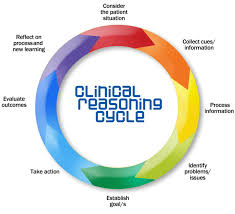
Clinical reasoning can also be termed as critical reasoning or clinical judgment (Kelton, 2014). It is the sourcing of clues about the patient’s symptoms in order to establish the cause of epidemiology rather than simply how to treat it. By looking at patient history, determining factors to the ailment and assessing response to previous medication, nursing staff can learn the patient’s immune system and propose better ways to treat the patient (Rugen et al, 2014). Clinical reasoning is a tactic in evident based practice. It comprises of; consideration for patient situation, collection of cues and data about the patient, processing these cues/information, identifying the problem or issue at hand, establishing treatment goals, taking action to administer treatment, evaluating the outcome of the treatment and reflecting on the outcome (Tsingos, Bosnic-Anticevich & Smith, 2014).  This can be represented in the diagram below;

Considering the patient situation

Consideration for the situation of the patient involves aspects such as; listening to what the patient says, what their relatives say about the patient and assessing the condition. In some cases such as emergency nursing treatment where the cause for treatment is injury, little information is required to start the treatment (Jefford, 2012). There are indeed cases where the entire clinical reasoning process will not apply. However, clinical reasoning is very effective for chronic patient cases that include patients with cancer, arthritis, asthma, Leukemia and challenges such as kidney failure, diabetes and ulcers (Staveski, Leong, Graham & Roth, 2012).

Gathering Health Information

Health information can be gathered in many ways. The most popular of these ways is to check insurance records. The patient is to be made aware that such information is important for their treatment thus should be retrieved with their consent (Forbes & Watt, 2015). All records and files stored on chronic patients present a plethora of useful information that can really help nurses in offering care to the patients (Cockerham et al, 2011). For instance, a patient who has been catheterized needs to make it known before medical procedures are undertaken on them. Such knowledge may however not be present beforehand if the patient is brought in by non-relatives in a comatose /unconscious state of mind. Knowledge on past treatments helps avoid allergic reactions in current treatments as well (Andrew & Robb, 2011). It is thus important for nursing staff to be aware that they will require such information early hence begin looking for ways to source it.

Processing Information

With the entire information ready, there is need to process the information as it is. For instance, in the case of John, the patient in this case study, his history of causing self-harm cannot be easily diagnosed without having prior information on what the motivation for the harmful activities is. John’s friends and relatives can give the impression that he may have bipolar disorder, hyperactivity disorder, depression or an anxiety disorder. However, it is important to know if John has been using any drugs that may have either led to his disorders or aggravated the situation in the past. Currently, he is on Venlafaxine (anti-depressant medication), multivit (a dietary supplement) and vit B (Thiamine, Riboflavin and pantothenic acid). These medications indicate treatment for an eating disorder as well as depression.

Identifying the problem

The next step is to find out why Mr. John is depressed. It could be as a result of family, work or social issues. This information cannot be acquired from any other persons but the closest family members. Interviewing these family members would indicate reasons Mr. John may have been stressed to the point that he chose not to eat. In clinical reasoning, there is no assumption made. Every little detail about the person has to go into the preparation of the diagnosis (Bratt, 2013). Finding out the main reason for Mr. John’s stress can lead to the proper therapeutically-induced intervention for the patient. He may for instance need counseling more than he needs the medication he is on. Additionally, testing the patient’s vitals is very important in any diagnosis (Dariel, Raby, Ravaut & Rothan-Tondeur, 2013). From the vitals given; 125/75 mmHg, 36.30C, Pulse 66 and Respirations 18, he seems to be out of danger at the moment. Therapy thus seems to be the imminent treatment option.

Nursing Problems Based on Health Assessment

One of the key issues that I have identified from the provided case study is lack of patient cooperation.  It is reported that Gray avoids engaging in conversations with health providers. This can result in ineffective delivery of patient care as they clinicians cannot properly tract the progress of Gray and provide quality care to him.

I am also concerned about Gray’s neck injuries and whether they could be linked to the depression that he is currently suffering from. Research by Cockerham et al., (2011) reports that severe neck or back pain can trigger can result in increased stress and depression. As a nurse, it is crucial to conduct a diagnosis aimed at determining whether the depression is lined to the pain.

The other nursing issue that perturbed me is Gray’s behavior of not eating or participating in recreational activities. Forbes & Watt (2015) enlighten that diet and activity are among the leading contributors of effective recovery from depression. Increasing the number of activities aids depressed patients such as Gray to cope with depression. Therefore, as a nurse I will encourage Gray to participate in events that he used to enjoy.

Goals for priority of Nursing care

Goals for priority of nursing care are based on various principles assigned within the clinical reasoning cycle. The most important goal is to ensure that all information acquired from interviewing John’s contacts is captured and recorded for future use. The next goal is to ensure that error omission is guaranteed by progressively seeking additional information to help in the diagnosis and treatment of the patient. Whether the information provided seems significant or not, it is vital to consider each new piece of information gained (Alfaro-LeFevre, 2012). It is also vital to ensure that the incorporation of pathophysiological knowledge into the treatment is balanced with the use of previous data and current information from significant sources.

Nursing Care for John

John is on the right track to recovery based on the medication given to him. However, the treatment of mental disorder and eating disorder is not sufficient. He needs to be under constant surveillance without making it seem like he is being monitored. He also needs to seek counseling. However, many patients often face denial and may not be willing to take this step. As a result, the primary nursing solution would be to talk to John about his actions and over time, get him to admit that he needs psychological help. By doing so, John can be fully assisted and on the road to recovery. The medication he is taking needs to continue, as long as he is not cleared of his psychological problem by a psychologist. In priority nursing care, it is important to incorporate professional advice from colleagues and supervisors (LeMone et al., 2015). This diagnosis thus needs to be discussed with other senior nursing officials to establish the degree of accuracy in the diagnosis.

Evaluating outcomes

The outcomes anticipated by the proposed nursing care for John include; admission of depression or mental problem, agreement to consult psychologist or the use of the hospital-appointed psychologist, being more open about his issues and restoration of his former life. John has to eventually continue being a father, husband and colleague to friends and family. He thus ought to begin treatment that will make him open up about the problems he faces. The importance of these strategies is that at the end of the day, John needs to be treated. The medication he is using works on him but it is apparent that he does not take it willingly. He needs to have an attitude change to accept medication before any medical intervention can work (Staveski, Leong, Graham & Roth, 2012).

Reflection

John’s case is not an isolated one. He seems to be struggling with depression-related problems. These problems are social in nature (Alfaro-LeFevre, 2012).  There is need however to incorporate evidence-based practice in the treatment of John’s depression that has led to eating disorders, attempted suicide and self-inflicted injuries. Therapy seems to be the best option. However, before he begins the therapy, John needs to take his medication and lower stress levels. Once this has been done, he can then be treated and offered the necessary counseling to deal with his depression.

 References

Alfaro-LeFevre, R. (2012). Applying nursing process: the foundation for clinical reasoning. Lippincott Williams & Wilkins.

Andrew, N., & Robb, Y. (2011). The duality of professional practice in nursing: Academics for the 21st century. Nurse Education Today31(5), 429-433.

Barker, J. (2013). Evidence-Based Practice for Nurses: SAGE Publications. Sage.

Bratt, M. M. (2013). Nurse residency program: Best practices for optimizing organizational success. Journal for nurses in professional development,29(3), 102-110.

Cockerham, J., Figueroa‐Altmann, A., Eyster, B., Ross, C., & Salamy, J. (2011, October). Supporting newly hired nurses: A program to increase knowledge and confidence while fostering relationships among the team. InNursing Forum (Vol. 46, No. 4, pp. 231-239). Blackwell Publishing Inc.

dit Dariel, O. J. P., Raby, T., Ravaut, F., & Rothan-Tondeur, M. (2013). Developing the Serious Games potential in nursing education. Nurse education today33(12), 1569-1575.

Forbes, H., & Watt, E. (2015). Jarvis’s Physical Examination and Health Assessment. Elsevier Health Sciences.

Jefford, E. (2012). Optimal midwifery decision-making during 2nd stage labour: the integration of clinical reasoning into midwifery practice.

Kelton, M. F. (2014). Clinical Coaching–An innovative role to improve marginal nursing students’ clinical practice. Nurse education in practice,14(6), 709-713.

LeMone, P., Burke, K., Dwyer, T., Levett-Jones, T., Moxham, L., & Reid-Searl, K. (2015). Medical-surgical nursing. Pearson Higher Education AU.

Levett-Jones, T., Hoffman, K., Dempsey, J., Jeong, S. Y.-S., Noble, D., Norton, C. A., . . . Hickey, N. (2010). The ‘five rights’ of clinical reasoning: An educational model to enhance nursing students’ ability to identify and manage clinically ‘at risk’ patients. Nurse Education Today, 30(6), 517-519.

Rugen, K. W., Watts, S. A., Janson, S. L., Angelo, L. A., Nash, M., Zapatka, S. A., … & Saxe, J. M. (2014). Veteran affairs centers of excellence in primary care education: transforming nurse practitioner education. Nursing outlook62(2), 78-88.

Schmidt, N. A., & Brown, J. M. (2014). Evidence-based practice for nurses. Jones & Bartlett Publishers.

Staveski, S., Leong, K., Graham, K., Pu, L., & Roth, S. (2012). Nursing mortality and morbidity and journal club cycles: paving the way for nursing autonomy, patient safety, and evidence-based practice. AACN advanced critical care23(2), 133-141.

Tsingos, C., Bosnic-Anticevich, S., & Smith, L. (2014). Reflective practice and its implications for pharmacy education. American journal of pharmaceutical education78(1).

We can write this or a similar paper for you! Simply fill the order form!

 

Fundamental Universal Health Service

Fundamental Universal Health Service Order Instructions: please please disregard the assignment exercise at the top of my assignment.
# start with assignment week 4#
you guys please this assignment very well. you have more time, this is my boy assignment, please do it well.
I will be paying tomorrow ok.

Fundamental Universal Health Service

I have more friends who are willing to bring their assignments, so please do this well.

Fundamental Universal Health Service Sample Answer

Assignment

  1. Depending on your review of the financial statements, suggest a fundamental insight into the financial health of the company. Speculate on the likely reaction to the financial statements from various stakeholder groups (employee, investors, shareholders). Provide support for your rationale

Universal Health Services is a publicly traded company and know for operating acute care hospitals, surgical and behavioral health centers. The firm also operates in ambulatory surgery as well as radiation centers. The company is recognized as the largest hospital management in the United States having more than 240 acute care hospitals and employing more than 74,000 workers (UHS, 2016). Based in Pennsylvania, the firm is known to register billions in earnings enabling it to be classified as a top performer. This has also allowed the company to create franchises in rapidly-growing markets. However, efforts are owed to its management which works on the principle of integrity to effectively be competent and compassionate. As such, most of its revenues are gotten from its various departments with acute care hospitals bringing in 73% of income (UHS, 2016). Nonetheless, it is believed that behavioral health services bring in more than hospitals due to the high occupancy rate. In other words, it could be said that the behavioral centers bring in the highest amount of revenue than hospitals. The fact that health management is large in size, there are bound to be numerous accounting concepts.

Since the financial statement is helpful in monitoring the financial health of a company, integrity should be applied. Accurate financial information gives the position of the firm in the market. According to the recorded UHS’S financial information, the company’s income has been increasing. Nonetheless, the business should make correct entries on the financial statements especially when recognizing income and expenses. Therefore, it could be said that the financial health of the company is good but may be complicated with the numerous acquisitions. However, the higher returns on investments have been attracting investors.

Fundamental Universal Health Service and the Current Industry Trends

There is no doubt that firms get into business in a bid to make money rather than meeting the full needs of the market. This is no different from the health care industry where industry players are focusing on financial aspects instead of providing quality care to their patients (UHS, 2016). More so, what is taught in schools also involve economic aspects as part of its curriculum? What people fail to apprehend is that quality care attracts more people and eventually increasing the number of revenues. At the same time, having more patients and clients raises the spending of resources raising overall costs (Kaplan & Witkowski, 2014). Besides, hospitals are turning to technology, and this also increases the overall costs and stakeholders are not left behind (Jena & Philipson, 2013).  In fact, they are behind every planning, developing, and implementation of hospital projects. Therefore, the trend that hospitals are now following is not new but something that is rapidly gaining acclamation in the industry. Additionally, the future health direction the industry players are taking is gaining momentum (Gengler, 2011). All in all, what is more, important is that lack of quality care in hospitals affects the firm’s financial performance. Sadly developing sound business practices does not stick with the industry players. Gambling with people’s health in a bid to reduce hospital costs is undesirable and a recipe for disaster. It is, therefore, essential for hospitals and health care providers to practice good business ethics that entails focusing on providing quality care to patients.

  1. As the CFO, suggest one (1) basic strategy that you might use in order to improve the financial performance of the organization. Recommend an approach to implementing the proposed plan. Provide justification for your recommendation.

For the above reasons, it is my responsibility as the CFO to ensure that individual and organizational goals are aligned. In turn, this translates to increased revenues since both employees and the employers would be satisfied. Better still, there would be increased customer loyalty and brand image. It is crucial to note that stimulating individual motives will lead to greater motivation and will to work efficiently. This, therefore, means that core values have to be instilled as a culture that appreciates everyone’s efforts is cultivated (Baker & Baker, 2013). This is so because formal business policies will integrate both individual and organizational goals towards one direction. Still, group objectives should be recognized as essential for success and continuity of business growth. In turn, the organization’s missions and vision will be met entirely as the strategies would be linked to goals.

In essence, if personal objectives would be fulfilled, group goals would be easy to attain. For instance, if UHS decides to align its overall goal of increasing revenue with individual needs of providing quality care, there would be smooth operations. As such, the strategy is found to be useful in all types of organizations. While little is being done on performance, the critical focus is lost. In our case, the focus should be on creating a balance between providing good quality health care and make more revenues at the same time. In as much, as it is a medical institution, it operates as a business and requires funding as other firms do. However, even though there is no harm in wanting more money, it should be made clear that patient health outcomes matter. In supporting this performance program, the health care provider should ensure they include customer and business profitability is achieved through proper alignment of goals and strategies. As a result, there will be reduced costs, increased efficiency, and increased income levels.

Fundamental Universal Health Service References

Baker, J. J., & Baker, R. W. (2013). Health care finance. Jones & Bartlett Publishers. Retrieved from https://books.google.co.ke/books?hl=en&lr=&id=yfuBAAAAQBAJ&oi=fnd&pg=PR1&dq=Baker,+J.+J.,+%26+Baker,+R.+W.+(2013).+Health+care+finance.+Jones+%26+Bartlett+Publishers.&ots=Jeyce1VgVc&sig=ZHe-D_48p6mJ4JmRSbBGEDEAyNg&redir_esc=y#v=onepage&q&f=false

Gengler, A. (2011). The future of your health care. Retrieved from http://money.cnn.com

Jena, A. B., & Philipson, T. J. (2013). Endogenous cost-effectiveness analysis and health care technology adoption. Journal of health economics, 32(1), 172-180. Retrieved from http://www.sciencedirect.com/science/article/pii/S0167629612001555

Kaplan, R. S., & Witkowski, M. L. (2014). Better accounting transforms health care delivery. Accounting Horizons, 28(2), 365-383. Retrieved from http://www.aaajournals.org/doi/abs/10.2308/acch-50658

UHS, (2016). 2014 Annual Report- Universal Health Services. UHS. Retrieved from http://www.uhsinc.com/media/288196/2014-annual-report.pdf

Policy Interview Analysis Paper Available

Policy Interview
Policy Interview

Policy Interview

Policy Interview

Order Instructions:

It is important for students, as they progress through this program, to learn from those currently working in health care. For this assignment, students will interview a health care professional. It is important that you start a search for potential candidates to interview at the beginning of the course as many health care professionals have limited availability due to their schedules. It is recommended that upon finding a candidate for the interview that you schedule a meeting a few weeks in advance. You may complete the interview face to face, over the phone, or through an e-mail correspondence if necessary.Identify at least 10 questions around governmental policy that are critical to understanding current and future issues in specific delivery settings. Refine your questions so that they are relevant to the person or policy that the interview is based on. Conduct the interview at the agreed upon time in a professional manner.

After you have completed the interview, write a 750-1,000 word paper that summarizes your findings. Cite at least two resources in addition to your textbook for this class.

Prepare this assignment according to the guidelines found in the GCU Style Guide, located in the Student Success Center.

This assignment uses a rubric. Please review the rubric prior to beginning the assignment to become familiar with the expectations for successful completion.

You are required to submit this assignment to Turnitin. Please refer to the directions in the Student Success Center.

Must be authentic no plagiarism

SAMPLE ANSWER

Policy Interview Analysis

There are many current and future issues that are identified to impact the delivery. The policies set by the government in regards to the delivery of healthcare has been seen to stimulate the development and growth of the healthcare delivery setting. Such policies ensure the adoption of strategies that enhance the delivery of quality care to handle the current and possible future issues and challenges experienced in care settings (Cromwell et al, 2015). The need to acquire more knowledge about the issues in delivery settings prompted me to arrange an interview with Sone of the professionals in the healthcare sector. My potential candidate for the interview is a clinical officer who doubles up as the person in charge for the implementation of policies and set standards of care in the health Center the works. After arrangements, the clinical officer agreed for a face to face interview session for one hour during his free time. In this case, I was able to acquire much information about what I required. There are several questions used in the interview which includes.

  1. What role should the government play to ensure the provision of quality healthcare to people?
  2. What is the greatest priority for the health care centers when it comes to quality improvement?
  3. What major factors would you recommend as changes in the healthcare system?
  4. How can the cost sharing plan be structured to be fair and satisfy the needs of patients?
  5. Should the government provide more resources to people with poorer health status?
  6. There is a huge number of the uninsured people, how can this issue be addressed effectively?
  7. What are the barriers to integrated and well-coordinated care and how can the issue be solved as per government policies?
  8. How has incentives and health benefits encouraged people to be healthy?
  9. What are the major challenges that hinder the quality of Medicare and satisfaction of both patients and staff in healthcare?
  10. What roles should the patients and healthcare professionals play to enhance quality care delivery?

The interview shed a lot of light in regards to understanding the current and future issues experienced in healthcare settings and also the possible remedies to major challenges. The challenges and issues faced in delivery settings are brought about by the failure, complexities, and impediments faced in the delivery of quality care to the people (Dankwa & Perez, 2016). Government policies revolve around the major health issues. The health policy issues that the government usually handle include population health, financing and the delivery of care and also the reforms and regulations to ensure the care in delivery settings observe quality standards. The population health policies consider factors such as health protection, health promotion and the prevention of infections and diseases. The financing and delivery policy issues tackle matters involving quality/satisfaction, utilization and access to healthcare, insurance coverage and Medicare costs issues, health financing and also the type of Medicare offered (Dankwa & Perez,2016). The reforms and regulation policies seek to address the bioethics, reforms and the standards in the delivery of care in various settings. All these government policies focus on handling both the current and future issues that occur in delivery settings.

The quality of care problems is one of the current issues experienced during the delivery of care to the people in settings. The problems in quality care include inappropriate diagnosis, lack of proper follow up on treatment, inappropriate surgical procedures and also the provision of substandard care (Cromwell et al, 2015). The problems arise due to the inappropriate use if services that cause the low rates of satisfaction among those receiving care. The issue has led to difficulties in controlling infections and enhancement of the full health protection among the recipients of quality care. Threats of delivery of quality care have prompted the government to instill measures that seek to promote the Medicare activities. The financial problems and covering of the medication costs by the patients are a current issue identified. The seemingly intractable and persistent rise in medication costs has led to changes in the healthcare environment. There is high expenditure among the people when it comes to covering their care. Such cases have prompted the government to enhance policies such as medical coverage for the patients and enhancing of cost share structures to solve the problem (Cromwell et al, 2015).

The vast revolutionary changes taking place in healthcare delivery settings and organizations is another current issue in health care settings. The change in care settings has led uncertainty about the quality of care. The changes in the horizontal and vertical integration of care has affected the coordination and integration of care to the people. The low supply of physicians is identified as a current issue that the government seeks to address using its policies relating to population health and the delivery of adequate and quality services (Dankwa & Perez, 2016). The physician and nurses supply is a considerable policy concern. The poor access to healthcare has affected the health outcomes among the larger population which identified this an issue of concern to be addressed.

There are many future challenges in healthcare that are perceived to affect the delivery of care in various settings. Despite the high costs of Medicare been a current issue in the delivery of care, it is also identified a future issue due to the rising health costs (Dankwa & Perez, 2016). The high costs are estimated to arise due to the lack of proper management of care. The government has put limits and sets policies that focus on the containment of future costs. The rising costs would be restrained by the limits on overall spending on Medicare. The constraints of Medicaid spending and Medicare would solve the future issue.

The tiering of healthcare and disparities between insured and uninsured people due to health outcomes and accessibility to health care differences is a future issue in the delivery settings. Inefficiencies in standardizing policies to eliminate the disparities in healthcare make this an issue that could be troublesome in future if not addressed appropriately (Cromwell et al, 2015). The reemerging infectious diseases and also the new ones is a future issue that require to be addressed as it negatively affects the delivery of healthcare. The new technologies are also understood to be a future issue in the healthcare sector. The technologies affect delivery of healthcare as the patients face difficulties in financing the procedures (Cromwell et al, 2015). The adherence to policies aimed at solving the future major issues would improve delivery of care.

In a nutshell, the delivery of healthcare to the people of their satisfaction levels requires the consideration of various factors. The policies set by the government and the standards are crucial when it comes to understanding the delivery setting of healthcare (Dankwa & Perez, 2016). Policies ensure the adoption of strategies that enhance the delivery of quality care to handle the current and possible future issues and challenges experienced in the care settings.

References

Cromwell, I., Peacock, S. J., & Mitton, C. (2015). ‘Real-world’ health care priority setting using explicit decision criteria: a systematic review of the literature. BMC Health Services Research, 15(1), 1-11. doi:10.1186/s12913-015-0814-3

Dankwa-Mullan, I., & Pérez-Stable, E. J. (2016). Addressing Health Disparities Is a Place-Based Issue. American Journal Of Public Health, 106(4), 637-639. doi:10.2105/AJPH.2016.303077

We can write this or a similar paper for you! Simply fill the order form!

Pathophysiological Mechanisms of Chronic Asthma

Pathophysiological Mechanisms of Chronic Asthma Order Instructions: Anatomy and Physiology;

Pathophysiological Mechanisms of Chronic Asthma

Pathophysiological Mechanisms of Chronic Asthma and Acute Asthma Exacerbation

Week 6 Assignment

Application: Asthma
Complications of asthma can be sudden. Consider the case of Bradley Wilson, a young boy who had several medical conditions. He appeared in good health when he went to school, returned home, and ate dinner. However, when he later went outside to play, he came back inside wheezing. An ambulance took him to the hospital where he was pronounced dead (Briscoe, 2012). In another case, 10-year-old Dynasty Reese, who had mild asthma, woke up in the middle of the night and ran to her grandfather’s bedroom to tell him she couldn’t breathe. By the time paramedics arrived, she had passed out and was pronounced dead at the hospital (Glissman, 2012). These situations continue to outline the importance of recognizing symptoms of asthma and providing immediate treatment, as well as distinguishing minor symptoms from serious, life-threatening symptoms. Since these symptoms and attacks are often induced by a trigger, as an advanced practice nurse, you must be able to help patients identify their triggers and recommend appropriate treatment options. For this reason, you need to understand the pathophysiological mechanisms of chronic asthma and acute asthma exacerbation.
To prepare:
Review “Asthma” in Chapter 26 of the Huether and McCance text. Identify the pathophysiological mechanisms of chronic asthma and acute asthma exacerbation. Consider how these disorders are similar and different.
Select a patient factor different from the one you selected in this week’s Discussion: genetics, gender, ethnicity, age, or behavior. Think about how the factor you selected might impact the pathophysiology of both disorders. Reflect on how you would diagnose and prescribe treatment of these disorders for a patient based on the factor you selected.
Review the “Mind maps—Dementia, Endocarditis, and Gastro-oesophageal Reflux Disease (GERD)” media in the Week 2 Learning Resources. Use the examples in the media as a guide to constructing two mind maps—one for chronic asthma and one for acute asthma exacerbation. Consider the epidemiology and clinical presentation of both chronic asthma and acute asthma exacerbation.
To complete:
Write a 2- to 3-page paper that addresses the following:
Describe the pathophysiological mechanisms of chronic asthma and acute asthma exacerbation. Be sure to explain the changes in the arterial blood gas patterns during an exacerbation.
Explain how the factor you selected might impact the pathophysiology of both disorders. Describe how you would diagnose and prescribe treatment for a patient based on the factor you selected.
Construct two mind maps—one for chronic asthma and one for acute asthma exacerbation. Include the epidemiology, pathophysiology, and clinical presentation, as well as the diagnosis and treatment you explained in your paper.

Pathophysiological Mechanisms of Chronic Asthma Reference

Briscoe, K. (2012, May 12). Thetford: mother of Bradley Wilson, who died of an asthma attack, told there was nothing she could have done. East Anglian Daily Times. Retrieved from http://www.eadt.co.uk/news/thetford_mother_of_bradley_wilson_who_died_of_asthma_attack_told_there_was_nothing_she_could_have_done_1_1375128

ALL ATTACHMENTS HAVE ALL NECESSARY RESOURCES FOR PAPER PLEASE USE THESE RESOURCES ONLY FOR PAPER

VERY IMPORTANT SEE BELOW FOR THE GUIDE FOR THE MIND MAP

Media
Zimbron, J. (2008). Mind maps—Dementia, endocarditis, and gastro-oesophageal reflux disease (GERD) [PDF]. Retrieved from http://www.medmaps.co.uk/beta/
Gastro-oesophageal reflux disease. [Image]. Used with permission of MedMaps.

This media provides examples of mind maps for dementia, endocarditis, and gastro-oesophageal reflux disease (GERD).

Pathophysiological Mechanisms of Chronic Asthma Sample Answer

Anatomy and Physiology
Pathophysiological Mechanisms of Chronic Asthma and Acute Asthma Exacerbation

Asthma is one of the most common chronic disorders affecting the airways. The condition is characterized by some variable and recurring symptoms, the hyper-responsiveness of the bronchial as well as an underlying inflammation. It is the severity and the interaction of the characteristics that describe whether the asthma is acute or chronic also the symptoms can determine the course of treatment to be taken for the type as well as the severity of the condition. Various concepts underly the pathogenesis of asthma with a greater insight being taken of the various clinical features and the genetic patterns of the conditions (Bal, Ravanetti, Dijkhuis & Lutter, 2013).

The most common underlying feature of asthma is the fact that in almost the patients there is an underlying airway inflammation. This is the variable that has various overlying patterns that may have which ay then reflect the different aspects of the disease. For instance, there can be persistent or intermittent manifestations. Also, it is this variable that renders asthma as either acute or chronic (Bal, Ravanetti, Dijkhuis, & Lutter, 2013). Some of the acute symptoms of asthma may manifest beginning with a bronchospasm. Such a symptom may require the individual to be treated with bronchodilator therapy. Also, this treatment with anti-inflammatory drugs may play a major role in reversing some of the symptoms (Herbert, Kumar & Shadie, 2013).

The pathophysiology of asthma is characterized by bronchoconstriction as well as other changes in the airways. Bronchoconstriction is, however, one of the leading physiological conditions that may lead to the constriction of the airways thereby interfering with the airflow. With regard to the acute exacerbations, one of the main happenings is that the bronchial smooth muscles tend to constrict quickly in response to the exposure to a particular allergen (Franzese, 2015).  This is due to the IgE- Dependent Production of Mediators from the Mast cells. Such mediators include histamine, prostaglandins, leukotriene as well as striptease. The treatment, in this case, can be done through the administration of drugs such as aspirin and nonsteroidal anti-inflammatory drugs. Other stimuli such as cold weather and irritants may also lead to the obstruction of the airways whose intensity related to the underlying infection (Franzese, 2015). Nevertheless, stress may also lay a major role in the development of asthma exacerbations through a mechanism that has not yet been discussed.

As asthma continues to be more persistent and the inflammation progresses, other factors may lead to the obstruction of the airflow. One of the factors that have been associated with airway obstruction is airway edema as well as over-secretion of mucus in the ma result in the structural changes in the airways such a hyperplasia of the airways smooth muscles. Similarly, the hype responsiveness of the airway due to a wide variety of stimuli. The treatment I this case may be through the administration of anti-inflammatory drugs.

The changes in the arterial blood gas patterns during an exacerbation

In the course of an asthma attack, several shifts in the arterial blood gasses may be observed as the attack progresses from a mild attack to more moderate and finally to severe disease. For instance, at the beginning of the attack, the PaO2 of 100 mm Hg falls to approximately 60mm Hg (Franzese, 2015).  On the other hand, the normal PaCO2 of 40 mm Hg also reduces to 30 mm Hg.  On the contrary, the Ph may rise from the normal 7.40 rises to approximately 7.50. As the disease worsens, a particular state is reached when the lungs cannot be able to exhale the excess carbon dioxide (Franzese, 2015). This causes the PaCO2 to change the Couse, and therefore they begin rising. The pH, on the contrary, may start to fall but the PaO2 instead of increasing continues to fall. As the attack worsens, it is evident that the ph. Level and the PaCO2 will tend to go back to their normal values. Under extreme circumstances, the levels of PaCO2 may rise steadily to reach about 50 mm Hg while the ph. may fall to reach 7.30 while at the same time the PaO2 progressively falls to approximately 20 mm Hg (Herbert, Kumar & Shadie, 2013).

Airway Inflammation Impacts on the Pathophysiology of Both Disorders

In acute asthma, the symptomatic asthma attack may be caused by several factors some of which are known and others which are unknown. For instance, the attack may be initiated by the exposure to the allergens, pollutants and in some cases viruses.  Once inhaled, the allergens may stimulate a response. The inflammatory response may lead to several effects some of which may be the induction of an inflammatory response (Carroll, & Grogan, 2015). The main characteristic that is associated with an acute asthma attack includes the dyspnea, wheezing, coughing and shortness of breath. In most cases, there are the symptoms that are taken into consideration during the diagnosis of asthma. The symptoms of acute asthma do not persist for longer that one or two days. The treatment of the acute asthma is mainly some of the quick relief medications. Some of the most effective medications include short-acting β2 agonists (Carroll, & Grogan, 2015).

Unlike in acute asthma, in chronic asthma, the inflammation is experienced in the entire mucosal immune system. All the airways, in this case, are involved in the attack (Carroll, & Grogan, 2015). The inflammation in cases of a chronic asthma attack is complex with severe symptoms. More so most of the cells such as the eosinophils, the macrophages as we; as the epithelial cells and smooth bronchial cells may become activated. The utmost results are that there is excessive secretion of mucus, vascular leakage as well as smooth muscle contraction. Furthermore, bronchial hyperresponsiveness may be observed accompanied by severe epithelial shedding (Carroll, & Grogan, 2015). The diagnosis may be based on the development and the severity of the symptoms. The treatment, in this case, will require the administration of oral glucocorticoids. Other medications that have been proven to be effective in the treatment of the condition includes the medications such as long-acting β2 agonists, leukotriene modifiers, cromoglycate, cromoglycate, and nedocromil (Sandrock & Norris, 2015). The mechanisms of such drugs include the inhibitory effect on the immune and inflammatory responses mainly through the modulation of the transcription factors (Carroll, & Grogan, 2015). The utmost effects are that there is a substantial reduction in the number of cytokines that are mainly involved in the recruitment and the survival of most of the inflammatory cells including the eosinophil, lymphocytes, and basophils. Therefore the inhaled corticosteroids in most cases have been effectively used to reduce the occurrence of the exacerbations (Carroll, & Grogan, 2015).

Mind Maps for Chronic Asthma and Acute Asthma Exacerbation

Chronic asthma

Acute Asthma

Pathophysiological Mechanisms of Chronic Asthma References

Bal, S. M., Ravanetti, L., Dijkhuis, A., & Lutter, R. (2013). Influenza exacerbations in an acute and chronic house dust mite ‘asthma’model. Journal of Inflammation, 10(1), 1.

Carroll, K. H., & Grogan, S. P. (2015). Are antibiotics effective in acute flares of chronic asthma?. Evidence Based Practice 18 ():.

Franzese, C. (2015, September). Management of acute asthma exacerbations. In the International forum of allergy & rhinology (Vol. 5, No. S1, pp. S51-S56).

Herbert, C., Kumar, R. K., & Shadie, A. M. (2013). Environmental Particulates As A Trigger For Acute Exacerbations Of Allergic Asthma. In B33. ASTHMA MEDIATORS AND BIOMARKERS (pp. A2628-A2628). American Thoracic Society.

Longmans, R. J., Gemperli, A., Cohen, J., Rubinstein, S. M., Sterk, P. J., Reddel, H. K., … & Ter Riet, G. (2014). Comparative effectiveness of long term drug treatment strategies to prevent asthma exacerbations: network meta-analysis.

Sandrock, C. E., & Norris, A. (2015). Infection in severe asthma exacerbations and critical asthma syndrome. Clinical reviews in allergy & immunology, 48(1), 104-113.

Identify Problem for Chronic Heart Failure CHF

Identify Problem for Chronic Heart Failure CHF Order Instructions: Identifying a Problem Max Points: 40

Details:
Prepare for the capstone project by listening to the audio interview, “Capstone: Planning Your Project”.

Preview and utilize the “Topic 1 Checklist.” This resource will assist you in organizing your work and will provide additional information regarding the assignment.

Consider the clinical environment in which you are currently working or have recently worked. Collaborate with a leader or educator in the clinical environment to identify a problem, issue, or educational deficit upon which to build a proposal for change.

Identify Problem for Chronic Heart Failure CHF

In a paper of no more than 800 words, describe the nature of the problem, issue, or educational deficit. Include the following in your discussion:

The setting and/or context in which the problem, issue, or educational deficit can be observed.
A detailed description of the problem, issue, or educational deficit.
Impact of the problem, issue, or educational deficit on the work environment, the quality of care provided by staff, and patient outcomes.
The gravity of the problem, issue, or educational deficit and its significance to nursing.
The proposed solution to address the problem, issue, or educational deficit.
Prepare for the capstone project by listening to the audio interview, “Capstone: Planning Your Project”, located at http://lc.gcumedia.com/zwebassets/courseMaterialPages/nrs441v_capstone.php.

Review “Topic 1: Checklist.” This resource will assist you in organizing your work and will provide additional information regarding the assignment.

Prepare this assignment according to the APA guidelines found in the APA Style Guide, located in the Student Success Center. An abstract is not required.

You are not required to submit this assignment to Turnitin.

2 NRS 441v.11R.Module1_Checklist.doc

Identify Problem for Chronic Heart Failure CHF Sample Answer

Identify the problem

Chronic Heart Failure (CHF) is one of the leading causes of mortality among the geriatric population. The disease also presents a clinical burden as well as an economic burden to both the patient and their families. Approximately, half of the hospitalizations in these healthcare facilities are associated with other diseases associated with CHF and polypharmacy (Huether & McCance, 2012).   In addition, CHF is associated with enormous cost due to prognosis and is associated with  35% mortality in this nation. In my health facility, most patients who of patients affected with poor prognosis are patients who are above 75 years. This is associated to the fact that most of the patients are suffering from other health disorders such as diabetes, and management of these diseases will require various types of medications. Although medication is associated with relieve of symptoms and   to improve the patients living condition, there is low health literacy and education deficit of self-management in this population group is low (Huether & McCance, 2012).

Lack of adequate knowledge deficit is associated with medication compliance, which causes further worsening of HF symptoms. Various studies have been conducted to examine the role of patient education in compliance in HF medication and lifestyle modification.  Study findings indicated that patients with increased knowledge had better CHF outcomes as compared to patients with low education. The study concluded that increasing patient knowledge led to a change in patient’s beliefs; and recommended that extra attention should be paid when interacting with geriatric population diagnosed with CHF (Dains, Bauman, and Scheibel, 2012).

Frequent hospitalization is triggered by the low health literacy and knowledge on self-management of the disease. In this healthcare facility, there is a high rate of readmission of geriatric patients diagnosed with CHF, especially in their first 6 months after they have been discharged from the hospital. The most critical time for readmission is considered to be the first to be the first 30 -90 days. At my health care facility, the re-admission rates are 25%. This in turn results in increased costs of management. This has been supported by an immeasurable number of studies in other healthcare facilities and in other nations. The causes and factors of low patient education in this healthcare facility have not been investigated, but I can associate it with factors such as low staff ratio and limited time (Dains, Bauman, and Scheibel, 2012).

CHF education among this population group is extremely important because it changed their beliefs as well as their attitudes, which enables them to seek the appropriate health behaviour. This is especially important for this group because CHF is a health disorder that involves complex management strategies, which sometimes it will involve lifestyle modification.  Therefore, the patient education should follow an instrumental action; which mainly implies that it will influence the patient behaviour as well as his attitude. In this case, the education information provided should be done using instructions, laying an emphasis on the patient needs and what the patient must do to remain healthy and not on what the patient should know (Huether & McCance, 2012).

Ideally, the patient education should be done when the patient is admitted, continued throughout his or her admission period and extended to when the patient is discharged or during their outpatient clinic.  This is because it will improve prognosis and the visits to hospital admissions. This is not the case at my healthcare facility. The geriatric CHF education is conducted in a group, normally twice a week. There is no follow up to check if the patient has changed their attitudes and beliefs, and if they have adopted the recommended lifestyle. Consequently, there are always high incidences of CHF patient re- admission (Huether & McCance, 2012).

To address this issue, the recommended solution is to integrate education processes specific to the geriatric population. This should use the following steps; a) assessment of the patient’s knowledge; b) cognition function, c) patients motivation and attitudes, d) challenges faced by the patients.  This strategy is chosen because it helps in identifying the learning barriers, the needs that must be assessed which facilitates in education planning. Individualization of needs is very challenging. However, the nurses can give priority to general topics such as weight control and diets. This should be followed with trainings on pharmacological treatments of CHF (Huether & McCance, 2012).

Other strategies that can be integrated with these strategies include home visits, monitoring telephone, and community programs. This will help the nurses understand the family involvement as well as the dynamic involved.  This will help the nurses to understand the necessary education that should be offered at the family level.  This will provide an opportunity to develop the most effective prevention. This will help reduce mortality rates, low re-admission rates and improve patient’s quality of life. The complexity of managing CHF is a challenge and the nurse role is to ensure that they interact with the multidisciplinary teams (Dains, Bauman, and Scheibel, 2012).

Identify Problem for Chronic Heart Failure CHF References

Dains, J.E., Bauman, L.C., Scheibel, P. (2012). Advanced Health Assessment and Clinical Diagnosis in Primary Care.

Huether, S. E., & McCance, K. L. (2012). Understanding pathophysiology (Laureate custom ed.). St. Louis

Ethics and Law for Health Professions

Ethics and Law for Health Professions Order Instructions: Please complete both parts A and B of the questions below from an evidence-based perspective.

Ethics and Law for Health Professions

Part A
Compare the application of two ethical theories – Deontology and Discourse ethics to treatment provided in an aged care setting in Australia.
Part B
Scenario:
Penny suffers from a seriously debilitating illness. She is in constant pain, confined to a wheelchair and needs life-supporting treatment. Penny feels like her life is not worth living and has asked her doctor to withdraw her treatment.
Discuss the relevant bioethical principles and apply the ABCDE of medical ethics specific to these wishes.

Ethics and Law for Health Professions Sample Answer

Ethics and Law for Health Professions

Introduction

The health profession, similar to other professions has a code of ethics that govern their conduct. The aim is to ensure that the professionals in that filed have a regulated conduct. A code of ethics ensures that professionals operate within certain parameters and their conduct does not go beyond certain boundaries. In this discussion, the ethics applicable in the health care sector have been discussed. Further, the discussion has focused on some of the theories applicable in relation to the Australian aged care set-up.

PART A:

Deontology

Ethic seeks to establish between right and wrong, moral and immoral. Ethics is considered as the set of principles which seeks to divide what is considered right and wrong in society. There is no single set of ethics that is applicable in all societies. Each society sets to modify their set of ethics to fit their desired needs. There are many theories that have been developed that seek to explain in greater details what ethics entail. Each school of through intends to justify the background and standing of ethics in society. Two schools of thoughts that have been examined in this discussion include deontology and discourse ethics.

Deontological theory was developed by Immanuel Kant. It was in response to an earlier developed theory of utilitarianism. According to the utilitarianism theory, an act is considered ethical and moral if it takes care of the good of the majority (Stanford & Conner, 2012). According to proponents of utilitarianism, any action that ensures happiness and satisfaction for the majority of the people in society is considered ethical. It is popularly known as the greater good for the greater majority. Kant, in his deontological theory, argued that ethics have nothing to do with happiness or any emotional attachment. According to deontological theory, ethics is about having a moral obligation to do something. He argues that an action is ethical or unethical in itself and not in its outcome as argued by the utilitarianism principle. According to Kant if an act is harmful, it is then considered wrong regardless of whether it will be of benefit to a majority of the people.

In the Australian health context, the deontological theory applies in a case where the needs of an individual are put first. In such a case, it is not necessary that the expectations of the society will be met. Aged people have special needs which must be carefully considered. In some instances, health specialists consider these needs to the exception of societal expectation. The relationship that is maintained between a patient and a doctor is mainly based on deontological principle. The nature of training that doctors and caregivers are put through requires that a level of confidentiality is maintained (Kennedy, 2014). As such, it is not possible to engage in activities that are satisfactory to all the people. If it happens that the deontological principle is breached, issues of negligence are likely to arise.  Deontological principle among care givers in the Australian context has ensured that the bond between the caregivers and the aged is strengthened.

Discourse Ethics

Discourse ethics was developed by a philosopher from German Jurgen Habermas. This concept seeks to encompass a wider approach to ethics as opposed to taking a narrow view as is the case with most theories. This theory focuses on the social, political and legal aspects of society and seeks to establish the validity of each of these aspects. According to Jurgen, the main reason why the majority of the human race is subjugated is due to distortion in communication (Harris, 2011). The theorist notes that there are a few people in a society known as capitalists who control the majority of resources. The aim of discourse ethics therefore is to give people freedom from subjugation. This theory argues that if only the aspect of information distortion during communication can be eliminated, then it would be possible for the society to be freed. With this freedom, people would leave in an ideal world where they would be free to exchange ideas without restrictions. Further, with this freedom, the danger of being overshadowed by other superior powers would also be expunged. Jurgen refers to this state as a situation for ideal speech where the exchange of information and idea flow freely without restriction.

Application in the Healthcare Setting

Discourse ethics is applicable in the healthcare setting in multiple ways. To begin with, it under this theory that professionals are required to be keen in how the use human subjects for research. More often, the rights of people participating in medical research are overlooked and in some instances endangered (Harris, 2011). Discourse ethics requires that all parties involved have an equal say in such an engagement. This means that subjects will have a clear understanding of the nature of the activity. Further, they ensure that their rights are protected and there no loopholes for violation.

Discourse ethics in the Australia Aged-Care Setting

Discourse ethics ensures that the aged are not subjugated and their rights are not violated. In most cases, the aged are often powerless. They hardly have to say in the kind of treatment they receive from their caregivers. Discourse ethics ensures that caregivers provided the aged with all the information (Greenberg, 2011). Further, observation of this theory will see an engaged discourse where all the parties give their view. The aged should have an opportunity to indicate how they would like to be treated. In order for harmony to prevail, Jurgen argues that there ought to be a level of consensus between all the parties involved. The elderly have specific and unique needs which must be carefully considered. Unless caution is taken it is easy to ignore their needs and take a short-cut. However, with discourse ethics, there is a need for deliberation with the end goal being to meet at a neutral point. The needs and considerations of the aged and patients must be given consideration. Discourse ethics hence plays a crucial role in ensuring that the aged and patients are treated in a most fair and humane manner.

Part B:

Ethics and Law for Health Professions and ABCDE of Medical Ethics

Some illnesses that patients suffer from cause them to make demands to their medical practitioners. For instance, Penny is suffering from a serious illness. The pain that she has undergone due to the illness is excruciating. She no longer values her life and has asked her doctor to withdraw the treatment. As a medical practitioner, one cannot just follow through with the wishes of the patient. There are certain considerations that must be made. These are known as the ABCDE of medical ethics and they have been discussed herein below.

Autonomy

The medical practitioner must establish whether the decision made by the patient is independent and autonomous from other external forces. Does the patient wish to have the treatment withdrawn because family members are complaining of the high medical bills? Sometimes, patients do not act out of their own independent will and if this is the case, then their wish cannot be granted. Further, as a doctor, does one feel pushed to act in a particular way or have the autonomy to make your their decision in regard to the matter in context? If the autonomy of the doctor is comprised, then the wish requested ought not to be granted. In such cases, the most important aspect to establish is whether a patient is competent to make a decision regarding his health. If the patient is fully competent and there is no external influence, then their wish may be granted (Kennedy, 2014). If the doctor establishes that the patient is competent, then their decision must be respected.

The beneficence of Ethics and Law for Health Professions

This principle argues that medical practitioners must strive towards the good of their patient and not harm of any kind.  When dealing with patients, doctors must not allow actions which they believe will cause harm either immediately or in the future to the patient (Greenberg, 2010). Doctors must also protect patients who lack competence against making decisions that can be harmful to their health. In the case of Penny, the doctor will have to examine if withdrawing the treatment will do well or harm to the patient.

Confidentiality

The information disclosed by a patient must remain confidential between the doctor and patient. Unless the patient gives an indication that they are comfortable for such information to be disclosed to a third party, then such information must be kept confidential (Kennedy, 2014). If Penny does not want other people including her family member to know the request she has made to the doctor, then the doctor must not disclose such information. The doctor can only disclose the information only at such a time when the patient is satisfied with such disclosure. Even when a patent is accompanied, the doctor is at liberty to ask the second party to leave the room if the patient is not comfortable (Kerridge, Lowe & Stewart, 2013). There are certain instances when the principle of confidentiality may be overridden. This is when the issue at hand is so dire and must be disclosed to close family members. For instance, if a patient requests for withdrawal of a treatment which in essence could cause the death of the patient, family members must be informed.

Another aspect that can lead to the disclosure of patient information is if they are suffering from a contagious illness. Those close to the patient especially family members must be informed even if it is against the wishes of the patients so that they can be protected from contracting the disease. Confidentiality therefore has to be balanced to protect the interests of all.

Do No Harm

Every medical practitioner must rise to the occasion and ensure that patients receive good care as expected within the stipulated standards.  A patient must not be neglected and doctors must ensure that they remain committed to the cause (Stanford & Connor, 2012). Doctors must never engage in any activity that is likely to place the lives of their patients at risk. A doctor must also ensure that they do not act in malice. Doctors are advised to be careful to not engage in acts of good will that may end up worsening the health of their patients.

Equality

When doctors are dealing with patients, they must strive to treat all of them equally. There ought not to be cases of favoritism and discrimination. Patients in the same situation ought to be treated equally. In addition resources among patients ought to be distributed fairly and justly (Ford, 2010). Patients are generally sensitive and hence should not be agitated through unfair treatment.

Ethics and Law for Health Professions Conclusion

Ethics play a very crucial role in the life of any society. Yet, despite its importance, it presents serious challenges. Due to the variation of customs of beliefs in societies, it has become almost impossible to have a universal set of ethics. They vary from one society to another. The medical profession is one of the fields that continue to battle with an ethical dilemma in many instances. There is already a code of ethics that governs the medical profession intended to ensure that practitioners operate with certain parameters. From the above discussion that there are several theories of theories each of which seek to justify how certain procedures ought to be carried out. Every jurisdiction has adopted one or more of these theories to help deal with arising matters in the field. It is also imperative that doctors are keen in following the ABCDE of medical ethics. These guidelines are crucial in ensuring that doctors remain within their parameters while giving satisfactory services to their patients. Despite the ethical dilemma, doctors must endeavor to balance among the five principals. With such strict adherence, cases of medical negligence and wrongful deaths are likely to be reduced if not eliminated completely.

Ethics and Law for Health Professions References

Ford, G. (2010). Ethical Reasoning in the Mental Health Professions. New Jersey: CRC Press.

Greenberg, J. (2011). The Code of Ethics for the Health Education Press. New York: Jones and    Bartlett Learning.

Harris, D. (2011). Ethics in Health Service and Policy: A Global Approach. California: John          Wiley and Sons

Kerridge, I. Lowe & M. Stewart, C. (2013). Ethics and law for the Health Professions.      California: Federation Press.

Kennedy, S. (2014). Allied Health Professionals and the Law. London: Federation Press.

Stanford, C  & Connor, V. (2012). Ethics for Health Professionals. London: Sage

Post Traumatic Stress Disorder PTSD

Post Traumatic Stress Disorder PTSD Order Instructions: Post-Traumatic Stress Disorder (PTSD) can occur after natural disasters, military combat, personal tragedy, and trauma. When symptoms occur, the individual becomes incapable of functioning due to flashbacks to the original event or events.

Post Traumatic Stress Disorder PTSD

Read the following article below before responding to the questions.

An article titled: •Heavey, E. (2014). Female refugees: Sensitive care needed. Nursing, 44(5), 28-35.

After reading the above article, address the following & Answer the following questions:

1-What are the most important factors for the RN to assess when dealing with a female refugee who is exhibiting flashbacks from

trauma, especially sexual trauma or physical abuse?

2- Describe the cultural considerations and language barriers the RN will need to address to foster therapeutic communication for the female refugee.

3- List common triggers for this population and describe how the RN can assist to decrease the effects.

Provide two nursing diagnosis statements (each statement must include an actual nursing diagnosis, related factor and as
evidenced by) that might apply to a refugee client experiencing trauma flashbacks.

Requirements & Attention to the writer, Make sure the following is accomplished with this paper:

1-Please focus on answering the questions and supporting your answers with the evidence.
2-Once you have thoroughly completed this objective expand on the subject a little
3-Please support the intervention directly.
4- APA style
5-1 pages long 275 words Minimum or more.
6- Provide 2 citations, one from the above article and one from either textbook mention below.

Thanks for your attention to the requirements and details. Questions let me know.

Required:
Textbooks:

Kee, J., Hayes, E., & McCuistion, L. (2015). Pharmacology: A nursing process approach (8th ed.). Philadelphia, PA: Elsevier.
Pharmacology**
• Chapter 27: Antipsychotics and Anxiolytics (section on “Anxiolytics”)

Pillitteri, A. (2014). Maternal and Child Health Nursing (7th ed.). Philadelphia, PA: Lippincott Williams & Wilkins.
• Chapter 54: Nursing Care of a Family When a Child Has a Cognitive or Mental Health Disorder

Psychiatric Mental Health Nursing**
• Chapter 2: Mental Health/Mental Illness: Historical and Theoretical Concepts
• Chapter 3: Theoretical Models of Personality Development
• Chapter 5: Ethical and Legal Issues in Psychiatric/Mental Health Nursing
• Chapter 6: Cultural and Spiritual Concepts Relevant to Psychiatric/Mental Health Nursing
• Chapter 12: Milieu Therapy
• Chapter 18: Therapeutic Communication
• Chapter 20: Electroconvulsive Therapy
• Chapter 27: Anxiety, Obsessive-Compulsive, and Related Disorders
• Chapter 28: Trauma and Stressor-Related Disorders

Web-Based and Other Professional Resources:
• Female refugees: Sensitive care needed (2014)**
• PTSD among our returning veterans (2012)**

Post Traumatic Stress Disorder PTSD Sample Answer

POST-TRAUMATIC STRESS DISORDER (PTSD)

Name

Institution
1-What are the most important factors for the RN to assess when dealing with a female refugee on is exhibiting flashbacks from trauma, especially sexual trauma or physical abuse?

The important factors that should be assessed by RN when dealing with patients who exhibits flashbacks of trauma are the specific event details and qualitative traumatic experiences. This helps shape the psychological responses. RN should also assess behavioural patterns that depict psychological distress, health problems associated with the trauma, altered self-esteem and self-image due to cultural rejection (Kee, Hayes, & McCuistion, 2015). These are manifested by increased passivity, self-harm, emotional dysregulations, eating habits, sleeping pattern and cognitive distortions. The patient might present increased heartbeat, profuse diaphoresis, extreme anxiety, nausea, and hypervigilance and racing thoughts. The patient may seem to have difficulty in concentrating or maintaining awareness of the current physical condition.  It is important to screen for further violence and provide moral and physical support where needs be (Heavey, 2014).

2- Describe the cultural considerations and language barriers the RN will need to address to foster therapeutic communication for the female refugee.

To improve eradicate communication barriers, the RN should note down and respond to nonverbal and verbal communication cues that will ensure that the patient communicates effectively with the healthcare providers. For English-non speaking patients, it is important to have an interpreter. However, it is important to consult with the patient as some may not want to have an interpreter present due to confidential concerns (Kee, Hayes, & McCuistion, 2015).

The RN must remain cultural competent as much as possible. For example, some community will not allow a member of the opposite sex to touch them. In most cultural, removing clothes in front of a stranger is a taboo. Others will were ornaments that are associated with spiritual protection. The patient beliefs and values must be protected. In addition, the RN should assure the patient that their information is confidential.  For patients with fears of attending to clinic visits, the healthcare provider should break the process into steps so as to make it manageable to the patient and to establish rapport and trusting relationship with the patient (Kee, Hayes, & McCuistion, 2015).

3- List common triggers for this population and describe how the RN can assist to decrease the effects.
The RN should remain vigilant on common triggers that a patient can experience during their healthcare visits. These include issues such as medication and medical reagents scents in the exam room, the presence of health apparatus such as speculums, biopsy equipment, and retractors. In some cases, particular dates of the year can be challenging to many survivors. To decrease these effects, the RN must create a good rapport with the patient by listening to their worries. This helps the RN asses the patients feeling and to identify the areas that needs support and counselling (Kee, Hayes, & McCuistion, 2015).
Provide two nursing diagnosis statements (each statement must include an actual nursing diagnosis, related factor and as evidenced by) that might apply to a refugee client experiencing trauma flashbacks
(Kee, Hayes, & McCuistion, 2015).

  1. Impaired adjustment (poor coping abilities) related to depression associated with trauma flashback experiences
  2. Altered nutrition (lower than the body requirements) related to decreased oral intake associated with difficulty self-feeding as a result of impaired mobility

Post Traumatic Stress Disorder PTSD References

Heavey, E. (2014). Female refugees: Sensitive care needed. Nursing, 44(5), 28-35.

Kee, J., Hayes, E., & McCuistion, L. (2015). Pharmacology: A nursing process approach (8th ed.). Philadelphia, PA: Elsevier.

BREAST SCREENING TECHNIQUES PAPER

BREAST SCREENING TECHNIQUES

BREAST SCREENING TECHNIQUES

Order Instructions:

Read the following article below:

•Mahon, S. Screening for breast cancer: Evidence and recommendations. (2012). Clinical Journal of Oncology Nursing, 16 (6), 567-571. doi10.1188/12.CJON.567-571

Here is the Scenario: A 58-year-old female has had negative mammograms annually since the age of 40. During a visit to the Women’s Health Clinic, the woman asks the RN if monthly breast self-examination and an annual mammogram are still necessary.

Answer the following Questions:
•1-Why is breast self-examination being replaced in the screening guidelines by mammography and breast magnetic resonance imaging?
•2-What are the risks associated with breast cancer screening? Do the risks outweigh the benefits? Why or why not?

Requirements & Attention to the writer, Make sure the following is accomplished with this paper:

1-Please focus on answering the questions and supporting your answers with the evidence.
2-Once you have thoroughly completed this objective expand on the subject a little
3-Please support the intervention directly.
4- APA style
5-2 pages long 550 words Maximum
6- Provide four citations, two from the above article and two from the text book ( Hinkle, J., & Cheever, K. (2014). Brunner and Suddarth’s textbook of medical-surgical nursing (13th ed.). Philadelphia, PA: Lippincott Williams & Wilkins.

Thanks for your attention to the requirements and details.

More information from the text book and chapters on the subject matter.
Required-Textbooks and the chapters covered for the subject matter.
Brunner and Suddarth’s textbook of medical-surgical nursing**
• Chapter 15: Oncology: Nursing Management in Cancer Care (section on “Cancer Survivorship”)
• Chapter 42: Management of Patients with Musculoskeletal Disorders (section on “Bone Tumors”)
• Chapter 47: Management of Patients with Gastric and Duodenal Disorders (sections on “Gastric Cancer” and “Tumors of the Small Intestine”)
• Chapter 48: Management of Patients with Intestinal and Rectal Disorders (sections on “Colorectal Cancer” and “Polyps of the Colon and Rectum”)
• Chapter 50: Assessment and Management of Patients with Biliary Disorders: (sections on “Cancer of the Pancreas”, “Tumors of the Head of the Pancreas”, “Pancreatic Islet Tumors”, “Hyperinsulinism” and “Ulcerogenic Tumors”)
• Chapter 52: Assessment and Management of Patients with Endocrine Disorders: (sections on “Pituitary Tumors” and “Thyroid Cancer”)
• Chapter 54: Management of Patients with Kidney Disorders: (section on “Renal Cancer”).
• Chapter 55: Management of Patients with Urinary Disorders: (sections on “Cancer of the Bladder” and “Urinary Diversions”)

• Chapter 57: Management of Patients with Female Reproductive Disorders (section on “Malignant Conditions”)
• Chapter 58: Assessment and Management of Patients with Breast Disorders (sections on “Benign Conditions of the Breast” and “Malignant Conditions of the Breast”)

• Chapter 59: Assessment and Management of Problems Related to the Male Reproductive Process (section on “Cancer of the Prostate”)
• Chapter 61: Management of Patients with Dermatologic Problems (section on “Skin Tumors”)
• Chapter 70: Management of Patients with Oncologic or Degenerative Neurologic Disorders: (section on “Oncologic Disorders of the Brain and Spinal Cord”)

SAMPLE ANSWER

BREAST SCREENING TECHNIQUES

Introduction

Advancements in breast screening technology have led to the growth of techniques to handle the analysis and development of breast analysis equipment. This means that activities that women used to engage in the name of breast screening such as self-examination do not really make sense in the modern environment. It is indeed important that persons undertaking different activities in the modern world to acknowledge the advancements that have led to early treatment and elimination of breast cancer. Often, breast cancer is detected while already too late. However, with the proper mechanisms and technology (as is available today), there can not only be early diagnosis but early treatment as early as sixteen years. This is a very important realization in medicine and indeed one that needs acknowledgement (Arrospide et al., 2016).

It is often difficult to understand why to or not to use techniques such as the mammogram and the breast magnetic resonance examination. However, given that the main issue and symptom sought after in breast cancer examination is the lump in the breast; then there is need to have techniques that realize this lump before it becomes a sore bob on the breast. It is also necessary that at the end of the day; there be a mechanism to realize a reputable scale reading that will auger well with international standards. Cancer of any kind is the world’s greatest killer. This is why it is often important to take cancer research to such extremes. Nevertheless, the use of equipment minimizes human error where the possibility of human intuition (often a blunder in medicine) is imminent. It is therefore important to ensure that the technology used is rightfully utilized to achieve specific assignment goals in medical treatment (Autier, Boniol, Smans, Sullivan & Boyle, 2016).

Risks

Breast cancer screening is associated with a lot of risks. Firstly; there is the concern that the hospital is not accredited to treat cancer patients. There is need to ensure that the research center or healthcare facility treating the situation has the right equipment to handle the patient. There is also need to guarantee that it is likely to be a situation where the nature of healthcare provided has to be government-approved. Handling of cancer patients is and should be a government prerogative thus the need to ensure that there is always considerable risk mitigation. There is also a significant challenge with regard to the estimation of growth of lump (predicting age of the cancer). This makes it difficult to determine whether or not a particular sample of data can actually justify the correct mechanisms for screening and treatment of breast cancer (Mahon, 2012).

Conclusion

Breast cancer treatment is a complimentary factor of many components and resources as far as treatment of cancers is concerned. Nonetheless, there is always the advancement of technologies to better healthcare. Most healthcare practitioners nonetheless do not appreciate new technology probably due to the complexity of machines. It is therefore important to ensure that there is a deliberate effort to promote the use of breast cancer equipment in hospitals. Efforts such as public awareness campaigns and telecasting campaigns need to be rewarded with government regulation on some of the new treatment mechanisms. Only by doing this can the treatment of cancer be advanced. This advancement would only come through use and research of new technologies. It is important to screen cancer at an early age. The radiology involved in the screening process can have adverse effects on the treatment mechanism (Hinkle & Cheever, 2014).

References

Arrospide, A., Rue, M., van Ravesteyn, N. T., Comas, M., Soto-Gordoa, M., Sarriugarte, G., & Mar, J. (2016). Economic evaluation of the breast cancer screening programme in the Basque Country: retrospective cost-effectiveness and budget impact analysis.BMC Cancer161-9.

Autier, P., Boniol, M., Smans, M., Sullivan, R., & Boyle, P. (2016). Observed and Predicted Risk of Breast Cancer Death in Randomized Trials on Breast Cancer Screening. Plos ONE11(4), 1-13.

Hinkle, J., & Cheever, K. (2014). Brunner and Suddarthâ’s textbook of medical-surgical nursing (13th ed.). Philadelphia, PA: Lippincott Williams & Wilkins.

Mahon, S. (2012). Screening for breast cancer: Evidence and recommendations. Clinical Journal of Oncology Nursing, 16 (6), 567-571. doi10.1188/12.CJON.

We can write this or a similar paper for you! Simply fill the order form!

Shortage of chemotherapy drugs Paper

Shortage of chemotherapy drugs

Shortage of chemotherapy drugs

Shortage of chemotherapy drugs

Order Instructions:

Read the following articles:

1- Mayer, D. K. (2012). Anatomy of a drug shortage. Clinical Journal of Oncology Nursing, 16(2), 107-108.

2- McKeever, A. E., Bloch, J. R., & Bratic, A. (2013). Drug shortages and the burden of access to care: A critical issue affecting patients with cancer.Clinical Journal of Oncology Nursing, 17(5), 490-495. doi:10.1188/13.CJON.490-495

View the following website:
3- Food and Drug Administration website: www.fda.gov/Drugs/DrugSafety/DrugShortages/default.htm

In the middle of a patient’s course of chemotherapy, the medication is no longer available due to manufacturing issues. The chemotherapy was prescribed for this patient using scientific evidence and patient outcomes.

Answer the following Questions:

1-How does the shortage of chemotherapy drugs impact health care?

2-Are work arounds such as substitute medications a safe alternative? Why or why not?

3-Identify an intervention that you can implement as the RN to advocate for safe patient care and positive patient outcomes when drug shortages occur.

Requirements of the paper:

1-APA style

2-275 pages minimum

3-Two citations using the articles mentioned above

SAMPLE ANSWER

The shortage of chemotherapy drugs causes the increase in the compromised patients care and healthcare costs. The delivery of healthcare is affected also leading to poor adherence to the research protocols in the health sector. The patient safety is not guaranteed with the shortage of the drugs. There have been many cases of canceled treatment and delayments which negatively impact healthcare. As a result of the delays and cancellations, the patients suffer fatal side-effect toxicities and cases of chemotherapy complications due to the shortage of drugs (Mayer, 2012). Death also occurs due to the medical errors resulting from the shortage of drugs. The shortage of drugs has also negatively impacted the medical reimbursement. The healthcare is affected negatively by the many challenges in reimbursement that result due to the drugs shortage (Mckeever et al, 2013). The shortage of the chemotherapy drugs has prompted the clinicians and pharmacists to find alternative means of solving the crisis. The pharmacists have become proactive and provided a list of the alternative agents for the drugs that are in shortage. The alternative agents provided are compared to the drugs about dosing at the onset of action and duration at the end of clinical dosing. The main reason as to why there are works around when it comes to the drug shortage issues is to deal with the daily challenges and future problems that might come along. The pharmacists and medical practitioners seek to support patient care by coming up with the alternative to acting as substitute medication (Mayer, 2012).

One of the intervention strategies I would adopt is the provision of education and putting more focus on the illness prevention. Such effort that seeks to prevent illnesses is teaching better habits, nutrition and also exercises methods. Communicating with others about the issue to ensure they have a collective voice when it comes to the drugs supply shortage (Mckeever et al, 2013). Advocating for a system that gives a vital and exclusive perspective when it comes to patient care would contribute to having more positive outcomes among the patients. Starting and providing the support groups for the patients and their family members is essential when interacting with them during the drug shortage crisis. In a nutshell, implementing of the efficient and reliable protocol goes a long way in ensuring drug shortage is properly addressed.

References

Mayer, D. K. (2012). Anatomy of a drug shortage. Clinical Journal of Oncology Nursing, 16(2), 107-108.

McKeever, A. E., Bloch, J. R., & Bratic, A. (2013). Drug shortages and the burden of access to care: A critical issue affecting patients with cancer.Clinical Journal of Oncology Nursing, 17(5), 490-495. doi:10.1188/13.CJON.490-495

We can write this or a similar paper for you! Simply fill the order form!
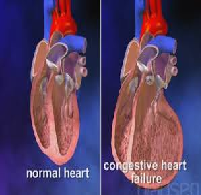
 

Intervention for the Sickle Cell Disease

Intervention for the Sickle Cell Disease Order Instructions: Read the following articles:

Intervention for the Sickle Cell Disease

Jenerette, C. M., Brewer, C. A., & Ataga, K. I. (2014). Care seeking for pain in young adults with sickle cell disease. Pain

Management Nursing, 15(1), 324-330 7p. doi:10.1016/j.pmn.2012.10.007

Wilson, B. H., & Nelson, J. (2015). Sickle cell disease pain management in adolescents: A literature review. Pain Management

Nursing, 16, 146-151. doi:10.1016/j.pmn.2014.05.015

An African American young adult is admitted to the emergency department in sickle cell crisis with a report of 10/10 pain. The
patient is known to several of the nurses and physicians in the department who have labeled the patient as a “drug seeker”.

Answer the following Questions:

1- Identify one intervention that can be taken by the RN to reduce the stigma and improve management of acute and chronic pain associated with sickle cell disease.

2- Does the intervention apply only to the patient? Does it apply only to the interprofessional team? Does it apply to both the patient and the members of the interprofessional team? Explain and support your answer.

Intervention for the Sickle Cell Disease Requirements

1-APA format
2-275 words minimum
3-include x2 professional references minimum, citing the above articles you’re to read along with the course textbook is preferable.
4-Double space.

Required Textbooks for this paper and for the course are:

1-Brunner and Suddarth’s textbook of medical-surgical nursing**
• Chapter 32: Assessment of Hematologic Function and Treatment Modalities
• Chapter 33: Management of Patients with Nonmalignant Hematologic Disorders (sections on “Anemia”, and “Iron Deficiency Anemia”;

the section on “Megaloblastic Anemia”; a section on “Sickle Cell Anemia”; a section on “Neutropenia”, section on “Thrombocytopenia”;

the section on “Disseminated Intravascular Coagulation”)
• Chapter 34: Management of Patients with Hematologic Neoplasms (sections on “Leukemia” and “Lymphoma”)

2-Pharmacology**
• Chapter 15: Vitamin and Mineral Replacement (section “Iron” )
Nursing Diagnosis Guidebook

• Use your chosen Nursing Diagnosis Guidebook to review the nursing diagnoses specific to the content covered in this module
Maternal and child health nursing**

• Chapter 44: Nursing Care of a Family When a Child Has a Hematologic Disorder(sections on “Bone Marrow Aspiration and Biopsy”,

“Hematopoietic Stem Cell Transplantation”, “Disorders of Red Blood Cells (omit Thalassemias)”, and “Idiopathic Thrombocytopenia

Purpura” only)

• Chapter 53: Nursing Care of a Family When a Child Has a Malignancy (sections on “The Leukemias” and “The Lymphomas” only)

3-Web-Based and Other Professional Resources:
• Care seeking for pain in young adults with sickle cell disease (2014)**
• Sickle cell disease pain management in adolescents**

The course textbook:

Textbooks (Chapter numbers and titles may differ in subsequent editions of a given textbook. If your edition is different, use

the Table of Contents in the textbook to locate the appropriate chapters to read):

Hinkle, J., & Cheever, K. (2014). Brunner and Suddarth’s textbook of medical-surgical nursing (13th ed.). Philadelphia, PA:

Lippincott Williams & Wilkins.

Kee, J., Hayes, E., & McCuistion, L. (2015). Pharmacology: A patient-centered nursing process approach (8th ed.). St. Louis, MO:

Elsevier.

Nursing Diagnosis Guidebook
A pocket-size nursing diagnosis guidebook of your choice that is no more than one edition old, that includes NANDA

International-approved nursing diagnoses, definitions, defining characteristics, and possible nursing Interventions.

Pillitteri, A. (2014). Maternal and child health nursing: Care of the childbearing & childrearing family (7th ed.). Philadelphia,

PA: Lippincott, Williams & Wilkins.

Web-Based and Other Professional Resources:

American Heart Association. (2014). American Heart Association issues e-cigarettes recommendations.

Jenerette, C. M., Brewer, C. A., & Ataga, K. I. (2014). Care seeking for pain in young adults with sickle cell disease. Pain

Management Nursing, 15(1), 324-330 7p. doi:10.1016/j.pmn.2012.10.007

Johnson, M. and Pennington, N. (2014). Adolescent use of electronic cigarettes: An emergent health concern for pediatric nurses.

Journal of Pediatric Nursing. doi:10.1016/j.pedn2014.11.006

Lisy, K. (2014). Chest physiotherapy for pneumonia in children. The American Journal of Nursing, 114(5), 16.

doi:10.1097/01.NAJ.0000446761.33589.70

Mahon, S. Screening for breast cancer: Evidence and recommendations. (2012). Clinical Journal of Oncology Nursing, 16 (6), 567-

571. doi10.1188/12.CJON.567-571

Makic, M., Rauen, C., Jones, K. and Fisk, A. (2015) Continuing to challenge practice to be evidence-based. Critical Care Nurse,

35(2), 39-50. doi:10.4037/ccn2015693

Mayer, D. K. (2012). Anatomy of a drug shortage. Clinical Journal of Oncology Nursing, 16(2), 107-108.

McKeever, A. E., Bloch, J. R., & Bratic, A. (2013). Drug shortages and the burden of access to care: A critical issue affecting

patients with cancer. Clinical Journal of Oncology Nursing, 17(5), 490-495. doi:10.1188/13.CJON.490-495

Purbaugh, T. (2014). Alarm fatigue: A roadmap for mitigating the cacophony of beeps. Dimensions of Critical Care Nursing; 33 (1),

4-7.

Stevens, S. (2015). Preventing 30-day Readmissions. Nursing Clinics of North America, 50 (Transformational Tool Kit for Front

Line Nurses), 123-137. doi:10.1016/j.cnur.2014.10.010

Wilson, B. H., & Nelson, J. (2015). Sickle cell disease pain management in adolescents: A literature review. Pain Management

Nursing, 16, 146-151. doi:10.1016/j.pmn.2014.05.015

American Cancer Society

CDC guidelines for the pneumococcal vaccine

Drug Shortages page of the Food and Drug Administration website

Pulmonary Hypertension Association

Intervention for the Sickle Cell Disease Sample Answer

INTERVENTION FOR THE SCD

Question 1

Identification of the proper standards of care helps in the reduction of stigma and improvement of treatment as well as proper pain management. The RN nurse can adopt various strategies aimed at ensuring the issue of stigmatization is thoroughly dealt with while at the same time ensuring proper management of pain for those suffering from sickle cell disease (Janerette et al, 2014). Clinical practice recommendations and provision of education are the appropriate interventions for the crisis. Some of the strategies used by the RN to control health-related stigma include cognitive behavior therapy, treatment, and counseling. Education is one of the key interventions that can be administered using the support groups channel, empowerment, and advocacy to help in solving the issue (Janerette et al, 2014). The RN enhances better communication of the patient’s needs and satisfaction. Skills of living with the disease should be taught early while it is also essential for the nurses to reduce the cases of delays in seeking drugs and medication. Provision for the rapid control of pain and acute illness and monitoring of the vital signs and management of the pain algorithm are strategies used in improving pain management (Wilson & Nelson, 2015).

Question 2

The intervention and other strategies employed also apply to the inter-professional team as they are the main managers of pain. The intervention is effective in contributing to the improvement of the health outcomes and nursing knowledge for the SCD clients (Janerette et al, 2014). The inter-professional team also needs education on the disease process and management of pain. The members of the inter-professional team significantly help in reducing the mortality and morbidity of the sickle cell patients through the adoption of evidence-based practices (Wilson & Nelson, 2015). The improvement of the care-seeking experience requires the involvement of the family members of the SCD client, the patient,  and the health professional team to ensure that the adopted intervention is fully effective.

Intervention for the Sickle Cell Disease References

Jenerette, C. M. et al (2014). Care seeking for pain in young adults with sickle cell disease. Pain Management Nursing, 15(1), 324-330 7p. doi:10.1016/j.pmn.2012.10.007

Wilson, B. H., & Nelson, J. (2015). Sickle cell disease pain management in adolescents: A literature review. Pain Management Nursing, 16, 146-151. doi:10.1016/j.pmn.2014.05.015