Base your initial post on the scenario listed below, your readings and research on this topic.
An RN working in the Intensive Care Unit (ICU) is caring for a patient with an acute gastrointestinal
hemorrhage related to liver failure that resulted from alcoholic cirrhosis. During hand-off report at the
end of the shift, the outgoing RN states to the incoming RN, “I have been in that room all day,
transfusing blood products and giving medications. It’s so much work for really no reason. I don’t know
why this patient drank to the degree he did to destroy his liver. He did this to himself. What a waste of
resources. I heard his family wants to get him on a list for a liver transplant.”
After reflecting on the above scenario, discuss the following points (minimum of 250 words):
What is the most appropriate way for the incoming RN to approach this situation? Include ethical and
legal considerations.
What is the role of the RN in regard to addressing the value system of other health care workers that
may have a negative impact of the delivery of patient care? Include ethical and legal considerations.
SAMPLE ANSWER
Nurses routinely offer 24-hour care to patients in hospital. The role of the staff Registered Nurses (RNs) is typically fulfilled at the bedside where they frequently contact patients who are on illicit drugs but are seeking health care services. The nurses come across complex personal as well as clinical situations that require a high level of expertise, competence, and skill for successful achievement. Research by Van Boekel., 2013 indicated that the attitudes of health care practitioners working with patients on illicit drugs constitute a crucial predictor of the willingness to interact with these patients.
In the case provided, the incoming RN nurse should approach it differently. She should not let the views of her colleague deter her from providing quality care to the patient. It is her moral responsibility to provide quality care to the patient regardless of their health condition. The incoming nurse should also find some time and talk to the outgoing RN letting her know that it is vital for them to maintain close surveillance on this patient so as they can address their multiple medical comorbidities and the patient’s risk of acquiring health problems. Moreover, she emphasize that patients require non-judgmental and emphatic care which is essential in strengthening health seeking behaviors to solving acute and chronic conditions.
Stigmatization attitudes of clinicians toward patients with unhealthy drug use have been associated negatively with empowerment and poor outcomes (Van Boekel., 2013). Therefore, registered nurses should encourage their colleagues to express determination to provide high quality care to patients using drugs. A RN can also be in the recommend healthcare institutions to introduce organizational support and contextual factors such as procedures and policies associated with provision of therapeutic and unbiased care. This will encourage positive encounters to be maintained within the health care system which in turn will encourage patients to adhere to ongoing medical assessment and treatment for their dependency on drugs and other health problems.
References
Van Boekel, L. C., Brouwers, E. P., Van Weeghel, J., & Garretsen, H. F. (2013). Stigma among health professionals towards patients with substance use disorders and its consequences for healthcare delivery: Systematic review. Drug and Alcohol Dependence, 131(1), 23-35.
We can write this or a similar paper for you! Simply fill the order form!
The writer will refer back to order #114120 and #114079 and will use the annotated bibliography constructed during those weeks to complete this paper here. The writer will compile a scholarly paper on the topic below using at least 20 pear review articles to support all the facts.
Topic
Impact of motivation on employee productivity
Employees are motivated differently, and it takes human resource initiatives to ensure all workers are motivated. When employees are motivated, their performance is high and leads to the fulfillment of organization objectives (Nitin and Boris 2010). Through motivation, it is possible for HR managers to find employee motives for work and come up with ways to improvise. The problem that leads to doing the research is high-employee turnover in public sector industry.
The research is intended to examine effects motivation has on employee productivity in the service industry.
Write a 15 page paper that addresses relevant theories and empirical research leading to a significant research topic, problem, and research question(s). Approach your topic (Impact of motivation on employee productivity) providing an academic argument for funding that might support a vital new step in understanding the impact of culture on business. You do not have to actually design a study to the point of specifying research measures of effective project management or specify samples, but try to evolve your thinking to the point of framing a relevant research topic, problem, and question(s) on which your proposed research would be focused.
This question should be complete enough to suggest the development of an important theory, address a gap in a current model, or demonstrate an immediate application for solving common organizational problems. Rather than attempting to include as many references as possible, try to emphasize the logical coherence of your evidence of conceptual foundations. Build an academic argument for why your research problem and question(s) are important.
Your Final Paper should adhere to APA format (6th edition), which requires a title, a reference list, and appropriate sections and their headings, and include the following elements:
• A thorough review of the literature (minimum of 20 resources, with 85% being 5 or less years old) that shows evidence of a potential research opportunity/gap that has not been discussed in the academic literature
• A draft problem statement; include the four parts of the draft problem statement of the
The four parts of the problem statement are:
• Hook (with a peer reviewed citation that is five or less years old)
• Anchor (includes a number supported with a peer reviewed citation that is five or less years old)
• General business problem
• Specific business problem to be researched
• At least one broad research question that is demonstrably linked to your problem statement.
You do not need to address any hypotheses or design considerations.
SAMPLE ANSWER
Impact of Motivation on Employee Productivity
Introduction
Motivation remains one of the essential factors creating a positive energy or interests within an organization with the aim of achieving the goals and objectives of the organization. This clearly depicts the reasons why all organization considers the factors that need to be adhered to in order to sustain a higher level of performance (Ab Hamid, Mustafa, Mohd Suradi, Idris, & Abdullah, 2013). Organizations face challenges in regards to inadequate motivation since certain employees show up at work with different expectations, outlooks and behaviors.
These challenges as regarded by individual motivation and its inadequacies can be divided in two primary categories. First, certain individuals remain unable to be motivated, a factor that stems from the deficiencies in their personalities (Bhuvanaiah, & Raya, 2015). Such individuals have the desire to avoid failures while their drive and motivation towards positive results tends to be weak. This therefore results in the development of resistance in the achievement of goals, an element that can be addressed through the inclusion of intrinsic modes of motivation.
Secondly, in some instances, the achievement motive within employees may be strong, however, the challenges these individuals encounter may manifest in their productivity, thus affecting their enthusiasm and productivity (Bhuvanaiah, & Raya, 2015). Irrespective of all the problems in relation to motivation, organizations need to ensure there are appropriate approaches developed to ensure continuous productivity geared towards the achievement of the goals of an organization. This paper seeks to determine the element of motivation that keeps employees and their employers craving every day and the theoretical frameworks that can be developed to develop motivational approaches within an organization. On the other hand, the paper seeks to determine the strategies that can be employed in getting employees motivated and the manner this affects the productivity of an organization and if so how.
Literature Review
Several research studies have previously been conducted in regards to motivation as well the theoretical underpinnings developed to spur this process. This review therefore seeks to focus on the motivational theories and strategies in pertinence to productivity.
Motivation
According to Biddle (2015), motivation is considered and defined as an internalized drive that is primarily dominant within individuals within individuals. This author alleges that there is not one way in which individuals may be motivated (pp. 4). Observation and prudence is required to determine the manner in which an individual may be motivated and in creating a conducive environment. This atmosphere assists in self development within an individual to make decisions and adopt attitudes that enhance productivity.
A meta-analysis on motivation conducted by Caillier (2014), disclosed that high performances within an organizations employees performance is highly dependent on the motivation of the employees. This clearly determines the fact that the single most ingredient in keeping the employees within an organization motivated in kept within oneself, a factor that has the capacity to unlock their access to motivation (pp. 289). Personal motivation remains one of the essential attributes for individuals since different individuals have different personalities that contribute to their motivation. In a case where there are no evident signs of enthusiasm and motivation within an employee seeking for a job in an organization, it is essential for managers to retain such positions as vacant than hiring employees who are not motivated.
Motivation Theories
According to Barbra (2011), there are different factors that may lead to employee motivation. Motivation is considered as internal since motivated employees end up being more productive in an organization. Instead of bringing up motivational speakers, firms should concentrate on the specific factors that make an individual motivated since they differ. When organizations understand what motivates employees, they can dwell on these factors in order to achieve productivity.
Motivation has been an issue for organizational leaders since unmotivated employee is unproductive, do not like being in the workplace, run from their jobs, and produce low quality. The author noted that employees are motivated differently, and it’s up to the leaders to get to know their employee well to know their needs and wants that will make them motivated for high production (Carla Valencia, 2015). The main limitation is in understanding the needs of employees since these needs are consequently immense.
There are several motivational theories that are developed to give insight into the motivational factors that influence and affect the perceptions and performance of employees and the manner in which this impacts the performances of organizations. Motivation is therefore considered as one of the essential tools that are used by managers to capitalize on the employee’s avidness in working without pressure. In this case, Bishka (2015)alleges that several motivational theories have been employed with the aim of stimulating the achievement of results within different organizations (pp.3).However, in motivating employees, managers need to take cognizance of theaspect of culture and the fact that different individuals have different needs and understanding.
This aids in the development of a right motivational theory that meets the needs of these individuals from different cultural backgrounds and who are motivated by different elements. Mark (2015) describes some of the essential theories that lead to employee motivation. According to him, Hertzberg two-factor theory, Maslow hierarchy, and Hawthorne effect are some of the applicable theories to motivate employees. The theories suggest employee’s inner needs together with being mindful of their outside affairs as the main motivating factor for productivity. The conducted studies do not exhaust all factors that lead to motivation making the theories limited in their scope but uses different examples for each of the theories.
Maslow’s Hierarchy of Needs
Abraham Maslow developed the hierarchy of needs that was divided into two primary groups: incremental needs and deficiency. The deficiency need primarily focused on issues to do with the safety, biological, social needs and belongingness within an organization while the incremental needs entailed the aspects of esteem and self-actualization needs(Becchetti, Castriota, & Tortia, 2013). Maslow therefore alleges that as individuals develop, they are driven to work towards the achievement of these needs that are arranged in a hierarchy, according to Maslow, unless these deficiency needs are satisfied, the growth needs of individuals are likely to lack relevance. The needs hierarchy theory therefore explains the rationale behind the satisfaction of the lower-level needs that introduces the higher need within the hierarchy, a factor that becomes a motivator to the employees to bring the best performance within their work environments.
Equity Theory
This theory was developed by Adam as a motivational model that comprised of an individual’s self with others in the context of output-input ratio within a work environment. Equity according to this theory can only be attained in the event that the input and output ratios are same for different employees. This therefore determines the reasons why employees within a firm are likely to compare their own ratios with that of other employees, a factor that gets them either motivated if the results are rational or de-motivated in a case where the results do not show fairness (Faisal, Mook, Malul, & Shoham, 2015). However, it is vital to consider that the primary challenge of this approach lies within the capacity of the managers who are required to allocate the right blend of inputs and outputs in consideration of the diversity in the global workforce with the aim of maintaining equity within an organization. An instance of this can be seen when instances of pay inequalities result in negative behaviors and decreased production among the employees.
Expectancy Theory
The expectancy theory as developed implies that individuals are bound to act through their self interests and adopt different actions that they perceive can maximize the desired results that suit their needs. This theory is primarily based on three factors that include expectancy, valence and instrumentality. According to Goergen, O’Sullivan, & Wood (2014), valence determines different effective orientations towards the attainment of particular outcomes. On the other hand, expectancy infers to the monetary beliefs of individuals that a particular level of performance will follow in the attainment of specified outcomes (pp.146). Instrumentality in this case determines an individual’s expectations that identify the manner in which individuals behave and the rewards they receive for such efforts. The expectancy theory in this case is grounded in the belief that work performance is inclined towards particular individual behaviors that people perceive and that will lead to the achievement of some desired output.
Herzberg’s Two Factor Theory
Herzberg’s Motivation two factor theories clearly indicate that the intrinsic and the extrinsic elements of a specified job function that are different from each other (Tampu, 2015). This theory consequently breaks the job satisfaction into two primary elements that include motivation and aspects of hygiene. Motivators that relate to the intrinsic elements include factors such as recognition, responsibility, and the achievement of work profile.
Additionally, the element of hygiene is associated with the extrinsic factors of motivation that include the development of a remunerative pay package, the policies of an organization including positions and the working environment (Alexander, 2016). This theory also suggests that the element of job satisfaction and dissatisfaction that remain two independent variables. This theory therefore provides evidence to the fact that job dissatisfaction remains an outcome that finds root in the lack of hygienic factors that motivate and satisfy the work environment. The hygiene factors however are considered to have short term effects on the performance and attitude of the employees.
Problem Statement
According to a case study conducted by ICM (2010),different employee engagements encourage or discourage productivity. While an employee feels inspired by his senior, other employees, who do not like the senior managers, discourage the others thus making them lose their motivation and hence affect their productivity. However, the article does not talk about the employees who encourage others, a factor that makes it biased. Negative motivation is also motivation so it should not be discouraged but should be used professionally. In consideration of this factor, this paper seeks to address some of the problems that are encountered by companies and businesses in relation to how employees can be motivated.
General Business Problem
On one of the general problems that this study seeks to address includes the discovery of some of the factors that motivate employees within an organization with the aim of increasing and improving productivity and performance within the service industry.
Specific Business Problem
The study also seeks to determines some of the motivating factors that inclusively consider the aspects of culture and that can improve and impact the performance of employees within the service industry and the efforts of these industries in ensuring the employees are motivated
Research Question
What are the motivating factors that inclusively consider the aspects of culture and that can improve and impact the performance of employees within the service industry and the efforts of these industries in ensuring the employees are motivated?
Research Gap
In consideration of this study, it is essential to consider the fact that there is a clear gap in the research that involves the incorporation of time element into the proposed motivational theories, a factor that results in the need of determining the solutions to this gap(Nicu, 2012). The time factor in this case is considered as a vital element since it is essential in the setting of goals in the implementation of these theories in a contextualized manner.
Methodology
As a result of the amount of research conducted in relation to the motivational theories, the research study has established the need of developing a prudent qualitative research methodology that would inclusively involve the review of some of the literatures that were developed in regards to this study.
Discussion
As determined by Carla (2015), motivation has been an issue for organizational leaders since unmotivated employees are considerably unproductive, and do not like being in the workplace, run from their jobs, and produce low quality. The author noted that employees are motivated differently, and it’s up to the leaders to learn their employees well to know their needs and wants that will make them motivated for high productivity. The main limitation is in understanding the needs of employees since they are many hence the author uses one industry as a case study.
On the other hand, Anar (2015) established that there are several challenges faced by business in the competitive market in relation to the motivation of employees. This consequently calls for the managers to effectively manage all the factors of employee retention and production such as the machines, men, and materials. Human resources, unlike other factors of production, need control of emotions and thoughts for productivity. Successful organizations have motivated employees. The challenge faced in motivating the employees is how to integrate the different employee skills with the other factors of production without interfering with the goals of an organization thus the author explores all other factors related to employee motivation.
According to the findings of this study, the inclusion of effective reward systems remains an essential element in motivating employees within organizations operating in the services industry (Menguc, Auh, Katsikeas, & Yeon, 2016). There are two primary sources of motivational drives that include the drive brought by the need of an internal need aimed at gaining resources that is supported by the needs theory. Secondly, there is a need of motivating the commitments of individuals. However, it is vital to consider the fact that the most essential factor remains that which ensures the employees are motivated to share the same goals within an organization since this improves the performance of an organization.
An effective system of reward is one that comprises the element of accountability and rewards on the bases of performance that is measured through the use of a cross functional approach of integration (Kyani, Akhtar, & Haroon, 2011). The effectiveness of such systems can only be judged on the extent to which individuals are in a position of collaborating to achieve equity. In this case, reward systems include the development of appraisals for the employees and the inclusion of integrative approaches that is targeted towards improving and making sure that there are adequate approaches that allow the glow of information from the employees to the organization.
It is essential to consider that an effective reward system is one that primarily focuses on the behavioral aspects of rewards as compared to the monetary elements. Several organizations consider paying their employees benefits, a factor that is considered as insufficient (Phipps, Prieto, & Ndinguri, 2013). However, a valuable reward system that inclusively considers the diversity of the employees in terms of culture is one that embraces the element of positive reinforcement. In order to develop such a reward system, there are certain factors that need to be considered.
First and foremost, a reward system needs to be developed as an approach that subjectively replaces the traditionally used performance measurement approaches. The traditional system believes that the supervisors and the operational managers are the ones obligated with the responsibility of offering appraisals to the employees, a factor that needs to be changed (Rawat, Khugshal, & Chaubey, 2015). In this case, the rewards system that is developed to reward employees on the basis of their performance and that bases its implementation on the behavioral aspects in rewarding remains essential in improving the productivity and the performance of the employees within an organization.
Conclusion
Motivation remains one of the essential factors that create a positive energy or interests within an organization with the aim of achieving the goals and objectives of the organization. These challenges as regarded by individual motivation and its inadequacies can be divided in two primary categories. First, certain individuals remain unable to be motivated, a factor that stems from the deficiencies in their personalities (Casey, & Robbins, 2015). The achievement motive within employees may be strong, however, the challenges that these individuals encounter may manifest in their productivity, thus affecting their enthusiasm and production.
Motivation has been an issue for organizational leaders considering the fact that unmotivated employees are unproductive, and do not like being in the workplace, run from their jobs, and produce low quality (Christ, 2016). The study has determined that employees are motivated differently, and it’s up to the leaders to get to know their employee well to know their needs and wants that will make them motivated for high production.
Irrespective of all the problems in relation to motivation, organizations need to ensure there are appropriate approaches developed to ensure continuous productivity geared towards the achievement of the goals of an organization. As established in the findings of this study, an effective system of reward is one that comprises the element of accountability and rewards on the basis of performance measured through cross functional approach. A valuable reward system that inclusively considers the diversity of the employees in terms of culture is one that embraces the element of positive reinforcement.
References
Ab Hamid, M. R., Mustafa, Z., Mohd Suradi, N. R., Idris, F., & Abdullah, M. (2013). The Impact Of Culture And Employee-Focused Criteria On Productivity: A Structural Equation Modelling Approach. AIP Conference Proceedings, 1522(1), 1442-1446. Doi:10.1063/1.4801299
Alexander, B. (2016). The True Impact Of Reward In The Workplace. Employee Benefits, 27.
Anar Nesibov (2015). The impact of employee motivation on productivity. Retrieved from: https://www.linkedin.com/pulse/apple-fbi-battles-prelude-things-come-laws-ethics-simply-vivek-wadhwa
Barbra Dozier (2011). The effect of motivation on productivity. Retrieved from: https://barbradozier.wordpress.com/2011/03/21/the-effect-of-motivation-on-productivity/
Becchetti, L., Castriota, S., & Tortia, E. (2013). Productivity, Wages And Intrinsic Motivations. Small Business Economics, 41(2), 379-399. Doi:10.1007/S11187-012-9431-2
Bhuvanaiah, T., & Raya, R. P. (2015). Mechanism Of Improved Performance: Intrinsic Motivation And Employee Engagement. SCMS Journal Of Indian Management, 12(4), 92-97.
Biddle, I. (2015). The Impact of Rewards In The Workplace. Busidate, 23(4), 2-4.
Bishka, A. (2015). Soldering Motivation To Performance And Productivity. Performance Improvement, 54(5), 2-4. Doi:10.1002/Pfi.21477
Caillier, J. G. (2014). Toward a Better Understanding of the Relationship Between Transformational Leadership, Public Service Motivation, Mission Valence, and Employee Performance: A Preliminary Study. Public Personnel Management, 43(2), 218-239. doi:10.1177/0091026014528478
Carla Valencia (2015). Motivation and productivity in the workplace. Retrieved from: https://www.westminstercollege.edu/myriad/?parent=2514&detail=4475&content=4798
Casey, R., & Robbins, J. (2015). An Evaluation Of The Impact Culture Has On Motivation In Central And South America, Mexico And The United States. International Journal Of Business & Public Administration, 12(2), 94-108.
Charles Foster (2015). Motivational case study exercise. Retrieved from: http://www.businessballs.com/motivationalcasestudy.htm
Chris Johnson, (2012). Effect of employee motivation in the workplace. Retrieved from: http://www.scribd.com/doc/98477152/IMPACT-OF-EMPLOYEE-MOTIVATION-IN-THE-BANKING-SECTOR#scribd
Christ, G. (2016). Culture: The Difference Between Employees And Machines. EHS Today, 9(1), 32.
Faisal Ahammad, M., Mook Lee, S., Malul, M., & Shoham, A. (2015). Behavioral Ambidexterity: The Impact Of Incentive Schemes On Productivity, Motivation, And Performance Of Employees In Commercial Banks. Human Resource Management, 54s45-S62. Doi:10.1002/Hrm.21668
Goergen, M., O’Sullivan, N., & Wood, G. (2014). The Consequences Of Private Equity Acquisitions For Employees: New Evidence On The Impact On Wages, Employment And Productivity. Human Resource Management Journal, 24(2), 145-158. Doi:10.1111/1748-8583.12032
ICM, 2015. Employee motivation. A short case study. Retrieved from: http://www.icmrindia.org/Short%20Case%20Studies/Human%20Resource%20Management/CLHR013.htm
James (2015). The importance of employee motivation. Retrieved from: http://businesscasestudies.co.uk/j-d-wetherspoon/the-importance-of-employee-motivation/introduction.html
Kyani, A., Akhtar, S., & Haroon, M. (2011). Impact Of Monetary Rewards On Achievement Of Employee’s Personal Goals. Review Of Management Innovation & Creativity, 4(10), 58-69.
Menguc, B., Auh, S., Katsikeas, C. S., & Yeon Sung, J. (2016). When Does (Mis)Fit in Customer Orientation Matter for Frontline Employees’ Job Satisfaction and Performance?. Journal Of Marketing, 80(1), 65-83. doi:10.1509/jm.15.0327
Nicu, I. E. (2012). Human Resources Motivation – An Important Factor In The Development Of Business Performance. Annals Of The University Of Oradea, Economic Science Series, 21(1), 1039-1045.
Phipps, S. A., Prieto, L. C., & Ndinguri, E. N. (2013). Understanding The Impact Of Employee Involvement On Organizational Productivity: The Moderating Role Of Organizational Commitment. Journal Of Organizational Culture, Communications & Conflict, 17(2), 107-120.
Rahman Malik, M. A., Butt, A. N., & Jin Nam, C. (2015). Rewards and employee creative performance: Moderating effects of creative self-efficacy, reward importance, and locus of control. Journal Of Organizational Behavior, 36(1), 59-74. doi:10.1002/job.1943
Rawat, B., Khugshal, R., & Chaubey, D. S. (2015). Employee Attitude Towards Motivational Practices: An Empirical Study. Global Management Review, 9(2), 14-28.
Sherrie Scott (2014). Motivate and productivity in the workplace. Retrieved from: http://smallbusiness.chron.com/motivation-productivity-workplace-10692.html
Tampu, D. L. (2015). Impact Of Human Motivation On Employees Performance. Internal Auditing & Risk Management, 10(1), 43-53.4
Todd Vernon (2014). 4 ways to keep employees productive and motivated. Retrieved from: http://www.entrepreneur.com/article/251300
Wall Street Journal (2011). Motivating employees. Retrieved from: http://businesscasestudies.co.uk/j-d-wetherspoon/the-importance-of-employee-motivation/business-culture.html
We can write this or a similar paper for you! Simply fill the order form!
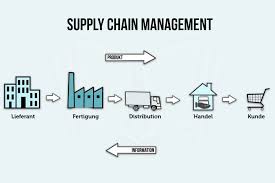
The concept of SCM (Supply Chain Management) has been in practice for centuries, holding a significant position in market business development. Companies involved with supply chain management usually emerge as the principal market developer and players. Supply chain management has integrated major business activities into a series of process that include the obtaining of raw materials, transportation, production and allocation and distribution (Lavastre, Gunasekaran and Spalanzani, 2014, p. 3382). How well and effective supply chain management has played in the development of companies can be traced to the development of the global market economy. It is through the effective management of supply chain that an integrated system of business operation has been attained globally. Companies can obtain products, distribute and supply all over the world. Hence, it can be observed that supply chain management is the backbone of business operation in helping companies achieves organizational objectives.
In the past several years the world has experienced an increasing economic volatility, as observed in the economic recession, customer demand, fuel and commodity pricing and the rapid movement of raw material (Sandberg & Abrahamsson, 2010, 57). This significantly continue to affect business objectives and daily operation. Companies must respond to conditions of reduced labor pool, stagflation, deflation, energy consumption and sustainability in attaining their organizational goals (Hamister, 2012, p.427). However, effective strategic supply chain management together with well-defined tools and plans will help alleviate the pressure that business organization is experiencing today and bring a change in market development globally.
Importance of Effective Supply Chain Management
Boost Customer Service
One of the primary objectives and core contribution of any business organization is to focus on how their clients are well attended and offering comfortable service to their clients (Milliken, 2012, 4). It is a business goal to attract most customers to the company as this triggers sales and general incomes for a company. This is only attained through a consistency working environment and service oriented toward clients. Supply chain management is the right tool in ensuring that companies achieve their objective of securing a stable and safe flow of customers throughout the year.
Customers are usually motivated by the effort a company put in providing service, care and attending to their needs and demands. Clearly, Supply chain management is an effective component of business performance. They ensure right product assortment, quality and quantity are delivered to the customer when they are needed and where. The supply logistic plays a major role in product allocation at different point of customers demand. SCM helps a company identify markets that are in high demand for their products and then respond promptly (Seuring & Gold, 2012, 555). Additionally, the system ensures that the clients receive quality service and streamline every business operation towards the satisfactory of the customers. A happy client is a good indicator of a prosperous business organization. Companies invest in their customers through boosting the efficiency of their supply chain management to satisfy the clients demand adequately and needs.
Inventory control and Visibility
The Enterprise Resource Planning is one of the pervasive tools for Supply Chain Management. ERP is responsible for controlling the flow of raw materials, from one point of production to the next throughout production. Its primary target is bringing a balance in the inventory control, inventory visibility and work order management, purchasing among many others. The Supply chain management through the ERP tool systematically coordinates the manufacturing operation, record keeping in the inventories efficiency (Kanungo, 2012, p. 2-3). It helps an organization to keep their complex facilities running smoothly, with any organization that has a well-defined inventory system. SCM is responsible for maintaining an efficient system, which in return bring low inventory cost and offers consistency in timely availability of products and services. This attracts more customer, investment and increases business operation and profits. Thus, SCM is considered an important ally of inventory management in improving productivity in attaining organization objectives.
Inventories determine the value of a company and are regarded as a valuable asset to any organization. Every business must establish a standard inventory turnaround that is equally optimum for the management and operation of the firm. The inventory turnaround dictates the company prosperity, and this is attained through having a well established strategic supply chain management system. In this case, Enterprise resource planning is responsible for the management, storage, and interpretation of the inventory and product in a company (Groznik, & Trkman, 2012, p.1101). It plays a significant role in the integrated view of business processes and activity. SCM through this tool is able to identify and track business activities, resources and raw material allocation, and the general production capacity of an organization. Through adopting a well-structured Supply Chain Management system, a company is capable of facilitating information flow and management connection both internal and external.
Capital Efficiency and Reduced Time-To-Market
The primary objective of business is to subsidize production cost and maximizes the output. This is significantly attained through the help of Supply Chain Management. Most companies that invest in supply chain management concentrate on demand forecasting, correct order management, and market allocation. This assists the company in avoiding waste and risk associated with distribution and supply of products as well as production. Supply chain management assists in identifying the right place to invest and the process through which the company can require resources and distribute their product without experiencing massive losses (Richey, et al., 2011, p. 365).
Demand prediction in SCM is effective in assisting a company maintains upfront in a competitive environment. Capital and cost of operation are equally controlled when the company forecast demand and provide a correct order management. Supply Chain Management responsively address customers request based on time management, product mix, flexibility, and quality (Arlbjørn, Freytag & de Haas, 2011, 277). This makes a company stays independent in a competitive market and reduce the cost of operation and management. The power of capital efficient and time management as expressed in SCM is substantial in the development of a company towards goal orientation. Every company with a well-structured supply chain system maintains a low cost of operation through saving time and avoiding product waste.
Improve Marketing and Sales Competitiveness
The main aim of business is to make a profit through marketing and sales. Every business operation must strategize on their marketing and sales to counter the competitive pressure from other business companies. In this light, the implication of Supply Chain Management has been effective in designing companies marketing and sales. Moreover, an integrated supply chain helps companies to position themselves as major products suppliers improving their marketing position within a competitive environment (Kirovska, Josifovska and Kiselicki, 2016, p. 7). Since marketing has become a highly competitive entity; companies that adopt the most significant SCM system especially with the emergence of new players, tend to flourish in their sales and production. A well-developed supply logistic dictates the position of a company in terms of its marketing and sales. SCM helps a company to enhance customer satisfaction through offering quality, reliable, timely service and products. This intern improves the competitive pricing and company performance resulting in a generous profit for the enterprise.
Nevertheless, supply chain management is responsible for integrating different marketing and sales activities such as production, distribution, pricing and advertisement to boost business marketing position. SCM developed marketing evaluation to identify significant targeting regions and customers demand (Luthra, Garg & Haleem, 2013, 930). It also helps in developing a marketing comparison strategy among various factors that influence production, distribution, and consumption in marketing and sales. This helps in sales prediction to avoid risk and loss that a company can possibly incur during operation.
How organization compete with supply chain
Eliminating Redundant Steps in business operations
Companies have adopted strategies in enhancing the efficiency of supply chain management throughout their business operation. One of the processes through which companies manage to establish competition in supply chain management is through eliminating redundant and unproductive steps in the business process (Choi, 2012, n.p). This includes saving salary cost to help workers avoid unnecessary procedures. Additionally, prevent overproduction of commodities and distribution to market in supply management of products helps in eliminating redundant business process. Supply chain management is essential in controlling cost and pricing. Hence, companies must adjust their quality, marketing strategy to ensure standard income profits.
Supply Chain Management assist in the reduction of labor cost and lost sales. Most companies have advanced in their method of production and inventory to ensure less loss is accounted during marketing and stock inventory. Strategies like FIFO and VIVO are some of the inventory tools that are being adopted to enable competitiveness in supply chain management is maintained (Simpson, et al., 2015, 88).
Technology Advancement
Another process that companies have riveted towards competing with the supply chain is through the advancement in technology. Modern innovation in the business organization has created a tremendous impact on how business operates their supply chain management. It is through technology that global marketing and supply chain management has been attained. Companies are able to conduct production distribution, supply, production, and marketing at a global platform. Further, it has increases the target consumers for companies broadening the scale of the supply chain. International organizations operate through the global market to conduct their supply management system (Sharma, 2013, 287).
E-commerce, electronic communication, and internet marketing are all attributes of modernized technology in the supply chain management sector. Companies have advanced the way they supply, distribute and product their product to the consumer without incurring extra costs. Relatively, the incorporation of technology in SCM has widened the scope of business operation for companies further increasing their organization objectives. Technology has simplified how SCM is operated and managed, increasing the use among companies. As a result, the level of competition among companies has increased. Communication tools and planning tool are the chief informational technology advancement that has brought upscale competition in the supply chain management sector.
Value Added Process
Product flexibility, quality, and the general production system also plays a critical part in influencing the process of the supply chain. This influences the competition in cost, distribution, production and supply of commodities to consumers (Kuei, Christian and Chinho, 2010, p. 4458). Additionally, value added process dictate how customer are attracted to products produced by a company. The product flexibility can shift the demand either positively or negatively; same can be accounted for quality and the production system. The value added process is an issue affecting the supply chain management of business (Seth, Goyal & Kiran, 2015, 248). This causes the existence of competition between an organization operation and its supply chain.
Sustainability and Social Responsibility
The external environment is essential in analyzing the factors that ripple competition among business organization and SCM system. The supply chain network is frequently quantified by the social environment or a company. This is determined by the economic, social and environmental issue surrounding the environment. The organization must establish a strong relation with those involved in the logistic networks who are the clients. Aspects of social ethics, culture, and tradition plays a significant role in the supply chain (Ashby, Leat, & Hudson-Smith, 2012, 497). These factors define the business operation and its supply chain management. The external surrounding is responsible for defining the consumer trends and demand in the market; it also influences the distribution, supply and production of the product to the target market. The company must, therefore, comply with their social surrounding and sustainability to effectively conduct supply chain management (Beske & Seuring, 2014, 320).
Social Policies and Regulation
The government also contributes on how organizations compete with their supply chain. Supply chain management laws and regulation are imposed to help control the flow of good and service in any logistic network. This affects the process through which companies operate their supplies, distribution and production of goods. The tax efficiency can influence the globalization of supply chain management among different government operation system. Same applies to international and local policies and regulation in business operations.
Conclusion
Supply chain management has a strategic place in promoting company success and companies must therefore work towards streamlining their supply chains to deliver optimal value. This is particularly important, based on the current trends in the economy that have rendered companies susceptible to unforeseen financial impacts. Effective supply chain management plays the imperative role of boosting customer experience, inventory control, visibility, capital efficiency, marketing and sales competitiveness. In order to sustain this, companies must compete with their supply chain and thus ensure that they provide the best value. This can be done through eliminating redundant business operations, technology advancement, process value addition, promoting sustainability and participating in corporate social responsibility. Adhering to social policy and regulations can enhance a company’s ability to compete with the supply chain.
References
Arlbjørn, J.S., Freytag, P.V. & de Haas, H. 2011, “Service supply chain management”, International Journal of Physical Distribution & Logistics Management, vol. 41, no. 3, pp. 277-295.
Ashby, A., Leat, M., & Hudson-Smith, M. 2012. Making connections: A review of supply chain management and sustainability literature. Supply Chain Management, 17(5), 497-516. doi:http://dx.doi.org/10.1108/13598541211258573
Chae, B, Olson, D, & Sheu, C 2014, ‘The impact of supply chain analytics on operational performance: a resource-based view’, International Journal Of Production Research, 52, 16, pp. 4695-4710, Business Source Complete, EBSCOhost, viewed 19 April 2016. Retrieved from eds.a.ebscohost.com/ehost/pdfviewer/pdfviewer?vid=7&sid=aaeacbc0-639c-47a8-a0be-b74cdd38d404%40sessionmgr4005&hid=4103
Choi, D. 2012, Supply chain governance mechanisms, green supply chain management, and organizational performance, The University of Nebraska – Lincoln.
Kanungo, S 2012, ‘IMPROVED SUPPLY CHAIN MANAGEMENT USING INTEGRATED ERP SYSTEMS’, Global Management Review, 7, 1, pp. 1-4, Business Source Complete, EBSCOhost, viewed 19 April 2016. Retrieved from eds.a.ebscohost.com/ehost/detail/detail?vid=10&sid=aaeacbc0-639c-47a8-a0be-b74cdd38d404%40sessionmgr4005&hid=4103&bdata=JnNpdGU9ZWhvc3QtbGl2ZQ%3d%3d#AN=103541254&db=bth
Kirovska, Z, Josifovska, A, & Kiselicki, M 2016, ‘Efficient Management Of Supply Chain In Achieving A Significant Competitive Advantage In The Market’, Journal Of Sustainable Development (1857-8519), 5, 14, pp. 5-22, Business Source Complete, EBSCOhost, viewed 19 April 2016. Retrieved from eds.a.ebscohost.com/ehost/pdfviewer/pdfviewer?vid=8&sid=aaeacbc0-639c-47a8-a0be-b74cdd38d404%40sessionmgr4005&hid=4103
Kuei, C., Christian N. M., & Chinho L 2011, “Developing global supply chain quality management systems.” International Journal of Production Research 49, no. 15 (August 2011): 4457-4481. Business Source Complete, EBSCOhost (accessed April 19, 2016). Retrieved from eds.a.ebscohost.com/ehost/pdfviewer/pdfviewer?vid=4&sid=aaeacbc0-639c-47a8-a0be-b74cdd38d404%40sessionmgr4005&hid=4103
Lavastre, O, Gunasekaran, A, & Spalanzani, A 2014, ‘Effect of firm characteristics, supplier relationships and techniques used on Supply Chain Risk Management (SCRM): an empirical investigation on French industrial firms’, International Journal Of Production Research, 52, 11, pp. 3381-3403, Business Source Complete, EBSCOhost, viewed 19 April 2016. Retrieved from eds.a.ebscohost.com/ehost/pdfviewer/pdfviewer?sid=aaeacbc0-639c-47a8-a0be-b74cdd38d404%40sessionmgr4005&vid=13&hid=4103
Luthra, S., Garg, D. & Haleem, A. 2013, “Identifying and ranking of strategies to implement green supply chain management in Indian manufacturing industry using Analytical Hierarchy Process”, Journal of Industrial Engineering and Management, vol. 6, no. 4, pp. 930.
Milliken, A.L. 2012, “The Importance of Change Management in Supply Chain”, The Journal of Business Forecasting, vol. 31, no. 2, pp. 4-7,9.
Richey, R. G., Hilton, C. B., Harvey, M. G., Beitelspacher, L. S., Tokman, M., & Moeller, M. (2011). Aligning operant resources for global performance: An assessment of supply chain human resource management. Journal of Management and Organization, 17(3), 364-382. Retrieved from http://search.proquest.com/docview/871907441?accountid=45049
Sandberg, E., & Abrahamsson, M. (2010). The role of top management in supply chain management practices. International Journal of Retail & Distribution Management, 38(1), 57-69. doi:http://dx.doi.org/10.1108/09590551011016331
Seuring, S. & Gold, S. 2012, “Conducting content-analysis based literature reviews in supply chain management”, Supply Chain Management, vol. 17, no. 5, pp. 544-555.retrived from
Sharma, M.M. 2013, “A Study on the Concept of Green Supply Chain Management”, Journal of Supply Chain Management Systems, vol. 2, no. 1, pp. 1-7 Gould, J.E., Macharis, C. & Haasis, H. 2010, “Emergence of security in supply chain management literature”, Journal of Transportation Security, vol. 3, no. 4, pp. 287-302.retrived from http://search.proquest.com/business/docview/807496072/6DCAF347FBA34C2EPQ/11?accountid=45049
Three x 300 word entries will be a critical and analytical reflection on radio listening: at least
one entry from one community, one commercial and one public radio station.
One of the entries must discuss a news, current affairs or talk journalism program. You may
choose to analyse international radio accessible online, but the content must be in English.
You must head each entry with which station you were listening to (use its call sign and
frequency eg. Fbi 94.5FM or 2GB 873AM), how you listened (radio, internet streaming,
podcast), what date you listened, at what time, for how long, and to what or whom you were
listening (this heading is NOT included in the word count for the commentary, but omitting the
header information will cost you marks). Your analysis might include discussion on the role of
the presenter and her/his performance, the format and use of the medium, or the connection
with you as listener. Think about how sound was used and with what purpose. What worked
to engage you? What didn’t? Why? Make sure to refer to relevant academic literature in order
to support your reflections.
This journal is not a scrapbook, a diary, or a school project. It is a scholarly, reflective
analysis and assessment of your own reading, learning and thought, week by week.
The entries should demonstrate progress in your knowledge, understanding and depth of
thinking about radio (for example, about it as a medium, its strengths and limitations, about its
historical and cultural roles and how these have changed, or what its future might be). The
best work will evidence a clear development in depth of knowledge and sophistication of
thinking about radio. It will be very obvious to the reader if you have written all or most entries
in the last two weeks of semester, and you will lose marks, so try to ensure you spread your
work for this assignment across the semester.
To say anything meaningful in 300 words will be an exercise in the concise and precise use of
language – which is exactly what broadcast writing also demands. The best work will offer
some original analysis and insight, based on critical listening and what you are learning in the
Unit, as well as your own reading.
SAMPLE ANSWER
Listening Reflections
Station: Triple J Radio 99.3 FM
How listened: Internet radio
Date: Monday, April 4, 2016
Time: 9:00 pm to 9:30 pm
How long: 30 minutes
What: Home and Hosed show by host Dom Alessio.
This is the national radio station that I listened to. For a period of 30 minutes in which I tuned in to Triple J national radio, I listened to Australian news from across all regions of this country and a little international news. Dom Alessio, who was the host of the show, did not just bring news from all over Australia, but he also played Australian music from across the nation. All in all, the presenter provided news about the youth of Australia, and there was an interview with various young people aged 16-24 years who talked about their concerns, and this is largely what engaged me to the show. Since its inception, Triple J national radio station has been airing news with a youth angle, which includes news bulletins programs. Another thing that really engaged me to the show is that the presenter used talkback in his show. In essence, talkback refers to a radio format wherein the main content is produced by the responses of the listeners to the invitation to call and talk live with the presenter or the show’s host and their audience (Ward, 2012; Turner, 2009). A number of listeners phoned in and talked to Dom Alessio live.
With a committed news team, the show that I listened on Triple J produced and presented news by young persons and for young persons. On the whole, Dom Alessio during the show covered the latest news from a youth-oriented viewpoint. Sound was used for the purpose of making the show entertaining and lively to the listeners, and to make listeners continue listening to the show as their favourite songs get played (Wilson, 2013). It was also utilized to connect to the listeners, entertain them, engage them and make the show more enjoyable so that listeners continue to tune in to the show (Kantor & Peleg, 2016).
References
Kantor, E., & Peleg, D. (2016). Efficient [formula omitted]-shot broadcasting in radio networks. Discrete Applied Mathematics, 20279-94. doi:10.1016/j.dam.2015.08.021
Turner, G. (2009). Politics, radio and journalism in Australia. Journalism, 10(4): 411-430
Ward, I. (2012). Talkback Radio, Political Communication, and Australian Politics, Australian Journal of Communication 29: 21–38.
Wilson, C. K. (2013). Youth, radio and Australian popular music policy. Perfect Beat (Equinox Publishing Group), 14(2), 100-119. doi:10.1558/prbt.v14i2.100
We can write this or a similar paper for you! Simply fill the order form!
Basically, you will need to read 20 pages and answer these questions below in an essay form please.
1- Statement of the issue – one or two sentences.
2- Review of the authors arguments – one or two paragraphs stating at least three major points made by each author.
3- Comparison of arguments – at least one paragraph contrasting what each author had to say.
4 – Your opinion – at least one paragraph explaining either
a) why you agree with one of another, or
b)why you disagree with all the authors.
5- Discussion Question – an open ended question that you derive from the readings.
This is the textbook name just in case you need to know or if you want to quote anything. “The Enduring Debate (Norton, 2014)
SAMPLE ANSWER
Chapter Summary
Statement of Issue
The paper revolves around one fundamental concept of the role of elected representatives in congress. Most of the decisions made by the members of congress are solely of self- interest, pursued to ensure re-election, a narrative practiced for many years by members of congress who go against set policies and opinions of the general population (Canon, Coleman & Mayer, 2014).
Review and Comparison of Arguments
David Mayhew believes that most members of congress are self seekers and would only engage in any activity that sees their re-election back in the House of Representatives. David Mayhew notes that members of congress would use three main tactics to remain relevant so that they can be re-elected back in Congress. These methods include use of advertising, position taking and credit claiming. Advertising involves making appearances in public forums by necessarily engaging in activities such as ribbon cutting ceremonies, speeches, interviews and franking. Position taking involves using speeches or roll call votes to come out with a popular position that changes certain policy. Certain laws become directly associated with them. Credit claiming involves use of caseworks, pork and particularistic policies (Canon, Coleman & Mayer, 2014). May hew hold the view that Members of congress are never solely held or motivated exclusively by their quest for re-election, but most behaviors that are shown by members of congress portray all activities associated with re-election
Richard Fenno seeks to answer an important question regarding how elected representative become affected by the views of the constituents and the general population. Fenno identifies goals of a member of congress first before going to see how such behaviors may influence the represented area and political area. Fenno notes that the major goal of members of congress is re-election, good power policy and power in the congress.
Fenno argues that most of members of congress engage in different activities in their home districts as compared to their behavior in Washington (Canon, Coleman & Mayer, 2014). These are white Fenno refers to as home styles. They include categorizing people in different circles. The broadest circle includes the largest geographical locations where the huge population of different people. This encompasses all potential votes. The second circle encompass people who would specifically vote for the member of congress while the third circle encompasses people who would are primary supporters. The last circles include the immediate family members, close friends and allies. This is where original decision are made and implemented.
Opinions
Mayhew puts into perspective all factors that are considered by most political members of congress in ensuring they remain relevant. Once a politician remains relevant for the entire period they are in congress, it is more likely that they will be re-elected. However, their major decisions will be solely based on all opinions that are accepted within the population, Mayhew fails to mention some key critical issues associated with re-election such as parties and the general attitude during an election (Canon, Coleman & Mayer, 2014). Fenn mentions how most people cast their votes irrespective of the varying opinions among members of congress. In doing so, Fenn establishes the more likely source that members of congress will use to get more power to retain their seats.
Discussion Question
What is the relationship between opinions meted by members of Congress and their re-election bids?
References
Canon, D., Coleman, J., & Mayer, K. (2014). The Enduring Debate: Classic and Contemporary Readings in American Politics (Sixth Edition) 6th (6th ed.). New York: w.w.w. Norton.
Please follow all the attached instructions carefully
SAMPLE ANSWER
Deep vein thrombosis is a serious health condition often associated with fatal consequences. The patient presents with many risk factors that increase her chances of developing DVT. The patient has had a re-current DVT condition which could be an indicator that she has an inheriting blood clot disorder. This disorder makes the patient’s blood clot with ease. This inherited condition does not cause health complication, unless it is facilitated by other associated risk factors (Aubry, Etheridge, & Couturier, 2012).
Disease pathophysiology and treatment
DVT occurs when a thrombus (blood clot) forms in one of the patients deep veins in their body- normally in the legs. The disease pathophysiology indicates that the disease could be arising from a triad of possible alterations in the venous system. This includes the injury of the vessel wall, changes in blood flow patterns (venous status) and changes in blood constituency (hypercoagulability). These changes occur due to various factors such as pathologies, treatments and therapies. Blood vessel injury can occur due to trauma, invasive treatments of surgery (Aubry, Etheridge, & Couturier, 2012).
Venous stasis is mainly common in patients on prolonged bed rest which causes changes in blood circulation. Patient medication can alter the coagulation of the blood. The most causative agent for this patient is venous stasis and hypercoagulability. Venous stasis is suspected because the patient is old and presents with multiple comorbidities that make her remain at rest for a long time. Hypercoagulability is suspected because the patient is under many medications that could be interacting, affecting coaguability of blood. Additionally, the patient smokes and uses alcohol, additional factors associated with the alterations of her blood constituencies (Songwathana, Promlek & Naka, 2011).
Treatment of deep vein thrombosis aimed at preventing blood clotting from becoming bigger and also to ensure that the clot does not break loose causing further complications such as pulmonary embolism. After this, the next goal is to ensure that risk factors that could lead to re-current DVT are addressed. The main treatment includes blood thinners/ anticoagulant which help in decreasing the ability of the blood to clot (Dunphy et al., 2012).
The medication helps reduce risks of developing additional clots. In this case, the patient is given an infusion of heparin (appropriate doasage) for few days. Upon discharge, the patient is given warfarin. The patient is also given compression stockings which helps prevent edema associated with DVT. Other treatments such as use of filters and clot-busters will be considered if the aforementioned medication regimen fails to improve patient condition (Kibbe, Pearce, & Yao, 2010).
Patient’s rick factors
In this regard, the patient is at high risk of recurrent DVT because of the following risk factors. To start with, the patient has osteoporosis complication on her RT knee. This implies that her normal lifestyle comprises of prolonged rest. When patient legs remain still for a prolonged duration, the calf muscles fails to contract effectively to facilitate blood circulation, this increases the likely hood of re-current DVT (Songwathana, Promlek & Naka, 2010). The patient is smokes which increases her risk of DVT. Smoking by products affects the blood clotting and circulation, which further increases her risk for recurrent DVT. Cardiovascular disease complications increase the risk for DVT. This is attributable to the fact that she already has limited heart function, which exacerbates even with minor symptoms of DVT. The age also increases risk factors for DVT. The patient is 74 years (above 60 years) which increases risk for DVT (Kibbe, Pearce, & Yao, 2010).
The patient should be educated on common indicators of the onset of DVT. Generally, the patient experiences general body weakness. This symptom is nonspecific as many health conditions make the patient to be generally weak (Bagot & Tait, 2012). However, if the patient experiences oedema in the affected extremity and feels a bumpy knotty vein, she should seek medical attention immediately. The patient is likely to experience throbbing aching pain on the affected extremity especially during movement (Dunphy et al., 2012).
Nursing Care plans (Songwathana, Promlek & Naka, 2011);
a) Maintain tissue perfusion to manage the thrombus
b) Minimize patient paint to promote maximum patient comfort
c) Prevention of further complication
d) Providing patient education on the disease process and treatment regimen
DISCHARGE PLANS
Discharge the patient when:
a) Tissue perfusion improved in the limb affected
b) Pain and discomfort is resolved
c) Further complication is prevented
d) Disease prognosis and therapeutic needs is well understood
e) Care plan is put in place to meet further needs after discharge
Discharge item
Procedure steps suggested
RN Initials once completed
Reconciliation of medication
RN discusses with the patient/caregiver the post discharge medication including the interaction and side effects.
Patient understands the alternative medications and their consequences
Patient/caregiver given list of post-discharge medication-pharmacists involved if necessary. Patient should call in for any new prescriptions
Confirms medication are available in the pharmacy and covered by patients medical cover post discharge
RN describes the benefits for medication adherence
Transition record
RN completes written transition/discharge summary
Discharge plan reconciled with the transition record and care plan clinical guidelines
Patient instructions
Patient/caregiver provided with simple instructions for primary language of the patient and the care provider. The format is individualised in a manner that patient and caregiver understands, no use of clinical abbreviations
Patient advised not to stop or introduce new treatment without talking to the physician
Patient/care giver is educated on the vital signs and symptoms for recurrent DVT
Follow up
Patient appointment for follow-up care is done
Patient provided with name, address, phone number of healthcare provider, date and time is indicated. Reason for the visit is written in a way that the patient and caregiver understands
Patient/caregiver is encouraged to carry with them the medication list to healthcare provider involved in delivery of their care
Patient counselling for DVT and anti-coagulant therapy
The healthcare provider should review the disease pathophysiology describing possible complications and their clinical manifestation. The patient is taught about the symptoms that they should do if they experience pain, swelling tenderness, redness or other discolouration of the affected leg, rapid pulse, shortness of breath, chest pains, coughing up of blood and raid pulse (Schulman, 2014). These adverse reactions should be checked when taking anticoagulants. The patient should contact her healthcare provider immediately (Davies, Lumsden, & Vykoukal, 2011). This increases the patient/care giver knowledge base from which they can make informed choices.
The patient should be advised to balance between activity and rest. Rest is important as it reduces oxygen demands and nutrients demands of the compromised tissues. The risks for fragmentation of thrombus are reduced significantly. Attaining the balance is important as it prevents further exhaustion. However, prolonged rest is dangerous too. The patient is referred to a physiotherapist to identify the most appropriate individualized activity program (Nyamekye & Merker, 2012).
The RN role is not only treating the disease, but to ensure that the patient obtains holistic healing. This implies that the RN should explore the predisposing factors that could be promoting re-current for DVT. The patient should be given more information on prescription assistance programs if RN identifies concerns of medication cost (Moneta, 2011). Additionally, the patient should be encouraged to stop smoking and should be enrolled in smoking cessation programs. The patient health status requires her to sit for a prolonged time. Therefore, RN should discuss with the patient on measures that can be used to promote blood flow in the extremities. This includes stretching or short walking distances after every three to four hours. The initiation of this new lifestyle will help change behaviors and will prevent DVT re-current (Dunphy et al., 2012).
The patient/care giver should be educated on the importance of adhering to anticoagulant medication to full treatment regimen. This helps in reducing risk factors for re-current DVT. The patient discussion is tailored to the mode of administration. This includes ensuring that the patient is comfortable with the parenteral agent. For oral anticoagulant that requires monitoring of INR, the patient or care giver must be educated on monitoring schedule and requirements. If on the course of the treatment the dosage regimen will change, the schedule is reviewed with the patient to ensure that they understand it (Huether & McCance, 2012). Understanding of these processes is important as it promotes cooperation of the prescribed therapy and reduces the chances of ineffective or improper use of therapeutic measures. This helps in promoting her safety by minimizing risks of deleterious side effects due to inadequate therapeutic responses (Dunphy et al., 2012).
Once the patient is discharged, they need to take steps that will help improve their quality of life. This includes activities such as checking regular medication and treatments. For instance, the patient under warfarin medications needs to have regular blood test to check blood clotting (Ghanny & Crowther, 2011). Their diets should be monitored because foods rich in vitamin K (green leafy vegetables, multivitamins, and bananas) interact with warfarin medication by increasing prothrombin activity. The blood thinners should be taken as directed. The patient should look out for excessive bleeding, normally a side effect for blood thinners medications. Patient safety must be maintained to avoid activities that will cause blood injuries. Other measures such as use of compression stockings should be used to minimize blood clots (Carlson & Pfadt, 2012).
References
Aubry,, F., Etheridge, F., & Couturier, Y.,(2012). Facilitating Change Among Nursing Assistants in Long Term Care. The Online Journal Of Issues In Nursing, 18(6). http://dx.doi.org/10.3912/OJIN.Vol18No01PPT01
Bagot, C., & Tait, C. (2012). Deep vein thrombosis: diagnosis, prevention and treatment. Prescriber, 23(6), 43-48. http://dx.doi.org/10.1002/psb.885
Carlson, D., & Pfadt, E. (2012). Preventing deep vein thrombosis in perioperative patients. OR Nurse, 6(5), 14-20. http://dx.doi.org/10.1097/01.orn.0000418810.59376.38
Davies, M., Lumsden, A., & Vykoukal, D. (2011). Chronic venous insufficiency. Minneapolis: Cardiotext Pub.
Dunphy L M Winland-Brown J E Porter B O Thomas D J 2011 Primary care: the art and science of advanced practice nursingDunphy, L. M., Winland-Brown, J. E., Porter, B. O., & Thomas, D. J. (2011). Primary care: the art and science of advanced practice nursing (3rd ed.). Philadelphia, PA: F.A. Davis Company.
Ghanny, S., & Crowther, M. (2011). Management of deep vein thrombosis diagnosed during active labour. Thrombosis Research, 127(2), 170. http://dx.doi.org/10.1016/j.thromres.2010.08.011
Huether, S. E., & McCance, K. L. (2012). Understanding pathophysiology (Laureate custom ed.). St. Louis
Kibbe, M., Pearce, W., & Yao, J. (2010). Venous disorders. Shelton, Conn.: People’s Medical Pub. House—USA.
Moneta, G. (2011). Symptomatic perioperative venous thromboembolism is a frequent complication in patients with a history of deep vein thrombosis. Yearbook Of Vascular Surgery, 2011, 83-84. http://dx.doi.org/10.1016/j.yvas.2011.03.009
Nyamekye, I., & Merker, L. (2012). Management of proximal deep vein thrombosis. Phlebology, 27(Supplement 2), 61-72. http://dx.doi.org/10.1258/phleb.2012.012s37
Schulman, S. (2014). Distal deep vein thrombosis – a benign disease?. Thrombosis Research, 134(1), 5-6. http://dx.doi.org/10.1016/j.thromres.2014.04.001
Songwathana, P., Promlek, K., & Naka, K. (2010). Evaluation of clinical nursing practice guideline for preventing deep vein thrombosis in critically ill trauma patients. Australasian Emergency Nursing Journal, 13(4), 148. http://dx.doi.org/10.1016/j.aenj.2010.08.291
Trapeznikova, E., & Vorobyeva, N. (2013). P-016 Hereditary factors of the risk of deep venous [deep vein] thrombosis. Thrombosis Research, 131, S80. http://dx.doi.org/10.1016/s0049-3848(13)70062-8
We can write this or a similar paper for you! Simply fill the order form!
1. Describe the topic and case provided. Sets the scene clearly for essay.
2. Provide description aetiology of Post Natal Depression (PND) and factors associated with the development of PND. Clearly differentiates from ‘baby blues’ and identifies risk factors apparent for Sally.
3. Provide an overview and explanation of common signs and symptoms associated with PND. Relates clearly and succinctly to the case of Sally provided.
4. Describes the criteria for assessment and diagnosis of Post Natal Depression. Outlines screening tools used pre and postnatal for the identification of PND. Demonstrates a clear understanding of why Sally was diagnosed with PND.
5. Describes the psychological and physiological alterations that may accompany PND. Provides an e overview of Pathophysiology associated with PND to required depth. Relates clearly and succinctly to the case of Sally provided.
6. Explains the main goal of management for Sally and treatment available. (Pharmacological and non-pharmacological). Relates clearly and succinctly to the case of Sally provided.
7. Provide an overview and explanation of short and long term complications associated with PND. Relates clearly and succinctly to the case of Sally provided.
8. Provides an excellent overview and explanation of 3 lifestyle modifications relevant to Sally’s condition. Provides a correct overview of support services available for Sally. Relates clearly and succinctly to the case of Sally provided .
References
• Minimum 14 references (credible sources).
• Word count – 2000
SAMPLE ANSWER
Introduction
Why am I not happy after giving birth? What is wrong with me? These are some of the questions that some women ask themselves a few days after giving birth. Instead of life with a new baby being rewarding and thrilling, it becomes so hard and stressful. What such women do not understand is that several emotional as well as physical changes occur to them when they are pregnant and after they have given birth. These feelings can relapse quickly or they can persist for quite a long period and even get worse a condition referred by physicians as postnatal depression (PND). PND is a disorder characterized by a wide range of emotional and physical alterations that many women experience after birth (O’hara & McCabe, 2013). Normally, PND occurs a few days after a woman has given birth. It is not only experienced after the birth of the first borne only but also with other children. A mother can have abrupt mood swings, sleeping problems, sadness, restless, irritable, lonely, anxious, and a woman’s daily activities are also affected. These symptoms are brought out clearly in the case study provided. For instance, Sally says she feels tired and exhausted from looking after her children, she has lost her appetite, and sleeps for only 4-5 hours a clear indication that she is having sleeping problems. Moreover, Sally reports that she has difficulty concentrating in her accounting work and has recently become forgetful with her daily chores, feels lonely, and does not cope with her situation.
PND is caused by several factors. According to O’Hara (2013), women experience hormonal changes in their bodies that activate depression symptoms after pregnancy. During pregnancy, the levels of progesterone and estrogen hormones increase substantially in a woman’s body. However, the amounts of these hormones decrease drastically to their normal non-pregnant levels within 24 hours of giving birth. This rapid drop in hormone levels has been implicated to depression, the same way that hormonal changes in a woman before she gets her menstrual period affects her moods.
At times, the levels of thyroid hormones may also decrease just after a woman has given birth (DelRosario, Chang & Lee, 2013). The thyroid gland is an organ that is responsible for regulating the body’s metabolism. However, when one has low levels of thyroid hormones, he/she can experience symptoms of depression such as decreased interest in activities, fatigue, irritability, difficult concentrating, sleep disorders, depressed mood as well as weight gain. These symptoms are similar to those reported by Sally in her presentation. A simple blood test can be conducted to determine if hypothyroidism is responsible for Sally’s depression. If so, Sally can be put on some thyroid medicines such as thyroxine and levothryronine, which will aid in increasing her hormone levels.
It is vital to note that there are some other factors that can contribute to development of postnatal depression. These factors include;
Broken sleep patterns, feeling tired after childbirth, and lack of adequate rest can keep a mother from recovering her full strength for several weeks,
The stress from variations of routines both at home and work whereby some mothers feel they should be “super moms” to their kids which usually is not the case and results in stress build up.
The feeling of having less free time and less control over it. The mothers feel depressed because they realize they will start staying indoors most of the time and will spend less time with their loved ones and partners.
PND differs from baby blues in various ways. For instance, baby blues’ onset is within 1-2 days after childbirth. It resolves without any intervention within 10 days after birth. Some of the symptoms of baby blues include sadness, mood swings, crying spells, anxiety, and loneliness (Gilbert, 2014). These symptoms are not severe and do not require any medical attention to be taken. Some of the intervention that can be conducted include taking a nap when a baby does, joining support groups, or talking to other moms. This is in contrast with PND which affects the well-being of a woman. It also affects the functioning of a woman for a long time. PND does not relapse easily. For management, PND is treated by a qualified doctor. Support groups, counseling, and medicines can also help.
It is important for mothers to know the common signs and symptoms of PND so that they can seek medical attention at the right time (O’Hara et al., 2009). Some of the sign and symptoms include;
Irritability, where a mother sometimes feels angry for no valid reason,
Anxiety,
Panic attacks are also common with symptoms of nausea, sweating hands, and a thumping heart.
Sleeping problems; mothers find it a bit difficult to sleep even though the baby is sound asleep.
Tiredness; the women are lethargic, cannot cope house chores, taking care of the baby or other tasks.
The women have poor concentration, can be confused and distracted. They also have trouble remembering or making decisions.
Being worried excessively about the baby
Feeling guilty and worthless
No interest in certain activities such as sex
Lack of appetite result in weight loss.
Overeating and weight gain
Tearfulness where a mother can cry often for reasons she understands very well
Obsessive behavior
Having chest pains, headaches, heart palpitations, hyperventilation, and numbness
PND assessment and diagnosis can be missed because the less severe symptoms are usually common after childbirth. Majority of the mental illnesses especially depression have similar symptoms as those of PND. During evaluation, a physician will ask about the patient’s symptoms; what they are? How long they have lasted, and how bad they are. The patient will also be asked on whether she has ever had similar symptoms before. Family or marital problems will also be assessed as well as presence of any family member with mental illness or if the patient has indulged in drug and alcohol abuse (Pearson et al., 2013). The patient’s medical history will also be examined appropriately to determine whether the patient has any physical cause that could be responsible for the manifested symptoms. Moreover, the physician can use screening tools to conduct the diagnosis. Some of these screening tools include;
Edinburgh Postnatal Depression Scale: This is a screening tool that consists of ten questions which a patient answers (Cox, Holden & Henshaw, 2014). Upon evaluation, the patient’s answers the probability of having PND. A score of 10 such as the one that Sally had during her pregnancy is an indication that she could be depressed. However, a score of above 10 indicates that the patient is at a high risk of developing PND and therefore should seek quick medical attention. For instance, Sally had a score of 22. This indicated that she had severe PND symptoms and she deserved urgent medical interventions to be taken.
Patient Health Questionnaire (PHQ-9) – This is a tool can be used pre or postnatal for screening, diagnosis, evaluation, and determining the severity of depression in an individual (O’Connor et al., 2016).
Postpartum Depression Screening Scale (PDSS) and Center for Epidemiologic Studies Depression Scale (CES-D) are other tools that can be used for PND diagnosis and assessment.
PND has been linked with several psychological and physiological alterations. Some of the psychological changes include the feeling of one wanting to stay indoors and not meeting friends and other ones (Nanzer et al., 2012). A woman can become excessively obsessive whereby a woman tidies her home meticulously and tries to maintain high standards. A mother can also become distressed and may start avoiding scenarios where they experience them such as public areas, social activities, and shopping. Women with PND also develop little interest in their appearance, surroundings, and sex. In addition, one may develop overwhelming fears such as dying while others may develop extreme thoughts about harming their babies. On the other hand, the physiological changes include tearfulness, insomnia, and loss or gain of appetite which results in either weight loss or gain respectively.
The pathophysiology of PND involves a decrease in the brain monoaminergic neurotransmitters such as serotonin, norepinephrine, and dopamine (DelRosario, Chang & Lee, 2013). These transmitters are responsible for behavioral changes such as mood swings, fatigue, agitation, vigilance, and motivation. These psychological changes arise due to abnormalities in the synthesis, storage as well as release of these hormones. Other implicated causes include abnormalities in neurotransmitter reuptake, and receptors which may result in low levels of the hormones reaching the target site hence result in PND development.
The main goal of treating PND symptoms such as Sally is to manage the symptoms associated with these disorders lest they progress and become severe. PND treatment can be both pharmacological and non-pharmacological (Rudy Bowen & Kazi Rahman, 2012). The pharmacological therapy for PND usually entails the use of antidepressant agents with the main types being;
selective serotonin inhibitors such as fluoxetine and fluvoxamine
serotonin/dopamine/norepinephrine reuptake inhibitors such as bupropion and duloxetine
monoamine oxidase inhibitors,
Tricyclic antidepressants: These agents are normally prescribed to patients with severe PND such as Sally who recorded an EPDS score of 22 during her diagnosis. These agents include amitriptyline and imipramine.
Alternatively, non-pharmacological interventions can be also be used in PND treatment. This is crucial especially to women such as Sally who would like to continue breastfeeding their children at the same time manage their PND condition. Some drugs can traverse into breast milk and may cause dire consequences especially in babies who do not have well developed systems for breakdown of drugs. For instance, Sally can be advised by the physician to use essential oils such as almond oil and grape seed oil for PND management. Lavender, roman chamomile, or marjoram can also be used in a warm water bath before rest to aid in the creation of a sense of more energy for fatigue management. Massage therapy for stress reduction, acupuncture managing thyroid function imbalances, cranial sacral therapy for relaxation, proper diet, yoga, and reiki can also be used (Dennis & Dowswell, 2013).
If PND is left untreated, it interferes with mother-child bonding and can cause severe acute or chronic family complications (Milgrom et al., 2016). The acute complications include;
PND having ripple effect which may generate emotional strain for individuals close to the baby. For instance, Sally’s PND can increase the risk of depression in Tim whenever he is at home. Her children and the neighbor who takes care of Sally’s child at times can also be affected as well. The baby is also at risk of developing behavioral and emotional complications such as eating and sleeping difficulties, hyperactivity disorder/ attention-deficit, and excessive crying.
Chronic complications include delays in language development among babies (Schetter & Tanner, 2012). The mother also develops risks of developing major depression problems in future which may deteriorate her health condition.
Sally can engage in several lifestyle modifications which will help her manage her condition effectively. For instance, she can take part in daily exercises for about 90 minutes every week. Yonkers, Vigod & Ross (2012), report that a 5-15 minute bursts are as effective as longer stretches provided the overall exercise time is maintained. Therefore, Sally can pick her baby and take a walk in the nearby park. She can also resume her social activities such as going to the gym or attending church services. She can find supportive and understanding individuals in these forums who she may share her thoughts, feelings, and experiences with. Besides, Sally will also be to pray and meditate regularly in church; this is a healthy way for a mother to integrate her motherhood. Finally, Sally can start eating meals that will promote her appetite and work on it accordingly.
Conclusion
PND is a common disorder. There are several causes of PND the most common being hormonal imbalance. The signs and symptoms of this disorder are quite distinct and women should be educated properly on them so that they can seek medical intervention the immediately they have such symptoms before it progresses into drastic complications that can affect the family as a whole. PND can be treated easily through pharmacological and non-pharmacological therapies. Lifestyle modifications are also a crucial step toward leading a PND-free life.
References
Cox, J., Holden, J., & Henshaw, C. (2014). Perinatal Mental Health: The Edinburgh Postnatal Depression Scale (EPDS) Manual. RCPsych Publications.
DelRosario, G. A., Chang, A. C., & Lee, E. D. (2013). Postpartum depression: symptoms, diagnosis, and treatment approaches. Journal of the American Academy of Physician Assistants, 26(2), 50-54.
Dennis, C. L., & Dowswell, T. (2013). Interventions (other than pharmacological, psychosocial or psychological) for treating antenatal depression. Cochrane Database Syst Rev, 7.
Gilbert, P. (2014). Depression: The evolution of powerlessness. Psychology Press.
Milgrom, J., Danaher, B. G., Gemmill, A. W., Holt, C., Holt, C. J., Seeley, J. R., & Ericksen, J. (2016). Internet Cognitive Behavioral Therapy for Women with Postnatal Depression: A Randomized Controlled Trial of MumMoodBooster. Journal of medical Internet research, 18(3), e54.
Nanzer, N., Rossignol, A. S., Righetti-Veltema, M., Knauer, D., Manzano, J., & Espasa, F. P. (2012). Effects of a brief psychoanalytic intervention for perinatal depression. Archives of women’s mental health, 15(4), 259-268.
O’Connor, E., Rossom, R. C., Henninger, M., Groom, H. C., & Burda, B. U. (2016). Primary care screening for and treatment of depression in pregnant and postpartum women: evidence report and systematic review for the US preventive services task force. JAMA, 315(4), 388-406.
O’Hara, M. W. (2013). Postpartum depression: Causes and consequences. Springer-Verlag.
O’hara, M. W., & McCabe, J. E. (2013). Postpartum depression: current status and future directions. Annual review of clinical psychology, 9, 379-407
O’Hara, M. W., Schlechte, J. A., Lewis, D. A., & Varner, M. W. (2009). Controlled prospective study of postpartum mood disorders: psychological, environmental, and hormonal variables. Journal of abnormal psychology, 100(1), 63.
Pearson, R. M., Evans, J., Kounali, D., Lewis, G., Heron, J., Ramchandani, P. G., & Stein, A. (2013). Maternal depression during pregnancy and the postnatal period: risks and possible mechanisms for offspring depression at age 18 years. JAMA psychiatry, 70(12), 1312-1319.
Rudy Bowen, M. D., & Kazi Rahman, M. B. B. S. (2012). Patterns of depression and treatment in pregnant and postpartum women. Canadian Journal of Psychiatry, 57(3), 161.
Schetter, C. D., & Tanner, L. (2012). Anxiety, depression and stress in pregnancy: implications for mothers, children, research, and practice.Current opinion in psychiatry, 25(2), 141
Yonkers, K. A., Vigod, S., & Ross, L. E. (2012). Diagnosis, pathophysiology, and management of mood disorders in pregnant and postpartum women.FOCUS.
We can write this or a similar paper for you! Simply fill the order form!
this assignment worth 20% of my final grade. please see the instruction i will upload to be as a guide for you when writing this research paper.
check that paper for the grammar and the sources that is going to be used.
i have choose you as a preferred writer because the previous order that you have done for me (81114916) i have got a good marks on it 80% so i really want to
get this order as good as the previous one. please write about the Dental Health in USA ONLY, please check the uploaded file i will be uploading in order to
have this order perfect.
We can write this or a similar paper for you! Simply fill the order form!
It is a “Writing analytic reflections” paper. So there are no rigid rules.
Read the book “Haney Lopez – White by Law” (Chapter 1~8 only).
Professor gave guide line
1. Give a concise, but comprehensive summary that lays out the main arguments, claims, evidence, and/or findings. It is not sufficient to simply restate what
the reading is about based on the first couple of pages. Give short overview of the main themes and arguments in the reading . A paragraph is sufficient.
2. Then lay out several specific themes from the reading you want to focus on in more depth. Explain why these themes are important or whether and why you
agree/disagree. Focus on substantive issues. Be specific, avoid generalities and vagueness.
We can write this or a similar paper for you! Simply fill the order form!
Here are the three web-based text readers from the Web 2.0 commentary. Visit at one of these websites and try the software. Then watch the videos on the
Kurzweil website. Report back on your experience: be sure to include:
1. Which Web 2.0 reader did you use?
2. How did you use it?
3. What kind of print materials did you try to read?
4. How was the ease of use?
5. What special features did you find?
6. compare and contrast with the Kurzweil, and
7. Anything else you think we should know.
8. Reflect on what you learned and how you might use this AT.
Text Aloud
http://www.nextup.com/TextAloud/index.html Would you like to take digital text and convert it to an MP3 or Windows Media file? Then take a look at Text
Aloud, “The World’s Most Popular Text to Speech Tool.” A free download is available to try it out before you buy.
Natural Reader
(free reader)
http://www.naturalreaders.com/
This reader with highlighted text reads MSWord files, text files, Adobe PDF files, web pages and emails where you can change the voice, volume and speed.
Natural Reader Professional and Enterprise versions can also be purchase that offer natural voices.
Kurzweil 3000
(for purchase)
Visit the video gallery: http://www.kurzweiledu.com/video-gallery.html
Kurzweil was the inventor of this, the first, text to speech reader. I saw the first on in the early 1970’s at the VA Hospital where I taught Braille and
daily living skills to veterans returning from the Viet Nam conflict. It was a machine that looked like a copy machine and was actually that big. Stevie
Wonder paid $15,000 for his personal Kurzweil. Now it is a software program that can be loaded to any electronic device. Take a look at the features it
offers teachers and students.
We can write this or a similar paper for you! Simply fill the order form!