Question 2.Complete combustion of a hydrocarbon (a molecule containing only carbon and hydrogen) is a reaction where oxygen reacts with the compound to yield carbon dioxide and water. Which of the following is the correct, balanced equation for complete combustion of C2H4?
Answer: (B) C2H4 + 2O2 2H2O + 2CO2 (Lew 31)
Question 3. How many hydrogen atoms are in 14.8 g of (C2H5)2O?
Answer: (B) 1.20 X 1024
Question 4. What is the mass of 0.250 mol of Mg(OH)2?
Answer: (B) 14.6 g
Question 5. What is the molar mass of calcium hydroxide?
Answer: (D) 74.10 g/mol
Question 6. What is the coefficient for O2 after you balance the following equation:
___ C3H8 + ___ O2 ➔ ___ CO2 + ___ H2O
Answer: (C) 5
Question 7. If iron reacts with oxygen to form iron (II) oxide, which of the following equations correctly represents this process?
Answer: (D) 2Fe + O2 2FeO
Question 8. How many mol of Al2O3 are present in 86.5 g of Al2O3?
Answer: (C) 0.848 mol
Question 9. What is the mass of 1.26 mol of CF4?
Answer: (D) 111 g
Question 10. How many hydrogen atoms are in 2.8 mol of ammonia?
Answer: (B) 1.7 X 1024
Question 11. How many mol of Ca2+ ions are in 2.8 mol of Ca3N2?
Answer: (B) 8.4 mol Ca2+
Question 12. If potassium reacts with bromine to form potassium bromide, which of the following equations correctly represents this process?
Answer: (C) 2 K + Br2 2KBr (Lew 90)
Question 13. How many chloride ions are in 14 mol of CaCl2?
Answer: (A) 1.7 X 1025 Cl—
Question 14. What is the coefficient for chlorine after the following equation is balanced?
___ I2 + ___ Cl2 ➔ ___ ICl5
Answer: (D) 5
Question 15. Is the following equation balanced? Na3PO4 + AlCl3 3 NaCl + AlPO4
Answer: (B) No
Question 16. How many carbon atoms are present in 25.6 g of benzene (C6H6)?
Answer: (A) 1.18 X 1024 C atoms
Question 17. What is the mass of 67,500 molecules of O2?
Answer: (B) 3.59 X 10⁻¹⁸ g (Lew 33)
Question 18. How many moles of O atoms are there in 0.73 moles of Ca(ClO4)2?
Answer: (B) 5.8
Question 19. If magnesium reacts with hydrogen to form magnesium hydride, which of the following equations correctly represents this process?
Answer: (C)Mg + H2 MgH2
Question 20. If you have 5.0 X 1024 molecules of water, how many mol of water do you have?
Answer: (C) 1.5 X 10² mol H2O
We can write this or a similar paper for you! Simply fill the order form!
Critical Infrastructure and Cyber Security in the US
Critical Infrastructure and Cyber Security in the US
Order Instructions:
The purpose of this session long project is to provide you with the opportunity to prepare a paper or report on Critical Infrastructure Protection (CIP) that is of particular interest to your community (Philadelphia), state (Pennsylvania), or the United States in general. The following information is essential in ensuring your success with this course component.
The project is to include at least the following information:
Length: This Case Assignment should be at least 10 pages not counting the title page and references.
References: A total of 10 reference (at least four references should be included from academic sources listed below). Quoted material should not exceed 10% of the total paper (since the focus of these assignments is critical thinking). Use your own words and build on the ideas of others. When material is copied verbatim from external sources, it MUST be enclosed in quotes. The references should be cited within the text and also listed at the end of the assignment in the References section (preferably in APA format).
Organization: Subheadings should be used to organize your paper.
The following items will be assessed in particular:
• Relevance (e.g. all content is connected)
• Precision (e.g. specific question is addressed. Statements, facts, and statistics are specific and accurate).
• Depth of discussion (e.g. present and integrate points that lead to deeper issues)
• Breadth (e.g. multiple perspectives and references, multiple issues and factors considered)
• Evidence (e.g. points are well-supported with facts, statistics and references)
• Logic (e.g. presented discussion makes sense, conclusions are logically supported by premises, statements, or factual information)
• Objectivity (e.g. avoid use of first person and subjective bias)
Critical Infrastructure and Cyber Security in the US
Introduction
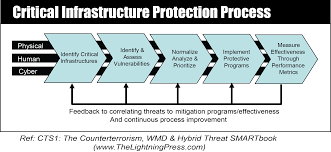
As a matter of national safety, the aspect of critical infrastructure and cyber security happens to be a significant issue in the US. Critical infrastructure refers to any system, facility, or function that offers the foundation of national governance, security, reputation, economic vitality, and way of life. Whether virtual or physical CI systems are so significant to the US that there destruction can result into a debilitating effect on the nation’s security, national public safety or health and national economic security among others (O’Connor, 2010). Cyber systems and critical infrastructure (CI) always experience attacks on an industrial level. As a result, several businesses and organizations in the country are often affected negatively by such attacks. Attacks on critical infrastructure and cyber systems make organizations to suffer in terms of industrial surveillance and intellectual property theft, which lead to enormous losses to the economy of US. As such, identifying suitable methods that the local and state governments, private and public sectors and other agencies can employ in enhancing suitable critical infrastructure cyber security is vital in addressing the issues related to CI and cyber systems attacks. Some of the methods employed by these parties are information sharing and programs that are aimed at collecting information related to security.
Sharing of information has been noted as the principle method of ensuring the security of critical infrastructure and cyber systems. However, this process needs to be executed in a way that does not compromise or risk the safety or security of the source. Information sharing across the conventional boundaries of organizations is vital in ensuring the safety of both CI and cyber systems in the country (Brattberg, 2012). Information sharing happens to be a crucial component of the significant mission of the DHS (Department of Homeland Security), which is aimed at creating a shared situational awareness about malicious cyber operations (The National Cybersecurity and Communications Integration Center). As such, the DHS ensures that both the state and local law enforcement have access to information, which is critical for the protection of the nation’s CI. Besides, the DHS ensures that information is made confidential with the aim of ensuring that the sources are protected. This undertaking ensures that vital information continues to flow to authorities concerned with law enforcement.
Significance of Information Sharing in Relation to the Security of CI and Cyber Systems
Availing information to the law enforcement authorities helps in ensuring that these parties have a vital tool for safeguarding American citizens. Achieving this goal requires that the law enforcement agencies monitor the core areas that have been noted to be vulnerable to attacks from internal and external sources. Information sharing among the officers offers suitable mechanisms of identifying threat pictures, vulnerabilities, and their effect on the citizens. Moreover, it enhances the collection, reception and evaluation of risk-related or threat-related information.
Information sharing also provides a suitable platform on which the national and local governments alongside the private and local sector partners can establish efficient methods of safeguarding the CI and cyber systems. Furthermore, it ensures that the processes identifying, tracking, accessing and communicating of risk-related information are achieved in a single process. This strategy is significant in enhancing the safety of civil liberties and confidentiality of Americans and businesses.
Sharing of information provides a suitable mechanism through which the public can report suspicious events or activities to law enforcement agencies (Headayetullah, 2010). The DHS ensures that this goal is accomplished using awareness interventions, which are aimed at enriching the public or citizens with skills and knowledge on indicators of terrorism and violent crime. In addition, this department is involved in international and federal partnerships with the aim availing resources and information to the local and state enforcement authorities. One of the programs that are employed in gathering information from the public is the C3 (Critical Infrastructure Cyber Community Voluntary Program).
Critical Infrastructure Cyber Community Voluntary Program
The US relies on CI every day to provide water, energy, financial services, transportation and other capabilities that support the needs of the American people and their way of living. Over the years, advancements in technology have led to the evolvement of these capabilities, which has enhanced their running. With the increased dependence cyber-reliant systems, issues of vulnerabilities and threats have also increased.
Safeguarding the cyber security systems of the country’s CI happens to be matter of high concern for the national government. In relation to this, in February 2013, President Barrack Obama endorsed the executive order 13636, which was aimed at enhancing the critical infrastructure cyber security. In the same year, the president released the PPD-21 (Presidential Policy Directive), which was targeted at increasing the overall resilience of the nation’s CI (Harrop & Matterson, 2013) . One of the core elements of the executive order is the establishment of the cyber security model or the framework by the NIST (National Institute of Standards and Technology). This framework is meant to assist critical infrastructure organizations and sectors in managing and reducing their cyber threats.
Since there is a robust connection between physical security and cyber security, the DHS has established a partnership with the CI community with the aim of developing a voluntary intervention to encourage the application or use of the framework in strengthening critical infrastructure cyber security. The C3 program acts a coordination point or center within the Federal government for CI owners and operators who have interest in enhancing their cyber threat management activities. The C3 voluntary intervention has three objectives. This program aims at supporting the industry in enhancing its cyber resilience. Besides, the intervention focuses on increasing the use the framework and community’s awareness on this model. Lastly, the intervention aims at encouraging organizations to engage in the management of cyber security as a component of an all-hazards strategy to enterprise risk management.
In February 2014, the launch of the C3 voluntary program coincided with the release of the ultimate Framework (Vladimirovich, 2014). The first focus of this program is involvement with the SSAs (Sector Specific Agencies) and organizations by means of the Framework to establish a guideline on how to implement the Framework. The subsequent stages of the C3 voluntary intervention will widen the intervention’s coverage to every critical infrastructure and businesses or organizations of all sizes that have interest in using the Framework.
Activities of the C3 voluntary program
This intervention focuses on three principle activities.
Communications and Outreach
The C3 voluntary intervention acts as a center of contact and client relationship manager to help organizations or businesses with the use of the Framework. Besides, it provides guidance to interested sectors and organizations to the Department of Homeland security and other private and public sector resources (Vladimirovich, 2014). This guidance is provided with the aim of supporting the use of the framework for cybersecurity.
Feedback
The intervention promotes feedback from stakeholder businesses concerning their experiences with the help of its resources to execute the Framework (Vladimirovich, 2014). The programs operates with organizations to comprehend how these organizations use the Framework, and to obtain information on how the program and the Framework can be improved to serve organizations in a suitable way. Moreover, this intervention ensures that the feedback obtained from these organizations is availed to the NIST, to assist in guiding the establishment of the next edition of the Framework and related efforts.
Supporting Use
This program focuses on assisting stakeholders with the comprehension of the use of the Framework and other efforts that are associated with cyber risk management. Furthermore, it aims at supporting the establishment of sector-specific and general guidance for the implementation of the framework. The intervention also aims at working with the 16 sectors of critical infrastructure to establish a sector specific for using the framework in a suitable manner (Haynes, 2004). Some of these sectors include food, communications, healthcare, defense, information technology and argicluture.
Channels through which Organizations, Businesses, and the Public can engage in the Program
The C3 voluntary intervention interacts with organizations, businesses and the public through four channels. The program uses the regional DHS personnel from the CSA (Cyber Security Advisor) and PSA (Protective Security Advisor) programs in interacting with the target parties. These personnel engage in direct interaction with organizations or businesses in their regions concerning cybersecurity and CI protection. The second channel of interaction is the CIPAC (Critical Infrastructure Partnership Advisory Council) framework. This partnership takes into consideration the government, CI sector owners and operators (Geer, 2013). The partnership aims at ensuring the presence of a range of activities for the protection of the CI. The third channel is direct involvement with organizations, businesses and public. These parties may access the program’s website. The last interaction channel is the RFI (Request for Information) that offers a suitable platform on which the public can present their views on cybersecurity’s policies and solutions. Private and Public Sectors’ Best Practices for Safeguarding the CI and Cyber Systems
Guaranteeing the protection and resilience the country’s cyber and CI systems is a shared responsibility among various stakeholders or parties. Currently, both the private and public sectors are engaged in several methods of safeguarding the CI and cyber systems via partnerships. In relation to this, the IP (Infrastructure Protection) office is dedicated to strengthening and expanding CI across all regions in the U.S. The IP is accomplishing this goal by engaging in activities that strengthen personnel at the regional level. Moreover, the IP is engaged in strengthening of interventions and potentials to offer support to regional partnerships.
Financial Services ISAC (Information Sharing and Analysis Centers), which was established by security, banking and finance organizations in October 1999, happens to be among the organizations, which have been established to enhance the process of safeguarding the cyber systems and CI (Haynes, 2004). Both the public and private sectors are involved in the maintenance of databases to which their members are required to report information about security threats, vulnerabilities, events and solutions or opinions. This information in then evaluated by security experts who proceed to alert members depending on the urgency or seriousness of the matter. The information posted on the databases is kept private with the aim of protecting the sources.
Both the private and public sectors are associated with early or immediate notification of risks, sharing of anonymous or unspecified information and offering expertise on subject matter. Furthermore, these sectors contribute significantly to the provision of trending information and other benchmark date. The membership list is always kept private. These sectors also play a vital role in establishing standards that are used in initiating, executing and improving information security for cyber systems and CI. The benchmarks formed by these sectors address issues of security, reliability and safety in operations. Besides, the benchmarks help in addressing matters concerning the design of systems for securing cyber systems and CI. Some organizations have also established study groups, which are in charge of identifying and documenting vulnerabilities and threats. Furthermore, other private and public organizations are involved in the coordination and promotion of consensus-based standards. Private and Public Sectors’ Best Practices for Safeguarding Cyber Systems and CI
Sharing of information is considered critical for attaining secured cyber systems and CI. Information sharing enhances the continuous flow of vital data concerning threat-related matter. Both the private and public play a significant role in ensuring that this goal is accomplished. The information obtained from the members is made private with the aim of ensuring their safety.
In many situations, the two sectors make information inaccessible or unreachable even to the national government. Therefore, people are always motivated to offer information without fear. However, this undertaking may create problems to matters involving research. One of the problems associated with this approach is that researchers may lack substantial or adequate data concerning securities threat matters as this information is often hidden. On the other side, the two sectors should ensure that that their communication systems are safeguarded even in times of disaster. This is approach is vital in avoiding the disruption of such systems as it was seen in the case of the communication capabilities of public agencies, which were eroded by the Hurricane Katrina’s disaster (Miller, 2007).
Coordinating and promoting of consensus-based benchmarks is significant in minimizing duplication and overlap, which are always associated with benchmark-related efforts (Haynes, 2004). These benchmarks also ensure that entities adhere to policies and regulations concerning cyber systems and CI security. Thus, the practices adopted by the public and private sectors are vital in safeguarding the CI and cyber systems.
Role of the Local Government, State Government, and Private Sector in Securing Cyber Systems and CI
Many interventions have been established to aid in securing cyber systems and the CI. The local government has developed community-based interventions that enhance awareness creation to the community. Under these programs, individuals are equipped with adequate knowledge on the indicators of terrorism and crime violence, which may impact negatively on cyber systems and CI. Knowledge on indicators of crime/terrorism is an indispensable element of protecting information related to CI (A generic national framework for critical information infrastructure protection, 2007). The local government also ensures that people are offered feedback mechanisms through which they can submit crime and terrorism-related issues. These feedback systems offer a suitable platform on which vital information is shared.
The state government has developed various agencies that assist helps in enhancing the safety of cyber systems and CI. This undertaking is facilitated by the Department of Homeland Security. These agencies engage in robust partnerships with public and private sectors with the aim of enhancing the safety of cyber systems and CI. Moreover, the agencies help in developing appropriate methods of recognizing vulnerabilities and threats, and their remedies.
Private and public sectorsalso contribute significantly to enhancing the safety of cyber systems and CI (Brattberg, 2012). These sectors have developed databases on which members can post information or opinions on issues related to security threats, and offer solutions to such matters via their security experts. The information posted on the databases is given to law enforcement agencies and the state government to enable necessary or corrective measures to be adopted. Besides, the two sectors have guidelines, which can be employed in facilitating the process of safeguarding cyber systems and CI.
Other Methods of Enhancing Critical Infrastructure Cyber security
NIST has established a crucial framework that can be employment in enhancing critical infrastructure cyber security in several ways. This model offers owners of CI and other parties with voluntary guidance on suitable methods of protecting assets and information from cyber crimes or attacks. The framework is divided into three principle elements that include core, tiers and profiles. NIST’s model establishes best practices that always employed in CI industries and sectors.
The Core is divided into five functions that include protect, identify, respond, detect and recover. Taking into consideration the fact that these functions are often used together, they can be employed in helping organizations comprehend and transform their cyber security programs into efficient and functional system (Geer, 2013). The tires enable organizations to evaluate the extent at which their systems meet goals established in the NIST’s framework. Consequently, profiles assist organizations in attaining a higher state of cyber security sophistication.
NIST’s model for improving critical infrastructure cyber security was developed as response or reaction to the executive order 13636 (Haynes, 2004). The president assigned the NIST with the task of developing a set of methodologies, standards and processes, which align business, policy and technological strategies to address or handle cyber threats to CI. In relation to this, the DHS has identified 16 different sectors that include food, information technology, defense, agriculture and healthcare among others.
Labeling its framework as Version 1.0, the NIST acknowledges the fact that its model need to be dynamic to enable it match the ever evolving technology and needs of cyber security. In addition, NIST has developed a roadmap, which is aimed at advancing the critical infrastructure cyber security (Geer, 2013). This roadmap offers the future path for adjusting/updating and improving version 1.0. As it continues to create new editions of its model, NIST anticipate remaining at the core of collaboration between government agencies and industry to assist owners of CI in comprehending, executing and improving the model.
Just as in the case of the C3 voluntary intervention, NIST framework is voluntary (Haynes, 2004). Currently, the departments of commerce, homeland security, and treasury are involved reviewing methods and mechanisms of creating incentives, which will motivate organizations and businesses to execute the guidance.
Conclusion
In conclusion, the safety of critical infrastructure and cyber systems relies on the aspect of sharing information. This goal is accomplished through the establishment of a broad network, which takes into consideration the local government, state government, private, and public sectors, and agencies such as NIST. Besides, this network includes the American citizens who are allowed to post information databases that have been developed by the mentioned parties. Sharing of information is significant in ensuring that the security levels of CI and cyber systems are achieved in an efficient manner. However, it is vital to note that the shared information needs to be kept private to safeguard the interests of the sources.
Brattberg, E. (2012). Coordinating for Contingencies Taking Stock of Post-9/11 Homeland Security Reforms. Journal of Contingencies & Crisis Management, 20(2) 77-89
Geer, D. (2013). Resolved: The Internet Is No Place for Critical Infrastructure. Communications of the ACM, 56(6) 48-53.
Harrop, W & Matterson, A. (2013). Cyber Resilience: A Review of Critical National Infrastructure and Cyber Security Protection Measures Applied in the UK and USA. Journal of Business Continuity & Emergency Planning, 7(2) 149-162.
Haynes, W. (2004) Seeing Around Corners: Crafting the New Department of Homeland Security. Review of Policy Research, 21(3) 365-395
Headayetullah, M; Pradhan, G. (2010). Efficient and Secure Information Sharing for Security Personnels: A Role and Cooperation Based Approach. International Journal on Computer Science & Engineering, 2(3) 903-911
As the week’s resources reveal, the Japanese experience demonstrates the importance of cultural issues, such as caring and sharing that profoundly influence health outcomes. Without considering culture, one cannot begin to explain why Japan is the world’s healthiest nation on most mortality indicators despite having a high proportion of men smoking and the highest rates of low-birth weight babies among rich nations.
Furthermore, health outcomes in Japan are significantly better than those in the U.S., even though the U.S. spends much more on health care. What can the U.S. learn from this country?
Discussion questions:
A brief analysis of how reconstruction after World War II contributed to Japan’s contemporary health status. Then, summarize one significant political feature and one legal feature of Japan’s contemporary health care system that contributes to Japan’s population health status. Offer two reasons (historical, political, legal, and/or cultural) for the disparity between the Japanese and American populations in health achievement. Finally, suggest two lessons other countries can learn from the Japanese experience to improve their own health status. Expand on your insights utilizing the Learning Resources.
Articles:
Bezruchka, S., Namekata, T., & Sistrom, M. G. (2008). Interplay of politics and law to promote health: Improving economic equality and health: The case of postwar Japan. American Journal of Public Health, 98(4), 589–594. Retrieved from the Walden Library databases.
Kawachi, I., Fujisawa, Y., & Takao, S. (2007). The health of Japanese—What can we learn from America? Japanese National Institute of Public Health, 56(2), 114–121. Retrieved from http://www.niph.go.jp/journal/data/56-2/200756020009.pdf
Please apply the Application Assignment Rubric when writing the Paper.
I. Paper should demonstrate an excellent understanding of all of the concepts and key points presented in the texts.
II. Paper provides significant detail including multiple relevant examples, evidence from the readings and other sources, and discerning ideas.
III. Paper should be well organized, uses scholarly tone, follows APA style, uses original writing and proper paraphrasing, contains very few or no writing and/or
spelling errors, and is fully consistent with doctoral level writing style.
IV. Paper should be mostly consistent with doctoral level writing style.
SAMPLE ANSWER
What America Can Learn from Japan
Japan is recognized all over the world for its exceptional accomplishments in the 2nd half of the 20th century in not only improving health status of the population, but also in developing a strong health system. Reconstruction following the Second World War contributed greatly Japan’s contemporary health status. In 1945, following the ending of WWII, the country confronted extensive damage. Japan’s surrender in 1945 was followed by 7 years of American occupation that aimed at restructuring Japan’s health care system as part of its objective to democratize the whole fabric of society. These endeavors had mixed outcomes. To address Japan’s health problems and to democratize the country, the American forces restructured the country’s health system and strengthened community health institutions, and this improved the control of infectious illnesses (Kawachi, Fujisawa & Takao, 2007). In the period after the war, Japan also continued to expand its social health insurance coverage to universal coverage, something that had been initiated in the prewar period. Early improvements in the longevity of the population of Japan without doubt came from the provision of essential needs such as shelter, sanitation, water, and food immediately following the war (Kondo, 2014).
One significant political feature of Japan’s contemporary health care system that contributes to the population health status of Japan is the postwar motives to expand social insurance; this came from political economy objectives that are atypical public health goals (Bezruchka, Namekata & Sistrom, 2008). The one significant legal feature of Japan’s contemporary healthcare system that contributes to Japan’s population health status are the health-related laws that were passed since the 1950s. The Japanese government, for instance, promoted preventive strategies like spreading the utilization of X-ray examinations. Treatment of tuberculosis became free in the year 1951 (Kawachi, Fujisawa & Takao, 2007).
The United States and Japan provide a remarkable contrast in their levels of health attainment. While presently, at 82.2 years on average and 86.4 years for women and 79.6 years for men, Japan has the highest life expectancy globally, the United States ranks 30th with life expectancy of 77.5 years (World Health Organization, 2014). The reasons for the disparity between the American and Japanese populations in health achievement are as follows: first is with regard to societal/cultural factors. This means that unlike Americans, people in Japan have strong social ties, have better attitudes towards sanitary behavior, have good diet, and there is small social disparities in Japan. The second reason for the disparity is the provision of universal care in Japan, as well as public health measures that have been put in place by the Japanese government (Kondo, 2014). Almost every Japanese citizen is covered without regard to any medical conditions that they might be having – predisposing conditions – or to their actuarial likelihood of dying because of disease. Premiums are based on a person’s ability to pay and their income (Okamoto, 2008).
Two lessons that other nations may learn from the experience of Japan to improving their health status are as follows: (i) Universal coverage with equity. In 1961, Japan’s attainment of universal health insurance coverage was rather early in the world, particularly taking into account its low per capita income at that time which was half of Britain. Japan also decreased inequities throughout the various insurance plans over time. It achieved this by mandating cross-subsidies across plans with dissimilar proportions of elders enrolled, and by making the rates of copayment uniform except for children and elders (Kawachi, Fujisawa & Takao, 2007). (ii) Service quality and cost containment: The country has been able to achieve universal coverage whilst still controlling costs and without significant trade-offs in the quality of service. Japan has achieved cost containment using the single nationwide fee system for reimbursement, together with a full health budget cap (Okamoto, 2008).
References
Bezruchka, S., Namekata, T., & Sistrom, M. G. (2008). Interplay of politics and law to promote health: Improving economic equality and health: The case of postwar Japan. American Journal of Public Health, 98(4), 589–594.
Retrieved from the Walden Library databases.
Kawachi, I., Fujisawa, Y., & Takao, S. (2007). The health of Japanese—What can we learn from America? Japanese National Institute of Public Health, 56(2), 114–121.
Kondo, N. (2014). What has Made Japan Healthy? – Contributions of local and government health policies JMAJ, 57 (1): 24-27
Business Practices in Compliance to Global Compact
Business Practices in Compliance to Global Compact;Nike Company as a Member of Global Compact Local Network
Order Instructions:
urgent. need to have it before 6 am tomorrow. about the instructions of essay i had already communicate with Kianna. Thanks.
Nike Company as a Member of Global Compact Local Network
Business Practices in Compliance to Global Compact
The United Nations Global Compact initiative seeks to encourage firms globally to adopt sustainable and socially responsible policies as well as reporting their implementation. It is a principle-based framework for organizations through the ten principles in the fields of anti-corruption, environment, human rights, and labor[1]. Nike is a firm compliance of the global compact especially in terms of initiatives and issues concerning workers, environmental sustainability, partnerships with the Fair Labor Association, commitment to increasing physical activity aiming youths, and contract factories.
There are a number of strategies and practices that would work in improving compliance with principles of the global compact. One of the most effective practices is for the companies to commit in improving working conditions for their workers in their factories as well as in their contract factories[2]. This can be achieved by having compliance staff tasked with the responsibility of monitoring workplace conditions through a series of audits conducted. In addition, the companies can supplement overall contract factory compensation through sponsoring after hour’s education, mobile health clinics, health education, and management and life skills training.
Nike is one of the founding members of the Global Alliance for Workers and Communities (GA), an initiative that strives to respond to the concerns and needs of factory workers in the global manufacturing chains. The main goal of the GA is to improve the lives and future of workers in the global production through assessing of their needs and those of the community, developing and implementing programs that address these needs, as well as reporting publically about these activities[3]. This way the company is able to give a voice to the workers allowing them articulate their own needs and interests. More importantly, it is imperative that companies establish a code of conduct that encompasses labor standards that are related to the nine principles of global compact. The code of conduct should then be implemented throughout the factories linked to the company and audited on a regular basis.
Concerning the principle on environment, businesses should support approaches to environment challenges, undertake initiatives to enhance greater environmental responsibility, and encourage the establishment of environmentally friendly technologies. Corporate social responsibility initiatives should be a core part of companies’ business strategy. However, a company’s social responsibility program is likely to succeed if there is a company-wide support and action to sustain it. This calls for comprehensive involvement of all the stakeholders and other players. For instance, the assessment, development, and training should engage the different independent organizations. In a case where unions exist they should also be engaged as part of the program.
Positive and Negative Lessons
Companies that practice better working conditions and relations with workers and responsible environmental programs have numerous advantages over those that do not. For instance, they can realize improved relationships with stakeholders, partners, and communities. Consequently, they realize better communication between workers and managers. CSR programs acts as a forum for dialogue and learning for businesses enabling firms to network with other similar enterprises[4]. It is a platform for fostering of civic participation and social commitment. The initiatives can be viewed as realizations that solutions to the most fundamental challenges facing businesses and societies can only be addressed through extraordinary collaborations. The main focus of businesses should, therefore, be on supporting the alignment of the various initiatives and programs as well as in facilitating cooperation among all the actors to integrate the diverse efforts and skills.
In complying with the principles of global compact, firms should seek to share their business culture and cognition of social responsibility with other stakeholders and those around them. They can achieve this by consistently improving on their corporate structure, social responsibility, and operations.
Business Practice Recommendations
To comply to global compact principle on labor standards and conditions in contract factories, companies should detail monitoring process and criteria to assess its factory’s compliance on a wide array of issues. The company should lay down a strategic relationship with manufacturers that are focused on a more integrated supply chain[5]. The strong relationship that the company has developed with suppliers and factories would then enable it to have influence over processes.
By and large, the design of these initiatives should be based on the fundamental respect for workers being accorded better working conditions and a voice in ways they are invested in and treated. The initiatives should be focused on according workers an active role in determining investments that are made in their work and living places[6]. As such, the initiative allows the company and its partners including government agencies, unions, NGOs, and factory managers to take positive, proactive action in addressing the needs of the workers such as improved health, workplace conditions, and education. Transparency of the program is paramount in all aspects as well as allowing public discussions which can then be used to inform decisions.
Benefits, Challenges, and Risks for Stakeholders
The company implementing the initiatives is likely to attract and retain more qualified personnel as a result of the improved working conditions and reputation of the company. Most employees are motivated to work for companies that respect worker’s rights and standards. Companies that practice better working conditions and CSR are held at high regard by partners including investors, partners, suppliers, employees, and customers[7].
Despite the numerous benefits in these initiatives, stakeholders are likely to experience some challenges and issues in implementation. For instance, there are always demands for greater corporate disclosure from other parties and stakeholders such as customers, communities, and investors[8]. Again, the company is likely to garner greater customer interest seeking the status of the activities of the company especially concerning CSR. The stakeholders are also likely to face pressure from the competitive markets in terms of cost and responsibility. The main risk in practicing these initiatives lies in increasing the cost of production for the company which is a main concern for the stakeholders. Improved standards for suppliers mean meeting more costs and impacting on revenues. Equally, CSR is an extra cost for investors and partners[9].
Bibliography
Baumann-Pauly, Dorothée, and Andreas Scherer. 2013. “The Organizational Implementation of Corporate Citizenship: An Assessment Tool and its Application at UN Global Compact Participants.” Journal Of Business Ethics 117, no. 1: 1-17.
Berliner, Daniel, and Aseem Prakash. “From norms to programs: The United Nations Global Compact and global governance.” Regulation & Governance 6, no. 2 (June 2012): 149-166.
Berliner, Daniel, and Aseem Prakash. “The United Nations Global Compact: An Institutionalist Perspective.” Journal Of Business Ethics 122, no. 2 (June 26, 2014): 217-223.
Bigge, david m. “Bring on the Bluewash: A Social Constructivist Argument Against Using Nike v. Kasky to Attack the UN Global Compact.” International Legal Perspectives 14, (April 1, 2004): 6. LexisNexis Academic: Law Reviews
Hoessle, Ulrike. “The contribution of the UN global compact towards the compliance of international regimes: a comparative study of businesses from the USA, Mozambique, United Arab Emirates and Germany.” The Journal Of Corporate Citizenship no. 53 (2014): 27. https://www.jstor.org/stable/jcorpciti.53.27
Rasche, Andreas, and Dirk Ulrich Gilbert. “Institutionalizing global governance: the role of the United Nations Global Compact.” Business Ethics: A European Review 21, no. 1 (January 2012): 100-114.
Rasche, Andreas, and Sandra Waddock. “Global Sustainability Governance and the UN Global Compact: A Rejoinder to Critics.” Journal Of Business Ethics 122, no. 2 (June 26, 2014): 209-216.
Williams, Oliver F. “THE UN GLOBAL COMPACT: THE CHALLENGE AND THE PROMISE.” Business Ethics Quarterly 14, no. 4 (October 2004): 755-774.
Williams, Oliver. “The United Nations Global Compact: What Did It Promise?.” Journal Of Business Ethics122, no. 2 (June 26, 2014): 241-251.
[1] Williams, Oliver F. “THE UN GLOBAL COMPACT: THE CHALLENGE AND THE PROMISE.” Business Ethics Quarterly 14, no. 4 (October 2004): 755-774.
[2] Bigge, david m. “Bring on the Bluewash: A Social Constructivist Argument Against Using Nike v. Kasky to Attack the UN Global Compact.” International Legal Perspectives 14, (April 1, 2004): 6. LexisNexis Academic: Law Reviews
[3] Berliner, Daniel, and Aseem Prakash. “The United Nations Global Compact: An Institutionalist Perspective.” Journal Of Business Ethics 122, no. 2 (June 26, 2014): 217-223.
[4] Williams, Oliver. “The United Nations Global Compact: What Did It Promise?.” Journal Of Business Ethics122, no. 2 (June 26, 2014): 241-251.
[5] Hoessle, Ulrike. “The contribution of the UN global compact towards the compliance of international regimes: a comparative study of businesses from the USA, Mozambique, United Arab Emirates and Germany.” The Journal Of Corporate Citizenship no. 53 (2014): 27.
[6] Rasche, Andreas, and Sandra Waddock. “Global Sustainability Governance and the UN Global Compact: A Rejoinder to Critics.” Journal Of Business Ethics 122, no. 2 (June 26, 2014): 209-216.
[7] Baumann-Pauly, Dorothée, and Andreas Scherer. 2013. “The Organizational Implementation of Corporate Citizenship: An Assessment Tool and its Application at UN Global Compact Participants.” Journal Of Business Ethics 117, no. 1: 1-17.
[8] Berliner, Daniel, and Aseem Prakash. “From norms to programs: The United Nations Global Compact and global governance.” Regulation & Governance 6, no. 2 (June 2012): 149-166.
Its critical that when I order my papers the writer assigned to must follow the instructions carefully, and if he is not able to complete the paper you must also notify me rather than get the paper completely wrong or out of topic. It is also important to note that all this papers are been written following APA 6th edition manual. references must be in APA and all points cited below must clearly be discuss in the paper. For this paper, they are 3 main points to address and must clearly be address base on the instructions giving below.
Private Label Brands
Private label brands are products that are manufactured by one company and sold under another company’s brand. Often positioned as lower cost alternatives to national brands, they have been increasing in popularity over the past several years. Store brands such as Wal-Mart’s Equate or Target’s Archer Farms are examples of private label brands.
According to a recent study by the Nielsen Company (Wong, 2008), 72% of respondents surveyed viewed private label brands as equivalent in quality to name brands. Rising commodity prices and consumer desire to get the best value for their money are driving the growth of private labels. As a result, some national brands have adopted a strategy of “if you can’t beat them, join them,” by making products for these private labels. For example, national brands such as Ralston-Purina, ConAgra, and Borden have all admitted to supplying products to various retailers to be used as private brands. Supporters of this strategy contend that it creates volume sales and profitability for national brands. Furthermore, businesses contend that if they do not supply retailers, someone else will, causing national brands to lose volume from private label sales and thereby jeopardizing a national brand company’s profit position.
Other marketing experts disagree. They argue that consumers may become confused about the quality of the national brands. Opponents suggest that consumers may decide that national and private brands are essentially the same and hence, over time, private label brands may become as powerful as national brands. These critics contend that the long-term prognosis for national brand companies is not good if those companies continue with this strategy of supplying private labels.
After reviewing the resources for this week, respond to the following:
• Do you think national brand companies should sell their products to private brands, or should national brands stay clear of the private brands and not get involved with the supply of products to these private labels?
• How does this play out in the international marketplace?
-What is the importance of national brands versus private labels internationally?
• Defend your answer with specific examples.
Resources
Articles
• Chinta, R. (2006). Retail marketing trends in USA and their effects on consumers and the global workforce. Business Renaissance Quarterly, 1(2), 65–80. Retrieved from ProQuest Central database.
This article identifies and describes current trends in the field of retail marketing, and sets them in the context of significant changes in the field in recent years.
Griffiths, G., & Howard, A. (2008). Balancing clicks and bricks – strategies for multichannel retailers. Journal of Global Business Issues, 2(1), 69–76. Retrieved from ProQuest Central database.
This article explores the difficulties of doing business both in stores and online and describes a model for establishing the correct balance between the two approaches. The authors also identify five themes that need to be considered by multichannel retailers.
In this article, the author studies four dimensions of quality that should be considered in Internet marketing: the transaction, the delivery, customer service, and security.
• Gregory, G., Karävdic, M., & Zou, S. (2007). The effects of e-commerce drivers on export marketing strategy. Journal of International Marketing, 15(2), 30–57. https://www.doi:10.1509/jimk.15.2.30
This study describes a theoretical model developed by the authors to determine the effect of e-commerce drivers on the development of export marketing strategy and the results of testing this model.
• Nelson, R., Cohen, R., & Rasmussen, F. (2007). An analysis of pricing strategy and price dispersion on the Internet. Eastern Economic Journal, 33(1), 95–110. doi:10.1057/eej.2007.6
Due to the accessability of information on the Internet, consumers can now research both the price and quality of products. In this article, the authors present the benefits of keeping pricing consistent across products and over time.
This article discusses the findings of a Neilsen study dealing with the desirability of name brands compared to private labels.
SAMPLE ANSWER
Private Label Brands
Private label brands are products that are made by one company and sold under another company’s brand. They are associated to lower cost when compared to national brands. There has been a tremendous increase in popularity over the past several years in the use of these brands in American business setting (Lamb, Hair & McDaniel, 2012). The following discussion, therefore, indulge in discussing if national brand companies should sell their products to private brands, or should national brands stay clear of the private brands and not get involved with the supply of products to these private labels. In addition, the paper examines how the above activities play out in the international marketplace. Finally, it discusses the importance of national brands versus private labels internationally.
National brand companies should sell their products to private brands because private brands exclusively boost store loyalty. This is contrasted to ConAgra, to which it has many retailers in the market, thereby decreasing customer loyalties to a specific retailer (Pradhan & Pradhan, 2009). Private labels enhance the retailer’s image and draw in more customers. Another reason is that private label brands have relatively lower prices for consumers (Fan, 2009). This is compared to national brands such as ConAgra, where retailers engage in low competition that leads to higher prices for products. Private label brands are praised to their ability to have fewer restrictions on merchandise display, promotion, display or pricing (International Symposium on Advances in National Brands & Private Labels in Retailing & In Gázquez, 2014). National brands such as ConAgra dictate how their products are displayed while private label brand such as Wal-Mart’s Equate does not (Cant, 2006). Finally private label brands have potentially greater gross margin opportunities since vendors of national brands, such as Ralston-Purina, assume the expenses of designing, manufacturing, distribution as well as promoting the brand, therefore, retailers realize lower gross margins.
In international marketplace, national brands are selling their products to private brands inform of labeling strategies. The label only bears the brand name (such as Macy’s) of the particular store or any other party the store may choose for its private label program. This labeling strategy in international market increases the negotiation power of the retailers and gives better value to get the customer loyalties. Another way private brands are exhibiting in international is through pricing strategy (Aronczyk, 2009). Target’s Archer farms, for instance, is given authority to dictate the prices of its products. This pricing strategy enables the product to be competitive in the global market by either increasing or decreasing prices (Kurtz & Boone, 2014). Promoting strategies is another way in which private brands are taking over national brands in the international market. Macy’s, for instance, has marketing programs that aim to improve the image of the national brand so as to meet specific customer needs.
There are varied significances of national brands versus private label brands internationally. One of the significances is that product differentiation is derived. Price differentiation is observed by supermarkets offering more premiums and organic brands such as Safeway’s SELECT and Organics. This had effect on overall price and quality competition. Due to absorption of heavy promotion costs, product companies of both national and private brands are finding themselves providing discounts to their customers to market their products. Another importance is going local (Anandan, 2009). After realizing that private brands are giving national brands a hectic competition, national brands, such as ConAgra, are devising on how to identify products that have priorities at the local levels. This will make citizens of the home country get services first before being sold to another destination.
In summary, private and national brands will always remain in a vicious cycle of competition in an attempt to find which of them is the favorite route to reach customers. In international market arena, these two brands exhibit themselves through pricing, promotion and labeling strategies. At the end of the day, the competition will make sure that customers get quality services at cheaper prices.
References
Anandan, C. (2009). Product management. New Delhi: Tata McGraw-Hill Education.
Aronczyk, M. (2009). How to do things with brands: Uses of national identity. Canadian Journal of Communication, 34(2), 291–296.
Cant, M. C. (2006). Marketing management. Cape Town, South Africa: Juta.
Fan, Y. (2009). Branding the nation: Towards a better understanding. Brunel Business School Research Papers. Retrieved March 30, 2010, from: http://bura.brunel.ac.uk/handle/2438/3496
International Symposium on Advances in National Brands & Private Labels in Retailing, & In Gázquez, A. J. C. (2014). National brands and private labels in retailing: First International Symposium NB&PL, Barcelona, June 2014.
Lamb, C. W., Hair, J. F., & McDaniel, C. D. (2012). Essentials of marketing. Mason, Ohio: South-Western Cengage Learning.
Kurtz, D. L., & Boone, L. E. (2014). Boone & Kurtz contemporary marketing. New Delphi:Tata McGraw-Hill Education.
Pradhan, S., & Pradhan, S. (2009). Retailing management: Text and cas
We can write this or a similar paper for you! Simply fill the order form!
Critical Infrastructure Vulnerability and Protection
Critical Infrastructure Vulnerability and Protection
Order Instructions:
Read the required literature, especially National Infrastructure Protection Plan (2009), pp. 76-79; and, Sector-Specific Plans (SSPs), Department of Homeland Security. Answer the following:
1. Explain the relationship of National Infrastructure Protection Plan (NIPP) and Sector-Specific Plans (SSPs). Also, their relationship with Department of Homeland Security.
2. Explain the function of an SSP; choose a particular SSP and describe its purpose. Also, why did you choose that particular plan?
3. What are some lessons learned from past natural disasters? Explain in terms of people and infrastructures? Be specific.
Length: This Case Assignment should be at least 3 pages not counting the title page and references.
References: At least two references should be included from academic sources listed below.(e.g. peer-reviewed journal articles). Required readings are included. Quoted material should not exceed 10% of the total paper (since the focus of these assignments is critical thinking).
Organization: Subheadings should be used to organize your paper according to question.
Required Readings:
1) National infrastructure protection plan (2009). [Read 5.2 The CIKR Protection Component of the Homeland Security Mission, and 5.3 Relationship of the NIPP and SSPs to Other CIKR Plans and Programs, pp. 76-79]. Retrieved November 18, 2012 from: http://www.dhs.gov/xlibrary/assets/NIPP_Plan.pdf
Critical Infrastructure Vulnerability and Protection
Relationship between National Infrastructure Protection Plan, Sector Specific Plans and Department of Homeland Security
The sophisticated nature of America’s infrastructure such as cyber network, power plants, transport network, and many others are the engine that drives America’s economy and society in achieving the nation’s growth potential. The national infrastructure is essential for the smooth running and the functioning of American society, yet these vital infrastructures are faced with greater risks that the 21st century presents, greatest among them being the terrorist attacks and other natural and man-made disasters. The risks pose a threat to halting or disrupting the functioning of the economy, and protecting them is crucial as this will enhance public security, protect the health and safety sector, economic vibrancy and improve general quality of life in the nation. It is against this background that the National Infrastructure Protection Plan (NIPP) was established in 2006 and later reviewed in 2009 to identify America’s Critical Infrastructure and Key resources (CIKR) in order to protect them from likely threats (NIPP, 2009).
National Infrastructure Protection Plan, NIPP, was therefore established to identify the infrastructure and resources that are critical to the United States of America (USA), prioritize them, since not all resources are equally important, and then protect them from the likely threats such as terrorist attacks and other man-made and natural catastrophes. Protection, in accordance to NIPP, involves adopting plans geared towards alleviating the risks, preventing the threats from taking place, or diluting the effects resulting from such disasters taking place. Such plans include actions such as boosting security, increasing surveillance, enhancing resilience among other measures. NIPP is supported by Sector Specific Plans (SSPs). US economy is composed of various sectors with various needs, issues and concerns. For this reason, SSPs were also formulated soon after NIPP and several specific sectors were identified, such as banking, public health, energy, defense, transportation, emergency, among others (Homeland Security, 2013). The sector specific plans are suitably designed to address the concerns of the various sectors identified. NIPP and SSPs are related in the sense that SSPs support the NIPP in identifying the nation’s goals and priorities, and proving protection. Also, there are eighteen sectors within the sector specific plans which are within the NIPP. Both NIPP and SSPs therefore complement each other in addressing the nation’s protection plans. The SSPs also outlines the road map and a framework that enables the NIPP to implements its action plans in all the identified sectors. In other words, the SSPs provide support to implementation of the NIPP and together they provide a means identification of the vital infrastructure, their possible threats and protecting them from such threats.
Both NIPP and SSPs form an integral part of the Department of Homeland Security (DHS). NIPP and SSPs were formed under the DHS. This is because the Department of Homeland Security is the one that has the vital obligation and responsibility of pioneering the Nations efforts geared towards providing protection to the nation’s infrastructure and strengthening security situation of the nation in order to avert threats, or reduce their impacts should they occur (U.S. Department of Homeland Security, 2008). The DHS also monitors, supervises the NIPP and SSPs programs and ensuring that its objectives are kept on track and achieved.
Description and Functions of an SSP
The Structure Specific Program, SSP, is a detailed set of plans that are established and identified by a Sector Specific Agency. Within the critical infrastructures identified in NIPP and DHS, the Sectors specific Agency is supposed to come up with specific plans suitable for each sector that are implemented in liaison with the NIPP. These set of plans for the specific sectors are what are termed as Sector Specific Plans (Homeland Security, 2013). The SSP is meant to serve several functions including:
Providing the framework that identifies the nation’s critical infrastructure, assessing their possible threats and vulnerabilities, and then giving them priority protection based on assessments of the risks likely to face them.
Defining a sector’s duties and responsibilities and identifying their security partners as well as the body responsible for regulating the sector.
Enhancing partnering and interaction among sectors by encouraging sharing of information and coordination of sector activities.
They also establish the aims and objectives of the sectors and their respective partners. The goals are directed towards protecting a particular sector.
A good example of a sector specific plan is the Emergency Services sector specific plan, (ES SSP). The Emergency Services Sector, ESS, deals with disaster preparedness and provision or rapid responses to sudden disaster in the nation. It also trains emergency personnel, provides emergency services by anticipating emergency threats, preventing them or reducing the impacts of such disasters, and also enhancing resilience and helping those affected by the disaster to quickly recover (Homeland Security, 2013). It aims at protecting the environment, safeguarding individual properties and minimizing vulnerability. It also entails responses to disasters such as fire, health risks. The emergency sector specific plan is the most crucial, according to me, as it serves to reduce the impacts of sudden man-made and natural disaster by providing swift response. It is also concerned with saving lives and properties of individuals as well as protecting the environment.
Lessons learnt from past Natural Disasters (Example, hurricane Katrina)
Naturals disasters have in the past rocked the nation and caused massive destruction of infrastructure, human loss, destruction of the environment, health risks and general panic and economic slump. Some of the worst natural disasters to have hit USA include hurricanes, floods, tornadoes, forest fires, and volcanic eruptions. The worst natural disaster in recent times is the Hurricane Katrina. This disaster is the worst in America’s history in terms of human loss and financial implications. It is estimated to have claimed about 1,800 lives and cost damages amounting to $18 billion. Among the lessons learnt include,
There is need to enhance the responsiveness during disasters and train more rapid response teams to minimize impact of disasters.
The nation was not well prepared to handle a disaster of such magnitude
There was need to increase regional coordination and planning
It generated a necessity to implementing the National Infrastructure Protection Plans
The federal government need to incorporate volunteers, NGS and other sectors to boost its efforts during a disaster.
In conclusion, the twenty first century poses widespread risks and threats to the general infrastructure of the nation. National infrastructure is very crucial in the smooth function of the economy, strengthen investor confidence and steer growth. It is necessary, therefore, to implement the National Infrastructure Protection plan and its constituent SSPs to reduce threat, increase disaster preparedness, promote resilience and recovery, and to provide general protection and security to both the physical and cyber infrastructure. Disasters, natural or man-made, may be difficult to eradicate, but their impacts can greatly be reduces if specific security and protection plans are implemented.
References
Homeland Security (2013). Hearing of the Senate Homeland Security and Governmental Affairs Committee Subject: ‘The Department of Homeland Security at 10 Years: A Progress Report on Management’.
National Infrastructure Protection Plan, (2009). Partnering to Enhance Protection and Resiliency. US Department Of Homeland Security.
Explain interconnectivity of infrastructures (e.g., airlines and the power grid) with specific examples. Do interconnectivities increase the vulnerability of major infrastructures?
Order Instructions:
For this Case Assignment, you are to answer the following:
1.Explain interconnectivity of infrastructures (e.g., airlines and the power grid) with specific examples. Do interconnectivities increase the vulnerability of major infrastructures?
2.Should a CIP management model be centralized, decentralized, or a combination? Propose a relevant management practice model that supports your position.
3.Comment on critical infrastructures in your town, state, or area of deployment. Number, Type(s)? How protected?
Length: This Case Assignment should be at least 3 pages not counting the title page and references.
References: At least two references should be included from academic sources listed below. (e.g. peer-reviewed journal articles). Required readings are included. Quoted material should not exceed 10% of the total paper (since the focus of these assignments is critical thinking).
Use subheadings to help organize the overall paper.
Explain interconnectivity of infrastructures (e.g., airlines and the power grid) with specific examples. Do interconnectivities increase the vulnerability of major infrastructures?
Infrastructure, when viewed as a facility, system, or function providing foundation for reputation, way of life and economic vitality, then its importance to a community cannot be over-emphasized. It enhances the quality of life to the community such that its incapacitation is felt by the majority, if not all. Given this importance, its security and protection becomes critical to the community who enjoy its benefits. Over time, development of a particular infrastructure becomes dependent on the development of another. Development of airline industry is dependent on the development of the airports and the inter-dependent service provision industries, who in turn rely on the power supply industry who rely on the power generation industry, who in turn rely on the parks and forestry services to protect the water catchment areas. The interdependence has led to interconnectedness as communities seek more efficient and reliable supply of the various benefits.
Water supply and power generation will be interconnected given they share the same asset (Dam). Thus when viewed from this perspective, the interconnectedness of the infrastructure will ultimately increase their vulnerability. Individually, this may not be as pronounced as when viewed as one (collectively). In the past few years instances of attempted attacks of critical infrastructure has increased significantly. This has resulted in the security community raising its consciousness of the risks associated with critical infrastructure (O’Connor, 2010). The spread of the cyber weapon “Stuxnet” exhibits this clearly. Stuxnet changed forever the way military battle are fought and won. It allowed an actor who deployed Stuxnet could easily cause serious damages to entire populations.
Q: Should a CIP management model be centralized, decentralized, or a combination? Propose a relevant management practice model that supports your position.
There are arguments for and against the centralized, decentralized, and a combination. However, the combination management model is especially ideal for CIP given the agencies that have overlapping responsibilities in the attainment of protection of critical infrastructure. As stated earlier, infrastructure especially the critical ones, pose a significant threat and thus expose protection agencies to unique challenges in safeguarding them. The Combination model appreciates that it remains the responsibility of the government to set goals on the protection of critical infrastructure. The implementation and attainment of these goals falls to the private-sector. Whereas the private sector could be knowledgeable and adequately equipped to deal with certain vulnerability, it may not take action as a result of the cost associated with the reduction of the vulnerability. The government thus comes in to offer incentives that will make the private sector take up vulnerability reduction measures (Suter, 2007).
When viewed in isolation, the cost of reducing vulnerabilities outweighs the benefit of reduced risk from terrorism attacks as well as from natural and other disasters for an individual infrastructure project. However, due to the interconnectedness, the risk of failure of one infrastructure becomes so enormous that it becomes critical. When it becomes critical, the management of its security becomes heightened. A combination CIP management model will consist of all proactive activities that seek to protect indispensable physical asset, systems (more so cyber and communication systems) and people, which relies on a decision making process that is both reliable and systematic to aid leaders determine exactly what needs protection, when, where and how. The pro-activity of the management model will be best exhibited in the pro-activity in management of emergencies, which will go beyond normal security and defensive postures. Thus with the combination management model, one will be able to identify the critical infrastructure, determine the threat against those infrastructures, analyze the vulnerabilities of threatened infrastructure, assess the risk of degrading or loss of a critical infrastructure and apply countermeasure where risk is identifies and determined to be unacceptable. The model realizing that CIP does not rely on unique intelligence collection but rather unique intelligence integration functions. The model thus guarantees ease of access to information but more importantly guarantees access to specific analytical methods, which can be used to assess vulnerabilities and conduct individual infrastructure risk analysis (The National Strategy for Homeland Security, 2007).
Q: Comment on critical infrastructures in your town, state, or area of deployment. Number, Type(s)? How protected?
My hometown has infrastructure that supports the quality of life of some 15,000 inhabitants. The water treatment works overlooks the town so that water is supplied to homes via gravitational pull. There is a power plant where the river that feeds the dam that supplies the town with water drains the dam. The power generated is enough to meet the entire local requirement. Both this critical facilities are not adequately protected. This could be because of the feeling of rural America that one gets in our town. Access to both facilities is unimpeded and anyone can go up to the dam that provides drinking water to the town. Should a terrorist want to harm my town, they could easily introduce a poisonous substance to the drinking water of the town or even blow up the dams barriers there by flooding my entire town.
Combine all elements completed in previous weeks (Topics 1-4) into one cohesive evidence-based proposal and share the proposal with a leader in your organization. (Appropriate individuals include unit managers, department directors, clinical supervisors, charge nurses, and clinical educators.)
For information on how to complete the assignment, refer to “Writing Guidelines” and “Exemplar of Evidence-Based Practice.”
Include a title page, abstract, problem statement, conclusion, reference section, and appendices (if tables, graphs, surveys, diagrams, etc. are created from tools required in Topic 4).
Prepare this assignment according to the APA guidelines found in the APA Style Guide, located in the Student Success Center.
This assignment uses a grading rubric. Instructors will be using the rubric to grade the assignment; therefore, students should review the rubric prior to beginning the assignment to become familiar with the assignment criteria and expectations for successful completion of the assignment.
You are required to submit this assignment to Turnitin. Refer to the directions in the Student Success Center. Only Word documents can be submitted to Turnitin.
SAMPLE ANSWER
Antibiotic Resistance in Treatment of UTIs
Abstract
Infections of the urinary tract are among the most prevalent infectious diseases that are also accompanied by a substantial financial burden on the patient and the entire healthcare system (Grabe et al., 2008). Urinary Tract Infections (UTIs) range from these affecting the urinary bladder to those affecting the kidneys. The infections are classified according to the site of infection. These include urethritis (urethra), vaginitis (vagina), pyelonephritis (upper urinary tract), and cystitis (urinary bladder) (Mazulli, 2012). Different pathogenic microbes can be attributed to the condition. These include bacteria from the staphylococcus species such as Staphylococcus saprophyticus, the Klebsiella species, Pseudomonas aeruginosa, enterococci bacteria and also from the yeast fungi which is common among women (Mazulli, 2012). However, the main causative agent in the community and hospitals is the bacterium Escherichia coli (E.coli) that is a normal flora in the bowel and accounts for approximately 75 – 95% of UTI cases (A.D.A.M Inc, 1997-2008). Antibiotics are commonly used in the prevention and treatment of UTIs. However, this frequent use of antibiotics has resulted into the development of antibiotic resistance and vaginal and intestinal dysbiosis. This has become problematic in the treatment of UTIs and this paper, therefore, provides evidence of the spread of antibiotic resistance in UTI treatment.
Problem Statement
The treatment and prevention of UTIs has most of the time involved the use of antibiotics as the first-line treatment. This often follows the isolation and culture of the etiological agent to select the appropriate antibiotic for use. However, today there is increasing resistance to most of the antimicrobial agents prescribed for the treatment of UTIs in both community and hospitals settings. This is spreading to even the most potent antimicrobial agents hence the need to establish alternative approaches for treatment.
For example, a study was conducted in India and was aimed at reporting the resistance pattern among the most common uropathogens that were isolated in a tertiary care hospital setting. The focus of this study was on resistance to ciprofloxacin (Mandal, Acharya, Buddhapriya, & Parija, 2010). Nineteen thousand and fifty samples were collected, cultured and the pathogenic microbes isolated. The susceptibility to antibiotic tests were done using the Kirby-Bauer disk diffusion method after noting the clinical and demographic characteristics of each patient. E.coli was isolated and out of the total samples selected 62% were sterile while 26.01% had significant growth (Mandal, Acharya, Buddhapriya, & Parija, 2010).
In addition, 2.3% had insignificant growth, and 9.6% of the samples were contaminated. The ciprofloxacin-resistant E.coli had a strong association with gynecological surgery among the female participants, UTI in adulthood, prior antibiotic use, and uropathy among men and complicated UTI among women (Mandal, Acharya, Buddhapriya, & Parija, 2010). The continuous of ciprofloxacin was, therefore, linked to the development of resistance in males, females, and in-patients. This indicates the need to rationalize the use of antibiotic treatment or most importantly develop alternative approaches.
Trimethoprim and Sulfamethoxazole are often used as a first-line treatment for UTIs. However, there is increasing resistance towards the drug that is resulting to a significant decrease in its use. This antibiotic is an inhibitor of the bacterial folate synthesis that is needed for the synthesis of thymidine hence the synthesis of DNA (Hilbert, 2011). These drugs are administered in a combined ratio of 1:5 (SXT) and the guidelines indicate that it should be avoided where the resistance reaches between 15% – 20% (Gupta et al., 2011).
The North American Urinary Tract Infection Collaborative Alliance (NAUTICA) conducted a study to analyze the development of resistance towards SXT. They used 1,142 Uropathogenic Escherichia coli UPEC isolates from 40 medical centers. The results revealed that 21% of the participants had resistant isolates (Hilbert, 2011). In another study conducted by the Arkansas River Education Service Cooperative (ARESC), a similar result was found and in this case the resistance was higher at 29%. Trimethoprim and Sulfamethoxazole inhibit the enzymes dihydrate folate reductase and dihydropteroate synthetase respectively. The resistance to the drug is mediated by gene transfer of the genes that are responsible for encoding the resistant enzymes (Hilbert, 2011). In a study conducted using 305 UPEC isolates revealed that 66% had encoded a dfr allele that encoded a trimethoprim-resistant dihydtrate folate reductase and 96% had a sul gene encoding for the sulfamethoxazole-resistant dihydropteroate synthetase (Hilbert, 2011). These genes appeared due to the continuous use of SXT, and their presence facilitate the spread of resistance elements among the bacterial population hence the increased resistance.
Finally, there is also the development of resistance to other aetiological agents for UTIs. For example, the Klebsiella species (K. pneumoniae) accounts for approximately 1-6% of the uncomplicated cases of UTIs (Schito et al., 2009). The bacterium is resistant to penicillin and nitrofurantion intrinsically and shows resistance to other common antibiotics used for the treatment of UTIs. Per Schito et al. (2009), a study conducted to establish the resistance of K.pneumoniae indicated 23% resistance to SXT, 21% to cefuroxime, 12% fosfomycin and 6% ciprofloxacin (Schito et al., 2009).
An earlier study by Kahlmeter in 2003 revealed similar results. In the two studies mentioned, the 94-99% of the isolates showed susceptibility to ciprofloxacin and 91-96% were susceptible to amoxicillin-clavulanic acid. However, due to the continuous use of the drugs today, there is increasing resistance (Hilbert, 2011). Moreover, K. pneumoniae accounts for 8-11% 0f catheter-associated UTIs (CAUTIs) within the hospital setting (nosocomial infections). In the above studies, 17-21% of isolates from individuals with CAUTIs were resistant to an extended spectrum of cephalosporins while 10% were resistant to carbapenems (Hilbert, 2011). This indicates the growing resistance of UTIs etiological agents to antibiotics and the need for new treatment approaches.
Conclusion
UTIs are among the most common forms infections today. Moreover, their prevalence is also on the rise including among men. Antibiotics have been for a long time the first line of treatment for infectious diseases. Treatment involves the isolation and culturing of isolates to identify the main causative agent. The common cause of UTIs is the bacteria E.coli; however, there are other species of bacteria that can also cause the disease. In the past, antibiotics were effective for UTI treatment, but due to the continuous use of the antibacterial drugs the bacteria are increasingly developing resistance. The resistance is developing as a result of mutations and other processes. The resistance is continuously increasing from the “weaker” forms of antibiotics to even those that were initially thought to be the most efficacious including the development of multiple resistance. Due to the increasing prevalence of UTIs and the resultant rise in resistance to antibiotics, it is imperative that alternative approaches of treatment should be employed.
References
A.D.A.M Inc. (1997-2008). Urinary Tract Infection. 1-4.
Grabe, M., Bishop, M. C., Bjerklund-Johansen, T. E., Botto, H., Çek, M., Lobel, B., et al. (2008). Guidelines on the management of urinary and male genital tract infections. European Association of Urology.
Gupta, K., Hooton, T. M., Naber, K. G., Wullt, B., Colgan, R., Miller, L. G., et al. (2011). International clinical practice guidelines for the treatment of acute uncomplicated cystitis and pyelonephritis in women: A 2010 update by the Infectious Diseases Society of America and the European Society for Microbiology and Infectious Diseases. Clin Infect Dis, 52, e103-120.
Hilbert, D. W. (2011). Antibiotic resistance in urinary tract infections: Current issues and future solutions. In P. Tenke (Ed.), Urinary tract infections (pp. 194-206). InTech.
Mandal, J., Acharya, N. S., Buddhapriya, D., & Parija, S. C. (2010). Antibiotic resistance pattern among common bacterial uropathogens with a special reference to ciprofloxacin resistant Escherichia coli. Indian J Med Res, 136, 842-849.
Mazulli, T. (2012). Diagnosis and Management of Simple and Complicated Urinary Tract Infections (UTIs). Can J Urol., 19 (Suppl 1), 42-48.
Schito, G. C., Naber, K. G., Botto, H., Palou, J., Mazzei, T., Gualco, L., et al. (2009). The ARESC study: an international survey on the antimicrobial resistance of pathogens involved in uncomplicated urinary tract infections. Int J Antimicrob Agents, 32, 407 -413.
We can write this or a similar paper for you! Simply fill the order form!
This chapter addresses some of the issues on advantages and disadvantages of this change.
SAMPLE ANSWER
Introduction
Anthropology is the study of the past and the present of human. To comprehend the broad sweep and complexity among cultures across the entire spectrum of human history, anthropologists refer and build upon information from biological and social sciences as well as physical together with humanities sciences, (Anae 2010; p. 229). A significant main concern for all anthropologists regardless of whether they are insiders or outsiders is to find solutions to human problems through knowledge application. Historically, all anthropologists have received training in such areas as: physical/biological anthropology, sociocultural anthropology, linguistics and archaeology. However, due to the frequent integration of perspectives by anthropologists of the several of the mentioned areas in the process of research and professional lives, indigenous and insider anthropologists have their advantages and disadvantages. Comprehending the categories in regard to the actions of people is a significant anthropological research tenet, (Anae 2010; p. 240). This is a concept that need to apply to scientific studies, yet anthropological analysts often ignore the scientific content and hence end up ignoring a fundamental aspect of the conceptual framework in which anthropologists act. This paper analyses, in the context of anthropological change, the advantages and disadvantages of indigenous anthropologists and insider anthropologists.
Anthropologists do believe in the idea that there is unsettled contradiction in regard to being anthropologist and being indigenous. Being involved in anthropological community for a long period of time enhances confidence that this belief is an indication of the general mood that exists in the departments. Generally, anthropologists do believe that being indigenous might be associated with the danger of developing subjective mind, being biased and becoming less scientific. With reference to the indigenous anthropologists of the third world, it is seen as a danger and as a flow being indigenous and this must be avoided by all means. Anthropologists do acknowledge the so called “paradigm-breaking and paradigm-building capacity of Third World perspective”. They therefore recognize the objectives of third world indigenous anthropologists. This renders anthropology less prejudiced against people of the third world by reducing its ethnocentricity as it uses language and paradigms. Hence the general anthropology mood is the one that the indigenous anthropologists of the third world consider a trouble maker and intruder who need discipline. This is supported by the fact that anthropology is seen as a western discipline for western scientists(Kanaaneh, (n.d.).
Advantages of indigenous anthropologists and insider anthropologists
An increasing number of anthropologists are conducting an anthropology of home by conducting researches within their indigenous communities. The main theoretical and methodological contributions for indigenous researchers have emanated from the debates stemming from “native” anthropology, (Kanaaneh 2012; p. 5). Historically, anthropology has been involved with stretching outside the indigenous community of the researcher. However, with the widening circle of ethnographic practices, the native anthropology has now assumed two other labels, which are used interchangeably, namely insider anthropology and indigenous anthropology. The term is insider anthropology is more popular due to the debates and confusion surrounding the “native” and “indigenous” labels. Insider anthropologists can be proposed to be “hybrid anthropologists” because they are anthropologists who remind us that we are all multi-cultural or bi-cultural because we belong to both professional and personal worlds whether at the field or in our households, (Kanaaneh 2012; p. 5). These researchers can track the critical diversities in comprehending and reporting the way the knowledge came to them, which is a process called cultural knowledge location. Native anthropology can be seen as having advanced into insider/indigenous anthropology since the latter can be seen as a reflective form of the former, implying that insider anthropology stretches beyond simply “practicing at home” , (Kanaaneh 2012; p. 5).
Insider/indigenous anthropologists address the concern that there is no need to conduct fieldwork in the first place, if the anthropologic reporting is a rendition that is completely subjective, in which any pattern or order of the results is only from the ingenuity of the interpretations by the researcher, (Geertz, 2006; p. 232). Unlike the ancient native anthropologist, this insider/indigenous anthropologist has a room to express how they feel about the reported findings, just provided that their feelings do not impact on the accuracy of what is reported. The focus is therefore on the empirical observation data, the analytical and descriptive generalizations that can be implied from the respective observations, and the procession by which the derivation of the latter is done from the former, (Geertz, 2006; p. 232). Therefore, insider/indigenous anthropologists are of the orientation that reflects on the method, and provide a projection of what anthropology might be like in the future; whereby they envision even more serious need for scientific methodology research. How revealing and personal insider/indigenous anthropologists become during reporting is much up to the individual anthropologist, because this is more “an anthropology of experience” rather than just “conducting anthropology”. This makes it possible for the insider/indigenous anthropologists to communicate to their audience what they have drawn on for inspiration and information, (Geertz, 2006; p. 232).
The other advantage of insider/indigenous anthropology is that it can incorporate both the emic and etic approaches – these refer to the two forms of field research conducted and the viewpoints attained; from the social group (the subject’s perspective) and from within outside (the observer’s perspective), (Bloch 2011; p. 123). The insider/indigenous anthropologist under the emic approach can investigate how the indigenous people think; their categorization of the world, the behavioral rules, the things that have meaning according to them, and how their imaginations and explanations progress. As well under the etic approach, they can assume a scientist-oriented framework shifting the attention from local categories, observations, interpretations and explanations into the individual anthropologist, (Bloch 2011; p. 123). Still, insider/indigenous anthropologists can possibly eliminate the alleged inherent confusion between these two approaches, and instead of preferring one to the other, they can use them as complements to anthropological research, significantly, in the interest regions regarding the human nature characteristics as well as the function and form of human social structures. With the combination of the two approaches, insider/indigenous anthropologists provide the “richest understanding” of culture or society view. Without a fusion of these there would be a struggle to apply the overarching values of one culture, (Bloch 2011; p. 123).
Disadvantages of insider/indigenous anthropologists
The fact that anthropology has historically comprised of extending beyond the community of the anthropologists brings concern that the new insider/indigenous framework is shifting research sites in the anthropologist’s indigenous community, (Engelke 2012; p. 4). This has raised debates regarding the application of traditional native anthropological methods to the individual’s indigenous community. There are various significant methodological issues in insider/indigenous anthropology comprising of concerns like cultural competence, distance, translation, and the definition of “native”, (Engelke 2012; p. 5). The quite ancient native anthropologists offer critiques to the more evolved anthropological practices of insider/indigenous anthropologists by conflicting the customary position of insiders as objects as well as opposing euro-centrist dominance in academia. Additionally, critiques have been active in voicing the variability of human identity, which implies that every researcher is both an outsider and insider. These are insights that are very crucial to the insider/indigenous anthropologist, and it remains debated that they a fully incorporated into insider/indigenous anthropology, (Engelke 2012; p. 8).
On the religious standpoint, another shortcoming of the insider/indigenous is that if an anthropologist shares the same beliefs with the “natives, any belief at all, there is an implicit anthropology discipline concern, (Bloch 2011; p. 123). The concern is that since the insider/indigenous anthropologist has a room to express how they felt about the reported findings, he/she might be conceding a lot anthropological authority. This is still a major concern despite the argument that human beliefs remain “a cruel possibility” that originates from the denial to acknowledge that an anthropologists research subjects might have knowledge regarding the human condition which is individually valid/applicable to the anthropologist. The challenge to the insider/indigenous anthropologist here is the problem of maintaining a proper distance/ exclusion from the inner lives of the indigenous people, (Bloch 2011; p. 126).
At the heart of anthropologists or ethnographers insider/indigenous approach to research is the paradox of acting as an observer and participant at the same time. The methodological issues presented in regard to insider/indigenous anthropologists regard to the balance of tacit knowledge access versus the ability to maintain objectivity in the final analysis which is notable in the insider/indigenous problem, (Geertz, 2006; p. 232). It is widely argued that while trying to gain greater insider access, the anthropologists forfeit their ability to objectively maintain empirical observance. There is a problem of accessibility and acceptance, and the ability to comprehend the subject which descends from this. In insider/indigenous anthropology, class or gender may for instance interfere or even intersect with other factors of the insider/indigenous status. This demerit can be presented in the broader terms of an epistemological concern of how the insider/indigenous anthropologist can know and, importantly, how he can deal with another’s knowledge. These are among the several significant anthropological concerns on the knowledge possibilities as well as the limits relating to assessment of tacit knowledge, (Geertz, 2006; p. 232).
In summary, anthropologist’s belief that there is unresolved contradiction or “tension” between what it implies being indigenous and being anthropological. Following critiques who have a long-running engagement to the anthropological community, it is noteworthy that this concerning belief, which might be stated explicitly, informs on the overall mood surrounding the discipline, and its associations and departments, (Anae 2010; p. 239). The general native anthropologists feel that the insider/indigenous anthropological approach is subject to subjective, individual biases, or, basically the fact that it is not entirely scientific. In a particular regard to insider/indigenous anthropologists from third world countries, the practice of being insider/indigenous is regarded as both a danger that has to be avoided, and a fault that has to be fixed or even a setback that requires conquering, (Kanaaneh 2012; p. 11). Consequently, the readers of the evaluation done by the anthropologist in regard to ‘anthropologicality’ and ‘sciencitivity’, in the case where it is from a third world insider/indigenous anthropologist, is inevitably an evaluation on the basis: “did this insider/indigenous anthropologist manage to successively avoid the danger by fixing the flaw and conquering the setback of being an insider or indigenous?” it is largely argued in anthropology that the paradigm-building and paradigm-braking capacity of modern day insider/indigenous is hard to acknowledge, because they are of the view that the aim of modern day insider/indigenous anthropologists is to subject anthropology to less subjectivity against the insider/indigenous peoples hence reducing its ethnocentricity in its use of paradigms and language, (Kanaaneh 2012; p. 7).
In the general analysis, there are issues raised by the advantages and disadvantages of the change from a more ancient-based anthropology approach to the more evolved present day insider/indigenous anthropology, (Anae 2010; p. 229). There are various questions that can be raised concerning this change like: what is the outcome when the distinction between the “anthropologist” and the “native” is not clear, and what happens when the “home” turns to “field”? The advantages and disadvantages outlined are concerned with what indigenous/insider politics and perspectives present to the practice of anthropology, and what the practice of anthropology can offer the indigenous community. The point of concern is how the study of culture can be conducted in an environment where insider/indigenous anthropology has familiarized “exotic” and made it possible for “familiar” to exotically exist. Another major issue, regarding the advantages of insider/indigenous anthropologists analyzed, is the manner in which the anthropologists and indigenous community peoples will maintain an indigenous sense in the face of insider/indigenous anthropology.
References
Anae, M 2010. ‘Teu Le VA Toward a native anthropology’ in Special Issue –Genealogies: Articulating indigenous anthropology in/of Oceania. Pacific Studies, 33 (2/3): 222-241.
Bloch, Maurice, 2011.How We Think They Think: Anthropological Approaches to Cognition, Memory, and Literacy Westview Press
Engelke, Matthew, 2012, “The problem of belief: Evans-Pritchard and Victor Turner on “the inner life.”.Anthropology today, 18 (6). pp. 3-8.
Geertz, Clifford, 2006, ‘From the Native’s Point of View’: On the Nature of Anthropological Understanding. In K.H. Basso & H.A. Selby (eds) Meaning in anthropology, pp.231-237. Albuquerque: University of New Mexico Press
Kanaaneh, M 2012. Indigenous Anthropology: theory and praxis. Dialectical Anthropology 22(1): 1-21
International Organization Making a Difference Essay
Order Instructions:
Topic: International Organization Making a Difference
Question/Prompt: The assignment this module/week is to research an international group, NGO, or other similarly situated group and explain how this group is helping to engage an international audience. If this is an area of interest or passion for you that should also be noted.
SAMPLE ANSWER
According to Lee (2008), World Health Organization (WHO) is an affiliate body of the United Nations that is responsible for promoting health related issues throughout the world. It is one of the international bodies that have made a huge impact in promoting healthy living of millions of people across the globe. WHO innovates methods to ensure that birth rates are not falling and also to make sustainable ways in health care systems of different countries. Having a high rapid growing ageing population a lot of health care attention is needed with improvements in the health sector to curb illness from different ailments. This international institution has partnered with several non-governmental institutions around the world to improve the general healthcare of both children and adults. WHO is well known to have provided leadership on matters critical to health and also engaged in a partnership that encourages healthy living among the people. The organization is also known to have built sustainable institutional capacity, catalyzed changes and provided technical support to matters pertaining health, hence have succeeded in address health situations in various countries and finally addressing the health trends. Millennium development goals played an important goal in shaping the WHO’s work by ensuring that there is environmental sustainability and improvement in matters concerning maternal health. Since its inception, this body has engaged its audience in the elimination of smallpox, which used to threaten the lives of millions of people. Currently, the WHO is trying very hard to eliminate diseases such as TB, malaria, HIV/AIDS, and other communicable diseases that threaten the survival of humankind (Lee, 2008). Moreover, the WHO has engaged its audience in dealing with matters related to food security, healthy eating, sexual and reproductive health and substance abuse. WHO addresses the underlying social and economic determinants of health related policies in addition to promoting a healthier environment through the promotion of public policies that pose no threat to the environment. This health agency partners with the World Bank, International Health Partnership, and the various governments to promote their health related agendas.
References
Lee, K. (2008). World Health Organization (Global Institutions). Routledge.
We can write this or a similar paper for you! Simply fill the order form!