Week 8 Journal & IDP
Leadership Journal
ANSWER THE FOLLOWING QUESTIONS:
1. Provide the scores for your Turning Point self-assessment questionnaire. Identify at least one insight you gained from your results of the Collaborative Leadership self-assessment questionnaire that you think can help you be a more effective collaborator in your group work in this course.
The six self-assessment questionnaires are:
• Assessing the Environment – MY SCORE: 62
• Creating Clarity: Visioning and Mobilizing – MY SCORE: 65
• Building Trust – MY SCORE: 68
• Sharing Power and Influence – MY SCORE: 67
• Developing People – MY SCORE: 68
• Self-Reflection – MY SCORE: 68
2. What are the implications of the Turning Point self-assessment on your IDP?
3. How can you leverage your leadership strengths to foster collaboration with external partners?
USE THIS Websites
•Turning Point http://www.turningpointprogram.org
The Turning Point program was developed to transform and strengthen the public health system in the United States. It is no longer active, although the Web site provides archived resources available for download and use.
•Collaborative Leadership Self-Assessment Questionnaire http://www.collaborativeleadership.org/pages/pdfs/CL_self-assessments_lores.pdf
This Web site provides you access to the self-assessment assignment you are required to complete this week. You will report on your findings in your Leadership Journal. Print out the documents to fill out.
Please apply the Application Assignment Rubric when writing the Paper.
I. Paper should demonstrate an excellent understanding of all of the concepts and key points presented in the texts.
II. Paper provides significant detail including multiple relevant examples, evidence from the readings and other sources, and discerning ideas.
III. Paper should be well organized, uses scholarly tone, follows APA style, uses original writing and proper paraphrasing, contains very few or no writing and/or spelling errors, and is fully consistent with doctoral level writing style.
IV. Paper should be mostly consistent with doctoral level writing style.
Scores for Turning point self-assessment questionnaires are as follows
Assessing the environment:-62
Creating Clarity: Visioning and mobilizing:-65
Building trust:-68
Sharing power and influence:-67
Developing people:-68
Self-reflection:-68
Turning point program was insightful as it increased self-awareness on leadership skills and attitude and how they impact to my surrounding collaborative leadership. For instance, the least scored in assessment was environment assessment and creation of clarity; both of which are integral aspects for a collaborative leader (Turning point, 2011).
The assessment indicated that revision of my IDP was necessary to achieve the set objectives. From the assessment, it was evident that working solely will present avoidable complexities. Therefore, it is important to routinely communicate with involved stakeholders (supervisors, colleagues and mentors) to ensure the expectations are attained and to reduce future unprecedented uncertainties. From the assessment, it is clear that collaboration enhances pooling of power; and through diversified thinking proficiency, grid blocks realized are overcome; thereby increasing the abilities to manage demanding issues (Turning point, 2011).
Collaborative leadership refers to the shared mutual relationship by two or more authorities with a shared concern. Some of the issues leveraged for collaborative leadership include egoism and great self-control (intolerance to wastage of resources) especially when dealing with urgent complicated matters. Secondly, sharing of information because is an open process could be challenging. This challenge is brought forth due to lack of trust. It is important to value and incorporate diversity. From the assessment, a collaborative leader should have high tolerance even when things seem to be out of control. The leader should be willing to share the glory with subordinates. He/she is diplomatic when solving conflicts and supports or critics diverse opinions. Collaborative leaders are ready to give each member space to contribute and do what they like to. In summation, they “listen, learn and lead” (Lash, 2012).
The Advantages of Strategic Intent Thinking
Many people fulfill lifelong goals when they become a member of a certain profession. Perhaps you had a dream of being a business professor or operating your own business from a young age. You may have admired a teacher or a business owner who kindled your ambition. Despite having an idea of what you wanted to accomplish early on, you likely had little knowledge of the steps you would take to achieve your goal. As you learned about what was required to reach your ultimate goal, you set short-term and medium-range goals that aligned with your long-term goals. Short-term goals may have included getting good grades each year while medium-range goals might have included getting into a good college or saving money for tuition. You likely adjusted short-term and medium-range goals to take advantage of new opportunities that may not have existed when you set your long-term goals, such as attending the DBA program at Walden. Organizations that operate with strategic intent employ a similar approach often with substantial benefit. However, adopting a strategic intent approach can also present challenges for organizations that have relied on more traditional strategies. As a scholar-practitioner in the modern global business environment, it is important that you understand the benefits and challenges of strategic intent and how the approach differs from traditional strategies.
To prepare, consider the similarities and differences between conventional strategic planning and strategic intent thinking.
By Day 4 of Week 3, post a 2–3 paragraph response that compares traditional strategic planning to strategic intent thinking. Explain how the concepts are similar and how they are different. Also explain the impact of strategic intent thinking on business strategy. Finally, explain the implications of expanding business strategy to include different types of stakeholders and their viewpoints and relationships. Extend the conversation by identifying implications for practice or research, as well as for your own research agenda, where appropriate. Be sure to integrate one or two new related, and engaging, questions that will extend the discussion about your post in constructive ways. Try to think of a question(s) that will engage your peers in critical analysis and thinking about your organization, which may provide insight for your use as you continue preparing your sections of the major Weeks 4 and 7 Sustainable Solutions Paper (SSP) due in this course.
SAMPLE ANSWER
The traditional strategic planning determines how an organization can effectively allocate resources to its functions to improve its profitability by exploring the internal and external opportunities. The traditional strategic planning begins by setting an attainable goal then identifying the steps and the resources that are needed to make the goal a success (Hill & Jones, 2012). Thereafter, the management becomes responsible in controlling and maximizing the utility of resources to ensure that the goal of the strategic plan is effectively achieved. On the other hand, strategic intent differs from the traditional strategic planning in that the former operates towards increasing an organizations knowledge base with the aim of leveraging an organization’s resource towards the achievement of impossible goals. Whereas strategic intent thinking is surrounded with the notion of expectancy theory, the traditional strategic planning is concerned with reaching attainable goals using the available resources.
Both the traditional strategic planning and strategic intent are similar in the sense that they both place value on the available resources in order to reach organizational goal. Strategic intent and strategic planning are similar in the sense that both of them require critical thinking in addition to aligning an organization’s mission statement with the vision. Whereas strategic planning focuses on the available resources and the current environment to develop achievable goals, strategic intent looks above the realm of what is possible through inspired innovation to push the current resources beyond the production possibility frontier (Hill & Jones, 2012).
Strategic intent has an impact on strategy in that it inspires innovation and business strategies as the management works towards the strategic business goals. In addition, strategic intent improves the clarity of an organization’s mission and vision, which in turn improves the operational strategies within the company and the overall improvement in business strategy. When the viewpoints of all stakeholders are taken care of, the business strategy can greatly be expanded to add value to the organization. When the viewpoints from all stakeholders are taken into consideration, an organization is able to work in unison in achieving the strategic business objectives by allowing more flexibility and maximum exploitation of available opportunities (Hill & Jones, 2012). It thus becomes a topic worth exploring in research to determine to what extent strategic intent results in the achievement of impossible goals do
Reference
Hill, C.W & Jones, G.R. (2012). Strategic Management Theory: An Integrated Approach. Cengage Learning; 10 edition.
We can write this or a similar paper for you! Simply fill the order form!
Drawing on the readings and lectures for this topic, identify and discuss the tensions inherent in the public representation of complex issues. Answer with reference to any one event or issue of current significance.
* Berger, J. (1972) Ways of Seeing, BBC and Penguin Books: London, pp. 7-34.
Langton, B. (1993) Well, I Heard it on the Radio and I Saw it on the Television, Australian Film Commission: North Sydney, pp. 23-44.
Pinter, H. (2005) ‘Art, truth and politics’, Nobel Lecture, 7 December, The Nobel Foundation, pp. 1-12.
Kovach, B. & Rosenstiel, T. (2001) The Elements of Journalism: What Newspeople Should Know and the Public Should Expect, pp. 35-50.
Morris, T. & Goldsworthy, S. (2008) PR—A Persuasive Industry: Spin, Public Relations and the Shaping of the Modern Media, Palgrave Macmillan: New York, pp. 97-111.
Oreskes, N. & Conway, E. M. (2010) Merchants of Doubt: How a Handful of Scientists Obscured the Truth on Issues from Tobacco Smoke to Global Warming, pp. 10-35.
Howell, G. & Miller, R. (2006) ‘Spinning out the asbestos agenda: How big business uses public relations in Australia’, Public Relations Review, 32 (3), pp. 261-266.
SAMPLE ANSWER
Truth and Representation
There is speculation that over the past years, philosophers of different ages have had a hard time in dealing with the basic concept of truth. It is quite evident that as we go on about our daily lives, we often meet a given thing that is a representation of another: For instance, it is a basic idea that a flag is a representation of a particular country (Parr, p1).
From a general point of view, the idea and form of representation have been developed by humans or nature to serve a particular function. Based on the idea that one thing represents another and truth and meaning may be interpreted differently, over the years, there have been issues that have arose and raised concern but their representation has been disguised to reduce significance and impact.
Most of the studies done in the current world are done from a scientific point of view, thus, their representation will be scientific. However, given that most are theories, they leave room for doubt and their validity is questionable. This in turn impacts the basic concept of truth and representation. There are given cases where scientific research can be geared to be represented in a given manner that would sway the interested parties from the truth.
The current global issue that has gripped the world and caused distress is the issue of global warming in particular to climate change. Global Climate change may be defined as any change or alteration which may be accredited or linked to human activities directly or indirectly. There are various factors that are attributed to global warming, the primary one being the emission of gases that have over the years been destroying the ozone layer (Capoor, 57-65).
Back in the late 1970s to early 1980s, there was research conducted based on the idea that smoking of tobacco had a significant effect on global warming (Warner, 289). Although there is speculation that smoking has a negative impact on the ozone layer, the representation of the truth was that it had very minimal influence if any on the ozone layer. Different theories over time have been raised in relation to the effect of smoking, but there has never been a solid case where it has been simply put that smoking has a negative impact on the atmosphere.
Although this can be contributed to the basic idea that the tobacco industries would not want to be shut down as a result of their products leading to global warming (Buelens, Sinding and Waldstrom, 30), their truths have not been represented in the correct manner. Furthermore, there are also concerns raised on the issue of health as a result of tobacco. Their effect may be well known to the people; however, it is still represented as a cause that may have little significance in part to lung cancer. This has been the same representation from the onset of the 1950s, despite the fact that then there was little evidence on whether smoking led to lung cancer or not (‘Meaning, Truth, And Reference In Historical Representation’ 40-45).
Conclusion
It is evident that the idea of truth and representation may be correlated but at times, it may be presented in a manner that may be confusing. This is in particular to hiding the truth indirectly.
Works Cited
Buelens, M. Sinding and Waldstrom C., Organisational Behaviour. Maidenhead: McGraw-Hill Education. (2011). Print
Capoor, K. and P. Ambrosi State and Trends of the Carbon Market 2009. Washington, D.C., The
World Bank. (2009).Print.
‘Meaning, Truth, And Reference In Historical Representation’. Choice Reviews Online 50.04 (2012): 50-2207-50-2207. Web.
Parr, Hector. “Hector Parr’s Essays on Cosmology, Physics, Philosophy and organ Music”. Hectorparr.freeuk.com. N.P., 2015. Accessed Web. 2 Feb. 2015.
Warner, K. E. ‘Global Warning Comes to Tobacco Control’. Tobaco Control 22(5) (2013): 289-290.
We can write this or a similar paper for you! Simply fill the order form!
•Create a personal mission, vision and goals statement. You will be able to revisit your goals at the end of this module and develop an action plan for working toward those goals throughout your programme.
•How do you see yourself as a professional and a person five years from now? Incorporate what you are learning this week about Human Resource competencies as appropriate.
•What are your personal values related to your professional career?
•How do your personal values and ethics relate to the principles of academic integrity?
•What are your short-term and long-term goals related to your professional career?
•Reflect on your personal mission, vision and goals for your own career development, particularly in light of professional HR competencies.
The following conditions must meet in the paper
1) I want a typical and a quality answer which should have about 830 words.
2) The answer must raise appropriate critical questions.
3) The answer must include examples from experience or the web with references from relevant examples from real companies.
4)Do include all your references, as per the Harvard Referencing System,
5)Please don’t use Wikipedia web site.
6)I need examples from peer reviewed articles or researches.
Appreciate each single moment you spend in writing my paper
Best regards
SAMPLE ANSWER
My mission is to treat individuals as prized customer while contributing positively to the company. It will be through an inclusive programming that shows a detailed understanding of the features of the human resources profession that include practical involvement in the areas of legitimate compliance.Also, offering services that provide an enthusiastic interest in the lives of others. Additionally, my aim is to continue developing my range of skills and sustain between my profession and personal life.
My vision is to develop an attitude of cooperation and quality in our daily operations and to create a working condition that fosters fun, safety, and challenges. Also, seize chances that exhibit excellent, caring attitude, a sense of urgency, and execution.Upsurge the participation in community and company activities while seeking enthusiasm, an improved quality of life for everyone and knowledge. Finally, have respect for team member values that might be different from our own and try to accept responsibility for promoting legal and ethical conduct in business.
Human Resource competencies are the knowledge, values and abilities for HR professional. Those with the right aptitudes perform better than others. To achieve this, I will be more likely to create intangible shareholder wealth, engage employees and serve clients. In the subsequent five years, I want to be a very successful Human Resource Manager who is skillful in his career. To achieve this, I will have to possess six competency values. Firstly, I have to be a credible activist. HR is both reliable that means being respected, listened to and admired and active. To be active, I will take positions; offer a point of view and challenges.
Second is Change and Culture Steward. I will articulate, appreciate, and assist in shaping a company’s culture. Ideally, it starts with transparency around external customer expectations and then converting them to internal organization and employee behaviors. Talking about steward of culture, I respect the past organization culture, and I can also help in shaping a new culture. To achieve this, I must facilitate change by helping it happen and developing disciplines throughout the organization. It may have to include implementation of initiatives, projects, or strategy.
Thirdly, I will the Talent Manager or Organizational Designer. Professionals in this career masters research, practice, and theory in both organization design and talent management. I will guarantee that they will align with customer strategy and requirements. They also have to be integrated with each other.
Fourthly, HR professional is a Strategy Architect; she has an idea of how the company can prosper in the market-place, now and in the future. She is involved actively in the establishment of the organization overall strategy. I must recognize business trends and their influence on it, enabling the process of achieving strategic clarity, and forecasting potential barriers to success.
Additionally, HR professional is an operational Executer. He implements the operational aspects of managing employees and companies. I will make sure that staff basic needs are dealt with technology, outsourcing, or shared services. It will make certain credibility if performed faultlessly and grounded in the constant application of policies.
Lastly, I will the Business Ally. Human Resource Manager contributes to the success of the company by being aware of the setting in which it operates. They also know how it makes money, who are the customers, and why they buy its products and services. I will also have understanding of other parts of the business.
I possess good personal values that relate to my Human Resource career that I believe I can achieve my goals with them. First and foremost is my ability to replace Self-doubt with Self-Confidence. At times, we are who we believe we are. HR professionals can certainly be at the table if they establish the right competence. Secondly, I know how to develop an inside and outside View. As HR, you need to have a wider definition of how to add value. I can connect what is happening inside with outside stakeholders. Thirdly, my ability to focus on associations and individuals because I believe great individual talent without a robust organization will not prosper. It makes me solely the guardians of talent. In addition, I have a principle of serving people and deliver on industry results. We need to understand the company and make its results happen. For me to contribute to the business, I must become its ally and speak its language.
My short-term goal is to design a career plan by taking several actions. One of the actions is to work together with my manager to deliberate key competencies and ways to expand my demonstration of them. Secondly, work with him to develop an action plan for other progressive areas.Thirdly, I will request or maybe volunteer for special programs to attain experience and exposure. Among the long-term goals are becoming known for my work by constructing a portfolio of assessable accomplishment. Additionally, it’s my aim to have experience in a multi-billion-dollar global organization that is recommended or develop a career in a well-known brand, such as Southwest Airlines or Microsoft.
References
Mclagan, P., & Bedrick (2012).Models for Excellence: The results of the ASTD training and development study.
Alexandria. (2008). Society for Human Resource Management: managing your human resource career.
Lawler & Boudreau. (2013). Achieving strategic excellence; Assessment of Human resource organizations. Stanford, CA.
I need an essay in the following subject:
After you have read the required journal article (Houghton and Yoho, 2005), complete the following:
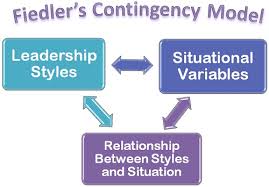
Identify and describe the key components of the contingency model of leadership as presented by the authors. Analyse the relationship between certain key contingency factors and outcomes, such as follower involvement, dependence, creativity, and psychological empowerment. Evaluate the findings of the authors compared to the theories covered this week with regards to creating and sustaining productive leadership.
The following conditions must meet in the paper
1) I want a typical and a quality answer which should have about 830 words.
2) The answer must raise appropriate critical questions.
3) The answer must include examples from experience or the web with references from relevant examples from real companies.
4) Do include all your references, as per the Harvard Referencing System,
5) Please don’t use Wikipedia web site.
6) I need examples from peer reviewed articles or researches.
Appreciate each single moment you spend in writing my paper
Best regards
SAMPLE ANSWER
BL.ASS.W3
Houghton and Yoho (2005) present a contingency model of leadership that seeks to empower and encourage follower self-leadership. Key components of the model include follower development, task structure and situational urgency as well as how leadership approaches should be applied to make the model successful.
Employee empowerment and follower development results from the increased need for companies to compete efficiently given the modern competitive environment. This theory suggests increased involvement of employees through decentralized systems that allow them to be increasingly responsible for their own jobs. In linking this key contingency factor to the most appropriate approach to leadership, the authors note that the length of engagement between the employer and the employee determines the kind of leadership approach to adopt. Accordingly, transactional or directive leadership may apply for short-term engagements where efficiency is more important than follower development while a transformational leadership approach may apply for long-term engagements. This is highly applicable in real life as I have observed since employers who take on employees for short assignments such as laborers in the construction industry are less likely to be concerned about their development but more about their compliance and efficiency. On the other hand however, long-term employees often receive considerable investment on training and are likely to be more empowered. At PriceWaterHouse Coopers (PWC) for example, the employee-led strategy ensures that besides recruiting the most qualified candidates, training and continuous development of employees is given priority to ensure that the company remains at the top of competition (Macleod and Clarke, 2011).
Situational urgency is the second factor, which seeks to explain how the leadership approach may differ depending on the urgency of the situation. It puts fort that in crisis situations, the time for self-leadership capability development in followers is hardly available and therefore such urgency may call for utilization of a highly directive leadership style or transformational leadership style. A perfect example is in the police force where in responding to emergencies such as terrorist attacks, specific and directive orders may be necessary depending on the severity of the situation and the leader must therefore take charge to effectively coordinate the group; hence a directive style approach (Papworth, Milne and Boak, 2009). Empowering and transactional leadership approaches are more applicable in low urgency situations.
The last factor is the task environment which basically refers to how the task environment of the follower is structured or unstructured. Transactional leadership is deemed more applicable in well structured task situations while the directive approach would apply in unstructured task situations. In a factory setting where there is constant job rotation for example, it is difficult to have a structured job and directive leadership is therefore likely to apply; with followers taking instructions depending on their duty station.
The identified contingency factors have significant impact on outcomes within the organization including follower involvement, dependence, creativity, and psychological empowerment.
Empowerment and follower development has been proven to play a great role in promoting efficiency, creativity, follower involvement and psychological empowerment. According to Papworth, Milne and Boak (2009), employees who are empowered are more likely to ‘own’ their jobs and are therefore more committed to ensuring success. Furthermore, empowerment ensures that dependence is reduced and that employees are committed to company success as opposed to making it the responsibility of leaders only. Psychological empowerment also results because by giving followers autonomy in doing their jobs, leaders demonstrate that they can trust their followers.
Situational urgency depending on how it is handled may lead to the negative effect of excessive dependence of followers. This is especially in very urgent situations where directive approach to leadership is utilized. Why does this happen yet followers are well trained to handle emergency situations? Papworth, Milne and Boak (2009) notes that followers may be unable to execute simple actions because they are used to receiving specific orders from their leaders and are therefore not empowered to perform their tasks. In addition, the low expectations that leaders have on followers tend to make their productivity and creativity levels low.
Why is it important to effectively structure follower duties? One would ask. Houghton and Yoho (2009) note that in situations where jobs are highly unstructured, it is possible for employees to undermine the value of intrinsic motivation and that followers may as a result be demotivated; hence leading to low productivity. This is because there is no specific target or outcome that is expected of the employee and neither are there rewards aimed at encouraging achievement of such outcomes. Structured jobs which allow for easy delegation and follower empowerment on the other hand may result in increased psychological empowerment and consequently increased creativity. This is because followers are well informed on what they are expected to deliver and can easily come up with strategies that will allow productive outcomes.
The contingency model of leadership by Houghton and Yoho (2005) portrays a great level of similarity with theories aimed at creating and sustaining productive leadership covered in the course. It is notable that sustainable leadership is a question of creating a good relationship with followers and empowerment is one such approach. Productive leadership is not just about getting the job done but also minding the welfare of those who are executing the job. Motivation as discussed in this article is therefore of essence. In addition, follower development emerges as an important aspect of leadership as it not only promotes efficiency but also improves motivation; leading to better outcomes.
References
Houghton JD & Yoho, SK 2005, “Toward a contingency model of leadership and psychological empowerment: when should self-leadership be encouraged?” Journal of Leadership and Organizational Studies, Vol. 11, No. 4, pp. 65-83.
Macleod, D & Clarke, N 2011, “Engaging for Success: enhancing performance through employee engagement”, Office of Public Sector Information. United Kingdom.
The role of the NP is a challenging, complex, dynamic and rewarding role! Reflect on the level of insight you feel you have gained in the course. Do you have a better understanding of the role of the NP? How has this course impacted your perspective on the role of the NP?
SAMPLE ANSWER
Role of NP
Nursing practitioners have a critical role in providing extensive primary and specialty health care. NP job is challenging as every practitioner must remain abreast in nursing technologies advancements. They are also being encouraged to get acquainted in billing and coding systems. Through the program, I was privileged to care for patients and it is gratifying. The program have positively changed my perception of nursing health care by reinforcing the vital role nurses play when providing health care services. Through interaction with the nurses, I observed care and hard work the nurses undergo on daily basis to make the world a better place. For instance, they have to consult and work with other health care practitioners in order to attain their objectives. They have to document their report completely and with the highest order of clarity on every encounter with the patients (Ridenour, 2009).
Additionally, registered nurses offer public health care to populations from diverse cultures; each with unique cultural and religious spirituality. It is nurse’s responsibility to understand patient cultural background because they impact significantly on the patients’ health and illness. Nursing profession is a caring profession. Nurses must reflect on cultural values of the society especially in this era of globalization and massive international movement (HRSA, 2012). To become a Nursing practitioner, one has to be a registered nurse who is certified by the board and their scope of practice is expanded within specialty. Good health care practices entail the provision of quality care through changing risky behavior that hallmarks various misunderstandings. These misunderstandings are obstacles in responding to the growing quality health care demands. More so, they are expected to be healthy living models, but putting into consideration of the nature of their work, this expectation is quite demanding (CNO, 2012).
For this paper, the writer has to use the template use for my previous papers of past week in business. The writer has to make sure she follows the template strictly including and abstract page, headers as in the template and also [age numbers following APA 6th edition format. The paper has to be 5 full pages minimum excluding title and reference pages. The references must also contain the doi for all articles where require.
Process Integration Case Study
In today’s unpredictable global business environment, organizations must be laterally integrated so that customer requirements are accurately translated into the designs, products and services. However, changing a traditional organization to a process-centric model can prove to be a complex and challenging task.
McAdam and McCormack state, “Organisation structures change to suit their environment and to enable strategic decisions.” (McAdam & McCormack, 2001)
• How well is McAdam and McCormack’s proposition borne out by the evidence from the various companies they surveyed, and in particular from Nortel Networks?
• To what extent does the evidence assembled by Cagliano, Caniato, and Spina suggest that, to be successful, external integration strategies need to be supported by internal integration within the firm?
What lessons does this have for the businesses discussed by McAdam and McCormack?
Using the above case studies as a jumping-off point for further inquiry, identify key areas in which supply chain management can be influenced by business process integration and management. Your task is to prepare a 5 page paper using the resources and at least two other peer-reviewed practitioner or scholarly resources, fully documented and cited in APA format. Make sure you include the doi of any article use.
Resources
Course Text
• Handbook of Global Supply Chain Management
o Chapter 7, “Process Orientation”
This chapter delves into the meaning of process as applied to the organization. The elements within a process-oriented organization are covered as well as the steps for designing the process-oriented organization. Finally, issues of process measurement, analysis, and development are presented.
Chapter 11, “Integrated Logistics Management”
This chapter examines the integration of the logistics management function within an organization. Integrated logistics management requires the joining of logistics business processes within the supply chain. The context of integrated logistics is viewed in relation to a global supply chain and a framework and guidelines are presented.
Articles
• Cagliano, R., Caniato, F., & Spina, S. (2006). The linkage between supply chain integration and manufacturing improvement programmes. International Journal of Operations & Production Management, 26 (3/4). Retrieved from ABI/INFORM Global database.
This article offers empirical evidence to suggest a relationship between supply chain integration dimensions and lean production programs.
• McAdam, R., & McCormack, D. (2001). Integrating business processes for global alignment and supply chain management. Business Process Management Journal, 7(2). Retrieved from ABI/INFORM Global database.
This article reviews the literature on business process integration and supply chain integration and presents case studies on three well-known companies.
Themistocleous, M., & Corbitt, G. (2006). Is business process integration feasible? Journal of Enterprise Information Management, 19(4). Retrieved from ABI/INFORM Global database.
In this article, an ongoing project is used to explain the importance of business processes redesign in the development of a globally integrated IT infrastructure.
Web Site
• Zhu, J., Tian, Z., Li, T., Sun, W., Ye, S., Ding, W., et al. (2004). Model-driven business process integration and management: A case study with the Bank SinoPac regional service platform. IBM Journal of Research and Development, 48(5/6), 649-669. Retrieved from ABI/INFORM Global database.
This article demonstrates how each key business process integration and solution development phase was carried out and guided by business process modeling by the IBM China Research Laboratory.
SAMPLE ANSWER
Introduction
Nowadays, because of technology businesses are changing the way they conduct their businesses. Technology, even though has brought many changes, it has also contributed to a number of challenges in running business. Integration and orientation of new business models has as well become more challenging and complex in this era. Business process integration and management influences various business areas and one of them is supply chain management. The business framework consists of various aspects such as means and ways of operations, people, organization, data and system expected to balance and to work together for the achievement of the common goal. The author deliberates on various aspects relating to process integration by identifying areas that business process integration and management can influence supply chain management. McAdam and McCormack propositions are as well integrated in the discussion as we as evidence by Cagliano, Caniato, and Spina as well as lesson learned.
In any organization and especially in management of supply chain, all stakeholders should work together to achieve common goal. For this to be achieved, they need to have a plan and control mechanisms of business process integrated. The case study of Nortel Networks Corporations that focused on supply chain integration and market repositioning indicated that companies gained a competitive edge by integrating their supply chain processes (McAdam & McCormack, 2001).
Any supply chain management that can be successful is that that does not manage individual functions but rather integrates all activities into key supply chain processes. In the modern world today, businesses must remain agile and flexible. This will ensure that the company manages to deal with the current dynamic and ever changing environments of doing business. Nowadays, products and services keep on changing and it becomes important for any company or organization to always meet the expectations and requirements of customers. Customers have as well become flexible and they will buy the products or services that meet their needs. Therefore, the concept of Business process management (BPM) comes into play as entities seek to meet and address the needs of the ever-changing customer perspectives.
Having basic knowledge and understanding of the functioning of supply chain strategies and their association with internal manufacturing is essential (Caglianoi, Caniato & Spina, 2006). If proper integration of external strategies is lacking, it is definitely going to be hard to achieve successful internal integration in a company. This, therefore, means that, the people responsible must ensure that all the stakeholders and issues affecting supply chain management are put into consideration. Businesses as well should not put their focus on process integration only by looking at the internal point of view. This is as well highlighted in the McAdam and McCormack study. Avoiding this will help the supply chain management processes consider external forces that may affect negatively on the achievement of the goals and objectives of the organization.
Business management processes is a technique that have found its applicability in business. The concept involves use of IT supported business operations to manage and execute business strategies from a business expert and not technical perspective. Methods, techniques help in designing, enacting control and in analyzing of the operational processes that involve, organizations, humans, documents, applications and other value source of information. Therefore, it gives a business an upper hand through the various insights in running and operating a business better.
In execution of business process, the business process management systems usually in application covers two layers including business processes and resources. The business is limited in terms of their capability or extend they can access to their own resources. It is important, that even if resources are available, parties with vested interest understand the different ways to retrieve information such as data warehousing and query processing. This means that not all information retrieved is appropriate and it become prudent to search relevant information that suits the context.
Organizational architecture varies from one another and is developed through processes to help entities manage effectively their transition challenges. Some architecture are based on four key aspects that make up their businesses. The major aspects include strategy, structure, communications and culture. Structure need to adapt new process that takes place in an organization. Strategy is the techniques that the entities have decided to adopt to enable them achieve their objectives. The strategy therefore should provide guideline on how and where the entity is going. Culture is the way the organization carries its daily activities and interacts with the stakeholders. Culture need to enable the entity to achieve its goals and objectives and should not be deterrence. Communication is yet another important aspect that any organization cannot do without. Effective communication creates cohesion and allows the stakeholders to work well to achieve the goals of the entity. Vision and missionand objectives of any entity are conveyed through communication (Gershon, 2009). Therefore, through effective communication, it is easy for an entity to achieve its goals and aims.
Organizations have different structures. Some have centralized departments while others have decentralized departments and this affects the decision making process. Centralized and decentralized departments provide a vital point for strategic managers to make decisions pertaining to their operations. Depending on the way the decisions are made, it is essential to ensure that parties in decision making agree to minimize any risks and complexities in their business operations.
Ontology based Business process management systems has one more layer that describes business processes and resources systematically. The major reason of the three-layered architecture in integrates business processes with different Business process management systems. They therefore, provide relevant services and functionalities of processes.
Different entities use different types of information systems such as CRM, ERP and Workflow Management in support of their execution of business processes (Cabral, Norton & Domingue, 2009). These information systems have the capability to store information or data on the previous transactions. Information stored is used as starting point for process mining (PM) and reverse business engineering (RBE). These two techniques help in analysis of process models and processes hence complement each other. Process mining helps to come up with similar types of analysis that includes execution of the processes, the organization model for a specific process and the areas that have bottlenecks (Cabral, Norton, and Domingue, 2009). On the other hand, reverse business-engineering focuses on scenario-based analysis using predefined business questions such as Continuous Improvement and As-Is-Analysis.
Semantic Web Services (SWS) technologies allow integration of various applications at semantic level (Hepp, Leymann, Wahler, and Fensel (2005). Furthermore, the technologies based ontologies provide scalable materials and ways for the machine-readable representation of knowledge. SWS furthermore, use SW technologies to support the automated discovery, composition, substitution and execution of software components such as Web services business process management is as well considered as natural application for SWS and SW technologies hence its implementation and adaptation is critical factor in many entities across the globe.
Benefits of Process Integration
Process integration is very important in these modern days. The environment of doing business keep on changing and it is important for the organizations structure to remain flexible. Integrating supply chain may be as well complex as it requires greater focus, hard work and commitment to ensure that internal and external process are integrated. When supply chain is integrated effectively, the company has an opportunity to accrue various benefits.
Some of the benefits of integrating supply chain include; the organization is able to reduce its inventory from 25 to 60. This is beneficial as it helps the organization to reduce its costs of operation hence increasing its profitability. The organization has as well the capability to make improvements in its fulfillment cycle from 30 to 50 percent (Varma, Pawan & Angelo, 2008). The company as well is able to improve in its forecast accuracy from 25 to 80 percent, reduces supply chain costs from 24 to 50 percent and improves in its overall productivity form 10 to 16 percent. Therefore, McAdam and McCormack surveys allow one to learn various lessons. It is important for entities to be flexible in their operations, as this will enable them to achieve their objectives. Situations of doing business keep on changing and this requires adjustments and flexibility.
Conclusion
Process integration is a concept that many organizations have embraced. The concept allows entities to improve in their operations as they liaise with the various stakeholders. The concept specifically has helps to improve supply chain managements of various organizations. The decision making process is as well improved with process integration hence adding value to the organization. McAdam and McCormack arguments and evidence from their surveys from Nortel Networks supports the need for structures to change to suit their environment and to help reach strategic decisions. It is also very important that internal and external integration strategies support each other to ensure achievement of objectives and goals. Therefore, this discussion enhances our understanding of the operations and the functioning of business more so when it comes to integration of processes.
References
Cabral, L., Norton, B. and Domingue, J. (2009). The business process modelling ontology. In: 4th International Workshop on Semantic Business Process Management (SBPM 2009), Workshop at ESWC 2009, 1 June 2009, Crete, Greece.
Cagliano, R., Caniato, F., and Spina, G. (2006). The linkage between supply chain integration and manufacturing improvement programs, International Journal of Operations & Production Management, Vol 26(3), pp282-299.
Gershon, Richard A (2009). Telecommunications and business strategy. New York: Routledge/Taylor and Francis Group.
McAdam, R., and McCormack (2001). Integrating business process for global alignment and supply chain management, Business Process Management Journal, Vol. 7(2) pp.113-130.
Submit Draft of an Abbreviated Mixed Methods Research Plan for (Health disparities are a growing concern in the U.S. There are also a significant proportion of people with limited or no health insurance which may prevent them from receiving adequate health care, medication, and the use preventative measures such as exercise and diet. How would you address this issue?)
What are your research questions? To what extent can you test them? How would you justify the viability of your questions?
What are your hypotheses? How would you test them?
Why would this design be the most appropriate for answering the research questions? Conversely, why would quantitative or qualitative on their own not be appropriate?
For a mixed methods design, which design is the primary one? Why is that appropriate?
What approach would you select for this study (experimental, survey, ethnography, grounded theory, etc.)? Why is that approach the most appropriate one for answering the research questions?
What theoretical framework or perspective would you use?
What is your target population? How would you identify and recruit participants? What factors would contribute to determining appropriate sample size?
You will not need to calculate sample size for this assignment.
If appropriate for your plan, what instruments might you need?
What data collection procedures might you use? Why would those be the most appropriate methods to use?
How would that data help to answer your research question(s)/hypotheses?
How would you ensure quality and reliability of data?
What are threats to validity? How might you mitigate them?
How might you analyze the data?
What are the ethical considerations related to the plan?
The assignment:
Craft a 2- to 3-page paper in which you do the following:
Provide an introduction.
Provide a purpose statement.
Provide viable research questions/hypotheses.
Generate a written research plan that addresses the questions ( (Health disparities are a growing concern in the U.S. There are also a significant proportion of people with limited or no health insurance which may prevent them from receiving adequate health care, medication, and the use preventative measures such as exercise and diet. How would you address this issue?).
SAMPLE ANSWER
Abbreviated mixed research method
In us, a person’s health is determined by socio-economic status, risk factors and their ability to access health care. The disease burden, increased disability and mortality affect the population disproportionally. Luckily, public health programs such as Medicare and Medicaid health insurance program have significantly reduced the burden by offering subsidized medical care to low income households. However, immigrants have difficulty in accessing such public programs due to the legislative restrictions. For instance, 83.5% of self-inflicted injuries reported cases were among non-Hispanic whites. In 2009, Native ethnic group reported the highest motor vehicle related mortality rates. Additionally, 2004 CDC analysis of infant mortality rate reported considerable disparities. The trend is projected to increase by two folds if no interventions are put in place (Vargas & Chen, 2014).
Mixed research approaches entail the combination of quantitative and qualitative research methods in one investigation. This is beneficial as it offers relevant and accurate social-statistical data. Through qualitative research, information from previous investigations, use of questionnaires and interviews provides quality information under scrutiny. On the other hand, the gathered opinions are quantified through statistical tools. Another great impact for mixed research approach is that Flaws in one research method is masked/ complemented by another’s the strength. Eventually, the researcher can account and test several hypothesis. In this framework, the finest approach to evaluate the health care disparities in the United States is the mixed research method (Creswell, 2009).
Purpose statement: Using mixed research method, the investigation aims at identifying the social factors attributable to the increased health care disparities. The relationship between the social determinants and strategic interventions (education-awareness program) will be evaluated.
Research question: What social factors greatly contribute to Health care disparities? What multidisciplinary approaches are effective to minimize health care disparities?
Hypothesis: Increased public awareness on how to access public programs such as Medicare and Medicaid will reduce health care disparities
Research plan
Random sample will be selected from a community. The inclusion criteria include individuals from low income families, multiple racial or are immigrants. Data collection includes semi-structured interviews with few individuals; whose responses will be used as guide when compiling questionnaires. All interviews and data analysis will be conducted by two senior researchers. A thematic index will be developed in order to facilitate data management.
From the themes generated, questionnaire will be devised. The questionnaires will comprise of 64 questions (each with 5 scale options). The questionnaire will be divided into various sections including demographic details, knowledge/awareness about public health care insurance program and views about recent health care experiences. The questionnaires will be distributed among 200 individuals from the community. For the purposes of sample size; it will be assumed that the primary outcome of the quantitative questionnaire survey will estimate the extent of health care disparities. The extent proportion is estimated to be 50%, 95%CI around 200 questionnaire responders. The questionnaires will be distributed assuming to attain a 40% response. Data generated will be analyzed using relevant statistical tools to summarize the findings. Statistical Package for Social Scientists (SPSS version 17) will be used to analyze descriptive data. The Chi-square test will be used to evaluate the associations between the social determinants attributable to health care disparities and public awareness program. Other outcomes generated by the survey such as the age group proportion will be reported along with their 95% CI (Johnson, 2008).
References
Creswell, J. (2009). Research design: qualitative, quantitative and mixed method approaches (3rd ed.)Thousand Oaks, CA: sage publications
Vargas, A., & Chen, J. (2014) The great recession and health spending among uninsured U.S. immigrants: implications for the affordable care act implementation. Health services research 49; 6, p1902-1928
We can write this or a similar paper for you! Simply fill the order form!
The CDC has developed myriad informatics applications in support of disease surveillance at the federal level. Information sharing among these applications enables public health personnel to better understand disease trends that may be difficult to interpret from the examination of a single system. However, a variety of legal, ethical, and practical issues arise as a result of this sharing of information. The potential for problems is magnified when information is available to and shared among multiple systems.
post an analysis of the obstacles that impact interoperability of the disease surveillance systems. Propose ways to improve/address the legal, ethical, and practical data-sharing obstacles. Evaluate how this impacts the future of local, state, national, and international systems/agencies sharing and use of information.
SAMPLE ANSWER
Data-sharing and interoperability obstacles
Department of Health and Human Services (HHS) estimates that 20% of medical errors are preventable and occur due to lack of immediate access to health education. The interoperability obstacles are bothersome especially in this technology era. In fact, banking industries and telecommunication industry interoperability have excelled substantially. One can transact from ant ATM with minimal interruption. Why is this not replicable in the health care sector? Despite the fact that 10 billion dollars have been allocated to facilitate the interoperability in health care industry, technical challenges on the same are insurmountable (King Et al, 2012). First, the data collected is inadequate due to the significant gaps in the disease surveillance systems, particularly in the developing countries. Additionally, most public health information is stored hard copy, and where electronic formats are use; they are often incompatible with the other advanced disease surveillance systems. Data format standards and metadata for health care including Data Documentation Initiative (DDI), the established International Classification of Diseases (ICD) and Metadata eXchange are insufficiently functional. This limits interoperability and secondary data usage. In fact, about 20% of deaths that occurred in certain countries between 1950 and 2010 were due to ill-fated use of the established ICD due to limited data sharing (CDC, 2012).
Another issue that holds back data sharing is the ownership and copyright issues. Institutions and agencies that collect data are liable for the person and the community privacy. This makes most of these agencies reluctant to carry out their tasks sufficiently as they feel like guardianship role has been bestowed on them. Additionally, government agencies such as Health Insurance Portability and Accountability Act (HIPAA) in US regulations on data acquisition using identifiers and the anonymous data makes it hard to use data collected in certain contexts. Some data are not released to anyone because they are perceived as sensitive and are only used for security purposes. Additionally, some stewards may be reluctant to share disease surveillance data because they fear that inexperienced individuals may abuse the information. In some cases, they may be reluctant because of socioeconomic impacts. For instance, the fears interoperability will reduce their relevancy or feasibility of the study. Other barriers include insufficient incentives and resources for data sharing and limited guidelines (Peter et al, 2012).
In cases of remaining relevant, the new approaches that protect the person or agency such as data perturbation should be established. This is a strategy which allows the researcher to provide key but limited information of their work while ensuring that their security is not breached. For instance, researchers can access restricted information through Research Data Center (RDC). For effective interoperability and data sharing, legal barriers that prevent data sharing must be annulled. The involved stakeholders should collaborate and debunk the existing miscommunications and misconceptions regarding the legal barriers (CDC, 2012). A standardized format should be established. This entails establishing a standard language, coding system, formatting and process involved in data sharing. This will ensure that disease surveillance systems are user friendly and data disseminated is adequate. Moreover, an efficient, secure disease surveillance system and the software program should be established for effective communication and exchange of information. If the obstacles are not eliminated, scientific discoveries will be reduced. The reduced understanding of individual study and pooling of data will negatively impact innovations. The accuracy and quality of research will reduce due to the limited sharing of data on critical issues such as effective treatment options and evidence based strategies (NCBI, 2013).
Ethics and Social Responsibility in Business Assignment
Order Instructions:
Unit 2 Assignment
Ethics and Social Responsibility in Business Assignment
In this Assignment you will read the Cengage® Case Study: “Barclays Bank: Banking
on Ethics” and then respond to the checklist items in a critical essay based on the scenario below.
Assignment Scenario:
As a new marketing associate with Barclays Bank, you are tasked with writing a critical essay summarizing what transpired during the investigation conducted by the United States Department of Justice into the abuse of the London Interbank Offered Rate (LIBOR) interest rate regulated by the British Banker’s Administration. This essay, if chosen by your new employer, will be the report presented to the Board of Directors.
Write a 2–3 page, (not including a title and references page), double-spaced, critical essay
responding to the checklist items. For assistance with your Assignment, please use your textbook and library research resources. The instructions for you to execute this task are as follows:
Directions for completing this Assignment:
1. Read the “Barclays Bank: Banking on Ethics” case study.
2. Learn how to write a critical essay: Click Here
3. Use APA format and citation style, provide a title page and references, and do not forget to use in-text citations with their accompanying references so as to avoid plagiarism.
4. In your critical essay that includes your thesis, arguments, support, and conclusion, respond to the following:
Checklist:
Describe the level of ethical development the executives at Barclays demonstrated when manipulating the LIBOR interest rates.
Did Barclays Bank neglect social responsibility? What could they have done to be more socially responsible?
What actions regarding Corporate Social Responsibility (CSR) could Barclays have engaged in after the scandal broke to set things right and ensure that such an event would not happen again?
Describe what level of morality would have been demonstrated if executives at Barclays asked themselves, “Even though manipulating the LIBOR will increase company profits, is it the right thing to do in the long run?”
Explain the importance of ethics and social responsibility in marketing as a result of your case study analysis
SAMPLE ANSWER
Barclays Bank: Banking on Ethics
Professional ethics is a universal standard that is applicable to all professions in addition to corporate and any other business type. There are rising cases of ethics being thrown out at the expenses of unknowing customers with the primary goal being making profit (Valeentin, 2010). In relation to the case study on Barclays, it is quite evident that the executives of the Bank gave little consideration to the basic idea of ethics when they decided to falsify information so as to get better ratings and increased profit. This is in particular to manipulating the LIBOR interest rates to portray a stable economy rather than show to their customers that they were doing badly in the market. The idea that Barclays was caught and fined which led to the resignation of some of the executives is an indication that they had acted unethically (p. 1).
According to Bickerton and Louis Gruneberg (2013), LIBOR is a form of analyzing the economic outlook and creating fair competition in the market particular to banking industry. LIBOR when low the economic stability is high and when high the economic stability is low. Social responsibility refers to an ethical theory that any given entity, whether an individual or a firm, has the duty to ensure that their actions or activities are of positive impact to the society. This is aimed at ensuring that there is a balance between the ecosystem and the economy. According to the case study (p.2), the reason for Barclays being charged was because it proposed for setting of low rates to promote the idea they were stable, which was not the case. This is an indication that their biggest concern was their corporate image at the expense of all the other factors that would be impacted. Acting in a social manner entails maximizing the resources available into serving the needs and requirements of shareholders and stakeholders without breaking the set business ethics.
Following the court’s decision that British Barclays Bank had knowingly manipulated LIBOR in their quest to hide their current financial status at the time, they were fined $ 440 million (p.1). This is an indication that they had overlooked the whole basic idea of corporate social responsibility. One way that the organization can come back and entrench corporate social responsibility that would ensure no future such cases will take place is through conducting an audit from outside sources and offering their financial statements to the public to create trust. This will provide a general basis of what had led the organization to take such measures and by involving the public, strategies can be drawn up that will ensure such issues do not arise in the future.
A given company’s management is believed to have a relatively large impact on establishing how an organization comes up with and goes about to set ethical conducts. For instance, in a given organization, if the management acts on the perception that the only thing that matters in the organization is to make profits, then it is highly likely that all the employees will have this same perception. Therefore, it is the responsibility of the management to set ethical principle standards regarding what is wrong and right in relation to how the employees should carry themselves (Champoux, 2010). In essence, the top management of Barclays should not have focused largely on making profits and portraying a thriving corporate image, but rather on what impact their decision will have on all people and the ecosystem at large.
Ethics and social responsibility from their definitions should be integrated. Social responsibility comprises of the government, society at large and businesses working together to improve both the economy and the ecosystems (Paetzold, 2010). However, without the guiding factor of ethics social responsibility cannot be achieved. For instance, in the case of Barclays they were trying to market the idea that they were stable and that the economy at large was stable even with the impact of the global financial crisis still being felt in most regions globally. Although through the increased profits Barclays would have in the long run become stable, it would have created a marketing environment that would have been unfair competition wise, unstable and unethical.
Conclusion
It is apparent that ethics helps in maintaining the balance; the process of getting or achieving your overall goal should not be a justification to the outcome. This is in the case where regardless of the negative impact the process has had on people or ecosystem, it does not matter as long as the outcome is positive. Ethics should act as a moral compass that reminds us we are part of a society and whatever actions we take we will impact those around us whether for financial gain or other benefits. Therefore, the decision to fine Barclays is right in addition to hiring new executive employees to propel the organization in the right direction.
References
Bickerton, M. and Louis Gruneberg, S. (2013). The London Interbank Offered Rate (LIBOR) and UK construction industry output 1990-2008. Journal of Financial Management of Property and Construction, 18(3), pp.268-281.
Champoux, J. (2010). Organizational Behavior: Integrating Individuals, Groups, and Organizations. 4th ed. USa: Taylor & Francis.
Paetzold, K. (2010). Corporate Social Responsibility (CSR): an International Marketing Approach.London: Diplomica Verlag.