



Public Relations in Australia Term Paper

Public Relations in Australia

Public Relations in Australia

Order Instructions:

What are the single most significant issues facing the Australian system of government at local, state and national levels in the short and longer terms? Pick one short term and one long term issue at one level of government and outline the reasons you have chosen those issues.

Short-term issue: tackling use/addiction of methamphetamine (ice).

Long-term issue: privatization of state assets.

Current state of play:

Ice addiction and use in NSW is currently exploding. It is readily available and infiltrating communities state and nation wide. NSW Opposition Leader Luke Foley recently described Ice use in the state as being an “epidemic” (SMH, Feb 26, 2015).

The recently re-elected Liberal state government of NSW is currently in the process of the privatization of the state’s electricity poles and wires. There has been much debate over the merits of such an act which will provide a short-term financial boost for the government and will raise taxes for the state’s residents.

Background:

1. Ice addiction and use in NSW has risen rapidly over the last decade. A 2006 report indicated there was about 37,000 regular Ice users in NSW with about 28,000 addicts (Drabsch). The rate of Ice use more than doubled between the years of 2010 and 2013, rising from 22% of speed users to a whopping 50% (National Drug Survery, 2013). The Salvation Army has also reported a 122% increase of Ice users presenting to their drug recovery programs since 2010. NSW Police Commissioner Andrew Scipione recently wrote in the Daily Telehraph that: “if we don’t adequately address this problem, it is not an overstatement to say that it could bring us to our knees as a nation.” (Hildebrand, March 31, 2015) Ice is an incredible addictive drug, which can draw extremely violent behaviour from its users.

2. Mike Baird’s NSW Liberal party has promised to sell off the state’s electricity poles and wires having recently won the state election. The government will lease 100% of Transgrid, which runs the electricity network, for the next 99 years, while 50.4% of Ausgrid and Endeavour Energy will be offered for lease (SMH, March 30, 2015). The government hopes to raise about $13 billion from the sales while generating a $300 billion boost to the economy and adding over 100,000 jobs over the next 20 years (SMH, March 30, 2015). Money made from the sales will be invested into state infrastructure in the form of roads, re-developments etc.. However, there have been arguments against the merits of the move as the lease of pubic assets removes an income-generating asset for current and future governments (ABC News, March 17, 2015). In essence, the lease of public assets will create a short/medium-term economic boost, but it also removes what would have been guaranteed income for future governments.

Main points of contention:

It is important to discuss the way Ice has grown in NSW and how best to curtail the increasing rates and effects of its use. Looking at who will be responsible for the implementation of strategies to battle Ice use (government, police etc.) is also of importance.

In regards to privatization, the main discussion point is whether the government is making the right call by selling off the rights to a public asset. Do the short-term benefits balance out the possible long-term shortcomings?

Where I have gained my information:

I have obtained information by reading through studies on methamphetamine rates in Australia as well as a number of news articles. The NSW government website also provides fact sheets and advice for Ice users on their website.

Most of the information I have gathered on privatization plans have come from various news articles and the NSW government website.

QUESTIONS:

  • From your knowledge, is Luke Foley right in his claim that Ice use in NSW at “epidemic” levels?
  • A major collaboration between the NSW government and NSW police force is required to tackle methamphetamine use in the state. However, is one side more responsible than the other (law making vs law implementation)?
  • What would be an effective strategy to implement in the fight against increasing rates of Ice use?
  • Do the short/medium term benefits of privatisation (boost in economy, creation of jobs, more taxes) outweigh the negative aspects of losing public assets?
  • Do you think previous acts of privatisation (Qantas, Telstra, power stations, etc.) been successes for both governments and the organisations themselves?
  • How will privatization effect the people of NSW?

SAMPLE ANSWER

Public Relations in Australia

Introduction

On the platform of public relations in the Australia, government of this country is faced with short and long-term disturbing issues, which comprise of ice (methamphetamine) addiction and privatization of public assets respectively. Therefore, the following discussion will engage in discussing some of the controversial issues revolving about ice use and public-asset privatization in Australia.

Discussion

Ice addiction is an epidemic that needs to be wiped out as it has physical, psychological, and emotional effects that are detrimental to health population of Australia (Babor, 2010). The collaboration between the NSW police and NSW government can help eradicate addiction. However, NSW police is more responsible than the federal government on ice addiction, as they are within the grassroots where use of this drug is executed. However, due to corruption, the police let the criminals to go on with selling of these drugs (In Baker, In Robards & In Buttigieg, 2015). The effective strategy to fight against those increasing rates is by the NSW government being responsible for the use of ice by drafting policies that it oversees their implementation to the latter.

Privatization of public assets such as electric wires and poles poses a risk to NSW government in future. Although privatization will have an immediate boost of economy, creation of jobs and more tax pool, this does not outweigh the pain of losing the assets (Chinyere & Xu, 2012). Instead, Gaffey (2010), due to reduced dividends, the government will be forced in future to tax its citizens more heavily as they will have no stable investment sources. The previous acts of privatization of Qantas and power stations have not been beneficial for both the government and organizations (Warner, 2010). This is because privatization has led to the privatized companies trying to make use of the existing plants rather than invest in new ones. The people in NSW will lose trust to the government, as they will view that the government is mainly concerned about their current concerns, but not future demands of which are more critical than current ones.

Conclusion

In summary, the government can address the issues of ice addiction and privatization of public assets. The government, taking into consideration the effects of its action can either increase the use of ice or its decrease. On the other hand, the NSW should avoid privatization of its assets due to future adverse effects such as lack of investment structures.

References

Babor, T. (2010). Drug policy and the public good. Oxford: Oxford University Press.

Chinyere, I. and Xu, X. (2012). Public-Private Partnerships: The Underlining Principles of             Infrastructure Investment, Finance and Development Projects. International Journal of Business and Management, (7): 109-125.

Gaffey, D. W. (2010). Outsourcing infrastructure: expanding the use of public-private partnerships in the United States, Public Contract Law Journal, 39(2): 351-372.

In Baker, S., In Robards, B., & In Buttigieg, B. (2015). Youth cultures and subcultures: Australian perspectives.

Warner, M. ((Dec 2010). The Future of Local Government: Twenty-First-Century Challenges. Public Administration Review, suppl. Special Issue on the Future of Public Administration in, 2020 70: S145-S147.                                                                                     

We can write this or a similar paper for you! Simply fill the order form!

Forecasting Assignment Help Available Here

Forecasting
Forecasting

Forecasting

Order Instructions:

This is a forecasting assignment for Business Analysis and Modelling MBA module. The core text used Quantitative Analysis for Modelling by Render and Stair.
This forms part of a group assignment.
Further details will be sent across attached later.

SAMPLE ANSWER

Forecasting Assignment

Forecasting is widely regarded as a method of predicting events that may happen in the future. The accepted definition of forecasting is the process of generating predictions concerning the future by analyzing trends emanating from past and present data (Hirschmann, 2008). Data from forecasts is considered to be estimation since the future is unpredictable, but it is a reliable source of information for planning purposes owing to the future projections of the firm. Due to the unpredictability, forecasting methods provide an allowance for risk and uncertainty, and such a degree of uncertainty is usually indicated succeeding the forecast (Hirschmann, 2008). On a wider scope, however, forecasts are imperative by enhancing the quality of decisions due to risk reduction. Forecasting relies on the statistical discipline by applying models such as time series analysis and relies on data generated from vertical and horizontal analysis (Hirschmann, 2008).

Vertical analysis is the assessment of data amongst different organizations in the same industry, and in most cases organizations of similar sizes (Hirschmann, 2008). This is also called longitudinal analysis. Horizontal analysis is the examination of data for an organization over a period, for instance the past ten years. It can also be referred to as cross-sectional analysis (Hirschmann, 2008). Forecasting methods can be categorized into quantitative and qualitative methods. The quantitative methods predict future data by the assumption that the data is function of past data. The model utilizes past numerical data to develop trends that can be extrapolated to predict future data (Hirschmann, 2008). Exponential smoothing, linear predictions and moving averages are some of the quantitative methods of forecasting. Unlike quantitative forecasting which relies on speculative data, qualitative forecasting is quite subjective (Hirschmann, 2008). The latter predicts the future by relying on judgements and opinions, for example of experts. This method is mostly used in instances where past data is not available. Examples of such models are the historical life cycle analogy and market research (Hirschmann, 2008).

Due to the advent of technology, there are several software that have been developed that are able to predict future outcomes. Amongst such include excel QM and QM for windows that are used in forecasying. Excel QM is one of the applications developed by Microsoft corporation and it is mainly used in mathematical and statistical computations. QM for windows is also an application by microsoft, with a centre focus on statistics (Hirschmann, 2008). Such applications are vital in easening the forecasting work, and provide a great deal of accuracy compared to the traditional methods such as regression analysis and use of coefficients such as the Pearson’s coefficient (Hirschmann, 2008). Such software are capable of determining variants such as coeeficients of correlation and coefficients of determination.

In this milieu, focus will be on the quantitative methods to predict future data, specifically the method of moving averages. The moving average method, also referred to as the running average, is among the several time series methods that utilize historical data in the estimation of future outcomes. This method analyzes data points through generating a succession of averages that are derived from a series of values or various segments that are successive (Chiarella, He & Hommes, 2005). Periodical data such as monthly sales may have random fluctuation every month despite a general trend being evident. Moving average helps in smoothing away these random changes (Chiarella, He & Hommes, 2005).

A moving average is the forecast for a period that takes the average of the previous periods (Chiarella, He & Hommes, 2005).The moving average takes the average of previous series collected from a preliminary fixed subset. This subset is shifted forward, hence creating a new subset of numbers. The average of this new subset is determined, and the process is replicated on the remaining data in the series (Chiarella, He & Hommes, 2005). The moving average results to the smoothing of fluctuations that are short-term and in the process underlining the long-term trends from the given data.

Among the functions of the moving average method is the identification of reversals and trends of data over a period. The method is also imperative in the determination of the levels of support and resistance (Chiarella, He & Hommes, 2005). In stock trading, the moving average is key in imparting vital trading signals, particularly by the identification of uptrends and downtrends. The moving averages are considered to be lagging indicators, per se, since they only confirm trends but do not predict new ones. There are two moving average methods that are commonly used; the simple moving average and the exponential moving average (Chiarella, He & Hommes, 2005). The simple moving average is the simple average of data such as securities spanning a number of time periods. The exponential moving average, on the converse, puts much focus on recent data compared to data relating to a past time period (Chiarella, He & Hommes, 2005).

The moving average has various characteristics. Foremost, the more the number of periods in the moving average, the greater the smoothing effect (Appel, 2012). Different moving averages produce different forecasts. Another charectiristic is that the more the randomness of data with underlying trend being constant then the more the periods should be involved in the moving averages (Appel, 2012). Moving averages, however, have various limitations. They depict equal weighing with disregard to how more recent data is more relevant. Moving average ignores data outside the period of the average thus it doesn’t fully utilise available data.Also, where there is an underlying seasonal variation, forecasting with unadjusted moving average can be misleading (Appel, 2012).

Exponential smoothing is a method that involves automatic weighing of past data with weights that decrease exponentially with time (Hyndman, 2008). Exponential smoothing has certain characteristics. Amongst them is that more weight is given to the most recent data (Hyndman, 2008). Secondly, all past data are incorporated unlike in moving averages. Less data is needed to be stored unlike in periodic moving averages (Hyndman, 2008).

Both the methods rely on time series. Time series, however, possesses various characteristics. They have a long term trend, and the tendency of the whole series is to rise and fall (Chiarella, He & Hommes, 2005). They also posess seasonal variations, implying short term periodic fluctuations in values (Chiarella, He & Hommes, 2005). Time series have cyclical variations, and these are medium term changes caused by factors which apply for a while then disappear, and come back again in a repetitive cycle (Chiarella, He & Hommes, 2005). Cyclic variations have a longer term than seasonal variations, for instance seasonal variations may occur once every year while cyclic variation occurs once every several years. Time series also have random residual variations, whereby these are non-recurring random variations for instance war, fire or a political coup (Chiarella, He & Hommes, 2005).

Differences between actual results and predictions may arise from many reasons. They may arise from random influences, normal sampling errors, choice of the wrong forecasting system or alpha value or simply that the future conditions turn out to be radically different from the past (McAuliffe, 2011). Whatever the cause, persons involved with forecating wish to know the extent of the forecast errors and various methods exist to calculate these errors (McAuliffe, 2011).

A commonly used technique, appropriate to time series, is to calculate the mean squared error of the deviations between forecast and actual values then choose the forecasting system or parameters which gives the lowest value of mean squared errors, such as akin to the least squares method of establishing a regression line (McAuliffe, 2011). Moving averages tend to be used for short to medium term forecasting (McAuliffe, 2011). Longer term forecasting is usually less detailed and is normally concerned with forecasting the main trends on a year to year basis. Other techniques could be used depending on the assumptions about linearity or non- linearity, and the number of independent variables. The least squares regression approach is often used for trend forecasting (McAuliffe, 2011).

References

Appel, G. (2012). The moving average convergence-divergence trading method: Advanced method. Toronto: Scientific Investment Systems.

Chiarella, C., He, T., & Hommes, C. (2005). A dynamic analysis of moving average rules. Amsterdam: Tinbergen Institute.

Hirschmann, K. (2008). Forecasting. Edina, Minn: ABDO Publishers.

Hyndman, R. J. (2008). Forecasting with exponential smoothing: The state space approach. Berlin: Springer.

McAuliffe, B. (2011). Forecasting. Mankato, MN: Creative Education.

We can write this or a similar paper for you! Simply fill the order form!

Patient with a Communicable Disease Paper

Patient with a Communicable Disease

Breaking the Chain: the Patient with a Communicable Disease Paper

Order Instructions:

he M6A4: Breaking the Chain: the Patient with a Communicable Disease Paper counts as 30% of your grade for this course.

We suggest that you develop and outline and use the following time-line as your guide for completing your paper:

Week 1: Review the requirements for the paper.
Week 2: Begin developing an outline for your paper.
Week 3: You should have your outline completed.
Week 4: You should be using your outline to write your paper.
Week 5: Continue work on your paper.
Week 6: Finalize your paper and submit by the end of the week.
Information on how to use the Excelsior College Library to help you research and write your paper is available through the Library Help for AD Nursing Courses page.

Information on using an outline and writing a scholarly paper is available through the Excelsior College Online Writing Lab (OWL).

If you have questions, reach out to your instructor via My Messages.

linked item M6A4: Breaking the Chain: Patient with a Communicable Disease Paper
The registered professional nurse plays an important role in infection control and prevention. The purpose of this written assignment is for you to apply your findings from evidence-based practice (professional nursing references) to a patient with an infectious and communicable disease.

Using APA format, write a six (6) to ten (10) page paper (excludes cover and reference page) that addresses the topic. A minimum of three (3) current professional references must be provided. Current references include professional publications or valid and current websites dated within five (5) years. Additionally, a textbook that is no more than one (1) edition old may be used.

The paper consists of two (2) parts and must be submitted by the close of week six (6).  Each part must be a minimum of three (3) pages in length.

Choose one (1) of the following diseases:

  • Human Immunodeficiency Virus infection/Acquired
  • Immunodeficiency Syndrome (HIV/AIDS)
  • Hepatitis A
  • Hepatitis B
  • Hepatitis C
  • Pertussis
  • Tuberculosis

Part 1 – The Chain of Infection (minimum of three (3) pages)

Describe each of the six (6) elements in the chain of infection in terms of the disease you chose for this paper (infectious agent, reservoir, portal of exit, means of transmission, portal of entry, susceptible host).  Provide supporting evidence, epidemiologic statistics, and pertinent laboratory data where appropriate.

Part 2 – Nursing Management (minimum of three (3) pages)

Identify treatment options utilized to break the chain of infection and prevent contagion for the disease you chose for this paper. Explore evidence-based practice nursing interventions when managing short-term and long-term consequences for the patient with the disease you chose for this paper.  Consider and describe how the registered professional nurse would support patient adherence to these treatment options.

Compose your work using a word processor (or other software as appropriate) and save it frequently to your computer. Use a 12 font size, double space your work and use APA format for citations, references, and overall format. Information on how to use the Excelsior College Library to help you research and write your paper is available through the Library Help for AD Nursing Courses page. Assistance with APA format, grammar, and avoiding plagiarism is available for free through the Excelsior College Online Writing Lab (OWL). Be sure to check your work and correct any spelling or grammatical errors before you submit your assignment.

You are required to submit your paper to Turnitin (a plagiarism prevention service) prior to submitting the paper in the course submission area for grading. Access is provided by email to the email address on record in your MyExcelsior account during week 2 of the term. Once you submit your paper to Turnitin check your inbox in Turnitin for the results. After viewing your originality report correct the areas of your paper that warrant attention. You can re-submit your paper to Turnitin after 24-hours and continue to re-submit until the results are acceptable. Acceptable ranges include a cumulative total of less than 15% for your entire paper, and no particular area greater than 2% (excluding direct quotes and/or references).

SAMPLE ANSWER

Patient with a Communicable Disease

Human immunodeficiency virus infection/ Acquired Immunodeficiency Syndrome (HIV/AIDS) is the number one infectious killer in the world with reported 39 million deaths since the first cases were reported in 1981.The majority of people living with this disease leave in low-income and middle-income countries. (Organization, 2014, pg 16)  The following report is about the HIV/AIDS and it is divided into two parts.

The first part is meant to look at the chain of infection of the disease.

Infectious agent

The infectious agent for HIV/AIDS is the human immune deficiency virus (HIV).  This virus has a single strand, positive sense and the RNA virus enveloped in the genus Lentivirus .For the infection to occur, a significant amount and concentration of the virus must be present. Once in the body the virus affects one’s immune system this is through destroying a special type of cells called the T helper lymphocytes (T-cells). The T-cells are crucial in the functioning of the immune system and the immune response.HIV then replicates itself over a number of times and eventually outnumbers the number of T-cells. (Lala & Merchant, 2012, pg 39)

Reservoir

The virus leaves in the human blood or other body fluids of the infected person. In the blood the virus stays in blood cells whereby it is usually able to remain hidden within the cells. The cells after time adapt the HIV genetic code and remain invisible to the immune defense mechanisms of the body and become insensitive to the drugs. (Lala & Merchant, 2012, pg 39)

Portal of exit

The HIV leaves the body of the infected person to the body of another person through the following mediums.

Firstly, it can be through the infected blood that is if the blood of the infected person comes into contact with the blood of another person. The blood contact can occur through a number of ways for example, through blood transmission, sharing of syringes and through the transplantation of body organs and tissues with an infected person.

Secondly, it can be through the semen and other vaginal secretions. This usually occurs when an infected person has unprotected sex with another person.

Thirdly, it can be through breast milk whereby an infected mother breast feeds a baby.

Statistics show that the concentration of HIV is usually high in the blood followed by the semen and vaginal secretions then the breast milk. (Hall, Hall & Cockerell, 2011, pg 57)

Means of transmission

Transmission usually occurs when there is an interaction between the blood or body fluids of two people and one of them is infected with the virus. There a number of ways through which the infection can be transmitted and this is as follows.

Firstly, it can be through unprotected sexual contact with an infected person and this is usually transmitted through the semen, blood or vaginal secretions. Sexual intercourse can either be through penile, vaginal or rectal tissues. The risk to acquire the infection through this means of transmission usually depends on: the number of sexual partners, one has, the infection prevalence among these partners and lastly the probability of the transmission of the virus during sexual intercourse. Apart from sexual intercourse the virus can also be transmitted through deep kissing.

Secondly, it can be through the direct injection of with syringes and needles which contains HIV infected blood or blood products. This means of transmission has usually been found to be common among drug users who share such needles and syringes when using drugs such as cocaine.

Thirdly, it can be transmitted from a HIV-infected mother to the baby and this is usually through two main ways. Firstly, it can be during the process giving birth. Secondly, an infected mother can transmit the virus to the baby through breastfeeding. This occurs although, the concentration of the virus in the breast milk is minimum because the immune system of a newborn baby is usually very week.

Fourthly, the transmission can be through the transfusion of blood from an infected person to another person. The same can also be transmitted through the transplant of body organs and tissues from an infected person (Hall, Hall & Cockerell, 2011, pg 63)

Portal of entry

There are three main ways through which the HIV can enter into the body of a healthy person. For the virus to enter into the body of a healthy person, the number of the virus must be adequate to cause the infection.

Firstly, the main means of entry of the virus is usually through the blood. This occurs when the blood from an infected person comes into direct contact with the blood of another person for example, sharing of syringes with an infected person. The entry can also be through semen, for example, during sexual contact.

Secondly, the entry can be through semen and vaginal secretions. This usually occurs during sexual contact for example, unprotected sex.

Lastly, the entry can be through the skin membrane which occurs when the membrane is splashed with a body fluid from an infected person. It has been shown that the entry of the virus through this means is usually rare and accounts for less than 1% risk of infection. (Lala & Merchant, 2012, pg 41)

Susceptible host

Any person whose blood or body fluids come into contact with HIV infected blood or body fluids can become infected with the same disease. Statistics show that the people who usually have unprotected sex with a number of different people are at the highest risk of contracting HIV/AIDS.  In 2013, an approximated 35 million people worldwide were living with HIV/AIDS. Out of this population, children under the age of 15 years were 240,000. (Organization, 2014, pg 16)

The second part is meant to look at the treatment options that can be used to break down the chain of infection and prevent contagion for the disease, explore evidence based practice nursing interventions when managing short-term and long term consequences for the patients suffering from the disease and describe how a registered professional nurse can support patient adherence to the treatment options.

Treatment options utilized to prevent transmission of HIV

The main treatment use to break down the chain of infection of the disease and prevent contagion is the antiretroviral treatment (ART). The treatment usually works through minimizing the number of microorganisms (HIV) in the blood, semen, vaginal and rectal fluid to an undetectable number. There are a number of options in using this treatment and this is as follows:

Treatment can be given to infected pregnant mothers and a newborn baby so at to prevent transmission through the mother to child infection. The pregnant mother and the baby is given zidovudine (AZT). It has been shown that this treatment has been able to reduce the mother to child prevention from 25% to 8%. Infected mothers using Antiretroviral drugs (ARVs) have also been found to reduce the risk of a mother to transmit the disease while breastfeeding.

The other treatment option used is the Pre-exposure prophylaxis (PrEP). This treatment usually works through people who are HIV-negative using ARV drugs before being exposed to HIV. This treatment has been showed to reduce the risk of the disease up to 92%.

Post-exposure prophylaxis treatment is also used although it is a short term treatment It usually involves using the ARV after being exposed to the virus. Initially, this treatment was used by health workers who had been exposed to infected fluids. Recently, treatment has been used on those who might have been exposed in only one event for example, in cases of sexual assault (Sachdeva & Dutta, 2012, 377)

Evidenced based practice nursing interventions

There are two types of nursing interventions based on whether the consequences are short-term or long-term.

For the long-term consequences, the following nursing interventions would be necessary;

Firstly there is the recommending of the patient to guidance and counseling sessions so as to boost their morale. This will be very useful when it comes to taking the treatment since the patient would now be able to positively appreciating the disease.

Secondly, there would be need to subject the patient to HIV/AIDS awareness education and this is so as to minimize the risk of the patient in transmitting the disease to other people.

Thirdly, the infected person should be supplied with sex protection such as condoms so as to reduce the risk of one infecting his/her spouse. There is also need of counseling the spouse of an infected person and this is also aimed at reducing the risk of infection to the spouse.

Lastly, there is the need of making the patient to appreciate the importance of the treatment that is prescribed to him/her and ensure that the patient adheres to the treatment as prescribed.

As for the short term consequences, the following interventions would be necessary;

Firstly, the nurse can conduct once in a while visits to the patient’s home so as to ensure that the patient is using drugs as prescribed.

Secondly, the nurse can prescribe preferable nutrition to the patient that will ensure that the immune system of the patient is properly working so as to prevent the patient from being infected with other diseases which are related to HIV/AIDS such as Tuberculosis (TB).

Lastly, the nurse could ensure that he/she has the contacts of the close family of the infected person and this is to help in case of any emergency or any other problem (J & S, 2012, pg 690).

Supporting of the patients to adhere to the treatments

There are a number of ways through which a registered professional nurse would support patients in the adherence to the treatment options.  Some of these ways are as follows.

The nurse can conduct some guidance and counseling sessions on the patient. During these sessions, the nurse could explain to the patient the importance of adhering to the treatment and also remember to explain to the patient the danger of not taking the treatment.

The nurse can carry out some follow-up on patients. This can be achieved in a number of ways for example, through carrying out of routine visits to the home of the patient so as to ensure that the patient adheres to the treatment.

A professional nurse can keep in touch with the close family of an infected person; the importance is so as to make sure that the patient uses the prescribed treatment. The nurse has to make sure that he/she has explained to the family the importance of the infected person to take the treatment and also remember to explain to this family the danger of the patient in failing to take the treatment. (M, C & M, 2012, pg. 904). In conclusion, although HIV/AIDS has no cure it can easily be prevented once its chain of infection has been understood.

References

Organization, W. H. (2014). World Health Statistics 2014. Geneva: World Health Organization.

Lala, M. M. & Merchant, R. H. (2012). Principles of perinatal and pediatric HIV/AIDS. New Delhi. Jaypee Brothers Medical Publishers.

Hall, J. C., Hall, B. J., & Cockerell, C. J. (2011). HIV/AIDS in the post-HAART era: Manifestations, treatment, and epidemiology. Shelton, CT: People’s Medical Pub. House-USA.

Sachdeva, A., & Dutta, A. K. (2012). Advances in Pediatrics. New Delhi: Jaypee Brothers Medical Publishers

In foster, J. G. W., & In Prevost, S.S. (2012). Advanced practice nursing of adults in acute care.

In Alexander, M.F., In Brooker, C., & In Nicol, M.(2012). Alexander’s nursing practice.

We can write this or a similar paper for you! Simply fill the order form!

Finding More Focus in a Qualitative Study

Finding More Focus in a Qualitative Study

Finding More Focus in a Qualitative Study

Order Instructions:

Discussion 1 – Week 3 Attachment

Finding More Focus in a Qualitative Study

You must always consider the research method you plan to use when collecting your data. This can have an impact on how you proceed. The five research approaches can vary in the variety of information collected, the scope of the issues, and the invasiveness of the data collection effort.
•Locate a qualitative DBA doctoral study from the Walden library. Review the methodology section and compare and contrast the design and the method with the information you have learned from the Creswell course text.
•Analyze and discuss the recursive relationship between research methods and data collection techniques and how that can help to bring focus to your study.

With these thoughts in mind:

Post by Day 3 a response to the topic.

Assignment #2
Articulating Your Business Problem Statement

My topic:Determining methods for leaders to motivate a multi generational workforce.

In the beginning of a design for study, a qualitative researcher should start by introducing a business problem statement. The objective of this statement is to provide the motivation for studying a particular area of interest. A business problem statement is a clear portrayal of the issues that will need to be addressed within your research.

This week, you will have the opportunity to solicit the assistance of your colleagues in refining and honing your initial business problem statement into a viable, researchable statement.

• Write a first draft of a business problem statement and post it to the Discussion board.

Please submit assignments on a separate page each.!!!!!

SAMPLE ANSWER

Week 3 Discussion 1 &2      

Discussion 1; Analyze and discuss the recursive relationship between research methods and data collection

Research is mandatory in our world today so that we can understand our world and its surrounding environmental factors better. Things are changing daily; new species are being discovered in large numbers due to research (Devers & Frankel,1999). In research,  there are many methods that can be used so as to conduct the studies required and one of the most used methods is qualitative/quantitative research methods. These two words are often confused with a study; qualitative methods involves the studying of reasons behind the problem, the opinion of people about the problem and what encourages the problem to pursue.  While quantitative approach implies the study of how big the problem is and it uses statics, formulae, etc. this method should be used together for better results of analyzing a given problematic in the society.

The qualitative method mostly involves open questions that allow each to give their opinion, and, therefore, the researcher has a broad range of information from the different point of views. The quantitative method deals with numbers and data collection is important since when \collecting of information in an area, the information should be accurate so that a solution can be obtained efficiently for the betterment of the society. In quantitative some of the methods used to collect data are face-to-face interviews, online survey, telephone interviews, just to mention but a few. After a problem is identified using the qualitative method and it is measured using quantitative method then data analysis is done and solutions strategies are aligned (Merriam 1998). Data analysis involves tables and charts, and then there is the summary of the study and with this information the world, is becoming better and solutions to arising issues are arrived at using the focusing methods and analysis in the field actually.

Discussion 2; determining methods for leaders to motivate a multi-generational workforce

The current working industry has different generations working in them, and the truth of the matter is that all the generations are essential for all activities to flow well. So far, four generations have been identified by the organization depending on the age group. These are; the traditionalist (born in the year 1945 and below), baby boomers (born between 1946-1964), Generation X (born between 1965-1980) and the final group is the Millennial (born between 1981-2000). These groups have very distinct ways of doing things that includes their culture, ethnicity, tolerance, ideas, among others. However as a leader one has to bring all these groups together since a company grows by linking the past success and failure with the present and future (Cassell, et al. 2009).

Traditionalists are defined as employees who are loyal, dedicated, respect authority and value their families. These individuals are as a result of growing up in economic crisis and are, therefore, experienced firsthand of what financial crisis can lead to and would do anything to prevent it. Baby boomers are more optimistic, want growth and world like to fulfill personal gratification. They are as a result of difficult childhood and hence they would like to fulfill for themselves what their parents were unable to. Generation X is more involved in their work and tends to have self-drive to make an organization better than they found it and tend to value the results more than the route of achieving the results. They also have value for their families. The final group Millennia’s also referred to as Generation Y are the children who were born and raised with technology, and therefore they create so much expectation for themselves and the work they do.

As earlier reported a leader has to find a way to make all these generations work together, and this is achieved by implementing particular strategies (Neumann 2005). Telecommunication is highly regarded so as to merge the generations because it allows workers to communicate, have a plan and ensure that all areas are flowing smoothly whether from a junior to a senior or vice versa. Education is crucial since it allows training of employees to understand their work and the work of others to avoid blame games and eventually failure. Flexible schedules allow the employees to have a work life and personal life without having one take over the other. In addition, the programs make the employees feel independent. Measures to merge generational groups should be implemented by leaders to have greater successful organization.

References

Cassell, C., Bishop, V., Symon, G., Johnson, P., & Buehring, A. (2009). Learning to be a qualitative management researcher. Management Learning, 40(5), 513-533.

Devers, K. J., & Frankel, R. M. (1999). Study design in qualitative research–2: Sampling and data collection strategies. Education For Health (Abingdon, England), 13(2), 263-271.

Merriam, S. B. (1998). Qualitative Research and Case Study Applications in Education. Revised and Expanded from” Case Study Research in Education.”. Jossey-Bass Publishers, 350 Sansome St, San Francisco, CA 94104.

Neumann, R. (2005). Doctoral differences: Professional doctorates and PhDs compared. Journal of Higher Education Policy and Management, 27(2), 173-188.

We can write this or a similar paper for you! Simply fill the order form!

Content Marketing Term Paper Available

Content Marketing
                        Content Marketing

Content Marketing

Order Instructions:

Topic is:Content is king!

Here is the concept:
Content Marketing
• A strategy involving creating and publishing
content on Web sites and in social media to
attract customers and prospects.
• Companies are organizing themselves as media
publishers online.
• All owned media can be considered content
marketing.

Just prove why concept is king with 2 points and evidence. (in e-marketing)

SAMPLE ANSWER

Content marketing is a marketing approach strategy mainly focused in generating and distributing a quality and consistent content that will attract a huge consumer base and generate and maintain a high profit. This marketing strategy usually utilizes websites and social media platforms.  The main purpose of this strategy is usually intended to changing or enhancing the behavior of the consumer so as it is compatible with the changing environment for example maintaining a high number of consumers despite the increase in competition. This strategy of content marketing has usually being hailed as being king in its field. (LIEB, 2012) Though there are numerous reasons why the strategy is referred to as being king, the following essay provides only two points supported with evidence.

Firstly, content marketing has greatly enabled branding of companies and the increasing of a company’s authority in a particular industry. This has been achieved through the massive selling of knowledge and expertise. This is not achieved through selling the products directly to the customer but rather through trying to convince the consumer through giving him/her the benefits of the product. For an effective content marketing strategy, the convincing power used must be very strong. This although comes with its challenge in that for it to be effective it should, the content must be shared a maximum amount of relevant times. The best way of ensuring that the content is shared at a maximum time is through the creating of traffic in the site. When  a content creates traffic In  a site users maybe guided to other relevant areas of the website meaning that the chances of users adequately exploring the content of the website is very high. The website should also be continuously and subsequently be updated with relevant content that is of high quality. An example of a company that has been able to utilize content marketing in such a manner is the Microsoft Company. (LEROUX MILLER, 2013) Microsoft which is a software company has become on of the most popular software brands in the world and over time it has become a leading authority in the software field and this is evidenced by the enormous amount of profit that it has been able to generate..

Secondly, content marketing has also helped in boosting the number of the customers and sales leads and this is achieved with a very minimum amount of budget. Nowadays due to the many unavoidable circumstances, most people usually prefer doing their business activities online and it has been shown that companies and organizations that have had an effective an efficient content marketing strategy have had a high number of customers and prospects. An example is the DollarShaveClub Company, a relatively small company, that was founded back in 2011 by a comedian by the name Michael Dubin and a businessman Mark Levine. The company sells quality razors for at a lesser price than the cost of brand razors but it receives a high number of customers.  The company used a video on which it spent $4,500. This video had about 9.5 million views which later resulted in them having a massive fan base on social media platforms that is about 23,000 followers on twitter and 76,000 facebook fans. Within two days, the company had had 12.000 new customers. (JEFFERSON & TANTON, 2012)

In conclusion content marketing can be an effective strategy in both big marketing organizations and small businesses.

References

LIEB, R. (2012). Content marketing: think like a publisher –how to use content to market online and in social media. Indianapolis, Que.

JEFFERSON, S., & TANTON, S. (2012). valuable content marketing how to make quality content the key to your business success. London, Kogan Page.

LEROUX MILLER, K. (2013). Content marketing for nonprofits: a communications map for engaging your community, becoming a favorite cause, and raising more money. http://site.ebrary.com/id/10748731.

 We can write this or a similar paper for you! Simply fill the order form!

Behavior Risk Factors In Children Essay Paper

Behavior Risk Factors In Children
     Behavior Risk Factors In Children

Behavior Risk Factors In Children

Order Instructions:

Risk Factors of Behavior Summary

Why are some children more challenging than others?

Be sure to address the following:

  • Identify and describe three risk factors which influence behavior (may include considerations of brain development).
  • Discuss how each factor influences behavior.
  • Analyze strategies teachers may use to support the process of changing or replacing behaviors.

SAMPLE ANSWER

Behavior Risk Factors In Children

Introduction

Some of the risk factors affecting behavior in children concern behaviorists and sociologists. The existing question that arises is why some children perform better than others do. Not only are they interested on behaviors of children to each other, but also on academic platforms. Therefore, the following discussion will engage in identifying and analyzing some of these risk factors. In addition, the paper will outline some of the indispensible strategies to be used by teachers to deal with such factors

Discussion

Poverty is one of the risk factors to affect behavior. In fact, it affects a child’s academic excellence, social behavior, and well-being. Those children who are reared in impoverished setting do face the risk of developing challenging behaviors. This is attributed to the fact that the children under these environments have a limited number of role models to orient them to positive behavior. According to a research done by Matson (2009), teachers in U.S. find a high rating of children aggression within classroom which is correlated to those children being exposed to community violence. The author concludes by attesting that poverty in most of the cases leads to such pessimistic outcomes as delinquency, school dropout/failure, and violence.

Risk factor to negative behavior can also develop during pregnancy. Fetal alcohol syndrome, which involves a woman taking alcohol during pregnancy, can have detrimental effects to a child during early development. Alcohol taking during pregnancy leads to permanent neurobehavioral and affective diseases that result to impaired central nervous system complication, behavior and cognitive malfunctions, as well as other physical disorders (Willis, 2009). Combination of these complications brings a situation where a child develops difficulty in verbal and nonverbal fluency. They exhibit a slow growth in cognitive development. Their behavior might in some case do not correlate to their current age because of the brain malfunction.

The other notable risk factor influencing behavior is violence. This factor goes hand in hand with child maltreatment. According to a study done by Szigethy, Weisz & Findling (2012) gives that U.S. records a high number of incidents where children are exposed to psychological, sexual, and physical abuse. In fact, more than three million children in U.S. are exposed to child maltreatment. This is catalyzed to the kids being introduced to all form of violence through television news, cartoons, and games (Willis, 2009). Therefore, when children are exposed to violence, whether directly or indirectly, they are more likely to change their perceptive of the world and values to a negative approach. In the effect, children’s ability to learn, to develop association with others, and ability to deal with stress is impaired.

However, there are solutions to the above risk factors. Teachers can evade the detrimental effects of poverty in affecting the behavior of children by consolidating help from different stakeholders from the society to help the children affected. On top of that, the teachers should encourage play between diverse and different children to develop skills that are impeccable to address a common goal, instill respect for each other, and establish cooperation between peers (Szigethy, Weisz & Findling, 2012). Those children who have developed violence-related behaviors should be introduced to the concept of self-control. This is by discouraging watching of violent games and cartoon, and encouraging the use of books that focus on empathy and caring. Above all, dealing with the root problem is very important, and teachers should take an initiate to advise pregnant mothers to avoid alcohol drinking during pregnancy to enhance affirmative cognitive development for the baby.

Conclusion

In summary, poverty, violence, and alcohol taking by pregnant mothers are one of the risk factors affecting behaviors in children. When special considerations are focused to bail out the affected children as well as those who are likely to develop bad behavior by such factors, will ensure that positive behaviors are nurtured and developed. This will see that children improve in both academic and in their social interactions in the society.

References

Matson, J. L. (2009). Social behavior and skills in children. New York: Springer.

Szigethy, E., Weisz, J. R., & Findling, R. L. (2012). Cognitive-Behavior Therapy for Children and Adolescents. Washington, D.C: American Psychiatric Pub.

Willis, C. (2009). Creating inclusive learning environments for young children: What to do on Monday morning. Thousand Oaks, Calif: Corwin Press. https://searchworks.stanford.edu/view/7735862

We can write this or a similar paper for you! Simply fill the order form!
Malaria in Myanmar Essay Paper Available

Malaria in Myanmar
    Malaria in Myanmar

Malaria in Myanmar

Order Instructions:

Hi I need the assignment by tomorrow evening with the copy of turntin report. i am attaching the guidelines for the assignment with the order. Thanks.

SAMPLE ANSWER

Introduction

Myanmar is a country situated in South East Asia and in the recent years the country has experienced an insurgence in the number of reported malaria cases with an estimated of thirty thousand reported cases annually.  This has being mainly attributed to the rise of resistance to both chloroquine and artemisinin. This resistance is mainly because in the South Eastern Asian region there is a lower level of natural immunity unlike other parts of the world. (World Health Organization, 2010, pg 7)

Epidemiology

It has been shown that unlike the other malaria a prone region where plasmodium falciparum is more prevalent, in Myanmar plasmodium vivax malaria is more prevalent. I think this means that it easy to reduce the number of malaria cases and this is because vivax malaria is known not to be as fatal (and it exhibits frequent lapses) as plasmodium malaria and it also has a short incubation period. Although the malaria vivax is not as fatal I think this can easily lead us to conclude that an enormous economic loss will be encountered. (Rollinson, Hay, Price & Baird, 2013, pg 16)

It has been showed that the malaria containing parasites have shown degrees of resistance in Myanmar that is Mefloquine resistant falciparum and chloroquine resistant vivax. I think the best way to deal with such an issue is by conducting more researches so as to find more efficient drugs which the parasites will not be able to resist against. (Blas & Sivasankara, 2010, pg 60)

In Myanmar, just like in other Asian countries, malaria is common among the hard to reach population which mainly consists of the migrant population and the urban poor. In some areas though, the risk of contracting this disease depends on human behaviors. Since the risk of contracting malaria is not equal even in people in the same geographic region, I think there is the need to identify such populations and clearly understand the epidemiology of malaria among them so that the better interventions are sought.  I think their behavioral risk factors also need to be identified.  I also think it is important for these groups to access health care and this can be achieved through initiating control programmes. Although the prevalence of malaria in pregnancy is not common, I still think there is need to pay attention since prevention is better than cure.

Following the frequent malaria outbreaks that have been reported over the past decade I think continuous eradication projects should be carried out so as to avoid resurgence of malaria after the eradication project in Sri Lanka in 1967-1967

Social determinates

It has been shown that in Myanmar malaria is most at times transmitted during migration times as people migrate from one place to the other for example during the times of epidemics such as earthquakes and migrants moving into the country, people massively migrate from one place to the other. Those travelling from malaria prone areas have usually being found to be the main people transmitting this disease. I think the best way to curb this is by the government restricting movements from the malaria prone areas and if the movement is necessary and unavoidable then these people should be secluded to particular areas until all the necessary tests have been done on them and it has being proved that they do not suffer from malaria. (Blas & Sivasankara, 2010, pg 39)

Illiteracy has also contributed to the spread of this disease and this is so because, with a low level of illiteracy, the level of awareness concerning the disease is then definitely low. The best way to curb this I think is by initiating programmes that will ensure people are educated on malaria focusing on issues such as its spread, measures to curb its spread, the signs and symptoms and the treatment. I also think this issue can be addressed through introducing malaria related topics in school so as to increase the awareness level among the locals. (Blas & Sivasankara, 2010, pg 36)

Poverty has also been shown to be a major malaria social determinant. Most of the poor families in Myanmar cannot sustain the preventative measure such as use of mosquito nets and repellants hence making the disease more prevalent among the poor population. Malaria treatment also requires money and this has been difficult to seek among the poor families hence retaining a high mortality rate among the poor due to malaria. If it was up to me, I think this can be addressed through the government of Myanmar in association with other organizations such as the World Health Organization carrying out programmes that will ensure that all the poor families get all materials they require to prevent malaria such as nets for free. The same should also be done when it comes to treatment. (Blas & Sivasankara, 2010, pg 45)

Poor health services in Myanmar which is indicated by the presence of very few hospitals and health practitioners in general is another great and grave issue which has significantly contributed to the spread of malaria in the region. I think this can be addressed by the government through the ministry of health by allocating more funds which will aid building new health facilities, refurbishing the ones present, employing more practitioners and initiating campaigns aimed at fighting malaria. (Jameson, 2013, pg 101)

The burden of the disease

The disease has had a major impact on the people of Myanmar. Malaria, HIV and TB ranked the 5th place in country’s burden of disease. The total years of life lost due to premature mortality by malaria were 2000. The financial cost used in fighting malaria enormous for example in 2013 US$ 22.5 million was used. Usually, when the bread winners of a family are affected by the disease for example when the bread winner succumbs to the death, the family social and economic status suffers. (Martini & Chesworth, 2010, pg 360)

In my opinion I think the government should set aside funds that will cater for the families who have lost their bread winners. I think the government should also source for more funds that will enable them fight malaria from organizations such as the World Health Organization

Conclusion

My contribution in the group presentation was on the epidemiology of malaria in Myanmar. I focused on several issues as follows

Firstly, was the population of people in Myanmar affected by malaria and I was able to find out that there is a high number of reported cases for example in 2013 there were 198 million reported cases of malaria with an estimated 584,000 deaths reported with about 78% of these death cases being of children under the age five years old. (World Health Organization, 2014, pg 56)

Secondly, was the morbidity and mortality cases of malaria where I was able to conclude that over the past years there has been a decrease both the morbidity and mortality rates. For example in 1988 the morbidity rate was at 25 people per a thousand while the mortality was at about 10 per a thousand people. In 2010 the morbidity rate had fallen to about 7 people per a thousand people whilst the mortality was now at about 2 people per a thousand people. (World Health Organization, 2014, pg 63)

Thirdly, was the distribution pattern of malaria cases in the country and was I was able to discover that the North Western region of Myanmar was the most affected with over 75 reported cases per a thousand people. This was followed by the Central and Eastern regions where reported cases per a thousand people ranged from 1 to 10 people. I then found out that over the years the male population was more affected by the disease compared to the female population. (World Health Organization, 2014, pg 67)

Lastly, was and the epidemiologic triangle of malaria in the country where I was able to generalize that the environment played a major role in the spread of the disease for example bush land, lakes and ponds and that the most vulnerable population was comprised of; Children under five, pregnant women, people living in swamps and coastal areas, the poor, people living in remote areas, illiterate citizens and the IDPs. I also found out that the best way to reduce the vulnerability of these people was through conducting educations on malaria related issues, eliminating potential sources for mosquitos’ life cycles, using of protective clothes, insecticides and mosquito nets and anti-malaria drugs. (World Health Organization, 2014, pg 70)

Epidemiology plays a major role in the global health education. I say this because epidemiology provides critical information such as the pattern of the disease and its prevalence among the population. With such information we are able to determine the major determinates of the disease and the vulnerable population. This provides a background that will enable us know how to eradicate the disease and carry out the necessary preventative measures. (Rollinson et al…, 2013, pg 87)

Epidemiology also helps us reduce the impact of a disease, for example it is through this study that it can be determined that the disease has greatly affected the education system in the country hence calling for the necessary actions such as initiating programmers that will ensure that all the children who have been orphaned by this disease get the necessary required education.

It is thus important for the society to help in the fighting of malaria in conjunction with other organizations such as the World Health Organization.                            

  References

Blas, E., & Sivasankara, K. A. (2010). Equity, social determinants and public health programmes. Geneva: World Health Organization.

World Health Organization. (2010). Guidelines for the treatment of malaria.  Geneva: World Health Organization.

Rollinson, D., Hay, S. I., Price, R., & Baird, J. K. (2013). The Epidemiology of Plasmodium vivax. Burlington: Elsevier Science.

Manguin, S. (2010). Biodiversity of malaria in the world. Chestghum: Health Sciences.

Martini, I. P.,Chesworth, W. (2010). Landscapes and societies: Selected cases. Dordrecht: Springer.

World Health Organization, (2014). World Malaria Report. Retrieved from: http://www.who.int/malaria/publications/world_malaria_report_2014/en/

Jameson, M. (2013). The impact of malaria in South East Asia and the tropical regions. Burlington: Elsevier Science.

Elizabeth, A., Casman, H.,& Dowlatabadi. (2010) The contextual determinants of Malaria. Springer Australia.

Malaria in Myanmar

Marking Criteria Description Available Actual
Introduction Identify selected topic and provide brief background to  the topic


3
Reflection and Analysis Provide a critical reflection of the selected topic under the set objectives in relation to  your perspective on the

1:  Epidemiology

2. Social determinates

3. Burden of disease


Critical reflection is supported by up-to-date (less than 5 years) and peer reviewed literature, (may include journal articles, bioethics literature and relevant professional and government documents)

APA referencing style is used


7
Conclusion


Synopsis of your contribution to the  group presentation and the value of this to global health education .


10
TOTAL 20

We can write this or a similar paper for you! Simply fill the order form!

Implementing and Monitoring WHS

Implementing and Monitoring WHS

Implementing and Monitoring WHS

Order Instructions:

1. Report

2. Identify Hazards.
Find 4 hazards anywhere at…….

3. Potential risks.

4. Priority of risks.
(a) Calculate the Priority of the risks by first assessing the consequences, exposure and probability using the Risk Level Calculator below
(b) Complete the Safety Sign Check List

5. Control Methods. Describe how you would control each hazard and or risk using the hierarchy of control and any induction and training necessary.

SAMPLE ANSWER

Implementing and Monitoring WHS

Employees and customers are often faced with risks when in the business premises. Managers try to minimize the risks occurring by trying to mitigate them to ensure that the workplace is safe and the workers and customers are also safe and free from hazardous exposure. A risk is not avoidable and is present in everyday activities. A risk can be defined as an uncertainty that surrounds events to be performed in future and the outcome (Chance & Brooks, 2015). That is the expression of the likelihood and impact of an activity which has the potential of influencing the achievement of the objectives of a company.

However, this paper addresses four hazards that might be experienced in Winter Garden noting down the potential risks, prioritizing the risks by calculating the priority list and finally provides the control methods to control each hazard using the hierarchy of control.

Identification of risks in the workplace

There are four common types of hazards that employees are exposed in the workplace. That is Physical hazards, ergonomic hazards, biological hazards and chemical hazards (Burke, 2013). The most common type of workplace hazards are Physical hazards. Four hazards that might occur in Winter Gardens include:

  • Slip and fall accidents
  • Negligent security
  • Elevator and Escalator accidents
  • Food poisoning

The above mentioned hazards are real and often occur in workplace. The management should often develop measures to mitigate such risks in order to have a safe working environment.

Potential of risks

Clients in Winter Gardens might succumb to injuries and hazards such as tripping and slipping. These injuries expose clients to potential risks such as broken limbs, sprains, injured necks and backs etc (Chance et al., 2014). Security negligence may expose the clients visiting Winter Gardens to crime which might lead to loss of property or even injuries in the event of crime or terrorism related crimes. Elevators and escalators also expose clients to accidents when they move from one place to another in the Winter Gardens. Food poisoning is also a potential danger which can occur even in exotic places like Winter Gardens. Food poisoning might expose individuals to risk of being diagnosed with E. coli and Salmonella. Therefore, it is important to observe safety measures in the workplace (Hoyt et al., 2013).

Priority of risks

Type of risk
Slip and Fall accidents Consequences VL 1
exposure VH 8
probability C 10
Risk value 19
Negligent Security Consequences VH 8
exposure L 2
probability H 6
Risk value 16
Elevators and escalator accidents Consequences VL 1
exposure H 6
probability C 10
Risk value 17
Food Poisoning Consequences L 2
exposure M 4
probability VH 8
Risk value 14

Safety Control checklist

HAZARD OR RISK YES NO LOCATION
1.      Are people able to identify what protective equipment must be worn? ü
2.      Are employees and visitors required to keep specific instructions? ü
3.      Are any arieas restricted accesses to authorized persons only? ü
4.      Are any activities prohibited in the workplace? ü
5.      Are persons warned of any dangerous areas of risks? ü
6.      Are persons warned of hazards that may cause injury or damage? ü
7.      Can persons be injured due to the way that they carry out their tasks? ü
8.      Are dangerous goods stored or used in the workplace? ü
9.      Are fire-fighting appliances properly identified ü
10.  Is the lacation of First-Aid equipment clearly identified? ü
11.  Are emergency exists, evacuation routes and assembly areas properly identified? ü
12.  Is traffic flow and parking controlled around the workplace. With safe speed limits defined? ü

Recommendations and Measures to Control Each Hazard

The best way to hazards is to put measures that can help in mitigating the risks involved. To avoid tripling in the garden, items within the buildings should be arranged in an orderly manner also to reduce accidents caused by tripling while at work (Rampini et al., 2014). All grease, food or water spills should be wiped off the floors immediately. On the same note, loose wiring and electrical cords within the environment should be taped on the walls or floors.

The management of Winter Gardens should also tighten up security and bar individuals having weapons from accessing the facility to prevent crimes that might occur due to negligence. Security also needs to monitor all security cameras within the facility especially the parking garage (Rampini et al., 2015). To prevent elevator and escalators accidents, the management of Winter Garden should ensure that all elevators and escalators in the facility are well maintained and put in place. On the same note, the organization should also address safety concerns that may arise during maintenance checks. Finally, food should be cooked properly and hygiene should be observed while handling either cooked or raw food to prevent the occurrence of food poisoning within the Winter Gardens.

References

Chance, D., & Brooks, R. (2015). Introduction to derivatives and risk management. Cengage Learning.

Rampini, A. A., Sufi, A., & Viswanathan, S. (2014). Dynamic risk management.Journal of Financial Economics111(2), 271-296.

Hoyt, R. E., & Liebenberg, A. P. (2011). The value of enterprise risk management. Journal of Risk and Insurance78(4), 795-822.

Burke, R. (2013). Project management: planning and control techniques.

We can write this or a similar paper for you! Simply fill the order form!
DuPont Analysis of companies for the past three years

DuPont Analysis of companies for the past three years

DuPont Analysis of companies for the past three years

Order Instructions:

This week the writer will build on what he completed on the first week with order #112856 and will add the respond to the questions hear below as week 2 and will take the completed solutions from #112856 and add as week 1 at the beginning of the paper like that he will be building the paper up as we go forward. Remember this is a continues assignment and it will run for a couple of weeks. As mentioned earlier, week one was order #112856 and the response to the questions below will be week 2 so take note and I have resubmitted a template hear to use to add week one and 2, so let the writer pay attention to those details. Also when the writer adds the references from 112856 to this paper, he must make sure the are in alphabetical order as per APA.

• Investment Analysis and Recommendation Paper – continued from #112856

During this week, you will assess the company you selected for your Investment Analysis and Recommendation Paper relative to its competitors in terms of financial ratios. Financial ratio reports are available on numerous Web sites (examples: Reuters, Google, Finance, Hoovers). Remember, different Web sites may use slightly different definitions.

Using income statements and balance sheets for your company AND at least one of its main competitor’s, respond to the following:

• Calculate the DuPont identity for both companies for the past three years.

• Discuss any differences and/or trends that emerge.

Write up a 2-page summary minimum of your findings, including any calculations you made, and how you gathered your information. Please follow the template and present the information base on the templates headings.

SAMPLE ANSWER

DuPont Analysis of companies for the past three years

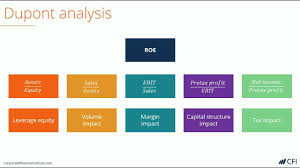
Return on Investment (ROE) is the is one of the most important company analysis tools that is used to measure how well a company manages and creates value to their shareholders. However, the values on the ROE can sometimes be misleading in terms of real value and risks associated with a particular investment. The numbers in the ROE can easily be misleading to financial analysis if the individual components of the ROE have not been broken down to their individual components. In this regard, DuPont can bridge the gap created by the ROE and provide a reliable measure of how the company creates value for its shareholders (Mitchell, Mitchell, & Cai, 2013). DuPont is the financial analysis tool that enables the breakdown of the ROE into its various individual components such as financial leverage, asset turnover, and profit margin (Haskins, 2013). The following is the financial calculation of DuPont of Chesapeake Energy Corporation, together with their competitor, Anadarko Petroleum Corporation (APC) (Cheasapeake Corp, 2015).

DuPont takes utilizes the basis of the individual component of ROE which is given by;

Profit Margin X Asset Turnover X Leverage Factor

Chesapeake Energy Corporation (CEC) Financials for the past three years

2014 2013 2012
Total Assets $40,751,000 41,782,000 41,611,000
Shareholders’ Equity $16,903,000 15,995,000 15,569,000
Revenue $20,951,000 17,506,000 12,316,000
Net Income $1,917,000 724,000 769,000

Anadarko Petroleum Corporation (APC) Financials for the past three years

2014 2013 2012
Total Assets 61,689,000 55,781,000 52,589,000
Shareholders’ Equity 19,725,000 21,857,000 20,629,000
Revenue 18,470,000 14,581,000 13,411,000
Net Income (1,750,000) 801,000 2,391,000

In the year 2012;

The DuPont for Chesapeake Energy Corporation is given by

Net Profit x Asset Turnover x Leverage Factor

(769,000/12,316,000) x (12,316,000/41,611,000) x (41,611,000/12,316,000)

= 0.0624 x 0.256 x 3.379 = 0.054

The DuPont for Anadarko Petroleum Corporation (APC) is given by

(2,391,000/13,411,000) x (13,411,000/52,589,000) x (52,589,000/20,629,000) =

=0.1783 x 0.255 x 2.541 = 0.116

In the year 2013;

The DuPont for Chesapeake Energy Corporation is given by

(724,000/17,506,000) x (17,506,000 / 41,782,000) x (41,782,000/15,995,000) =

0.041 x 0.419 x 2.612 = 0.045

The DuPont for Anadarko Petroleum Corporation (APC) is given by

(801,000/14,581,000) x (14,581,000/55,781,000) x (55,781,000/21,857,000) =

0.055 x 0.21 x 2.55 = 0.029

In the year 2014;

The DuPont for Chesapeake Energy Corporation is given by

(1,917,000/20,951,000) x (20,951,000/40,751,000) x (40,751,000/16,903,000) =

0.091 x 0.514 x 2.411 = 0.113

The DuPont for Anadarko Petroleum Corporation (APC) is given by

(1,750,000/18,470,000) x (18,470,000/61,689,000) x (61,689,000/19,725,000) =

0.095 x 0.299 x 3.127 = 0.089

Differences and trend that emerge

In the year 2012, the operating efficiency of APC (0.18) was higher than that of CEC (0.06) as can be seen in their profit margins. In the same year, it can be deduced that the asset use efficiency of between the two companies are almost the same since they stood at 0.255 for APC and 0.256 for CEC. On the other hand, the financial leverage for CEC was higher (3.4) than the financial leverage for APC (2.5).

In the year 2013, the operating efficiency of APC (0.05) was still higher than that of CEC (0.04). In the same year, the asset use efficiency of CEC was higher than the asset use efficiency of APC. Similarly, CEC had a higher financial leverage in the year 2013 than APC. Overall, it can be deduced that CEC performed better than APC in the year 2013.

In the year 2014, the operating efficiency of APC (0.095) was higher than that of CEC (0.091). However, the asset use efficiency of CEC stood higher (0.5) than that of APC (0.3). On the other hand, APC had a higher financial leverage (3.1) than CEC (2.4) as can be deduced from the financial calculations. The higher the financial leverage, the better a company is placed to provide good value for its shareholders (Brian, Sandra, & Jennifer, 2013)

References

Brian, J. H, Sandra, M. T. & Jennifer, C. H. (2013). Benefit Corporation Concerns for Cheasapeake Corp. (2015). Company Profile: Chesapeake Energy Corporation. MarketLine Financial Service Professionals. Journal of Financial Service Professionals. 74-82.

Haskins, M. E.(2013). A decade of DuPont ratio performance. Management Accounting Quarterly, 14(2), 24-33.

Mitchell, T., Mitchell, S., & Cai, C. (2013). Using the DuPont decomposing process to create A marketing model. Journal of Business & Economics Research (Online), 11(11), 485.

We can write this or a similar paper for you! Simply fill the order form!
Tuckman’s Framework Term Paper

Tuckman’s Framework
                     Tuckman’s Framework

Tuckman’s Framework

Order Instructions:

my group is Crown Resort Ltd, group work is prepare 3 presentation about Crown Resort Ltd background, Corporate Social Responsibility and Internal and External Environments.

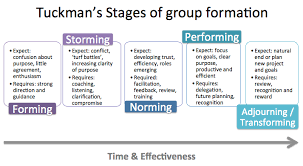
Essay requires you to write about your/the group work stages based on the reading i.e. forming (what your group did in the forming stages; storming etc) and how this links to the tuckman reading. You must begin with an introduction i.e. the group work approach by tuckman can be found in our own Crown Resort Ltd group. Each stage should be a heading under which you should write about it.

Then the conclusion is basically what you think about tuckmans model – did it work for your group or not. You must read the articles provided in the question outline to know how to effectively complete the assignment correctly.


SAMPLE ANSWER

Tuckman’s Framework

Working in groups has never being an easy experience because of the different views from group members. Therefore, when creating a group it is very important to ensure that the group has fewer members because huge groups tend to have many misunderstandings. Effective groups make work easier, each member’s opinion is considered, work is done on time and a lot of information and ideas is available for the task. Groups help people to gain good communication skills, improve on their leadership and teamwork skills. Cooperation and communication between teams is very important because group members are able to arrange and discuss on how to handle the task assigned to them. Working in a team also requires proper time management, communication and working together. Issues of ignoring some member’s opinion cause conflicts between them which is not healthy for the work to be done (Wlodarczyk, 2011, pg 50).

In our group, it was not that easy for us to form the group. We had to choose members who are active though it was not that easy because the activity was an outside one. We required members who will work together more effectively and efficiently. We wanted to form a team with common goals, and who will make it possible for us to finish the task on time. It was not easy for us to know which person to choose as our leader because we were not that familiar with one another. Identification of each individual’s role was not also that easy because we were not aware of each group member’s ability.  Though this stage was quite challenging we managed to form the group (Corey, Corey, & Haynes, 2014 pg 13).

In our storming stage, we experienced a lot of disagreements between ourselves and sometimes we couldn’t agree on anything at all. This was greatly affecting our work progress. In this stage, everyone wanted to prove that they were fit for some roles and there was too much competition on who was to become the group leader and who was to do a certain role. At this stage, we almost felt like doing away with the group because some members did feel comfortable with the tasks we had assigned to them. At the end, we came up with problem solving solutions and we used them to solve the disagreements between members (Wlodarczyk, 2011, pg 63).

Finally, our group was now established everyone was aware what roles he/she was to play in accomplishing the task and ready to work together. We established process of decision-making and we experienced fewer conflicts in this stage. At the end of our norming stage we were closer with one another and we almost had a brand for our group. In our performing stage, our group had common goals of achieving the task and everything was being done as we had planned. Work was easier and conflicts were no more. At this stage any challenges which occurred were being handled by the whole group. There was more teamwork compared to the other stages (Owen, Brooks, & Grunwald, 2013, para 5). Our adjourning stage was not that easy because we had become friends with one another and we had become of great influence to each other’s life actually the group at this stage felt more of a family. A lot can be done in teams compared to when done individually. Also, have learned that conflicts will always be present in groups what is important is how they are handled. It is very important to be part of an active group this is because active groups act as a motivation to group members. This is because active groups accomplish their tasks on time and they have proper time management and are goal oriented.

Reference list

Corey G, Corey S.M, & Haynes R. 2014. Groups in action: evolution and challenges. New York. Cengange Learning.

Owen C.B, Brooks, B.C & Grunwald, J. 2013. The Problems of Maintaining Effective Teamwork During Out of Scale Events, 2013 Research Forum. Retrieved may 14/2014 from: http://www.bushfirecrc.com/resources/research-report/problems-maintaining-effective-teamwork-during-out-scale-events>

Wlodarczyk Z.A. 2011. Work motivation: a systematic framework for a multilevel strategy. Bloomington.  Author House.

We can write this or a similar paper for you! Simply fill the order form!