For this paper, the are two main points to discuss and the writer must carefully read all the entire questions and respond accordingly. The writer must give the details of every aspect mentioned in the question and clearly provide a respond using in text citation APA 6th edition.
Communication Techniques and Barriers to Communication.
It is important to possess good communication skills to establish rapport with patients. Facilitation, silence, reflection, empathy, clarification, confrontation, interpretation, explanation, and summary each elicit a different response from the patient. The perspective shifts from the patient to the health care provider with the last four items above. Each listed item has a role in the interview process; however, practice is required to use each effectively and to move from one response to another smoothly.
Please select a specific age group (infant, child, adult, geriatric) and discuss the most effective communication techniques for this group; provide your rationale.
Discuss barriers to communication and include one relevant ethical and legal standard while conducting one of the following assessments:
1. Mental Status
2. Substance Use
3. Domestic Violence
4. Nutrition
Resources
Web Resources:
• National Human Genome Research Institute Family Medical History and Tools Resources Online. Retrieved from http://www.genome.gov/11510372
• Registry of Interpreters for the Deaf. Retrieved from http://www.rid.org
• National Institute on Alcohol Abuse and Alcoholism. Helping Patients Who Drink Too Much: A Clinician’s Guide. Retrieved from http://www.niaaa.nih.gov/guide
Communication between nurse and their patients is crucial for achievement or desired therapeutic outcomes. Studies have shown that factors know to contribute to effective communication are embedded in the characteristics of nurses. These factors include genuineness, competency, and excellent communication skills. This paper will discuss techniques that can enhance effective communication between nurses and their patients (Kraszewski and McEwen, 2010).
Communicating with older adult patients can be a challenging encounter due to various factors such as the risk of effects of memory decline and age-related sensory impairment. In addition, a third party can become part of the interaction, since elderly patients tend to be in the company of a loved one who participates actively in the patient`s care and visits. Older patients present with sophisticated problems and various other chief complaints that may require time to unravel. Another factor to consider is that old aged patients have few inquiries and are also likely to defer the authority of the physician. Ageism is also another factor that must be considered to avoid poor communication (Cooper and Gosnell, 2015).
Establishing a good rapport is relevant in effective communication with older adult patients. This can be achieved by showing respect to the patient as well as a sign of concern for the patient. The patient can be addressed as “Mr.” or “Mrs” unless he or she has requested to be called by the name of choice. Names such as “honey,” “sweetie,” or “dear,” should be avoided. Eye contact should be maintained at all times by sitting a chair and facing the patient directly. These acts aid in demonstration of genuine interest as well as active listening. A gentle touch on the patient`s arm, or shoulder demonstrates the caregiver`s interest and concern (Hingle and Robinson, 2009).
Patients may present with different health complications, which may tend to hinder the communication process. The nurse should make sure that the patient is heard and understands as well. Good listening skills and talking unhurriedly are effective good communication basing on the assumption that not all patients resemble each other. Patient`s mental status, for instance, may impair effective communication significantly. For this reason, it is required to assess the receptive and expressive abilities of the patients allowing patients to talk about their concerns while involving relevant signs and probe to ensure the patients presents his or her case wholly. Interruptions such as environmental distractions, probing beyond the patient`s capacity, starting arguments, and using a different language should be avoided to assure the patient of comfort (Hingle and Robinson, 2009).
Studies tend to reveal that the older adult patients and physicians may disagree regarding the objectives of the medical encounter. Ineffective communication can hinder exchange of information, and hence the patient`s satisfaction. Caregivers must learn to speak slowly, clear, and in a loud voice without shouting. Short, simple, terms, and sentences should be avoided. Due to the fact that the older adult patients tend to have very few inquiries and also deter the authority of the physicians, it is vital to have summaries frequently, and give room for questions (Hart, 2010).
Reference
Cooper, K., & Gosnell, K. (2015). Foundations and adult health nursing. St. Louis, Missouri : Elsevier Mosby
Hart, V. (2010). Patient-provider communications: Caring to listen. Sudbury, Mass: Jones and Bartlett.
Hingle, S.T., & Robinson, S.B. (2009). Enhancing Communication with Older Patients in the Outpatient Setting. Semin Med Pract 12, 1-7.
Kraszewski, S., & McEwen, A. (2010). Communication Skills For Adult Nurses. Maidenhead: McGraw-Hill International (UK) Ltd.
We can write this or a similar paper for you! Simply fill the order form!
The Commercial Training Manager at Etihad Airways, Sunil Joshua supervises a team of 30 trainers and 4 line managers countrywide. A conspicuous observation is simplicity of his relations with his followers and the level of team work observed within his team. He can be considered an authentic leader because he has played the role of empowering his trainers to a level where they do not depend on him to run their daily routines and where they can effectively make relevant decisions to promote the objectives of the company. In addition, he fosters an open relationship with his followers where their personal lives are considered an important aspect of success; and thus encourages them to effectively balance their careers and personal lives.
Sunil demonstrated authentic leadership when one of his trainer’s wife fell seriously ill and he had to take care of her for several days. Unfortunately, this was the same time that the unit had organized a major training and personnel from different regions had assembled for the event, which is done yearly. Being the facilitator of the training, the team member was at a loss on what to do because both the training and his wife were important aspects of his life. Sunil stepped in and had to travel from another town to facilitate the training. This was a noble act on Sunil’s part and a demonstration of his authentic leadership. Comparing this to the findings by Mital and Dorfman (2012) Sunil as an authentic leader demonstrated that he cares for the welfare of his followers as he did not let the trainer go ahead with the training while leaving his sick wife behind. He also fulfilled the moral obligation of empathy that authentic leaders should possess by understanding that the trainer may not have performed optimally if he went ahead with the training because he would be worried about his wife at the hospital (Pescosolido, 2002). Pettigrew, Thomas and Whittington (2006) note that authentic leaders go out of their way to meet collective objectives and this is effectively demonstrated when Sunil decides to lead the training himself in order to ensure that the meeting is not jeopardized. It is therefore justified to state that Sunil is an authentic leader.
Do you not think that what mentioned above relates to emotional intelligence whereby empathy might be able to be measured as an element of leadership? Libbrecht and Lievens (2012) conducted a study however of EI amongst undergraduate students in Belgium and concluded that EI has little relation with personality but more with performance outcomes. Please see the paper attached and I wonder how the context may differ if this trial was conducted in the Middle East?
Libbrecht, N., and Lievens, F. (2012), Validity evidence for the situational judgment test paradigm in emotional intelligence measurement, International Journal of Psychology. Vol. 47 Issue 6, p438-447.
SAMPLE ANSWER
Emotional Intelligence
Emotional intelligence has been depicted in this context as the ability to use, identify and understand emotions likely to be in a positive way to manage stress hence it released the stress when one of the trainers had to step down and look after his wife who was sick (Daniel, 2015). This kind of leadership exists through empathy and it shows concerns on self being to others. Since emotional understanding has been considered as one of the paradigms in offering situational judgement, the results in explaining the leadership skills are revealed as skills (Libbrecht and Lievens, 2012). As the research concluded, undergraduate students in Belgium Emotional Intelligence (EI) have a little relation with personality but more with the performance outcomes. They are more focussed on what is likely to happen in the future or the main prospects they are to achieve in the long run. Therefore their emotions are mostly geared by the events they will achieve as compared to the attached feelings and personality characteristics (Libbrecht and Lievens, 2012). If the same trial that has been conducted in Belgium has to be conducted in Middle East there will be completely different results. Middle East citizens Emotional Intelligence will be obtained through the difference in the performance (Joshua, 2010). Not all citizens’ emotional capabilities come from the performance but rather more on the personality state. They are more concerned in feelings hence in the situation of a trainers wife being sick none would have come forward and feel the vacuum; they would have cancelled the training activities (Joshua, 2010). The research would have concluded that they are not authentic leaders as their Emotional Intelligence has more relation with personality rather than an attribute in performance.
Libbrecht, N., and Lievens, F. (2012). Validity evidence for the situational judgment test paradigm in emotional intelligence measurement, International Journal of Psychology, 47(6), 438-447.
We can write this or a similar paper for you! Simply fill the order form!
Original Creation of the Earth (nebular hypothesis vs. six day creation)
Order Instructions:
COMPARATIVE ESSAY INSTRUCTIONS
Topic:
1. Original creation of the Earth (nebular hypothesis vs. six-day creation)
Content and Outline
Use the following outline when writing your paper. Each point on the below outline should be a separate section (with the section heading, as indicated) within your paper.
I. Introduction
• Indicate which topic you chose from the list above.
• Indicate the purpose of your paper (i.e., to compare old-Earth and young-Earth viewpoints on your chosen topic).
II. Old-Earth Secular View
• What is the old-Earth secular viewpoint on your chosen topic?
• Do not discuss the old-Earth creationist viewpoint on your chosen topic. For a description of old-Earth creationism, go to http://rationalwiki.org/wiki/Old_Earth_creationism
III. Young-Earth View
• What is the young-Earth viewpoint on your chosen topic?
IV. Comparison of the Viewpoints
• Comparison is articulating similarities between the two viewpoints.
• Be sure to provide at least two similarities (comparisons) between the viewpoints.
V. Contrast of the Viewpoints
• Contrast is articulating differences between the two viewpoints.
• Be sure to provide at least two differences (contrasts) between the viewpoints.
VI. Conclusion
• Provide a summary statement of your paper.
• Be sure to restate your purpose.
• Do not introduce new material in your conclusion.
Length
This paper is to be 3–4 pages. Do not exceed this page limit. The title page and bibliography do not count toward the page total.
Format
You must use current APA format. Papers must be double-spaced with 1-inch margins all around. Font is to be Courier New or Times New Roman in 12-point font. Include a cover sheet with your name, instructor’s name, course number and title (e.g., PHSC 210, Elements of Earth Science), date, and paper title. There is no need to include an abstract in your paper.
Sources
Your Comparative Essay must include at least 4 academic sources (not including the course textbooks). Two of these additional sources must be from an old-Earth perspective, and the other two sources must be from a young-Earth perspective. Sources must be journal articles, manuscripts, scholarly textbooks, and/or internet sites from .edu or .gov sources. Avoid internet sites from .com, .net, .org, etc., as the information contained therein are not often peer reviewed. In particular, avoid Wikipedia. Also, study Bibles are not appropriate for this assignment. List all of your sources in a bibliography at the end of the paper.
Citation
Be sure to cite your sources in the body of your paper using current APA format.
SAMPLE ANSWER
Original Creation of the Earth
Original Creation of the Earth (nebular hypothesis vs. six day creation)
Introduction
Topic: The topic of this exercise is the original creation of earth and the two main opposing perspectives that seek to explain how it occurred. These are the nebular hypothesis which is secular and the six day creation which is based on biblical scripture.
Purpose: The purpose of this paper is to compare and contrast the two view points on the origin of the earth. One of the theories is the nebular theory which is based on secular scientific theories that were proposed to explain how the earth came to be. The other perspective, the six day creation, on the other hand is a Christian belief stated in the Bible about God, a supreme being deliberately created the earth.
Old Earth Secular View
The Old Earth Secular View of creation is a collective term that is used to refer to a several types of theories that are based on scientific knowledge as a means of explaining how the earth came to be in its present form. This form of reasoning relies on various branches of science such as geology, plate tectonics and various forms of radiometric dating as a means of establishing the age of the earth (LaPorte, 2014). It is termed as the old earth secular view due to the manner in which it is manifested relative to the young earth theory of creation. The ‘old’ is indicative of the belief that the earth is much older than 6000 years as indicated by the calendar followed by Judaism.
One of the more common beliefs associated with old-earth secular view is the ‘Big Bang Theory’ which is believed by scientists to have taken place over a billion years ago. The reason why it is termed as secular is that it exists parallel to religious theories of creation. Its origin is in science and rational or logical arguments thus its being called ‘secular’. Under this view, life on earth whether plant or animal came about as a result of progressive evolution from simple celled organisms whose cellular structure grew more and more complicated as the organisms sought to better adapt to their environment. According to this school of thought, evolution did not stop but is more of a continuous process taking place even today. Those who hold to this point of view are critical of those who believe in young earth creationism for completely ignoring logic (Herbert, 2014).
Young Earth Creationism
Young Earth creationism is a belief system that the earth is 6000 years old and was created in a total of six days out of nothing. The six days are taken as the literal days with 24 hours in each. This is a literal interpretation of what the Bible says in the creation story narrated in the book of Genesis which discusses the origins of earth and everything on it (Benton, 2014). Key to this belief is the belief in the existence of a supreme being who is known as the God of Abraham. This is the same God worshipped in Judaism, Christianity and also Islam albeit under different names. Under this theory humanity has virtually existed from time immemorial.
Those who take this point of view are motivated to stand by it due to their belief that what the Bible says is infallible. They therefore also oppose the secular perspective that the earth formed following a cataclysmic event in the universe followed by geological processes and evolution leading to the earth and life as known today. According to the young earth creation belief, everything that exists on earth whether natural or living has maintained the same form since it was created (MCGee, 2012).
Comparison and Contrast
Similarities
The first similarity that these two points of view share is the fact that whatever happened at the ‘beginning of time’ had a direct impact on how things are today. Regardless of the path followed, both alleged origins of the earth have led to nature being what it is today.
The second similarity that the old-earth secular belief and young earth creationism theory have is the fact that the processes that took place at the beginning of the earth put in place relevant parameters needed for the sustaining of life on earth. This is to say that both perspectives believe that life on earth is not an accident but rather something systematic.
Differences
The first difference between these two points of view is on the role of the supreme being. According to the old-earth secular belief, the earth came into existence due to the existence of the right conditions in the universe while young earth believes that God personally created everything.
The second difference is on the age of the earth. The old earth secular view takes it that the earth is at least a billion years old while the young earth view maintains that earth is six thousand years old.
Conclusion
From the above it is evident that there exists a sharp difference between the two perspectives. Proponents of both young earth creationism and old earth put a lot of effort into justifying their point of view. It is unlikely that the two will ever find a common ground due to the implication of the same. They however have areas of common ground as well as some stark differences and an understanding of these is key in differentiating the two.
References
Benton, A. (2014). Creationist Ministries Present a Distorted View of Human Evolution. Reports of the National Center for Science Education, 34(4).
Hebert, J. (2014). Ice Cores, Seafloor Sediments, and the Age of the Earth: Part 1. Acts & Facts, 43(6), 12-14.
LaPorte, C. (2013). Victorian literature, religion, and secularization. Literature Compass, 10(3), 277-287.
McGee, D. (2012). Creation Date of Adam from the Perspective of Young-Earth Creationism. Answers Research Journal, 5, 217-230.
We can write this or a similar paper for you! Simply fill the order form!
the essay should answer the following with a focus placed on the hospitality industry:
What is meant by the term aesthetic labour? Identify an interactive service occupation and discuss why the industry recruits feminized labour oftentimes with intersecting identities (e.g. age, class,racialised background)? Do these workers experience discrimination (e.g.double-standards sexual harassment) in their occupation? Explain why this
happens.
references to be used in the essay
Employee experience of aesthetic labour in retail and hospitality by: Chris Warhurst & Dennis Nickson
the “Right” Person for the Job: Exploring the Aesthetics of about within the Events Industry by: Katherine L Dashper
Emotional intelligence and emotional labour acting strategies among frontline hotel employees. International journal of Contemporary Hospitality, 1029 – 1046
“Gender, Global Labor Markets, Commodity Chains, and Mobilities: Globalizing Production and Reproduction” by: Heidi Gottfried
Serving People: Gender and Services in the New Economy” by: heidi Gottfried
SAMPLE ANSWER
Aesthetic labor in hospitality
The concept of aesthetic labour
According to Warhurst and Nickson (2007), aesthetic labor refers to the aspect of recruiting, selecting, developing, and deploying physical and presentable features with the aim of bringing out a good and sound image. In addition, studies have established a certain level of classification within interactive service work, and distinctions have further been developed with regard to requisite aesthetics which echo a company’s market dimensions, brand strategies and its appeal to different groupings of consumers. Thus, employees in such hospitality industries as restaurants, bars, style cafes and designer retailers need to have aesthetic skills as well as technical and social skills. The skills that most recruiters look for in aesthetic labor include: voice and accents, personal grooming, dress sense and style, and body language. According to Warhurst and Nickson (2007), the current trend in the hospitality industry has drawn so much attention on aesthetic skills as the vital requisites, and policy makers tend to favor this trend.
Aesthetic labor is required in service industries that are style-conscious as opposed to manufacturing industries due to various reasons. First, the production and consumption of services is simultaneous as opposed to manufacturing which does not happen simultaneously. Second, in service industries, there is a direct interaction between employees and customers. Service employees are considered as part of the product and their relationship with the customers and be described as intangible, spontaneous, continent and variable. These attributes imply that an effective service transaction will highly depend on the extent to which customers perceive the moods, personality, demeanor, and appearance of a firm’s employees. Whereas some companies have made attempts of replacing this uncertainty with technological advances such as automated systems and scripted call-centre encounters, other companies have invested a lot in employee training with the aim of delivering the employer brand image. The training process requires the employers to strictly manage and monitor the behavior and responses or emotional labour of employees. Other employees have resorted to recruiting and selecting ‘oven-ready’ employees with the right skills and attitudes for the jobs, by using competency-based selection procedures. Thus, the traditional understanding of ‘soft skills’ has been overtaken by the trending notion that sounding right and looking good are skills which are not easy to be trained into people. Nevertheless, recruiting employees in light of this assumption may potentially lead to discrimination (Warhurst and Nickson, 2009).
Aesthetic labour in the food industry
The food industry is greatly connected to the rapid growth in consumer culture. This field is unique in the sense that accessing employment basically depends on the personal traits and the ability to appeal to consumers. The job of an events manager or planner is to effectively reflect a future self to the customer.
According to Dashper, the service interactive industry can be described as a ‘customer-oriented bureaucracy’. Employees often encounter very challenging demands due to the dual and sometimes contradictory concepts of customer bureaucratization and orientation. The events industry is one of the interactive services where the concept of labor aesthetics has been successfully used in recruitment processes.
Research shows that although both customer-oriented and bureaucratized elements tend to be gender-neutral, they usually have deep gender inclinations. With regard to service quality, it is usually presumed that customers tend to have gender preferences. Most male consumers prefer the service of female employees. In the events industry, employers put greater emphasis on such personal attributes as honesty, friendliness, self-presentation, and sociability than technical skills and experience.
Employers in the food industry require employees to have the right personality. Most advertisements call for employees who are physically appealing, bright, confident, enthusiastic, dynamic, and proactive. There is a tendency of ‘lookism’, that is, discriminating employees on grounds of their appearance. Employees in the food sector are expected to look very appealing and thus, physical appearance really matters. Thus, younger females would be much preferred than older ones. In addition, women will be expected to dress in a certain manner that attracts customers. Employers tend to control the body posture, language, length of clothes, makeup, shoes, and the color and length of hair of the employees. For instance, women who serve as waitresses in restaurants or clubs are expected to dress seductively in mini-clothes, which is not consistent with Muslim dressing.
The manager is expected t be outgoing and confident (Dashper, 2013). This description matches the skills necessary for the role of people management, customer service, and client relationship building. Although these requirements seem to be ordinary for persons with knowledge and willingness to accommodate the demands of the role, there is usually a presumed reasoning that female employees would not be willing and able to travel for work and that men would not have such constraints.
Thus, work-related travels operate as a barrier for women into employment and a steppingstone to men’s employment. Female employees would also have the willingness and ability to take up work-related travels but gendered perceptions deny women such opportunities. The long, unsociable hours are also indicative of female discrimination, as women are assumed to take up child-bearing roles. In spite of the increasing societal changes with regard to gender equality, women are still majorly responsible for child care responsibilities. The employers in the events industry also expect employees to show willingness to work during unsociable hours and to travel. Thus, most management positions are left to men because of the gendered perceptions that men are more committed and willing to work in all forms of circumstances. Women, on the other hand, are perceived to be more suitable for the waiteress jobs because of the notion that they have higher potential to act in a friendly and deferent manner to customers than men (Gottfried, 2012).
Employees are expected to meet the expectations of employers by engaging in some form of emotional labor. For instance, McDonald’s employees are usually required to greet customers with a smile and friendly attitude irrespective of the employees’ own temperaments and mood at the time. Research indicates that this rigid observance of the rules potentially damages the identity and sense of self of the employees. Women tend to be overrepresented in these jobs because of the deference requirement, which is demanded of all people in disadvantaged structural positions (Warhurst and Nickson, 2009).
Aesthetic labor also has effects on women in the sense that it perpetuates the gender wage gap and occupational segregation. Job segregation refers to the methodical tendency for female and male employees to work in different occupations (Gottfried, 2012). Women often have less pay than their male counterparts working in the same job position. Aesthetic labor is one of the factors leading to occupational segregation. In particular, women are stereotyped as fit for jobs that require emotions in terms of care and empathy. The problem arises from the fact that women are never compensated for these emotional attributes as they are perceived as a sign of weakness. Women only get a small pay in comparison to men due to the notion that women’s work is not very demanding and that it does not involve a lot of struggle since emotional attributes are inherent in the female gene. The emotional demands of labor are not awarded as high as the cognitive requirements of the job.
Female workers also face double-standards discrimination due to the fact that some men misinterpret their display of smiling and show of friendliness as sexual invite. Women who work as waitresses in casinos are encouraged to exaggerate their affection and to act seductively in terms of their dressing, appearance and speech, and this increases their vulnerability to sexual harassment.
There is a tendency of aesthetic labor exhausting employees, and causing burnout over time. In addition, aesthetic labour may lead to reduced job satisfaction due to the pretences that come with it. The increased degree of employee regulation of their emotions at work is linked to increased levels of emotional exhaustion and lowered levels of employee job satisfaction (Kim et al, 2012).
In conclusion, aesthetic labor has both positive and negative consequences. On a positive side, aesthetic labor promotes positive interactions between the employees and customers. It leads to such positive outcomes as the customer’s willingness to return, recommend the company to others, and the tendency to appreciate the perception of overall service quality. Negatively, aesthetic labor leads to emotional exhaustion and burnout as well as reduced job satisfaction. It also promotes discrimination against female employees in terms of less pay and sexual harassment.
References
Gottfried, Heidi. Gender, work, and economy: unpacking the global economy. John Wiley & Sons, 2013.
Gottfried, Heidi. Serving People: Gender Services in the New Economy. John Wiley & Sons, 2012.
Kim, Taegoo, Joanne Jung-Eun Yoo, Gyehee Lee, and Joungman Kim. “Emotional intelligence and emotional labor acting strategies among frontline hotel employees.” International Journal of Contemporary Hospitality Management 24, no. 7 (2012): 1029-1046.
Dashper, Katherine l. “The “right” person for the job: exploring the aesthetics of labor within the events industry.” Event Management 17, no. 2 (2013): 135-144.
Warhurst, Chris, and Dennis Nickson. “‘Who’s Got the Look?’Emotional, Aesthetic and Sexualized Labour in Interactive Services.” Gender, Work & Organization 16, no. 3 (2009): 385-404.
We can write this or a similar paper for you! Simply fill the order form!
The writer has to pay close attention to APA 6th Edition for this paper, it is also critical that the references follow APA 6th edition and must include all doi where necessary and also the UR links when sources are taking from the internet. In the previous papers the writer has giving very little attention to that. its is very important that he or she take note of that and properly reference the paper.
The are two main points to discussed in this paper and the writer must clearly and detail respond to those two points.
Inventory, Transportation, and Warehousing
Imagine that you are the logistics manager of a firm supplying fashion clothes to the big stores. Being able to reliably assign costs to activities is a crucial management tool. However, the kind of transaction data traditionally used in logistics can present problems for activity-based costing.
• What are the main factors affecting the optimal level of product availability in your organization? Give practical examples to show how technology can help the inventory manager to improve the balance between the costs of over- and under-stocking in the business.
• What are the main difficulties involved in assigning meaningful costs to the activities in warehouses? How can these difficulties be overcome and cost savings achieved?
Resources
Articles
• Wallin, C., Rungtusanatham, M. J., & Rabinovich, E. (2006). What is the “right” inventory management approach for a purchased item? International Journal of Operations & Production Management, 26(1/2). Retrieved from ABI/INFORM Global database.
This article explores four basic approaches to the problem of inventory management and shows their application to different circumstances.
• Pokharel, S. (2005). Perception on information and communication technology perspectives in logistics: A study of transportation and warehouses sectors in Singapore. Journal of Enterprise Information Management, 18(1/2). Retrieved from ABI/INFORM Global database.
This survey analyzes perceptions of logistics companies in Singapore concerning the benefits of ICT applications for their industry.
• Varila, M., Seppänen, M., & Suomala, P. (2007). Detailed cost modelling: A case study in warehouse logistics. International Journal of Physical Distribution & Logistics Management, 37(3). Retrieved from ABI/INFORM Global database.
This study considers the various drivers for assigning activity costs to products in warehouse logistics and concludes that the accuracy of accounting can be significantly increased by measuring the actual duration of transactions.
• Timme, S. G. (2003). The real cost of holding inventory. Supply Chain Management Review: Top 50 PLs, 7(4), 30-37. Retrieved from ABI/INFORM Global database.
This article examines the total costs involved with holding inventory. The author also presents a solution to valuing inventory and how it can lead to better management decisions.
Web Sites
Beasley, J. E. (n.d.). OR-Notes. Retrieved from http://people.brunel.ac.uk/~mastjjb/jeb/or/invent.html
This academic Web site provides detailed information, charts, and diagrams regarding inventory control.
SAMPLE ANSWER
Inventory, Transportation and warehousing
Overstocking refers to having excess amounts of stock than is necessary. This is usually attributed to poor management of the inventory, demand or material flow particularly to process management. This is also considered as a form of losing revenue as it is tied up in capital and additional costs of storing the items. Under-stocking on the other hand refers to having inadequate amount in relation to items or supplies. These are the two main issues affecting the efficient and effective means of supplying fashion clothes to large stores (Jaber, 2009).
This has in turn, led to a number of drawbacks in the efforts of the firm to achieving its desired goals and objectives. In the case of overstocking, it leads to various consequences. First, the funds are held up in capital and these funds could have been used in different other areas that would have boosted the company on its path to success. Second, the excess stock will require additional space and this means incurring additional costs for storage space. Furthermore, the cost will also include maintenance fees. Third, the stock may deteriorate in quality and at times become obsolete given the fast changing trend of fashion (‘Reduce the risk of overstocking’, 2012).
In the case of under-stocking, it leads to poor operation of the production process and poor delivery schedules. Under-stocking may lead to paying the labor force yet they were idle most of the period waiting on the production process. The corporate image of the firm may be tarnished as it does not meet the needs of customers. Meeting the demands of the customers may prove difficult and result in unfavorable prices (Müller, 2011).
It is important to maintain a balance between overstocking and under-stocking, and in the current modern business world, this requires the use of a given form of system. A common system that can be used in order to manage inventories efficiently and effectively is the barcode system. When the barcode is applied at the point of sale, usually at a computerized cash register, the sales information of the items is relayed to a larger system that supports the usage information and statistics. This information will be used by the purchasing department in making purchase decisions on the grounds of sales and the level of inventory (‘Inventory Management’, 2010).
There are a number of complications linked to coming up with significant costs associated with activities in a warehouse. These might include a poor system used in the storage process from the time the items are offloaded into the warehouse to the time they are loaded and dispatched. Another difficulty that adds to the process is the distance of the warehouse from the production facility. Furthermore, the arrangement used in the warehouse and the size of the warehouse also impacts negatively in coming up with efficient costs (Richards, 2011).
Viable solutions to mitigating some of the difficulties include coming up with a proper warehouse system such as FIFO: this will provide a basis for knowing how the products will be arranged in the warehouse and how they will be dispatched. This will help in a formal arrangement that will be efficient and save on time which will eventually save on costs. It is important that the location of the warehouse be near the production facility; this will save on transportation costs and will make it easier to manage activities in the warehouse.
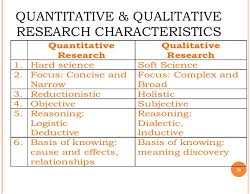
Quantitative and Qualitative Nursing Research Order Instructions: Course Textbooks
Quantitative and Qualitative Nursing Research
1. Nursing Research: Generating and Assessing Evidence for Nursing Practice
Polit, D. F., & Beck, C. T. (2012). Nursing research: Generating and assessing evidence for nursing practice (9th ed.). Philadelphia, PA: Lippincott Williams & Wilkins. ISBN-13: 9781605477084 (Available as print text only.)
2. Resource Manual to Accompany Nursing Research: Generating and Assessing Evidence for Nursing Practice
Polit, D. F., & Beck, C. T. (2012). Resource manual to accompany nursing research: Generating and assessing evidence for nursing practice (9th ed.). Philadelphia, PA: Lippincott Williams & Wilkins. ISBN-13: 9781605477824 (Available as print text only.)
Write a paper of 2,000?2,500 words. You will develop the paper in five parts.
This assignment is in 5 parts:
Prepare this assignment according to the APA guidelines. The accepted plagiarism level is 20% or less
Part 1 (Quantitative and Qualitative Research Review)
Choose two scholarly, peer-reviewed articles about research studies.
The articles can be found using the GCU Library or any of the sources recommended in the readings.
Address the following:
1. One article must be an example of a qualitative research study; the other must be a quantitative example.
2. These articles will be utilized for in part 2, 3, 4 and 5.
3. Write a 350-500-word statement which includes:
4. A description of why each research study is categorized as quantitative or qualitative.
5. A justification for your selections.
6. The journal page reference for the research study selected and the reasons why it was selected.
7. A link to the selected articles or an attached copy of each article.
Part 2 (Summarize Research Articles)
Write a summary of each of the articles that you identified in part 1.
Address the following:
1. Write one research summary that uses a quantitative research design.
2. Write one research summary that uses a qualitative research design.
3. Each summary should be 250-500 words and should follow the template, Summarize Research Articles.
4. Use APA Level Heading 2 to separate the distinct parts of the study.
These article summaries will form the basis of the Critique of Research Studies parts in modules 3, 4, and 5.
Part 3 (Critique of Research Studies )
Complete a critique of the quantitative and qualitative articles that were submitted in part 2.
Follow the guidelines for the quantitative and qualitative article critiques in Chapter 5, Box 5.2, pages 112-114 and Box 5.3, pages 115-117 of the textbook.
1) Utilize a central heading to indicate that what follows is the critique of the articles.
2) The side headings of the critique for each article should follow the headings in Box 5.2 and 5.3.
3) Note that within these BASIC guidelines, there are additional references to Detailed Critiquing Guidelines found in various boxes in chapters focused on the various elements of a research study report. Use these to expand the research study and to learn specific terminology appropriate to the critique of research.
When turning in the final submission, please put in the following order: Quantitative Article Critique, Qualitative Article Critique, References (should include the two articles, the text, and any other additional sources).
For Part 3 of the critique, focus only on the following segments for each article:
Quantitative Qualitative
• Title • Title
• Abstract • Abstract
• Introduction • Introduction
o Statement of the problem o Statement of the problem
o Hypotheses or research questions o Research questions
o Literature review o Literature review
o Conceptual/theoretical framework o Conceptual underpinnings
Part 4 (Critique of Research Studies)
For Part 2 of the critique, focus only on the following segments for each article:
Quantitative Qualitative
• Method • Method
o Protection of human rights o Protection of participants’ rights
o Research design o Research design and research tradition
o Population and sample o Sample and setting
o Data collection and measurement o Data collection
o Procedures o Procedures
o Enhancement of trustworthiness
Part 5
When turning in the final submission, please put in the following order: Quantitative Article Critique, Qualitative Article Critique, References (should include the two articles, the text, and any other additional sources).
For Part 3 of the critique, focus only on the following segments for each article:
Quantitative Qualitative
• Results • Results
o Data analysis o Data analysis
o Findings
o Reliability and Validity o Findings
• Discussion o Theoretical integrations
o Interpretation of findings • Discussion
o Implications/recommendations o Interpretation of the findings
• Global Issues o Implications/recommendations
o Presentation • Global Issues
o Researcher credibility o Presentation
o Summary assessment o Researcher credibility
o Summary assessment
Quantitative and Qualitative Nursing Research Sample Answer
Part 1 (Quantitative and Qualitative Research Review)
In my quantitative research review, I chose a peer reviewed journal titled ‘Surveillance of influenza-like illness in Belgian nursing homes’ while for the qualitative research review, I chose ‘Pre-exposure Prophylaxis in substance abuse treatment: a qualitative study of treatment provider perspectives’ as my topic from a peer reviewed journal.
Surveillance of influenza-like illness in Belgian nursing homes is a quantitative research because it was conducted upon measurements which are numerical and it tends to use research indicators and tools which are statistical. From the journal, it is evident that a quasi-experimental approach was used to conduct the correlation survey where numerical data was collected twice a month for a 5 month period recording 10 observations for each participant. Data was collected using questionnaires and a surveillance contact person was chosen for all participating facilities. The research was objective whereby the researcher set the aims of the study before conducting it. The research study is conducted at a level of precision whereby the validity and reliability of the data was ensured before the analysis of the data collected. A quantitative research tests a hypothesis as well as proving a theory. From this study, data was collected to measure the incidence of influenza like illness in nursing homes in Belgium during the 2009-2010 season of influenza. Comparative quantitative data was also collected on the coverage of vaccination for A (H1N1)2009 and seasonal flu and it was compared to another data collected to show the lack of influenza like illness among health care workers in nursing homes during the same observation duration. This article was obtained from the following journal Archives of Public Health 2010, 68.100-108. The choice of the article was due to its quantitative approach and it was also proof of evidence based practice in nursing. The article can be found on this link: http://www.archpublichealth.com/content/68/3/100.
Pre-exposure Prophylaxis in substance abuse treatment: a qualitative study of treatment provider perspectives is a study topic conducted through a qualitative design. The research develops a theory since its main objective is to examine substance abuse treatment providers’ views on engaging clients in pre-exposure prophylaxis. During the data collection, semi structured interviews were qualitatively conducted on a purposively selected sample of 36 medical and counseling service providers in 6 New York outpatient substance abuse treatment programs so as to fulfill the assumption that the researcher is part of the research. The data analysis conducted involved content analysis to show themes and trends in the data and coding was done independently by 3 coders. This article was obtained from the following journal Substance Abuse Treatment, Prevention, and Policy 2015, 10:1. The choice of the article was due to its qualitative approach and it was also proof of evidence based practice in nursing. The article can be found on this link: http://www.substanceabusepolicy.com/content/10/1/1.
Part 2 (Summarize Research Articles)
The summary template of the quantitative research review includes the following sections;
Title
Surveillance of influenza-like illness in Belgian nursing homes’. This article was published in volume 68 of the public health journal in 2010 from pages 100 to 108. The article was authored by Jans, Latour, Broexand Catry. This is a summary of a quantitative studyconducted to compare treatments among groups following a quasi experimental research design.
Problem Statement
The researchers state that elderly people are severely affected by the presence of several risk factors that influence the severity of an influenza infection according to previous studies. According to the world health organization, vaccination for the nursing home staff who come to close contact with the sick population is an important tool in trying to contain influenza-like related illnesses.
Statement of Purpose
The researchers conducting this study were interested in measuring the occurrence of influenza-like illness in nursing homes in Belgium during the 2009-2010 seasons of influenza and comparing individuals who had participated in a vaccination for A (HINI) 2009 and seasonal flu against absenteeism for influenza-like illnesses among health care workers in nursing homes during the same observation period.
Research Questions
Does vaccination reduce risk of contacting influenza –like illnesses during an influenza epidemic? Does vaccination for health care workers working in nursing homes reduce mortality and morbidity among residents?
Study Methods
A quasi experimental design was applied in carrying out. All Belgian nursing homes (n=1,606) were invited by the scientific institute of public health to voluntarily participate in a national network for the surveillance of all new cases of influenza-like illness. A contact person was placed at each facility involved for the surveillance and he/she provided details about the nursing home i.e. total number of staff members employed and bed capacity. Staff members were divided into 4 categories: paramedical, administrative, logistic and nursing staff. Influenza-like cases were defined and the different variables to be investigated were also defined.
Data was collected through an electronic paper form questionnaire which was read optically for a period of 5 months and the participants recorded observations twice a month hence providing 10 observations for each participant. STATA version 9 was used to process the data and the indicators calculated were; the total number of new influenza-like illnesses per 1000 resident day for the observation duration, proportion of staff members who were absent for influenza-like illnesses program and the proportion of staff members who were vaccinated against A (H1N1) 2009 and seasonal flu.
Key Findings
The findings include; 25 nursing homes provided surveillance data and it was found out that a total of 47 residents developed influenza like illness during the surveillance period. In addition, the mean proportion of staff members who were not present for influenza like illness vaccination over the 5 months of surveillance were not significantly different between the professional categories
Quantitative and Qualitative Nursing Research Citation
Jans, B., Latour, K., Broex., E & Catry, B. (2010). Surveillance of influenza-like illness in Belgian nursing homes. Archives of Public Health,68, 100-108. Retrieved February 5, 2015.
The summary template of the quantitative research review includes the following sections;
Title
Pre-exposure Prophylaxis in substance abuse treatment. This article was published in the Substance Abuse Treatment, Prevention, and Policy journal in 2015 from page 1 to 15. The article was authored by Anya Spector, Robert RemienandSusan Tross. This is a summary of a qualitative studyconducted to get the views of substance abuse treatment providers using the grounded theory approach.
Problem Statement
The researchers stated that “In the US, there are approximately two million substance users in community treatment programs who are at risk for HIV because of injection drug use and/or unprotected sex under the influence of drugs and/or unprotected sex under the influence of drugs and/or alcohol, substance users, and their sexual partners, are vulnerable to acquiring HIV”. According to studies, New York city substance users have the same prevalence for HIV irrespective of whether they use injecting needles or not hence the need for an introduction of Pre-exposure Prophylaxis in substance abuse treatment.
Statement of Purpose
Since users and non users of needles in substance abuse have the same prevalence for HIV, it is important to seek for views of substance treatment providers when they put clients in pre-exposure prophylaxis care and research trials.
Quantitative and Qualitative Nursing Research Research questions
What is the feasibility, impact and the acceptability of pre exposure prophylaxis on substance treatment providers’ practices in substance abuse treatment programs in the community?
Study Methods
A non experimental design was used to conduct the study where 36 medical and counseling practitioners in from 6 New York outpatient substance abuse treatment programs were invited to participate in qualitative semi structured interviews. 3 coders prepared a code book for performing content analysis on the data using Research Ware Hyper Research qualitative data management software.
Key Findings
After conducting the research, it was evident that pre exposure prophylaxis from the providers’ view was defined by 6 themes namely; it was not fully determined if clients would adhere to medication, people were not fully aware about pre exposure prophylaxis, PrEp ambivalence, there was a perception of several challenges to delivery, emerging concerns about side effects and safety, possible barriers in conducting clinical trials.
Citation
Spector, A., Remien, R., & Tross, S. (2015). PrEP in substance abuse treatment: A qualitative study of treatment provider perspectives. Substance Abuse Treatment, Prevention, and Policy,10(1), 1-10. Retrieved February 5, 2015.
Part 3 (Critique of Research Studies)
Quantitative research article critique
Title: Surveillance of influenza-like illness in Belgian nursing homes
Abstract: The study did not provide an abstract and the researcher went straight into the introduction and started stating the variables for the study.
Statement of the problem: The researcher does not clearly state the problem for the study. Instead, a brief description is stated in the introduction section of the study.
Hypothesis/research questions: The researcher does neither states the hypothesis nor the research questions for the study since after writing the introduction section, he/she proceeds to the methodology section.
Literature review: The researcher does not review any literature on this study topic since after introducing the topic, he/she proceeds directly to the methodology.
Conceptual/theoretical framework: The researcher does not state any theory to be proven in the research study.
Qualitative research article critique
Topic: Pre-exposure Prophylaxis in substance abuse treatment: a qualitative study of treatment provider perspectives.
Abstract: The researcher stated the abstract at the beginning of the paper hence providing an insight about the contents of the study. In the abstract, the following contents were included; objectives, method, results, conclusion and keywords of the study.
Introduction: The researcher gives a lengthy introductory part without separating the various sections of chapter one.
Statement of the problem: The researcher does not provide a clear statement of the problem under study. Instead, the problem is partially described in the introduction part.
Research questions: The research questions being studied in the research are not clearly stated in their own segment though they are included in the introduction section.
Literature review: The researcher reviews previous studies in the on this topic and hence establishes the need for further studies. The literature review is not mentioned on its own section and instead, only a small section of the introduction tackles it.
Conceptual underpinnings: The researcher develops the grounded theory in this study by collecting data and analyzing it to show themes in the population under study.
Part 4 (Critique of Research Studies)
Quantitative research article critique (Method)
Protection of human rights: Human rights were protected since each participating nursing home was allotted with a unique study number. The contact person collecting the data also allotted a unique resident study number to each and every influenza-like illness case hence ensuring confidentiality.
Research design: The researcher conducts a quasi experimental where selection of samples was not randomized. Since the researchers were mainly interested in the correlation between groups of professionals which undertook vaccination and the other group which did not vaccinate, then a correlation approach would be the most appropriate.
Population and sample: The researcher invited all health care workers in all nursing homes to voluntarily participate in the study. To achieve randomization in determining a sample size, the researcher should have used a probability method to determine the sample for the study.
Data collection and measurement: Data was collected by questionnaires which were electronically transmitted to the science institute of public health. Due to the many observations which required to be observed, a questionnaire was the best tool used to provide the required structure of presenting the data which was processed through STATA version 9.
Procedures: The sampling procedure required that participants record observations twice a month for the duration of 5 months. The participants were only tested for influenza-like illnesses without testing the presence of influenza virus. This made it difficult to differentiate between influenza-like illness and seasonal flu.
Qualitative research article critique (Method)
Protection of participants’ rights: The researcher states that no names were recorded for the individuals participating in the study hence ensuring confidentiality.
Research design and research tradition: The researcher opted for a non experimental design to conduct his study. It is justifiable since it was a qualitative study aimed at obtaining practitioners views.
Sampling and setting: The researcher purposefully selected all available participants to participate in the survey since this is a non probability study.
Data collection: Data was collected through semi structured interviews in order to obtain the views and opinions of the participants sampled. This was the best method to be used since it would allow subsequent content analysis.
Procedures: The researcher used the community based participatory research approach. This approach used was satisfactory since it has shown to enhance validity and relevance of research findings in the last 20 years.
Enhancement of trustworthiness: or the validity of the data and confidentiality of the study data, the institutional review board approved the necessary procedures for undertaking the study.
Part 5 (Critique of Research Studies)
Quantitative research article critique
Results:
Data analysis: Data was analyzed using STATA version 9 and the output was presented in graphs and tables. The epidemic curve was not the most appropriate output since the researchers were interested in the correlation of the data.
Findings: It was evident that nurses in nursing homes with less influenza-like illnesses were frequently vaccinated compared to nurses in nursing homes with most influenza-like illnesses. The researcher remained in the context of the research objective.
Reliability and Validity: The data collected was scarce and rarely met the threshold for statistical tests. The comparative analysis of the vaccination experiment was not statistically significant at 95% confidence interval due to small numbers of participants in some categories.
Discussion:
Interpretation of findings: The researcher states that continuous influenza-like illness surveillance is good since it provides data which could be used for ensuring that necessary actions are adopted in these nursing homes to fight influenza-like illnesses.
Implications/recommendations: The researcher gives a clear recommendation by stating that the results obtained from this study could lead to a more rational management of influenza –like illnesses in the nursing homes.
Global Issues
Presentation: The findings and discussion of the study were well presented and accessible to a practicing nurse but the other parts of the study were not sufficiently organized.
Researcher credibility: Despite several weaknesses in the study, the researcher achieved credibility through research triangulation during data collection and analysis.
Summary assessment: From the study findings, the researcher provides evidence that nursing practitioners can gain important insights on the usefulness of the vaccination.
Research Design: The researcher employs a quasi-experimental research approach where the sampling method used did not employ randomization of samples allocated in the study. This research design involves collecting data to test an already stated hypothesis/ theoretical framework. A true experimental design approach utilizes random sampling so as to obtain data which is representative of the population and enable the researcher to be able to draw inferences from the data regarding the whole population. The researcher does not achieve randomization which is an important tool in conducting statistically significant tests. The researcher is interested in demonstrating cause and effect assumption of the quasi-experimental design by vaccinating a portion of the nursing health care workers in the nursing homes.
The researcher invites all Belgium nursing homes to voluntarily participate in the national surveillance of all new cases of influenza-like related cases. A quantitative research design entails a research assistant who is not part of the survey. In the study, a local contact person is incorporated at each nursing home so as to relay information such as the total bed capacity and number of staff members employed to the scientific Institute of Public Health. Several variables were included in the data collection questionnaire and the data was collected during the surveillance period (1 November 2009 – 31 March 2010) i.e. twice per month providing 10 observations for each participant sampled. Data collected is analyzed using STATA version 9 and analysis is conducted so as to perform statistical tests which are vital in testing the significance of the hypothesis. The findings and the discussion have been presented to describe the phenomenon under study.
Qualitative research article critique
Results:
Data analysis: Content analysis was performed to identify themes which were being studied. Developing a wider content code book would have avoided saturation of data at the 12th interview.
Findings: The providers gave their views and the researcher was able to document the lengthy findings hence providing more insight about PrEp in substance abuse treatment.
Theoretical integrations: Ground theory was developed effectively in the study from sampling, data collection, and analysis to findings.
Discussion:
Interpretation of findings: The researcher gives a very lengthy discussion. From the study only a small proportion of the providers had knowledge about pre exposure prophylaxis before the interview. This weakened the study topic since only 10% of the data collected was relevant. It was however recommended that more awareness to be created to the providers and clients.
Implications/recommendations: The researcher recommends that more awareness on Pre-exposure Prophylaxis in substance abuse treatment needed to be created to the providers and clients.
Global Issues:
Presentation: The researcher provided a well organized and sufficiently detailed report for critical analysis.
Researcher credibility: The researchers’ choice of semi structured interviews, 3 coders for conducting the content analysis and comparative analysis of the data enhances confidence in the findings and their interpretation.
Summary assessment: Despite the low practitioner awareness of PrEp, the researcher provides valid findings on this study which could be used as empirical evidence during further studies or the nursing practice.
Research design: The researcher develops the grounded theory in the entire qualitative study. The major strength associated with this theory is that the data collected assists in forming and developing a theory as opposed to other study methods with already predetermined theories and hypothesis to be followed in the entire study. Developing an emerging theory as described in the study reduces the researcher’s bias and is less likely to influence the outcome of the study which is contrary to other qualitative research approaches such as ethnography where the group/issue under study is described prior to data collection (Silverman, 2000). During the sampling process, the researcher picks different categories of participants to participate in the survey purposively.
The researcher designs semi structured qualitative interview procedures using a community based participatory research approach so as to enhance the external research validity and the relevance of the finding which is important in developing this theory. In the participant recruitment, 6 providers i.e. one clinic director, one medical provider and 4 counselors from each of the 6 agencies in New York were invited for the interviews (n = 36). For comparative analysis, the researcher picks an experienced provider of both substance abuse and HIV services and 2 community based collaborators; one with experience in substance abuse treatment and one with expertise on HIV prevention. The researcher conducts the interviews until saturation is reached where valid and reliable data is gathered for analysis. 3 coders were incorporated to analyze content in the data using Hyper Research qualitative data management software.
Quantitative and Qualitative Nursing Research Bibliography
Jans, B., Latour, K., Broex., E & Catry, B. (2010). Surveillance of influenza-like illness in Belgian nursing homes. Archives of Public Health,68, 100-108. Retrieved February 5, 2015.
Polit, D. F., & Beck, C. T. (2012). Nursing research: Generating and assessing evidence for nursing practice (9th ed.). Philadelphia, PA: Lippincott Williams & Wilkins. ISBN-13: 9781605477084 (Available as print text only.)
Spector, A., Remien, R., & Tross, S. (2015). PrEP in substance abuse treatment: A qualitative study of treatment provider perspectives.Substance Abuse Treatment, Prevention, and Policy,10(1), 1-10. Retrieved February 5, 2015.
Silverman D. Doing qualitative research. London: Sage Publications, 2000
What are the common stereotypes assigned to this
diversity group? Now list five well-known individuals within this diversity group and elaborate on how they do not fit the stereotypes.
APA styles, double spacing, s pages, due on 2/4/2017 on Wednesday.
SAMPLE ANSWER
Stereotypes
Stereotypes are a collection of prejudiced beliefs held about members of a given group which is defined by gender, age, race, ethnicity, nationality or religion. Proponents of any form of stereotype tend to justify their thoughts or statements on their belief that the members of any given group are more predisposed to present certain behaviors or attributes (Burgess et al, 2011). One of the most prevalent types of stereotypes is the racial kind. Examples are often made about virtually all races. African-Americans for instance are said to achieve success through professional sports as well as hip-hop music. Whites or Caucasians are also seen to be better at blue-collar jobs and not sports or the entertainment industry. Mexicans on the other hand are often prejudiced against as illegal immigrants who make it through odd jobs (Weber et al, 2014; Owens and Lynch, 2012).
These stereotypes are often very harsh and highly controversial. While there will always exist select individuals from these groups who present the characteristics conveyed in stereotypes, there are also those who defy these and reach the highest levels of success in society. This exercise will entail the highlighting of five individuals drawn from these different groups and the way that they defy common stereotypes that could be held against them. The five individuals are well-known and they include President Barack Obama, Eminem, Danny Trejo and also Larry Bird.
Barrack Obama- African-American
He is the current president of the United States and one of the most striking aspects of this man is the fact that he is of African-American descent. His biological father came from Kenya, a country in Eastern Africa. He defied the typical stereotype about blacks long before he became president. He was first an accomplished lawyer and later rose through political ranks eventually being elected to the senate, winning the democrat presidential ticket and eventually becoming the president of the United States in 2008. He is also an accomplished author with two books to his name, namely “The Audacity of Hope” and “Dreams of my Father”. If he didn’t achieve these it would be very hard for anybody to believe it was possible and this is the reason many termed him as America’s first black president. The 42 men who held that position before him were all white and the American political system is dominated by whites.
Larry Bird-White
Larry Bird is one of the most prominent figures on the NBA hall of fame. What is most striking about him is the fact that he made such a great impact to the National Basketball scene despite being white in a sport dominated by African-American professional players. He was drafted to the Boston Celtics and won the title of “Most Valuable Player”, MVP several times in his career. He was also a key member of one of America’s most formidable Olympic Basketball Teams. Currently he is the president of the Indiana Pacers and many continue to revere him for his defiance of the stereotype. The issue of his race and his ability to cope in professional basketball was a subject of many a press-conference during his prime as well as later on following his retirement in 1992 due to back problems.
Danny Trejo- Mexican
Danny Trejo has graced the silver screen on several occasions playing different characters in block-buster films. His story is unique because he is an ex-convict and this, added to his ethnicity would have spelled doom for any chances of his success. Despite this he has proved himself time and time again that he is a good actor and this has led him to work with some of the most influential directors in international Showbiz including Quentin Tartantino who cast him as the main character in the cult-movie “Machete.”
Eminem- White
He goes by different names such as Marshall Mathers III which is his real name as well as his stage name ‘eminem.’ He is a household name when it comes to do with all matters related to hip-hop and more specifically rap music. Rap from its very inception has been dominated by African-Americans with Acts such as Run DMC pioneering the industry. For the past three decades it has always been seen as a preserve of people of this ethnicity. Eminem has not only managed to make music but also to win awards and a huge following of fans despite his being a white person.
Russel Peters, Comedian
This is a Canadian comedian of Indian descent. It is often thought that Indians who migrate to America engage in different types of retail business or cab driving. He however defies this by getting into the entertainment industry which has a limited number of people with Indian roots. Despite this he has managed to curve a niche for himself in the international entertainment industry through the satire he uses when pointing out the humorous side of cultural differences. If he had not done it it would be close to impossible to convince anyone that there exists a comedian with Indian roots commanding such a huge audience.
References
Burgess, M. C., Dill, K. E., Stermer, S. P., Burgess, S. R., & Brown, B. P. (2011). Playing with prejudice: The prevalence and consequences of racial stereotypes in video games. Media Psychology, 14(3), 289-311.
Owens, J., & Lynch, S. M. (2012). Black and Hispanic immigrants’ resilience against negative-ability racial stereotypes at selective colleges and universities in the United States. Sociology of education, 85(4), 303-325.
Weber, C. R., Lavine, H., Huddy, L., & Federico, C. M. (2014). Placing Racial Stereotypes in Context: Social Desirability and the Politics of Racial Hostility. American Journal of Political Science, 58(1), 63-78.
We can write this or a similar paper for you! Simply fill the order form!
Please let me know how many pages will be.
I will email the task and other related documents later.
Thank you very much.
SAMPLE ANSWER
Question 1
Conduct a one-way ANOVA to investigate the relationship between hair color and social extroversion. Be sure to conduct appropriate post hoc tests. On the output, identify the following:
F ratio for the group effect
Sums of squares for the hair color effect
Mean for redheads
P value for the hair color effect
Table 1: Definition of variables
Variable
Definition
Hair Color
1 = Blond
2 = Brunet
3 = Red Head
Social Extroversion
A measure of social extroversion
According to Kumar (2008), the following steps were followed to carry out the test. On the data editor menu bar, Click analyze then a drop down menu pops and general linear model is chosen then univariate. In the Univariate dialog box, choose extroversion then move it to the dependant variable box and Click on hair color and move it to the fixed factor(s) box. Click options and from the dialog box which appears, click hair color on the factor(s) and factor interactions box and move it to the display means for box. In the display box, click homogeneity tests, estimates of effect size, and descriptive statistics. In the factor(s) box, choose hair color and move it to the post hoc tests for box. Click turkey and R-E-G-W-G in the equal variances assumed box. Also click dunnet’s c in the equal variances not assumed box.
Descriptive Statistics
Dependent Variable: Social Extroversion
Hair Color
Mean
Std. Deviation
N
Blond
5.17
2.787
6
Brunet
3.67
1.211
6
Redhead
2.33
1.033
6
Total
3.72
2.109
18
Table 2
Levene’s Test of Equality of Error Variancesa
Dependent Variable:Social Extroversion
F
df1
df2
Sig.
1.520
2
15
.250
Tests the null hypothesis that the error variance of the dependent variable is equal across groups.
Table 3
Tests of Between-Subjects Effects
Dependent Variable:Social Extroversion
Source
Type III Sum of Squares
df
Mean Square
F
Sig.
Partial Eta Squared
Corrected Model
24.111a
2
12.056
3.511
.056
.319
Intercept
249.389
1
249.389
72.638
.000
.829
hair
24.111
2
12.056
3.511
.056
.319
Error
51.500
15
3.433
Total
325.000
18
Corrected Total
75.611
17
a. R Squared = .319 (Adjusted R Squared = .228)
Table 4
A one-way analysis of variance was performed to evaluate the relationship between hair color and social extroversion. Hair food was the independent factor and it included three levels i.e. blond, brunet and red head. Measure of social extroversion was the dependant variable .The ANOVA test conducted was significant at the 0.05 level, F (2, 15) = 3.511, p = 0.056, ms error = 3.433 (Ghauri, et al. 2005).
From the above output;
a). F ratio, F (2, 15) = 3.511
b). p value, p = 0.056
c). Sum of squares for hair color, SS = 24.111
d). Mean for red heads, m = 2.33
Question 2
Effect size for the relationship between hair color and extroversion
According to Gay, et al, (2009) the strength of the relationship between hair color and the measure of social extroversion as assessed by n2 , was strong with hair color accounting for 32% of the variance of the dependent variable.
Pair wise differences were evaluated through conducting follow-up tests. Variances among the 3 groups range from 1.067 to 7.8 hence we assume that equal variances were not assumed and we therefore evaluate results for the Dunnett’s C test as a post hoc comparison test. From table 4 below, there was a significant difference in the means between the brunet and the blond group and also between redhead and blond group but no significant difference between brunet and red head at a 95%confidence interval.
95% confidence intervals of pair wise differences in mean measure of social extroversion
Hair Color
M
SD
Blond Brunet
Blond
Brunet
Red Head
5.17
3.67
2.33
2.787
1.211
1.033
(-2.54, 5.54)
(-1.11, 6.78) (-0.78, 3.45)
Table 5
Question 3
A box plot to display the differences among the distribution for the 3 hair color groups.
To create the box plot, click graphs from the data editor menu bar. Then choose legacy dialogs and click on box plots from the drop down menu which appears. Choose simple then define the variables and click ok (Kumar, 2008).
Figure 1 (Source: SPSS output)
References
Ghauri, P., Granhaug, K. and Kristianslund, I.,(2005). Research Methods in Business Studies: a Practical Guide.
Kumar, R. (2008). Research Methodology: A step-by-step Guide for Beginners. Greater Kalash: Sage Publications
Gay, L,R., Mills, E. G., Airasian, P.,(2009). Educational Research: Competencies for Analysis and Applications (10th ed.)
Appendix
Multiple Comparisons
Dependent Variable: Social Extroversion
(I) Hair Color
(J) Hair Color
Mean Difference (I-J)
Std. Error
95% Confidence Interval
Lower Bound
Upper Bound
Dunnett C
Blond
Brunet
1.50
1.241
-2.54
5.54
Redhead
2.83
1.213
-1.11
6.78
Brunet
Blond
-1.50
1.241
-5.54
2.54
Redhead
1.33
.650
-.78
3.45
Redhead
Blond
-2.83
1.213
-6.78
1.11
Brunet
-1.33
.650
-3.45
.78
Based on observed means.
The error term is Mean Square(Error) = 3.433.
Table 6
Social Extroversion
Hair Color
N
Subset
1
2
Tukey Ba
Redhead
6
2.33
Brunet
6
3.67
3.67
Blond
6
5.17
Ryan-Einot-Gabriel-Welsch Rangeb
Redhead
6
2.33
Brunet
6
3.67
3.67
Blond
6
5.17
Sig.
.232
.181
Means for groups in homogeneous subsets are displayed.
Based on observed means.
The error term is Mean Square(Error) = 3.433.
a. Uses Harmonic Mean Sample Size = 6.000.
b. Alpha = .05.
Table 7
We can write this or a similar paper for you! Simply fill the order form!
This is an often misunderstood concept and tends to be given ’lip service’ by many organisations in terms of ’people are our most important assets’ for example. But what does it actually mean? Please see the attachment based on the ideas of Mayo (2001).
Quantifying people as assets may to a certain extent appear unconventional; given that the value of human capital is difficult to measure due to its intangibility. In contemporary organizations which seek to compete effectively however, human capital should be a highly valued asset as it contributes immensely to an organization’s market value (Rastogi, 2000).
According to Mayo (2001), companies are ‘loaned’ ‘human capital’ by employees including personal knowledge, capabilities, commitment and experience; and this denotes the importance of human capital in contributing to an organization’s market value. Accordingly, taking an audit of the human asset worth is highly necessary for organizations which seek to determine the contribution of people to value addition. Mayo (2001) gives a formula for calculating peoples’ asset worth as a factor of employment costs and the individual asset multiplier (IAM), which is a function of capability, contribution, potential and values alignment.
Rastogi (2000), notes that employees represent an organization’s competitive advantage. Acknowledging people as a valuable asset encompasses recognizing that employees are responsible for organizational growth and profitability and that it is through them that customer loyalty is built (Becker, Huselid and Ulrich, 2001). This insinuates that without good people, the organization cannot thrive no matter how good its strategy is. As organizations consider people as assets, it is imperative that the management recognizes that productivity is tagged to motivation; hence the need to continually promote a working environment that drives commitment and motivation in order to get the best out of people (Becker, Huselid and Ulrich, 2001).
Finally, human capital generally appreciates as employees gain skills, knowledge and experience (Mayo, 2001). This is unlike other forms of assets which are known to have a depreciating lifespan. In this respect, people can arguably be considered a great asset for any organization.
References
Becker, BE, Huselid, MA & Ulrich, D 2001, The HR Scorecard: Linking People, Strategy and Performance, Harvard Business School Press, Boston.
Mayo, A (2001) The Human Value of the Enterprise, Nicholas Brearley, London.
Rastogi, PN 2000, Knowledge management and intellectual capital – the new virtuous reality of competitiveness, Human Systems Management, 19 (1), pp. 39-48.
We can write this or a similar paper for you! Simply fill the order form!
This week, you consider the relationship between research and social change and the role of the researcher as a social change agent. You also reflect on your current research skills to determine and prepare for the next steps to take in becoming a researcher.
Reflect upon your progress and growth as a researcher. Consider the questions and statements that follow.
How do you now understand the relationship between research and social change? How do you see yourself as a social change agent?
What are your next steps in becoming a successful researcher and graduate student? What challenges do you anticipate, and how might you overcome them?
With these thoughts in mind:
An explanation of the relationship between research and social change. Then, explain the role of a researcher as an agent of positive social change. Next, describe your plans for the next steps you need to take in becoming a successful researcher and graduate student.
SAMPLE ANSWER
Introduction
There is a very tight relationship between research and social change. This is because the two have an independent relationship. Social change is the alteration of the practices of a group of people within any given society with the hope that it will bring about positive gains for the individuals as well as the community at large. Social change is a necessity that is brought about by the large number of challenges that affect different areas of society. These challenges are problems that result from the way the members of the community are currently conducting their day to day activities. The most important step prior to the institution of change is the development of a critical understanding of the problem and the formulation of the best approach for overcoming it (Charmaz, 2011). This is where research comes in.
The research is of course carried out by a researcher who then takes up the role of an agent of change. The researcher will employ empirical methods and qualitative statistics to better understand the problems that exist in the given society. Due to his or her expertise, the researcher will have been exposed to similar situations or individuals who have come across challenges of that nature. As a result he or she is able to clearly illustrate the nature of the problem in a manner that the members of the society will understand. The researcher then develops recommendations based on the possibilities that are available (Bernard and Bernard, 2012).
Having a good understanding of the problem and the society, this researcher will be well placed to provide advice prior to and also during the time when the social change is taking place. The researcher will capitalize on the strengths of the society in an effort to eliminate the problem. At the same time, this individual will help the society in the identification of existent opportunities to be taken advantage of in the social change.
My Plan to become a great Social Researcher and Graduate Student
In my plan to become a great social researcher I will have to do several things as indicated below. The first thing that I will do is to ensure that I have a wide assortment of literary sources which I will read thoroughly to properly understand the different approaches that are used by more accomplished social researchers. At the same time I will seek to understand myself better especially with respect to my strengths and passions as well as the weaknesses I have. These will be key in helping me to find an area of social research that I would like to specialize on. I believe specialization is important as it will grant me a chance to have a focus area. This way I will easily experience linear growth (Babbie, 2013).
In addition to this I will find a way of joining scholarly societies made up of social researchers so that I have a network of individuals from whom I can easily compare notes on how to best approach social change through research. I believe that I will be able to find mentorship from more established social researchers who will critique my work and also help me to identify opportunities that exist in the field. I will also develop a cordial relationship with my professors and supervisors in the University for easier consultation on academic matters.