



Identification of the illness Essay Paper    

Identification of the illness
              Identification of the illness

Identification of the illness

Order Instructions:

Introduction

While treating the chronically ill, a major challenge is developing a plan of care that addresses the specific needs of a patient and a caregiver. You need to be in close touch with patients and their support group, family and peers, to come up with an ideal plan.

In this course project, you are going to develop a plan of care for a chronic illness group of your choice. While executing the tasks of this project, remember that while you need to give a general overview of the biomedical considerations of the case, the focus should always be on the psychosocial elements. Your perspective in this care plan should be the patient’s goals rather than that of the medical team.

Each week, you will complete a part of this project. You will submit a final completed project in Week 5. This course project will count for 40 percent of your grade, so be sure to take the time to carefully complete each of the weekly assignments and then put it all together in Week 5.

Ensure that you save a copy of this course project after you have submitted it at the end of this course. You are expected to resubmit this project along with the other course projects at the end of the Registered Nurse (RN) to Bachelor of Science in Nursing (BSN) program. File Transfer Protocol (FTP) details will be provided in the Capstone course.

Identifying a Group

Identify an area of chronic illness (something in the area of oncology) of specific interest to you. Explain your choice and your interest in it. Prepare a questionnaire utilizing your knowledge of health and illness, with the aim of acquiring all information you need from patients to prepare a plan of care for the specific illness group.

Support your responses with examples.

Cite any sources in APA format.

SAMPLE ANSWER

Identification of the illness        

The care for chronic illness requires articulate plans that involve the care giver and the patient. This is crucial especially in the oncology related illnesses. The chronic illness in the area of oncology that is addressed in this is cancer. Cancer illness has been on the increase in the recent times. Although there has not been a well known cause of cancer, this chronic illness has been associated with lifestyle that is subjective to the prevalent conditions for its development. There is interest in the care for this chronic illness because it subjects the patients to lots of pain and discomfort, hence, the need for nurses to articulate the care necessary for this chronic illness.

Much interest to this oncology chronic illness has emanated from the realization that early detection can lead to better treatment and even cure. On the other hand, for those that the detection comes a bit late, they are subjected to endure the bitter toil of the disease for the rest of their lives. Stricker & O’Brien (2014) observe that; this would interest a nurse in the making to choose this kind of ailment to develop the plan for care for it.  The interest follows the urge to see that the patients of this chronic illness are subjected to a care that is well planned such that the pain and discomfort is minimized. It is also crucial that those patients live a fulfilling life despite the challenges of the chronic illness. In this sense, it would be crucial to have a plan that encourages and enables the patients to engage in the( healthy ) activities that they used to engage in before  so as not to feel to have been thrown out of life by the illness.

It is also crucial to have a plan that enables the patients to engage in economical activities up to the maximum time possible. This is very crucial considering the economic impact of the illness. Cancer is associated with a lot of economical demands. This follows the high cost of the drugs and the processes employed in the treatment such as chemotherapy. Garland (2015) observes that; these utilize huge finances and if the patient comes from a weak background financial, it would be difficult to afford those services. Cancer illness also requires that the patient uses a healthy diet so as to boost the immunity. This is costly especially in consideration of the high cost of fruits that are much needed in the diet in order to keep a healthy diet.

In the preparation of plan of care, the interests of the patient as well as that of the care giver are put in to consideration. In order to come up with a viable plan for the cancer patients, it is crucial that the nurse making the plan considers the interest of the patient more than the interest of the care giver. Dulko, Pace, Dittus, Sprague et al (2013) note that; there is always expectation of difficulties to be encountered especially where there are languages or cultural barriers. However, the crucial point here is to engage the patient in the conversation and not just to have the plan in a document. In order to understand the interest of the patient it is crucial that the care giver engages in interaction with the patient to understand them well. This also calls for asking of questions to the patient so as to come up with a plan that is quite suitable for them. In order to acquire the required information, it is crucial that the involved nurse prepares the questions to be asked to the cancer patients in a bid to get direction to the care plan that suits them. Such questions would include:

Personal details: these include their name, age, gender and maybe some little background on them.

Specific diagnosis: It would be crucial for the nurse to establish whether the patient understands the specific diagnosis of their illness.

Initial treatment plan: The nurse should seek to understand what initial plans the patient had about the treatment of the disease. This helps the nurse to align the plan to the initial expectation.

Expected common and rare toxicities: The nurse establishes the toxicities expected and the allergies that the patient may have.

Who will take care of specific aspects of treatment and their side effects: this touch on the person that will be responsible in case the patient is subjected to conditions that do not allow them to be responsible for some of their personal issues?

Psychosocial and supportive care plans: the nurse asks the patient about the expectations of the patient about psychological and social support. For instance, I they would encourage visits to their residence to be guided on issues concerning the disease or if they would be willing to join support groups.

Vocational and financial concerns: For instance, would they still continue with their current jobs?

Advanced care directives and preferences: The nurse establishes the anticipation of the patient about advanced care directives and what they would prefer.

References

Dulko, D., Pace, C. M., Dittus, K. L., Sprague, B. L., Pollack, L. A., Hawkins, N. A., & Geller, B. M. (2013). Barriers and Facilitators to Implementing Cancer Survivorship Care Plans. Oncology Nursing Forum, 40(6), 575-580. doi:10.1188/13.ON

GARLAND, S. B. (2015). Planning Checklist For Chronic Illness. Kiplinger’s Retirement Report, 22(1), 1-4.

Stricker, C. T., & O’Brien, M. (2014). Implementing the Commission on Cancer Standards for Survivorship Care Plans. Clinical Journal Of Oncology Nursing, 1815-22. https://www.doi:10.1188/14.CJON.S1.15-22

We can write this or a similar paper for you! Simply fill the order form!
Non-Small Cell Lung Cancer Assignment

Non-Small Cell Lung Cancer
     Non-Small Cell Lung Cancer

Non-Small Cell Lung Cancer

Order Instructions:

its the same essay you advertised dated 8 April 2014(symptom management case study)my case study is about a patient newly diagnosed non small cell lung ca .contact me on my email if need clarification,its more reliable,supported relevant evidence should be no more than 5 years.

SAMPLE ANSWER

The case study is about a 72-year old female patient (Jane) that has been diagnosed with non-small cell lung cancer (NSCLC). The woman has three adult children that don live with her. Unfortunately her husband passed away and she has no one to take care of her. It is for this reason that Jane needs nursing care.

Non-Small Cell Lung Cancer

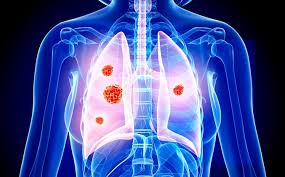
Most of the patients that have been diagnosed with this illness have smoked in sometime in their past or are smoking. However, some of the other factors that result in the development of NSCLC include; radon (a radioactive gas commonly found in rocks and soil), air pollution, radiation therapy to the chest, asbestos, and HIV/AIDS (Kitchens, Kessler & Konkle, 2013, Pg. 89).  It is also hereditary.

Symptoms of NSCLC

Mostly, lung cancer cells do not cause symptoms until they have spread many organs. However, symptoms have been detected in NSCLC. Patients with NSCLC have the following symptoms;

  • A persistent cough that keeps worsening
  • Pain in the chest. The pain gets worse when the patients breathe deeply, cough or laugh (Giaccone, 2012, Pg. 37).
  • Hoarseness
  • LOSE weight as well as appetite.
  • Cough up rust-colored sputum or blood
  • Have short breath
  • Fatigue
  • Have recurrent infections of bronchitis and pneumonia
  • Wheezing

NSCLC begins severe and spreads to other body organs. At this stage, the patients experience pain the bone, neurologic changes such as headaches, numbness of the arms, problems in balancing, and dizziness (Leary, 2011, Pg. 45). When NSCLC affects the liver, the patients’ skin becomes yellow (jaundice). When NSCLC affects the lymph nodes and the skin, lumps start developing on the body surface. Most of these conditions are likely to be caused by other conditions apart from NSCLC.

Consequences of the Symptoms to the Patient and the Family

When serious disease or disability strikes a person, the whole family is affected by the illness process as well as the entire health care experience. In the case study, Jane’s illness disrupts her whole family. Her illness has made her sons change their lifestyle and take on some role functions of Jane, which in turn has affected their normal role functioning. For instance, the eldest son, who is also a father of two, has been forced to take leaves to console his mum. His sons have also been forced to arrange for their parents care.

Jane’s illness has also caused additional strain due to economic problems and interruptions. NSCLC requires expensive therapy procedures and costly medications too. However, on a positive note, Jane’s illness has brought her family close together. She has had the opportunity to re-unite with her sons who have been busy all through. The sons have been forced to adjust their priorities and forgo some plans to just take care of their ailing mum. They also live in fear of their mum passing on.

To Jane NSCLC has caused her to undergo immense suffering. She feels a lot of pain that causes deep sorrow. She has lost her weight and has no appetite; she even sometimes regrets and feels as if she is a nuisance to her sons by making them visit her every now and then to confirm how she is fairing. NSCLC is a life-threatening disease; its symptoms have trouble Jane to a point that she feels that she should just rest in peace instead of going through intense suffering. This has led to Jane being assigned counseling officers to encourage her and let her know that there are some patients that were in the same condition that she is in but have then recovered and resumed their normal duties.

Goals of Care

Every person and every illness is peculiar. After patients such as Jane have been diagnosed with NSCLC, nursing care is aimed at;

  • Relieving pain and other NSCLC associated symptoms
  • Addressing patients’ spiritual as well as emotional concerns of the patient and their families.
  • Coordination of care
  • Improving the patients’ quality of life during their illness.

For instance, a palliative care nurse has been assigned to Jane. The nurse prescribes medications and other therapies to help treat Jane’s pain, shortness of breath, constipation, and other symptoms. Jane also has a social worker who has been charged with the responsibility of acting as Jane’s advocate on her behalf and family. She also has a chaplain who offers her spiritual support and aids her in exploring her values and beliefs. The care is also aimed at updating Jane’s family on her progress and necessary medical information.

Nursing Care Plan for NSCLC Patients

Nursing care for patients suffering from lung cancer deals with comprehensive supportive care and educating patients on how to reduce the complications they are experiencing with an aim of speeding recovery from radiation, surgery, and chemotherapy (Almeida  & Barry,  2011, Pg.67). The following are nursing’s care plans for patients with lung cancer;

(I)Impaired Gaseous Exchange

Impaired gas exchange is associated with a change in the supply of oxygen and a decreased oxygen carrying capacity of the blood. Patients present with cyanosis, restlessness, dysnea, and hypercapnia (Kumar & Eng, 2014, Pg. 26). Nursing care plan is provided to the patients with these symptoms with an aim of improving ventilation and sufficient oxygenation of body tissues. The care plan also targets freeing symptoms of respiratory.

Nursing Interventions

-To achieve the above patient outcomes, nurses should examine respiratory rate, depth, and ease of respirations. They should also monitor accessory muscles, variations in the color of the mucous membrane, pursed-lip breathing, and cyanosis (Lam & Cavallari, 2013, Pg. 73). Patients may have an increased respiration as a result of pain or as a compensatory mechanism that is triggered in order to accommodate the loss of lung tissue.

-Nurses should also auscultate the patient’s lungs to examine movement of air or abnormal breath sounds.

-Restlessness and variation in mentation or consciousness should also be investigated. This procedure may demonstrate high levels of hypoxia and mediastinal shift complications that could be accompanied with tachycardia (Newman, 2010, Pg. 851).

– Evaluation of the patients’ response to an activity. Nurses should allow patients to have rest periods and reduces activities to promote patient tolerance. Surgery and increased consumption of oxygen can lead to dysnea. However, patients should participate in early mobilization to aid in preventing pulmonary complications as well as obtain efficiency in their circulatory and respiratory systems.

– Finally, nurses should monitor and record ABGs and levels of hemoglobin (In Matzo, & In Sherman, 2015, Pg. 143). Low partial oxygen concentration and high carbon dioxide may necessitate the need for ventilator support.

(ii)Impaired Airway Clearance

Can be linked to restricted chest movement, fatigue, and increased secretion of mucous in the airway. Patients present with dysnea, abnormal sounds of breath, and ineffective cough (Kumar & Eng, 2014, Pg. 243). Nurses provided care that is aimed at clearing these abnormal sounds and decreasing secretions.

Some of the interventions that are involved include;

  • Observing the amount and appearance of sputum and other aspirated secretions. Initially, increased amounts of watery, colorless or blood streaked secretions are normal (Davey, 2012, Pg. 67). However, such secretions should decrease as the patient progresses with recovery.
  • Patients should be encouraged to have oral fluid intake of approximately 2500mL/day within tolerance of the cardiac activity. This is because adequate hydration helps in keeping secretions loose and also promotes expectoration.
  • Clinicians administered bronchodilators, analgesics, and expectorants. This will aid in improving airflow, increase production of mucous, liquefy, and reduce viscosity of secretions.

(III)Acute Pain

The pain may be due to surgical incision, disruption of nerves, and tissue trauma. Chest tubes and invasion of NSCLC into the pleura may also be a cause of pain (In Palmer, In Brown & In Hobson, 2013, Pg. 56). Clinicians will learn that patients are experiencing pain when the patients have verbal discomfort, guard the area that is affected, are restless or have changes in blood pressure and respiratory rate.

Nursing Care Interventions

-Care providers should evaluate the patients’ verbal and non-verbal pain cues whereby discrepancy between non-verbal and verbal cues would indicate the degree of pain.

– They should encourage measures that minimize pain such as changing the patient’s position, supporting them with pillows, and back rubbing patients.

Barriers of NSCLC Symptom Management

Poly-pharmacy

Studies have shown that cancer is associated with 13% increase in medical use (Jeremić, 2011, Pg. 92). Some of the factors that result in poly-pharmacy include age-related physiologic changes and multiple chronic conditions. When cancer patients take multiple drugs, adverse drug reactions take place. This poses as one of the biggest threat in management of cancer patients.

Frailty among older patients who might have experienced loss of organ function and general decline of overall health is also a barrier in management. Frail patients require careful considerations of appropriate non-pharmacologic and pharmacologic approaches.

To aid in tackling some of these barriers care providers may use non-pharmacologic practices such as acupuncture, Tai Chi, yoga or acupressure which have been reported to have tremendous positive effect in cancer survivors (Ellis, Calne & Watson, 2011, Pg. 231).

References

Giaccone, G. (2012). Systemic treatment of non-small cell lung cancer. Oxford: Oxford University Press.

Kitchens, C. S., Kessler, C. M., & Konkle, B. A. (2013). Consultative hemostasis and thrombosis. Philadelphia, PA: Elsevier/Saunders.

Ellis, H., Calne, R., & Watson, C. (2011). Lecture Notes: General Surgery. New York, NY: John Wiley & Sons.

Perry, M. C., Doll, D. C., & Freter, C. E. (2012). Chemotherapy source book. Philadelphia: Wolters Kluwer/Lippincott Williams & Wilkins.

In Palmer, K. T., In Brown, I., & In Hobson, J. (2013). Fitness for work: The medical aspects.

Jeremić, B. (2011). Advances in radiation oncology in lung cancer. Berlin: Springer.

Rohde, G., & Subotic, D. (2013). Complex Pleuropulmonary Infections: European Respiratory Monograph 61. Sheffield: European Respiratory Society.

Sinclair, A. J., Morley, J. E., & Vellas, B. (2012). Pathy’s Principles and Practice of Geriatric Medicine. New York, NY: John Wiley & Sons.

Taktak, A. F. G., & Fisher, A. C. (2012). Outcome prediction in cancer. Amsterdam: Elsevier.

Davey, P. (2012). Medicine at a Glance. New York, NY: John Wiley & Sons.

In Matzo, M., & In Sherman, D. W. (2015). Palliative care nursing: Quality care to the end of life.

Kumar, D., & Eng, C. (2014). Genomic Medicine: Principles and Practice. Oxford: Oxford University Press.

Lam, Y.-W. F., & Cavallari, L. H. (2013). Pharmacogenomics: Challenges and Opportunities in Therapeutic Implementation. Burlington: Elsevier Science.

Roth, J. A., Cox, J. D., & Hong, W. K. (2011). Lung Cancer. New York, NY: John Wiley & Sons.

Small cell lung cancer: New insights for the healthcare professional (2011 edition). (2012). S.l.: Scholarly Editions.

Newman, W. G. (2010). Pharmacogenetics: Making cancer treatment safer and more effective. Dordrecht: Springer.

Almeida, C., & Barry, S. (2011). Cancer: Basic Science and Clinical Aspects. New York, NY: John Wiley & Sons.

Pass, H. I., Pass, H. I., & International Association for the Study of Lung Cancer. (2010). Principles and practice of lung cancer: The official reference text of the IASLC. Philadelphia: Wolters Kluwer Health/Lippincott Williams & Wilkins.  http://www.academia.edu/11476728/Principles_and_Practice_of_Lung_Cancer

Leary, A. (2011). Lung cancer: A multidisciplinary approach. Chichester, West Sussex, UK: Wiley-Blackwell.

We can write this or a similar paper for you! Simply fill the order form!

Pathophysiology Research Term Paper

Pathophysiology
                           Pathophysiology

Pathophysiology

Order Instructions:

Students are to choose one (1) of the case studies available (see LEO) and answer the associated questions. The assignment is to be presented in a question/answer format, and not as an essay (i.e. no introduction or conclusion). Each answer has a word limit; each answer must be supported with citations. Students should follow the recommended formatting for academic papers http://students.acu.edu.au/308971 Students must provide in-text referencing and a reference list must be provided at the end of the assignment.

SAMPLE ANSWER

  1. 1 In relation to your chosen patient, discuss the pathophysiology of their condition and using evidence based practice explore current treatment options for your patient’s condition, include any pharmacological and non-pharmacological considerations.


This is a common operation procedure performed in the U.S. Though practiced for along period of time, the procedure faces numerous controversies especially on post-surgery complications. Tonsillectomy refers to the surgical removal of palatine tonsils. It is among the most common surgical procedures performed (McCance Et al., 2014)

Pathophysiology of the disease; tonsils are 3 tissue masses namely the lingual tonsil, pharyngeal tonsil and the palatine tonsil. These tonsils ate lymphoid tissues which are covered by cryptic invagination respiratory epithelium. Tonsils play an important role in immunity process. They produce lymphocytes and synthesize immune-globins. However, diseased tonsils are usually less effective because they are associated with reduced transportation of antigen, reduced production of the antibody and recurrent bacterial infection. This normally causes the tonsils to enlarge resulting to systems complication such as Difficulty in breathing, difficulty swallowing and disrupted breathing especially when the patient is sleeping.  In some cases, there could be cancerous tissue on one or all tonsils. This could lead to recurrent bleeding from the blood vessels neighboring the tonsils surface (Tollefson, 2012).

Tonsillectomy is normally recommended especially if there are frequent episodes of tonsillitis such as more than seven episodes per year, or more than three episodes per year. It is also recommended if the bacterial infection does not improve with antibiotic therapy. However the process is not usually smooth sailing but also associated with risks and complications like other surgeries. For instance, some patients may react to anesthetics. Anesthesia is used to make the patient relax during the surgery, but some studies have reported minor complications such as headache, nausea and soreness of the muscle. Swelling of the tongue and the soft palate could cause breathing difficulty. Bleeding may occur during the process and may also occur during healing processes. This implies that further treatment is required and the patient longer hospital stays (McCance Et al., 2014).

For patients presenting airway obstruction or hemolytic anemia, they are treated using corticosteroids. This pharmacological therapy has been indicated to be effective in reducing fever, pharyngitis and mononucleosis (MN) which could be infectious. Antibiotic treatments are normally used for secondary bacterial infection. Ampicillin and related compounds should be avoided where MN is suspected because it causes generalized popular rash. Cephalexin reacts similarly. The evidence based recommended antibiotic is the antistreptococcal antibiotics e.g. erythromycin. Antibiotics should only be administered is there is an indication of bacterial etiology. The etiology is presented by presence of tonsillar exudates, fever, leukocytosis and GABHS. The bacterial infections are indistinguishable and may require culturing of the bacteria. Administering of penicillin for 10 days is recommended (Martini, Nath & Bartholomew, 2014).

The non-pharmacological therapy entails patient education; patient is requested to complete medications even where the symptoms have been relieved. It is also important for the patient to take a lot of fluids, particularly water and ice pops. Patient is advised to take foods which are easy to swallow. The patient should avoid crunchy and over spiced food. The patient is also required to take ample rest. They should avoid strenuous activity until one is able to resumes normal diet and pain is relieved (Jarvis, Forbes & Watt, 2012).


Q. 2 Critically discuss four (4) components of the PACU discharge criteria outlined in the Aldrete Scale. Utilize the scale provided on LEO as a resource in your case study. 

The main goal for postoperative care is to mitigate complications and to promote rapid healing for surgical incision. The care involves assessment, diagnosis of the post-surgery events, intervention and evaluation of the patient’s outcome. The extent of PACU is highly influenced by the type of surgery and the patients’ health status at that time. Where post anesthesia complications are identified, patients must be retained in the hospital until their conditions stabilizes (Smedley, 2012). After tonsillectomy and any other type of surgery, the patient is transferred to PACU where anesthesia reversal and other processes are conducted. The amount spend in this care unit depends on the length of surgery, status of the regional anesthesia and the status of the patients consciousness. In PACU, the nurse reports on the patient’s condition when performing an assessment for post-surgery complications (Tamura Et al., 2012).

The patient is only discharged from PACU after she meets the standard discaharge criteria as indicated by Aldrete Scale. This is scales provides scores on patients vital components. Muscle activity must be scored. This includes the ability for the patient to move jaws and muscle extremities with ease either on command or spontaneously. Where all muscle in question move, the item is scored as one, where none muscle extremities moves, then it is scored as 0.  It is important to evaluate because nerves and blood vessels could be accidently injured during the process. The earlier the condition is identified the better. The second component is the respiration efficiency (Estes, 2013).  In this case study, the patient was assessed if they could breathe deeply with ease, where a score of 2 is given. If the respiratory system is limited or cases of dyspnea are observed, then it is scored as 1, the 0 score is given if there is no spontaneous respiratory activity observed. Postoperative patients are characterized with poor ventilation. The aim is to identify airway obstruction and changes in oxygenation in order to correct it as fast as possible.

The third component is the circulation system. This entails checking the systolic and diastolic systems. This is monitored through the anesthetic state. If the systolic and diastolic pressure seems to be +/- 20% is normal, then a score of 2 is given. BP of +/- 20 % to 50%, the scoring is 1; and if there is   alteration of the pressure is more than 50%, the score is zero. Some patients may experience hypoxemia and may require supplementary oxygen. This situation may alter the blood pressure which could result to stroke and ischemic heart attack. Lastly, Consciousness is the most important component of Aldrete assessment (Lopez Et al., 2013; Wilding Et al., 2010). The patient full alertness is indicated by their ability to answer give questions vividly and attentively. Where the patient is considered to be awake, then a score of two is given, if the  patient  are aroused only  their names are called, then they get a score of 1, and score of zero where the auditory stimulation elicit reduced response. This is important to identify conscious complicated and uncomplicated conditions due to reactions to anesthesia medication which could change the patients’ blood pressure, respirations and heart rates (Atlas Et al., 2014).


  1. 3 Discharge plan

Amy is 20 year old female.   She was admitted on October 23rd, 2014. She was suffering from difficulty in breathing and swallowing, fever and insomnia which was diagnosed as tonsillitis. Tonsillectomy was recommended, which she undertook three days ago. Depending with the patient’s condition and the type of surgery, the patient is discharged from PACU to in for an extended stay or to day surgery before a person is discharged to home. According to evidence based practice discharge depends on the patient’s recovery from anesthesia. Before the discharge, the patient must be conscious and mental state is fully returned. The patient should manifest stable vital symptoms including respiratory, cardiovascular system, excessive bleeding have stopped and the muscular systems. The pain should remain under control, the baseline temperature at normal level. Patient could stay longer at the PACU if there is nausea and vomiting. Additionally the patient must score nine out of possible ten PAS. If patients PAS score is below the standardized care, the chief anestheologists can be consulted. Before discharge, the RN must obtain verbal or written order from the physician; the orders must be recorded (Atlas Et al., 2014).

Preparation for discharge is an ongoing process even throughout the surgical processes. At the time of discharge, the nurse should ensure that the care providers know how to care for would sites and dressing systems including recommendations for vital daily activities during bathing. The reaction to the medication provides should be avoided and alternative drugs described or enhanced (Lewis Et al., 2013). The patient is prohibited to take physical activities such as returning to work, driving and exercises. Other important restrictions and modification should be supported. The instructions should be written instructions. Increasingly people are discharged from the ospital with many care demands, the care provider who receives the nurse should take care to protect the wounds drains, the wound dressing and other necessary traction apparatus (Tamura et al, 2011).

Social workers contact the family to inform them on discharge plan, Provides transportation to home and arranges medical supplies. Nurses ensure that patients care givers are informed on date of discharge. Provides the care giver and patient discharge list which contain treatment instructions, nutrition plan, physical activity recommended and scheduled appointment. Nurse should ask the patient care giver to verbalize the information to evaluate if they understand the instructions (Davis Et al., 2011). Documentation of the transfer is done and the patient is discharged from PACU. Sign and date the discharge form and discharge summary is documented. Pharmacist provides drug regime and the dosage. Family care giver advised on dietary modification. Family must make arrangement for care services at home. Family must ensure that the transition is smooth and peaceful. There is need to understand that the patient health is still undergoing recovery and thus need massive support (Atlas Et al., 2014).

References

Atlas, S., Matthews, J. R., Fritsvold, E., & Vinall, P. E. (2014). Social implications of chronic illness & disability. San Diego, CA: Bridgepoint Education, Inc.

Estes, M.E.Z. (2013). Health assessment & physical examination (5th ed.). Clifton Park, NY: Delmar.

Davis, G., Cox, E., Wolfe, R., & Becker, C. (2011). Cutaneous Capnography in the PACU: Immediate Assessment of Respiratory Status Emerging From Anesthesia. Journal Of Vascular Nursing, 29(2), 93. doi:10.1016/j.jvn.2011.04.009

Jarvis, C., Forbes, H., & Watt, E. (2012). Jarvis’s Physical Examination & Health Assessment (Australian and New Zealand ed.).St. Louis, Missouri: Elsevier Saunders.

Lewis, E., Craig, M., & Johnson, L. (2013). Use of the Pain Assessment Behavioral Scale (PABS) in PACU. Journal Of Perianesthesia Nursing, 28(3), e47-e48. doi:10.1016/j.jopan.2013.04.137

Lopez, M., Bellarmino, G., & Viellette, E. (2014). Early Assessment and Prevention of Skin Breakdown in the Post Anesthesia Care Unit (PACU). Journal Of Perianesthesia Nursing, 29(5), e34. doi:10.1016/j.jopan.2014.08.114

Martini, F. H., Nath, J. L., & Bartholomew, E. F. (2014). Fundamentals or Anatomy & Physiology (9th ed.). California: Pearson.

McCance, K., Heuther, S., Brashers, V., & Rote, N. (Eds.). (2014). Pathophysiology: The biologic basis for disease in adults and children (7th ed.). St. Louis: Mosby Elsevier

Smedley, P. (2012). Patient Risk Assessment in the PACU: An Essential Element in Clinical Decision Making and Planning Care. British Journal Of Anaesthetic And Recovery Nursing, 13(1-2), 21-29. doi:10.1017/s1742645612000174

Tollefson, J. (2012). Clinical psychomotor skills: Assessment tools for nursing students (5th ed.). South Melbourne: Cengage Learning.

Tomura, H., Yamamoto-Mitani, N., Nagata, S., Murashima, S., & Suzuki, S. (2011). Creating an agreed discharge: Discharge planning for clients with high care needs. Journal of Clinical Nursing, 20(3/4), 444-453.

Wilding, J., Manias, E., & McCoy, D. (2010). Pain Assessment and Management in Patients After Abdominal Surgery From PACU to the Postoperative Unit. Journal Of Perianesthesia Nursing, 24(4), 233-240. doi:10.1016/j.jopan.2009.03.013

We can write this or a similar paper for you! Simply fill the order form!

Advanced Pharmacology Essay Paper Available

Advanced Pharmacology
               Advanced Pharmacology

Advanced Pharmacology

Order Instructions:

For this paper, the writer will follow all the instructions below to complete this annotated bibliography. This is a continuation of the paper with reference #112424. The writer will have to continues on the completed paper of that week and add this as unit 4, 5 and 6 base on the references provided below . The writer will follow strictly the format on the template that was use to complete that paper and continue written at the bottom where he stopped on the last reference. The writer must follow instructions clearly to complete this assignment.

They will be a total of 9 new references to include to 9 references of what will be on 112424, making it a total of 18 references for the annotated bibliography that are expected from you this week , 3 for each unite so make sure you follow the instructions in choosing the sources. Understand that this assignment you have just 9 new references to use for the annotated bibliography.

As scholarly practitioners and as healthcare providers who depend on science-based evidence to make treatment decisions, such as prescriptions for medications, we must quickly access reliable information.

Citing Sources

Critiquing sources found on the internet is an essential skill for healthcare providers who depend on research-based evidence to support their clinical decisions. In considering use of a drug database or clinical guideline, ask “Does this source meet ALL of these criteria?”

• Is the target audience professional healthcare providers or is it information for the general public?

• Is the material on the site peer-reviewed?

• Is the material based on scientifically acquired evidence?

• Are citations and references to the underlying research provided?

• Is the latest update within 5 years, and preferably within 2 years for pharmaceutical information?
An example of a disclaimer that would cause an NP to reject this electronic source as support for pharmacological decisions is: “WebMD, its licensors, and its suppliers make no representations or warranties about the following: The accuracy, reliability, completeness, currentness, or timeliness of the Content, software, text, graphics, links, or communications provided on or through the use of the WebMD Site or WebMD.”
Scholarly sources can generally be identified by several features:

• Content

• Audience

• Language

• Intent

• Authorship

• Peer-review

• References

• Listing

Use the critiquing criteria above (Citing Sources) to select sources that will guide your pharmacological practice decisions.

• Your annotation for each entry should summarize the content of the piece in your own words. You must also explain the usefulness of that content to your prescribing practices.

• You must have read the source in full, not just the abstract. Do not include any textbook readings.

Unit 4
University of Maryland Medical Center. (June 25, 2014). Gout. Retrieve from http://umm.edu/health/medical/reports/articles/gout

Mayo Clinic (November 25, 2014). Gout. Treatment and drugs. Retrieve from http://www.mayoclinic.org/diseases-conditions/gout/basics/treatment/con-20019400

Chowalloor, P.V., Keen, H. I., Inderjeeth, C. A. (August 1, 2013). Gout in the elderly. Retrieve from https://www.oapublishinglondon.com/article/776#

John Hopkins Arthritis Center (October 10, 2012). Treatment of gout. Retrieve from http://www.hopkinsarthritis.org/arthritis-info/gout/gout-treatment/

Unit 5
Department of Health Care Finance. (nd). Retrieve from http://dhcf.dc.gov/node/892092

Redwood, T., & Neill, S. (2013). Diagnosis and treatment of asthma in children. Practice Nursing, 24(5), 222-229.

Clayton, S. (2014). Adherence to asthma medication. Nurse Prescribing, 12(2), 68-74.

Werner, A. (2012). Taking a long-term look at childhood asthma treatment. RT: The Journal for Respiratory Care Practitioners, 25(1), 18-21.

Greener, M. (2014). Managing asthma in school age children: An overview. British Journal of School Nursing, 9(10), 484-487.

Unit 6
HealthyChildren.Org (December 2, 2014). Effective birth control for sexually active teens. Retrieve from http://www.healthychildren.org/English/ages-stages/teen/dating-sex/Pages/Birth-Control-for-Sexually-Active-Teens.aspx

NPR. (October 1, 2014). Long-term birth control works best for teens, pediatricians say. Retrieve form http://www.npr.org/blogs/health/2014/10/01/352980000/long-term-birth-control-works-best-for-teens-pediatricians-say

National Conference of State Legislatures. (July 11, 2014). Teen pregnancy prevention. Retrieve from http://www.ncsl.org/research/health/teen-pregnancy-prevention.aspx


SAMPLE ANSWER

Advanced Pharmacology

Annotated Bibliography

Name

(Section #)

Topic (alphabetical order) Unit #3
Reference in APA 6th edition format)

Annotation paragraph…


AMN Healthcare. (March 27, 2014).The Limits on nurse practitioner practice:
current and future trends.  Retrieved from: http://www.amnhealthcare.com/latest- healthcare-news/limits-nurse-practitioner-practice-current-future-trends/. Unit 1
 
  The article explores the hindrances to nursing in modern and future practice. The information targets
the public health practitioners including Nurses, Physician, and physician assistants.
The information is not peer reviewed, nor scientifically collected. However, the information
remains relevant to the pharmacology and nursing field. The article
explains that there is need to implement the Affordable Care Act to ease the burden experienced
in the health care system. It calls the state remove restrictions and permit nurses practice
in the health care systems with minimal restrictions. The article lacks references but
blogs with related information are listed. The article is written in English using Scientific language.
 Al Sha’alan, K., Ferwana, M., Saeed Ur, R., & Yaseen, I. A. (2013). Knowledge and practice of Unit 2
primary care physicians in management of gastro esophageal reflux disease. Middle East
Journal of Family Medicine, 11(2), 40-46.
The article aims at investigating the role of physicians  in management of Gastro-
esophageal reflux disease (GERD) According to this article authored by Khalid, Ferwana. Rahma and
Yaseen; GERD is very rampant in most countries with a prevalence rate ranges of 21-56%. The
paper targets the health practitioners and contributes essential information on the role of physician in
GERD. Management. The paper is peer reviewed by Middle East Journal of Family Medicine. The
information is gathered through qualitative research method and all references used to construct
the paper is listed on the last page. The language used to compile the report is English & scientific
language


Chowalloor, P.V., Keen, H. I., Inderjeeth, C. A. (August 1, 2013). Gout in the elderly. Retrieve from https://www.oapublishinglondon.com/article/776# Unit 4
 
The article  explains about Gout and its incidences in adults. According to Chowalloor and
colleagues, gout refers to mono sodium urate crystals deposition on the joints and soft tissues.
The article associates the pathology with increased morbidity and mortality. The disease
prevalence rate in the elderly has increased by two folds in the last decade. The article  targets
both healthcare professional and the public. It includes etiology and disease pathophysiology,
clinical manifestation, diagnosis and management. There is no mention on scientific data
collection method. The article is also not peer reviewed but very enlightening on Gout disease.
The language used is English and scientific language. The article ends with a list of references
used to compile the paper.


Clayton, S. (2014). Adherence to asthma medication. Nurse Prescribing, 12(2), 68-74. Unit 5
 
The article reports on patient’s adherence to asthma medication. According to  Clayton, adherence to
Asthma is an intermittent airways disease that id reversible. It requires long term medication.
There is increased non-adherence which ranges between 30 and 70 percent. The article addresses
both the healthcare professionals and the public. It educates the public that  non adherence to
medication results to negative impacts to the patients quality of life which translates to high
Healthcare cost burden. This paper is peer reviewed by Nursing Prescribing journal. The
information is gathered scientifically using the systematic review approach. All reference used
to compile the article are referenced. The article uses simple scientific language to compile
the report.


Department of Health (August 29, 2012). Nurse practitioners. Unit 1
Retrieved from http://doh.dc.gov/node/237762.
The article describes the nurse practitioner regulations and requirements as outlined by the Department of health in the United State. The information targets people in the population who wish
to become professional nurse. For instance, it indicates that a person can only practice nursing
if he/she is registered as nurse under Chapter 54. Other information includes educational
requirements, certification processes, Standard code of conduct for nursing practitioner and the scope
of practice. The information is not peer reviewed and is generated from the department of health.
The article lacks list of references. The article is written in English using Scientific language.
Department of Health Care Finance. (nd). Retrieve from http://dhcf.dc.gov/node/892092


Unit 5
The article describes on District of Columbia (DC) Medicaid. This is a federal state insurance
Program which provides healthcare coverage to low income households and underprivileged
People. The article targets both the healthcare professionals and the public. It describes the criterion
to qualify for DC Medicaid. The  article describes the differences between the MAGI Medicaid and
non –MAGI Medicaid. The article is not peer reviewed nor is the information gathered using
Scientific method; but,  gathered from DC health Care legislation. The article is written in English
and simple scientific language that lay man  can understand. The article lacks references but has
links listed on websites which contains further information on DC Medicaid.
 
Greener, M. (2014). Managing asthma in school age children: An overview. British Journal of School Nursing, 9(10), 484-487. Unit 5
The article describes the interventions to manage asthma in school aged children in UK. It is an
overview report. The article targets the public (particularly school children parents , care givers and
teachers. It also has some good information for the healthcare physician too. According to Greener,
about one in every eleven children is asthmatic. There are asthmatic emergency every 21 minutes.
Poor medication adherence to medication on children contributes to lower grades due to increased
absenteeism The article concludes that optimizing treatment could lower asthmatic attack on children
by 90% and 75% hospital readmissions.  The article explains the symptoms , diagnosis, management
and treatment strategies including the long acting beta agonists. The article explains on the benefit
of adhering to inhaler technique and the role of school teachers and nurses. The article  describes the
UK school asthma policies and the most effective strategies to manage asthma in school children.
The article uses qualitative research methodology and is peer reviewed. It is published in the British
Journal of school nursing. Reference list is listed on the last page of the article including further
information.
Harmes, K. M., Blackwood, R. A., Burrows, H. L., Cooke, J. M., Harrison, R. V., & Passamani, Unit 3
P. (2013). Otitis media: diagnosis and treatment. American Family Physician, 88(7), 435-440.
 The article reports on AOE, its diagnosis and treatment. According to the article,  AOE  is a
Complication which arises  when the middle ear fluid becomes infected with microorganisms
Such as Streptococcus pneumniae, Moraxella catarrhalis and Haemophilus species.  Management
of AOE  is through pharmacological  therapy including use of amoxicillin for patients who are not
Penicillin sensitive for both pediatrics and adults. The paper condemns use of nasal steroids and
Decongestants. The paper target public health practitioner and citizen. It provides immeasurable
Information on etiology, diagnoses and treatment. The paper uses qualitative research method. The
work is peer reviewed and is published American Academy of family physician. All references  are
Included in the last page. The language used is English.
Healthy Children.Org (December 2, 2014). Effective birth control for sexually active teens. Retrieved from Unit 6
http://www.healthychildren.org/English/ages-stages/teen/dating-sex/Pages/Birth-Control-for-Sexually-Active-Teens.aspx
This article highlights information on over the counter prescription for sexually active teenagers.
According to this paper, most parents are not comfortable on having sex education with their teens.
The article targets the public especially the teenagers and teenage parents. The article information
is an educative one and there is no scientifically collected data.  Examples of the  methods described
includes contraceptive implant, intrauterine device (IUD), Progestin injection (Depo Provera),
NuvaRing, birth control pills and contraceptive patch. Each contraceptive method pros and cons
are highlighted. The paper uses simple scientific language, simple enough for a teen to comprehend.
There is no reference list; but list on related topic links is made at the end of the article.
Health Affairs. (May 15, 2013). Nurse practitioners and primary Care (updated).
Retrieved from: http://www.healthaffairs.org/healthpolicybriefs/brief.php?brief_id=92. Unit 1
The article describes the role of nurse practitioners in primary care. The information in the article
targets both the public and health practitioners. It aims at providing enlightening the target group
on policies which regulate the nursing practice. According to the article, Federal laws, state and local
policies are increasingly limiting the scope of practice for nursing practitioners in care services.
  The information is peer reviewed, and is gathered through mixed Scientific research method. It is
generated from the Health policy briefs of United States. List of references is included.
The article is written in English using Scientific language.
John Hopkins Arthritis Center (October 10, 2012). Treatment of gout. Retrieve from http://www.hopkinsarthritis.org/arthritis-info/gout/gout-treatment/ Unit 4
The article explains on the treatment of Gout disease. The article targets the healthcare professionals
and the public. According to the article, treatment aims at suppressing inflammation and pain control.
The article explains that treatment is effectively done by use of NSAIDs, Colchine and corticosteroids.
More therapeutic measures are elaborated using scientific language. The article is not peer reviewed
and is authored by the Manno Rebecca, an assistant professor of medicine at the Johns Hopkins
University. There is no reference list and other associated links are lacking. There is no mention
of scientific methodology of data collection. However, the therapeutic interventions are described
are very enlightening.
Kierkus, J., Oracz, G., Korczowski, B., Szymanska, E, Wiernicka, A., Woynarowski. M. (2014
Comparative safety and efficacy of proton pump inhibitors in pediatric GERD. Drug safety 37:309-316 Unit 2
 The article explores on the the safety on using proton pump inhibitors (PPI) in managing GERD  in
Pediatric. The study also evaluates the efficacy of PPI on children. According to the article, PPI are
Very effective  in management of GERD in infants; and information on the long term safety in infants
Is limited. The article targets pediatricians, and in adding knowledge on GERD management in
Infants. The paper is peer reviewed and published by Springer international publishing Switzerland.
The article is written using scientific language and  contains data generated using mixed method of
Scientist research. The list of references used to compile this study is written  in the article’s last
Page.
Mayo Clinic (November 25, 2014). Gout. Treatment and drugs. Retrieve from http://www.mayoclinic.org/diseases-conditions/gout/basics/treatment/con-20019400 Unit 4
The article is authored by Mayo Clinic. It explains on Gout definition, symptoms, causes, risk factors
complications and  treatment and drugs. The medications  indicated as the most effective includes
Nonsteroidal anti-inflammatory drugs (NSAIDs) such as Motrin. Dosages are as prescribed by the
physician. Colchine and Corticosteroids are also effective to manage the disease. The preventive
medicines include the uric acid production blockers such as Lopurin and Febuxostat. Other therapy
includes medication which eradicates uric acid. Lifestyle modification and dietary changes are
encouraged. The article is not peer reviewed and the data is not scientifically collected. There are no
references. However, the information is very educational. The article targets the general public.
Mittal, A., & Kumar, S. (2014). Role of pH of External Auditory Canal in Acute Otitis Externa.
 Indian Journal of Otolaryngology & Head & Neck Surgery, 66(1), 86-91. doi:10.1007/s12070-013-0684-0 Unit 3
The article highlights the role of PH during treatment of External Auditory Canal in Ear infection.
The  prospective study evaluates on  the pH of the normal auditory canal in healthy individuals and
Compared the results with people diagnosed with acute otitis externa (AOE). The study also
explored The effect of temperature, humidity in relation to AOE incidences. The study results
indicate that Normal EAC pH is acidic and more alkaline in AOE. The study targeted ENT health
practitioner. The study uses English healthcare scientific language.  The research  technique used is
 quantitative  and is peer reviewed; the information  is published in Indian J otolaryngology Head
Neck Surg.
National Conference of State Legislatures. (July 11, 2014). Teen pregnancy prevention. Retrieve from http://www.ncsl.org/research/health/teen-pregnancy-prevention.aspx Unit 6
The article is authored by the National Conference of State Legislatures. The audience targeted
teenagers and teenage parents. It outlines the birth rates among the different teenage girls per region.
The article explains effects of teenage pregnancies including increased school dropouts and increase
in intergenerational conflicts. Teenage prevention programs are outlined. The information is not
collected using any scientific method and it is not peer reviewed either. The language used is simple
English language. The additional resources are listed and links provided.
NPR. (October 1, 2014). Long-term birth control works best for teens, pediatricians say. Retrieve form http://www.npr.org/blogs/health/2014/10/01/352980000/long-term-birth-control-works-best-for-teens-pediatricians-say Unit 6
The article targets the teenage and teenagers parents. It explains  that the long term birth control
Approach is the most effective technique to mitigate teenage pregnancies. These includes the IUD’s
And implants. The article highlights that teenager’s lack information about these long term strategies.
The article is not peer reviewed, but carries contents from peer reviewed  articles such as the New
England Medicine. The article also includes an interview with pediatricians on the most effective
Technique of teenage contraception. The scientific language is used and mixed research method is
Applied. There are no references.
Redwood, T., & Neill, S. (2013). Diagnosis and treatment of asthma in children. Practice Nursing, 24(5), 222-229 Unit 5
The article targets the general public and healthcare professionals. The article highlights the disease
etiology, diagnosis  and the disease management. The article suggests that the disease  diagnosis
requires further study on  comprehensive representation, the detailed  therapeutic regime and ways to
manage  recurrent  and persistent  respiratory symptoms. The article acknowledges the importance of
drug adherence  and the integration of  non-pharmacological  technique. The article is peer reviewed
and is published in the practice nursing journal.  The article uses qualitative research method.
The reference list used to compile the article is listed
Thornton, K., Parrish, F., Sword, C. (2011). Topical vs. systemic treatments for acute otitis
 media. Pediatric Nursing  37(5); 263-270 Unit 3
 This article compares tropical treatment of AOE with systemic treatments in infants. According to
The research tropical treatment such as use of  analgesic ear drops  and antibiotics are the most
Effective treatment because they release pain. The article recommended for increased patient
education based on the evidence based practice. The article targets health care practitioners and the
public. The information is simply put in English. The article uses quantitative research. The work is
Also peer reviewed and has been published in pediatric nursing. The paper has reference list.
University of Maryland Medical Center. (June 25, 2014). Gout. Retrieve from http://umm.edu/health/medical/reports/articles/gout Unit 4
The article targets the general public. It is about Gout and the disease pathophysiology. According to
the article, about 8.3 million Americans suffer from gout, especially on the aging population. The
article describes the pathophysiology, the symptomatology, complications, diagnosis, disease control
management and risk factors. The article is not peer reviewed. The article is not collected through
any scientific method, but it is very informing and beneficial. The medical conditions linked to gout
are listed and the resources links. The references are also listed including various text books and
peer reviewed journals.
Venkataraman, J., & Krishnan, A. (2012).
Long-term medical management of gastro-esophageal reflux disease: how long and when to consider surgery? Unit 2
Tropical Gastroenterology: Official Journal of the Digestive Diseases Foundation, 33(1), 21-32.
 The article evaluates the management of GERD using  pharmacological therapy such as  proton
Acid depressants and non-acid depressants drugs. According to the article, there is limited
information on how or when the treatment should end. The paper recommends that future  research
should  include randomized  controlled trials to evaluate the most effective  GERD intervention i.e.
use of PPI vs. laparoscopic fundoplication. The article aims at educating the public and public
Health practitioners on other alternatives of managing GERD other than pharmacological therapy.
The article uses qualitative research technique. It is peer reviewed and has been published by
Tropical Gastroenterology journal. All list of references used to compile this piece of information
Is listed on the last page. The language used to compile the report is English scientific.
Werner, A. (2012). Taking a long-term look at childhood asthma treatment. RT: The Journal for Respiratory Care Practitioners, 25(1), 18-21 Unit 5
The article highlights on the long term way of looking at childhood Asthma. The article is an
Interview on  Stanley J. Szefler.-  the  principal for NHLBI sponsored Childhood Asthma management
Program (CAMP). The article is on the long term effects on treatment. The article explores on the
Factors which improves or limits asthma progression on children; ways to integrate the factors when
Making clinical decisions. The article uses qualitative method of research. It targets the researchers,
Healthcare professionals and general republic. The article lacks references and it is peer reviewed.
The  information is very educative and is published by  the journal for respiratory care practitioners

We can write this or a similar paper for you! Simply fill the order form!
Comprehensive nursing Case Study Paper

Comprehensive nursing
   Comprehensive nursing

Comprehensive nursing

Order Instructions:

This is the case study of the subject comprehensive nursing, which is due on 18th of march

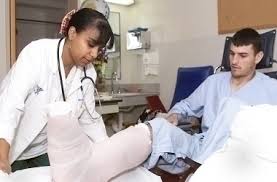
Scenario is Mrs Alright is a 77 years old lady who has been brought in by ambulance after being found on the floor by her carer this morning.
She had a fall last night while mobilizing to the toilet
and mechanism of falls looks like she tripped on the corner of a mat in the hallway. found in the hallway on the floorboards.
Pre medical history (from carer)
Type 1 diabetic on insulin Hypertension Hyperlipidaemia Osteoporosis
Recent UTI on ABS ( EColi) AMI 2007
CABGs 2008
CCF
O/E
Obvious facial lacerations above R) eyebrow and across bridge of nose
Left wrist deformity from FOOSH
LHS hip pain, leg shortened and internally rotated? # NOF Bruising to LHS of leg and face
Patient confused and complaining of nausea
Small bedside patient
Pain assessment _ not able to ascertain but vocalizes on movement Diaphoretic
Fruity odour to breathe noted
BASELINE OBSERVATIONS Temperature 35.2 C
Bp 100/55
RR 25 bpm deep and rapid breathing BSL 15 mm
HR 130 bpm
Capillary refill 4 secs/ sluggish
Questions to answer for the case study are
1. list two most likely nursing diagnosis for Mrs Alright and list one reason from the clinical information that leads you to believe this?
2. Due to Mrs Aright’s PMH, identify two potential complications of her fall
3. List two clinical interventions that you would prioritize for Mrs Alright and list one physiological reason each intervention?
4. List two chronic conditions of Mrs Alright that may have caused her fall and list one pathophysiological reason that leads you to believe this?
5. List two reasons why a 77 year old lady is more risk of sustaining a fracture after a fall?
Scenario
MRS Alright is now stable enough for surgery and goes to theatre at 0700 for an ORIF of her right hip. She RTW at 1100 after being stabilized in recovery. You are the nurse looking after her for the rest of your shift. Mrs Alright is complaining of sever pain in RHS
6. List two questions you would ask when assessing this patient’s pain levels?
7. List two ways in which a cognitively impaired patient who is unable to communicate, express that they were in pain?
Scenario
Post operatively the patient has a PCA for pain management
with morphine. This is set at an infusion rate of 2 ml/hr. the infusion has been made up with 100 mg of morphine in 50 ml. Ms Alright is complaining of severe pain in her RHS and the anesthetist has ordered a 5 mg bolus to be given.
8. list two benefits and two risk factors for Mrs Alright caused by the pharmacological actions of morphine?
9. Identify two degenerative changes that occur in the elderly and explain how those changes may cause a pathophysiological response to morphine?
10. state two clinical interventions as your priority for Mrs Alright while on her PCA?
THE FIRST ASSIGNMENT, WHICH IS CASE SCENARIO IS
1 TO 5 QUESTIONS ARE FOR 200 WORDS
6 TO 10 QUESTIONS ARE 200 WORDS
APA style
THE LINK TO THE WEBSITE F0R MORE INFORMATION IS federation university library only for referencing
THREE REFERENCES REQUIRED
ONE OF THEM SHOULD BE FROM BOOK medical surgical nursing (LEMONE AND BURKE )

SAMPLE ANSWER

  1. The two possible diagnoses for Alright may be acute pain and fluid volume deficit. The patient is suffering from osteoporosis since she fell, she may be experiencing pain (Buffum et al., 2007, p. 325). Additionally the patient may be experiencing fluid volume deficit since she has low blood pressure, rapid and deep breathing, and she is also nauseated (Whitney and Rolfes, 2011, p. 45).
  2. From her past medical history, she was found to have suffered from osteoporosis. Patients suffering from osteoporosis normally have problems with their skeleton due to weakening of bones. This condition is characterized by low bone mass, and bone tissue is known to undergo microarchitectural deterioration. The fragility of the bone increases and the bones fail to bear weight. As such, the victim may fall with a small trip since the legs cannot support the weight (Buffum et al., 2007, p. 325). Mrs. Alright may also have fallen due to lack of energy. The level of hydration may be low and thus prevent generation of enough energy (Whitney and Rolfes, 2011, p. 65).
  3. I would prioritize oral rehydration for the patient using oral rehydration salts (Whitney and Rolfes, 2011, p. 67). Due to the pain that Mrs. Alright may be experiencing, I would consider the administration of naproxen. This drug is a pain reliever and will be effecting in easing the pain experienced by the patient (Burke and LeMOne, 2013, p. 65).
  4. One of the chronic conditions is type 1 diabetes under which the patient is on treatment using The patient may risk suffering from insulin shock. The level of blood glucose may drop causing a consequent reduction in energy produced in the cells. Muscle cells weaken and thus fail to support the body to regain its upright position in the event of tripping (Whitney and Rolfes, 2011, p. 49). Osteoporosis is also another chronic condition that may be attributed to the patients` fall. This condition is associated with thinning and weakening of bones. Bone fractures may also occur with initial falling. The patient may have fallen because the thin and weak bones failed to support her weight during tripping (Buffum et al., 2007, p. 325).
  5. Women aged 77 years may sustain fractures after a fall because the weakening of their bones, which is associated with increased Additionally, at this age, such women do not exercise a lot to strengthen their bones. Therefore, their bones become fragile and thus can fracture easily (Dagenais and Haldeman, 2012, p. 234).
  6. The two questions are:
  7. Where is your pain?
  8. What makes your pain worse?
  9. The common pain behavior for cognitively impaired include:
  10. Facial expressions like frowning
  11. Verbal expressions like sighing (Buffum et al., 2007, p. 316).
  12. The use of morphine may be associated with benefits like:
  13. The patient may experience a faster relief of pain
  14. The chances of being dependent on morphine are reduced

The risks may include:

  1. Heightened feeling of nausea
  2. She may also experience increased sweating
  3. The process of degeneration of the inter-vertebral disc is common among the elderly. Degeneration of the inter-vertebral disc is associated with problems in the spine resulting in the development of back pain, which is known to spread to the buttocks, as well as the thigh region. Morphine is generally used as medication for easing this pain. Pain is experienced daily as degeneration of discs occurs due to repeated daily stresses. The regular use of morphine to ease pain results in morphine dependence. Osteoporosis is also another example of degeneration of bones among the elderly. Continued use of morphine containing drugs may lead to morphine dependence (Dagenais and Haldeman, 2012, p. 234).
  4. While Alright is on PCA for management of postoperative pain, I would prioritize administration of morphine at 5 mL/hr infusion rate. The infusion will contain 50 mg of morphine in 25 ml of fluid. I will also consider administration of paracetamol currently with infusion of morphine via PCA (Burke and LeMOne, 2013, p. 78).

References

Buffum, M. D., Hutt, E., Chang, V. T., Craine, M. H., & Snow, A. L. (2007). Cognitive impairment and pain management: review of issues and challenges. Journal of Rehabilitation Research and Development, 44, 2, 315-330.

Burke, L., & LeMOne, P. (2013). Medical-Surgical Nursing. New York: Pearson Higher Education AU.

Dagenais, S., & Haldeman, S. (2012). Evidence-based management of low back pain. St Louis, Missouri: Elsevier Mosby.

Whitney, E. N., & Rolfes, S. R. (2011). Understanding nutrition. Australia: Wadsworth, Cengage Learning.

We can write this or a similar paper for you! Simply fill the order form!

Telehealth technology in CHF’s care

Telehealth technology in CHF’s care

Telehealth technology in CHF’s care

Order Instructions:

Instruction are contained in the attached files.

SAMPLE ANSWER

Telehealth technology in CHF’s care

According to evidence based practice, hospitals are under pressure from public insurance to provide quality care to minimize re admissions especially for patients suffering from Congestive Heart Failure (CHF). This calls for proper utilization of telehealth technology to improve patient’s outcome. CHF, a cardiovascular complication arises when the heart is unable to pump enough blood as demanded by the body. This results to irregular heartbeat, fluid retention and shortness of breath. The conditions are usually fatal especially among the elderly. With the new trend of telehealth systems, CHF patient will become empowered to manage their symptoms better and improve the quality of life. This is one of the strategies which are aimed at improving smooth transitional processes of hospital care to home care. The move is aimed at reducing the rate of re admissions and emergency department visits by the CHF patients (American Nurses Association, 2010).

Despite the innumerable advantages, there is reduced acceptance of the new technology, which has become the road block for successful implementation of the programs. There are concerns that integration of telehealth systems will interfere with the nurse-patient relationship.  This indicates the need to implement a strategy/ action plan which is tailored made for this particular health care facility to ensure that collaborative involvement is achieved. The change model that will be utilized to implement the nursing changes is the John Hopkins Nursing Evidence based practice (JHNEBP).

Change Model Overview

The Johns Hopkins Nursing evidence based practice model was chosen due to its ability to effectively guide the translation of healthcare evidences into practice. The model is characterized by three cornerstones of nursing including practice, education and research. The model also integrates the internal and external factors during transition.

Source: http://www.medscape.com/viewarticle/773058_4

JHNEBP  model has three phases commonly referred to as the PET processes; (a) identification of  the problem question; b) systematic review  of the problem question and research evidence and c) Translation  process which includes  implementation processes, pilot study, outcomes evaluation and monitoring of the findings. The model provides examples of EBP  projects which have been successful, and guides step by step the process for planning and implementing the program.

Source: http://www.medscape.com/viewarticle/773058_

Practice Question

Step 1: EBP question identification

Telehealth are the best intervention to manage and improve CHF quality of life. However, the use of Telehealth has not developed at the anticipated scale and pace. There are increased organizational, resources/financial, technological barriers and mixed perceptions and evidence of the telehealth have hindered implementation of the system.  The research question is “why nursing care interventions coupled with telehealth technology is is increasingly being resisted, even with the increased evidence that it improves CHF patient’s quality of life?”

The Problem in this case is the resistance to care management change by nurses who provide care for CHF patients.  The intervention being considered is to establish a tailor made implementation action to reverse the resistance into acceptance of telehealth technology. This is because the technology will empower the patient and simultaneously provide workload relief to the nurses. The intervention will be compared with the conventional standard care. The desired outcome includes reduction of re-hospitalization, ER visits and considerable reduction of CHF care costs. The overall outcome expected is improved CHF patient quality of life and reduction of nurses care workload; thereby increasing quality service delivery.

Step 2: Scope of practice question

Among the non-communicable diseases, CHF is reported to be the leading cause for mortality and morbidity in the industrialized countries. Additionally, it is the leading cause for hospitalization and emergency department visits. Despite the advances in pharmacology and medical care trends, nurses who provide care for CHF are faced with increased workloads (62%) due to the increased rates of re-hospitalization. With no exception, the CHF trend (prevalence and increased medical resource consumption) is projected to increase by five folds if no intervention is put in place (Dearholt &Dang, 2012).

According to literature, effective disease management requires the patient to be actively involved in disease management and decision making processes. Unfortunately, patient empowerment has been lagging in CHF disease management system for a long period of time; thus the increased re-hospitalization incidences.  The introduction of telehealth technology is important because it facilitates frequent communication between the patient and the care provider; the ability to monitor health at home increases patient’s health outcome (American Nurses Association, 2010).

Steps 3, 4, and 5: Team

For a study to have an impact on the health policy, communication with the relevant stake holders (who are directly affected by the transition) is very important. In this context, the stake holder’s participants include; Advanced community nurse, Nurse CHF service managers semi-clinical staff (includes telehealth installers), General practitioner, and Organizational commissioning managers.

The varying stakeholders were chosen because each group has values which seem important. For example, the physician is concerned with patient safety and quality care delivery; whereas organizational commissioning managers are concerned with system efficiencies at a low cost of operational cost. By involving the stakeholders, the negative perceptions and doubts about telehealth technology will be addressed; and could result to changes of ideas position from negative grounds to a neutral one.

Evidence

Steps 6 and 7: Internal and external search for evidence

Four patterns of nursing research evidence influenced the internal search for evidence. This includes empirical evidence which is based on scientific research; ethical evidence based on nurse’s perception, cultural competency and preferences; personal evidence and aesthetic evidence. Empirical evidence indicates that two thirds of the healthcare providers are not willing to integrate telehealth care due to uncertainty on assessing patient’s suitability, and the difficulty in prediction of the patient’s response to the technology (concerns of depression and anxiety). Again, there is limited data which is relevant to telehealth patient outcomes coupled with the mixed published evidence reduced the acceptance of the new trend.  Ethical evidence is discerned through limited referral, implying that only the patients of certain economic status can enjoy the privileges. There are also concerns on impact of the technology on nurse’s roles especially with the sharing of care delivery with the patient.  These evidences highlight the absence of shared visions and telehealth rationale, thus the heightened resistance among the CHF care providers (American Nurses Association, 2010).

The external evidence search includes the legislation and standards.  For instance, the public health insurance policies are emphasizing hospital to minimize the rates or re-admission and re-hospitalization. Again, World Health Organization has outlined standards for telemedicine. The importance of telemedicine in ensuring that patient’s safety and quality of care is delivered.

Steps 8 and 9: Summarize the evidence

Analysis of data generated from Veterans Health Administration (VHA) on Home Telehealth program indicated a 25% reduction in length of hospitalization days and 19% less re-admissions. Data generated from the Center for Connected Health (CCH) program which has been offering cardiovascular patients care intervention indicates 84.7% success in CHF management while undertaking the program. Another remote monitoring program I Ontario Telemedicine Network which had 800 patients with CHF indicated 65% reduction in hospital admission and 72% reduction on emergency visits (American Psychological Association, 2010).

Lawton (2010) acknowledges the importance of telehealth technology. However, the prevailing barriers impede successful integration of new trend in the healthcare sector. Paul and colleagues (2010) evaluations produces comparable results. This includes 27.1% readmission reduction and reduction of ER visits by 38.3%. The study concludes by pinpointing cost effectiveness as the key challenge for the program implementation in most healthcare settings.

Baker and Colleagues (2010) evaluations on the role of telehealth in managing CHF disease indicated a 15% mortality rate reduction, and 18% ER visits reduction. Brewster and colleagues found out that increased staff resistance as the main barrier for integration of telehealth system. The paper recommends future research on cost effectiveness and nurse workload reduction.

Step 10: Recommendations for change

The largest challenge in the implementation of telehealth is staff resistance to change. The results indicated that staff acceptance is critical for telehealth to be integrated; and is a research area which has been largely neglected.  Until the innovation is viewed as better than or superior than conventional care, challenges on implementation will persist. In this case, it is not a question  of replacing  the technology face to  face with the conventional approach, but rather according the staff support demand which ensure that their skills are improved, which will further change judgment and knowledge.

Further translational research to ascertain the benefits of the innovation would be effective in overcoming the barriers. Where most of them focus on training; the training scope should be expanded to include ways to retain and to refine strong staff-patient interaction and training on equipment use. These processes will empower staff; that in turn will empower the patients. The computer based hybrid models should entail staff training, lessons on home monitoring, and access to specialist and in person patient care which will change nurse’s perception on telehealth.

Translation

Steps 11, 12, and 13: Action plan

A computer based training module will be implemented. This module will contain all the hospital policies and protocols regarding evidence based practice. The exact model is the Continuous Quality model; FOCUS-PDSA. The action steps include (Dearholt &Dang, 2012):

Step 1: Find the underlying root for telehealth resistance by the staff

Step 2: Organizing committee and relevant stake holders to preside over the identified barriers

Step 3: Analysis and clarification of the underlying concepts

Step 4: Understanding the barriers and analyzing the discrepancies

Step 5: Recommendation of solution: Computerized training model

Step 6: Implementation of the solution recommended

Step 7: Evaluation of the outcome.

Steps 14 and 15: Evaluating outcomes

The outcomes evaluation will be conducted after 12 months. Evaluation will not be limited to this stipulated period. This is because interventions outcomes may not be immediately realized within the short term duration (Dearholt &Dang, 2012). Evaluation will include measuring the percentage or re-hospitalization, emergency department visits rates, and the mortality rates in two groups, the intervention group and control group.  Additionally, evaluation tools such as 4 Likert scale will be used to evaluate nurses and patients responses.

Steps 16, 17, and 18: Implementation

Implementation of the action plan entails integration of online computer based practice. The first part of the module will have the prevalence rates of telehealth resistance and its clinical implications. The second part will highlight the procedures for telehealth, including the risky behaviors associated with poor telehealth practices. The implementation of this strategy is necessary because it will ensure that the novice’s nurses and new employees learn about safe telehealth process. If the strategy is found to be successful, it will be integrated in other departments. This model is chosen due to its efficacy, it is time conscious, easily accessible and can be retrieved on demand and at any location (Dearholt &Dang, 2012).

Conclusion

As indicated from the study, growing number of systematic reviews indicates a range of improved outcomes of normal care. The practice question was on how to address the increased resistance of integrating telehealth technology in management of CHF patients.  The research evidence indicates reduced re-hospitalization rates, reduced mortality, reduced ER visits, which results to reduced quality of care.  The study translation includes the implementation of nurse led computerized coaching on the approaches to manage the telehealth procedures. This strategy is aimed at improving nurse’s clinical judgments, reducing nurse workloads; and to simultaneously, improve CHF patient quality of life.


References

American Nurses Association. (2010). Nursing: Scope and standards of practice (2nd ed.). Silver Spring.

American Psychological Association. (2010). Publication manual of the American Psychological Association (6th ed.). Washington, DC:

Baker, LC. Macaulay, D S., Sort, A., Diner, M., Johnson, G., Birnbaum, G. (2012). Effects of Care Management and Telehealth: A Longitudinal Analysis Using Medicare Data. Journal of the American Geriatrics Society 1: 1560–1567

Brewster, L., Gail M., Wessels,  B., Kelly, C.,  & Hawley, M.(2013) Factors affecting frontline staff acceptance of telehealth technologies: a mixed-method systematic review. Journal of Advanced Nursing 1: 660–667

Dearholt, S. L., & Dang, D. (2012). Johns Hopkins nursing evidence-based practice: Model and guidelines (2nd ed.). Indianapolis, IN: Sigma Theta Tau International Lawton, G. (2010). Telehealth Delivers many benefits, but concerns linger. PTin motion journal.

Paul, YT. , Gregory, Pecina, J., Stroebel, R., Chaudhry, R., Shah, N.D., & Naessens, JM. (2010). A randomized controlled trial of telemonitoring in older adults with multiple chronic conditions: the Tele-ERA study. BMC Health Services Research 10: 255

We can write this or a similar paper for you! Simply fill the order form!

Implications and Recommendations Guidelines

Implications and Recommendations Guidelines Order Instructions: Purpose This assignment is designed to help students

Implications and Recommendations Guidelines

• understand the implications for nurses, nursing, national health policy-making, patient outcomes, and population health associated with the collection and use of Meaningful Use core criteria.

Course Outcomes
Through this assignment, the student will demonstrate the following ability.
(CO 3) Examine the ethical/legal issues arising in NI practice while using, designing, managing, upgrading, and building information systems. (POs 4, 6)

Due Date: Sunday 11:59 p.m. MT at the end of Week 6.
Total Points Possible: 325
Requirements:
Provide an overview of the Meaningful Use program and an analysis of the implications for nurses, nursing, national health policy, patient outcomes, and population health associated with the collection and use of Meaningful Use core criteria. Recommend additional core criteria not presently identified for Meaningful Use collection in Stages 1 or 2 (lists of criteria may be found at cms.gov) that you feel would be beneficial for nurses, nursing, monitoring population health, setting national health policies, and/or improvements in patient outcomes or population health, providing your evidence for your recommendations. If you feel that no additional criteria are necessary, provide your evidence-based rationale for your argument. Conclude with insights gained from this assignment. A minimum of three outside scholarly resources are required—texts may be cited but are NOT included among the minimum of three outside scholarly resources.
Preparing the paper
1. Required texts may be used as references, but a minimum of three sources must be from outside course readings.
2. All aspects of the paper must be in APA format as expressed in the 6th edition.
3. The paper (excluding the title page and reference page) is 5–7 pages in length.
4. Ideas and information from professional sources must be cited correctly.
5. Grammar, spelling, punctuation, and citations are consistent with formal academic writing.

Implications and Recommendations Guidelines Sample Answer

Introduction

Meaningful use is the application of electronic health record (EHR) technology with the aim of improving safety, efficiency, quality and reducing health disparities. Other objectives of using EHR include engagement of patients and families, improvement in care coordination and population health, and maintaining security and privacy of health data obtained from patients (Thompson 2010). The federal government has come up with a combination of voluntary incentives and ultimate penalties to promote the meaningful use of EHRs. This initiative was aimed at stimulation of investment and application of health information technology (HIT) in order to ensure the provision of quality health care. Effective implementation of the EHRs will warrant dramatic improvements in the systems or models used in health care delivery. HIT has the potential of transforming the process of delivery of health care services (Optum, Ferrari and Heller, 2014). The congresses efforts to realize this potential in Health Information Technology for Economic and Clinical Health Act of 2009 (HITECH), a part of the American Recovery and Reinvestment Act of 2009 (ARRA) involved the inclusion of $34 billion in financial incentives for providers Medicare and Medicaid services including health care professionals and hospitals. The HITECH legislation entailed a broad framework of what will be involved in the meaningful use. According to the congress`s intent, respective health care service providers will be required to adopt the meaningful use of EHRs in service provision in order for them to receive the stated incentives and avoid possible payment reductions in future. The idea of meaningful use is supported by users because it supports the fundamental goals of improved health care provision (Centers for Medicare and Medicaid Services, 2014). This paper will focus its discussion on the overview of meaningful use program, analysis of the implications of meaningful use core criteria and possible recommendations for the meaningful use criteria in stage two.

Overview of the meaningful use program

Meaningful use is authorized by law to receive incentives. These incentives specify three components associated with meaningful use including application of a certified EHR in a meaningful manner, for instance e-prescribing, application of certified EHR technology for exchange of health data electronically in order to improve health care quality and application of certified EHR technology to submit clinical quality as well as other measures (Blumenthal and Tavenner, 2010). There are three stages involved in the application of meaningful use. The initial stage was implemented in the years 2011 and 2012. This stage focuses on four specific areas. These include electronic capturing of health data using codes, use of electronically captured health data to track crucial clinical conditions and share information for the purpose of coordinated care provision, implementation of support tools for clinical decisions to facilitate management of disease and reporting of information for improvement of quality. During the first stage, two sets of objectives must be achieved. All core objectives are necessary. Nevertheless, eligible providers may select the objective they wish to follow. Eligible providers (EPs) should be credentialed with Medicate and may be, for example, a doctor of medicine. Medicaid EPs may include, for instance, dentists, physicians, or nurse practitioners. According to the meaningful use criteria, providers are required to satisfy 14 core objectives, five out of ten menu set objectives and six measures of clinical quality. The second stage was implemented in the year 2014. The stage focuses on the expansion of the initial stage criteria in order to encourage the application of health information technology (HIT) for continued enhancement of quality at the point of care and the exchange of health data in an efficiently formatted structure. The criteria for these state include a more thorough health information exchange (HIE), increased requirements for incorporation of lab results and e-prescribing, transmission of patient care information across various settings electronically and more patient-controlled information. EPs are required to satisfy 17 core objectives and three out of six menu set objectives. Implementation of the final stage is expected to be fulfilled by the year 2017. This stage will involve the promotion of improvements in efficiency, quality and safety, clinical decision support for high-priority conditions at the national level, access by patients to self-management tools, and improvement of population health (Optum, Ferrari and Heller, 2014).

Implications for nursing

The Medicare and Medic-aid program HER incentive programs have a detailed outline of the objectives and measures that highlight how health professionals are required to use EHRs to enhance the quality of care and patient safety. To be recognized as making use of technology meaningfully in the initial stage, for instance, a health care provider must satisfy the requirements highlighted previously. Regarding the years of experience in operationalization of the EHR systems, experts believe that adoption of meaningful use will have a large impact on nursing practice linked to computerized provider order entry (CPOE), management of medication and patient education, but less impact on documentation of demographics and offering patients with a summarized information about their visit. When physicians make use of CPOE, nurses will be able to check the EHR for fresh orders instead of checking the new orders from a paper chart. Electronic documentation systems will provide nurses with the ability to document the care they offer, generating new efficiencies with the application of templates and bedside medical equipment interfaces like a wall mounted-tablet. The data captured in the wall-mounted tablet can be transferred into the EHR via nurse verification instead of the traditional nurse transcription (Kossman and Scheidenhelm, 2008).

Meaningful use in the perioperative setting is also worth considering regarding nurse practice. In order to make sure that compliance is realized with several objectives of meaningful use in perioperative services, nurses are required to make use of the comprehensive perioperative form. This form may include the necessary documentation for preadmission screening and testing, and data requirements for the day in which surgery will take place, and inpatients. For instance, the form can have three sections including preadmission testing, surgery day, and inpatient, and each section completed at different points of care. Capturing of meaningful objectives including medication list, allergies, smoking status, weight and height documentation, and directives made in advance can be done concurrently with a pre-admission testing visit or phone call. Patient education and vital signs can be captured during surgery day. Patient data on immunization histories can be can be captured at the time of inpatient encounters. This type of a comprehensive form is of relevance to nurses in terms of capturing the data required for excellent medical care, and fulfilling a number of the requirements of meaningful use (Kossman and Scheidenhelm, 2008).

Implication for nurses

A review of various reports, which focused on the attitude of nurses, showed varied responses from nurses. Some of the nurses reported that the use of EHR was cumbersome, and consumed time away from direct care of patients. Other groups of nurses from Sweden revealed a positive response. These group of nurses claimed that implementation of EHRs resulted in increased use of a standardized plan of care. As evident from this report, there are several factors, which may appear to affect the nurses` opinions, include the usability of EHRs, the perceived importance, and the length of time following its implementation (Optum, Ferrari and Heller, 2014). A report released in the year 2010 by the Institute of Medicine, stressed that nurses should be involved in the selection, operationalization and execution of the technological advancements for patient care. According to this report, nurses will be exposed to new technologies, which will entail creation of new practice milieu, through which every health professional will have access to electronic and individual health records as well as shared support systems. This system will improve the level of interaction among multidisciplinary health care professionals. Nurses are among the largest workforce in the health care industry, and therefore, they are be required to be at the forefront of any redesigning efforts in health care industry based on the meaningful use of fresh technologies. It is the responsibility of health care professionals to rethink continuously about the way health data can be recorded using HIT, as this ensures creation of patient-centered care processes (Kossman and Scheidenhelm, 2008).

Implications for national health policy

Health information technology systems (HIT) has been touted as a means of promotion of free exchange of health data while ensuring patient privacy as well as ensuring improved efficacy, safety, and quality of care. However, these advantages are yet to be fully achieved, in large part since there has been no widespread use of the necessary infrastructure to allow achievement of these goals. HIT supporters argue that, if implemented in a correct way, it may prove valuable in addressing challenging issues like the steadily rising costs of health care, increasing size of the uninsured population with inadequate access to health care services, and problems related to the safety of patients and quality of care. A national wide infrastructure establishment, as envisioned, would facilitate information exchange across different clinical settings and would offer tools for clinical support, which will be embedded in EHRs. This would allow improvements in terms of safety of patients and care quality while reducing expenses from reduced utilization (Optum, Ferrari and Heller, 2014).

Implications for population health

Regarding population health, the stage two objectives focused on population health purpose to enhance population health via encouraging health care providers and professionals to employ use of electronic health records in terms of transmission of health information to state and local public health agencies (PHAs) and registries. Achievement of stage two objectives will lead to improvement in the quality of care offered to the community, and the nation at large. More specifically, there will be an improvement in local and state public health management of emergency response, recognition of outbreaks and situation awareness. There will also be improvements in cancer surveillance and screening as well as guide planning and assessment of prevention programs designed for cancer. Additionally, the local and state PHAs will be able to develop immunization communications targeted for high-risk populations. Lastly, the realization of the objectives will enable the empowerment and education of the community regarding population health issues such as environmental health hazards (Fogelberg and Wadensten, 2009; Thompson, 2010).

Possible recommendations

Considerations for possible recommendations on the meaningful use criteria for stages one and two may also be worth. Centers for Medicare & Medicaid Services (CMS), for instance, has accepted comments from the public on the meaningful use criteria for stages two and three. So far, from the comments, professionals of health information technology are pleading with the policymakers to progress at a slower pace with stage two. In this regard, the addition of criteria of forwarding electronic reminders to the patient per patient preference for follow-up care or preventive care on stage two criteria of meaningful use. This will represent a holistic type of care where patient information is monitored outside hospital settings until full recovery (Centers for Medicare and Medicaid Services, 2014).

Implications and Recommendations Guidelines Conclusion

EHRs have the potentiality of promoting the delivery of cost-effective, high-quality health care services. More specifically, this can be achieved via support for clinicians` decisions and improvement on patient outcomes. The role of nurses in the implementation and achievement of meaningful application of EHRs is very crucial. Since nurses spend more time with their patients, it is a requirement for them to identify novel ways in which technology can be employed to make a difference in the health care service industry. If HIT systems are envisioned for rigorous improvements in health care service provision, nurse’s information starting from influencing various policies to a provision of feedback to their facility and departmental heads regarding what works best for clinicians and patients must be sought.

Implications and Recommendations Guidelines Reference

Blumenthal, D., & Tavenner, M. (2010). The “meaningful use” regulation for electronic health records. England Journal of Medicine, 363(6), 501-504.

Centers for Medicare and Medicaid Services. (2014). Medicare and Medicaid Programs; Elec­tronic Health Record Incentive Program; Final Rule. Wash­ington, DC: Federal Register 2010 44314-588.

Fogelberg, D.M., & Wadensten, B. (2009). Nurses’ experiences of and opinions about using standardized care plans in elec­tronic health records. Studies in Health Technology and Informatics, 146, 763-764.

Kossman, S.P., & Scheidenhelm, S.L. (2008). Nurses’ perceptions of the im­pact of electronic health records on work and patient out­comes. Computers, Informatics, Nursing-LWW Journals, 26(2), 69-77.

Optum, Ferrari, V., & Heller, M. (2014). The Paperless Medical Office: Using Optum PM and Physician EMR. New York: Cengage Learning.

Thompson D (2010). Reducing clinical costs with an EHR. Healthcare Financial Management, 64(10),106-12.

Cleidocranial dysostosis (Cleidocranial Dysplasia)

Cleidocranial dysostosis

Cleidocranial dysostosis

Assignment instructions are uploaded.
Just main things to keep in mind are:
-must be a pub-med evidenced based articles.
-professor does NOT want any case related articles
-dental hygiene related to research paper

Link below is our way of finding valuable pub-med articles used for sources for the paper
https://www.mln.lib.ma.us/electronic/mti1.htm

Use at least three (3) quality references Note: Wikipedia and other related websites do not qualify as academic resources.

Your assignment must follow these formatting requirements:

  • Be typed, double spaced, using Times New Roman font (size 12), with one-inch margins on all sides; citations and references must follow APA or school-specific format. Check with your professor for any additional instructions.
  • Include a cover page containing the title of the assignment, the student’s name, the professor’s name, the course title, and the date. The cover page and the reference page are not included in the required assignment page length.

We can write this or a similar paper for you! Simply fill the order form!
Medical Ethics Research Paper Assignment

Medical Ethics
Medical Ethics

Directions: Write an exam in which you construct an argument either in favour of or against one of the statements listed below. A typical answer should be 4 pages, typed double-spaced (but this is not a strict limit, in either direction).
1. Ethical theory does not have a useful role to play in dealing with practical problems in medical ethics.
2. Autonomy is the most important point to consider when thinking about medical ethics. As long as they aren’t hurting anyone else, people should be
free to do whatever they want with their own bodies.
3. Personhood, not commodification, is the central issue in medical ethics.

How to Approach this Exam
Think of the exam as asking you to do two main things:
1. To demonstrate familiarity with the material covered in the course that is relevant to the topic you’ve chosen to discuss.
2. To demonstrate that you’ve considered your topic in sufficient depth to allow you to offer a plausible argument for your position and, in doing so, to defend your position against the basic objections that might be made against it.
The first task probably needs little further explanation. As for the second, what I’m
looking for here is that you make a serious attempt to argue in favour of the view you’re taking, not just state it as an opinion. Doing this will require considering how someone opposed to your view might argue against you. This doesn’t mean that you should consider every single objection that might be made against your view. That would be impossible. But it does require dealing with the main objections that have come up in the material considered in this course. For example, suppose one of the topics was this: “The central issue in considering the morality of abortion is whether or not the fetus is a person.” An answer that argued in favour of this claim, but didn’t consider the idea that abortion could be morally permissible even if the fetus is a person (as in Thomson’s article) would be missing something important. Also, keep in mind that the point of the
assignment isn’t just to state your opinion, but to offer an argument in support of that opinion. If you think, for example, that Thomson is wrong in saying that abortion can be morally OK even if the fetus is a person, then don’t just tell me that you think she’s
wrong, try to convince me that she’s wrong by offering an argument against her view.
It is important on this assignment to not simply regurgitate the relevant parts of the course notes. Think about the questions as giving you the opportunity to show that you have learned something from the course. With this in mind, it would be wise to think about which of these questions you have the most to say about, before you decide on which one to answer. Try to construct your answer so that it offers you the opportunity to say something substantive about your topic.

References: Students often ask whether they need to use outside sources on the exam.
The answer is that you do not have to use them. It is quite possible to do write an excellent exam without using any outside sources. Having said that, feel free to use them if you want to.
For our purposes, formal references to the course notes do not need to be made unless you are directly quoting from them. However, all use of the course readings (or any outside source) should be formally acknowledged regardless of whether you are directly
or indirectly quoting. For some advice on referencing, see Syllabus (under Course Content).

We can write this or a similar paper for you! Simply fill the order form!

Iron Deficiency Research Paper Assignment

Iron Deficiency
Iron Deficiency

Iron Deficiency

One and a half page will be acceptable
Below is requirement and an example of my classmate.
For this part of the project, you will need to utilize the library database of scientific journal articles to:
a.search for 2 primary research papers regarding one of the topics listed below,
b.obtain a copy of the FULL paper (NOT just the abstract),
c. read it, and
d. summarize the research papers in a way that would make sense to the general public
You must use 2 different primary research papers (not review articles) as references. The two papers should be on the same topic so as to compare the two.
Summarize your findings in 250-500 words (excluding references). Cite all of your references using appropriate citation style such as APA, MLA, or AMA within the summary and your references at the end (see book references for examples).

IMPORTANT: Please use original words and be careful not to plagiarize. You must include your summary in this document AND post it on the ‘Iron project’ forum on the discussion board for full credit. (You can copy and paste into a discussion posting). ). If you have questions about what peer reviewed primary research papers are, please ask. The purpose is for you to find two different papers that did an experiment on the same topic. And give me your conclusions based on these two papers. What is your take home message?

Topics to choose from:
· Iron deficiency during pregnancy
· Iron and cognitive function in children
· Iron status in vegans
· Most effective form of oral iron supplementation

Grading Guidelines:
· Primary research paper appropriately chosen (i.e., primary research paper, published in scientific journals, NOT review articles, etc). No credit
if papers are not primary research.
· 2 pts: appropriate reference within summary and citations
· 1: posting on discussion board
· 4 pts: quality of summary. This should be adequately summarized so that the general public could understand the implications.
Example :
The purpose to the Prevalence of Iron Deficiency Anemia among Iranian Pregnant Women was to detect the average iron status for women who were in their 20- 40’s living in Iran. The study was limited to healthy individuals who were not refugees, had cancer, or were undergoing hemodialysis as these groups would stand as outliers and skew the data. A total of 11,037 participants were entered into the analysis (Barooti, et al., 2010). Of these, 42% regularly saw a physician to be tested every month while pregnant. The other 58% had regular house visits from the physician. Hematocrit tests and urine samples were taken for each visit. The maximum percent of pregnant women who had anemia was 95%. Out of those, 67% were in their second or third trimester. The percentage of anemia in Iranian women during pregnancy is considerably highter than that of most EMRO countries (Barooti, et al., 2010).
The second article, Screening for Iron Deficiency Anemia-Including Iron Supplementation for Children and Pregnant Women was a case study based on a 25 year old female who has a family history of anemia and is currently in her first trimester of pregnancy. Regular checkups were done throughout the entire pregnancy. Regular iron testings were done. During the first trimester, the iron levels based on the hematocrit testings were at a normal range of 40%. By the second trimester, the numbers have dropped significantly to 26%. Iron supplements were added to the diet and increased the iron level to 54% by the end of the third trimester (Mabry-Hernandez, 2017).
To summarize for patients, during the first trimester of pregnancy, iron levels remained relatively steady. The body is able to store enough eaten iron for
the body and the growing fetus. Begining the second and third trimesters, the fetus is growing and is in need of a larger iron supply which promotes normal
development. The iron input is less than the iron required which causes anemia. Anemia is the most common hematological disorder during pregnancy which causes complications for the mother and fetus (Barooti, et al., 2010). Eating a well balanced diet, including lean meats, beans, and fresh vegetables are a good source of iron. Iron supplements are also recommended to aquire enough iron to sustain the mother and fetus.

Works Cited
Barooti, E., Rezazadehkermani, M., Sadeghirad, B., Motaghipisheh, S., Tayeri, S., Arabi, M., et al. (2017, June). Prevalence of Iron Deficiency Anemia among
Iranian Pregnant Women. Retrieved June 26, 2017, from US National Library of Medicine National Institutes of Health:
http://www.ncbi.nlm.nih.gov/pmc/articles/PMC3719272/

Mabry-Hernandez, I. R. (2016, May 15). Screening for Iron Deficiency Anemia-Including Iron Supplementation for Children and Pregnant Women. Retrieved June
26, 2017, from American Family Physician: http://www.aafp.org/afp/2016/0515/p897.html

We can write this or a similar paper for you! Simply fill the order form!