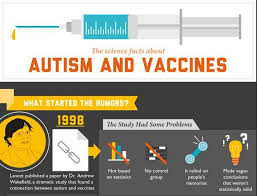
Is there a connection between vaccination and Autism
Is there a connection between vaccination and Autism
I: Operationalized Problem Statement
Conceptualize your topic statement. Write conceptual definitions for ambiguous words in your topic statement.
– For example, what is meant by “more,” “tall,” “poor,” etc?
Rewrite your topic statement into a problem statement so that there is no ambiguity.
– Do the words you have selected have shared meaning when read by your peers?
Operationalize your concepts by making a chart for each concept:
II: Identifying the Sample
Using 2 pages or less, propose a sampling design that would be appropriate for your study.
– Define the population, identify the sampling frame(s), and specify the elements and any other units at different stages.
– Indicate the exact procedure for selecting people to be included in the sample.
III: Identify your Variables
List at least 10 variables that are important to your research problem.
– Differentiate the independent variables (IV) from the dependent variables (DV).
IV: Devise an Experiment
In 4 pages or less, devise an experiment that would address your research problem.
– Determine whether this would be a laboratory or field experiment, then answer who, what, where, when and how long–an hour, week, month, year, longer?
– Discuss the extent to which each source of internal invalidity is a problem in the study.
– Propose procedures to cope with these sources of invalidity.
– How generalizable would you expect the study’s findings to be?
– What could be done to increase generalizability?
V: Quantitative Design
Identify 10 quantitative variables and indicate whether the variables are nominal, ordinal, interval or ratio levels of measurement
(refer back to Chapter 4: LEVELS OF MEASUREMENT if you need a refresher).
Create cross-tabulations of these 10 variables (2 per table, at least 5 tables) that would provide valuable information for your research topic.
– You may need to include additional variables (such as socio-demographic variables) go best mine this data.
– After you create (unpopulated) contingency tables, explain why you think this would be of value to your research problem.
VI: Qualitative Design
For a participant observation component, propose an observational plan that would complement the overall survey project. Present in your proposal the following information about your plan (3 pages):
a) Choose a site and justify its selection in terms of its likely value for the research.
b) Choose a role along the participation-observation continuum and justify your choice.
c) Describe access procedures and note any likely problems.
d) Discuss how you would develop and maintain relations in the site.
e) Review any sampling issues.
f) Present an overview of the way in which you would analyze the data you collect.
VII: Mixed Methods
Add a mixed methods design for your proposed study (2 pages).
– Pick a type of mixed method that seems most likely to help answer your research question.
– Explain why it would be advantageous to give priority to either qualitative or quantitative methods, or to give them equal priority.
– Explain whether you think it advantageous to sequence the methods.
VIII: Reflection
At this point in your research process, it is important to reflect on the work that you have done in thinking about your research problem.
(Explain in two pages or less)
– What have you learned about the process over the course of this semester?
– Was the process consistent or different from your expectations?
– Which method do you think works best to address your social problem? Why?
– What questions remain unanswered?
We can write this or a similar paper for you! Simply fill the order form!
Research Topic Discussion (1st of 3 Assignments) Childhood Immunizations
Research Project Assignment 1: Topic Discussion
Write a two paragraph discussion post addressing items 1 and two listed below. These two paragraphs will be used in the introduction to your research paper. Please note that this is a longer, more in-depth discussion than your previous posts. This discussion counts as 25% of a project grade, so please take it seriously and follow the instructions exactly.
In one paragraph (at least five sentences), identify the topic you have chosen to research and explain how this topic relates to the concept of social responsibility. You may use the following questions as a guide to help you think about your topic through the lens of social responsibility.
Is this a problem that needs to be solved?
Is there a better way to do something than what is currently being done?
Is there already a solution that is being used in other communities?
Is this something that will make the world better? If so, how?
How will society benefit from this?
In a second paragraph (at least five sentences) address the following. What are your personal attitudes and mindset about your topic?
Why are you interested in this topic?
Does this topic relate to your major or career choice? If so, how? Yes, working on RN
Does this topic impact your daily life? If so, how? Yes, I work at an elementary school
Is this a regional, national, or global topic?
Is this topic something that has or will affect past or future generations?
Do you think one person can have an impact on this topic? If so, how?
We can write this or a similar paper for you! Simply fill the order form!
This assignment will give you an opportunity to apply what you are learning in the class and have learned in your nursing practice regarding safety and quality and making organizational change at the unit level. This assignment is designed to assist you in preparing your clinical safety and quality project presentation.
Process for the Assignment
From the beginning of this course you need to gather evidence on a specific clinical safety topic related to your nursing practice and job experience. This literature and evidence will help you develop a foundational understanding of your clinical safety topic and a possible solution/plan to improve patient safety and quality care. You will write an eight to ten page paper that responds to this specific clinical safety issue.
Your first step will be to generate a question or problem statement of your own that is related to the clinical safety project you are researching. This problem statement will introduce the idea for your safety project. Include purpose of the paper and what will be discussed in the paper. Complete description and discussion of the area/issue/situation where safety could be improved.
Include the specific setting, discussion of current practice, potential threat to patient safety, and who is involved in the situation.
Explain how you are involved in this situation.
How does the problem affect you as the nurse?
How does the problem put the patient at risk?
Discuss how this specific situation/problem is related to sources of threat as depicted by the seven subcultures of patient safety identified by Sammer et al. Be sure to reference the Sammer et al. in your paper. Use a heading for each of the subcultures of patient safety.
Summary/review of the literature that relates to and describes this and/or similar situations/risks. References are current, comprehensive, topic specific and include professional and lay literature.
Minimum of 3 – 4 professional references (in addition to course readings) from current (2008-2014) health care literature.
May use older literature to support historical context, however must show patient risk is current. Use a heading for Literature Review.
What is your plan for improving the situation and threat to patient safety?
(Use a heading)
Plan should be specific and realistic. Identify all stakeholders, roles and responsibilities.
Specify your role.
Include a time frame and budget. (Use a heading)
Budget should reflect evidence of research into accurate costs of the plan.
This part should include a conclusion (use a heading) of the paper.
Format of the paper. Neat, organized, computer generated, mechanics, structure and accurate use of APA professional style of writing.
This includes appropriate use of language, title page, reference page, text citations, level headings, header, page numbers, and reflects a professional appearance. Writing issues addressed in first, short written project are corrected.
Make sure you include a hard copy of each article.
We can write this or a similar paper for you! Simply fill the order form!
Purpose: You are working in Pulmonology/Immunology practice. One of your new patients is a 20 year old man who has undergone allergy testing and found to be allergic to pollen and grasses. He is to start an immunotherapy program today.
Assignment Description:
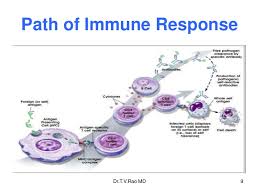
Describe the pathophysiologic changes to the immune system when exposed to allergens and the clinical manifestations of these changes.
Formulate a care plan for the treatments to be given. Include information you would give for him to educate him about why he has the symptoms he experiences, a description of the program and what he can expect, how long it will take, and long-term expectations.
Requirements:
Provide a complete care plan to include the topics suggested.
Justify ideas and responses by using appropriate examples and references from texts, Web sites, and other references.
Use APA 6th edition style guidelines consistently and accurately. Used correct spelling and grammar. Submitted on time.
We can write this or a similar paper for you! Simply fill the order form!
Mr. Smith, a 60-year-old man with coronary heart disease, experienced frequent bouts of angina pectoris. One day while moving a piece of heavy furniture, he experienced excruciating pain over his left chest.
Coronary Heart Disease Essay Paper
He began sweating heavily, became short of breath, and then collapsed. He was transferred to the emergency room at a nearby hospital. Mr. Smith’s EKG was diagnostic of myocardial infarction. Coronary angiography was performed and occlusion was found in an in the descending branch of the left coronary artery. Intravenous drugs were administered to dissolve the clot that was causing the obstruction. His cardiologist informed him that some of his heart muscle had died as a result of the myocardial infarction.
Coronary Heart Disease Essay Paper Discussion Questions:
Discuss the risk factors for myocardial infarction.
As per your analysis, what type of cell injury did Mr. Smith sustain and why?
Differentiate between reversible and non-reversible cell injury.
Discuss the pathophysiological changes that occur during a myocardial infarction.
Correlate the subjective and objective findings of myocardial infarction with the disease
DQ -1 Atherosclerosis is a narrowing of the coronary arteries, which can be identified as the leading cause of coronary artery disease. Narrowing of the coronary arteries can lead to a restriction or interruption of oxygenated blood flow to the heart. This narrowing and reduced or interrupted the flow of oxygenated blood can result in stable or unstable angina and possibly myocardial infarction (MI). McCance and Huether (2014, p. 171) suggest, many risk factors for heart disease have been identified, including obesity, cigarette smoking, hypertension, elevated cholesterol, and positive family history (usually defined as having one affected first-degree relative), these are considered objective findings of myocardial infarction. McCance & Huether (2014, p. 1160) reports, subjective signs and symptoms an individual may experience with a myocardial infarction include shortness of breath, sudden excruciating chest pain with radiation to the neck, jaw, back, shoulder, or left arm is common. Nausea and vomiting may occur and some individuals may report no symptoms, thereby having a “silent” infarction.
From my analysis of the case study and the supporting information from this week’s readings, it appears that Mr. Smith sustained an irreversible cell injury. McCance & Huether (2014, p. 1158) reports cardiac cells can withstand ischemic conditions for about 20 minutes before cellular death occurs. The case study mentions findings of an occlusion in the descending branch of the left coronary artery (LCA) and the Cardiologist reports to Mr. Smith that part of the heart muscle “died”. According to McCance & Huether (2014, p. 54-55), injured cells may recover (reversible injury) or die (irreversible injury). Peate & Jones (2014) suggests, the most common cause of an MI is a blood clot (thrombosis) forming inside a coronary artery, or one of its branches. This prevents blood flow to a part of the heart. A coronary artery or one of its smaller branches becomes blocked suddenly, resulting in damage to the myocardium. According to Peate & Jones (2014), where the infarct has taken place, a collagen scar forms in its place and the damaged muscle fails to contract efficiently. Collagen, a bundle of non-contactable, non-stretchable fibers. The inelasticity of the collagen is what causes the ineffective contraction and stretch of the myocardium, a decrease in cardiac output is the result.
Coronary Heart Disease Essay Paper References
McCance, K.L. & Huether, S.E. (2014). Pathophysiology: The biological basis for disease in adults and children. St. Louis, MI: Elsevier.
Peate, I & Jones, N. (2014). Pathophysiology series 2: Acute myocardial infarction. British Journal of Healthcare Assistants, 8(5): 214-219. 6p. (Journal Article – glossary, pictorial, tables/charts) ISSN: 1753-1586, Database: CINAHL Plus with Full Text
DQ- 2 Myocardial infarction (MI) results when prolonged ischemia causes irreversible damage to the heart muscle and sudden cardiac death can occur because of any of the acute coronary syndromes (McCance &Huether,2014). Myocardial infarction (MI) is the most severe form of coronary heart disease and the major cause of mortality in the world. There are several risk factors leads to MI such as obesity, cigarette smoking, hypertension, elevated cholesterol level, and positive family history. Also, age and sex are other nonmodifiable risk factors for MI. According to McCance and Huether (2014), there are several studies proved that that an individual with a positive family history is two to seven times more likely to coronary artery heart disease that is an individual with no family history. According to the INTERHEART study, risk factors for MI can be divided into 2 categories and which includes ,emerging risk factors (homocysteine, glucose abnormalities, nutritional factors, abdominal obesity and psychosocial factors) and conventional risk factors (hypertension, diabetes, smoking and elevated cholesterol) between people of varying geographic and ethnic origin (Huma, Tariq, Amin & Mahmood, 2012).
In the case of Mr. Smith occlusion was found in an in the descending branch of the left coronary artery and some of his heart muscle had died. Hypoxia, or lack of enough oxygen, is the ultimate reason for the cellular injury. Progressive hypoxia caused by gradual arterial obstruction is better tolerated than the sudden acute anoxia (total lack of oxygen) caused by a sudden obstruction, such as can occur with an embolus ((McCance &Huether,2014). There is sudden acute anoxia happened in the case of Smith due to the clot on the artery and there is some irreversible damage already happened to the cells due to hypoxic injury. According to McCance and Huether (2014), continued ischemia causes irreversible injury, and which is associated structurally with severe swelling of the mitochondria, severe damage to plasma membranes, and swelling of lysosomes.
There are several factors can cause cellular injury and which disrupts cellular structures or deprives the cell of oxygen and nutrients required for survival. This injury can be reversible or irreversible depends on the severity of damage or length of the deprivation of oxygen. The reversible damage is sublethal, but the irreversible injury is lethal. In reversible cell injury, structurally no return and which happen when severe vacuolization of mitochondria occurs and Ca++ moves into the cell, including mitochondrial membrane damage. Whereas in reversible cell injury there is a loss of adenosine triphosphate (ATP), swelling of cell, detachment of ribosomes and autophagy of lysosomes occurs (McCance &Huether,2014).
Usually, coronary arteries supply blood to myocardial cells and if there is any deprivation of the blood supplies to the myocardium will lead to decrease in oxygen supply to the myocardium. There are several reasons present behind the Imbalances between myocardial demand and coronary blood supply. It may be due to atherosclerosis, plaques ulceration or rupture. When this ulceration or rupture occurs, underlying tissues of the vessel wall are exposed, resulting in platelet adhesion and thrombus formation (McCance &Huether,2014). Even 10 seconds of coronary occlusion can lead to ischemia and if the occlusion exists more than 20 seconds it will ends in MI. during this condition, anaerobic processes will happen, and lactic acid will accumulate.
Patients with MI usually have the symptoms of chest pain, radiating to jaw or shoulder, short of breath, nausea, vomiting, profuse sweating, indigestion or pressure in the chest. Final diagnosis of MI can be made from a combination of chest pain characteristics, evolutionary changes on the electrocardiogram and serial analysis of cardiac enzyme levels (Huggon, Chambers, Nayeem, Tutt, Crook & Swaminathan,2001).
Coronary Heart Disease Essay Paper Reference
Huggon, A. M., Chambers, J., Nayeem, N., Tutt, P., Crook, M., & Swaminathan, S. (2001). Biochemical markers in the management of suspected acute myocardial infarction in the emergency department. Emergency Medicine Journal: EMJ, 18(1), 15. doi:http://dx.doi.org/10.1136/emj.18.1.15
Huma, S., Tariq, R., Amin, F., & Mahmood, K. T. (2012). Modifiable and non-modifiable predisposing risk factors of myocardial infarction -A review. Journal of Pharmaceutical Sciences and Research, 4(1), 1649-1653. Retrieved from https://search-proquest-com.southuniversity.libproxy.edmc.edu/docview/1009276246?accountid=87314
McCance, K.L. & Huether, S.E. (2014). Pathophysiology: The biologic basis for disease in adults and children. (7th ed).St. Louis, MI : Elsevier
We can write this or a similar paper for you! Simply fill the order form!
Healthcare Issue in the United States You will become the subject matter expert by conducting research based on your chosen title/topic and then reporting your findings in a potentially publishable manuscript. You do not have to seek approval for your topic. Choose any health/healthcare related topic of your choice that you feel is a significant problem within the United States.
There’s no specific amount of pages and or word count for each assignment. Address all questions presented and if the instructions/criteria state a paragraph make sure your paragraphs consist of a minimum of five complete sentences. The problems facing the U.S. health care system are not new; they have been discussed for the last 60 years.
We can write this or a similar paper for you! Simply fill the order form!
3.3 Provide individualized education to diverse patient populations in a variety of health care settings.
The RN to BSN program at Grand Canyon University meets the requirements for clinical competencies as defined by the Commission on Collegiate Nursing Education (CCNE) and the American Association of Colleges of Nursing (AACN), using nontraditional experiences for practicing nurses. These experiences come in the form of direct and indirect care experiences in which licensed nursing students engage in learning within the context of their hospital organization, specific care discipline, and local communities.
Based on the feedback offered by the provider, identify the best approach for teaching. Prepare a presentation based on the Teaching Work Plan and present the information to your community.
Options for Delivery
Select one of the following options for delivery and prepare the applicable presentation:
PowerPoint presentation – no more than 30 minutes
Pamphlet presentation – 1 to 2 pages
Poster presentation
Selection of Community Setting
These are considered appropriate community settings. Choose one of the following:
Before presenting information to the community, seek approval from an agency administrator or representative using the “Community Teaching Experience Approval Form.” Submit this form as directed in the Community Teaching Experience Approval assignment drop box.
General Requirements
While APA style is not required for the body of this assignment, solid academic writing is expected, and documentation of sources should be presented using APA formatting guidelines, which can be found in the
APA Style Guide, located in the Student Success Center.
We can write this or a similar paper for you! Simply fill the order form!
Research on the Birth Complication and submit a full analysis.
Use at least three (3) quality references Note: Wikipedia and other related websites do not qualify as academic resources.
Your assignment must follow these formatting requirements:
Be typed, double spaced, using Times New Roman font (size 12), with one-inch margins on all sides; citations and references must follow APA or school-specific format. Check with your professor for any additional instructions.
Include a cover page containing the title of the assignment, the student’s name, the professor’s name, the course title, and the date. The cover page and the reference page are not included in the required assignment page length.
We can write this or a similar paper for you! Simply fill the order form!
Consultation Supervision and Advocacy Plan Introduction
For this assignment, imagine you have been contacted by an agency in your community to provide consultation on how they might improve their services to clients.
Consultation Supervision and Advocacy Plan
The agency is concerned that clients with serious counseling issues are “falling between the cracks” when they are referred to others in the community for intensive treatment. Furthermore, the brief aftercare they provide is not accessible enough to sufficiently support clients as they re-integrate into the community.
Consultation Supervision and Advocacy Plan Using Turnitin
This assignment requires learners to utilize the Turnitin tool. The Turnitin source matching tool is available to learners via the link in the courseroom. Turnitin supports the development of your skills in preparing written coursework. Use your originality report to help ensure that you have used outside sources ethically and effectively.
Note: When you use Turnitin, it is very important that you always submit your work as a draft, so you can make revisions before submitting it as your final work for grading. Submitting an assignment to Turnitin does not submit the work to the course room for evaluation. This must be done separately; look for directions at the end of the assignment instructions.
Consultation Supervision and Advocacy Plan Instructions
Use the Unit 9 Assignment Template to complete this assignment. Using your studies in Units 7, 8, and 9 as well as ideas you have gathered from your peers in the discussions, address the following in your assignment:
Identify a population with mental health counseling needs as well as other needs, for example:
People experiencing chronic or severe mental illnesses who also experience homelessness.
Children with medical needs who also experience high anxiety.
Elderly individuals who are socially isolated and depressed.
Chemically dependent persons with recurring mental health crises.
Evaluate how the group you identified has been served in the history of clinical mental health counseling.
Describe the agency that is requesting a consultation, specifying where their services are located within the continuum of care available in the community. Briefly outline the services they provide, such as outpatient services, inpatient services, partial hospitalization, or aftercare, and describe the other professionals or entities to whom they can refer clients for coordinated care.
Identify and describe the consultation theory, model, and strategies you would propose use to assist the agency in improving coordinated services for their clients.
Propose a counseling supervision model for the agency that describes roles and strategies for maintaining ethical and consistent client care.
Recommend additional steps professionals at the agency could take to advocate at the state or national level to reduce barriers that impede access, equity, and success for their client population.
Review the Scoring Guide linked in the Resources area to make sure you understand how this assignment will be graded.
Consultation Supervision and Advocacy Plan Additional Requirements
Your paper should meet the following requirements:
Style: Compose your paper to concisely and clearly address each topic, with correct grammar, punctuation, and mechanics.
Resources: Be sure to cite and reference at least 3 sources correctly in APA style.
Font and Font Size: Times New Roman, 12 points
Length of paper: 3–5 typed, double-spaced pages.
Turntin Score must be less than 50% or will not be accepted for credit, must be your own work and in your own words. You can resubmit, Final submission will be accepted if less than 50%. Copy paste from websites or textbooks will not be accepted or tolerated. Please see College Handbook with reference to Academic Misconduct Statement.
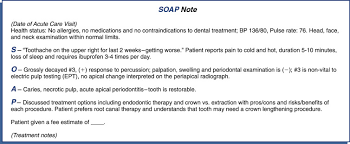
This sheet is to help you understand what we are looking for, and what our margin remarks might be about on your write ups of patients. Since at all of the white-ups that you hand in are uniform, this represents what MUST be included in every write-up.
1) Identifying Data (___5pts): The opening list of the note. It contains age, sex, race, marital status, etc. The patient complaint should be given in quotes. If the patient has more than one complaint, each complaint should be listed separately (1, 2, etc.) and each addressed in the subjective and under the appropriate number.
2) Subjective Data (___30 pts.): This is the historical part of the note. It contains the following:
a) Symptom analysis/HPI(Location, quality , quantity or severity, timing, setting, factors that make it better or worse, and associate manifestations.(10pts).
b) Review of systems of associated systems, reporting all pertinent positives and negatives (10pts).
c) Any PMH, family hx, social hx, allergies, medications related to the complaint/problem (10pts). If more than one chief complaint, each should be written u in this manner.
3) Objective Data(__25 pt.): Vital signs need to be present. Height and Weight should be included where appropriate.
a) Appropriate systems are examined, listed in the note and consistent with those identified in 2b.(10pts).
b) Pertinent positives and negatives must be documented for each relevant system.
c) Any abnormalities must be fully described. Measure and record sizes of things (likes moles, scars). Avoid using ok, clear, within normal limits, positive/ negative, and normal/abnormal to describe things. (5pts).
4) Assessment (___10pts.): Diagnoses should be clearly listed and worded appropriately.
5) Plan (___15 pts.): Be sure to include any teaching, health maintenance and counseling along with the pharmacological and non-pharmacological measures. If you have more than one diagnosis, it is helpful to have this section divided into separate numbered sections.
6) Subjective/ Objective, Assessment and Management and Consistent (___10pts.): Does the note support the appropriate differential diagnosis process? Is there evidence that you know what systems and what symptoms go with which complaints? The assessment/diagnoses should be consistent with the subjective section and then the assessment and plan. The management should be consistent with the assessment/ diagnoses identified.
7) Clarity of the Write-up(___5pts.): Is it literate,
organized and complete?
We can write this or a similar paper for you! Simply fill the order form!