

Translating American Military Power into Political Gain

Translating American Military Power into Political Gain Order Instructions: I have uploaded 4 files which contain the references I would like you to use, please.

Translating American Military Power into Political Gain Sample Answer

Translating American Military Power into Political Gain

Student name

Institution

Date

Introduction

The American military power and prowess cannot be understated or overlooked. The American armed forces comprise one of the most elite and advanced military capability in the world.
Translating American Military Power into Political Gain

American military might gained global recognition in the ear of the cold war, the Iraqi war (Gulf Wars) and the invasion of Libya a year ago. These are some of the nations and regions where America stands strong in the face of adversity and socio-political and economic strength. The strength of the military, however, has hardly been tested in recent years. To many nations, America is a fierce foe and a generous friend, hence the choice for the latter rather than the earlier. No one wants to make enemies with a country that has not only the most advanced missile system I the world but also the most number of nuclear warheads. The resolve of America to protect itself by all means was also realized in the bombings of Hiroshima and Nagasaki where kilotonnes of nuclear arsenal were unleashed on soft targets (Feaver & Gelpi, 2011).

The United States stands strong in the resolve to fight aggression. However, the investment that America safeguards the most is the economic interest of the nation. America often fights aggressors but wages economic war where necessary as well. Indeed, wars in recent times have been inherently fueled by economic tensions and unfavorable trade environments. America has thus been inherently involved in every effort to ease political tensions and instability that has threatened the economic interest of the superpower. However, economic warfare is nothing new. There are political decisions to economic problems such as the choice the United Kingdom made to leave the European Union. However, the United States government takes it upon itself to fight to remain and solve situations rather than break union. This is partly why the Union of the States has been maintained for centuries (Huddy & Feldman, 2011).

By military means, any nation can achieve social, economic and political stability. These three spheres of modern civilization are inter-related. Social stability defines a company’s ability to safeguard democratic processes. This ensures that the rights of the majority are respected but the voice of the minority is heard as well. Economic principles such as the strength of the dollar are very important to the United States. The world reserve currency is the United States Dollar. For this reason, the American economy has to be stable at all times for the sake of the world economy as well. Political stability is however the most important aspect to the nation. Although America is politically stable due to the strong representative democracy institutions and the numerous checks and balances on the representative plenary, political instability of American allies is a threat to American socio-political and economic stability as well.

The United States military is responsible for any federal decision to use all means to achieve an end goal. America is protected in her decisions by the veto vote in the United Nations’ general assembly. The choice of war on countries that threaten world peace is thus often the duty of the United States of America. The country takes pride in bringing world peace and order. Currently, American involvement in the Syrian Crisis is immense. From the nuclear deal with Syria a year ago to the fight against international terror threat by groups such as ISIS and Al-Qaeda, there is a growing impact of American Army boots on Asian soil. The United States is very involved in these decisions and makes a lot of impact on the war on terror. America however made a lot of impact on the war on terror over the last few years. As a result, a lot of terror threats against the United States have been averted (Hetherington & Suhay, 2014).

Despite the fact that the United States has made progress on the war on terror, there has been a significant terror threat globally that threatens global peace and stability. The challenge with terror is that it has advanced beyond common sectarian violence to an affront on humanity and the encouragement of anarchy. With the growing threat of terror groups on the world, there has been increasing demand for greater efforts to manage the global terror threat. The American military has thus been criticized for not doing enough to manage the situation despite the immeasurable prowess that the military has been known for. The conditioning of American soldiers, the power in military research and the immense military intelligence the United States army raise the concern that the American government invests a lot on the military but gains very little from it. There have been many challenges the American military faces in harnessing political gain for the nation. The rest of this paper discusses three such impediments (Feaver & Gelpi, 2011).

Prolonged American involvement in the war on terror

The threat of terror is currently promulgated by the three major terror groups in the world; the Islamic State in the Levant (ISIL), also refered to as ISIS or Daesh, Al-Qaeda and the Taliban. Although there are other terror organizations, these three groups have been responsible for almost all attacks on the United States. The American government has thus been forced to concentrate their efforts of averting terror and fighting organized terror activities. It is necessary that America deals with this threat so that the military finds new ways to protect the country and advance the nation’s involvement in political and economic developments of the global economy. The war on terror has thus been a major concern for the nation. The United States government has also been unable to interpret the motivation and impact of terror on the nation, often terming it as an effort to encourage anarchy, discourage efforts for world stability and peace or even as attacks on religious freedom and organizations.

The threat of terror on society has been a difficult issue for the American military to tackle as well. Terror groups have frustrated the efforts made in Iraq, led to the collapse of the Syrian talks and basically made significant strides towards encouraging anarchy in Asia. The challenge posed by terror groups has also been realized with the continuous death of American soldiers that led to the retraction of American forces in Iraq a few years ago. The Obama administration has been blamed for not sending enough infantry soldiers to Syria but there has been a general praise on the American tactics as well as they have been in the interest of the people. The threat of terror has been augmented by the development of new terror groups such as the Boko Haram and Al-Shabab that have encouraged retrogressive vices such as human trafficking and piracy on international seas and ‘no-man’ oceans. America has thus been caught unawares and often coerced to make policy decisions that have not been in the interest of the American public. All the same, terror has been fought to a great extend thanks to the use of the Central Intelligence Agency (CIA) (Hook & Spanier, 2015).   

The war on terror may not be entirely an American affair but it is definitely a concern that the world delegates to the United States of America. The country thus struggles to manage a global problem using local resources (Elshtain, 2014). The American military is not the largest and neither is it the most expansive. A lot of American success on the military forefront is based on the strength of the NATO (North Atlantic Treaty Organization) that has other militaries contribute their resources to the war as well. However, the political status of America in the war of terror is not similar to the same status the nation held thanks to the victories in the major world wars, (I & II) that they were accredited for ending and leading to an international peace treaty (United Nations’ Treaty). It is vital to remember that the United States has as much stake in the war as any other nation, especially those that suffer from frequent sporadic attacks such as France, Belgium and Turkey.

Translating American Military Power into Political Gain and Defense policies by the American legislature

The American legislature coins most of the defense policies executed by the American military. For instance, the threat of rocket-propelled grenades (RPGs) in the Somali crisis led to a congress decision to withdraw US troops from Somalia. As a result, the war on Somalia militia was never won and is still fought today. Despite the military might of the American army and the immense intelligence of the American forces in the Somali capital, somehow it was not possible to fight off aggressive Somali terrorists. The Somali situation was an embarrassment to America but the major issue was the fact that America made the decision as a matter of policy and congress was in a hurry to find a solution to a problem that had existed for many years. Indeed, there was a problem with the situation encouraged by the American parliaments. Regardless, the justification for ‘saving soldiers’ lives’ was welcomed by the American community.

Over the last few years, political differences between the major parties in the nation; Democrats and Republicans have led to the escalated tension among the two. As a result, few laws have passed the senate floor. Congress has also realized representative boycotts and other unpatriotic decisions to serve partisan interests. The effective result has been that American congress has been unable to pass substantial regulation on foreign policy. This has affected the military’s preparedness for most of the foreign policy concerns such as the war on terror. The nation has also suffered the implication of surprise terror attacks without policies to handle immigration and citizenship; all of which are issues that affect the American military (Guzdial & Arquilla, 2016).

Translating American Military Power into Political Gain and Little investment in military advancements by foreign armies

In the first and second world wars, there was an imminent battle of superiority among the world’s armies. New technologies in military warfare were tested and implemented on the battleground. The formation of the United Nations’ also anticipated that an improvement in military strength for defense would be realized by all countries. However, few nations have invested in a substantial development of their military arsenal. Indeed, most of the world’s nuclear warheads are owned by two countries; the United States and Russia. With there being little done by American allies, the weakening of the allied forces has encouraged increased terror attacks and soft targets among civilians. There has also been an imminent sense of anarchy due to military dissent in some countries. This has destabilized the world economy to some extent (Badsey, 2016).

While America invests more than 3 trillion dollars of its budgets on defense, most nations in the United Nations’ organization do not spend half as much. This has weakened the NATO to a great extent. Many American politicians have called for a renegotiation of the NATO agreement due to this reason. It is apparent that despite the world continuously becoming vulnerable to terror threats, little effort has been made to avert the threat. This is the concern in the United Nations at the moment. Most of the contribution from the member states is not significant to the war on terror yet these nations face a larger scale of terror attacks than America does. It is thus important for the world to invest more in military preparedness, the equipment and training of soldiers for international collaborative missions as well as the enactment of laws that commit a significant budget to defense (Andrews, Nelkin, Angwin & Appel, 2015).

Translating American Military Power into Political Gain Conclusion

Due to the protracted wars in Iraq, Libya, Syria and Pakistan, the United States Army is losing a lot of soldiers to the war on terror. An immediate and impactful solution needs to be sought in order to encourage global involvement in these wars. The strength and purpose of the American military is threatened by the legislations the United States government passes or fails to pass in support of the military (O’Neil, 2014). This challenge needs a political solution that is indiscriminate and effective in meeting the needs of the American people and safeguarding the interests of the national economy. The American people deserve a united government and not one that is pro-democrat or republican. America thus needs to formulate policies that encourage international integration and synergies in the process of averting terror.  The military is aware of the role it needs to play in safeguarding the nation. However, where it is always a requirement that such efforts be consented by the instruments of American power, bureaucratic tendencies do get in the way.

The United States needs to employ all diplomatic efforts to encourage international involvement in its wars. The wars in significant terror cell regions such as Afghanistan, Syria and Iraq do have a bearing on international peace. All nations should thus lend their support towards ending these wars successfully. Just like the world united on two fronts in the previous wars, there is need for Unity in the war on terror. Terror is a common enemy that needs to be addressed without sparing any financial resources. As America continues to be on the forefront of the war on terror, her problems internally increase. The government’s over-involvement in diplomatic foreign missions may be the interest of world peace but hardly on the American economy. It is thus important that America finds a way to encourage international synergies towards bringing an end to an organized hate crime. With potential threats from countries such as North Korea, military preparedness of the world is critical (Schneider, 2014). Such efforts will prove very instrumental to the nation and to the world. By doing so, the American armed forces will contribute their role towards political gain and protection of the sovereignty just like they have done in the past.

 Translating American Military Power into Political Gain References

Andrews, L., Nelkin, D., Angwin, J., & Appel, T. A. (2015). 204 Bibliography Andreas, Peter and Thomas J. Bierstekar (2003) The Rebordering of North America: Integration and Exclusion in a New Security Context, New York: Routledge. Hybrid Rule and State Formation: Public-Private Power in the 21st Century, 2(2), 203.

Badsey, S. (2016). media War and media Management. The Ashgate Research Companion to Modern Warfare, 401.

Elshtain, J. B. (2014). Just war against terror: The burden of American power in a violent world. Basic Books.

Feaver, P. D., & Gelpi, C. (2011). Choosing your battles: American civil-military relations and the use of force. Princeton University Press.

Guzdial, M., & Arquilla, J. (2016). Sampling bias in CS education, and where’s the cyber strategy?. Communications of the ACM, 59(4), 10-11.

Hetherington, M., & Suhay, E. (2014). Authoritarianism, threat, and Americans’ support for the war on terror. American Journal of Political Science55(3), 546-560.

Hook, S. W., & Spanier, J. (2015). American foreign policy since World War II. Cq Press.

Huddy, L., & Feldman, S. (2011). Americans respond politically to 9/11: understanding the impact of the terrorist attacks and their aftermath. American Psychologist66(6), 455.

O’Neil, A. (2014). Command Without Control? Nuclear Crisis Instability on the Korean Peninsula. North Korean Review, 10(1), 7.

Schneider, M. (2014). The North Korean Nuclear Threat to the US. Comparative Strategy, 33(2), 107-121.

Psychology Assignment Paper Available


Psychology
Psychology

Psychology

Psychology

Order Instructions:

Hi There,

Using “Powell, M. B., Guadagno, B. L., & Clematis, P. (2013). Workplace stressors”:

Evaluate the research questions using the Research Questions and Hypotheses Checklist as a guide
Identify the type of qualitative research approach used and explain how the researchers implemented the design
Analyze alignment among the theoretical or conceptual framework, problem, purpose, research questions, and design

Please include quotations from: Babbie ch 10 and Dr. Sreeroopa Sarkar’s research study.

If you don’t include quotations from Babbie ch 10 and Dr. Sreeroopa Sarkar’s research study, I will consider the work not complete.

Regards,

MY TOPIC IS SEXUAL VIOLENCE IN COLLEGES. IF YOU NEED ME TO GIVE YOU DIFFERENT ARTICLES, LET ME KNOW:

My topic is college sexual violence. It was estimated by researchers Fisher et al. (2009) who conducted a large-scale survey of college women that “a female student has a 20% to 25% chance of experiencing a completed or attempted rape in the course of a 5-year college career.”1 The understanding of sexual coercion is cloaked in mystery and fraught with taboos and potent defense mechanisms. Some behavioral scientists attempt to study human sexual aberrations and deviations by extrapolating from animal behavior. For example, Professor Milton Diamond of the University of Hawai‘i at M?noa maintains that “Since no experimental studies on the imprinting of human sexuality per se are available, animal experiments may provide further insight into such a possibility”2. However, this approach is flawed since it excludes society’s causal role in perpetuating rape. Even though human attitudes have varied both across and within cultures and eras, most societies have historically been viewing rape as a strictly interpersonal event which lacks ties to larger structural issues, a victim-precipitated event and is it the victim’s “fault” as she “causes” it by her behavior, dress, or attitudes. According to Mary Koss (1985), nearly 37% of the college women in a survey she conducted reported being either sexually abused or assaulted, while only 9% of their male counterparts defined their behaviors as sexually abusive or assaultive. In a later study by Mahoney et al. (1986) the researchers found that almost 20% of the college women questioned reported experiencing forced coitus, but only 4% of their male counterparts admitted to committing such crimes. Malamuth (1981) found that more than one-third of the male respondents reported that they would commit rape if little likelihood existed that they would be caught.

My worldview is not based on the value free approach to social sciences research in which the scholar is an outsider and not involved. As a researcher, my philosophical orientation is that of the participant observer, to use Dr. Michael Patton’s words in the video clip. By the way, it was my personal experience that led me to be interested in the study of rape when in the course of producing a documentary, my PA, explaining why she was late to work, related to me that she was raped on the preceding night. I foolishly asked her if she enjoyed it. I thought I was joking but was shocked at her bursting into bitter tears. That was the initial trigger of my interest in the subject. Ontologically speaking, I perceive human suffering as real and actual. I am not indifferent to human suffering and abuse and I reject the notion that scientists aren’t supposed to take a stand. I acknowledge that I am biased and, personally, take the side of the rape victim. Based on that, I would like to scientifically investigate the phenomenon of rape.

After addressing the definitions underlying the research, the study approach will focus on collecting quantitative rape prevalence data and qualitatively rapist and non-rapists attitudinal and socialization history data. This can be done by collecting empirical data via structured questionnaires to elicit reports of rape as well as via unstructured interviews of rapists and non-rapists

SAMPLE ANSWER

Psychology

Introduction

The effectiveness of the research study is considered complete through the evaluation of issues such as the research the questions used, the hypothesis used, and other important facets used to develop any research. Therefore, the identification and the conduction of further an analysis can be carried out in order to determine the effectiveness of the research. This paper is set to determine whether it is important in trying to determine the general appropriateness of the through the evaluation of different elements concerns a research study made by Tomyn et al.  Other researchers’ assertions will be used to augment the important findings made.

Evaluation of the Research the Research Questions

According to Tomyn ert al. (2015), the research study concerns the evaluation and determination of the exploitation of the child investigators in the Australian internet. Therefore, it has been able to make use of a number of research questions as a way of determining the manner in which relevant data could be obtained (Tomyn et al., 2015). The research study requires the use of both qualitative, as well as quantitative data in order to keep on improving the general information that could be used to draw the appropriate conclusion about the research study. The questions aims at creating appropriate variables that can be used to derive the appropriate answers. For instance, one of the research question, the team of researchers wanted to measure the extent of life satisfaction by different based on the assertions of different authors regarding the matters addressed in the research question. At this juncture, they wanted to understand whether the respondents were satisfied with their own life, as well as based on their personal circumstances. The appropriate options that were provided were two and were “completely satisfied” and “completely dissatisfied” (Tomyn et al., 2015). Therefore, the provision of the two main options meant that the respondents could be limited, in giving out their answers. As a result, the move proved highly important in helping the researchers carry out more exploratory analysis of the researcher study. The answers provided could be used for further qualitative analysis of the research study.

Identification of the Type of Qualitative Research Approach Used and Explanation of How the Researchers Implemented the Design

As noted earlier, the use of the research questions acted as one of the most appropriate ways of devising qualitative research approach. For instance, the research had to carry out the appropriate measurement of the personal well-being of the target respondents. As a result, the research used seven different ways of defining the personal well-being of the target respondents. The seven factors, which were also used as the satisfaction score are listed below. These include the health, the living standards, life achievements, the relationships, the general safety, the connection to the community, and the future security. As a result, any answer that fell within this category acted as a strong determinant of the quality relating to the general well-being of the respondents (Tomyn et al., 2015). This is due to the fact that the answer provided are highly interconnected with the themes of the research study. Apart from that, the answer provided acts as a form of exploratory verbs that helps to depict the qualitative analysis of the research the study.
Analysis of the alignment among the theoretical or conceptual framework, problem, purpose, research questions, and design
The research study has also been able to make use of the appropriate theoretical, as well as conceptual framework in trying to expound the general development of the paper. For instance, the research study has been able to use a proper schematic representation that indicates the level of the ‘strength of satisfaction.’ As a result, the proper representation of the seven factor believed to determine or to have a major influence on the level of personal satisfaction has been used to determine the mean of the personal well-being. In short, the paper made use of the conceptual and theoretical framework to give a clear indication of the themes of the paper (Tomyn et al., 2015). On the other hand, it has also been able to use the mix method research design. Here, both the qualitative and quantitative method of data collection have been employed throughout the research study (Tomyn et al., 2015). Therefore, the use of the quantitative research deign has been used to determine the general response to the major variables that have been used throughout the research study. Apart from that, this can be used to improve the general direction of the paper. Here, the use of the qualitative research skills can be related to the work of Dr. Sreeroopa Sarkar. Sakar has made use of the research design and skills in trying to capture some of the most interesting data through the use of the directing question. Such questions have been able to direct the respondents to give certain answers such as the isolation and family violence as the main causes of the child oppression. This is the same case that the research study being discussed have followed in trying to portray the use of the qualitative research skills. Similarly, Babbie ch 10 has also been able to use the same skills in order to identify the main variables of the research study. Here, there has been use of directing questions in order to give a certain order of answers. This can be used to make comparative answers.

References

Tomyn, A. J., Powell, M. B., Cassematis, P., Smallbone, S., & Wortley, R. (2015). Examination    of the Subjective Well-Being of Australian Internet Child Exploitation Investigators.       Australian Psychologist, 50(3), 203-211

We can write this or a similar paper for you! Simply fill the order form!


Influence of culture Research Paper Out

Influence of culture
                          Influence of culture

Influence of culture

Influence of culture

Order Instructions:

Culture and HR policy

We may not always recognise the influence of culture because, ironically, we are so immersed in it. It is often only by stepping outside of one’s own culture that it becomes possible to see its influence on people’s behaviour, values and expectations. Global organisations create situations whereby the culture of each country in which the company operates influences leadership and business practices, leading to differences from divisions in other countries and from the headquarters.

What are the implications of these differences for HR policy? In this essay, continue considering the cultural differences amongst countries that may have a bearing on HR policy.

•Read the required files which sent by email.

o Synthesising the general lessons about the influence of local culture on HR policy in global organisations.

o Providing an alternative perspective on the ways in which HR leaders can use policy to be responsive to local cultural differences in multinational organisations

o Discussing ways your experiences are similar or different with regard to the impact of culture on HR policy.

o Asking probing questions to learn more about your classmates’ views, such as their experiences with specific HR policies in different cultural contexts

SAMPLE ANSWER

DHRP COLL W7: Influence of culture

Human Resource professionals in multinational corporations (MNC) and globalized organizations should be clued-up of how local culture could impact on the development as well as execution of human resources practices and policies. Global firms create situations in which the culture of every nation where the firm is operating in influences business and leadership practices, resulting in differences from divisions in other nations and from the head-offices. This paper provides a detailed discussion of the implications of these differences for human resource policy.

In today’s world, hundreds of business organizations operate globally. Morgan Stanley, Exxon Mobil, General Electric, Apple, BP and virtually each one of the leading global brands have worldwide operations. For these MNCs to be effective, they need to take into consideration the local practices, their local impact on the nations in which they operate, and even the existing cultural boundaries (Perlmutter 2001). The task of ensuring cultural efficacy and compatibility in most cases falls on the organization’s HR manager, particularly focusing on retention-oriented compensation and structural training and development. Hofstede Theory of Cultural Dimensions is an essential measure of cultural distinctions utilized by many organizations when deciding to assume these global endeavours. This theory helps in the smooth transition into overseas countries. When this theory is employed, policy creators and HR managers can identify the most appropriate training approaches for the base-country and local-country employees (Thite, Wilkinson & Shah 2012).

Whenever MNCs penetrate unfamiliar and unknown operating environments, with largely really distinct practices compared to the organization’s host country, there is an unavoidable conflict with culture, operating practices of local workers, and corporate social responsibility. Human resources managers are capable of mitigating these differences and the ensuing conflicting behaviours with enhanced intercultural communication skills and understanding (Aycan et al. 2000).

Human resource managers often face the challenge of balancing societal and corporate cultures whilst promoting diversity. While some cultures for instance a command-and-control style of management could be modified to fit with the local cultures, others, for instance human rights practices and integrity, cannot be compromised (Aycan 2005). Human Resource professionals should understand and manage the complexities, choosing the elements of corporate culture that could change, as well as the ones that are crucial to protecting the ethics and values of company. The firm cannot alter policies that relate to anti-bribery, but it can decide to alter its dress-down- Friday’s rule. In addition, the company’s senior executives might decide to impose cultural aspects, for instance consistently giving back to the community across the multinational corporation. The challenge becomes even harder when dealing with employees who are new, temporary and remote workers, as well as workers who are engaged through means like crowd sourcing. Furthermore, the human resources department should come up with programs for assisting managers to adapt whenever they move from the headquarters to regions with dissimilar cultural and societal norms (Sparrow 2012).

In an effort to try and solve the conflict between the local/host-country culture and the influence of home-country culture on the multinational corporation’s corporate culture, it is important to set up training seminars for the company’s managers in the host country. For example, in 1988, the American multinational General Electric (GE) acquired the French company Companies General de Radiologie (CGR). The move for General Electric marked a vital step in gaining market share in Europe in the medical equipment sector. To try and resolve the conflict between the culture of the French and the influence of United States culture on the corporate culture of General Electric, GE held training round tables for their managers in Europe, including its managers in France. The seminars helped in establishing values, direction, and goals for firms which is particularly significant following acquisitions like the acquisition of CGR. Business organizations usually fail to properly define what they are exactly expecting from people. Even so, when the HR department provides training sessions as General Electric did, a significant amount of time is spent in clarifying expectations (Tarique & Schuler 2010).

Management style improvement interventions are significant interventions that business organizations could make as a way of resolving discrepancies with cultures of high-power distance. An important effort in trying to bridge the culture gaps is to hold seminars that encourage leaders and managers to proactively support the new corporate culture and organizational structure. Helping employees and managers to understand the way the structure of the firm actually work together is helpful in assimilating new staff members into the firm during acquisition (Aycan 2005). Although they are just slightly effective in attaining true organizational compatibility between the MNC and the acquired firm, these training seminars serve as an important example of the way that HR initiatives help to close cultural gaps for increased organizational efficiency. Through effective training and development programs, General Electric was able to solve the cultural issues with the French company CGR. The training and development programs could be as intricate as exploring complex, deeper organizational foundations and rituals, to as straightforward as iterating the dissimilarities between cultures and the way they interact (Sparrow 2012).

Conclusion

In conclusion, many business organizations operate worldwide these days. Human Resource professionals should understand and effectively manage the complexities, choosing the elements of corporate culture that could change, as well as the ones that are vital to protecting the ethics and values of the firm. A major effort in closing the culture gaps is to hold seminars that encourage company leaders and managers to proactively support the new corporate culture and organizational structure.

References

Aycan, Z., Kanungo, RN., Mendonca, M., Yu, K., Deller, J., Stahl, G., & Kurshid, A 2000, Impact of culture on human resource management practices:  A 10-country comparison. International Association for Applied Psychology, 34(4): 1-30

Aycan, Z 2005, The interplay between cultural and institutional/structural contingencies in human resource management practices. International Journal of Human Resource Management, 16(7): 1083-1119

Perlmutter, HV 2001, The tortuous evolution of the multinational corporation. Wharton Quarterly, 3(3):4-16

Sparrow, P 2012, Globalising the international mobility function: the role of emerging markets, flexibility and strategic delivery models. The International Journal of Human Resource Management, 23(12): 2404–2427

Tarique, I., & Schuler, RS 2010, Global talent management: Literature review, integrative framework, and suggestions for further research. Journal of World Business 45(6): 122-133

Thite, M., Wilkinson., & Shah, D 2012, Internationalization and HRM strategies across subsidiaries in multinational corporations from emerging economies—A conceptual framework. Journal of World Business, 47(12): 251-258

We can write this or a similar paper for you! Simply fill the order form!


Mystery Boxes Research Paper Available

Mystery Boxes
Mystery Boxes

Mystery Boxes

Mystery Boxes

Order Instructions:

Overview: Mystery Boxes
Find a small cardboard or opaque plastic box with a lid, such as a small jewelry box. Ask someone to place 1-3 small objects in the box and then seal it with tape and return it to you. DO NOT OPEN THE BOX!

• Without opening the box, make and write observations about what is in the box.
• Draw a conclusion of what you believe the item(s) in the box to be, based on your observations.
• Give the box to someone else, and have that person write down observations and conclusions about what’s in the box.
• Report your observations and conclusions to your colleagues.

Data Chart
Begin by recording yourself as the “Scientist.” Record an observation, and immediately draw a conclusion rather that performing a number of observations before recording your conclusions. Do not delete any conclusions you later decide are incorrect. (You may add rows as needed.)
Have another person follow the same procedure, recording his/her observations and conclusions. (You may add rows as needed.)
Put your final conclusion (based upon your own and your “partner’s” data) in bold in the last row of the data chart. Then post your chart on the Discussion Board.

Chart (three rows:
Scientist Observations Conclusions

SAMPLE ANSWER

Mystery Boxes

Introduction

Mystery boxes are used as an analogy for science where scientists manipulate sealed boxes and attempt to determine inner contents. The boxes are used to illustrate how scientific knowledge is fundamentally uncertain (Matthews, 2006). The essay in the form of a data chart, illustrates how two individuals, a scientist and a partner, observed a sealed mystery box and came up with the assumptive conclusion as to what the inner structures are.

Data Chart

SCIENTIST
Observation 1. When lifted, the box is relatively light suggesting the object is not dense.

2. When the box is tilted, objects move with ease from one corner to another. This precludes the objects are not arranged in a fixed manner.

3. Upon shaking the box, objects produced a discreet clanking sound which suggests it is a small metal object.


Conclusion From the above observations, I came to the conclusion the objects are metallic most likely small nuts judging from the ease of movement and the sound made when they are struck against each other.
PARTNER
Observation 1. From initial observation of the box, small and compact, assumption is that the objects inside must be relatively small.

2. On lifting the box, observation is that it is light and almost weightless. This affirms the latter presumption that the object is small.

3. Upon tilting and shaking the box, objects hit against each other producing a distinct sound akin to small marbles.


Conclusion From the above observations, I came to the conclusion that the objects in the mystery box are most likely marbles. Particularly, this is with regard to the light weight, how the item moves and distinct sound made when moved.
After analyzing both observations tabled, conclusion arrived at is that the objects in the mystery box are small and metal like, most likely to be either a nut or a marble.

References

Matthews, B. (2006). Engaging Education: Developing Emotional Literacy, Equity and Co-education. London: Open University Press.

We can write this or a similar paper for you! Simply fill the order form!

 Incorporating Theories and Patient Teaching

Incorporating Theories and Patient Teaching Order Instructions: Incorporating Theory Details:
Identify a theory that can be used to support your proposed solution.

 Incorporating Theories and Patient Teaching
Incorporating Theories and Patient Teaching

Write a summary (250-500 words) in which you:

Describe the theory and your rationale for selecting the theory.
Discuss how the theory works to support your proposed solution.
Explain how you will incorporate the theory into your project.
Refer to the “Topic 2: Checklist.”

Prepare this assignment according to the APA guidelines found in the APA Style Guide, located in the Student Success Center. An abstract is not required.

You are not required to submit this assignment to Turnitin.

3 NRS 441v.11R.Module 2_Checklist.doc

 Incorporating Theories and Patient Teaching Sample Answer

INCORPORATING THEORIES

The main aim of patient teaching is to change the patient’s behavior. However, changing a patient behavior is somewhat challenging especially among the geriatric generation. This is attributable to the fact that healthcare providers normally demands enormous modification of the patient’s way of living and within the shortest period of time. For instance, the patient can be asked to change their weight by strictly remaining on a diet for almost a year or sometimes for their entire life (Carolyn, 2011). This includes controlling their intake of the foods rich in cholesterol and fat. In some cases, the patient may be required to monitor their blood pressure regularly, exercise and adhere to their medication as required.   Undoubtedly, self-management of CHF among this vulnerable geriatric population can be very complex. Therefore, it is too much task to ask these frail patients to undertake all these tasks and to simultaneously carry their routine life and social relationships (Bylund et al.  2011).

Human behavior theoretical perspective is important as it helps establish the guidelines for patient teaching. A theory is a generalized set of rules which facilitates in finding the appropriate interventions for patient motivation, learning and in the prediction for CHF patient education among the geriatric population.  This is because it facilitates the establishment of an effective and strong patient education intervention. The theory used in this capstone project is the Health Belief Model (Bylund et al.  2011). The Health Belief Model  is the rationale for selecting this theory is that it aids in developing an explanation of why the geriatric population diagnosed with CHF may accept or reject the proposed healthy behaviors. This theory helps the healthcare providers to understand the patient’s motivations and the factors that influence their decision making processes. The model proposes that patient tends to respond better to messages on preventive care if the patient believes that they are at a significant risk of their condition to worsen, and if they are convinced beyond doubt that if the patient adopt the recommended behavioral change, their health condition will improve (Carolyn, 2011).

According to this model, the first condition it perceives is a threat. This is important because if a patient fails to see their condition as threatening, their stimulus to action is often reduced significantly. For instance, a 60 year old woman is likely to stop taking medication as prescribed if she is not aware or does not believe that she is at high risk of developing CHF exacerbation. In this context, two types of threats are perceived. This includes the threat of perceived susceptibility and that of perceived severity (Carolyn, 2011). In susceptibility, the threat is perceived according to concerns of the patient level of risk is she does not change a specific behavior. The second risk is the threat of severity which is mainly associated to the consequences of the patient’s actions.  In this context,   the theory will be incorporated to establish an effective patient education; one that has considerable effects on patient’s health and puts emphasis in both of these threats susceptibility and severity. This helps the healthcare provider to give these individuals expectations that the recommended new behavior can be beneficial, and that the benefits outweigh the barriers; and most importantly, they must design the patient education program in a manner that makes the healthcare providers feel that the suggested recommendations can be accomplished (Bylund et al.  2011).

 Incorporating Theories and Patient Teaching References

Bylund, C., Galvin, K., Dunet, D., & Reyes, M. (2011). Using the Extended Health Belief Model to understand siblings’ perceptions of risk for hereditary hemochromatosis. Patient Education And Counseling, 82(1), 36-41. http://dx.doi.org/10.1016/j.pec.2010.03.009

 Carolyn, C. (2011). Post-thrombotic Syndrome Patient Education Based on the Health Belief Model. Journal Of Wound, Ostomy And Continence Nursing, 38(6), 648-654. http://dx.doi.org/10.1097/won.0b013e31822efc86


Anticipation Guide Research Paper

Anticipation Guide
Anticipation Guide

Anticipation Guide

Anticipation Guide

Order Instructions:

Part1
Using the benchmarks that you identified in Week 3, create a word-processed diagnostic assessment (pretest, survey, questionnaire, anticipation guide) that will provide you information about your students’ content readiness.
Benchmarks: for part 1 of this assignment. LAFS.4.RL.1.2 The student will determine the theme of a story, drama, or poem from details in the text; and will be able to summarize the text.
LAFS.4.RL.1.3 The student will describe in depth a character, setting, or event in a story or drama, drawing on specific details in the text (e.g., acharacter’s thoughts, words, or actions).
Part II: Describe how you will make this assessment comprehensible for your ELLs based on their language readiness.
Part III: After reading pages 109 – 117 of The Crosscultural, Language, and Academic Development Handbook, explain how bridging and schema building applies to your students. Provide specific examples in your response.

SAMPLE ANSWER

Part1

Anticipation Guide

Diagnostic Assessment

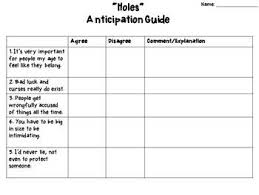
Before

  After

Agree

Disagree Statement and Evidence Agree Disagree
1. Depict and establish the aspects that point out to the theme of the story.


2. Establish how the character plays significant roles in portraying the theme of the story.


3. Clearly establish the roles of the characters in the story and how they support the whole of the story.


4.  Depict the manner in which chronology of events in the story and how the narrator arrives at the climax of the story.


5. The students should draw out moral lessons from the story and establish how they can be applied in real life.


6.  The student should be able to show an understanding of the characters in the story and establish how the story fits within the objectives of the study.


Outcome for lesson:

  1. Student will become familiar with the theme of a story, drama, or poem from details in the text; and will be able to summarize the text as provided in objective LAFS.4.RL.1.
  2. The student will become familiar with in depth knowledge of a character, setting, or event in a story or drama, drawing on specific details in the text (e.g., a character’s thoughts, words, or actions) as detailed in objective LAFS.4.RL.1.3

Content Readiness

In establishing these students content readiness, it is essential to establish that these students bring a wealth of prior academic experiences and knowledge in the class, an aspect that requires an efficient approach aimed at increasing their engagement and motivation. It is additionally essential to detail that the inclusion of response cards will be incorporated with the aim of ensuring that the learners are actively engaged in the learning process(Lin, & Johnson, 2016). It will be significant to establish the student’s efforts in exploring the history of the American leaders, as an element that will aid in building their exposure and readiness to delve into the unit on the history of Abraham Lincoln.

Part II

Making the Assessment Comprehensible

The history of Abraham Lincoln remains a common literature that depicts the history of America and the struggles of significant individuals in changing the state of the nation. In displaying this story to the ELL learners, it is significant to understand that the student’s content readiness levels may vary based on the topic (Paradis, 2016). Spending time in the introduction of this story would result in some of the students growing bored quickly since some already have a grasp of this history while others don’t.

In order to ensure that time is not wasted, it is essential to determine the level of exposure of these students on the topic through the administration of a diagnostic assessment before the commencement of the learning period. This may be a simple pretest, questionnaire, anticipation guide or a survey (Paradis, 2016). Once a clear idea is obtained on the level of content readiness among the students in identifying a character, setting, or event in a story or drama, drawing on specific details in the text, an informed decision can be arrived at on how to proceed with the learning process. The gathered information can be utilized in developing a grouping configuration that may include heterogeneous pairs based on the content and language readiness of the students.

On the other hand, to establish the ELL’s language readiness, it is significant to determine if the learners understand the content and the instructions through a comprehensible input. This requires that the tutor ensures that the content of the study is understandable for all of these students. As a tutor, it is essential to basically ensure that the choice of words and the manner in which speeches are made are considered (Paradis, 2016). This would require that the speeches are paraphrased, enunciated, repeated, pointed out and the use of concise language through the use of gestures are included in the process of learning.

Part III

The element of building schema details approaches aimed at initiating relationships among different concepts, an aspect that makes connections in the learner’s experiences. On the other hand, building schema results in bridging details, an explicit intentional instruction provided by a teacher through a verbalized approach that leads the students to a conclusion (Paradis, 2016).

This can be experienced in an example where lessons are designed by a tutor with the aim of drawing the attention to the relationships across the developed concepts. In this case, the students are bound to develop an understanding of the connections within the experiences and concepts in a lesson.

References

Lin, L., & Johnson, C. J. (2016). Mandarin-English bilingual vocabulary development in an English-immersion preschool: How does it compare with monolingual development?. International Journal Of Bilingualism, 20(2), 173-189. doi:10.1177/1367006914547662

Paradis, J. (2016). The Development of English as a Second Language With and Without Specific Language Impairment: Clinical Implications. Journal of Speech, Language & Hearing Research, 59(1), 171-182. doi:10.1044/2015_JSLHR-L-15-0008

We can write this or a similar paper for you! Simply fill the order form!


Quantitative Research Design Paper Available

Quantitative Research Design

Quantitative Research Design

Order Instructions:

Research Questions and Hypotheses Checklist
Use the following criteria to evaluate an author’s research questions and/or hypotheses.
Look for indications of the following:
• Is the research question(s) a logical extension of the purpose of the study?
• Does the research question(s) reflect the best question to address the problem?
• Does the research question(s) align with the design of the study?
• Does the research question(s) align with the method identified for collecting data?
If the study is qualitative, does the research question(s) do as follows?
• Relate the central question to the qualitative approach
• Begin with What or How (not Why)
• Focus on a single phenomenon
• Use exploratory verbs
• Use nondirectional language
• Use an open-ended format
• Specify the participants and research site
If the study is quantitative:
• Do the descriptive questions seek to describe responses to major variables?
• Do the inferential questions seek to compare groups or relate variables?
• Do the inferential questions follow from a theory?
• Are the variables positioned consistently from independent/predictor to dependent/outcome in the inferential questions?
• Is a null and/or alternative hypothesis provided as a predictive statement?
Research Theory, Design, and Methods Walden University
© 2016 Laureate Education, Inc. Page 2 of 2
• Is the hypothesis consistent with its respective research question?
• Does the question(s) and/or hypothesis specify the participants and research site?
If the study is mixed methods, do the research questions and/or hypotheses do the following?
• Include the characteristics of a good qualitative research question (as listed above)
• Include the characteristics of a good quantitative research and/or hypothesis (as listed above)
• Indicate how the researcher will mix or integrate the two approaches of the study
• Specify the participants and research site
• Convey the overall intent of the study that calls for a mixed methods approach

SAMPLE ANSWER

Quantitative Research Design

This paper provides a critique of one research study. In this critique, the hypotheses and research questions are evaluated with the use of Research Questions and Hypotheses Checklist as a guide. The type of quantitative research design that was used is also identified and an explanation is provided of how the design was implemented by researchers. Moreover, the alignment among the theory, research questions and hypothesis, problem and design is analyzed.

Research questions and hypotheses

In their study, Long and Ullman (2016) examined an extensive diverse sample of African-American victims of sexual assault (N = 495) for the purpose of determining the correlations of assault characteristics, post-assault psychosocial factors, trauma history, and demographics with drug use and problem drinking with the use of multivariate regressions. The research question which Long and Ullman (2016) sought to answer is as follows:

  • What is the influence of assault characteristics and traumatic life events on illicit drug use and problem drinking in African-American female victims of sexual assault?

Their hypothesis is as follows:

  • Basing upon previous research which indicates that prior trauma, re-victimization, and socio-economic status might have an impact on post-assault recovery, the researchers hypothesized that African-American women who have multiple traumatic life experiences would have a higher likelihood of using drugs and alcohol in order to cope with the sexual victimization.

The research question is a logical extension of the study’s main purpose, considering that the study’s purpose was to explore the way in which different factors like history of trauma, socioeconomic status, and age are associated with the utilization of illegal substances following sexual victimization in African-American women (Long & Ullman, 2016). The design which the researchers used in this study is exploratory in nature. The research question is actually aligned with the study’s research design. Exploratory research designs are usually carried out by the researcher regarding a particular research problem when there are very few previous researches to refer to (Balnaves & Caputi, 2013; Creswell, 2010). This design is really appropriate since as Long and Ullman (2016) pointed out, there are really few earlier research studies which have looked into the factors associated with drug use and problem drinking in African-American victims of sexual assault.

The method which the researchers have used for data collection is questionnaire survey. The researchers sent to the participants a 45-minute confidential mail survey. Out of all the questionnaire surveys which were mailed out, a total of 1,084 participants – Black women numbering 495 – returned properly completed questionnaires, and the response rate was 90 percent (Long & Ullman, 2016). The data collection method – that is, questionnaire survey – is actually in alignment with the research question since this method allows the researcher to gather data from a large number of participants easily and cheaply.

The study is quantitative in nature. The descriptive question seeks to describe responses to major variables, and the inferential questions actually seek to compare groups. The researchers have first specified the descriptive research question for every major variable and then stated the inferential question which compares groups or relates variables. In addition, the inferential questions follow from a theory: the theory which explains that the reason as to why women who have been re-victimized abuse alcohol and illicit drugs is that they do so as a way of helping themselves to cope with previous abuse (Filipas & Ullman, 2012; Hall, 2011).

The theory that was used by the researchers explains the correlation between dependent variable and independent variable, controlling for the effects of control variable. The researchers expected demographic variables such as socioeconomic status and age, as well as traumatic life events and assault characteristics to be associated with dealing with illegal drugs and alcohol not just within the women’s lifetime, but also within the previous year. The authors then entered the variables that were significant at the bivariate level into backward logistic regressions for the purpose of examining the effect of coping methods, traumatic life events, demographic variables, and assault characteristics (Long & Ullman, 2016). The variables as described in the study are actually positioned consistently from predictor/independent to outcome/dependent in the inferential question. However, the researchers have not provided an alternate and/or null hypothesis as a predictive statement.

Type of quantitative research design used

The researchers used an exploratory research design in carrying out the study. The researchers implemented the design by surveying 495 African American women using a convenience sample in Chicago and its adjacent urban region. These women were studied using the exploratory design to find out the relationships of assault characteristics, post-assault psychosocial factors, trauma history, and demographics with drug use and problem drinking with the use of multivariate regressions.

Alignment among theory, purpose, problem, hypotheses and research questions, and design

The hypothesis is consistent with its respective research question. The research hypothesis, as Farrugia (2010) pointed out, refers to a testable statement of opinion. In the study by Long and Ullman (2016), the research hypothesis has been created by the authors from the research question. The research question has clearly specified the participants, who are African-American female victims of sexual assault.

References

Balnaves, M., & Caputi, P. (2013). Introduction to quantitative research methods: An investigative approach. London, England: SAGE Publications.

Creswell, J. W. (2010). Research design: Qualitative, quantitative and mixed methods approaches. Albany, NY: Prentice Hall.

Hall, J. M. (2011). Core issues for female child abuse survivors in recovery from substance misuse. Qualitative Health Research, 10, 612–631.

Filipas, H. H., & Ullman, S. E. (2012). Child sexual abuse, coping responses, self-blame, posttraumatic stress disorder, and adult sexual revictimization. Journal of Interpersonal Violence, 21, 652–672.

Long, L., & Ullman, S. E. (2016). Correlates of problem drinking and drug use in Black assault victims. Violence and Victims, 31(1): 1-15

We can write this or a similar paper for you! Simply fill the order form!

BREAST SCREENING TECHNIQUES PAPER

BREAST SCREENING TECHNIQUES

BREAST SCREENING TECHNIQUES

Order Instructions:

Read the following article below:

•Mahon, S. Screening for breast cancer: Evidence and recommendations. (2012). Clinical Journal of Oncology Nursing, 16 (6), 567-571. doi10.1188/12.CJON.567-571

Here is the Scenario: A 58-year-old female has had negative mammograms annually since the age of 40. During a visit to the Women’s Health Clinic, the woman asks the RN if monthly breast self-examination and an annual mammogram are still necessary.

Answer the following Questions:
•1-Why is breast self-examination being replaced in the screening guidelines by mammography and breast magnetic resonance imaging?
•2-What are the risks associated with breast cancer screening? Do the risks outweigh the benefits? Why or why not?

Requirements & Attention to the writer, Make sure the following is accomplished with this paper:

1-Please focus on answering the questions and supporting your answers with the evidence.
2-Once you have thoroughly completed this objective expand on the subject a little
3-Please support the intervention directly.
4- APA style
5-2 pages long 550 words Maximum
6- Provide four citations, two from the above article and two from the text book ( Hinkle, J., & Cheever, K. (2014). Brunner and Suddarth’s textbook of medical-surgical nursing (13th ed.). Philadelphia, PA: Lippincott Williams & Wilkins.

Thanks for your attention to the requirements and details.

More information from the text book and chapters on the subject matter.
Required-Textbooks and the chapters covered for the subject matter.
Brunner and Suddarth’s textbook of medical-surgical nursing**
• Chapter 15: Oncology: Nursing Management in Cancer Care (section on “Cancer Survivorship”)
• Chapter 42: Management of Patients with Musculoskeletal Disorders (section on “Bone Tumors”)
• Chapter 47: Management of Patients with Gastric and Duodenal Disorders (sections on “Gastric Cancer” and “Tumors of the Small Intestine”)
• Chapter 48: Management of Patients with Intestinal and Rectal Disorders (sections on “Colorectal Cancer” and “Polyps of the Colon and Rectum”)
• Chapter 50: Assessment and Management of Patients with Biliary Disorders: (sections on “Cancer of the Pancreas”, “Tumors of the Head of the Pancreas”, “Pancreatic Islet Tumors”, “Hyperinsulinism” and “Ulcerogenic Tumors”)
• Chapter 52: Assessment and Management of Patients with Endocrine Disorders: (sections on “Pituitary Tumors” and “Thyroid Cancer”)
• Chapter 54: Management of Patients with Kidney Disorders: (section on “Renal Cancer”).
• Chapter 55: Management of Patients with Urinary Disorders: (sections on “Cancer of the Bladder” and “Urinary Diversions”)

• Chapter 57: Management of Patients with Female Reproductive Disorders (section on “Malignant Conditions”)
• Chapter 58: Assessment and Management of Patients with Breast Disorders (sections on “Benign Conditions of the Breast” and “Malignant Conditions of the Breast”)

• Chapter 59: Assessment and Management of Problems Related to the Male Reproductive Process (section on “Cancer of the Prostate”)
• Chapter 61: Management of Patients with Dermatologic Problems (section on “Skin Tumors”)
• Chapter 70: Management of Patients with Oncologic or Degenerative Neurologic Disorders: (section on “Oncologic Disorders of the Brain and Spinal Cord”)

SAMPLE ANSWER

BREAST SCREENING TECHNIQUES

Introduction

Advancements in breast screening technology have led to the growth of techniques to handle the analysis and development of breast analysis equipment. This means that activities that women used to engage in the name of breast screening such as self-examination do not really make sense in the modern environment. It is indeed important that persons undertaking different activities in the modern world to acknowledge the advancements that have led to early treatment and elimination of breast cancer. Often, breast cancer is detected while already too late. However, with the proper mechanisms and technology (as is available today), there can not only be early diagnosis but early treatment as early as sixteen years. This is a very important realization in medicine and indeed one that needs acknowledgement (Arrospide et al., 2016).

It is often difficult to understand why to or not to use techniques such as the mammogram and the breast magnetic resonance examination. However, given that the main issue and symptom sought after in breast cancer examination is the lump in the breast; then there is need to have techniques that realize this lump before it becomes a sore bob on the breast. It is also necessary that at the end of the day; there be a mechanism to realize a reputable scale reading that will auger well with international standards. Cancer of any kind is the world’s greatest killer. This is why it is often important to take cancer research to such extremes. Nevertheless, the use of equipment minimizes human error where the possibility of human intuition (often a blunder in medicine) is imminent. It is therefore important to ensure that the technology used is rightfully utilized to achieve specific assignment goals in medical treatment (Autier, Boniol, Smans, Sullivan & Boyle, 2016).

Risks

Breast cancer screening is associated with a lot of risks. Firstly; there is the concern that the hospital is not accredited to treat cancer patients. There is need to ensure that the research center or healthcare facility treating the situation has the right equipment to handle the patient. There is also need to guarantee that it is likely to be a situation where the nature of healthcare provided has to be government-approved. Handling of cancer patients is and should be a government prerogative thus the need to ensure that there is always considerable risk mitigation. There is also a significant challenge with regard to the estimation of growth of lump (predicting age of the cancer). This makes it difficult to determine whether or not a particular sample of data can actually justify the correct mechanisms for screening and treatment of breast cancer (Mahon, 2012).

Conclusion

Breast cancer treatment is a complimentary factor of many components and resources as far as treatment of cancers is concerned. Nonetheless, there is always the advancement of technologies to better healthcare. Most healthcare practitioners nonetheless do not appreciate new technology probably due to the complexity of machines. It is therefore important to ensure that there is a deliberate effort to promote the use of breast cancer equipment in hospitals. Efforts such as public awareness campaigns and telecasting campaigns need to be rewarded with government regulation on some of the new treatment mechanisms. Only by doing this can the treatment of cancer be advanced. This advancement would only come through use and research of new technologies. It is important to screen cancer at an early age. The radiology involved in the screening process can have adverse effects on the treatment mechanism (Hinkle & Cheever, 2014).

References

Arrospide, A., Rue, M., van Ravesteyn, N. T., Comas, M., Soto-Gordoa, M., Sarriugarte, G., & Mar, J. (2016). Economic evaluation of the breast cancer screening programme in the Basque Country: retrospective cost-effectiveness and budget impact analysis.BMC Cancer161-9.

Autier, P., Boniol, M., Smans, M., Sullivan, R., & Boyle, P. (2016). Observed and Predicted Risk of Breast Cancer Death in Randomized Trials on Breast Cancer Screening. Plos ONE11(4), 1-13.

Hinkle, J., & Cheever, K. (2014). Brunner and Suddarthâ’s textbook of medical-surgical nursing (13th ed.). Philadelphia, PA: Lippincott Williams & Wilkins.

Mahon, S. (2012). Screening for breast cancer: Evidence and recommendations. Clinical Journal of Oncology Nursing, 16 (6), 567-571. doi10.1188/12.CJON.

We can write this or a similar paper for you! Simply fill the order form!

Compiling References Assignment Available

Compiling References

Compiling References

Compiling References

Order Instructions:

Dear Admin,

The file has been sent by email

Thank you

SAMPLE ANSWER

COMPILING REFERENCES

Look at the possible answers below and decide which is the correct format for each reference below.  

1. Book
A. Online learning paradigms in the 21st century. London: Houghton Mifflin Publishers. Marsh, C. J. 2008.

B. Marsh, C.J. (2008) Online learning paradigms in the 21st century. London: Houghton Mifflin Publishers.

C. Online learning paradigms in the 21st century. Marsh, C. J. 2008.

D. Marsh, C. J. Online learning paradigms in the 21st century. London: 2008.

E. None of the above: Write your own reference in correct format

  1. Marsh, C. J. 2008, ‘Online learning paradigms in the 21st century. London: Houghton Mifflin Publishers
  2. Chapter in an edited bookA. Green, S. (2007) ‘Dancing the Tango in tropical settings’. In: Wilcox, R. & Francis, D. (ed). Exotic musical interludes of the European Union. London: Cambridge University Press, pp.385-92.B. Wilcox, R. & Francis, D. eds. Exotic musical interludes of the European Union. Dancing the Tango in tropical settings. Green, S. 2007, pp. 385-392. London: Cambridge University Press.C. Green, S. 1980. Dancing the Tango in tropical settings, pp. 385-92. In: Wilcox, R. and Francis, D. eds. Exotic musical interludes of the European Union. London: Cambridge University Press.

    D. Wilcox, R. and Francis, D. eds. Exotic musical interludes of the European Union. London: Cambridge University Press, pp. 385-92.

    E. None of the above: Write your own reference in correct format

  3. Green, S. 2007 ‘Dancing the Tango in tropical settings’. In: Wilcox, R. & Francis, D. (Ed). Exotic musical interludes of the European Union. Press, pp.385-92. London: Cambridge University
  4. Journal articleA. Journal of Natural Historical Settings, 2007, pp. 142-157: Stalking the wild animals on the north shore of Alaska and Canada. Unruh, J.M. and Thomas, D.W.B. Unruh, J.M. and Thomas, D.W. Stalking the wild animals on the north shore of Alaska and Canada. Journal of Natural Historical Settings84(2).C. Stalking the wild animals on the north shore of Alaska and Canada. Unruh, J.M. and Thomas, D.W. Journal of Natural Historical Settings 84(2), 2007.

    D. Unruh, J.M. & Thomas, D.W. (2007) ‘Stalking the wild animals on the north shore of Alaska and Canada’, Journal of Natural Historical Settings, 84 (2), pp.142-157.

    E. None of the above: Write your own reference in correct format

  5. Unruh, J.M. & Thomas, D.W. 2007 ‘Stalking the wild animals on the north shore of Alaska and Canada’, Journal of Natural Historical Settings, 84 (2), pp.142-157.
  6. Electronic Internet Journal ArticleA. Smith, L.A. et al. A case study on change within a higher educational institutions and its correlation to higher alcoholism rates among instructors. Electronic Journal of Constant Change[Online] 5(57). 2005. Available at: http://www.ejocc.com/articles/smith-356778.shmpt.B. Smith, L.A. 2005. ‘A case study on change within a higher educational institutions and its correlation to higher alcoholism rates among instructors [Online article]. Available at: http://www.ejocc.com/articles/smith-356778.shmpt (Accessed: Accessed: 25 October 2008).C. Smith, L.A. (2005) ‘A case study on change within a higher educational institutions and its correlation to higher alcoholism rates among instructors’, Electronic Journal of Constant Change , 5 (57), pp.479-495 [Online]. Available from: http://www.ejocc.com/articles/smith-356778.shmpt (Accessed: 25 October 2008).

    D. Electronic Journal of Constant Change [Online], 5(57): ‘A case study on change within a higher educational institutions and its correlation to higher alcoholism rates among instructors’. Smith, L.A. Available at:  http://www.ejocc.com/articles/smith-356778.shmpt (Accessed: 25 October 2008).

    E. None of the above: Write your own reference in correct format

  7. EmailsA. Gruengard, E. 2008. A simple explanation of file storage in Blackboard systems. (a personal communication via email to C. Marsh).B. Gruengard, E. A simple explanation of file storage in Blackboard systems.  [Received: 21 September 2008]. [Accessed: 21st September 2008].C. Gruengard, E. A simple explanation of file storage in Blackboard systems.  [Accessed: 21 September 2008].

    D. Gruengard, E. (emanuel.gruengard@ITcomplexities,com), 21 September 2008. Re: A simple explanation of file storage in Blackboard systems. Email to C. Marsh (craig.marsh@perplexed.com).

    E. None of the above: Write your own reference in correct format

  8. Web (WWW or WWW2) documentsA. Williams, S. 2008. Banking in America: how America leads the world in stability within financial institutions [Online]. New York: NBC. Available at: http://www.wsj.com/central/isd/cite/index.htm [Accessed: 25th October 2008].B. NBC. Banking in America: how America leads the world in stability within financial institutions  [Online]. Williams, S. 2008. http://www.wsj.com/central/isd/cite/index.htm [Accessed: 25th October 2008].C. Williams, S. Banking in America: how America leads the world in stability within financial institutions [Online]. New York: Wall Street Journal. Available at: http://www.wsj.com/central/isd/cite/index.htm[Accessed: 25th October 2008].

    D. Williams, S. L. (2008) Banking in America: how America leads the world in stability within financial institutions [Online]. New York: Wall Street Journal. Available from:http://www.wsj.com/central/isd/cite/index.htm (Accessed: 25 October 2008).

    E. None of the above: Write your own reference in correct format

We can write this or a similar paper for you! Simply fill the order form!


Data collection methods Assignment Paper


Data collection methods

Data collection methods

Order Instructions:

Dear Admin,

Please make sure that the referencing is in Harvard style.And, find the attached files which have been sent by email

Regards,

Management research relies upon a variety of different data collection methods, such as survey, interview and observation. Different methods produce different types of data, each requiring different analytical approaches. Look to your text for explanations of the various methods you can use in your research and the types of analyses that can be used to make sense of the data you collect.

In a 850 word response, post your answers to the following questions:

•How does the adoption of a particular methodology affect the researcher’s choice of methods for data collection and analysis?

•Which methods might you choose, bearing in mind your chosen methodology and epistemological stance?

SAMPLE ANSWER

Data collection methods

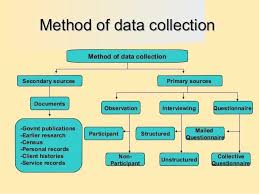
There is a wide variety of methods that researchers can use to collect relevant data for use in answering their research questions. These methods range from observation to structured and unstructured interviews to focus groups to questionnaire surveys to observation to content analysis (Williams 2011). The data collected with the use of each of these methods necessitate the use of different data analysis techniques. This paper provides a detailed description of how adopting a certain research methodology will affect the investigator’s choice of data collection and analysis methods. The paper also specifies the data collection method that would be used by the researcher – that is me.

The use of a particular research methodology in general affects the investigator’s selection of data gathering and data analysis methods since specific methodologies go with certain methods for collecting and analyzing data. In other words, a particular methodology may fit with a particular method of data collection and data analysis but it may not fit with a different method of collecting data and analysing data (O’Gorman & MacIntosh 2015). For example, the positivist approach/methodology fits well with gathering data from the participants through the use of unstructured open-ended interviews where the participants can give detailed, in-depth, comprehensive and thorough answers to the interview questions. In essence, the positivism methodology offers the basis from a phenomenon and data mining view which encourages the use of open-ended interview questions in data collection and fits with the qualitative data analysis techniques (Burrell & Morgan 2011).

However, the positivist methodology is not appropriate for use with gathering data using structured interview questions or questionnaire that allow the respondents to give answers from a given option; that is, limit the answers of the respondents to Yes or No answers (Toksoz 2012). The social constructivism methodology provides understanding from an expertise, knowledge or interest interaction stance between dissimilar parties. As such, this methodology does not really go with the open-ended interview questions and analyzing data through the use of qualitative data analysis techniques. In essence, the social constructivism methodology fits with observation data collection method or questionnaire surveys and analysis of data with the use of quantitative data analysis techniques.

Chosen method: Interviews

Bearing in mind the selected methodology and epistemological stance – that is, the positivist methodology – the method that would be used for data collection will be interviews. Interviews could be carried out over the telephone or in person. Interviews could be semi-structured, unstructured or structured (Williams 2011). Qualitative interviews would be carried out by the researcher so as to ascertain a broad representation of the study from every stakeholder who is involved in the gas/oil sector in the Gulf Cooperation Council (GCC) member states (Sang, & Seong-Min 2013).

During the interviews, the researcher will ask questions that are clear, focused, and open-ended and therefore the researcher will encourage open-ended responses from the interviewees. The researcher will use unstructured interviews with open ended questions as this would allow the participants to provide more detailed information that will help answer the research questions. Structured closed-ended questions would not be used in the interviews given that such questions generally ask a standard set of questions which do not allow the interviewer to given in-depth responses (O’Gorman & MacIntosh 2015). Interviews could either be carried out over the telephone or face-to-face. Telephone interviews are by and large less costly and less time consuming, and the investigator has ready access to the study participants who have a telephone or mobile phone. Even so, the shortcomings of telephone interviews include the fact that the response rates may not be as high as the response obtained with face-to-face interviews, although it is significantly higher in comparison to the mailed questionnaire surveys.

On the other hand, face-to-face interviews have a unique advantage of allowing the researchers to build rapport with the potential study subjects and thus gain their cooperation. Face-to-face interviews, as Williams (2011) pointed out, generate the highest rates of response in survey research. In addition, face-to-face interviews enable researchers to elucidate unclear answers and whenever appropriate, seek follow-up information from the participants. Even so, shortcomings of this interview technique include the fact that it is not practical whenever large samples are involved in the study. It may also be expensive and time-consuming to carry out. All in all, the researcher in the proposed study will conduct in-depth interviews considering that this would be a qualitative research study and the fact that this study would assume the positivist methodology in determining the effect or consequence of oil price drop on Gulf Cooperation Council countries.

Conclusion

In conclusion, the usage of any given research methodology affects the investigator’s selection of data collection as well as data analysis methods since particular methodologies fit with certain data gathering and data analysis methods but do not fit with others. Put simpy, a particular methodology may fit with a particular method of data collection and data analysis but it may not fit with another method of collecting data and analysing data. Bearing in mind the selected methodology and epistemological stance, the method that would be used for data collection will be interviews.

References

Burrell, G., & Morgan, G 2011, Sociological paradigms and organisational analysis: Elements of the sociology of corporate life. Heinemann: London

Easterby-Smith, M., Thorpe, R. & Jackson, P 2012, Management research, 4th ed. London: SAGE Publications

O’Gorman, K. D., & MacIntosh, R 2015, Research Methods for Business and Management, 2nd Edition, Goodfellow Publishers Ltd: Oxford.

Sang, K, & Seong-Min, Y 2013, ‘Return and Volatility Transmission Between Oil Prices and Emerging Asian Markets’, Seoul Journal Of Business, 19, 2, pp. 73-93, Business Source Complete, EBSCOhost, viewed 7 June 2016.

Toksoz, M 2012, ‘The Gulf Cooperation Council and the global recession’, Journal Of Balkan & Near Eastern Studies, 12, 2, pp. 195-206, Academic Search Premier, EBSCOhost, viewed 7 June 2016.

 Williams, C 2011, Research Methods. Boston, MA: The Clute Institute.

We can write this or a similar paper for you! Simply fill the order form!