Review the information on your state’s Department of Education website regarding state curriculum standards. ( My state is Florida)
Select one content standard objective from curriculum standards.
Develop an assessment plan that addresses a strand, concept, and performance objectives to align with the state curriculum standard. Ensure that your plan relates directly to the standard.
SAMPLE ANSWER
Aligning Assessments to Standards
Florida like any other states has established curriculum standards for as an initiative to promote learning. The standards of learning are expected to remain high to ensure that learners gain knowledge at every level of their learning (Florida Department of Education, 2015).
One of the Florida curriculum standards is the Florida Voluntary Prekindergarten education Standards that comprehensively covers on maths concepts as well as applications Florida Department of Education, 2015).
This assessment plan focuses on mathematical thinking for PK
The assessment is on number sense
The concepts the child is assessed to determine his/her proficiency in number sense may include:
To demonstrate understanding of one to one correspondence
The child is required to demonstrate one to one correspondence through counting
The child counts dots up to four
The child cunts objects up to four
The child counts shapes up to four
The child counts up to six
The child counts objects up to six
The child counts shapes up to six
He child counts dots up to ten
The child counts objects up to ten
The child counts shapes up to ten
On one on one correspondence the child should determine whether two sets are equal
Determines whether they are same determines whether they are different and lastly determines those that are same and different
The child should show understanding of how to construct sets and to count
The child need to count sets in a range of five to ten objects
The child counts shapes up to 5
The child counts dots up to five
The child counts objects up to five
The child should now make sets in range of five to ten
This assessment plan will help to determine whether the child understands concepts in mathematics specifically on number sensing. The performance of the child is then assessed based on the states proficiency state standards.
References
Florida Department of Education. (2015). About us. Retrieved from: http://www.fldoe.org/
Types and functions of Classroom Assessment Techniques
Internet search for online resources that illustrate the types and functions of Classroom Assessment Techniques
Order Instructions:
Conduct an( Internet search for online resources that illustrate the types and functions of Classroom Assessment Techniques CATs).
Design four CAT assessments that align to standards and content area instruction.
Identify each assessment as summative, formative, standardized, or self-assessment.
Summarize the benefits of each CAT.
SAMPLE ANSWER
Types and functions of Classroom Assessment Techniques
Test 1: Direct Paraphrasing: Kindly paraphrase the following excerpt of Shakespeare’s play titled ‘Hamlet. ’
“To be, or not to be, that is the question—
Whether ’tis Nobler in the mind to suffer
The Slings and Arrows of outrageous Fortune,
Or to take Arms against a Sea of troubles,
And by opposing, end them? To die, to sleep
No more; and by a sleep, to say we end”
Purpose: The aim here is for the teacher to assess the student’s capability of transferring a concept they have got into a story in a manner subjective to them and also understandable to the listener or audience (GWU, 2015).
Test 2: A Single Sentence Summary: Following our watching of the first 15 minutes of the film, summarize what is happening in one sentence.
Purpose: The aim is to see if students can effectively filter out the key concepts of a given story and present them out as a single idea (Iowa State University, 2015).
Test 3: Examinations for Evaluation: If it takes five men one hour to complete painting a wall that is two kilometers long. How long will it take if five more men are added. Note that all the men work at the same rate. Explain your answer through workings or a statement to justify.
Purpose: The idea here is to find out if students have mastered a specific mathematical concept. If several topics have been previously covered, questions can be set to check the degree to which students understood (Iowa State University, 2015).
Test 4: Student Generated Questions: After reading the story of the hare and the tortoise, prepare three test questions that you want your colleagues to answer about the story. Note, the answers to the questions need to be found within the story (GWU, 2015).
Purpose: To help the teacher find out if students can evaluate key aspects of a story in an independent manner.
This will be the beginning of a very long paper that will come in parts every week, it is important that the writer stick to the instructions and read carefully every detail. For this week the writer will just be preparing the (SSP) proposal which will have to be approved first before other parts of the paper can be added. The writer may use the same company that was use in the paper with reference #112472 of my previous paper. The writer must detail respond to all the points raise below in the questions. Also take note that they will be a template for this paper that the writer will follow strictly, written directly on it following the instructions that are clearly giving. For this week the writer will not need the template as we are still in the process of approving the proposal.
Sustainable Solutions Paper (SSP) Proposal.
There is little question that the global business landscape in the 21st century is different from the landscape of the 20th century. Companies that have been in existence for nearly the entire 20th century are now out of business. Camera maker Eastman Kodak was one of many such companies who did not develop a sustainable business model that would allow it to adapt to a changing environment.
Modern consumers are increasingly demanding that organizations not only meet the needs of those they serve today but also the needs of future generations. In order to survive, organizations must develop a sustainable model that incorporates social responsibility. Studies, such as those by Kanzah (2013), show that companies who adopt sustainability practices that address environmental issues, societal issues, and workforce development positively impact short-term efficiency and operations management. These organizations also reduce risk. Such results indicate that developing an organizational sustainability strategy is not a moral obligation but also a business imperative.
To prepare, begin by thinking about the organization you have chosen that could benefit from applying both the concepts of sustainability and strategic thinking for which you would like to create a sustainable solution. Review the Senge course text. Identify an issue that interests you that may provide an “opportunity hook” into exploring the underlying systemic relationships and business models that Senge argues may be unsustainable.
Prepare and submit approximately a 2-paragraph SSP proposal. In your proposal,
identify the organization you have selected and provide background on its history and present position within its industry.
Be sure to identify two of the organization’s main competitors.
Then specify its relevance for study, place the organization in the context of the course, providing supporting evidence/reference(s). Use proper APA citation(s), grammar.
Resources.
Readings
• Harvard Business School Press. (2005). Strategy: Create and implement the best strategy for your business. Boston, MA: Author.
o “Introduction” (pp. xi–xxi)
The Introduction to the text presents the ideas of strategy creation and implementation. The book defines strategy and illustrates and contrasts it against the term “business model.” It outlines business strategy as a process, moving from the establishment of goals to the implementation of those goals. The Introduction ends with an overview of the remainder of the text from Chapter 1 through Chapter 9.
• Senge, P., Smith, B., Kruschwitz, N., Laur, J., & Schley, S. (2008). The necessary revolution: Working together to create a sustainable world. New York, NY: Broadway Books.
o Chapter 1, “A Future Awaiting Our Choices” (pp. 3–13)
In this chapter, the authors introduce readers to the idea that the Industrial Revolution is coming to a close. The authors assert that ways of thinking, being, and consuming that many have grown accustomed to are now being called into question. They begin to suggest that new ideas are emerging to solve the new challenges surfacing in our world. This resource is useful for completing your SSP Proposal and your SSP in the coming weeks.
o Chapter 9, “Positioning for the Future and the Present” (pp. 119–139)
The authors present several approaches in this chapter. They suggest breaking sustainable value into four quadrants—providing a framework within which today’s companies can evaluate their strategies and project the payoff of making changes. Throughout the chapter, the authors provide examples of companies who are succeeding in the present while positioning their businesses to meet the needs of the future in this quickly changing environment. This resource is useful for completing your SSP Proposal and your SSP in the coming weeks.
o Chapter 11, “Building Your Case for Change” (pp. 157–164)
In this chapter, Senge et al. (2008) provides strategies for communicating change and soliciting “buy-in” from decision makers. They revisit the sustainable value matrix from Chapter 9 and outline specific steps for building consensus. This resource is useful for completing your SSP Proposal and your SSP in the coming weeks.
• Millar, V.E. & Porter, M. E. (1985, July–August). How information gives you competitive advantage. Harvard Business Review, 63, 149–160..
In this seminal work, Porter and Miller (1985) articulate the strategic significance of the information revolution on competitive advantage. While the aspects of this article related to information technology may now seem dated, the core management principles are still very much in use today. Focus on the Exhibits as they relate to your understanding of the analysis of value chains for use in this week’s paper
• NetMBA. (2010). The value chain. Retrieved August 6, 2013, from http://www.netmba.com/strategy/value-chain
The site briefly introduces the value chain concepts and the value chain’s relationship to cost and differentiation strategies. The site also identifies technologies that can be employed in many value chain activities. The site stresses the importance of linkages between value chain activities and analyzing these interrelationships. It explains the outsourcing of activities and the development of value systems.
SAMPLE ANSWER
Sustainable Solutions Paper (SSP) Proposal
Apple Inc., is one of the most world influential and popular company. The company deals in production of computers and communication gadgets such as iPhone, iPod, Smartphones among many others. The company pioneer and founder Steve Jobs started the company together with Steve Wozniak. (Apple Case Study, 2012). The company has grown and expanded over the years to its status. The leadership was visionary and valued its customers. Creativity and innovation of the leaders and employees as well contributed to its success (Millar & Porter, 1985). The position of the company is to meet the needs and tastes of the customers. The company ensures that it produces products that are of high quality and innovative. Furthermore, the company has invested more in training and development and research and development to ensure future sustainability.
The company has a number of competitors that compete for the same markets. Competitors as well deal in similar products hence reducing the market share of the company. Some of these competitors include, Nokia and IBM (Sahoo, 2012). Therefore, this company is important in this study, as it will help to understand the strategies employed to remains sustainable in this competitive markets. It will also provide insights on how it creates its values and how it can even do better by adapting to other strategies
References
Apple Case Study (2012). Apple Inc.: The Steve Jobs Effect. The Steve Jobs Effect, 1-16
Millar, V., & Porter, M. (1985). How information gives you competitive advantage. Harvard Business Review, 63, 149–160.
Capstone Project Milestone #1: PICO and Evidence Appraisal Worksheets
Order Instructions:
See the attached files.
SAMPLE ANSWER
Capstone Project Milestone #1:
PICO and Evidence Appraisal Worksheets
Purpose: To identify a problem or concern that nursing can change and develop a PICO question to guide the change project.
Directions: Use the form below to complete the PICO assignment in Milestone #1. This includes filling in the table with information about your research question and your PICO elements.
Step 1: Identify the problem. What have you noticed in your work or school environment that isn’t achieving the desired patient or learning outcomes? What needs to change in nursing, what can you change with the support of evidence in the literature? Describe the problem or practice issue that you want to research. What is your practice area; clinical, education, or administration? (This is NOT where you will list your PICO question)
Step 2: How was the practice issues identified? How did you come to know this was a problem in your clinical practice? Review the listed concerns and check all that apply.
Step 3: What is the scope of the problem? Does this problem affect an individual, population, or an entire institution?
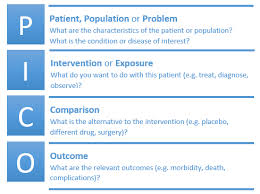
Step 4: Select the key PICO terms for searching the evidence. Clearly define your PICO question. List each element P (problem, population, or problem), I (intervention), C (Comparison with other treatment/current practice), and O (Desired outcome). Is the potential solution something for which you (as nurse or student) can find a solution through evidence research? Look in your book for guidelines to developing your PICO question.
Step 5: What evidence must be gathered? Everyone should have a literature search. However, what other sources of reliable information will be helpful for your particular question?
Step 6: What terms will you use in order to make sure that your search is wide enough to obtain required information but narrow enough to keep it focused? How will you narrow your search if needed? What databases will you search?
PICO Worksheet
What is the practice issue/problem?
The focus is on the effects of nursing care management coupled with telehealth technology on CHF patients. Telehealth is one of the new trends in nursing. It is attractive and very feasible solution which has been associated with high patient outcomes in healthcare facilities which have integrated the policy. It has been associated with reduced workloads leading to effective quality care service delivery. However, the acceptance of the technology has hindered the implementation of the facility in the health care. The concerns include the autonomy and the interference with nurse-patient relationship. This calls for a tailor-made solution to improve the acceptance. This is challenging because the current approaches seems to be generic. In this context, implementation strategy includes promotion of telehealth system to CHF will involve collaborative involvement including training and support could improve the CHF patient care.
What is the practice area?
__X_ Clinical
___ Education
___ Administration
___ Other
How was the practice issue identified? (check all that apply)
_X__ Safety/risk management concerns
_X__ Unsatisfactory patient outcomes
___ Wide variations in practice
__X_ Significant financial concerns
___ Difference between hospital and community practice
__X_ Clinical practice issue is a concern
___ Procedure or process is a time waster
___ Clinical practice issue has no scientific base
___ Other:
What is the scope of the problem?
___ Individual __X_ Population _X__ Institution/system
What is the PICO question?What nursing care interventions coupled with telehealth technology are the most effective in improving Congestive Heart Failure Patient’s quality of life.
Define each element of the question below:
P– (Patient, population, or problem): The presenting issue is care management by Nurses on CHF Patients.
CHF is associated with increased re-hospitalization, ER visits and mortality. Additionally, nurses are overwhelmed by the workload presented by these incidences. The overall cost of care and management is alarmingly high and deserves considerable attention.
I– (Intervention): The intervention being considered is the integration Telehealth technology in nursing care on CHF patients.
The aim is to improve the patient’s quality of life and simultaneously providing workload relief to the nurses; thereby reducing the CHF cost of care to considerable charges.
C– (Comparison with other treatment/current practice): This intervention will be compared with the standard nursing care.
Some health care providers have not yet accepted telehealth technology citing autonomy and nurse-patient relations. There is need to compare the Telehealth integrative care for CHF patients with other conventional standard care.
O– (Desired outcome): The outcome expected is reduced re-hospitalization, Emergency room visits and other costs of care associated with CHF. The reduction of nurse workloads and improvement on the quality of life for CHF patients are also considered.
What evidence must be gathered? (check all that apply)
List possible search terms, databases to search, and search strategies:
There are various databases provided by CNN library; however, only few databases adequately address CHF care management using telehealth technology. These databases include; CANAL, DYNAMIC, Nursing reference center and Medline.
The research question heading “What nursing care interventions coupled with telehealth technology are the most effective in improving Congestive Heart Failure Patient’s quality of life” was used to search for relevant articles “was used to run the search in the databases.
If the search results are not satisfactorily, it is important for the researcher to think of brainstorming key word. The key word are then put together and used in the search. Use of key word to search the topic adequately expands the focus of search. Secondly, the researcher may consider using more than one search engine; this will provide further search results. The researcher is also advised to look beyond the first search page results.
In this context, the key words used for search includes: CHF, Telemonitoring technology, Role of nurses in CHF management, recent trends in CHF care, Benefits of Telehealth, hazards associated with telehealth in CHF care, improving CHF patient’s quality of life and CHF patient centered care. These key words were used in CIHANL, MEDLINE, PROQUEST and EBSCOHOST search engines which generated to a total of 1520 articles. To refine the number of articles generated from the search of CHF management using Telehealth, advanced search subject headings in the relevant data base such as EBSCOHOST were used. Additionally, Boolean limiters were used to refine the results. The articles regenerated were refined to 100 articles.
After skimming through the articles, 46 articles were relevant to the research study. Using limiters such as peer reviewed articles, year of publication; a total of eighteen articles matched the requirements for the research topic. Five of the articles were from nursing magazines excerpts, eight were on Telehealth and CHF management, and six articles were on CHF management but did not include the integration of the modern technology aspect. From the research, out of ten, only four of the articles that matched the research topic will be analyzed. The articles chosen are limited between 2010 and 2015 to ensure that only up to date information has been used. However, earlier articles were briefly read to identify relevant previous health information is not omitted.
Evidence Appraisal Worksheet
Your Name:
Date:
Your Instructor’s Name:
Purpose: To find evidence to support an intervention that will change the outcomes.
Directions: Type your search question below. Find AT LEAST FOUR sources to support the need for change and the potential intervention you have selected to solve the problem. At least three of your sources must be peer-reviewed articles. The forth source could be another peer-reviewed article or a reliable, credible source. Look in your text for ideas of other sources that can be used. Using the table below, insert and describe your four chosen resources.
Step 1: APA Reference for the article. You will need to list the reference for the source in APA format. Be careful when using built-in APA formats and library citations. They may not be in APA format. Refer to Chapter 7 of your APA manual.
Step 2: Type of Source. If your source is a research article, you will need to ensure that it is a peer review article. You need at least three peer-reviewed articles for your project. If your article is a non–research source, then you will need to list what type of source it is; systematic review, clinical practice guidelines, organizational experience, or individual expert opinion/case study/literature review. You may only use ONE non-research source.
Step 3: Strength of Research. Refer to page 238-240 for research evidence and page 242-244 for non-research evidence. While you do not need to assign a level for each study, you will assign a quality of evidence (high, good, or low/major flaw) and should discuss the study using some of the elements that are discussed in the appraisal forms. For example, Research evidence: was the sample size adequate? Was there a controlled group? Was it a randomized study? Were results clearly stated? Was the conclusion based on the results? Were study limitations discussed? Not all of these elements need to be discussed, but you should discuss this information to determine if the strength of the evidence is HIGH, GOOD, or LOW/MAJOR FLAW.
Step 4: Brief Description of the Research. In this section, you will summarize the source in your own words. How does this information apply to your project? What are the results of the source? What are their recommendations?
Evidence Appraisal Worksheet
PICO Question:
APA Reference for Article
Give the APA-formatted reference for the article.
Type of Source
*Research: Peer-reviewed article
*Non-research systematic review, clinical practice guidelines, organizational experience, or expert opinion/case study/literature review
Strength of Research
Discuss the strength of the sources.
Report if evidence is High, Good, or Low/Major Flaw. Use the tools on page 238-244 of your text and discuss the reasons why you have assigned a particular level of quality.
Brief Description of Research
Address the questions.
*How does the information in the article apply to the project problem or proposed intervention?
*Summarize in your own words.
* Include results of the study and how these results are applicable to your project.
* What is the recommendation of the source for clinical practice?
1
Lawton, G. (2010). Telehealth Delivers many benefits, but concerns linger. PTin motion journal.
CIHANL
Non-research
The article is a systematic review research method. It summarizes previous works conducted by the researchers, and thus, it makes it easy to identify knowledge gap.
Study limitations identified were time and financial constraints.
For these reasons, report evidence is ratings are Good.
The article addresses the benefits associated with telehealth technology. It also highlights the barriers which are impeding successful integration of the technology in the health care sector.
There are no results in this paper because it is a peer reviewed.
Study recommends integration of telehealth in healthcare system. The research tool applicable in research topic is its literature review. Conclusions are deductive
2
Paul, YT. , Gregory, Pecina, J., Stroebel, R., Chaudhry, R., Shah, N.D., & Naessens, JM. (2010). A randomized controlled trial of telemonitoring in older adults with multiple chronic conditions: the Tele-ERA study. BMC Health Services Research 10: 255
Proquest
Peer reviewed
The article applied the randomized controlled trial research system. T. This reduces introduction of potential bias in the study.
Additionally, the study population of two hundred patients was adequate to divide the group to intervention and control group. The main limitation is that the study lacked inherent blind group; which could have resulted to Hawthorne error and introduction to error. The study ratings are High.
The article analyzes the impact of home based telemonitoring on adults diagnosed with multiple cardiovascular pathologies. The article evaluates the effectiveness of the strategy in reducing disease management costs such as hospitalization, Emergency visits among the elderly >60 years.
Study results indicated a 27.1% reduction in re-hospitalization rate and 38.2% Emergency visit as compared to standard care
The study concluded by indicating that use of telemonitoring technology in cardiovascular patients improves the quality of life for the patient. However, the study pinpointed cost effectiveness as the main challenge of adopting the technology. Recommendations on further research for cost justification and analysis was suggested.
3
Baker, LC. Macaulay, DS., Sort, A., Diner, M., Johnson, G., Birnbaum, G. (2012). Effects of Care Management and Telehealth: A Longitudinal Analysis Using Medicare Data. Journal of the American Geriatrics Society1:1560–1567
Ebscohost
Peer reviewed
The study evaluates the impact of telehealth, and integrative care management in reduction of CHF mortality. The study also evaluates barriers to effective management of telehealth, and its impact on the patient healthcare outcome.
The study population was adequate and consisted of 1,767. Sensitive analysis was conducted using Cox proportional hazard model. The study limitation was financial and time constraints were the major limitation. Additionally, the nurses failed to record all the paper work, making some information such as number of emergency visits poorly recorded. The ratings for this article is High
The study evaluates the impact of telehealth, and integrative care management in reduction of CHF mortality. The study also evaluates barriers to effective management of telehealth, and its impact on the patient healthcare outcome.
After 2 years, 15% reduction mortality, the number of emergency visits reduced by 18%. The results and conclusion obtained can be generalized.
The study concluded that integrative care management on CHF patients, coupled with telehealth technology improves the outcomes of the patient. The research recommends on further research cost effectiveness and reduction of healthcare professional’s workload.
The study research method deployed is mixed systematic research method. The data source reviewed was 2000-2012. The decade range was sufficient to capture the effective and relevant information. The review entailed a thematic analysis including a narrative synthesis. The conclusions are based on the analysis and the rating of the article is High
The article highlights on the factors which impede the integration of telehealth technologies in managing CHF patients. The article provides a clear outline on the role of healthcare staff in the acceptance of new technology trends in nursing.
The paper reviews 14 studies; 2 quantitative studies, 2 mixed methods and 10 qualitative studies. This approach is relevant to minimize bias and to compare study results.
Study conclusion suggested that lack of acceptance by healthcare staff as the key barrier to the integration of CHF telehealth technology. Future research should look into work load reduction and cost effectiveness.
We can write this or a similar paper for you! Simply fill the order form!
The purpose of the Final Project is to apply the concepts and techniques of the module to the analysis of real-world situations or problems. Students are expected to use diverse sources of information and to carry out an original analysis rather than summarise or rehash existing work. Students are encouraged to use situations and data from their own experience where possible.
IMPORTANT NOTE: Please follow the following instructions exactly one by one as each point is very important. And please don’t deviate from these points.
1) You are required to complete a course project that provides an investigation of outstanding examples of leadership, providing an analysis of the leaders’ styles and effectiveness.
2)In Week 5, you needed to choose two leaders (living or deceased) that you will research with regards to their leadership traits, styles, ability to inspire change, etc.( the file for week 5 is attached)
3)The analysis and evaluation of these leadership examples must be based on the concepts you have acquired throughout the module.
4)You should then provide an analysis and evaluation of the information and insights from your journal entries against the research you conducted on the two exemplary leaders.
5)The goal is to connect what you have learned through research to your everyday and professional life. The Final Project is due this week and should follow the given outline:
1.Analysis and evaluation of Leader #1 Sir Richard Branson, CEO of the Virgin Group
2.Analysis and evaluation of Leader #2 Sir Akbar Al Baker CEO of Qatar Airways.
3.Comparison of the leaders
4.Summary of significant findings and perspectives from journal entries
5.Analysis and evaluation of journal entries to chosen leaders
6.Conclusion
6)Your Final Project should also include a section on how and where you obtained the information sources.
7)This project should follow a structured approach and should be prepared and presented as a professional business report.
8)Completion of the Final Project will require a thorough understanding and application of business leadership concepts.
9)The experience of these two people must relates to your own insights.( I work as an airline pilot)
10)In the brief to summaries your journal entries in relation to both leaders which you have not done. Please take care to do this in the final project.
11)You need to justify comparison between both leaders in relation to your own situation. (I work as an airline pilot)
12)Leadership issues are presented in somewhat general terms and again there would need to be closer alignment with your own situation. (I work as an airline pilot)
13)Again, please bear your word limit in mind and please be careful not to reproduce material from (project outline) file that is attached below.
14) Please make sure the percentage mot to exceed 20 %
15)To prepare for this essay please read the required articles that is attached
16)The following sources MUST be used in the annotated outline PLUS to use extra sources:
The following are the data sources that I intend to use in this study.
Bass, BM 2009, From Transactional to Transformational Leadership. Albany, NY: Free Press.
Pasmore, W. (2014) Developing a Leadership Strategy: A Critical Ingredient for Organizational Success. White Paper, Centre for Creative Leadership
Marx, T 2013, ‘Teaching Leadership and Strategy’, Business Education Innovation Journal, Vol. 5 no. 2, pp. 12-19.
Lang, R, & Rybnikova, I. (2012). Leadership is Going Global.
Malcolm, G. (2002). The Tipping Point: How Little Things Can Make a Big Difference. Boston: Back Bay
Books.
SAMPLE ANSWER
Introduction
Leaders have different personalities and leadership philosophies that they use to drive growth. The leadership attributes from different leaders relate to certain theories in each and every phenomenon. The Freud’s Tripartite theory uses the id, the ego, and the superego to define the overall personality of an individual with the visible traits of an individual. Eyencks personality theory on the other hand uses the extroverted and introverted theories as a means of categorizing the various possible ways a leader behaves. The other theory that useful in analyzing the leadership traits is the Allport’s trait theory and it analyses an individual with respect to in-born traits that an individual represents. This paper uses three theories to analyze the leadership of Sir Richard Branson and Sir Akbar Al Baker.
Analysis of Sir Richard Branson
The CEO of the Virgin Group had outstanding leadership style at have made him a hero even up to date. The personalities of this leader are well explained in the Allport’s Trait Theory that brings out three components evident in the life of the CEO (Wang, 2012). The theory’s components are inclusive of the ego, superego and the id all developed at different rates. Despite having all these characteristics in his leadership, Richard had an outstanding personality of its kind. Challenges were part of his leadership life, but he never gave up, he kept trying and doing his best from time to time (Burns, 2010). He is known to have a health Psyche and on top of this, he made a record of using the balloon and the boat. A good leader will have to take risks in his leadership life like in the case of Sir Richard, who took life threatening risks that yielded to high returns at the end. When the Virgin shop Ran out of cash, this failure led to the success of the CEO despite him being charged in the courts of law for the crime of evading the paying of taxes. When he was in school, he was charged with the mistake of launching a student magazine, an act deemed illegal by the management whereby, a good lawyer saved him. He had a dirty name but he successfully cleaned his name and started a new life that was extroverted and introverted (Lang & Rybnikova, 2012). He used the venture capitalism business strategy, which enabled him to control many business without risking money; since he was so smart in his strategy that led to the creation of his empire.
Richard is well known to have employed the transformational leadership style in his reign by identifying the changes needed and created a clear vision of how it ought to have been implemented for the success of the organization. Richard was more concerned at improving the performance of every individual in his organization to their full potential of doing the best. He ensured that all committed themselves wholly in their work and identified all that was needed from them by the organization to makes things work out in accordance to set plans. Richard is a person who can adapt with a harsh business climate and very flexible in dealing with his employees who may show dissatisfaction at some point. He has given his employees a reason to be happy working under his leadership by ensuring that all their needs are well catered for and they have the opportunity to air their views in decision making process (Malcolm, 2002). This is to mean that, he really encouraged team work, where all people put their efforts together leading to encouragement to one another about the goal ahead. Whenever there is team leadership, leaders are in a better position of overcoming some weakness that might be evident in transformational leadership. Richard ensured that the task that was ahead of him was achieved, and that his team was well maintained
Analysis of Sir Akbar Baker
Sir Akbar Baker the current CEO of Qatar Airways is a leader who like Richard has shown tremendous outstanding personalities that have made him a strong leader to date. His leadership styles are well explained by the use of Freud’s Tripartite Theory of Personality that explains his ability to be detailed in all his actions. The CEO has the mandate of ensuring all work is well done, including inspection of all the planes leaving the airport at all given time of the year. He is one type of a leader who believes in doing the job himself instead of delegating it to other people to do it. The CEO has many significant qualities such that even the Eysenck’s personality theory explains how he does not let himself be held accountable for any damage done thus, ensures the job is well done. This is a man who is zealous about airline to an extent some people have related his life with the airline. The high passion of the airline is the reason for the success of the Qatar Airway under his leadership (Mital & Dorfman, 2012).
Comparison of the leaders
Richard and Akbar have similar characteristic because they are authoritative leaders who want to ensure that their juniors have done their required duties without fail. To ensure people attain a self-direction, Akbar ensures that people are very hardworking on making this happen. These two leaders are well determined to transform their organizations by launching aggressive strategies that guides their operations. This is because they are visionary and capable of steering growth in their organizations during the times of problems. Unlike Baker, Sir Branson is more controversial in his operations. He has a series of controversies that stems from childhood to the time he leads his organizations. In addition, Branson also seems more tough concerning the way he handled his employees are he wants them to performs diligently in the organization. On the other hand, Baker is a soft leader since he tends to incorporate his subordinates in making decisions regarding the management of his organization.
Summary of journal entries
Leadership has a broad perspective, whereby, good leaders are in a better position of succeeding as to poor leaders. In order the organization to move forward, the leader ought to have vision that will nature the organization. There is need of the organization to provide the leaders with the best leadership skills that are needed for success of the company. To meet the set goal of any given organization, the leader ought to work in close range with the people to achieve his goal by ensuring that he serves the interest of others not his own interest. The skills possessed by a leader with the style of approach will yield to good leadership characteristics that are highly needed in the leadership skills. A leader must be creative and innovative to better his leadership skills that are helpful in making him humble in understanding the direction he want the organization to take (Samnani, & Singh, 2013). Good decision making skills where they give other people opportunity of airing their views is as well very important. Others must participate in decision making to ensure they feel part and parcel of the organization. The contingency model is useful in the identification of the best applicable style of leadership in a certain situation. This model will be best suitable in identifying how a leader can be exhibit weakness ahead of him by use of leader-member relation. There are several styles employed by good leaders in their leadership to ensure they achieve the set organizational goals and ensure everyone benefits. A good leader will portray charismatic characteristics of leadership that will be of great benefit to him and the organization that he leads. A charismatic leader is the type of a leader who compels or draws other people to do what is right through use of their outstanding leadership qualities that impress their followers. A charismatic leader will be very smart in controlling the pressure that come as result of leadership through the use of his inborn intelligence. Such leaders make good use of their personal charms and their convincing power to make things work for the good of others not their own interest (Matthews, 2014).
Through the communication of the standard vision they have about the organization to their followers, they draw them closer and increase their capability to work hard toward achieving one goal. On the other side, transformational leaders as well have a smart strategy that they use to influence change in different groups of people they are in a better position of influencing organization to follow their vision, which they deem it most important than any other for that matter. The goals and the vision of transformations leaders are meant to work for the good of everyone (Hofstede Center, 2015). Good leaders will entice team work that is very useful in helping them and overcome some weakness that mighty be evident in their leadership. When people put all their efforts together they can be in a better position of going far than they even thought. Despite all these, some major acts ought to be performed to ensure effectiveness in their leadership is attained (Pasmore, 2014). The team leaders is a person who is good in the coordination of the team activities and smart in motivating all to give their contributions to the team. An authentic leader gives his followers a chance to exploit their potential so that they become more productive and self-independent in their work. Ethics must be employed for use by good leaders as this gives out good results. Leaders are required to understand the culture of people from different to make their interaction works much easier.
Analysis and evaluation of journal entries to the leaders
Richard had the characteristic traits of influencing change in groups of people of his organization whereby, he encouraged them to work hard towards achieving the organization goal. He had a good vision of taking his organization to higher levels and he did things to ensure he achieves the good of all in the whole organization. Richard played in facilitating of good pressure whereby, his outstanding qualities drew people new to him (Northouse, 2014).
Sir Akbar is an authentic leader because he gives his followers a good opportunity of exploiting their potential to become more productive and self-independent. Sir Akbar, trained his followers to an extent they work so well without his supervision in the running of their daily routine. Sir Akbar used to encourage his employees to participate in decision making process, a factor that made them to feel acknowledge as part of the company. Akbar has focused more on the servant leadership style that focuses on bettering the relationship between the leader and his followers. He is an ethical leader who employs the use of vital mechanisms that contribute positively to his organization. He encourages his follower to be honest in their duty to ensure that there is no complain from their customers whatsoever. When people are honest, they are in a better position of doing the right things to their customers and to other people (Bass, 2009). The target of the organization is well determined by the standards of ethic employed in the organization. All workers have to comply with the airline set ethics because this help in the building of the company’s reputation in globally. This is the reason as to why inspection of all planes has to be done to increase the accuracy of the flights taking off from Qatar Airline.
Conclusion
Leaders have different personalities and leadership philosophies that they use to drive growth. The leadership attributes from different leaders relate to certain theories in each and every phenomenon. The Freud’s Tripartite theory uses the id, the ego, and the superego to define the overall personality of an individual with the visible traits of an individual. Eyencks personality theory on the other hand uses the extroverted and introverted theories as a means of categorizing the various possible ways a leader behaves. The other theory that useful in analyzing the leadership traits is the Allport’s trait theory and it analyses an individual with respect to in-born traits that an individual represent. Both Baker and Branson have similarities and differences regarding the nature of their leadership styles.
References
Bass, B. M (2009), From Transactional to Transformational Leadership. Albany, NY: Free Press
Burns, J. M (2010), Leadership. New York City, NY: Harper & Row.
Lang, R, & Rybnikova, I. (2012). Leadership is Going Global. McGraw-Hill
Malcolm, G. (2002). The Tipping Point: How Little Things Can Make a Big Difference. Boston: Back Bay Books
Mital, R., & Dorfman, PW (2012), Servant Leadership across Cultures. Journal of World Business, 47(4): 555–570
Northouse, P.G. (2014). Introduction to Leadership: Concepts and Practice, 3rd Edition. SAGE Publications
Pasmore, W. (2014) Developing a Leadership Strategy: A Critical Ingredient for Organizational Success. White Paper, Centre for Creative Leadership
Samnani, A., & Singh, P (2013). When leaders victimize: The role of charismatic leaders in facilitating group pressures, The Leadership Quarterly, Vol. 24, pp.189-202
For this paper, the writer will have to chose a company base on the instructions provided. It is critical that the writer pay special attention to all the details of this paper, because the writer will have to use the same information for another paper that’s due subsequently as noted in the assignment details. I will upload the template mentioned in the paper for the writer to have an idea of what the subsequent paper will look like so as to guide her in choosing the company for this paper. I will also upload additional instructions to help the writer in choosing the company for this paper as it will be a continues assignment and every detail will count from day one. Hear below the writer will follow the detail instructions to respond to the questions raise after the scenario , and will end by asking a question as also mentioned in the instructions as one other pear will have to in turn respond to that in class. The paper will have a 4 paragraphs in two pages as mentioned in the instructions. It is critical that the writer follow all the detail instructions as any missteps will jeopardize the entire paper .
Value Chains Analysis
Consider the following scenario:
Miguel owns a Mexican restaurant. He has well-established relationships with local suppliers and has fresh produce delivered daily. Carefully trained cooks craft authentic Mexican food in state-of-the-art kitchen using a well-refined and systematic process. They interact seamlessly with fast, friendly wait staff who typically deliver food in fifteen minutes or less to hungry customers. Customers come in large numbers for good food at a good price. Miguel carefully tracks customer preferences to alter menus and offer specials.
Despite being a small business, Miguel has successfully coordinated various internal activities and established external relationships in ways that create value for his customers.
A well-functioning work team carefully assesses the strengths and weaknesses of each team member, assigning activities to leverage their individual strengths. However, team members also carefully coordinate tasks to ensure they combine their individual efforts in effective ways. Effective organizations do the same by carefully selecting a strategy that maximizes the strengths in performing various activities. They exploit relationships between internal activities to create a chain of activities that maximizes the value of their product or service for customers. Companies large and small can derive additional benefit from combining a strong internal value chain with those of external partners to establish a value system.
To prepare, select a company with which you are very familiar or for which you can easily obtain information.
You may wish to use the organization you are thinking of proposing for the Sustainable Solutions Paper (SSP), which you will complete throughout the course. This would allow you to re-purpose information from this paper for a portion of your SSP. If you wish to take advantage of this opportunity, please review the SSP template located in this week’s Learning Resources to ensure the organization you choose for this paper also satisfies the SSP requirements. Review this week’s Learning Resources, particularly Exhibit 1 in Porter and Millar’s article “How Information Gives You Competitive Advantage.” You can use this chart to guide your value chain analysis for this paper.
Write a minimum of, 3–4 paragraph response (2 pages). Briefly describe the organization you selected and the industry in which it is located.
Explain the concept of value chain and its impact on business strategy.
Next, explain how technology impacts a value chain.
Apply Value Chain Analysis to identify strengths and weaknesses in areas of the value chain for the organization you selected.
Describe the linkages (relationships) between the areas, and explain the strategic significance of the organization’s value chain in terms of the larger value system.
Extend the conversation by identifying implications for practice or research, as well as for your own research agenda, where appropriate. Be sure to integrate one or two new related and engaging questions that will extend the discussion about your paper in constructive ways.
Try to think of a question(s) that will engage your peers in critical analysis and thinking about your organization, which may provide insight for your use as you continue preparing your sections of the major Week 4 Sustainable Solutions Paper (SSP) due in this course.
Resources
Readings
• Harvard Business School Press. (2005). Strategy: Create and implement the best strategy for your business. Boston, MA: Author.
o “Introduction” (pp. xi–xxi)
The Introduction to the text presents the ideas of strategy creation and implementation. The book defines strategy and illustrates and contrasts it against the term “business model.” It outlines business strategy as a process, moving from the establishment of goals to the implementation of those goals. The Introduction ends with an overview of the remainder of the text from Chapter 1 through Chapter 9.
• Senge, P., Smith, B., Kruschwitz, N., Laur, J., & Schley, S. (2008). The necessary revolution: Working together to create a sustainable world. New York, NY: Broadway Books.
o Chapter 1, “A Future Awaiting Our Choices” (pp. 3–13)
In this chapter, the authors introduce readers to the idea that the Industrial Revolution is coming to a close. The authors assert that ways of thinking, being, and consuming that many have grown accustomed to are now being called into question. They begin to suggest that new ideas are emerging to solve the new challenges surfacing in our world. This resource is useful for completing your SSP Proposal and your SSP in the coming weeks.
o Chapter 9, “Positioning for the Future and the Present” (pp. 119–139)
The authors present several approaches in this chapter. They suggest breaking sustainable value into four quadrants—providing a framework within which today’s companies can evaluate their strategies and project the payoff of making changes. Throughout the chapter, the authors provide examples of companies who are succeeding in the present while positioning their businesses to meet the needs of the future in this quickly changing environment. This resource is useful for completing your SSP Proposal and your SSP in the coming weeks.
o Chapter 11, “Building Your Case for Change” (pp. 157–164)
In this chapter, Senge et al. (2008) provides strategies for communicating change and soliciting “buy-in” from decision makers. They revisit the sustainable value matrix from Chapter 9 and outline specific steps for building consensus. This resource is useful for completing your SSP Proposal and your SSP in the coming weeks.
• Millar, V.E. & Porter, M. E. (1985, July–August). How information gives you competitive advantage. Harvard Business Review, 63, 149–160..
In this seminal work, Porter and Miller (1985) articulate the strategic significance of the information revolution on competitive advantage. While the aspects of this article related to information technology may now seem dated, the core management principles are still very much in use today. Focus on the Exhibits as they relate to your understanding of the analysis of value chains for use in this week’s paper
The site briefly introduces the value chain concepts and the value chain’s relationship to cost and differentiation strategies. The site also identifies technologies that can be employed in many value chain activities. The site stresses the importance of linkages between value chain activities and analyzing these interrelationships. It explains the outsourcing of activities and the development of value systems.
SAMPLE ANSWER
Value Chains Analysis
Sustainability is one of the concepts that is gaining more approval in most of businesses across the world. Companies deal in different areas of production and they are required to remain sensitive to the environment even as they carry out their activities to be sustainable even in the future. The paper focuses on the Apple Inc.,. This company is in the industry of communication technology. The pioneer of the company was Steve Jobs and Steve Wozniak. They developed their first computer in 1976 (Apple Case Study, 2012). The company continued to expand and grow and currently it is one of the most popular brands. The company is renowned for its creative and innovation products such as iPods, iPhone, Smartphone’s and many others. The company CEO Steve Job worked hard and remained visionary enabling the Apple Inc., to be one of the world influential and successful companies.
Value chain is a concept that most firms employ to create value. Is the set of activities that an entity carries out in order to create value for its customers hence, instrumental in creating competitive advantage (Millar & Porter, 1985). The value chain consists of various activities categorized as support activities and primary activities. The supporting activities includes human resource management, procurement and technology development while primary activity includes inbound logistics, operations , outbound logistics , marketing and sales and services (Millar & Porter, 1985). These activities are important as they contribute to firms’ creation of value. Value chain impacts on a business strategy as they provide impetus for the business to achieve its goals (Millar & Porter, 1985). For instance, a firm is expected to carry out sales and marketing of its products to ensure that it succeeds. Therefore, value chain acts as a catalyst in achieving these objectives and goals. Technology has become important in the functioning and operations of business. Technology impacts on value chain in various ways. One of the ways is that it ensures good management and processing of information in an entity. Information is critical as it provides avenues for an entity to improve in its operations (Buciuni & Mola, 2014). Technology is important in protecting the knowledge base of the company as well. This is important as it plays a key role in creating value. Technology as is also important in reducing costs of information technology ensuring the firm stays current with advancements in technologies and maintains technical excellence.
The company has a number of strengths as well as weaknesses. The company understands the impact of employees. It has therefore put in place appropriate mechanisms that ensure hiring of the right employees. The HRM is up to the task as employees are treated well and motivated contributing to its success. Teamwork and unity have helped to enhance creativity and innovation. The company is also up to date in terms of technological advancement. Technology has played a key role in its success. It has reduced costs of doing business. The company has as well established infrastructure that facilitates its operations. The company as well as values its customers and this has contributed to its success. The loyalty of its customer has enabled it to climb to the tip (Sahoo, 2012). Some of the weaknesses are challenges in procurement. The company faces challenges when it comes to its suppliers who are not reliable. The source of raw materials is also higher affecting its operations.
Various areas in the organization value chain links. For instance, the shipped in raw materials are transformed to output. The finished products are then delivered to customers. Marketing and sales are carried out to persuade and seduce customer to buy them (Cravens, Piercy & Baldauf, 2009). The company has put mechanisms in place to ensure that customer receive quality products and can return defective products if purchased. This value chain therefore is important to the organization as a whole. It has enabled the organization to expand and be in operations in various countries. The profit margins of the organization have as well increased tremendously over the years. The company has also managed to engage in corporate social responsibility impacting lives of many people. Therefore, this research is important as it enhances understanding of the significance of value chain. It as well provides insights to various activities of value chain and how it can impact business strategy. As I finish, the question that everyone should ponder about is, What can leadership of an organization do to ensure that an organization promotes sustainability initiatives as they create value.
References
Apple Case Study (2012). Apple Inc.: The Steve Jobs Effect. The Steve Jobs Effect, 1-16
Indicate the nature of hotls claim, an express an opinion as to the outcome of the case.
SAMPLE ANSWER
The issue in question is related to the sale of goods law since the ownership has been passed from the owner to the buyer. The confusion at the library display made Holt to believe that the book he is buying is in good shape. According to Tepper (2011), the sale of goods law requires that the seller should pass goods of good quality to the buyer so that the buyer can get quality for his money. In this case, Holt believed that he was purchasing a book in good quality in accordance to the price quotation. Since he has been given the book he never intended to buy, Holt has an actionable claim against MacPherson. In his claim, Holt can argue that the property passed to him by the seller was not corresponding with the description he gave for the property in accordance with the sale of good law. In addition, the sale of goods law demands that the property passed from the seller to the buyer should be fit for purpose and this was not in this case of Holt and MacPherson (Tepper, 2011). MacPherson is liable under the sale of goods law which requires that the quality of goods passed to the buyer should correspond to the sample that was put in the library display. In this regard, Holt ought to have been given a reasonable opportunity to compare what he wanted to buy and what he has been given as the actual product to assess whether the goods have any defects. This accord the buyer an opportunity not to be duped into buying goods that does not reflect the amount of money paid on them. Therefore, MacPherson is liable for passing goods which are not of the right quantity to the buyer.
Reference
Tepper, P. (2011). The Law of Contracts and the Uniform Commercial Code. Cengage Learning; 2 edition
We can write this or a similar paper for you! Simply fill the order form!
George then sued francis, the owner of the snowmobile, his son, evan who was driving at the time of the accident dr.foote, dr cutter, and the hospital for the injuries he suffered. explain what torts have been committed, the arguments that can be used in defence, and the liability which will likely be imposed on each of the parties.
SAMPLE ANSWER
Since George has suffered from the civil wrongs done by the owner of the snow mobile, his son, Dr. Foote and Dr. Cutter, he has a right to due them for tortious liability. In this case, there were actsof negligence in these four accused persons that resulted in a series of damages realized by George. One of the arguments that can be used in defense is that the person who caused the accident was a minor who could not reason enough to avoid injuring George. However, the law allows a minor to be sued for tort by the name of the parent or the guardian (Teppler, 2011). Therefore, all these persons, including the son of the snowmobile owner can be sued for tortious liability. In the law of tort, a minor is equally liable for his actions just the same way the adults are liable for their actions. When it comes to negligence, minority can be used as a defense to reduce liability since young persons have no developed mental ability to reason for themselves. However, this is different when the minor was under the control of the adult as in this case where the owner of the snowmobile was with his son (Teppler, 2011). Since this minor was under the control of the father while driving the snowmobile, his father is liable for the damages caused to George. On the other hand, the two doctors who treated George can also be sued for negligence by breaching the duty of care. The doctors owed George the duty of care and were fully aware that acting negligently would amount to damage to their client.
Reference
Tepper, P. (2011).The Law of Contracts and the Uniform Commercial Code.Cengage Learning; 2 edition
We can write this or a similar paper for you! Simply fill the order form!
Gibson comes to you, his lawyer, asking you to explain the legal positions of all the parties. how would you respond?
SAMPLE ANSWER
From the above case, it is evident from the beginning that there was a clear manifestation by both parties to enter into a contract. Despite the offer being brought into the table, the law allows for the revocation of the offer at any time before the offer is accepted and such revocation must be communicated. In this case, Campbell revoked the offer made to Gibson after getting a good deal from another client. However, the revocation never reached his client in good time due to postal delays. According to Tepper (2011), revocation of the offer only becomes effective when the notice is received, to imply that Gibson was right to accept the offer since he was yet to receive the revocation letter. An offer is irrevocable after the acceptance and an offer is also irrevocable if the offeree has commenced to perform acts that constitutes acceptance. In this case, Campbell had already revoked the offer to Gibson since he found a better deal elsewhere. Therefore, Campbell is not justified to force Gibson into buying his property since his letter of revocation was finally received by Gibson. In this regard, there is no offer and acceptance between these two parties since Campbell rejected Gibson’s offer and Gibson also changed his mind after realizing that he is not financially prepared. Therefore, Campbell has no legal reasons to sue Gibson for breach of contract since he contributed to the contract to being successful. On the other hand, Gibson is free from this contractual agreement since he received the revocation letter from Campbell that erased their contract. Despite Campbell commencing performance regarding the offer, he has no legal claim for this since he does this after rejecting the offer between him and Gibson. Therefore, Campbell has no legal reasons to due Gibson and Gibson has no liability for the breach of contract.
Reference
Tepper, P. (2011). The Law of Contracts and the Uniform Commercial Code. Cengage Learning; 2 edition
We can write this or a similar paper for you! Simply fill the order form!
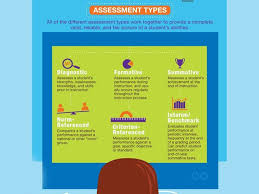
A graphic organizer is a visual representation of how concepts or components in a system relate to each other. A goal of this course is to develop an easy reference of the forms and function of assessments in a graphical format that makes the most sense to you. The graphic should evolve as you gather more information, so consider how additional elements may be incorporated.
Develop a graphic organizer that features standardized assessments, formative assessments, summative assessments, and self-assessments. The graphic organizer should be a unique creation that reflects your understanding of the variety and multi-functionalities of different assessments.
Provide at least two examples for each assessment.
Describe when it is most appropriate to use each type of assessment. Provide examples and explanations.
Prepare your design as if it would appear on a school district’s staff development website. Make it visually engaging, informative, and interactive.
SAMPLE ANSWER
Forms and function of assessments
Two examples for each assessment.
Most appropriate to use each type of assessment
1
Standardized
Assessments
Achievement Assessments
Achievement assessments are created to evaluate how deep and wide a student has acquired in class based on a given area of study. An example includes the Stanford-Binet Intelligence Scales employed to evaluate the IQ, (Romberg, Wilson and Khaketla, 2011).
Scholastic Aptitude Assessments
Types of assessments are developed to evaluate the collective ability to learn and to predict academic performances in the future. Some of these assessments include the SAT that evaluates the word power or vocabulary terminologies (Stenmark, 2012).
2
Formative assessments
Quizzes
These are short directed assessments that present a quantitative data concerning students in terms evaluating the student’s topic comprehension. For instance, in the middle of a unit of algebra, a short contest can be given to ascertain if learners have a grasp of the basics (Stenmark, 2012).
Exit Slips
These are tiny papers on which learners are expected to ascribe or react to a query before exiting into another class. For instance, if you read through the responses and notice that student have a firm grasp of the concept, you can advance on. The approach will certainly change if the opposite is the truth (Romberg, Wilson and Khaketla, 2011).
3
Summative Assessments
Exams
Exams are used to quantify what students know and certainly what they do not understand. In addition, they assess learning and also function as a comparison for standards, such as class aggregates. They include scores, which tend to suggest the quality of the curriculum.
Graded Projects
Graded projects are used periodically; they however, do not have immediate influence on instructional quality. For instance, if the math educator serves you with an algebra exam towards the end of the semester, he/she may be able to understand your level of comprehension after marking the exam .
4
Self-assessments
Questionnaire
Used to evaluate the performance with a view to improving skills and abilities. For instance, if the school want to change using a certain methodological approach in teaching students, a quantitative study can be commissioned where students becomes respondents. The feedback obtained through the questionnaire will help determine if the method should be upheld or not (Romberg, Wilson and Khaketla, 2011).
Survey
Used to obtain comprehensive performance appraisal in terms of how a company is fairing on. The feedback helps the company to change business strategy.
References
Romberg, T.A., Wilson, L. & Mamphono Khaketla (2011). “The Alignment of Six Standardized Tests with NCTM Standards”, an unpublished paper, University of Wisconsin-Madison. In Jean Kerr Stenmark (ed; 2010). Mathematics Assessment: Myths, Models, Good Questions, and Practical Suggestions. The National Council of Teachers of Mathematics (NCTM)
Stenmark, J.K (2012). Mathematics Assessment: Myths, Models, Good Questions, and Practical Suggestions. Edited by. Reston, Virginia: The National Council of Teachers of Mathematics (NCTM)
We can write this or a similar paper for you! Simply fill the order form!