




Theories and Theorists Term Paper Available

Theories and Theorists

Theories and Theorists

Order Instructions:

Theories and Theorists; Craft a 4- to 5-page paper in which you address the following instructions and questions:

  • Identify two key theories in your field.
  • Identify the theorist(s) and sources of the theories (key articles or books) in your discipline ( Public Policy and Administration).
  • Describe the basic tenets of these theories.
  • Analyze the relationship between the two theories that you have found.
  • Explain why these theories are so important to your discipline and how they relate to the research that you are interested in doing.
  • Include a reference list for the five “classics” or influential works you have found.

SAMPLE ANSWER

Theories

Two classical theories in public policy and administration are bureaucracy theory and the scientific management theory. The classical theories have explained the interaction of employers and capital control since the late nineteenth century. According to Hassan (2013), the theories focused on a period that employers were interested in the production process. They are an imperative way of understanding public policy administration that relates to the research that I will carry out.

Theorists

Max Weber is the theorist credited to bureaucracy theory while Fredrick Taylor and other intellectuals supported the scientific management theory. Max Weber was a famous German sociologist born in 1864 AD and is the mastermind behind the theory of Bureaucracy. The two terms bereau a Latin word used with cracy a Greek work meaning office and authority to explain bureaucracy as the authority in the office famously recognized in a hierarchical organizational structure. It is described as the lines, rules and procedures of governing the work assert Cook and Brian (2006). Weber divided the organizational managerial power structures into three namely charismatic, traditional and rational/legal authority. The scientific theory is believed to have emerged from the US around 1900 AD. Taylor’s interest in developing this theory was to reach adequacy productivity and the development of the economy through studying work dynamics, time and projects. His intention was increasing production.

Basic tenets of theories described

Bureaucracy theory closely relates to public administration to date, many years after its introduction. The relationship between the two theories is based on elements like policymaking, work division, organizational procedures, control, authority and responsibility. According to Borcherding, Dillon & Willett, (1998) the foundations of the bureaucracy theory are suitable for drawing organizational policies. Theorists believe that politics, management and social sciences should have a structure of administration that is consistent to bureaucracy standards. Public authority activities need administrative organizations with a bureaucratic character and existence of specific internal structural arrangements. Clear functional specialties should also be designed to govern organizations. With specific patterns of qualification levels for joining the bureaucratic organization, public administration flows smoothly argues Borcherding et al. (1998).

Scientific management theory evolved following the adequacy of workers, availability of resources, expansion of domestic markets and the substantial increase of export markets. These aspects facilitate focus on production problems for producers, marketing, tariffs and encourage the growth of industry asserts Fox and Miller (2006). The scientific theory focused on work productive levels and did not give attention to interaction and human relations in the organization. Despite its cons, the positive aspects of the scientific theory were its representation of the first generation in scientific thinking. It outperformed modern analysis tool in time management and work dynamics drawing organizational rules and methods of management.

Relationship between the two theories

Finding the relationship between scientific and bureaucratic theory is crucial to understanding public administration. These theories determine the structure of government institutions, large and small businesses. Both theories are from the classic school of thought and remain useful to public administration to date. They aim at improving public administration through proposing structures of organization and provision of tools. Large enterprises and governmental organizations rely on bureaucratic management while scientific management is an imperative aspect for manufacturing processes and management asserts Fox and Miller (2006). Both theories are relevant for shaping modern policy-making. The theories were a product of enormous intellectual efforts that contributed to making administrative processes possible. They were also starting point of modern theories formation. Concepts from the classical theories have been developed and used in many modern organizations. They are useful sources of research and study especially when dealing with public organization and administration. The theories have been useful in helping managers and CEO’s deal with their staff in work places or institutions. From their administrative insights, organizations and institutions developed new approaches of leadership and administration.

The importance of the two theories

Both theories are vital for public policy and administration as they help solve organizational problems. The ideal bureaucratic organization was for instance based on functional specialization. Through specializing functions in the organization the smooth running of activities is possible without leaving out duties unperformed. All duties are performed by staff who specialize in that field leading to the overall success of the organization. The distribution of business activities is another factor that Marx implies and distribution of authority. While duty distribution is about employees performing roles in line of their duty, authority distribution is having the hierarchy method of leadership prevail in an organization. The bureaucratic theory also implied specific use of methods and approaches for job performance. Methods like supervision are useful for overseeing the work amongst employees. Employees are supervised by the upper level on their work to ensure that they perform their duties well. Work and activities is also supervised in terms of qualifications and documents. Qualified employees stand a better chance of making it in the organization as compared to employees who have no documents to show what they are qualified for. The bureaucratic organization should be one that separates activities and tasks for the organization from private employee’s activities. There needs to be a difference between management and flexibility for training amongst other activities, which are all done differently for the benefit of the organization. Rules and regulations cannot be overlooked in an organization as they serve as the guiding actions for employees. Employees should understand and follow those rules strictly for efficacy in the organization (Cook and Brian, 2006). Marx view on functions, duties, hierarchy, approaches of job performance and activity separation are paramount to running organizations and public offices n every way.

Like Marx, Taylor based his theory on four aspects.  The rule up thumb was replaced with normal working as a suitable scientific approach to study work and determine efficient ways of performing specific tasks.  According to Taylor, matching employees to their qualifications and jobs based on capability and motivation would be a suitable way of maximizing efficacy at work. After matching them to their roles, monitor their work and performance. Use supervision and instructions to monitor how they are employing efficacy to work. The principle of supervision was also crucial for Marx.  Fourthly, the allocation of work between employees and managers would be done differently. The managers would be expected to plan, train and allow task performance amongst employees. Taylor believed that money was a great source of motivation for employees and thus developed the fair day’s work. Low performing employees did not deserve to get the same amount of payment as highly productive employees. This approach is suitable in assessing employee motivation, productiveness, progression, laziness or less inclination to work and employee definition of organizational mission and vision. Taylor and Weber are great contributor of the management theory that remains timeless and very critical to administration. Public administration would have not been the same without the contribution of these two great intellectuals.

References

Borcherding, T. E.; Dillon, P. & Willett, T. D. (1998). “Henry George: Precursor to public

Choice analysis”. The American Journal of Economics and Sociology 57 (2): 173–182.

Cook, Brian J. (2006). “Making Democracy Safe for the World: Public Administration in the Political Thought of Woodrow Wilson.” In Handbook of Organizational Theory and Management: The Philosophical Approach Second Edition, eds. Thomas D. Lynch and Peter L. Cruise. Boca Raton: CRC Press.

Fox, Charles J. and Hugh T. Miller. (2006). “Postmodern Philosophy, Postmodernity, and Public Organization Theory.” In Handbook of Organizational Theory and Management: The Philosophical Approach Second Edition, eds. Thomas D. Lynch and Peter L. Cruise. Boca Raton: CRC Press.

Hassan, E. (2013). Classical theories of public administration, Walden University; University of    Rockies

We can write this or a similar paper for you! Simply fill the order form!
Building a Strong Team Essay Assignment

Building a Strong Team

Building a Strong Team

Order Instructions:

Building a Strong Team

As in any field, employees in public health tend to be more productive and satisfied in their work when they are part of a strong, supportive team. How do leaders help to bring about such a team?

This week you learned about several strategies for building teams that meet the needs of the organization and of the team members. These strategies include the use of the Behavioral Event Interview (BEI) when hiring, as well as the STAR method, which can be helpful in many contexts including an interview. As a reminder, “STAR” stands for:

ANSWER THE FOLLOWING QUESTIONS:

1.Situation: give an example of a situation you were involved in that resulted in a positive outcome

2.Task: describe the tasks involved in that situation

3.Action: talk about the various actions involved in the situation’s task

4.Results: what results directly followed because of your actions

USE THE FOLLOWING ARTICLES ONLY (DO NOT DEVIATE FROM ARTICLES)

1. Fernandez, C. (2007). Employee engagement. Journal of Public Health Management & Practice, 13(5), 524-526.

2. Fernandez, C. (2006). The behavioral event interview: Avoiding interviewing pitfalls when hiring. Journal of Public Health Management & Practice, 12(6), 590-593.

Please apply the Application Assignment Rubric when writing the Paper.

I. Paper should demonstrate an excellent understanding of all of the concepts and key points presented in the texts.
II. Paper provides significant detail including multiple relevant examples, evidence from the readings and other sources, and discerning ideas.
III. Paper should be well organized, uses scholarly tone, follows APA style, uses original writing and proper paraphrasing, contains very few or no writing and/or spelling errors, and is fully consistent with doctoral level writing style.
IV. Paper should be mostly consistent with doctoral level writing style.

For this Discussion, consider the steps you could take as a leader to build a strong team. What would you do to hire your replacement in your current job (if you work in the public health area) or to fill a public health position you hope to hold in the near future? How might you use the BEI and STAR method to help you in this hiring/interviewing process?

SAMPLE ANSWER

Employees tend to be more productive and satisfied with their work when they are part of a strong, supportive team with the help of a strong team leader. Leaders significantly influence building a strong team through application of strategies that build teams that meet organizational and team member’s needs. Fernandez (2006) argues that building a strong team is a challenging task for managers. Team selection and team building are the predictors of future derailment, while hiring the wrong employees is a common experience limiting building a strong team. As a leader, one can build a strong team through hiring the right people for the job roles. The right people should not only have technical skills to qualify as strong team members but should also possess knowledge on the job tasks to be given as well as have soft skills. Soft skills are vital for work dynamics and ultimately govern innovation, productivity and the team’s agility. Leaders can build strong teams through choosing members who have diverse backgrounds to bring a range of skills to the organization. Leaders should look for committed members who are willing to see the vision of the organization come to yield. They will guide the organization towards attaining its vision and mission. A leader should guide the team and be enthusiastic for his role to impact the team positively.

The public health sector is highly dynamic requiring strong teams to perform tasks effectively. To get the right team for public health, it is crucial to hire the right employees for the right job roles. The process of hiring and replacing employees in the public health sector, can be done through strategies like interviewing the candidates before hiring them. According to Fernandez (2006), the interview is an imperative part of letting the team manager about a candidates qualifications, attributes, competencies and traits and how consequently deciding on which candidate best suits the job vacancy. The old style of interview is typically plagued by spending time telling employees about the organization rather than the organization learning about the prospective candidates.

The BEI and STAR method can be useful for the hiring and interviewing processes. BEI is a strategy of interviewing that demonstrates efficacy based on a prospective candidates actual experience. It starts by examining the job description closely to pull out critical areas that determine the success of the candidate. This technique also has open-ended questions to examine the candidates accomplished tasks. BEI is a suitable method that can be applied to public health to list critical areas of job performance like conducting preventive medicine or disaster response programs followed by application of the epidemiological method to identify factors increasing mortality. The next step can include questions relevant to the candidate’s actual behavior like specific experience in emergency response initiatives like responding to the Ebola outbreak.

The third step can include a STAR method that represents situation, task, action and result. It guides an interviewer to a successful interview through which they answer questions regarding a situation they were involved in resulting to a positive outcome, describing tasks involved in the situation, talking about various actions involves in the situation and the task and finally the results directly followed because of actions. Using BEI and SMART techniques for interviewing employees helps build a team that has highly predictable performance in terms of Interpersonal interactions. BEI specifically predicts the future behavior through examining the past performances that are critical for future performances of the organization. Both techniques are suitable for developing appropriate methods that build strong teams

References

Fernandez, C. (2006). “The behavioral event interview: Avoiding  interviewing pitfalls when        hiring,” journal of public health management & practice, 12((6), 590-593

We can write this or a similar paper for you! Simply fill the order form!

Ethical Principles in Wal-Mart Employment practices

Ethical Principles in Wal-Mart Employment practices

Ethical Principles in Wal-Mart Employment practices

Order Instructions:

you must using 3 of 5 reading materials, i give .

and you must write 2 argument and 1 counter argument.
1 – Fiduciary Principle
•Is concerned with money and finances
•Each officer has a legal fiduciary duty to act in the best interests of the stakeholders and other employees within the firm.
•An implied fiduciary duty for every employee to act in a way that generates positive benefits for the firm.
•Examples: conflicts of interest, good faith efforts for carrying out responsibilities. Prudence with the company’s resources, loyalty.

2 – Property Principle
•Based on the belief that every employee should respect property as well as the rights of the owners of the property.
•Expected that the employee should be a good steward to the resource that he/she has access to. •Examples: theft, misappropriation of funds, wasting resources, misappropriation of intellectual property

3 – Reliability Principle
•Based on the belief that it is the employee’s responsibility to honor the commitments he or she has made to the firm.
•Examples: breaching a promise or contract, not fulfilling a promised action, ensuring that suppliers and other business partners are paid in a timely manner

4 – Transparency Principle
•Based on the belief that every employee should conduct business in a truthful and open manner.
•Assumes that employees will not make decisions based on a personal agenda.
•Examples: keep accurate and current records of business obligations, fraudulent and deceptive actions of the employee, financial information is presented in a truthful and accurate way

5 – Dignity Principle
•Based on the belief that each employee needs to respect the dignity of all individuals.
•Encourages the enhancement of human development not only within the company and the marketplace, but also in the society at large.
•Examples: ensuring the human rights of health, safety and privacy.

6 – Fairness Principle
•Based on the belief that stakeholders who have a vested interest in the firm should be treated fairly.
•Reciprocal fairness
•Fair exchange – getting paid a fair wage for an honest days work.
•Distributive fairness
•Equity – all groups (sex, gender etc.) get paid the same for the same work)
•Wages are distributed fairly amongst the various positions in the organization
•Fair competition
•Avoiding price wars, bribery and collusion.
•Procedural fairness
•Stakeholders are treated fairly and whistleblowers are protected

7 – Citizenship Principle
•Based on the belief that every employee should act as a responsible citizen in the community.
•Expected that employees respect the laws of the community – criminal, competition, environmental, corporate social responsibility.
•Examples: Taking a universalist approach and doing the right thing even when no one is looking.

8 – Responsiveness Principle
• Based on the belief that employees have a responsibility to respond to the requests for information about the operations from various stakeholders.
• Expected to react in a timely manner.
• Examples: disclosing who your suppliers are or how your goods are being produced.

Assessment task
Based on the Learning Portfolio assessment, write a 1000 word academic essay addressing the question below. Students should include six (6) to ten (10) scholarly references which include at least three (3) of the Five Required Resources found on vUWS in the Assessment Tasks sub-folder called Essay – Week 14, as well as any other references that may help them support their arguments. That is, only references that have been cited in-text should be listed in the reference list.
The essay should have a clear structure which includes:
1. An introduction that:
a. Includes a few general statements about the topic to clarify your interpretation of the question;
b. Includes a thesis statement that presents your position on the topic; and
c. Outlines the main points that support your position.
2. A body that:
a. Includes a series of logically developed arguments that support your position and
b. Ensures that each argument and/or sub-argument is supported by descriptive, analytical and normative ethics which is elaborated upon.
3. A conclusion that:
a. Summarises the main points discussed in the body of the essay;
b. Restates the thesis statement; and
c. Includes a final comment that does not introduce any new ideas.
4. Cohesive text that aids with the logical flow of the arguments presented.
5. A reference list which is alphabetical order by authors last name and includes only the resources that are used in the body of the text (i.e. in-text citations)
Note: This assessment will evaluate what students have learnt throughout the semester.
You must use at least three (3) of the Five Required Resources and the Paine et al (2005) article.

SAMPLE ANSWER

Ethical Principles in Wal-Mart Employment practices

Ethical principles in business practices refer to the measure of relations (good or wrong) observed from adhering to the international business standards like employees’ rights protection. Notably, employees include direct and indirect employed population, which depends on direct wedges or pay such as Wal-Mart (international retailers) purchases. Following diverse businesses and organizations venturing into the market, Wal-Mart relation to labor force is guarded by the Global Business Standards (GBS), which observes the employer-employee relationship internationally. Therefore, ethical principles are usually monitored by GBS to the extent of its control. This implicates that some organizations and companies violate some ethical principles unnoticed, hence affecting the employment chain of dependency (direct and indirect employees) (Bielby 2003). Positive applications will be addressed on Reliability principle and Dignity principle application on Wal-Mart employments, while Negative argument will address Wal-Mart failures from applying Fairness principles in its operations. Therefore, this paper seeks to investigate some positive application of ethical principles in Wal-Mart, while reflecting on some negative aspects perceived in some ethical application.

First, Reliability principle has been positively applied in Wal-Mart operations as supported by Hemphill (2008). This has been evident on employees and suppliers commitment towards maximum output of Wal-Mart sales. Specifically, employees are paid an average salary compared to other retail competitors. In addition, Wal-Mart considers average benefits for its employees such as healthcare cover while ensuring punctuality in their payment achievements. This has been widely related to the current reliability on its 1.8 million employees for maximum performance (Hausman & Leibtag 2005). On the other hand, Wal-Mart relies on its Suppliers for every day to day business.

Suppliers have developed the reliability principles such that delivery of products and raw materials to Wal-Mart is mandate. Irrespective of location of the Wal-Mart store, suppliers fulfill their supply obligation at the negotiated prices. To ensure a simultaneous reliability of Wal-Mart to its suppliers, payments are accomplished as agreed (Hemphill 2008). This has led to long sustainability of supply chains, which have indirect related suppliers and producers depending on the supplies. Notably, punctuality in accomplishing payments of both suppliers and employees has developed Wal-Mart reliability principles, a concept transferred to customers. Wal-Mart customers have developed a notion that cheap and affordable items are acquired from Wal-Mart stores (Neumark et al 2005). Reliability on cheap items from Wal-Mart has also increased its competitiveness by making low class people depended on its cheap products.

Secondly, Dignity principle has been evident in Wal-Mart whereby, self-respect is practiced among individual employees. This principle enables sustainability measures among individuals, extending from the organization itself to its market grounds, while involving its environment too (Fishman 2006). Notably, dignity principles ensure good public relations through employee confidence and believe. This relates dignity principle application to transparency principles where employees keep organizational goal and objectives by avoiding centralism, internalization, and personal interests. Therefore, dignity through transparency principles keep employees fully informed while motivating them towards work under no supervision. Good public relations are therefore attained, reflecting more customer attraction.

As noted by Fishman (2006), Wal-Mart has realized employee satisfaction through transparency and dignity principles applied in financial information. Increased believe in employees performance under no supervision has been evident in Wal-Mart, while transparency in financial matters has motivated employee performance as supported by Neumark et al (2005). More so, employees get open and direct information on business obligations aligned on Wal-Mart’s business schedule. Employees get a free working atmosphere while applying dignity in performance following transparency in the organization programs.

Fairness principle makes the third GBS principle which has been applicable in Wal-Mart stores. However, this principle has not been perfectly working in the day to day operations of Wal-Mart, since failures have been evident in several fields. For instance, good public relations have been diminishing, sex segregation has been indirectly observed, suppliers have been pressurized to give low supply costs, and employee benefits have been widely reduced to the remaining healthcare cover only (Tilly 2007). These statements illustrate direct failure of the Fairness principle in Wal-Mart operations and employments.

Gender discrimination has been evident in most Wal-Mart stores in both women and men employees in different locations. For instance, women are discouraged from higher positions like managerial positions, a concept which is usually twisted to sound as health concern by the men leaders. As noted by Besen and Kimmel (2006), promotion of ladies in workplace is not materialistically achieved, even though it’s denoted in Wal-Mart principles. Therefore, ladies seeking for high wages are turned down smoothly but on gender bases of ladies incapability (Blau 1984). Men on the other hand are also oppressed under this Fairness principle in store duties. Women are never called in to off load tracks, even though on similar line of duty and payments as their counterpart men (Bendick 2003).

Also, Wal-Mart has practicing poor Fairness principles by putting pressure on suppliers to lower supply prices, even though it is not usually a consistent practice. From diverse perspectives, employment can be addressed from all relations, direct or indirect resulting to Wal-Mart being the end buyer. Therefore, all costs related to Wal-Mart purchases affect different dependents irrespective of the region, implicating that low purchase price reduces the producer chain salary and wages as a result. For instance, the stores were reported to lower their purchase prices on a few items, while rising purchase price for other commodities. For example, lowering of supply prices led Rubbermaid, one of the Wal-Mart’s initial suppliers to run bankrupt as noted by Tilly (2007). These practices have been affecting their suppliers respectively, even though such Wal-Mart’s practices have not been directed by their competitors’ prices (Basker 2005).

Lastly, Wal-Mart has been practicing negative Fairness principle in reducing the number of benefits it offers on its employees compared to other retailing organizations. This has reflected to low salaries with their employees suffering oppression in the denied employee benefits (Tilly 2007). In Mexico for instance, Walmex (Wal-Mart in Mexico) practices the fewest employee benefits strategy, a concept which has reduced average employees’ pays to low percentages when compared to other retail competitors.

From considering the three ethical principles in Wal-Mart practices, their viability effect can be deduced from the investigation addressed above. Therefore, Wal-Mart has successfully been practicing Reliability principle and dignity principles through transparency in its operations. These principles have motivated it employees to maximum production, while also motivating the suppliers through punctuality in payments. However, Wal-Mart has not been successful in implementing Fairness principle in its operation. This has led to gender segregation, low employee benefits and low price on suppliers leading to bankrupt of some suppliers like Rubbermaid. Amendments on Wal-Mart’s relations to employees, suppliers and customers would be critical for its future progress.

References

Basker, E 2005, Selling a cheaper mousetrap: Wal-Mart’s effect on retail prices, Journal of Urban Economics, vol. 58, no. 2, pp. 203–229.

Bendick, MJ 2003, The representation of women in store management at Wal-Mart Stores, Inc, January.

Besen, Y & Kimmel, MS 2006, At Sam’s Club, no girls allowed: the lived experience of sex discrimination, Equal Opportunities International, vol. 25, No. 3, pp. 172-187

Bielby,W.T. 2003, Expert Report, in Dukes et al. v. Wal-Mart Stores.

Blau, F. 1984, Occupational segregation and labor market discrimination, in Reskin, B. (Ed.), Sex Segregation in the Workplace: Trends, Explanations, Remedies, National Academy Press,Washington DC, pp. 117-43.

Fishman, C 2006, The Wal-Mart Effect and a Decent Society: Who Knew Shopping Was So Important?, Academy of Management Perspectives, The Wal-Mart Effect, Penguin Press

Hausman, J & Leibtag, E 2005, CPI bias from supercenters: Does the BLS know that Wal-Mart exists?, National Bureau of Economic Research, Working Paper No. 10712, August 2004 (revised June 2005).

Hemphill, TA 2008, Demonizing Wal-Mart: What Do the Facts Tell Us?, The Journal of Corporate Citizenship, Autumn, 31, p. 26

Neumark, D, Zhang, J, & Ciccarella, S 2005, The effects of Wal-Mart on local labor markets, National Bureau of Economic Research, Working Paper No. 11782, November 2005.

Tilly, C 2007, Wal-Mart and Its Workers: Not the Same All over the World, Connecticut Law Review, vol. 39, no. 4, pp. 1805-1824

We can write this or a similar paper for you! Simply fill the order form!

Introduction to Business Law Term Paper

Introduction to Business Law

Introduction to Business Law

Order Instructions:

It is a business law question. there is 3 questions, you must answer all of them.

SAMPLE ANSWER

Introduction to Business Law

Question One:

Would you consider a newspaper report which stated that Malcolm Somebody (his real name) had been charged with a sexual offence defamatory?  Explain your answer.

If all the four elements that qualify a statement to be defamatory are proved to be true, I can consider the newspaper report that states that Malcolm had been charged with a sexual offense defamatory. Defamation is a term used to refer to a statement that hurts an individual’s reputation. A libel refers to a written defamation while slander refers to a spoken defamation. Although the defamation law may vary with states, there are some rules that are generally accepted. If a person holds they have been defamed, they must prove the existence of a statement that is published, false, unprivileged and injurious (Kenyon 2013). Published in this case refers to the statement having been made public either through print, speech, or even television and therefore the above statement qualifies because it was published in a newspaper.

If the above statement is false in that Malcolm was not charged with sexual offence, then it can be considered defamatory. Since defamation law aims to deal with the injuries to reputation, a statement is considered defamatory if it is injurious. As a fact, the statement of Malcolm being charged with sexual offence is injurious as it dents his reputation. The statement is also unprivileged since it has not been stated that it was mentioned by a witness in a court of law or by any other person or institution deemed to be “privileged” (Baker 2011). From the analysis of defamation law, the only element that is not clear from the above statement is whether the information is false. If it is false, the newspaper report would be defamatory, but if the information is true the report cannot be considered to be defamatory.

Question Two

Peter as the manager of the liability to ensure that the toilets have enough water supplies. Moreover he has the duty to act or liability to make sure that there is hygiene in the washrooms and in the whole nightclub. Conversely, Julia and Wayne have the right to be provided with the best services in the nightclub and this includes being provided with water in the toilet. When Peter cut off the water supplies to the toilet handbasins, he was liable for his actions because he was denying Julia and Wayne their rights as customers to have access to water in the toilets (Miller 2014). By cutting off the water, Peter was being selfish because he was more interested in boosting bar sales at the expense of the customers’ rights to be comfortable while in the Bees nightclub.

Being the owner of the nightclub, Keith has the right to maximize sales. Similarly, Peter had the right to ensure sales are maximized because they were serving customers. Conversely, Julia and Wayne did not have any right to drink the water from the toilet because water in the nightclub was being sold at the bar at the price of $10 per bottle.

Keith, as the nightclub owner, was liable for the fault in the air conditioning that made the temperature on the dance floor to reach 43o. As a result, both Julia and Wayne became overheated and therefore visited the toilets to get some water. Wayne and Julia did not have any right to be provided with free water for drinking from the toilet hand basins since the nightclub did not have such an arrangement. Julia had a right to be assisted by the floor manager because she was feeling sick.

When Julia stumbled on a bucket, Peter was liable for the injuries she sustained since he had placed the bucket near the bar after removing it from the women’s toilets. Furthermore, Keith was also liable for the Julia’s injuries caused by the fall because Peter had cut the water supply from the toilets due to the pressure he had received from Keith to maximize profits. Therefore, the thought of cutting off the water from the handbasins was driven by the urge to stop customers from drinking the water from the toilet handbasins where they were refilling their water bottles and glasses. This was also supposed to make customers buy drinking water from the bar. Eventually, this had contributed to the placing of the water bucket near the bar where Julia tripped. Julia can therefore sue Peter for negligence for placing the bucket in the wrong place, and Keith for putting pressure on Peter.

In essence, Keith is also liable for any harm caused by Peter in the course of his duty because he had employed him (Miller & Cross 2012). The fractured ankle that Julia was diagnosed in the hospital was caused by the fall in the nightclub after tripping on the bucket. Peter was therefore liable for that injury. Keith was also liable for the injury that Julia sustained from the fall because the club was so dark and crowded and therefore Julia could not see the bucket. In relation to the extreme dehydration that Julia was suffering from, Keith was responsible as the bar owner since the dehydration was as a result of the high temperatures due to the faulty air conditioning. Even though Wayne developed hepatitis that he contracted from the ice he took from the bucket, Peter and Keith cannot be held liable because it was Wayne’s mistake to take the ice from the bucket since that water was not fit for consumption. In this case, Peter and Keith could argue that they had not indicated anywhere that the water from the bucket was for drinking since they were selling drinking water.

Question Three

In tort law negligence refers to the harm caused due to carelessness as opposed to intentional harm (Statsky 2011). The real estate agent had placed an advertisement for a house that stated that the Waterview House that was on sale was a luxury home situated on the harbor and includes mooring for a large boat. When the Brights purchased the house, they were sad because they realized that the mooring license had already been transferred to a third party by the time they were speaking to the solicitor and the agent. First, they can file a claim against the agent because he had given them a confirmation that the house had a suitable mooring. Indeed, the agent demonstrated carelessness because he had the responsiblity to find out whether moorland had a valid license. Moreover, the Brights can also make a claim against their solicitor, Mr Potters, because he confirmed to them that the mooring had a valid license. Therefore, the solicitor was careless because he did not find out about whether mooring license was valid or not. Negligence by the solicitor contributed in misleading the Brights into buying the house because they were convinced that the license was valid.

The fact that the agent informed the Brights that the house had a suitable mooring for a large yacht, it clearly shows that the agent was careless in giving his statement. If he was not more careful and cautious he would have checked then validity of the mooring license. Actually, both the agent and the solicitor were affected by the negligence law because they failed to assess the rules of the mooring license (Statsky 2011). If they did this, they would have found out that the license rights expire and could be transferred if the mooring was not used for a period of more than three months. By the time that Brights spoke to the solicitor and the agent, the mooring had not been used for four months. This implies that the license rights for the Mooring had already expired   and therefore the mooring license had already been transferred to a third party.

Brights can lay claim against the solicitors because he failed to exercise the duty of care because he was supposed to advise his client on whether the Mooring license was valid. As a person who understands law, the solicitor should have been at the forefront in verifying the rules related to the expiry of the license. This would have made him to know that the license was already transferred to a third party due to the fact that it had not been used for more than three months. The negligence for both the solicitor and the agent may have been caused by the lack of knowledge that the current owner of the mooring was sailing around the world and therefore had not used the mooring for a period exceeding three months as stated in the rules governing the mooring license. As such, the Brights only purchased the house after the confirmation that he received from both the solicitor and the agent and therefore have claims against both of them on the basis of negligence law.

Reference List

Baker, R 2011, Defamation Law and Social Attitudes: Ordinary Unreasonable People, Edward    Elgar Publishing, Michigan.

Kenyon, A 2013, Defamation: Comparative Law and Practice, CRC Press, New York.

Miller, R 2014, Cengage Advantage Books: Business Law: Texts and Cases-Commercial Law for Accountants, Cengage Learning, New York.

Miller, R. & Cross, F 2012, Business Law, Alternate Edition: Text and Summarized Cases, Cengage Learning, New York.

Statsky, W 2011, Essentials of Torts, Cengage Learning, New Jersey.

We can write this or a similar paper for you! Simply fill the order form!

Tuberculosis disease surveillance system

Tuberculosis disease surveillance system

Tuberculosis disease surveillance system

Order Instructions:

Dear Admin,

I need an essay in the following subject:

SWOT analysis is a powerful tool that you can use in order to assess your strengths and weakness and to anticipate threats and opportunities. By cultivating such awareness, individuals can gain valuable information that they can act upon in order to take advantage of the multiple opportunities available to them and seek assistance to meet the challenges they face. This Personal Development Portfolio assignment asks you to analyze your own strengths and weaknesses and identify opportunities and threats in your environment.

To prepare for this Personal Development Portfolio Assignment:

•Based upon the Learning Resources and your experience, reflect on your strengths, weaknesses, opportunities and threats as they relate to your goals and career development.
• Create a document with four areas labelled as strengths, weaknesses, opportunities and threats. Using bullet points, fill in the document with your strengths, weaknesses, opportunities and threats as they relate to your goals and career development.

•Strengths and weaknesses are aspects of your knowledge, abilities, background and so forth. They are something you possess as a person and could potentially develop or improve upon.

•Opportunities and threats are external to you—in other words, aspects of your organisation, your industry or even the economic, social or political context in general.

•Include a brief (approximately 600 words) summary and reflection on your personal SWOT analysis.

Appreciate each single moment you spend in writing my paper

Best regards

SAMPLE ANSWER

Week 5 information: Tuberculosis disease surveillance system

TB disease surveillance system is essential in ensuring closer monitoring and management of the disease. The system must function appropriately to have tangible benefits to the users. Quality assurance is very critical part of any surveillance system that operates successful. Quality assurance ensures that the system is continuously monitored evaluated and data is improved.

In US, national tuberculosis Surveillance System (NTSS) is located at the division of tuberculosis Elimination (DTBE) and functions as the national repository of TB disease surveillance data.  Center for Diseases control and prevention   receive information/data from the various jurisdictions reports through a standardized data collection from known as RVCT) Report of Verified of Case OF Tuberculosis (Center for Disease Control and Prevention (CDC), 2014).

The RVCT is usually revised on period basis to take into consideration the new changes in the disease epidemiology. The latest implementation was done in the year 2009 and it incorporated more recent development such as web-based systems.  There is still a lot that have been done to ensure that data is collected and reported well to  ensure that adequate information is available. Various teams form partnerships with public health officials and other local professionals to develop and in launching of national training programs on the new RVCT (WHO, 2014). These initiatives are undertake to foster or enhance quality of data collected. In management of TB, it is critical to have enough data or information about the prevalence of the diseases. This information on the areas the disease is prevalence as well helps to come up with appropriate strategies to manage the disease.

Five factors require consideration to ensure quality assurance of the tuberculosis surveillance systems. These components includes, case detection, data accuracy, data completeness, data timeliness and data security and confidentiality (Center for Disease Control and Prevention (CDC), 2014). Case detection is the first aspect. Once an instance of specific diseases or even exposure such as TB is done, a health care worker reports it. This information as well is collected from laboratory work or from a medical or a vetenary care. The observation or such incidence should be diagnosed and verified.

Data accuracy is another important component of quality assurance. The submitted data need to match with the patient record at the location or point of care (Arkansas Department of Health, 2014).  The data recorded in the surveillance system need to remain consistent with the activities that happened in the clinical encounter if they were not clinically appropriate or if they were clinically appropriate.

The third component is data completeness.  This measure helps to ascertain whether information submitted has complete set of data items or not (Center for Disease Control and Prevention (CDC), 2014). This is very important as it ensures that any information stored in the system is complete and therefore can be relied in the future. This requires verification of such information to ensure that it is complete and meets the threshold set for data completeness.

Data is also required to factor in the aspect of timeliness. It is important that prompt reporting of surveillance data is done to the health authorities.  Once the information is   accessed, it is very important that this information is reported immediately to provide an appropriate mechanisms responding to the same and instituting to preventive mechanism.

The last component is data security and confidentiality. Security of data entails measures in place geared at protecting data of public health and information systems from accessibility by unauthorized release (Center for Disease Control and Prevention (CDC), 2014). It also involves measures concerning information identification, loss of information and damage of the systems. Data confidentiality aims to protect personal information gathered by public health organizations.  Personal information should not be released to third parties without the consent of the owner of the information or the patients.

 Quality Assurance components of TB surveillance system

Case detection
Data security and confidentiality
Data accuracy
Data timeliness
Data completeness

References

Arkansas Department of Health. (2014). National Electronic Disease Surveillance System             (NEDSS) . Retrieved from:           http://www.healthy.arkansas.gov/programsServices/epidemiology/Surveillance/Pages/Nedss.aspx

Center for Disease Control and Prevention. (CDC). (2014). Hot Off the Press! Quality Assurance            for Tuberculosis Surveillance Data: A Guide and Toolkit – 2013. Retrieved             from:http://www.cdc.gov/tb/publications/newsletters/notes/TBN_3_13/dataguide_toolkit.htm

Center for Disease Control and Prevention. (CDC). (2014). Tuberculosis Information Management System (TIMS) Replacements. Retrieved from:          http://www.cdc.gov/tb/programs/tims/NEDSS.

WHO. (2014). Standards and benchmarks for tuberculosis surveillance and vital registration         systems: Checklist and user guide. Retrieved from:      http://www.who.int/tb/publications/standardsandbenchmarks/en/

We can write this or a similar paper for you! Simply fill the order form!

Human Resource and Management collaboration R

Human Resource and Management collaboration
Human Resource and Management                                      collaboration

Human Resource and Management collaboration

Order Instructions:

Dear Admin,

I need an essay in the following subject:

Explore the CIPD and SHRM Web sites:

Chartered Institute of Personnel and Development (n.d.) CIPD profession map. Available from:

http://www.cipd.co.uk/cipd-hr-profession/profession-map/

Society for Human Resource Management (n.d.) SHRM HR competency model. Available from:

http://www.shrm.org/hrcompetencies/pages/model.aspx

•Comparing the HR leadership competencies outlined in the CIPD Profession Map and the SHRM Competency Model

•Critically analysing how these perspectives on HR professional competencies relate to the strategic HR leader role

The following conditions must meet in the essay:

1) I want a typical and a quality answer which should have about 1100 words.

2) The answer must raise appropriate critical questions.

3) The answer must include examples from experience or the web with references from relevant examples from real companies.

4) Do include all your references, as per the Harvard Referencing System,

5) Please don’t use Wikipedia web site.

6) I need examples from peer reviewed articles or researches.

Appreciate each single moment you spend in writing my paper

Best regards

SAMPLE ANSWER

HRM.W4.collaboration.R

CIPD Profession Map addresses different Human Resource aspects (perspectives) through structured HR leadership competencies in the map. From these different HR perspectives, CIPD Map addresses most HR obligations at all stages in management. That is, it covers all levels and stages in organization leadership like entry stage, mid stage, senior stage, and finally executive stage (CIPD website). Specifically, CIPD proffession Map covers eight behaviors and ten professional sectors in HR leadership in the four leadership stages mentioned above.

Society for Human Resource Management (SHRM) Competency Model on the other hand addresses HR leadership competencies at different leadership levels and stages, just like CIPD Map. Therefore, it addresses the HR leadership at entry stage, mid stage, senior stage, and executive stage from nine competencies perspective (SHRM website). Similar to CIPD Map, SHRM competency model focuses on eight HR behaviors in addressing the leadership competencies. Different from CIPD Map, the technical competency in SHRM Model is explained as implicating the application of the other eight behavioral competencies in the model. Therefore, a more genuine comparison can be achieved on the leadership competencies addressed in both CIPD Map and SHRM Model specifically on Human resource management.

In comparing the two approaches, both address HR leadership in three perspectives. They both address leadership at professional perspectives, behaviors perspective and different HR stages (Ulrich 2013). For instance, CIPD Profession Map addresses professional in leadership from the HR knowledge perspective. Therefore, HR knowledge dictates what a leader knows and does in line of duty, a prospect also supported in the SHRM Model on HR expertise replicating a technical competency in the model. These knowledge perspectives are applicable in diverse HR occupations irrespective of location or region. In addition, HR knowledge applies to all organizations irrespective of their size or shape in the market, a concept which creates bases for all eight behaviors in HR leadership activities.

SHRM Competency Model addresses business acumen as the leadership potential to critically think and make appropriate decisions in time with respect to the business situation at hand. This behavior approach is addressed in the CIPD Profession Map as decisive thinker behavior (CIPD website). It portrays similar characters of HR leadership where specifically, entrepreneurial characters of making potential and critical decision apply in the leadership role.

Critical evaluation is another leadership behavior addressed in both HR approaches. SHRM Competency Model specifies the critical evaluation behavior as the bases for logical and creative decision making in an organization. This follows step by step initiatives observed in critical evaluation of a situation (Lussier & Hendon 2013). Therefore, the effectiveness and worthiness of a decision is determined in critical thinking in evaluation. This behavior is perceived as personality credibility in the CIPD professional map, which filters decisions through critical evaluation. Even though the behaviors are indicated differently, their application in HR leadership behavior asserts to criticality and creativity application in evaluations for decision making.

Both approaches also observe global effectiveness of HR leadership, in addition to cultural effectiveness (Ulrich 2013). These are addressed as outcomes of positive influence of the environment and the society with respect to public relations. From SHRM Model, the leadership effectiveness is first observed inside the organization before being externally effective. Therefore, HR leaders have to model their organization internally, if good public relation is to be realized. Even though CIPD Map places this concept behavior from the HR role, applying skills in leadership replicates enhanced effectiveness. Therefore, utilizing the influence skills in HR leadership leads to global effectiveness, as well as cultural effectiveness.

The next comparison from the two approaches relate to the leading, directing and planning of the activities and progress of an organization. This is the primary definition of leadership in HR, to lead and direct, thus HR leaders avoid centralism and internalization behaviors (Lussier & Hendon 2013). CIPD Map presents such leadership behaviors as being determined to deliver, in avoiding centralism. SHRM Model on the other hand presents navigation in leadership behavior as being goal focused, thus supporting determination to deliver.

Quality communication is an essential behavior in leadership characters (Garey 2011). SHRM Model views communication as the key to organizational competency, while CIPD Map characterized this leadership behavior as curious way of acquiring and sending information. This behavior presents the essence of searching to acquire the information needed even when it is unavailable. HR leaders are therefore determined to look for essential communication and implement it where possible within the organization. Consultation would therefore be effected through quality communication, thus presenting another HR leadership behavior (Armstrong & Taylor 2014). CIPD Map positions consultation as the courage expressed while challenging a concept or idea. Prior to SHRM Model, consultation enables a leader to build relationships, hence getting the best from the challenges.

Relationship management is another behavior expressed in SHRM Model as leadership ability to instill togetherness in organization performance. This brings about team work in performance, which is a character every HR leader strives to attain and maintain. In CIPD Map, the relationship character is observed as a collaborative behavior implying team work development as supported in SHRM Model. Therefore, Leadership competency in teamwork building is developed through collaborative measures for excellent performance.

In relation to maintaining all the behavioral characters discussed above, being a role model as a leadership characterizes strategies in development of organizational behavior. HR leader should practice being a role model to employees and staff, a character which grows in them for development of ethical practices in an organization (McCarter & Schreyer 2000). SHRM Model refers such unity in behaviors as development of ethical practices. In CIPD Map, such leadership behavior is addressed similarly as a role model behavior, which leads to development and maintenance of ethical practices.

In general, all the above HR competencies happen to be related to the actual HR roles in an organization (Garey 2011). For instance, the characters of leadership, motivation and even personal credibility are involved in upholding HR leadership. Therefore, leadership characters would avoid internalization and centralism as noted in the two approaches, SHRM competency model and CIPD professional Map. Also, HR leader should present role model characters for creation and maintenance of relationships, which would translate to team work and ethical practices in an organization (Becker & Huselid 2001). Additionally, quality communication would enhance flow of activities, while ensuring efficient and effective problem solving within an organization.

Notably, all the eight behaviors in HR leadership are addressed in SHRM competency model at similar interpretations noted in CIPD professional Map. Since the HR competencies addressed are related to HR roles, their application would lead to professional HR performance. Moreover, the two models address HR leadership behavior at the four basic stages of HR leadership which are, entry stage, mid stage, senior stage, and the final stage. Therefore, HR leadership can be guided by the two models with respect to leadership roles applicable, irrespective of leadership level or stage (Armstrong & Taylor 2014).

References

Armstrong, M & Taylor, S 2014, Armstrong’s Handbook of Human Resource Management Practice (13th ed.), London: Kogan Page

Becker, B & Huselid, M 2001, The HR scorecard: Linking people, strategy, and performance, Boston, MA: Harvard Business School Press.

Chartered Institute of Personnel and Development (CIPD) website https://www.cipd.co.uk/

Chartered Institute of Personnel and Development (n.d.) CIPD profession map, Available from: http://www.cipd.co.uk/cipd-hr-profession/profession-map

Garey, R 2011, Business literacy survival guide for HR professionals, Alexandria, Va.: Society for Human Resource Management

Lussier, R & Hendon, J 2013, Human resource management: Functions, applications, skill development, Thousand Oaks: SAGE Publications.

McCarter, J & Schreyer, R 2000, Recruit and retain the best: Key solutions for the HR professional, Manassas Park, Va.: Impact.

Society for Human Resource Management (n.d.) SHRM HR competency model, Available from: http://www.shrm.org/hrcompetencies/pages/model.aspx

Society for Human Resource Management (SHRM HR) website http://www.shrm.org/

Ulrich, D 2013, Global HR competencies: Mastering competitive value from the outside in, New York, NY: McGraw-Hill.

We can write this or a similar paper for you! Simply fill the order form!

Data collection Term Paper Available

Data collection
Data collection

Data collection

Order Instructions:

  • Describe the aggregate record of data that you will use.
  • Explain how you will ensure the quality of the data collected

SAMPLE ANSWER

Question

In many studies, data collected is used to provide insights about the areas of study. Assumptions are made through analysis of the data collected on various aspects. Aggregate data is therefore collection or related items that help the researcher or an individual to make some inferences (Greek interview, 2014).  The aggregate record of data that I will use is about the   products that tops in terms of sales for a particular employee in an organization. I will have to query several tables so that I can have information that will help me to make informed decision pertaining to the future operations and the strategies to adopt.

Quality of collected data should be safeguarded, as this will help to make correct assumptions. Enhancing quality of this data will be achieved throughout the process of data retrieving, application and after use. The information must be verified when it is input in the computer system to ensure that it is the correct information. Any mistake that may be made during this stage will affect the quality of data.  The right software must be used to make this analysis to guarantee quality of data. The data should as well be free from any interference from third parties. The information must be well kept in safer locations and any data in the software must have a password that will deter people with malice from gaining access to the same.  Furthermore, I will ensure quality of this data by using query function to examine information in various tables to help me to reflect properties of many groups of rows to ascertain whether indeed the date reflects the situation at hand (Greekinterview, 2014).

The data collocated must be well preserved and stored in safer locations to avoid any form of interference

Reference

Greekinterview. (2014). Aggregate data. Retrieved from:     http://www.learn.geekinterview.com/data-warehouse/data-types/aggregate-data.html

We can write this or a similar paper for you! Simply fill the order form!

Women Offenders and Types of Crimes

Women Offenders and Types of Crimes

Women Offenders and Types of Crimes

Order Instructions:

Application: Women Offenders and Types of Crimes

Conflicting statistics exist related to women offenders. The number of women in the prison system, on parole, and on probation has increased steadily since the 1990s (Glaze, 2010). According to the Federal Bureau of Investigation (2010), however, women comprised only about 25% of all arrests in the United States in 2010 and are only 18% of the total correctional population. The latter might be due to the fact that women are less likely to commit violent offences that result in correctional sentences. But why do women comprise only 18% of the correctional population when 25% of all arrests are women? This leads to questions related to differential treatment between women and men offenders in the criminal justice system at the law enforcement, court, and/or correctional levels.

For this Assignment, you think about types of crimes that women offenders are more likely to commit. Also, you consider the treatment of women compared to men in the criminal justice system.

The Assignment (3 pages):

• Briefly describe two types of crimes that are more likely to be committed by women than men. Reference the FBI web resource listed in this week’s Learning Resources.

• Explain possible reasons each type of crime is more likely to be committed by women than men.

• Explain how women offenders may be treated differently than men offenders in the criminal justice system at the law enforcement, court, and/or correctional level(s).

• For your two examples, explain possible reasons for the differential treatment.

References:

Federal Bureau of Investigation. (2010). Arrests. Retrieved from http://www.fbi.gov/about-us/cjis/ucr/crime-in-the-u.s/2010/crime-in-the-u.s.-2010/persons-arrested

Glaze, L. E. (2010). Correctional populations in the United States, 2009. Bureau of Justice Statistics. Retrieved from http://www.bjs.gov/content/pub/pdf/cpus09.pdf

• Course Text: Investigating Difference: Human and Cultural Relations in Criminal Justice

Chapter 11, “Women’s Difference in the Criminal Justice System: Constructions of Victims, Offenders, and Workers”

• Article: Covington, S. S. (2007). Women and the criminal justice system. Women’s Health Issues, 17(4), 180–182.

• Article: Federal Bureau of Investigation. (n.d.). Crime statistics. Retrieved December 13, 2011, from http://www.fbi.gov/stats-services/crimestats

• Article: Flemke, K. (2009). Triggering rage: Unresolved trauma in women’s lives. Contemporary Family Therapy: An International Journal, 31(2), 123–139.

• Article: National Criminal Justice Reference Service. (2011). Women & girls in the criminal justice system—Facts and figures. Retrieved from http://www.ncjrs.gov/spotlight/wgcjs/facts.html

• Article: Spjeldenes, S., & Goodkind, S. (2009). Gender differences and offender reentry: A review of the literature. Journal of Offender Rehabilitation, 48(4), 314–335.

SAMPLE ANSWER

NCJRS (2012) reported that of the estimated 12,196,959 arrests made that year, 26.2% were female arrests. The office of the juvenile also reported female arrests as having accounted for 28% of the total arrests in 2010. The bureau of justice statistics revealed results of midyear jail inmates in 2013 as 10.9% being female inmates while male inmates were 4.2%. Justice statistics provided accounts of annual probation survey and parole from the total persons supervised in 2012 Jan –Dec stated that 24% of all adults on probation that year were females and 11% of all adults on parole were women  with 19% of women on supervision in 2010 (NCJRS, 2012). These percentages clearly reveal that women offenders are increasing leading to more arrests, probation, and supervision in correctional centers.

Two types of crimes likely to be committed by women

Two of the most common crimes that women commit are prostitution and child/infant homicide. While prostitution is recognized as an old crime globally, it is reported to be the only crime that overtakes crimes committed by males in the criminal justice system. Women have fewer rates of arrest for virtually all crimes. Unlike men and women are quick to learn and correct their wrongs avoiding breaking the law at all costs. Child or infant homicide is another crime that women are likely to commit than men with infant homicide happening a few days after the birth of a child. Female arrests for prostitution crime category have been on high accounting for 30-40% of all arrests made on women (FBI, 2010). Infant homicide rates increased from 4.3 per 100000 in the 70’s to 9.2 per 100000 in 2000 (Child trends, 2014). Half of all infant homicides occur before the first trimester after birth.

Possible reasons for likelihood to be committed by women

Prostitution and infant homicide are most likely to be carried out by women for various reasons. Women indulge in prostitution as a source of income to fend for themselves and their children. With tough economic times, no employment opportunities and chances to get wealthy men who are willing to give them money for a little fun, women go for prostitution. While not all jobless women resort to prostitution as a means of getting their income, many countries shun prostitution as a vice and a moral wrong. Prostitution lowers the dignity of human worth limiting people to selling their dignity for money. States attempt to deal with morality and uphold virtues by arresting prostitutes. Infant homicide is a crime that has been reported amongst new mothers and women (Child trends data bank, 2014). Newborn children suffer the greatest risks of infant homicide as they are under the care of their mothers all the time. Infants depend on their mothers for nursing, feeding and totally everything. After child delivery, most women go through postnatal depression, which has been reported to be a factor for infant homicide. Women living with stepfathers of their children have also been noted to commit infant and child homicide.

Different treatment for women offenders than men

Despite the crimes and offences, the treatment of female offenders is lenient as compared to male offenders. It has been noted that women receive fewer sentences and punishment for similar crimes committed by male offenders. A study on male and female offenders in England in 2009 revealed that there were differences in sanctions given to men and women in the court. Female defendants for instance received fines as compared to male offenders at 77% female and male 63%. Lower female defendants received community sentences as compared to men who received suspended sentences. Immediate custody is more likely for men than women with 10% of males and 3% of females (NCJSR, 2011). Women seemed to be serving proportionately shorter custodial sentences as compared to men. Most women are remanded or serve shorter sentences for non-violent crimes than men. Results from gender differences and offender reentry revealed that all offender genders have the same categories of needs including mental health problems, vocational training, education, treatment for substance abuse and social support (Glaze, 2010). To benefit from the incarceration, their needs should be weighed and addressed appropriately for their benefits argues NCJSR (2009).

Possible reasons for differential treatment

Women are likely to receive better treatment than men in prison are. Self-harm incidents amongst women were higher accounting for 25.8% in 2013. 1549 cases of self-harm were reported amongst women as compared to 201 cases reported for men. The community orders for women are likely to have higher successful percentages than men thus leading to the gender differences. In 2013/14 for example 95% females and 75.8%males received successful community orders (FB1, 2010). Proven adjudications for women are at higher rates than men. The number of women released on a temporary license is also higher than the number of men. According to Flemke (2010), many women offenders have family responsibilities like children and being primary caregivers to the elderly or disabled relatives. It is thus easier for them to receive community projects as they continue taking care of their families.

References

Child Trends Databank. (2014). Infant homicide. Available at: http://www.childtrends.org/?indicators=infant-homicide

FBI. (2010). Arrests, from http://www.fbi.gov/about-us/cjis/ucr/crime-in-the-u.s/2010/crime-in-the-u.s.-2010/persons-arrested

Flemke, K.(2009).”Triggering rage: Unresolved trauma in women’s lives,” contemporary family therapy:An international journal, 31(2), 123-139

Glaze, L.(2010). Correctional populations in the US, 2009, Bureau of justice statistics, from                 http://www.bjs.gov/content/pub/pdf/cpus09.pdf

National Criminal Justice Reference Service. (2011). Women and girls in the criminal justice system-facts and figures, from http://www.ncjrs.gov/spotlight/wgcjs/facts.html

We can write this or a similar paper for you! Simply fill the order form!
Applying Systems Thinking to a Public Health Issue

Applying Systems Thinking to a Public Health Issue

Applying Systems Thinking to a Public Health Issue

Order Instructions:

This week your Learning Resources described various approaches to public health using systems thinking. For this Discussion, bring to mind a public health program or effort you are involved with or might wish to design in the future, and consider how systems thinking might enhance it. Prepare for this Discussion by creating a logic model for this public health program or effort. Be sure to cite your readings this week to support your argument.

Answer the following Questions:
1. Briefly describe your selected program and identify the characteristics of this system.
2. In what ways would using systems thinking help to break down barriers between different departments and different funding sources?
3. Describe some ways in which this system could be tested and validated.

Article:
1. Green, L. W. (2006). Public health asks of systems science: To advance our evidence-based practice, can you help us get more practice-based evidence? American Journal of Public Health, 96(3), 406-409.
In Green’s article, the need to unravel the complex forces of public health practices is discussed. The article also addresses the lack of evidence-based practices and lack of reality-based research within the field.

2. Lenaway, D., Sotnikov, S., Corso, L., Millington, W., Halverson, P., & Tilson, H. (2006). Public health systems research: Setting a national agenda. American Journal of Public Health, 96(3), 410-413.
As the Institute of Medicine recommended that policy decisions be guided by good scientific evidence, the Centers for Disease Control and Prevention (CDC) was called upon to develop a set of guidelines for public health systems. This article describes the CDC’s framework and the emerging research themes.

Summarize these two articles listed below:
Read and evaluate articles making sure to highlight and take notice of each article’s systems thinking approach.
1. Bar-Yam, Y. (2006). Improving the effectiveness of health care and public health: A multiscale complex systems analysis. American Journal of Public Health, 96(3), 459-466.
2. Fajans, P., Simmons, R., & Ghiron, L. (2006). Helping public sector health systems innovate: The strategic approach to strengthening reproductive health policies and programs. American Journal of Public Health, 96(3), 435-440.

Please apply the Application Assignment Rubric when writing the Paper.
I. Paper should demonstrate an excellent understanding of all of the concepts and key points presented in the texts.
II. Paper provides significant detail including multiple relevant examples, evidence from the readings and other sources, and discerning ideas.
III. Paper should be well organized, uses scholarly tone, follows APA style, uses original writing and proper paraphrasing, contains very few or no writing and/or spelling errors, and is fully consistent with doctoral level writing style.
IV. Paper should be mostly consistent with doctoral level writing style.

SAMPLE ANSWER

Applying Systems Thinking to a Public Health Issue

Introduction

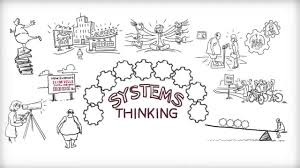
Public health practitioners collaboratively attempt to solve complex public health issues embedded within the societal fabric. Solutions to such problem often require the engagement and intervention of key stakeholders ranging from regional systems to local entities. Such multi-participant and multi-level involvement is the center of systems thinking, as a process of the intern-connected influence of parts within a whole. This paper seeks to explore on the question on how systems thinking can be used to solve public health issue that occurred during Hurricane Katrina. While many programs exist to solve the problem, this paper will mainly use the example of weather forecasting.

The proposed program

Public health is presently incorporating the knowledge of social science just like sociology did 40 years ago, in uncovering the complexities of ecologically layered societal and community circumstances, as well as, the various forces within the public health practice (Green, 2006). Since systems thinking is not easy to conceptualize, both the system’s design and analysis serves as the essential means of describing the systems applicability in public health practice. Among the most developed trans-disciplinary collaboration and that is primarily oriented towards systems thinking theoretical context is weather forecasting and modeling. Scientists’ and organizations’ networks from around the globe collaboratively work together towards understanding weather pattern complexities so as to allow timely and accurate weather forecasting

This paper proposes a program where weather forecasting and research model groups can employ a translational model allowing new discoveries made within a field e.g. oceanography to be linked with other new discoveries from other fields to allow the understanding of complex trans-disciplinary relationships. Data from different fields can be brought together, models developed to analyze such data, and optimized models can be developed to disperse derived information to the public and specific end users who will make good use of such information.

Understanding the relationship between land masses, wind flow, water temperature and solar activity among other natural forces can be achieved through an intensive and complex computational modeling of raw data to come up with predictive weather models that can reduce economic devastation and save lives (Lenaway et al,. 2006). Indeed various universities in collaboration with the National Oceanic and Atmospheric Administration have developed and implemented computerized models that can mold complex environmental data e.g. day and night humidity differentials and wind activity at different land elevations as a way of developing improved weather forecasting (Shultz, Russell & Espinel, 2005) However, a critical part of weather forecasting as a component of systems thinking is passing the information to the public.

Hurricane Katrina will forever serve as a constant reminder of accurate weather forecasting and analysis that it did not translate to effective use of information. The tragedy of Katrina was as a result of failed delivery of the systems components (Egan, 2007). Extensive investigation and data collection from a variety of sources resulted in accurate weather forecasting that allowed thousands of people to escape the Katrina’s path; however, the local, state and federal application of knowledge failed, and the devastating outcome remains a challenge to systems thinking.

Despite the promise that systems thinking holds for improved understanding of public health issues, few systems initiatives have been fully developed and implemented. The above proposed program can be tested and implemented by effective management of shared knowledge, as well as, effective transfer of such knowledge between different stakeholders in the systems’ environment. Such management requires sophisticated and comprehensive knowledge infrastructure based on existing and new knowledge integration.

References

Egan, M. J. (2007). Anticipating future vulnerability: Defining characteristics of increasingly critical infrastructure‐like systems. Journal of contingencies and crisis management, 15(1), 4-17.

Green, L. W. (2006). Public health asks of systems science: to advance our evidence-based practice, can you help us get more practice-based evidence?. American Journal of Public Health, 96(3), 406.

Lenaway, D., Halverson, P., Sotnikov, S., Tilson, H., Corso, L., & Millington, W. (2006). Public health systems research: setting a national agenda. American Journal of Public Health, 96(3), 410.

Shultz, J. M., Russell, J., & Espinel, Z. (2005). Epidemiology of tropical cyclones: the dynamics of disaster, disease, and development. Epidemiologic Reviews, 27(1), 21-35.

We can write this or a similar paper for you! Simply fill the order form!
Montreal and Toronto Women in the Great Depression

Montreal and Toronto Women in the Great Depression
Montreal and Toronto Women       in the Great Depression

Montreal and Toronto Women in the Great Depression

Order Instructions:

Montreal and Toronto Women in the Great Depression,

The 1930s were a decade of considerable difficulty for many families in Canada as a result of widespread unemployment, under-employment and low wages. There is a growing literature that examines the particular ways in which women experienced the Great Depression differently than men. You are asked to compare two books that explore the ways women in two major Canadian cities were affected and responded to this decade of hardship. In 1999 Denyse Baillargeon published Making Do, an English translation of her study examining the role housewives in Montreal played in family strategies of economic survival. In 2010 Katrina Srigley published Bread winning Daughters, which examines the paid work and family dynamics of young working women in Toronto during the Great Depression. Each of these books contributes to our understanding of the lives of women in Canada during that difficult decade.

Your assignment is to write a comparative essay based only on these two books that discusses the following:
1. the impact of unemployment on women in urban families
2. women’s coping strategies
3. gender dynamics within these families
4. the kinds of primary sources each author used to research her topic and how you think these sources may have influenced the historian’s interpretation.
5. a comparison of the relative merits of oral histories as a window onto the lives of women
6. a comparison of the perspective each book offers us on women and their work during the Great Depression
7. whether you preferred one book over the other, and if so, why.

SAMPLE ANSWER

Montreal and Toronto Women in the Great Depression

‘Breadwinning daughters’ is a literature done by Katrina Srigley and addresses oral histories of Toronto women in depression during the year 1930. Srigley contacts an oral interview on 80 women who express their sense of loss and regret on the depression period. The women struggle, efforts and strength in Toronto is expressed in this book throughout, an aspect which compares to Montreal women struggle as expressed by Denyse Baillargeon in ‘Making Do’. Even though both Montreal and Toronto women efforts expressed in the books show strength and dedication, each book has different assertions on what end of depression reflected to their live. For instance, Baillargeon affirmed that working Montreal women lost their job when they got married, while Srigley affirmed that women got liberation after child birth, while others lost their focus completely. However, both books come to one conclusion that, gender itself during the depression period was typically less important compared to race, ethnicity, or even the individual living standards.

The impact of unemployment on both Montreal and Toronto women in urban families was almost similar. In Montreal, Baillargeon confirmed that only few women were employed in heavy industry, railways or construction. Most of the women in Montreal were household workers, while others were employed in restaurants and family businesses like shops. For the employed women in factories, their duties were specifically clothing, food and catering duties. Only a few educated women found their way into companies were they worked as secretaries, as others secured teaching as the alternative professional option. Notably, Baillargeon made a conclusion that women were expected to give up their job immediately they got married. In comparison to Srigley work on Toronto women, similar unemployment impacts were evident during the depression period. Similar to Montreal women, depression ended the Toronto women dream of getting good employment in addition to childbearing which terminated their post secondary education. Different from Baillargeon expression of Montreal women, Srigley revealed a more prominent future for the Montreal women, who presumed education after childbearing.

The coping strategies by both Toronto and Montreal women were similar. The writers in both books express women as being compatible and accepting any job available in order to cope with the depression period. For instance, Srigley noted that Toronto women were focused to perform any world job irrespective of the type, an aspect which led to most women leaving their education system to work in efforts to cope to the depression period. Similarly, Baillargeon noted that Montreal women performed any available job, with only a few educated women working as secretaries and teachers. Baillargeon specified that most women were either household workers, employed as waiters in restaurants, or maybe employed at a private business or shop. Additionally, women who worked in factories only performed duties related to clothing and food. In Toronto and Montreal, women performed any available job as coping strategies during the depression period.

The gender dynamics within both literatures considers women as the sole center of labor and family economies. For instance, Srigley argued that young women in Toronto were perceived as the centre for labor and the overall family breadwinning, an aspect which he elaborates as forming women cultural and economic backgrounds in shaping they coping ways to the depression period. Similar concepts are evident in Baillargeon literature where he argued that Montreal women updated the strategies their mothers used when they were growing up in poor families. This concept indicates that the role of women in economic and labor was an adapted strategy for children to learn from parents. Baillargeon added that purchase of cheap foods, sewing and patching cloths as well as postponing expensive essentials were the common economic strategies adapted by the Montreal women, which replicates similar centrality of women in labor and breadwinning during the depression period.

Notably, both Baillargeon and Srigley utilized oral histories in their interviews to come up with a conscience assertion of the women position in labor and economics during the depression period. Srigley performed his interview on Toronto women during his research. He used more than 80 interviews with women who specifically lived and worked in Toronto during the depression period of the 1930s. Baillargeon on the other hand utilized similar ground to come up with his assertion on women labor and economics. However, Baillargeon made a smaller number of interviews by interviewing only 30 Montreal women. He however used similar grounds of ensuring that the women he interviewed lived and worked in Montreal during the depression period of 1930s. These concepts ensured a more perfect research method such that the information collected was more reliable for the general assertion that, women played the labor and economics role during the depression period.

With respect to both authors’ concepts in their research presentation, a common assertion can be attained on women responsibility during the depression period. However, Srigley book which interviewed 80 Toronto women can be more reliable for a general assertion, compared to Baillargeon book which interviewed only 30 Montreal women. This follows the statistical reliability on diverse data collection for a general assertion. Therefore, the percentage error in Srigley data would be low compared to Baillargeon data hence making his assertions more reliable.

References

Baillargeon, D. (1999). Making Do. Women, Family and Home in Montreal during the Great Depression. Waterloo: Wilfrid Laurier University Press

Srigley, K. (2010). Breadwinning Daughters: single working women in a Depression-era city, 1929-1939. Toronto: University of Toronto Press.

We can write this or a similar paper for you! Simply fill the order form!