




Project Management Assignment Help Available

Project Management
Project Management

Project Management Assignment

Order Instructions:

Project Management
Your job at Shosheam Logistics located in Denver, Colorado requires you (and family) to move to
Thailand in 6-months time.

Part 1 – Project Scheduling
Using MS Project develop a Gantt chart with the activities necessary to accomplish the move project
and order the activities in a precedence (logical sequential) manner.
Explain and describe (in writing) the number of tasks/activities you have outlined and the order in
which you have placed the tasks/activities for project completion.
If you don’t have access to MS Project, you will need to develop the pieces MS Project does automatically, independently as separate documents in MS Excel.
Using MS Excel, create a Gantt chart by entering the project dates and events into a table

Next create a bar chart depicting the events based on the Gantt chart that you created.

For assistance on creating a Gantt chart in excel visit the MS office help files online and search:
“Creating a Gant chart in MS Excel.” You may also visit: http://office.microsoft.com/en-us/excel-help/create-a-gantt-chart-in-excel-HA001034605.aspx

Part 2 – Monitor, Organize, Analyze
Develop an estimation chart showing each activity, the preceding activity required, and associated
costs, with a 3 months, 4.5 months, and 6 months scenario.

Compare the costs of crashing the project from a 6-month timeline into a 4.5-month timeline:
a. Explain and defend (in writing) the pros/cons of crashing the project schedule.
b. What is the impact on personnel and resources to crashing the project?
c. What are the associated risks of crashing the project and how will you manage the risks?
If you don’t have access to MS Project, you will need to develop the pieces MS Project does automatically, independently as separate documents in MS Excel.
First create a table with the variables in MS Excel.
Next create a table that highlights the critical path.
Then create a table that highlights the critical path that you feel is the best candidate for crashing
and explain why you selected this path.

Part 3 – Project Control and Closeout
Explain and defend the processes and procedures you suggest for closing the project. Include the
handoffs, benefits, and lag required to begin operation at your new location.

Your assessment should be well structured. Make good use of bulleted lists, numbered lists, and
tables to further provide structure and clearly communicate information.
The Portfolio Project must be submitted in a single document of 7-10 pages in length, not including
the title and reference pages. The three parts, above, must be included with a detailed explanation of
each required component.
In your submission include at least five outside supportive references, not including the course
textbook, course materials, or other information resources provided as part of the course materials.
These must be cited and integrated into your paper. These are expected to provide information and
support for assertions made in your writing. The CSU-Global Library is a good place to find these
references.

SAMPLE ANSWER

Introduction

Project management helps in the planning, designing, and facilitating effective organizing, executing, controlling and monitoring of projects. A variety of software are at disposal of any person interested in project management (Project Management Institute, 2003), but in this project Microsoft Excel was used to create the Gantt chart shown below.

Part 1 – Project Scheduling

A table summarizing all the activities to be involved in the relocation project management

Project Name: Protocol Project
Company Name: Shosheam Logistics
Date of Report: 1/2/2015
Task Start Date End Date Days Completed Days Remaining
House hunting Task A 08/01/2014 30/12/2014 87 65
Vaccinations Task B 16/10/2014 26/11/2014 10 30
Applying for visas Task C 21/10/2014 20/11/2014 5 25
Paying for tickets Task D 26/10/2014 26/11/2014 0 30
Packaging Task E 10/09/2014 25/12/2014 20 60
Relocation of items Task F 16/10/2014 26/11/2014 10 30
Cancel apartment DD Task G 24/10/2014 29/10/2014 2 3
Cancel banking’s order Task H 24/10/2014 29/10/2014 2 3
New leasing contract Task I 02/01/2015 1/2/2015 0 3
Send out new address Task J 08/01/2015 1/8/2015 0 5
Forwarding request Task K 08/01/2015 1/8/2015 0 7
Relocation Task L 21/12/2014 25/12/2014 0 5
Registration office Task M 07/12/2014 12/8/2014 0 5
Furnish the new flat Task N 25/01/2015 1/29/2015 0 5
Reregister car Task O 21/01/2015 1/23/2015 0 2
Open an account Task P 28/12/2014 30/12/2014 0 5
Move bank account Task Q 26/01/2015 1/29/2015 0 3
Relocation completed Task R 29/01/2015 1/30/2015 0 1


The Gantt chart


In order to make sure that the relocation from Denver to Thailand is accomplished a total of 18 activities will required to be addressed ranging from the activities that will be conducted at Denver as well as the activities that will be conducted at Thailand which is the destination. The table shown above lists all the activities in a chronological order whereby each activity will be done after the preceding one has been completed or they can be done concurrently, but the preceding one must have began earlier than the subsequent activity or both should have began at the same time. This is very essential because most of the activities involved in project management are highly dependent on their preceding activities which act as the prerequisites for the successful execution of the subsequent and/or current activities while the current or present activities are very vital in project management because they act as prerequisites of the future activities in the same project.

For instance, the relocation project to be successfully completed all the activities which are listed in the above table must be carried out and are discussed below:

  • House hunting: This involves using either real estate agents or online renting/leasing agents in order to secure an appropriate house in a timely manner prior to relocation.
  • Vaccinations: This will involve getting vaccines for the family members as well as the pets which the family may belong as per immigration requirements at Thailand.
  • Applying for visa: This is a requirement especially the expatriates who have to work in foreign countries and it must be done early enough to avoid travel hitches when the deadline approaches.
  • Paying for the tickets: After the visas have been issued, the family needs to pay for their air tickets in advance in order to take advantage of any available travel allowances as well as avoiding to lack a flight in case they are all booked on their planned travelling day.
  • Packaging: The packaging of the family’s belongings needs to be done in advance in order to avoid rushing at the last minute which may be a big inconvenience.
  • Relocation of items: The durable items which can be relocated in advance such as the car, utensils, furniture and some clothes can be relocated before the actual relocation of the family.
  • Cancellation of the apartment address: The old address needs to be cancelled to avoid inconvenience to people using it as well as missing of correspondences send using the old address after relocation.
  • Cancellation of the banking’s order: The banking order in Denver needs to be cancelled when the relocation data draws nearer.
  • Signing new leasing contract: After the appropriate house has been identified a new leasing contract needs to be signed prior to relocation. This will also involve connecting the utilities such as internet, phone, electricity and water as well as getting details on where they should be paid.
  • Sending out the new address: The family needs to send out the newly acquired contact address to the bank; company; extended family; and friends.
  • Forwarding request: This involves forwarding of the relocation request to the destination country which in this case is Thailand.
  • Relocation: This involves the actual relocation of the family from Denver to Thailand.
  • Registration office: This will involve registering with the Thailand immigration office as an expatriate to be working in the country.
  • Furnish the new house: The lease house will require some refurnishing into the family’s desire and taste.
  • Reregister the car: The family car which had been relocated with other belongings will need to be reregistered by the Thailand authorities and insurance companies.
  • Open an account: A new account needs to be open for local transactions Thailand.
  • Move bank account: The bank account that was been used in Denver needs to be moved for continued use by the company.

Relocation completed: After all the above discussed activities have been completed, then the process of family relocation shall have been completed.

The bar chart created depicting the events in the Gantt chart

Part 2 – Monitor, Organize, Analyze

An estimation chart for three scenarios

6-Months Scenario 4.5-Months Scenario 3-Months Scenario
Task Preceding Task Estimates Cost Task Preceding Task Estimates Cost Task Preceding Task Estimates Cost
Task A $2,000 Task A $3,000 Task E $5,000
Task B A $200 Task E A $300 Task F E $500
Task C B $1,000 Task B E $1,000 Task A F $1,000
Task D C $5,000 Task C B $6,000 Task C A $7,500
Task E D $100 Task F C $100 Task B C $100
Task F E $1,000 Task D F $2,000 Task D B $2,500
Task G F $0 Task I D $0 Task I D $0
Task H G $0 Task K I $0 Task G I $0
Task I H $500 Task G K $1,000 Task H G $2,500
Task J I $500 Task H G $600 Task K H $800
Task K J $300 Task J H $300 Task J K $300
Task L K $3,000 Task L J $3,500 Task N J $4,000
Task M L $500 Task N L $500 Task L N $500
Task N M $1,000 Task M N $1,500 Task M L $2,500
Task O N $500 Task Q M $500 Task P M $500
Task P O $100 Task P Q $100 Task Q P $100
Task Q P $200 Task O P $200 Task O Q $200
Task R Q $0 Task R O $0 Task R O $0
Totals $15,900 $20,600 $28,000


  1. The pros/cons of crashing the project schedule

The pros of crashing the project schedule is mainly because the project is usually completed within the shortest time possible which would be highly essential when the project is urgently needed. The other pros is that it allows faster negotiations to be carried out thereby making sure that negotiations involved in project designing, planning, execution and monitoring are maintained minimal (Project Management Institute, 2003).

The cons of crashing the project schedule are mainly because it usually exhausts the involved personnel because they usually work under strict deadlines. The crash of project schedule also leads to increased costs because their no sufficient time to negotiate for the prices of materials and personnel while at the same there is also insufficient time to take advantage of promotions (Pinto, 2012).

  1. The impact on personnel and resources to crashing the project

The crashing of the project schedule leads to exhaustion of the personnel because they mostly without enough time to rest. The resources are spend at a very high rate because there no time to wait and also it leads to increased costs of resources because their no sufficient time to negotiate for the prices (Pinto, 2012).

  1. Risks associated with crashing the project and their management

There various risks associated with crashing the project schedule and they include lack of necessary permits, for instance, there are some projects which cannot go on without the vital permits which sometimes could not be obtained when a project is delayed (Tague, 2004). However, this can be managed by talking to the appropriate authorities. The other risk is that it may result to poor quality projects because there is no sufficient time for consultations and deliberations, but this can be managed by hiring a specialist or consultant to manage the project since its initial stages e.g. movers or couriers (Pinto, 2012).

Critical Path Table

Critical Path Table
Task Preceding Task
Task A
Task E A
Task B E
Task C B
Task F C
Task D F
Task I D
Task K I
Task G K
Task H G
Task J H
Task L J
Task N L
Task M N
Task Q M
Task P Q
Task O P
Task R O


This critical path is definitely the best mainly because it produces the appropriate time to execute all the activities in the project as well as being relatively affordable even though not the cheapest. However, the other critical path which is cheaper than this one would definitely take longer thereby delaying the process of relocating and settling in the destination country (Woolf, 2012).

Part 3 – Project Control and Closeout    

There are several processes and procedures that can be suggested for the closure of this project because of their resulting handoffs, benefits and lag.

For instance, in this project it is essential to evaluate the whole process of relocation and determine whether the budgeted costs were adhered to as well as determine if the time that was allocated to the project was effectively adhered to, and in particular for each specific activity that was involved in the project (Milosevic, 2003). This would be an essential process and procedure to exactly know how the project execution was performed thereby allowing someone a chance for rating the performance (Woolf, 2012).

Furthermore, this would be very critical in determining the critical path to be used in future whenever such kind of project may arise again. For example, the family may need to relocate in future and these processes and procedures would be essential to succinctly pinpoint which critical path to adopt without any delays (Klastorin, 2003).

References

Klastorin, T. (2003). Project Management: Tools and Trade-offs, (3rd ed.). Hoboken, NJ: John Wiley & Sons Inc.

Milosevic, D. Z. (2003). Project Management Toolbox: Tools and Techniques for the Practicing Project Manager. Hoboken, NJ: John Wiley & Sons Inc.

O’Brien, J. J. & Plotnick, F. L. (2010). CPM in Construction Management, (7th ed.). New York, NY: McGraw Hill.

Pinto, J. K. (2012).  Project Management:  Achieving the Competitive Advantage, (3rd ed.). Upper Saddle River, NJ:  Prentice Hall.

Project Management Institute, (2003). A Guide to the Project Management Body of Knowledge, (3rd ed.). Project Management Institute.

Tague, N. R. (2004). The Quality Toolbox, (2nd ed.). New York, NW: ASQ Quality Press.

Woolf, M. B. (2012) CPM Mechanics: The Critical Path Method of Modeling Project Execution Strategy. London: ICS-Publications.

We can write this or a similar paper for you! Simply fill the order form!

Globalization and Russia Research Paper

Globalization and Russia

Globalization and Russia

Order Instructions:

By Day 4, post a brief summary on the effects of globalization on health in Russia. Discuss one change in quality of life in post-transition Russia. Also, explain one change in mortality in post-transition Russia. Provide examples for both. Expand on your insights utilizing the Learning Resources.

Use APA formatting for your Discussion and to cite your resources.

SAMPLE ANSWER

Globalization and Russia

Globalization has dramatically affected health in Russia. Much of the concern is on the international flow of capital on emerging infectious diseases to the opportunities provided by the new, unexpected influx of spending on defense against bioterrorism. There is a variety of emergent opportunities for enhancing infectious disease control such as global surveillance capabilities and the dynamic nature of the new Russian public health training programs (Cockerham, & Cockerham, 2010). According to Cockerham, & Cockerham (2010), globalization is showing itself in Russia by the increased morbidity of which food and commodities are diffused to all parts of Russia to control infectious diseases like HIV/AIDS. In fact, the rapid spread of human immune-deficiency virus (HIV) in Russia is an example of the profound globalizing forces on the emergence, distribution and the spread of infectious diseases.

There has been a phenomenal change in quality of life in Russia during the post-transition period. This change in quality is improvement in life expectancy especially in Romania. This happened by Romania starting to follow the path of improving adult mortality as seen in the 1990 (Cockerham, & Cockerham, 2010). This improvement in adult mortality was consequently followed by improvement in child mortality mostly to countries in the Eastern parts of Russia. In addition, there was a change in mortality in post-transition Russia. It is observed that there was decline in overall life expectancy in Romania during the post-transition period mainly because of the increased mortality in men, as female life expectancy at birth remained stable at about 70 years old (Cockerham, & Cockerham, 2010). This was mainly attributed to increase in disorders of the digestive systems and circulatory systems such as severe acute respiratory syndrome (SARS). In Romania, there was a decrease in mortality from other causes, but HIV/AIDS played a key role in increasing mortality of women, children, and mean.

Reference

Cockerham, G. B., & Cockerham, W. C. (2010). Health and globalization. Cambridge: Polity Press.

We can write this or a similar paper for you! Simply fill the order form!

Interview with a Nursing Information Expert

Interview with a Nursing Information Expert

Interview with a Nursing Information Expert

Interview with a Nursing Information Expert Essay paper

Order Instructions:

submitted in the chat

Interview with a Nursing Information Expert:

Guidelines and Grading Rubric

Purpose

The purpose of this assignment is to

  • Communicate your understanding of the importance of quality information in everyday nursing practice;
  • Discuss the roles and responsibilities of a Nursing Information Expert; and
  • Articulate how the professional nurse uses information or data in everyday practice to improve outcomes.

Course Outcomes

This assignment enables the student to meet the following course outcomes.


CO #1: Describe patient-care technologies as appropriate to address the needs of a diverse patient population. (PO #1)

CO #4: Investigate safeguards and decision-making support tools embedded in patient care technologies and information systems to support a safe practice environment for both patients and healthcare workers. (PO #4)

CO #8: Discuss the value of best evidence as a driving force to institute change in delivery of nursing care. (PO #8)

Points

This assignment is worth a total of 250 points.

Due Date

This assignment, Interview with a Nursing Information Expert, is due at the end of Week 6. Submit your completed Interview, using the Interview Form, to the basket in the Dropbox by Sunday, 11:59 p.m. mountain time. Post questions to the weekly Q & A Forum. Contact your instructor if you need additional assistance. See the Course Policies regarding late assignments. Failure to submit your paper to the Dropbox on time will result in a deduction of points.

Directions

  1. Download the NR361 Interview Form from Doc Sharing. It is found under the Week 6 Interview link.
  2. Select your interviewee and schedule an interview. This individual must be a registered nurse. Job titles of RNs who may be considered include but, are not limited to, Nursing Clinical Information Manager; Super User, Director/Manger Clinical Education; Chief Information Officer; Quality Assurance or Performance Improvement Nurse; Nurse Informaticist; Telenursing Specialist; Nurse Abstractor; Case Manager; Compliance Nurse. If you have any concerns about whether the RN is suitable for this assignment, contact your instructor BEFORE you schedule the interview.
  3. Review all questions (areas of inquiry) on the Interview Form located in Doc Sharing PRIOR to conducting the interview. You may print the form and take it with you to the interview.
  4. Note that there are five (5) Required Questions to ask the RN.
  5. Note that there are four (4) Optional Questions. You need to select only ONE of them to ask the RN.
  6. Note that there are two (2) Follow-Up Questions that must be answered by YOU.

Prior to conducting your interview, review two scholarly resources. These resources should guide your understanding of the RN’s role and responsibilities or make you more knowledgeable about GIGO, interprofessional communication, or other key concepts in the questions that you may not fully understand. For example, if your interviewee is a Telenurse, you would want to review information on this specialty. If you do not know what GIGO means, look it up.

  1. Conduct your interview. The length of your interview will vary but should not exceed one hour.
  2. Submit the form to the Dropbox prior to the deadline outlined above.

Grading Criteria

Category Points % Description
Demographics 5 2% Initials and job title of interviewee & date of interview provided.
Required Question #1

(Career Path)

30 12% Provide a paraphrased version or summary of the interviewee’s answer. You may quote the interviewee, but sparingly. Do NOT provide a verbatim transcript of everything that was said.
Required Question #2

(Value of Evidence)

30 12% Provide a paraphrased version or summary of the interviewee’s answer. You may quote the interviewee, but sparingly. Do NOT provide a verbatim transcript of everything that was said.
Required Question #3

(Support Tools)

30 12% Provide a paraphrased version or summary of the interviewee’s answer. You may quote the interviewee, but sparingly. Do NOT provide a verbatim transcript of everything that was said.
Required Question #4

(Pt. Care Technologies)

30 12% Provide a paraphrased version or summary of the interviewee’s answer. You may quote the interviewee, but sparingly. Do NOT provide a verbatim transcript of everything that was said.
Required Question #5

(Groups & Utilization)

30 12% Provide a paraphrased version or summary of the interviewee’s answer. You may quote the interviewee, but sparingly. Do NOT provide a verbatim transcript of everything that was said.
Optional Question 30 12% Type the optional question that you chose to ask. Provide a paraphrased version or summary of the interviewee’s answer. You may quote the interviewee, but sparingly. Do NOT provide a verbatim transcript of everything that was said.
Follow-Up Question #1

(Practice Impact)

30 12% Summarizes what was learned from interaction with interviewee answers. Describes how nursing practice will change as a result of learning about roles and responsibilities of interviewee.
Follow-Up Question #2

(Resources Utilized)

30 12% Names two resources reviewed prior to conducting interview.

Describes how each resource helped student prepare for interview.

Scholarly Writing 5 2% Name of student and date of interview appears on Interview Form. Punctuation and sentence structure are correct. Evidence of spell and grammar check.
Total 250 pts. 100% A quality assignment will meet or exceed all of the above requirements.

 Grading Rubric


Assignment Criteria

A

Outstanding or Highest Level of Performance

B

Very Good or High Level of Performance

C

Competent or Satisfactory Level of Performance

F

Poor or Failing or Unsatisfactory Level of Performance

Demographics

5 points

Initials, job title, & date of interview are provided.

5 points

Initials, job title, or date of interview is missing.

4 points

Name is provided instead of initials. Job title or date of interview is missing.

3 points

Name is provided but no job title or date of interview.

02 points

Required Question #1

(Career Path)

30 points

Clearly describes career path including education and experiences.

2830 points

Describes career path but, education OR experiences are not provided.

2527 points

Describes career path but does not include experiences and educational background.

2324 points

Briefly describes career path.

022 points

Required Question #2

(Value of Evidence)

30 points

Clearly states value of best practice as a driving force.

2830 points

States value of best practice as a driving force but may have omitted key elements.

2527 points

Briefly describes value of best practice as a driving force.

2324 points

Does not discuss value of best evidence.

022 points

Required Question #3

(Support Tools)

30 points

Clearly describes safeguards and decision-making support tools that support safe practices.

2830 points

Describes safeguards and decision-making support tools that support safe practices but may have omitted key elements.

2527 points

Briefly describes safeguards and decision-making support tools that support safe practice.

2324 points

Does not describe safeguards and decision-making support tools that support safe practice.

022 points

Required Question #4

(Pt. Care Technologies)

30 points

Names or lists 4 or more technologies that improve patient care.

2830 points

Names or lists 3 technologies that improve patient care.

2527 points

Names or lists 2 technologies that improve patient care.

2324 points

Names or lists 01 technology(ies) that improve(s) patient care.

022 points

Required Question #5

(Groups & Utilization)

30 points

Names or lists 3 or more groups that rely on information/data AND describes how information is utilized.

2830 points

Names or lists 12 groups that rely on information/data AND briefly describes how information is utilized.

2527 points

Names or lists groups but does not describe how information is utilized.

2324 points

Does not name or list groups and does not describe how information is utilized.

022 points

Optional Question

30 points

Clearly indicates WHICH optional question was asked. Clearly describes answer to optional question.

2830 points

Does not indicate WHICH optional question was asked. Briefly provides answer to optional question.

2527 points

Indicates WHICH question was asked but does not provide answer.

2324 points

Does not include optional question or answer.

022 points

Follow-Up Question #1

(Practice Impact)

30 points

Clearly summarizes what was learned from interaction with interviewee answers.      Clearly describes how personal nursing practice will change as a result of learning about roles and responsibilities of interviewee.

2830 points

Briefly summarizes what was learned from interaction with interviewee answers.

Briefly describes how personal nursing practice will change.

2527 points

Includes summary OR describes how personal nursing practice will change. Does not include both.

2324 points

Fails to summarize what was learned AND fails to describe how personal nursing practice will change.

022 points

Follow-Up Question #2

(Scholarly Resources Utilized)

30 points

Specifically names two scholarly resources reviewed PRIOR to interview.

Clearly states how EACH resource helped prepare for  interview.

2830 points

Specifically names two scholarly resources reviewed PRIOR to interview.

Briefly states how EACH resource helped prepare for interview.

2527 points

Specifically names only one scholarly resource reviewed PRIOR to interview.

Briefly states how resource helped prepare for interview.

2324 points

Names scholarly resources but does not indicate how resources helped prepare for interview.

OR

Fails to indicate resources.

022 points

Scholarly Writing

5 points

Name of student and date of interview appears on Interview Form. Punctuation and sentence structure are correct. Evidence of spell and grammar check.

5 points

Name of student and date of interview appears on Interview Form.

Minimal punctuation, sentence structure errors noted.

No indications of grammar or spelling errors (wavy lines) noted.

4 points

Name of student or date of interview is missing.

Several punctuation, sentence structure errors noted.

Several indications of grammar or spelling errors (wavy lines) noted.

3 points

Name of student or date of interview is missing.

Multiple punctuation or sentence structure errors noted.

Spellcheck “errors” not corrected prior to submission of assignment.

02 points

  Total Points Possible = _____/250

SAMPLE ANSWER

Directions: After completing your interview, you must use this form to submit your assignment to the Drop box. You may use the form to capture information as you conduct your interview, or fill it in later. The form is expandable and will enlarge the textbox to accommodate your answers. Do not rely only on this form for everything you must include! Please look in Doc Sharing for specific instructions in the Guidelines for this assignment.

Criteria Fill in the answers in this column.
Demographics: Provide initials of the RN, official job title of interviewee, and the date the interview was conducted. Initials of the RN:        CIM

Job Title of interviewee: Nursing Clinical Information Manager

Date: 24 October 2014

Required Questions

(answer EVERY question in this section)

1.      Describe your career path to your current position. Include information about education and experiences.              Like any other child, whenever asked what I wanted to become when I grow up, I said I wanted to be a doctor. I did not know the requirements but one thing I knew is that I was required to read hard.  My career path in this professional began when I joined a debating club at high school. This platform sharpened my communication skills and my desire to join a medical profession. I passed well in my final examination and decided to join career in nursing.  I pursued a bachelor’s degree in clinical nursing and graduated with a second-class upper division. At the university, I was an active member of red cross and this gave me an opportunity to attend to various emergency cases. Upon my completion of my degree in clinical nursing, I joined a middle level where I pursued a course in Information Communication and Technology. The reason for enrolling for this course was my desire to understand concepts in communication as well as in Technology. The experience at this colleague was awesome as I got an opportunity to interact with different people from different cultures. I managed to learn the cultures of people and their behaviors in communication something that improved my communication skills.

Before my employment, I worked as a volunteer in a nearby health facility for one year. At the facility, I performed various duties such as attending to patients and documentation of the patients’ information and ensuring that the information is secure.  I got another job where I was attached to a medical doctor’s office. At the office, I managed the office by acting as an assistant nurse. I also kept in touch with patients, kept records of the personal and medical records in the computer. After working with the doctor for duration of six months, I got an opportunity to be part of this facility. I was appointed as a Clinical Information Manager (CIM) and now it has been six years since I joined this credible institution. I have enjoyed my stay here and more so my duties.  Some of the roles, I do is to provide services in accordance to Physician Assistant  direction, production of accurate  and thorough documentation,  input of data in the electronic medical record system, help to enhance flow of data by retrieving files and locating of  diagnostic tests. I also do coding as well as document coding criteria and help to select appropriate codes. I have as well helped many students on their internship by orienting them and teaching them about coding and operations of systems. I consider myself as among achievers as I have in my capacity impacted on life of various people.  I still have ambitions of pursuing further education to increase my skills and knowledge to impact on the health care.  I also believe that I will be also in line with the Institute of Medicine recommendations that require that nurses engage in lifelong learning. The recommendations as well state that the number of doctoral nurses will double by 2020 (Institute of Medicine, 2013). I therefore believe that I will be ready to contribute in improvement of healthcare.


2.      Discuss the value of best evidence as a driving force in delivery of nursing care at your facility. Nowadays, it has become important for nurses to adopt evidence-based research in their practice.  Evidence has been a driving force in the delivery of nursing care at the facility.  Nurses make their decisions and assumptions based on clinical guidance and research. They as well have adapted to best practice when it comes to solving and approaching complex challenges.  This has contributed to provision of better healthcare. Nurses have contributed to greater magnitude in enhancing service delivery (Kittson, 2004). Many patients visiting the facility have a positive perception about the health facility. Their level of evidence about the facility has made many of them to come back and even refer other patients.

Furthermore, many nurses have come to embrace their profession. They have decided to go back to school to acquire more skills and knowledge with the aim of reducing the gap between knowledge development and knowledge use in order to improve the health of people. Nurses appreciate the need to do things right and have developed a desire for quality improvement. These actions have played a critical role in making nurse competent too to deliver high-class health care to their patients.

To sum up, evidence has become paramount in service delivery.  If nurses embrace this concept, the causes of poor treatment, record management among others will be outdated (Rycroft-Malone, Bucknall, Melnyk, 2004).  Carrying out intensive research remains a key and important venture.


3.      What safeguards and decision-making support tools are embedded in patient care technologies and information systems that support safe practice at your facility? The facility do appreciate that information is essential in making effective decision. In the health facility, nurse’s value information as this is the platform that they get to assess the needs of the patients.

Decision-making tools aims at ensuring that they provide timely information, at the point of care to help making informed decisions about patient care (National Defense University, 2013). Some of the safeguarded and  decision making tools embedded in these information  technologies includes order sets  created for specific category of patients, recommendations, and databases able to provide information relevant to  specific category of patients, reminders that  enhance preventive care, and alerts that helps to alert on dangerous situations. The tools may alert the health practitioner on duplicate test that an individual may be about to encounter.


4.      Tell me about patient care technologies that have improved patient care at your facility. Health facility has embraced patient care technologies aimed at sporting safe practice. Some of these information technologies include Electronic healthcare Records (HER)   that allows accessibility of critical; patient information from providers, for 24 hours , days in a week (Hebda & Czar, 2013). This therefore allows easier coordination. Another is computerized physician/ provider order: Entry (CPOE) and Clinical Decision Support that has changed ordering processes resulting to lower costs, more interventions based on evidence and best practices and reduced medical error.

Technologies that have already been implemented in the facility include biometrics that helps to increase security of confidential healthcare information hence eliminating the management of lost password costs. Others include, robotics, 3-FD Printing, Less invasive and more accurate tools for diagnostic and treatment and genomics and genetics.

Gemonis and Genetics impact on the nursing profession. The genes of the people are responsible for their skills. Genomic elements influence environmental lifestyle as well as other factors (Calzone, Cashion, Feetham,  Jenkins, Prows, Williams & Wung, 2010). Less invasive assists in diagnosis and in treatment of patients contributing to reduced patient risk and cost. 3- Printing technology adopts bio printer that uses bio-ink that is made of living   cell mixtures. This allows the building of human organ for consumption.

Robotics are also essential patient care technologies that provide improved diagnostic abilities. It is less invasive but more experience that is comfortable for the customers that uses it (Haughom, Kriz & McMillan, 2011). They are as well used as adjunct care providers for mental and mental healthcare provision. These technologies are very critical in health care. If they are well implemented they will, impact positively on the healthcare (Haughom, Kriz & McMillan, 2011). Therefore, I believe that people must be free and embrace these technologies as it stands a chance to impact positively on health care.

5.      What groups of healthcare workers rely on you to collect high-quality information or data and how is it utilized? Various groups of health worker rely on me when it comes to collecting high quality information. These groups include, researchers, fellow colleagues, my junior staffs and even intern students.  I have requisite skills and experience in this field which pitches me above others.  The information or data collected is utilized in various ways. The researcher to further their studies in different areas of their study uses some of the information. Most researchers are interested to learn on how the various technological and patient care operates. They want to ascertain their success of failure levels to recommend the same to other institutions. Some want to study them to find out if they can improve on their functionality to more efficient and effective performance.  Therefore, it becomes important that these researchers get objective and hand on information about their operations so that they are in a position to defend their hypothesis.

Some of the information gathered during this study as well benefits the hospital in many ways. Many researcher will tend to use the study findings and again apply the same in the hospital to improve the health of the patients.

Intern use the information to study and to gain more insights about the operations at the health facilities.  Most of interns may not have enough skills when it comes to information collection because they have not had prior experience in that. Therefore, it is my duty and responsibilities to ensure that they   are able to understand to record information.  For the interns, they want to use the information to do their own tests and to right research papers that will contribute to their scores in the university. Others use the data to intensify their research studies with the view of improving on their level of skills and knowledge.  Accessibility to data allows them to access   appropriate information that enables them to acquire knowledge that is translated into wisdom enabling them make appropriate decisions concerning their practice (Hebda & Czar, 2013).


Optional Questions

(Answer only ONE question from the choices below.)

1.      Please tell me what challenges you have faced in dealing with other disciplines who may not “understand the needs of nurses/nursing?”
2.      Please share an example of how GIGO (garbage in, garbage out) impacted a decision related to your information or data collection.
3.      Please give me an example of how the lack of interprofessional collaboration impacted your role.
4.      Please describe what a typical day on the job is like for you. Every health provider has his or her own ways of describing the experiences of their typical day.  For me I enjoy what I do and every day when I wake up at 5 am I thank God and ask for His guidance.  I work in the day shift and therefore my work begins at 8 am in the morning.  Every health provider is expected to be at his or her working station at this time.  Upon reporting, I must sign in the attendance book before heading to my designated room. I do plan what I will do in the entire day. I enter the office and ensure that everything is in order. My duty is to ensure that I work and record the directives of the doctors. Therefore, I prepare all the recording materials, to be ready for   my assignment. I also ensure that all HER and other systems are working as required so that when the time for recording information reaches I am set for the task. In the course of the day, my job revolves around physicians and in ensuring that the systems work efficiently. My day ends at 6 pm in the evening.   When I close my day, I ensure that I have documented all the directives that I was given by the physicians. I ensure that the systems are operating as normal. This is aimed at avoiding any inconveniences to the incumbent staffs that is to run a night shift. I hand over to the other staffs to continue with the trend .I  sign out as I leave  the facility to rest as I await another new day to do what I like and value ,most.


Follow-Up Questions

(Answer all of these. Please do not ask them during the interview.

Instead, reflect and answer them afterwards.)

1.      How will completing this interview impact your practice as a BSN-prepared nurse? Give specific examples. Completing this nurse will definitely going to impact on  my practice as a BSN prepared nurse in various ways

One of them is that it will help me to gain deeper understanding of the workings of a health facility preparing me psychologically for the task before me.

It as well will inculcate in me skills and knowledge about nursing.  Some of the information that I doses not know will be revealed to me through the interview.

I will also improve my skills in interviews. Answering questions is a skill and an art that require learned. I will varnish my skills in this area something that will, help me in my practice. Communicating clearly is critical in my profession as it is through communication that one is able to understand what something is going through before delivering care.

Furthermore,  completing the interview will enable me to  understand and appreciate the various decision support tools in clinical setting that can impact on my health care delivery

It will also enable me to appreciate evidence-based research in nursing. Nurses nowadays must ensure that they incorporate research evidence in their practice to promote quality health care.

In conclusion, I am vehement that this interview will be of great value on my skills and knowledge. It will impact on my practice as a BSN prepared nurse.  This will not be time wasted as its benefits surpass its limitations.


2.      Resources (scholarly articles or texts). Indicate 2 scholarly resources or texts used prior to the interview to familiarize yourself with the individual’s organization, role, or any of the questions you asked to make you a more knowledgeable interviewer.

Resource #1:

Dykes, P., & Collins, S. (2013). Building Linkages between Nursing Care and Improved Patient Outcomes: The Role of Health Information Technology. Online Journal of Issues in Nursing, 18(3):1-17. 1


Resource # 2:

Berger, S. (2007).  Treating technology as a luxury? 10 necessary tools: if you have been thinking that technology for improving healthcare financial management is a luxury, think again. In: Healthcare Financial Management, 61(2):40-70.


Reference

Calzone, K., Cashion, A., Feetham, S., Jenkins, J., Prows, C., Williams, J., & Wung, S. (2010).     Nurses transforming health care using genetics and genomics. Nursing Outlook, 58 (1),      26-35.

Haughom, J., Kriz, S., & McMillan, D. (2011). Overcom­ing barriers to EHR adoption.      Healthcare Financial Management, 65(7), 96–100.

Hebda, T., & Czar, P., (2013). Handbook of informatics for nurses & healthcare professionals       (5th ed.). Upper Saddle River, NJ: Pearson.

Institute of Medicine. (2013). The future of nursing leading change, advancing health: Report             recommendations. Retrieved from:    http://www.iom.edu/~/media/Files/Report%20Files/2010/The-Future-of-        Nursing/Future%20of%20Nursing%202010%20Recommendations.pdf

Kittson, A. (2004). The state of the art and science of evidence-based nursing in UK and Europe.             Worldviews on Evidence-Based Nursing. 1(1), 6-8. www.blackwellpublishing.com/wvn.

National Defense University (2013). Strategic leadership and decision making. Information age    and strategic decision making. Retrieved from www.au.af.mil/au/awc/awcgate/ndu/strat-ldr-dm/pt1ch3.html

Rycroft-Malone, J., Bucknall, T., Melnyk, B.M., (2004). Editorial. Worldviews on Evidence-         Based Nursing. 1(1), 1-2. www.blackwellpublishing.com/wvn.

We can write this or a similar paper for you! Simply fill the order form!

Comprehensive Assessment of a Patient with Chlamydia

Comprehensive Assessment of a Patient with Chlamydia

Comprehensive Assessment of a Patient with Chlamydia

Order Instructions:

When completing practicum requirements in clinical settings, you and your Preceptor might complete several patient assessments in the course of a day or even just a few hours. This schedule does not always allow for a thorough discussion or reflection on every patient you have seen. As a future advanced practice nurse, it is important that you take the time to reflect on a comprehensive patient assessment that includes everything from patient medical history to evaluations and follow-up care. For this Assignment, you begin to plan and write a comprehensive assessment paper that focuses on one female patient from your current practicum setting.

To prepare: Think about the details of the patient’s background, medical history, physical exam, labs and diagnostics, diagnosis, treatment and management plan, as well as education strategies and follow-up care.

To complete:

Write comprehensive paper that addresses the following:
•Age, race and ethnicity, and partner status of the patient
•Current health status, including chief concern or complaint of the patient
•Contraception method (if any)
•Patient history, including medical history, family medical history, gynecologic history, obstetric history, and personal social history (as appropriate to current problem)
•Review of systems
•Physical exam
•Labs, tests, and other diagnostics
•Differential diagnoses
•Management plan, including diagnosis, treatment, patient education, and follow-up care

Any one of these topics might be appropriate but must be comprehensive:

  • Bacterial vaginosis
  • Trichmoniasis
  • Chalmydia
  • Polycystics Ovarian syndrome
  • Yeast infection
  • UTI
  • Overactive bladder
  • Atropic vaginitis

see attachment I sent earlier please

SAMPLE ANSWER

Comprehensive Assessment of a Patient with Chlamydia

Date of Visit: 25/10/2014

DOB:  25/05/1985

Subjective Data

CC: “I feel some Itching around the vagina and bleeding between periods”.

HPI: Mary is 29-year old African-American female who presents herself to the clinic today with complaint of itching around the vagina and bleeding between periods. She reports that she first experienced the itching two to three weeks after having sex with her boyfriend, which has been worsening over time. Related symptoms are pain during menstruation, lose of so much blood in between menstruation and discharge from the birth canal. The patient also complained of having so much pain when urinating but denied having had any diabetes problem. She thought she had bacterial vaginoites and used a lot folate, calcium and vitamin E rich foods none of which have provided any relief. She has also used antibiotic Metronidazole (500 mg twice a day, once every 12 hours) for 7 day which provided some improvement but the problem recurred whenever she had sex.

OB/Gyn History:  the patient has used IUD for ten years. A copper IUD for 6 consecutive years then changed to a hormonal IUD until diagnosed with Pelvic inflammatory disease. She received treatment with Doryx, Vibramycin Lupon for abnormal vaginal discharge that is yellow or green in color or that has an unusual odor.

Menstrual history: Before being diagnosed with Pelvic inflammatory disease, at age 19, her cycle lasted 6-8 days with heavy bleeding.

Pregnancy history: During her first pregnancy in 2007, she experienced Pelvic girdle pain, severe hypertensive states and Deep vein thrombosis

History of STIs:  History of polycystics ovarian syndrome and urinary tract infection at the age of 23.

Sexual history: She is currently having multiple sex partners with men who are older that her age. In fact, she admits having worked as a prostitute when she was 20 years before deciding to reform. Presently she does not like her lifestyle and she is planning to settle down with one man. Gyn problems/procedures: experiences cramps when using IUD.

Urologic health: Treated for recurrent polycystics ovarian syndrome

Previous Pap test/mammogram: Date of last Pap, 2013 and mammogram in 2014 with normal findings.

Contraceptive use: Uses hormonal IUD as a birth control, however, she is considering the use of condom for barrier protection from sexual transmitted infections (STIs) in order to avoid putting herself at risk always.

PMH:  PID and so much bleeding during her periods.

Immunization status:   influenza and Tetanus (November 2010)

Medications: Metronidazole (500 mg twice a day, once every 12 hours)

Allergies:  allergic to eggs and mosquito bite.

FMH: Mother diagnosed with pelvic inflammatory disease in 1980 died at age 60 in 2012. Father diagnosed with diabetes in 2000 but still alive. Has five siblings, all who are in good health and stay physically active

Psychosocial/Social History/Habits: Patient does farming on her private farm when she plants vegetables.

Review of Systems

Skin: report of skin rash, but no discoloration, no itching and the skin color is very normal

HEENT: Rejects having had any gum disease.

Lymph/neck: does not remember having had any lymph problem,

Thorax/Respiratory: her respiratory system has never had any problem

Breast: there is no nipple discharge, lumps, pain or change in breast size.

GI/Abdomen: experiences vomiting but no nausea vomiting or any changes in bowel habits, Genitourinary:  C/o confirms presence of vaginal itching or discharge.

Objective Data

Vital signs: T 96.2 HR 77 RR 22 B/P 144/90 weight 90 Lbs height, 60 inches BMI 24.9

General History:  Mary is a 29-year-old well-developed lady with a normal weight. The patient has fever and looks stressed.

General:

HEENT: the head is normocephalic, eyes have no papilledema, ears are noninflammed, throat has no erythena, and mouth has no thrush while the neck is supple.

Lymph Nodes: they are not infected

Thyroid: absence of hyperthyroidism.

CVS: RRR, SI and S2, no murmurs, gallops, heaves, thrills, rubs, carotid artery bruit

Thorax/ lungs: the lungs have no infection

Breast exam:   the breasts have no masses, lumps, rashes lesions.

Gastrointestinal: Abdomen flat, non-distended with active bowel sounds in all quadrants, no hepato-splenomegaly. There is no tenderness with deep palpation.

Pelvic Examination:

External Genitalia: Bartholin’s and skenes glad normal, mons pubis with scanty hair, labia appears dry and majora extends partially to the perineum, vaginal wall pale smooth and shiny. Erythemaous with increased friability, vaginal discharge sticky, brownish, and vaginal mucosa appears thick and pale loss of rugal folds and elasticity.

Adnexae:   bilaterally tender without mass.

Musculoskeletal noncontributory

Neurologic:  non-contributory

Assessment

A: Primary Diagnosis:

A: Diagnosis:

Chlamydia infection is the most common sexually transmitted infection in both men and women (Alexander, 2010). Sexually active individuals and individuals with multiple partners are at highest risk. The common symptoms include, abnormal vaginal discharge that may have an odor, bleeding between periods, Painful periods, abdominal pain with fever, Pain when having sex, Itching or burning in or around the vagina and Pain when urinating (Yancey, 2012).

Diagnostic lab test /culture

Chlamydia is tested depending on the microorganism found by cell culture method in the lab. Non cultures are very specific and are used to test a population with more than 10% infection with Chlamydia.

Respiratory chlamydioses is tested using assay for changes in antibody titer .

Differential Diagnoses

UTI: is a disease of the urinary tract whose symptoms include a burning feeling when the person is urinating and pain in the back pain. This condition was ruled out because with this condition the patient always feels the urge to urinate even though little comes out (Yancey, 2012).

Bacterial vaginosis: the patient has vaginal discharge. The disease was done away with because BV is not so serious and women do not visit the doctor. About 1 in 3 women may have BV in their lives (Yancey, 2012).

Plan

Antibiotic treatment regimens for uncomplicated genital chlamydial infection are: azithromycin (1 g orally as a single dose) or doxycycline (100 mg twice daily for 7 days). Uncomplicated infection should be treated with azithromycin 1 g as a single oral dose. Those people with erratic health-care-seeking behavior, poor treatment compliance or unpredictable follow-up, azithromycin might be more cost-effective. Erythromycin, levofloxacin and ofloxacin are effective alternatives to azithromycin and doxycycline (Chernecky & Berger 2013).

Medications: use of antibiotics, including tetracyclines, azithromycin, or erythromycin. Those infected should get treated to prevent transmitting the disease. If a person contracts Chlamydia, the person is not protected from contracting the disease again. Those women who suffer from PID should use antibiotics for a very long time or stay in the hospital for intravenous antibiotics. Some severe pelvic infections may require surgery in addition to antibiotic therapy (Fischbach & Dunning, 2009).

Education

Those who engage in sex should get tested every year. Because of the chance of other health problems if you contract Chlamydia, ask your caretaker on the number of times to go for check up (Breguet, 2006). The female are encouraged to do the test since the problem is so rampant in them.

Follow-up:  A follow-up evaluation may be done in 4 weeks to determine if the infection has been cured (Alexander, 2010).

Conclusion

Without any doubt, I was so convinced in the medical plan given to this patient. However, I realized that most young gals are ignorant on the relevance of going for medical checkups for Chlamydia. This has made these ladies to be unwilling to visit the medical providers.  The reason for the unwillingness is that, they are not ready to share their personal life with anyone else. This condition is more challenging and does not respond to one treatment, thus, control is based on the nature of the disease and the severity. Sometimes, so many treatments have to be tested before settling on the best form. Different forms of treatment have to be used in order to realize good results and also there should be National testing of every person that is above 18 years in order to stop the spread of the disease at a very early stage. The patient was educated about the medications of the disease and advised to visit a doctor.

References

Chernecky, C. C., & Berger, B. J. (2013). Laboratory tests and diagnostic procedures. St. Louis, Mo: Elsevier/Saunders.

Fischbach, F. T., & Dunning, M. B. (2009). A manual of laboratory and diagnostic tests. Philadelphia: Wolters Kluwer Health/Lippincott Williams & Wilkins.

Yancey, D. (2012). STDs.

Breguet, A. (2006). Chlamydia. New York: Rosen Pub. Group.

Goldman, M. B., Troisi, R., & Rexrode, K. M. (2013). Women and health. Amsterdam: Elsevier Science.

Alexander, L. L. (2010). New dimensions in women’s health. Sudbury, Mass: Jones and Bartlett Publishers.

We can write this or a similar paper for you! Simply fill the order form!
Measures of Central Tendency Application

Measures of Central Tendency

Measures of Central Tendency

Measures of Central Tendency Application

Order Instructions:

see the attached files:

Application: Measures of Central Tendency

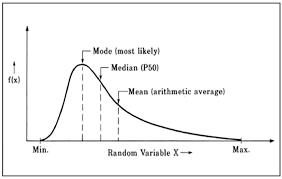
Measures of central tendency may be familiar to you from prior math classes you have taken. Consider the summary of these terms below:

  • The mean is the average of all numbers in a set of data.
  • The mode is the number in a dataset that most frequently occurs.
  • The median is the number that falls in the middle of the numbers in a given set when those numbers are placed in rank order.
  • The standard deviation tells how far the numbers in a given data set deviate from the mean of that set. In other words, it tells whether the numbers in the dataset are generally close together or far apart.

These measures are simple but extremely valuable for all social scientists, including criminal justice researchers. They are summary statistics, which provide useful information about the study sample and allow researchers to compare multiple data sets.

For this Application Assignment, use the following statistics:

The total population of the Battawba metropolitan area was 5,604,383 persons in 2011. For that year, the following burglary rates were reported in the localities within this metropolitan area:

Area Number of Burglaries Reported
City of Battawba 2,563
City of Wineburg 734
City of Lakeville 301
City of Drake 1,482
City of Valmer 231
City of Chase Abbey 857
City of Southmetro 644
City of Collington 1026
City of Williamson 644
City of New Batten 159

The assignment (23 pages):

  • Calculate the mean, median, mode, and standard deviation for the burglary statistics provided on the metropolitan area of Battawba.
  • Explain your interpretation of the measures of central tendency and standard deviation for burglary rates in the Battawba metropolitan area (i.e., what they can tell you about who is committing crime and where it is being committed).

Support your Application Assignment with specific references to all resources used in its preparation. You are to provide a reference list for all resources, including those in the Learning Resources for this course.

SAMPLE ANSWER

The mean of a distribution of values is obtained by adding all of the values and dividing the sum by the number (Nor n) of values. The mean score is the typical performance level of all the units sampled. The mean for the burglaries reported in Battawba metropolitan area is given as

= 864.1= 864 cases

This means that on average, 864 incidences of burglaries are reported with a standard deviation of 717 in the Battawba Metropolitan area with the city of Battawba, Wineburg, Drake,Chase Abbey, Southmetro, Collington Williamson experiencing the highest incidences.

The median represents the middle point of a distribution of data. It is the point at which exactly half of the observed values in the distribution are higher and half of the observed values are lower. The Median value for burglaries in Battawba metropolitan area is

MD=689 cases

This implies that 50% of Battawba metropolitan area has a lower than 689 cases of burglary report and 50% of Battawba metropolitan area has a higher than 689 cases of burglary report cases (Peavy, Dyal, Eddins, & Centers for Disease Control (U.S.), 1981).

The mode (Mo) is the simplest measure of central tendency and is easy to derive. The

Mode is observed rather than computed. The mode (Mo) of a distribution of values is the value

which occurs most often . The distribution of a given data can either be unimodal if it has only one mode or bimodal if it has two modes. Other distribution has more than two modes. For the case of burglaries in Battawba metropolitan area is, the mode is

Mode = 644 cases

This data has only one mode and its distribution can be said to be unimodal

This value implies that the number of burglary incidences that are frequently reported in Battawba metropolitan area is 644 cases and most of these are reported in the city of Southmetro and the city of Williamson. This cities are now our modal cities. These are the cities where most cases of burglary are frequently reported.

The standard deviation is given as Square root of variance (Grigg, & Transport and Road Research Laboratory, 1981)

Var (x) = 513689

Sd (x) = 716.721= 717

According to PL,Chebyshev (1821-1894), for any number k greater than 1, atleast (1-1/k2) of the measurements fall within standard deviation of the mean. That is within the interval (µ-ks, µ+ks)

Where µ is the mean of the sample or population and s is the variance of the sample data or population. For the case of burglaries in Battawba metropolitan area for k=1, that is one standard deviation, the interval is (147,1581). This indicates that about 100% of the burglary cases reported fall within one standard deviation, hence, there is less variations in the burglaries in the cities, except for the Battawba city which falls outside the interval. In conclusion, variation within the data is small. Most of the cases reported are concentrated around the mean

References

Peavy, J. V., Dyal, W. W., Eddins, D. L., & Centers for Disease Control (U.S.). (1981).Descriptive statistics: Measures of central tendency and dispersion. Atlanta, Ga: U.S. Dept. of Health and Human Services/Public Health Service, Centers for Disease Control.

Grigg, A. O., & Transport and Road Research Laboratory. (1981). Rating scales: Measures of central tendency and sample sizes. Crowthorne, Berkshire: Transport and Road Research Laboratory.

Bridges, J. (1961). Statistics for Selected Secondary-School Students. Education Digest, 27(3), 52-53.

We can write this or a similar paper for you! Simply fill the order form!

American Literature;“The Gift” and “Persimmons”

American Literature
American Literature

American Literature

American Literature;“The Gift” and “Persimmons” by LI-YOUNG LEE as a Representation of Postmodernism

Order Instructions:

Choose two modern poems and two postmodern poems from the syllabus, and discuss how each is a representation of modernism or postmodernism. Quote from the poems and Klages’s essay. Write two complete paragraphs. Each should start a topic sentence and develop the ideas with quotes and your own analysis

SAMPLE ANSWER

American Literature

“The Gift” and “Persimmons” by LI-YOUNG LEE as a Representation of Postmodernism

Kissing is a motif in the Whitman’s poetry and is one Lee’s influences from the Americans. It is a frequent gesture in most of his poems. Lee’s poem “The Gift” puts together two scenes: it is clear that a father removes a splinter of metal from the palm of his seven-year-old son; when the son grows up, he also removes a splinter from under the wife’s thumbnail. According to Klages’s, this is regarded as postmodernism because of the presence of the signifiers and the loss of the idea that the signifier was pointing to. The poem finally ends with the memory of the narrator as he spontaneously kisses his father.  This radiates tenderness in “The Gift” and has led critics to call Lee sentimental. (Perushek, 1995).

The poem “Persimmons” revolves around the image of persimmon within the imagination. It dramatizes a common situation in America of an immigrant child who struggles to be a part of the society that regards him as an alien and ridicules his mispronunciation of the English words. He was slapped by a teacher for not being in a position to differentiate ‘persimmon’ from ‘precision’. He was also made to stand at a corner as a means of acculturation. These school experiences are put together with the family scenes. For example, he lies in the yard with his wife, Donna while naked teaching her words of the Chinese tribe. From the Klages’s essay, this is regarded as “mini-narrative”. The story explains a local event thus a representation of postmodernism. The poem is further ending with a scene that is full of pathos and that affirms the art value. It deserves fame as a piece of anthology.

Works Cited

Perushek, D.E. “Book Reviews: Arts & Humanities.” Library Journal 120.5 (1995): 70.

We can write this or a similar paper for you! Simply fill the order form!

Criminal Justice Research Paper Assignment

Criminal Justice
Criminal Justice

Criminal Justice

Criminal Justice Research Paper Assignment

Order Instructions:

You must write 4–5 pages of content in current APA format on a criminal justice topic . Additionally, you must include a title page, abstract, and reference page and use at least 5 scholarly sources.

SAMPLE ANSWER

Abstract

Criminal justice is an offence committed against the state and its institutions. Both men and women are involved in criminal related activities in a variety of way. This paper attempts to look at how women are affected by the criminal justice system. The paper confirms that women are faced with different circumstances from men and this may affect their justice.

Introduction

According to Barberet (2014), criminal justice is the system that involves the government institutions, whose main aim is to deter and mitigate crime or even impose sanctions to those who break laws of the country and to correct them. It also entails upholding social control at all levels, and also imposes rehabilitation efforts when deemed necessary to do so. Despite criminals being both men and women, the number of men involved in criminal activities outnumbers the number of women involved in the same. Moreover, the conditions that surround the criminal activities in women to some extent vary between men and the women. The circumstances that surround women criminal activities are different from those of men despite both of them facing the same legal test.

Women and Criminal Justice

There has been a high increase in women crime in the world, leading to most of them being sentenced in court despite them committing crimes less serious as compared to those crimes done by men. There have been great sentences of women and this has been attributed by the perception of their needs rather than their deeds, with most of them having to be imprisoned with an aim of separating troubled and troublesome behavior. The many women who end up being imprisoned are free from substance abuse since they are restricted to access drugs for those who are used to their usage; hence, they are free from the risk of mental problems (Player, 2014). Women who present lower risks as offenders tend not to get support from the probation service and do not receive adequate attention from the law enforcement agencies.

Women have accomplished amazing feats globally and there is a need to ensure that they do not suffer disproportionately with regard to their gender for them to continue with their important role in the society. The numbers of women are very high as compared to the number of men in the world and yet they receive less recognition in criminal justice reform measures where they are highly mistreated. However, despite them being the primary caregiver of their children, they end up being victimized by physical, emotional and sexual abuse in their past lives which live to haunt them. The criminal justice continues to detain women even after undergoing such trauma in their lives instead of offering counseling to give them the rehabilitative treatment that can help them forget the pain they have been undergoing through (Malloch, Mclvor &Burgess, 2014). Some women even detained at extraordinary rates for the sake of primary nonviolent drug-related offenses which they never took part in the, hence when found guilty, they are punished. Criminal justice regarding women can be described in a variety of ways considering several facts. These facts include incarceration of women at very huge numbers whereby, the number of women behind bars and probation is very high. Bright, Kohi & Jonson-Reid (2014) argues that, there are women who are incarcerated in non-violent offenses and they end up being charged with drug-related crimes, which they have not even committed and this is regard to their color which makes them to undergo severe sufferings.

The other fact that is used to describe women criminal justice in the court is where many girls enter the juvenile justice system with a history that is full of physical, emotional and sexual abuse that always disturbs their mental functioning due to their horrible experiences. Many girls who are arrested end up being charged with the mistake of running away from the violent home situation where their parents rape and even mistreat them. This becomes a great challenge to them because, instead of being counseled on what happened, they are mostly subjected to dehumanization in prisons and a lot of humiliation; hence, they end up not getting the right mental health services (Malloch, Mclvor & Burgess, 2014). While serving time in the facility, girls are more likely to be sexually victimized as compared to boys whose sexual victimization is very low. They end viewing live to be meaningless to them due to what they have undergone in life and most of them after sexual victimization they don’t value men at all in life, hence they find it hard or even impossible to start up a family.

Another fact is that, once these women are released from prison, they face discrimination from the members of the society who tend to view them as unproductive or even poor to associate with.  To some extend they are excluded from enjoying government services or even receiving any assistance from the government, such as subsistence benefits to them and their children. They are also refusing employment opportunities that can help them earn a living and they have pathetic housing and can’t get access to basic needs like education. According to Sangoi & Goshnin (2014), statutory bans are even imposed on some industries such as child care, nursing and home health care where women of color and  poor status are in large numbers so that they can be made to  suffer by not getting these basic needs. In most countries crime rate has really declined and the rate of incarcerating drug offenses has been out of control with the women being the weaker sex and the most affected by the drug saga. As we think about the women’s role in today’s society, it is also good to focus on the large number of children who have been abandoned by their mothers in prison, where they suffer and lack the basic needs in life.

The other fact concerns shackling of pregnant prisoners during labor and delivery whereby the health of the newly born, and that of the mother is at very high risk since the environment is not friendly to them all (Player, 2014). The shackling of women prisoners in bed during their delivery times is unethical and unconstitutional, hence those found doing so should be judged in court and if found guilty they then face the consequences. These women are denied reproductive health services which entail testing them to know their HIV status with an aim of reducing risks to the unborn child and even to get access to quality prenatal care. These women also do not get access to blood screening to identify the presence of any sexually transmitted disease that can be treated with an immediate effect to prevent causing bad effects to the unborn such as blindness which is as a result of gonorrhea. They don’t get access to abortion services which may be necessary in case of an ectopic pregnancy with an aim of saving the mother’s life, which is always at danger in such a case like this.

Conclusion

Both men and women are involved in criminal related activities that subject them to the criminal justice system. However, the number of women involved in criminal activities is relatively lower than the number of men involved in criminal activities. Due to different circumstances, the legal criminal legal implications of women are somehow different as compared to those of men. Women are faced with very different circumstances that complicate their life and subjecting them to equal legal standards with men may deny them justice.

References

Barberet, R. (2014). Women, Crime and Criminal Justice: A Global Enquiry (Global Issues in Crime and Justice). Routledge; 1 edition

Bright, C., Kohi, P., & Jonson-Reid, M. (2014). Female in the Juvenile Justice System: Who Are They and How Do They Fare? Crime & Delinquency. Vol. 60 Issue 1, p106-125

Malloch, M., Mclvor, G. &Burgess, C. (2014). Holistic Community Punishment and Criminal Justice Interventions for Women. Howard Journal of Criminal Justice. Vol. 53 Issue 4, p395-410

Player, E. (2014). Women in the criminal justice system: The triumph of inertia. Criminology & Criminal Justice: An International Journal. Vol. 14 Issue 3, p276-297

Sangoi, L. & Goshnin, L. (2014).Women and Girls Experiences Before, Drugs, and After Incarceration: A Narrative of Gender-based Violence, and an Analysis of the Criminal Justice Laws and Policies that Perpetuate This Narrative.  UCLA Women’s Law Journal. Vol. 20 Issue 2, p137-168

We can write this or a similar paper for you! Simply fill the order form!

Great Depression 1930s Essay Paper Assignment

Great Depression 1930s

Great Depression 1930s

Order Instructions:

From your textbook answer the following questions. Don’t copy and paste/plagiarize or I must give a zero for the entire assignment, and don’t type out an answer you don’t understand. If you need help ask me. Remember that grammar/spelling count and I will take off as much as half credit for poor writing/proofreading.

PART 1:

1) Type what you learned about FDR’s story (perhaps upbringing, education, politics, marriage, polio, Warm Springs GA, differences with Hoover, March of Dimes)

2) Define KEYNESIAN ECONOMICS such that you understand it. (How did this approach to economics permit the New Deal to exist?)

3) Describe New Deal programs that are still with us, including the FDIC, SSA, TVA, and SEC.

4) Describe 5 New Deal programs (“alphabet agencies”) no longer with us (including WPA, PWA, CCC, and two others)

Part 2:

A) Crash Course US History: The Great Depression (14:24)

www.youtube.com/watch

1) Before the stock market crashed, Americans were buying lots of new consumer goods, but often HOW? (hint: “it was totally unsustainable”)

2) What were the two reasons food prices fell so much prior to the Depression?

3) John Green: “If I had to name a single cause for the Great Depression it might be…” What?

4) And so what “froze”?

5) What is “deflation”?

6) Hoover blamed WWI and reparations for global depression, right? But as depression spiraled around the world and the world needed global TRADE more than ever before, what did the US (and then Europe) do???

7) What was the point/goal of Hawley-Smoot? That is, why enact it?

8) What country finally abandoned the gold standard in 1931?

9) Did the US do so, and did it work?

10) What was Hoover’s “President’s Organization on Unemployment Relief”?

11) Who were the “Bonus Marchers”? (This goes by fast at the end)

B) Crash Course US History: The New Deal

www.youtube.com/watch

1) What does NRA stand for in the video and re: Great Depression?

2) What were the “three R'” categories of the New Deal and what were they supposed to do? (Hint, one was NOT Run-DMC, lol…but I sure loved them in the 80s.) 😉

3) In the second phase of the New Deal, what was the “Wagner Act”?

4) Who was quoted in the “mystery document” discussing “adequate wages”?

5) Why was it believed that raised wages would help pull the nation out of depression?

6) Rather than the New Deal, some economic historians believe what really ended the Great Depression once and for all? (Hint: “another massive government spending program”)

7) FDR saw liberty as “greater…for the average…”? (what and what?)

SAMPLE ANSWER

Great Depression/1930s

PART 1:

1) Type what you learned about FDR’s story (perhaps upbringing, education, politics, marriage, polio, Warm Springs GA, differences with Hoover, March of Dimes)

FDR argued that it was the responsibility of the government to promote the life of the citizens. FDR aimed to end depression and ensure that unemployment was resolved. He was the US president that was elected four times. He ruled during World War II and the Great Depression.

The leader was born in 1882 in New York and suffered from polio in 1921. His political journey begun when he was 28 years old  after being invited to run for the senate for New York State. He is known for his reform agenda through new deal. He died in 1945 from cerebral hemorrhage.

2) Define KEYNESIAN ECONOMICS such that you understand it. (How did this approach to economics permit the New Deal to exist?)
Keynesian economics is a situation where economic output is influenced by the total spending incurred in an economy in short run when the economy is experiencing recession.

The approach permitted the New Deal to exist as it aimed to stabilize the economy through the concept of demand and supply. More jobs were to be created to increase the spending hence helping to overcome the Great Depression.

3) Describe New Deal programs that are still with us, including the FDIC, SSA, TVA, and SEC. New deal made the expectations of the Americans on their government. It made government and institution experience daily American life
social Security Act (SSA) aimed to fight widespread poverty in older people. Income was given to retired wage earners. Currently the program receives funding from current wage earners and employers and still remains popular.

Tennessee Valley Authority (TVA) was created in 1933 to help develop the Tennessee Valley region economy hit greatly by the Great Depression. The federal-owned corporation is still operational today providing electricity in US.

Federal Deposit Insurance Company (FDIC) was formed in 1933 to address the bank failures experienced in 1920s and 1930s to ensure that depositors are protected.  The body nowadays helps in promoting public confidence in financial system of US.

Securities Exchange Commission (SEC) was formed in 1934 to act as market watchdog. It is part of the government and oversees brokerage firms as well as ensures that organizations such as New York Stock exchange are self-regulated. The body is key in regulating and impacting on the global economic crisis.

4) Describe 5 New Deal programs (“alphabet agencies”) no longer with us (including WPA, PWA, CCC, and two others)

One of the deals was Civilian Conservation Corps (CCC), created by Franklin Roosevelt in 1933 to combat unemployment. The deal helped to create employment for many Americans during the Great Depression. Many public works and structures were created across the nation, courtesy of this deal.

Second, was Civil Works Administration (CWA), created in 1933 to provide jobs for those unemployed. The focus was on high paying jobs in the construction industry. The deal increased federal government expenses as earlier planned.

The third was the Federal Housing Administration (FHA)   aimed at fighting housing crisis of the great depression. It aimed at regulating housing and mortgage conditions.

The fourth was Federal Security Agency (FSA) established in 1939 to address various important government entities. It, however, was abolished in 1953. The role it played included administration of federal education funding, social security, and food and drug safety.

The fifth was the Home Owners Loan Corporation (HOLC) created in 1933 to help in refinancing of homes.  Between 1933 and 1935, a million people had long-term loans through this agency to ensure that their homes are not closed/foreclosure.

Part 2:

A) Crash Course US History: The Great Depression (14:24)

https://www.youtube.com/watch?v=GCQfMWAikyU&list=PL8dPuuaLjXtMwmepBjTSG593eG7ObzO7s&index=36
www.youtube.com/watch

1) Before the stock market crashed, Americans were buying lots of new consumer goods, but often HOW? (hint: “it was totally unsustainable”)

Credit and installment buying

2) What were the two reasons food prices fell so much prior to the Depression?

Increase in amount of food  produced for  the soldiers.

Mechanization.

3) John Green: “If I had to name a single cause for the Great Depression it might be…” What?
Massive unemployment
4) And so what “froze”?
Credit
5) What is “deflation”?
Less money in circulation
6) Hoover blamed WWI and reparations for global depression, right? But as depression spiraled around the world and the world needed global TRADE more than ever before, what did the US (and then Europe) do???

Raising tariff
7) What was the point/goal of Hawley-Smoot? That is, why enact it?
Protect American industries
8) What country finally abandoned the gold standard in 1931?
Britain
9) Did the US do so, and did it work?
No, it did not work
10) What was Hoover’s “President’s Organization on Unemployment Relief”?
An organization to ensure no one should starve hence, encouraged private organization /charities for poor.

11) Who were the “Bonus Marchers”? (This goes by fast at the end)

Protests that saw people demand for bonuses

B) Crash Course US History: The New Deal

https://www.youtube.com/watch?v=6bMq9Ek6jnA&list=PL8dPuuaLjXtMwmepBjTSG593eG7ObzO7s&index=36

www.youtube.com/watch

1) What does NRA stand for in the video and re: Great Depression?
National Recovery Administration

2) What were the “three R'” categories of the New Deal and what were they supposed to do? (Hint, one was NOT Run-DMC, lol…but I sure loved them in the 80s.)
Relief programs- gave money to poor people

Recovery programs- recover the economy

Reform program- regulate economy in the future to prevent depression

To fix depression and prevent future depression

3) In the second phase of the New Deal, what was the “Wagner Act”?
Guaranteed workers the right to unionize. It created platforms for the workers to form unions
4) Who was quoted in the “mystery document” discussing “adequate wages”? Eleanor Roosevelt

5) Why was it believed that raised wages would help pull the nation out of depression?
Under consumption
6) Rather than the New Deal, some economic historians believe what really ended the Great Depression once and for all? (Hint: “another massive government spending program”)
World war two program-  massive government spending program
7) FDR saw liberty as “greater…for the average…”? (what and what?)

We can write this or a similar paper for you! Simply fill the order form!

Marketing in the 21st Century Essay Paper

Marketing in the 21st Century

Marketing in the 21st Century

Order Instructions:

It Is important for the writer to note that for this paper, he will have to respond to section A and then in section B he will combine the orders with references 111677, 111725,111768 and will also include section A at the end of the paper before the final conclusion and references list in APA 6th edition format. The writer must pay attention to details and properly arrange the paper base on the instructions giving below. The writer will also use the resources giving below to respond to SECTION A, the article mentioned to be read for section A is in the resources below.

SECTION A ( 1 page)

Marketing in the 21st Century

Once again, you will utilize articles listed in the Resources section to explore the different topics for your Research Paper. In this section, you will find a series of questions pertaining to each article. You do not have to answer the questions directly, but they are included to guide you in discovering the type of information that you need to complete the research paper.

For this week, read “Horizontal Innovation Networks: By and for Users” by von Hippel. After reading the article, consider the following questions:

• Is user-generated innovation good or bad for a company?

• If user innovation can happen independently of manufacturers, how can companies incorporate customers into their new product development process?

• How should companies manage their marketing mix variables in the era of personalized marketing in order to generate and sustain competitive advantage?
Using the information you have read, and any other outside resources that you have found, consider how these topics relate to the overall subject you are addressing in your paper. Remember to refer back to the main task of this paper, which is to describe how you believe the usage of the individual marketing mix variables is likely to change in the future and what companies must do to adapt their marketing approaches in order to achieve competitive advantage. In particular, focus on the following aspect:

– What must companies do to manage their 5Ps in order to harness maximum competitive advantage both globally and online?

SECTION B

Combine all of your information from the previous papers with the following references orders 111677(revise Copy), 111725, 111768 including section A. And organize it in a logical manner, with distinct sections and headings. Begin by briefly summarizing the conclusions you reached through your research, while setting your conclusions in the context of leading theory and practice in the marketing field. You should have a minimum of seven references to peer-reviewed scholarly journals in addition to the articles found in each of the papers for the past 3 weeks.

Also take note that you must arrange the paper starting by Begin by briefly summarizing the conclusions you reached through your research, while setting your conclusions in the context of leading theory and practice in the marketing field. Follow by the papers in the references in this order 111677, 111725, 111768 and then you will also include the SECTION A or this order before concluding the paper. All references must be included in APA 6th edition format.

Resources to use for SECTION A

Articles
• Kohn, K. (2005). Idea generation in new product development through business environmental scanning: The case for Xcar. Marketing Intelligence & Planning, 23(6/7), 688–704. doi:10.1108/02634500510630212

The author of this article introduces the concept of using business environmental scanning to generate new product ideas.
• Pecotich, A., & Ward, S. (2007). Global branding, country of origin and expertise: An experimental evaluation. International Marketing Review, 24(3), 271–296. doi:10.1108/02651330710755294

In this article, the authors investigate the issues faced by marketers in an international marketplace when they attempt to establish global branding, while also taking into consideration a rise in nationalism.

• Shang, R., Chen, Y., & Liao, H. (2006). The value of participation in virtual consumer communities on brand loyalty. Internet Research, 16(4), 398–418. doi:10.1108/10662240610690025

In this research, the authors study lurkers and posters in virtual consumer communities to determine if they could be used as a tool to understand brand loyalty.

• Sinisalo, J., Salo, J., Karjaluoto, H., & Leppaniemi, M. (2007). Mobile customer relationship management: Underlying issues and challenges. Business Process Management Journal, 13(6), 771–787. doi:10.1108/14637150710834541

In this article, the authors introduce a framework for companies to use in developing effective mobile customer relationship management.

von Hippel, E. (2007). Horizontal innovation networks: By and for users. Industrial & Corporate Change, 16(2), 293–315. doi:10.1093/icc/dtm005

In the new world of Web 2.0, there is an increase in the number of user innovation networks and the author of this article suggests conditions under which such networks can flourish.
• Anderson, J., & Billou, N. (2007). Serving the world’s poor: Innovation at the base of the economic pyramid. Journal of Business Strategy, 28(2), 14–21. Retrieved from Business Source Premier database.

The authors of this article discuss the challenges of reaching customers in developing nations who often have limited income. They then suggest possible approaches to effectively serve this market.

Nijssen, E., & Douglas, S. (2008). Consumer world-mindedness, social-mindedness, and store image. Journal of International Marketing, 16(3), 84–107. Retrieved from Business Source Premier database.

As communication technologies are more widely adopted, consumers are able to access information on products, as well as global, social, and ethical issues. The authors of this article develop measures of how this free-flow of information impacts consumers’ views of corporations and whether this type of information influences purchasing decisions

SAMPLE ANSWER

Marketing in the 21st Century

Introduction

In the 20th century, the marketing strategy was based on television, radios, magazines, and newsletters. The technological revolution has changed everything in marketing drastically. People are adopting the revolution where things are done smart but not hard with limited resources at a very short period. The introduction of the computer is perhaps the source of this the change. While the generation 20th century could only receive information when they listen to radios and TVs, the generation of 21st century sees the information whenever they are through the phones. In that manner, the there is a move from traditional ways of advertisements to online ways of marketing. This project champions the move from analogue to digital marketing and what the companies need to do to become relevant in the future competitive market.

Online retailing

Online retailing has emerged as an important retail force as consumers are purchasing online. It is now up to the conventional offline retailers to respond. In order to establish a clear difference from retailers that have offline stores, online retailers should lower their prices below the prices that offline stores ask for the same products (Chinta, 2006). This will allow price conscious consumers to take full advantage of the cost savings which could at times be considerable. Online retailers need to offer a wide variety of selection – seemingly endless selection – that offline retailers may not be able to provide. Online retailers should ensure the convenience of online shopping by enabling buyers to make a purchase of any item in seconds from the comfort of their homes (Francis, 2007).

Online retailers should also allow shoppers to compare the features and prices of their products instantaneously. Online information capture is generally more frequent and detailed. Click stream data gives complete information on how a customer shops, whilst virtual shopping carts serve as loyalty cards that capture the purchase habits of shoppers (Strzelec, 2011). Therefore, online retailers can actually increase their sales simply by targeting repeat purchases basing on individualized content of each consumer. More importantly, online retailers can extract behavior data of consumers to turn abandoned shopping baskets and/or switching decisions into operational indicators of how to stock products and serve shoppers (Chinta, 2006).

For retailers with physical stores that intend to also establish themselves online, their strategies should be to provide new services such as buy-online pick-up-in-store, in order to keep pace with preference of the shoppers. Francis (2007) pointed out that having a physical offline store wherein shoppers can engage with a product before ordering the product actually boosts demand as well as revenue. The online store would encourage consumers to align themselves with the channel that serves them better – be it online or offline – therefore optimizing the experience of the customer and reducing costs for the business (Gregory, Karävdic & Zou, 2007). Offline stores/retailers can take their brand to the web and realize immediate recognition and trust. It is of note that this value is actually true for the existing shoppers as well as aware shoppers who look for the benefits of the personalized, intimate experience and the more informative buy (Wong, 2008).

Retailers with physical stores should seamlessly integrate their channel offerings simply by introducing online shopping perks to the offline, in-store consumers. For instance by (i) allowing the shoppers to pick up online orders from the company’s physical, brick-and-mortar location; (ii) Providing free Wi-Fi. (iii) By offering in-store access to the company’s online catalog; (iv) developing an app that allows the buyers to scan product bar codes and read online reviews, and (v) accepting mobile payments through the in-store point of sale system (POS) of the company (Griffiths & Howard, 2008). In essence, companies that can seamlessly integrate offline and online offerings would be the most successful.

Globalization is essentially a trend that is typified by denationalization. Globalization has influenced marketing trends in that increasingly more companies are engaging in business-to-customer and business-to-business e-commerce that necessitates the use of online marketing strategies to attract buyers and improve sales (Nelson, Cohen & Rasmussen, 2007). Basically, the multinational firms that make use of e-commerce more intensively, engage in a wide range of e-commerce activities compared with companies that are less global.

Personal Marketing

When the term marketing is used the first thing that comes to the minds of many is advertisements or other related promotional activities conducted by the manufacturer and distributers of a product with the aim of reaching as wide an audience as possible. In light of this widely accepted view of marketing, the concept of personalizing the process seems at best alien and completely out of place. Personal Marketing however does just that. Marketing has gradually been moving from a product or price orientation to a more customer- centered process. Personal Marketing is the preparation of a product’s design, packaging and promotional activities in a manner that is targeted at an individual consumer rather than the masses. This can therefore be said to be the highest form of customer-centric marketing. This is because the marketing efforts are geared towards enticing a specific prospective or current consumer to purchase a specific process. This is different from market segmentation or the creation of a niche market. With personal marketing the target is the individual and not a group of individuals with similar characteristics of importance to the marketer (Vesanen, 2007).

Personal view of Personalization

According to me, personal marketing is a company’s way of reaching out to an individual client whose purchase or purchases will bring about considerable benefits to the organization. For such companies the power of customers is very high in the Porter’s Five Forces analysis. The transactional behavior of individual customers has a direct impact on the turnover of the business entity. It is a marketing strategy that needs to be prudently carried out by individuals who have the perfect mix of product knowledge, creativity and persuasiveness so as to ensure the objective of this promotional activity is realized. If this mix is achieved proactively, personal marketing is sure to succeed where conventional marketing has failed to yield fruit. It is important to note that the individual in this context is not necessarily an individual. It may also be a corporate client whose purchases are carried out between the entity of the company and the customer as two parties.

Impact of Personal Marketing to Companies

Personal Marketing is bound to benefit companies since it helps to bolster the relationship that they have with their customers. On the part of the customers satisfaction will increase and this improves their perceived value of the product thus leading to more purchases. This then translates to higher turnovers and increased profits for the companies engaging in personal selling. The fact that communication between sales persons and the customers is two sided means that there is a provision for immediate feedback which is quite important to the product developers and sales department.

The development of personal marketing

The first step that firms need to do in developing personal marketing strategies is to understand the needs and value systems exhibited by specific customers. Since the marketing is being formulated to suit a specific customer, it is important to ensure that the product in question meets all of these needs. These include issues like the quantity, quality standard, timing, pricing, payment schedule, usability of the product, frequency of deliveries and any other special aspects of the products that will be relevant to the customer being targeted (Balabanis and Diamantopoulos, 2008).

Pricing in Personal Marketing

When it comes to the pricing of products in personal marketing, it is necessary to employ dynamic pricing over fixed pricing. This is because the customer is treated as an individual and the price plays a large part in this process (Garbarino and Lee, 2003). A customer may be willing to make bulk purchases so long as the price is within their budget. Other customers will also determine value by basing it on the price of the product whereby higher prices suggest greater value. This is particularly important when goods or services of ostentation are involved. At times the goods being marketed are not necessarily luxurious but highly specific such as military hardware for a specific government’s army. In such a scenario the price set will depend on the economies of scale that will be realized by the customer’s orders as well as the budget (Calantone and Di Benedetto, 2007).

Degree of price discrimination applicable

The most appropriate approach to price discrimination is the third degree of price discrimination (Avlonitis and Indounas, 2007). This price discrimination method is favorable for personal marketing since the basis for the setting of the price is based on the customer’s preferences, geographical location and other subjective factors that can only chance from entity to entity. As stated above, personal marketing is meant to tailor the promotional effort in such a manner that elicits a positive reaction on the part of an individual customer rather than an entire group of potential customers. Third degree price discrimination will be the result of the back and forth communication between the sales department and the specific customer. The price will be set in such a manner that it strikes a compromise between the profitability goals of the business and the ability and capacity of the customer in question.

Mass Marketing Versus Personalized Marketing

The articles “The Continuing Power Of Mass Advertising” by Paul Nunes and Jeffrey Merrihue(2007) and “Word Of Mouth” by Cater Reigner (2007) provides a comparative analysis of personal  and mass marketing through online and traditional channel. Although the researches of the authors were independent, their researches focus gives a sufficient outlook of the current literature which evaluates the effectiveness of traditional and new marketing strategies that currently dominate the markets.

One of the common questions asked in the consumer environment is the trend of the mass advertising. Is mass advertising dead in the era of personalized marketing?  The reports of both authors tend to move to one line of thought when assessing the prevalence of mass marketing and the personalized one. Both authors acknowledge the movement and the prevalence of personalized marketing. The use of technology has facilitated the use of personalized market to a high degree in very short period.  Havlena, Cardarelli and Montigny (2007) note that the use of social media, emails, and phone have allowed individuals to interact with consumers one-on-one. A study carried by Nunes and Merrihue (2007) reveals that the Y generations are the most buyers in the market and are the ones that are “digital” minded. It means that the focus of marketing shifts to them. Keller (2007) posits that the Y generation argues that use of web-based marketing is easy and fast as you can talk to the sellers unlike mass advertisement on TVs and newspapers.

On the other hand, Nunes and Merrihuel argue that it still early for the mass marketing to die. The authors say that it will take considerable years for the mass marketing to disappear. In their research, they revealed that the new venues have not interrupted the traditional venues for getting the advertisements. The study revealed that common venues of advertisement are still 97%; this includes television, radio, print, and billboards. Hence, the fact those traditional venues still dominate the market assures the continuity of mass marketing.  Additionally, Nunes and Merrihuel argue that a small percentage of markers are ready to purchase the tools for web based marketing which seem to be expensive and are among the strategies the companies can use to shift from traditional to personalized marketing. They have to create web page for the products, programmed machines that responds to individual requirements, and addition of staff to respond to each individual. Moore and Pareek (2009) add that most of the consumers are not acquainted with some of the technologies hence they have to be taught through campaigns.

Both authors agreed that the web based marketing has got high prevalence as a marketing strategy. The major reason for the high prevalence is the interpersonal communication between the consumers and the marketers. One-on-one communication assures the customers on the need and benefit of the products (Keller, 2007). It gives the marketer an opportunity to use his/ her skills to convince the buyers on the importance and the advantages of the products. Ryan and Jones (2009) describe interpersonal communication as a tool that assures the customers of the products. According to Keller (2007) products will not sell unless the customers have the information about them. Therefore, the customers only decide after getting the information through promotion that intensifies when there is interpersonal communication. As such, it is the customers that have the powers to lift the company after getting the knowledge about the products.

Managing market mix

As the world goes digital, the companies need to employ the same pace as the technological revolution. As said by Kohn (2005), to compete in this competitive world, all the 5Ps (product, price, promotion, place, and people) are very important for the company to remain relevant in a particular industry. As such, they have to be tactical to overcome their rivals or competitors.  Hippel (2007) says that one of the most important factors in 5P is the promotion. He defines it as another form of advertisement that allows consumers to know more about the product.

As discussed before, the online way of advertisement remains very vital in passing information that all companies should adopt especially in future where the world will have Y and Z generation alone. These generations are digitally minded hence they should be focused on since they are the future buyers. Through online advertisement, marketers will have the opportunity to communicate to the consumers. Through communication, price and place where an item is needed will be identified. Additionally, through communication, marketers will get the feedback from the customers about their products; as such, the 5Ps shall be managed. Pecotich and Ward (2007) posit that the future companies will only maintain the market mix through marketing and advertisement where the customers can have enough information of the company and its products (Sinisalo et.al., 2007). Therefore, right approach for every organization will depend on the marketing strategy of the product, strength of their brand, and the extraneous market that the marketing is aiming. According to Hippel (2007), the product will only sell after the information is on the market. In that manner, to manage the market mix, product value whose information is in the market becomes a necessity.

References

Avlonitis, G., & Indounas, K. (2007). An empirical examination of the pricing policies and their antecedents in the services sector. European Journal of Marketing, 41(7/8), 740–764

Balabanis, G., & Diamantopoulos, A. (2008). Brand origin identification by consumers: A classification perspective. Journal of International Marketing, 16(1), 39–71.

Calantone, R., & Di Benedetto, C. (2007). Clustering product launches by price and launch strategy. Journal of Business & Industrial Marketing, 22(1), 4–19.
Garbarino, E., & Lee, O. (2003). Dynamic pricing in Internet retail: Effects on consumer trust. Psychology & Marketing, 20(6), 495–513

Chinta, R. (2006). Retail marketing trends in USA and their effects on consumers and the global workforce. Business Renaissance Quarterly, 1(2), 65–80. Retrieved from ProQuest Central database

Francis, J. (2007). Internet retailing quality: One size does not fit all. Managing Service Quality, 17(3), 341–355.

Gregory, G., Karävdic, M., & Zou, S. (2007). The effects of e-commerce drivers on export marketing strategy. Journal of International Marketing, 15(2), 30–57

Griffiths, G., & Howard, A. (2008). Balancing clicks and bricks – strategies for multichannel retailers. Journal of Global Business Issues, 2(1), 69–76. Retrieved from ProQuest Central database

Havlena, W., Cardarelli, R., & Montigny, M. (2007). Quantifying the isolated and synergistic effects of exposure frequency for TV, print and Internet advertising. Journal of Advertising Research, 47(3), 215–221.

Hippel, E. (2007). Horizontal innovation networks: By and for users. Industrial & Corporate Change, 16(2), 293–315.

Keller, E. (2007). Unleashing the power of word of mouth: Creating brand advocacy to drive growth. Journal of Advertising Research, 47(4), 448–452.

Kohn, K. (2005). Idea generation in new product development through business environmental scanning: The case for Xcar. Marketing Intelligence & Planning, 23(6/7), 688–704.

Moore, K., & Pareek, N. (2009). Marketing : The Basics. London: Routledge

Nelson, R., Cohen, R., & Rasmussen, F. (2007). An analysis of pricing strategy and price dispersion on the Internet. Eastern Economic Journal, 33(1), 95–110.

Nunes, P., & Merrihue, J. (2007). The continuing power of mass advertising. MIT Sloan Management Review, 48(2), 63–71

Pecotich, A., & Ward, S. (2007). Global branding, country of origin and expertise: An experimental evaluation. International Marketing Review, 24(3), 271–296..

Riegner, C. (2007). Word of mouth on the Web: The impact of Web 2.0 on consumer purchase decisions. Journal of Advertising Research, 47(4), 436–447.

Ryan, D., & Jones, C. (2009). Understanding Digital Marketing : Marketing Strategies for Engaging the Digital Generation. London: Kogan Page

Sinisalo, J., Salo, J., Karjaluoto, H., & Leppaniemi, M. (2007). Mobile customer relationship management: Underlying issues and challenges. Business Process Management Journal, 13(6), 771–787. Von

Strzelec, P. C. (2011). Online vs. Offline Shopping: Retailers Must Respond. Dallas, TX: CRC Press.

Vesanen, J. (2007). What is personalization? A conceptual framework. European Journal of Marketing, 41(5/6), 409–418.

Wong, E. (2008). Nielsen: Private label deemed equal to name brands. [Electronic version]. Brandweek,November 17. Retrieved from http://www.adweek.com/news/advertising-branding/nielsen-private-label-deemed-equal-name-brands-104824

We can write this or a similar paper for you! Simply fill the order form!

Clinical Criteria for Determining Danger to Self

Clinical Criteria for Determining Danger to Self

Clinical Criteria for Determining Danger to Self

Order Instructions:

It is critical that the writer use case laws hear to supports his respond as that is one of the recommendations for this paper.

Clinical Criteria for Determining Danger to Self.

A 45-year-old wife of one of the staff physicians was admitted to the emergency room. She is intoxicated and loud. Her husband wants her admitted to the psychiatric unit. He has asked to have two other physicians that are his friends to sign the paper work to admit her. In New York State where the hospital is located two physicians can admit a patient against their will if they are a danger to themselves or others. You happen to be a neighbor and know that the couple is going through a divorce and the husband wants custody of the two children. You also know he is dating a nurse on another unit.
Differentiate between the ethical and legal implications of her admission. What actions will you take? Support your decisions with legal reasoning and case law.

Resources

Textbook Reading:

Essentials of Nursing Law and Ethics

Chapters
• Chapter 20: “Abusive Situations”
• Chapter 21: “Reproductive Services”
• Chapter 22: “Restraints”
• Chapter 23: “Emergency Psychiatric Admissions”
• Chapter 24: “Organ and Tissue Donation and Transplantation”
• Chapter 25: “Discharge Against Medical Advice”

SAMPLE ANSWER

Clinical Criteria for Determining Danger to Self

A divorce is defined as a court’s ruling to end a marital contractual agreement between marriage partners which exempts them from performing their marital obligations. In the United States, divorces are categorized in two forms: absolute divorce, which is also referred to as divorce a vinculo matrimonii, while the other is a limited divorce also known as divorce a menso et thoro (Kjervik & Brous, 2010). These forms of divorces are determined by various circumstances, for example, absolute divorce occurs when there is evidence showing misconduct or wrongdoing of either marriage partners. In this case, the facts show that the wife of the physician had taken some toxic substances harmful to her personal health and in addition, she was loud. Westrick and Dempski, (2008) argues that stressful situations such as divorces could make people depressed or suicidal. The woman in question must have developed depression and this is an equivalent of a psychiatric case. This means that the patient is dangerous and is at risk of harming herself as a result, she could have posed a serious danger to the other patients in the emergency room. Based on this argument, it becomes legal for the staff physician to convince two other physicians to sign the medical papers. The action is justifiable and of utmost good faith, hence ethical and legal ‘per se’.

Patients suffering from depression after a painful divorce are bound to abuse drugs in a suicidal attempt thus making them violent and at times loud but this again does not justify the reason for taking the patient to a psychiatric unit (Johnston & Roseby, 2007). Apparently, the husband to the patient wants to use the documents as prove that the wife has mental retardations so that he gains a leverage during the court proceeding. This will definitely be in his favor as he will be given the custody of their two children on the ground of the other party being mentally unfit. Such a case is reported in Laznosky v Lasnosky, where the Maryland Court of Appeal ruled in favor of the husband since the wife had been declared mentally unfit to retain the custody of their children (Kjervik & Brous, 2010). Even though the intentions of the husband might be malicious and heavily inclined towards his position as a staff physician, the wife can still put up a strong case protesting against her medical condition and she can still be considered to take custody of their two children. But again, assuming that the actions of the husband were in good faith, then it is legal, moral and ethical to take precautions when handling a patient who is intoxicated and loud.

Ackerman, (2006) elaborates that the directives for handling such patients require medical practitioner to take a clinical assessment of the patient after which the physicians can sign a form stating which unit to put the patient, either in accordance or as opposed to their will. Such an action is completely legal. On the other hand, it is unethical to infringe the rights of the patient as they have the privilege of deciding what is suitable for them. In fact the law states that it is unlawful to forcefully admit or detain a patient. The same case scenarios apply to contracts formed without the consent of the contractual parties. According to the rule of law, mental illness is not proof enough to be denied custody of the children during divorce because the children too have the legal obligation and a right to select a custodian parent (Schoenly & Knox, 2012). As a good neighbor, I second the physicians’ decision to take his wife to a hospital facility to get medical attention. However, the decision to confine her in the psychiatric unit is malicious. Based on this arguments balancing between ethics and legality of the admission process, I would advise that the patient be taken to an emergency unit so that the husband does not get a chance to use the medical documents to his advantage in the court proceedings.

References

Ackerman, M. (2006). Clinician’s Guide to Child Custody Evaluations. New York: John Wiley & Sons.

Johnston, J.R., & Roseby, V. (2007). In the name of the child. A developmental approach to understanding and helping children of conflict and violent divorce. New York: Free Press.

Kjervik, D. & Brous, A. (2010). Law and Ethics in Advanced Practice Nursing. London: Springer Publishing Company.

Schoenly, L. & Knox, C. (2012). Essentials of Correctional Nursing. Springer Series. London: Springer Publishing Company.

Westrick, S. & Dempski, K. (2008). Essentials of Nursing Law and Ethics. New York: Jones & Bartlett Learning.

We can write this or a similar paper for you! Simply fill the order form!