

Health Care Financial Reform Proposal Assignment

Health Care Financial Reform Proposal
      Health Care Financial Reform Proposal 

Health Care Financial Reform Proposal Assignment

Order Instructions:

Due Date: Oct 30, 2016 23:59:59 Max Points: 105
Details:
Write a paper (1,000-2,000 words) on what you think should be included in a future reform of the health care system, focusing on financial operating changes that would improve efficiency and provide for improved transparency to the public. Include three to five research/references to support your position.

Prepare this assignment according to the guidelines found in the GCU Style Guide, located in the Student Success Center.

This assignment uses a rubric. Please review the rubric prior to beginning the assignment to become familiar with the expectations for successful completion.

You are required to submit this assignment to Turnitin. Please refer to the directions in the Student Success Center.

1
Unsatisfactory
0.00%

2
Less Than Satisfactory
65.00%

3
Satisfactory
75.00%

4
Good
85.00%

5
Excellent
100.00%

80.0 %Content

60.0 % Essay on Future Health Care Reform Issue Focusing on Financial Operating Changes That Would Improve Efficiency and Provide for Transparency (Include reference material to support your position.)

Does not demonstrate an understanding of the business concepts involved in the issue, including the implications. Does not address a health care reform issue as specified in the assignment. Does not demonstrate critical thinking and analysis of the situation, and does not develop effective answers to the questions, with rationale.

Demonstrates only minimal understanding of the business concepts involved in the issue. Only minimally addresses a health care reform issue as specified in the assignment. Demonstrates only minimal abilities for critical thinking and analysis of the case study, and develops weak answers to the questions, with minimal rationale.

Demonstrates knowledge of the business concepts involved in the issue, but has some slight misunderstanding of the implications. Satisfactorily addresses a health care reform issue from a financial focus as specified in the assignment. Provides a basic idea of critical thinking and analysis for the questions, answers, and rationale. Does not include examples or descriptions.

Demonstrates acceptable knowledge of the business concepts involved in the issue. Satisfactorily develops a health care reform issue from a financial focus as specified in the assignment. Develops an acceptable response and rationale for it. Utilizes some examples.

Demonstrates thorough knowledge of the business concepts involved in the issue, and their implications. Thoroughly develops a health care reform issue from a financial focus as specified in the assignment. Clearly answers the questions and develops a very strong rationale. Introduces appropriate examples.

20.0 % Integrates Information From Outside Resources into the Body of Paper

Does not use references, examples, or explanations.

Provides some supporting examples, but minimal explanations and no published references.

Supports main points with examples and explanations.

Supports main points with explanations and examples. Application and description is direct, competent, and appropriate of the criteria.

Supports main points with references, examples, and full explanations of how they apply.

17.0 %Organization and Effectiveness

6.0 % Thesis Development and Purpose

Paper lacks any discernible overall purpose or organizing claim.

Thesis and/or main claim are insufficiently developed and/or vague; purpose is not clear.

Thesis and/or main claim are apparent and appropriate to purpose.

Thesis and/or main claim are clear and forecast the development of the paper. It is descriptive and reflective of the arguments and appropriate to the purpose.

Thesis and/or main claim are comprehensive; contained within the thesis is the essence of the paper. Thesis statement makes the purpose of the paper clear.

6.0 % Paragraph Development and Transitions

Paragraphs and transitions consistently lack unity and coherence. No apparent connections between paragraphs are established. Transitions are inappropriate to purpose and scope. Organization is disjointed.

Some paragraphs and transitions may lack logical progression of ideas, unity, coherence, and/or cohesiveness. Some degree of organization is evident.

Paragraphs are generally competent, but ideas may show some inconsistency in organization and/or in their relationships to each other.

A logical progression of ideas between paragraphs is apparent. Paragraphs exhibit a unity, coherence, and cohesiveness. Topic sentences and concluding remarks are appropriate to purpose.

There is a sophisticated construction of paragraphs and transitions. Ideas progress and relate to each other. Paragraph and transition construction guide the reader. Paragraph structure is seamless.

5.0 % Mechanics of Writing (Includes spelling, punctuation, grammar, language use.)

Surface errors are pervasive enough that they impede communication of meaning. Inappropriate word choice and/or sentence construction are used.

Frequent and repetitive mechanical errors distract the reader. Inconsistencies in language choice (register), sentence structure, and/or word choice are present.

Some mechanical errors or typos are present, but are not overly distracting to the reader. Correct sentence structure and audience-appropriate language are used.

Prose is largely free of mechanical errors, although a few may be present. A variety of sentence structures and effective figures of speech are used.

Writer is clearly in command of standard, written, academic English.

3.0 %Format

3.0 % Paper Format (1- inch margins; 12-point-font; double-spaced; Times New Roman, Arial, or Courier)

GCU template is not used appropriately or documentation format is rarely followed correctly.

GCU template is used, but some elements are missing or mistaken; lack of control with formatting is apparent.

GCU template is used, and formatting is correct, although some minor errors may be present.

GCU template is fully used; There are virtually no errors in formatting style.

All format elements are correct.

100 % Total Weightage

SAMPLE ANSWER

Health Care Financial Reform Proposal

Introduction

Financial issues and reforms are the most sophisticated subject in health care based on cost, flexibility, vulnerability, spur innovation and deteriorating federal budget. The financial health care reform ought to reduce projected fiscal deficits, ensure comprehensive insurance coverage at affordable and flexible cost. The analysis presented in this paper provides a set of policies and strategies that focus specifically on how health care financial reforms can be remodeled or modernized to deliver more quality services at affordable, flexible and inclusive coverage Niessen & Rutten, 2000). Alongside strategies and policy proposal, health care reforms budgetary neutrality options are provided to guarantee health care reform implementation. For a comprehensive and incremental reform, focusing on individual-market reform, tax credits and subsidies reform, universal vouchers and Medicare reforms proposal consideration would the main themes analyzed (Halfon & Rodgers, 2014).

Although financial health care reforms are being considered as a work in progress, clear health care reform outline is necessary is necessary to make the current health insurance more flexible and affordable. Financial health care reforms can be attained by combined reduction of current public program expenditures such as Medicare and new revenues. Dissatisfied with the current health care system, financing health care reforms can be obtained from traditional savings especially be reducing the excessive relative cost on public program expenditures. Traditional saving for health care financing reforms in public programs aims at reducing the cost paid to health care providers such as clinician during health care delivery (Cissé & Moatti, 2007). Traditional saving enables effective allocation of resources for productivity improvement and competitive bidding thereby reducing unnecessary health care expenditures. Similarly, obtaining additional revenues outside and within health care reforms can assist in financing health care reforms where additional funds are extracted from income-based organizations such as alcohol and tobacco. Modernizing the healthcare delivery system through Medicare reform, individual market reform and tax credits and subsidies promote effective health care reforms based on payment savings. Health care modernization allows long-term cost saving, improved quality of health care and shared savings based on administrative and operational efficiencies (Cissé & Moatti, 2007).

Health system transformation based on improved infrastructure such as comparative effective research and health information technology assist in the reduction of administrative and operation spending to support health care systems. The health information technology has to ensure payment reforms especially based on quality care and accountability. Besides, comparative effective research federal funding has to ensure dissemination and measure of health care information meet affordable and quality services (Cissé & Moatti, 2007). In this regard, empowering health care consumers and health professionals to implement appropriate healthcare decisions that repeal the current health care system filled with budget gimmicks, special interests handouts as well as increased tax. From the health care consumer’s perspective, financial health care reform involves provision of price and quality health care reform information that create cost-sharing adjustments to promote utilization of affordable and valuable health care services. Similarly, professional health empowerment can be achieved through loosening restrictions based on their scope of practice to promote full range utilization of skills and efficiency (Cissé & Moatti, 2007).

Comparatively, transforming the payment systems to reward health care values over the volume. Thus, the public will be provided with more heath choices at greater flexibility and affordable costs. Consequently, modernizing the financial health systems would change the nation health system from being too expensive and bureaucratic to provision more quality health options.  Medicare reform through payment innovations would create more opportunities such as quality improvement and cost saving leading to raising more shares savings in the health sector (Niessen & Rutten, 2000). According to the health reforms experts, payment innovations achieved through the transformation of the payment system of health care based on rewards and values encourage coordination and collaboration among the health professionals resulting in regular public reporting, transparency, and accountability within the health care systems. Besides, the innovative arrangement enables organizational reforms where there is widely acceptance and adoption of a health Care financial reform proposal (Niessen & Rutten, 2000).

Protecting and preserving Medicare enable the majority of individuals living with disabilities to access affordable health care sustainably. Therefore, granting greater choices of health care for the future generation. Medicare services demand expansion at higher rates drag the health care security at significant risks as the future health care cost would more inflexible and unaffordable. Legislative implementation of Medicare Decision Accountability Act will ensure preservation and protection of the Medicare programs at minimum tax rates (Halfon & Rodgers, 2014). Besides, it’s necessary to repeal the Independent Payment Advisory Board (IPAB) decisions to cut down health care budget leading to political threats for the future generations. Alternatively, simplifying the traditional health care policies (Medicare Program) reduces administrative cost as well as promotes coordination of attention. Reducing the traditional health care complexities by combining the health care programs parts into a single deductible as well as uniform coinsurance enable preservation and protection of healthcare programs (Cissé & Moatti, 2007).

Retargeting health care credits and subsidies to individuals who need it most especially the poor generations’ increases health insurance coverage for the entire population. Consequently, the government must address the impacts of the current health care policies on the younger generations who save for their retirement benefits while raising their families based on their tax subsidies and spending Niessen & Rutten, 2000). For this reason, resetting health care(Medicare Program) eligibility age takes into account of demographic, social and economic consideration where the average life expectancy for the entire population changes with time. Resetting the health care programs based on eligibility age has to be accompanied by integration of competitive and traditional health care programs into a single workable program. Thus, health care financial reforms should be accompanied by an expansion of economic systems based on intensive innovation and competition for health care plans. Besides, regional competitive bidding would allow government contributions to roll or rebate funds to a health saving account thereby allowing risk-adjustment mechanisms (Niessen & Rutten, 2000; Niessen & Rutten, 2000).

Conclusion

The health care financial reform Proposal described above served as a turning point in transforming the current health care system into affordable, flexible and innovate health care reform. Therefore, adopting and implementing the proposed strategies and policies would be able to reduce government regulations and bureaucracy into competing for health plan with new benefits and opportunities. Besides, the proposed policies would stimulate progressive improvement and innovation achieved through administrative and operational payment manipulations. Lastly, the proposal would significantly eliminate special interest groups and micromanagement that would likely to hinder the health care financial reform strategies and policies.

References

Cissé, B., Luchini, S., & Moatti, J. P. (2007). Progressivity and horizontal equity in health care finance and delivery: What about Africa?. Health policy, 80(1), 51-68.

Halfon, N., Long, P., Chang, D. I., Hester, J., Inkelas, M., & Rodgers, A. (2014). Applying a 3.0 transformation framework to guide large-scale health system reform. Health Affairs, 33(11), 2003-2011.

Niessen, L. W., Grijseels, E. W., & Rutten, F. F. (2000). The evidence-based approach in health policy and health care delivery. Social science & medicine, 51(6), 859-869.

We can write this or a similar paper for you! Simply fill the order form!
Myocardial Infarction and a History of a Heart Attack

Myocardial Infarction and a History of a Heart Attack Order Instructions: instructions and case scenario will be attached…..
an example will also be provided to help with writing the case study…

Myocardial Infarction and a History of a Heart Attack Sample Answer

Case study

Introduction

The case Describes Mr. Alphonse who has Myocardial infarction and a history of a heart attack. An ethical issue that comes out from the case is that the patient has offered a directive that he should not be resuscitated in the event he suffers a heart attack.

Myocardial Infarction and a History of a Heart Attack

However, his close relatives have directed the staff to take notice of the advanced health directive. The health care providers have to make a decision on whether to follow the do not resuscitate order or to go by the relative’s decision to ignore the Advanced Health Directive. He is married and lives with his family and attends the church together. The legal issue in Mr. Alphonse case is the application of an Advanced Health Directive.

Facts

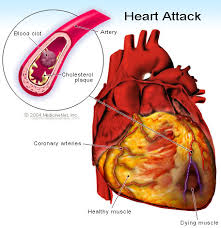
Myocardial infarction refers to the permanent damage of myocardial cells of the heart. It results from altered perfusion in a coronary artery due to occlusion by a clot (Berman et al., 2014). Coronary occlusion leads to reduced oxygen supply to the heart muscles. When a cell is deprived oxygen, ischemia results in injury and later death of cells. The condition manifests by chest pain which is not relieved by medication, shortness of breath, bradycardia, tachypnea and cold clammy skin (Berman et al., 2014). Diagnosis of the condition is made based on resenting symptoms, electrocardiography and laboratory tests. The patient describes the pain as a presenting symptom and a history of previous illness, a positive family history of a cardiac condition serves as a patient risk factor for the condition. An abnormal ECG and elevated cardiac enzymes confirm the diagnosis (Berman et al., 2014).

Myocardial infarction is managed pharmacologically using analgesics such as morphine, angiotensin converting enzymes, thrombolytic and nitrates. Myocardial infarction prognosis varies widely between individuals, presence or absence of risk factors present before the MI (Berman et al., 2014). Prognosis of Mr. Allophones was poor since he had survived the first attack therefore, he faced a substantial risk of further cardiovascular events such as stroke, angina, arrhythmias, heart failure recurrent and finally death.

Alternative management would have been emergent percutaneous coronary intervention. The intervention aims at promoting reperfusion of the area that had been deprived of oxygen (Berman et al., 2014). This form of management gets rid of underlying atherosclerosis lesion. Moreover, cardiac rehabilitation would have been done after the disappearance of the MI symptoms to target reduction of risk through education, individual and group support and physical activity (Berman et al., 2014). Social influence on the outcome of the condition includes; the family is responsible for participating in healthy living, encouraging the patients in attending cardiac rehabilitation programs and together with the patients they can help in developing plans to meet their specific needs.

Myocardial Infarction and a History of a Heart Attack and Ethical principles

Autonomy

This principle states that the client has the right to choose the course of treatment and act on that choice without interference from others. In this case, the patient is very much aware of his condition and has ordered that the other time he gets a cardiac arrest, he should not be resuscitated.

Myocardial Infarction and a History of a Heart Attack Beneficence

This principle stipulates that health care providers should promote actions that are beneficial to the patient without harm. Health care providers a have a responsibility of ensuring the wellbeing of the patient and get rid of anything that possesses danger on the health of the patient.   According to this principle, the patient is well much aware of his condition and has made a decision about his will not to live by making an advanced health directive. This places himself at risk and therefore to honor this principle, nurses and other health care providers should prevent any harm, by ensuring the optimal health of the patient.

Nonmaleficence

This principle means the duty to cause harm which may take different forms; psychological, physical, social or spiritual harm which may either be actual or risk harm.in Mr. Alphonse’s case, risks which are posed is these possibility of developing a cardiac arrest together with pain. Therefore, the nurses must always be available to take care of any problem that may occur so as to ensure optimal health status by preventing any harm from the patient.

Justice

The principle of justice stipulates of the need for equal treatment and resource allocation for all individuals unless there is a justification for unequal treatment. Justice considers action from the point of view for the least fortunate in the society. As a result of equal and similar treatment of people, benefits and burdens are distributed equally. However, For Mr. Alphonse case, it has not been possible to balance the desires of the patient and the immediate relatives. Thus the nurse should make a decision on what seems to be best for the patient.

Myocardial Infarction and a History of a Heart Attack Ethical conflicts

Ethical conflicts results when there are conflicts between the two principles. Health care providers are caught in conflicts involving what ought to be done on the basis of one ethical principle and what not to be done on the basis of another principle (DeKeyser  & Berkovitz , 2011).

Autonomy Vs. beneficence

Most often, there exists a conflict between the two ethical principles.  Mr. Alphonse has made a decision that he does not want to be resuscitated next time he gets an attack. This is regard to the patient’s right to make his decision. However, the nurse is responsible for doing what benefits the patient and avoid the possibility of harm. Therefore, the nurse should resuscitate the patient should ensure the optimal health of the patient by resuscitated. However, there is a conflict of wanting to balance what the patient wants and the principle of doing well to the patient.

Myocardial Infarction and a History of a Heart Attack Autonomy Vs. non maleficence

Mr. Alphonse has been given all the information regarding the AHD and it is a desire that he is not resuscitated in the event he develops another heart attack. This respects the patient autonomy by allowing him to make a decision pertaining to his treatment. However, it goes against the principle of  non-maleficence since

Myocardial Infarction and a History of a Heart Attack Considering Law

Sudden death from a cardiac arrest requires immediate resuscitation by a competent person. In health care settings, caregivers perform a CPR and other life saving measures unless the primary physician has written a do not resuscitate order in the client’s medical record. The physician’s order provides an exception to the universal standing order to resuscitate (Boddy et al., 2013). The principle of informed consent must be respected by the physician who writes the do not resuscitate order. A nurse has a responsibility to follow the client’s wishes relative to resuscitation. Furthermore, the caregivers must record the information in the client’s medical record.

An advance directive is a legal and formal document that provides instructions of care (Johnstone et al., 2015).  Hence, individuals are accorded an opportunity to exercise their rights to make decisions in relation to their care in case they become incapable of active participation in health care decisions. These decisions are based on beliefs, values and attitudes regarding health, illness and death (Johnstone et al., 2015).  Nurses have a responsibility of assisting their patients to make decisions about their care and protect their moral rights.

Furthermore, it enables them to communicate their wishes to their relatives, proxy and the primary care physician. The person signing the document must understand that the document  is not only meant to be used  when certain  or all types of medical treatment are withheld but rather  it allows for a detailed description of all health care preferences including  full use of all available medical interventions (Boddy et al., 2013). The patient self-determination Act  requires patient education about advanced directives at the time of hospital admission along with documentation of this education (Johnstone et al., 2015

Myocardial Infarction and a History of a Heart Attack Ethical decision

Ethical decision making requires one to thick critically what ought to be so as to provide justification of actions based on ethical principles. Therefore, health care providers must understand the bases which they make their decisions, it is important for them to note the decisions they make should not be based entirely on intuitions or emotions entirely (DeKeyser  & Berkovitz , 2011).  The Nursing and Midwifery Board of Australia 2015 states that the nurse has a right to make decisions for the patient by proper utilization of the decision making framework. For Mr. Alphonse case, I would respect his decision on the no resuscitate order. This is based on the ethical principle of autonomy. In addition, the law offers patients an opportunity to make advanced health directive provided correct information is provided.

An ethical foundation  enables healthcare providers to be able to handle ethical conflicts in the best way.. In addition, it provides guidelines for healthcare providers with a framework for handling ethical dilemmas (DeKeyser  & Berkovitz , 2011).  With an ethical foundation that is based on ethical principles, health care providers can promote  care to patients and families  on end of life decisions.

Myocardial Infarction and a History of a Heart Attack Documentation

Documentation is an important aspect in health related profession. It is important for health professionals to note that the client’s medical record is a legal document. Through documentation, a healthcare provider will provide safe and sound care to the patient and thereafter it will help in the evaluation of the care provided to the patient. In the case of Mr. Alphonse, nurses must record all the information provided to the patient and the decision the patient makes thereafter. The information should be recorded in the patient medical record. In the event the patient dies, of which he did in this case, the medical document can be used in a court of law to prove that the patient had made a decision pertaining to his health.

The National and Midwifery Board of Australia (2010)   considers documentation to be an important part of nursing practice an significant n the provision of quality care. Lack of proper documentation can lead to legal action on nurses and will impact on providing evidence in court for defense purposes and thus can be considered as malpractice. Thus, proper documentation can provide a powerful defense and protect nurses during legal accused or litigation process (Johnstone et al., 2015). Moreover, nursing and other health care providers should evaluate the care provided so as to help determine the effectiveness of the interventions carried out on a specific patient.

Myocardial Infarction and a History of a Heart Attack References

Berman, A., Snyder, S.J., Kozier, B., Erb, G., Levett-Jones T., Dwyer, T., Hales, M., Harvey, N., & Stanley, D. (2012). Kozier and erb’s  fundamentals of nursing (2nd ed.). Vol 2, NSW:  Pearson Sydney Australia.

Boddy, J., Chenoweth, L., McLennan, V., & Daly, M. (2013). It’s just too hard! Australian health care practitioner perspectives on barriers to advance care planning. Australian Journal of Primary Health, 19(1), 38-45.

DeKeyser Ganz, F., & Berkovitz, K. (2011). Surgical nurses’ perceptions of ethical dilemmas, moral distress and quality of care. Journal of Advanced Nursing, 68(7), 1516-1525.

Edvardsson, D., Watt, E., & Pearce, F. (2016). Patient experiences of caring and person‐centredness are associated with perceived nursing care quality. Journal of Advanced Nursing.

Hinkle, J. L. (2014). Brunner & Suddarth’s Textbook of Medical-surgical Nursing. K. H. Cheever, & J. L. Hinkle (Eds.).

Hoffmann, T. C., Montori, V. M., & Del Mar, C. (2014). The connection between evidence-based medicine and shared decision making. Jama, 312(13), 1295-1296.

Ingravallo, F., Gilmore, E., Vignatelli, L., Dormi, A., Carosielli, G., Lanni, L., & Taddi, P. (2014). Factors associated with nurse’s opinion and practices regarding information and consent. Nursing Ethics, 2(3), 259-313

Jackson, D., Hickman, L. D., Hutchinson, M., Andrew, S., Smith, J., Potgieter, I., … & Peters, K. (2014). Whistleblowing: an integrative literature review of data-based studies involving nurses. Contemporary nurse, 48(2), 240-252.

Jeffreys, M. R. (2015). Teaching cultural competence in nursing and health care: Inquiry, action, and innovation. Springer Publishing Company.

Johnstone , M. J., Hutchinson, A. M., Redley, B., & Rawson, H. (2015). Nursing Roles and Strategies in End-of-Life Decision Making Concerning Elderly Immigrants Admitted to Acute Care Hospitals An Australian Study. Journal of Transcultural Nursing,

Nursing and Midwifery Board of Australia. (2010). Nursing and national competency standards for Registered nurse.

O’Connell, J., Gardner, G., & Coyer, F. (2014). Beyond competencies: using a capability framework in developing practice standards for advanced practice nursing. Journal of advanced nursing, 70(12), 2728-2735.

Parahoo, K. (2014). Nursing research: principles, process and issues. Palgrave Macmillan.

Wilson, R. (2012). Legal, ethical and professional concepts with in the operating department. National Institute of Health, 22(3),81-5.

Interventions to Address the Behavioral Factors

Interventions to Address the Behavioral Factors Order Instructions: use case study- Recommend interventions to address the behavioral and psychosocial factors with a primary focus on psycho-social interventions, including any identified protective factors which could reduce presenting concerns.

Interventions to Address the Behavioral Factors

Describe step by step nursing interventions to address behavioral, psychological and emotional responses seen in the patient and their family and links them to research evidence. Acknowledge the benefit of and incorporates pre-existing protective factors.

Interventions to Address the Behavioral Factors Sample Answer

Interventions

Ellen Simpson is a former shop attendant that lives her alone since her husband passed away, and her children live away from her residence. There are several psycho-social, behavioral, and physical parameters that should be considered and utilized in ensuring that Ellen gets better in both the short and long-term interventions used for her case.

Cognitive behavior therapy could be one of the successful interventions that could be used in Ellen’s psychological case to positively contribute to her cardiac health. The nurse would discuss with the patient why she was experiencing depression, and the importance of interacting with her relatives and members of her community as a means of sharing any issues that she could be facing (Alun et al., 2015: Montilla, Roberto & Hector, 2016).

A formal psychosocial convention should be put in place to manage Ellen’s psychosocial state so that she feels that she is part of the community. Psycho-educational mechanisms should be utilized in Ellen’s case so that she can understand how she can improve her health status. An intervention team including a physician and nurse could meet with her to discuss the issues that stress her, and how they can be handled. Ellen’s children or a loved one that can be therefore for her on a consistent and constant basis can be asked to be present at the intervention so that a discussion is made on how the challenges can be handled (not just by Ellen alone). Ellen should feel that she has a support system that would ensure she stayed encouraged throughout.

As a behavioral intervention, a cardiac case-patient could enroll in an exercise program where her peers attend, so that she could feel like part of a community, and also get to interact with people outside the confines of her home (Hall, Murphy & Scanlon, 2016).

Interventions to Address the Behavioral Factors References

Alun, J., LeGrande, M., Higgins, R., Rogerson, M. & Murphy, B. (2015). Psychosocial Assessment Practice within Cardiac Rehabilitation: A Survey of cardiac Rehabilitation Coordinators in Australia. Heart, Lung, and Circulation. 1-8. Australia: Elsevier.

Hall, C., Murphy, M. & Scanlon, A. (2016). Cardiac rehabilitation in the Acute care setting: Integrative review. Australian Critical Care. 327:1-9. Australia: Elsevier.

Montilla, P.I., Roberto, M. & Hector, B. (2016). Management of Acute Coronary Syndromes in Geriatric Patients. Heart, Lung, and Circulation. 1-7.

Smoking in Aboriginals Community

Smoking in Aboriginals Community Order Instructions: Please discuss the result findings and limitation of literature review on the basis of articles used.

Smoking in Aboriginals Community

Sending you the headings of articles.. so please make sure you check these articles and discuss result findings on the basis of these articles and then explain limitation of literature. Please ensure you follow these articles to discuss. I am attaching the picture of articles headings. .

SAMPLE ANSWER

Smoking in Aboriginals Community Discussion of findings/results

Sustained and effectively coordinated tobacco control programmes have led to long-term health gains, such as a reduction in mortality rates from heart disease. In turn, this has resulted in increases in life expectancies. Even so, Torres Strait Islander and Aboriginal people continue suffering high rates of morbidity and mortality from illnesses caused by smoking, with smoking prevalence of up to 82% (Robertson et al., 2013). The findings demonstrate that cigarette smoking is the most significant cause of preventable death amongst Australia’s Aboriginal people. Even as the smoking rates in non-indigenous population have noticeably reduced over the last 3 decades in Australia, the same can actually not be said for the indigenous people since the rates of tobacco use amongst the Aboriginals exceeds by far the smoking rates of non-indigenous Australians (Robertson, 2011). Smoking among Aboriginals is the most preventable cause of diseases and early death; it causes 1 in 5 deaths, and is directly responsible for 33% of incidences of heart disease and cancer in this population (Robertson et al., 2013).

The findings show also that there are a number of factors that contribute to the high smoking rates among the Aboriginals for instance issues of access as well as appropriateness of support and services, which reflect systemic impediments to improving the health of the Aboriginal populations (Cosh et al., 2015). Other factors that contribute to sustained high smoking prevalence among Aboriginals include living with people who smoke, overcrowding, starting to use tobacco at a young age, historical role of tobacco among the Aboriginals, normalization of smoking in a lot of communities, history of dispossession and colonization, as well as variable acculturation that contribute to low education levels, low economic and social status, and high level of unemployment (Cosh et al., 2015).

The results also demonstrated that many Aboriginals are either actively attempting to stop smoking or they were actually thinking about it in spite of limited access to suitable support. Among Aboriginals who have already quitted tobacco use, a significant motivator was health concerns. Other motivators are death within the family, pregnancy, wanting to increase fitness, lack of access to cigarettes, monetary cost, doctor’s advice to stop smoking, social marketing, role model such as health worker or parent, concern for future health, and concern regarding a diagnosed acute or diagnosed health condition or physical sign, for instance shortness of breath (Cosh et al., 2015).

In addition, the findings show that a number of tobacco action initiatives have been conducted that target the Aboriginals. In their study conducted n Arnhem Land, Northern Territory, Robertson et al. (2013) learned that in disadvantaged, discrete Aboriginal communities, more effective management of Environmental Tobacco Smoke can be achieved by enhancing local ownership of smoke-free policies and developing implementation strategies at the grass-root level which incorporate and recognize cultural contexts. In smokers who are not planning to stop smoking immediately, Chan et al. (2011) reported that smoking reduction initiatives with nicotine replacement therapy and behavioural support are in fact more effectual compared with advice to stop smoking.

Even though guidelines at the moment advice smokers to stop smoking on medical reasons as the most appropriate intervention in smokers that have no immediate quitting plans, smoking reduction programs provide an effective alternative (Chan et al., 2011). Smoking cessation interventions that target youthful Aboriginal smokers in Australia should build motivation to stop smoking through the use of motivators of cost issues, sporting performance for males, children and pregnancy, as well as health reasons. At the same time, such interventions should acknowledge the relevant role of stress and social influence in the lives of youthful urban Aboriginals who use tobacco (Cosh et al., 2015). Pharmacotherapy for smoking cessation has also been found to be effectual whenever it is combined with health professional support and culturally tailored behavioural interventions (Carson, 2014).

Smoking in Aboriginals Community Limitation of literature review

The literature review that has been carried out provided important insights with regard to the prevalence of smoking, causes of tobacco use amongst the Aboriginal people of Australia, and several relevant interventions. Nonetheless, there is little discussion or research in the extant literature around individual-level cessation interventions. There is also limited longitudinal research, documents written in Aboriginal indigenous languages have been excluded as part of the literature review, and many studies are based upon combined studies of the Torres Straits Islanders and Aboriginals. There is also little research on assessment of tobacco interventions for Aboriginals (Ivers, 2003). Lastly, some studies are founded upon extremely small-scale engagement with the Aboriginals.

Smoking in Aboriginals Community References

Carson, K. (2015). Smoking cessation and tobacco prevention in indigenous populations. Australian Indigenous Health Bulletin, 14(3): 14-26

Chan, S. S., Leung, D. Y., Abdullah, A. S., Wong, V. T., Hedley, A. J., & Lam, T. H. (2011). A randomized controlled trial of a smoking reduction plus nicotine replacement therapy intervention for smokers not willing to quit smoking. Addiction, 106(6): 1155-1163

Cosh, S., Hawkins, K., Skaczkowski, G., Copley, D., & Bowden, J. (2015). Tobacco use among urban aboriginal Australian young people: a qualitative study of reasons for smoking, barriers to cessation, and motivators for smoking cessation. Aust J Prim Health, 21(3): 334-341

Ivers, R. G. (2003). A review of tobacco interventions for indigenous Australians. Aust NZ J Public Health, 27(3): 294-299

Robertson, J. (2011). Tackling tobacco: a call to arms for remote area nurses. Contemp Nurse, 37(1): 49-56.

Robertson, J., Pointing, B. S., Stevenson, L., & Clough, A. R. (2013). “We made the rule, we have to stick to it”: Towards effective management of environmental tobacco smoke in remote Australian Aboriginal communities. International Journal of Environmental Research and Public Health, 10(6): 4944-4966


Stroke can occur at any Age and Patient Care

Stroke can occur at any Age Order Instructions: View the following video:
•Films Media Group. (2011). Stopping a stroke: Limiting the damage done [H.264]. Available from http://digital.films.com/PortalPlaylists.aspx?aid=8496&xtid=47946.

Stroke can occur at any Age

Answer the following questions on Stroke can occur at any Age

1- Do the needs of the younger stroke patient differ from the older patient that experiences a stroke? Is so, what are the differences? If not, why not? Are some needs the same for both patients? Why?

2- Identify one (1) member of the interprofessional health care team that the RN would collaborate with for this patient. What role will this team member have in the continuing care of this patient?

Note: write the term paper using APA style
Cite using the video and the text books below with the chapters.

Use the following books and chapters for this term paper:

Hinkle, J., & Cheever, K. (2014). Brunner and Suddarth’s textbook of medical-surgical nursing (13th ed.). Philadelphia, PA: Lippincott Williams & Wilkins.

Kee, J., Hayes, E., & McCuistion, L. (2015). Pharmacology: A patient-centered nursing process approach (8th ed.). St. Louis, MO: Elsevier.

Nursing Diagnosis Guidebook – A pocket-size nursing diagnosis guidebook of your choice that is no more than one edition old that includes NANDA International-approved nursing diagnoses, definitions, defining characteristics, and possible nursing Interventions.

Pillitteri, A. (2014). Maternal & Child Health Nursing: Care of the childbearing & childrearing family, 7th edition. Philadelphia, PA: Lippincott Williams & Wilkins.

Brunner and Suddarth’s textbook of medical-surgical nursing**
• Chapter 3: Critical Thinking, Ethical Decision Making, and the Nursing Process
• Chapter 66: Management of Patients With Neurologic Dysfunction
• Chapter 67: Management of Patients With Cerebrovascular Disorders
• Chapter 68: Management of Patients With Neurologic Trauma

Pharmacology: A patient-centered nursing process approach**
• Chapter 22: Anticonvulsants

Maternal & Child Health Nursing**
• Chapter 49: Nursing Care of a Family when a Child has a Neurological Disorder
• Chapter 52: Nursing Care of a Family when a Child has an Unintentional Injury (from beginning of chapter up to Abdominal Trauma)

Stroke can occur at any Age and Nursing Diagnosis

• Use your chosen Nursing Diagnosis Guidebook to review the nursing diagnoses specific to the content covered in this module.

Web based and Other Professional Resources:
• Stopping a stroke: Limiting the damage done**
• Hand Hygiene in Healthcare Settings
• The American Epilepsy Foundation
• Hospital: 2016 National Patient Safety Goals**
• Pre-licensure KSAs (2014)**

SAMPLE ANSWER

STROKE CAN OCCUR AT ANY AGE

In recent times, it has become essential for the RN and other medical practitioners to understand the need for stroke patients in different age groups to adopt the best strategies for continuing care to them. Despite some identified similarities, there exists different needs and experiences of the young and old stroke patients. The differences are attributed to stroke effects on self-image, age normative activities, roles and the stage in the life cycle. Some of the needs for younger patients include work disruptions, family plans, childcare responsibilities and overall disturbances of family routines (Kee et al, 2015).  There is a hidden disrupted sense of self, cognitive impairment of suffering an older person’s disease among the young patients. In this case, the young patients have more unmet needs compared to their old counterparts. The older people are at a higher risk of suffering from the stroke as compared to the young ones. Such reasons make the young patients have more specific needs both psychological and practical in nature (Kee et al, 2015). The added psychological need involves reconciling their perceived incongruity concerning suffering a disease for the old.

The old patients fail to receive constant high-intensity neurorehabilitation as compared to the young patients thus the old survivors need less therapy intensive settings (Kee et al, 2015). Compared to the old, young patients feel different about their stroke experience due to their early life stage and the effects caused by the disease. Different psychological therapies and practices are adopted in correspondence to needs of either the old or young patients. There is a similarity between the needs of the young and old patients since both receive high amounts of therapy and specialized inpatient neurorehabilitation during their care period (Kee et al, 2015).

The therapist is an important member of the interprofessional healthcare team that would assist the RN in the provision of quality care to the stroke patient. One of the roles performed by the therapist involves promoting and teaching healthy lifestyle routines and habits to the patients to minimize the risks of secondary stroke. Assistive technology training for the patient and home modifications requiring interventions made by the therapist are vital roles performed enhancing an effective collaboration with the RN (Kee et al, 2015). In a nutshell, adoption of the right strategies while providing care to stroke patients results to the positive and desired outcomes.

Stroke can occur at any Age Reference

Kee, J., Hayes, E., & McCuistion, L. (2015). Pharmacology: A patient-centered nursing process approach (8th ed.). St. Louis, MO: Elsevier.

Teaching Plan for a Patient with Peptic Ulcer Disease

Teaching Plan for a Patient with Peptic Ulcer Disease Order Instructions: Scenario: The RN is developing a teaching plan for a male patient with a new diagnosis of peptic ulcer disease related to an H. pylori infection.

Teaching Plan for a Patient with Peptic Ulcer Disease

The patient immigrated to the United States from Vietnam two years ago with his extended family. He denies any current use of alcohol but has smoked one pack of cigarettes per day for the last 20 years. He reports increased fatigue during exercise, uses Chinese medicine to manage frequent muscle pain and has noted an occasional black bowel movement.

Teaching Plan for a Patient with Peptic Ulcer Disease Questions

1-Identify three (3) items related to the medical diagnosis that the RN needs to include in the teaching plan for this patient.

2-How will the RN incorporate cultural considerations into the teaching plan for this patient?

3-Identify one (1) member of the interprofessional health care team that should be included in this education plan. What is the role of this member?

Note APA format.

Base your paper on your readings and research on this topic.

Required Textbooks and chapters to use for this paper:

Pillitteri, A. (2014). Maternal & Child Health Nursing: Care of the childbearing & childrearing family, 7th edition. Philadelphia, PA: Lippincott Williams & Wilkins.
Hinkle, J., & Cheever, K. (2014). Brunner and Suddarth’s textbook of medical-surgical nursing (13th ed.). Philadelphia, PA: Lippincott Williams & Wilkins.

Textbooks:
Brunner and Suddarth’s textbook of medical-surgical nursing**
• Chapter 3: Critical Thinking, Ethical Decision Making, and the Nursing Process
• Chapter 46: Management of the Patient with Oral and Esophageal Disorders (section on “Gastroesophageal Reflux Disease”)
• Chapter 47: Management of the Patient with Gastric and Duodenal Disorders (section on “Peptic Ulcer Disease”)
• Chapter 48: Management of the Patient with Intestinal and Rectal Disorders (sections on “Diverticular Disease” and “Inflammatory Bowel Disease”)
• Chapter 72: Emergency Nursing (section “Poisoning”)
Pharmacology: A patient-centered nursing process approach**
• Chapter 14: Medications and Calculations
• Chapter 25: Anti-inflammatory Drugs
• Chapter 48: Antiulcer Drugs
• Chapter 50: Drugs for Dermatologic Disorders (section on Burns and Burn Preparations)
• Chapter 59: Adult and Pediatric Emergency Drugs (section on Poisoning)
Maternal & Child Health Nursing**
• Chapter 45: Nursing Care of a Family When a Child has a Gastrointestinal Disorder (sections on Appendicitis and Inflammatory Bowel Disease: Ulcerative Colitis and Crohn Disease)
• Chapter 52: Nursing Care of a Family When a Child Has an Unintentional Injury (sections on “Poisoning” and “Thermal Injuries”)
Nursing Diagnosis
• Use your chosen Nursing Diagnosis Guidebook to review the nursing diagnoses specific to the content covered in this module.
Web-based and Other Professional Resources:
• Hospital: 2016 National Patient Safety Goals**
• Hand Hygiene in Healthcare Settings
• Pre-licensure KSAs (2014)**

Teaching Plan for a Patient with Peptic Ulcer Disease Sample Answer

Teaching plan for a patient with peptic ulcer disease

Health education is important in the management of peptic ulcer disease. It is, therefore, necessary to incorporate it in the management plan. The following includes the items that should be included in a teaching plan for a client with peptic ulcer disease. The first item is lifestyle modification. It is important for the patient to note that some lifestyles aggravate symptoms of peptic ulcers while others lead to their development. In addition, there are others which lead to delayed healing of the ulcers (Hinkle & Cheever, 2013). These factors include alcohol intake and smoking. Therefore, it is important for the patient in this case to be encouraged to quit smoking since it delays healing of the peptic ulcers.

Moreover, it is necessary to include a treatment regimen in the teaching plan. The nurse should include a list of all medications, the dosages, time of administration and desired effects to promote patient compliance. The client should be given an opportunity for questions to clarify any misunderstanding. It is also important to include the complications that may arise from the ulcers so that the patient can seek management early (Hinkle & Cheever, 2013).

Dietary modification should also be included in the teaching plan. Some diets are associated with increased acid secretion and increased motility of the gastrointestinal tract. The client should be included the types of foods he should avoid, these include caffeine, meat extracts and other caffeinated drinks (Hinkle & Cheever, 2013). The patient should be encouraged to take several regular meals to help in the neutralization of the acid.

The health care provider should incorporate culture as a risk factor for the development of peptic ulcer disease. Some culture encourage intake of certain foods which may play part in exacerbation of peptic ulcer symptom. Intake of herbal medication may contribute to ulcers.

It is necessary to include a nutritionist in the teaching plan. This is to enhance emphasis to be put on the diet to be included. Some foods are associated with the high acid product which in turn delays the healing of the ulcers (Hinkle & Cheever, 2013). Therefore, the nutritionist will advise the client appropriately.

Teaching Plan for a Patient with Peptic Ulcer Disease Reference

Hinkle, J. L., & Cheever, K. H. (2013). Brunner & Suddarth’s textbook of medical-surgical nursing. Lippincott Williams & Wilkins.

Health Promotion Throughout the Lifespan

Health Promotion Throughout the Lifespan Order Instructions: Answer the following questions:

Health Promotion Throughout the Lifespan

• 1- Identify and describe the techniques the RN performs during a physical examination.

• 2- Identify the components of a general survey.

• 3- Select an adult and a pediatric developmental age group. Compare and contrast the approach the RN would use to conduct the health history and physical examination. Include a minimum of three techniques the RN would use and explain why each is effective for the developmental age. Base your initial paper on your readings and research on this topic.

Required Textbooks and chapters to use for this paper:
Pillitteri, Adele. (2013). Maternal and Child Health Nursing (7th ed.) Philadelphia; Lippincott, Williams, and Wilkins.
Treas, L. & Wilkinson, J, (2014). Basic nursing: concepts, skills & reasoning. Philadelphia; F. A. Davis, Company.

Nursing Diagnosis
• Use your chosen Nursing Diagnosis Guidebook to review the nursing diagnoses specific to the content covered in this module.
Maternal and child health nursing**
• Chapter 28: Principles of Growth and Development (focus on infant through adolescent)
• Chapter 34: Child Health Assessment (section on Physical Assessment)
• Chapter 37: Nursing Care of Family When a Child Needs Diagnostic of Therapeutic Modalities (section on Vital Signs)
Basic nursing: concepts, skills & reasoning88
• Chapter 8: Theory, Research, & Evidence-Based Practice (section on Maslow)
• Chapter 11: Experiencing Health & Illness
• Chapter 19: Vital Signs
• Chapter 21: Physical Assessment
• Chapter 27: Health Promotion
Web-Based and Other Professional Resources:
• Access to Health Services (2014)**
• Code of ethics for nurses (2015)**
• Pre-licensure KSAs (2014)**
• Hospital: 2016 National Patient Safety Goals (2015)**

Health Promotion Throughout the Lifespan Sample Answer

HEALTH PROMOTION THROUGHOUT THE LIFESPAN

Physical assessment is essential as it helps in the examination of an individual’s health by looking at all aspects in a systematic manner. Various tools of the physical exam, health history, and professional skills are utilized during the physical assessment. There are various steps used by the RN to conduct the physical assessment in an organized and logical sequence. Medical history assessment by the RN is essential before performing other techniques. One of the techniques is inspection which involves systematic visual examination of the patient (Treas & Wilkinson, 2014). Palpation is the second technique used by the RN which involves using the sense of touch to carry out the assessment e.g. for pain, pulse rate, vibration, and temperature. Percussion is the other technique where the body is directly or indirectly struck to elicit sound, but the technique is important at a limited capacity. Auscultation is the other technique which is used to identify the abnormal or normal breath in a patient. There are four components of the general survey which include behavior, physical appearance, mobility, and body structure. While conducting the general survey, the focus would be given to the patient’s level of consciousness, facial expression, personal hygiene, weight and nutritional status which would be based on the four components (Treas & Wilkinson, 2014).

There are different approaches adopted by the RN nurse while conducting the assessment of adult and developmental age group. In both age groups, the RN would ensure systematic inspection of the patient is carried out while also ensuring social, emotional and physical evaluation is done. While assessing the developmental age group, the RN would consider inspection, autonomy, consent and confidentiality techniques as major issues during the evaluation (Treas & Wilknson, 2014). In this case, the developmental assessment is more focused on thus making the approach a diverse and broad component of assessment. The RN would adopt a different approach while carrying out a physical examination of the adult age group since their evaluation is less complex compared to that of developmental age. The auscultation process, assessment of behavior and inspection would be essential while assessing the adults. The main focus while assessing the adult age group is the identification of lifestyle behaviors as well as evaluating nutritional status and specific screening (Treas & Wilkinson, 2014). In a nutshell, the adoption of the right techniques of physical assessment would be a proper initial step of the treatment process.

Health Promotion Throughout the Lifespan Reference

Treas, L. & Wilkinson, J, (2014). Basic nursing: concepts, skills & reasoning. Philadelphia; F. A. Davis, Company.

Challenges of Diabetic Adults and Impact to Partners

Challenges of Diabetic Adults and Impact to Partners Order Instructions:  write a critical review of published research article: Trief, P.M., Sandberg, J. G., Dimmock, J. A., Forken, P. J., Weinstock, R. S. (2015).

Challenges of Diabetic Adults and Impact to Partners

Personal and Relationship Challenges of Adults with Type 1 Diabetes: A Qualitative Focus Group Study. Diabetes Care (36) 2483 – 2488 DOI: 10.2337/dc12-1718

1. Your critical review will identify the study design (including research methods) and critically analyse the design in relation to achieving the author(s) aims.
2. The authors of the article address psychosocial factors which are associated with the chronic disease(s). Your critical review will identify and explain how these psychosocial factors impact individuals and/or family and their responses to the chronic illness.
3. Your critical review will explain how (if at all) the article contributes to interdisciplinary knowledge (from the behavioural health sciences) for best practice management of chronic illness.

Challenges of Diabetic Adults and Impact to Partners referencing

: 6. Correct use of APA (6th ed.) formatting of references in-text and in reference list which should include additional academic references to support your claims. You are not expected to provide an extensive list of references for this assignment, as your focus is primarily on your chosen article. However, any resources you use to justify your critique, including reference to the article which you are reviewing, should be referenced according to APA (6th ed.) standards.

Challenges of Diabetic Adults and Impact to Partners Sample Answer

Critical review

Trief and colleagues investigated the psychosocial challenges of adults who live with diabetes type 1, and ways the psychosocial challenges impact the relationship of their partners. The aim of the study was to gain a better understanding of these psychosocial issues in order to practice effective management of chronic diseases.  The study design is focus group research. The research method is qualitative research. This research method befits this research study because data generated from the focus group is based on insights (not rules) of human behaviors. This is because the study allows all the participants to contribute in the discussion as the researchers listen to discussion content such as tone and emotions of the participants, which help the study to either learn or confirm facts. In addition, this method of research helps to paint a portrait of local perspectives such as the regions knowledge of diabetes Type 1, and educational resources available. The focus group selection criteria ensured people have similar characteristics are invited to a single session.  For example, there four focus groups where two had patients diagnosed with diabetes type 1 and two with their partners- which increased the quality of data (Trief et al. 2013).

Ways psychosocial challenges influence patient/family response to chronic illness

The research indicate that patients diagnosed with type 1 diabetes face unique emotional as well as interpersonal challenges such as substance abuse disorders, medication non-adherence, eating disorders and poor quality of life. The study identifies four domains including a) impact of diabetes on a patient relationship with the caregiver/partner including the emotional impact of diabetes and issues regarding child rearing; b) learning the importance of hypoglycemia; c) stress associated to potential complications; d) advantages of technology (Trief et al. 2013).

According to the article, a small group of people highlighted that the disease had brought their relationship closer. Patients with supportive was associated with defined acceptance of the chronic illness, which in turn assured the patient that she/he could get through the hard times. However, some participants indicated a negative impact of diabetes type 1 on their relationship. This indicated included increase emotional distance such as sexual intimacy issues, difficult decision making processes, and concerns of children care.  Generally, the increase of emotional stress was associated with constant risks of hypoglycemia (Trief et al. 2013).

Concerns about child bearing issue that was identified by patients as a factor that negatively impacted their response to type 1 diabetes.  Most of the participants had specific concerns about their ability to bear and raise their children actively. Others had fears of passing their susceptible genes to their children. The patient stated that they had advices about pregnancy complications which would put their lives at risk. This stress level was associated with the threat of hypoglycemia. According to this article, the issue of hypoglycemia is identified as the worst feeling in their lives. Research indicates that this feeling is associated with great fears and anxiety. Some patients indicated that they had learnt effective coping strategies to help the patient avoid lows. This included healthy food choices, placing glucagon tablets in each room and use of insulin pump to reduce hypoglycemia intensity and frequency.  The patient partners seem to be the most worried about hypoglycemia. This is because the ‘low’ just happen at any time of the day and it is crazy. The low moment is described with increased irritability, moodiness and conflict which affects their relationship negatively and consequently affected their response and coping ability to the chronic illness (Trief et al. 2013).

Patients and their partners also highlighted about the constant looming threat of complication. The patient and their partners were terrified at the thought of blindness and amputation. Although the patients and their partners were keenly aware that they had to save organs through proper practice of the disease, most felt frustrated  especially when the doctor identified their condition as brittle or in poor control of their condition. The patient stated that when blamed for their bad diabetic condition increased their distress as they had sincere efforts to control the condition. Overall, the patients were aware of potential complications and emphasized their need for reassurance and non blaming response from their physician and their partners. The patient partners also experienced similar levels of stress and anxiety of potential complications associated with diabetes. They also identified specific challenges they went through such as battling with insurance companies, complete dependence of the patient during the hypoglycemic episodes and issues of weight control and exercise. These individual factors cumulatively resulted to higher levels of stress. This indicates that family support is associated with positive self management practices (Trief et al. 2013).

Ways the article contributes to interdisciplinary knowledge

The study was performed in order to gain a better understanding of a richer understanding of psychosocial factors that affects people diagnosed with diabetes 1. The  main themes that have emerged from this article indicates that  partner involvement vary, but the anxiety and fear levels of  hypoglycemia and future complications have a significant impact on their well being and their relationship. From this study several  behavioral human aspects in chronic illness is clear; a) relationships are unique and it is not obvious that all patients have supportive partners or are overwhelmed by the disease; b) the patient-partner relationship changes are influenced by the health demands at a particular time. This implies that healthcare providers must assess individuals relationship so as to tailor make his/her intervention based on the patient unique needs, so as to cope with the unique challenges effectively and improve their self management practices (Trief et al. 2013).

Challenges of Diabetic Adults and Impact to Partners References

Trief, P.M., Sandberg, J. G., Dimmock, J. A., Forken, P. J., Weinstock, R. S. (2013). Personal and Relationship Challenges of Adults with Type 1 Diabetes: A Qualitative Focus Group Study. Diabetes Care (36) 2483- 2488 DOI: 10.2337/dc12-1718

Peri Operative Nursing Assignment Paper

Peri Operative Nursing

Peri Operative Nursing

Peri Operative Nursing

Order Instructions:

15 APA REFERENCES IN TOTAL NOT OLDER THEN 5 YEARS. JOURNALS AND ARTICLES ONLY. ALL RESEARCH SHOULD BE VALID IN AUSTRALIA.

NOTE; MY NURSING SPECIALITY IS PERIOPERATIVE NURSING

AS IN EXAMPLE I AM ATTACHING ANOTHER STUDENTS WORK IN SAME SPECIALITY (PERIOPERATIVE) NURSING.

PLEASE GO THROUGH THE DOCUMENTS ATTACHED FOR ALL THE INFORMATION.
ONE FILES HAS QUESTIONS AND MARKING GUIDE.

SECOND FILE HAS READING AND ACTIVITIES FOR THE ASSESSMENT

THIRD FILES IS NNMBA WHICH TELLS THE LEGALITIES WHICH NEEDS TO BE CONSIDERED WHILE MAKING THE ASSIGNMENT

MAKE SURE TO FOLLOW THE MARKING GUIDE.

SAMPLE ANSWER

Peri Operative Nursing

Task 1- Safety issue

Perioperative refers to the practice of surgical procedure where patients experience surgical intervention. Perioperative nurses are tasked with the responsibility of taking care of the patient before, during and after the surgical intervention (Banschbach, 2016). During this time of surgery intervention and care, many safety issues many arise. According to Ford (2012), many safety issues such as emotional, physiological, and sociocultural safety issues may arise during the pre-operative, intra-operative, and post-operative phases of the surgical intervention because of the negligence of preoperative nurses.

Prior to the surgical procedure, perioperative nurses perform a patient assessment to evaluate the nursing care to be given in the operating room and after the patient returns to the nursing unit, or at home. This involves assessing the social, physical, and emotional needs of a patient. From the information obtained, the perioperative nurse can then predict the suitability of the surgical timing for the patient (Ford, 2012). However, studies have shown that during this assessment period, perioperative nurses are bound to making social mistakes that result in social safety issues. According to Steelman et al. (2013) perioperative nurses, at the interaction level with the patients, may fail to actively engage the patient’s family members who can furnish important information about the patient that can help in assessing the social and physical needs of the patient and consequently help in determining the care to be provided. In addition, Robinson (2016) states that sometimes the amount of and length of teaching recommended to a patient by the perioperative nurses is not sufficient enough to prepare the patient psychologically for the surgery type and procedure, leading to psychological safety issue during the intra-operative procedure where the patient can be more anxious and less cooperative.

According to the Nursing and Midwifery Board of Australia (2010), the information from pre-operative assessment helps in determining the surgery site and procedure for a patient. However, incorrect or insufficient information obtained from or about the patient can result in perioperative nurses recommending wrong site surgery for the patient, thereby resulting in physiological safety issue during the surgical intervention (Ford, 2012). Besides, insufficient or inaccurate information from the pre-operative assessment can result in verification errors, scheduling errors, medication error, and patient time-out errors (from the surgical room and out of hospital) (Steelman & Graling, 2013). Thus, wrong or insufficient pre-operative assessment can be a strong basis for physical, emotional, and social safety issues on the part of the perioperative nurses.

Further, according to the Nursing and Midwifery Board of Australia (2010), the information from the pre-operative assessment can be used in settling professional and legal issues concerning the surgical treatment of the patient as it depicts proof of the medical care provided. According to Steelman & Graling (2013), any documents completed by healthcare practitioners during the pre-operative assessment are legal documents and can be demanded by the court during legal proceedings concerning the health care of a patient. Thus, the pre-operative assessment should be undertaken with utmost care and keenness especially documentations such as pre-scribed medication, health care, and surgical areas.  Ford (2012) adds that pre-operative assessment is part of the professional duty of perioperative nurses to the patients. And as such, accurate assessment and evaluation is a vital part of nursing practice as it forms the basis for efficient and safe care provided to patients.

References

Banschbach, K. S. (2016). Perioperative nurse leaders and their role in patient safety. AORN Journal, 104(2), 161-164

Ford, A. D. (2012). Advocating for perioperative nursing and patient nursing. Perioperative nursing clinics, 7(4), 425-432

Nursing and Midwifery Board of Australia (2010). Nursing and national competency standards for Registered nurse. Retrieved from: http://www.nursingmidwiferyboard.gov.au

Robinson, L. N. (2016). Promoting patient safety with perioperative hand-off communication. Journal of PeriAnesthesia Nursing, 31(3), 245-253

Steelman, M., V. & Graling, P., R. (2013) Top 10 Patient Safety Issues: What More Can We Do? AORN Journal, 97(6), 679-701. Retrieved from: https://www.aorn.org/websitedata/cearticle/pdf_file/CEA13517-0001.pdf

Steelman, M., V., Graling, P., R., & Perkhounkova, Y. (2013). Priority patient safety issues identified by Perioperative nurses. AORN Journal, 97(4), 402-418

Task 2: Patient confidentiality and ethics in nursing

In their line of duty, perioperative nurses are bound to the duty of confidentiality and ethics. However, in executing their responsibilities, perioperative nurses find themselves in dilemma situations with regards to ethical issues and confidentiality concerns accompanying the sharing of patient’s health information (Ulrich et al., 2010). According to the Nursing and Midwifery Board of Australia (2010), ensuring confidentiality of the health information of a patient is at the core of nurses establishing and maintaining trusting relationships with patients, patient’s families, and other health professionals. With no assurance regarding the confidentiality of their health information, patients could be hesitant to provide sensitive yet important information regarding their health status/condition that can help in provision of high quality care (Price, 2015). However, perioperative nurses are faced with dilemma in situations where they consider appropriate to share a patient’s confidential health information to his or her family member(s) or caregiver for purposes of ensuring the patient continue to receive quality and safe health care. The ethical implication of this action is the violation of ethics duty by the nurse as well as the potential loss of trust in the nurse and other health professionals in the institution by the patient or family should it be discovered that such confidential information was shared.

Additionally, in situations where the health condition of the patient deteriorates, health professionals find themselves in a dilemma state with regards to protecting the patient’s privacy whilst addressing the carers’ concerns about the patient’s condition (Price, 2015). For instance, patients that have undergone brain surgery are often mentally and physically unstable because of the nature of the surgery and as such are not in a position to interact with family as well as make important decisions concerning their health information, which could be confidential. At the same time, the patient’s family members might request to know about the health condition of the patient, being unaware and unfamiliar of the hospital procedure and policies and health care code of ethics regarding the application of confidentiality in their context (Ulrich et al., 2010). In this situation, disclosing the patient’s confidential health information to the family members can be a complex task. Thus, the nurse must obtain the patient’s permission about the information that can be shared, to who and under what circumstances to minimise possible misunderstanding with family member(s) as well as evade possible legal implications accompanying such (Olson & Stokes, 2016).

According to the Nursing and Midwifery Board of Australia (2010), patients have an inherent right to autonomy, which allows for their informed consent or the withheld of this consent. The law of informed consent holds that patients have the right to withhold personal information unless it is required by law to provide such information; or make decisions concerning their own treatment (Taylor, 2014). Thus, perioperative nurses have ethical and legal obligation to respect and protect patient’s right to autonomy by allowing the patients to make their own treatment decisions or not to provide certain personal information deemed confidential. However, nurses may find themselves in a dilemma in situations where protecting and respecting patient’s right to autonomy could result in harm to the patient (Olson & Stokes, 2016). For instance, in situations such as multiple series of surgery or uneventful incidents, letting the patient make his/ her own treatment decisions or withhold important information to health care practitioners could result in self-harm or harm others altogether. In such scenarios, the nurse or health professional might be compelled to violate the duty of confidentiality through such means as disclosing important information concerning the patient to the family or deciding on the suitable heath care for the patient through the help of family and other health professionals without patient’s consent. This could result in an ethical break that can have legal implications on the nurse or health professional involved (Simek, 2016).

References

Nursing and Midwifery Board of Australia (2010). Nursing and national competency standards for Registered nurse. Retrieved from: http://www.nursingmidwiferyboard.gov.au

Olson, L., L., & Stokes, F. (2016). The ANA Code of Ethics for Nurses with Interpretive Statements: Resource for Nursing Regulation. Journal of Nursing Regulation, 7(2), 9-20

Price, B. (2015). Respecting patient confidentiality. Nursing Standard, 29(22), 50-57.

Simek, J. (2014). Specifics of nursing ethics. Kontakt, 18(2), 64-68

Taylor, H. (2014) Promoting a patient’s right to autonomy: implications for primary healthcare practitioners. Part 1. Primary Health Care, 24(2), 36-41

Ulrich, C., M., Taylor, C., Soeken, K., O’Donnell, P., Farrar, A., Danis, M. & Grady, C. (2010). Everyday Ethics: Ethical Issues and Stress in Nursing Practice. Journal of Advanced Nursing, 66(11).  doi:  10.1111/j.1365-2648.2010.05425.x

Task 3: Reflection

The perioperative period includes various processes and procedures that bring about multiple and challenging changes to a patient (Nursing and Midwifery Board of Australia, 2010). A major surgical intervention is accompanied with multiple stressful components such as worries about survival, length of admission to hospital, one’s physical condition after the surgery, separation from the family, and the financial implication, factors that significantly impact on a patient’s recovery (Gouin and Kiecolt-Glaser, 2012). For example, based on my reading, the patient revealed that during pre-operative phase, he experienced psychological stress and anxiety brought about by the thoughts of fear of death, physical deformity related with the surgical intervention, longer stays in the hospital, longer recovery period, and the cost of the whole surgical procedure and care. He affirmed that the fear, anxiety and stress slowed his recovery (Hudson & Ogden, 2016).

The physical environment of a patient such as lights and sounds can also affect a patient’s recovery (Nelson, et al., 2016). The patient also described the sounds from the equipment and people in the vicinity of the recovery unity as having affected his sleep and sensory, occasionally bringing back the thought of the surgery procedure. This deprived him of emotional peace. Besides, the patient described his confinement to the hospital bed in the recovery unit under the extensive monitoring machines as a painful and scary experience that distressed him (Hudson & Odgen, 2016). According to Gouin and Kiecolt-Glaser (2012), pain and distress during perioperative period can be influenced by emotions triggered by the physical environment factors result in physical changes in a patient, thus slowing his recovery period.

Surgery also results in inability on the patient. During the perioperative period, a patient is unable to engage in certain duties, responsibilities and activities. This leads them to have low self-esteem and feels insecure (Marks, 2015). The patient also described that during his recovery period, he experienced sudden changes in his social and family life as he could not return immediately to his normal life and perform the duties he valued most. This made him loose sense of self-esteem and raise insecurity concern on his part. Besides, having to live with a life-changing diagnosis for the rest of his life was traumatizing and frustrating altogether as it was associated with some form of isolation from friends and family. Nonetheless, he acknowledged the contribution of his carers (immediate family and clinicians) who gave him hope in life (Hudson & Ogden, 2016).

Having read the patient’s experience, I have come to appreciate the need for social and spiritual support for a patient undergoing major surgical intervention. The social support is crucial for enabling the patient understand the aftermath implications of the surgery and consequently prepare him on how to live with it. Spiritual support offers the needed help to a patient to have hope in life again during and after the surgery and treatment procedure (Hudson & Ogden, 2016). Conclusively, I have come to understand the need for perioperative nurses to understand the possible implications of the illness from the patient’s perspective to facilitate their recovery and offer the needed emotional support during their recovery period (Nelson et al., 2016).

References

Gouin, J., & Kiecolt-Glaser, K., J. (2012). The Impact of Psychological Stress on Wound Healing: Methods and Mechanisms. Immunol Allergy Clin North America, 31(1), 81-93

Hudson, B., F. & Ogden, J. (2016). Exploring the Impact of Intraoperative Interventions for Pain and Anxiety Management During Local Anesthetic Surgery- A Systematic Review and Meta-Analysis. Journal of PeriAnesthesia Nursing, 31(2), 118-133

Marks, R. (2015). Non-Operative Management of Knee Osteo-arthritis Disability. International Journal of Chronic Diseases & Therapy (IJCDT), 1(2), 9-16

Nelson, G., Altman, A., D., Nick, A., Meyer, A., L., Ramirez, P., T., Achtari, C., Antrobus, J., Huang, M., S., Wijk, L., Acheson, N., Ljungqvist, O., & Dowdy, C., S. (2016). Guidelines for pre- and intra-operative care in gynecologic/oncology surgery: Enhanced Recovery after Surgery (ERAS) Society Recommendations- Part 1. Gynecologic Oncology, 140(2), 313-322

Nursing and Midwifery Board of Australia (2010). Nursing and national competency standards for Registered nurse. Retrieved from: http://www.nursingmidwiferyboard.gov.au

We can write this or a similar paper for you! Simply fill the order form!


Health Care Ethics Assignment Paper


Health Care Ethics
Health Care Ethics

Health Care Ethics

Health Care Ethics

Order Instructions:

APA REFERENCES NOT OLDER THEN 5 YEARS. ONLY CREDIBLE SOURCES ARE JOURNALS AND ARTICLES NO WEBSITES ACCEPTED.
PLEASE GO THROUGH THE FILE ATTACHED THAT CONTAINS THE MARKING GUIDE AND EXPLANATION.

THIS IS HEALTH CARE ETHICS ESSAY,!

Assessment Task 3: Essay – An Ethical Dilemma
Select a case study from the list below and address the following points.
1. Identify the stakeholders including two health care professionals in the case scenario;

2. Identify the ethical and legal conflicts and consider them from the following perspectives:
? The dignity and rights of all stakeholders in this case

? The principles and virtues of health care ethics that inform professional practice
? The relevant codes of ethics and/or codes of professional conduct

3. Propose a legally and ethically defensible resolution to these conflicts

Case scenario give below

CASE STUDY TWO

Alex Ng, a senior paramedic in a regional centre, is called out to attend a motor vehicle accident on the main highway, involving two cars and a large transport truck. On arrival at the scene, Alex finds passengers trapped in both cars; two children in a small car are not moving and show no other signs of consciousness while the female driver is slumped over the steering wheel, bleeding from a head wound. The male driver of the other car is conscious but trapped in the wreckage; he tells Alex’s partner that he cannot feel or move his lower limbs. The male truck driver is walking around the wreckage and appears confused and disorientated; at a glance, he does not appear to be physically injured. A woman who was driving past stops her car and comes forward; she tells Alex that she is an emergency physician and can help. Alex is grateful for the offer of help and asks her to attend to the children, however, he notices the smell of alcohol on her breath when she walks past him. After opening the door of the other car, Alex notices that the trapped driver is wearing earphones attached to his mobile phone and the phone screen indicates that he was on a call when the accident occurred. The driver is alone and Alex recognizes him as the local magistrate, and a good family friend. Just then, he hears the screech of brakes and turns to see that the truck driver has walked up the highway and into oncoming traffic. He is lying on the road and does not appear to be breathing

SAMPLE ANSWER

Health Care Ethics

Introduction

Ethics affects every part of healthcare setting, and this calls for healthcare providers to be vigilant when providing health care services. These settings include when providing direct care to patients, resource allocation, and staffing. It is important to note that in some situations ethics do not provide answers, but instead, they lead to getting solutions (Burkhardt & Nathaniel, 2013). Sometimes, healthcare providers are faced with situations which may or may not be life threatening, and they make decisions which go beyond their profession or technical concerns. Nurses and physicians often encounter challenges on what ought to be done event in ordinary situations despite the laid down ethics and professional code of conduct (Corey & Callanan, 2014).Consequently, it leads to the health care providers being faced with ethical dilemmas, where one is expected to make a choice from two alternatives. When dealing with ethics, healthcare professionals requires possessing skills, in processes of value clarification, ethical decision making. Health care professionals should be aware that when faced with ethical dilemmas evoke powerful emotions and strong opinions, however, these emotions and opinions are not enough to solve ethical dilemmas (Corey & Callahan, 2014).

Professional nursing actions are supposed to be both legally and ethically right. There are various factors which fuel discrepancies between law and ethics. They include, ethical opinions that reflect individual differences, human behaviors are usually complex to be accurately reflected in law, the legal system judge’s action rather than intention. Finally, rules change according to social and political influences. Therefore, some issues that may appear to be ethically right may in real sense appear to be legally wrong, and those that are legally right may be ethically wrong, therefore posing a challenge in provision of care by health care providers.

From the case scenario, the magistrate appeared to have been in a conversation through the earphones during the time the accident occurred. According to the law, it is wrong to drive while communicating with a cell phone. In this case, it appears as the accident occurred as result of the magistrate being on a call.

Rights

Clients are supposed to be respected and be treated with dignity, to make decisions regarding provision of care and to be actively involved in treatment plan. However, nurses and other health care providers are supposed to act as advocates for those clients who are unconscious, the minors and those that are not in their right mind. These rights should be considered in any set up where care is being provided. Awareness of the client’s rights increases the health care providers’ awareness of the need to treat the clients in an ethical manner and ascertain that the rights of the patients are protected ( O’Donnell, 2015). When nurses are providing care, they should always respect the values, customs and beliefs of their clients.

In the event of accident victims, like in the case of Alex, nurses and other health care providers might have a challenge in attending the accident victims since everybody is entitled to the provision of care. However, due to the limited number of health care providers in the scene one might not be sure who to attend to first. This is because everybody at the accident scene was entitled to medical attention.

 Ethical Principles

Ethical principles direct or govern on the best course of action. When nurses and other healthcare professions are making ethical decisions, they should be based on principles. (González-PA chon  & Romero, 2016).  They reflect on what is best for the patients. When these principles are employed in the nursing field, nurses are in a better position in solving ethical conflicts. Furthermore, these principles can be used as references in analyzing ethical dilemmas and provide rationales to solving ethical problems. However, these principles are not absolute; hence there can be exemptions to every principle in any given situation.

The principle of autonomy outlines that an individual has a right to make a decision and act on it and nurses should respect the client’s rights and protect those unable to decide for themselves. Nurses uphold this principle by accepting the client’s decision even if they are not patient’s best interest (O’Donnell, 2015). Nonmaleficence means that every health care provider has a duty not to cause physiological, physical, social or spiritual harm to others either potential or actual. A nurse is responsible for weighing the potential risks and benefits of any plan of action. When upholding this principle, healthcare providers practices according to their profession and laid down legal standard (González-Pachón  & Romero, 2016).

The principle of beneficence states that every health care provider has a fundamental duty to do good and prevent harm. Justice is a principle which is based on the fairness concept, both benefits and burdens should be distributed fairly. All individuals should be treated equally unless there is justification for unfair treatment (Myers & Venable, 2014)

A close relationship exists between ethics and values, and this makes it difficult for the nurses to balance between principles that apply to clients and those that apply to health care systems. Therefore, nurses should examine their value system to be in a position to provide care to clients whose values may differ. (Myers & Venable, 2014). Health care providers should be aware that values are different depending on individuals and are not alike to everybody. Therefore, nurses should be careful not incorporate and practice their values on their patients.

Code of Conduct

Professional code of conduct outlines the nurse’s obligations to clients and the society as a whole. The ethical code provides broad principles for determining and evaluating nursing care. There are professional bodies which deal with the nurses who act unprofessionally. For example, a nurse is supposed to provide care on human dignity and treat clients differently without considering any other factor. Nurses and other health care providers draw their moral guidance from their families, religious beliefs, family and parental values. However, they may not be the only guidance in professional ethics (Lee& Divaris, 2014).

Ethical Conflicts/Ethical Dilemmas

Ethical conflicts result when a person if faced with a decision to make and none is clear since it collides with morality, ethics, justice or personal situations. In health care settings, healthcare providers should evaluate the best choice to take since in some situations doing what is termed as morally right may yield negative impacts while doing morally wrong may result in a positive outcome (DeKeyser ,Ganz & Berkovitz  2011). Furthermore, the moral position can be substantiated or not substantiated. Alex and the colleague might have been faced with a dilemma on the accident victim to attend to.

However, when an ethical conflict is encountered, any healthcare provider should make the best decision which is in line with principles, laid down rules and the law. In the event a person is unable to resolve the conflict, he shall be required to address the consequences.  Therefore, it is necessary for health professionals to consult a colleague before undertaking any plan of action and in case a conflict is unresolved, it will necessitate further consultation from the relevant professional body or legal counsel (DeKeyser ,Ganz & Berkovitz  2011).

From the case scenario, both Alex and his colleague might have been faced with a dilemma parting the first victim to attend to. Health care providers are supposed to attend to victims who urgently need care and for this case that’s what Alex did. Unfortunately, the truck driver appeared to be stable despite the orientation and he passed on before being attended to. It is unethical for health care professional to attend to clients when they are under the influence of alcohol. However, it becomes challenging in the event of an accident due to the limited number of healthcare providers at a scene

Ethical Theories

When making a choice between two alternatives, various ideas can be employed so as to help in solving the ethical dilemmas. Ethical theories are used to analyze ethical problems rather than provide answers to ethical conflicts.  Teleology stipulates that importance of a situation is based on the outcome and not activity. This theory is founded on the principle of utility which states that for any action to be termed beneficial, it must impact a good number of people in any given situation. Every alternative is assessed for positive and negative outcomes (González-Pachón & Romero, 2016). The selected action is the one that maximizes benefits and minimizes occurrence of any harm.

Deontology applies the criteria of the action itself to determine what is right rather than the consequence. This theory is based on the categorical imperative concept which points out that one should take action if the act applies a universal principle. This means taking an action that one would take when faced with a similar situation (DeKeyser Ganz & Berkovitz, 2011).

Resolution to Ethical Conflicts and Ethical Dilemmas

When an ethical conflict of choice manifests itself, the nurse should be able to identify it and come up with the relevant resolutions. The following are some of the issues that should be factored in to before coming up with a resolution. This includes ethical theories; principals involved, parties that will be affected and the consequences of ethical options. Nurses can be able to make decisions to resolve ethical dilemmas if only they are done systematically (Lo, B, 2012). There exists a need to help address the ethical concerns in health care setting. Formation of an ethics committee will go a long way in addressing the ethical dilemma issue. Also, this committee should formulate policies and procedures which will help in prevention and resolutions of the dilemmas (Kangasniemi, Pakkanen  & Korhonen, 2015).

It is of significance for nurses to understand the basis on which they make their decisions. This means that they should think through what needs to be done and provide a rationale for every activity (Shapiro & Stefkovich, 2016). Therefore, it would be important for healthcare providers to know that the decisions they make cannot be based entirely on intuition and emotions instead, they should be based on an ethical basis. Ethical decision making should be made in situations in which the right decision is not clear or where there are conflicts of rights and duties (Shapiro & Stefkovich, 2016).

Conclusion

As professionals, nurses and physicians are obliged to protect the client’s rights and interests. Consequently, sound nursing practice involves making ethical decisions. In every healthcare setting, health care providers are usually faced with ethical concerns, and they are required to balance their ethical responsibilities with their professional obligations. Often a conflict results when a nurse is trying to balance the two. It is, therefore, necessary for health care providers to handle situations putting ethics into consideration. This should necessitate the application of different principles in the profession, justification of actions through the use of ethical theories.

References

Berman, A., Snyder, S.J., Kozier, B., Erb, G., Levett-Jones T., Dwyer, T., Hales, M., Harvey, N., & Stanley, D. (2012). Kozier and erb’s  fundamentals of nursing (2nd ed.). Vol 2, NSW:  Pearson Sydney Australia.

Burkhardt, M. A., & Nathaniel, A. (2013). Ethics and issues in contemporary nursing. Cengage Learning.

Corey, G. & Callanan, P. (2014). Issues and Ethics in the Helping Professions with 2014 ACA Codes. Nelson Education.

DeKeyser Ganz, F., & Berkovitz, K. (2011). Surgical nurses’ perceptions of ethical dilemmas, moral distress and quality of care. Journal of Advanced Nursing, 68(7), 1516-1525.

Faden, R. R., Beauchamp, T. L., & Kass, N. E. (2014). Informed consent, comparative effectiveness, and learning health care. N Engl J Med, 370(8), 766-768.

Faden, R. R., Kass, N. E., Goodman, S. N., Pronovost, P., Tunis, S., & Beauchamp, T. L. (2013). An ethics framework for a learning health care system: a departure from traditional research ethics and clinical ethics. Hastings Center Report, 43(s1), S16-S27.

Gold, M., Philip, J., Mclver, S., & Komesaroff, P. A. (2012). Between a rock and hard place: Exploring the conflict between respecting the privacy of patient and informing their carers. Internal Medicine Joiurnal, 39(9), 582-587

González-Pachón, J., & Romero, C. (2016). Bentham, Marx and Rawls ethical principles: In search for a compromise. Omega, 62, 47-51.

Hunt, L., Ramjan, L., McDonald, G., Koch, J., Baird, D., & Salamonson, Y. (2015). Nursing students’ perspectives of the health and healthcare issues of Australian Indigenous people. Nurse education today, 35(3), 461-467.

Ingravallo, F., Gilmore, E., Vignatelli, L., Dormi, A., Carosielli, G., Lanni, L., & Taddi, P. (2014). Factors associated with nurse’s opinion and practices regarding information and consent. Nursing Ethics, 2(3), 259-313.

Ion, R., Smith, K., Nimmo, S., Rice, A. M., & McMillan, L. (2015). Factors influencing student nurse decisions to report poor practice witnessed while on placement. Nurse education today, 35(7), 900-905.

Kangasniemi, M., Pakkanen, P., & Korhonen, A. (2015). Professional ethics in nursing: an integrative review. Journal of advanced nursing, 71(8), 1744-1757.

Lee, J. Y., & Divaris, K. (2014). The ethical imperative of addressing health disparities in a unifying framework. Journal of dental research, 93(3), 224-230.

Lo, B. (2012). Resolving ethical dilemmas: a guide for clinicians. Lippincott Williams & Wilkins

Myers, M. D., & Venable, J. R. (2014). A set of ethical principles for design science research in information systems. Information & Management, 51(6), 801-809.

Nursing and Midwifery Board of Australia. (2010). Nursing and national competency standards for Registered nurse.

O’Donnell, P. (2015). Values and Ethics of Healthcare Social Work. Social Work Practice in Healthcare: Advanced Approaches and Emerging Trends, 127.

Petronio, S., & Sargent, J. (2011). Disclosure Predicaments Arising During the Course of Patient Care: Nurses’ Privacy Management. Health Communication, 26(3), 255-266.

Poikkeus, T., Leino‐Kilpi, H., & Katajisto, J. (2014). Supporting ethical competence of nurses during recruitment and performance reviews–the role of the nurse leader. Journal of nursing management, 22(6), 792-802.

Shapiro, J. P., & Stefkovich, J. A. (2016). Ethical leadership and decision making in education: Applying theoretical perspectives to complex dilemmas. Routledge.

Vayena, E., Salathé, M., Madoff, L. C., & Brownstein, J. S. (2015). Ethical challenges of big data in public health. PLoS Comput Biol, 11(2), e1003904.

Wilson, R. (2012). Legal, ethical and professional concepts with in the operating department. National Institute of Health, 22(3),81-5.

We can write this or a similar paper for you! Simply fill the order form!